
United States Pet Veterinary Diets Market Size and Share
Market Overview
| Study Period | 2022 - 2032 |
|---|---|
| Forecast Data Period | 2027 - 2032 |
| Base Year Market Size (2026) | USD 12.20 Billion |
| Market Size (2027) | USD 13.45 Billion |
| Market Size (2032) | USD 19.35 Billion |
| Growth Rate (2027 - 2032) | 7.55 % |
| Market Concentration | Medium |
Major Players *Disclaimer: Major Players sorted in no particular order Image © Mordor Intelligence. Reuse requires attribution under CC BY 4.0. | |
United States Pet Veterinary Diets Market Analysis by Mordor Intelligence
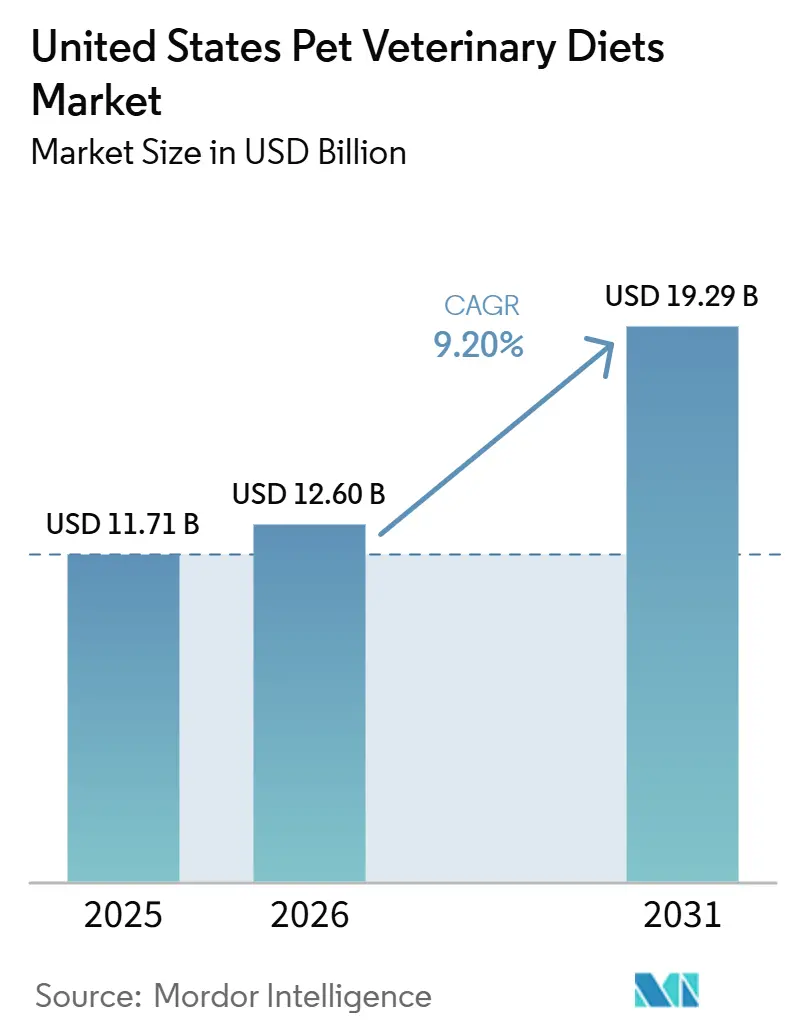
The United States Pet Veterinary Diets Market size was valued at USD 12.20 billion in 2026 and is estimated to grow from USD 13.45 billion in 2027 to reach USD 19.35 billion by 2032, at a CAGR of 7.55% during the forecast period (2027-2032). The growing prevalence of gastrointestinal disorders, the expansion of pet insurance coverage, and algorithm-supported prescription tools in veterinary practices are driving demand for therapeutic diets. Premiumization remains steady despite inflation as owners prioritize clinically validated nutrition over conventional pet food. Digital fulfillment programs embedded in practice management software are boosting compliance, while tighter Food and Drug Administration (FDA) claim-validation rules are raising the innovation bar for manufacturers.
Key Report Takeaways
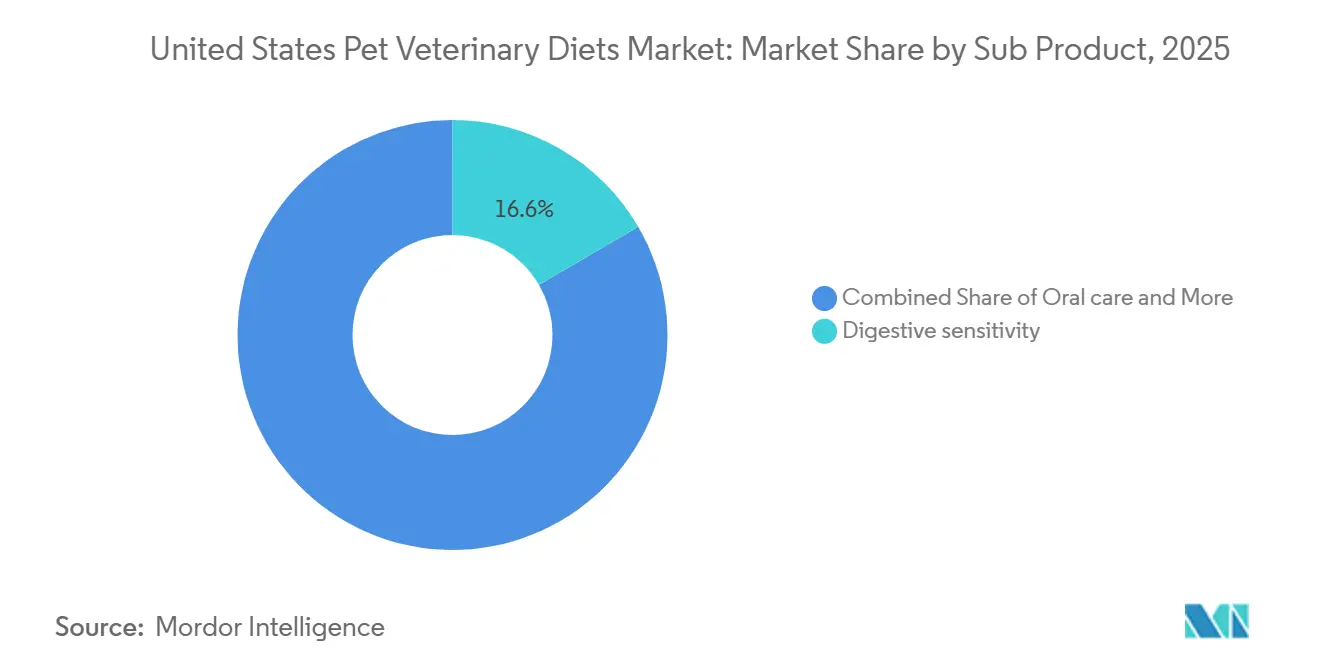
- By sub-product, digestive sensitivity diets captured 16.6% of the United States pet veterinary diet market share in 2026. Oral care diets are forecast to grow at a 9.8% CAGR from 2027 to 2032, the fastest pace among sub-product categories.
- By pet type, dogs accounted for 57.0% of the United States pet veterinary diet market size in 2026 and are projected to expand fastest at a 8.5% CAGR from 2027 to 2032.
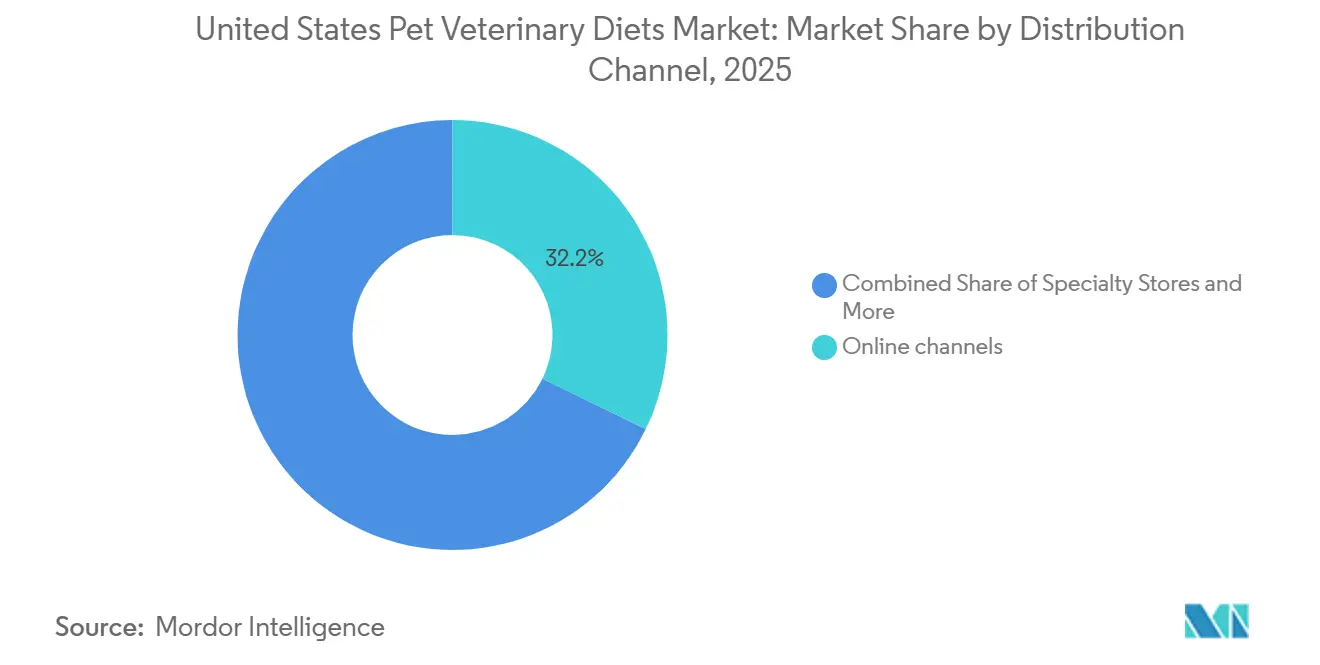
- By distribution channel, the online channel led the United States pet veterinary diet market with a 32.2% share in 2026 and is projected to record the highest CAGR of 9.7% from 2027 to 2032.
Note: Market numbers in this report are based on Mordor Intelligence's proprietary estimation framework, which combines nine months of actuals with Q4 projections for base year 2026.
United States Pet Veterinary Diets Market Trends and Insights
Drivers Impact Analysis*
| DRIVER | (~) % IMPACT ON CAGR FORECAST | GEOGRAPHIC RELEVANCE | IMPACT TIMELINE |
|---|---|---|---|
| Gastrointestinal Disorders Lead Veterinary Diagnoses | +1.8% | National, with concentration in urban metropolitan areas | Medium term (2-4 years) |
| Rapid Premiumization in Pet Specialty Retail | +1.5% | National, strongest in Northeast and West Coast regions | Short term (≤ 2 years) |
| Veterinarian-Driven Subscription E-commerce Programs | +1.2% | National, with early adoption in tech-forward states | Medium term (2-4 years) |
| Algorithmic Diet-Matching Tools Inside Practice Software | +1.0% | National, concentrated in larger veterinary practices | Long term (≥ 4 years) |
| Probiotic Postbiotics Enabling Lower-Dose Drug Regimens | +0.9% | National, with veterinary research centers leading adoption | Long term (≥ 4 years) |
| Pet Insurance Chronic-Care Coverage Expansion | +0.8% | National, with higher penetration in higher-income demographics | Medium term (2-4 years) |
| Source: Mordor Intelligence | |||
Gastrointestinal Disorders Lead Veterinary Diagnoses
According to the American Animal Hospital Association (AAHA), gastrointestinal disorders emerged as a key growth driver in 2024, accounting for 23% of all veterinary diagnoses and surpassing skin and ear infections as the leading condition prompting therapeutic nutrition prescriptions[1]. According to 2024 veterinary clinical findings, hydrolyzed-protein prescription diets achieved symptom resolution rates of nearly 67% compared with conventional drug-only treatment approaches, accelerating the shift toward diet-first disease management. Furthermore, the Center for Veterinary Medicine expanded therapeutic claim approvals in 2024 for hydrolyzed-protein and novel-carbohydrate formulations, enabling more precise nutritional interventions for pets with complex gastrointestinal disorders. The growing prevalence of digestive health conditions and the strong clinical performance of specialized veterinary diets continue to drive adoption across the United States pet veterinary diets market.
Rapid Premiumization in Pet Specialty Retail
In the United States pet veterinary diets market, premiumization accelerated across specialty retail channels as average selling prices for therapeutic diets increased alongside demand for personalized nutritional support. Independent pet specialty retailers strengthened profitability through exclusive distribution partnerships with therapeutic diet manufacturers, while mass-market retailers faced challenges competing on veterinary nutrition expertise and customized care services. The market’s premium evolution now extends beyond high-quality ingredients to include individualized nutrition counseling, subscription-based delivery programs, and integration with veterinary practice management platforms that streamline prescription fulfillment and improve long-term treatment compliance. Growing consumer willingness to pay for clinically guided nutrition solutions continues to support the expansion of premium therapeutic diet offerings across the United States market.
Veterinarian-Driven Subscription E-commerce Programs
In the United States pet veterinary diets market, subscription-based therapeutic nutrition programs continued to expand through 2025 as veterinary clinics increasingly partnered with manufacturers to streamline long-term dietary management for chronic pet conditions. Major brands including Hill’s Pet Nutrition, Royal Canin, and Purina Pro Plan Veterinary Diets strengthened their digital veterinary platforms with integrated auto-shipment services, prescription management tools, and remote nutritional monitoring capabilities. These systems allow veterinarians to track patient compliance, modify feeding protocols, and automate refill programs for gastrointestinal, renal, urinary, and allergy-related therapeutic diets. The growing adoption of practice-linked home delivery and subscription nutrition services is generating recurring revenue opportunities for veterinary clinics while improving adherence to long-term therapeutic diet regimens across the United States.
Algorithmic Diet-Matching Tools Inside Practice Software
The integration of veterinary practice management software with precision nutrition technologies accelerated as clinics increasingly adopted data-driven therapeutic diet recommendation systems. Advanced veterinary platforms now use algorithm-based nutrition-matching tools that analyze more than 200 patient-specific variables, including breed profile, age, medical history, diagnostic findings, body condition, and laboratory results, to support personalized therapeutic diet prescriptions. Integration between veterinary nutrition platforms and laboratory diagnostic systems expanded further, enabling real-time dietary adjustments based on blood chemistry panels, urinalysis results, and chronic disease monitoring, particularly for renal, gastrointestinal, urinary, and diabetic management programs. These precision nutrition capabilities are helping reduce prescription inaccuracies, improve treatment adherence, and strengthen clinical outcomes across the U.S. companion animal healthcare market. According to veterinary digital health adoption trends, the growing use of AI-enabled clinical decision support systems and connected veterinary software platforms continues to enhance personalized therapeutic nutrition management in the United States.
Restraints Impact Analysis*
| RESTRAINT | (~) % IMPACT ON CAGR FORECAST | GEOGRAPHIC RELEVANCE | IMPACT TIMELINE |
|---|---|---|---|
| High Product Price Elasticity in Inflationary Cycles | -1.4% | National, with a higher impact in rural and lower-income areas | Short term (≤ 2 years) |
| Low Owner Compliance With Long-Term Diet Plans | -1.1% | National, with regional variations in pet healthcare attitudes | Medium term (2-4 years) |
| Growth of Compounded "Home-Cook Kits" in Tele-Vet Forums | -0.8% | National, concentrated in tech-savvy urban demographics | Medium term (2-4 years) |
| Phosphorus Sourcing Risk Due to European Union Fertilizer Directives | -0.6% | National supply chain impact from international sourcing dependencies | Long term (≥ 4 years) |
| Source: Mordor Intelligence | |||
High Product Price Elasticity in Inflationary Cycles
Rising inflation and higher pet care costs have increased consumer price sensitivity toward therapeutic nutrition products. Veterinary industry assessments indicate that purchases of therapeutic pet diets show measurable price elasticity, with many pet owners shifting toward lower-cost alternatives, reducing purchase frequency, or extending feeding durations to manage household budgets. Price sensitivity is particularly pronounced in rural regions of the United States, where demand for prescription veterinary diets weakened more rapidly following retail price increases compared with metropolitan markets. Economic pressures have also prompted some veterinarians and pet owners to adopt mixed-feeding approaches that combine prescription diets with conventional pet food to reduce monthly expenses, though this may limit the clinical effectiveness of nutritional management programs for chronic gastrointestinal, renal, urinary, and diabetic conditions. According to the American Pet Products Association's analysis of 2024 US pet care expenditure and inflation trends, affordability concerns continue to influence purchasing behavior across the therapeutic pet nutrition segment.
Low Owner Compliance with Long-Term Diet Plans
Low long-term adherence to prescribed therapeutic nutrition programs remains a key restraint, as many pet owners discontinue prescription diets due to concerns about palatability, feeding convenience, and ongoing costs. Compliance challenges are particularly evident in multi-pet households and among pets requiring lifelong dietary management for chronic conditions such as renal, gastrointestinal, urinary, and diabetic disorders. Veterinary clinics also report that limited owner education and inadequate follow-up support contribute to premature discontinuation of therapeutic diets, often without veterinary consultation or alternative treatment planning. This negatively impacts treatment outcomes and repeat product adoption across the United States market.
*Our forecasts treat driver/restraint impacts as directional, not additive. The impact forecasts reflect baseline growth, mix effects, and variable interactions.
Segment Analysis
By Sub Product: Digestive Health Leads Therapeutic Innovation
Digestive sensitivity diets accounted for 16.6% of the United States pet veterinary diet market share in 2026, the largest share among therapeutic categories. This position is driven by rising diagnoses of inflammatory bowel disease, food allergies, and microbiome imbalance, which have prompted veterinarians to prescribe hydrolyzed-protein and novel-carbohydrate formulas as first-line interventions. Oral care diets are the fastest growing segment at a 9.8% CAGR from 2027 to 2032, supported by preventive dentistry programs that combine mechanical-abrasion kibble design with Food and Drug Administration (FDA)-approved enzymatic plaque reducers. New product launches are further supporting this segment. For instance, in March 2026, Petcurean launched Go! Solutions Dental + Immune Health Chicken + Salmon Recipes with Grains at Global Pet Expo 2026 in the United States, targeting dental and immune health support for pets. The formulation demonstrated up to a 58% reduction in gingivitis in cats during company trials, reflecting the rising demand for functional therapeutic nutrition in the United States pet veterinary diets market[2].
Renal lines maintain steady demand as aging pets with chronic kidney disease require phosphorus-restricted blends, while diabetes diets use controlled-release carbohydrates and soluble fiber to support insulin therapy. Dermatology products focus on eliminating allergenic proteins and incorporate omega fatty acids to support skin barrier repair. Obesity formulas provide calorie-restricted yet nutrient-complete meals for sustainable weight control. Urinary tract blends regulate pH and mineral levels to reduce stone formation. Cardiac, hepatic, and recovery formulas remain smaller but essential categories, providing taurine, modified proteins, and higher caloric density for complex medical cases. Ongoing clinical trials and FDA claim expansions maintain high scientific standards, supporting continued category innovation and reinforcing premium price positions within the United States pet veterinary diet market.

By Pets: Canine Spending Remains the Growth Anchor
Dogs accounted for the largest 57.0% of the United States pet veterinary diet market share in 2026 and are projected to grow fastest at a 8.5% CAGR from 2027 to 2032, driven by higher per-capita veterinary spending and widespread insurance adoption. Breed-specific research supports formulations for German Shepherd renal support, Bulldog digestive care, and Golden Retriever cardiac protection, while algorithmic diet-matching tools within practice software refine canine prescriptions. Routine wellness plans further integrate therapeutic diets into daily care, supporting compliance and repeat purchasing.
Cats require specialized veterinary care to address feline-specific conditions such as urinary crystals, chronic kidney disease, and diabetes, which necessitate high-protein, amino-acid-balanced diets. Palatability is a key consideration, as flavor fatigue can quickly undermine dietary adherence. Diet options for rabbits, birds, and exotic animals are expanding as specialty veterinarians and tele-exotic platforms emerge. Manufacturers willing to invest in species-specific trials and FDA pathways can address this underserved niche within the broader United States pet veterinary diet market.
By Distribution Channel: Expertise Drives Specialty Dominance
Online channels led the United States pet veterinary diet market in 2026 with a 32.2% market share, driven by the rising adoption of auto-ship subscription models, digital prescription validation, and direct-to-consumer therapeutic diet platforms. Major brands and veterinary networks have strengthened online fulfillment systems that allow veterinarians to authorize prescriptions digitally and monitor recurring purchases, improving convenience and long-term compliance for chronic disease management. The segment is also projected to register the fastest CAGR of 9.7% from 2027 to 2032, as pet owners increasingly prefer home delivery and integrated tele-veterinary nutrition services.
E-commerce platforms are expanding access to therapeutic nutrition products in underserved and rural regions of the United States through rapid delivery programs and clinic-linked online portals. Specialty pet stores continue to maintain relevance through personalized nutritional counseling and premium therapeutic product offerings, while supermarkets and hypermarkets remain comparatively limited by prescription verification requirements. Additional sales come from veterinary clinics, independent pet retailers, and farm supply outlets serving companion animal owners, shelters, and institutional care facilities across the United States.
Geography Analysis
The United States pet veterinary diet market shows strong regional variation, driven by pet ownership rates, veterinary care infrastructure, disposable income levels, and access to specialty animal healthcare services. The Northeast and West Coast regions are anticipated to maintain the highest market penetration through 2031, supported by higher companion animal healthcare spending and greater adoption of premium therapeutic nutrition programs. California accounted for one of the largest shares of U.S. pet care expenditure, while New York and Massachusetts continued to show high veterinary visit frequency and strong utilization of prescription dietary management for chronic pet conditions. According to the American Pet Products Association (APPA), nearly 66% of U.S. households owned pets in 2025, with metropolitan regions demonstrating higher spending on specialized veterinary nutrition and preventive healthcare services[3].
The Midwest and Southern regions collectively represent a substantial share of the United States pet veterinary diet market due to their large companion animal populations and expanding suburban households. States including Texas, Florida, and Illinois are projected to record strong market growth through 2031, supported by increasing veterinary clinic expansion and improved access to specialty pet healthcare services. Texas and Florida ranked among the top states for total pet ownership, while veterinary workforce expansion programs helped improve access to therapeutic diets in underserved suburban and semi-rural communities. However, rural markets remain more price-sensitive to prescription diets, leading many pet owners to seek lower-cost therapeutic alternatives or mixed-feeding approaches.
The Western mountain states and Plains regions contribute a moderate but steadily expanding share of the market, influenced by agricultural economies, rising pet humanization trends, and seasonal population growth in resort-driven communities. Tele-veterinary consultation services and subscription-based home delivery programs are increasingly improving therapeutic diet compliance in geographically remote areas by reducing barriers to access to veterinary nutrition. Additionally, the FDA Center for Veterinary Medicine continues to enforce therapeutic pet food safety and labeling standards nationwide, while state-level veterinary prescription regulations maintain controlled distribution frameworks for prescription veterinary diets across authorized retail and clinical channels.
Competitive Landscape
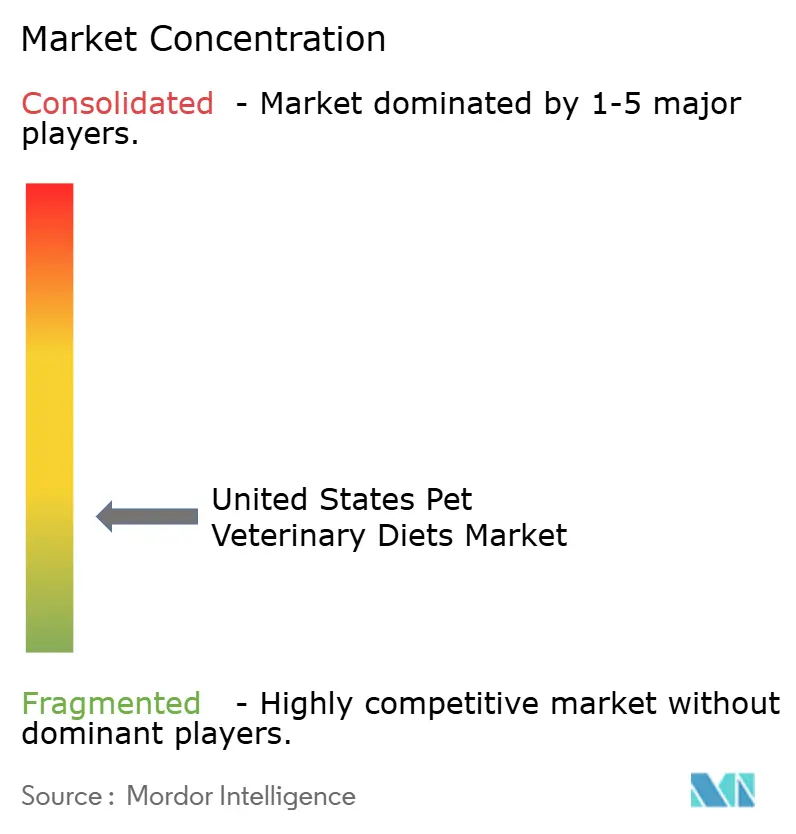
The United States pet veterinary diet market remained moderately consolidated in 2026, with the five largest companies, Mars Incorporated, General Mills Inc., Nestlé Purina PetCare, Diamond Pet Foods, and Hill's Pet Nutrition, accounting for a significant share of total market revenue in 2025. The competitive landscape is shaped by strong brand loyalty, extensive veterinary partnerships, and continuous investment in clinically supported therapeutic nutrition. Royal Canin, owned by Mars, continues to expand its condition-specific portfolio through veterinary research collaborations, while Purina Pro Plan Veterinary Diets has strengthened its functional nutrition capabilities following Nestlé's integration of wellness and supplement-focused product development initiatives. Hill's Pet Nutrition maintains a strong premium position through long-standing affiliations with US veterinary schools and clinical nutrition research programs.
Technology integration is increasingly differentiating competitors across the United States pet veterinary diet market. In 2025, major manufacturers expanded the use of AI-enabled recommendation systems and cloud-based veterinary nutrition management tools that support personalized therapeutic diet selection based on patient diagnostics and health history. Industry estimates indicate that more than 60% of large veterinary hospital networks in the United States now use some form of digital nutrition management or prescription fulfillment platform, improving clinician engagement and long-term patient compliance. Direct-to-consumer subscription and auto-ship platforms linked to veterinary clinics are also generating recurring revenue while supporting FDA-compliant prescription verification.
Competition is further intensifying through capacity expansion and product innovation investments. In 2025, Mars Incorporated announced continued investment in therapeutic diet manufacturing capabilities in the United States, including specialized renal and cardiac nutrition production lines. Hill's Pet Nutrition expanded the deployment of AI-supported dosing and feeding recommendation tools across thousands of veterinary practices to strengthen its Science Diet and Prescription Diet platforms. Smaller and emerging players such as Virbac and Farmina Pet Foods are differentiating through limited-ingredient formulations, novel protein sources, and organic-certified therapeutic diets, though scaling remains dependent on investments in clinical validation and veterinary channel partnerships.
United States Pet Veterinary Diets Industry Leaders
-
Colgate-Palmolive Company (Hill's Pet Nutrition Inc.)
-
General Mills Inc.
-
Mars Incorporated
-
Nestlé Purina PetCare (Nestlé S.A.)
-
Schell & Kampeter Inc. (Diamond Pet Foods)
- *Disclaimer: Major Players sorted in no particular order
Recent Industry Developments
- April 2026: Hill's Pet Nutrition launched Prescription Diet Metabolic + j/d Feline in the United States, a combination therapeutic diet designed to support weight management and mobility in cats. The launch reflects growing demand for multi-functional veterinary diets that address chronic conditions through clinically supported nutritional solutions.
- March 2026: JustFoodForDogs launched the first complete line of Fresh Targeted Nutrition diets for dogs in the United States, expanding clinically focused nutritional solutions for conditions such as joint health, skin health, digestive support, and metabolic wellness. This launch reflects growing innovation in fresh, condition-specific therapeutic nutrition within the United States veterinary pet nutrition market.
- January 2026: Wynwood Dog Food Co. launched two fresh prescription diets under its FRESH RX line at VMX 2026 in the United States, targeting digestive health and weight management conditions in dogs. The expansion reflects rising demand for fresh, clinically formulated therapeutic diets in the United States veterinary pet nutrition market.
United States Pet Veterinary Diets Market Report Scope
A pet veterinary diet, also known as a therapeutic or prescription diet, is a specialized pet food scientifically formulated to help manage, treat, or prevent specific medical conditions, including kidney disease, allergies, and obesity. The United States Pet Veterinary Diet Report is Segmented by Sub Product (Diabetes, Digestive Sensitivity, Oral Care Diets, Renal, Urinary Tract Disease, and More), by Pets (Cats, Dogs, and More), and by Distribution Channel (Convenience Stores, Online Channel, Specialty Stores, Supermarkets/Hypermarkets, and More). The Market Forecasts are Provided in Terms of Value (USD) and Volume (Metric Tons).
| Diabetes |
| Renal |
| Urinary Tract Disease |
| Digestive Sensitivity |
| Oral Care Diets |
| Derma Diets |
| Obesity Diets |
| Other Veterinary Diets |
| Cats |
| Dogs |
| Other Pets |
| Convenience Stores |
| Online Channel |
| Specialty Stores |
| Supermarkets/Hypermarkets |
| Other Channels |
| Sub Product | Diabetes |
| Renal | |
| Urinary Tract Disease | |
| Digestive Sensitivity | |
| Oral Care Diets | |
| Derma Diets | |
| Obesity Diets | |
| Other Veterinary Diets | |
| Pets | Cats |
| Dogs | |
| Other Pets | |
| Distribution Channel | Convenience Stores |
| Online Channel | |
| Specialty Stores | |
| Supermarkets/Hypermarkets | |
| Other Channels |
Key Questions Answered in the Report
How large is the United States pet veterinary diets market in 2026?
The United States pet veterinary diets market stands at USD 12.20 billion in 2026.
What is the forecasted growth rate of United States pet veterinary diets market?
The market is projected to rise by 7.55% from 2027 to 2032, reaching USD 19.35 billion by 2032.
Which pet type generates the most of pet veterinary diets revenue in the United States?
Dogs accounted for 57.0% of the United States pet veterinary diet market size in 2026 and are also the fastest growing market which is projected to expand at a 8.5% CAGR from 2027 to 2032.
Which distribution channel is expanding at fastest growth rate?
Online channel is the fastest growing segment of distribution channel and is projected to record the highest CAGR of 9.7% from 2027 to 2032.