UK Pet Diet Market Size and Share
Market Overview
| Study Period | 2018 - 2031 |
|---|---|
| Forecast Data Period | 2026 - 2031 |
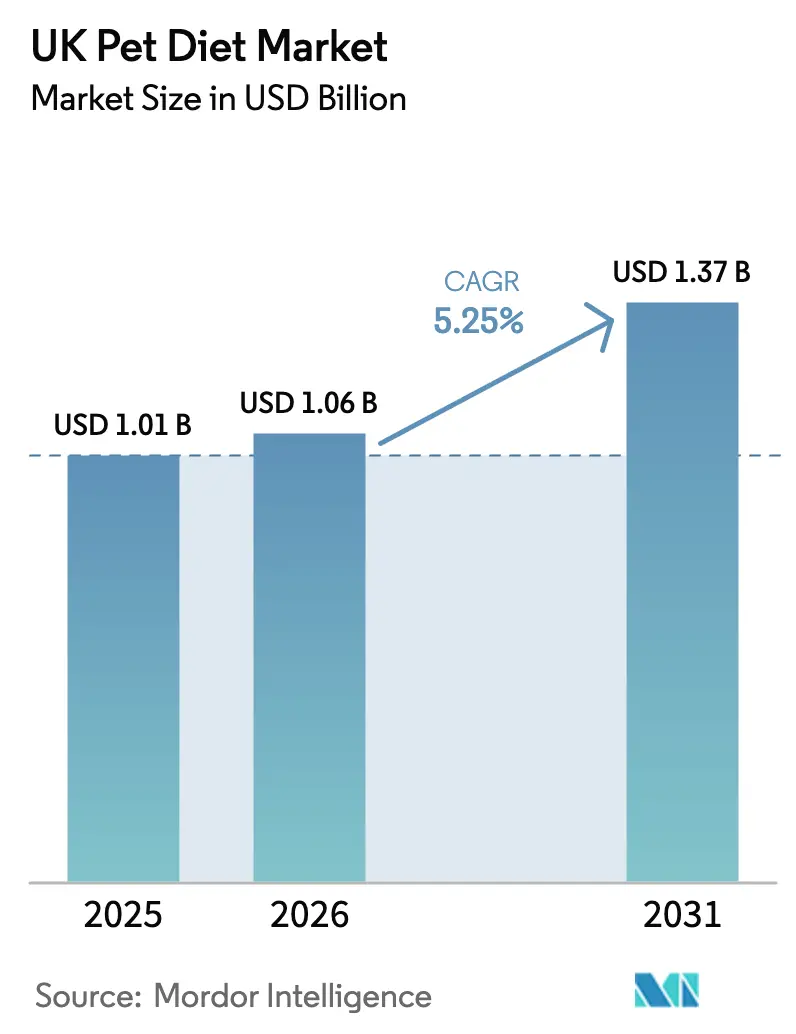
| Base Year Market Size (2025) | USD 1.01 Billion |
| Market Size (2026) | USD 1.06 Billion |
| Market Size (2031) | USD 1.37 Billion |
| Growth Rate (2026 - 2031) | 5.25 % |
| Market Concentration | Low |
Major Players *Disclaimer: Major Players sorted in no particular order Image © Mordor Intelligence. Reuse requires attribution under CC BY 4.0. | |
UK Pet Diet Market Analysis by Mordor Intelligence
UK pet diet market size in 2026 is estimated at USD 1.06 billion, growing from 2025 value of USD 1.01 billion with 2031 projections showing USD 1.37 billion, growing at 5.25% CAGR over 2026-2031. Consumers continue to purchase condition-specific formulas even as other discretionary spending slows, signaling that therapeutic nutrition is viewed as essential healthcare rather than an indulgence. Rising veterinary confidence in prescription diets, combined with AI-enabled personalization and e-commerce fulfillment, keeps demand steady across economic cycles. Domestic manufacturers are also gaining ground because post-Brexit rules have raised import compliance costs, while digital platforms shorten the path between veterinary advice and product delivery. Together, these trends confirm a resilient growth path for the UK pet diet market.
Key Report Takeaways
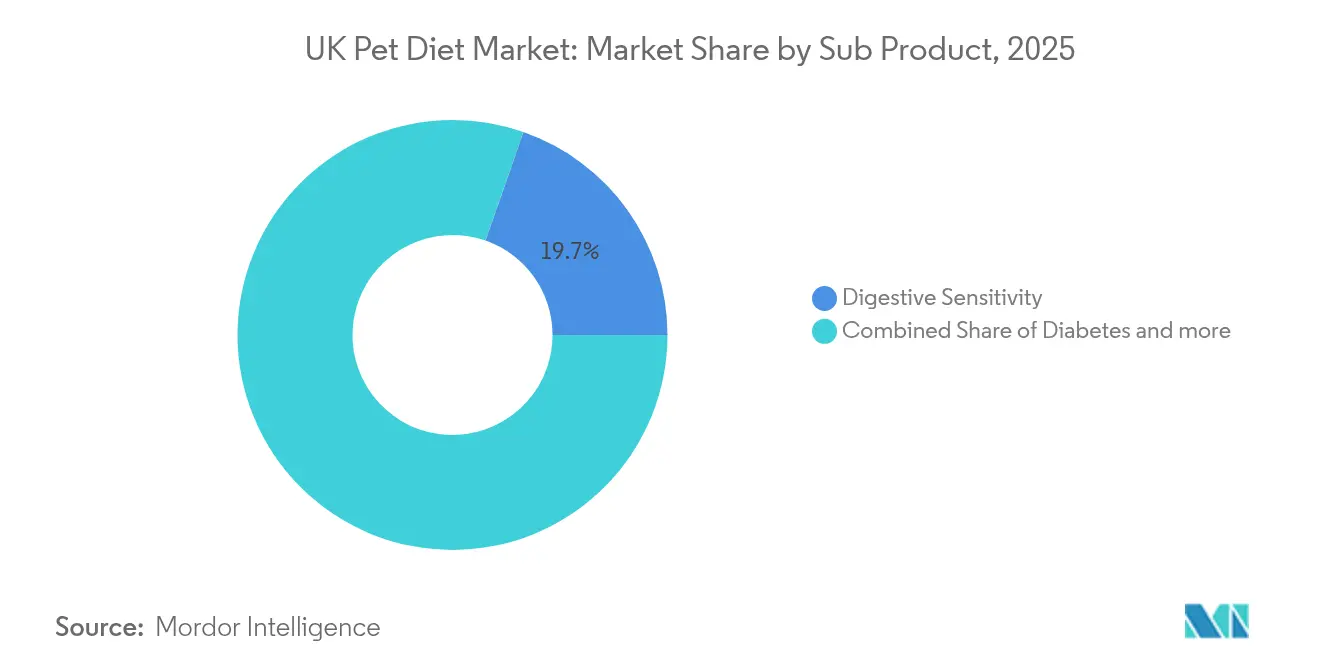
- By sub-product, digestive sensitivity held 19.65% of the UK pet diet market share in 2025 and is projected to expand at a 5.83% CAGR through 2031.
- By pets, dogs commanded 53.85% of the UK pet diet market size in 2025, and the segment is set to grow at 5.94% CAGR between 2026 and 2031.
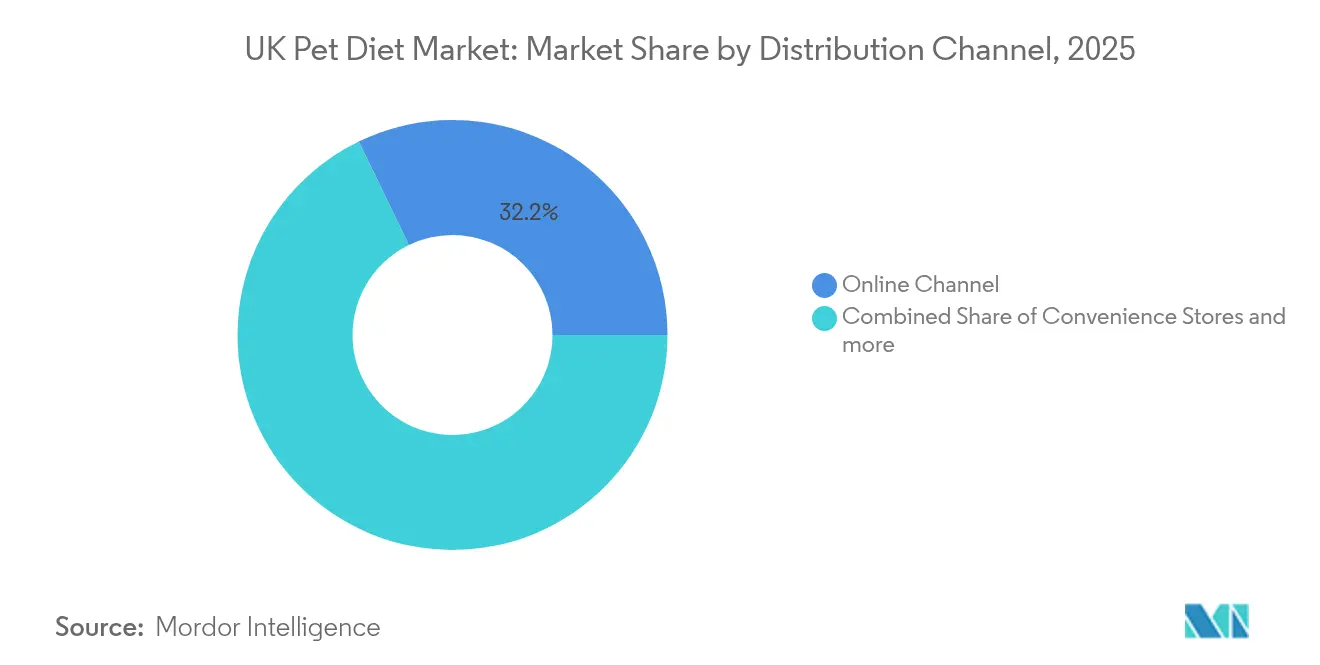
- By distribution channel, the online segment controlled 32.18% of the UK pet diet market share in 2025 and is climbing at a 6.99% CAGR through 2031.
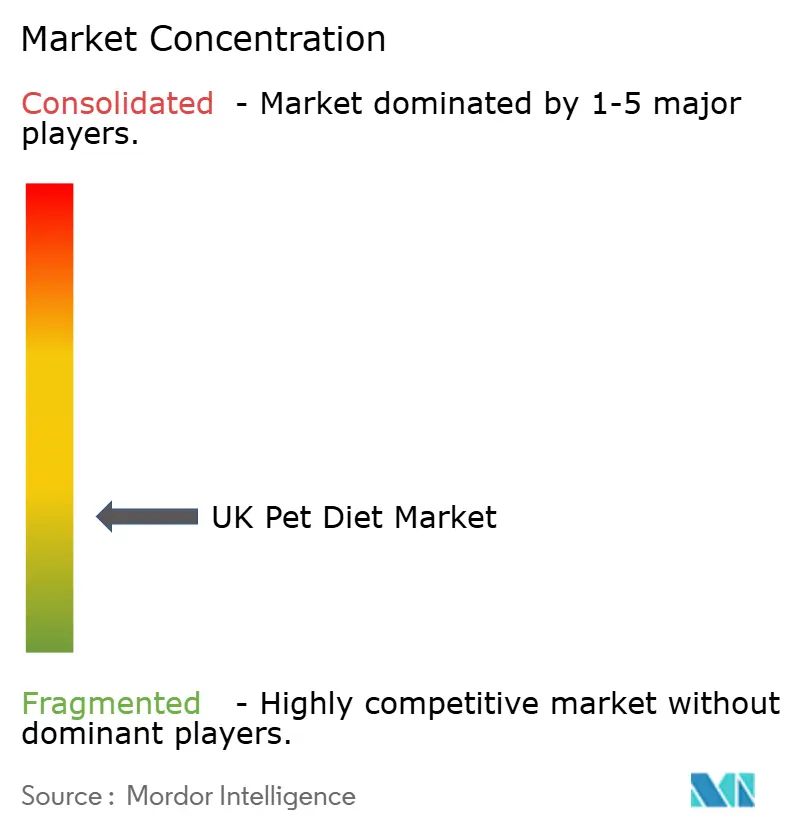
- The UK pet diet market exhibits low concentration, with the top companies, including Mars, Incorporated, Nestle (Purina), Hill's Pet Nutrition Inc., Diamond Pet Foods, and Virbac, accounting for 28.45% of market share in 2024.
Note: Market size and forecast figures in this report are generated using Mordor Intelligence’s proprietary estimation framework, updated with the latest available data and insights as of 2026.
UK Pet Diet Market Trends and Insights
Drivers Impact Analysis*
| Driver | (~) % Impact on CAGR Forecast | Geographic Relevance | Impact Timeline |
|---|---|---|---|
| Rising veterinarian endorsement of prescription diets | +1.2% | UK-wide, concentrated in urban veterinary clusters | Medium term (2-4 years) |
| Humanization driving premium therapeutic formulations | +0.9% | UK-wide, strongest in affluent regions | Long term (≥4 years) |
| E-commerce pharmacy penetration in pet nutrition | +0.8% | UK-wide, accelerated in rural areas | Short term (≤2 years) |
| Post-Brexit veterinary import rule changes | +0.6% | UK-wide, border region impacts | Medium term (2-4 years) |
| AI-driven personalized diet planning apps | +0.5% | UK-wide, urban early adoption | Long term (≥4 years) |
| Growth of pet insurance covering diet prescriptions | +0.4% | UK-wide, premium policy segments | Medium term (2-4 years) |
| Source: Mordor Intelligence | |||
Rising Veterinarian Endorsement of Prescription Diets
Veterinary bodies now treat therapeutic diets as frontline care for renal disease, weight control, and gastrointestinal disorders, citing measurable clinical gains such as improved serum creatinine levels and healthy weight maintenance[1]. Electronic health records show that when clinicians offer written diet plans and follow-up consultations, pet-owner adherence approaches 80%, far higher than adherence to generic advice. The Veterinary Medicine Directorate reinforces this trend by requiring professional oversight for all prescription food sales, which keeps vets central to the UK pet diet market. As a result, the channel captures higher lifetime value per patient because long-term dietary management replaces episodic treatment.
Humanization Driving Premium Therapeutic Formulations
The major share of the United Kingdom. pet owners consider their animals family members, driving a willingness to pay for human-grade ingredients, transparent sourcing, and multifunctional recipes that mirror human wellness routines. Manufacturers respond by blending functional fibers, omega-3 fatty acids, and antioxidants in single products, which supports complex conditions like joint degeneration plus obesity. Premiumization also shows up in smaller-batch production, recyclable packaging, and traceable ingredient chains, features that command price premiums yet still gain traction because they align with human purchasing values. Consequently, the UK pet diet market continues to trade up even when headline inflation pressures disposable income.
E-commerce Pharmacy Penetration in Pet Nutrition
Online pharmacies combine tele-consultations, automated prescription validation, and recurring orders to remove friction from therapeutic purchasing[2]. Rural households, once underserved by brick-and-mortar vets, now find next-day delivery standard for chronic diets. Mobile transactions already exceed online volume, making smartphone refill reminders a powerful compliance tool. The convenience advantage has allowed the online channel to outperform every other retail format in the UK pet diet market, setting a high bar for speed and accuracy that physical stores struggle to meet.
Post-Brexit Veterinary Import Rule Changes
Brexit implementation has created complex regulatory dynamics that simultaneously constrain European imports while creating opportunities for domestic therapeutic diet manufacturers. Export Health Certificate requirements have increased compliance costs for European suppliers, while enhanced border controls have extended lead times and reduced supply chain flexibility. While these measures slow some product inflows, they also motivate U.K. factories to shorten supply chains and fast-track new production lines. Domestic players that master local regulatory filings now enjoy quicker listing approvals and fewer customs delays, giving them a strategic edge in the UK pet diet market. Over time, this environment can stimulate greater innovation at home because formulation tweaks no longer wait for cross-border clearance.
Restraints Impact Analysis*
| Restraint | (~) % Impact on CAGR Forecast | Geographic Relevance | Impact Timeline |
|---|---|---|---|
| Inflation-induced trading-down to standard pet food | -0.8% | UK-wide, pronounced in lower-income regions | Short term (≤2 years) |
| Stringent UK novel-ingredient approvals are slowing launches | -0.6% | UK-wide, regulatory bottleneck | Medium term (2-4 years) |
| Vet clinic capacity shortage limiting diet recommendation | -0.5% | UK-wide, acute in rural areas | Medium term (2-4 years) |
| Growing skepticism of grain-free therapeutic claims | -0.3% | UK-wide, educated consumer segments | Long term (≥4 years) |
| Source: Mordor Intelligence | |||
Inflation-Induced Trading-Down to Standard Pet Food
Household budgets feel pressure from energy and mortgage costs, prompting some owners to postpone preventive diets despite price cuts in dog food and cat food during 2024. This price sensitivity is most pronounced among households experiencing financial stress, where therapeutic diet purchases may be deferred or substituted with lower-cost alternatives despite veterinary recommendations. The challenge is particularly acute for preventive therapeutic diets, where immediate health benefits are less apparent than for acute condition management, creating vulnerability to budget-driven decision-making that prioritizes short-term cost savings over long-term health outcomes.
Stringent UK Novel-Ingredient Approvals are Slowing Launches
Regulatory bottlenecks in novel ingredient approvals are constraining innovation timelines and limiting market entry for advanced therapeutic formulations. The Food Standards Agency's comprehensive review of novel food regulations has created uncertainty around approval pathways for functional ingredients that could enhance therapeutic diet efficacy[3]. This cautious stance safeguards animals, yet it lengthens the timeline between concept and shelf. Smaller brands without large regulatory teams can wait years for clearance, reducing the flow of breakthrough formulas into the UK pet diet market.
*Our forecasts treat driver/restraint impacts as directional, not additive. The impact forecasts reflect baseline growth, mix effects, and variable interactions.
Segment Analysis
By Sub Product: Digestive Sensitivity Dominates Therapeutic Innovation
Digestive sensitivity diets command the largest market share at 19.65% in 2025 and maintain robust growth at 5.83% CAGR through 2031, reflecting the high prevalence of gastrointestinal disorders in UK pet populations and the effectiveness of dietary interventions in managing these conditions. The segment's dominance stems from the broad applicability of digestive health solutions across multiple pet demographics and the relatively rapid visible improvements that encourage continued use. Renal diets represent a critical growth area driven by increasing longevity in pet populations, while diabetes management formulations are expanding as obesity-related metabolic disorders become more prevalent.
Oral care diets are emerging as a preventive health category, leveraging mechanical and chemical approaches to dental health maintenance that appeal to proactive pet owners seeking comprehensive wellness solutions. Obesity management formulations face the complex challenge of balancing palatability with caloric restriction, requiring sophisticated ingredient technologies that maintain nutritional density while promoting satiety. Urinary tract disease diets continue to represent a stable therapeutic category with established clinical protocols, though innovation focuses on improving palatability and compliance rates.

By Pets: Dogs Segment Drives Market Expansion
Dogs represent 53.85% of the UK pet diet market share in 2025 and are projected to grow at 5.94% CAGR through 2031, driven by higher incidence rates of diet-responsive conditions and greater owner investment in therapeutic interventions for larger companion animals. The canine segment benefits from more extensive clinical research supporting therapeutic diet efficacy, particularly for conditions like hip dysplasia, cardiac disease, and cognitive decline, where dietary management can significantly impact quality of life.
Cats account for a substantial portion of the remaining market, with feline-specific formulations addressing unique nutritional requirements and common conditions such as urinary tract health and hairball management. The feline segment's growth is supported by increasing recognition of cats' obligate carnivore status and the need for species-appropriate therapeutic formulations. The segment dynamics reflect the reality that larger pets typically consume more food and have longer treatment durations, creating higher lifetime value per therapeutic diet user.
By Distribution Channel: Digital Transformation Accelerates Online Growth
The online channel commands 32.18% of the UK pet diet market share in 2025 and leads growth at 6.99% CAGR through 2031, reflecting the channel's superior convenience for prescription diet management and the integration of telemedicine with e-commerce fulfillment. Digital platforms excel at managing complex prescription requirements, automated reordering for chronic conditions, and providing educational content that supports treatment compliance. Specialty stores maintain relevance through expert consultation and immediate product availability, particularly for acute therapeutic needs where rapid intervention is critical.
Supermarkets and hypermarkets serve the convenience segment but face limitations in prescription diet handling and specialized storage requirements. Convenience stores represent a limited but stable channel for emergency therapeutic diet needs, while other channels encompass veterinary clinics, farm supply stores, and direct manufacturer sales. The channel evolution reflects broader retail trends toward digital-first customer experiences, with successful players investing in omnichannel capabilities that integrate online convenience with professional veterinary guidance and support services.
Geography Analysis
The UK Pet Diet Market demonstrates concentrated growth patterns reflecting the country's mature pet ownership culture and sophisticated veterinary infrastructure. England dominates market activity with the highest concentration of veterinary practices and pet-owning households, particularly in urban centers where disposable income levels support premium therapeutic nutrition investments. The region benefits from established distribution networks and early adoption of digital health platforms that facilitate prescription diet management. London and surrounding metropolitan areas show particularly strong demand for personalized nutrition services and AI-driven diet planning applications, reflecting higher consumer sophistication and willingness to invest in advanced pet healthcare solutions.
Scotland and Wales represent important secondary markets with distinct characteristics shaped by rural geography and different veterinary practice structures. These regions face unique challenges in therapeutic diet distribution due to geographic dispersion and limited veterinary capacity, creating opportunities for digital delivery models and telemedicine integration. The Veterinary Medicine Directorate's regulatory framework applies uniformly across all UK regions, ensuring consistent therapeutic diet standards while allowing for regional distribution adaptations.
Regional growth patterns reflect underlying demographic trends, with aging pet populations in established suburban areas driving demand for chronic condition management, while younger urban populations show greater interest in preventive therapeutic nutrition and digital health monitoring. The geographic distribution of veterinary specialists also influences therapeutic diet adoption, with regions having higher concentrations of veterinary nutritionists and internal medicine specialists showing accelerated market growth. Rural areas face persistent challenges in accessing specialized therapeutic diets, creating opportunities for direct-to-consumer delivery models and mobile veterinary services that can bridge geographic gaps in therapeutic nutrition access and professional guidance.
Competitive Landscape
The UK pet diet market exhibits low concentration, with the top companies, including Mars, Incorporated, Nestle (Purina), Hill's Pet Nutrition Inc., Diamond Pet Foods, and Virbac, accounting for 28.45% of market share in 2024. Mars Incorporated and Nestle Purina maintain significant market positions through established veterinary relationships and comprehensive product portfolios, yet face disruption from direct-to-consumer platforms that leverage AI-driven personalization and subscription models to bypass traditional retail intermediaries. The competitive intensity centers on clinical validation, with companies investing heavily in peer-reviewed research to support therapeutic claims and differentiate formulations in an increasingly evidence-based market environment.
Technology adoption represents the primary competitive battleground, with leaders like Mars deploying the Kinship platform to integrate pet health monitoring, nutritional planning, and e-commerce fulfillment into comprehensive ecosystem solutions. Patent filings in personalized nutrition algorithms and functional ingredient combinations indicate sustained innovation investment, while regulatory compliance capabilities create barriers to entry for smaller players lacking specialized expertise in therapeutic diet formulation and approval processes.
White-space opportunities exist in underserved therapeutic categories such as cognitive health and microbiome management, where clinical research is building evidence for dietary interventions but commercial solutions remain limited. The regulatory influence of the Veterinary Medicine Directorate ensures therapeutic diet claims must be substantiated by clinical evidence, creating competitive advantages for companies with robust research capabilities and established veterinary professional relationships.
UK Pet Diet Industry Leaders
-
Colgate-Palmolive Company (Hill's Pet Nutrition Inc.)
-
Mars Incorporated
-
Nestle (Purina)
-
Schell & Kampeter Inc. (Diamond Pet Foods)
-
Virbac S.A.
- *Disclaimer: Major Players sorted in no particular order
Recent Industry Developments
- July 2024: Dechra Pharmaceuticals acquired a specialized pet nutrition company for USD 94 million, expanding its therapeutic diet portfolio and veterinary distribution capabilities. The acquisition strengthens Dechra's position in the prescription pet nutrition market and adds complementary formulations for chronic disease management.
- March 2023: Colgate-Palmolive Company's pet care subsidiary Hill’s Pet Nutrition launched its new line of prescription diets to support pets diagnosed with cancer. This prescription line, Diet ONC Care, offers complete and balanced formulas in both dry and wet forms for cats and dogs.
- January 2023: Mars Incorporated partnered with the Broad Institute to create an open-access database of dog and cat genomes to advance preventive pet care. It is aimed at developing more effective precision medicines and diets that lead to scientific breakthroughs for the future of pet health.
UK Pet Diet Market Report Scope
Diabetes, Digestive Sensitivity, Oral Care Diets, Renal, Urinary tract disease are covered as segments by Sub Product. Cats, Dogs are covered as segments by Pets. Convenience Stores, Online Channel, Specialty Stores, Supermarkets/Hypermarkets are covered as segments by Distribution Channel.
| Derma Diets |
| Diabetes |
| Digestive Sensitivity |
| Obesity Diets |
| Oral Care Diets |
| Renal |
| Urinary tract disease |
| Other Veterinary Diets |
| Cats |
| Dogs |
| Other Pets |
| Convenience Stores |
| Online Channel |
| Specialty Stores |
| Supermarkets/Hypermarkets |
| Other Channels |
| By Sub Product | Derma Diets |
| Diabetes | |
| Digestive Sensitivity | |
| Obesity Diets | |
| Oral Care Diets | |
| Renal | |
| Urinary tract disease | |
| Other Veterinary Diets | |
| By Pets | Cats |
| Dogs | |
| Other Pets | |
| By Distribution Channel | Convenience Stores |
| Online Channel | |
| Specialty Stores | |
| Supermarkets/Hypermarkets | |
| Other Channels |
Market Definition
- FUNCTIONS - Pet foods are usually intended to provide complete and balanced nutrition to the pet but are primarily used as functional products. The scope includes the food and supplements consumed by pets including veterinary diets. Supplements/nutraceuticals that are directly supplied to pets are considered within the scope.
- RESELLERS - Companies engaged in reselling of pet food without value addition have been excluded from the market scope, in order to avoid double counting.
- END CONSUMERS - Pet owners are considered to be the end-consumers in the market studied.
- DISTRIBUTION CHANNELS - Supermarkets/hypermarkets, specialty stores, convenience stores, online channels and other channels are considered within the scope. The stores which are exclusively providing pet related basic and custom products are considered within the scope of specialty stores.
| Keyword | Definition |
|---|---|
| Pet Food | The scope of pet food includes the food that is eatable by pets including food, treats, veterinary diets, and nutraceuticals/supplements. |
| Food | Food is animal feed intended for consumption by pets. It is formulated to provide essential nutrients and meet the dietary needs of various types of pets, including dogs, cats, and other animals. These are generally segmented into dry and wet pet foods. |
| Dry Pet Food | Dry pet foods may be extruded/baked (kibbles) or flaked. They have a lower moisture content, typically around 12-20%. |
| Wet Pet Food | Wet pet food, also known as canned pet food or moist pet food, generally has a higher moisture content compared to dry pet food, often ranging from 70-80%. |
| Kibbles | Kibbles are dry, processed pet food in small, bite-sized pieces or pellets. They are specifically formulated to provide balanced nutrition for various domestic animals, such as dogs, cats, and other animals. |
| Treats | Pet Treats are special food items or rewards given to pets, to show affection, and encourage good behavior. They are especially used during training. Pet treats are made from various combinations of meat or meat-derived materials with other ingredients. |
| Dental Treats | Pet dental treats are specialized treats that are formulated to promote good oral hygiene in pets. |
| Crunchy Treats | It is a type of pet treat that has a firm and crispy texture which can be a good source of nutrition for pets. |
| Soft and chewy treats | Soft and Chewy pet treats are a type of pet food product that is formulated to be easy to chewy and digest. They are usually made from soft and pliable ingredients, such as meat, poultry, or vegetables, that have been blended and formed into bite-sized pieces or strips. |
| Freeze-dried & Jerky Treats | Freeze-dried and jerky treats are snacks given to pets, that are prepared through a special preservation process, without damaging the nutritional content, resulting in long-lasting, nutrient-rich treats. |
| Urinary Tract Disease Diets | These are commercial diets that are specifically formulated to promote urinary health and reduce the risk of urinary tract infections and other urinary problems. |
| Renal Diets | These are specialized pet foods formulated to support the health of pets with kidney disease or renal insufficiency. |
| Digestive Sensitivity Diets | Digestive-sensitive diets are specially formulated to meet the nutritional needs of pets with digestive issues such as food intolerances, allergies, and sensitivities. These diets are designed to be easily digestible and to reduce the symptoms of digestive problems in pets. |
| Oral Care Diets | Oral care diets for pets are specially formulated diets produced to promote oral health and hygiene in pets. |
| Grain-Free Pet Food | Pet food that does not contain common grains like wheat, corn, or soy. Grain-free diets are often preferred by pet owners seeking alternative options or if their pets have specific dietary sensitivities. |
| Premium Pet Food | High-quality pet food formulated with superior ingredients often offers additional nutritional benefits compared to standard pet food. |
| Natural Pet Food | Pet food made from natural ingredients, with minimal processing and without artificial preservatives. |
| Organic Pet Food | Pet food is produced using organic ingredients, free from synthetic pesticides, hormones, and genetically modified organisms (GMOs). |
| Extrusion | A manufacturing process used to produce dry pet food, where ingredients are cooked, mixed, and shaped under high pressure and temperature. |
| Other Pets | Other pets include birds, fish, rabbits, hamsters, ferrets, and reptiles. |
| Palatability | The taste, texture, and aroma of pet food influence its appeal and acceptance by pets. |
| Complete and Balanced Pet Food | Pet food that provides all essential nutrients in appropriate proportions to meet the nutritional needs of pets without additional supplementation. |
| Preservatives | These are the substances that are added to pet food to extend its shelf life and prevent spoilage. |
| Nutraceuticals | Food products that offer health benefits beyond basic nutrition, often contain bioactive compounds with potential therapeutic effects. |
| Probiotics | Live beneficial bacteria that promote a healthy balance of gut flora, supporting digestive health and immune function in pets. |
| Antioxidants | Compounds that help neutralize harmful free radicals in the body, promoting cellular health and supporting the immune system in pets. |
| Shelf-Life | The duration of which pet food remains safe and nutritionally viable for consumption after its production date. |
| Prescription diet | Specialized pet food formulated to address specific medical conditions under veterinary supervision. |
| Allergen | A substance that can cause allergic reactions in some pets, leading to food allergies or sensitivities. |
| Canned food | Wet pet food that is packed in cans and contains higher moisture content than dry food. |
| Limited ingredient diet (LID) | Pet food formulated with a reduced number of ingredients to minimize potential allergens. |
| Guaranteed Analysis | The minimum or maximum levels of certain nutrients present in pet food. |
| Weight management | Pet food designed to help pets maintain a healthy weight or support weight loss efforts. |
| Other Nutraceuticals | It includes prebiotics, antioxidants, digestive fiber, enzymes, essential oils and herbs. |
| Other Veterinary Diets | It includes weight management diets, skin and coat health, cardiac care, and joint care. |
| Other Treats | It includes rawhides, mineral blocks, lickables, and catnips. |
| Other Dry Foods | It includes cereal flakes, mixers, meal toppers, freeze-dried foods, and air-dried foods. |
| Other Animals | It includes birds, fish, reptiles, and small animals (rabbits, ferrets, hamsters). |
| Other Distribution Channels | It includes veterinary clinics, local unregulated stores, and feed and farm stores. |
| Proteins and Peptides | Proteins are large molecules composed of basic units called amino acids which help in the growth and development of pets. Peptides are the short string of 2 to 50 amino acids. |
| Omega-3 fatty acids | Omega-3 fatty acids are essential polyunsaturated fats that play a crucial role in the overall health and well-being of Pets |
| Vitamins | Vitamins are the essential organic compounds that are essential for vital physiological functioning. |
| Minerals | Minerals are naturally occurring inorganic substances that are essential for various physiological functions in pets. |
| CKD | Chronic Kidney Disease |
| DHA | Docosahexaenoic Acid |
| EPA | Eicosapentaenoic Acid |
| ALA | Alpha-linolenic Acid |
| BHA | Butylated Hydroxyanisol |
| BHT | Butylated Hydroxytoluene |
| FLUTD | Feline Lower Urinary Tract Disease |
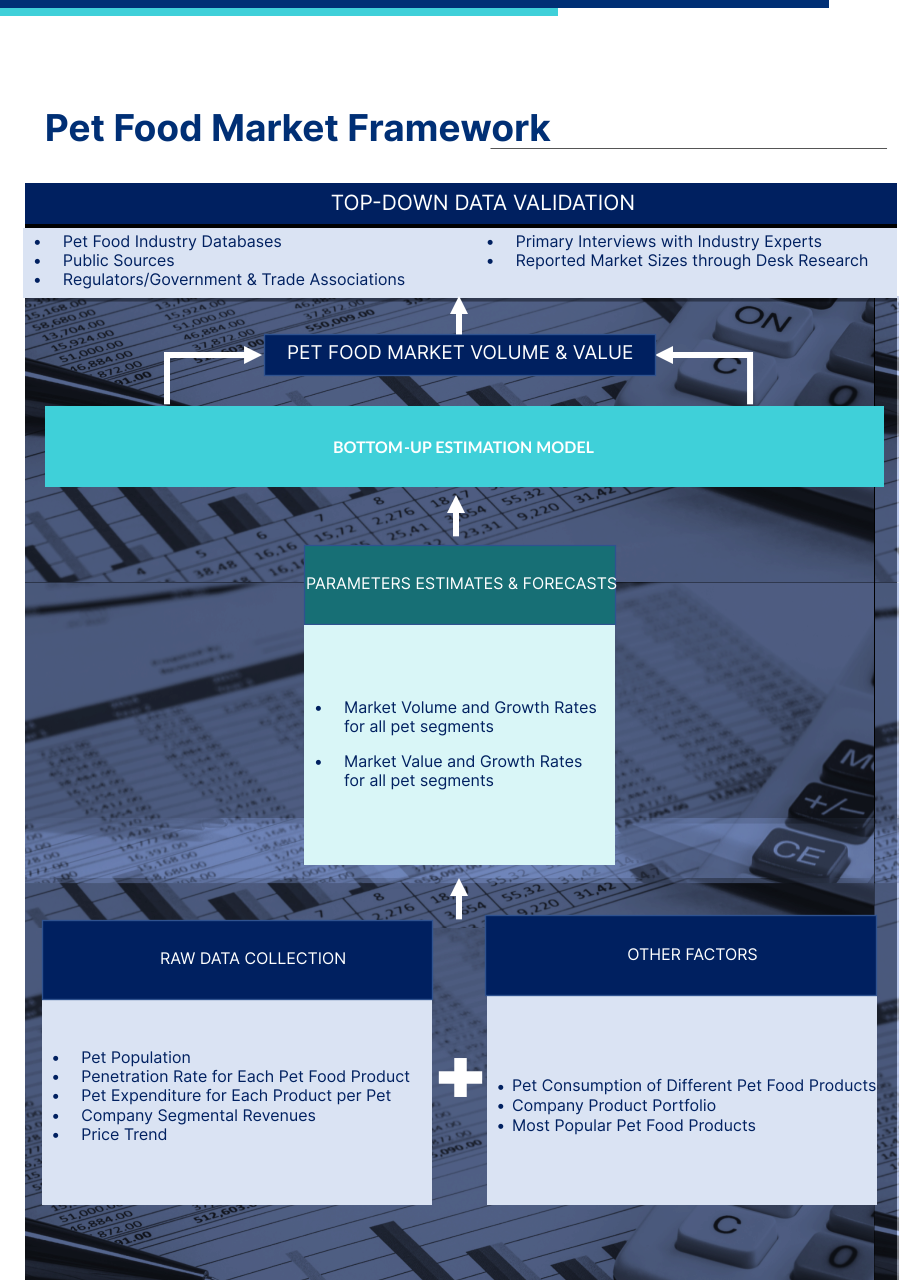
Research Methodology
Mordor Intelligence follows a four-step methodology in all our reports.
- Step-1: IDENTIFY KEY VARIABLES: In order to build a robust forecasting methodology, the variables and factors identified in Step-1 are tested against available historical market numbers. Through an iterative process, the variables required for market forecast are set and the model is built on the basis of these variables.
- Step-2: Build a Market Model: Market-size estimations for the forecast years are in nominal terms. Inflation is not a part of the pricing, and the average selling price (ASP) is kept constant throughout the forecast period.
- Step-3: Validate and Finalize: In this important step, all market numbers, variables and analyst calls are validated through an extensive network of primary research experts from the market studied. The respondents are selected across levels and functions to generate a holistic picture of the market studied.
- Step-4: Research Outputs: Syndicated Reports, Custom Consulting Assignments, Databases & Subscription Platforms