Europe Pet Diet Market Size and Share
Market Overview
| Study Period | 2017 - 2030 |
|---|---|
| Forecast Data Period | 2025 - 2030 |
| Historical Data Period | 2017 - 2023 |
| Market Size (2025) | USD 6.97 Billion |
| Market Size (2030) | USD 9.42 Billion |
| Growth Rate (2025 - 2030) | 6.22 % |
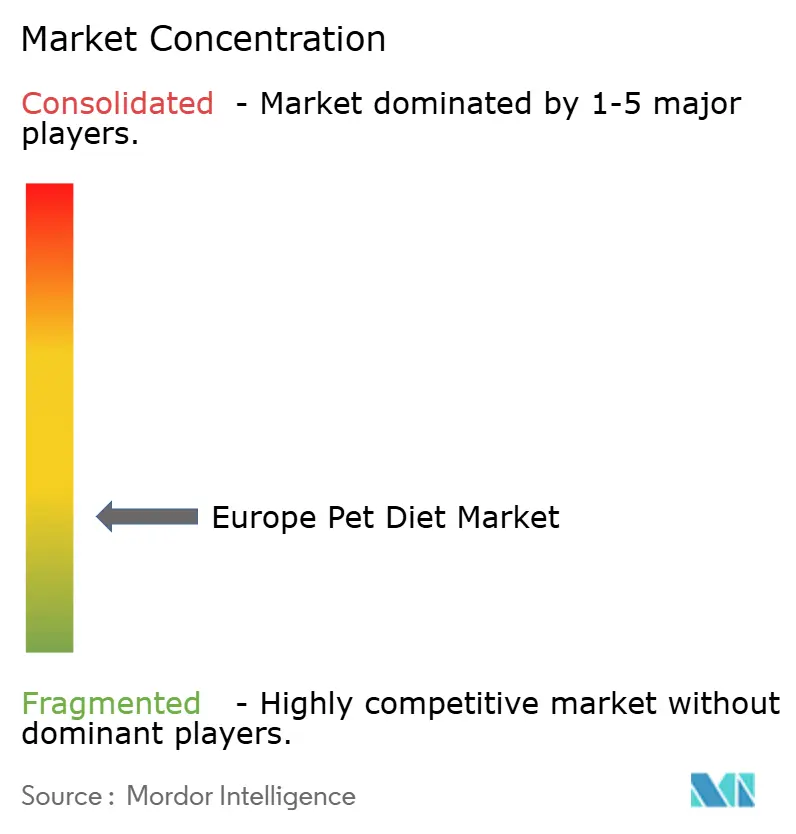
| Market Concentration | Low |
Major Players *Disclaimer: Major Players sorted in no particular order Image © Mordor Intelligence. Reuse requires attribution under CC BY 4.0. | |
Europe Pet Diet Market Analysis by Mordor Intelligence
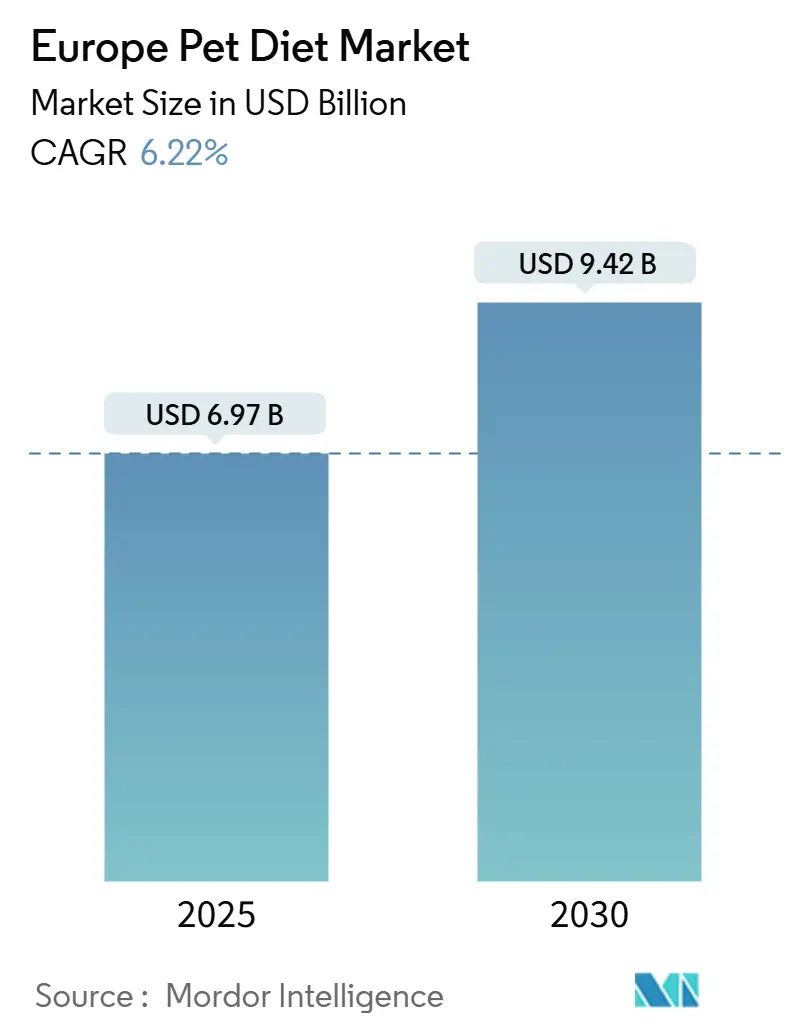
The Europe pet diet market size is valued at USD 6.97 billion in 2025 and is forecast to reach USD 9.42 billion by 2030, advancing at a 6.22% CAGR. Rising pet humanization, an expanding base of chronic conditions in companion animals, and the pivotal role of veterinary prescriptions create dependable demand that cushions the market from broader economic volatility. Digestive sensitivity formulas lead the current category revenue, while urinary tract disease diets record the fastest unit growth. Online channels gain momentum as specialty e-commerce pharmacies scale across Western and Northern Europe, and manufacturers accelerate innovation around insect protein and other hypoallergenic ingredients following recent European Food Safety Authority approvals.
Key Report Takeaways
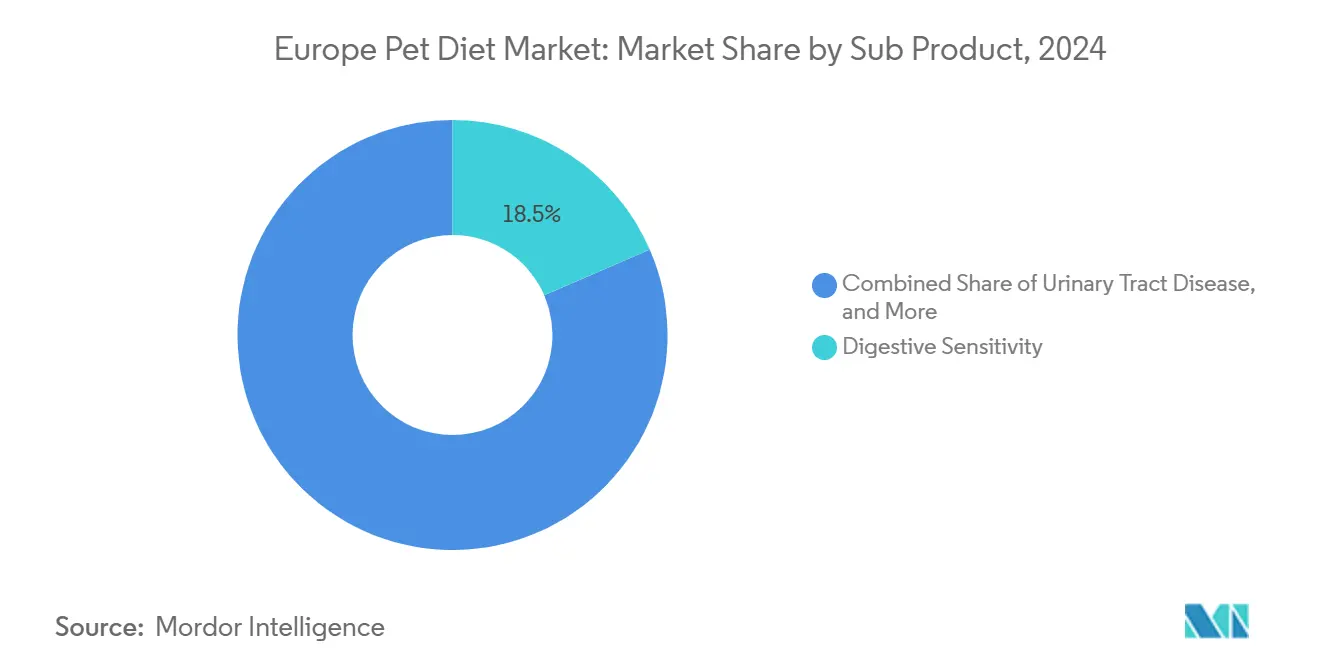
- By sub product, digestive sensitivity captured 18.5% of the Europe pet diet market share in 2024, while urinary tract disease diets are set to expand at a 7.0% CAGR through 2030.
- By pet type, dogs held 45.0% of the Europe pet diet market size in 2024, while the dog segment is projected to climb at a 7.8% CAGR through 2030.
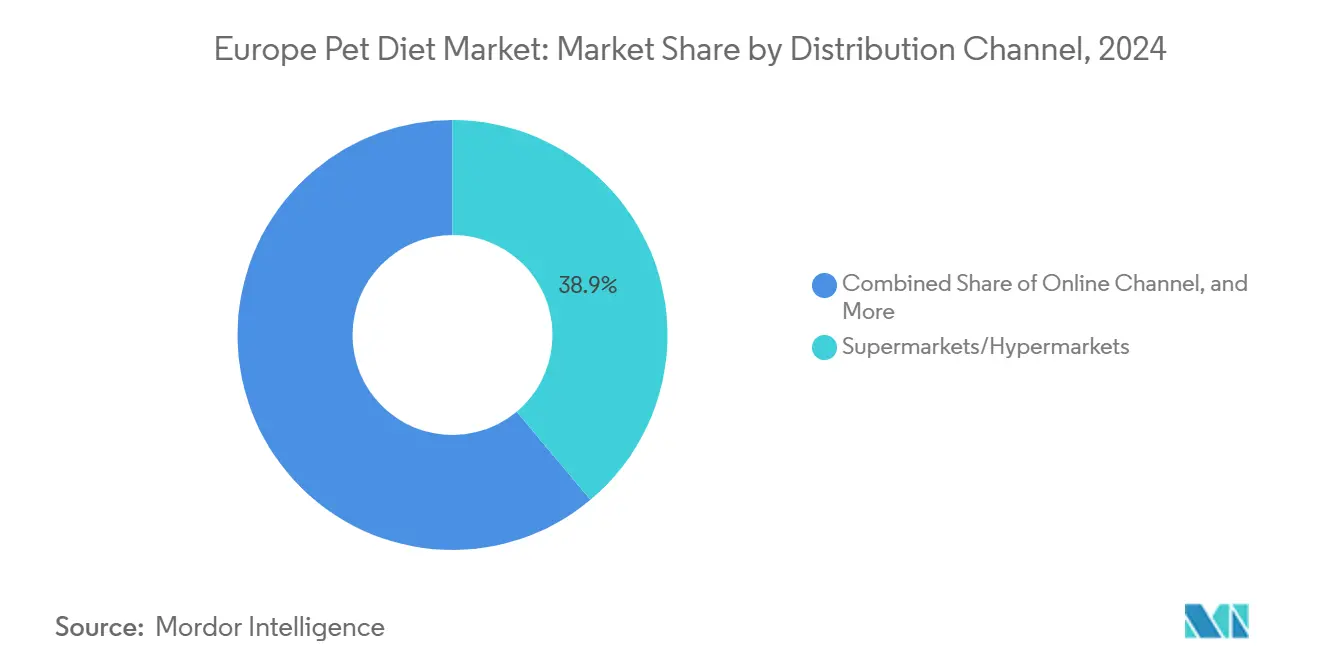
- By distribution channel, supermarkets and hypermarkets accounted for 38.9% of the Europe pet diet market size in 2024, whereas the online segment is pacing ahead with an 8.2% CAGR to 2030.
- By country, the United Kingdom led with 22.5% revenue in 2024, and Spain is anticipated to post the highest growth at a 7.0% CAGR through 2030.
- Mars, Incorporated, Nestlé (Purina), Colgate-Palmolive Company (Hill's Pet Nutrition, Inc.), Schell & Kampeter, Inc. (Diamond Pet Foods), and Affinity Petcare collectively controlled around 24.7% of 2024 sales in the Europe pet diet market.
Market Trends and Insights
Drivers Impact Analysis of Europe Pet Diet Market*
| Driver | (~) % Impact on CAGR Forecast | Geographic Relevance | Impact Timeline |
|---|---|---|---|
| Rising Pet Humanization and premium therapeutic spending | +1.8% | Western Europe and the Nordics | Medium term (2-4 years) |
| Growing prevalence of chronic conditions among companion animals | +1.5% | United Kingdom and Germany | Long term (≥ 4 years) |
| Strong veterinary endorsement and prescription influence | +1.2% | Region-wide | Short term (≤ 2 years) |
| Rapid e-commerce expansion improving access to specialty diets | +1.0% | Northern and Western Europe | Medium term (2-4 years) |
| European-New Zealand FTA cutting red-meat input tariffs, lowering costs | +0.5% | All European Union member states | Short term (≤ 2 years) |
| Industrial-scale insect-protein plants enabling novel hypoallergenic formulas | +0.4% | Northern Europe | Long term (≥ 4 years) |
| Source: Mordor Intelligence | |||
Rising Pet Humanization and Premium Therapeutic Spending
Pet owners across Europe increasingly view companion animals as family members, driving willingness to invest in therapeutic nutrition despite premium pricing. This behavioral shift manifests in 48% of European pet owners expressing readiness to maintain or increase veterinary diet spending even amid inflation pressures, according to FEDIAF's 2024 Annual Review [1].The humanization trend particularly benefits digestive sensitivity and urinary tract formulations, where owners perceive direct quality-of-life improvements. Veterinary clinics report increased consultation requests for preventive nutrition, with therapeutic diets transitioning from reactive treatments to proactive health management tools. This evolution creates sustained demand resilience, as prescription-driven purchases resist typical economic downturns affecting discretionary pet spending. The trend accelerates in urban markets where pet ownership density and disposable income levels support premium therapeutic nutrition adoption.
Growing Prevalence of Chronic Conditions Among Companion Animals
Chronic diseases among European pets drive therapeutic diet demand, with obesity affecting 39% of dogs and 35% of cats across the region in 2024, creating cascading health issues requiring specialized nutrition interventions. The British Small Animal Veterinary Association documented increasing prevalence of chronic enteropathy, renal disease, and endocrine disorders, necessitating long-term dietary management protocols. Aging pet populations compound this trend, as extended lifespans through improved veterinary care result in age-related conditions requiring therapeutic nutrition support. Urinary tract diseases show particular growth in feline populations, driving demand for specialized formulations with controlled mineral content and urinary acidifiers. The clinical evidence base supporting therapeutic diets strengthens continuously, with peer-reviewed studies demonstrating efficacy in managing conditions from diabetes to food allergies, reinforcing veterinary prescription patterns and owner compliance.
Strong Veterinary Endorsement and Prescription Influence
Veterinary professionals serve as primary gatekeepers for therapeutic diet adoption, with prescription recommendations driving 78% of specialty diet purchases across European markets. The veterinary channel's influence extends beyond initial prescriptions to ongoing compliance monitoring and dietary adjustments based on clinical outcomes. Royal Canin's expansion of its prescription portfolio with 5 new gastrointestinal diets in April 2024 reflects the manufacturer's focus on veterinary-endorsed formulations backed by clinical research. Veterinary practices increasingly integrate nutritional counseling into standard care protocols, with digital platforms enabling remote monitoring and dietary compliance tracking. The prescription model creates competitive barriers for conventional pet food brands while establishing sustained customer relationships through veterinary partnerships. Telemedicine adoption accelerates this trend, with online consultations facilitating prescription diet access in underserved rural markets.
Rapid E-commerce Expansion Improving Access to Specialty Diets
Online channels transform veterinary diet distribution, growing as digital platforms overcome geographic barriers and improve product accessibility across European markets. Tom&Co's acquisition of online veterinary pharmacies PharmaPets and Vetostore in June 2024 exemplifies the strategic shift toward omnichannel distribution models. E-commerce platforms enable subscription-based delivery models, improving treatment compliance through automated reordering and reducing the burden on pet owners managing chronic conditions. Veterinary practices adopt digital prescription systems, with platforms like Alvar Pet's Kivuton facilitating individually tailored diet recommendations based on clinical data and pet-specific requirements. The online channel particularly benefits rural markets where specialty veterinary diet availability was historically limited, democratizing access to therapeutic nutrition across diverse geographic regions.
Restraints Impact Analysis of Europe Pet Diet Market*
| Restraint | (~) % Impact on CAGR Forecast | Geographic Relevance | Impact Timeline |
|---|---|---|---|
| High price premium versus conventional pet food | -1.2% | Eastern Europe | Short term (≤ 2 years) |
| Stringent European Union labeling and health-claim regulation | -0.8% | All European member states | Medium term (2-4 years) |
| Post-pandemic inflation driving trade-down to private-label lines | -0.6% | Region-wide | Short term (≤ 2 years) |
| Owner non-compliance due to palatability issues in disease-specific diets | -0.4% | Region-wide | Medium term (2-4 years) |
| Source: Mordor Intelligence | |||
High Price Premium Versus Conventional Pet Food
Therapeutic veterinary diets command 2 to 4 times the price of conventional pet food, creating affordability barriers that limit market penetration despite clinical benefits. This pricing gap becomes particularly pronounced during economic uncertainty, with 48% of European pet owners considering switching to lower-priced alternatives according to industry surveys conducted in 2024. The premium pricing reflects specialized formulation requirements, clinical research investments, and regulatory compliance costs that manufacturers cannot easily reduce without compromising therapeutic efficacy. Private label alternatives gain traction in price-sensitive segments, reaching 30-35% market share in 2024, as some European countries as retailers develop therapeutic diet alternatives at reduced price points. Veterinary endorsement patterns favor established brands with clinical evidence, creating tension between cost considerations and professional recommendations that influence owner purchasing decisions.
Stringent European Union Labeling and Health-Claim Regulation
European Food Safety Authority regulations create complex approval pathways for health claims on veterinary diets, slowing innovation cycles and increasing compliance costs for manufacturers seeking to communicate therapeutic benefits. The regulatory framework requires extensive clinical evidence to support health claims, with approval processes extending 12 to 18 months and costing manufacturers significant resources for documentation and testing. Regulation 767/2009 on feed labeling establishes strict requirements for therapeutic diet marketing, limiting manufacturers' ability to communicate product benefits directly to consumers without veterinary prescription channels. These regulatory constraints favor established players with resources to navigate complex approval processes while creating barriers for innovative, smaller companies developing novel therapeutic formulations. The framework's emphasis on clinical evidence, while ensuring product safety and efficacy, creates competitive advantages for companies with established veterinary research partnerships and regulatory expertise.
*Our forecasts treat driver/restraint impacts as directional, not additive. The impact forecasts reflect baseline growth, mix effects, and variable interactions.
Europe Pet Diet Market Segment Analysis
By Sub Product:
Digestive Sensitivity Leads Therapeutic InnovationDigestive sensitivity diets command 18.5% of the Europe pet diet market share in 2024, reflecting the widespread prevalence of gastrointestinal disorders among European companion animals and veterinary emphasis on nutritional management of chronic enteropathy. The segment benefits from expanding clinical evidence supporting hydrolyzed protein formulations and novel carbohydrate sources in managing food-responsive gastrointestinal conditions. Royal Canin's launch of 5 new gastrointestinal prescription diets in April 2024 demonstrates continued innovation in digestive health management, incorporating postbiotic ingredients and extensively hydrolyzed proteins to address complex food sensitivities[2].
Urinary tract disease formulations emerge as the fastest-growing sub-product category at 7.0% CAGR through 2030, driven by increasing feline urinary issues and improved diagnostic capabilities in veterinary practices. Renal diets maintain steady demand among aging pet populations, while oral care formulations gain traction through preventive care initiatives promoted by veterinary professionals. Diabetes management diets represent a smaller but growing segment as obesity-related endocrine disorders increase among European pets. Other veterinary diets encompass specialized formulations for dermatological conditions, cardiac support, and weight management, collectively representing emerging therapeutic categories with significant growth potential as veterinary nutrition science advances.

By Pet Type:
Dogs Dominate While Alternative Pets AccelerateDogs represent 45.0% of the Europe pet diet market in 2024, reflecting both population dominance and higher therapeutic diet adoption rates driven by veterinary prescription patterns and owner compliance. The canine segment benefits from extensive clinical research supporting therapeutic nutrition efficacy across diverse health conditions, from gastrointestinal disorders to joint health management. This significant market share can be attributed to several factors, including the higher consumption of specialized pet nutrition by dogs compared to other pets and the increasing focus on preventive healthcare among dog owners.
The segment is also experiencing the fastest growth rate in the market, projected to grow at around 7.8% CAGR through 2030. This growth is driven by the rising prevalence of various health conditions in dogs, such as digestive issues, urinary tract infections, and kidney problems, which require specialized dietary interventions. Additionally, the increasing adoption of premium and specialized diets by dog owners, particularly in countries like the United Kingdom, Germany, and France, is contributing to the segment's robust performance.
By Distribution Channel:
Traditional Retail Faces Digital DisruptionSupermarkets and hypermarkets maintain a 38.9% market share in 2024, leveraging a broad geographic reach and consumer convenience to distribute veterinary diets alongside conventional pet food products. These retail channels have established themselves as the primary destination for pet owners seeking veterinary diets due to their extensive product selection and convenient one-stop shopping experience. The success of supermarkets can be attributed to their ability to offer significant discounts on bulk purchases, making them especially attractive to pet owners who prefer buying veterinary diets in larger quantities. Additionally, these retail outlets have developed strong relationships with major veterinary diet manufacturers, ensuring a consistent supply of products across different health categories, including digestive sensitivity, urinary tract disease, and renal care diets.
Online channels accelerate at 8.2% CAGR through 2030, driven by subscription models, improved product accessibility, and veterinary practices adopting digital prescription platforms. The channel shift reflects changing consumer behaviors, as veterinary clinics are embracing omnichannel distribution strategies to improve treatment compliance and customer convenience. E-commerce platforms are gaining popularity by offering competitive pricing, detailed product information, and the convenience of home delivery services. The shift of major specialty pet store chains towards omnichannel services has further accelerated this growth. Online retailers are also leveraging advanced technologies to provide personalized product recommendations and subscription-based services, making it easier for pet owners to maintain consistent pet nutrition regimens for their pets.
Geography Analysis
United Kingdom Pet Diet Market
The United Kingdom commands 22.5% of the Europe pet diet market share in 2024, supported by high pet ownership rates, advanced veterinary infrastructure, and strong consumer willingness to invest in therapeutic nutrition for companion animals. The United Kingdom's post-Brexit regulatory framework continues to evolve, with the Veterinary Medicines Directorate establishing independent pathways for novel ingredient approvals that may diverge from European standards. The advanced adoption of telemedicine among United Kingdom veterinary practices accelerates the online distribution of prescription diets, while established players like Hill's Pet Nutrition maintain strong veterinary channel relationships built over decades of clinical collaboration.
Spain Pet Diet Market
Spain emerges as the fastest-growing market, with a 7.0% CAGR through 2030, driven by increasing pet ownership, expanding veterinary services, and growing awareness of the benefits of therapeutic nutrition among Spanish pet owners. The specialized and online pet food channels experienced an 18% growth in 2024, significantly outpacing traditional retail formats and indicating a shift in consumer preference toward premium therapeutic products [3]. Affinity Petcare's market leadership in Spain demonstrates local manufacturer advantages in understanding regional preferences and distribution networks. The Spanish market benefits from increasing veterinary clinic density and professional education initiatives promoting therapeutic nutrition as standard care protocols.
Germany Pet Diet Market
Germany represents Europe's manufacturing powerhouse for pet diets, with the pet food sector comprising 7% of the country's total food processing industry and supporting extensive research and development capabilities. German consumers exhibit strong preferences for premium, scientifically-backed therapeutic formulations, driving demand for clinically-proven brands with transparent ingredient sourcing and manufacturing processes. The country's stringent quality standards and regulatory oversight create competitive advantages for domestic manufacturers while establishing consumer trust in therapeutic diet efficacy. Retail consolidation trends favor large-format stores and online channels, with traditional pet specialty retailers adapting through enhanced service offerings and veterinary partnerships.
Competitive Landscape
The Europe pet diet market exhibits a moderately fragmented structure dominated by global pet care conglomerates with diverse product portfolios. These major players like Mars, Incorporated, Colgate-Palmolive Company (Hill's Pet Nutrition, Inc.), Affinity Petcare S.A, Nestle (Purina), and Schell & Kampeter, Inc. (Diamond Pet Foods), collectively controlled 24.7% of 2024 sales in the Europe pet diet market. These companies leverage their established brand presence, extensive distribution networks, and significant research and development capabilities to maintain their market positions. The market also includes specialized pet diet nutrition companies that focus exclusively on therapeutic and veterinary diets, bringing expertise and innovation to specific market segments. Regional players maintain a significant presence in specific countries through strong local distribution networks and an understanding of regional pet care preferences.
The market has witnessed considerable consolidation through strategic acquisitions and partnerships, particularly involving larger companies acquiring specialized pet food manufacturers to expand their veterinary diet portfolios. These acquisitions have enabled companies to gain immediate access to established product lines, manufacturing facilities, and distribution channels. Vertical integration has also been observed, with companies acquiring manufacturing facilities and expanding their direct-to-consumer channels to strengthen their market position and improve operational efficiency.
Success in the Europe pet diet market increasingly depends on companies' ability to develop innovative therapeutic solutions while establishing strong distribution partnerships. Market leaders are focusing on expanding their research and development capabilities to create specialized diets addressing emerging pet health concerns. Building relationships with veterinarians and pet care professionals has become crucial for product validation and recommendation. Companies are also investing in digital platforms and direct-to-consumer channels to improve accessibility and customer engagement. The development of sustainable and environmentally conscious products is emerging as a differentiating factor in the market.
Europe Pet Diet Industry Leaders
-
Mars, Incorporated
-
Colgate-Palmolive Company (Hill's Pet Nutrition, Inc.)
-
Affinity Petcare S.A
-
Nestle (Purina)
-
Schell & Kampeter, Inc. (Diamond Pet Foods)
- *Disclaimer: Major Players sorted in no particular order
Europe Pet Diet Market Companies Covered in this Report
- Mars, Incorporated
- General Mills Inc.
- Colgate-Palmolive Company (Hill's Pet Nutrition, Inc.)
- Affinity Petcare S.A
- Clearlake Capital Group, L.P. (Wellness Pet Company, Inc.)
- Nestle (Purina)
- Schell & Kampeter, Inc. (Diamond Pet Foods)
- heristo aktiengesellschaft
- Alltech
- Virbac
- Partner in Pet Food
- Spectrum Brands Holdings Inc.
- Blue Pet Company
- Vafo Praha s.r.o.
- Farmina Pet Foods Holding B.V.
Recent Industry Developments in Europe Pet Diet Market
- May 2023: Virbac acquired its distributor (GS Partners) in the Czech Republic and Slovakia, which became Virbac's 35th subsidiary. This new subsidiary allows Virbac to expand its presence more in these countries.
- March 2023: Colgate-Palmolive Company's pet care subsidiary Hill’s Pet Nutrition launched its new line of prescription diets to support pets diagnosed with cancer. This prescription line, Diet ONC Care, offers complete and balanced formulas in both dry and wet forms for cats and dogs.
- January 2023: Mars Incorporated partnered with the Broad Institute to create an open-access database of dog and cat genomes to advance preventive pet care. It is aimed at developing more effective precision medicines and diets that lead to scientific breakthroughs for the future of pet health.
Europe Pet Diet Market Report Scope
Diabetes, Digestive Sensitivity, Oral Care Diets, Renal, Urinary tract disease are covered as segments by Sub Product. Cats, Dogs are covered as segments by Pets. Convenience Stores, Online Channel, Specialty Stores, Supermarkets/Hypermarkets are covered as segments by Distribution Channel. France, Germany, Italy, Netherlands, Poland, Russia, Spain, United Kingdom are covered as segments by Country.
Segmentation Overview
| Diabetes |
| Digestive Sensitivity |
| Oral Care Diets |
| Renal |
| Urinary tract disease |
| Other Veterinary Diets |
| Cats |
| Dogs |
| Other Pets |
| Convenience Stores |
| Online Channel |
| Specialty Stores |
| Supermarkets/Hypermarkets |
| Other Channels |
| Germany |
| France |
| Spain |
| Italy |
| United Kingdom |
| Poland |
| Russia |
| Netherlands |
| Rest of Europe |
| Sub Product | Diabetes |
| Digestive Sensitivity | |
| Oral Care Diets | |
| Renal | |
| Urinary tract disease | |
| Other Veterinary Diets | |
| Pets | Cats |
| Dogs | |
| Other Pets | |
| Distribution Channel | Convenience Stores |
| Online Channel | |
| Specialty Stores | |
| Supermarkets/Hypermarkets | |
| Other Channels | |
| Country | Germany |
| France | |
| Spain | |
| Italy | |
| United Kingdom | |
| Poland | |
| Russia | |
| Netherlands | |
| Rest of Europe |
Market Definition
- FUNCTIONS - Pet foods are usually intended to provide complete and balanced nutrition to the pet but are primarily used as functional products. The scope includes the food and supplements consumed by pets including veterinary diets. Supplements/nutraceuticals that are directly supplied to pets are considered within the scope.
- RESELLERS - Companies engaged in reselling of pet food without value addition have been excluded from the market scope, in order to avoid double counting.
- END CONSUMERS - Pet owners are considered to be the end-consumers in the market studied.
- DISTRIBUTION CHANNELS - Supermarkets/hypermarkets, specialty stores, convenience stores, online channels and other channels are considered within the scope. The stores which are exclusively providing pet related basic and custom products are considered within the scope of specialty stores.
| Keyword | Definition |
|---|---|
| Pet Food | The scope of pet food includes the food that is eatable by pets including food, treats, veterinary diets, and nutraceuticals/supplements. |
| Food | Food is animal feed intended for consumption by pets. It is formulated to provide essential nutrients and meet the dietary needs of various types of pets, including dogs, cats, and other animals. These are generally segmented into dry and wet pet foods. |
| Dry Pet Food | Dry pet foods may be extruded/baked (kibbles) or flaked. They have a lower moisture content, typically around 12-20%. |
| Wet Pet Food | Wet pet food, also known as canned pet food or moist pet food, generally has a higher moisture content compared to dry pet food, often ranging from 70-80%. |
| Kibbles | Kibbles are dry, processed pet food in small, bite-sized pieces or pellets. They are specifically formulated to provide balanced nutrition for various domestic animals, such as dogs, cats, and other animals. |
| Treats | Pet Treats are special food items or rewards given to pets, to show affection, and encourage good behavior. They are especially used during training. Pet treats are made from various combinations of meat or meat-derived materials with other ingredients. |
| Dental Treats | Pet dental treats are specialized treats that are formulated to promote good oral hygiene in pets. |
| Crunchy Treats | It is a type of pet treat that has a firm and crispy texture which can be a good source of nutrition for pets. |
| Soft and chewy treats | Soft and Chewy pet treats are a type of pet food product that is formulated to be easy to chewy and digest. They are usually made from soft and pliable ingredients, such as meat, poultry, or vegetables, that have been blended and formed into bite-sized pieces or strips. |
| Freeze-dried & Jerky Treats | Freeze-dried and jerky treats are snacks given to pets, that are prepared through a special preservation process, without damaging the nutritional content, resulting in long-lasting, nutrient-rich treats. |
| Urinary Tract Disease Diets | These are commercial diets that are specifically formulated to promote urinary health and reduce the risk of urinary tract infections and other urinary problems. |
| Renal Diets | These are specialized pet foods formulated to support the health of pets with kidney disease or renal insufficiency. |
| Digestive Sensitivity Diets | Digestive-sensitive diets are specially formulated to meet the nutritional needs of pets with digestive issues such as food intolerances, allergies, and sensitivities. These diets are designed to be easily digestible and to reduce the symptoms of digestive problems in pets. |
| Oral Care Diets | Oral care diets for pets are specially formulated diets produced to promote oral health and hygiene in pets. |
| Grain-Free Pet Food | Pet food that does not contain common grains like wheat, corn, or soy. Grain-free diets are often preferred by pet owners seeking alternative options or if their pets have specific dietary sensitivities. |
| Premium Pet Food | High-quality pet food formulated with superior ingredients often offers additional nutritional benefits compared to standard pet food. |
| Natural Pet Food | Pet food made from natural ingredients, with minimal processing and without artificial preservatives. |
| Organic Pet Food | Pet food is produced using organic ingredients, free from synthetic pesticides, hormones, and genetically modified organisms (GMOs). |
| Extrusion | A manufacturing process used to produce dry pet food, where ingredients are cooked, mixed, and shaped under high pressure and temperature. |
| Other Pets | Other pets include birds, fish, rabbits, hamsters, ferrets, and reptiles. |
| Palatability | The taste, texture, and aroma of pet food influence its appeal and acceptance by pets. |
| Complete and Balanced Pet Food | Pet food that provides all essential nutrients in appropriate proportions to meet the nutritional needs of pets without additional supplementation. |
| Preservatives | These are the substances that are added to pet food to extend its shelf life and prevent spoilage. |
| Nutraceuticals | Food products that offer health benefits beyond basic nutrition, often contain bioactive compounds with potential therapeutic effects. |
| Probiotics | Live beneficial bacteria that promote a healthy balance of gut flora, supporting digestive health and immune function in pets. |
| Antioxidants | Compounds that help neutralize harmful free radicals in the body, promoting cellular health and supporting the immune system in pets. |
| Shelf-Life | The duration of which pet food remains safe and nutritionally viable for consumption after its production date. |
| Prescription diet | Specialized pet food formulated to address specific medical conditions under veterinary supervision. |
| Allergen | A substance that can cause allergic reactions in some pets, leading to food allergies or sensitivities. |
| Canned food | Wet pet food that is packed in cans and contains higher moisture content than dry food. |
| Limited ingredient diet (LID) | Pet food formulated with a reduced number of ingredients to minimize potential allergens. |
| Guaranteed Analysis | The minimum or maximum levels of certain nutrients present in pet food. |
| Weight management | Pet food designed to help pets maintain a healthy weight or support weight loss efforts. |
| Other Nutraceuticals | It includes prebiotics, antioxidants, digestive fiber, enzymes, essential oils and herbs. |
| Other Veterinary Diets | It includes weight management diets, skin and coat health, cardiac care, and joint care. |
| Other Treats | It includes rawhides, mineral blocks, lickables, and catnips. |
| Other Dry Foods | It includes cereal flakes, mixers, meal toppers, freeze-dried foods, and air-dried foods. |
| Other Animals | It includes birds, fish, reptiles, and small animals (rabbits, ferrets, hamsters). |
| Other Distribution Channels | It includes veterinary clinics, local unregulated stores, and feed and farm stores. |
| Proteins and Peptides | Proteins are large molecules composed of basic units called amino acids which help in the growth and development of pets. Peptides are the short string of 2 to 50 amino acids. |
| Omega-3 fatty acids | Omega-3 fatty acids are essential polyunsaturated fats that play a crucial role in the overall health and well-being of Pets |
| Vitamins | Vitamins are the essential organic compounds that are essential for vital physiological functioning. |
| Minerals | Minerals are naturally occurring inorganic substances that are essential for various physiological functions in pets. |
| CKD | Chronic Kidney Disease |
| DHA | Docosahexaenoic Acid |
| EPA | Eicosapentaenoic Acid |
| ALA | Alpha-linolenic Acid |
| BHA | Butylated Hydroxyanisol |
| BHT | Butylated Hydroxytoluene |
| FLUTD | Feline Lower Urinary Tract Disease |
Research Methodology
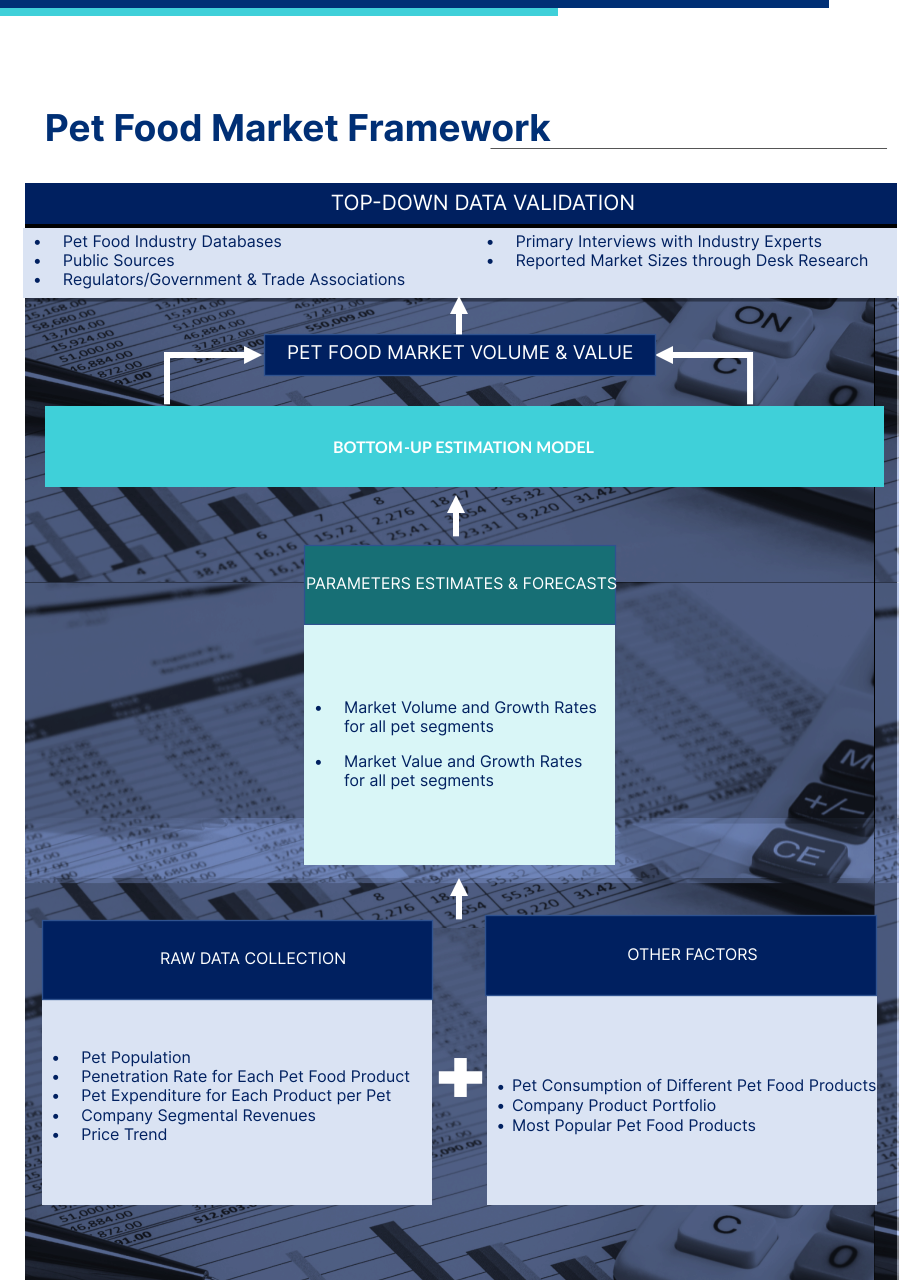
Mordor Intelligence follows a four-step methodology in all our reports.
- Step-1: IDENTIFY KEY VARIABLES: In order to build a robust forecasting methodology, the variables and factors identified in Step-1 are tested against available historical market numbers. Through an iterative process, the variables required for market forecast are set and the model is built on the basis of these variables.
- Step-2: Build a Market Model: Market-size estimations for the forecast years are in nominal terms. Inflation is not a part of the pricing, and the average selling price (ASP) is kept constant throughout the forecast period.
- Step-3: Validate and Finalize: In this important step, all market numbers, variables and analyst calls are validated through an extensive network of primary research experts from the market studied. The respondents are selected across levels and functions to generate a holistic picture of the market studied.
- Step-4: Research Outputs: Syndicated Reports, Custom Consulting Assignments, Databases & Subscription Platforms