
Medicated Shampoo Market Size and Share
Market Overview
| Study Period | 2021 - 2031 |
|---|---|
| Market Size (2026) | USD 13.02 Billion |
| Market Size (2031) | USD 15.92 Billion |
| Growth Rate (2026 - 2031) | 4.10 % |
| Fastest Growing Market | Asia Pacific |
| Largest Market | Asia Pacific |
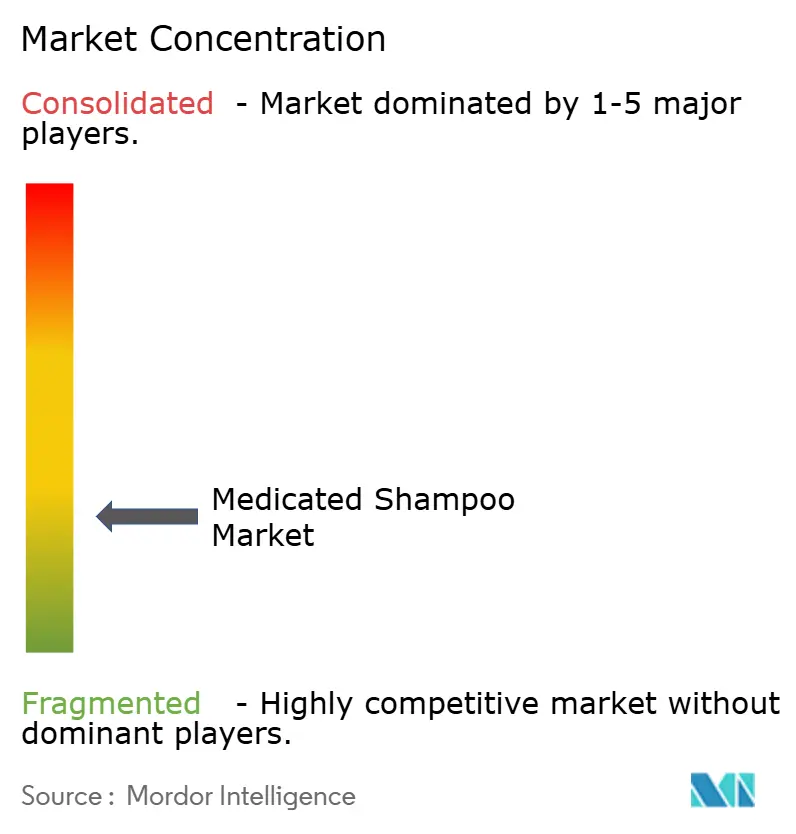
| Market Concentration | Low |
Major Players
*Disclaimer: Major Players sorted in no particular order Image © Mordor Intelligence. Reuse requires attribution under CC BY 4.0. |
|
Medicated Shampoo Market Analysis by Mordor Intelligence
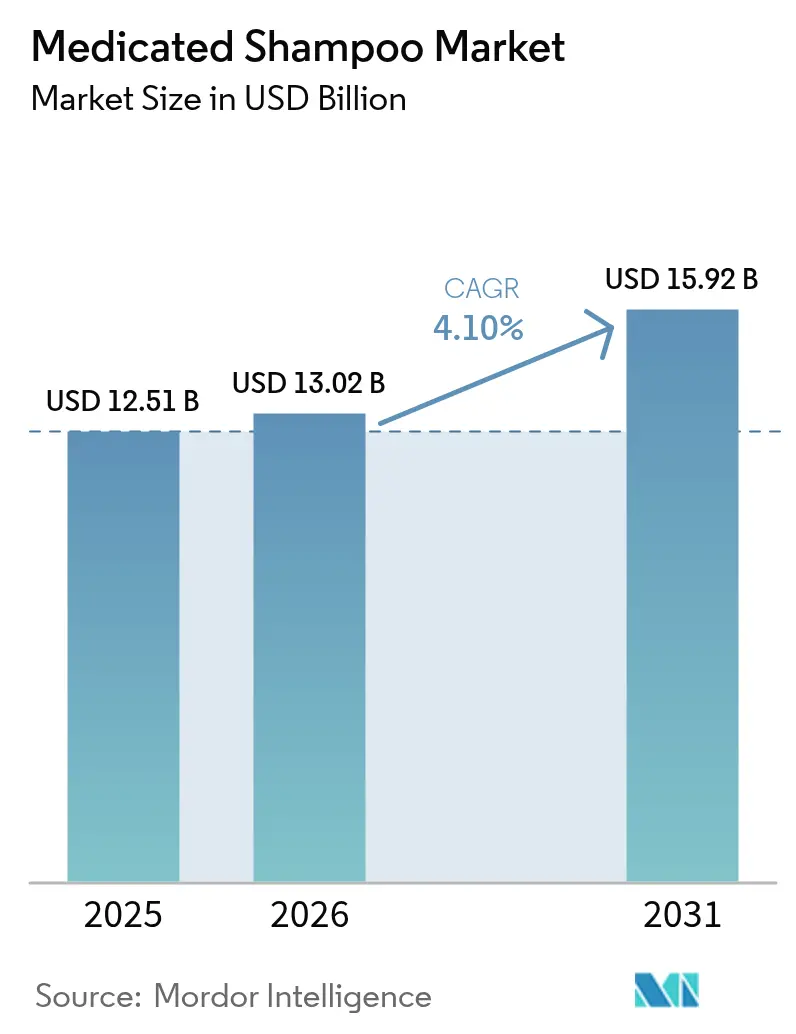
The medicated shampoo market size was valued at USD 12.51 billion in 2025 and estimated to grow from USD 13.02 billion in 2026 to reach USD 15.92 billion by 2031, at a CAGR of 4.10% during the forecast period (2026-2031). This growth trajectory reflects a market responding to increasing consumer sophistication regarding scalp health, with Asia-Pacific emerging as both the largest and fastest-growing region. The conventional/synthetic segment dominates the market, while natural/organic formulations are gaining momentum, signaling a pivotal shift in consumer preferences toward cleaner ingredients. The market's relatively fragmented competitive landscape creates opportunities for innovative entrants to disrupt established players through specialized formulations. Specialty stores currently lead distribution, but online retail channels are rapidly expanding, reshaping how consumers discover and purchase medicated hair care products. Regulatory developments, particularly the FDA's Modernization of Cosmetics Regulation Act of 2022 (MoCRA), are creating compliance hurdles while simultaneously validating product efficacy claims, effectively raising barriers to entry while enhancing consumer trust in scientifically-backed formulations.
Key Report Takeaways
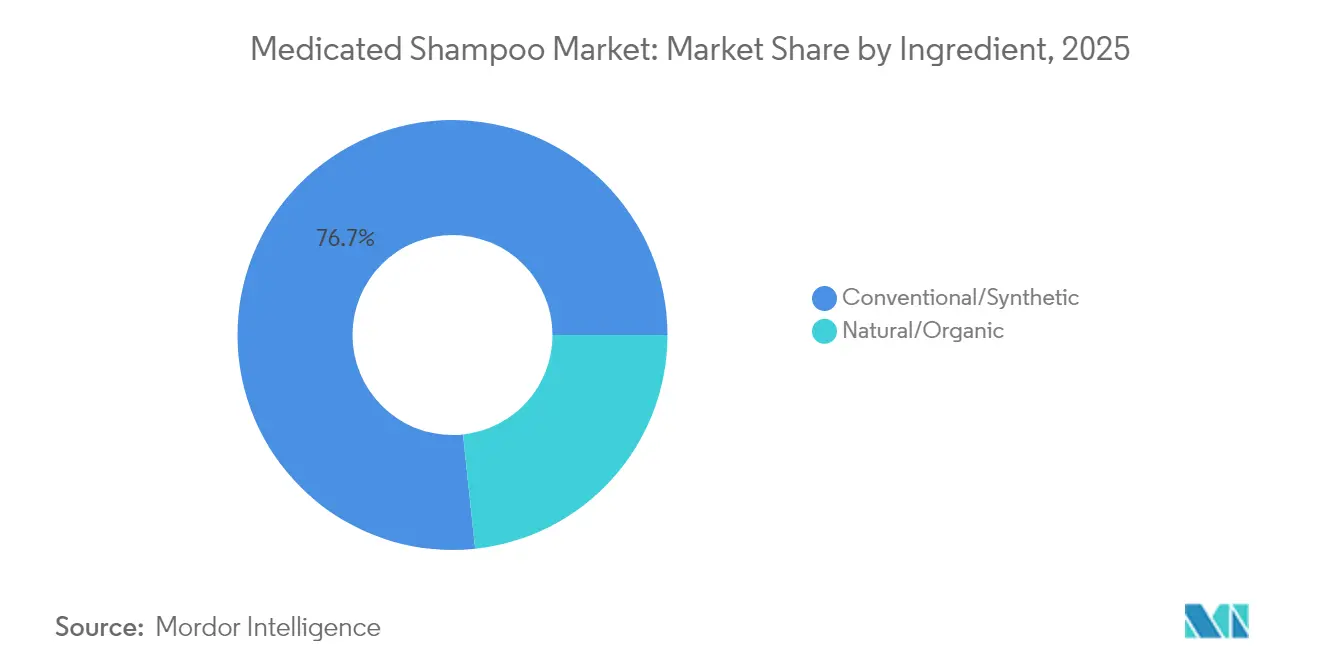
- By ingredient, conventional/synthetic formulations led with 76.68% of medicated shampoo market share in 2025, whereas natural options are forecast to expand at a 5.17% CAGR through 2031.
- By end user, adult products accounted for 97.71% share of the medicated shampoo market size in 2025, while kids' lines are growing at 4.98% CAGR to 2031.
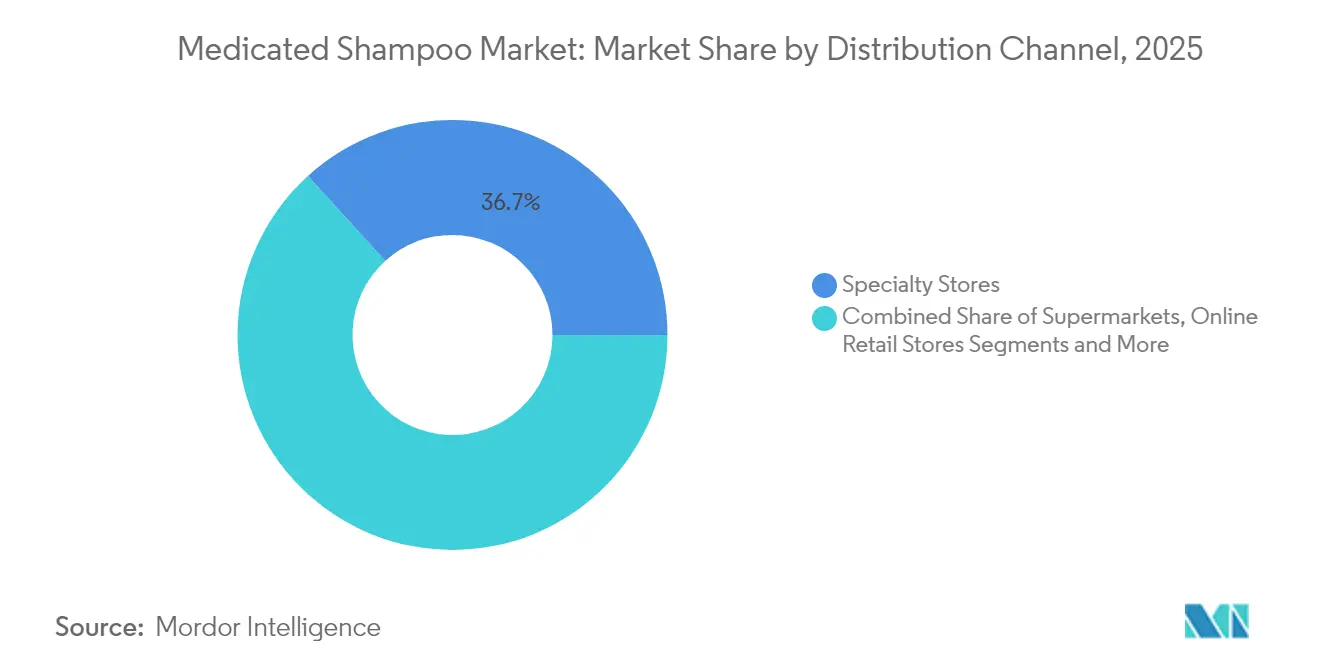
- By distribution channel, specialty stores captured 36.74% of revenue in 2025; online retailers posted the highest growth at 5.33% CAGR through 2031.
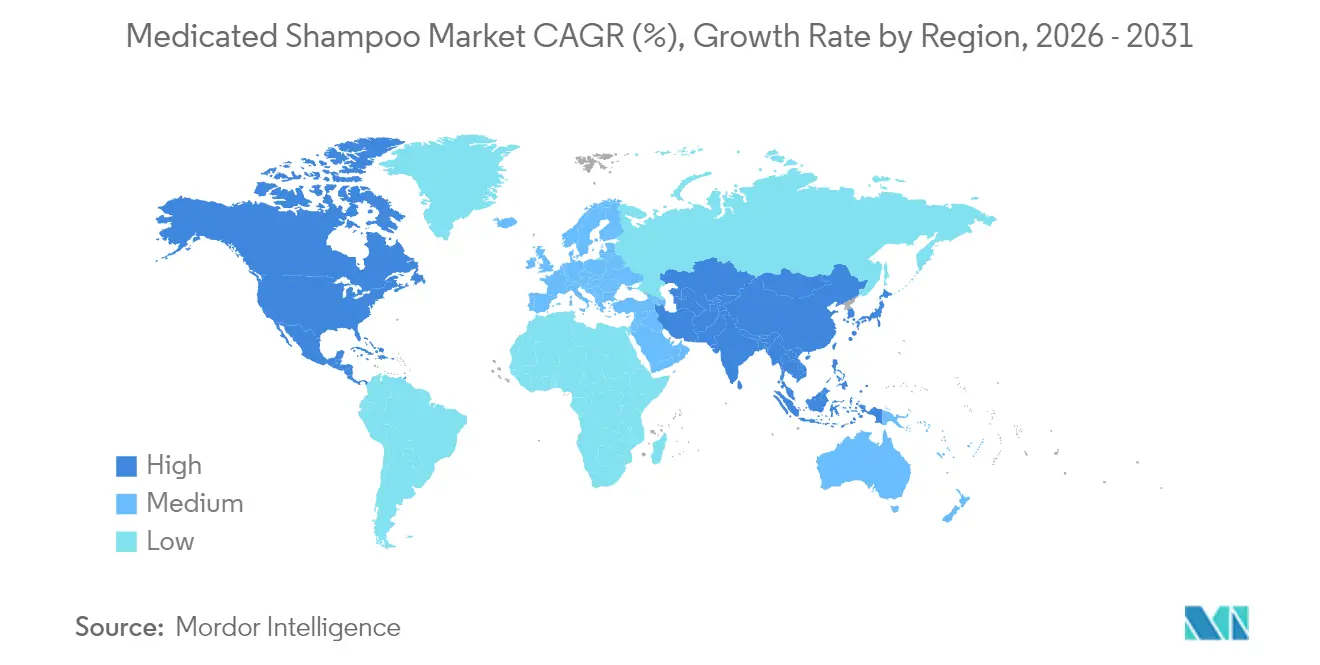
- By region, Asia-Pacific commanded 31.08% of the medicated shampoo market in 2025; the region is also the fastest growing at 5.62% CAGR to 2031.
Note: Market size and forecast figures in this report are generated using Mordor Intelligence’s proprietary estimation framework, updated with the latest available data and insights as of 2026.
Market Trends and Insights
Drivers Impact Analysis of Medicated Shampoo Market*
| Driver | (~) % Impact on CAGR Forecast | Geographic Relevance | Impact Timeline |
|---|---|---|---|
| Rising awareness of scalp health | +1.2% | Global, with stronger impact in Asia-Pacific | Medium term (3-4 years) |
| Influence of social media and celebrity endorsements | +0.8% | North America and Europe, Urban Asia | Short term (≤ 2 years) |
| Shift towards natural ingredients | +1.0% | Global, led by Europe and North America | Long term (≥ 5 years) |
| Regulatory approvals for new formulations | +0.6% | North America and Europe | Medium term (3-4 years) |
| Aggressive marketing and celebrity endorsements | +0.7% | Global, concentrated in developed markets | Short term (≤ 2 years) |
| Cultural preference for herbal and medicinal hair care shampoo | +0.9% | Asia-Pacific core, spill-over to Middle East and Africa | Long term (≥ 5 years) |
| Source: Mordor Intelligence | |||
Rising awareness of scalp health
The rising awareness of scalp health is a significant driver in the medicated shampoo market. Consumers are increasingly recognizing the importance of maintaining a healthy scalp to prevent issues such as dandruff, dryness, itchiness, and hair loss. highlighting the growing demand for effective scalp care solutions. Furthermore, Psoriasis impacts approximately 7.5 million individuals in the U.S., with over half of them grappling with scalp psoriasis, as reported by the American Academy of Dermatology [1]Source: American Association of Dermatology, "Skin Conditions by the Numbers", www.aad.org further driving the need for medicated shampoos designed to address such conditions. This heightened awareness is further fueled by increasing consumer education through digital platforms, dermatological campaigns, and government health initiatives aimed at promoting personal hygiene and scalp care. The availability of targeted products, including those with active ingredients like ketoconazole, salicylic acid, and zinc pyrithione, is expected to propel market growth during the forecast period.
Influence of social media and celebrity endorsements
Social media and celebrity endorsements significantly influence the medicated shampoo market by shaping consumer preferences and driving purchasing decisions. Platforms like Instagram, Facebook, and TikTok allow brands to reach a broader audience, leveraging influencers and celebrities to promote their products. For instance, a celebrity endorsing a medicated shampoo for dandruff treatment can create a strong impact on consumers dealing with similar issues, encouraging them to purchase the product. Endorsements from well-known personalities enhance brand credibility and trust, encouraging consumers to try medicated shampoos. Additionally, social media campaigns enable companies to showcase product benefits, address consumer concerns, and engage directly with their target audience, further boosting market growth. For example, brands often collaborate with influencers to create tutorial videos or testimonials highlighting the effectiveness of medicated shampoos, which resonate with potential buyers and drive sales.
Cultural preference for herbal and medicinal hair care shampoo
The growing cultural inclination toward herbal and medicinal hair care products is significantly driving the medicated shampoo market. Consumers are increasingly favoring shampoos formulated with natural and medicinal ingredients due to their perceived safety, efficacy, and minimal side effects. This preference is particularly strong in regions where traditional medicine and herbal remedies are deeply rooted in the culture. For instance, in countries like India and China, the use of Ayurvedic and Traditional Chinese Medicine (TCM) ingredients in hair care products has gained substantial traction. Additionally, the rising awareness of the harmful effects of synthetic chemicals in conventional shampoos has further fueled the demand for herbal and medicinal alternatives. These products are often marketed as solutions for specific scalp and hair conditions, such as dandruff, hair fall, and dryness, which enhances their appeal among health-conscious consumers. As a result, the cultural preference for herbal and medicinal shampoos is expected to continue driving growth in the medicated shampoo market during the forecast period.
Shift towards natural ingredients
Driven by the clean beauty movement, manufacturers of medicated shampoos are increasingly swapping out synthetic active ingredients for clinically-validated botanical alternatives. This trend is especially pronounced in anti-dandruff products, where traditional zinc pyrithione is being replaced or supplemented with tea tree oil, rosemary extract, and aloe vera. According to the Environmental Working Group (EWG) and the Campaign for Safe Cosmetics, consumer demand for safer and more natural ingredients has surged in recent years. Additionally, regulatory scrutiny has intensified, with over 80 countries now banning more than 1,600 harmful chemicals in personal care products, as reported by the European Commission and the U.S. Food and Drug Administration (FDA) [2]Source: Environmental Working Group, "On protecting consumers from toxics in cosmetics, U.S. lags at least 80 countries", www.ewg.org. The natural and organic segment's growth reflects this shift, with companies like Procter & Gamble and Unilever highlighting their commitment to cleaner formulations in their sustainability reports.
Restraints Impact Analysis of Medicated Shampoo Market*
| Restraint | (~) % Impact on CAGR Forecast | Geographic Relevance | Impact Timeline |
|---|---|---|---|
| Strong competition from conventional shampoo | -0.9% | Global, especially emerging markets | Short term (≤ 2 years) |
| Price sensitivity hindering the market growth | -0.7% | Emerging markets, price-conscious segments | Medium term (3-4 years) |
| Presence of counterfeit products | -0.5% | Asia-Pacific core, Middle East and Africa, South America | Medium term (3-4 years) |
| Limited market penetration | -0.4% | Rural areas globally, underpenetrated regions | Long term (≥ 5 years) |
| Source: Mordor Intelligence | |||
Strong competition from conventional shampoo
Market growth faces a notable challenge due to the merging lines between standard and medicated shampoo formulations. Mainstream brands are now infusing active ingredients, once exclusive to medicated products, into their offerings. This trend is most pronounced in the anti-dandruff segment. According to the American Academy of Dermatology Association (AAD), the use of anti-fungal and anti-inflammatory agents in shampoos has been increasingly recommended for managing scalp conditions. Here, conventional shampoos are increasingly incorporating mild doses of these agents. A prime example of this shift is CeraVe's Anti-Dandruff Shampoo. Drawing on its skincare expertise, CeraVe has crafted a product that not only banishes flakes but also prioritizes scalp health, deftly straddling the line between traditional and medicated shampoos.
Price sensitivity hindering the market growth
Price sensitivity acts as a significant restraint in the medicated shampoo market. Consumers often compare the cost of medicated shampoos with regular shampoos, which are generally more affordable. For instance, individuals suffering from mild scalp conditions may opt for over-the-counter alternatives or home remedies instead of investing in higher-priced medicated shampoos. Additionally, in price-sensitive regions, the adoption of medicated shampoos is further hindered as consumers prioritize cost over specialized benefits. This challenge is particularly evident in developing economies, where disposable income levels are lower, and consumers are more likely to seek cost-effective solutions. For example, in countries like India and Indonesia, where a large portion of the population belongs to middle- or low-income groups, the high cost of medicated shampoos often deters consumers from purchasing them. Furthermore, even in developed markets, consumers may hesitate to buy medicated shampoos unless they perceive a clear and immediate need, such as severe dandruff or scalp infections.
*Our forecasts treat driver/restraint impacts as directional, not additive. The impact forecasts reflect baseline growth, mix effects, and variable interactions.
Medicated Shampoo Market Segment Analysis
By Ingredient:
Conventional Dominates, Natural AcceleratesIn 2025, conventional/synthetic medicated shampoos dominated the market, holding a commanding 76.68% share. This strong position is largely attributed to the proven efficacy of active ingredients, such as ketoconazole and coal tar, both of which have garnered broader regulatory endorsements. These shampoos are widely used to treat various scalp conditions, including dandruff, seborrheic dermatitis, and psoriasis, due to their therapeutic properties. The inclusion of active ingredients like ketoconazole, known for its antifungal properties, and coal tar, recognized for its ability to reduce scaling and itching, has significantly enhanced their effectiveness.
Yet, the natural/organic segment is gaining momentum, boasting a 5.17% CAGR for 2026-2031, as consumers increasingly voice concerns over prolonged synthetic chemical exposure. This trend is especially evident in the premium tier, where brands are pivoting to botanical alternatives, achieving similar efficacy while enhancing sustainability. Innovation is now gravitating towards hybrid formulations, melding clinically validated synthetic actives with natural soothing agents, effectively tackling efficacy and side effect apprehensions. Regulatory shifts, notably the FDA's Modernization of Cosmetics Regulation Act , are hastening this evolution by instituting stringent safety benchmarks that lean towards naturally-derived ingredients with proven safety.



By End User:
Adult dominance with pediatric headroomIn 2025, adults dominate the medicated shampoo market with a commanding 97.71% share. This dominance highlights their heightened susceptibility to scalp issues, such as dandruff, psoriasis, and seborrheic dermatitis, which require targeted treatments. The growing awareness of scalp health among adults, coupled with the availability of advanced medicated shampoos offering specialized solutions, has significantly contributed to this segment's market share. Additionally, the increasing preference for premium and dermatologist-recommended products further drives the demand in this category, as consumers prioritize effective and clinically proven remedies for their scalp concerns.
Conversely, the children's segment, although smaller, is on a rapid ascent, with a projected 4.98% CAGR from 2026 to 2031. This growth is primarily driven by heightened parental vigilance regarding early scalp conditions, such as cradle cap and mild dandruff, which require gentle yet effective solutions. The emergence of milder, child-centric products formulated with safe and non-irritating ingredients has further fueled the expansion of this segment. Parents are increasingly seeking shampoos that cater specifically to children's sensitive scalps, ensuring both safety and efficacy. The rising awareness of scalp hygiene in children and the growing availability of pediatric dermatology products are expected to sustain the momentum of this segment's growth during the forecast period.
By Distribution Channel:
Specialty Stores Leads, Online Retail Stores Gain MomentumSpecialty store outlets hold a significant 36.74% share in the medicated shampoo market in 2025. This dominance is primarily due to the presence of trained staff who offer expert advice on disease-specific protocols. These stores provide a personalized shopping experience, ensuring that customers receive tailored recommendations based on their unique needs. The availability of professional guidance instills confidence in consumers, making specialty stores a preferred choice for purchasing medicated shampoos. Additionally, the in-store environment allows customers to physically examine products, further enhancing their shopping experience.
On the other hand, online retail platforms are emerging as a key growth driver in the medicated shampoo market, exhibiting a strong CAGR of 5.33%. The convenience of discreet purchasing and access to richer educational content are major factors fueling this growth. Online platforms cater to consumers seeking privacy and detailed product information, which is often unavailable in physical stores. Subscription models have gained traction in this channel, particularly for chronic conditions, as they streamline replenishment cycles. Features like auto-refill options not only minimize therapy lapses but also foster brand loyalty by ensuring consistent product availability. Moreover, online platforms offer the advantage of a broader product selection, competitive pricing, and the ability to compare reviews and ratings, which enhances the overall shopping experience.
Geography Analysis
APAC Medicated Shampoo Market
Asia-Pacific, accounting for 31.08% of global revenue, is set to lead with a forecasted CAGR of 5.62%. In urban areas of China, India, and Japan, residents cite pollution, hard water, and high humidity as culprits for scalp irritation, spurring the frequent use of therapeutic cleansers. Beauty-tech apps in these countries are now integrating scalp-scanner accessories, offering regimen-specific product recommendations. This not only boosts domestic demand but also paves the way for cross-border exports. In South Korea, government-endorsed awareness campaigns emphasize routine scalp check-ups as integral to holistic health, further embedding the use of medicated shampoos into daily life.
The Americas and EMEA Medicated Shampoo Market
North America stands as the second-largest market in terms of value. The region reaps benefits from ongoing dermatological innovations, an insurance framework that offers partial reimbursements for prescription-strength shampoos, and online dermatology services that deliver pharmacist-compounded blends directly to consumers. Major retailers are now dedicating specific sections for medicated hair-care products, placing them strategically alongside mainstream shampoos. A growing "skinification" trend sees consumers treating their scalp with the same importance as facial skin, leading established facial-care brands to adapt ingredients like niacinamide and salicylic acid for scalp applications. Europe showcases high per-capita spending on hair-care, but its growth rate lags due to already deep market penetration. While the EU's harmonized Cosmetics Regulation streamlines market entry for compliant formulations across member states, stringent preservative rules inflate Research and Development costs. Consequently, natural and organic products are gaining traction in Germany, Italy, and the Nordics, where ethical sourcing and vegan claims drive purchases. South America, the Middle East, and Africa, though generating lesser revenue, are witnessing promising mid-single-digit growth. Increased internet access and the rise of social commerce are shedding light on niche issues, from pregnancy-related scalp sensitivities to seborrheic conditions linked to hijab use.

Regulatory Landscape
Regulation of medicated shampoos varies by how products are positioned and claimed, which creates different compliance paths across major markets. In the United States, products intended to treat dandruff, seborrheic dermatitis, or psoriasis are regulated as drugs or drug-cosmetic combinations based on intended use and claims, and anti-dandruff drug products follow the OTC monograph framework in 21 CFR Part 358 Subpart H for permitted actives and labeling. This means manufacturers need to align both formulation and marketing language with monograph conditions to avoid misbranding and to support claim substantiation.
Outside the US, the cosmetic-versus-therapeutic demarcation remains a key gatekeeper for market access. In the European Union, Regulation (EC) No 1223/2009 governs cosmetics, while products making medicinal claims fall under medicinal products rules, requiring case-by-case assessment of claims and presentation. In Australia, the Therapeutic Goods Administration (TGA) treats medicated shampoos as therapeutic goods when they meet therapeutic use criteria, which brings Australian Register of Therapeutic Goods (ARTG) requirements unless excluded. For the same core formula, this often translates into market-specific labeling, evidence dossiers, and quality controls.
Competitive Landscape
With a concentration score of 3 out of 10, the medicated shampoo market showcases its highly fragmented nature. The market is characterized by the presence of numerous players, ranging from global giants to regional and local manufacturers. This fragmentation creates intense competition, as companies strive to differentiate their products through innovative formulations, targeted marketing strategies, and competitive pricing. For instance, leading brands like Head & Shoulders and Nizoral focus on leveraging their strong brand equity and extensive distribution networks to maintain their market positions. Smaller and regional players, on the other hand, often compete by offering niche products tailored to specific consumer needs, such as shampoos targeting dandruff, psoriasis, or seborrheic dermatitis.
These smaller players frequently emphasize natural or organic ingredients to appeal to health-conscious consumers. For example, brands like Jason Natural and Avalon Organics have carved out a niche by promoting their use of plant-based ingredients and avoiding harsh chemicals. This approach allows them to attract a loyal customer base despite their limited resources compared to larger competitors. Additionally, private-label brands offered by retailers are gaining traction, as they provide cost-effective alternatives to branded medicated shampoos. This further intensifies competition in the market, as consumers are presented with a wide array of choices across different price points and product categories.
The fragmented nature of the market also fosters opportunities for innovation and partnerships. Companies are increasingly investing in research and development to introduce advanced medicated shampoos with multifunctional benefits, such as anti-dandruff properties combined with scalp nourishment. Collaborations between pharmaceutical companies and cosmetic brands are becoming more common, enabling the development of products that combine therapeutic efficacy with aesthetic appeal. For instance, partnerships between dermatology-focused firms and personal care companies have resulted in the launch of medicated shampoos that address both medical conditions and cosmetic concerns. This competitive landscape ensures that the medicated shampoo market remains dynamic and continues to evolve to meet diverse consumer demands.
Medicated Shampoo Industry Leaders
-
Hain Celestial Group, Inc.
-
Shiseido Company
-
Procter & Gamble Company
-
Unilever PLC
-
Kao Corporation
- *Disclaimer: Major Players sorted in no particular order
Medicated Shampoo Market Companies Covered in this Report
- Procter & Gamble Company
- Unilever PLC
- Hain Celestial Group Inc.
- Shiseido Company
- Kao Corporation
- Pierre Fabre Group
- Maruho Co.Ltd
- Sanofi
- Sun Pharmaceutical Industries Ltd.
- Himalaya Wellness Company
- Dabur India Ltd.
- Dr. Reddy's Laboratories
- Zoic Cosmetics
- Denajee Health Care Products
- New Moon Cosmetics Private Limited
- Kamicka Organic
- Nizoral (Kramer Laboratories Inc.)
- The Honest Company
- VLCC Personal Care Ltd.
- Summer Laboratories

Market Opportunities and Future Outlook
The clearest opportunity centers on reformulation and claim discipline where regulatory demarcation is pushing changes in ingredient selection and positioning. The EU restriction on zinc pyrithione has already moved brands toward alternative anti-dandruff actives used in cosmetics, including piroctone olamine, climbazole, and salicylic acid. That shift creates room for portfolio refreshes while keeping a cosmetic status where feasible, with drug pathways reserved for stronger therapeutic claims. In the US, the OTC monograph structure for anti-dandruff drug products (21 CFR Part 358 Subpart H) and MoCRA-driven compliance expectations are also raising the value of quality systems and well-controlled labeling, which can favor scaled players and compliant specialist entrants.
Innovation-led whitespace is also developing around formats and delivery systems that improve the day-to-day use experience without diluting clinical intent, especially for recurring symptoms between wash days and for more sensitive users. Unilever's actions reflect this direction, including Unilever CLEARs ScalpCeuticals Pro range (launched April 2025) featuring Selenium Disulfide PRO and Piroctone Olamine technologies, while Procter and Gamble Head and Shoulders has moved into serum adjuncts for itch and flakes between washes (launched January 2026). In parallel, academic work continues to explore product R&D concepts such as controlled-release and barrier-support approaches, including nanoparticle-enhanced anti-dandruff shampoo concepts using herbal agents for scalp barrier repair (published June 2026), which aligns with the observed shift toward hybrid efficacy and scalp-care positioning.
Recent Industry Developments in Medicated Shampoo Market
- June 2026: Pediatric Solutions, LLC expanded Happy Cappy Medicated Shampoo and Body Wash distribution by adding 665 additional Walmart locations by the end of June 2026. The broader mass retail footprint improves access for pediatric-focused medicated hair care and increases competitive pressure on shelf space versus incumbent OTC medicated shampoos.
- November 2025: Freedom Clinic Toronto launched a medicated shampoo containing 2% zinc pyrithione in Canada. The introduction points to continued consumer demand for higher-strength anti-dandruff solutions in specific markets and reinforces the need for market-by-market regulatory and ingredient strategy.
- July 2024: Epres introduced its Healthy Hair Shampoo and Conditioner featuring its Biodiffusion technology. The launch supports the category trend of pairing treatment-adjacent positioning with performance claims, continuing the move toward more technology-led differentiation in medicated and problem-solution shampoos.


Medicated Shampoo Market Report Scope and Research Methodology
Market Definition and Coverage
This market covers shampoos positioned and sold for managing scalp and hair conditions using functional actives, and it is measured in value terms across offline retail and online channels.
Scope exclusions: Leave-in scalp serums, conditioners, pure hair oils, and prescription-only drug packs that are not marketed as shampoos are excluded.
Segments Covered in This Report
-
By Ingredient
- Conventional/Synthetic
- Natural/Organic
-
By End User
- Kids
- Adult
-
By Distribution Channel
- Supermarkets/Hypermarket
- Specialty Stores
- Online Retail Stores
- Others Distribution Channel
-
By Geography
-
North America
- United States
- Canada
- Mexico
- Rest of North America
-
Europe
- United Kingdom
- Germany
- France
- Italy
- Spain
- Netherlands
- Sweden
- Poland
- Belgium
- Rest of Europe
-
Asia-Pacific
- China
- Japan
- India
- South Korea
- Australia
- Indonesia
- Thailand
- Singapore
- Rest of Asia-Pacific
-
South America
- Brazil
- Argentina
- Chile
- Colombia
- Peru
- Rest of South America
-
Middle East and Africa
- Saudi Arabia
- South Africa
- United Arab Emirates
- Nigeria
- Egypt
- Morocco
- Turkey
- Rest of Middle East and Africa
-
North America
Data Sources, Market Sizing, and Validation
Desk Research
Desk work starts by setting the product boundary and demand context using public health and consumer indicators. We review sources such as the US CDC and NIH for dermatology and hygiene signals, the World Health Organization for broader skin health context, and government trade statistics such as UN Comtrade for import and export direction on hair preparations.
To keep the model tied to commercial reality, we also use company annual reports and investor presentations to understand category language and channel shifts, supported by reputable press coverage and association sites such as the Personal Care Products Council and similar regional bodies. Patent databases are referenced to sanity-check active-ingredient activity and formulation trends, and an import and export shipment-level database is used selectively where public trade series is too aggregated. The desk sources listed here are illustrative, and additional public references were used for data collection, validation, and research clarification.
Primary Interviews and Surveys
Primary validation is done through expert interviews and structured surveys across the value chain, including product and regulatory specialists, distribution and retail operators, and professionals closer to scalp-care recommendations. Since this is a global market, inputs are balanced across APAC, EMEA, and the Americas to confirm price ladders, channel mix, and how quickly active-led shampoos are adopted for common conditions.
Distribution of primary research fieldwork respondents
| Company type | Respondent position | Region |
|---|---|---|
| Top tier: 25% | CXOs: 13% | APAC: 48% |
| Mid tier: 57% | Functional/Unit leaders: 38% | EMEA: 31% |
| Smaller Players: 18% | Managers: 49% | Americas: 21% |
Market-Sizing & Forecasting
Sizing begins with a top-down build where population and scalp-condition prevalence are converted into a treated-user pool, and then filtered by purchasing frequency and typical pack sizes to arrive at annual consumption value. To keep the math grounded, we rely on practical inputs such as dandruff and seborrheic dermatitis incidence signals, dermatology visit and self-care behavior cues, retail and e-commerce channel share movement, and average selling price bands by active positioning (for example, anti-fungal, keratolytic, and anti-itch claims).
Once that demand pool is constructed, we check it using selective bottom-up approximations, such as sampled SKU price points multiplied by estimated unit movement in key channels, and a supplier and distributor roll-up in markets where disclosure is stronger. Where country-level gaps exist, proxy assumptions are applied using nearby markets with similar income levels, hair-care spend, and availability of medicated actives, then adjusted after expert feedback.
For forecasting, we use scenario analysis supported by a light multivariate regression on drivers that routinely move the category, including disposable income, urbanization, consumer health awareness, and online penetration in personal care. The final growth path is selected only after it fits real-world constraints such as ASP progression, trade-down behavior in inflationary periods, and channel inventory cycles that interviewees flagged.
Data Validation & Update Cycle
Outputs are validated through triangulation across independent signals, including health indicators, trade direction, and channel-level pricing checks. Outliers are reviewed in steps, starting with assumption and unit checks, then comparing country totals against per-capita personal care spend and visible assortment depth, and finally re-contacting sources when a swing cannot be explained cleanly.
Before sign-off, the model and write-up go through multi-level analyst review so definitions, calculations, and narrative stay aligned. Reports are refreshed annually, and interim updates are triggered when material events occur, such as regulatory changes around common actives or major channel disruptions. Right before delivery, a final analyst pass is done so clients receive the most current view available at that time.
Mordor Intelligence's Medicated Shampoo Market Estimate Compared With Other Published Estimates
Published market values for medicated shampoo often do not match because each publisher draws the product line differently and also makes different calls on pricing and channel coverage. Differences also show up when the base year is not the same, or when currency timing and inflation handling are treated in a different way.
In this market, the biggest gap drivers tend to be whether adjacent scalp-treatment formats are included, how OTC versus prescription-led regimens are treated, and whether online price ladders are captured with the same discipline as offline. When leave-in treatments and non-shampoo scalp products are kept out and the model is refreshed annually using updated prevalence and channel-mix checks, the resulting total can look lower for the same year, which is the key reason behind the spread seen for Mordor Intelligence.
Benchmark comparison
| Source | Market Size | Gaps in Research Methodology |
|---|---|---|
| Mordor Intelligence | USD 12.51 B (2025) | |
| Global Consultancy A | USD 15.87 B (2024) | Uses a different base year and may apply a broader retail definition that can include adjacent scalp-treatment items and higher assumed price realization, which lifts the starting value. |
| Industry Publisher B | USD 10.72 B (2024) | Shows a lower value that aligns with narrower category coding and more conservative ASP progression, and it may under-capture premium OTC formats and online mix in faster-moving markets. |
When these figures are lined up, most variance is explained by scope inclusion choices and how prices are normalized across channels and years. Our method keeps each step traceable to prevalence, usage frequency, channel mix, and price bands, which makes the number easier to reproduce and pressure-test as new signals appear.


Key Questions Answered in the Report
What is the current medicated shampoo market size?
The medicated shampoo market size is USD 13.02 billion in 2026 and is expected to reach USD 15.92 billion by 2031.
Which region leads the medicated shampoo market?
Asia-Pacific leads with 31.08% revenue share in 2025 and posts the fastest CAGR of 5.62% through 2031.
Are natural formulations gaining ground over synthetic medicated shampoos?
Yes. Natural and organic variants grow at 5.17% CAGR, outpacing synthetic products and prompting hybrid formulation strategies.
Why are online channels important in this category?
Online retailers expand at 5.33% CAGR by offering privacy, wider assortments, subscription convenience, and educational content that aids condition management.
Page last updated on:


 Your data is secure and never sold or shared.


