
Food & Beverage
2nd MayMarket Analysis of Synthetic Food Colorants for a Beverage Leader
5 Min Read
The Lactose-Free Butter Market Report is Segmented by Product Type (Spreadable Butter, Non-Spreadable Butter), Source (Cow Milk, Other Milk Source), Distribution Channel (Off-Trade, On-Trade), and Geography (North America, Europe, Asia-Pacific, South America, Middle East and Africa). The Market Forecasts are Provided in Terms of Value (USD).
Market Overview
| Study Period | 2021 - 2031 |
|---|---|
| Market Size (2026) | USD 374.49 Million |
| Market Size (2031) | USD 467.73 Million |
| Growth Rate (2026 - 2031) | 4.56 % CAGR |
| Fastest Growing Market | Middle East and Africa |
| Largest Market | North America |
| Market Concentration | Medium |
Major Players *Disclaimer: Major Players sorted in no particular order. Image © Mordor Intelligence. Reuse requires attribution under CC BY 4.0. |
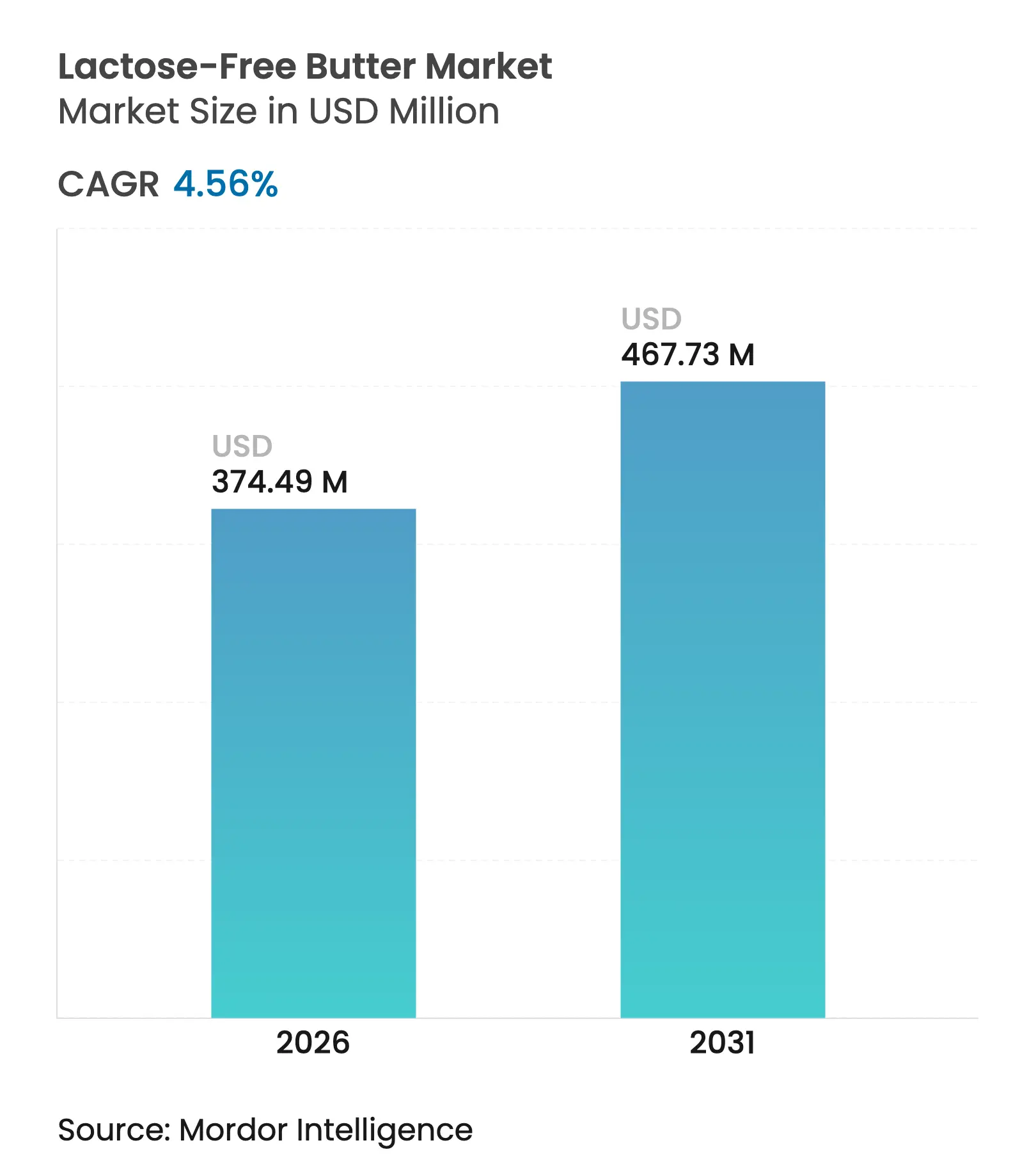

The lactose-free butter market size was valued at USD 358.16 million in 2025 and estimated to grow from USD 374.49 million in 2026 to reach USD 467.73 million by 2031, at a CAGR of 4.56% during the forecast period (2026-2031). Clinical recognition that lactose malabsorption affects 68% of the global population, together with enzyme technologies that remove lactose while preserving taste, underpins steady demand growth. Mature food-safety rules in North America, halal standardization in the Gulf states, and the European Union’s authorization of beta-galactosidase applications create regulatory clarity that encourages capacity expansion. Premium pricing remains stable because consumers now view lactose-free butter as a functional upgrade rather than a compromise, while off-trade channels and spreadable formats widen household penetration. Momentum is strongest in emerging urban centers where rising incomes, health awareness, and Western baking habits converge, although cold-chain gaps and compliance costs limit conversion in rural areas.
Key Report Takeaways
Note: Market size and forecast figures in this report are generated using Mordor Intelligence's proprietary estimation framework, updated with the latest available data and insights as of 2026.
Drivers Impact Analysis
| Driver | (~) % Impact on CAGR Forecast | Geographic Relevance | Impact Timeline |
|---|---|---|---|
Rising prevalence of lactose intolerance and dairy allergies globally | +1.2% | Global, with highest concentration in Asia, Africa, and South America | Long term (≥ 4 years) |
Expansion of clean-label and natural ingredient trends in dairy | +0.8% | North America and Europe, spill-over to urban centers in Asia-Pacific and Middle East and Africa | Medium term (2-4 years) |
Growing health consciousness and demand for digestive-friendly dairy products | +1.0% | Global, particularly urban populations in developed and emerging markets | Medium term (2-4 years) |
Increasing vegan and flexitarian consumer adoption of lactose-free options | +0.9% | North America, Europe, Asia-Pacific urban cores (Japan, South Korea, Australia) | Short term (≤ 2 years) |
Premium pricing acceptance among health-focused premium segments | +0.6% | North America, Western Europe, Gulf Cooperation Council states | Short term (≤ 2 years) |
Product innovation in taste and texture matching traditional butter | +0.7% | Global, with early commercial adoption in Europe and North America | Medium term (2-4 years) |
| Source: Mordor Intelligence | |||
Rising prevalence of lactose intolerance and dairy allergies globally
Rising prevalence of lactose intolerance and dairy allergies globally drives the lactose-free butter market as, according to the National Institute of Health in 2024, 65% to 70% of the world's population exhibits lactose intolerance[1], prompting widespread demand for accessible dairy alternatives. Heightened awareness through medical diagnoses and consumer education accelerates adoption among affected demographics, particularly in high-incidence regions like Asia, Africa, and parts of Europe. Foodservice operators and households seek butter substitutes that maintain culinary performance without digestive discomfort, expanding retail and institutional channels. Regulatory labeling mandates enhance visibility, enabling informed purchasing in supermarkets and online platforms. Wellness trends amplify this shift, positioning lactose-free butter as essential for inclusive menus and family nutrition.
Expansion of clean-label and natural ingredient trends in dairy
Expansion of clean-label and natural ingredient trends in dairy propels the lactose-free butter market as consumers demand transparent formulations free from artificial additives and excessive processing. According to research by CBI Ministry of Foreign Affairs, clean-label products are projected to constitute over 70% of portfolios in 2025 and 2026, increasing from 52% in 2021[2]. Lactose-free processing via natural lactase enzymes aligns perfectly with "minimal intervention" claims, differentiating products from synthetic dairy alternatives. Brands emphasize short ingredient lists typically just milk, cultures, and lactase appealing to health-conscious shoppers scanning labels for purity. This trend coincides with rising scrutiny of ultra-processed foods, positioning lactose-free butter as a premium, trustworthy option in refrigerated dairy cases. Retailers dedicate expanded shelf space to clean-label dairy, boosting visibility alongside organic and grass-fed variants.
Growing health consciousness and demand for digestive-friendly dairy products
Growing health consciousness and demand for digestive-friendly dairy products drive the lactose-free butter market as consumers prioritize gut health amid rising awareness of lactose-related discomforts like bloating and IBS. The World Health Organization's emphasis on microbiome health in its 2024 dietary guidelines has amplified awareness of lactose intolerance management as a component of overall wellness[3]. This shift reflects broader wellness movements emphasizing proactive digestion management through everyday staples rather than restrictive diets. Lactose-free butter enables seamless integration into baking, cooking, and spreading without compromising flavor or texture, appealing to families and food enthusiasts. Clinical endorsements and influencer advocacy amplify visibility, positioning the category as essential for inclusive meal planning. Retailers expand chilled dairy sections with prominent digestive health claims to capture impulse buys. Manufacturers respond with fortified variants incorporating prebiotics for enhanced gut support, justifying premium pricing.
Increasing vegan and flexitarian consumer adoption of lactose-free options
Increasing vegan and flexitarian consumer adoption of lactose-free options drives the lactose-free butter market as these groups seek dairy-like products without animal-derived lactose, expanding the addressable consumer base beyond intolerance sufferers. Flexitarians, representing 30-40% of Western demographics, favor occasional dairy alternatives that maintain culinary versatility in plant-forward diets. Vegan butter innovations using lactase-treated dairy or plant blends bridge ethical and health preferences, capturing premium shelf space. Retailers position lactose-free alongside vegan spreads to capitalize on crossover demand in wellness aisles. Manufacturers innovate with hybrid formulations cow milk with canola or almond oil appealing to semi-vegetarian lifestyles prioritizing sustainability and digestion. E-commerce subscriptions and meal kit integrations accelerate trial among younger flexitarians influenced by social media.
Restraints Impact Analysis
| Restraint | (~) % Impact on CAGR Forecast | Geographic Relevance | Impact Timeline |
|---|---|---|---|
Limited consumer awareness in non-urban and emerging markets | -0.5% | Rural areas in South Asia, Sub-Saharan Africa, interior South America | Long term (≥ 4 years) |
Perception of inferior taste or mouthfeel versus regular butter | -0.4% | Global, particularly among traditional dairy consumers in Europe and North America | Medium term (2-4 years) |
Shorter shelf life due to processing sensitivities | -0.3% | Global, with acute impact in regions lacking cold-chain infrastructure (Africa, Southeast Asia) | Medium term (2-4 years) |
Stringent food safety and labeling compliance burdens | -0.4% | Global, disproportionately affecting small and medium producers in emerging markets | Long term (≥ 4 years) |
| Source: Mordor Intelligence | |||
Limited consumer awareness in non-urban and emerging markets
Limited consumer awareness in non-urban and emerging markets restrains the lactose-free butter market, as rural populations and developing regions often lack education on lactose intolerance symptoms and available solutions. Traditional dietary habits prioritize conventional dairy staples, viewing lactose-free variants as unnecessary premiums rather than essential alternatives. Low penetration of health media and medical outreach in areas like rural Asia, Africa, and Latin America perpetuates undiagnosed intolerance, suppressing demand volumes. Retail infrastructure gaps few supermarkets stocking specialized dairy compound visibility challenges, confining sales to urban elites. Cultural stigma around digestive issues further discourages trial among price-sensitive households. Manufacturers face high marketing costs for grassroots campaigns, delaying category mainstreaming in high-growth demographics.
Perception of inferior taste or mouthfeel versus regular butter
Perception of inferior taste or mouthfeel versus regular butter restrains the lactose-free butter market, as consumers associate lactase processing with altered creaminess, sweetness, or aftertaste that fails to replicate traditional butter's indulgent profile. Early formulations often suffered from residual enzyme bitterness or watery texture, fostering skepticism among trial users and limiting repeat purchases. Sensory panels confirm that 25-30% of tasters detect differences in spreadability and melt characteristics, deterring premium positioning in baking and gourmet applications. This barrier persists despite technological advances in lactase timing and fat crystallization, as legacy perceptions linger through word-of-mouth and online reviews. Retailers hesitate to allocate prime shelf space to products vulnerable to comparison shopping. Manufacturers invest heavily in blind taste tests and reformulations, yet overcoming entrenched biases slows mainstream adoption.
By Product Type: Spreadable Formats Drive Convenience Premium
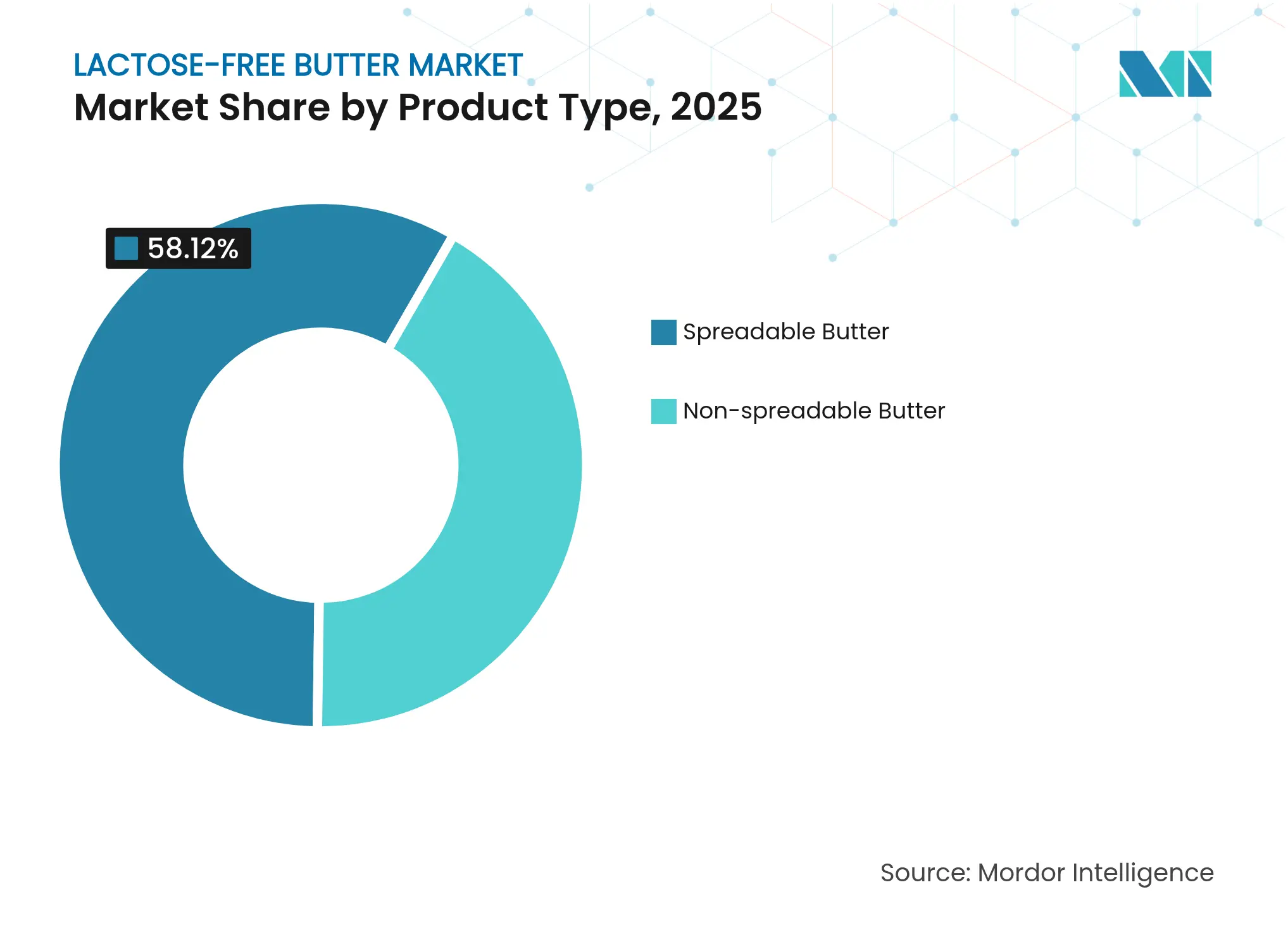
Spreadable butter dominated the lactose-free butter market in 2025, capturing a significant 58.12% share. This dominance reflects strong consumer preference for convenience, as spreadable butter offers refrigerator-to-table usability without the need for softening before application. Its creamy texture and ease of use make it highly favored for everyday consumption, including bread spreads and general cooking. The product’s consistent quality and availability in retail formats support widespread adoption. Additionally, lifestyle trends emphasizing quick meal preparation drive demand for spreadable butter. As a result, this segment maintains a robust presence, catering largely to household consumers seeking practicality and immediate usability.
Non-spreadable butter, while occupying a smaller market share, is experiencing growth at a compound annual growth rate (CAGR) of 5.21%. This growth is largely attributed to food service operators and home bakers who prefer its distinct functional advantages. Non-spreadable butter offers superior performance in culinary applications requiring precise control of fat content and texture, such as laminated pastries and sauces. In these contexts, the modified texture of spreadable butter can compromise product quality and outcome consistency. As artisanal baking and professional cooking demand finer ingredient precision, the importance of non-spreadable butter rises.
Note: Segment shares of all individual segments available upon report purchase
By Source: Cow Milk Dominance Faces Niche Alternatives
Cow milk dominated lactose-free butter production in 2025, commanding 87.34% of the total volume. This overwhelming share stems from well-established supply chains that ensure reliable sourcing and scalability for manufacturers. Consumer familiarity with cow milk-based products fosters trust and repeat purchases in retail settings. Regulatory frameworks worldwide are optimized specifically for bovine dairy processing, streamlining certification and compliance processes. These factors collectively enable cow milk to maintain consistent quality and broad availability across global markets. As the foundational source in lactose-free butter, cow milk benefits from decades of technological advancements in lactase treatment and flavor neutralization.
Alternative milk sources, including goat, buffalo, and sheep, represent the fastest-growing segment in lactose-free butter production, expanding at a compound annual growth rate (CAGR) of 5.52% through 2031. This growth is propelled by niche consumer segments prioritizing unique flavor profiles that offer subtle tanginess or richness distinct from cow milk varieties. These alternatives naturally contain marginally lower lactose levels, appealing to highly sensitive individuals seeking minimal processing. Rising interest in artisanal and premium dairy products drives demand among gourmet consumers and specialty retailers. Diversification in farm sourcing enhances resilience against cow milk supply fluctuations caused by feed costs or disease outbreaks.
By Distribution Channel: Off-Trade Dominance with On-Trade Recovery
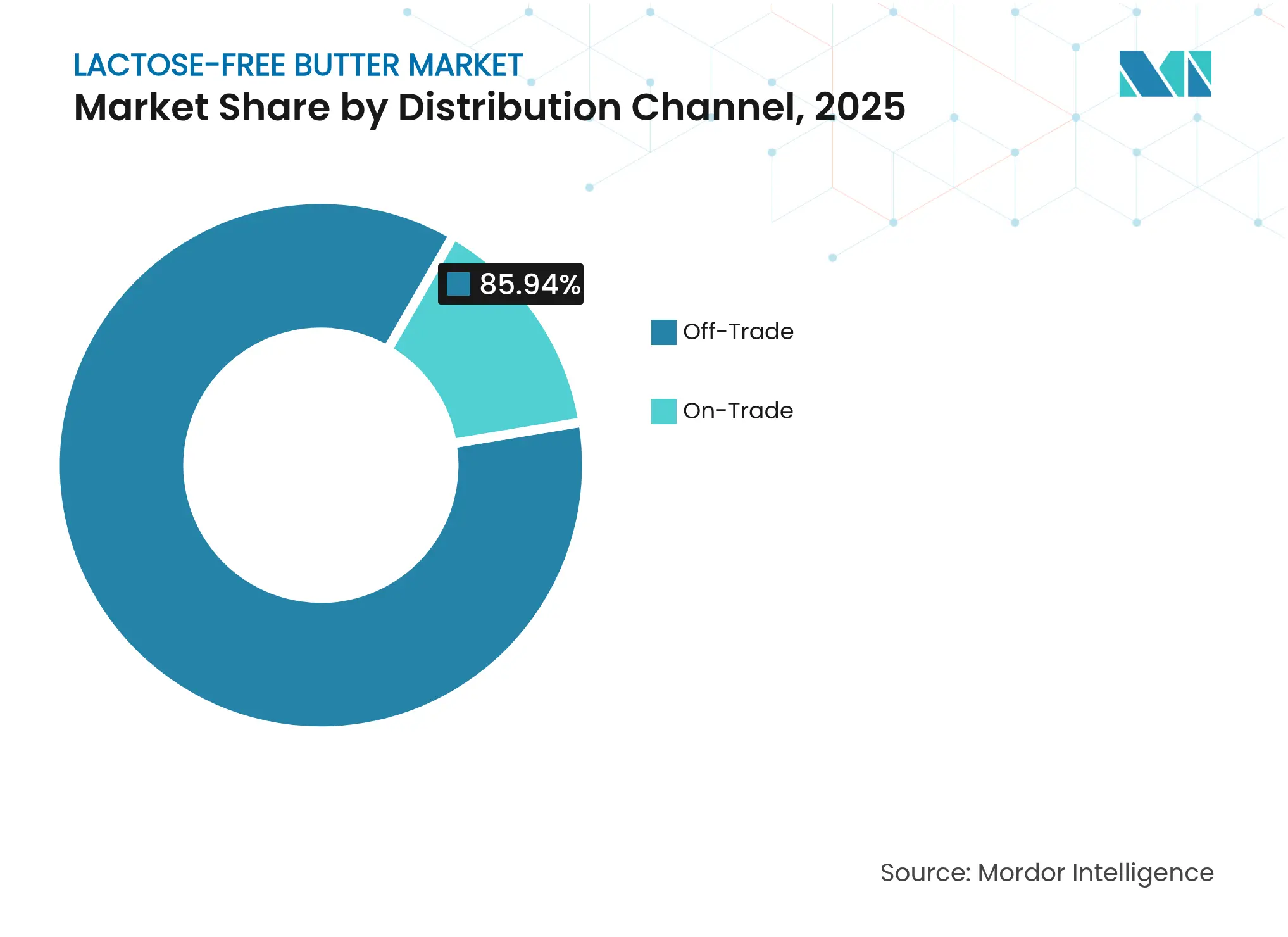
Off-trade channels dominated the lactose-free butter market's distribution in 2025, capturing 85.94% of the total share. This commanding position reflects the product's status as a household staple, routinely purchased for home consumption. Supermarkets and hypermarkets serve as primary touchpoints, offering extensive shelf space and promotional visibility to drive impulse buys. Increasingly, online retail platforms contribute to this growth, providing convenience through subscription models and home delivery services. Consumer behavior favors bulk purchasing and stockpiling in these channels, ensuring steady demand volumes. The off-trade dominance underscores lactose-free butter's integration into everyday grocery routines across diverse demographics.
On-trade channels, comprising just 14.06% of distribution share in 2025, represent the fastest-growing segment with a compound annual growth rate (CAGR) of 4.91% through 2031. This recovery follows pandemic-era disruptions that severely impacted institutional food service operations worldwide. Operators in hotels, restaurants, and catering are now rebounding, incorporating lactose-free butter into standard menu offerings to accommodate dietary restrictions. Rising awareness of lactose intolerance among diners prompts menu diversification, boosting on-trade procurement. Professional kitchens value the product's reliability in high-volume preparation, from baking to table service.
Note: Segment shares of all individual segments available upon report purchase
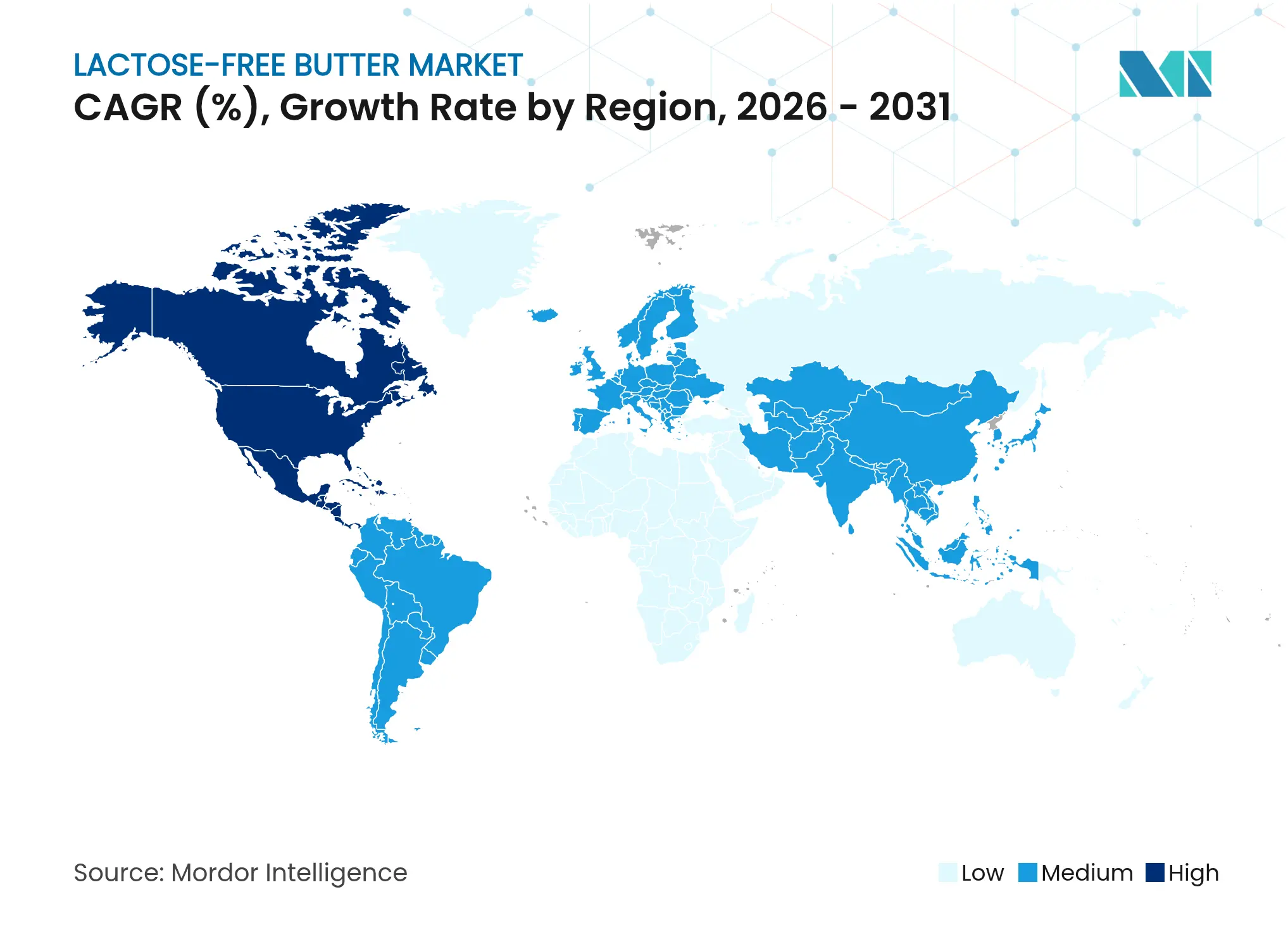
North America commanded the largest share of the global lactose-free butter market in 2025, accounting for 38.12% of total revenue. The region benefits from mature dairy industries, advanced production technologies, and strong consumer awareness of lactose intolerance and related dietary needs. Robust regulatory frameworks and established organic and specialty product certifications enhance market penetration. Additionally, widespread retail infrastructure, including supermarkets and online platforms, supports extensive availability. High per-capita income and health-conscious lifestyles drive consistent demand for lactose-free dairy alternatives. North America’s leadership is further affirmed by innovation in lactose-free product formulations and marketing strategies targeting both functional and indulgence-oriented consumers.
The Middle East and Africa represent the fastest-growing region in the lactose-free butter market, projected to expand at a compound annual growth rate (CAGR) of 6.05% through 2031. This growth is fueled by increasing consumer awareness of lactose intolerance and rising disposable incomes, particularly in urban centers. Expansion of modern retail chains and improving cold-chain logistics enable wider product distribution. Growth in the hospitality and food service sectors further bolsters demand. Government initiatives promoting healthier food options and dietary diversification support market development in these emerging economies. Collectively, these factors position the Middle East and Africa for significant market advances in the lactose-free dairy segment.
Asia-Pacific, Europe, and South America also contribute meaningfully to the lactose-free butter market’s global dynamics. Asia-Pacific benefits from rising population health awareness and increasing penetration of western dietary habits, alongside expanding dairy processing capacities. Europe holds a significant market share due to established lactose intolerance rates and highly regulated food safety standards fostering consumer trust. South America shows steady growth driven by expanding dairy sectors in countries like Brazil and Argentina, alongside growing exports. These regions reflect diverse market maturity stages, with opportunities for both premium product adoption and broader accessibility.
Market Concentration
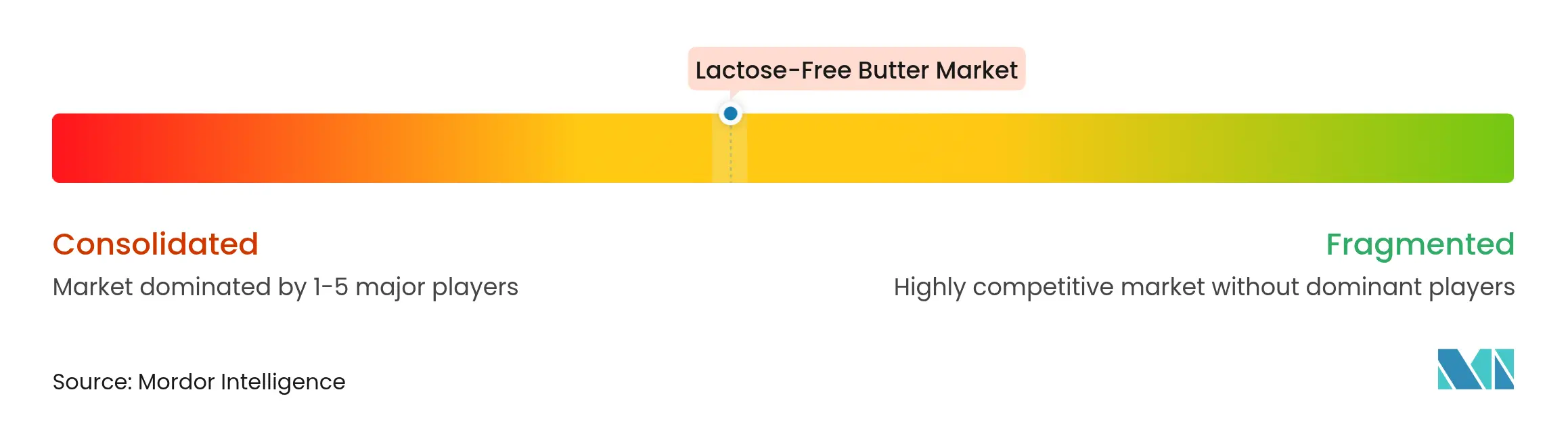
The lactose-free butter market displays moderate fragmentation, characterized by a competitive environment where large multinational dairy cooperatives operate alongside specialized ingredient suppliers and regional processors. This structure reflects the complexity of the dairy supply chain and the diverse consumer demands across global markets. Multinational cooperatives leverage extensive production capacities, advanced technological capabilities, and robust distribution networks to deliver consistent product quality at scale. Their presence ensures broad market coverage and the ability to meet regulatory requirements in multiple jurisdictions, reinforcing consumer trust in lactose-free dairy alternatives.
Alongside these large players, specialized ingredient suppliers play a crucial role by providing innovative lactase enzymes and other functional additives that enable the production of lactose-free butter with enhanced taste and texture. These suppliers contribute to product differentiation and help manufacturers meet increasing demand for high-quality, clean-label lactose-free dairy goods. Their focus on research and development fosters continuous improvements in lactose reduction techniques, shelf-life extension, and nutrient retention, driving market competitiveness through innovation.
Regional processors also form a significant component of the market, capitalizing on local consumer preferences and supply chain efficiencies. These players often operate in niche markets or emerging regions, tailoring products to specific taste profiles and cultural dietary requirements. Their agility enables rapid response to evolving consumer trends, such as organic certification or artisanal product positioning. The coexistence of global cooperatives, ingredient specialists, and agile regional processors creates a dynamic market landscape, fostering diversity of options and opportunities for new entrants willing to innovate and build localized supply chains.

*Disclaimer: Major Players sorted in no particular order
1. INTRODUCTION
2. RESEARCH METHODOLOGY
3. EXECUTIVE SUMMARY
4. MARKET LANDSCAPE
5. MARKET SIZE AND GROWTH FORECASTS (VALUE)
6. COMPETITIVE LANDSCAPE
7. MARKET OPPORTUNITIES AND FUTURE OUTLOOK
The lactose free butter market is segmented by type, by distribution channel and by geography. By type, the market is segmented into salted and unsalted butter. By distribution channel, the market is segmented into supermarkets/hypermarkets, specialty stores, convenience store, online retail stores and others. Furthermore, the report also takes into consideration the market for gummy vitamins in established and emerging economies, including North America, Europe, Asia-Pacific, South America, and Middle East & Africa.
| By Product Type | Spreadable Butter | |
| Non-Spreadable Butter | ||
| By Source | Cow Milk | |
| Other Milk Source (Goat, Buffalo, Sheep) | ||
| By Distribution Channel | Off-Trade | Supermarkets/Hypermarkets |
| Convenience Stores | ||
| Online Retail Stores | ||
| Other Distribution Channels | ||
| On-Trade | ||
| By Region | North America | United States |
| Canada | ||
| Mexico | ||
| Rest of North America | ||
| Europe | United Kingdom | |
| Germany | ||
| France | ||
| Spain | ||
| Italy | ||
| Netherlands | ||
| Rest of Europe | ||
| Asia-Pacific | China | |
| Japan | ||
| India | ||
| Australia | ||
| South Korea | ||
| Thailand | ||
| Rest of Asia-Pacific | ||
| South America | Brazil | |
| Argentina | ||
| Rest of South America | ||
| Middle East and Africa | Saudi Arabia | |
| United Arab Emirates | ||
| South Africa | ||
| Rest of Middle East and Africa | ||
Market Analysis of Synthetic Food Colorants for a Beverage Leader
5 Min Read
Unlocking Saudi Arabia’s Regional Tourism Growth Potential
5 Min Read
When decisions matter, industry leaders turn to our analysts. Let’s talk.

