
PTA Balloon Catheter Market Size and Share
Market Overview
| Study Period | 2020 - 2031 |
|---|---|
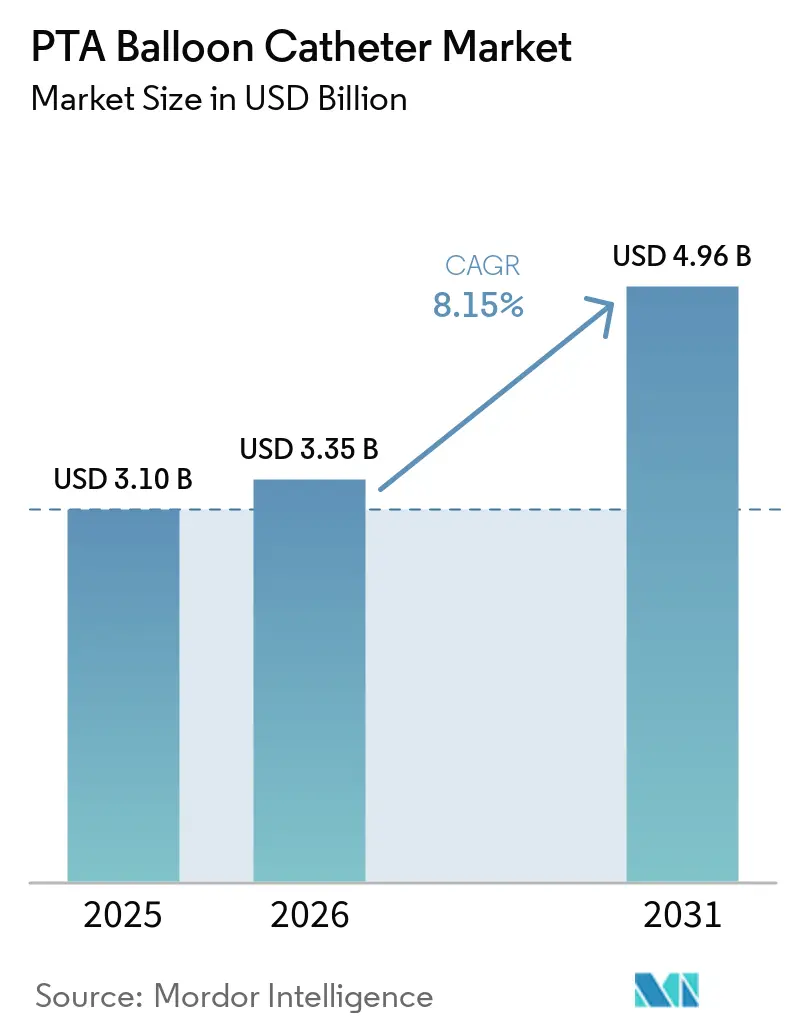
| Market Size (2026) | USD 3.35 Billion |
| Market Size (2031) | USD 4.96 Billion |
| Growth Rate (2026 - 2031) | 8.15 % |
| Fastest Growing Market | Asia-Pacific |
| Largest Market | North America |
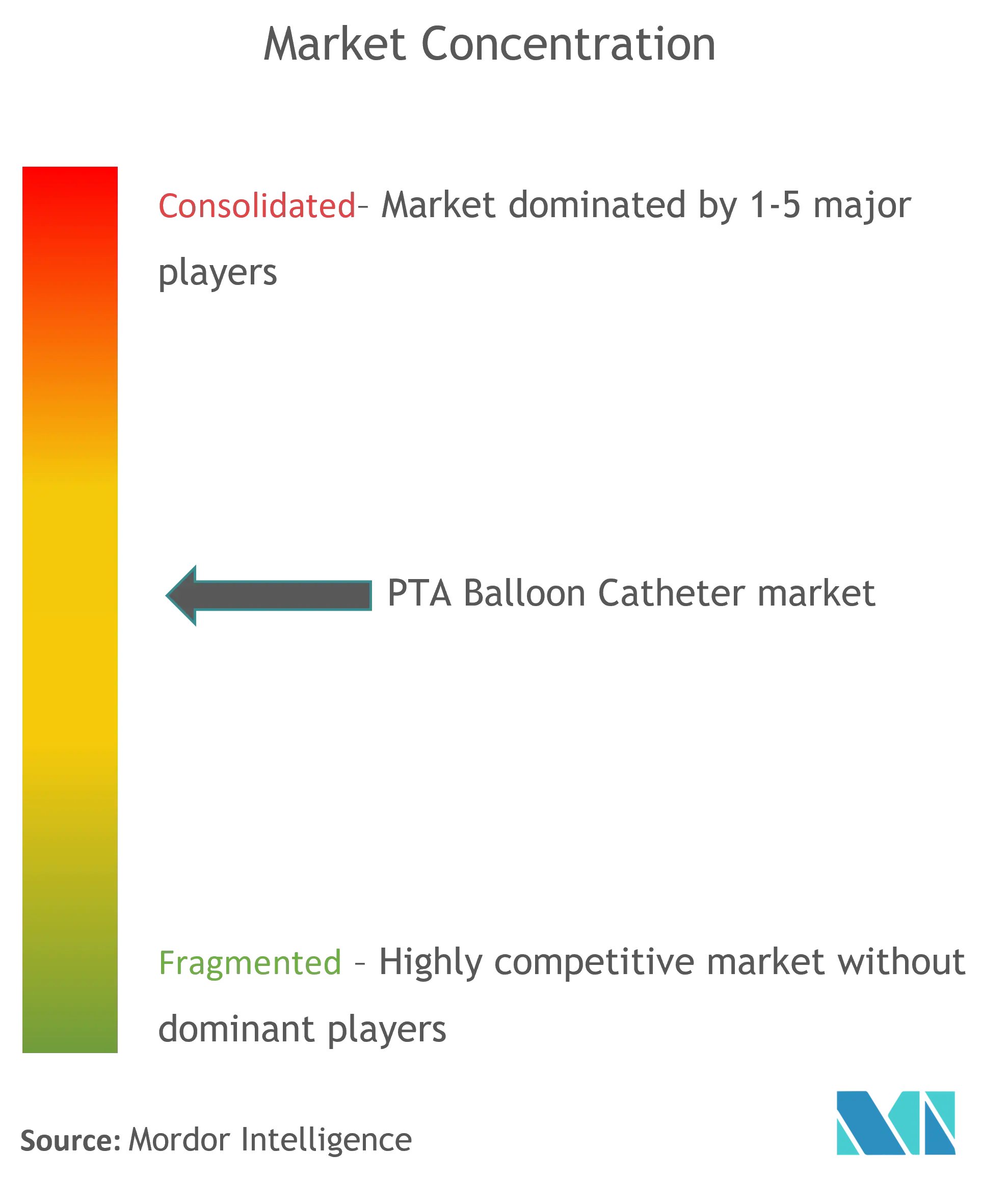
| Market Concentration | Medium |
Major Players *Disclaimer: Major Players sorted in no particular order Image © Mordor Intelligence. Reuse requires attribution under CC BY 4.0. | |
PTA Balloon Catheter Market Analysis by Mordor Intelligence
The PTA balloon catheter market size is expected to grow from USD 3.10 billion in 2025 to USD 3.35 billion in 2026 and is forecast to reach USD 4.96 billion by 2031 at 8.15% CAGR over 2026-2031. Rapid growth stems from the global surge in coronary and peripheral artery diseases, broader clinical use of minimally invasive angioplasty, and breakthroughs such as artificial-intelligence-guided vessel sizing that improve precision and outcomes. High adoption rates for semi-compliant balloons, deeper penetration of drug-coated platforms, and strong demand from aging populations collectively steer volume growth. At the same time, cost containment pressures, sustainability mandates, and the emergence of complementary technologies—including intravascular lithotripsy—shape purchasing decisions and competitive strategies. Intensifying consolidation highlights the premium investors place on differentiated balloon portfolios, illustrated by Teleflex’s EUR 760 million purchase of BIOTRONIK’s vascular intervention business in 2025.
Key Report Takeaways
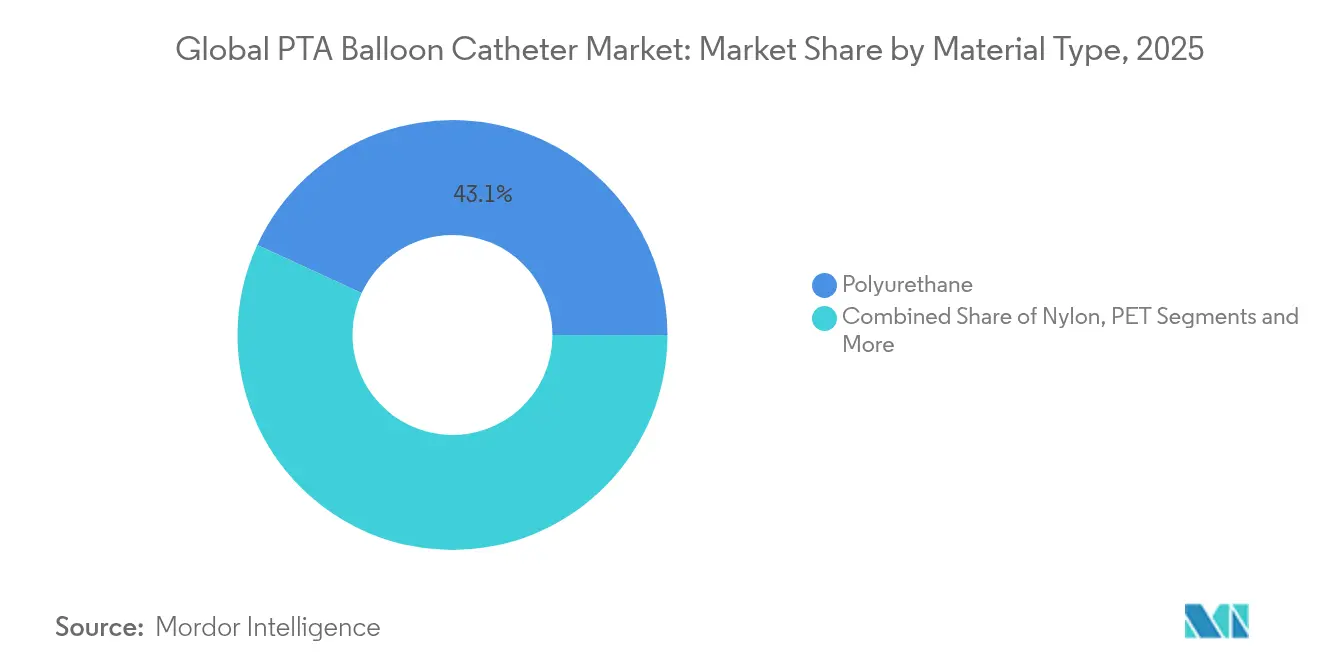
- By material type, polyurethane led with 43.12% of PTA balloon catheter market share in 2025, while advanced Pebax polymers are forecast to expand at a 9.11% CAGR to 2031.
- By coating type, plain non-coated balloons held a 57.66% revenue share in 2025; drug-coated paclitaxel balloons are the fastest-growing segment at a 8.97% CAGR through 2031.
- By compliance level, semi-compliant balloons captured 45.88% share of the PTA balloon catheter market in 2025; compliant balloons are projected to grow at 8.69% CAGR.
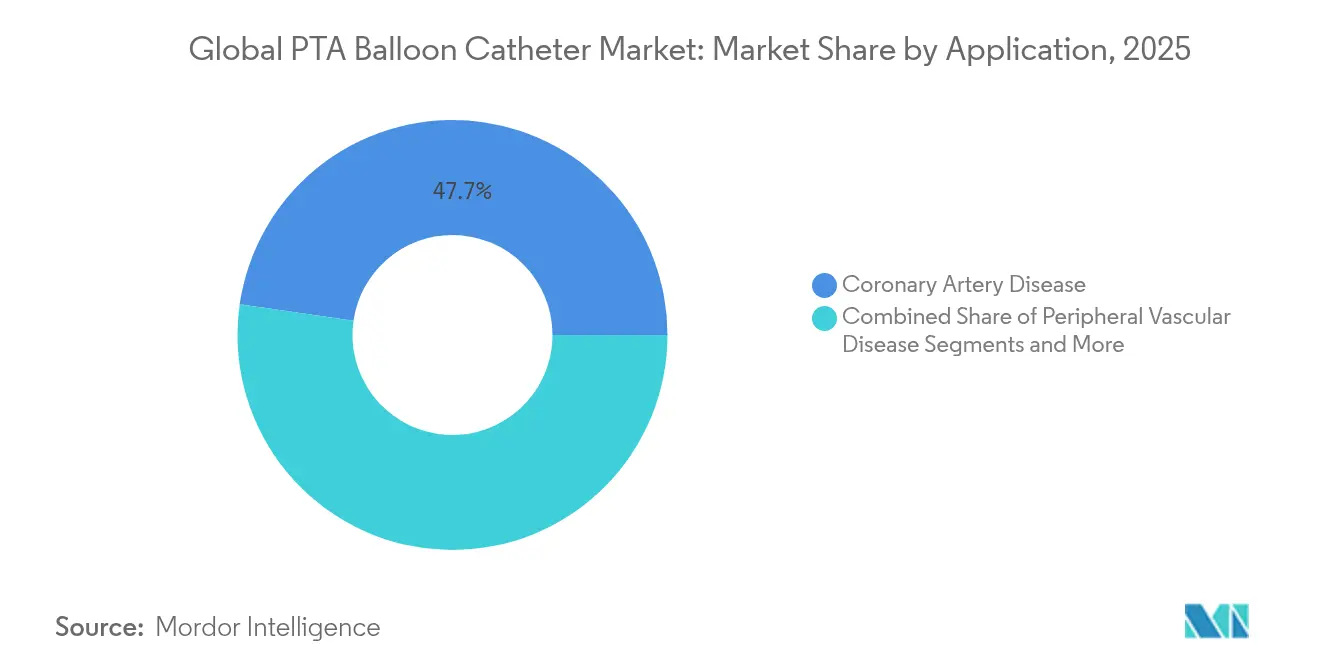
- By application, coronary artery disease accounted for 47.72% of PTA balloon catheter market size in 2025, while peripheral vascular disease is advancing at a 9.28% CAGR through 2031.
- By end user, hospitals commanded 64.75% share in 2025; ambulatory surgical centers record the highest projected CAGR at 9.47% through 2031.
Note: Market size and forecast figures in this report are generated using Mordor Intelligence’s proprietary estimation framework, updated with the latest available data and insights as of 2026.
Global PTA Balloon Catheter Market Trends and Insights
Drivers Impact Analysis*
| Driver | (~) % Impact on CAGR Forecast | Geographic Relevance | Impact Timeline |
|---|---|---|---|
| Rising Prevalence Of Coronary & Peripheral Artery Diseases | +2.1% | Global, with highest impact in North America & Europe | Long term (≥ 4 years) |
| Shift Toward Minimally-Invasive Endovascular Procedures | +1.8% | Global, led by developed markets | Medium term (2-4 years) |
| Growing Geriatric Population With Comorbidities | +1.5% | North America, Europe, Japan | Long term (≥ 4 years) |
| Expedited Approvals & Coverage For Drug-Coated Balloons In Mid-Income Markets | +1.2% | Asia-Pacific, Latin America | Medium term (2-4 years) |
| Outpatient Payment Reforms Favoring Day-Case Angioplasty | +0.9% | North America, with spillover to Europe | Short term (≤ 2 years) |
| AI-Based Vessel Sizing Boosting PTA Balloon Utilization | +0.7% | Global, concentrated in advanced healthcare systems | Medium term (2-4 years) |
| Source: Mordor Intelligence | |||
Rising Prevalence of Coronary & Peripheral Artery Diseases
Escalating cardiovascular disease has enlarged the addressable patient pool for angioplasty. Coronary artery disease affects more than 200 million people, and peripheral artery disease impacts roughly 230 million worldwide, with incidence tripling beyond age 65 [1]Sofia-Cruz et al., “Calcified Coronary Lesions in Contemporary Practice,” Frontiers in Cardiovascular Medicine, frontiersin.org. Balloon angioplasty is used in 85% of coronary revascularization procedures, and calcified lesions now comprise 40% of interventional cases—conditions that increasingly require specialized cutting or scoring balloons. Diabetes further fuels demand, as drug-coated balloons lower restenosis rates in diabetic vessels. This epidemiologic base anchors sustained utilization even during economic downturns.
Shift Toward Minimally-Invasive Endovascular Procedures
Endovascular therapy now represents 78% of all vascular interventions in developed markets, reflecting shorter recovery times and lower complication rates. Design advances such as ultra-low crossing profiles let physicians treat anatomies once deemed inoperable, while robotic catheter systems cut radiation exposure and improve precision. COVID-19 accelerated the pivot as hospitals prioritized quick, low-risk care. Five-year follow-up from the IN.PACT Global Study shows 69.4% freedom from target lesion revascularization with drug-coated balloons, reinforcing long-term durability.
Growing Geriatric Population With Comorbidities
The global population aged ≥ 65 is rising 3.1% each year. Elderly patients present tortuous arteries and multiple comorbidities that favor balloon-based approaches over open surgery. Registry data confirm better outcomes with drug-coated balloons in patients > 75 years, especially for peripheral applications where durable patency is critical. Medicare has expanded outpatient angioplasty coverage, thereby aligning reimbursement with demographic realities [2]Medicare Payment Advisory Commission, “Report to the Congress: Medicare Payment Policy,” medpac.gov.
Expedited Approvals & Coverage for Drug-Coated Balloons in Mid-Income Markets
China’s NMPA and other regulators have cut review times for high-value cardiovascular devices, approving Boston Scientific’s AGENT drug-coated balloon in 2024. Health technology bodies in India and Brazil now acknowledge 35-40% fewer repeat procedures versus plain balloons, easing reimbursement hurdles. WHO assessments show stronger regulatory capacity across the Western Pacific, smoothing market entry.
Restraints Impact Analysis*
| Restraint | (~) % Impact on CAGR Forecast | Geographic Relevance | Impact Timeline |
|---|---|---|---|
| High Cost Of Drug-Coated Balloons & Reimbursement Gaps | -1.4% | Global, most pronounced in emerging markets | Medium term (2-4 years) |
| Procedural Complications (Restenosis, Dissection) | -0.8% | Global, higher impact in complex lesion cases | Short term (≤ 2 years) |
| Environmental Restrictions On Paclitaxel Supply Chain | -0.6% | Global, concentrated in regulated markets | Medium term (2-4 years) |
| Rise Of Alternative Therapies (Atherectomy, Lithotripsy) | -0.5% | North America & Europe, expanding to Asia-Pacific | Long term (≥ 4 years) |
| Source: Mordor Intelligence | |||
High Cost of Drug-Coated Balloons & Reimbursement Gaps
Drug-coated balloons cost 3-4 times more than conventional options, at USD 800-1,200 per unit in many emerging markets. Uneven reimbursement forces physicians to navigate prior-authorization delays, curbing uptake. Producers face higher manufacturing expenses due to paclitaxel handling and quality controls, passing costs to providers. Value-based frameworks that credit lower reintervention rates are still nascent, limiting penetration despite clinical advantages.
Procedural Complications (Restenosis, Dissection)
Plain balloons see 25-35% restenosis within a year, and 15-20% of angioplasties show some vessel dissection. Complex lesions—heavy calcification or chronic occlusions—raise these risks and occasionally trigger conversion to surgery. Competing modalities such as atherectomy and intravascular lithotripsy increasingly address calcified lesions, partly displacing balloons in select patients.
*Our forecasts treat driver/restraint impacts as directional, not additive. The impact forecasts reflect baseline growth, mix effects, and variable interactions.
Segment Analysis
By Material Type: Advanced Polymers Drive Performance Innovation
Polyurethane commanded 43.12% of PTA balloon catheter market share in 2025, reflecting mature production lines and proven biocompatibility. Pebax and other advanced polymers are expanding at 9.11% CAGR, owing to their kink resistance and multi-durometer flexibility, which improve trackability in tortuous vessels. Nylon remains favored for cost-sensitive applications, and PET supports high-pressure balloon catheters designed for rigid lesions.. Saint-Gobain’s medical-grade Pebax blends enable balloons that flex without losing burst strength. Duke Extrusion’s custom Pebax tubing and emerging PEEK substitutes that avoid PFAS demonstrate how sustainability considerations are steering material selection.
Clinical complexity underpins polymer substitution trends. Operators are tackling more calcified and below-the-knee lesions, requiring materials that combine pushability with low crossing profiles. The PTA balloon catheter market continues to reward suppliers that tailor polymer grades for precise compliance and inflation response, supporting higher technical success in difficult anatomy. As value analysis committees scrutinize product differentiation, proven procedural benefits help premium polymers secure formulary acceptance.



By Coating Type: Therapeutic Delivery Platforms Transform Treatment Paradigms
Plain non-coated balloons retained 57.66% revenue share in 2025, underlining their role as baseline therapy for lesion dilation. Drug-coated paclitaxel balloons, however, are growing at 8.97% CAGR, buoyed by randomized trials showing 11.1% fewer adverse events compared with uncoated devices following FDA approval of Boston Scientific’s AGENT balloon in 2024. Specialty hydrophilic coatings serve small niches where low friction benefits outweigh added cost.
The PTA balloon catheter market benefits from maturing drug-transfer science. The AGENT platform’s 2 µg/mm² paclitaxel dose maintains efficacy while reducing systemic exposure. Large-scale registry data from Sweden confirm better outcomes for in-stent restenosis with drug-coated balloons versus plain angioplasty. As guidelines evolve, facilities factor reduced reintervention into total-cost-of-care models, supporting wider formulary adoption of therapeutic coatings.
By Compliance Level: Engineering Precision Meets Clinical Versatility
Semi-compliant balloons led with 45.88% share in 2025 because their controlled expansion suits most routine angioplasty. Compliant balloons, advancing at 8.69% CAGR, excel in complex lesion preparation and post-dilation when vessel conformity matters. Non-compliant balloons remain indispensable for high-pressure applications that demand precise sizing. Manufacturers adjust wall thickness and polymer blends to tune compliance, creating nuanced portfolios that match lesion subtype and procedural step. Novel spherical-tip non-compliant balloons achieved 98.9% technical success in complex coronary cases, illustrating how incremental engineering raises success rates.
Growing lesion complexity makes tailored compliance a procurement priority. Centers serving elderly or diabetic populations lean on compliant balloons to reduce dissection risk, whereas facilities treating chronic total occlusions stock non-compliant devices for aggressive post-stent expansion. Interventionalists increasingly request mixed assortments to align compliance with real-time lesion assessment.
By Application: Peripheral Vascular Expansion Drives Market Evolution
Coronary artery disease held 47.72% of PTA balloon catheter market size in 2025, anchored by well-established procedural volumes. Peripheral vascular disease is the fastest-growing segment at 9.28% CAGR, buoyed by broader indications, favorable reimbursement, and devices tailored to long lesions. Below-the-knee and infrapopliteal angioplasty volumes are rising because aging and diabetes enlarge the high-risk cohort. Renal artery stenosis, neurovascular aneurysm repair with balloon-assisted coiling, and AV fistula maintenance in dialysis patients add incremental demand.
Peripheral growth stems from guideline updates that position minimally invasive therapy ahead of surgical bypass for many limbs-threatening cases. Drug-coated balloons lower restenosis, making endovascular first-line care even more attractive. The PTA balloon catheter market therefore evolves from coronary centric to multi-territory, with device makers broadening size ranges and shaft lengths to suit distal vessels.
By End User: Ambulatory Care Revolution Reshapes Service Delivery
Hospitals owned 64.75% of 2025 volume, reflecting complex case management and round-the-clock emergency capability. Ambulatory surgical centers, expanding at 9.47% CAGR, capture routine and same-day PCI as Medicare coverage widens. Comparable outcomes between ASC and hospital outpatient PCI confirm safety, and lower facility fees enhance payer appeal. Specialty cardiac centers and office-based labs carve smaller yet growing niches.
ASC expansion reshapes inventory strategy: clinicians prefer all-in-one balloon kits that expedite workflow and minimize shelf requirements. Vendors that bundle balloons with guidewires or drug-delivery accessories gain traction in outpatient settings, where procedure time and cost vigilance are intense. As more vascular work migrates outside hospitals, supply chains adjust to just-in-time stocking and smaller batch orders.
Geography Analysis
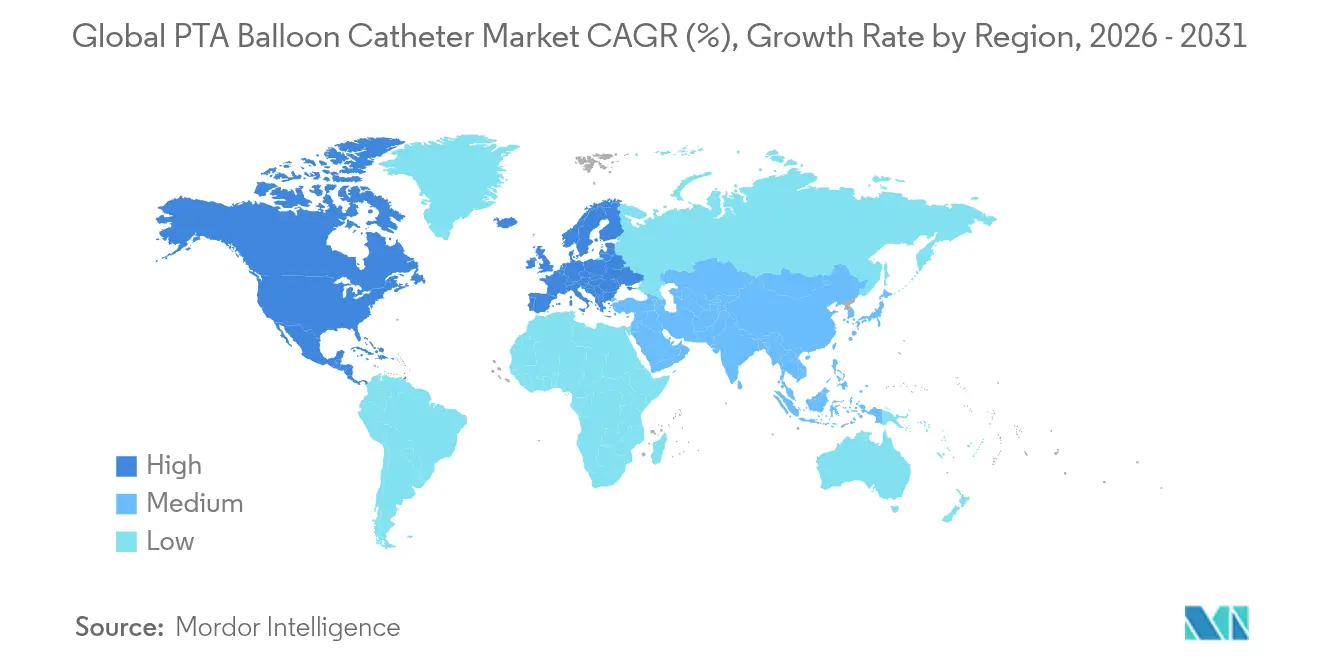
North America commanded 44.92% revenue share in 2025, nourished by robust reimbursement, deep clinical expertise, and first-in-class approvals like the AGENT drug-coated coronary balloon in February 2024. ASC-based PCI sites doubled from 2019 to 2023 as payment rules favored outpatient care, generating fresh volume outside hospital walls . Canadian and Mexican markets add incremental gains via modernization of cath-lab infrastructure and broader insurance coverage.
Asia-Pacific is the fastest-growing region at 9.71% CAGR. China’s NMPA granted marketing authorization to AGENT in 2024, signaling a friendlier stance toward novel cardiovascular devices. India’s updated device code and increased public-private hospital spending uplift demand, while Japan’s super-aged society drives high utilization of premium balloons. WHO reports cite stronger regulatory oversight across the Western Pacific, removing bottlenecks that once delayed launches. Rising middle-class income and private insurance adoption further enlarge the patient base.
Europe sustains substantial volume through established clinical research networks and harmonized procurement processes. Evidence such as the IN.PACT Global Study underpins payer acceptance of drug-coated balloons. The Medical Device Regulation framework safeguards quality without stifling innovation. Green-procurement policies promote reprocessing programs, influencing disposable-versus-reusable calculus and potentially lowering life-cycle costs. Eastern European countries, meanwhile, lean on EU cohesion funds to upgrade cath-lab equipment, adding pockets of high growth within a mature overall landscape.

Regulatory Landscape
PTA balloon catheters are regulated as high-risk cardiovascular devices, with the US Food and Drug Administration (FDA) typically routing standard non-drug-coated PTA and specialty catheters through the 510(k) pathway. Drug-coated or drug-eluting PTA catheters are treated as combination products and commonly follow the PMA route (for example, under FDA product classification such as ONU). For PMA products, post-approval change control is stringent, and ongoing supplements can affect manufacturing timelines. This is illustrated by FDA approval of a 30-day notice supplement in February 2026 for Medtronic's IN.PACT AV paclitaxel-coated PTA balloon catheter related to a lot release test method update.
In Europe, PTA balloon catheters fall under the Medical Device Regulation (EU) 2017/745. Integral drug-device combinations must also meet MDR Article 117 requirements for the device component alongside the medicinal product dossier. The European Medicines Agency (EMA) supports implementation through its medical devices work and the Combination Products Operational Group (COMBO), which coordinates assessments at the device-medicinal interface. In Q2 2026, EMA signaled additional engagement through a pilot program offering enhanced regulatory support and priority scientific advice via expert panels for breakthrough devices. Across major markets, shifting expectations around biocompatibility and risk management, including transition activity toward ISO 10993-1:2025, raise documentation and testing burdens for new coatings and material changes.
Value Chain Analysis
The PTA balloon catheter value chain runs from polymer and tubing inputs (for example, polyurethane, nylon, PET, and advanced polymers such as Pebax) through catheter shaft and balloon forming, coating chemistry and application (for drug-coated balloons), sterilization and packaging, regulatory release, and distribution via direct sales and hospital and ASC procurement channels. For drug-coated platforms, critical upstream inputs include GMP-grade active pharmaceutical ingredients and excipients. Specialized coating capability operated under controlled quality systems (ISO 13485-aligned) is followed by sterilization validation, commonly using ethylene oxide or radiation, designed to avoid degrading drug and coating performance.
Bottlenecks and cost drivers cluster around drug-coating capacity, stringent change management, and traceability requirements. Combination-product supply chains can become "locked" after approval, because supplier or process modifications require extensive revalidation and regulator interaction, such as PMA supplements in the United States and notified body engagement in Europe. That dynamic increases the strategic value of long-term supplier agreements and multi-sourcing where feasible. Downstream, Unique Device Identification (UDI) and end-to-end traceability add data and labeling complexity, while provider consolidation and outpatient migration place more weight on reliable availability, predictable lead times, and bundled procedural logistics.
Competitive Landscape
Competitive intensity is moderate, with scale and technology leadership conferring advantage. Medtronic, Boston Scientific, and Abbott focus on drug-coated innovations and AI-enabled delivery systems to defend share. Teleflex’s EUR 760 million acquisition of BIOTRONIK’s vascular intervention division in 2025 bolstered its PTA balloon catheter market footprint through the Pantera Lux platform. Boston Scientific acquired Bolt Medical for up to USD 664 million, adding lithotripsy technology that can complement or substitute balloons in calcified lesions.
White-space competition comes from niche players tackling neurovascular, pediatric, or high-pressure segments. Companies integrating AI-driven vessel measurement into balloon selection workflows are first to market with precision-guided systems that promise shorter procedure times. Sustainability pressures spur R&D toward fluorine-free coatings and recyclable polymers, potentially resetting brand preferences. Consolidation is likely to continue as firms seek cost synergies in manufacturing, regulatory submissions, and global sales networks.
Regulatory track record and supply assurance remain core differentiators. Hospitals favor vendors that can guarantee consistent paclitaxel supply amid environmental controls and geopolitical risk. Partnerships between balloon manufacturers and atherectomy or imaging companies foreshadow integrated therapeutic suites that displace single-modality buying.
PTA Balloon Catheter Industry Leaders
Medtronic plc
Terumo Corporation
Boston Scientific Corporation
Natec Medical
Cardinal Health
- *Disclaimer: Major Players sorted in no particular order

Market Opportunities and Future Outlook
A key whitespace is the acceleration of sirolimus-eluting balloon platforms alongside established paclitaxel-coated products, supported by commercialization activity and trial pipelines. In April 2026, Cordis launched the SELUTION SLR sirolimus-eluting balloon in Japan for peripheral artery disease following PMDA approval, which provides a reference point for broader geographic rollout plans and physician familiarization with non-paclitaxel coatings. In parallel, Concept Medical initiated the MAGICAL SFA trial in April 2026 (NCT07359807), comparing a sirolimus-coated balloon with paclitaxel-coated balloons in femoropopliteal arteries. This head-to-head evidence generation can shape formulary decisions and tender specifications.
Opportunities also extend to expanding treatable lesion sets and care settings while meeting the requirements of high-barrier combination-product regulation. FDA activity in 2026 continued to show that manufacturing and process controls remain a competitive differentiator for drug-coated PTA balloons, as reflected in Medtronic's February 2026 PMA supplement approval for a process-related update to IN.PACT AV. As endovascular therapy gains share in vascular interventions and outpatient angioplasty grows, vendors that can support standardized sizing workflows, maintain consistent drug supply under tighter environmental controls, and achieve rapid inventory turns in ambulatory settings have commercial whitespace beyond baseline plain balloon volume.
Recent Industry Developments
- February 2026: Medtronic received FDA approval for a 30-day notice supplement covering a process change for its IN.PACT paclitaxel-coated PTA balloon catheter platform, including the IN.PACT AV product line. The update underscores how even manufacturing and test-method changes for drug-coated balloons can run through formal PMA supplement processes, reinforcing barriers to entry and the operational advantage of mature quality systems.
- June 2025: TriReme Medical obtained China NMPA approval for a paclitaxel-coated PTA balloon catheter. This approval highlights the continued opening of mid-income markets to drug-coated platforms and supports broader competitive participation in Asia-Pacific tenders, where local approvals and registration timelines drive access.
- March 2024: Boston Scientific received FDA approval for the AGENT drug-coated balloon for coronary in-stent restenosis. The approval expanded options for treating ISR with a drug-coated balloon approach and raised competitive pressure on coronary DCB portfolios and associated clinical evidence programs.


Research Methodology Framework and Report Scope
Market Definition and Coverage
This market covers revenue generated from PTA balloon catheters used in percutaneous transluminal angioplasty procedures to dilate narrowed blood vessels in coronary and peripheral indications, measured at the global level in USD.
Scope exclusions: We exclude non-balloon catheter alternatives and other non-PTA catheter technologies that do not use an inflatable angioplasty balloon.
Segmentation Overview
- By Material Type
- Polyurethane
- Nylon
- PET
- Pebax & Other Advanced Polymers
- By Coating Type
- Plain (Non-coated)
- Drug-Coated – Paclitaxel
- Specialty Hydrophilic Coatings
- By Compliance Level
- Compliant
- Semi-Compliant
- Non-Compliant
- By Application
- Coronary Artery Disease
- Peripheral Vascular Disease
- Renal Artery Disease
- Neurovascular Disease
- AV Fistula Stenosis
- By End User
- Hospitals
- Ambulatory Surgical Centers
- Others
- By Geography
- North America
- United States
- Canada
- Mexico
- Europe
- Germany
- United Kingdom
- France
- Italy
- Spain
- Rest of Europe
- Asia-Pacific
- China
- Japan
- India
- Australia
- South Korea
- Rest of Asia-Pacific
- Middle East & Africa
- GCC
- South Africa
- Rest of Middle East & Africa
- South America
- Brazil
- Argentina
- Rest of South America
- North America
Data Sources, Market Sizing, and Validation
Desk Research
Desk research was used to build the base demand picture and to keep assumptions consistent across regions, before interviews were used to adjust what is not visible in public datasets. We reviewed public health and procedure context from sources such as the World Health Organization, the US Centers for Disease Control and Prevention, the OECD health statistics series, and the World Bank health expenditure indicators.
To translate clinical demand into device spending, we also referenced regulatory and usage signals from sources such as the US FDA device databases and similar public registries, along with peer reviewed vascular and interventional cardiology journals that discuss angioplasty practice and outcomes. For commercial grounding, we checked company filings and investor materials, along with reputable press coverage, and we selectively used paid subscriptions for company financials and intelligence and for patent databases to understand innovation and product cycles. The examples above are not exhaustive, and many other public and paid sources were also reviewed to collect data, validate assumptions, and clarify gaps.
Primary Interviews and Surveys
Primary work focused on validating how PTA balloons are actually used in real settings, and where pricing and mix are changing fastest across regions. We spoke with a blend of hospital and cath lab stakeholders, clinicians involved in angioplasty planning, and commercial roles across manufacturers and distributors. The respondent input was then used to confirm procedure trends, typical replacement cycles, and region level adoption differences. Because the market is global, interviews were balanced across APAC, EMEA, and the Americas so the final model reflects differences in treatment access and purchasing behavior.
Distribution of primary research fieldwork respondents
| Company type | Respondent position | Region |
|---|---|---|
| Top tier: 39% | CXOs: 14% | APAC: 45% |
| Mid tier: 43% | Functional/Unit leaders: 33% | EMEA: 30% |
| Smaller Players: 18% | Managers: 53% | Americas: 25% |
Market-Sizing & Forecasting
Sizing starts with a top down build that reconstructs the demand pool using angioplasty procedure volumes and the expected PTA balloon usage per procedure, which is then filtered through regional treatment rates and access differences. Once the procedure base is in place, we convert volumes to value using typical average selling price bands by region and end user purchasing behavior, then we adjust for mix shifts such as coronary versus peripheral use and changing material preferences.
To keep totals realistic, the results are cross checked with selective bottom up approximations, including supplier revenue roll ups where disclosures exist, channel feedback on shipment momentum, and a sampled price times volume sense check for major regions. Inputs that matter in this market include angioplasty procedure growth, peripheral artery disease and coronary artery disease burden signals, hospital versus ambulatory center case mix, inflation and currency timing for USD conversion, and product cycle effects that can move pricing even when volumes are steady. Forecasting was done using scenario analysis, where procedure growth and pricing paths were stress tested and then aligned to the consensus ranges shared by interviewed experts. When a bottom up view was incomplete in a country, the gap was handled through regional analogs tied back to procedure intensity and health spending patterns, and then revalidated through follow up checks.
Data Validation & Update Cycle
Model outputs were validated through triangulation across procedure indicators, public health signals, and interview feedback, followed by variance checks at region and country levels. Outliers were flagged when implied spend per procedure or growth rates moved outside realistic ranges, and those points were reworked after rechecking assumptions and, when needed, recontacting sources for clarification.
Before sign off, the numbers go through multiple analyst reviews so unit logic, currency conversions, and time series consistency are confirmed. Reports are refreshed annually, and interim updates are done when material events occur that can change pricing, supply, or adoption. Right before delivery, a final review pass is completed so clients receive the most current view based on the latest available signals.
Mordor Intelligence's Global Pta Balloon Catheter Market Size Compared Against Other Published Estimates
Published market values for PTA balloon catheters often differ because the counted product set and the starting year are not always the same, and the pricing logic can be handled differently across studies. Some estimates lean more on broad catheter or angioplasty balloon groupings, while others focus only on PTA devices used in specific vascular indications, which changes the total even if the growth direction looks similar.
Key gap drivers usually come from whether drug coated and specialty balloons are included under the same umbrella, how procedure volumes are converted into device demand, and whether currency conversion uses a single year average or a rolling approach. The spread also widens when an aggressive growth case is reported without cross checking implied balloons per procedure, or when average selling price progression is assumed to rise uniformly across regions despite reimbursement and tender differences.
Benchmark comparison
| Source | Market Size | Gaps in Research Methodology |
|---|---|---|
| Mordor Intelligence | USD 3.35 B (2026) | |
| Trade Journal B | USD 2.39 B (2024) | Uses an earlier base year and appears to reflect a narrower spend view that may not fully normalize global pricing and mix differences across coronary and peripheral usage. |
| Industry Research Outlet A | USD 2.56 B (2025) | Likely applies a faster near term growth path and a simplified ASP uplift assumption, which can overstate value if region level tenders and hospital purchasing pressure are not modeled. |
The table shows that year choice and scope choices can shift the headline value by a meaningful amount, even when the same therapy area is discussed. By tying value back to procedure linked demand, region specific pricing, and mix adjustments, and by keeping non PTA technologies out of scope, the estimate remains traceable to practical checks, which is the approach applied by Mordor Intelligence.


Key Questions Answered in the Report
What is the current Global PTA Balloon Catheter Market size?
The PTA balloon catheter market size reached USD 3.35 billion in 2026 and is forecast to attain USD 4.96 billion by 2031.
Who are the key players in Global PTA Balloon Catheter Market?
Medtronic plc, Terumo Corporation, Boston Scientific Corporation, Natec Medical and Cardinal Health are the major companies operating in the Global PTA Balloon Catheter Market.
Which is the fastest growing region in Global PTA Balloon Catheter Market?
Asia-Pacific leads with a forecast 9.71% CAGR owing to regulatory harmonization, infrastructure investment, and rising healthcare expenditure.
How do drug-coated balloons improve outcomes?
Randomized studies show drug-coated balloons reduce target lesion failure by 11.1% versus plain balloons and cut repeat procedures by up to 40%.
Page last updated on:


 Your data is secure and never sold or shared.


