
Plant Extracts Market Size and Share
Market Overview
| Study Period | 2021 - 2031 |
|---|---|
| Market Size (2026) | USD 48.78 Billion |
| Market Size (2031) | USD 70.89 Billion |
| Growth Rate (2026 - 2031) | 7.76 % |
| Fastest Growing Market | Europe |
| Largest Market | North America |
| Market Concentration | Medium |
Major Players
*Disclaimer: Major Players sorted in no particular order Image © Mordor Intelligence. Reuse requires attribution under CC BY 4.0. |
|
Plant Extracts Market Analysis by Mordor Intelligence
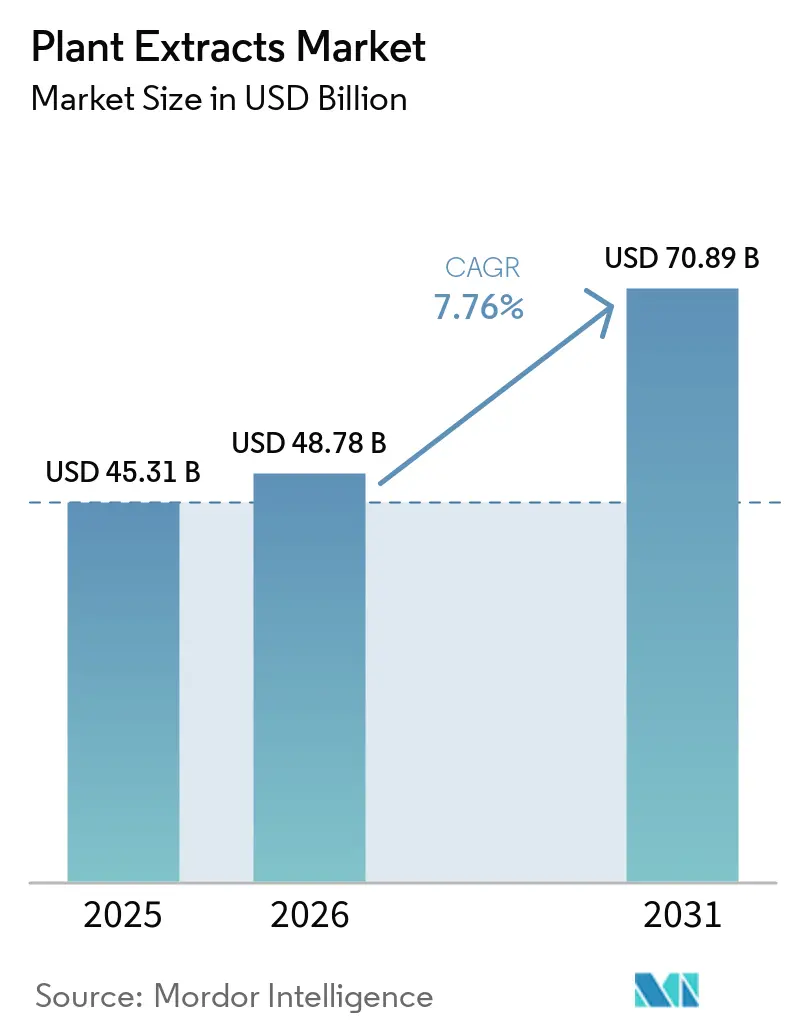
The Plant Extracts Market size was valued at USD 45.31 billion in 2025 and is estimated to grow from USD 48.78 billion in 2026 to reach USD 70.89 billion by 2031, at a CAGR of 7.76% during the forecast period (2026-2031). This expansion is fueled by clean-label reformulations, AI-driven phytochemical discoveries, and regulatory advancements clarifying new dietary ingredient pathways in the U.S. and Novel Foods authorizations in Europe. Multinational flavor companies are utilizing vertically integrated supply chains, supported by blockchain-enabled traceability to reduce adulteration risks. Biorefinery projects are converting agricultural waste into valuable botanical actives, supporting circular economy objectives. Advanced extraction technologies, such as supercritical CO₂, enzyme-assisted, and ultrasonic-assisted methods, are minimizing solvent use and energy consumption. Simultaneously, food security policies are encouraging manufacturers to replace synthetic additives with botanical alternatives, driving their adoption in functional foods, dietary supplements, cosmetics, and animal nutrition.
Key Report Takeaways
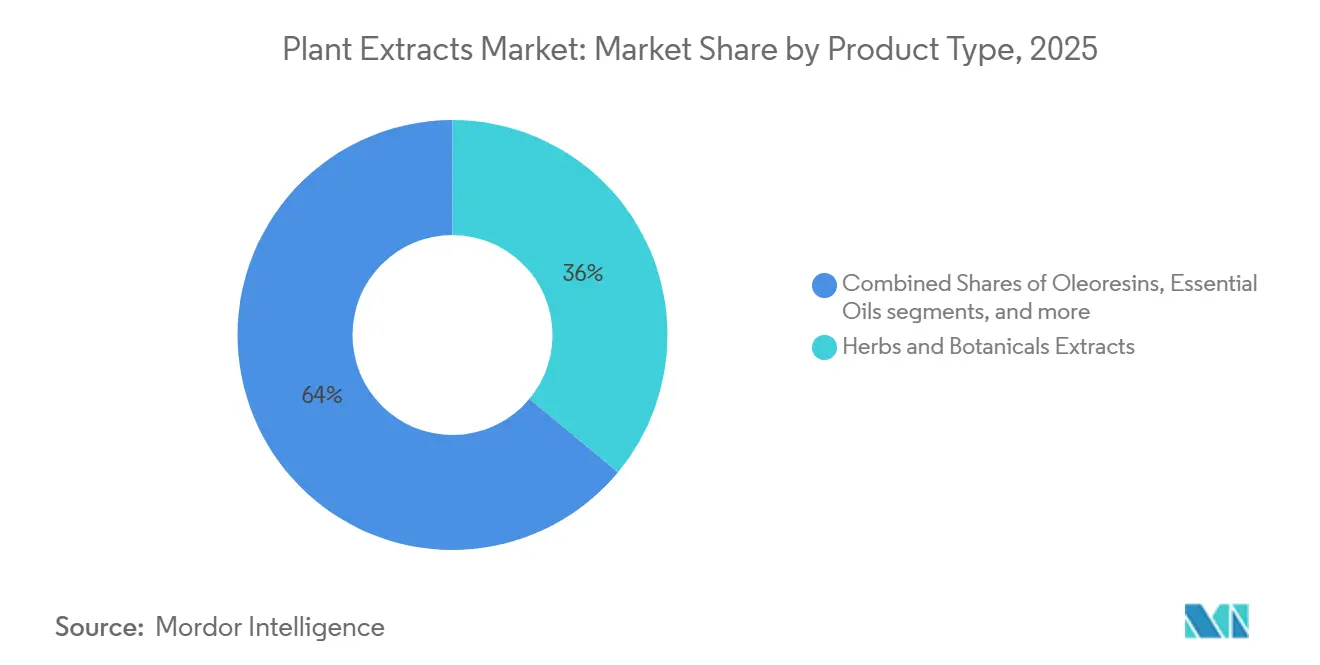
- By product type, herbal and botanical extracts led with 36.02% of plant extract market share in 2025, while essential oils are forecast to advance at an 8.10% CAGR through 2031.
- By source, herbs and spices accounted for 51.89% of the plant extract market size in 2025, whereas fruits and vegetables are projected to rise at an 8.36% CAGR between 2026 and 2031.
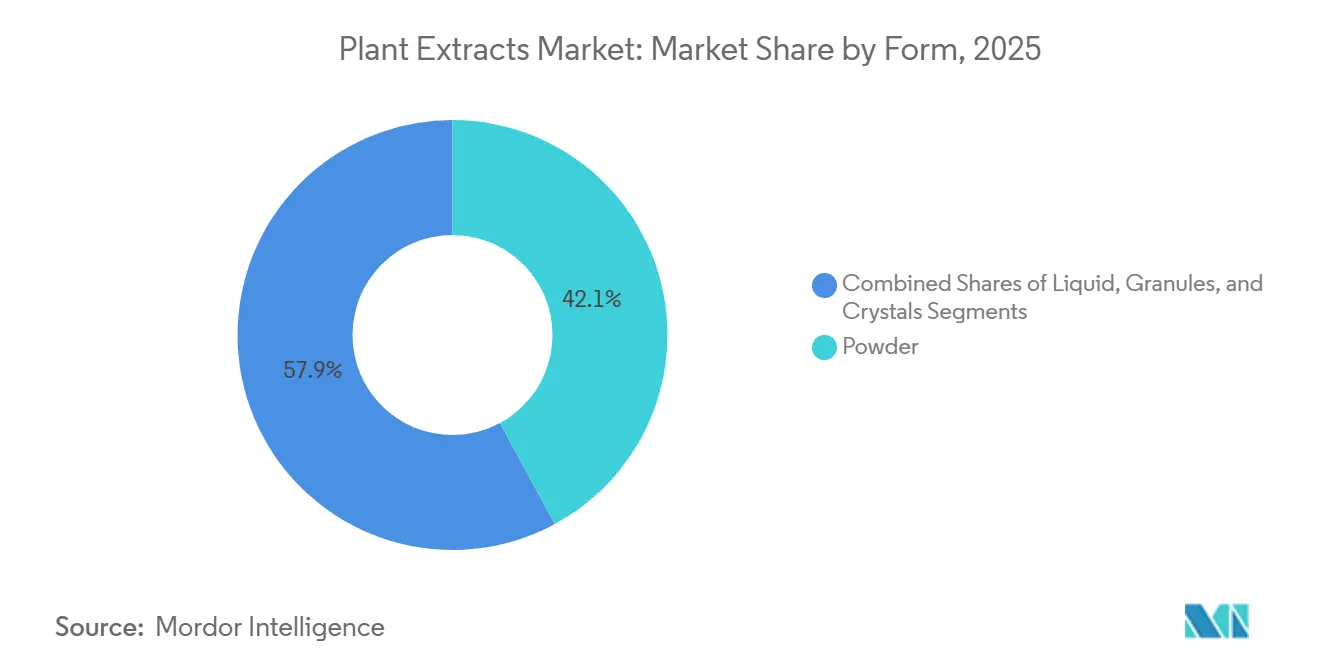
- By form, powder formats captured 42.11% revenue in 2025; liquid extracts are anticipated to expand at an 8.41% CAGR to 2031.
- By application, food and beverage held 43.86% of the 2025 demand, yet dietary supplements and functional foods are poised for the fastest growth at an 8.25% CAGR during the forecast period.
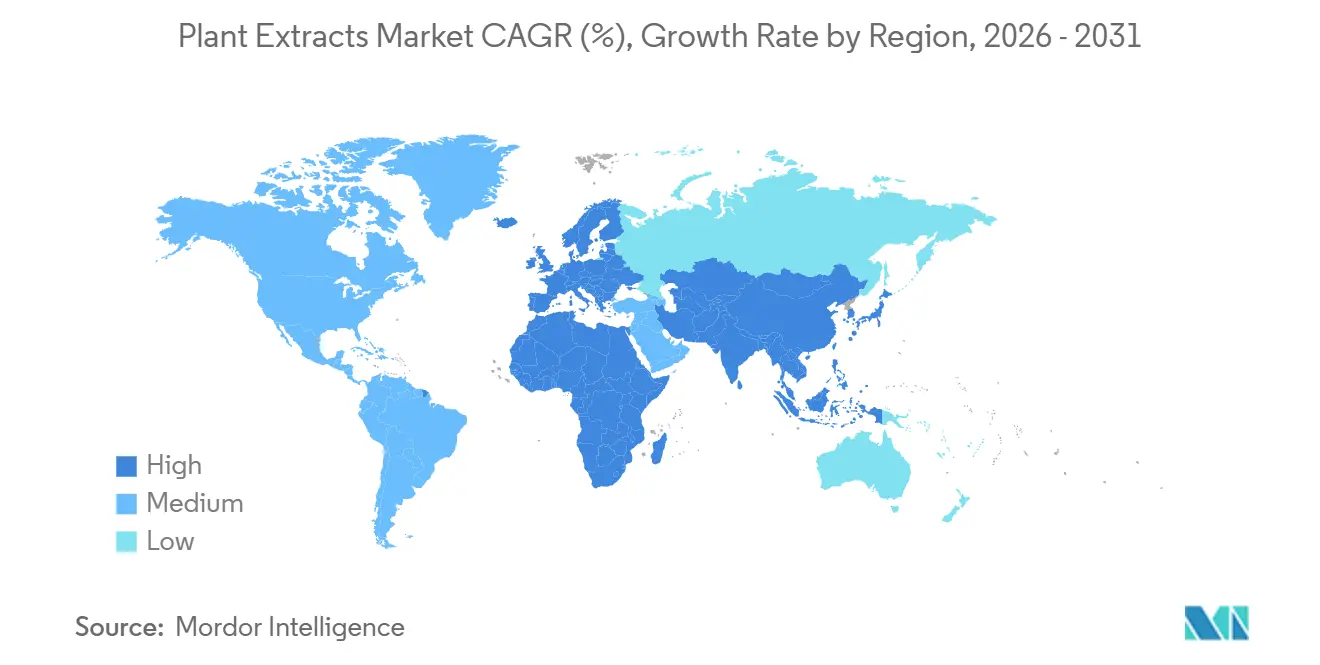
- By geography, North America commanded 36.03% revenue in 2025, while Europe is set to be the fastest-growing region at an 8.78% CAGR through 2031.
Note: Market size and forecast figures in this report are generated using Mordor Intelligence’s proprietary estimation framework, updated with the latest available data and insights as of January 2026.
Market Trends and Insights
Drivers Impact Analysis of Plant Extracts Market*
| Driver | (~) % Impact on CAGR Forecast | Geographic Relevance | Impact Timeline |
|---|---|---|---|
| Surge in clean-label demand | +1.2% | Global, with peak intensity in North America and Western Europe | Short term (≤ 2 years) |
| Expansion of nutraceutical regulations | +1.0% | North America, Europe, Asia-Pacific (India, China, ASEAN) | Medium term (2-4 years) |
| Growth of vegan and plant-based diets | +1.3% | Global, led by North America, Europe, urban Asia-Pacific | Medium term (2-4 years) |
| Advances in green extraction technologies | +0.9% | Global, with Research hubs in Europe, North America, and East Asia | Long term (≥ 4 years) |
| Commercial biorefinery-driven agri-waste valorization | +0.8% | Europe, North America, emerging in Brazil and India | Long term (≥ 4 years) |
| Integration of AI-led phytochemical discovery pipelines | +0.7% | North America, Europe, China, with spillover to Asia-Pacific and MEA | Long term (≥ 4 years) |
| Source: Mordor Intelligence | |||
Surge in clean-label demand
Consumer rejection of synthetic additives is driving faster reformulation timelines across packaged foods, beverages, and personal care products. In North America, clean-label claims are increasingly featured in new food and beverage launches. Retailers are enforcing ingredient transparency, and brands face the risk of delisting if they fail to disclose the origins or processing methods of botanical extracts. This trend is particularly prominent in the European Union, where the "Farm to Fork" strategy and the proposed "Front-of-Pack Nutrition Labelling" regulation require manufacturers to validate "natural" claims through third-party certifications. This has increased demand for organic-certified and non-GMO botanical extracts. The clean-label movement is also transforming the demand for color extracts. As synthetic dyes are banned in various regions, formulators are opting for alternatives such as anthocyanins from purple carrots, spirulina-derived phycocyanin, and turmeric-based curcumin. However, these natural options present challenges, including higher costs and stability issues in acidic or high-temperature environments.
Expansion of nutraceutical regulations
Regulatory clarity is enhancing market access for botanical supplements, but compliance complexities continue to challenge smaller players. In September 2024, the FDA released updated guidance on new dietary ingredients, specifying pre-market notification requirements for botanical extracts not previously marketed in the U.S. This update reduces uncertainty for formulators introducing novel phytochemicals. In Europe, the European Food Safety Authority revised its Novel Foods Compendium in April 2025, creating a centralized database of botanical safety assessments to simplify authorization pathways for extracts. For example, yellow tomato extract received approval in November 2025 for use in food supplements at doses up to 30 milligrams per day. Similarly, in 2024, India's Food Safety and Standards Authority introduced updated labeling standards for nutraceuticals, requiring batch-specific testing for heavy metals, pesticide residues, and microbial contaminants. While these standards raise quality benchmarks, they also increase compliance costs for domestic manufacturers. These regulatory changes validate botanical extracts in mainstream health channels but impose significant testing and documentation costs, which tend to benefit vertically integrated multinationals over regional suppliers.
Growth of vegan and plant-based diets
A significant portion of U.S. adults is anticipated to adopt flexitarian or vegan diets, signaling the transition of plant-based eating from a niche choice to mainstream acceptance. According to the Jewish, Vegan, Sustainable Organization, the number of vegans in the UK rose by 1.1 million from 2023 to 2024, reaching a total of 2.5 million, which constitutes 4.7% of the adult population[1]Source: Jewish, Vegan, Sustainable Organization, "Veganism on the Rise in the UK", jvs.org.uk. This dietary shift is driving increased demand for botanical protein isolates and natural flavor extracts that effectively neutralize the off-notes in pea and soy proteins. Furthermore, the demand for functional ingredients like adaptogens and nootropics is rising, reflecting a growing focus on wellness. Suppliers offering heat-stable, water-soluble botanical solutions are well-positioned to capitalize on the high-margin opportunities presented by plant-based meat alternatives, which rely on natural color and flavor extracts to replicate the sensory characteristics of animal products. The plant-based movement also extends to cosmetics and personal care products, where vegan formulations exclude animal-derived ingredients. These products increasingly incorporate botanical extracts such as bakuchiol, a retinol alternative derived from Psoralea corylifolia, rosehip oil, and green tea polyphenols. Cruelty-free certifications from organizations like Leaping Bunny and PETA further support these offerings.
Advances in green extraction technologies
Supercritical carbon dioxide extraction, enzyme-assisted extraction, and ultrasonic-assisted extraction are replacing traditional solvent-heavy methods, reducing environmental impact and enhancing extract purity. Supercritical CO2 operates at pressures above 73.8 bar and temperatures exceeding 31.1 degrees Celsius, enabling the selective extraction of lipophilic compounds such as carotenoids and essential oils. This method eliminates toxic residues, a significant advantage for pharmaceutical and food-grade applications. Enzyme-assisted extraction uses cellulases, pectinases, and proteases to break down plant cell walls at ambient temperatures. This approach increases yields of heat-sensitive polyphenols and anthocyanins by up to 40% compared to conventional maceration, as noted in a 2024 Food Chemistry study. Ultrasonic-assisted extraction applies high-frequency sound waves to disrupt cellular structures, reducing processing times from hours to minutes and lowering energy consumption by 30-50%. This efficiency makes it a cost-effective option for mid-scale producers. These advanced technologies are gaining momentum in Europe and North America, where sustainability certifications like ISO 14001 and B Corp status provide a competitive edge. However, high capital costs remain a barrier for smaller operations in Asia-Pacific and Latin America, contributing to a persistent technology gap.
Restraints Impact Analysis of Plant Extracts Market*
| Restraint | (~) % Impact on CAGR Forecast | Geographic Relevance | Impact Timeline |
|---|---|---|---|
| Raw-material price volatility | -0.9% | Global, with acute exposure in India, Madagascar, Indonesia | Short term (≤ 2 years) |
| Adulteration and quality concerns | -0.7% | Global, with highest incidence in Asia-Pacific and unregulated markets | Medium term (2-4 years) |
| Regulatory inconsistencies worldwide | -0.6% | Global, particularly impacting cross-border trade between US, EU, and Asia-Pacific | Medium term (2-4 years) |
| Limited clinical-efficacy data | -0.5% | Global, constraining pharmaceutical adoption and reimbursement eligibility | Long term (≥ 4 years) |
| Source: Mordor Intelligence | |||
Raw-material price volatility
In 2024, Madagascar's vanilla plantations suffered significant damage due to a cyclone, which, combined with speculative hoarding by intermediaries, caused a sharp increase in vanilla prices. This price surge compelled flavor houses to adapt by either utilizing synthetic vanillin as a substitute or exploring alternative sourcing options in regions such as Uganda and Papua New Guinea. At the same time, climate change is altering the geographic viability of coffee-cherry cultivation, leading to supply constraints for this increasingly popular ingredient used in energy drinks and nootropic supplements. Projections indicate a decline in arabica coffee yields in Brazil, further exacerbating these challenges. In response to such disruptions, companies like Döhler and Martin Bauer are adopting vertical integration strategies. They are investing in contract farming and establishing agroforestry partnerships to ensure a stable and predictable supply over the long term. However, smaller formulators, constrained by limited financial resources, are unable to implement similar strategies and remain highly susceptible to the volatility of spot-market pricing.
Adulteration and quality concerns
Economic adulteration, including the dilution of products with cheaper botanicals, synthetic spiking, and mislabeling, damages consumer trust and attracts regulatory scrutiny, particularly in markets with weak enforcement. In 2024, the FDA issued import alerts against suppliers in Bangladesh and India due to turmeric powder adulteration with lead chromate, a toxic yellow pigment. This led to shipment detentions and harmed the reputations of the impacted brands. Ginkgo biloba extracts, widely used in cognitive-health supplements, are frequently adulterated with rutin or quercetin to artificially inflate flavonoid content in laboratory tests, misleading formulators who rely on certificate-of-analysis data without conducting independent verification. Although authentication technologies such as high-performance liquid chromatography, mass spectrometry, near-infrared spectroscopy, and DNA barcoding are becoming standard in the industry, their implementation costs, ranging from USD 500 to USD 5,000 per batch, create challenges for small-scale producers. This cost barrier sustains a two-tier market, where premium brands command higher prices for verified purity, while low-cost products continue to circulate in unregulated channels.
*Our forecasts treat driver/restraint impacts as directional, not additive. The impact forecasts reflect baseline growth, mix effects, and variable interactions.
Plant Extracts Market Segment Analysis
By Product Type:
Essential Oils Gain as Preservation Demands RiseIn 2025, herbal and botanical extracts accounted for 36.02% of the plant extract market share. Turmeric, standardized to 95% curcuminoids, and ashwagandha, containing 5% withanolides, dominate the segment for stress and inflammation products. Increased raw material production strengthens the supply chain. For instance, India's turmeric production rose from 1.02 million metric tons in 2024 to 1.20 million metric tons in 2025, according to the Ministry of Agriculture and Farmers Welfare[2]Source: Ministry of Agriculture and Farmers Welfare (India), Area and production of horticulture crops for 2024-25, "agriwelfare.gov.in. Meanwhile, essential oils are projected to register the fastest growth in the plant extract market, with an 8.10% CAGR. This growth is driven by antimicrobial oregano and thyme oils replacing sodium benzoate in clean-label meats and rising demand for lavender and peppermint due to their integration into functional beverages.
As consumer preference shifts away from synthetic flavors, oleoresins are increasingly used in snack coatings. Additionally, phytochemical isolates like resveratrol are securing a premium position in clinical nutrition. Natural color extracts from spirulina, paprika, and beetroot are gaining momentum following regulatory bans on Allura Red AC in the EU. However, supply chain vulnerabilities persist due to the geographic concentration of sandalwood, frankincense, and vanilla.



By Source:
Fruits and Vegetables Surge on Polyphenol DemandHerbs and spices accounted for 51.89% of the 2025 volumes, underscoring their deep-rooted significance in Ayurveda and Traditional Chinese Medicine (TCM). Yet, fruits and vegetables are set to surge ahead, boasting an impressive 8.36% CAGR. This uptick is bolstered by a steady supply of raw materials, highlighted by Brazil's USDA Foreign Agricultural Service reporting the country's orange production at a notable 13.5 million metric tons[3]Source: USDA Foreign Agricultural Service, "Citrus: World Markets and Trade", fas.usda.gov. Meanwhile, extracts from anthocyanin-rich blueberries and elderberries are being integrated into formulations targeting cardiovascular and cognitive health. Additionally, citrus waste streams are now being transformed into valuable products like hesperidin, d-limonene, and pectin, turning what was once a landfill cost into a profitable venture.
Tomato pomace, a by-product of tomato processing, is being effectively converted into lycopene, which is widely recognized for its benefits in sun-care and prostate health applications. This innovation is significantly contributing to the expansion of the market for fruit-derived plant extracts. To mitigate the challenges posed by seasonality, companies are increasingly investing in advanced technologies such as freeze-drying tunnels and cold-chain logistics. These investments are critical in ensuring a stable and uninterrupted supply of raw materials, thereby supporting the sustained growth of the market.
By Form:
Liquid Extracts Gain on Beverage FortificationIn 2025, powders represented 42.11% of total sales, primarily due to their extended 24-month shelf life and their compatibility with various applications such as capsules and ready mixes. The use of microencapsulation technology plays a significant role in masking the inherent bitterness of green-tea catechins and curcumin, thereby improving their overall palatability and consumer acceptance. Despite the dominance of powders, liquid extracts are projected to experience the fastest growth, with a robust CAGR of 8.41%. This growth is fueled by the increasing demand for convenient ready-to-drink products, including energy shots and adaptogenic lattes, which cater to evolving consumer preferences.
Alcoholic tinctures are witnessing a resurgence in the wellness e-commerce segment, driven by their perceived health benefits and growing consumer interest in natural remedies. Meanwhile, glycerin-based formulations are gaining traction in markets that are sensitive to ethanol content, offering a viable alternative. Beverage formulators are increasingly opting for water-soluble botanicals, as these ingredients eliminate the need for additional dissolution steps, thereby enhancing production efficiency and reducing processing time. However, logistics costs remain a significant challenge for liquid extracts, primarily due to their higher shipping weights compared to powders, which increases transportation expenses.
By Application:
Dietary Supplements Outpace Food and BeverageIn 2025, the food and beverage sector accounted for 43.86% of the overall demand, with natural vanilla being priced in the range of USD 300-600 per kg. Tea extracts such as green and rosemary have increasingly replaced butylated hydroxyanisole in applications such as meat snacks and salad dressings, reflecting a shift toward natural alternatives. Additionally, the market for plant extracts in animal nutrition is witnessing significant growth, as oregano and garlic extracts are being utilized to reduce reliance on antibiotics in EU livestock farming practices.
Dietary supplements and functional foods are projected to exhibit the fastest growth within the plant extract market, with an expected compound annual growth rate (CAGR) of 8.25%. In 2024, adaptogen sales in the United States reached USD 450 million, driven predominantly by the rising popularity of ashwagandha and rhodiola. Furthermore, nootropics such as lion’s mane and bacopa are gaining traction among aging consumers seeking cognitive support and individuals aiming to enhance productivity. Although pharmaceuticals represent a relatively niche segment within the plant extract market, they deliver substantial value, particularly through the use of high-value active pharmaceutical ingredients (APIs) like artemisinin and paclitaxel.
Geography Analysis
North America Plant Extracts Market
In 2025, North America contributed 36.03% of global revenue, driven by the U.S.'s USD 60 billion dietary-supplement market. Canada's natural-health-products sector further supported the demand for standardized botanical extracts, emphasizing transparent supply chains and third-party certifications. The FDA introduced an updated botanical-guidance framework in September 2024, clarifying new-dietary-ingredient notification requirements. This update reduced regulatory uncertainties for formulators introducing novel botanicals like CBD, lion's mane mushroom, and sea moss. Private-equity activity surged in 2025 and 2026, highlighted by The Riverside Company's acquisition of Western Botanicals in February 2026 and Monterey Bay Herb Co.'s purchase of NP Nutra. These developments reflected investor confidence in consolidation-driven margin expansion and cross-selling opportunities. Although Mexico's botanical-extract sector is smaller, its proximity to U.S. markets and lower labor costs provide advantages. Companies such as Canurta Naturals are deploying mobile extraction labs to process cannabis and hemp biomass on-site, cutting transportation costs and preserving volatile terpenes.
Europe Plant Extracts Market
Europe is projected to grow at 8.78% through 2031, marking the fastest regional growth rate. This growth is supported by the European Food Safety Authority's (EFSA) Novel Foods authorizations and increasing consumer demand for organic-certified, traceable ingredients. In April 2025, the EFSA updated its Compendium of Botanicals, listing over 1,600 plant species with safety assessments. This update aims to streamline authorization pathways and reduce time-to-market for novel extracts. For example, yellow tomato extract was authorized in November 2025 for use in food supplements at doses of up to 30 milligrams per day. Its regulatory approval required toxicological studies, allergenicity assessments, and nutritional-impact analyses. Germany, the largest market in Europe, leads in herbal medicinal products. Botanical extracts such as St. John's wort, valerian, and ginkgo biloba are reimbursed under statutory health insurance for specific indications, creating a pharmaceutical-grade supply chain distinct from dietary supplements. The UK, in its post-Brexit phase, continues to align with EU Novel Foods regulations while exploring faster approval pathways for botanicals with established safety records in Commonwealth nations. Meanwhile, France and Italy are prioritizing organic and biodynamic certifications. Consumers in these countries are willing to pay 20-30% premiums for Ecocert and Demeter-certified botanical extracts, driving demand for regenerative-agriculture sourcing models.
APAC, South America and MEA Plant Extracts Market
Asia-Pacific, South America, and the Middle East and Africa are emerging as key growth regions in the botanical extract market. China and India are playing dual roles as major producers and expanding consumer markets. China's Traditional Chinese Medicine sector, valued at over USD 150 billion, is shifting from raw-herb dispensing to standardized extract formulations. This transition is supported by modernization initiatives from the National Medical Products Administration and the enforcement of Good Manufacturing Practices. In India, the botanical-extract industry, concentrated in Gujarat, Maharashtra, and Tamil Nadu, supplies global markets with turmeric, ashwagandha, and Bacopa monnieri extracts. However, the industry faces challenges related to quality control and adulteration, which impact export competitiveness. Thailand and Indonesia are positioning themselves as cost-effective sourcing hubs for tropical botanicals such as mangosteen, moringa, and kratom, leveraging favorable climates and government export-promotion programs. Brazil's biodiversity, encompassing the Amazon rainforest and Cerrado savanna, offers significant potential for novel botanical extracts like acai, guarana, and copaiba oil. However, the lack of sustainable-sourcing certifications and underdeveloped indigenous-rights frameworks poses reputational risks for multinational buyers sourcing from Brazil.

Competitive Landscape
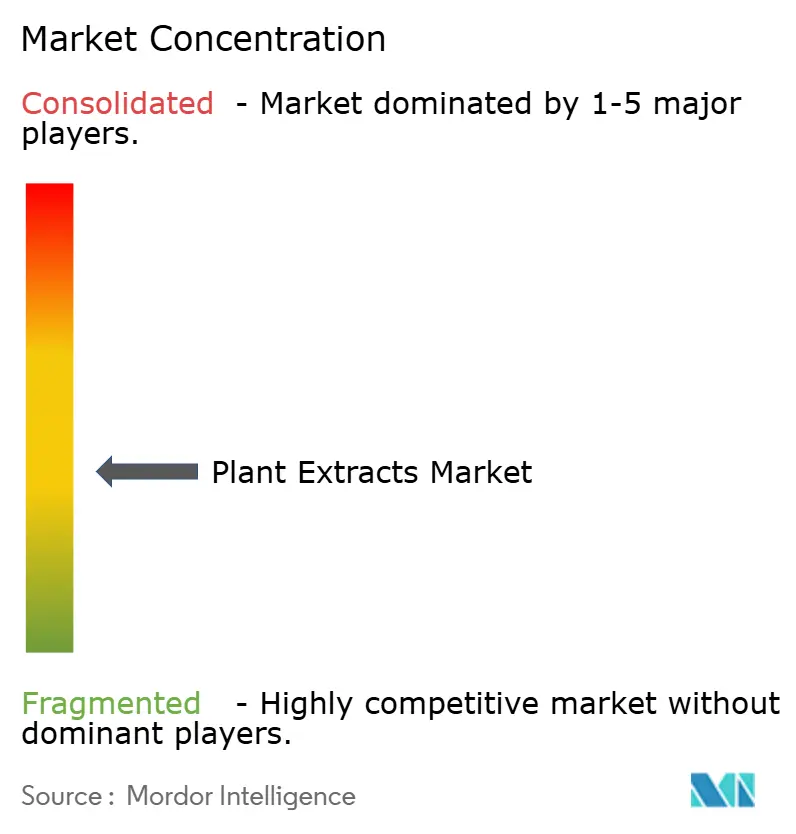
The plant extracts market is moderately fragmented, allowing both established players and niche entrants to carve out market share through distinct positioning strategies. Industry giants like Givaudan, DSM-Firmenich, Symrise, and International Flavors and Fragrances are bolstering their competitive edge through vertical integration and sustainability efforts. This market structure not only allows for unique value propositions but also enables companies to target specific segments with tailored offerings. Givaudan's 2024 results underscore this strategy, boasting sales of USD 9,316.51 million (a 12.3% like-for-like rise) and pledging climate-positive operations by 2050, with goals for 100% renewable electricity and a 48% cut in scope 1+2 emissions.
Firms are channeling investments into proprietary extraction techniques and sustainable sourcing to carve out competitive edges. These tech-driven investments aim at refining processing methods, boosting extraction efficiency, and maintaining consistent product quality. A case in point is Symrise's Mindera® platform, which offers a 100% plant-based product protection technology, marrying effectiveness with sustainability. This platform marks a pivotal leap in sustainable product innovation, highlighting the industry's pivot towards eco-friendly solutions.
Niche players are solidifying their foothold in specialized applications and regional markets, especially in bioprospecting and ethnobotanical research, leveraging traditional knowledge. The market's moderate concentration favors those adept at navigating regulatory landscapes while ensuring quality and supply consistency. Collaborations between established firms and biotech companies, like HealthTech Bioactives teaming up with Abolis Biotechnologies on solvent-free fermentation for polyphenols, are propelling technological progress and addressing shifting market needs.
Plant Extracts Industry Leaders
-
Givaudan SA
-
DSM-Firmenich SA
-
Synrise AG
-
International Flavors and Fragrances Inc.
-
Dohler GmBH
- *Disclaimer: Major Players sorted in no particular order
Plant Extracts Market Companies Covered in this Report
- Givaudan SA
- DSM-Firmenich AG
- Symrise AG
- International Flavors and Fragrances Inc.
- Dohler GmbH
- Kalsec Inc.
- Indena SpA
- Archer Daniels Midland Company
- Martin Bauer Group
- Sensient Technologies Corp.
- Ransom Naturals Ltd.
- Frutarom Industries Ltd.
- Arjuna Natural Pvt. Ltd.
- Blue Sky Botanics Ltd.
- Botanica GmbH
- Vidya Herbs Pvt. Ltd.
- Nutra Green Biotechnology Co., Ltd.
- Shaanxi Jiahe Phytochem
- Nexira SAS
- PT Indesso Aroma
- Sabinsa Corporation
- Layn Natural Ingredients Corp.
- OmniActive Health Technologies
- PureCircle (by Ingredion)
- Xi'an Shengtian Bio-chemical Co., Ltd.

Recent Industry Developments in Plant Extracts Market
- October 2025: Symrise has partnered with Canadian biotech Aplantex to address climate-related supply risks and advance traceable plant-extract innovations. The collaboration leverages photosynthetic biomass technology to sustainably produce plant molecules such as apigenin, orientin, vitexin, and luteolin.
- October 2025: Symrise has launched a new generation of Actipone botanical extracts, including Pure Balance CC, a rosemary extract designed for sebum control, and AHA Renew, made from upcycled cranberry acids for skin renewal. Supported by efficacy data, this launch highlights Symrise's dedication to circular and high-performance beauty solutions.
- November 2024: Jiaherb, a global manufacturer of natural ingredients and botanical extracts, completed its new Laboratory and Research and Development building in Xi'an, China. The 11-floor facility encompasses 140,000 square feet and houses the company's research operations. The building consolidates multiple departments, including Research and Development, Quality Assurance/Quality Control laboratories, accounting, purchasing, sales, marketing, logistics, dining facilities, and meeting spaces.
- August 2024: Kalsec Inc. opened its Mildenhall Finishing and Distribution Centre in the United Kingdom. The facility enhances service for European customers by offering increased flexibility, local customization options, and faster delivery times.


Global Plant Extracts Market Report Scope
Plant extracts are concentrated substances derived from plant tissues (roots, leaves, stems, flowers, fruits) using solvents like water, alcohol, or oil to isolate active compounds. The plant extract market report is segmented by product type, source, form, application, and geography. By product type, the market is segmented into essential oils, oleoresins, herbal and botanical extracts, phytochemical isolates, natural color extracts, flavour and fragrance extracts. By source, the market is segmented into herbs and spices, fruits and vegetables, flowers, roots and rhizomes, seeds and grains. By form, the market is segmented into powder, liquid, crystals and granules. By application, the market is segmented into food and beverages, dietary supplements and functional foods, pharmaceuticals, cosmetics and personal care, and animal nutrition. By geography, the market is segmented into North America, Europe, Asia-Pacific, South America, Middle East and Africa. For each segment, the market forecasts are provided in terms of value (USD) and volume (Tons).
Segmentation Overview
| Essential Oils |
| Oleoresins |
| Herbal and Botanical Extracts |
| Phytochemical Isolates |
| Natural Color Extracts |
| Flavour and Fragrance Extracts |
| Herbs and spices |
| Fruits and vegetables |
| Flowers |
| Roots and Rhizomes |
| Seeds and Grains |
| Powder |
| Liquid |
| Crystals and Granules |
| Food and Beverages |
| Dietary Supplements and Functional Foods |
| Pharmaceuticals |
| Cosmetics and Personal Care |
| Animal Nutrition |
| North America | United States |
| Canada | |
| Mexico | |
| Rest of North America | |
| Europe | United Kingdom |
| Germany | |
| France | |
| Italy | |
| Spain | |
| Russia | |
| Sweden | |
| Belgium | |
| Poland | |
| Netherlands | |
| Rest of Europe | |
| Asia-Pacific | China |
| Japan | |
| India | |
| Thailand | |
| Singapore | |
| Indonesia | |
| South Korea | |
| Australia | |
| New Zealand | |
| Rest of Asia-Pacific | |
| South America | Brazil |
| Argentina | |
| Colombia | |
| Chile | |
| Rest of South America | |
| Middle East and Africa | United Arab Emirates |
| South Africa | |
| Saudi Arabia | |
| Nigeria | |
| Egypt | |
| Morocco | |
| Turkey | |
| Rest of Middle East and Africa |
| Product Type | Essential Oils | |
| Oleoresins | ||
| Herbal and Botanical Extracts | ||
| Phytochemical Isolates | ||
| Natural Color Extracts | ||
| Flavour and Fragrance Extracts | ||
| By Source | Herbs and spices | |
| Fruits and vegetables | ||
| Flowers | ||
| Roots and Rhizomes | ||
| Seeds and Grains | ||
| By Form | Powder | |
| Liquid | ||
| Crystals and Granules | ||
| By Application | Food and Beverages | |
| Dietary Supplements and Functional Foods | ||
| Pharmaceuticals | ||
| Cosmetics and Personal Care | ||
| Animal Nutrition | ||
| By Geography | North America | United States |
| Canada | ||
| Mexico | ||
| Rest of North America | ||
| Europe | United Kingdom | |
| Germany | ||
| France | ||
| Italy | ||
| Spain | ||
| Russia | ||
| Sweden | ||
| Belgium | ||
| Poland | ||
| Netherlands | ||
| Rest of Europe | ||
| Asia-Pacific | China | |
| Japan | ||
| India | ||
| Thailand | ||
| Singapore | ||
| Indonesia | ||
| South Korea | ||
| Australia | ||
| New Zealand | ||
| Rest of Asia-Pacific | ||
| South America | Brazil | |
| Argentina | ||
| Colombia | ||
| Chile | ||
| Rest of South America | ||
| Middle East and Africa | United Arab Emirates | |
| South Africa | ||
| Saudi Arabia | ||
| Nigeria | ||
| Egypt | ||
| Morocco | ||
| Turkey | ||
| Rest of Middle East and Africa | ||


Key Questions Answered in the Report
How fast will the plant extract market grow through 2031?
The plant extract market is expected to register a 7.76% CAGR between 2026 and 2031, rising to USD 70.89 billion by the end of the forecast period.
Which product type will grow the quickest?
Essential oils will expand at an 8.10% CAGR, outpacing all other product categories due to their dual role in food preservation and aromatherapy.
What region shows the strongest future potential?
Europe is projected to post the highest regional CAGR at 8.78%, supported by streamlined Novel Foods approvals and strong consumer demand for organic botanicals.
Why are liquid extracts gaining traction?
Beverage fortification trends and the popularity of tinctures drive liquid extracts, which offer faster bioavailability and formulation convenience.
Page last updated on:


 Your data is secure and never sold or shared.


