
Market Overview
| Study Period | 2021 - 2031 |
|---|---|
| Forecast Data Period | 2026 - 2031 |
| Base Year Market Size (2025) | USD 5.74 Billion |
| Market Size (2026) | USD 6.04 Billion |
| Market Size (2031) | USD 7.83 Billion |
| Growth Rate (2026 - 2031) | 5.29 % |
| Market Concentration | Medium |
Major Players
*Disclaimer: Major Players sorted in no particular order Image © Mordor Intelligence. Reuse requires attribution under CC BY 4.0. |
|
Germany Skincare Product Market Analysis by Mordor Intelligence
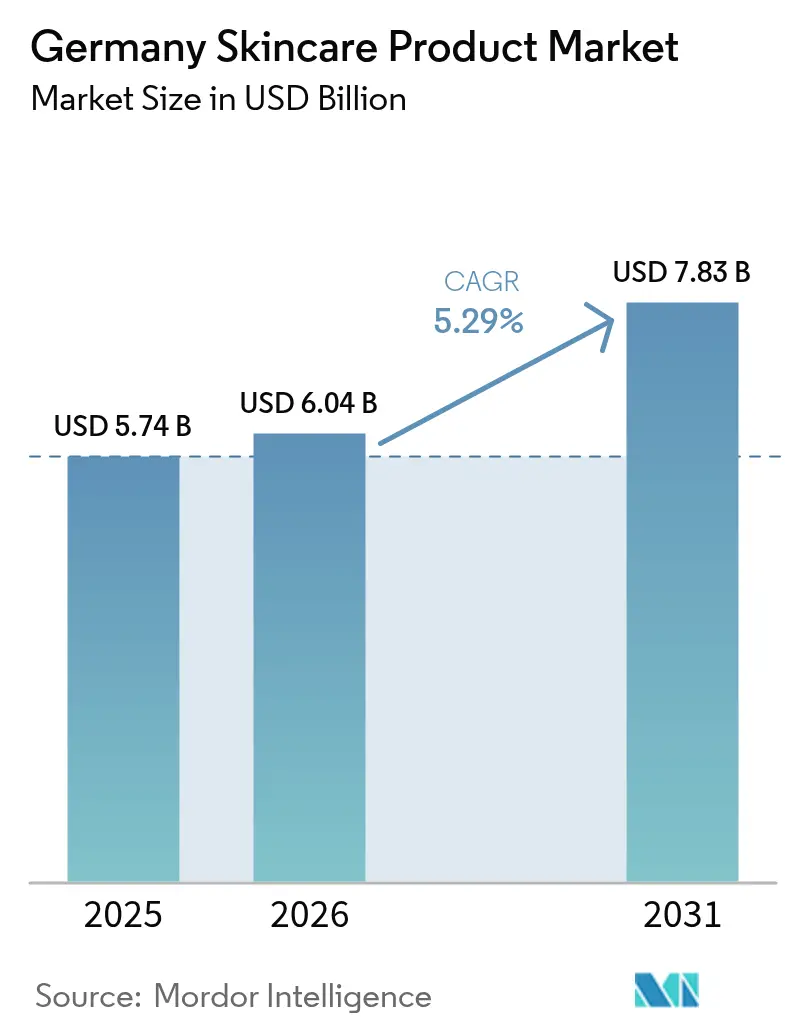
The Germany Skincare Product Market size is expected to grow from USD 5.74 billion in 2025 to USD 6.04 billion in 2026 and is forecast to reach USD 7.83 billion by 2031 at 5.29% CAGR over 2026-2031. This growth is driven by evolving consumer preferences, increasing demand for high-quality products, and a shift toward advanced, science-based skincare solutions. Germany is recognized as one of Europe’s most developed beauty markets, supported by a population that prioritizes skin health, ingredient transparency, and sustainable consumption. Over the years, the market is anticipated to grow steadily, fueled by rising wellness awareness, continuous product innovations, and the rapid digitalization of beauty retail channels. These factors are enhancing accessibility, improving consumer engagement, and fostering highly personalized, convenient, and seamless shopping experiences, while also addressing the growing demand for eco-friendly and ethically sourced skincare products.
Key Report Takeaways
- By product type, facial care held 83.21% of the Germany skincare product market share in 2025, and it is set to expand at a 5.37% CAGR through 2031.
- By price range, the mass tier commanded 68.64% of 2025 revenue, whereas premium products led growth with a 5.45% CAGR to 2031.
- By end-user, women generated 58.47% of 2025 revenue, yet the men’s segment is accelerating at a 5.51% CAGR through 2031.
- By category, conventional products still dominated in 2025, while natural and organic formats are advancing at a 5.98% CAGR to 2031.
- By distribution channel, health and beauty stores captured 51.43% revenue in 2025, but online retail is the fastest-growing route at a 6.05% CAGR through 2031.
Note: Market size and forecast figures in this report are generated using Mordor Intelligence’s proprietary estimation framework, updated with the latest available data and insights as of 2026.
Germany Skincare Product Market Trends and Insights
Drivers Impact Analysis*
| Driver | (~) % Impact on CAGR Forecast | Geographic Relevance | Impact Timeline |
|---|---|---|---|
| Aging population and demand for anti-aging skincare | +0.8% | National, concentrated in urban centers with higher median age | Long term (≥ 4 years) |
| Innovation in product formulations and formats | +0.9% | National, with early adoption in premium channels | Medium term (2-4 years) |
| Shift toward sustainable, eco-friendly products | +0.7% | National, strongest in metropolitan areas and organic specialty stores | Medium term (2-4 years) |
| Digital marketing and beauty influencers | +0.6% | National, amplified by high internet penetration (86%) | Short term (≤ 2 years) |
| Vegan product proliferation | +0.5% | National, led by drugstore private labels and niche brands | Medium term (2-4 years) |
| Surge in men's skincare participation | +0.6% | National, skewed toward under-35 demographic | Medium term (2-4 years) |
| Source: Mordor Intelligence | |||
Aging population and demand for anti-aging skincare
The aging population and the growing demand for anti-aging skincare are driving the Germany skincare product market. This trend is fueled by sustained demand for specialized formulations targeting visible signs of aging, such as fine lines, loss of elasticity, and hyperpigmentation. Mature consumers, particularly women, are increasingly investing in preventive and reparative skincare routines that emphasize ingredients like peptides, retinoids, and collagen boosters to maintain skin firmness and luminosity amidst hormonal changes and cumulative environmental damage. This demographic shift is contributing to the growth of the premium skincare segment, as consumers show a preference for clinical-grade serums, overnight repair masks, and eye contour treatments that offer measurable results, such as wrinkle reduction and improved skin density. For example, according to the Federal Statistical Office, in 2024, approximately 15.5% of the German population was aged between 65 and 79 years [1]Source: Federal Statistical Office, "Share of the population in Germany aged 65 years and older", destatis.de. This highlights the expanding demographic actively seeking advanced anti-aging solutions to address age-specific concerns, such as sagging skin and uneven tone.
Innovation in product formulations and formats
Innovation in product formulations and formats is driving the growth of the German skincare product market by enhancing consumer adoption through advanced actives and delivery systems. The demand for multifunctional products combining hydration, SPF, and anti-aging benefits in a single application further supports this trend. Research and Development (R&D) efforts are catering to tech-savvy consumers who embrace novel formats, while derma-cosmetic innovations focus on hypoallergenic, pH-balanced formulations for sensitive skin. These advancements drive premium pricing and customer loyalty by delivering tangible before-and-after results, often validated by at-home scanning devices. For example, in February 2025, the Japanese beauty brand Curel entered German pharmacies as part of its strategy to expand in the skincare category. The brand emphasizes derma-cosmetics and skin protection, leveraging Japanese expertise in ceramide-restoring emulsions and aqueous gels. These products, distributed through pharmacy-trusted channels, address the needs of eczema-prone and post-barrier-compromised skin with gentle, high-tech protective solutions.
Shift toward sustainable, eco-friendly products
The shift toward sustainable and eco-friendly products is driving the growth of the Germany skincare product market. This trend aligns with the country's strong environmental consciousness, emphasizing biodegradable packaging, upcycled botanicals, and zero-waste refill systems. Certifications such as COSMOS Organic and Vegan Society seals enhance brand differentiation and foster loyalty among environmentally conscious consumers. These consumers often scrutinize supply chains for ethical sourcing, preferring ingredients like shea butter and hyaluronic acid derived from fermented yeast over animal-based alternatives. Innovations such as ocean-plastic micro-exfoliants and waterless solid balms further reduce environmental impact while maintaining product performance, addressing urban skincare needs like dehydration and oxidative stress. According to the German Cosmetics, Toiletry, Perfumery, and Detergent Association (IKW), 34% of consumers value sustainable cosmetics, and 76% prefer care products that benefit both themselves and the environment [2]Source: German Cosmetics, Toiletry, Perfumery, and Detergent Association (IKW), "From Düsseldorf Into the World", ikw.org. This highlights the growing demand that is propelling eco-friendly formulations from niche offerings to mainstream prominence.
Digital marketing and beauty influencers
Digital marketing and beauty influencers have emerged as significant growth drivers for the Germany Skincare Product Market, fundamentally reshaping how consumers discover, assess, and purchase skincare products. In recent years, German consumers, particularly millennials and Gen Z, have increasingly turned to digital platforms such as Instagram, TikTok, YouTube, Pinterest, and beauty blogs for guidance on skincare routines and product selection. Influencers, dermatologists on social media, and skincare content creators provide highly engaging and educational content that highlights ingredients, routines, before-and-after results, and product benefits in an accessible and relatable manner. This shift has significantly reduced reliance on traditional advertising, with consumers increasingly favoring authentic, peer-driven recommendations. As a result, influencer endorsements are now perceived as more credible and trustworthy compared to traditional brand messaging.
Restraints Impact Analysis*
| Restraint | (~) % Impact on CAGR Forecast | Geographic Relevance | Impact Timeline |
|---|---|---|---|
| Strict regulatory and compliance requirements | -0.4% | National, governed by EU Cosmetics Regulation 1223/2009 and BfR | Long term (≥ 4 years) |
| Allergies and sensitive skin concerns | -0.3% | National, affecting 40-50% of population with sensitive skin | Medium term (2-4 years) |
| Intense competition and market saturation | -0.5% | National, concentrated in drugstore and online channels | Short term (≤ 2 years) |
| Inflation-driven price sensitivity in mass retail | -0.4% | National, acute in mass channels and among younger consumers | Short term (≤ 2 years) |
| Source: Mordor Intelligence | |||
Strict regulatory and compliance requirements
Strict regulatory and compliance requirements pose a significant restraint on the Germany Skincare Product Market. These challenges stem from the rigorous standards established by the EU Cosmetics Regulation 1223/2009 and oversight from Germany’s Bundesinstitut für Risikobewertung (BfR). Under EU Regulation 1223/2009, all cosmetic products sold in Germany must undergo extensive safety assessments, comply with stringent ingredient restrictions, maintain detailed product information files (PIFs), and adhere to bans on animal testing. Additional requirements include proper labeling, substantiation of claims, allergen disclosure, and traceability across the supply chain. These regulations compel brands, particularly new entrants and smaller manufacturers, to allocate significant resources to regulatory expertise, documentation, and testing. Furthermore, the BfR conducts scientific evaluations and health risk assessments, which often serve as national benchmarks. This adds another layer of scrutiny, particularly for ingredients such as preservatives, UV filters, fragrances, and potential endocrine disruptors.
Allergies and sensitive skin concerns
Allergies and sensitive skin concerns pose a significant restraint on the German Skincare Product Market, as German consumers are becoming increasingly cautious about the products they use. The rising prevalence of conditions such as dermatitis, eczema, fragrance sensitivities, and reactions to preservatives or chemical additives has led many consumers to approach new skincare products with skepticism, often avoiding unfamiliar or complex ingredient lists. This growing sensitivity is influenced by heightened awareness of potential irritants, including parabens, sulfates, synthetic fragrances, and allergenic essential oils. Consequently, consumers are more inclined to scrutinize product labels and rely on dermatological recommendations. This trend places pressure on brands to reformulate products, eliminate controversial ingredients, conduct additional dermatological testing, and develop hypoallergenic or sensitive-skin product lines. These efforts increase development costs and extend production timelines.
*Our forecasts treat driver/restraint impacts as directional, not additive. The impact forecasts reflect baseline growth, mix effects, and variable interactions.
Segment Analysis
By Product Type: Facial Care Anchors Growth Through Active-Ingredient Arms Race
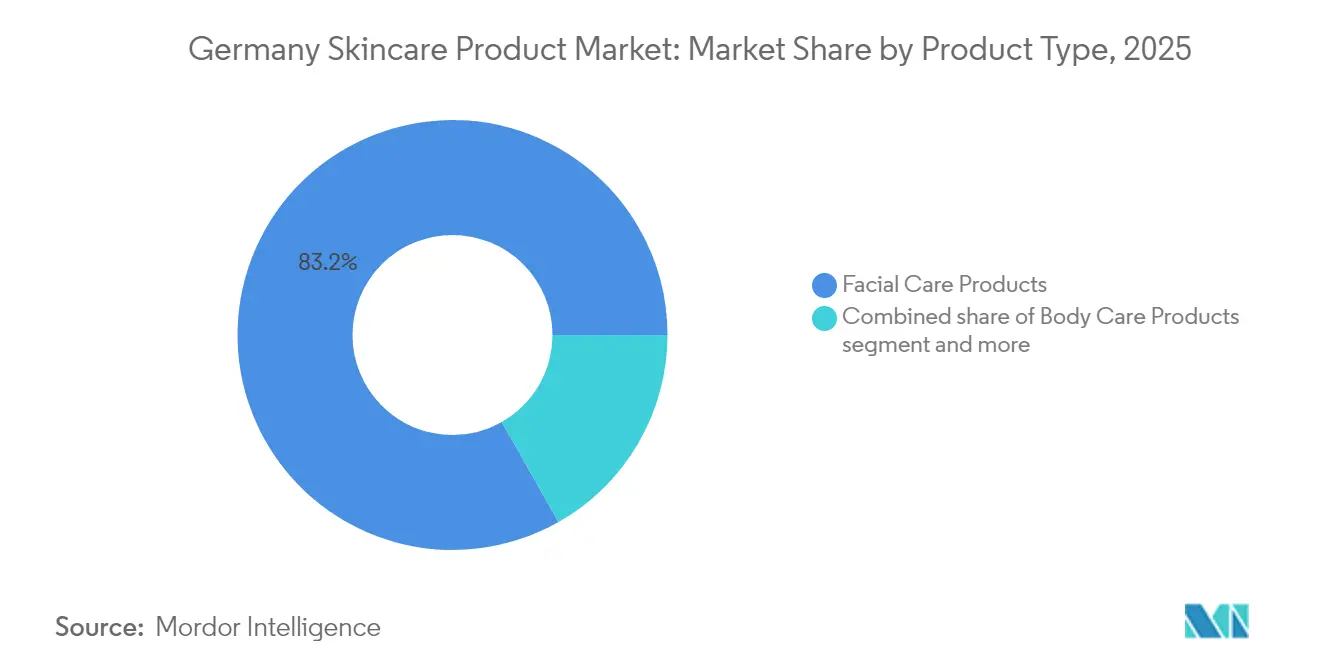
Facial care products account for 83.21% of 2025 revenue and are projected to grow at a rate of 5.37% through 2031. This growth is driven by the increasing popularity of serums, essences, and targeted treatments incorporating ingredients such as peptides, ceramides, and encapsulated retinoids. While cleansers and moisturizers continue to lead in volume, higher-margin serums are gaining traction. These serums combine multiple active ingredients, including hyaluronic acid for hydration, niacinamide for barrier repair, and bakuchiol as a retinol alternative, meeting the preferences of German consumers for clinically proven efficacy. Face masks have reached a plateau as the novelty of sheet masks diminishes and consumers reassess the cost-effectiveness of single-use formats. Toners are being repositioned as essence-like treatments with active ingredients, influenced by Korean beauty trends, rather than serving as traditional astringent post-cleanse steps.
Body care and lip care products are experiencing growth but face challenges due to lower purchase frequency and commoditization. Body lotions are under pressure from private-label competition, with drugstore chains offering large-format, fragrance-free options at significantly lower prices than branded alternatives. Demand for foot and hand creams surged during heightened hygiene routines but has since stabilized, with brands finding it difficult to differentiate beyond texture and scent. Lip care products, primarily consisting of balms and treatments, experience seasonal demand spikes during winter but lack the innovation pace seen in facial care, limiting opportunities for premiumization. The concentration of growth in facial care highlights a strategic imperative: brands unable to innovate in serums and active-ingredient delivery risk losing market share to dermocosmetic lines and digitally native competitors.



By Price Range: Premium Gains Share as Mass Market Fragments
The mass price range segment is projected to dominate the Germany skincare product market in 2025, holding a significant 68.64% market share. This segment thrives by offering accessible and reliable everyday essentials that cater to diverse consumer routines, emphasizing broad functionality over niche luxury. Growth in this segment is driven by strong brand loyalty, with established players providing consistent, dermatologist-tested formulations that focus on core benefits such as hydration, cleansing, and basic protection. These attributes encourage repeat purchases among practical consumers across various demographics who prioritize dependability and simplicity. Additionally, the appeal of no-frills products aligns with time-constrained lifestyles, while increasing health awareness boosts demand for gentle, sensitivity-friendly options that address common concerns like dryness and irritation at an affordable price.
The premium segment of the German skincare product market is expected to grow at a compound annual growth rate (CAGR) of 5.45% through 2031, surpassing the overall market growth rate. This segment attracts discerning consumers by offering high-efficacy, science-backed formulations that deliver transformative results beyond basic care. Growth is fueled by advanced innovations such as biotech-derived active ingredients, AI-personalized serums, and clinical-grade anti-aging solutions targeting visible concerns like wrinkles, pigmentation, and skin firmness. Affluent consumers are drawn to these products as they prioritize long-term skin health over volume-driven mass-market options. Luxury branding further enhances perceived value through sustainable sourcing, cruelty-free certifications, and premium sensory experiences, such as silk-like textures and subtle botanical fragrances. These features foster consumer loyalty by integrating wellness rituals and exclusivity into the skincare experience.
By End-User: Men's Segment Accelerates Despite Mass-Market Gaps
Women contribute to 58.47% of the 2025 revenue in the Germany skincare product market, driven by their higher engagement in skincare routines. These routines often involve multi-step processes, including cleansers, serums, toners, and masks, aimed at achieving targeted outcomes such as hydration, brightening, and anti-aging. This dominance is rooted in cultural norms that emphasize grooming as a key aspect of self-expression and confidence. Women frequently purchase specialized products addressing hormonal changes, pigmentation, and sensitivity, which are unique to their skin biology. Additionally, personalized product efficacy fosters strong brand loyalty. Women’s proactive approach to preventive care, incorporating active ingredients like retinoids, peptides, and hyaluronic acid, increases the complexity of their routines and spending, reinforcing their leadership in the market. Gender-specific innovations further support this trend.
The men’s skincare segment is projected to grow at the fastest end-user CAGR of 5.51% through 2031 in the German skincare product market. This growth leverages Germany’s substantial male population, which constitutes 49% of the total population in 2024, according to World Bank data . The segment’s expansion reflects evolving masculinity norms that position skincare as an essential aspect of self-care. Men are transitioning from basic cleansing routines to more advanced regimens that address concerns such as oil control, razor burn, and early signs of aging. Streamlined, multi-functional products like hydrating SPF moisturizers and mattifying serums are particularly appealing to time-conscious professionals, offering visible results without the complexity of elaborate routines. This shift underscores the growing acceptance of skincare among men as part of their daily grooming practices.
By Category: Natural/Organic Growth Masks Private-Label Dominance
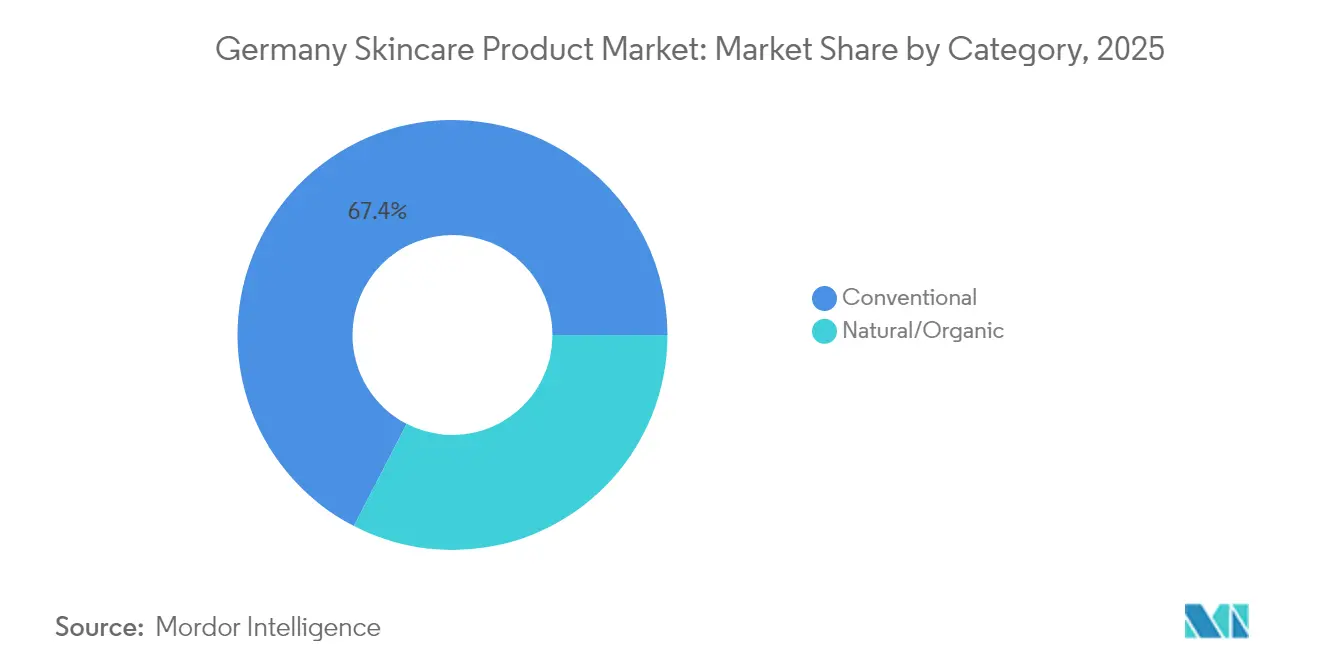
Conventional products account for 67.42% of the projected 2025 revenue in the German skincare product market. This dominance is attributed to science-backed formulations that address common concerns such as hydration, acne control, and sun protection with reliable and broad-spectrum efficacy. These products outperform natural alternatives due to their superior stability, sensory appeal, and endorsements from dermatologists, which foster strong consumer trust across various demographics. The success of conventional products is further driven by extensive Research and Development (R&D), resulting in multifunctional hybrids like broad-spectrum SPF moisturizers containing niacinamide and retinoids. These products efficiently address multiple skin concerns, appealing to practical consumers who value fast-absorbing textures, long shelf life, and clinical validation over niche botanical ingredients that may lack consistency.
Natural and organic products are projected to grow at the fastest category CAGR of 5.98% through 2031 in the German skincare product market. This growth is driven by increasing consumer aversion to synthetic chemicals and parabens, with a preference for plant-derived ingredients such as aloe vera, chamomile, and rosehip oil. These ingredients offer gentle, holistic nourishment, particularly for sensitive and reactive skin types, which are becoming more common due to urban pollution and stress. The rising demand for certified organic products, free from pesticides, GMOs, and artificial preservatives, reflects a growing health consciousness among consumers. These products align with the clean beauty ethos, delivering benefits such as microbiome balance and reduced inflammation through the use of cold-pressed extracts and fermented botanicals. This trend resonates strongly with eco-conscious millennials and Gen Z consumers, who prioritize sustainability in their self-care routines.
By Distribution Channel: Online Retail Erodes Specialty Store Dominance
Health and beauty stores accounted for 51.43% of the 2025 revenue in the German skincare product market. These stores serve as trusted locations for experiential product discovery, allowing consumers to physically interact with various textures, such as lightweight gel-serums and rich night creams. This tactile engagement helps customers make informed decisions regarding scent profiles, absorption rates, and immediate effects, aspects that online previews cannot replicate. This dominance is further supported by specialized staff who provide personalized consultations, assisting customers in identifying suitable products based on skin type and specific concerns. Additionally, these stores offer routine customization services, fostering loyalty among shoppers seeking tailored solutions rather than mass-market options. Curated displays also showcase innovative products, such as microbiome mists and adaptogen-infused masks, catering to seasonal needs and preferences.
Online retail stores are projected to grow at the fastest distribution CAGR of 6.05% through 2031 in the German skincare product market. These platforms enhance accessibility by offering a wide variety of products, ranging from niche Korean essences to biotech serums. For instance, Douglas Group provides over 20,000 SKUs with same-day delivery in major cities, enabling urban consumers to explore targeted actives such as bakuchiol as a gentle retinol alternative or tranexamic acid for pigmentation concerns. This growth is driven by seamless discovery tools, including algorithmic personalization, user-generated reviews, and augmented reality (AR) virtual try-ons, which simplify complex routines. These features appeal to tech-savvy millennials and Gen Z consumers who value convenience. Additionally, detailed ingredient breakdowns, shade-matching quizzes, and subscription auto-refill options for staples like hyaluronic acid mists cater to their busy lifestyles, further boosting the appeal of online retail channels.
Geography Analysis
Germany's skincare market demonstrates a clear urban-rural divide, with metropolitan areas such as Berlin, Munich, Hamburg, Frankfurt, and Cologne driving significant consumption of premium products. This trend is attributed to greater exposure to international beauty influences, including global influencers, fashion events, and multicultural demographics that embrace trends like K-beauty. These urban centers exhibit strong demand for high-efficacy luxury skincare lines addressing urban-specific concerns, such as pollution protection in Frankfurt's financial district and blue-light defense for Berlin's creative professionals. Young professionals in these cities are increasingly adopting multi-step skincare routines that emphasize clean, sustainable products, aligning with cosmopolitan wellness lifestyles.
Western states, including North Rhine-Westphalia, Bavaria, and Baden-Württemberg, concentrate both population density and skincare purchasing power. These regions generate significant national revenue, supported by industrial hubs such as Munich's technology corridors and Düsseldorf's affluent suburbs. Consumers in these areas prioritize dermo cosmetic stability and clinical-grade anti-aging products, benefiting from proximity to robust manufacturing facilities that ensure fresh supplies of temperature-sensitive ingredients like peptides and retinoids. This regional dominance reflects a mature market infrastructure, with high penetration among health-conscious middle-class families who favor multifunctional skincare products for family use.
Eastern states remain under-indexed in the skincare market despite post-reunification income convergence. Consumer preferences in these regions continue to lean toward value-driven mass-market formulations that focus on basic barrier repair rather than aspirational products like glow enhancers. Adoption of organic certifications and men's grooming products remains slower, reflecting conservative routines centered on functionality rather than trend-driven layering. Pharmacy channels hold a stronger market share in southern Germany, particularly in Bavaria and Swabia, where consumers favor dermo cosmetic staples such as ceramide creams and hydrocortisone-free soothers, often endorsed by pharmacists.
Regulatory Landscape
Skincare products sold in Germany are governed by the EU Cosmetics Regulation (EC) No 1223/2009. It requires safety assessment, labeling, claims substantiation, ingredient restrictions, and a Product Information File (PIF) held by the responsible person. Products must be notified before market via the Cosmetic Products Notification Portal (CPNP); substances with EU level authorization follow risk assessment by the SCCS.
Nationally, Germany complements the EU framework with the KosmetikV. Market surveillance is coordinated by the Bundesamt fur Verbraucherschutz und Lebensmittelsicherheit (BVL) and scientific evaluations are carried out by the Bundesinstitut fur Risikobewertung (BfR). The KosmetikV includes German-language information where applicable and requires Germany-based companies to notify manufacturing or import locations. Enforcement is carried out by state authorities with sanctions for non-compliance. The KosmetikV was amended on 19 December 2025 (BGBl. 2025 I Nr. 379), reinforcing that documentation, traceability, and labeling readiness are go-to-market prerequisites rather than post-launch tasks.
Competitive Landscape
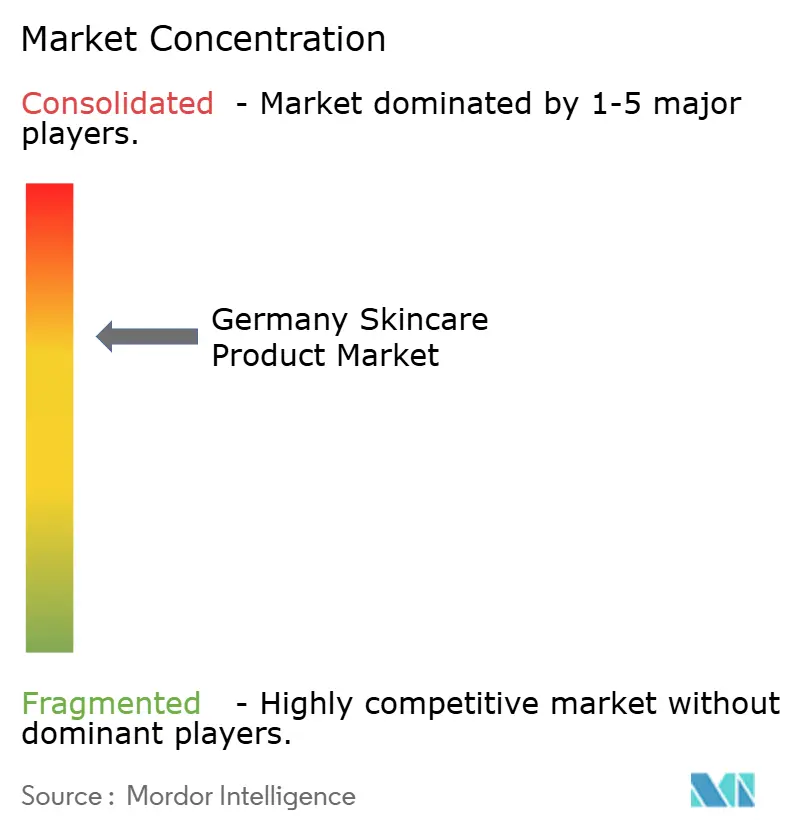
Germany's skincare market is moderately concentrated, with multinational corporations such as Beiersdorf, L'Oréal, Unilever, and Procter & Gamble dominating the landscape. These companies manage extensive multi-brand portfolios that include mass-market products like Nivea and Dove, as well as premium luxury brands such as La Roche-Posay and Lancôme. This structure enables cross-tier market penetration through shared resources in Research and Development (R&D), supply chains, and marketing strategies. These synergies support consistent innovation in active ingredients like ceramides and niacinamide across various price segments. Additionally, economies of scale in clinical validation and global formulation adaptability contribute to market stability, allowing these companies to compete effectively against private labels while tailoring products to regional preferences.
Opportunities are emerging in the men's mass-market skincare segment, particularly for streamlined, easy-to-use kits. These include products such as mattifying gels and post-shave balms formulated with sebum-regulating ingredients like zinc PCA. Digitally native subscription models are also gaining traction, offering quarterly deliveries of personalized refills, such as hyaluronic acid boosters and peptide serums, aligned with individual skin cycle data. Additionally, biotechnology-derived actives, such as lab-fermented exosomes and synthetic collagen mimics, are gaining attention. These ingredients, often certified organic through the use of upcycled yeast cultures and plant stem cell technologies, address growing consumer demand for affordable, effective, and sustainable skincare solutions. This trend aligns with increasing male engagement in grooming and the rising importance of sustainability in product development.
Technological advancements are reshaping the competitive landscape of the skincare market. Online platforms like Douglas and Zalando are leveraging algorithmic recommendations to curate personalized skincare routines based on quiz-derived profiles. User-generated reviews provide authentic insights into product efficacy, such as improvements in barrier repair or skin radiance. Additionally, augmented reality (AR) tools, initially developed for color cosmetics, are now being applied to skincare. AI-driven diagnostics can analyze pores, hydration levels, and inflammation in real-time, enabling the virtual layering of serums and masks tailored to individual needs. These innovations significantly reduce the time required for product discovery, from weeks to minutes, while minimizing product returns through predictive matching.
Germany Skincare Product Industry Leaders
-
Beiersdorf AG
-
L’Oréal S.A.
-
Unilever PLC
-
Procter & Gamble Company
-
Weleda AG
- *Disclaimer: Major Players sorted in no particular order

Market Opportunities and Future Outlook
Ecosystem investments by major incumbents create whitespace for suppliers and brands that can plug into science-led, compliant innovation cycles in Germany, particularly in facial care where active-ingredient differentiation matters. In March 2026, Beiersdorf launched a second-generation Skin Care Innovation Fund with a 100 million euro commitment focused on life sciences, biotechnology, sustainability, AI, and digital health, signaling active emphasis on partnerships and scalable technologies that can move from concept to validated claims under EU Cosmetics Regulation constraints.
Sustainability and transparency systems provide another opportunity space, moving beyond generic eco-claims toward structured scoring, traceability, and packaging choices that are intelligible at shelf and online. The EcoBeautyScore for NIVEA and Eucerin Face Care products was implemented in September 2025, illustrating how brands operationalize measurable sustainability outcomes. At the same time, supply assurance and faster replenishment cycles are reinforced by large-scale European capacity upgrades, such as Beiersdorf completing a 300 million euro expansion of its Poznan production center in June 2025, which supports wider SKU breadth, faster launch rollouts, and retailer demand for consistent availability across mass and premium tiers in Germany.
Recent Industry Developments
- March 2026: Beiersdorf launched a second-generation Skin Care Innovation Fund with a 100 million euro commitment focused on life sciences, biotechnology, sustainability, AI, and digital health. The mandate supports earlier access to new actives, diagnostics, and digital capabilities that can be translated into skincare innovation pipelines. It also widens partnering and acquisition-optionality for startups targeting dermocosmetics, personalization, and lower-impact formulations.
- June 2025: Beiersdorf completed a 300 million euro expansion of its Poznan production center, expanding capacity for broad SKU breadth across mass and premium skincare tiers to support wider European rollout in Germany and neighboring markets.
- September 2024: BABOR BEAUTY GROUP documented its Planet Strategy progression with a 51.8 percent CO2 emissions reduction by 2024 versus 2019, illustrating a measurable sustainability milestone within the German skincare sector.


Research Methodology Framework and Report Scope
Market Definition and Coverage
This market covers the value of skincare products sold in Germany through retail and online channels, counted at the point of sale, and converted to USD for cross-year comparability.
Scope exclusions: Color cosmetics, fragrances, haircare, and oral care are excluded from this sizing.
Segmentation Overview
-
By Product Type
-
Facial Care Products
- Cleansers
- Moisturizers and creams
- Serums and Essence
- Toners
- Face Masks
- Other Facial Care Products
-
Body Care Products
- Body Lotion
- Foot and Hand Cream
- Other Body Care Products
- Lip Care Products
-
Facial Care Products
-
By Price Range
- Mass
- Premium
-
End User
- Men
- Women
- Kids/Children
-
By Category
- Conventional
- Natural/Organic
-
By Distribution Channel
- Supermarkets/Hypermarkets
- Health and Beauty Stores
- Online Retail Stores
- Other Retail Channels
Data Sources, Market Sizing, and Validation
Desk Research
Desk work started with public series that help explain demand, pricing, and channel movement for skincare in Germany. We reviewed sources such as Destatis consumer price and retail trade releases, Eurostat household consumption indicators, EU Commission and German Federal Institute for Risk Assessment pages on cosmetic ingredient rules, and trade association publications such as Cosmetics Europe.
To connect this to market sizing, reported import and export statistics and consumer spending context were used as reasonability checks, and then filtered through company filings, annual reports, and investor presentations from brands and retailers that disclose Germany or Europe skincare trends. Where available, company financials and intelligence subscriptions, a patent database, and a shipment-level trade database were used to standardize terminology and avoid double counting across channels. These desk research sources are illustrative, and we also used additional public references for collection, validation, and clarification.
Primary Interviews and Surveys
Fieldwork focused on validating what is actually counted as skincare in Germany, how price ladders move between mass and premium, and how offline and online shares are changing. We spoke with a mix of product, sales, category, and procurement experts across manufacturers, distributors, and retailers, then used follow-up questions to close gaps on channel margins, promotional intensity, and the pace of natural and organic adoption.
Distribution of primary research fieldwork respondents
| Company type | Respondent position |
|---|---|
| Top tier: 31% | CXOs: 16% |
| Mid tier: 47% | Functional/Unit leaders: 26% |
| Smaller Players: 22% | Managers: 58% |
Market-Sizing & Forecasting
Sizing was built using a top-down approach where retail value was reconstructed from category consumption signals and channel mix in Germany, then reconciled to the skincare-only definition used in this study. To keep totals realistic, we also ran selective bottom-up checks by sampling brand and channel price points and multiplying by implied volumes, which helped adjust for promotion-heavy periods.
Key model inputs included skincare retail price movement (including inflation pass-through), premiumization share shifts, online penetration by beauty category, the pace of natural and organic product uptake, and demand lift from sun care seasonality and new product claims (such as sensitive skin and anti-aging). For forecasting, scenario analysis was used and then anchored with a simple regression view on consumer spending and price indices. Assumptions were reviewed with interviewees so the trend does not overreact to one unusual year. Where bottom-up checkpoints had gaps for smaller channels, we bridged them using channel share ranges validated in interviews and applied conservative average selling price progressions.
Data Validation & Update Cycle
Outputs were cross-checked against independent signals like retail trade direction, price index movement, and trade flows, then compared with the implied per capita spend to spot outliers. If a variance looked too large, the assumptions were reopened and respondents were re-contacted to confirm whether it was a real shift (for example, online share jumps or premium mix changes) or a modeling issue.
Before sign-off, the model and key assumptions go through multi-step analyst review, where input sources, conversions, and category mapping are checked again. Reports are refreshed annually, and material events are added through interim checks, followed by a final pre-delivery review so clients receive the latest updated view.
Mordor Intelligence's Germany Skincare Product Market Sizing Compared With Other Published Estimates
Published market sizes for Germany skincare can look different even when the titles sound similar, since coverage choices and conversion steps vary more than many readers expect. Differences usually come from what gets labeled as skincare, which channels are counted, and whether reported values are kept in local currency or converted to USD at a specific timing.
Sun care and after-sun products are treated as skincare in this study, and this scope aligns with Mordor Intelligence's scope for this market, which can widen the value versus figures that keep sun protection in a separate bucket or only count facial care.
Benchmark comparison
| Source | Market Size | Gaps in Research Methodology |
|---|---|---|
| Mordor Intelligence | USD 6.04 B (2026) | |
| Industry Data Provider A | USD 5.69 B (2022) | Uses a different base year and reports in EUR first, which can shift USD totals due to exchange rates, and its category list is typically limited to core skincare like face, body, hand, depilatories, and make-up remover. |
| Local Research Publisher B | USD 4.10 B (2024) | The cited figure is presented as an approximate value with unclear year anchoring on the page, and the scope and channel treatment can be inconsistent, which may understate premium pricing and online growth impacts. |
Taken together, the spread is mostly explained by category mapping, year selection, and currency handling, rather than a single demand disagreement. By keeping the scope rules explicit and then cross-checking outputs against price, channel, and consumption signals, the final number stays traceable to inputs that can be repeated and reviewed.


Key Questions Answered in the Report
What is the current value of the Germany skincare market?
The Germany skincare market size stands at USD 6.04 billion in 2026, with a projected rise to USD 7.83 billion by 2031.
Which product category leads sales in Germany?
Facial care dominates, generating 83.21% of 2025 revenue and maintaining the fastest sub-segment momentum at a 5.37% CAGR.
Why are premium skincare lines gaining share in Germany?
Affluent consumers reward brands that publish clinical data, pushing premium offerings to grow at a 5.45% CAGR, slightly ahead of the total market.
How fast is online retail growing for skincare in Germany?
Online retail channels are advancing at a 6.05% CAGR, eroding the dominance of health and beauty stores.
Page last updated on:


 Your data is secure and never sold or shared.



