
Nootropics Market Size and Share
Market Overview
| Study Period | 2021 - 2031 |
|---|---|
| Market Size (2026) | USD 5.52 Billion |
| Market Size (2031) | USD 9.89 Billion |
| Growth Rate (2026 - 2031) | 12.37 % |
| Fastest Growing Market | Asia-Pacific |
| Largest Market | North America |
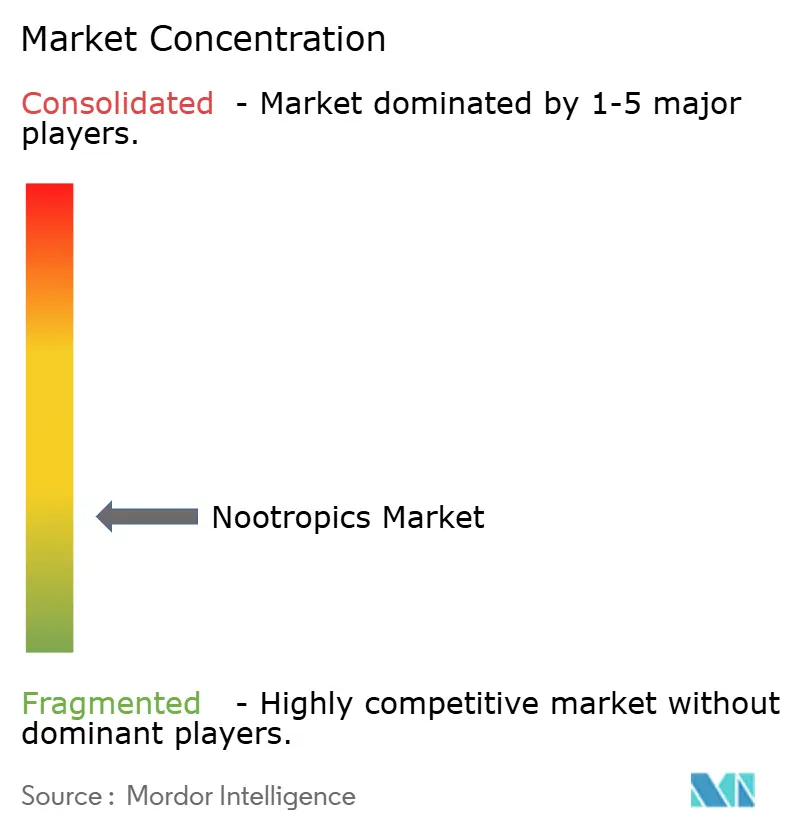
| Market Concentration | Low |
Major Players *Disclaimer: Major Players sorted in no particular order Image © Mordor Intelligence. Reuse requires attribution under CC BY 4.0. | |
Nootropics Market Analysis by Mordor Intelligence
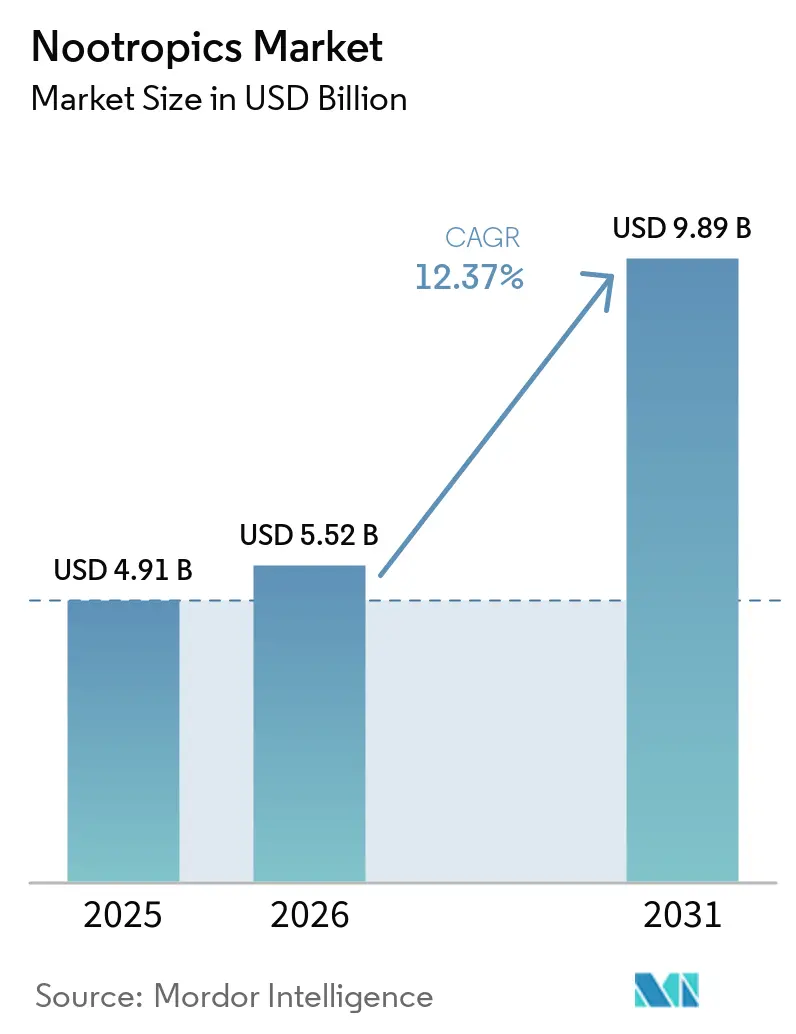
The nootropics market size is expected to grow from USD 4.91 billion in 2025 to USD 5.52 billion in 2026 and is forecast to reach USD 9.89 billion by 2031 at 12.37% CAGR over 2026-2031. The market is experiencing rapid growth as its adoption expands beyond individuals managing diagnosed conditions. Healthy adults are increasingly integrating these products into their daily routines to support cognitive maintenance, manage stress, and enhance mental performance. The rising awareness of mental health and the importance of cognitive well-being are key drivers of this trend. Consumers are actively seeking nootropics to boost focus, memory, and overall brain function, particularly in response to the demands of fast-paced and high-pressure lifestyles. Furthermore, advancements in product formulations, growing investments in research and development, and the increasing availability of these products through diverse distribution channels are significantly contributing to the market's expansion.
Key Report Takeaways
- By product type, natural nootropics led with 67.61% revenue share in 2025 and were also the fastest-growing segment at 13.56% CAGR through 2031.
- By form, capsules and tablets held the largest share at 41.76% in 2025, while drinks and beverages recorded the highest projected CAGR at 13.89% through 2031.
- By function, memory enhancement accounted for a 27.41% share in 2025, while energy and mental performance is forecast to expand at a 14.15% CAGR through 2031.
- By end user, adults aged 18 to 44 years represented 57.71% of market value in 2025, while the elderly population aged 65 years and above is projected to grow the fastest at 14.48% CAGR through 2031.
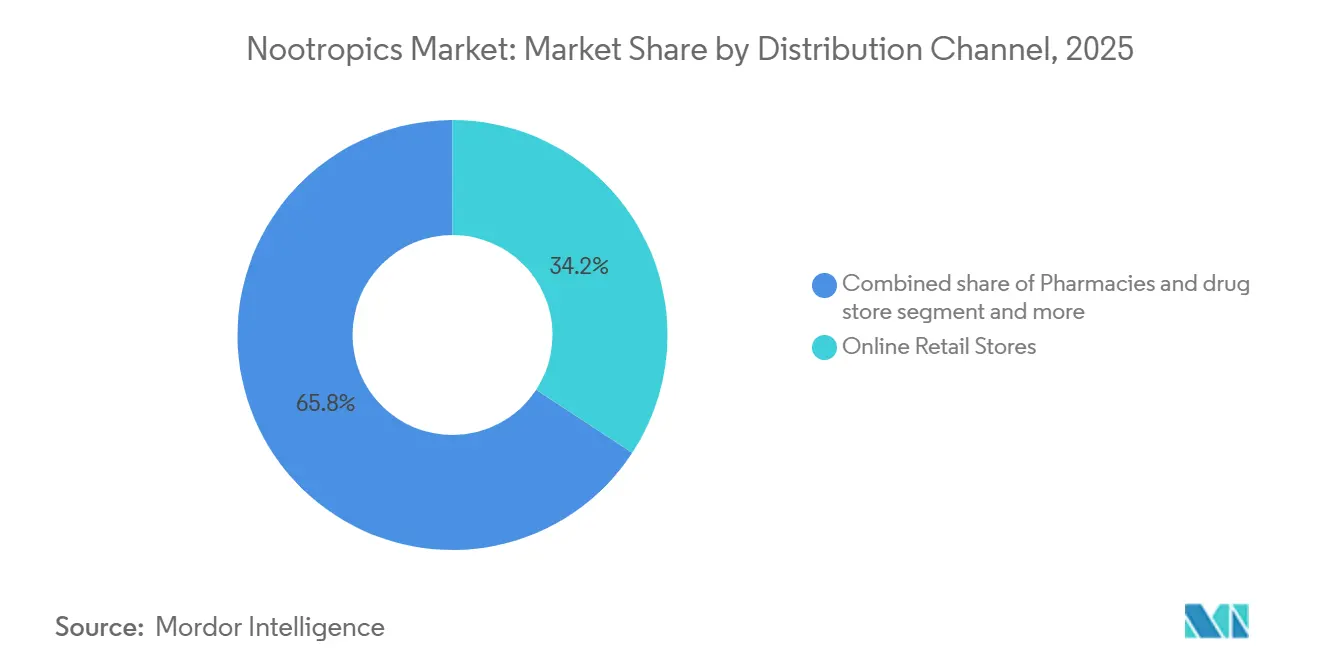
- By distribution channel, online retail stores held the largest share at 34.23% in 2025 and were also the fastest-growing channel at 15.13% CAGR through 2031.
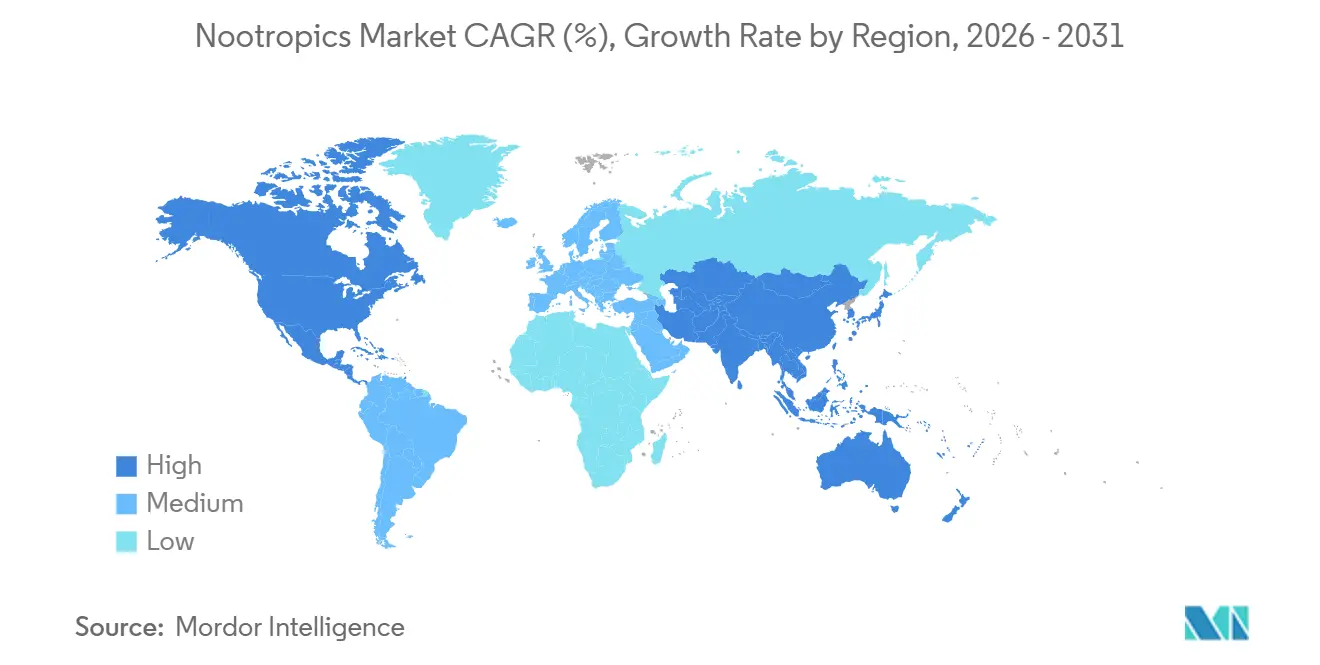
- By geography, North America led with 38.45% share in 2025, while Asia-Pacific is expected to record the fastest growth at 14.83% CAGR through 2031.
Note: Market size and forecast figures in this report are generated using Mordor Intelligence’s proprietary estimation framework, updated with the latest available data and insights as of January 2026.
Market Trends and Insights
Drivers Impact Analysis of Nootropics Market*
| Driver | (~) % Impact on CAGR Forecast | Geographic Relevance | Impact Timeline |
|---|---|---|---|
| Rising consumer focus on cognitive health and brain performance | +2.8% | Global, with highest concentration in North America, United Kingdom, Germany, and urban Asia-Pacific | Medium term (2-4 years) |
| Increasing prevalence of stress, anxiety, and mental fatigue | +2.3% | Global, most acute in North America and Western Europe, expanding across urban Asia-Pacific | Short term (≤ 2 years) |
| Growing demand for memory enhancement and concentration support products | +2.0% | Global, concentrated in student and professional demographics across North America, Europe, and Asia-Pacific | Medium term (2-4 years) |
| Expanding adoption of nootropics among students and working professionals | +1.7% | North America, Europe, and Asia-Pacific core markets including China, India, and Japan | Short term (≤ 2 years) |
| Rising aging population seeking support for cognitive decline prevention | +1.5% | North America, Japan, and Western Europe, with spillover to South Korea and Australia | Long term (≥ 4 years) |
| Increasing popularity of natural and plant-based nootropic ingredients | +1.4% | Global, strongest in North America, Germany, and India | Medium term (2-4 years) |
| Source: Mordor Intelligence | |||
Rising consumer focus on cognitive health and brain performance
The growing emphasis on maintaining cognitive wellness and enhancing mental performance is significantly contributing to the expansion of the nootropics market. Consumers are becoming more proactive about supporting brain health, driven by increasing concerns related to memory, focus, attention span, and mental fatigue. The rising demands of fast-paced work environments, competitive education systems, and multitasking lifestyles have encouraged individuals to seek products that can help optimize cognitive function. Nootropics are gaining popularity among students, professionals, entrepreneurs, and aging populations looking to improve productivity, learning capabilities, and mental resilience. Furthermore, the shift toward preventive health management has increased interest in supplements that support long-term brain health.
Increasing prevalence of stress, anxiety, and mental fatigue
The increasing prevalence of stress, anxiety, and mental fatigue is emerging as a significant driver of the nootropics market. Modern lifestyles characterized by demanding work schedules, financial uncertainties, information overload, and constant connectivity are placing greater pressure on mental well-being. As a result, consumers are actively seeking supplements that can help improve focus, reduce cognitive exhaustion, and support overall mental performance. Workplace-related stress remains a key contributor to this trend; according to the American Psychological Association, 54% of U.S. workers in 2025 reported that job insecurity had a significant impact on their stress levels[1]Source: The American Psychological Association, “Majority of U.S. workers say job insecurity has significant impact on their stress”, apa.org. This growing mental burden is encouraging the adoption of nootropics as part of daily wellness routines aimed at enhancing concentration, productivity, and resilience. In addition, rising awareness of the long-term effects of chronic stress on cognitive health is prompting consumers to invest in brain-supporting products, thereby fueling market growth.
Growing demand for memory enhancement and concentration support products
The growing demand for memory enhancement and concentration support products is a key factor driving the expansion of the nootropics market. Consumers are increasingly seeking solutions that can help improve cognitive performance, particularly in areas such as focus, learning ability, information retention, and mental clarity. This trend is being fueled by the rising academic pressures faced by students, the productivity demands placed on professionals, and the cognitive health concerns of aging populations. As individuals strive to perform better in educational, professional, and everyday settings, interest in supplements that support memory and attention span continues to rise. Advances in research on brain health ingredients have also strengthened consumer confidence in cognitive-support products. Additionally, the growing emphasis on personal development and mental optimization is encouraging the routine use of nootropics, contributing to sustained market growth across diverse consumer groups.
Rising aging population seeking support for cognitive decline prevention
The rising aging population seeking solutions to maintain cognitive function and delay age-related mental decline is a key driver of the nootropics market. As life expectancy increases globally, concerns surrounding memory loss, reduced concentration, and declining cognitive performance are becoming more prominent among older adults. This has led to growing demand for supplements that support brain health, mental clarity, and healthy aging. Countries with rapidly aging demographics are particularly contributing to market expansion. For instance, according to the Cabinet Office of Japan's 2024 report, the population aged 65 and above reached 36.24 million, accounting for 29.3% of the country's total population, while the 65–74 age group alone comprised 15.47 million people[2]Source: Cabinet Office Japan, “Annual Report on the Ageing Society”, cao.go.jp. Such demographic trends are increasing the consumer base for cognitive wellness products. Consequently, nootropics are gaining traction among older adults as part of preventive health strategies aimed at preserving cognitive abilities and improving quality of life.
Restraints Impact Analysis of Nootropics Market*
| Restraint | (~) % Impact on CAGR Forecast | Geographic Relevance | Impact Timeline |
|---|---|---|---|
| Limited clinical evidence supporting efficacy of many nootropic ingredients | -1.5% | Global, most impactful in Europe where regulatory standards for substantiation are stricter | Long term (≥ 4 years) |
| Stringent regulatory scrutiny of cognitive enhancement claims | -1.3% | North America and Europe, with emerging scrutiny in Asia-Pacific | Medium term (2-4 years) |
| Consumer skepticism regarding product effectiveness and safety | -1.1% | Global, highest in Western Europe and among higher-education consumer segments | Short term (≤ 2 years) |
| Potential side effects and adverse reactions from certain synthetic nootropics | -0.8% | North America and Europe, where synthetic ingredient safety is under active review | Medium term (2-4 years) |
| Source: Mordor Intelligence | |||
Limited clinical evidence supporting efficacy of many nootropic ingredients
Limited clinical evidence supporting the efficacy of many nootropic ingredients remains a significant challenge for the nootropics market. While numerous products claim to enhance memory, focus, mental clarity, and cognitive performance, many of these benefits are supported by preliminary studies rather than large-scale, long-term clinical trials. The scientific evidence for several herbal extracts, amino acids, and emerging nootropic compounds often varies in quality, consistency, and reproducibility. This lack of robust clinical validation can create skepticism among consumers, healthcare professionals, and regulatory authorities regarding product effectiveness. Additionally, varying study methodologies and differences in ingredient dosages make it difficult to establish standardized efficacy claims across products. As consumers become more informed and demand evidence-based health solutions, manufacturers face increasing pressure to substantiate their claims with credible scientific research.
Stringent regulatory scrutiny of cognitive enhancement claims
Stringent regulatory scrutiny of cognitive enhancement claims poses a significant challenge for the nootropics market. Regulatory authorities across major markets closely monitor product labeling, marketing materials, and health claims to ensure that manufacturers do not make unsubstantiated assertions regarding memory improvement, focus enhancement, or cognitive performance. Companies are often required to provide robust scientific evidence to support any functional claims, increasing the complexity and cost of product development. Failure to comply with regulatory requirements can result in warning letters, product recalls, financial penalties, or restrictions on product sales. Additionally, varying regulations across countries create compliance challenges for companies operating in multiple regions. This regulatory environment limits the ability of manufacturers to aggressively market the perceived benefits of nootropic ingredients, particularly those with limited clinical validation.
*Our forecasts treat driver/restraint impacts as directional, not additive. The impact forecasts reflect baseline growth, mix effects, and variable interactions.
Nootropics Market Segment Analysis
By Product Type:
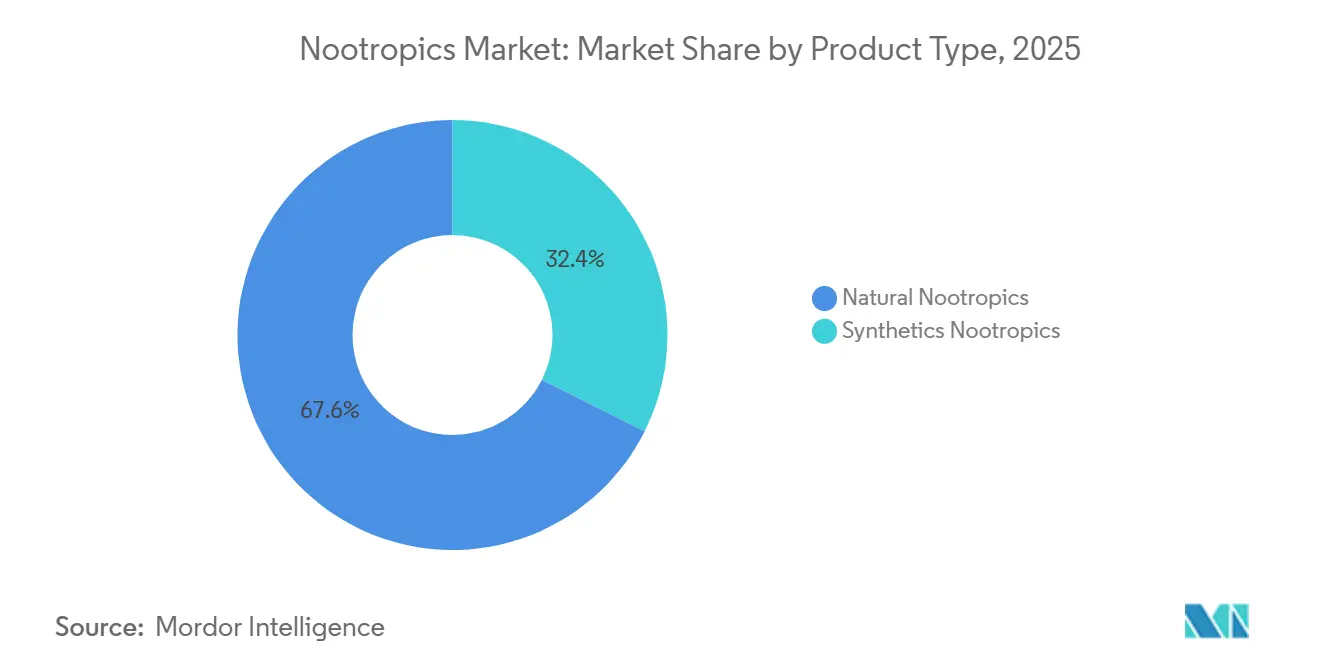
Natural Nootropics Cement Category DominanceNatural nootropics accounted for 67.61% of global value in 2025, which gave them the largest share of the Nootropics market size. That lead reflects a strong consumer preference for ingredient familiarity, plant origin, and wellness formats that feel safer and easier to understand than synthetic alternatives. Lion’s mane, bacopa, ashwagandha, ginkgo biloba, and rhodiola continue to anchor many formulas because they fit clean-label expectations while also supporting multiple cognitive and stress-related positions. The appeal of these ingredients is not only emotional, because suppliers are also building stronger science around them to defend pricing and shelf space.
Natural nootropics are also the fastest-growing product type, with a 13.56% CAGR through 2031, which confirms that the Nootropics market is not simply favoring them today but is likely to keep building on them through the forecast period. This growth pattern matters because it gives natural formulations a dual advantage, with both current scale and future momentum supporting deeper brand investment. Synthetic nootropics still hold a place in higher-performance and medical-adjacent use cases, especially where users want stronger perceived potency or more targeted actives. Even so, FDA attention on unsafe or unapproved synthetic compounds has made that lane harder to expand cleanly and has reinforced consumer caution around purely synthetic positioning.


By Form:
Beverages Challenge the Capsule ParadigmCapsules and tablets held 41.76% of the Nootropics market size in 2025, which kept them as the leading format by revenue. Their position still rests on familiar supplement behavior, easy dosage control, and the relative ease of building multi-ingredient formulas in a compact and stable form. Consumers who already take vitamins or daily wellness supplements are also more likely to accept capsules and tablets without needing education around a new usage habit. This gives the format a practical advantage in subscription models, where consistency, portability, and routine all matter. For brands in the Nootropics market, capsules also remain an efficient way to launch evidence-focused products with cleaner label presentation and tighter dose discipline.
Drinks and beverages are forecast to grow at a 13.89% CAGR through 2031, making them the fastest-growing format in the Nootropics market. That growth reflects a wider change in consumption behavior, because cognitive support is increasingly being treated like an anytime wellness choice rather than only a pill-based supplement ritual. Ready-to-drink formats can reach office breaks, commuting, gym visits, and social consumption occasions that capsules cannot serve as easily. Powders and gummies also widen the category’s reach, with powders appealing to users who want stack customization and gummies helping younger and older consumers who care more about convenience, taste, or swallowability. Taken together, these non-capsule forms are pushing the Nootropics market into a broader set of daily habits, which makes frequency of use just as important as the size of the user base.
By Function:
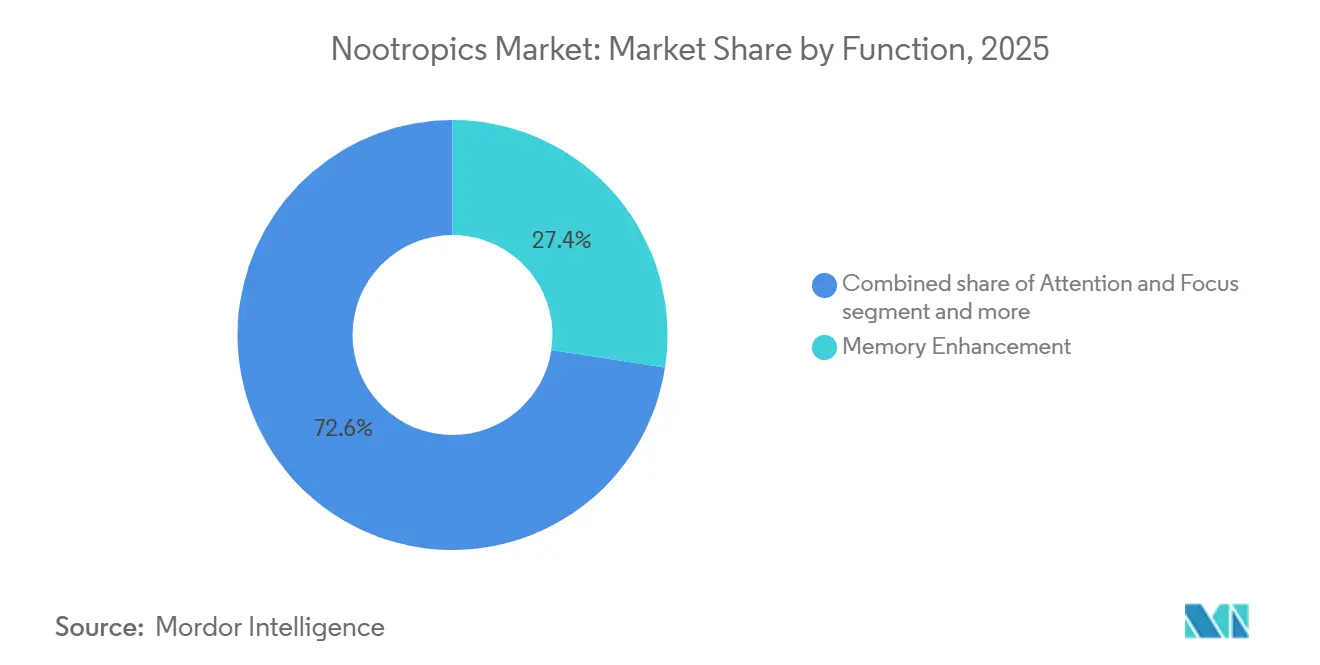
Energy Convergence Reshapes the Cognitive Performance StackIn 2025, memory enhancement led the Nootropics market, capturing 27.41% of the market share. This dominance reflects its widespread appeal: students preparing for exams, professionals handling information-heavy tasks, and older adults aiming to maintain their memory all contribute to its growth. Several high-quality studies have strengthened the credibility of memory enhancement by linking supplementation to improved cognitive outcomes in seniors. A 2025 update from Harvard Health, tied to the COSMOS study, highlighted cognitive benefits from daily multivitamin intake in adults 60 and older, with episodic memory showing the most significant improvement.
Energy and mental performance is growing as the fastest segment in the Nootropics market, with a 14.15% CAGR projected through 2031. Consumers in this segment seek sustained alertness and smoother performance curves, avoiding the typical spikes and crashes of conventional energy drinks. This demand has driven the popularity of blends featuring natural caffeine, L-theanine, mushroom extracts, and stress-modulating adaptogens, which deliver consistent output with fewer drawbacks. Additionally, mood and stress management, sleep recovery, and cognitive health are gaining importance. Consumers increasingly recognize the connection between daytime performance, emotional stability, and sleep quality. This holistic approach to mental performance is driving the Nootropics market's shift from single-task benefits to comprehensive daily support systems.

By End User:
Aging Population Emerging as the Defining Growth CohortAdults aged 18 to 44 years constituted the largest end-user segment in the nootropics market, accounting for 57.71% of total market value in 2025. The segment’s dominance is largely driven by increasing demand for products that support focus, memory, productivity, and mental performance in academic and professional environments. Young professionals, university students, entrepreneurs, and remote workers are among the primary consumers seeking cognitive enhancement solutions to manage demanding schedules and improve concentration. The growing prevalence of high-pressure work cultures and digitally intensive lifestyles has further increased interest in nootropic supplements, functional beverages, and brain health products.
The elderly population aged 65 years and above is projected to be the fastest-growing end-user segment in the nootropics market, expanding at a CAGR of 14.48% through 2031. Growth is being fueled by rising concerns related to age-associated cognitive decline, memory impairment, and overall brain health maintenance. As global life expectancy increases and populations continue to age, older adults are becoming increasingly proactive in adopting nutritional supplements and wellness products that support cognitive function. Many consumers in this demographic are seeking nootropic products to promote mental clarity, memory retention, focus, and healthy aging.
By Distribution Channel:
Online Retail's Compounding Structural AdvantageOnline retail stores emerged as the leading distribution channel in the nootropics market, accounting for 34.23% of total revenue in 2025. The channel’s strong performance is driven by the growing preference for convenient purchasing experiences, broad product availability, and easy access to detailed ingredient information and consumer reviews. Nootropic consumers often conduct extensive research before making purchases, making e-commerce platforms particularly attractive for comparing formulations, cognitive benefits, and pricing. The expansion of direct-to-consumer business models and subscription-based supplement services has further strengthened online sales. As internet penetration and online health supplement purchases continue to rise globally, online retail stores are expected to maintain their position as both the largest and fastest-growing distribution channel, advancing at a CAGR of 15.13% through 2031.
Pharmacies and drug stores, along with health and wellness stores, continue to play a vital role in the distribution of nootropic products by providing consumers with trusted purchasing environments and professional guidance. These channels are particularly important for consumers seeking scientifically supported supplements and cognitive health products recommended by healthcare professionals or wellness experts. Pharmacies benefit from strong consumer confidence regarding product quality, safety, and regulatory compliance, making them a preferred destination for first-time users. Meanwhile, health and wellness stores offer a curated selection of natural, herbal, and specialty nootropic products that appeal to health-conscious consumers.
Geography Analysis
North America Nootropics Market
North America dominated the nootropics market in 2025, accounting for 38.45% of global revenue. The region’s leadership is supported by strong consumer awareness regarding cognitive health, mental performance, and preventive wellness. High adoption of dietary supplements, functional beverages, and brain health products among students, professionals, athletes, and aging populations continues to drive market demand. The United States represents the largest contributor, benefiting from a mature supplement industry, advanced research capabilities, and widespread availability of nootropic products across retail and online channels. In addition, increasing workplace productivity demands and growing interest in healthy aging have encouraged consumers to seek products that support focus, memory, and cognitive function.
APAC Nootropics Market
Asia-Pacific is projected to be the fastest-growing region in the nootropics market, registering a CAGR of 14.83% through 2031. Rapid urbanization, rising disposable incomes, and increasing awareness of mental wellness are key factors supporting regional growth. Urbanization stands out as a pivotal megatrend in the Asia-Pacific. Currently, Asia is home to 54% of the global urban populace, translating to over 2.2 billion individuals. Projections indicate that by 2050, Asia's urban demographic will swell by another 1.2 billion, marking a 50% increase[3]Source: UN-Habitat, “Asia and the Pacific Region”, unhabitat.org.Consumers across countries such as China, Japan, India, South Korea, and Australia are becoming more proactive about cognitive health and preventive nutrition. The growing popularity of functional foods, nutraceuticals, and traditional herbal ingredients with cognitive benefits is also contributing to market expansion.
EMEA and South America Nootropics Market
Europe represents a significant market for nootropics, supported by growing consumer interest in healthy aging, cognitive wellness, and scientifically validated nutritional supplements. Countries such as Germany, the United Kingdom, and France are witnessing increased demand for natural and plant-based cognitive health products, particularly among aging populations. South America is experiencing gradual market growth, driven by rising health awareness and expanding access to dietary supplements in countries such as Brazil and Argentina. Meanwhile, the Middle East and Africa region remains at an emerging stage but offers considerable growth potential due to increasing urbanization, rising disposable incomes, and growing interest in wellness-focused lifestyles.

Competitive Landscape
The nootropics market is highly fragmented, characterized by the presence of a large number of dietary supplement manufacturers such as NOW Foods, Onnit Labs, Inc., and Natural Stacks, Inc. among others. The market lacks a single dominant player, with competition spread across numerous regional and international companies offering a wide variety of cognitive health products. Participants compete through differentiated formulations featuring natural ingredients, herbal extracts, vitamins, amino acids, adaptogens, and synthetic compounds designed to support memory, focus, mental clarity, and overall brain health. The relatively low barriers to entry in the dietary supplement segment have encouraged the emergence of new brands targeting niche consumer groups such as students, professionals, gamers, athletes, and aging populations.
Competition within the market is increasingly centered on product differentiation, scientific validation, and ingredient transparency. Companies are investing heavily in research and development to formulate advanced nootropic blends that combine multiple functional ingredients to deliver targeted cognitive benefits. Many manufacturers are emphasizing clinically studied ingredients and evidence-based claims to strengthen consumer confidence and distinguish their products in a crowded marketplace. In addition, clean-label formulations, plant-based ingredients, and sustainable sourcing practices have become important competitive factors as health-conscious consumers seek natural alternatives to traditional cognitive enhancers.
The market is also witnessing increasing strategic activity through partnerships, acquisitions, and geographic expansion initiatives aimed at strengthening competitive positions. Established dietary supplement companies are expanding their nootropic portfolios through new product launches, while larger health and wellness firms are acquiring emerging cognitive health brands to access specialized formulations and loyal consumer bases. At the same time, companies are expanding their presence across e-commerce platforms, specialty nutrition stores, pharmacies, and functional beverage channels to improve market reach.
Nootropics Industry Leaders
Onnit Labs, Inc.
Natural Stacks, Inc.
Mind Lab Pro Ltd.
AlternaScript LLC (OptiMind)
NOW Foods
- *Disclaimer: Major Players sorted in no particular order
Nootropics Market Companies Covered in this Report
- Onnit Labs, Inc.
- Natural Stacks, Inc.
- Mind Lab Pro Ltd.
- AlternaScript LLC (OptiMind)
- Thesis, Inc.
- Neurohacker Collective, LLC
- HVMN Inc.
- Purelife Bioscience Co., Ltd.
- Teva Pharmaceutical Industries Ltd.
- Kyowa Hakko Bio Co., Ltd.
- PLT Health Solutions, Inc.
- Cognizin (Kyowa Hakko Bio Co., Ltd.)
- Nature's Bounty Co.
- NOW Health Group, Inc.
- Jarrow Formulas, Inc.
- Life Extension Foundation Buyers Club, Inc.
- Gaia Herbs, Inc.
- Amway Corp.
- Natrol, LLC
- Nootropics Depot LLC

Recent Industry Developments in Nootropics Market
- March 2026: IQ Pouch Company, Inc. launched IQ Smart Energy Nootropic Pouches, a nicotine-free cognitive wellness product powered by paraxanthine and other nootropic ingredients designed to deliver sustained focus, alertness, and energy without the typical drawbacks associated with conventional stimulants.
- February 2026: Prenetics Global Limited, through its IM8 Health brand, launched Daily Ultimate Essentials PRO, a premium wellness supplement featuring an enhanced formulation that incorporates saffron-based nootropic ingredients to support cognitive health, mental performance, and overall well-being.
- July 2025: Limitless X Holdings, Inc. introduced its Nootropic Blend Coffee Concentrate, expanding its presence in the functional beverage segment. The product combines cognitive-enhancing nootropic ingredients with coffee concentrates to provide sustained energy, improved focus, and mental performance support.
- July 2025: BioAdaptives, Inc. launched NeuroRush™, an adaptogenic nootropic supplement formulated with ingredients such as Rhodiola, Ashwagandha, Bacopa Monnieri, and Panax Ginseng to support mental clarity, focus, cognitive performance, and stress resilience.


Global Nootropics Market Report Scope
Nootropics are substances, supplements, or compounds that are used to enhance cognitive functions such as memory, focus, attention, learning ability, mental clarity, creativity, and overall brain performance. The nootropics market is segmented by product type, form, function, end user, distribution channel and geography. By product type, the market is segmented into natural and synthetic nootropics, By form, the market is segmented into capsules & tablets, powders, drinks & beverages, gummies and others. By function, the market is segmented into memory enhancement, attention & focus, mood & stress management, sleep & recovery, cognitive health & brain aging, energy & mental performance and other functions. By end user, the market is segmented into adults (18–44 Years), middle-aged adults (45–64 Years) and elderly population (65 Years and Above). By distribution channel, the market is segmented into pharmacies & drug stores, health & wellness stores, online retail stores, supermarkets & hypermarkets and other distribution channels. By geography, the market is segmented into North America, Europe, Asia-Pacific, South America, and Middle-East and Africa. For each segment, the market sizing and forecasting have been done in value terms (USD million).
| Natural Nootropics |
| Synthetic Nootropics |
| Capsules & Tablets |
| Powders |
| Drinks & Beverages |
| Gummies |
| Others |
| Memory Enhancement |
| Attention & Focus |
| Mood & Stress Management |
| Sleep & Recovery |
| Cognitive Health & Brain Aging |
| Energy & Mental Performance |
| Other Functions |
| Adults (18-44 Years) |
| Middle-aged Adults (45-64 Years) |
| Elderly Population (65 Years and Above) |
| Pharmacies & Drug Stores |
| Health & Wellness Stores |
| Online Retail Stores |
| Supermarkets & Hypermarkets |
| Other Distribution Channels |
| North America | United States |
| Canada | |
| Mexico | |
| Rest of North America | |
| Europe | Germany |
| United Kingdom | |
| Italy | |
| France | |
| Spain | |
| Netherlands | |
| Poland | |
| Belgium | |
| Sweden | |
| Rest of Europe | |
| Asia-Pacific | China |
| India | |
| Japan | |
| Australia | |
| Indonesia | |
| South Korea | |
| Thailand | |
| Singapore | |
| Rest of Asia-Pacific | |
| South America | Brazil |
| Argentina | |
| Colombia | |
| Chile | |
| Peru | |
| Rest of South America | |
| Middle East and Africa | South Africa |
| Saudi Arabia | |
| United Arab Emirates | |
| Nigeria | |
| Egypt | |
| Morocco | |
| Turkey |
| By Product Type | Natural Nootropics | |
| Synthetic Nootropics | ||
| By Form | Capsules & Tablets | |
| Powders | ||
| Drinks & Beverages | ||
| Gummies | ||
| Others | ||
| By Function | Memory Enhancement | |
| Attention & Focus | ||
| Mood & Stress Management | ||
| Sleep & Recovery | ||
| Cognitive Health & Brain Aging | ||
| Energy & Mental Performance | ||
| Other Functions | ||
| By End User | Adults (18-44 Years) | |
| Middle-aged Adults (45-64 Years) | ||
| Elderly Population (65 Years and Above) | ||
| By Distribution Channel | Pharmacies & Drug Stores | |
| Health & Wellness Stores | ||
| Online Retail Stores | ||
| Supermarkets & Hypermarkets | ||
| Other Distribution Channels | ||
| By Geography | North America | United States |
| Canada | ||
| Mexico | ||
| Rest of North America | ||
| Europe | Germany | |
| United Kingdom | ||
| Italy | ||
| France | ||
| Spain | ||
| Netherlands | ||
| Poland | ||
| Belgium | ||
| Sweden | ||
| Rest of Europe | ||
| Asia-Pacific | China | |
| India | ||
| Japan | ||
| Australia | ||
| Indonesia | ||
| South Korea | ||
| Thailand | ||
| Singapore | ||
| Rest of Asia-Pacific | ||
| South America | Brazil | |
| Argentina | ||
| Colombia | ||
| Chile | ||
| Peru | ||
| Rest of South America | ||
| Middle East and Africa | South Africa | |
| Saudi Arabia | ||
| United Arab Emirates | ||
| Nigeria | ||
| Egypt | ||
| Morocco | ||
| Turkey | ||


Key Questions Answered in the Report
What is the projected value of the nootropics space by 2031?
The Nootropics market is expected to reach USD 9.89 billion by 2031, rising from USD 5.52 billion in 2026 at a 12.4% CAGR.
Which product type currently leads global demand for nootropics?
Natural nootropics lead the category, accounting for 67.61% of global value in 2025, and they are also the fastest-growing product type through 2031.
Which region is growing the fastest for cognitive wellness supplements?
Asia-Pacific is the fastest-growing region, with a projected 14.83% CAGR through 2031, supported by urbanization, digital retail growth, and rising brain health awareness.
Why are online channels so important for nootropics sales?
Online retail stores held 34.23% share in 2025 and are projected to grow at 15.13% CAGR, helped by subscriptions, product education, and easier comparison of ingredient labels.
Which consumer group is driving the next phase of demand growth?
Adults aged 18 to 44 years remain the largest buying group, but consumers aged 65 years and above are the fastest-growing segment at 14.48% CAGR through 2031.
Page last updated on:





