
Market Overview
| Study Period | 2021 - 2031 |
|---|---|
| Market Size (2026) | USD 17.11 Billion |
| Market Size (2031) | USD 24.61 Billion |
| Growth Rate (2026 - 2031) | 7.55 % |
| Fastest Growing Market | Middle East and Africa |
| Largest Market | North America |
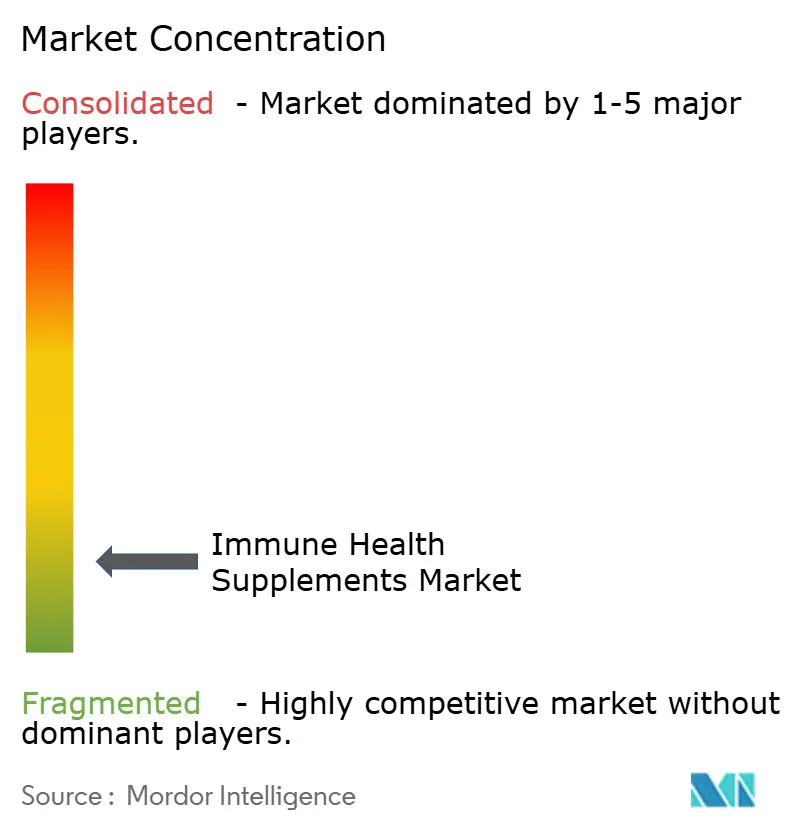
| Market Concentration | Low |
Major Players *Disclaimer: Major Players sorted in no particular order Image © Mordor Intelligence. Reuse requires attribution under CC BY 4.0. | |
Immune Health Supplements Market Analysis by Mordor Intelligence
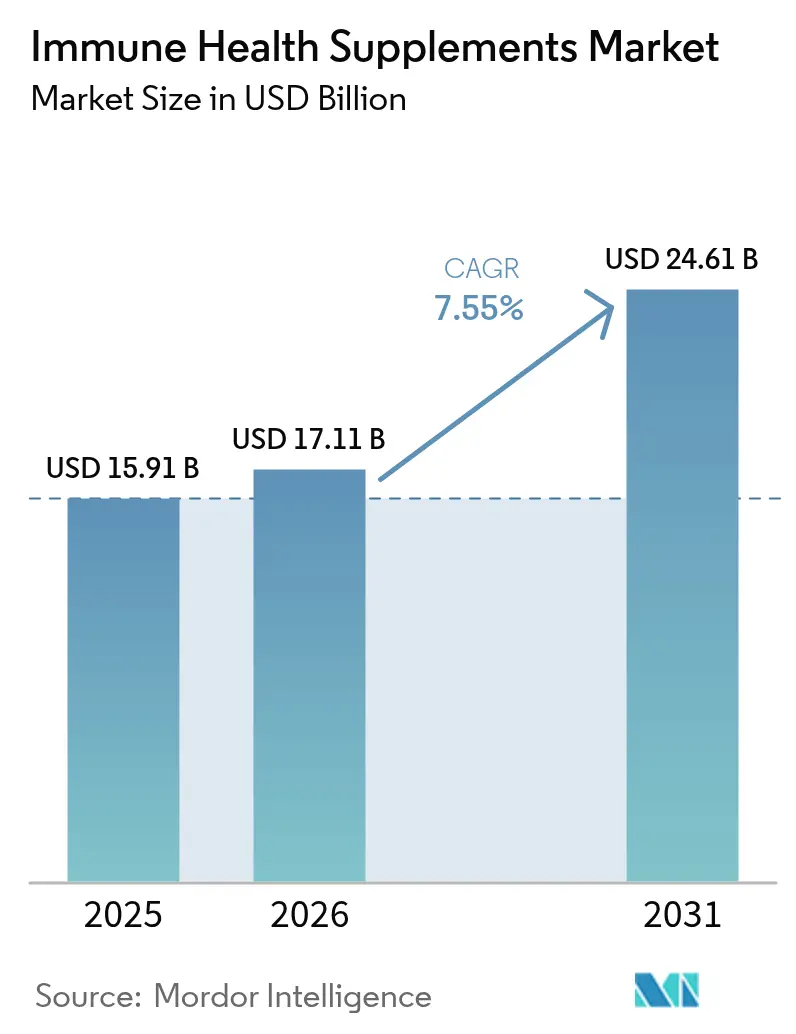
The immune health supplements market size was valued at USD 15.91 billion in 2025 and estimated to grow from USD 17.11 billion in 2026 to reach USD 24.61 billion by 2031, at a CAGR of 7.55% during the forecast period (2026-2031). Preventive nutrition is increasingly seen as essential to healthcare, driving market growth. The focus on immune resilience, highlighted during the COVID-19 pandemic, continues to influence purchases. Vitamins and minerals lead the market, addressing diverse nutritional deficiencies, while probiotics gain traction due to their proven link to gut and immune health. Gummies and chewables are growing in demand for their convenience and appeal. Mature economies dominate revenue, but the Middle East and Africa and parts of Asia are experiencing rapid growth. The fragmented market offers opportunities for smaller players adept at managing supply chains, innovating delivery formats, or leveraging personalized nutrition trends.
Key Report Takeaways
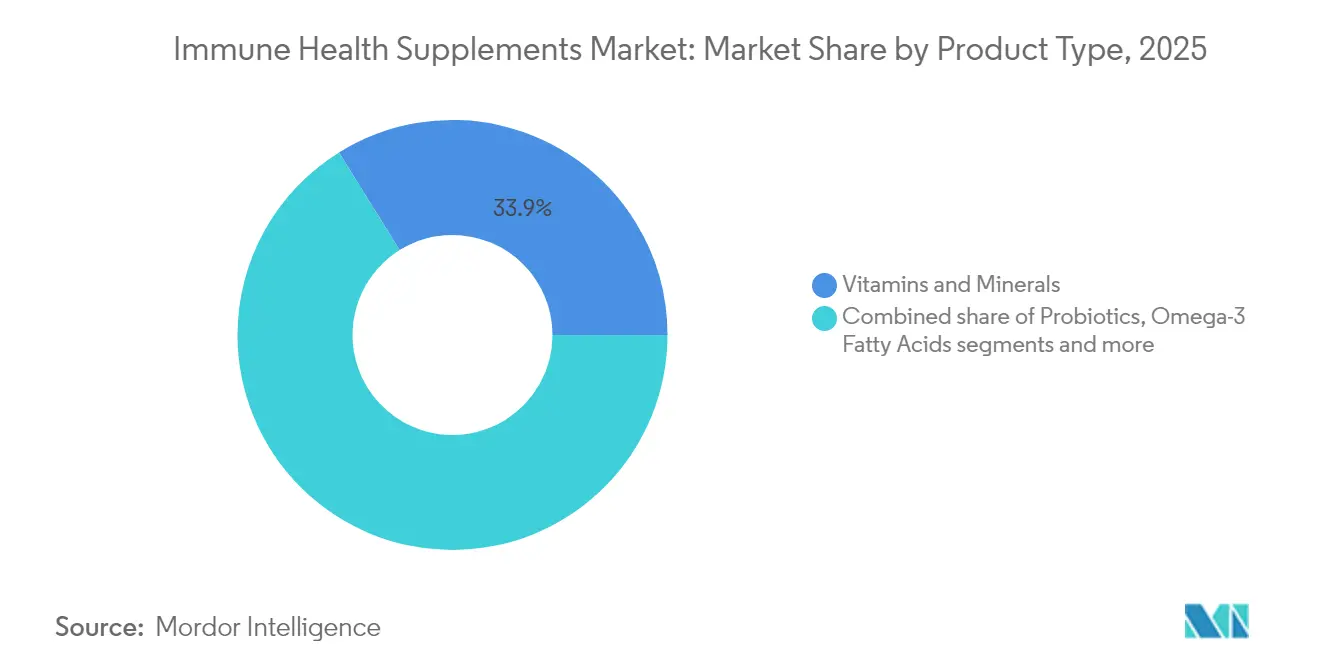
- By product type, vitamins and minerals held 33.85% of the immune health supplements market share in 2025, while probiotics are projected to expand at a 9.52% CAGR through 2031.
- By form, tablets commanded 31.20% share of the immune health supplements market size in 2025; gummies are the fastest-growing form at 8.55% CAGR to 2031.
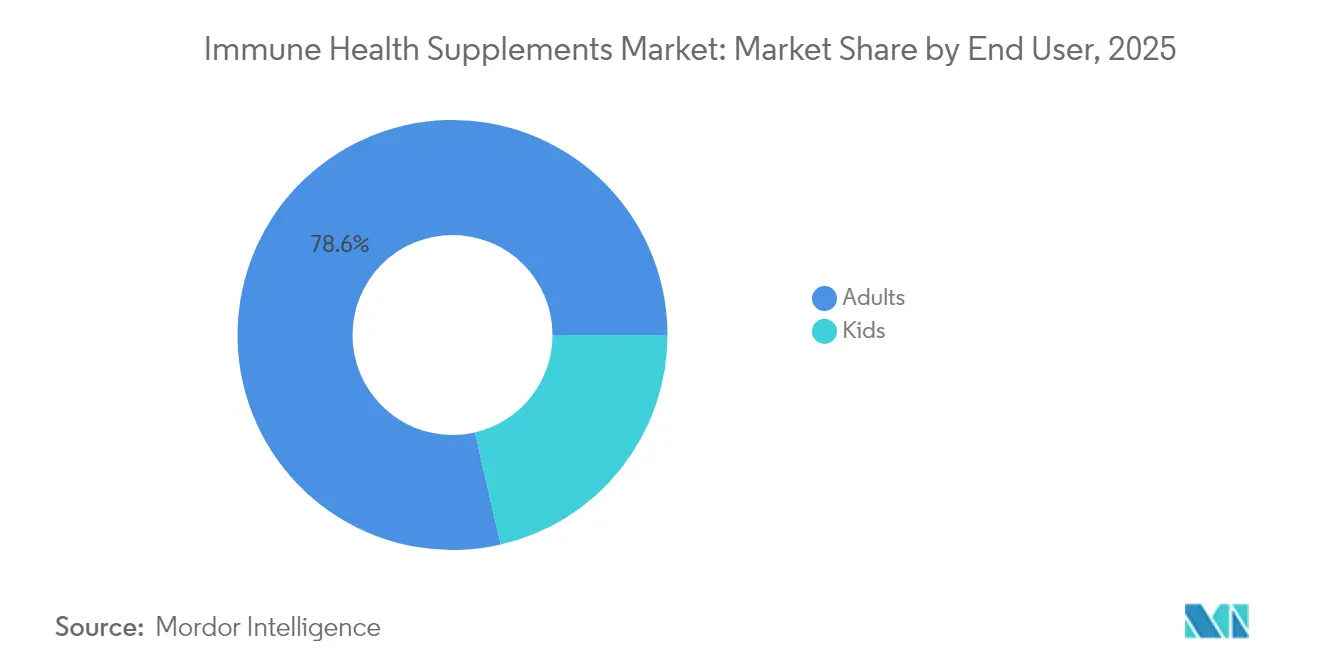
- By end user, adults captured 78.60% of the market share in 2025, with the kids segment projected to grow at a 9.04% CAGR through 2031.
- By distribution channel, specialty and health stores led with 40.75% revenue share in 2025, whereas online retail is set to grow at 7.78% CAGR during the forecast period.
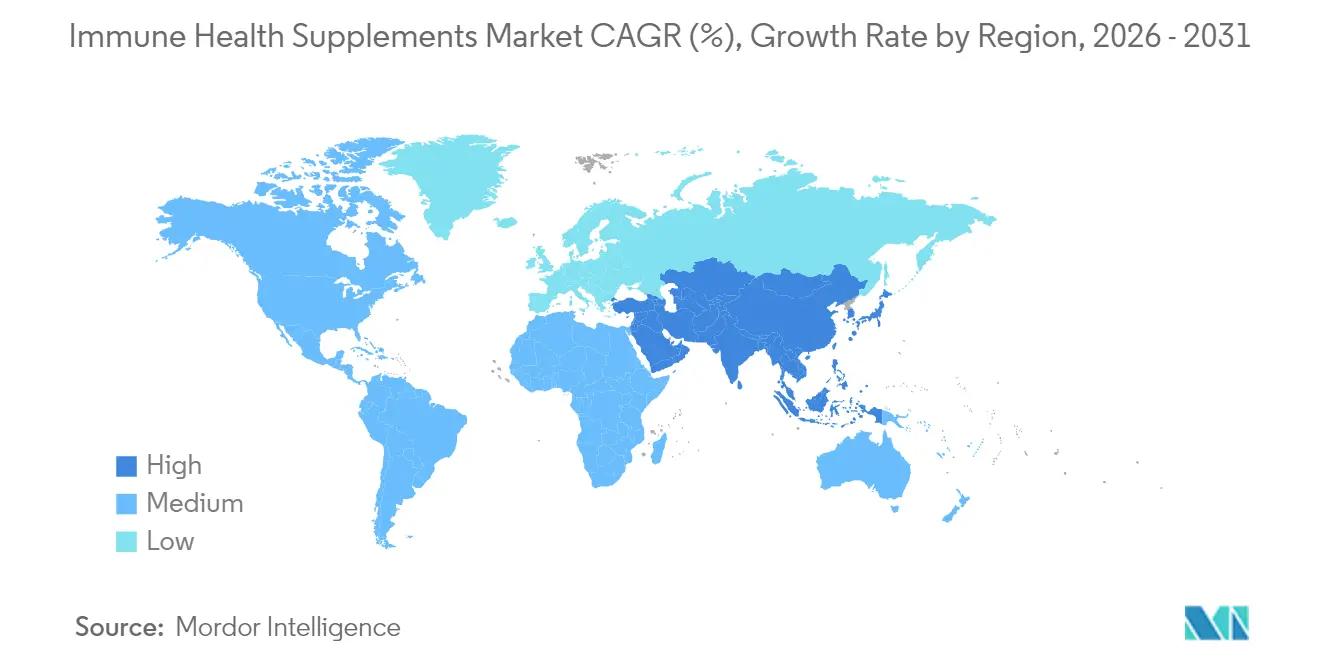
- By geography, North America accounted for 26.85% share of the immune health supplements market size in 2025, but the Middle East and Africa are advancing at 9.07% CAGR to 2031.
Note: Market size and forecast figures in this report are generated using Mordor Intelligence’s proprietary estimation framework, updated with the latest available data and insights as of 2026.
Market Trends and Insights
Drivers Impact Table of Immune Health Supplements Market*
| DRIVER | (~) % IMPACT ON CAGR FORECAST | GEOGRAPHIC RELEVANCE | IMPACT TIMELINE |
|---|---|---|---|
| Enhanced focus on immunity post-covid-19 fueling market expansion | +1.8% | Global, with strongest impact in North America and Europe | Medium term (2-4 years) |
| Aging populations globally seek immunity-boosting support | +2.1% | Global, particularly developed markets in North America, Europe, and the Asia-Pacific | Long term (≥ 4 years) |
| Chronic disease prevalence drives preventive supplement use | +1.5% | Global, with higher impact in developed markets | Long term (≥ 4 years) |
| Demand for personalized nutrition stimulates innovation | +0.9% | North America and Europe, expanding to Asia-Pacific | Medium term (2-4 years) |
| Social media influence increases consumer engagement | +0.7% | Global, strongest in digitally connected markets | Short term (≤ 2 years) |
| Scientific advancements and innovation | +1.2% | Global, led by North America and Europe | Medium term (2-4 years) |
| Source: Mordor Intelligence | |||
Aging populations globally seek immunity-boosting support
As individuals age, their immune systems weaken, a process called immunosenescence. To counter this, many seniors use supplements like zinc, vitamin D, probiotics, and antioxidants. The World Health Organization estimates the global population aged 60+ will grow from 1 billion in 2020 to 1.4 billion by 2030 and double to 2.1 billion by 2050, with those aged 80+ tripling to 426 million [1]. This shift has increased supplement use among older adults. The NIH Office of Dietary Supplements has included research on aging-related supplements in its 2025-2029 strategic plan [2]. Manufacturers are addressing aging concerns like inflammation and metabolism with specialized products. For example, Abbott’s Ensure line, focused on adult nutrition, achieved USD 4.4 billion in sales in 2024, with 9% organic growth, as reported by the company.
Enhanced focus on immunity post-covid-19 fueling market expansion
Awareness of immune health has surged since the COVID-19 pandemic, with individuals, especially those with pre-existing conditions, taking proactive steps to improve their health. In 2024, the FDA expanded its Dietary Supplement Ingredient Directory, enhancing consumer trust and simplifying supplement selection [3]. As of June 2025, the World Health Organization reported 359,000 active COVID-19 cases globally, emphasizing the ongoing need for immune support [4]. Social media trends reveal strong commercial ties to immunity discussions, highlighting brand innovation and investment. These factors are driving demand for immune health supplements and fueling market growth.
Chronic disease prevalence drives preventive supplement use
As chronic conditions like diabetes and heart disease rise globally, there is a growing focus on preventive health through nutrient-rich supplements. In the Gulf states, addressing vitamin D deficiency is critical, as maintaining optimal levels (30 ng/mL) may reduce heart attack risks by 25%. Advances in gene-nutrition research highlight the superior benefits of personalized supplements over standard multivitamins. For instance, Herbalife's "Immunity Essentials," combining vitamin D3, zinc, and echinacea, targets adults with immune vulnerabilities due to lifestyle-related health issues. This shift toward prevention improves health outcomes and drives growth in the immune health supplements market by transitioning healthcare spending from treatments to proactive supplementation.
Demand for personalized nutrition stimulates innovation
The growing demand for tailored health solutions is driving innovation in the immune health supplements market. Advances in nutrigenomics enable brands to create products aligned with individual genetic differences. The American Nutrition Association highlights personalization as a key market trend. In 2024, Nestlé Health Science launched a GLP-1 nutrition support platform combining immune-boosting nutrients with weight-loss drug regimens to meet specific metabolic needs. Technologies like micro-encapsulation and precision-release systems enhance probiotic efficacy by ensuring survival through digestion. Personalized products are commanding premium prices, fueling growth and ensuring long-term market expansion.
Restraints Impact Analysis of Immune Health Supplements Market*
| RESTRAINT | (~) % IMPACT ON CAGR FORECAST | GEOGRAPHIC RELEVANCE | IMPACT TIMELINE |
|---|---|---|---|
| Lack of standardized regulations across regions | -0.8% | Global, particularly affecting cross-border trade | Medium term (2-4 years) |
| High price sensitivity in developing markets | -1.2% | Asia-Pacific, Latin America, Africa | Long term (≥ 4 years) |
| Growing scrutiny of unverified health claims | -0.6% | Global, strongest in North America and Europe | Short term (≤ 2 years) |
| Supply chain disruptions affecting raw material availability | -1.4% | Global, with highest impact in import-dependent regions | Short term (≤ 2 years) |
| Source: Mordor Intelligence | |||
Lack of standardized regulations across regions
Immune supplement manufacturers face challenges due to inconsistent regulatory standards across regions, which increase costs and delay product launches. For instance, the EU’s Food Supplements Directive 2002/46/EC aimed to unify regulations but allows member states to set their own rules, complicating launches. In the U.S., the FDA's 75-day premarket notification for New Dietary Ingredients adds complexity, especially for e-commerce-focused brands. Varying probiotic labeling rules globally further hinder standardized claims. These issues particularly burden smaller businesses, slowing innovation, hindering international expansion, and impacting the immune health supplements market's growth.
Supply chain disruptions affecting raw material availability
The immune health supplements market faces challenges in sourcing raw materials due to geopolitical tensions, environmental factors, and trade disruptions. China, a key supplier of ascorbic acid and botanical extracts, makes the market vulnerable to diplomatic conflicts and tariff changes expected by 2025. These issues have increased costs and delivery times. Climate events like the 2023 El Niño disrupted supply chains, with reduced anchovy catches temporarily spiking omega-3 prices due to limited fish oil. Companies are mitigating risks by diversifying sourcing, integrating vertically, and maintaining larger inventories. While these strategies stabilize supply chains, they raise operational costs, straining smaller businesses and impacting profitability.
*Our forecasts treat driver/restraint impacts as directional, not additive. The impact forecasts reflect baseline growth, mix effects, and variable interactions.
Immune Health Supplements Market Segment Analysis
By Product Type:
Scientific Progress Elevates Probiotics and PostbioticsIn 2025, vitamins and minerals led the immune health supplements market, contributing 33.85% of the revenue. Their popularity stems from their ability to address common nutrient deficiencies and their widespread acceptance by healthcare professionals. Meanwhile, probiotics are experiencing the fastest growth, with a projected CAGR of 9.52% through 2031. This rapid expansion is supported by clinical studies that highlight the benefits of specific probiotic strains in boosting upper respiratory immunity. Regulatory approvals, such as EFSA’s clearance of paramylon in 2024 and the FDA’s GRAS status for Bacillus subtilis NRRL 68053, have further enhanced consumer trust in probiotics. As a result, probiotics are expected to gain significant market share, gradually overtaking traditional multivitamins.
The market is also seeing a wave of innovation with the introduction of new ingredients like postbiotic metabolites, yeast-fermentate concentrates, and algae-derived beta-glucans. For instance, clinical studies on EpiCor have shown its effectiveness in reducing cold symptoms in children, making it a promising option for pediatric health. These advancements are supported by intellectual property protections, which help companies maintain a competitive edge and secure higher profit margins. As research expands to include broader health benefits, such as microbiome modulation in addition to traditional immune markers, the market continues to reward companies that invest in research and development.

By Form:
Gummies and Chewables Bring Experience to ComplianceIn 2025, tablets dominated the market with a 31.20% share. Their affordability, precise dosing, and convenience in combining multiple vitamins make them a top choice for consumers. Yet, gummies are on the rise, boasting a robust CAGR of 8.55%. Adults are increasingly opting for gummies due to their pleasant taste and seamless integration into daily routines. While leading brands like Church & Dwight have set the bar high, competition has surged with over 60 branded players entering the fray. In response to concerns about sugar content, brands have introduced reduced-calorie options, and pectin-based formulations are now catering to vegan consumers. Historically, gummies struggled with bioavailability, particularly for sensitive nutrients like probiotics and omega oils.
Capsules and softgels attract consumers who prioritize a pharmaceutical-grade experience and efficient delivery of fat-soluble nutrients. Powders, on the other hand, are the go-to choice in sports nutrition and elderly care, owing to their adjustable dosing and ease of use for those with swallowing challenges. This ongoing innovation in delivery formats empowers brands to address the diverse preferences of consumers spanning various age groups and lifestyles. Such diversification not only meets specific consumer needs but also cultivates strong loyalty within the expansive immune health supplements market.
By End User:
Adult Demographics Anchor Demand While Pediatric Formulas AccelerateIn 2025, adults held 78.60% of the immune health supplements market share, driven by established supplement habits, financial capacity, and awareness of aging's impact on immunity. Studies show that combining vitamin D with N-acetylcysteine reduces cellular aging markers in vitamin D-deficient older adults. Additionally, 75% of individuals aged 65-80 fail to meet the recommended zinc intake, highlighting the demand for targeted products. Companies like Vitafusion cater to adult preferences with tailored formats and doses. However, rising competition in gummy supplements pushes brands to innovate in delivery methods and marketing.
The children’s segment is the fastest-growing in the immune health supplements market, with a projected CAGR of 9.04% through 2031. Growth is driven by parents adopting preventive health measures early. Improved formulations and scientific validation have increased pediatric supplement acceptance. For example, brands like SmartyPants and Zarbee’s are expanding their children’s lines with gummy-based multivitamins that include vitamins C, D, and zinc to support immunity. Innovations in delivery formats, such as dissolvable strips and chewables, are also gaining popularity among young users. This shift to pediatric products drives life-stage-specific offerings, fostering customer loyalty while addressing unique health and regulatory needs.
By Distribution Channel:
Omnichannel Blurs Physical and Digital BordersIn 2025, specialty and health stores led the way in distributing immune health supplements, capturing 40.75% of the market's revenue. These stores are favored for their expert guidance and curated product selections. Yet, online retail is on the rise, boasting a 7.78% CAGR, as consumers increasingly gravitate towards the ease of home shopping. E-commerce's allure is heightened by features like same-day delivery and the ability to easily compare products. Direct-to-consumer websites harness customer data for tailored offerings, while online marketplaces thrive on customer feedback and rapidly changing inventories. Subscription services are also on the rise, striking a balance between consumer convenience and steady revenue for businesses. Supermarkets and hypermarkets play a pivotal role by offering budget-friendly choices and spurring impulse buys. However, their limited shelf space curtails product variety. Meanwhile, pharmacies, long trusted for their dependability, grapple with tightening profit margins. To navigate these challenges, innovative hybrid models are surfacing. These include click-and-collect services, in-store kiosks, and QR codes that deliver in-depth product insights and educational content. Such strategies meld the advantages of traditional shopping with the perks of online convenience. As the lines between distribution channels blur, companies are urged to hone their inventory management and bolster their digital footprint to stay ahead in the dynamic immune health supplements arena.
Geography Analysis
North America and Europe Immune Health Supplements Market
North America accounted for 26.85% of global revenue in 2025, driven by a strong culture of supplement use, high disposable incomes, and clear regulatory oversight from the FDA. Surveys from the National Institutes of Health (NIH) reveal that over 10% of U.S. adults specifically choose supplements for immune health. Canada and Mexico are also seeing steady growth, supported by integrated supply chains across North America, although potential tariff challenges remain. In Europe, spending on immune health supplements is comparable to North America, but the region faces varying regulations across member states. The European Food Safety Authority (EFSA) promotes trust with its evidence-based approach, allowing brands to position themselves as premium, though compliance costs remain a challenge. Countries like Germany, France, and the U.K. are seeing consistent demand for probiotic blends backed by clinical research, while Eastern Europe is gradually contributing to growth as disposable incomes rise and awareness about healthcare improves.
MEA and APAC Immune Health Supplements Market
The Middle East and Africa is experiencing the fastest growth rate, with a CAGR of 9.07%, largely due to widespread vitamin D deficiencies and government-led initiatives promoting supplementation. Research in countries like Saudi Arabia and the UAE indicates that addressing vitamin D deficiencies could significantly reduce cardiovascular risks. Retailers in the region are aligning with local consumption habits by bundling immune health supplements with fortified dairy products and beverages. In the Asia-Pacific region, the combination of a large population and increasing urban stress is driving demand for immune health supplements. Countries like China and India are adopting products that blend traditional botanicals with modern nutrients, although affordability remains a key factor, leading to the popularity of sachets and stick-pack formats. Japan’s Food for Specified Health Use (FOSHU) system ensures scientific credibility, attracting a loyal customer base, particularly among older adults.
South America Immune Health Supplements Market
South America present long-term growth opportunities but face challenges such as currency fluctuations and weak regulatory enforcement, which can lead to counterfeit products entering the market. To address these issues, multinational companies are partnering with local distributors to navigate fragmented retail environments and educate consumers about the benefits of evidence-backed supplements. E-commerce is playing a significant role in breaking down geographic barriers, enabling even smaller, specialized brands to reach international customers. This trend is intensifying competition globally, as brands across regions strive to capture a share of the growing immune health supplements market.
Regulatory Landscape
Immune health supplements generally fall under divergent pre-market and claims-control regimes, which constrain how vitamins, botanicals, and microbiome ingredients can be positioned. In the European Union, Regulation (EC) No 1924/2006 requires European Food Safety Authority (EFSA) assessment and authorization for new nutrition and health claims, while food supplement rules are set by Directive 2002/46/EC and its national implementations, leaving manufacturers to manage member-state differences even with harmonization efforts. In May 2026, Commission Regulation (EU) 2026/1118 refused authorization of a creatine health claim tied to cognitive function, underscoring the evidence bar for benefit statements that brands may try to expand into broader wellness narratives.
In the United States, supplements are governed by DSHEA with post-market enforcement and a strict separation between structure/function claims and disease claims, consistent with FDA guidance and 21 CFR 101.93. General immune-support messaging must avoid implying treatment or prevention of infections or specific diseases. In January 2026, FDA communicated enforcement discretion on placement of the 403(r)(6) DSHEA disclaimer while it evaluates a potential rule change to reduce label clutter, which affects label design and packaging workflows for multi-panel formats. In the United Kingdom, The Nutrition (Amendment etc.) (EU Exit) (Amendment) Regulations 2026 (effective August 12, 2026) authorized magnesium L-threonate monohydrate as a permitted magnesium source in food supplements, showing continued post-Brexit updates to permitted inputs that can influence formulation choices across product lines.
Value Chain Analysis
The immune health supplements value chain begins with raw material production and extraction, including vitamins and minerals, botanicals, fish-derived omega-3s, and fermentation-derived strains and bioactives. It then moves through ingredient standardization and testing, formulation and contract manufacturing, packaging and labeling compliance, and distribution through specialty and health stores, pharmacies, mass retail, and online channels. The chain is highly international, since brands often source botanical extracts and key actives from global suppliers where capital-intensive processing is concentrated, and because probiotics and other biotics depend on controlled fermentation, strain integrity, and stability management.
Key friction points include (i) consistent standardization of botanical actives, (ii) reproducible fermentation yields and viability through shelf life, and (iii) logistics and storage requirements for sensitive ingredients and finished formats. Policy and compliance also drive costs and lead times: in the US, importers carry liability exposure for New Dietary Ingredient notification gaps for ingredients not marketed before October 15, 1994, while in the EU the EFSA pre-approval model for health claims increases dossier and substantiation burdens compared with DSHEA’s structure/function framework. Trade actions have also affected costs for the category. The Natural Products Association reported that Annex II tariff exemptions implemented in April 2025 shielded certain supplement ingredients (including CoQ10, creatine, and L-theanine) from a baseline ad valorem tariff, and that the same period was associated with reported direct cost savings of USD 218 million to USD 247 million, shaping procurement strategies and inventory planning across brands and manufacturers.
Competitive Landscape
The immune health supplements market is highly fragmented, indicating significant opportunities for both established players and new entrants. Major global companies like Amway Corp., Bayer AG, Glanbia plc, NOW Foods, and Herbalife Nutrition Ltd dominate the market by leveraging their strong research and development capabilities and clinical research budgets. These companies focus on securing regulatory approvals and health claims to expand their product portfolios. For example, Abbott’s Ensure brand has successfully transitioned from medical-grade nutrition to mainstream consumer adoption, maintaining premium pricing.
Mid-sized companies are carving out their niche by innovating with new delivery formats like gummies, shots, and dissolvable strips, which appeal to younger demographics, including millennials and Gen Z. Church & Dwight, for instance, has expanded its range of immune-support gummies but faces growing competition from emerging brands that quickly replicate successful products. Meanwhile, digital-first brands are leveraging social media and subscription-based models to build direct relationships with consumers. These companies often rely on contract manufacturers to maintain flexibility and reduce operational costs.
Companies are also expanding their product offerings into related areas like gut-brain health, metabolic support, and healthy aging, creating opportunities to cross-sell alongside their core immunity products. The competitive landscape remains dynamic, with mergers, acquisitions, and licensing deals expected to increase as companies seek to scale operations and differentiate themselves through advanced scientific research in the immune health supplements market.
Immune Health Supplements Industry Leaders
-
Amway Corp.
-
Bayer AG
-
Glanbia plc
-
NOW Foods
-
Herbalife Nutrition Ltd
- *Disclaimer: Major Players sorted in no particular order
Immune Health Supplements Market Companies Covered in this Report
- Amway Corp.
- Bayer AG
- Glanbia plc
- NOW Foods
- Cosmic Nutracos Solutions
- Herbalife Nutrition Ltd
- 21st Century HealthCare, Inc.
- Dr. Willmar Schwabe GmbH & Co. KG
- Abbott Laboratories
- Pfizer Inc.
- Nestle SA
- Otsuka Pharmaceutical Co., Ltd
- Kirin Holdings
- H&H International Holdings Limited
- BioGaia AB
- Church & Dwight Co.
- Jamieson Wellness Inc.
- Reckitt Benckiser Group plc
- Unilever plc
- Nature's Way
Market Opportunities and Future Outlook
Ingredient authorization and defensible substantiation continue to create room for differentiated immune-support propositions, especially where novel prebiotics, targeted strains, and clinically validated actives can support premium positioning. A specific example is the EU Novel Food pathway for branded ingredient advantage: in June 2026, the European Commission authorized the prebiotic carrot-fiber ingredient Benicaros as a Novel Food under Regulation (EU) 2026/1306, including 5-year exclusivity, which supports investment in branded ingredients and downstream finished products positioned across gut and immune health.
Supply-side innovation is also expanding formulation and sourcing options for high-value immune proteins that have historically been constrained by cost and availability. In June 2026, Nestle partnered with Helaina to scale production of bioidentical human lactoferrin (Effera) for infant nutrition, and Vivici received a 12.5 million euro European Innovation Council Accelerator grant to scale precision-fermented dairy proteins, including lactoferrin, reflecting efforts to industrialize animal-free protein supply. On the finished-product side, brands are pressing more targeted life-stage and immune-aging propositions, such as Synbio Tech Inc.’s June 2026 launch of SYNMUE featuring Lactiplantibacillus plantarum LP28 targeting immunosenescence in adults aged 50 to 75. This aligns immunity with healthy aging demand and creates additional portfolio extensions beyond traditional multivitamins toward strain-specific and mechanism-led offerings.
Recent Industry Developments in Immune Health Supplements Market
- February 2026: Bayer invested EUR 5 million to upgrade its multiple micronutrient supplement production line and Global R&D Center at the Bayer Supply Center Consumer Health in Cimanggis, Depok, Indonesia. The upgrade enhances manufacturing and technical capabilities for micronutrient-based products used in immune-health positioning across markets. It also supports Bayer’s ability to supply a wider set of regions from an Asia-based production footprint.
- September 2025: Bayer unveiled a new laboratory in Darmstadt, Germany, focused on innovation in phytomedicines and biotics across digestive, metabolic, and immune health. The lab reinforces R&D depth in botanicals and microbiome-adjacent solutions, areas central to differentiated immune supplement claims. It also increases the pipeline potential for clinically substantiated formats beyond commodity vitamins and minerals.
- June 2025: Amway India expanded its nutrition portfolio with Nutrilite Triple Protect, a plant-based supplement featuring acerola cherry, turmeric, and licorice. The formulation broadens immunity positioning into multi-benefit territory such as antioxidant support and gut and skin wellness. This kind of bundled benefit set aligns with the category shift toward holistic preventive nutrition rather than single-nutrient products.
Immune Health Supplements Market Report Scope and Research Methodology
Market Definition and Coverage
This market covers revenue generated from dietary supplements that are marketed for immune support and are sold through retail and online channels to end consumers, across major global regions.
Scope exclusions: We exclude prescription immune therapies, vaccines, and clinical nutrition used as medical nutrition therapy, even if they carry immunity related claims.
Segments Covered in This Report
- By Product Type
- Vitamins and Minerals
- Herbal/Botanical Extracts
- Probiotics
- Omega-3 Fatty Acids
- Other Product Types
- By Form
- Capsules and Softgels
- Tablets
- Gummies and Chewables
- Powders
- Other Forms
- By End User
- Adults
- Kids
- By Distribution Channel
- Supermarkets/Hypermarkets
- Specialty and Health Stores
- Online Retailers
- Other Distribution Channels
- By Geography
- North America
- United States
- Canada
- Mexico
- Rest of North America
- Europe
- Germany
- United Kingdom
- Italy
- France
- Spain
- Netherlands
- Poland
- Belgium
- Sweden
- Rest of Europe
- Asia-Pacific
- China
- India
- Japan
- Australia
- Indonesia
- South Korea
- Thailand
- Singapore
- Rest of Asia-Pacific
- South America
- Brazil
- Argentina
- Colombia
- Chile
- Peru
- Rest of South America
- Middle East and Africa
- South Africa
- Saudi Arabia
- United Arab Emirates
- Nigeria
- Egypt
- Morocco
- Turkey
- Rest of Middle East and Africa
- North America
Data Sources, Market Sizing, and Validation
Desk Research
Desk research was used to set the outer limits of the demand pool and to keep country level assumptions realistic before the model was built. We reviewed public health and nutrition references such as the NIH Office of Dietary Supplements, CDC nutrition and health statistics, the World Health Organization guidance on micronutrients, and Food and Agriculture Organization food supply indicators. We also used trade and regulatory signals from sources such as the US FDA dietary supplement resources and the European Commission food supplement framework, which helped us avoid mixing supplements with drug products.
To translate demand signals into market values, we combined these references with company filings and investor presentations, association publications, and reputable press coverage on supplement trends and pricing. For cross checks on company presence and category mixes, we selectively used paid subscriptions for company financials and intelligence, news and financials, and patent databases, mainly to validate innovation and claims activity by ingredient type. The sources named above are illustrative only, and many other public and paid references were also used during data collection, validation, and clarification.
Primary Interviews and Surveys
Primary work was used to test our assumptions on what products are actually bought as immune support, and how pricing and promotions move by channel. We spoke with a mix of brand owners, contract manufacturers, distributors, retailers, and category experts across APAC, EMEA, and the Americas. Their input helped us resolve gaps left by public data and align the final model outputs with what is sold in practice.
Distribution of primary research fieldwork respondents
| Company type | Respondent position | Region |
|---|---|---|
| Top tier: 29% | CXOs: 15% | APAC: 48% |
| Mid tier: 53% | Functional/Unit leaders: 29% | EMEA: 34% |
| Smaller Players: 18% | Managers: 56% | Americas: 18% |
Market-Sizing & Forecasting
Market sizing started with a top-down build that reconstructs the addressable spending pool from dietary supplement category totals, then filters it using immune positioning and usage intensity by region. To keep the math grounded, we used practical inputs, including an adult versus kids consumption mix, the share of immune positioned products within vitamins and minerals and herbal and probiotic lines, channel split shifts toward online, and typical price bands by form (capsules and softgels, tablets, gummies and chewables, and powders). Where public data was thin, we used region level analogs to fill gaps, then corrected the category mix and pricing using interview based checks.
After the top-down totals were formed, we used selective bottom-up approximations as a reality check, mainly through sampled ASP times volume for key formats and a supplier and retailer roll up on a limited set of markets. Forecasting relied on scenario analysis supported by expert consensus on a few driver variables, including immune seasonality patterns, post illness preventive behavior, inflation led price resets, and regulatory scrutiny on claims that can soften or shift demand. The final forecast was adjusted only when multiple signals pointed in the same direction, so short term spikes did not steer the longer view.
Data Validation & Update Cycle
Outputs are checked against independent signals such as category growth in broader dietary supplements, observed channel expansion, and ingredient level momentum that shows up in claim and innovation activity. When a country trend looks too steep or too flat, we recheck the math for currency timing, price band inputs, and the split between immune positioned products and general wellness items. If the variance remains unresolved, we recontact experts for a second look. Before sign-off, a second analyst reviews key assumptions and ensures totals reconcile across regions and major product groups.
Reports are refreshed annually, and interim updates are made when material events change pricing, regulation, or consumer behavior in a visible way. Before delivery, we do a fresh pass on the model and narrative so clients receive the latest updated view rather than an older snapshot.
Mordor Intelligence's Immune Health Supplements Market Size Compared Against Other Published Estimates
Published market sizes for immune health supplements can differ a lot, even when they look like they measure the same topic, because the product perimeter and the pricing layer are not defined the same way by every publisher. In some cases, the gap is driven by whether adjacent categories are counted, and in other cases it comes from how retail value, promotions, and currency timing are treated.
A common split is that some estimates fold in broader immunity wellness baskets, such as fortified foods and beverages, or they use aggressive price growth without checking channel discounting. In this study, the external scope is kept out when it sits outside supplements, and Mordor Intelligence counts only finished dietary supplements that are marketed for immune support and sold through standard supplement channels. This narrows the pool and keeps the value tied to repeatable demand indicators.
Benchmark comparison
| Source | Market Size | Gaps in Research Methodology |
|---|---|---|
| Mordor Intelligence | USD 17.11 B (2026) | |
| Global Newswire Publisher A | USD 26.98 B (2024) | Uses an earlier base year and a broader included set that can mix immune supplements with wider wellness items, and it is less clear how retail pricing and promotional discounting are normalized across regions. |
| Press Release Publisher B | USD 20.80 B (2022) | Uses a different start year and limited visible detail on what is excluded, so adjacent immune support products and differing channel price layers can be captured in the total. |
Taken together, the spread is mainly explained by scope edges and how value is translated from demand to dollars across channels and currencies. By keeping inclusion rules tight and then validating key splits like format mix and channel pricing through expert checks, the resulting figure is easier to reconcile and update as the market moves.
Key Questions Answered in the Report
What is the current size of the immune health supplements market?
The market is valued at USD 17.11 billion in 2026 and is projected to reach USD 24.61 billion by 2031 at a 7.55% CAGR.
Which product segment is growing fastest?
Probiotics lead growth with a 9.52% CAGR thanks to expanding clinical evidence linking gut flora and immunity.
Which region offers the highest growth rate?
The Middle East and Africa shows the fastest expansion at 9.07% CAGR, mainly due to widespread vitamin D deficiency and supportive public-health measures.
How fragmented is the industry?
The market is highly fragmented, with no single company holding a dominant share, leaving ample room for both multinationals and agile start-ups.