
Zoonotic Disease Treatment Market Size and Share
| Study Period | 2021 - 2030 |
| Market Size (2025) | USD 35.37 Billion |
| Market Size (2030) | USD 47.11 Billion |
| CAGR (2025 - 2030) | 5.90% |
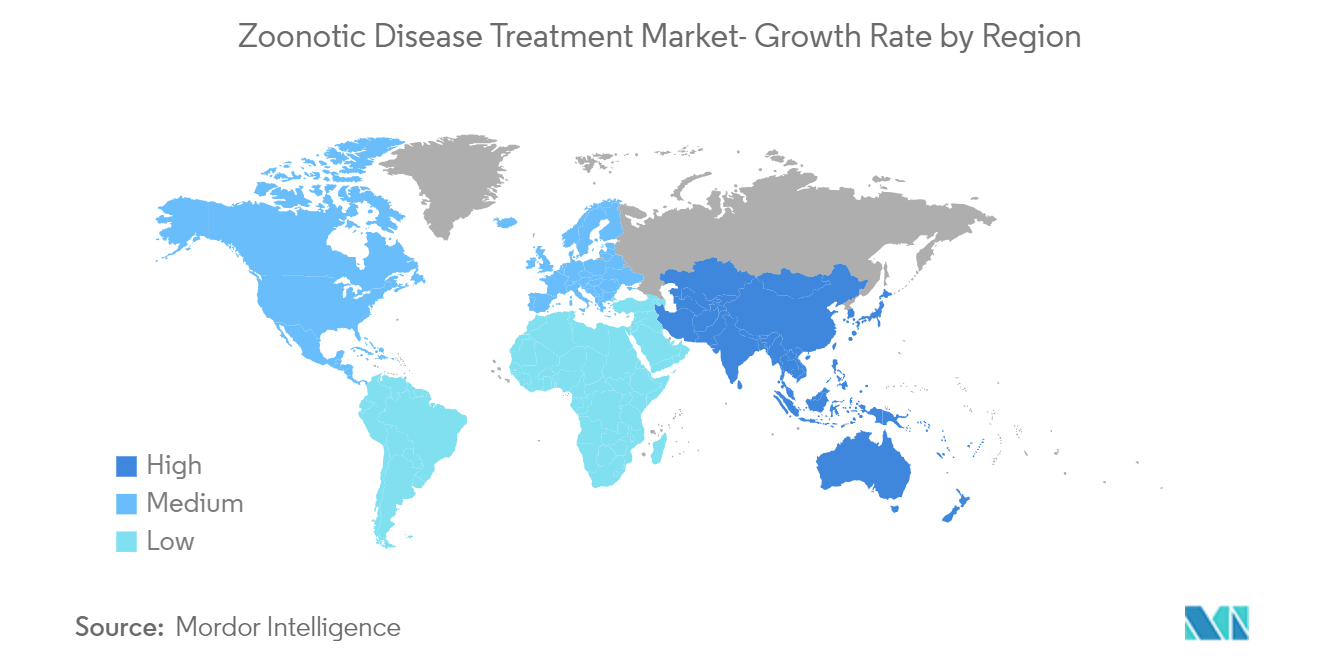
| Fastest Growing Market | Asia Pacific |
| Largest Market | North America |
| Market Concentration | Low |
Major Players *Disclaimer: Major Players sorted in no particular order |
Zoonotic Disease Treatment Market Analysis by Mordor Intelligence
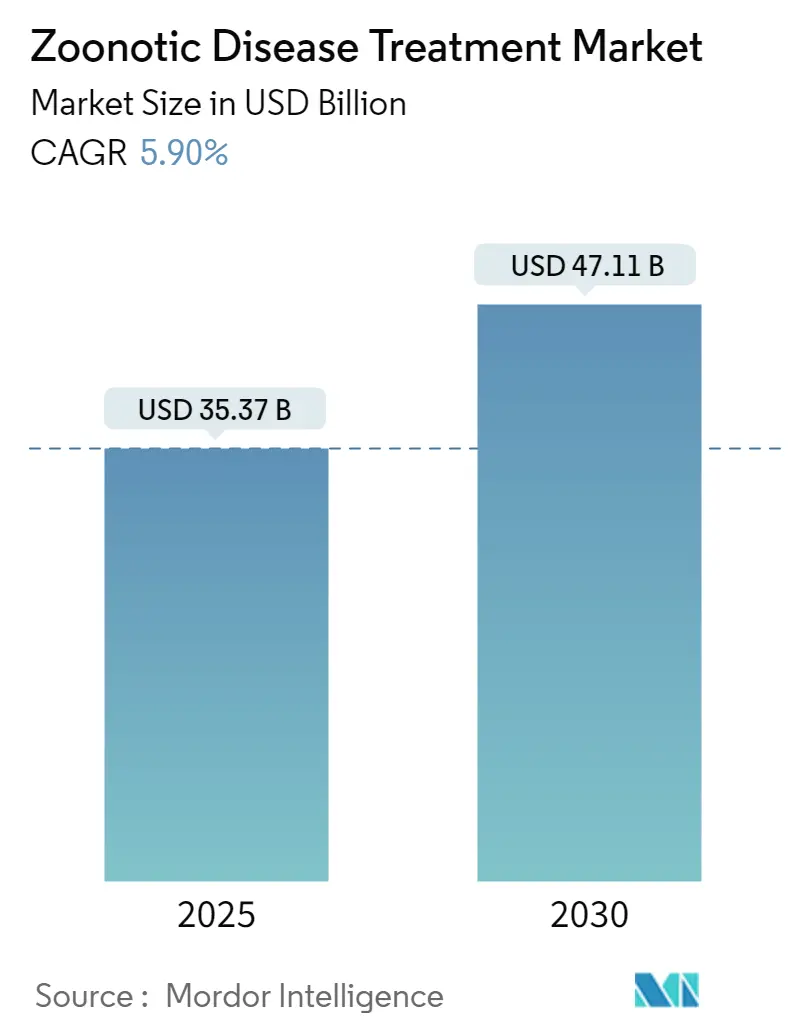
The Zoonotic Disease Treatment Market size is estimated at USD 35.37 billion in 2025, and is expected to reach USD 47.11 billion by 2030, at a CAGR of 5.9% during the forecast period (2025-2030).
Factors such as the increasing incidence of zoonotic diseases, increased demand for animal proteins/ consumption of animals, and increasing investment in research and development activities are expected to drive the market's growth over the forecast period.
The market for zoonotic disease treatments is expanding, driven by the rising incidence of diseases like rabies, malaria, and avian influenza. For example, a June 2023 report from Frontiers in Microbiology highlighted that zoonotic diseases impact over 2.5 billion humans globally each year. Zoonoses, transmitted from vertebrate animals to humans, account for over 60% of recognized human diseases and 75% of emerging infectious diseases.
Moreover, the emergence of zoonotic diseases like the Ebola outbreak in Africa has underscored the urgency for effective treatments and vaccines. In September 2022, Uganda declared an Ebola disease outbreak in the country. It was the country’s first Sudan ebolavirus outbreak in a decade. In total, during this outbreak, there were 164 cases (142 confirmed and twenty-two probable), fifty-five confirmed deaths, and eighty-seven recovered patients.
Additionally, the rise in research and developmental activities in the zoonotic diseases market is also boosting its growth. For instance, in August 2023, Merck announced that the U.S. Food and Drug Administration (FDA) approved an expanded indication for ERVEBO, which is indicated for preventing disease caused by Zaire ebolavirus in individuals 12 months of age and older.
Therefore, owing to the factors mentioned above, such as the increasing incidence of zoonotic diseases and the rise in research and developmental activities, are expected to drive the growth of the zoonotic disease treatment market.
However, a lack of awareness about the spread of zoonotic diseases in the general population is restraining the growth of the market.
Global Zoonotic Disease Treatment Market Trends and Insights
Malaria Segment is Expected to Witness a Significant Growth Over the Forecast Period
Malaria is a life-threatening disease caused by parasites that are transmitted to people through the bites of infected female, anopheles’ mosquitoes. Some population groups are at considerably higher risk of contracting malaria and developing severe diseases than others. These include infants, children of age 5 years or under, pregnant women, and patients with HIV/AIDS, as well as non-immune migrants, mobile populations, and travelers.
For instance, according to a report published by the Lancet Microbe Journal in January 2024, noted that an estimated 249 million cases of malaria occurred in 85 malaria-endemic countries in 2022, a case incidence of 58 per 1000 population risk. Of the 249 million cases noted in 2022, 233 million (around 94%) were in the WHO African Region, with Nigeria (27%), the Democratic Republic of the Congo (12%), Uganda (5%), and Mozambique (4%), accounting for nearly 50% of all cases.
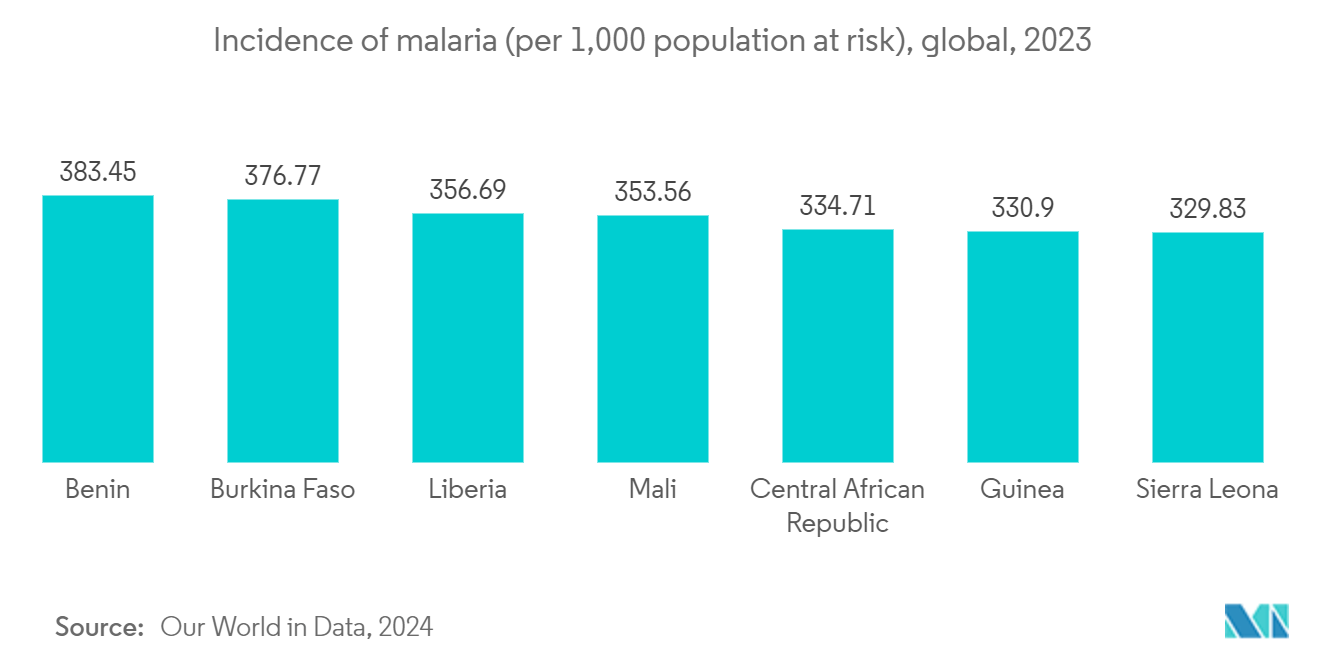
Similarly, according to a report published by the Our World in Data report in February 2024, the incidence of malaria per thousand people was highest in countries like Benin, Burkina Faso, and Liberia, with 383.45, 376.77, and 356.69, respectively. Therefore, the rising cases of malaria in underdeveloped and developing countries are expected to propel the growth of the malaria segment during the forecast period.
Moreover, clinical advancements in the malaria segment are propelling the growth of the market. For instance, in April 2024, Novartis and Medicines for Malaria Venture (MMV) released positive data from their phase II/III CALINA study, demonstrating that a novel formulation of Coartem (artemether-lumefantrine) developed for babies weighing less than 5kg with malaria has the required pharmacokinetic profile and good efficacy and safety.
Thus, the factors above, such as the increasing prevalence of malaria and the growing demand for technological advancements, will likely contribute to the segment's growth over the forecast period.


North America is Expected to Hold a Significant Share in the Market During the Forecast Period
North America is expected to dominate the market owing to factors such as the region’s advanced healthcare infrastructure, disease burden, regulatory influence, and commitment to technological innovation. North America is equipped high level of healthcare infrastructure and medical research capabilities. The region has advanced healthcare systems, top-tier research institutions, and a well-established pharmaceutical and biotechnology industry. Major companies in zoonotic disease treatment market such as CSL Behring, Johnson & Johnson, Merck, Sanofi, and Zoetis Services LLC are present in the region. These resources enable North America to lead in zoonotic disease research, diagnosis, and treatment. Justifiably, this advanced infrastructure attracts significant investments, both public and private, which contribute to the development of effective treatments and vaccines.
Moreover, the region has experienced a substantial burden of zoonotic diseases, including Lyme disease, West Nile virus, and various foodborne illnesses. According to the research paper “Ecology and Epidemiology of Lyme Disease in Western North America” published by MDPI in 2023, Lyme disease affects about half a million Americans every year, and cases in Canada are rising.
Furthermore, data from the United States Department of Health & Human Services in November 2023 reveals that 60% of diagnosed infectious diseases in the United States are zoonotic. This pronounced disease burden amplifies the demand for effective treatments, emphasizing the market's significance. Additionally, North America's closeness to countries grappling with zoonotic challenges, like rabies, underscores the urgency for comprehensive treatment strategies.
Therefore, owing to the aforesaid factors the growth of the studied market is anticipated in the North America Region.

Competitive Landscape
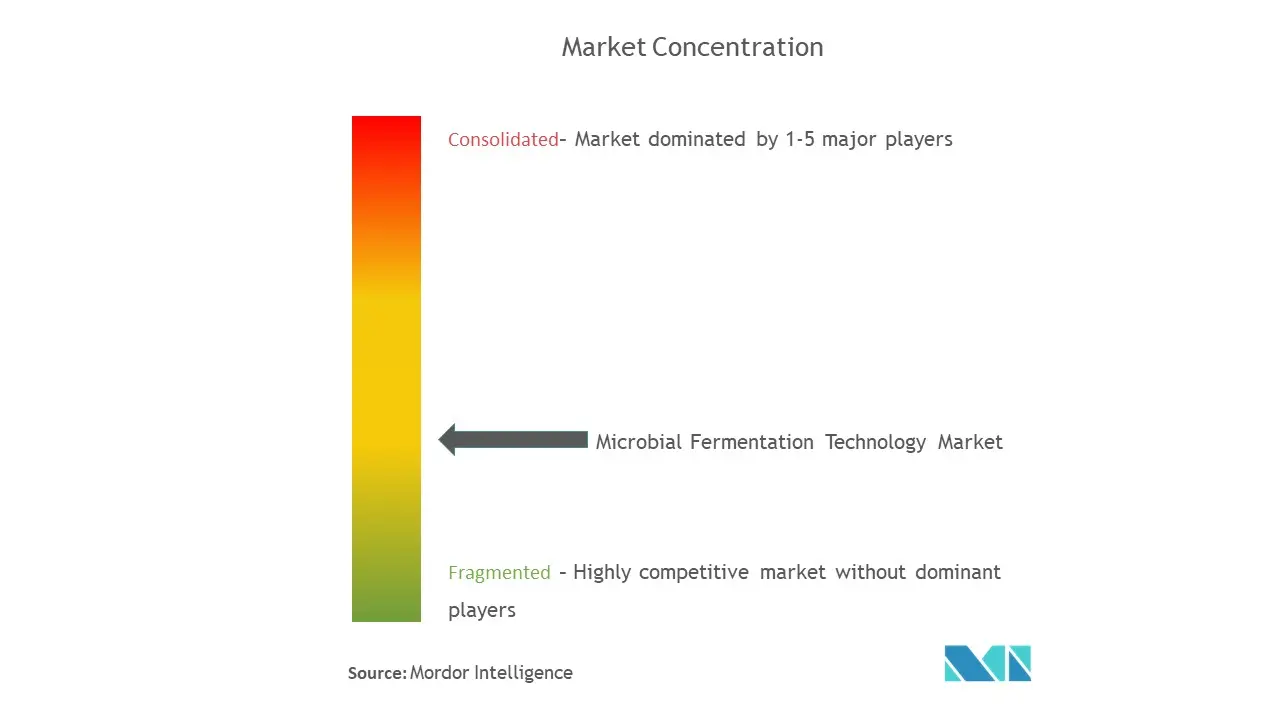
The Zoonotic Disease Treatment market is moderately fragmented in nature due to the presence of a several companies operating globally as well as regionally. The competitive landscape includes an analysis of a few international as well as local companies which hold market shares and are well known that includes Bayer AG, Boehringer Ingelheim International GmbH, CSL Behring, Johnson & Johnson, Merck, Sanofi US, Serum Institute of India, Sun Pharmaceutical Industries Ltd., Vetoquinol, Virbac, Zoetis Services LLC, and Zydus Group, among others.
Zoonotic Disease Treatment Industry Leaders
Bayer AG
Boehringer Ingelheim International GmbH
CSL Behring
Johnson & Johnson
Merck
- *Disclaimer: Major Players sorted in no particular order

Recent Industry Developments
- April 2024: Boehringer Ingelheim, launched its NexGard SPECTRA (afoxolaner and milbemycin oxime) in India, following its approval by the Central Drugs Standard Control Organization (CDSCO)
- February 2024: International Union for Conservation of Nature launched a EUR 11 million (USD 15.21 million) initiative, called “One Health in Central Asia in Central Asia at the 14th Meeting of the Conference of the Parties to the Convention on the Conservation of Migratory Species of Wild Animals to combat zoonotic diseases, in Uzbekistan.


Global Zoonotic Disease Treatment Market Report Scope
As per the scope of the report, zoonotic disease treatment refers to medical interventions, therapies, and medications used to diagnose, manage, and cure diseases that can be transmitted from animals to humans. These diseases are caused by pathogens such as nematodes, ticks, rodents, viruses, bacteria, fungi, and parasites that can jump between animal species and humans, leading to zoonotic infections. The zoonotic disease treatment market is segmented by disease type, connective cause, route of administration, end users and geography. The disease type segment is further divided into rabies, hepatitis, tuberculosis, leishmaniasis, Ebola virus, malaria, and others. The connective cause segment is further segmented into nematode, ticks, rodents, virus, bacteria, and others. The Route of Administration segment is further bifurcated into oral administration, intramuscular injections, intravenous administration, and topical administration. The end user segment is further divided into hospitals, specialty clinics, home care, and others. The geography segment is further bifurcated into North America, Europe, Asia-Pacific, Middle East and Africa, and South America. The report offers the value (in USD) for the above segments.
| Rabies |
| Hepatitis |
| Tubercolosis |
| Leishmaniasis |
| Ebola Virus |
| Malaria |
| Others (Fever, Animal flu) |
| Nematode |
| Ticks |
| Rodents |
| Virus |
| Bacteria |
| Others (Parasites, Fungi, and Antropods) |
| Oral Administration |
| Intramuscular Injections |
| Intravenous Administration |
| Topical Administration |
| Hospitals |
| Speciality Clinics |
| Homecare |
| Others (Veternary Clinics) |
| North America | United States |
| Canada | |
| Mexico | |
| Europe | Germany |
| United Kingdom | |
| France | |
| Italy | |
| Spain | |
| Rest of Europe | |
| Asia-Pacific | China |
| Japan | |
| India | |
| Australia | |
| South Korea | |
| Rest of Asia-Pacific | |
| Middle East and Africa | GCC |
| South Africa | |
| Rest of Middle East and Africa | |
| South America | Brazil |
| Argentina | |
| Rest of South America |
| By Disease Type | Rabies | |
| Hepatitis | ||
| Tubercolosis | ||
| Leishmaniasis | ||
| Ebola Virus | ||
| Malaria | ||
| Others (Fever, Animal flu) | ||
| By Connective Cause | Nematode | |
| Ticks | ||
| Rodents | ||
| Virus | ||
| Bacteria | ||
| Others (Parasites, Fungi, and Antropods) | ||
| By Route of Administration | Oral Administration | |
| Intramuscular Injections | ||
| Intravenous Administration | ||
| Topical Administration | ||
| By End Users | Hospitals | |
| Speciality Clinics | ||
| Homecare | ||
| Others (Veternary Clinics) | ||
| Geography | North America | United States |
| Canada | ||
| Mexico | ||
| Europe | Germany | |
| United Kingdom | ||
| France | ||
| Italy | ||
| Spain | ||
| Rest of Europe | ||
| Asia-Pacific | China | |
| Japan | ||
| India | ||
| Australia | ||
| South Korea | ||
| Rest of Asia-Pacific | ||
| Middle East and Africa | GCC | |
| South Africa | ||
| Rest of Middle East and Africa | ||
| South America | Brazil | |
| Argentina | ||
| Rest of South America | ||


Key Questions Answered in the Report
How big is the Zoonotic Disease Treatment Market?
The Zoonotic Disease Treatment Market size is expected to reach USD 35.37 billion in 2025 and grow at a CAGR of 5.90% to reach USD 47.11 billion by 2030.
What is the current Zoonotic Disease Treatment Market size?
In 2025, the Zoonotic Disease Treatment Market size is expected to reach USD 35.37 billion.
Who are the key players in Zoonotic Disease Treatment Market?
Bayer AG, Boehringer Ingelheim International GmbH, CSL Behring, Johnson & Johnson and Merck are the major companies operating in the Zoonotic Disease Treatment Market.
Which is the fastest growing region in Zoonotic Disease Treatment Market?
Asia Pacific is estimated to grow at the highest CAGR over the forecast period (2025-2030).
Which region has the biggest share in Zoonotic Disease Treatment Market?
In 2025, the North America accounts for the largest market share in Zoonotic Disease Treatment Market.
What years does this Zoonotic Disease Treatment Market cover, and what was the market size in 2024?
In 2024, the Zoonotic Disease Treatment Market size was estimated at USD 33.28 billion. The report covers the Zoonotic Disease Treatment Market historical market size for years: 2021, 2022, 2023 and 2024. The report also forecasts the Zoonotic Disease Treatment Market size for years: 2025, 2026, 2027, 2028, 2029 and 2030.
Page last updated on:
Zoonotic Disease Treatment Market Report
Statistics for the 2025 Zoonotic Disease Treatment market share, size and revenue growth rate, created by Mordor Intelligence™ Industry Reports. Zoonotic Disease Treatment analysis includes a market forecast outlook for 2025 to 2030 and historical overview. Get a sample of this industry analysis as a free report PDF download.


 Your data is secure and never sold or shared.


