
Nephrotic Syndrome Market Size and Share
Market Overview
| Study Period | 2020 - 2031 |
|---|---|
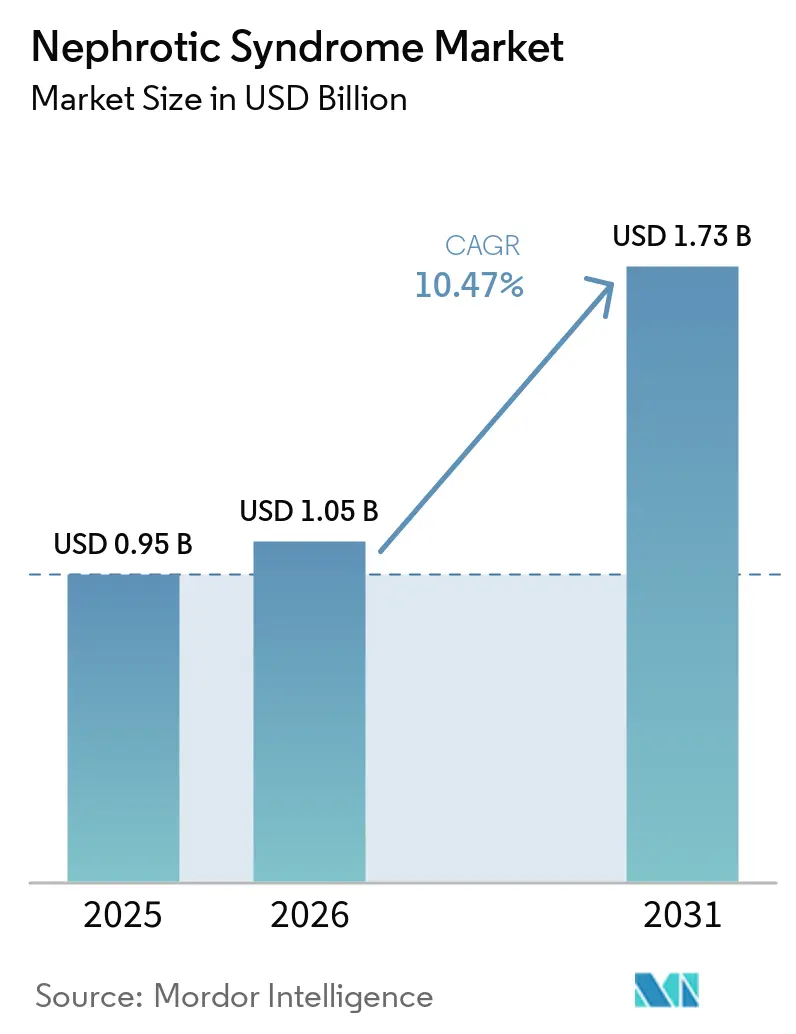
| Market Size (2026) | USD 1.05 Billion |
| Market Size (2031) | USD 1.73 Billion |
| Growth Rate (2026 - 2031) | 10.47 % |
| Fastest Growing Market | Asia-Pacific |
| Largest Market | North America |
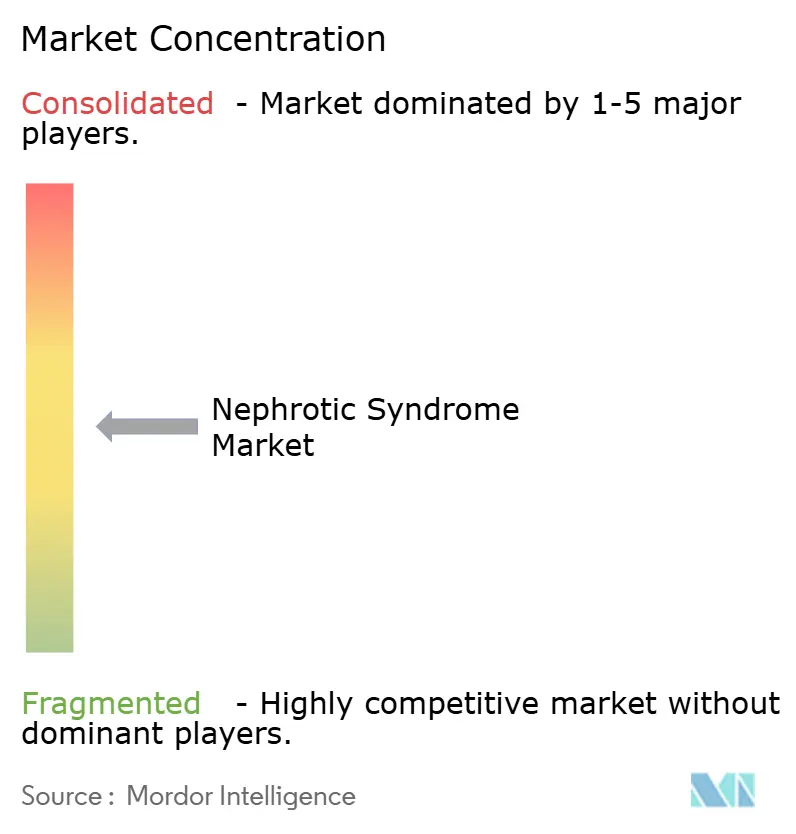
| Market Concentration | Medium |
Major Players *Disclaimer: Major Players sorted in no particular order Image © Mordor Intelligence. Reuse requires attribution under CC BY 4.0. | |
Nephrotic Syndrome Market Analysis by Mordor Intelligence
The Nephrotic Syndrome Market size is expected to grow from USD 0.95 billion in 2025 to USD 1.05 billion in 2026 and is forecast to reach USD 1.73 billion by 2031 at 10.47% CAGR over 2026-2031.
The market is being shaped by broader proteinuria screening, more specialist capacity, and targeted therapies for glomerular disease. These changes are moving care beyond steroid-centered maintenance protocols toward therapies that address complement activity, B-cell pathways, and podocyte biology. The nephrotic syndrome market also depends on kidney biopsy capacity, which remains uneven across Asia-Pacific, the Middle East, Africa, and South America. Access conditions are likely to determine whether new products translate into sustained treatment volumes and whether specialist capacity keeps pace with diagnosis. Companies that pair therapy launches with diagnostic support, managed-access arrangements, and specialist-care pathways have a clearer route to reach patients in the nephrotic syndrome market.
Key Report Takeaways
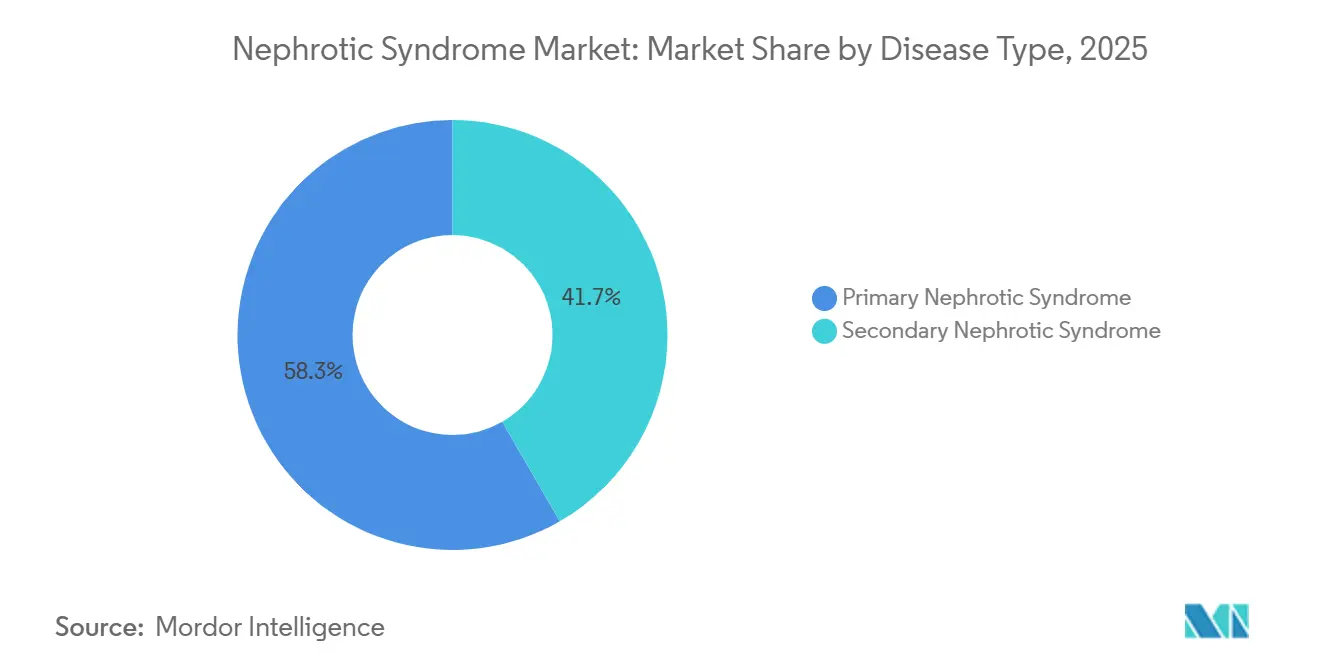
- By disease type, primary nephrotic syndrome held 58.31% of revenue in 2025, while secondary nephrotic syndrome is projected to grow at a CAGR of 11.65% through 2031.
- By modality, treatment held 81.24% of revenue in 2025, and is expected to be the fastest-growing modality with 12.42% CAGR through 2031.
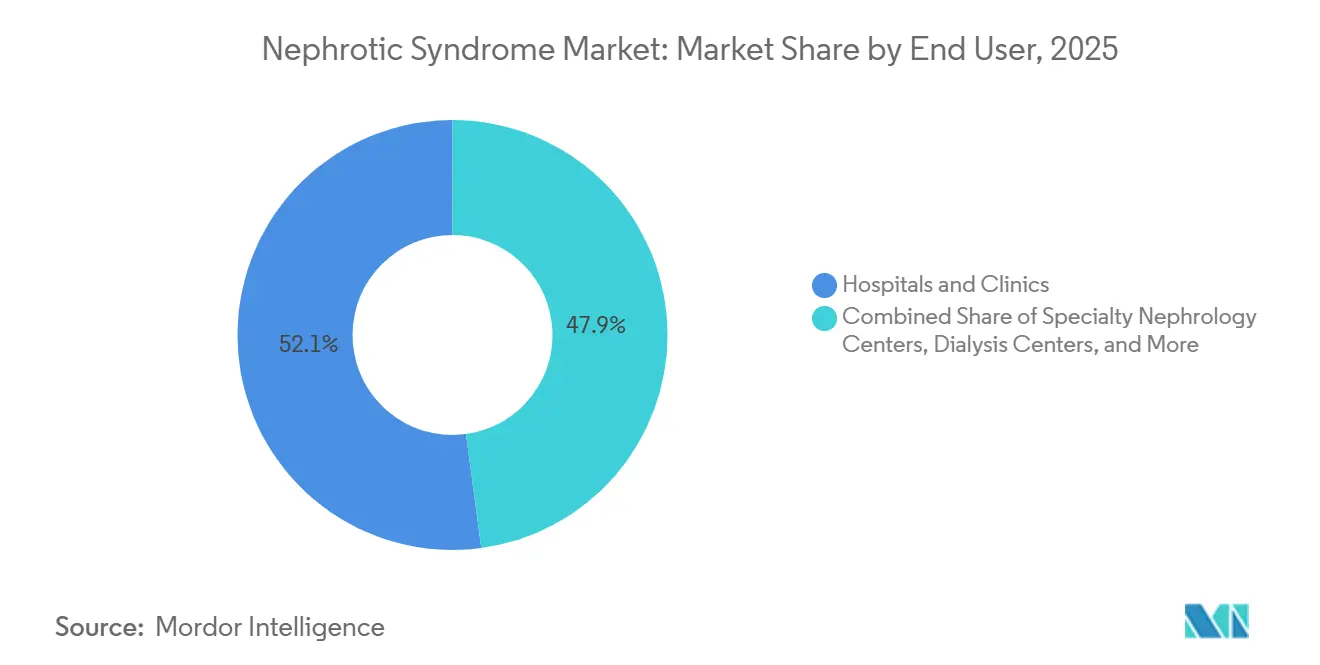
- By end user, hospitals and clinics held 52.14% of revenue in 2025, while specialty nephrology centers are projected to grow at a CAGR of 11.12% through 2031.
- By distribution channel, hospital pharmacies held 45.54% of revenue in 2025, while online pharmacies are projected to grow at a CAGR of 12.82% through 2031.
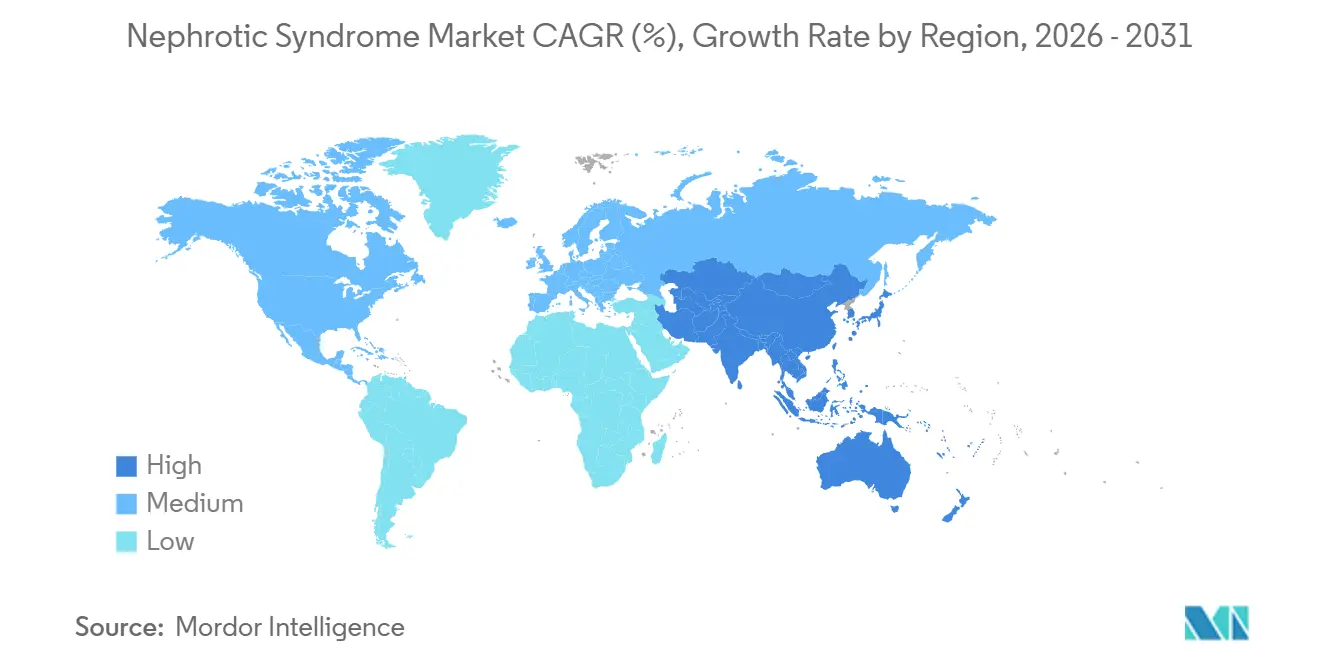
- By geography, North America held 42.61% of revenue in 2025, while Asia-Pacific is projected to grow at a CAGR of 12.25% through 2031.
Note: Market size and forecast figures in this report are generated using Mordor Intelligence’s proprietary estimation framework, updated with the latest available data and insights as of January 2026.
Global Nephrotic Syndrome Market Trends and Insights
Drivers Impact Analysis*
| Driver | (~) % Impact on CAGR Forecast | Geographic Relevance | Impact Timeline |
|---|---|---|---|
| Rising Diagnosis of Proteinuric Kidney Disease and Nephrotic Syndrome | +2.8% | Global, with concentrated gains in APAC and MEA | Medium term (2-4 years) |
| Expansion of Targeted and Steroid-Sparing Therapies | +2.6% | North America and EU, spilling into Japan and China | Short term (≤ 2 years) |
| Greater Use of Molecular, Serological, and Biomarker-Led Diagnosis | +1.2% | North America and EU, early adoption in South Korea and Australia | Medium term (2-4 years) |
| Increasing Pediatric and Adult Specialty-Nephrology Capacity | +0.9% | APAC core, spillover to MEA | Long term (≥ 4 years) |
| Podocyte-Directed and Non-Immunosuppressive Pipeline Innovation | +1.8% | Global, led by North America | Medium term (2-4 years) |
| Source: Mordor Intelligence | |||
Rising Diagnosis of Proteinuric Kidney Disease and Nephrotic Syndrome
Wider access to kidney biopsy is increasing diagnostic confirmation in areas that previously had limited capacity, allowing clinicians to distinguish nephrotic syndrome from other proteinuric conditions with greater confidence. South and Southeast Asia are important because clinical suspicion often outpaces biopsy-based confirmation, especially outside large referral hospitals. Proteinuria screening within hypertension and diabetes programs is also expanding the identification of patients with secondary nephrotic syndrome before advanced symptoms result in emergency care.
Earlier identification can bring patients into nephrology care before more severe kidney impairment develops and before supportive treatment is the only remaining option. The nephrotic syndrome market can therefore grow faster in these settings than incidence reports alone may suggest, as existing but untreated cases become visible to care systems. Delayed referral, uneven laboratory availability, and limited genetic testing still restrict the number of patients who receive a definitive diagnosis in lower-income settings.
Expansion of Targeted and Steroid-Sparing Therapies
The nephrotic syndrome market changed between 2024 and 2026 as products with new mechanisms advanced through regulatory review and gave nephrologists alternatives to broadly acting immunosuppression. The U.S. Food and Drug Administration approved 6 nephrology drugs across 4 indications in 2025, covering IgA nephropathy, lupus nephritis, C3 glomerulopathy, and chronic kidney disease progression[1]U.S. Food and Drug Administration, “Novel Drug Approvals for 2025,” U.S. Food and Drug Administration, fda.gov.. Vera Therapeutics received accelerated approval for TRUTAKNA, atacicept, for adults with primary IgA nephropathy in July 2026.
The product is a dual BAFF and APRIL inhibitor and adds another mechanism to treatment decisions for patients whose proteinuria is linked to IgA nephropathy. Mechanism-specific products extend therapeutic options across glomerular disorders that can present with nephrotic syndrome and encourage closer matching of treatment to disease biology. This development enlarges the addressable branded-treatment base beyond classical minimal change disease and raises the importance of specialist monitoring during initiation and follow-up.
Podocyte-Directed and Non-Immunosuppressive Pipeline Innovation
Podocyte injury is relevant to FSGS, minimal change disease, and membranous nephropathy, making it a common focus for treatment programs that seek to reduce proteinuria without prolonged broad immunosuppression. FSGS had no U.S. Food and Drug Administration-approved disease-specific therapy as of 2026. Vertex advanced inaxaplin, also known as VX-147, into the Phase 3 portion of the AMPLITUDE study for APOL1-mediated kidney disease. The candidate targets the APOL1 protein directly and received Breakthrough Therapy and Rare Pediatric Disease designations, which support development for patients with limited options. Research on urinary microRNAs, long noncoding RNAs, and circular RNAs could support noninvasive identification of steroid-sensitive and steroid-resistant phenotypes. A disease-specific FSGS approval would give the nephrotic syndrome market a new option for a cohort that has remained under-managed and could move care toward earlier use of targeted agents.
Greater Use of Molecular, Serological, and Biomarker-Led Diagnosis
Anti-PLA2R seropositivity is used as a first-line confirmatory marker for membranous nephropathy in guidelines across North America and Europe, which can shorten the path to a clinically useful diagnosis. Urinary exosome-derived PLA2R to creatinine ratios are being evaluated as noninvasive monitoring tools. A 2025 urinary proteomic study reported that a 4-protein model using PON1, ACTBL2, RDX, and TPP1 had a C-index of 0.744 for predicting remission and relapse in primary membranous nephropathy. The 2025 KDIGO guideline recommends genetic testing for all pediatric patients with steroid-resistant disease[2]Kidney Disease: Improving Global Outcomes, “KDIGO 2025 Clinical Practice Guideline for the Management of Nephrotic Syndrome in Children,” Kidney International Supplements, kdigo.org.. Serial biomarkers could reduce dependence on episodic biopsy, help clinicians observe disease activity between visits, and strengthen follow-up decisions. The nephrotic syndrome market may consequently see more recurring demand for autoantibody testing, urinalysis, and glomerular filtration rate testing as clinicians use these results alongside treatment monitoring.
Restraints Impact Analysis*
| Restraint | (~) % Impact on CAGR Forecast | Geographic Relevance | Impact Timeline |
|---|---|---|---|
| Treatment Toxicity and Relapse-Driven Treatment Cycling | -0.6% | Global, most pronounced in pediatric populations in APAC and MEA | Short term (≤ 2 years) |
| High Cost and Uneven Reimbursement for Rare-Disease Therapies | -0.8% | North America and EU, with near-total access barriers in South America and MEA | Medium term (2-4 years) |
| Fragmented Phenotyping and Delayed Genetic Diagnosis | -0.4% | MEA, South America, parts of APAC | Long term (≥ 4 years) |
| Source: Mordor Intelligence | |||
Treatment Toxicity and Relapse-Driven Treatment Cycling
Corticosteroid-related adverse effects include growth suppression in children, hyperglycemia, infection susceptibility, and bone-density loss. These effects can lead to discontinuation or rotation of therapy, which makes treatment cycles less predictable for patients, caregivers, and treating teams. Calcineurin inhibitors are used in second-line pediatric and adult care, but their nephrotoxicity can limit dose and duration when kidney function is already impaired. Relapsed or refractory patients may move through several regimens before kidney damage narrows their options further and makes tolerability a central issue. This pattern raises encounter volumes without creating proportional treatment utilization because changes in treatment do not always sustain adherence or response. It also limits utilization growth for calcineurin inhibitor and alkylating-agent therapies in the nephrotic syndrome market.
High Cost and Uneven Reimbursement for Rare-Disease Therapies
High prices and uneven reimbursement delay access to targeted rare-disease therapies, even when clinicians consider a newer product appropriate for an eligible patient. Payers can require patients to use lower-cost treatments before they can receive a branded therapy, which can prolong the time between diagnosis and access to a targeted option. This process can slow early uptake even after a product receives regulatory approval and specialty providers are prepared to prescribe it. Limited reimbursement frameworks across South America, Africa, and parts of South Asia restrict access to premium therapies despite the presence of patients who could benefit from specialist care. Managed-access arrangements and risk-sharing agreements can improve the position of companies entering these markets by linking access decisions to clearly defined patient populations. The nephrotic syndrome market, therefore, depends on payment pathways as much as clinical demand in many countries, particularly where rare-disease coverage is still developing.
*Our forecasts treat driver/restraint impacts as directional, not additive. The impact forecasts reflect baseline growth, mix effects, and variable interactions.
Segment Analysis
By Disease Type: Secondary Nephrotic Syndrome Accelerates on Comorbidity Burden
Primary nephrotic syndrome held 58.31% of the nephrotic syndrome market share in 2025, reflecting the established treatment base for conditions that are routinely identified in nephrology practice. It includes minimal change disease, membranous nephropathy, and FSGS, which have established care pathways using steroids, calcineurin inhibitors, and B-cell-directed treatment, although treatment selection changes with relapse pattern and response. Secondary nephrotic syndrome is projected to grow at a CAGR of 11.65% during 2026-2031. Growth is linked to approved therapies for IgA nephropathy and to diabetic nephropathy and lupus nephritis that can present with nephrotic-range proteinuria and need sustained proteinuria monitoring. The distinction between primary and secondary disease is becoming less clear at a molecular level as clinicians consider genetic susceptibility together with the immediate clinical trigger. APOL1 risk variants can increase FSGS progression risk in patients who also have secondary triggers, reinforcing the need for assessment that goes beyond the conventional disease label.
The 2025 KDIGO guideline places genetic testing within the steroid-resistant pathway. This approach can identify monogenic disease and change how some cases are classified, especially where the clinical presentation alone gives an incomplete answer. It may reclassify apparent primary cases as genetic-mediated and may also clarify secondary causes that would otherwise remain unclear in routine practice. The classification becomes more complex, but it better reflects the biology that guides therapy selection, monitoring needs, and referral decisions. Products approved for IgA nephropathy can be prescribed to eligible patients within the nephrotic syndrome population. This creates a practical connection between the primary and secondary categories at the prescribing level, even though the categories remain clinically useful. The Nephrotic syndrome industry is increasingly shaped by molecular classification alongside conventional disease labels, as this distinction can influence the path to targeted care.


By Modality: Targeted Therapies Consolidate Treatment's Market Lead
Treatment held 81.24% of the nephrotic syndrome market size in 2025. This category includes corticosteroids, calcineurin inhibitors, B-cell-directed biologics, alkylating agents, antimetabolites, and complement-directed therapies, so it covers both long-established medicines and newer specialized options. Corticosteroids remain the initial treatment anchor in pediatric and adult care under KDIGO guidance. Their revenue contribution faces pressure as targeted branded products are introduced for defined glomerular conditions and as prescribers seek options that may reduce prolonged steroid exposure. Japan approved rituximab for refractory steroid-resistant nephrotic syndrome in September 2024. Japan then approved rituximab for non-refractory frequent-relapse or steroid-dependent pediatric disease in March 2025[3]Chugai Pharmaceutical Co., Ltd., “Rituxan Receives Regulatory Approval for Non-Refractory Frequent-Relapse or Steroid-Dependent Pediatric Nephrotic Syndrome,” Chugai Pharmaceutical Co., Ltd., chugai-pharm.co.jp..
The diagnosis modality accounts for the remaining revenue and includes kidney biopsy and urinalysis, which remain important when clinicians need to define disease type and assess changes in proteinuria. Autoantibody measurement, urinary proteomic scoring, and noncoding RNA panels are opening recurring diagnostic pathways. These tools can support follow-up without relying only on biopsy-centered workflows and can provide additional information between major clinical assessments. Japan approved CellCept, mycophenolate mofetil, for refractory nephrotic syndrome in September 2025. The decision reflects the value of detailed urine-protein monitoring for defining refractory disease and selecting patients within a clearly documented care pathway. Further use of glomerular filtration rate testing and autoantibody panels could improve diagnosis revenue relative to 2025. The nephrotic syndrome market has room for both therapeutic and diagnostic innovation because treatment advances increase the need for reliable patient selection and continuing monitoring.
By End User: Specialty Nephrology Centers Outpace Hospitals on Care Complexity
Hospitals and clinics held 52.14% of end-user revenue in 2025, making them the largest point of care for a broad range of patients in the nephrotic syndrome market. They are central to initial diagnosis, kidney biopsy, severe edema management, hypoalbuminemia care, and initiation of intravenous therapies that cannot be readily started outside a supervised setting. These settings serve broad patient catchment areas and handle many procedures across the treatment pathway, including testing that informs both diagnosis and treatment adjustment. Diagnostic laboratories support the rising volume of autoantibody and glomerular filtration rate testing, often working closely with hospital nephrology teams. Dialysis centers serve the subset of patients who progress to end-stage renal disease and need renal replacement therapy alongside management of the underlying condition. Together, these facilities remain important to the nephrotic syndrome market because they connect diagnosis, acute care, and continuing treatment across different stages of disease.
Specialty nephrology centers are projected to grow at a CAGR of 11.12% during 2026-2031. They are suited to targeted therapies that need protocol-based monitoring, cold-chain infrastructure, and expertise in glomerular disease classification, particularly when treatment decisions depend on a detailed assessment of proteinuria and disease history. In Japan, academic glomerulonephritis units support the rapid adoption of newly authorized nephrology products. The need for expert initiation can concentrate patient flow at specialist sites and may make these centers a regular destination for patients with recurrent or difficult-to-manage disease. Complex drug regimens also shift care away from commodity corticosteroid prescribing. This change supports higher service intensity within specialist-managed delivery. Hospitals will remain essential, while specialty centers gain a greater role in ongoing treatment decisions and in coordinating treatment with diagnostic and pharmacy services.

By Distribution Channel: Online Pharmacies Capitalize on Rare Disease Digital Access
Hospital pharmacies held 45.54% of distribution revenue in 2025. They dispense high-cost injectable and infusible products that require cold-chain handling, on-site preparation, or clinical oversight, which makes them important during initiation of complex therapies in the nephrotic syndrome market. Retail pharmacies continue to serve oral generic maintenance drugs such as prednisone, cyclophosphamide, and mycophenolate mofetil, particularly where patients remain on established regimens. Specialty pharmacies have become central to branded launches with limited distribution and intensive patient-support requirements. PANTHERx Rare was named the exclusive dispensing partner for VOYXACT, sibeprenlimab, by Otsuka in December 2025. Such arrangements give manufacturers information on adherence, adverse events, and refill patterns, while helping coordinate delivery for patients receiving specialized products.
Online pharmacies are projected to grow at a CAGR of 12.82% during 2026-2031. Home delivery is particularly relevant for daily oral maintenance therapies and can reduce the need for repeated in-person collection when a patient is clinically stable. Electronic health records, e-prescribing systems, and pharmacy-management platforms allow nephrologists to track remote prescriptions and receive information that supports follow-up. These connections can preserve visibility over adherence while reducing the burden of in-person collection, although they do not remove the need for clinical assessment. Regulatory requirements will shape the pace at which remote dispensing expands for prescription nephrology therapies. Online channels are likely to complement, rather than replace, hospital dispensing for drugs requiring supervised administration. The nephrotic syndrome market will continue to use several channels because product handling requirements, monitoring needs, and patient access preferences differ widely.
Geography Analysis
North America held 42.61% of the nephrotic syndrome market share in 2025. The region benefits from specialist nephrology capacity, payer coverage for renal rare diseases within defined criteria, and rapid drug approvals that give providers earlier access to newer treatment options. The United States approved 6 nephrology drugs in 2025. It added atacicept in 2026 for adults with primary IgA nephropathy. Canada contributes through provincial formulary decisions, while Mexico remains more weighted to generic corticosteroid and calcineurin inhibitor use. This mix means the region contains both mature specialty-treatment systems and settings where established maintenance medicines remain the main part of routine care.
Europe is the second-largest region, with Germany, France, and the United Kingdom serving as major treatment centers for patients who need specialist nephrology care. Regulatory progress has continued in the region, although cost-effectiveness review can slow formulary uptake and delay broad access after an authorization decision. Travere announced full U.S. Food and Drug Administration approval for FILSPARI in September 2024. North America and Europe are the first markets where specialized distribution and payer support are most developed. Their experience informs commercial strategies elsewhere because companies can observe the requirements for patient support, prescribing, and pharmacy coordination. The nephrotic syndrome market in these regions is supported by established rare-disease treatment infrastructure, but access still differs by national reimbursement decisions.
Asia-Pacific is projected to grow at a CAGR of 12.25% during 2026-2031. Japan authorized rituximab for steroid-resistant pediatric disease in September 2024 and for non-refractory steroid-dependent disease in March 2025. China approved iptacopan for IgA nephropathy in September 2025 and atrasentan in August 2025. India, South Korea, and Australia can benefit from improving workforce capacity, biopsy rates, and insurance coverage that can support at least part of the cost of targeted care. The Middle East, Africa, and South America remain smaller opportunities where reimbursement reform, local manufacturing agreements, and specialist infrastructure will matter for access. The nephrotic syndrome market in these geographies can expand when diagnosis is connected to a practical path for long-term treatment and monitoring.

Competitive Landscape
The nephrotic syndrome market is moderately consolidated in premium biologics and fragmented in generic maintenance therapy. Novartis, Apellis, Travere Therapeutics, Vera Therapeutics, and Vertex Pharmaceuticals have differentiated assets across complement inhibition, B-cell pathways, cytokine blockade, and podocyte-targeted treatment. Novartis received U.S. accelerated approval for Vanrafia, atrasentan, in April 2025. Vertex continues to develop inaxaplin for APOL1-mediated kidney disease. These portfolios give leading companies a presence across related glomerular conditions and help them use shared medical, regulatory, and distribution capabilities. Generic products, however, continue to support a much more dispersed supplier base, particularly for long-used maintenance therapies.
Accelerated approval pathways that use proteinuria reduction as a surrogate endpoint are important to the current launch strategy, particularly in conditions where controlled long-term outcome data take time to develop. They can bring a product to patients before confirmatory studies establish long-term differentiation, but they also place importance on continued evidence generation after launch. Companies also use limited-distribution specialty pharmacy arrangements to support patient services and collect real-world treatment information that can show use patterns outside formal trials. Otsuka selected PANTHERx Rare to dispense VOYXACT in December 2025. Such partnerships can support adherence monitoring and future label-expansion work by giving manufacturers a structured link with patients and prescribing teams. The nephrotic syndrome market rewards companies that align regulatory planning, patient support, and distribution early in a launch, because access and continuity of care can determine whether a clinically differentiated treatment reaches the intended patient group.
The most visible unmet need remains an approved treatment specifically for FSGS, where clinicians continue to rely on available supportive and off-label approaches. Inaxaplin is among the closest candidates, with Phase 3 AMPLITUDE enrollment complete and primary completion expected in 2028. Aurinia Pharmaceuticals acquired Kezar Life Sciences in March 2026, adding zetomipzomib and broader small-molecule autoimmune expertise to its portfolio. Complement-pathway products, antisense approaches to Factor B, and TRPC5 or TRPC6 channel antagonists form part of the next pipeline wave, with potential relevance across several glomerular disorders. Several Phase 2 readouts are expected during 2026-2028. These results can change the competitive position of current first movers and influence which mechanisms receive greater commercial attention from specialists and payers. The nephrotic syndrome market remains open to new entrants where clinical differentiation is clear and where a company can support access after approval, including through specialist education, distribution planning, and programs that help eligible patients remain on therapy.
Nephrotic Syndrome Industry Leaders
Pfizer Inc.
Novartis AG
F. Hoffmann-La Roche AG
GSK plc
Travere Therapeutics, Inc.
- *Disclaimer: Major Players sorted in no particular order

Recent Industry Developments
- January 2026: The National Kidney Foundation’s Kidney Disease Outcomes Quality Initiative released a Commentary on the KDIGO 2025 Clinical Practice Guideline for the Management of Nephrotic Syndrome in Children. The commentary helped U.S. audiences assess the relevance of international guidance in local clinical settings. The guideline and commentary provided updated, evidence-based guidance for physicians and families.
- October 2025: Roche reported statistically significant and clinically meaningful findings from the Phase III INShore study of Gazyva/Gazyvaro (obinutuzumab) in children and young adults aged 2–25 years with idiopathic nephrotic syndrome (INS).


Global Nephrotic Syndrome Market Report Scope
As per the scope of the report, nephrotic syndrome is a kidney disorder characterized by excessive proteinuria (large amounts of protein in the urine), hypoalbuminemia (low levels of albumin in the blood), hyperlipidemia (high levels of lipids in the blood), and edema (swelling). It results from increased permeability of the glomerular filtration barrier in the kidneys, leading to the loss of protein and other abnormalities in blood and urine.
The nephrotic syndrome market is segmented by disease type into primary nephrotic syndrome and secondary nephrotic syndrome; by modality into treatment and diagnosis. The treatment segment includes corticosteroids, calcineurin inhibitors, B-cell-directed therapies, alkylating agents, antimetabolites, complement-directed therapies, and other therapies. The diagnosis segment includes urinalysis and urine protein-to-creatinine ratio, blood tests and serum albumin assessment, glomerular filtration rate testing, kidney biopsy, autoantibody and complement testing, and other diagnostic tests. By end user, the market is segmented into hospitals and clinics, specialty nephrology centers, diagnostic laboratories, dialysis centers, and other end users. By distribution channel, the market is segmented into hospital pharmacies, retail pharmacies, online pharmacies, and other distribution channels. By geography, the market is segmented into North America, Europe, Asia-Pacific, the Middle East and Africa, and South America. The market report also covers the estimated market sizes and trends for 17 countries across major regions globally. For each segment, the market size and forecast are provided in terms of value (USD).
| Primary Nephrotic Syndrome |
| Secondary Nephrotic Syndrome |
| Treatment | Corticosteroids |
| Calcineurin Inhibitors | |
| B-Cell-Directed Therapies | |
| Alkylating Agents | |
| Antimetabolites | |
| Complement-Directed Therapies | |
| Other Therapies | |
| Diagnosis | Urinalysis and Urine Protein-to-Creatinine Ratio |
| Blood Tests and Serum Albumin Assessment | |
| Glomerular Filtration Rate Testing | |
| Kidney Biopsy | |
| Autoantibody and Complement Testing | |
| Other Diagnostic Tests |
| Hospitals and Clinics |
| Specialty Nephrology Centers |
| Diagnostic Laboratories |
| Dialysis Centers |
| Other End users |
| Hospital Pharmacies |
| Retail Pharmacies |
| Online Pharmacies |
| Other Distribution Channels |
| North America | United States |
| Canada | |
| Mexico | |
| Europe | Germany |
| United Kingdom | |
| France | |
| Italy | |
| Spain | |
| Rest of Europe | |
| Asia-Pacific | China |
| Japan | |
| India | |
| Australia | |
| South Korea | |
| Rest of Asia-Pacific | |
| Middle East and Africa | GCC |
| South Africa | |
| Rest of Middle East and Africa | |
| South America | Brazil |
| Argentina | |
| Rest of South America |
| By Disease Type | Primary Nephrotic Syndrome | |
| Secondary Nephrotic Syndrome | ||
| By Modality | Treatment | Corticosteroids |
| Calcineurin Inhibitors | ||
| B-Cell-Directed Therapies | ||
| Alkylating Agents | ||
| Antimetabolites | ||
| Complement-Directed Therapies | ||
| Other Therapies | ||
| Diagnosis | Urinalysis and Urine Protein-to-Creatinine Ratio | |
| Blood Tests and Serum Albumin Assessment | ||
| Glomerular Filtration Rate Testing | ||
| Kidney Biopsy | ||
| Autoantibody and Complement Testing | ||
| Other Diagnostic Tests | ||
| By End User | Hospitals and Clinics | |
| Specialty Nephrology Centers | ||
| Diagnostic Laboratories | ||
| Dialysis Centers | ||
| Other End users | ||
| By Distribution Channel | Hospital Pharmacies | |
| Retail Pharmacies | ||
| Online Pharmacies | ||
| Other Distribution Channels | ||
| By Geography | North America | United States |
| Canada | ||
| Mexico | ||
| Europe | Germany | |
| United Kingdom | ||
| France | ||
| Italy | ||
| Spain | ||
| Rest of Europe | ||
| Asia-Pacific | China | |
| Japan | ||
| India | ||
| Australia | ||
| South Korea | ||
| Rest of Asia-Pacific | ||
| Middle East and Africa | GCC | |
| South Africa | ||
| Rest of Middle East and Africa | ||
| South America | Brazil | |
| Argentina | ||
| Rest of South America | ||


Key Questions Answered in the Report
What is the 2026 size of the nephrotic syndrome market?
The nephrotic syndrome market is valued at USD 1.05 billion in 2026 and is forecast to reach USD 1.73 billion by 2031.
Which disease category is growing fastest?
Secondary nephrotic syndrome is projected to grow at a CAGR of 11.65% during 2026-2031.
Which care setting is expanding fastest for nephrotic syndrome?
Specialty nephrology centers are projected to grow at a CAGR of 11.12% through 2031.
Why are online pharmacies becoming more relevant for nephrotic syndrome care?
Online pharmacies are projected to grow at a CAGR of 12.82% through 2031. Home delivery, e-prescribing, and pharmacy-management systems support access to oral maintenance therapies while allowing continued visibility over refill activity.
Which region is expected to grow fastest?
Asia-Pacific is projected to grow at a CAGR of 12.25% during 2026-2031.
What unmet need remains important in FSGS treatment?
FSGS had no U.S. Food and Drug Administration-approved disease-specific therapy as of 2026. Inaxaplin remains a prominent development candidate for APOL1-mediated kidney disease.
Page last updated on:





