
Market Overview
| Study Period | 2021 - 2031 |
|---|---|
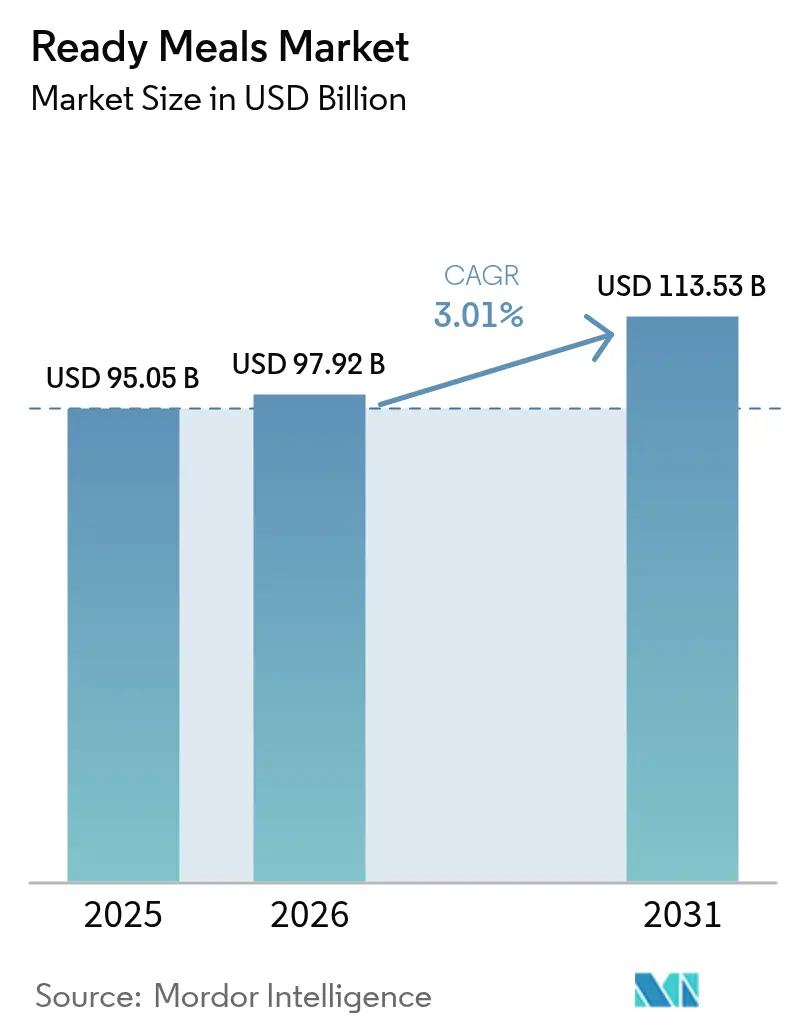
| Market Size (2026) | USD 97.92 Billion |
| Market Size (2031) | USD 113.53 Billion |
| Growth Rate (2026 - 2031) | 3.01 % |
| Fastest Growing Market | Asia Pacific |
| Largest Market | North America |
| Market Concentration | Medium |
Major Players
*Disclaimer: Major Players sorted in no particular order Image © Mordor Intelligence. Reuse requires attribution under CC BY 4.0. |
|
Ready Meals Market Analysis by Mordor Intelligence
Ready meals market size in 2026 is estimated at USD 97.92 billion, growing from 2025 value of USD 95.05 billion with 2031 projections showing USD 113.53 billion, growing at 3.01% CAGR over 2026-2031. This growth reflects the market's maturity, while also demonstrating continued consumer demand for convenient meal solutions. The market's stability is supported by advances in food preservation technology, changing consumer lifestyles, and industry consolidation that has improved operational efficiency and distribution networks. In addition, technological advancements are driving market growth, particularly through preservation methods such as high-pressure processing, cold plasma treatment, and intelligent packaging systems, which extend product shelf life while preserving nutritional value. These innovations help manufacturers address the challenge of combining convenience with quality, allowing them to compete in premium market segments. The adoption of nanotechnology in packaging has resulted in systems that monitor food freshness, which reduces waste and increases consumer trust.
Key Report Takeaways
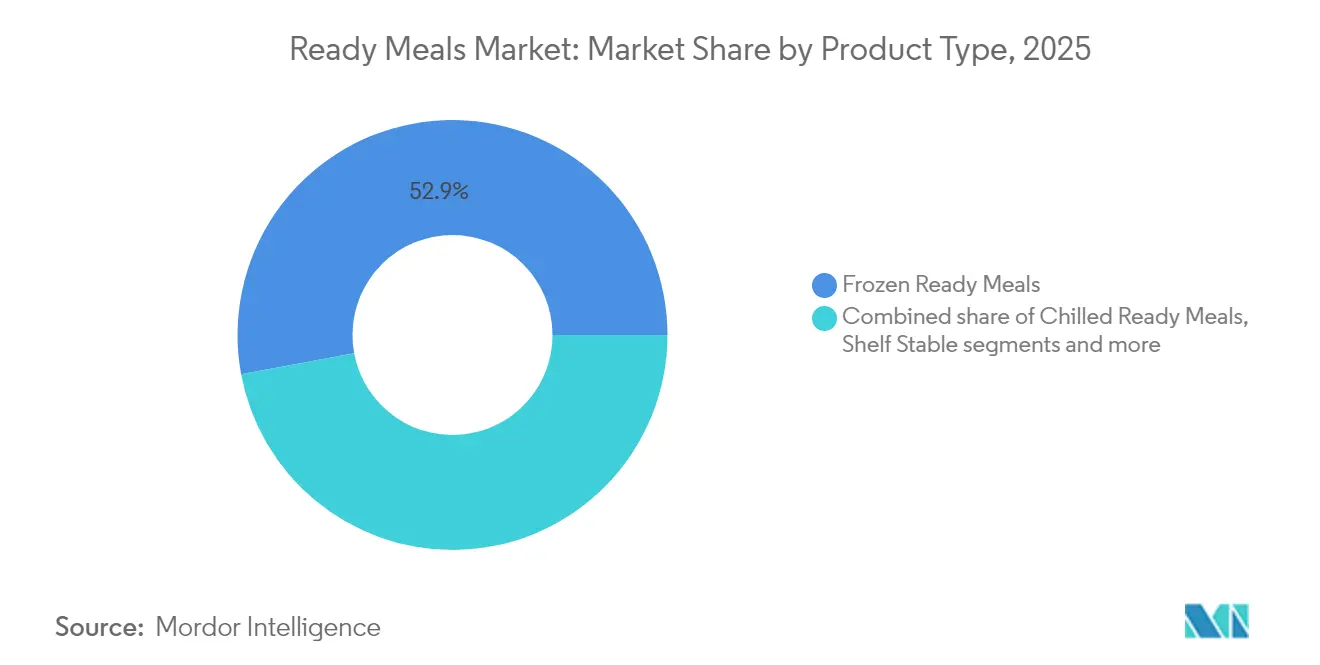
- By product type, frozen ready meals led with 52.93% of the ready meals market share in 2025 and are projected to register the fastest 3.55% CAGR to 2031.
- By ingredient, conventional formulations captured 77.85% share of the ready meals market size in 2025, whereas free-from alternatives are advancing at the highest 3.84% CAGR.
- By category, the non-vegetarian segment accounted for 60.02% of the ready meals market size in 2025, while vegetarian meals are forecast to grow at 4.15% CAGR through 2031.
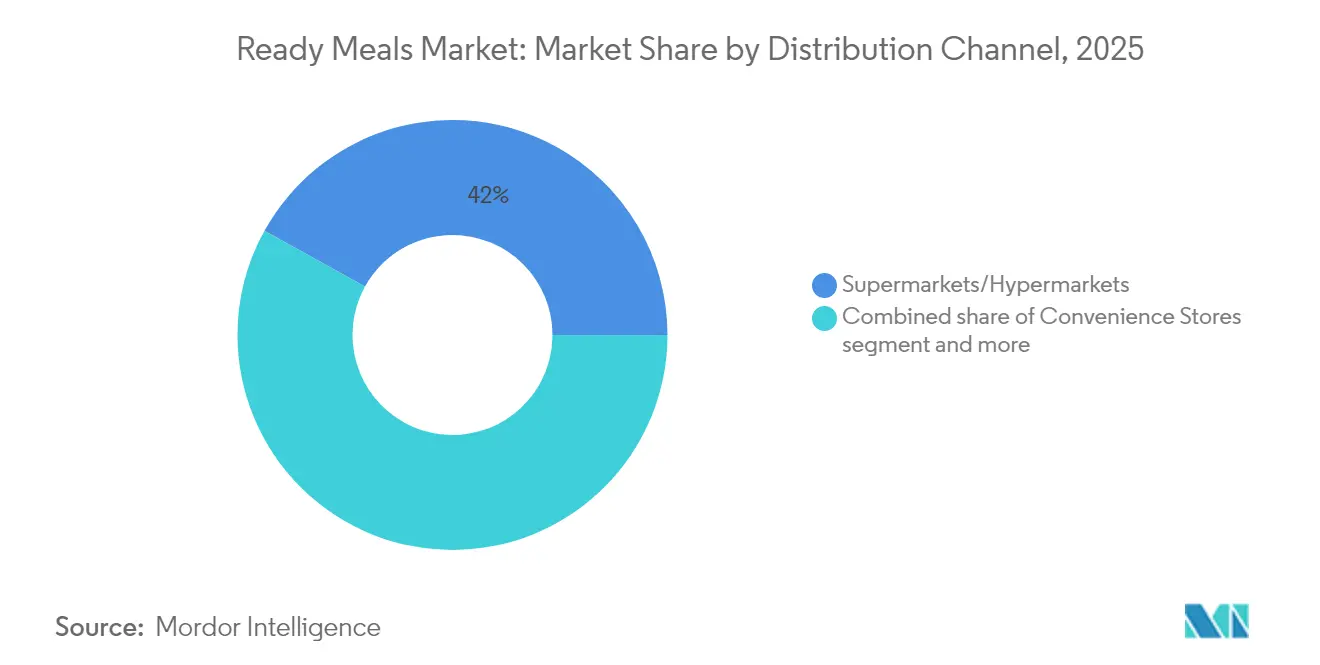
- By distribution channel, supermarkets/hypermarkets captured 41.95% of the ready meals market share in 2025; online retail is the fastest-growing channel, expanding at 4.52% CAGR.
- By geography, North America dominated with 34.10% revenue share in 2025; Asia-Pacific is poised to grow the quickest, at a 4.83% CAGR to 2031.
Note: Market size and forecast figures in this report are generated using Mordor Intelligence’s proprietary estimation framework, updated with the latest available data and insights as of 2026.
Global Ready Meals Market Trends and Insights
Drivers Impact Analysis*
| Driver | (~) % Impact on CAGR Forecast | Geographic Relevance | Impact Timeline |
|---|---|---|---|
| Technological advancements in food preservation | +0.8% | Global, with early adoption in North America and Europe | Medium term (2-4 years) |
| Sustainability and eco-friendly packaging | +0.6% | Europe and North America leading, expanding to Asia-Pacific | Long term (≥ 4 years) |
| Innovation in plant-based and alternative proteins | +0.7% | North America and Europe core, emerging in Asia-Pacific | Medium term (2-4 years) |
| Cultural and ethnic diversity | +0.4% | Global, with concentration in multicultural urban centers | Long term (≥ 4 years) |
| Flavor and culinary trends | +0.5% | Global, with regional variations in taste preferences | Short term (≤ 2 years) |
| Surge in demand for clean-label ready meals | +0.9% | North America and Europe leading, spreading globally | Medium term (2-4 years) |
| Source: Mordor Intelligence | |||
Technological Advancements in Food Preservation
Technological advancements in food preservation technologies serve as a primary driver in the global ready meals market through enhanced product safety protocols, extended shelf life capabilities, and optimal nutritional value retention. The implementation of High Pressure Processing (HPP), Modified Atmosphere Packaging (MAP), and smart packaging technologies has fundamentally transformed the production and consumption patterns of ready meals. These technological implementations enable manufacturers to deliver convenient meal solutions while maintaining the quality standards comparable to traditional home-cooked preparations. The integration of these advanced preservation methodologies addresses the increasing consumer requirements for nutritionally superior, extended durability, and environmentally sustainable food alternatives. For instance, in June 2025, United Arab Emirates-based corporation Red Planet implemented advanced freeze-drying technology to introduce ready-to-eat meal products with a preservation duration of 25 years. These meal solutions maintain their organoleptic properties, nutritional composition, and food safety parameters without requiring refrigeration systems or synthetic preservation compounds, thereby addressing critical requirements in food security protocols and emergency preparedness initiatives.
Sustainability and Eco-Friendly Packaging
Environmental sustainability in packaging is driving changes in the global ready meals market, influenced by consumer awareness and government regulations. Consumers and regulators are pushing for reduced plastic usage and increased adoption of biodegradable, recyclable, and compostable materials in food packaging. Government policies, such as the United States Plastics Pact, require all plastic packaging to be reusable, recyclable, or compostable by 2025 [1]Source: U.S. Plastics Pact Inc., "U.S. Plastics Pact Roadmap to 2025", usplasticspact.org . Additionally, food manufacturers are implementing minimalist and lightweight packaging designs to reduce material usage and improve recyclability. For instance, in May 2025, Marks & Spencer (M&S) implemented a trial in the United Kingdom to replace plastic trays with paper fiber packaging for ready meals, beginning with its Fiery Chicken Tikka Masala. The company established a partnership with 2SFG and GPI to develop this recyclable packaging solution. The new tray, produced from FSC-certified renewable paper fiber, demonstrated compatibility with both oven and microwave heating, maintaining convenience while reducing environmental impact.
Innovation in Plant-Based and Alternative Proteins
The global ready meals market is transforming due to the rise in plant-based and alternative protein innovations. Consumers are increasingly seeking convenient, healthy, and sustainable food options, leading manufacturers to develop ready meals with plant-based proteins, including those derived from peas, chickpeas, rice, and potatoes. These innovations address the growing demand for meat alternatives and align with the increasing preference for flexitarian and vegan diets. Companies such as Beyond Meat and Impossible Foods have entered the ready meals segment, offering frozen plant-based bowls and international dishes. For instance, in May 2023, Beyond Meat launched plant-based frozen ready meals in the United Kingdom, featuring three varieties: Spaghetti Bolognese, Keema Curry & Pilau Rice, and Chili with Coriander Rice. Moreover, government initiatives are instrumental in advancing the adoption of plant-based ready meals across regions. Denmark's comprehensive "Action Plan for Plant-Based Foods," implemented in 2023, establishes a strategic framework to reduce the environmental impact of food consumption through the promotion of plant-based dietary choices [2]Source: Ministry of Food, Agriculture and Fisheries of Denmark, "Danish Action Plan for Plant-based Foods", fvm.dk . The initiative encompasses educational programs, including professional culinary training focused on plant-based meal preparation, to facilitate broader market acceptance and adoption.
Cultural and Ethnic Diversity
The global ready meals market is transforming significantly, driven by migration, globalization, and increasing consumer interest in culinary exploration. Demand for ethnic ready meals, including Indian curries, Mexican enchiladas, Japanese sushi kits, and Italian risottos, is expanding rapidly. Leading companies such as Kraft Heinz, Nestlé, and Conagra Brands are strategically diversifying their portfolios with single-serve and frozen ethnic meal options that combine convenience with authenticity. Regional players like MTR Foods in India and CJ CheilJedang in South Korea are leveraging local insights to develop innovative, market-specific products. Younger demographics, particularly Millennials and Gen Z, are driving this trend, influenced by social media and their openness to global flavors. Retail channels, including supermarkets and e-commerce platforms, are capitalizing on this demand by offering a wider range of international meal kits and ready-to-eat platters, catering to both impulse and planned purchases. The growing multicultural populations in regions such as North America and Western Europe are further accelerating demand for diverse product offerings. Manufacturers are responding by adhering to authentic recipes and sourcing traditional ingredients to meet consumer expectations. Regulatory and food safety standards are reinforcing trust in these products by ensuring high quality and cultural authenticity. Overall, the ready meals market is evolving, with ethnic diversity emerging as a critical growth driver and a key differentiator in the competitive landscape.
Restraints Impact Analysis*
| Restraint | (~) % Impact on CAGR Forecast | Geographic Relevance | Impact Timeline |
|---|---|---|---|
| Short shelf life for premium products | -0.4% | Global, particularly affecting premium segments | Short term (≤ 2 years) |
| Strong competition from fresh and home-cooked alternatives | -0.6% | Developed markets with established fresh food supply chains | Medium term (2-4 years) |
| Taste and quality perception | -0.5% | Global, with regional variations in quality expectations | Long term (≥ 4 years) |
| Limited appeal in rural areas | -0.3% | Rural regions globally, particularly in developing markets | Long term (≥ 4 years) |
| Source: Mordor Intelligence | |||
Short Shelf Life for Premium Products
Premium ready meals face shelf life limitations that restrict market expansion and increase operational complexity for manufacturers and retailers. According to Food Standards Scotland's 2025 guidance, determining shelf life requires evaluating multiple factors, with no standard methodology available due to product variations and storage conditions [3]. Premium products with natural ingredients and minimal preservatives experience faster spoilage rates, with total volatile basic nitrogen levels indicating spoilage that must remain within legal limits during distribution. Quality control requires monitoring systems to detect microbes, including Listeria monocytogenes, Salmonella, and E. coli, which present contamination risks that increase with longer shelf life requirements. These limitations create cost pressures and restrict geographic distribution, particularly affecting small and medium-sized producers without advanced preservation technologies.
Strong Competition from Fresh and Home-Cooked Alternatives
The global ready meals market encounters substantial limitations due to competition from fresh and home-prepared alternatives. Consumers predominantly consider freshly prepared meals superior in nutritional value and adaptability, prompting their selection of home cooking over pre-prepared options. Home-prepared meals facilitate precise control over ingredient composition, serving quantities, and preparation methodologies, accommodating specific dietary requirements and health objectives. The emergence of meal preparation services and digital culinary instruction platforms has enabled consumers to execute restaurant-caliber dishes within domestic settings, consequently diminishing ready meal demand. These alternatives deliver superior freshness and traditional culinary experiences while potentially offering enhanced economic efficiency over extended periods. Educational initiatives, exemplified by the United Kingdom's "Chefs in Schools" program, implement nutritionally balanced, freshly prepared meals for students while simultaneously imparting culinary expertise and promoting beneficial dietary practices. These institutional programs generate additional market pressure by establishing a preference for home-prepared meals among the younger demographic.
*Our forecasts treat driver/restraint impacts as directional, not additive. The impact forecasts reflect baseline growth, mix effects, and variable interactions.
Segment Analysis
By Product Type: Frozen Dominance Drives Market Stability
Frozen ready meals hold 52.93% market share in 2025 and are projected to grow at 3.55% CAGR through 2031, demonstrating significant market dominance. This position reflects consumer trust in frozen preservation methods that maintain nutritional value and taste while offering extended shelf life and storage benefits. Modern freezing technologies and packaging systems have effectively addressed issues like freezer burn and quality deterioration, enabling frozen meals to maintain competitive quality standards. The implementation of smart packaging enables continuous monitoring of product conditions throughout the cold chain, reducing waste and improving consumer trust.
Chilled ready meals maintain a substantial secondary market position, with advantages in perceived freshness but limitations in shelf life that restrict distribution capabilities. Shelf-stable products fulfill specific market requirements where refrigeration access is limited, particularly in developing markets and emergency food supplies. While freeze-dried ready meals show potential in outdoor recreation and long-term storage markets, their current market presence remains modest due to higher production expenses and limited consumer awareness. The frozen segment maintains its market leadership through improved preservation methods, enhanced packaging solutions, and efficient supply chain management that ensures consistent product quality during distribution.



By Ingredient: Free-From Acceleration Challenges Conventional Leadership
Conventional ingredients hold 77.85% market share in 2025, while free-from alternatives grow at 3.84% CAGR through 2031, reflecting evolving consumer dietary preferences. This trend indicates that conventional products maintain broad market appeal, while free-from alternatives gain traction among health-conscious consumers and those with dietary restrictions. Consumer acceptance of clean-label products varies across categories, with higher education levels and health-focused dietary patterns correlating with increased free-from product adoption. The free-from segment includes gluten-free, dairy-free, preservative-free, and allergen-free products that address specific dietary needs at premium price points.
Free-from product manufacturing faces challenges in maintaining taste, texture, and shelf stability without traditional ingredients, necessitating alternative preservation and flavoring methods. The conventional segment's market leadership stems from lower production costs, established supply chains, and widespread consumer acceptance. The growth in free-from products signals market premiumization and demographic shifts toward health-focused consumption, influencing product development strategies across the industry.
By Distribution Channel: Online Retail Disrupts Traditional Dominance
Traditional supermarkets/hypermarkets maintain a 41.95% market share in 2025, supported by their established infrastructure and consumer shopping patterns. The online retail segment is growing at a 4.52% CAGR through 2031, driven by digital transformation in food retail and increasing consumer demand for convenience and home delivery services. Quick commerce operations, offering delivery within 30 minutes, are transforming food distribution through dark stores in urban areas, though profitability remains a concern. The implementation of advanced transportation management systems is improving frozen food distribution through enhanced route optimization and product quality maintenance while reducing operational costs.
Convenience stores cater to specific market segments focused on immediate consumption and impulse purchases. Additional distribution channels include foodservice establishments, vending machines, and specialty retailers serving distinct consumer groups. The growth in online retail is supported by improvements in cold chain logistics, last-mile delivery solutions, and increased consumer adoption of digital food purchasing. While traditional retail maintains its strengths in product inspection, immediate availability, and consumer trust, the expansion of online channels reflects fundamental changes in shopping preferences toward convenience, product variety, and time efficiency, influencing distribution strategies across the ready meals industry.
By Category: Vegetarian Surge Challenges Non-Vegetarian Majority
Non-vegetarian ready meals command a 60.02% market share in 2025, supported by established protein preferences and supply chain infrastructure. Vegetarian ready meals demonstrate a 4.15% CAGR through 2031, reflecting increased consumer adoption of plant-based nutrition, environmental sustainability, and health-conscious eating habits. Market analysis shows ready meals rank third in consumer preference for plant-based alternatives, following finger foods and fried items, demonstrating expansion opportunities in the vegetarian segment. Besides, the COVID-19 pandemic drove higher consumption of plant-based ready meals due to increased consumer focus on health and environmental sustainability.
Consumer acceptance barriers persist, particularly regarding taste, texture, and price compared to conventional meat products. Research in Australia indicates that while younger consumers demonstrate demand for plant-based options, cultural ties to traditional meat consumption create market resistance. Conventional meat products maintain competitive advantages in established supply chains, consumer familiarity, and perceived protein content. However, the plant-based market continues to expand, driven by environmental considerations, health benefits, and product quality improvements that address taste and texture limitations.
Geography Analysis
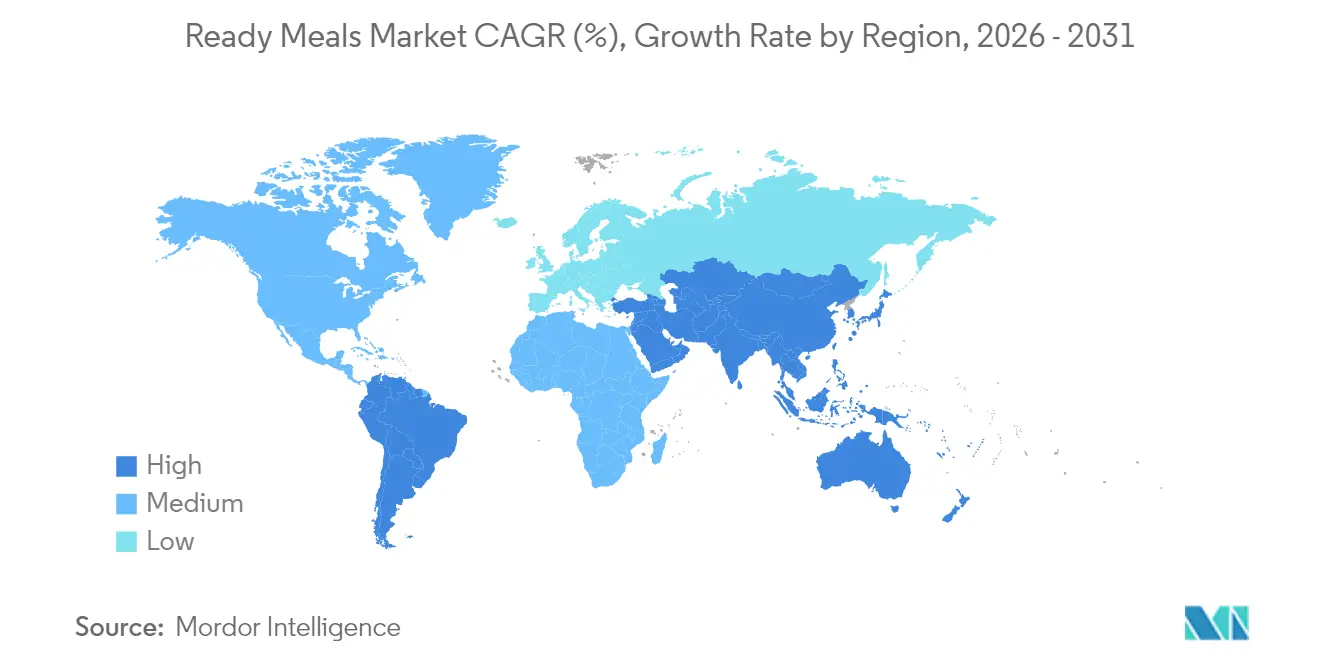
North America commands the largest market share at 34.10% in 2025, supported by mature cold chain infrastructure, high consumer acceptance of convenience foods, and established distribution networks. The region's leadership stems from decades of investment in frozen food technology and sophisticated supply chain management systems that ensure product quality from manufacturing to consumer delivery. However, the region faces challenges from increasing health consciousness and competition from fresh alternatives, meal kits, and home cooking trends.
Asia-Pacific emerges as the fastest-growing region at 4.83% CAGR through 2031, driven by rapid urbanization, rising disposable incomes, and evolving dietary patterns in emerging economies. Advanced transportation management systems are enhancing frozen food distribution capabilities across the region, improving route optimization and product quality while reducing costs. China's inclusion of lab-grown meats and plant-based food alternatives in its five-year agricultural plan indicates a focus on sustainable food technologies to ensure food security and address climate change. However, infrastructure challenges persist in rural areas, where inadequate cold chain systems and limited transportation access constrain market penetration.
Europe maintains a significant market position with established consumer bases and regulatory frameworks that support food safety and quality standards, though growth rates remain moderate compared to emerging markets. The region leads in sustainability initiatives and clean-label product development, reflecting consumer preferences for environmental responsibility and natural ingredients. Moreover, South America, and Middle East and Africa present emerging opportunities with varying growth trajectories influenced by economic development, infrastructure capabilities, and cultural food preferences. Rural logistics challenges across these regions necessitate innovative transportation solutions to improve food accessibility and market reach.

Regulatory Landscape
Regulatory requirements for ready meals and ready-to-eat (RTE) foods are tightening around microbiological safety, shelf-life substantiation, and labeling, with major changes coming into force in 2026. In the European Union, Regulation (EU) 2024/2895 (amending Regulation (EC) No 2073/2005) became applicable on July 1, 2026. The change shifts Listeria monocytogenes compliance toward whole-shelf-life responsibility, with Listeria not detected in 25g during shelf life unless the operator can demonstrate the product will not exceed 100 cfu/g throughout shelf life. The stricter test standard raises the compliance burden for chilled and premium ready-meal producers that rely on short ingredient lists and minimal preservatives, increasing the need for validated shelf-life studies, stronger environmental monitoring, and tighter cold-chain control.
Outside Europe, several jurisdictions are formalizing category-specific rules for prepared/ready meals. China notified the WTO in February 2026 of a draft National Food Safety Standard for Prepared Dishes that includes production, packaging, and labeling requirements, a stated prohibition on food preservatives, and a shelf-life cap of 12 months, which can alter formulation and distribution plans for shelf-stable and ambient offerings. Vietnam promulgated Decree No. 46/2026/ND-CP in January 2026 to implement the Law on Food Safety by clarifying ministerial responsibilities for national technical regulations, while the Codex Alimentarius Commission adopted updated guidance on controlling Listeria in foods during its 49th session in 2026. Exporters can use this as an additional reference point for aligning HACCP and hygiene programs.
Competitive Landscape
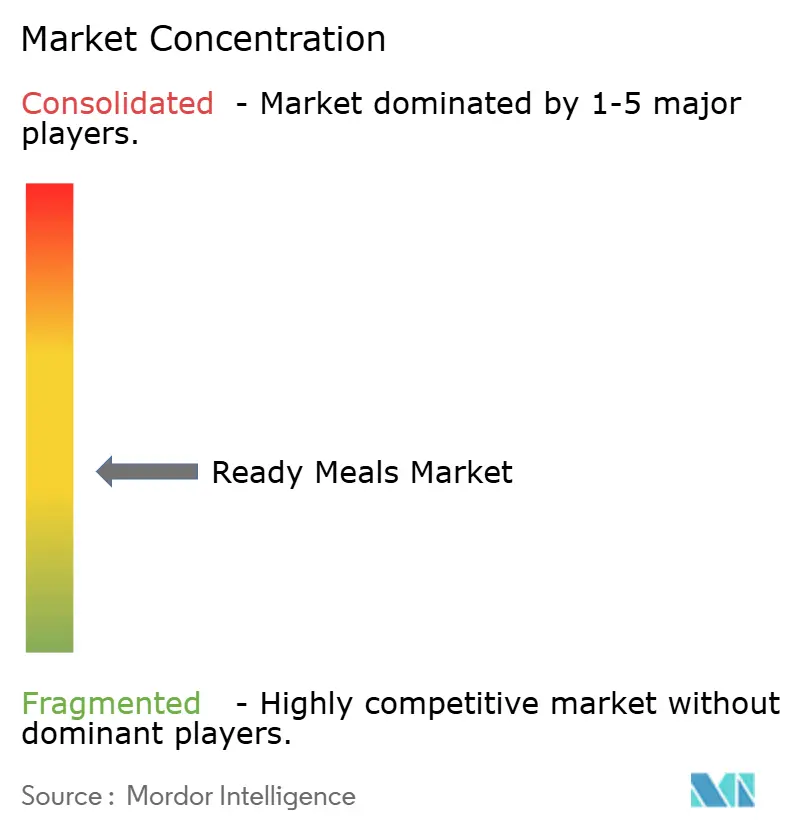
The ready meals market exhibits moderate fragmentation, creating competitive market conditions. Major players, including Nestlé S.A., Conagra Brands Inc., The Kraft Heinz Company, Nomad Foods Limited, and Tyson Foods Inc., operate alongside regional specialists and new market entrants. This market structure encourages companies to differentiate their products through innovation and develop specialized offerings for specific consumer segments and dietary requirements.
Technology adoption is a key competitive factor in the ready meals market. Companies implement advanced preservation methods, smart packaging systems, and automated production lines to improve product quality and operational efficiency while reducing costs. New developments include battery-free, stretchable, and autonomous smart packaging that monitors food freshness and extends shelf life, contributing to waste reduction and sustainability. Companies are also implementing reinforcement learning in robotic packaging systems to improve productivity and maintain consistent product quality despite supply variations.
Furthermore, companies are implementing strategic changes in response to evolving consumer preferences, emphasizing product transparency, sustainability initiatives, and nutritional value in their ready meals segment. Conagra introduced carbon-neutral certified frozen meals, demonstrating the implementation of environmental practices into convenience foods. Nestlé expanded its plant-based ready-to-eat meal portfolio to address market demand from health-conscious consumers seeking meat alternatives. Companies are implementing clean-label strategies and incorporating nutritional ingredients to establish competitive advantages in the ready meals market.
Ready Meals Industry Leaders
-
Nestlé S.A.
-
Conagra Brands Inc.
-
The Kraft Heinz Company
-
Nomad Foods Limited
-
Tyson Foods Inc.
- *Disclaimer: Major Players sorted in no particular order

Market Opportunities and Future Outlook
Operational automation and industrial-scale centralized production are becoming clearer whitespace areas for ready-meal manufacturers that want consistency, throughput, and labor resilience across frozen and chilled formats. In March 2026, CJ CheilJedang opened a fully automated frozen gimbap production line at its CJ Blossom Campus in Jincheon, South Korea, using AI-assisted process controls for ingredient loading and packaging. This points to how branded players are productizing automated assembly for globally distributed frozen meal lines. In April 2026, Chef Robotics reported that its AI-enabled robotic systems have completed 100 million servings in production across customer facilities in the United States, Canada, and Europe, supporting wider adoption of robotics for ingredient handling and portioning across multi-recipe ready-meal environments.
Capacity investments and new-format facilities also support near-term opportunity to scale localized conversion and cook-chill infrastructure close to demand centers. City Grill Group announced in April 2026 a EUR 7 million investment in a new ready meals facility in Buftea, Romania, designed to triple daily output to over 15,000 portions. In the United Kingdom, Compass Group announced in July 2026 a 10,000 square meter Cuisine Centre at SmartParc SEGRO Derby, designed for over 70 million meals per year, which highlights the growing role of large-scale commissary models that can support multiple channels (institutional, contract catering, and retail-ready meal solutions) while rewarding investments in packaging, chilling, and end-to-end traceability capabilities.
Recent Industry Developments
- February 2026: Conagra Brands launched Banquet MEGA Breakfast Bowls, a new frozen breakfast-meal line positioned around high-protein convenience, with 30g of protein per bowl. The launch focuses on the breakfast bowl subcategory and expands Conagra's frozen ready-meal portfolio toward all-day, single-serve formats for both retail freezer aisles and quick meal occasions.
- February 2026: The Kraft Heinz Company introduced a 2026 operating plan that includes a USD 600 million incremental investment across R&D, marketing, and sales, following fiscal year 2025 pressure in categories including frozen meals. The reinvestment emphasizes renovation and support of core brands, which can accelerate product reformulation, packaging upgrades, and new ready-meal line extensions across key retail markets.
- September 2025: The Kraft Heinz Company launched a range of pulse-based ready meals in pouches in the United Kingdom (including Chilli Black Beanz, Curry Chickpeaz, and Tomato Cannellini Beanz), distributed via retailers such as Sainsbury's. This expands shelf-stable and convenient meal propositions using plant-based ingredients, reinforcing premiumization and better-for-you positioning within mainstream ready-meal shelves.


Research Methodology Framework and Report Scope
Market Definition and Coverage
For this methodology, the ready meals market covers packaged, pre-prepared meals sold through retail channels that typically need only heating or minimal finishing before eating. Sizing is done in value terms (USD) across major consuming regions.
Scope exclusions: restaurant-prepared meals consumed on-premise and bulk catering are excluded, and meal kits that require cooking from scratch are also left out.
Segmentation Overview
-
By Product Type
- Frozen Ready Meals
- Chilled Ready Meals
- Shelf Stable
- Freeze-Dried Ready Meals
-
By Ingredient
- Conventional
- Free-From
-
By Category
- Vegetarian
- Non-Vegetarian
-
By Distribution Channel
- Supermarkets/Hypermarkets
- Convenience Stores
- Online Retail Stores
- Other Distribution Channels
-
By Geography
-
North America
- United States
- Canada
- Mexico
- Rest of North America
-
Europe
- Germany
- United Kingdom
- Italy
- France
- Spain
- Netherlands
- Poland
- Belgium
- Sweden
- Rest of Europe
-
Asia-Pacific
- China
- India
- Japan
- Australia
- Indonesia
- South Korea
- Thailand
- Singapore
- Rest of Asia-Pacific
-
South America
- Brazil
- Argentina
- Colombia
- Chile
- Peru
- Rest of South America
-
Middle East and Africa
- South Africa
- Saudi Arabia
- United Arab Emirates
- Nigeria
- Egypt
- Morocco
- Turkey
- Rest of Middle East and Africa
-
North America
Data Sources, Market Sizing, and Validation
Desk Research
Desk research was used to build the core structure of the model and to set boundaries around what counts as a ready meal sold in retail. We reviewed public sources such as USDA and other national food consumption statistics, UN Comtrade trade data for prepared food categories, FAO food balance sheets, World Bank macro indicators, and relevant peer-reviewed food science and packaging journals.
On top of this, we used company annual reports, investor presentations, and press coverage to track pricing changes, product launches, and channel shifts across supermarkets and online grocery. Where needed, we also referenced paid subscriptions focused on company financials and intelligence, along with an import and export shipment-level database, to sense-check trade-linked assumptions. These desk sources are not exhaustive, and other public references were also used for data collection, validation, and clarification.
Primary Interviews and Surveys
Primary interviews and surveys were used to confirm what is actually being sold as a ready meal in different countries, how price ladders behave by format, and how distribution mix is shifting between supermarkets, convenience, and online. We spoke with a mix of manufacturers, ingredient and packaging participants, retailers and distributors, and category experts across key consuming regions, so desk assumptions could be corrected where they did not match market reality.
Distribution of primary research fieldwork respondents
| Company type | Respondent position | Region |
|---|---|---|
| Top tier: 26% | CXOs: 12% | APAC: 48% |
| Mid tier: 55% | Functional/Unit leaders: 28% | EMEA: 33% |
| Smaller Players: 19% | Managers: 60% | Americas: 19% |
Market-Sizing & Forecasting
Sizing starts with a top-down demand pool build that links packaged food consumption and modern retail throughput to the share realistically attributable to ready meals, then converts that base into value using typical retail price bands. After the base is formed, we corroborate totals with selective bottom-up approximations, such as sampled price per pack multiplied by observed volume ranges, and supplier and channel checks to adjust the final totals.
Inputs used in the model include ready meal penetration within packaged foods, per-capita consumption trends, the split between frozen, chilled, and shelf-stable formats, the mix of sales through supermarkets versus online, and inflation-linked price movement by region. Because ready meals are tied to convenience and household time constraints, urbanization and income levels were also used as supporting indicators. For forecasting, scenario analysis was applied and the assumptions were stress-tested with expert views on pricing, freezer capacity growth, and private label expansion so the trajectory remains practical rather than overly aggressive.
Data Validation & Update Cycle
Outputs are checked through triangulation across multiple signals, including consumption direction, retail channel momentum, and the implied price per unit versus what respondents report is typical in-market. When outliers appear, the model is reopened at the variable level, and follow-up calls are triggered to confirm whether it is a real shift or a definition mismatch.
Before sign-off, the work goes through a multi-step analyst review where arithmetic checks, currency conversion timing, and year alignment are verified, followed by a final consistency pass across regions and formats. The report is refreshed annually, and interim updates are made when material events occur, with a last review completed close to delivery so clients receive the latest updated view.
Mordor Intelligence's Ready Meals Market Size Compared Against Other Published Estimates
It is normal to see different market sizes for ready meals because publishers do not always count the same products, channels, or even the same base year. The spread is usually explained by what is included as a ready meal, how frozen versus chilled is treated, and whether the estimate is anchored on retail sell-through or broader food consumption proxies.
Key gaps often come from scope expansion into adjacent categories (like wider ready-to-eat foods), different assumptions on price progression, and faster growth cases that are not cross-checked against everyday demand signals. The main difference here comes from keeping the scope tied to retail packaged ready meals that require heating, and treating shelf-stable and frozen formats only when they meet that definition, a modeling choice applied by Mordor Intelligence.
Benchmark comparison
| Source | Market Size | Gaps in Research Methodology |
|---|---|---|
| Mordor Intelligence | USD 97.92 B (2026) | |
| Global Consultancy A | USD 203.16 B (2026) | Uses a broader prepared meals definition that can capture a wider set of ready-to-eat and fresh prepared items, which expands the counted revenue base beyond heat-and-eat retail meals. |
| Industry Publisher B | USD 149.90 B (2022) | Uses an earlier base year and applies a faster growth curve through 2030, with less clarity on how pricing and channel mix are updated year to year, which can inflate the implied current size. |
Overall, the gap is mostly explained by definition and timing, not by arithmetic. By keeping inputs traceable to consumption signals, channel mix, and realistic price ladders, the estimate stays easier to reproduce and to pressure-test when conditions change.


Key Questions Answered in the Report
What is the current value of the ready meals market?
The ready meals market size is USD 97.92 billion in 2026 and is projected to climb to USD 113.53 billion by 2031.
Which product segment holds the largest ready meals market share?
Frozen entrées dominate with 52.93% market share in 2025 and remain the fastest-growing at a 3.55% CAGR.
Which region is expanding the quickest in the ready meals market?
The Asia-Pacific market projects a CAGR of 4.83% through 2031, attributed to urbanization and rising disposable incomes.
How is e-commerce influencing the ready meals industry?
The online retail market is expanding at a CAGR of 4.52%, supported by dark-store logistics operations, efficient last-mile delivery networks, and increasing consumer adoption of digital purchasing channels.
Page last updated on:




