
Market Overview
| Study Period | 2021 - 2031 |
|---|---|
| Market Size (2026) | USD 14.69 Billion |
| Market Size (2031) | USD 20.09 Billion |
| Growth Rate (2026 - 2031) | 6.46 % |
| Fastest Growing Market | Asia Pacific |
| Largest Market | Asia Pacific |
| Market Concentration | Medium |
Major Players
*Disclaimer: Major Players sorted in no particular order Image © Mordor Intelligence. Reuse requires attribution under CC BY 4.0. |
|
Organic Acids Market Analysis by Mordor Intelligence
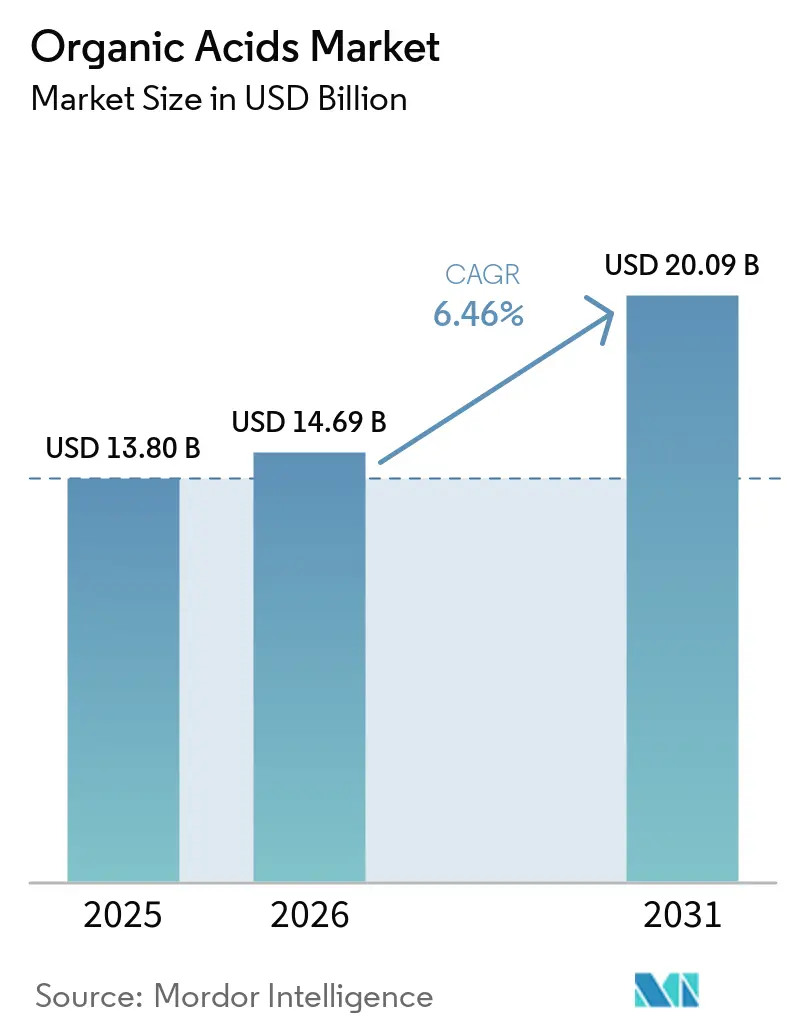
The organic acids market size in 2026 is estimated at USD 14.69 billion, growing from 2025 value of USD 13.80 billion with 2031 projections showing USD 20.09 billion, growing at 6.46% CAGR over 2026-2031.This growth is largely driven by a notable transition from petrochemical methods to bio-based fermentation processes, alongside an increasing demand for clean-label products across food, polymer, and pharmaceutical sectors. Organic acids, which include acetic acid, citric acid, lactic acid, and others, play a crucial role in various applications such as food preservation, flavor enhancement, and pH regulation. The shift toward bio-based production methods is gaining traction due to environmental concerns and the need for sustainable alternatives. Additionally, the rising consumer preference for natural and clean-label products is pushing manufacturers to adopt organic acids in food and beverage formulations. In the polymer and pharmaceutical industries, organic acids are increasingly used for their functional properties, such as acting as intermediates in chemical synthesis and enhancing product performance. This growing adoption across diverse value chains underscores the market's robust expansion during the forecast period.
Key Report Takeaways
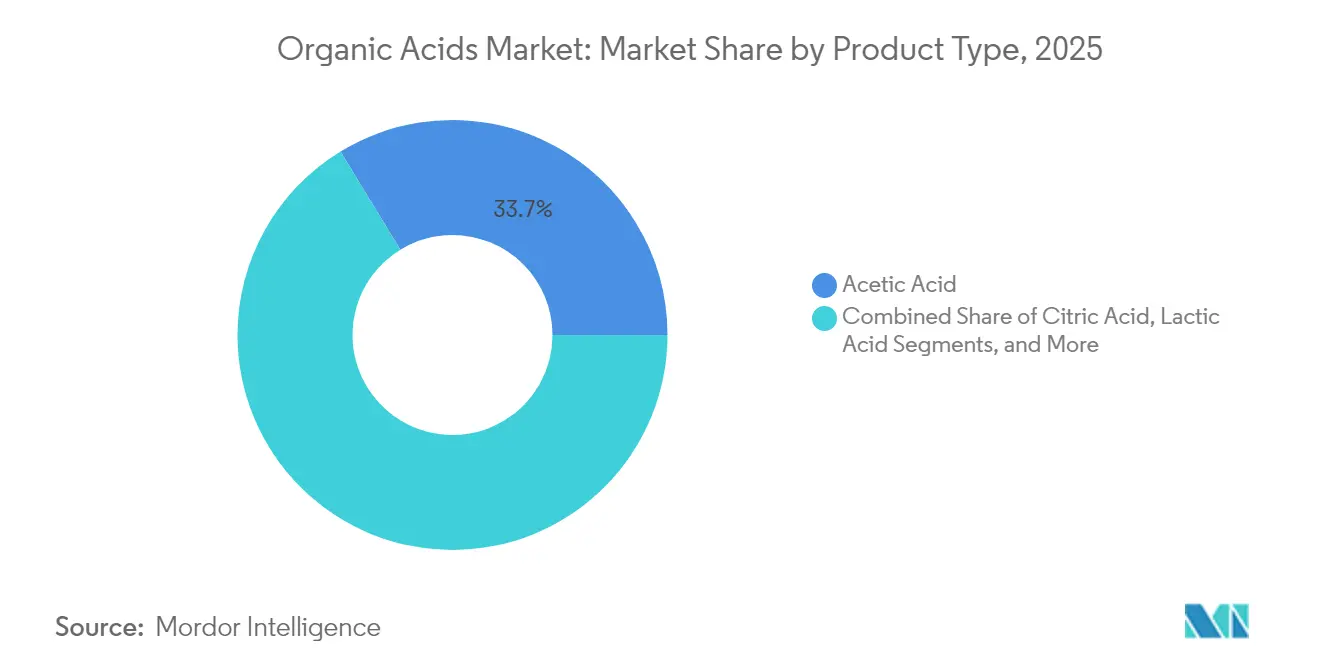
- By product type, acetic acid led with 33.72% of organic acids market share in 2025, while succinic acid is forecast to expand at a 9.56% CAGR through 2031.
- By source, petrochemical routes held 60.98% revenue share in 2025, whereas bio-based acids are projected to grow at an 10.93% CAGR to 2031.
- By form, liquid accounted for 58.21% revenue share in 2025, while dry/powder forms are projected to grow at a 6.44% CAGR to 2031.
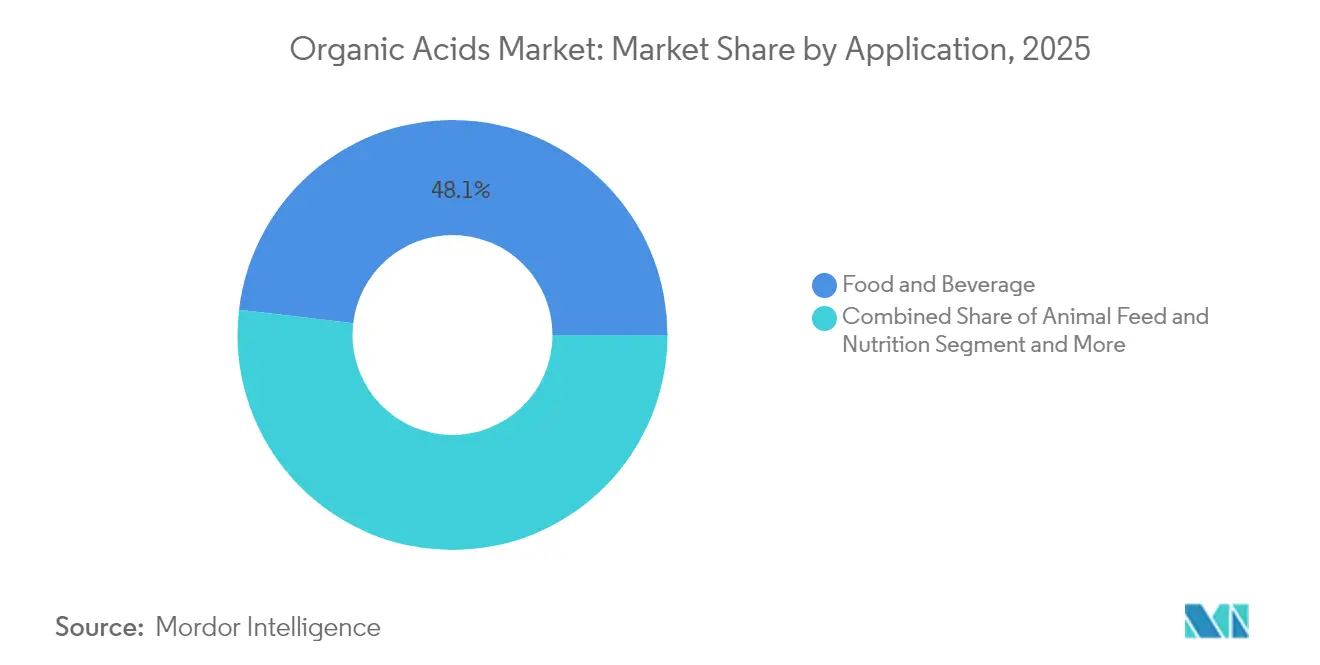
- By application, food and beverages accounted for 48.12% share of the organic acids market size in 2025; polymers and bioplastics are advancing at an 11.32% CAGR to 2031.
- By geography, Asia-Pacific commanded 30.08% revenue share in 2025 and is forecast to record a 9.29% CAGR between 2026-2031.
Note: Market size and forecast figures in this report are generated using Mordor Intelligence’s proprietary estimation framework, updated with the latest available data and insights as of 2026.
Global Organic Acids Market Trends and Insights
Drivers Impact Analysis*
| Driver | (~) % Impact on CAGR Forecast | Geographic Relevance | Impact Timeline |
|---|---|---|---|
| Rapid Uptake of Acetic Acid in Vinyl-Acetate-Monomer for Solar-EVA Films | +1.2% | Global, with concentration in Asia-Pacific and North America | Medium term (2-4 years) |
| Pharmaceutical‐grade Lactic Acid Demand for Injectable Drug Formulations | +0.8% | North America and Europe, expanding to Asia-Pacific | Long term (≥ 4 years) |
| Expansion of Citric-acid-based Natural Preservatives in Clean-Label Beverages | +0.9% | Global, led by North America and Europe | Short term (≤ 2 years) |
| Growth of Succinic Acid as a Building Block for Bio-PBS and Bio-BDO | +1.1% | North America and Europe, with emerging presence in Asia-Pacific | Long term (≥ 4 years) |
| Feed‐grade Formic and Propionic Acids Adoption for ASF-Free Swine Diets | +0.6% | Global, with emphasis on Asia-Pacific and Europe | Medium term (2-4 years) |
| Use in Animal Feed as Antibiotic Alternatives | +0.7% | Global, particularly in regions with antibiotic restrictions | Medium term (2-4 years) |
| Source: Mordor Intelligence | |||
Rapid Uptake of Acetic Acid in Vinyl-Acetate-Monomer for Solar-EVA Films
The rapid growth of the photovoltaic industry has significantly increased the demand for acetic acid in the production of vinyl acetate monomers (VAM). EVA encapsulant films, which are essential for improving the durability and efficiency of solar panels, drive this demand. Producers can now manufacture commercial-grade VAM from renewable feedstocks by utilizing the non-catalytic cracking of soybean oil. This innovative process generates acetic acid as a valuable co-product that complies with the stringent quality requirements of the solar industry. By adopting this bio-based production pathway, manufacturers address sustainability mandates while diversifying supply chains to reduce reliance on petrochemical-derived VAM. Additionally, integrating ethylene derived from renewable ethanol with bio-based acetic acid establishes a fully sustainable VAM production route. This advancement enables organic acid producers to capitalize on premium pricing opportunities in the rapidly expanding solar market.
Pharmaceutical‐grade Lactic Acid Demand for Injectable Drug Formulations
The demand for pharmaceutical-grade lactic acid is a significant driver in the organic acids market, particularly due to its increasing application in injectable drug formulations. Lactic acid, known for its biocompatibility and biodegradability, is widely used in the pharmaceutical industry to enhance drug delivery systems. According to the U.S. Food and Drug Administration (FDA), the adoption of lactic acid in drug formulations aligns with stringent safety and efficacy standards, making it a preferred choice for injectable drugs [1]Source: United States Food and Drug Administration, "Drug Therapeutics & Regulation in the U.S.", www.fda.gov. Additionally, the World Health Organization emphasizes the importance of such biocompatible compounds in improving patient outcomes, especially in critical care medications. Moreover, the increasing prevalence of chronic diseases such as diabetes and cardiovascular disorders has led to a surge in demand for injectable drugs, further driving the need for pharmaceutical-grade lactic acid. According to the Centers for Disease Control and Prevention (CDC), the prevalence of total diabetes was 15.8% in all adults in the United States in 2023[2]Source: Centers for Disease Control and Prevention, "National Diabetes Statistics Report", www.cdc.gov, highlighting the growing need for effective drug delivery systems. This growth is expected to directly impact the demand for lactic acid in pharmaceutical applications.
Expansion of Citric-acid-based Natural Preservatives in Clean-Label Beverages
The expansion of citric-acid-based natural preservatives is emerging as a significant driver in the organic acids market. These preservatives are increasingly preferred in clean-label beverages due to their natural origin and multifunctional properties, such as enhancing flavor, maintaining pH balance, and extending shelf life. The demand for clean-label products has grown significantly over the last few years, driven by consumer preference for transparency and natural ingredients. Research from CBI, the Ministry of Foreign Affairs, highlights this trend, projecting that clean-label products will rise from constituting 52% of portfolios in 2021 to over 70% in 2025 and 2026 [3]Source: CBI Ministry of Foreign Affairs, "Which trends offer opportunities," www.cbi.eu.. Additionally, the Food and Agriculture Organization (FAO) highlights that citric acid is one of the most widely used organic acids globally, with applications spanning food, beverages, and pharmaceuticals. This trend aligns with the growing regulatory emphasis on reducing synthetic additives in consumables, further propelling the adoption of citric-acid-based solutions in the beverage industry.
Growth of Succinic Acid as a Building Block for Bio-PBS and Bio-BDO
The growing demand for succinic acid as a building block for bio-based polymers, such as Bio-PBS (Polybutylene Succinate) and Bio-BDO (1,4-Butanediol), is driving the organic acids market. Succinic acid, derived from renewable feedstocks, is increasingly being utilized in the production of biodegradable and sustainable materials. This trend aligns with the global shift toward reducing dependency on fossil fuels and minimizing environmental impact. The use of succinic acid in Bio-PBS enhances the polymer's biodegradability and mechanical properties, making it a preferred choice in packaging, agriculture, and other applications. Similarly, its role in producing Bio-BDO, a key intermediate for various industrial applications, further underscores its importance in the bio-based chemicals sector. The rising adoption of bio-based alternatives across industries is expected to propel the demand for succinic acid, thereby contributing significantly to the growth of the organic acids market.
Restraints Impact Analysis*
| Restraint | (~) % Impact on CAGR Forecast | Geographic Relevance | Impact Timeline |
|---|---|---|---|
| Stringent VOC Directives Limiting Petro-based Acrylic and Adipic Acids | -0.9% | North America and Europe, with emerging regulations in Asia-Pacific | Short term (≤ 2 years) |
| Over-capacity and Price Compression in Chinese Low-purity Citric Acid | -0.7% | Global, with primary impact in Asia-Pacific | Medium term (2-4 years) |
| Environmental Concerns with Synthetic Acids Hindering Market Growth | -0.5% | Global, with stricter enforcement in developed markets | Long term (≥ 4 years) |
| Technological and Infrastructural Barriers Hampering Market Growth | -0.8% | Global, with acute challenges in developing markets | Long term (≥ 4 years) |
| Source: Mordor Intelligence | |||
Stringent VOC Directives Limiting Petro-based Acrylic and Adipic Acids
The organic acid market is experiencing significant restraint due to stringent Volatile Organic Compound (VOC) directives imposed on petro-based acrylic and adipic acids. These directives aim to reduce environmental pollution and promote sustainability by limiting the use of petrochemical derivatives that contribute to VOC emissions. VOCs are known to have adverse effects on both human health and the environment, including contributing to ground-level ozone formation and air quality degradation. As a result, regulatory bodies across various regions, including North America, Europe, and Asia-Pacific, have implemented strict guidelines to curb VOC emissions, directly impacting the production and usage of petro-based acrylic and adipic acids. Manufacturers in the organic acid market are facing challenges in complying with these regulations, which may lead to increased production costs due to the need for advanced technologies and processes to meet compliance standards. Additionally, the restrictions are driving the industry to explore and adopt alternative raw materials, such as bio-based feedstocks, which are more environmentally friendly but often come with higher costs and scalability issues.
Environmental Concerns with Synthetic Acids Hindering the Market Growth
Environmental concerns regarding the use of synthetic acids are significantly restraining the growth of the organic acid market. The production and disposal processes of synthetic acids often result in adverse environmental impacts, such as water and soil contamination, greenhouse gas emissions, and ecological degradation. These environmental risks have led to the implementation of stringent regulations by governments and increased monitoring by environmental organizations, creating additional compliance burdens for manufacturers. Furthermore, the growing awareness among consumers about the environmental footprint of synthetic acids has shifted demand toward more sustainable and eco-friendly alternatives, such as organic acids. This shift has intensified the pressure on manufacturers to innovate and adopt greener production methods, which often require substantial investments and longer timelines. Consequently, these factors collectively hinder the growth trajectory of the organic acid market, posing significant challenges for stakeholders across the value chain.
*Our forecasts treat driver/restraint impacts as directional, not additive. The impact forecasts reflect baseline growth, mix effects, and variable interactions.
Segment Analysis
By Product Type: Acetic Acid Dominates While Succinic Surges
In 2025, acetic acid holds a dominant 33.72% market share in the organic acids market, maintaining its leadership position. This dominance is attributed to its extensive applications across various industries, including textiles, food and beverages, and pharmaceuticals. Acetic acid plays a critical role in the production of vinyl acetate monomer (VAM), which is a key precursor for manufacturing adhesives, paints, and coatings. Additionally, its use in the production of acetic anhydride, terephthalic acid, and acetate esters further enhances its demand. The compound's versatility and widespread demand across end-user industries continue to drive its growth and solidify its position as a market leader. The increasing focus on industrial applications and the rising demand for VAM in emerging economies are expected to further bolster the growth of acetic acid in the coming years.
Succinic acid, on the other hand, is emerging as the fastest-growing segment in the organic acids market. It is projected to register a robust CAGR of 9.56% during the forecast period of 2026 to 2031. This growth is primarily fueled by its increasing adoption as a building block for biodegradable polymers, which are gaining traction due to rising environmental concerns and regulatory support for sustainable materials. Succinic acid is also used in the production of resins, coatings, and personal care products, further contributing to its expanding market presence. Moreover, advancements in bio-based production technologies have made succinic acid a cost-effective and renewable alternative to petroleum-based chemicals.



By Source: Bio-based Segment Outpaces Petrochemical Origins
In 2025, petrochemical sources dominated the organic acids market, holding a significant 60.98% share. These sources continue to play a crucial role in meeting the high demand for organic acids across various industries, including food and beverages, pharmaceuticals, and chemicals. The established infrastructure for petrochemical production and the relatively lower production costs contribute to their strong market position. However, concerns regarding environmental sustainability and fluctuating crude oil prices may pose challenges to the growth of petrochemical-based organic acids in the coming years.
On the other hand, bio-based sources of organic acids are expected to grow at an impressive CAGR of 10.93% during the forecast period. This growth is driven by increasing consumer preference for sustainable and eco-friendly products, along with stringent environmental regulations encouraging the adoption of renewable resources. Bio-based organic acids are derived from renewable feedstocks such as corn, sugarcane, and other biomass, making them a more sustainable alternative to petrochemical sources. Advancements in biotechnology and fermentation processes are further enhancing the efficiency and scalability of bio-based organic acid production, positioning this segment as a key growth driver in the market.
By Application: Food and Beverages Lead While Polymers and Bioplastics Surge
In 2025, the food and beverage sector dominates the organic acids market, accounting for a significant 48.12% share. Organic acids are extensively utilized in this sector due to their multifunctional properties, including preservation, flavor enhancement, and pH regulation. These acids help extend the shelf life of products, maintain their quality, and improve taste, making them indispensable in processed foods, beverages, and ready-to-eat meals. The growing consumer preference for convenience foods and beverages, coupled with the increasing focus on food safety and quality, continues to drive the demand for organic acids in this sector. Additionally, the rising trend of clean-label products and natural ingredients has further boosted the adoption of organic acids, as they align with consumer demand for healthier and more transparent food options.
On the other hand, the polymers and bioplastics sector is emerging as a high-growth segment in the organic acids market. This sector is projected to register an impressive 11.32% CAGR from 2026 to 2031, fueled by the rising demand for biodegradable and sustainable packaging solutions. Organic acids serve as key raw materials in the production of bioplastics, offering an eco-friendly alternative to conventional plastics. The increasing emphasis on reducing plastic waste, supported by stringent environmental regulations and growing consumer awareness, is expected to propel the adoption of organic acids in this sector during the forecast period. Furthermore, advancements in bioplastic technologies and the growing investments in research and development are enhancing the efficiency and scalability of bioplastic production.
By Form: Liquid Dominates While Dry Formats Gain Ground
In 2025, liquid organic acids dominate the organic acids market with a 58.21% market share. Their widespread adoption is attributed to their ease of handling, which simplifies industrial processes, and their lower production costs compared to other formats. These advantages make liquid organic acids a preferred choice across various industries, including food and beverages, pharmaceuticals, and chemicals. The consistent demand for liquid organic acids is expected to sustain their significant market share during the forecast period, driven by their versatility and cost-effectiveness in large-scale applications. Furthermore, advancements in production technologies are likely to enhance the efficiency and quality of liquid organic acids, further solidifying their position in the market.
On the other hand, dry or powdered organic acids are projected to witness substantial growth from 2026 to 2031, with a robust CAGR of 6.44%. This growth is fueled by their longer shelf life, ease of transportation, and suitability for applications requiring precise dosing, such as animal feed and food preservation. The powdered format's ability to maintain stability under varying environmental conditions makes it an attractive option for manufacturers. Additionally, the increasing focus on sustainable and eco-friendly solutions has spurred interest in bio-plastic applications, where organic acids play a crucial role as raw materials. The rising demand for powdered formats and bio-plastic applications is expected to drive innovation and expand the market's scope during the forecast period.
Geography Analysis
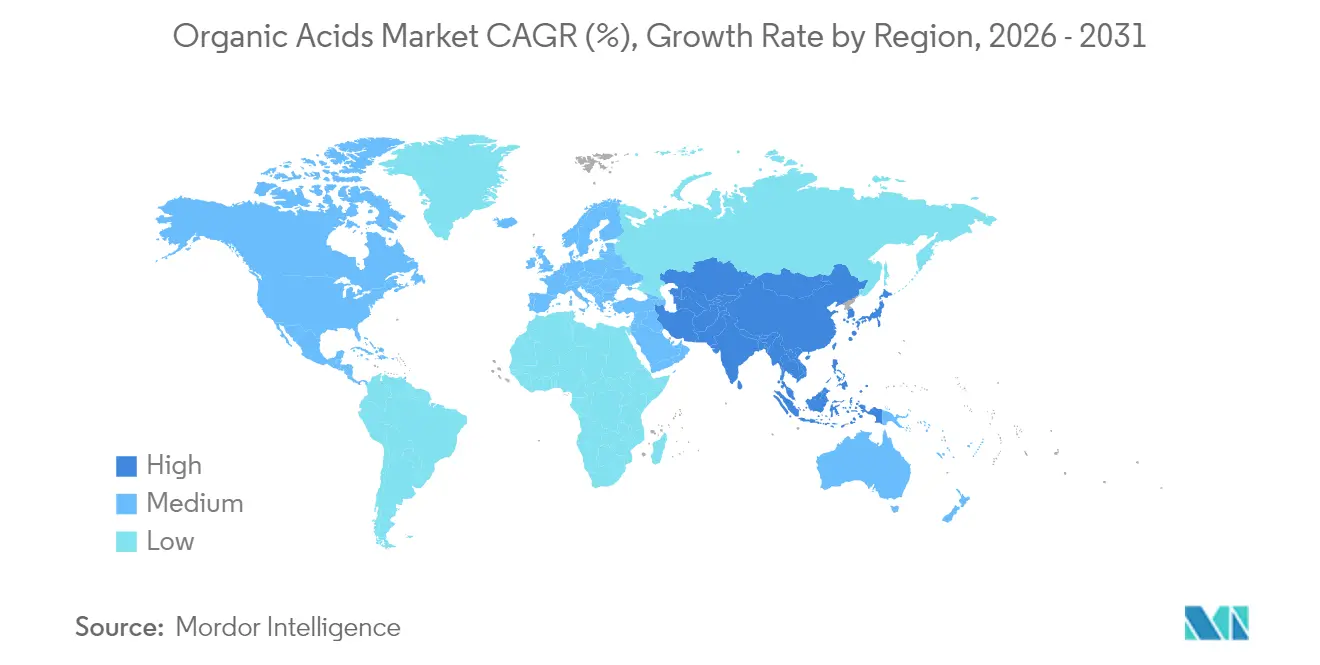
In 2025, Asia-Pacific dominated the global organic acids market, holding the largest regional market share of 30.08% and registering the fastest growth with a projected CAGR of 9.29% through 2031. This dual leadership stems from the region's robust manufacturing ecosystem and the rising consumption patterns of its expanding middle-class population. The demand for organic acids is particularly strong in food, pharmaceutical, and industrial applications, driven by increasing urbanization and changing consumer preferences. China, as a key producer in the region, faces challenges such as overcapacity and ongoing trade disputes, which could impact its market dynamics. However, India and Southeast Asian countries are emerging as significant growth contributors, supported by rapid economic development, favorable government policies, and alignment with global sustainability standards.
North America continues to maintain a strong foothold in the organic acids market, underpinned by its technological advancements in bio-based production and a regulatory framework that prioritizes sustainability and high-quality standards. The region has witnessed substantial investments in fermentation capacity, addressing previous infrastructure gaps and enabling more efficient production processes. The demand for organic acids in North America is further bolstered by the growing adoption of bio-based alternatives across various industries, including food and beverages, pharmaceuticals, and agriculture. The region's focus on innovation and sustainability has positioned it as a leader in the development of advanced organic acid solutions, catering to both domestic and international markets. These factors ensure North America's continued prominence in the global market landscape.
Europe, with its mature organic acids market, emphasizes premium applications and strict regulatory compliance. The region's stringent environmental standards create opportunities for bio-based producers, as industries increasingly shift towards sustainable and eco-friendly solutions.The demand for organic acids in Europe is driven by their applications in food preservation, pharmaceuticals, and industrial processes, where quality and sustainability are paramount. Meanwhile, South America and the Middle East & Africa represent emerging opportunities in the global organic acids market. These regions benefit from economic development and abundant agricultural resources, which provide a strong foundation for organic acid production and consumption.

Regulatory Landscape
Globally, organic acids used in food and beverage formulations are managed through additive frameworks that cover permitted substances, food-category usage conditions, and purity and labeling expectations. In the European Union, food additive permissions are set under Regulation (EC) No 1333/2008, with safety assessment and ongoing re-evaluation handled through the European Food Safety Authority (EFSA) and the re-evaluation program in Regulation (EU) No 257/2010. The Union list architecture is supported by Commission Regulation (EU) No 1130/2011 for additives used in other additives, enzymes, and flavorings.
In the United States, the U.S. Food and Drug Administration (FDA) regulates many organic acids as direct food substances affirmed as GRAS or as food additives, with use constrained by Current Good Manufacturing Practice (CGMP) under the relevant parts of Title 21 (for example, acetic acid and malic acid monographs in 21 CFR Part 184). In China, GB 2760-2024 is a mandatory national standard for food additive use, implemented from February 8, 2025, and operates as a positive list that specifies permitted scope of use and maximum levels across hierarchical food categories. This increases the need to monitor National Health Commission updates and category-specific conditions for acidulants and preservatives.
Competitive Landscape
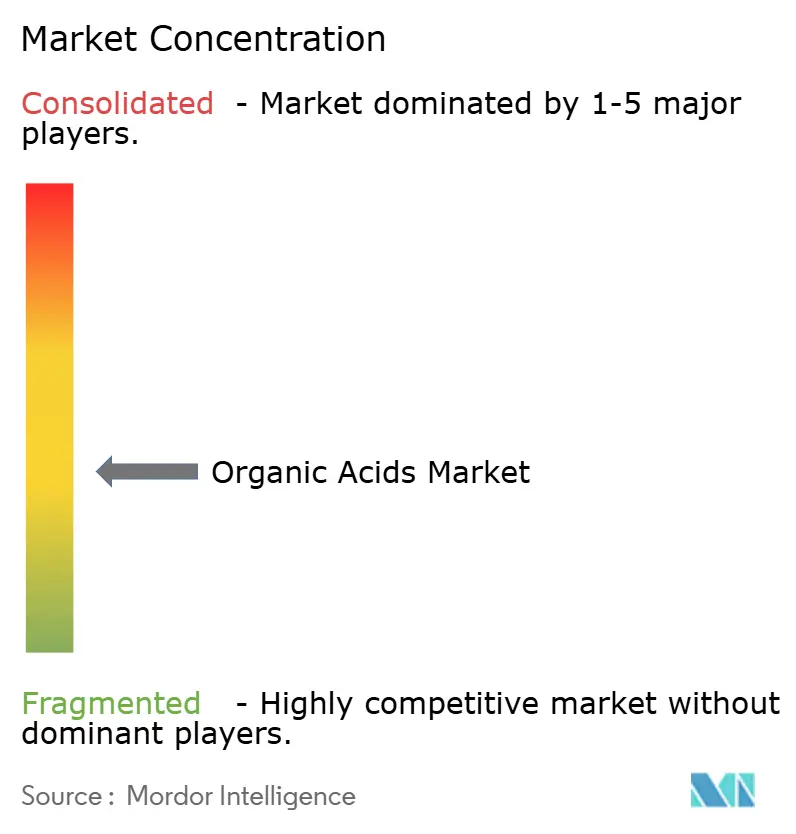
The organic acids market, on a global scale, demonstrates moderate fragmentation. This level of fragmentation creates significant opportunities for market share consolidation, particularly through strategic acquisitions and capacity expansions. Companies are leveraging advanced technological capabilities and expanding their geographic presence to strengthen their competitive positions. Established players, such as BASF, are focusing on sustainable production technologies to align with evolving consumer preferences and regulatory requirements, thereby maintaining their market leadership. The market's competitive nature is further fueled by the increasing demand for organic acids across industries such as food and beverages, pharmaceuticals, and agriculture, which drives companies to innovate and differentiate their offerings.
Industry leaders are adopting differentiated strategies to stay ahead in this competitive landscape. BASF, for instance, is heavily investing in innovative and sustainable production methods to reduce environmental impact while meeting the growing demand for organic acids across various applications. These strategies not only enhance operational efficiency but also cater to the increasing emphasis on sustainability within the market. Additionally, established players are focusing on expanding their production capacities and entering new markets to capitalize on the rising demand in emerging economies. Such initiatives by key players are setting benchmarks for the industry, compelling competitors to innovate and adapt to remain relevant.
Meanwhile, emerging disruptors are challenging the dominance of incumbents by leveraging novel production technologies and forming strategic partnerships. Solugen, a notable example, has collaborated with ADM to produce bio-based organic acids using proprietary fermentation processes. These processes are designed to eliminate traditional CO2 emissions, offering a more environmentally friendly alternative. Such advancements by new entrants are intensifying competition and driving the market toward more sustainable and innovative solutions, reshaping the competitive dynamics of the global organic acids market. Additionally, these disruptors are focusing on niche applications and customized solutions to cater to specific customer needs, further diversifying the competitive landscape.
Organic Acids Industry Leaders
-
BASF SE
-
Cargill, Incorporated
-
Archer Daniels Midland Company
-
Nippon Shokubai Co., Ltd.
-
DSM-Firmenich AG
- *Disclaimer: Major Players sorted in no particular order

Market Opportunities and Future Outlook
The transition to bio-based fermentation and low-carbon supply is creating room for food-grade and specialty organic acids used in clean-label beverages, confectionery, and broader ingredient systems. Capacity additions and site investments linked to fermentation-derived acids offer practical routes for suppliers to secure regional supply and differentiate on process and carbon attributes, as reflected in Solugen and ADM breaking ground on a Marshall, Minnesota biomanufacturing facility for bio-based organic acids (including gluconic and glucaric acids), and in Corbion adding an acid powder line at Montmelo, Spain to expand powder-format offerings for confectionery applications.
Opportunity also sits in portfolio expansion and consolidation around food-grade acid platforms, particularly for malic, fumaric, and related acidulants and intermediates across food, feed, and industrial end uses. ICL Group signing a phase-one agreement to acquire Bartek Ingredients (a producer of food-grade malic and fumaric acids) for USD 90 million, alongside Bartek's new Windsor, Ontario facility scheduled for 2026 completion, points to continued investment in food-grade production footprints. In addition, large-scale acetic acid and citric acid capacity in Asia, including new Chinese petrochemical acetic acid start-ups and entrenched fermentation scale for citric acid, increases the need for producers outside China to compete on higher purity grades, application support, and regional reliability rather than cost alone.
Recent Industry Developments
- January 2026: ICL Group entered a phase-one agreement to acquire Bartek Ingredients, a producer of food-grade malic and fumaric acids, for USD 90 million. The transaction adds a dedicated food acidulants platform and connects to Bartek's new Windsor, Ontario facility scheduled for completion in 2026, improving North American supply options for acid-based formulations.
- July 2025: BASF reached mechanical completion for the acrylics complex at its Zhanjiang Verbund site in China, including glacial acrylic acid and butyl acrylate plants. The milestone expands integrated acids and derivatives capacity in Asia-Pacific, supporting downstream intermediates across broader organic acid value chains.
- October 2024: BASF PETRONAS Chemicals inaugurated a new 2-ethylhexanoic acid production line in Kuantan, Malaysia, doubling annual capacity to 60,000 metric tons. The expansion increases regional availability of specialty carboxylic acids and supports customers seeking shorter supply lines in Southeast Asia.


Research Methodology Framework and Report Scope
Market Definition and Coverage
The organic acids market is defined as the commercial sale of organic acid products used to deliver acidity, preservation, chelation, and intermediate chemical functionality across end-use industries, reported in value terms (USD) at the producer and merchant-market level.
Scope exclusions: We exclude inorganic mineral acids, on-site captive streams that do not enter commercial trade, and non-acid substitutes used only as flavors, buffers, or nutrients.
Segmentation Overview
-
By Type
- Acetic Acid
- Citric Acid
- Lactic Acid
- Succinic Acid
- Malic Acid
- Propionic Acid
- Formic Acid
- Fumaric and Maleic Acids
- Others (Benzoic, Gluconic, Adipic, etc.)
-
By Source
- Bio-based
- Petro-chemical
- Hybrid/Co-product Streams
-
By Application
- Food and Beverages
- Animal Feed and Nutrition
- Pharmaceuticals and Healthcare
- Personal Care and Cosmetics
- Industrial Chemicals and Intermediates (VAM, PTA, Acrylates, etc.)
- Polymers and Bioplastics (PLA, PBS, PHA)
- Others (Textiles, Lubricants, Electronics)
-
By Form
- Liquid
- Dry/Crystal/Powder
-
Geographic Analysis
-
North America
- United States
- Canada
- Mexico
- Rest of North America
-
South America
- Brazil
- Argentina
- Rest of South America
-
Europe
- Germany
- United Kingdom
- France
- Italy
- Spain
- Russia
- Rest of Europe
-
Middle East and Africa
- Saudi Arabia
- South Africa
- Rest of Middle East and Africa
-
Asia-Pacific
- China
- India
- Japan
- Australia
- Rest of Asia-Pacific
-
North America
Data Sources, Market Sizing, and Validation
Desk Research
Desk research was used to map the supply chain and set clean starting points for volumes, pricing direction, and application mix before the model was built. We reviewed public sources such as UN Comtrade trade flows, USGS and other national statistics portals where relevant, and FAOSTAT for feed and livestock indicators. For food use, we also monitored FDA and EFSA regulation updates, and we checked peer-reviewed journals for fermentation yields and downstream purification benchmarks.
We screened company annual reports, investor presentations, plant announcements, and reputable press to understand capacity changes, grade shifts, and regional demand pull. Where needed, paid subscriptions were used for company financials and intelligence, a patent database for process and route shifts, and an import and export shipment-level database to sanity-check trade-linked volume movement. These examples are not exhaustive, and we referred to many other public sources during data collection, validation, and research clarification.
Primary Interviews and Surveys
Primary work centered on expert interviews and structured surveys with producers, distributors, and downstream buyers across food and beverage, animal nutrition, industrial intermediates, and pharma-related use. Respondent input was used to confirm typical grade splits, regional pricing behavior, utilization swings, and the timing of capacity additions, then to pressure-test assumptions that were unclear from public documents across APAC, EMEA, and the Americas.
Distribution of primary research fieldwork respondents
| Company type | Respondent position | Region |
|---|---|---|
| Top tier: 33% | CXOs: 16% | APAC: 44% |
| Mid tier: 49% | Functional/Unit leaders: 37% | EMEA: 33% |
| Smaller Players: 18% | Managers: 47% | Americas: 23% |
Market-Sizing & Forecasting
The sizing logic starts with a top-down reconstruction in which production and trade indicators are used to build a realistic regional supply and consumption picture, then values are derived using price and grade-level adjustments. Results are corroborated with selective bottom-up approximations, such as sampled supplier revenue splits, channel checks, and an ASP-times-volume cross-check for major acid types, which we use to tune outliers.
Key inputs include organic acid production capacity additions and shutdowns, utilization and operating rate ranges, import and export movements for major acids, and fermentation versus petrochemical route mix. We also tracked application demand signals such as processed food output, animal feed production, and industrial intermediate demand. When primary feedback showed wide dispersion in realized pricing, the model used a blended price approach by region and grade (technical versus food or pharma), with currency converted using the average rate for the year being sized.
For forecasting, scenario analysis was applied around capacity ramps, route shifts, and end-use growth, with scenarios anchored to expert consensus on how quickly new plants reach stable utilization. Where bottom-up approximations had gaps, missing pieces were handled through peer benchmarking within the same acid family and by applying conservative utilization ranges before totals were finalized.
Data Validation & Update Cycle
Outputs are validated through triangulation across independent signals, including trade balances, announced capacity, and application-side demand indicators, so that no single weak data stream drives the final number. If large variances appear by region or type, we re-check assumptions and then trigger follow-up calls to confirm whether the issue is a timing effect, a pricing swing, or a scope mismatch.
Before sign-off, the model goes through multi-step analyst review with variance checks against historical growth patterns and known event timelines. Reports are refreshed annually, with interim updates when material events occur such as major plant outages, large expansions, or regulation changes. Right before delivery, a final pass is completed so clients receive the most current view available.
Mordor Intelligence's Organic Acids Market Size Compared With Other Published Estimates
Published market sizes for organic acids often look far apart because studies can count different acid families, different purity grades, and different points in the value chain, then apply their own price timing and currency steps. The base year also affects comparability, since pricing can swing with feedstock and energy costs, which moves a value-based market number quickly.
The biggest gap drivers we see in this market are whether a study includes adjacent acidulants that are not typically tracked as organic acids, whether captive production that never enters commercial trade is counted, and how blended pricing is built across technical, food, and pharma grades. Some estimates also use more aggressive utilization ramp assumptions for new fermentation capacity, or they apply single global average prices that smooth regional spreads. A clear exclusion of non-merchant volumes, plus consistent year-average FX and pricing treatment, explains much of the spread, and those choices are applied here near the end of the modeling chain by Mordor Intelligence.
Benchmark comparison
| Source | Market Size | Gaps in Research Methodology |
|---|---|---|
| Mordor Intelligence | USD 13.80 B (2025) | |
| Industry Publisher A | USD 22.12 B (2025) | This estimate appears to use a broader scope that can pull in higher-value specialty grades and a wider set of industrial uses, which can lift the average realized price and expand the counted demand pool. |
| Market Publisher B | USD 13.20 B (2025) | This estimate is positioned as an estimate and may apply more conservative utilization and pricing assumptions in early years, which can compress the value total even if underlying volumes are similar. |
The comparison shows that scope and pricing construction drive most of the spread, rather than a single right or wrong number. By tying the value build-up to trade and capacity signals, then checking pricing and grade splits with primary inputs, we keep the outcome traceable to practical variables that can be revisited when market conditions shift.


Key Questions Answered in the Report
What is the current value of Organic Acids Market?
The Organic Acids market is valued at USD 14.69 billion in 2026 and is forecasted to reach USD 20.09 billion by 2031.
Which region holds the largest share of the Organic Acids market?
Asia-Pacific leads with a 30.08% share in 2025, driven by the region's developed manufacturing facilities.
Which product segment is expanding fastest?
Succinic Acid is projected to grow at a 9.56% CAGR during 2026-2031.
Which application segment holds the major share in the Organic Acids Market?
Food and Beverages held a major share of 48.12% in 2025.
Page last updated on:


 Your data is secure and never sold or shared.


