
Knee Braces Market Size and Share
Market Overview
| Study Period | 2019 - 2030 |
|---|---|
| Market Size (2025) | USD 1.29 Billion |
| Market Size (2030) | USD 1.98 Billion |
| Growth Rate (2025 - 2030) | 8.89 % |
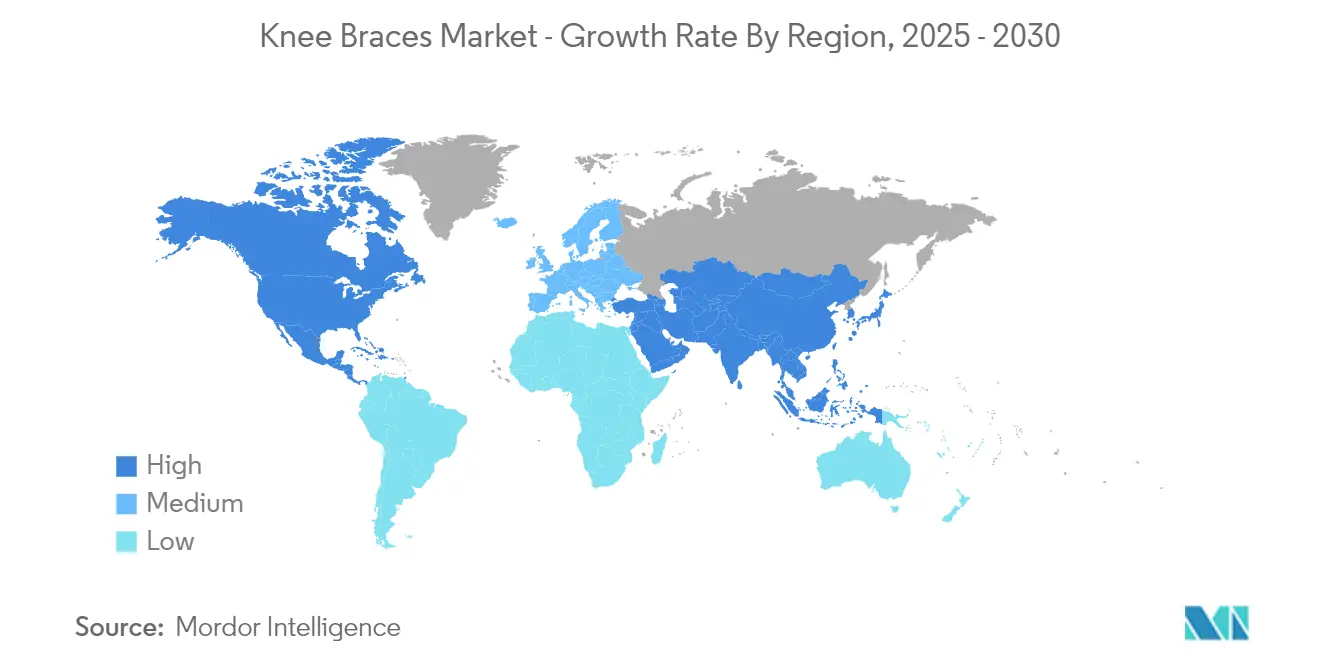
| Fastest Growing Market | Asia Pacific |
| Largest Market | North America |
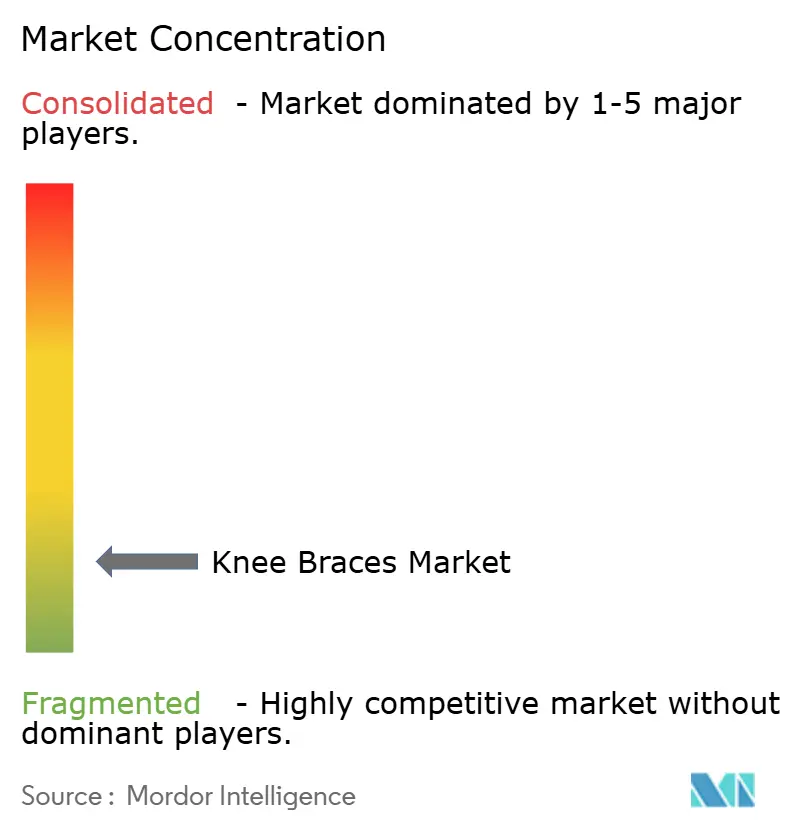
| Market Concentration | Low |
Major Players *Disclaimer: Major Players sorted in no particular order Image © Mordor Intelligence. Reuse requires attribution under CC BY 4.0. | |
Knee Braces Market Analysis by Mordor Intelligence
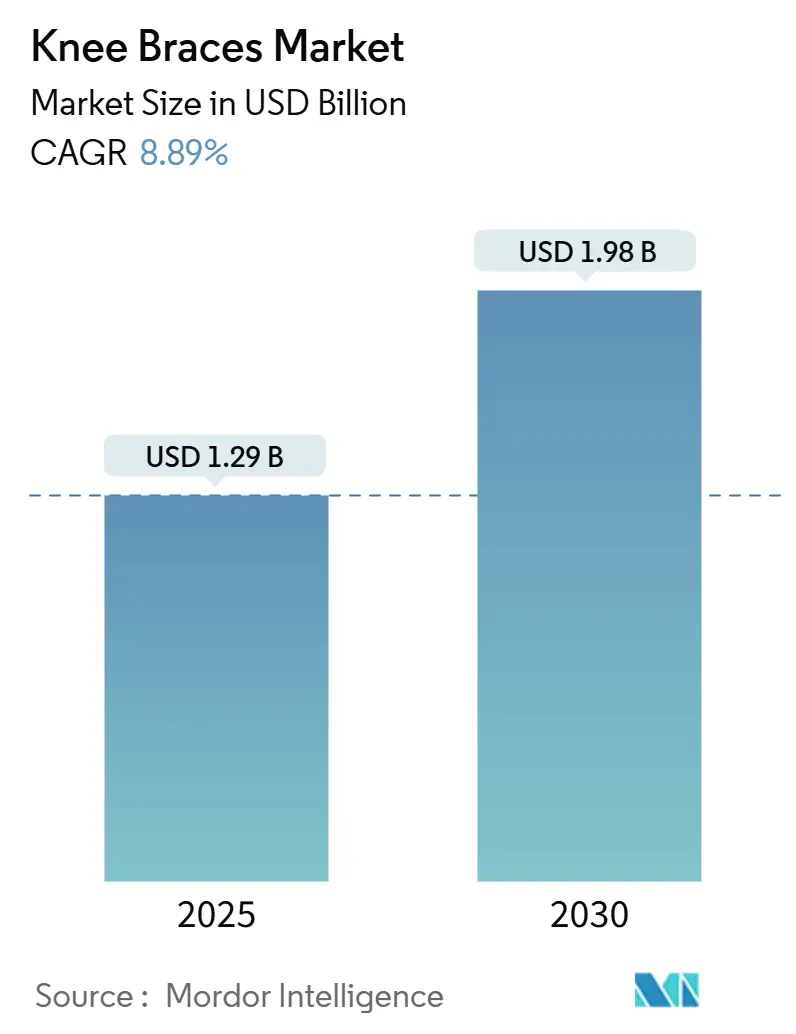
The Knee Braces Market size is estimated at USD 1.29 billion in 2025, and is expected to reach USD 1.98 billion by 2030, at a CAGR of 8.89% during the forecast period (2025-2030).
Knee Braces Market Overview
The knee braces industry is undergoing significant transformation, driven by overarching healthcare trends and advancements in technology. Enovis Corporation's acquisition of LimaCorporate S.p.A. in January 2024 exemplifies the ongoing consolidation within the industry, enhancing Enovis's position in orthopedic reconstruction. This consolidation trend is reshaping the competitive landscape as companies focus on diversifying their product portfolios and expanding their geographical reach. Recent healthcare statistics indicate that approximately 3.5 million sports-related injuries occur annually among children under the age of 14, with nearly 9% involving knee injuries. This data underscores the increasing importance of early intervention and preventive measures.
The industry is experiencing a paradigm shift in product development and manufacturing processes, with a growing emphasis on sustainable and eco-friendly materials. Companies are making substantial investments in research and development to deliver innovative solutions tailored to specific patient needs. For example, DJO introduced the DonJoy ROAM OA knee brace in January 2024, which incorporates advanced unloader technology to provide enhanced pain relief and stability. Additionally, a study published by Northwestern Medicine in November 2023 revealed that women are two to eight times more likely to experience ACL injuries compared to men. This finding has prompted manufacturers to design gender-specific solutions to address this disparity.
Technological integration in knee brace design has reached new levels of sophistication, with manufacturers incorporating smart features and advanced materials. Innovations such as spring-loaded technology and carbon fiber composites have significantly improved product performance and comfort. Furthermore, companies are leveraging data analytics and artificial intelligence to optimize brace designs and enhance patient outcomes. For instance, Spring Loaded Technology's Levitation 2 demonstrates the industry's ability to reduce knee joint load by up to 64% through innovative engineering solutions.
Consumer preferences are shifting towards more personalized and comfortable orthopedic solutions, driving manufacturers to prioritize customization and user experience. The market has also seen a notable transition towards direct-to-consumer sales channels and the integration of telehealth services for brace fitting and adjustment. According to Statistics Austria, 6,110 road traffic accidents resulting in personal injury were recorded in Austria during the first quarter of 2024, marking an 8% increase compared to the same period in 2023. This rise has contributed to the growing demand for rehabilitative knee braces. In response, manufacturers are developing versatile products capable of addressing both acute injury recovery and the management of chronic conditions.
Global Knee Braces Market Trends and Insights
Increasing Prevalence of Osteoarthritis and Knee Injuries
The knee braces market is experiencing substantial growth, primarily driven by the increasing prevalence of osteoarthritis (OA) and other knee-related conditions. According to a report published in the journal Osteoarthritis and Cartilage in November 2024, the prevalence of osteoarthritis has surged by 132.2% over the past 30 years. Furthermore, projections indicate an additional increase of 60% to 100% by 2050. The impact of this condition is further compounded by its strong association with other chronic health issues, such as obesity and diabetes, creating a complex demand for supportive medical devices like knee braces.
Rising awareness about knee health and the implementation of early intervention strategies have significantly boosted the adoption of knee braces as both preventive and therapeutic solutions. Healthcare professionals are increasingly integrating knee braces into comprehensive treatment plans, particularly for individuals aiming to maintain active lifestyles while managing their conditions. The World Health Organization's (WHO) recognition of osteoarthritis as a critical global health challenge has further emphasized the need for accessible treatment options, driving the adoption of knee braces across various patient demographics and age groups.
Rising Incidence of Orthopedic Surgeries and Sports-related Injuries
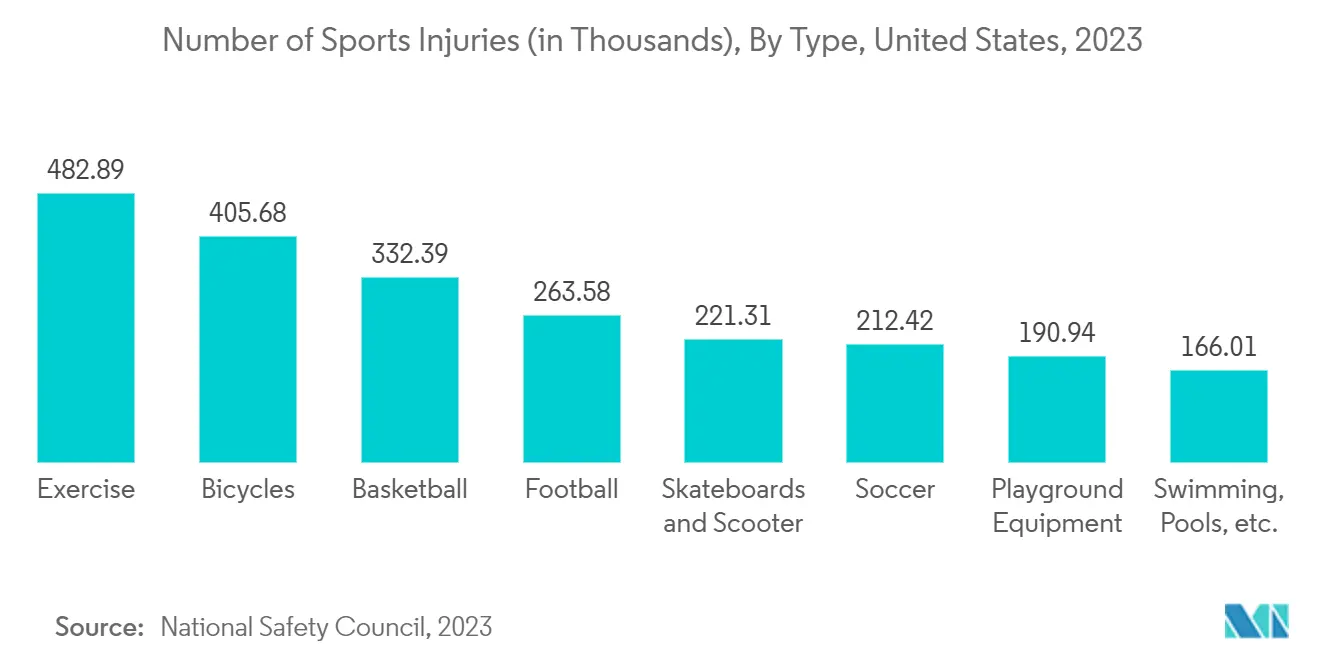
The increasing prevalence of sports-related injuries and subsequent orthopedic surgeries has become a critical driver for market growth. This issue is particularly pronounced among female athletes, who, as reported in 2023, experience anterior cruciate ligament (ACL) injuries at rates two to eight times higher than their male counterparts. According to the National Safety Council, exercise-related injuries rose by 8% in 2023, reaching 482,886 incidents compared to 445,642 in 2022. The 15- to 24-year-old demographic recorded the highest injury rates, with males accounting for 276,377 cases and females for 206,381 cases. Additionally, the United States documented 5,283 fatal work-related injuries in 2023, as outlined in the full National Census of Fatal Occupational Injuries released in December 2024.
The rising participation in competitive sports and recreational activities has intensified the focus on injury prevention and post-injury rehabilitation. Recent data from Medscape, published in October 2024, indicates that approximately 200,000 ACL-related injuries occur annually in the United States, driving significant demand for both preventive and rehabilitative knee braces. The increase in youth sports participation has led to a five-fold surge in knee ACL injuries, further fueling the need for functional knee braces and preventive measures. This trend is supported by growing awareness among athletes, coaches, and healthcare providers regarding the importance of proper joint support and effective injury prevention strategies.
Technological Innovations in Knee Brace Design and Functionality
Recent technological advancements in knee brace design and manufacturing have transformed the market, enhancing efficacy, comfort, and overall user experience. For instance, Spring Loaded Technology's Levitation 2, utilizing spring-loaded technology, has achieved an impressive 64% reduction in knee joint load. Such innovations leverage advanced materials, including carbon fiber, sophisticated composites, and lightweight metals. This allows for the creation of knee braces that are both rigid and comfortable, offering superior support without compromising mobility.
Modern knee braces have seen a boost in functionality due to the integration of smart technology and customization options. Manufacturers are honing in on creating braces that ensure a precise fit and targeted support, thanks to advanced design features and adjustable components. Furthermore, recognizing that 94% of arthritis patients, as highlighted by the American Academy of Orthopaedic Surgeons (AAOS), need support in multiple knee compartments, manufacturers are developing multi-compartment support systems. These technological strides not only bolster patient compliance but also improve treatment outcomes, fueling market growth as adoption rates for these advanced solutions rise.
Knee Braces Market Product Type Segment Analysis
Functional Knee Braces Segment in Knee Braces Market
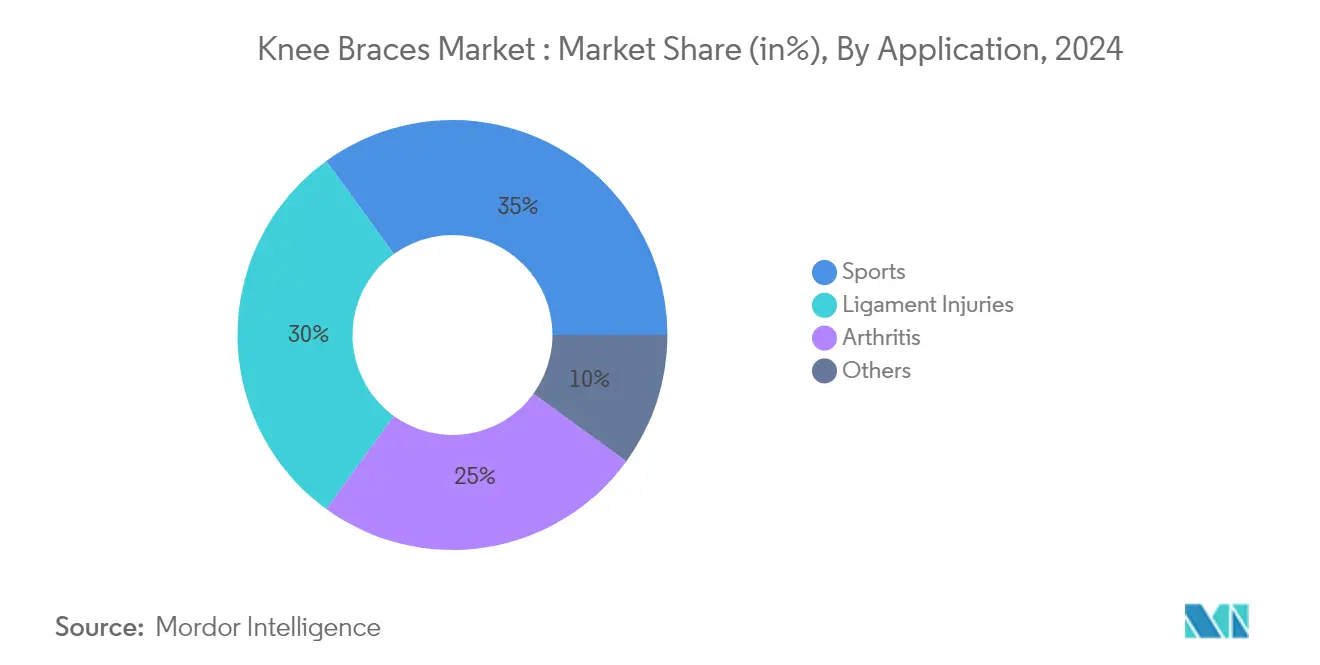
The functional knee braces segment continues to lead the global knee braces market, accounting for approximately 35% of the market share in 2024. This segment's dominance is primarily attributed to the growing utilization of functional knee braces in both professional sports and recreational activities. Advancements in material science have resulted in the development of lighter and more durable designs, further enhancing the segment's performance. Healthcare professionals consistently recommend functional knee braces for patients recovering from anterior cruciate ligament (ACL) injuries and other ligament damages, ensuring sustained demand. Additionally, increasing awareness among amateur athletes regarding injury prevention and the significance of joint stability during physical activities contributes to the segment's growth. The incorporation of smart technologies and customizable features has further increased the appeal of functional knee braces, particularly among younger, technology-oriented consumers. Furthermore, the segment benefits from robust distribution networks and strategic collaborations with sports organizations and rehabilitation centers, reinforcing its strong market position.
Rehabilitative Knee Braces Segment in Knee Braces Market
The rehabilitative knee braces segment is anticipated to be the fastest-growing category within the knee braces market, with a projected CAGR of 9.5% from 2025 to 2030. This significant growth is primarily driven by the increasing volume of knee surgeries and the expanding elderly population requiring post-operative care. The segment's growth trajectory is further bolstered by advancements in adjustable compression technologies and patient-specific customization options. Healthcare providers are progressively incorporating rehabilitative knee braces into standard post-surgical recovery protocols, which is fostering consistent demand. Additionally, the segment benefits from innovations in materials technology, enabling the creation of more comfortable and effective designs focused on recovery. The rising awareness regarding the importance of proper rehabilitation following knee injuries or surgeries has also been a key contributor to this growth. Furthermore, the integration of telehealth services and remote patient monitoring capabilities into newer rehabilitative knee brace designs is expected to further propel the segment's expansion throughout the forecast period.
Knee Braces Market Application Segment Analysis
Sports Segment in Knee Braces Market
The sports segment holds a leading position in the global knee braces market, accounting for approximately 35% of the total market share 2024. This leadership is attributed to the growing participation in both professional and recreational sports activities across the globe. The segment's strong performance is further supported by the increasing awareness among athletes and fitness enthusiasts regarding the importance of injury prevention. Mandatory protective gear policies implemented by professional sports organizations and teams have also played a crucial role in driving the segment's growth. Additionally, the adoption of advanced materials and innovative designs in sports-specific knee braces has significantly increased their usage among athletes. The rising focus on youth sports safety and the expansion of sports medicine programs have further fueled the demand for these products. Furthermore, the segment benefits from an extensive distribution network, including sporting goods retailers and specialized sports medicine clinics, which enhances its market penetration.
Arthritis Segment in Knee Braces Market
The arthritis segment is emerging as the fastest-growing category in the knee braces market, with a projected CAGR of approximately 10% during the forecast period from 2025 to 2030. This significant growth is primarily attributed to the increasing prevalence of osteoarthritis and rheumatoid arthritis among aging populations worldwide. The segment's expansion is further driven by advancements in technology, particularly in unloader knee braces specifically designed for arthritis patients. The growing recommendation of knee braces by healthcare providers as a non-invasive treatment option for managing arthritis is also contributing to the segment's growth. Furthermore, the development of lightweight, comfortable, and adjustable knee braces has enhanced patient compliance and adoption rates. Additionally, the rising awareness of conservative treatment methods and the increasing preference for non-pharmaceutical interventions have played a crucial role in accelerating the segment's growth. The integration of smart technologies and pressure-sensing features into arthritis-specific knee braces is anticipated to further drive the segment's expansion in the coming years.
Knee Braces Market End-User Segment Analysis
Hospitals Segment in Knee Braces Market
The hospitals segment holds a leading position in the knee braces market, accounting for approximately 35% of the total market share in 2024. This dominance is primarily driven by the comprehensive nature of hospital-based orthopedic care, which encompasses both emergency treatments and planned procedures. Hospitals act as key centers for post-surgical rehabilitation and immediate trauma care, creating a consistent demand for various types of knee braces. The segment's strong performance is further supported by well-established insurance reimbursement protocols and the presence of specialized orthopedic departments. Additionally, hospitals' ability to manage bulk inventories and their dual role in inpatient and outpatient care significantly contribute to their market leadership. The segment also benefits from the growing number of knee replacement surgeries and the increasing incidence of sports-related injuries that require prompt medical intervention.
OTC Sales Segment in Knee Braces Market
The over-the-counter (OTC) sales segment is anticipated to be the fastest-growing category within the knee braces market, forecasted to achieve a compound annual growth rate (CAGR) of 8% during the period from 2025 to 2030. This significant growth is primarily driven by the increasing consumer demand for self-care solutions and the expanding distribution of knee braces across diverse retail channels. The segment's expansion is further supported by the growing utilization of e-commerce platforms, which have enhanced accessibility for consumers. Additionally, heightened product awareness through digital marketing initiatives and the introduction of user-friendly, adjustable knee brace designs are key factors contributing to this growth. The rising emphasis on preventive healthcare and the increasing engagement in sports activities among the general population are also fueling the segment's upward trajectory. Furthermore, manufacturers are focusing on producing cost-effective, high-quality OTC products to capitalize on the expanding market potential.
Knee Braces Market Geography Segment Analysis
Knee Braces Market in North America
North America holds a leading position in the global knee braces market, driven by its advanced healthcare infrastructure, substantial healthcare expenditure, and the rising incidence of knee-related conditions. The region benefits from a high level of awareness regarding knee injuries, well-established reimbursement policies, and the strong presence of prominent market players. The United States, Canada, and Mexico collectively strengthen the region's market dominance through extensive distribution networks, advancements in knee brace design technology, and the increasing adoption of preventive healthcare measures.
Knee Braces Market in United States
The United States maintains its position as the largest market for knee braces in North America, commanding approximately 38% of the global market share in 2024. The country's market dominance is attributed to its sophisticated healthcare system, high participation in sports activities, and increasing geriatric population prone to knee-related conditions. The presence of leading manufacturers, extensive research and development activities, and favorable reimbursement policies further strengthen the market. Additionally, the rising incidence of sports injuries and growing awareness about knee injury prevention contribute to the steady market growth in the United States.
Knee Braces Market in Mexico
Mexico emerges as the fastest-growing market for knee braces in North America, projected to grow at approximately 8% CAGR from 2025-2030. The country's market expansion is driven by improving healthcare infrastructure, increasing healthcare expenditure, and growing awareness about orthopedic conditions. Rising sports participation among younger demographics, coupled with the growing prevalence of obesity and related knee conditions, fuels market growth. The country's healthcare modernization initiatives and increasing access to advanced medical devices further accelerate market development.
Knee Braces Market in Europe
Europe represents a significant market for knee braces, characterized by sophisticated healthcare systems, high healthcare expenditure, and strong emphasis on sports medicine. The region's market is driven by countries including the United Kingdom, Germany, France, Italy, Spain, and the Nordic nations of Norway, Sweden, and Denmark. The presence of established manufacturers, advanced research facilities, and increasing adoption of innovative knee brace technologies contributes to market growth across the region.
Knee Braces Market in United Kingdom
In 2024, the United Kingdom holds a significant share of the market. This leadership is driven by the country's extensive National Health Service (NHS), a strong focus on sports medicine, and the increasing prevalence of knee-related conditions. The UK's advanced research infrastructure, along with growing awareness of knee injury prevention and management, supports market growth. Furthermore, the aging population and rising engagement in sports activities within the country contribute to the market's expansion.
Knee Braces Market in Germany
Germany demonstrates the highest growth potential in the European knee braces market, with an expected CAGR of approximately 7.5% from 2025-2030. The country's market growth is driven by its advanced healthcare infrastructure, strong emphasis on preventive care, and increasing adoption of innovative medical technologies. The rising prevalence of sports-related injuries, coupled with growing awareness about knee health among the active population, fuels market expansion. Germany's robust healthcare reimbursement system and presence of key market players further accelerate market development.
Knee Braces Market in Asia-Pacific
The Asia-Pacific region represents a rapidly evolving market for knee braces, characterized by improving healthcare infrastructure, rising healthcare awareness, and increasing disposable income. Countries including Japan, China, India, Australia, South Korea, and Thailand contribute to the region's growing market presence. The region's large population base, coupled with rising sports participation and increasing prevalence of knee-related conditions, drives market growth.
Knee Braces Market in China
China emerges as the largest market for knee braces in the Asia-Pacific region, driven by its vast population base, improving healthcare infrastructure, and increasing healthcare expenditure. The country's growing emphasis on sports participation, rising geriatric population, and increasing awareness about knee health contribute to market leadership. The presence of domestic manufacturers and improving access to healthcare services further strengthens China's market position.
Knee Braces Market in India
India represents the fastest-growing market for knee braces in the Asia-Pacific region, driven by rapid healthcare infrastructure development, increasing healthcare awareness, and growing sports participation. The country's large young population, rising prevalence of knee-related conditions, and improving access to healthcare services contribute to market growth. The increasing adoption of preventive healthcare measures and growing awareness about knee injury management further accelerate market expansion.
Knee Braces Market in Middle East and Africa
The Middle East and Africa region shows promising growth in the knee braces market, with South Africa, Saudi Arabia, UAE, and Kuwait driving regional development. The region's market growth is supported by improving healthcare infrastructure, increasing healthcare expenditure, and rising awareness about orthopedic conditions. Saudi Arabia emerges as the largest market in the region, while the UAE demonstrates the fastest growth potential. The region's focus on healthcare modernization and increasing adoption of advanced medical technologies contributes to market expansion.
Knee Braces Market in South America
South America demonstrates significant growth potential in the knee braces market, with Brazil and Argentina leading regional development. The region's market growth is driven by improving healthcare infrastructure, increasing healthcare awareness, and rising sports participation. Brazil emerges as the largest market in the region, while Argentina shows the fastest growth potential. The region's growing emphasis on preventive healthcare, coupled with increasing awareness about knee injury management, contributes to market expansion.
Competitive Landscape
Top Companies in Knee Braces Market
The knee braces market is led by prominent players including Bauerfeind USA Inc., Breg, Inc., Dicarre LLC, Enovis (DJO, LLC), McDavid., Mueller Sports Medicine, Inc., Össur, Ottobock, TYNOR ORTHOTICS, and Hely & Weber. These companies are actively pursuing product innovation through the development of advanced materials and smart technology integration in knee braces. The industry witnesses continuous investment in research and development to create more ergonomic and effective designs, with a particular focus on improving patient comfort and mobility. Companies are expanding their geographical presence through strategic partnerships and distribution agreements, while also diversifying their product portfolios through both organic growth and acquisitions. Operational agility is demonstrated through rapid adaptation to changing market demands, particularly in response to the growing need for sports-specific and customized bracing solutions.
Dynamic Market Structure Drives Competitive Evolution
The knee braces market exhibits a moderately fragmented structure with a mix of global conglomerates and specialized orthopedic device manufacturers. Global players leverage their extensive distribution networks and comprehensive product portfolios to maintain market dominance, while regional specialists thrive by focusing on niche segments and local market understanding. The market is characterized by ongoing consolidation activities, as larger companies seek to acquire innovative startups and regional players to enhance their technological capabilities and expand their geographical footprint. The competitive dynamics are further shaped by the presence of numerous small-to-medium enterprises that specialize in specific product categories or regional markets.
The industry has witnessed significant merger and acquisition activity, particularly focused on acquiring companies with complementary technologies or strong regional presence. Major players are increasingly pursuing vertical integration strategies to strengthen their control over the supply chain and enhance manufacturing capabilities. The market also sees strategic collaborations between manufacturers and healthcare providers to develop more effective and user-friendly products. These partnerships often extend to research institutions and sports organizations, creating a collaborative ecosystem that drives innovation and market growth.
Innovation and Adaptability Define Future Success
For established players to maintain and expand their market share, focus must be placed on continuous product innovation, particularly in developing customizable and technologically advanced braces. Companies need to invest in digital transformation initiatives, including e-commerce platforms and direct-to-consumer channels, while maintaining strong relationships with healthcare providers and insurance companies. Success will also depend on the ability to navigate regulatory requirements across different regions while maintaining cost competitiveness through efficient manufacturing processes and supply chain optimization. Building strong brand recognition through evidence-based marketing and clinical validation of products will become increasingly important.
New entrants and challenger brands can gain market share by focusing on underserved market segments and developing specialized products for specific conditions or user groups. Companies must consider the increasing influence of healthcare providers and insurance companies in product selection, while also addressing the growing trend of consumer empowerment in healthcare decisions. Future success will depend on the ability to balance product innovation with cost-effectiveness, particularly as healthcare systems globally focus on value-based care. Companies must also prepare for potential regulatory changes regarding medical device approval processes and reimbursement policies, while maintaining flexibility to adapt to evolving market conditions and consumer preferences.
Knee Braces Industry Leaders
-
Bauerfeind USA Inc.
-
Enovis (DJO, LLC)
-
Mueller Sports Medicine, Inc.
-
Össur
-
Ottobock
- *Disclaimer: Major Players sorted in no particular order
Recent Industry Developments
- February 2025: Icarus Medical has unveiled the Adonis Knee Brace, harnessing innovative "joint-distraction" technology to offer precise joint unloading for those suffering from medial and lateral osteoarthritis. Prioritizing patient comfort and ease of use, the Adonis Knee Brace boasts a lightweight, form-fitting design. This ensures stability during daily activities, effectively preventing any unwanted migration or discomfort.
- February 2024: EVS Sports has announced the launch of the Web Eclipse Knee Brace, establishing a new standard for high-performance knee braces. Specifically designed for individuals seeking superior protection and performance, the Web Eclipse is meticulously engineered using reinforced, aerospace-grade 12K carbon fiber. This advanced material makes it one of the lightest yet strongest knee braces currently available in the market.
- January 2024: Enovis Corporation's DJO subsidiary launched the DonJoy ROAM OA knee brace designed for patients with osteoarthritis and knee instability. The brace features advanced unloader technology to reduce knee pressure and enhance mobility.
- December 2023: Tynor Orthotics Private Limited expanded operations with a new 240,000 square feet manufacturing facility in Mohali, Punjab. The state-of-the-art facility aims to revolutionize orthopedic product offerings including mobility aids, hot/cold therapy, and advanced knee braces.
Global Knee Braces Market Report Scope
As per the scope of the report, knee braces are orthopedic devices designed to provide support, stability, and protection to the knee joint, commonly used for injury prevention, post-surgical recovery, arthritis management, or enhanced performance in sports. Made from materials like metal, plastic, foam, or elastic fabrics, knee braces help reduce pain, improve mobility, and prevent further injury by stabilizing the knee and controlling movement.
The knee braces market is segmented as product type, application, end-user, and geography. By product type, the market is segmented as prophylactic knee braces, functional knee braces, rehabilitative knee braces, and unloader knee braces. By application, the market is segmented as sports, ligament injuries, arthritis, and others. By end-user, the market is segmented as orthopedic clinics, over-the-counter (OTC) sales, hospitals, DME dealers, and others. By geography, the market is segmented into North America, Europe, Asia-Pacific, Middle East and Africa, and South America. The market report also covers the estimated market sizes and trends for 17 countries across major regions, globally. The report offers the value (in USD) for the above-mentioned segments.
| Prophylactic Knee Braces |
| Functional Knee Braces |
| Rehabilitative Knee Braces |
| Unloader Knee Braces |
| Sports |
| Ligament Injuries |
| Arthritis |
| Others |
| Orthopedic Clinics |
| Over-The-Counter (OTC) Sales |
| Hospitals |
| DME Dealers |
| Others |
| North America | United States |
| Canada | |
| Mexico | |
| Europe | Germany |
| United Kingdom | |
| France | |
| Italy | |
| Spain | |
| Rest of Europe | |
| Asia-Pacific | China |
| Japan | |
| India | |
| Australia | |
| South Korea | |
| Rest of Asia-Pacific | |
| Middle East and Africa | GCC |
| South Africa | |
| Rest of Middle East and Africa | |
| South America | Brazil |
| Argentina | |
| Rest of South America |
| By Product Type | Prophylactic Knee Braces | |
| Functional Knee Braces | ||
| Rehabilitative Knee Braces | ||
| Unloader Knee Braces | ||
| By Application | Sports | |
| Ligament Injuries | ||
| Arthritis | ||
| Others | ||
| By End-User | Orthopedic Clinics | |
| Over-The-Counter (OTC) Sales | ||
| Hospitals | ||
| DME Dealers | ||
| Others | ||
| Geography | North America | United States |
| Canada | ||
| Mexico | ||
| Europe | Germany | |
| United Kingdom | ||
| France | ||
| Italy | ||
| Spain | ||
| Rest of Europe | ||
| Asia-Pacific | China | |
| Japan | ||
| India | ||
| Australia | ||
| South Korea | ||
| Rest of Asia-Pacific | ||
| Middle East and Africa | GCC | |
| South Africa | ||
| Rest of Middle East and Africa | ||
| South America | Brazil | |
| Argentina | ||
| Rest of South America | ||
Key Questions Answered in the Report
How big is the Knee Braces Market?
The Knee Braces Market size is expected to reach USD 1.29 billion in 2025 and grow at a CAGR of 8.89% to reach USD 1.98 billion by 2030.
What is the current Knee Braces Market size?
In 2025, the Knee Braces Market size is expected to reach USD 1.29 billion.
Which is the fastest growing region in Knee Braces Market?
Asia Pacific is estimated to grow at the highest CAGR over the forecast period (2025-2030).
Which region has the biggest share in Knee Braces Market?
In 2025, the North America accounts for the largest market share in Knee Braces Market.
What years does this Knee Braces Market cover, and what was the market size in 2024?
In 2024, the Knee Braces Market size was estimated at USD 1.18 billion. The report covers the Knee Braces Market historical market size for years: 2019, 2020, 2021, 2022, 2023 and 2024. The report also forecasts the Knee Braces Market size for years: 2025, 2026, 2027, 2028, 2029 and 2030.