
Hereditary Deafness Market Size and Share
Market Overview
| Study Period | 2020 - 2031 |
|---|---|
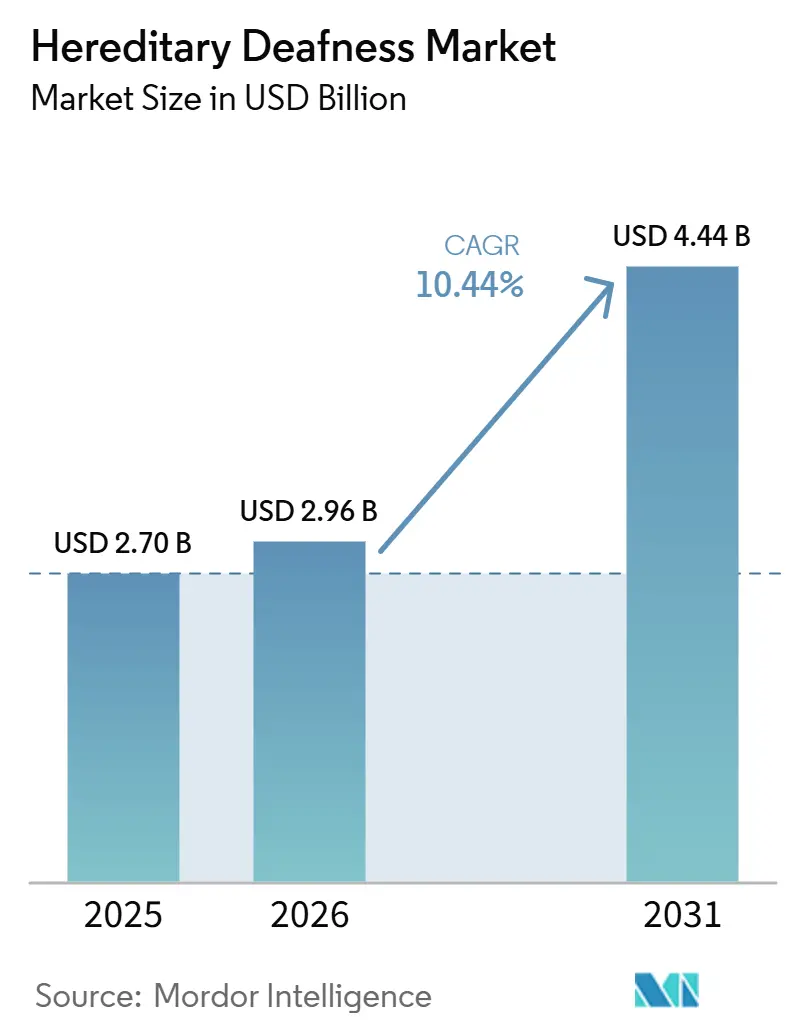
| Market Size (2026) | USD 2.96 Billion |
| Market Size (2031) | USD 4.44 Billion |
| Growth Rate (2026 - 2031) | 10.44 % |
| Fastest Growing Market | Asia-Pacific |
| Largest Market | North America |
| Market Concentration | Medium |
Major Players *Disclaimer: Major Players sorted in no particular order Image © Mordor Intelligence. Reuse requires attribution under CC BY 4.0. | |
Hereditary Deafness Market Analysis by Mordor Intelligence
The Hereditary Deafness Market size was valued at USD 2.70 billion in 2025 and is estimated to grow from USD 2.96 billion in 2026 to reach USD 4.44 billion by 2031, at a CAGR of 10.44% during the forecast period (2026-2031).
Growth rests on wider genetic screening for newborns, lower-cost multigene sequencing, and the arrival of a gene therapy for OTOF-related deafness. The U.S. Food and Drug Administration approved Otarmeni in April 2026 as a disease-modifying treatment for genetic hearing loss, creating a clinical path that requires molecular confirmation before treatment can be considered. Genetic results now affect monitoring, cochlear implant referral, ototoxicity prevention, and access to emerging therapies. Hearing loss affects more than 5% of the global population, while genetic factors account for many congenital cases, supporting sustained demand for testing and specialist services. The hereditary deafness market is therefore moving from symptom-led care toward pathways built around molecular diagnosis and treatment
Key Report Takeaways
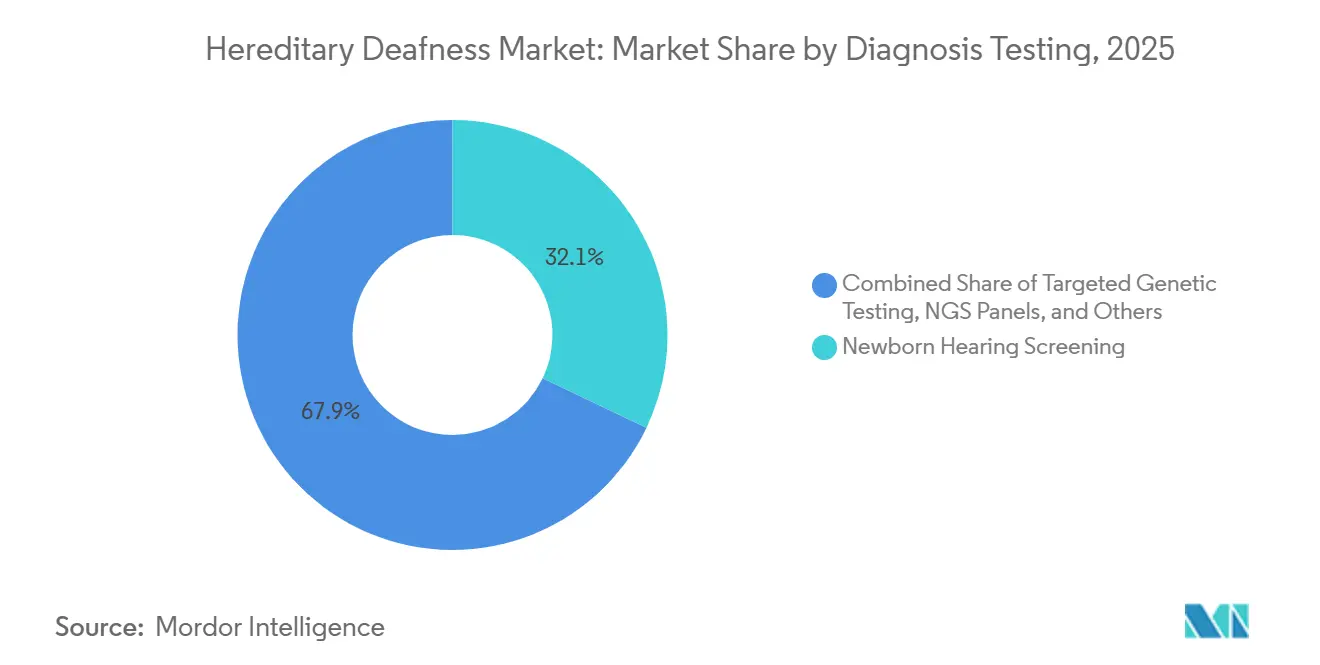
- By diagnosis and testing, Newborn Hearing Screening held 32.1% revenue share in 2025, while Whole Exome/Genome Sequencing recorded the highest projected CAGR at 14.5% through 2031.
- By genetic etiology, GJB2/GJB6-Related Deafness held 28.4% revenue share in 2025, while OTOF-Related Deafness recorded the highest projected CAGR at 16% through 2031.
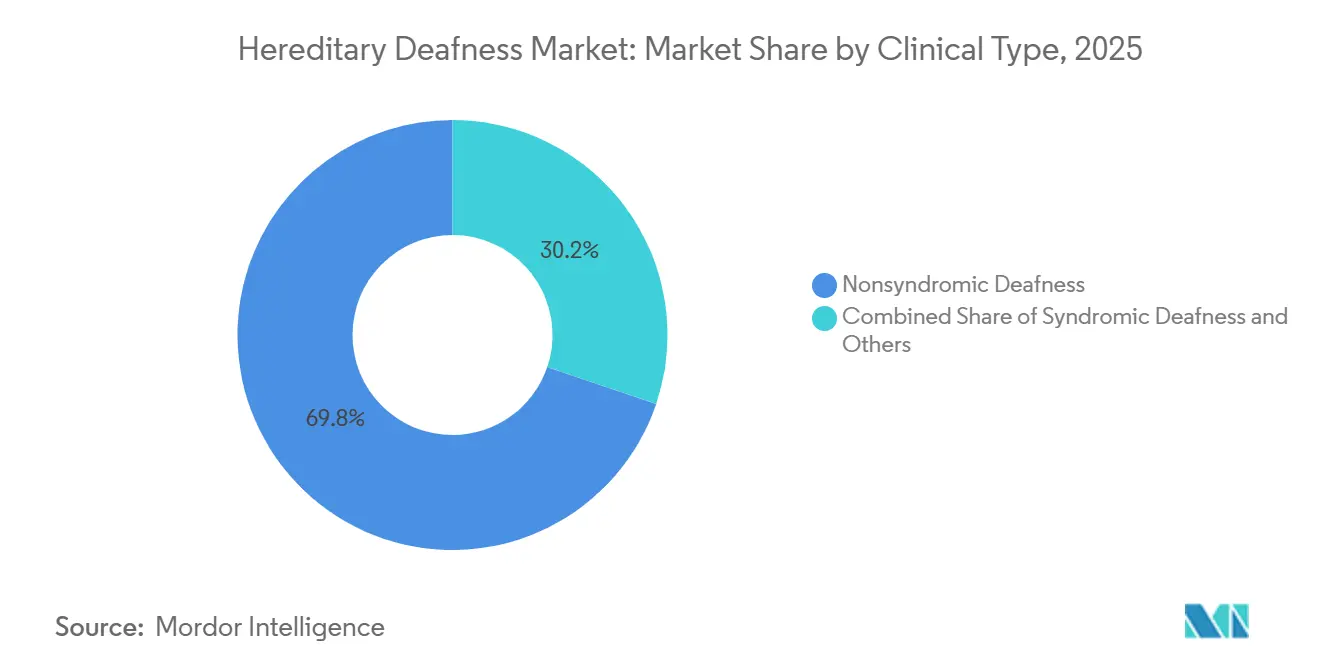
- By clinical type, Nonsyndromic Deafness held 69.8% revenue share in 2025, while Auditory Neuropathy Spectrum Disorder recorded the highest projected CAGR at 12.8% through 2031.
- By inheritance pattern, Autosomal Recessive held 74.6% revenue share in 2025, while X-Linked and Mitochondrial patterns recorded the highest projected CAGR at 11.8% through 2031.
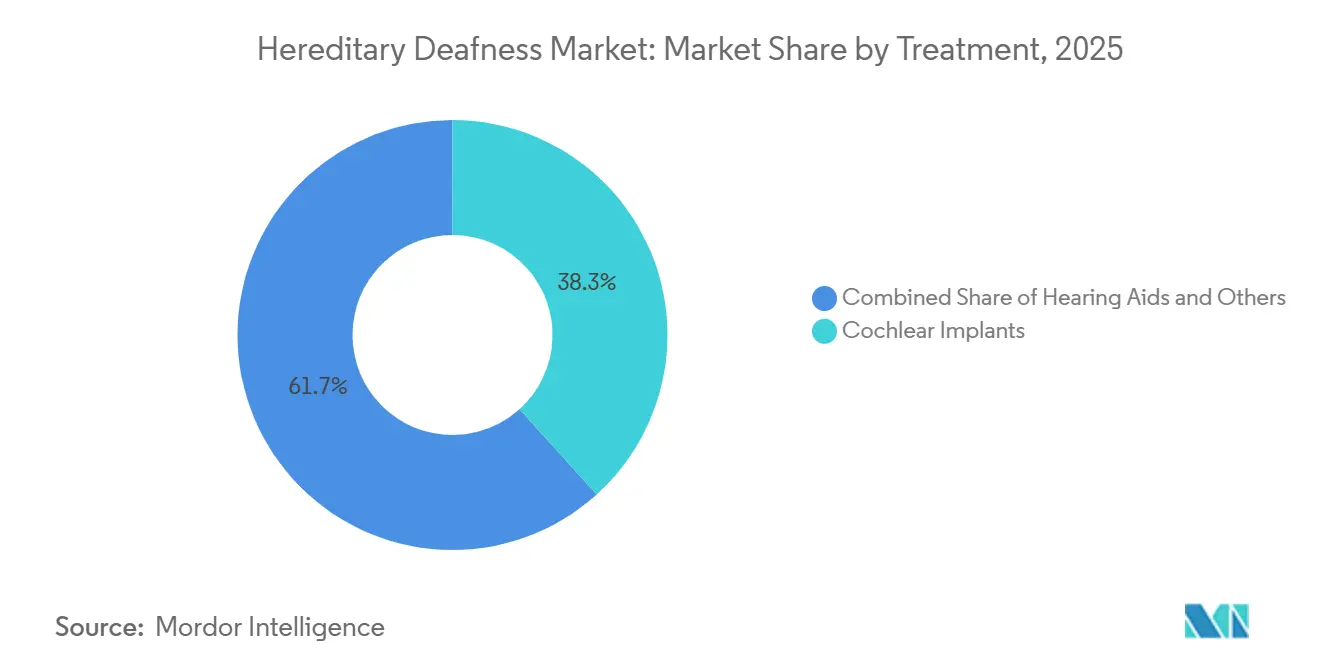
- By treatment, Cochlear Implants held 38.3% revenue share in 2025, while Emerging Genetic Therapies recorded the highest projected CAGR at 24% through 2031.
- By end user, Hospitals and Audiology Clinics held 45.2% revenue share in 2025, while Diagnostic Laboratories recorded the highest projected CAGR at 13.5% through 2031.
Note: Market size and forecast figures in this report are generated using Mordor Intelligence’s proprietary estimation framework, updated with the latest available data and insights as of January 2026.
Global Hereditary Deafness Market Trends and Insights
Drivers Impact Analysis*
| Driver | (~) % Impact on CAGR Forecast | Geographic Relevance | Impact Timeline |
|---|---|---|---|
| Expansion Of Newborn And Pediatric Genetic Hearing Screening | +2.8% | Global, with highest volumes in North America, Europe, and urban Asia Pacific | Medium term (2-4 years) |
| Falling Cost And Wider Coverage Of Multigene NGS Panels | +2.3% | Global, with stronger cost gains in Asia Pacific and South America | Short term (≤ 2 years) |
| First Commercial Gene Therapy Approval For OTOF-Related Deafness | +1.6% | North America, Europe, and high-income Asia Pacific | Long term (≥ 4 years) |
| Earlier Cochlear Implant Referral Enabled By Molecular Diagnosis | +1.2% | Global, with the strongest current effect in North America and Europe | Short term (≤ 2 years) |
| Population-Specific Variant Knowledge Improving Diagnostic Yield | +0.9% | Asia Pacific, with spillover to the Middle East, Africa, and South America | Medium term (2-4 years) |
| Genetic Selection For Hearing Preservation And Ototoxicity Avoidance | +0.7% | North America and Europe | Long term (≥ 4 years) |
| Source: Mordor Intelligence | |||
Expansion of Newborn and Pediatric Genetic Hearing Screening
Newborn genetic screening is expanding beyond physiologic hearing checks into multigene programs that can identify risk before symptoms appear. Ontario combined hearing and genetic screening, and its 3-year review showed that the program identified GJB2- and SLC26A4-related hearing loss in newborns who passed standard audiological screening[1]Jessica Dunn et al., “Newborn Screening for Common Genetic Variants Associated with Permanent Hearing Loss: Implementation in Ontario and Review of the First 3 Years,” Genetics in Medicine. A 2026 prospective cohort found that a 12-gene strategy costing USD 70 identified 71% more cases than physiologic screening alone, while only 0.4% of infants needed audiological assessment. Infants with GJB2 c.109G>A homozygous variants who pass initial screening can enter regular audiological monitoring because their risk may emerge later. This expands future demand for diagnostic laboratories and audiology clinics across the hereditary deafness market. It also gives screening programs a more direct role in shaping later care demand. U.S. recommendations from the Advisory Committee on Heritable Disorders in Newborns and Children, together with related programs in European countries, will influence the pace of wider adoption.
Falling Cost and Wider Coverage of Multigene NGS Panels
Lower sequencing costs are moving comprehensive hearing-gene panels closer to routine use in specialist care. The University of Iowa[2]University of Iowa Molecular Otolaryngology and Renal Research Laboratories, “OtoSCOPE Genetic Hearing Loss Testing v9,” University of Iowa updated its OtoSCOPE v9 panel in April 2025 to screen 200 genes at a list price of USD 2,050. Blueprint Genetics offers a 288-gene hearing loss panel that includes non-coding variant assessment, showing how testing breadth continues to increase. A scientific meta-analysis found pooled diagnostic yields of 45% for targeted panels and 42% for whole-exome sequencing, which indicates that larger panels alone do not resolve every case. The hereditary deafness market will therefore depend on stronger variant interpretation as well as wider sequencing coverage. This balance affects both laboratory investment and the clinical value of a broader panel. Whole-exome and whole-genome testing is increasingly used after initial testing does not identify a cause, while CAP, CLIA, and ISO 15189 requirements remain necessary standards for laboratories.
First Commercial Gene Therapy Approval for OTOF-Related Deafness
The FDA approved Otarmeni on April 23, 2026, after a 61-day review under the Commissioner’s National Priority Voucher program. The approval applies to OTOF-related severe-to-profound sensorineural hearing loss and established the first disease-modifying treatment for a genetic form of hearing loss. In the pivotal study, 80% of 20 efficacy-evaluable patients showed hearing improvement after a one-time intracochlear administration. Earlier CHORD trial data reported notable improvement in 10 of 11 treated children, and 3 of 5 children assessed at 24 weeks reached nearly normal or normal hearing levels. Treatment eligibility requires confirmed biallelic OTOF variants and preserved outer-hair-cell function, making genetic testing and detailed audiological phenotyping necessary before referral. An international expert consensus also places molecular diagnosis at the center of patient selection for hereditary hearing-loss gene therapy
Earlier Cochlear Implant Referral Enabled by Molecular Diagnosis
Molecular diagnosis can shorten the path to cochlear implant referral by reducing uncertainty in infants with auditory neuropathy spectrum disorder. Genetic confirmation is now used in pre-implant assessment for some patients with OTOF-related auditory neuropathy and progressive sensorineural hearing loss. A 2025 study of 72 participants in China found stronger auditory and speech perception outcomes at 6 and 12 months for gene therapy recipients than for cochlear-implant-only recipients. The evidence is specific to OTOF-related congenital deafness, but it changes the discussion about the appropriate order of intervention. Patients without viable hair cells can proceed to cochlear implantation, while patients with functionally impaired but structurally intact hair cells may be considered for gene therapy. This clearer allocation can reduce unsuitable referrals and support clinical acceptance of both treatment pathways in the hereditary deafness market. It also links testing decisions more closely to device and therapy demand.
Restraints Impact Analysis*
| Restraint | (~) % Impact on CAGR Forecast | Geographic Relevance | Impact Timeline |
|---|---|---|---|
| Uneven Reimbursement For Genetic Testing And Advanced Interventions | -1.4% | Global, most acute in South America, the Middle East, Africa, and rural Asia Pacific | Long term (≥ 4 years) |
| Variant Interpretation Gaps And Persistent Unresolved Diagnoses | -0.8% | Global, with the highest burden in regions with limited specialist laboratories | Medium term (2-4 years) |
| Anti-AAV Immunity And Cochlear Delivery Constraints | -0.6% | Global, with a greater challenge where prior AAV seroprevalence is high | Long term (≥ 4 years) |
| Limited Specialist Capacity For Integrated Genetics And Audiology Care | -0.5% | South America, the Middle East, Africa, and rural Asia Pacific | Medium term (2-4 years) |
| Source: Mordor Intelligence | |||
Uneven Reimbursement for Genetic Testing and Advanced Interventions
Coverage for hereditary hearing-loss testing remains conditional across major insurance systems. U.S. payer policies[3]eviCore Healthcare, “Nonsyndromic Hearing Loss and Deafness Genetic Testing Clinical Guidelines,” eviCore commonly require documented hearing loss and exclusion of non-hereditary causes before approving multigene testing under CPT 81430 or CPT 81431. Policies may limit testing to once in a patient’s lifetime and identify genes such as GJB2, STRC, SLC26A4, TECTA, MYO15A, and MYO7A as early candidates. Otarmeni and later gene therapies require benefit-category decisions that many public and private payers have not yet established. This can limit uptake even where clinical evidence supports treatment. The restriction is more severe in South America and the Middle East, where reimbursement pathways for hereditary hearing disorder testing remain limited or are still developing. Limited genetics-audiology specialist capacity in rural Asia Pacific and these regions further slows referral and treatment access.
Variant Interpretation Gaps and Persistent Unresolved Diagnoses
Comprehensive sequencing still leaves many hereditary hearing-loss cases without a confirmed molecular cause. A 2025 study reported that whole-exome sequencing identified a causative variant in 25% to 35% of patients who were negative for GJB2 and STRC mutations. Variants of uncertain significance are common, reclassification takes time, and patients are not always contacted when an interpretation changes. A Swedish whole-genome sequencing study found a 45% diagnostic yield in a tertiary referral setting, leaving 55% unresolved. A Korean study found that whole-genome sequencing after unsuccessful whole-exome sequencing delivered an additional 19.2% diagnostic resolution, but the required infrastructure is difficult to fund outside academic centers. Underrepresented populations in Asia, Africa, and South America need stronger variant databases, while prior infection-related anti-AAV antibodies and local inflammation after intracochlear delivery constrain repeat dosing and referral pathways
*Our forecasts treat driver/restraint impacts as directional, not additive. The impact forecasts reflect baseline growth, mix effects, and variable interactions.
Segment Analysis
By Diagnosis & Testing: Genomic Sequencing Takes a Larger Clinical Role
Newborn Hearing Screening held 32.1% of the diagnosis and testing segment in 2025, reflecting its role as the first point of hearing-loss detection in neonatal care. A study[4]“Screening for Hearing Impairment in Newborns Using Targeted Genomic Sequencing,” Clinical and Experimental Otorhinolaryngology of 8,261 newborns found that 126 of 164 children with a genetic diagnosis had passed physiologic screening, showing that conventional testing can miss infants at risk of later sensorineural hearing impairment. This gap supports demand for targeted testing and NGS panels that confirm results or assess families after an initial screen. Newborn programs can identify a child’s hearing status, but they do not always show the cause or the risk of progression. As genetic screening is added to hearing pathways, laboratories gain a larger role in follow-up testing. The hereditary deafness market has a larger future service base when screening identifies children who need surveillance rather than an immediate device.
Whole Exome/Genome Sequencing is forecast to expand at a 14.5% CAGR through 2031, the highest rate within this segmentation. Its use grows as costs fall and laboratories seek cryptic intronic variants, copy number variants, and mitochondrial DNA changes that targeted approaches may not find. Sequencing is commonly positioned after targeted tests have not resolved a case, rather than replacing all first-line tests. Copy Number and Mitochondrial Testing remains smaller, but whole-genome platforms increasingly include these analyses as part of the same workflow. That bundling may reduce the need for stand-alone copy-number assays over time. The hereditary deafness industry is shifting toward testing pathways that combine initial screening, confirmatory panels, and higher-depth sequencing where needed.



By Genetic Etiology: GJB2/GJB6 Retains Volume While OTOF Supports Therapy Demand
GJB2/GJB6-Related Deafness accounted for 28.4% of the genetic etiology segment in 2025, the largest share because connexin 26 mutations are a common autosomal recessive cause of nonsyndromic hearing loss. A 2024 meta-analysis covering 18,968 patients from 24 countries found a GJB2 mutation prevalence of 25.9% in nonsyndromic hearing impairment. The highest reported prevalence was 38.5% in Middle Eastern populations, while c.35delG was more common in European populations and c.235delC in East Asian populations. This geographic variation affects which variants are included in first-line panels. Sensorion’s GJB2-GT program targets pediatric congenital deafness and early-onset presbycusis, a broader population than current OTOF-focused therapy programs. GJB2/GJB6 testing will remain central to the hereditary deafness market because it supports diagnosis across many populations.
OTOF-Related Deafness is forecast to grow at a 16% CAGR through 2031, the fastest genetic etiology segment. OTOF-related cases represent 2% to 8% of nonsyndromic cases, yet Otarmeni’s approval created a defined treatment route for patients with confirmed eligibility. Eli Lilly’s Akouos program and Sensorion’s SENS-501 are also advancing clinical programs for this condition. The combination of approved treatment and active clinical development expands the need for precise OTOF testing. SLC26A4-related deafness remains important because of its link to Pendred syndrome and enlarged vestibular aqueduct, though treatment is still based on cochlear implants and hearing aids. These etiologies require different care plans, which keeps panel design and clinical interpretation important.
By Clinical Type: Nonsyndromic Conditions Remain the Core Care Population
Nonsyndromic Deafness held 69.8% of the clinical type segment in 2025, supported by the frequency of recessive variants in GJB2, SLC26A4, OTOF, and MYO7A. The category represents a broad group of patients whose care often begins with a hearing assessment and progresses to genetic testing when a hereditary cause is suspected. Syndromic Deafness includes Usher, Waardenburg, Pendred, and Stickler syndromes. These conditions often require care beyond audiology, which can increase the service requirement for each patient. The hereditary deafness market benefits from this need for coordinated diagnosis, counseling, and management. The larger nonsyndromic population, however, continues to set the baseline testing and treatment volume.
Auditory Neuropathy Spectrum Disorder is forecast to grow at a 12.8% CAGR through 2031. A 2024 cohort of 311 patients found pathogenic variants in 23 genes in 31.5% of cases, rising to 54.4% among those who received trio sequencing. OTOF and AIFM1 were the most frequently mutated genes in that cohort. Genetic subtyping matters because patients with OTOF variants can respond well to cochlear implantation, while people with retrocochlear or neural causes may not. The 2025 comparison of gene therapy and cochlear implantation also supported broader genetic workups for patients with relevant congenital deafness. These clinical differences make diagnosis more useful in choosing treatment instead of only recording disease type.
By Inheritance Pattern: Autosomal Recessive Disorders Continue to Lead
Autosomal Recessive patterns held 74.6% of the segment in 2025, reflecting the common role of biallelic GJB2, SLC26A4, and OTOF variants in genetic hearing-loss diagnoses. A South China neonatal cohort of 38,589 infants found GJB2 as the most prevalent deafness-associated gene, followed by SLC26A4. These findings support the emphasis placed on recessive variants in newborn and carrier screening programs. Autosomal dominant disorders such as KCNQ4, COCH, and POU4F3 represent a smaller but clinically important group. They are often associated with progressive post-lingual hearing loss, where results can inform monitoring and decisions about hearing aids. This inheritance profile provides the core testing volume across the hereditary deafness market.
X-Linked and Mitochondrial patterns are forecast to expand at an 11.8% CAGR through 2031. Deep sequencing can now identify mitochondrial heteroplasmy and X-linked variants, including POU3F4, that older targeted panels may have missed. Mitochondrial MT-RNR1 m.1555A>G has direct management relevance because it can increase susceptibility to aminoglycoside-related ototoxicity. That indication can extend genetic testing into intensive care and oncology settings where treatment selection may depend on risk. Detection also supports preventive care before hearing injury occurs. The genetic testing market therefore serves both families with inherited hearing loss and patients whose genomic result may guide safer medicine use. This widens the hereditary deafness market beyond conventional family-based diagnostic pathways.
By Treatment: Cochlear Implants Lead Current Care While Genetic Therapies Grow Fastest
Cochlear Implants held 38.3% of the treatment segment in 2025, representing the largest treatment category in the hereditary deafness market share. Their position rests on longstanding clinical use, reimbursement in many high-income countries, and applicability across several severe-to-profound hearing-loss etiologies. Cochlear received FDA approval for the Nucleus Nexa System in July 2025, introducing an implant platform with upgradeable firmware and onboard diagnostics. Hearing aids, bone-conduction devices, and counseling and rehabilitation continue to serve patients whose needs are not met by implants or gene therapy. Together, these categories retain stable demand as diagnosis identifies more people who need long-term care. The current device base remains a major part of treatment delivery. It provides an established revenue base while genetic treatment options enter the hereditary deafness market.
Emerging Genetic Therapies are forecast to grow at a 24% CAGR through 2031, the fastest treatment category. This means the hereditary deafness market size for emerging genetic therapies is expected to expand more quickly than any other treatment segment. Otarmeni established an approved pathway for OTOF-related deafness, but therapy programs for GJB2, SLC26A4, TMPRSS3, and LOXHD1 still require regulatory clearance and payer coverage. A 2026 U.S. patent describes gene therapy systems for TMPRSS3 and LOXHD1, including approaches that may be combined with cochlear implantation. Genetic counseling and rehabilitation will also be needed as more families receive results that influence treatment choices. The speed of adoption will depend on clinical eligibility, reimbursement, and hospital capability for intracochlear delivery.
By End User: Diagnostic Laboratories Gain a Larger Share of Testing Activity
Hospitals and Audiology Clinics held 45.2% of the end-user segment in 2025. They remain the principal care setting for cochlear implantation, hearing aids, hearing assessments, and genetic counseling referral. Their broad contact with patients sustains service volume across the hereditary deafness market. As molecular diagnostics become more specialized, however, much of the testing work is processed through reference laboratories rather than within hospitals. This separates the patient-care role from the technical testing role. Hospitals and clinics will remain essential because they connect screening, diagnosis, treatment selection, and follow-up.
Diagnostic Laboratories are forecast to expand at a 13.5% CAGR through 2031, the fastest end-user category. Their growth is supported by expanding NGS panel menus, reference-laboratory networks, and the pre-screening needed for gene therapy candidacy. Blueprint Genetics and Ambry Genetics offer broad and targeted hearing-loss panels that set expectations for scope and turnaround time. CAP, CLIA, and ISO 15189 standards affect whether laboratories can support insurance billing and hospital procurement. Genetic Counseling Centers will see greater activity as results lead to family testing, while research institutes provide clinical-trial infrastructure and expand variant knowledge. This division of roles supports laboratory growth without reducing the importance of clinical providers.
Geography Analysis
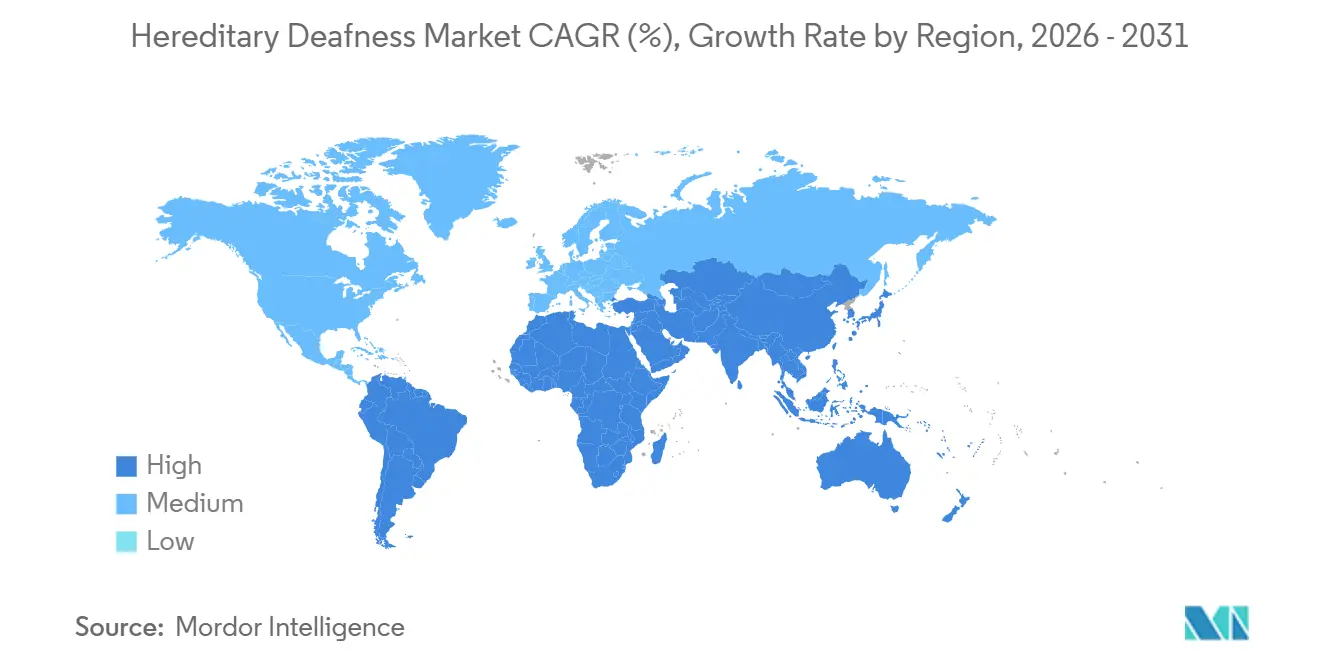
North America held 41.3% of global revenue in 2025, making it the largest regional contributor to the hereditary deafness market. Universal newborn hearing screening mandates, broad public and private coverage for cochlear implants, and advanced gene therapy regulation support this position. The FDA approval of Otarmeni in April 2026 establishes the United States as the first commercial launch setting for a genetic hearing treatment. Virginia legislation in 2025 aligned the state's newborn screening obligations with the Recommended Uniform Screening Panel, supporting continued diagnostic demand. The 2025 dissolution of the ACHDNC committee during the U.S. Department of Health and Human Services restructuring could slow further RUSP expansion. This creates some uncertainty around the pace of national screening standardization.
Europe held the second-largest regional share in 2025, supported by Germany, the United Kingdom, France, Italy, and Spain. Integrated hospital-based audiology networks support access to testing and device care in these countries. Medical Device Regulation and In Vitro Diagnostic Regulation requirements create meaningful barriers for laboratories seeking broad European access, especially for newer NGS panel configurations. The European Medicines Agency’s positive opinion on orphan drug designation for AK-OTOF indicates that genetic hearing therapies have a regulatory route in the region. Germany and the United Kingdom are positioned for earlier commercialization because of their academic and clinical infrastructure and centralized procurement. Southern and eastern European countries are likely to adopt later, reflecting differences in funding and market readiness.
Asia Pacific is forecast to grow at a 12.5% CAGR through 2031, the highest regional rate. China, Japan, India, South Korea, and Australia are the main contributors to this expansion. A large Chinese newborn analysis found GJB2 c.235delC and SLC26A4 carrier rates of 2.53% and 2.05%, supporting a government-funded three-tier prevention network. Cochlear introduced the Nucleus Nexa System in Japan in June 2026, bringing firmware-update capability to the country’s cochlear implant care pathway. An Indian study of 2,159 newborns reported a GJB2 carrier frequency of 3.01%, adding population-scale evidence relevant to newborn screening planning. South America and the Middle East and Africa remain smaller because of gaps in infrastructure, specialist capacity, and reimbursement, although Brazil and the Gulf Cooperation Council countries have stronger commercial potential. These access differences will keep regional development uneven across the hereditary deafness market.

Competitive Landscape
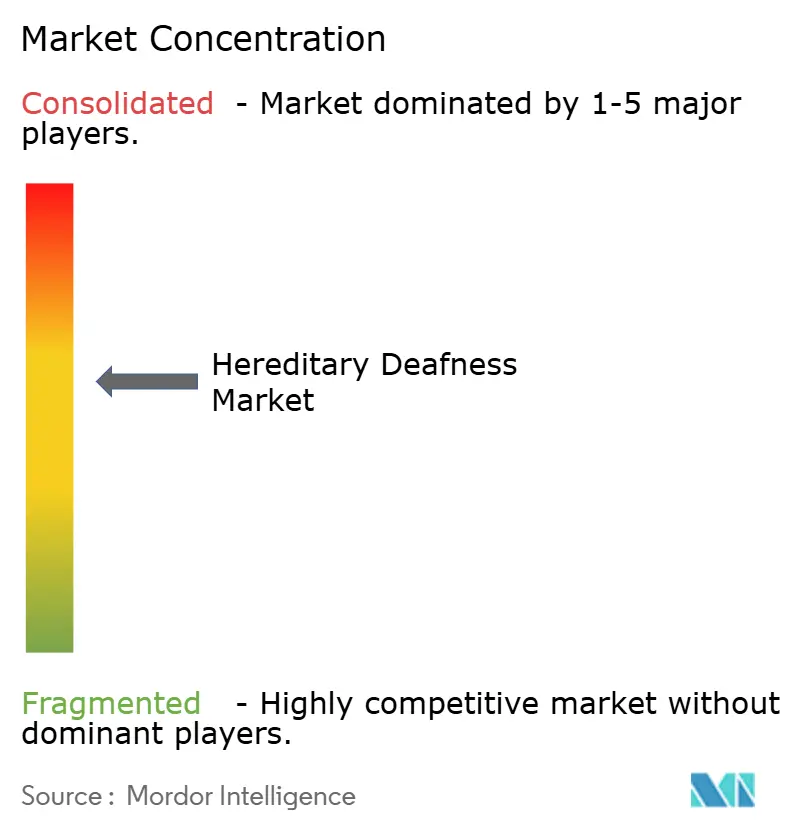
The hereditary deafness market is moderately fragmented because device companies, diagnostics providers, and gene therapy developers operate at different stages of patient care. Cochlear Limited, Sonova through Advanced Bionics, and MED-EL are established participants in the cochlear implant layer. Their positions are supported by regulatory experience, installed device bases, clinical relationships, and continuing product investment. Cochlear reported 2% constant-currency revenue growth in FY26, while statutory net profit declined 62% due to significant items rather than operating performance COCHLEAR. The company’s Nucleus Nexa System accounted for more than 95% of its developed-market implant sales by June 2026, showing a rapid change to the new platform COCHLEAR. These manufacturers compete through clinical performance, device upgrades, service capacity, and payer relationships. Their installed bases give them a durable position within the hereditary deafness market.
No single company currently provides genetic testing, variant counseling, implant eligibility assessment, and gene therapy referral through one care-management platform. This gap leaves room for diagnostics providers such as Blueprint Genetics, Ambry Genetics, and Illumina’s clinical genomics business to deepen their role in rare and syndromic deafness testing. Cochlear’s upgradeable implant platform is one example of product design focused on long-term clinical support. Sonova launched the Phonak Audéo EON portfolio in August 2026 with its third-generation HYPERSONIC chip, described as 37% more power-efficient than the earlier generation. MED-EL introduced Standard Pro and Micro Pro rechargeable battery options for the SONNET 3 audio processor in March 2026, supporting upgrades for implants dating to 1994. These moves show how established suppliers are using product upgrades to retain clinical users while new therapeutic options develop.
Regeneron moved into the gene therapy layer after acquiring Decibel Therapeutics and its DB-OTO program for USD 109 million in 2023, with the program later approved as Otarmeni. The product’s approval gives Regeneron the first commercial position in a treatment category that depends on specialized testing and referral. Sensorion completed enrollment for the second cohort of its Audiogene Phase 1/2 trial in July 2025, and the independent data monitoring committee later supported continuation of the trial. Eli Lilly’s Akouos unit is also running a Phase 1/2 program for AK-OTOF. Competitive positions will depend on clinical evidence, eligibility testing, reimbursement decisions, and a provider network able to deliver treatment safely. The hereditary deafness market is not dominated by one participant across these linked activities. This leaves competition spread across treatment, diagnostics, and care coordination. The hereditary deafness market will continue to require partnerships among these providers.
Hereditary Deafness Industry Leaders
Cochlear Limited
Sonova Holding AG
Demant A/S
GN Store Nord A/S
WS Audiology A/S
- *Disclaimer: Major Players sorted in no particular order

Recent Industry Developments
- August 2026: Sonova Holding AG launched the Phonak Audéo EON receiver-in-canal portfolio, including EON Sphere with the HYPERSONIC third-generation AI chip (37% more power-efficient, 25% smaller than the prior Sphere generation), EON R, and CROS EON R for unilateral hearing loss; U.S. rollout began August 24, 2026, followed by Germany, France, the UK, and Australia in September 2026. The launch extends proprietary real-time AI hearing capabilities across more performance tiers and broadens the cochlear implant company's competitive reach into the hearing aid segment
- June 2026: Cochlear introduced the Nucleus Nexa System in Japan, the country’s first upgradeable cochlear implant with firmware-update capability, addressing Japan’s growing hearing health burden and extending the Nexa platform’s Asia Pacific commercialization after its July 2025 FDA approval
- May 2026: Cochlear launched the Nucleus Nexa System in South Korea at the 37th World Congress of Audiology in Seoul, advancing Asia Pacific market penetration of its smart implant platform and providing a foundation for future personalized care innovations across a region with a sophisticated cochlear implant clinical community
- April 2026: The U.S. FDA approved Otarmeni (lunsotogene parvec-cwha), Regeneron Pharmaceuticals’ dual AAV vector gene therapy for pediatric and adult patients with OTOF-related severe-to-profound sensorineural hearing loss, the first disease-modifying treatment for any genetic form of hearing loss, approved in 61 days under the National Priority Voucher program and tied for the fastest BLA approval in modern FDA history. In 20 efficacy-evaluable patients, 80% showed hearing improvement


Global Hereditary Deafness Market Report Scope
As per the scope of the report, hereditary deafness comprises inherited forms of hearing loss caused by genetic mutations that affect the development, structure, or function of the auditory system. These conditions may be present at birth or develop later in life and can occur as nonsyndromic hearing loss or as part of broader syndromic disorders. Advances in genetic testing technologies, newborn screening programs, molecular diagnostics, cochlear implantation, and emerging gene-based therapies are improving early diagnosis, clinical management, and treatment outcomes for individuals with hereditary hearing loss.
The hereditary deafness market is segmented by diagnosis & testing into newborn hearing screening, targeted genetic testing, NGS panels, whole exome/genome sequencing (WES/WGS), and copy number & mitochondrial testing; by genetic etiology into GJB2/GJB6-related deafness, SLC26A4-related deafness, OTOF-related deafness, and other genetic deafness; by clinical type into nonsyndromic deafness, syndromic deafness, and auditory neuropathy spectrum disorder (ANSD); by inheritance pattern into autosomal recessive, autosomal dominant, and X-linked & mitochondrial; by treatment into hearing aids, cochlear implants, bone-conduction devices, emerging genetic therapies, and genetic counseling & rehabilitation; by end user into hospitals & audiology clinics, diagnostic laboratories, genetic counseling centers, and research & academic institutes; and by geography into North America, Europe, Asia-Pacific, Middle East and Africa, and South America.
The market report also covers the estimated market sizes and trends for 17 countries across major regions globally. For each segment, the market size and forecast are provided in terms of value (USD).
| Newborn Hearing Screening |
| Targeted Genetic Testing |
| NGS Panels |
| Whole Exome/Genome Sequencing (WES/WGS) |
| Copy Number & Mitochondrial Testing |
| GJB2/GJB6-Related Deafness |
| SLC26A4-Related Deafness |
| OTOF-Related Deafness |
| Other Genetic Deafness |
| Nonsyndromic Deafness |
| Syndromic Deafness |
| Auditory Neuropathy Spectrum Disorder (ANSD) |
| Autosomal Recessive |
| Autosomal Dominant |
| X-Linked & Mitochondrial |
| Hearing Aids |
| Cochlear Implants |
| Bone-Conduction Devices |
| Emerging Genetic Therapies |
| Genetic Counseling & Rehabilitation |
| Hospitals & Audiology Clinics |
| Diagnostic Laboratories |
| Genetic Counseling Centers |
| Research & Academic Institutes |
| North America | United States |
| Canada | |
| Mexico | |
| Europe | Germany |
| United Kingdom | |
| France | |
| Italy | |
| Spain | |
| Rest of Europe | |
| Asia-Pacific | China |
| Japan | |
| India | |
| South Korea | |
| Australia | |
| Rest of Asia-Pacific | |
| Middle East and Africa | GCC |
| South Africa | |
| Rest of Middle East and Africa | |
| South America | Brazil |
| Argentina | |
| Rest of South America |
| By Diagnosis & Testing | Newborn Hearing Screening | |
| Targeted Genetic Testing | ||
| NGS Panels | ||
| Whole Exome/Genome Sequencing (WES/WGS) | ||
| Copy Number & Mitochondrial Testing | ||
| By Genetic Etiology | GJB2/GJB6-Related Deafness | |
| SLC26A4-Related Deafness | ||
| OTOF-Related Deafness | ||
| Other Genetic Deafness | ||
| By Clinical Type | Nonsyndromic Deafness | |
| Syndromic Deafness | ||
| Auditory Neuropathy Spectrum Disorder (ANSD) | ||
| By Inheritance Pattern | Autosomal Recessive | |
| Autosomal Dominant | ||
| X-Linked & Mitochondrial | ||
| By Treatment | Hearing Aids | |
| Cochlear Implants | ||
| Bone-Conduction Devices | ||
| Emerging Genetic Therapies | ||
| Genetic Counseling & Rehabilitation | ||
| By End User | Hospitals & Audiology Clinics | |
| Diagnostic Laboratories | ||
| Genetic Counseling Centers | ||
| Research & Academic Institutes | ||
| By Geography | North America | United States |
| Canada | ||
| Mexico | ||
| Europe | Germany | |
| United Kingdom | ||
| France | ||
| Italy | ||
| Spain | ||
| Rest of Europe | ||
| Asia-Pacific | China | |
| Japan | ||
| India | ||
| South Korea | ||
| Australia | ||
| Rest of Asia-Pacific | ||
| Middle East and Africa | GCC | |
| South Africa | ||
| Rest of Middle East and Africa | ||
| South America | Brazil | |
| Argentina | ||
| Rest of South America | ||


Key Questions Answered in the Report
What is driving demand for hereditary deafness testing?
Wider newborn genetic screening, multigene panels, and molecular requirements for gene therapy eligibility are expanding demand for diagnostic services.
How large is the hereditary deafness market in 2026?
The hereditary deafness market size is USD 2.96 billion in 2026 and is forecast to reach USD 4.44 billion by 2031 at a 10.4% CAGR.
Which hereditary deafness treatment is growing fastest?
Emerging Genetic Therapies are forecast to grow at a 24% CAGR through 2031, supported by Otarmenis 2026 FDA approval.
Why is genetic testing important before cochlear implantation?
Molecular results can clarify disease cause and help distinguish patients who may benefit from cochlear implantation or OTOF-directed gene therapy.
Which region is expanding fastest through 2031?
Asia Pacific is forecast to grow at a 12.5% CAGR, supported by screening activity in China and growing adoption in Japan, India, South Korea, and Australia.
What limits access to genetic hearing-loss care?
Uneven reimbursement, unresolved variants, immune and delivery constraints for AAV therapy, and limited specialist capacity can limit access.
Page last updated on:





