
United States Telehealth Pre-natal Services Market Size and Share
| Study Period | 2022 - 2030 |
| Forecast Data Period | 2025 - 2030 |
| Historical Data Period | 2022 - 2023 |
| Market Size (2025) | USD 0.52 Billion |
| Market Size (2030) | USD 1.08 Billion |
| CAGR (2025 - 2030) | 15.61% |
| Market Concentration | Medium |
Major Players *Disclaimer: Major Players sorted in no particular order |
United States Telehealth Pre-natal Services Market Analysis by Mordor Intelligence
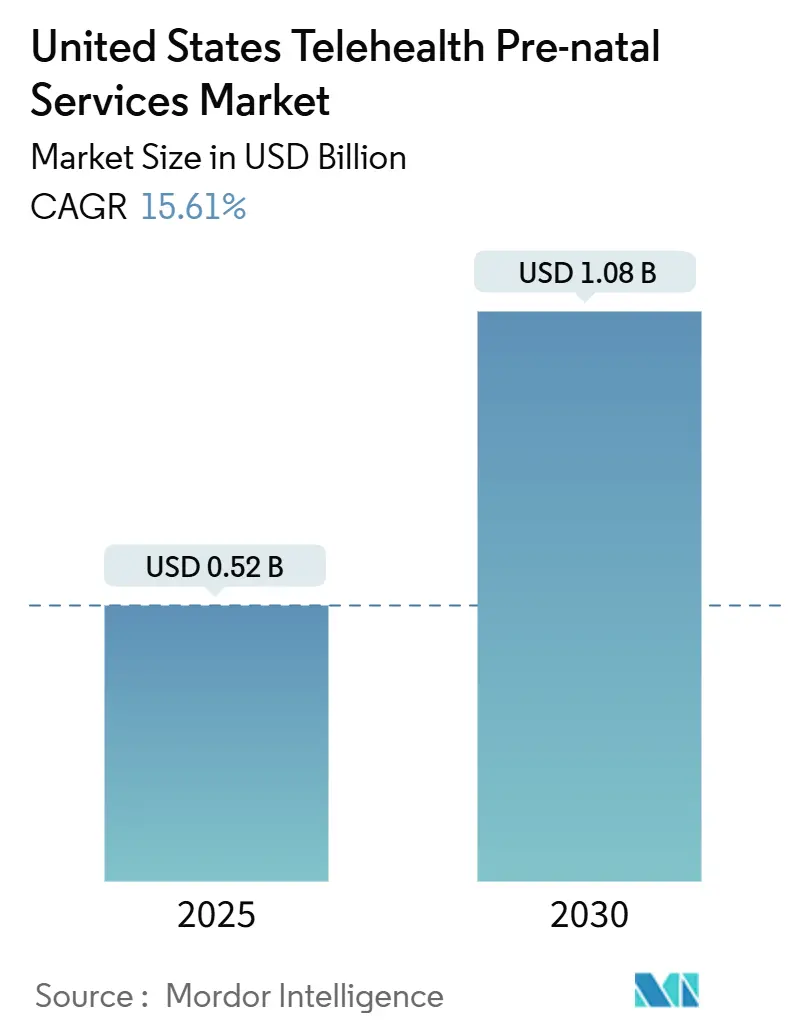
The United States Telehealth Pre-natal Services Market size is estimated at USD 0.52 billion in 2025, and is expected to reach USD 1.08 billion by 2030, at a CAGR of 15.61% during the forecast period (2025-2030).
The advancements in telecommunication technologies have significantly propelled the growth of telehealth prenatal services in the United States. These innovations enhance the accessibility, efficiency, and quality of prenatal care, benefiting both healthcare providers and expectant mothers. Innovations in mobile health applications and services have expanded the scope of telehealth services. These advancements facilitate tailored maternity care, ensuring constant oversight of both maternal and fetal health metrics.
The increasing collaborations, like partnerships, among companies are poised to bolster the market's growth, delivering cutting-edge solutions and services to expectant mothers nationwide. For instance, in December 2024, Ouma Health, a United States-based telehealth platform specializing in maternity care and a subsidiary of Teleperinatal, Inc., partnered with Marani Health. Marani Health, also U.S.-based, offers digital services tailored for prenatal and postpartum care. This collaboration aims to integrate Ouma's continuous telehealth access for maternity clinicians with Marani's M Care platform, emphasizing remote maternal management. This integration is poised to address the growing demand for telehealth services in the country's prenatal care sector. Consequently, such strategic moves by companies in recent years are projected to drive market growth in the foreseeable future.
Moreover, in the United States, pregnant women face health challenges like cardiovascular diseases, infections, and notably, anemia. This vulnerability underscores the rising demand for prenatal care. For instance, a November 2023 article in Scientific Reports highlighted that 18% of pregnant women in the United States grappled with anemia in 2023, spotlighting a pressing health issue in developed nations. Telehealth solutions are increasingly being adopted to tackle anemia in pregnant women, bolstering adherence to iron supplements and fine-tuning intravenous iron therapies. In the United States, interventions like telephonic consultations and e-visits have proven effective in mitigating side effects and boosting hemoglobin levels in anemic pregnant women, fueling market growth.
In conclusion, the expansion of telehealth services in prenatal care continues to benefit from new technologies and collaborations within the country. Remote healthcare solutions, such as phone consultations and online visits, demonstrate positive outcomes in managing side effects and hemoglobin levels among pregnant women with anemia. Nevertheless, uneven access to care and ongoing technical issues remain obstacles to market expansion.
United States Telehealth Pre-natal Services Market Trends and Insights
Virtual Consultations Segment is Expected to Witness Significant Growth during the Forecast Period
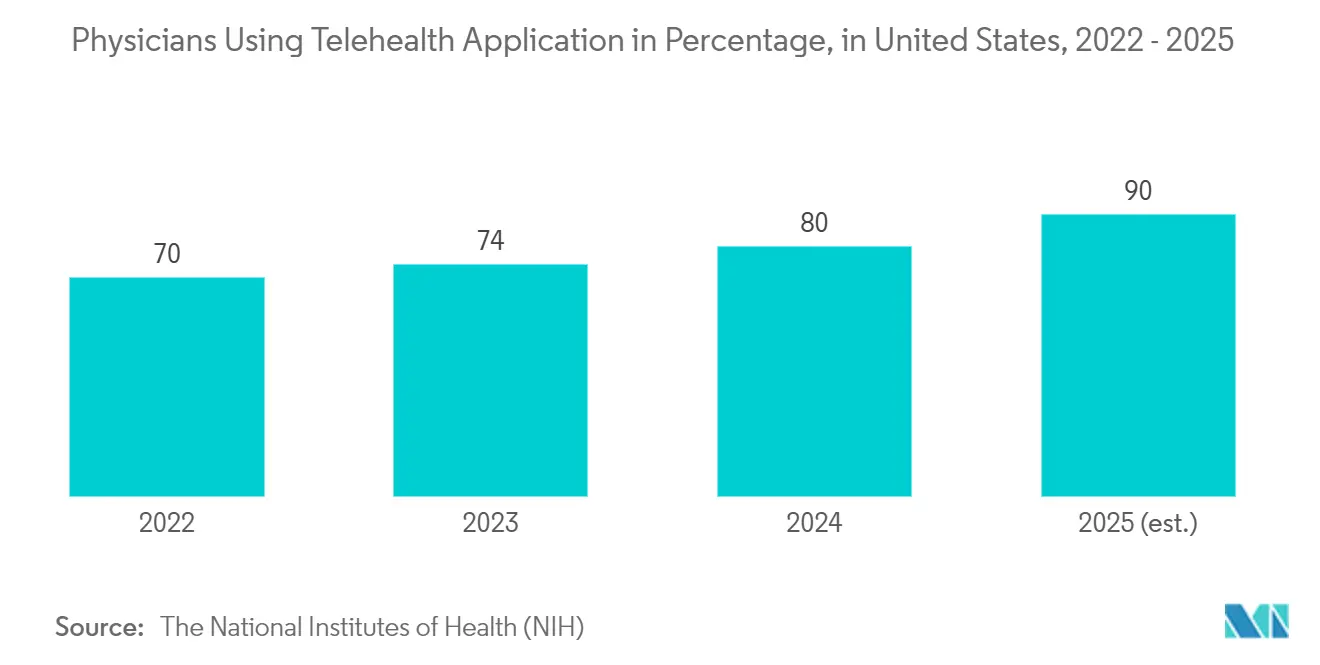
The virtual consultation segment is expected to grow significantly during the forecast period. Virtual consultation prenatal services allow pregnant women to have remote healthcare appointments through video conferences or phone calls. With this approach, individuals can access prenatal care—covering routine check-ups and addressing concerns—without the need for in-person visits. Pregnant women in remote areas can enjoy better healthcare access thanks to the rise of virtual consultation prenatal services. This shift is fueled by a growing comfort with telehealth technologies and a surge in demand during the COVID-19 pandemic, which showcased the efficacy of virtual pregnancy check-ups.
The integration of video conferencing platforms and electronic health records has enhanced remote medical consultations and patient monitoring capabilities in prenatal care, this is expected to propel the growth of the segment in the coming years. For instance, research published in January 2024 in the Journal of Medicine and Life highlighted the effectiveness of telemedicine solutions in healthcare delivery, particularly during health emergencies and in underserved regions. It further highlighted that virtual prenatal services in the United States have demonstrated cost advantages through reduced physical appointments and improved resource management. These financial benefits have influenced more patients to transition from traditional prenatal care methods to telehealth solutions.
Furthermore, in the United States, virtual prenatal visits have shown strong results in terms of patient experience and satisfaction, hence it is likely to contribute to the segment growth. For instance, an article published in BMC Pregnancy and Childbirth April 2023 highlighted that virtual consultations tackle common hurdles in prenatal care, including transportation issues, work commitments, and childcare duties in the country. For those with average-risk pregnancies, these virtual appointments serve as a patient-centric substitute for traditional in-person visits, maintaining consistent satisfaction levels. It further highlighted that the obstetric providers are urged to leverage telemedicine, not only to enhance care accessibility and minimize exposure risks but also to heed patient feedback. This growing acceptace of telehealth services for prenatal care in the United States is expected to drive growth in this segment.
In conclusion, the cost efficiency of telehealth services, combined with the increasing adoption of virtual prenatal consultations in the United States is expected to drive market growth.
Payment Through Insurance Segment is Expected to Dominate during the Forecast Period
Insurance payments are expected to remain the primary method of covering telehealth prenatal care during the forecast period. In the United States, telehealth services for prenatal care are covered by various insurers, including United Healthcare, BlueCross, BlueShield, and Medicaid among others. However, the use of telehealth services depends on patient demographics and the type of insurance.
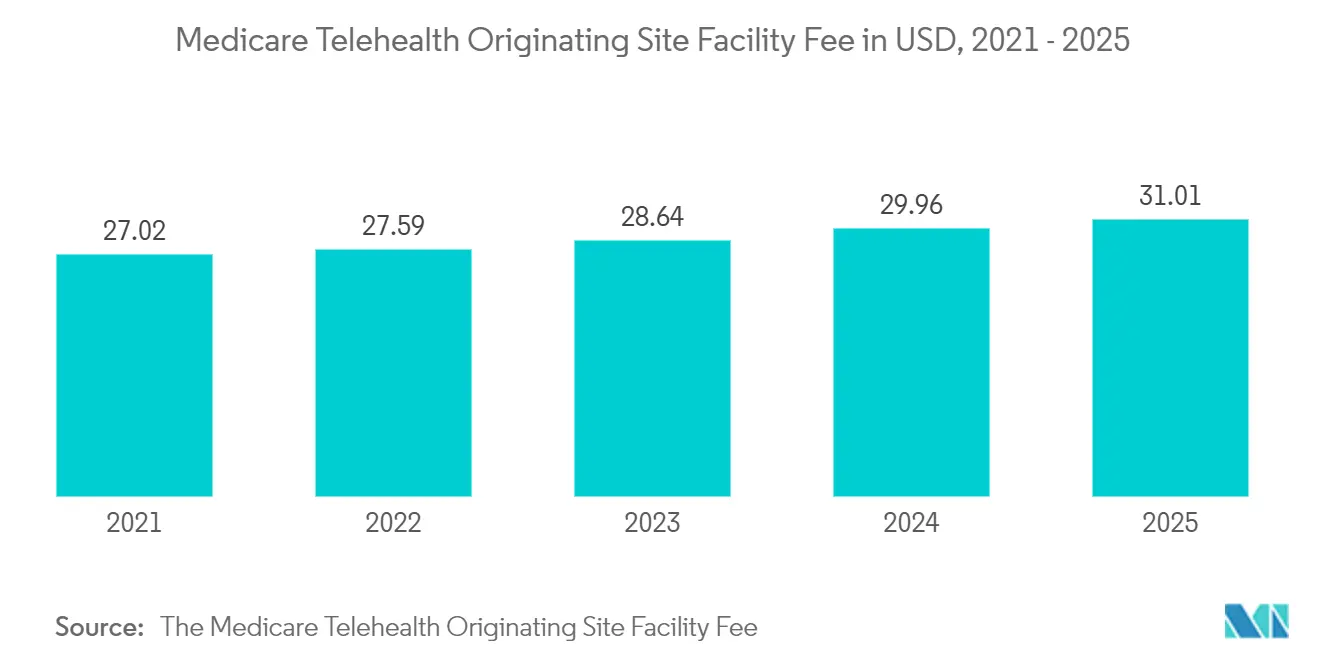
The payment through insurance segment in the United States telehealth prenatal services market shows significant growth potential due to expanding coverage policies. For instance, the extension of telehealth provisions through the 2023 Consolidated Appropriations Act until December 2024 provides a stable regulatory environment for insurance coverage. The Centers for Medicare & Medicaid Services' support for state-level telehealth services under Medicaid programs has expanded reimbursement opportunities. The growing acceptance of telehealth services by insurance providers, coupled with the demonstrated effectiveness in reducing prenatal care disparities, indicates sustained expansion in insurance-based payments for telehealth prenatal services.
Furthermore, the partnerships between the insurance payers and prenatal telehealth service providers is anticipated to augment the growth of the segment because this eventually expands the access of prenatal telehealth services through insurance. For instance, in March 2023, MedArrive, a healthcare management platform that combines telehealth and in-person care services, partnered with Ouma Health, a maternal telehealth platform, to provide expanded in-home care services for pregnant women covered by Medicaid. The partnership enables MedArrive to incorporate Ouma Health's maternal healthcare services into its service portfolio for managed Medicaid health plan members.
Thus, the payment through insurance segment in the United States telehealth prenatal services market demonstrates strong growth potential, driven by expanded coverage policies and regulatory support. Additionally, strategic partnerships between insurance payers and telehealth providers enhance service accessibility and coverage options.
Competitive Landscape
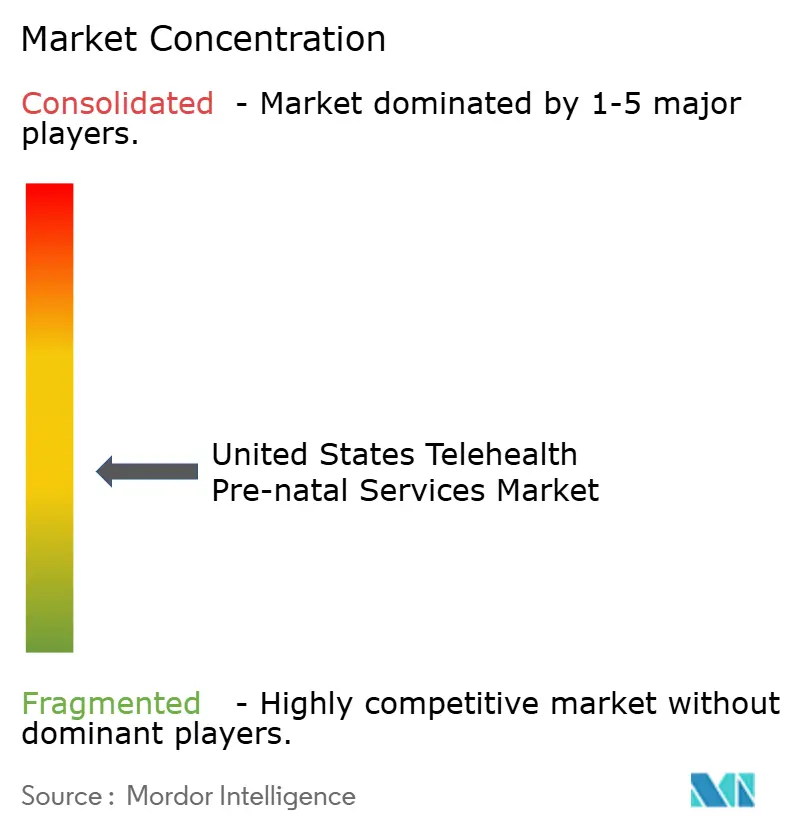
The United States telehealth pre-natal services market is fragmented due to the presence of several providers in the country. The competitive landscape includes an analysis of international and local companies holding moderate market shares. Some of the leading players in the market are Maven Clinic Co., Pomelo Care, Inc., MCH Ventures, Inc. (Mahmee), Cayaba Care, Babyscripts, Delfina, Oula Health, Inc, birthly LLC., Almond, Teleperinatal, Inc., and Labcorp (Ovia Health).
United States Telehealth Pre-natal Services Industry Leaders
-
Cayaba Care
-
Labcorp (Ovia Health)
-
MCH Ventures, Inc. (Mahmee)
-
Pomelo Care, Inc.
-
Maven Clinic Co.
- *Disclaimer: Major Players sorted in no particular order
Recent Industry Developments
- February 2025: Pomelo Care, Inc. acquired The Doula Network, combining their expertise to establish a unique maternity care model in the United States. This approach integrates virtual and in-person care to improve access to quality maternity services. Through this collaboration, patients can work with community-based doulas who provide essential support during pregnancy. Doulas provide in-person care and participate in the patient's virtual care team, addressing medical, behavioral, and social factors to improve outcomes for mothers, babies, and families. Telehealth doula services, delivered through virtual appointments, support individuals throughout their pregnancy. Hence, the enhanced accessibility of such services is likely to boost the growth of the market.
- September 2024: Delfina Care introduced its AI-powered maternal health platform at HOPE Clinic in Houston, Texas, to improve maternal care. The platform includes a bilingual pregnancy app, 24/7 virtual support, machine learning for early intervention, and automated workflows. Delfina and HOPE Clinic aim to provide culturally competent care and address access challenges.
United States Telehealth Pre-natal Services Market Report Scope
As per the scope of the report, telehealth pre-natal services refer to the use of digital communication technologies to provide healthcare services to pregnant women.
The United States telehealth pre-natal services market is segmented by services, type of payment, and end user. Based on services, the market is segmented into virtual consultations, education and support, and others. Other segments under services comprise remote monitoring through apps and counseling. Based on the type of payment, the market is segmented into payment through insurance and self-pay. Based on end user, the market is segmented into hospitals and clinics, institutional sales, and individuals. For each segment, the market sizing and forecasts have been done on the basis of value (in USD).
| Virtual Consultations |
| Education and Support |
| Others |
| Payment Through Insurance |
| Self-Pay |
| Hospitals and Clinics |
| Institutional Sales |
| Individuals |
| By Services | Virtual Consultations |
| Education and Support | |
| Others | |
| By Type of Payment | Payment Through Insurance |
| Self-Pay | |
| By End User | Hospitals and Clinics |
| Institutional Sales | |
| Individuals |
Key Questions Answered in the Report
How big is the United States Telehealth Pre-natal Services Market?
The United States Telehealth Pre-natal Services Market size is expected to reach USD 0.52 billion in 2025 and grow at a CAGR of 15.61% to reach USD 1.08 billion by 2030.
What is the current United States Telehealth Pre-natal Services Market size?
In 2025, the United States Telehealth Pre-natal Services Market size is expected to reach USD 0.52 billion.
Who are the key players in United States Telehealth Pre-natal Services Market?
Cayaba Care, Labcorp (Ovia Health), MCH Ventures, Inc. (Mahmee), Pomelo Care, Inc. and Maven Clinic Co. are the major companies operating in the United States Telehealth Pre-natal Services Market.
What years does this United States Telehealth Pre-natal Services Market cover, and what was the market size in 2024?
In 2024, the United States Telehealth Pre-natal Services Market size was estimated at USD 0.44 billion. The report covers the United States Telehealth Pre-natal Services Market historical market size for years: 2022, 2023 and 2024. The report also forecasts the United States Telehealth Pre-natal Services Market size for years: 2025, 2026, 2027, 2028, 2029 and 2030.
United States Telehealth Pre-natal Services Market Report
Statistics for the 2025 United States Telehealth Pre-natal Services market share, size and revenue growth rate, created by Mordor Intelligence™ Industry Reports. United States Telehealth Pre-natal Services analysis includes a market forecast outlook for 2025 to 2030 and historical overview. Get a sample of this industry analysis as a free report PDF download.