
Myotonic Dystrophy Treatment Market Size and Share
Market Overview
| Study Period | 2021 - 2032 |
|---|---|
| Market Size (2027) | USD 1.48 Billion |
| Market Size (2032) | USD 2.51 Billion |
| Growth Rate (2027 - 2032) | 11.13 % |
| Fastest Growing Market | Asia-Pacific |
| Largest Market | North America |
| Market Concentration | Medium |
Major Players *Disclaimer: Major Players sorted in no particular order Image © Mordor Intelligence. Reuse requires attribution under CC BY 4.0. | |
Myotonic Dystrophy Treatment Market Analysis by Mordor Intelligence
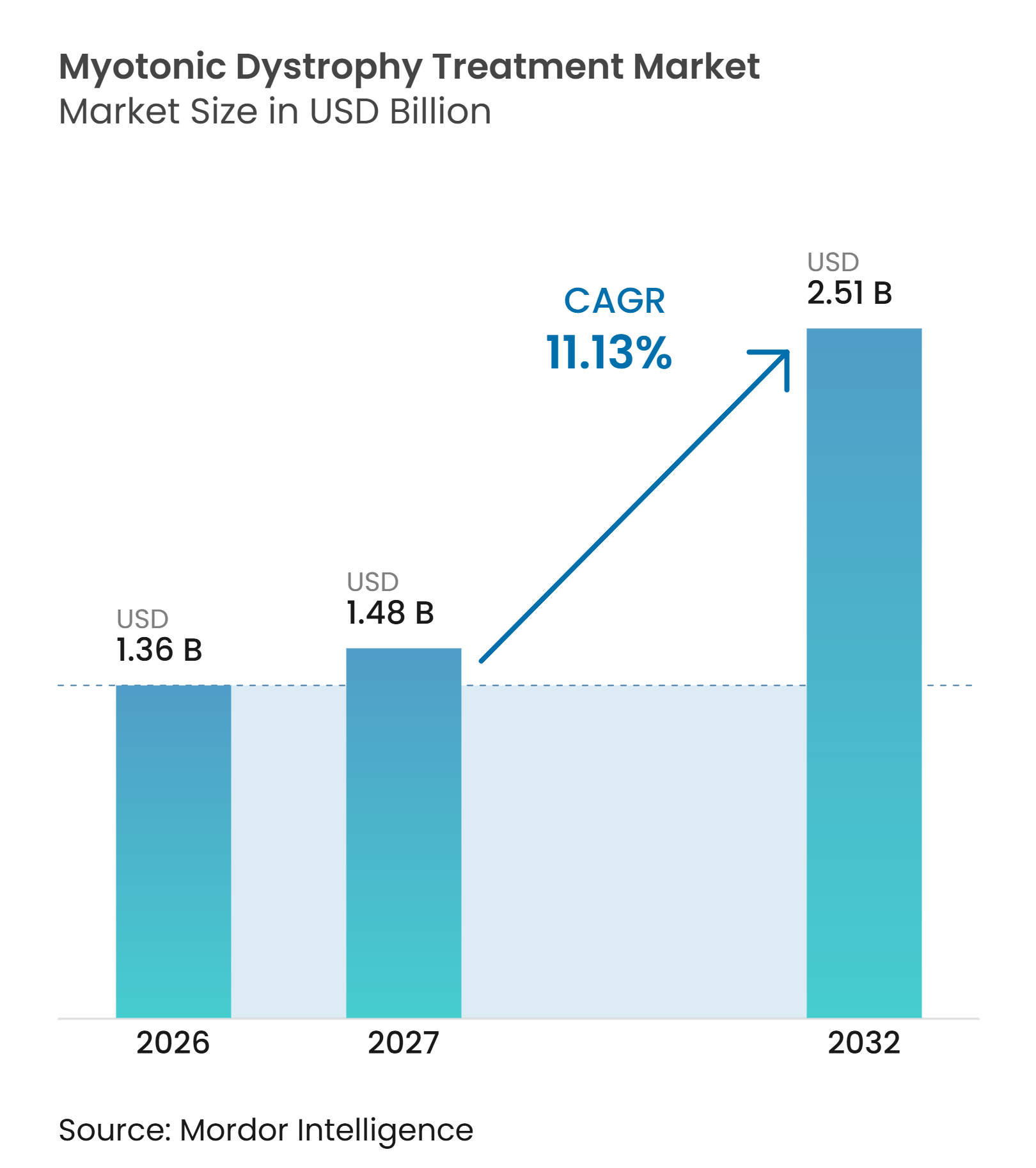
The Myotonic Dystrophy Treatment Market size is projected to be USD 1.36 billion in 2026, USD 1.48 billion in 2027, and reach USD 2.51 billion by 2032, growing at a CAGR of 11.13% from 2027 to 2032.
The myotonic dystrophy treatment market is moving beyond management of individual symptoms toward medicines designed to address the underlying DMPK-related disease process. Genetic testing widens the diagnosed patient pool and brings people into specialist care before a disease-modifying treatment is available. New York State newborn screening found DMPK CTG repeat expansions in 1 in 2,100 births, compared with a conventional clinical estimate of 1 in 8,000 births, which indicates that many genetically affected people have not entered treatment pathways. Companies are concentrating their resources on RNA-based approaches, delivery technologies, and regulatory strategies that could shorten the path to an initial approval. The myotonic dystrophy treatment market also depends on care networks that can manage cardiac, respiratory, sleep, and neuromuscular needs together.
Key Report Takeaways
- By disease type, myotonic dystrophy type 1 held 52.32% of the myotonic dystrophy treatment market share in 2026 and is forecast to grow at a 12.72% CAGR through 2032.
- By therapy type, symptomatic therapies held 51.25% of revenue in 2026, while RNA-targeted therapies are expected to grow at a 13.26% CAGR through 2032.
- By route of administration, oral held 56.6% of revenue in 2026, while injectable is forecast to grow at a 12.23% CAGR through 2032.
- By end-user, hospitals held 45.52% of revenue in 2026, while neurology and specialty clinics are expected to grow at an 11.65% CAGR through 2032.
- By geography, North America held 47.36% of revenue in 2026, while Asia-Pacific is projected to grow at a 14.33% CAGR through 2032.
Note: Market numbers in this report are based on Mordor Intelligence's proprietary estimation framework, which combines nine months of actuals with Q4 projections for base year 2026.
Market Trends and Insights
Drivers Impact Analysis of Myotonic Dystrophy Treatment Market*
| Driver | (~) % Impact on CAGR Forecast | Geographic Relevance | Impact Timeline |
|---|---|---|---|
| Rising Diagnosis and Genetic Case Finding | +1.5% | Global, with concentrated near-term gain in North America and Western Europe | Short term (≤ 2 years) |
| Growing Investment in Disease-Modifying Rare-Disease Therapies | +2.0% | North America and the EU, with spill-over to APAC | Medium term (2-4 years) |
| Expansion of RNA-Targeted and Muscle-Delivery Platforms | +2.3% | Global | Medium term (2-4 years) |
| Accelerated Orphan-Drug and Rare-Disease Development Pathways | +1.4% | North America and the EU, with early gains in Japan and South Korea | Short-term (≤ 2 years) and medium-term (2-4 years) |
| Biomarker-Linked Trials Using Splicing Correction and DMPK Knockdown | +0.8% | Global, with trial sites concentrated in North America, the EU, Japan, and Australia | Medium term (2-4 years) and Long term (≥ 4 years) |
| Patient-Led Natural-History Data and Digital Functional Endpoints | +0.5% | North America and the EU | Long term (≥ 4 years) |
| Source: Mordor Intelligence | |||
Rising Diagnosis and Genetic Case Finding
The myotonic dystrophy treatment market benefits when molecular testing turns an uncertain clinical presentation into a confirmed diagnosis. New York State screening detected DMPK CTG repeat expansions in 1 in 2,100 consecutive newborns, a much higher rate than the conventional clinical estimate, and this finding points to a large group outside established treatment pathways.[1] A 2024 analysis of more than 30,000 tested patients reported a peak positive DM1 rate of 33.4% among people aged 18 to 29 years.[2] Confirmed patients commonly enter cardiac, respiratory, and neurology services before they become candidates for disease-modifying therapy. This process supports demand for monitoring, symptom control, and specialist follow-up. It also makes diagnosis an important commercial starting point for the myotonic dystrophy treatment market.
Growing Investment in Disease-Modifying Rare-Disease Therapies
The myotonic dystrophy treatment market is drawing capital into programs that seek to change the course of the disease rather than only relieve symptoms. ARTHEx Biotech expanded its Series B financing to USD 87 million in September 2025 to advance the Phase 1/2a ArthemiR trial of ATX-01 and prepare a registrational open-label extension. Dyne Therapeutics reported a financing package in 2026 that included an expanded term loan of up to USD 400 million and an equity offering of USD 431 million, bringing reported cash to USD 898.5 million.[3] Antibody-oligonucleotide conjugates, Fab-antisense conjugates, peptide-enhanced oligonucleotides, and AAV-vectorized RNA interference are being developed to improve delivery into skeletal muscle. Dyne reported a 20% relative improvement in quantitative muscle testing at 12 months in its ACHIEVE study, supporting the relevance of transferrin receptor 1 targeting. These programs create competition among delivery platforms even though they share the same DM1 biological target.
Expansion of RNA-Targeted and Muscle-Delivery Platforms
Regulatory designations and trial measures are central to the timing of revenue opportunities in the myotonic dystrophy treatment market. The FDA granted Breakthrough Therapy Designation to z-basivarsen in June 2025 after granting Fast Track Designation in January 2025, and Dyne aligned its accelerated approval plan with video hand opening time as an intermediate endpoint. Japan granted orphan designation to z-basivarsen in January 2026, which provides development support and a potential 10-year exclusivity period. Splicing correction and DMPK knockdown give developers biological evidence that can support functional trial outcomes. Patient-led natural-history datasets and digital measures can also improve the ability to follow functional change over longer periods.
Accelerated Orphan-Drug and Rare-Disease Development Pathways
Regulatory designations and trial measures are central to the timing of revenue opportunities in the myotonic dystrophy treatment market. The FDA granted Breakthrough Therapy Designation to z-basivarsen in June 2025 after granting Fast Track Designation in January 2025, and Dyne aligned its accelerated approval plan with video hand opening time as an intermediate endpoint. Japan granted orphan designation to z-basivarsen in January 2026, which provides development support and a potential 10-year exclusivity period. Splicing correction and DMPK knockdown give developers biological evidence that can support functional trial outcomes. Patient-led natural-history datasets and digital measures can also improve the ability to follow functional change over longer periods.
Restraints Impact Analysis of Myotonic Dystrophy Treatment Market*
| Restraint | (~) % Impact on CAGR Forecast | Geographic Relevance | Impact Timeline |
|---|---|---|---|
| Limited Diagnosed Population and Persistent Underdiagnosis | -1.2% | Global, most acute in APAC, South America, and MEA | Short-term (≤ 2 years) and medium-term (2-4 years) |
| High Development Cost and Small Rare-Disease Trial Populations | -0.9% | Global | Medium term (2-4 years) |
| Complex Multisystem Safety and Regulatory Requirements | -0.6% | North America and the EU, with emerging APAC regulatory complexity | Medium term (2-4 years) and Long term (≥ 4 years) |
| Tissue-Delivery and Durability Risk for Genetic Medicines | -0.7% | Global | Long term (≥ 4 years) |
| Source: Mordor Intelligence | |||
Limited Diagnosed Population and Persistent Underdiagnosis
The myotonic dystrophy treatment market remains limited by patients who have not received a molecular diagnosis or reached a specialist center. This problem is particularly significant in APAC, South America, and MEA, where specialist infrastructure and late-stage trial activity remain limited. Small eligible populations also increase the cost of recruiting and retaining participants for global trials. Novartis reported that its 150-patient, 54-week HARBOR study did not meet its primary video hand opening time endpoint in 2026 despite meaningful biomarker activity. The result shows how a large study can still leave uncertainty over the functional measures regulators will accept. Developers with limited capital face greater pressure when trial programs need longer follow-up or revised endpoint plans.
Complex Multisystem Safety and Regulatory Requirements
The myotonic dystrophy treatment market faces additional constraints because a therapy must work across affected tissues while maintaining an acceptable safety profile. DM1 care includes cardiac, respiratory, neurological, and other considerations, so drug development cannot focus on muscle biomarkers alone. A 2024 expert opinion set out a structured cardiac monitoring approach for mexiletine use in adults with myotonic dystrophy, reflecting the clinical importance of cardiac safety in treatment decisions. Genetic medicines also need to show that delivery into skeletal muscle produces a durable effect at a meaningful dose. Different technologies seek to solve this problem, but no modality has established a complete clinical advantage. Regulatory review is likely to remain demanding where functional benefit, durability, and multisystem safety need to be evaluated together.
*Our forecasts treat driver/restraint impacts as directional, not additive. The impact forecasts reflect baseline growth, mix effects, and variable interactions.
Myotonic Dystrophy Treatment Market Segment Analysis
By Disease Type:
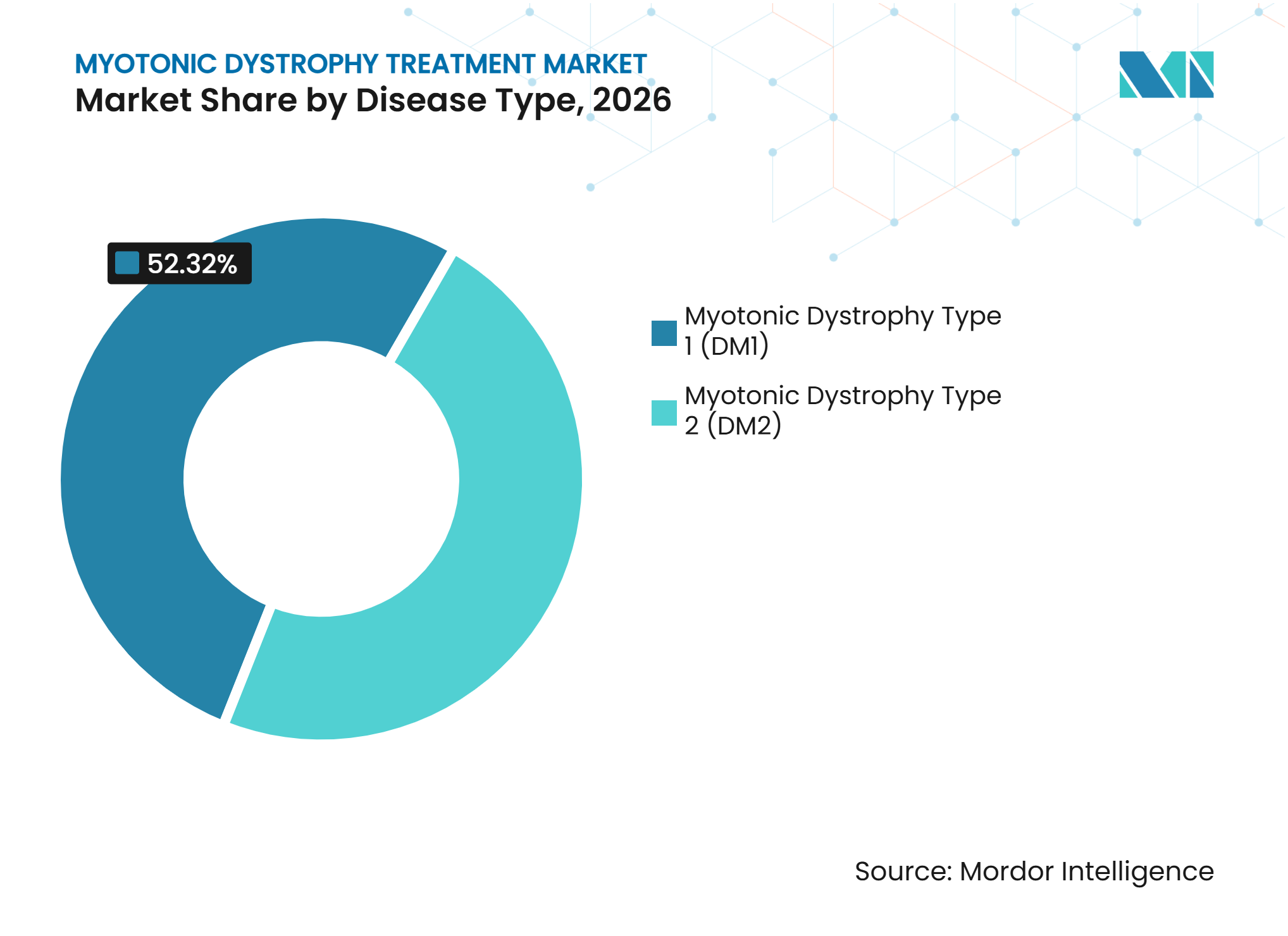
DM1 Retains the Broadest Treatment NeedMyotonic dystrophy type 1 held 52.32% of 2026 revenue and is projected to grow at a 12.72% CAGR through 2032. The myotonic dystrophy treatment market size for DM1 reflects earlier symptomatic onset, greater prevalence, and care needs that may include cardiology, respiratory, endocrinology, and neurology services. Congenital DM1 and adult-onset DM1 are distinct patient groups with different clinical settings and trial requirements. AMO Pharma reported that its REACHCDM-X open-label extension had enrolled 45 participants by August 2025, including 20 treated for more than 3 years, with more than 151 patient-years of exposure and a hospitalization rate of 0.14 events per patient-year.
DM1 remains the fastest-growing disease group because late-stage disease-modifying candidates are directed toward this form of myotonic dystrophy. DM2 accounts for the remaining disease-specific demand and has a less visible development pipeline. ARTHEx presented preclinical evidence in 2025 that ATX-01 may have potential in DM2 through the MBNL regulatory axis, but clinical validation is still required. This difference keeps DM2 a smaller opportunity while maintaining its relevance for future pipeline expansion.


By Therapy Type:
Symptomatic Care Supports Current RevenueSymptomatic therapies held 51.25% of 2026 revenue in the myotonic dystrophy treatment market. This position reflects the absence of a globally approved disease-modifying treatment for DM1 or DM2. Anti-myotonia medicines, cardiac management, respiratory therapies, and supportive medications remain the practical foundation of patient care.
RNA-targeted therapies are expected to grow at a 13.26% CAGR through 2032 from a low commercial base. Dyne completed enrollment of 71 participants in the z-basivarsen registrational expansion cohort in June 2026 and initiated the Phase 3 HARMONIA study, with a BLA submission planned for Q3 2027 and a potential United States launch in H1 2028. Sanofi moved SAR446268, a one-time AAV gene therapy candidate, into Phase 1/2 evaluation in 2026 after the FDA granted Fast Track Designation in 2025. These activities place RNA-targeted and gene therapy approaches at the center of future growth in the myotonic dystrophy treatment industry.
By Route of Administration:
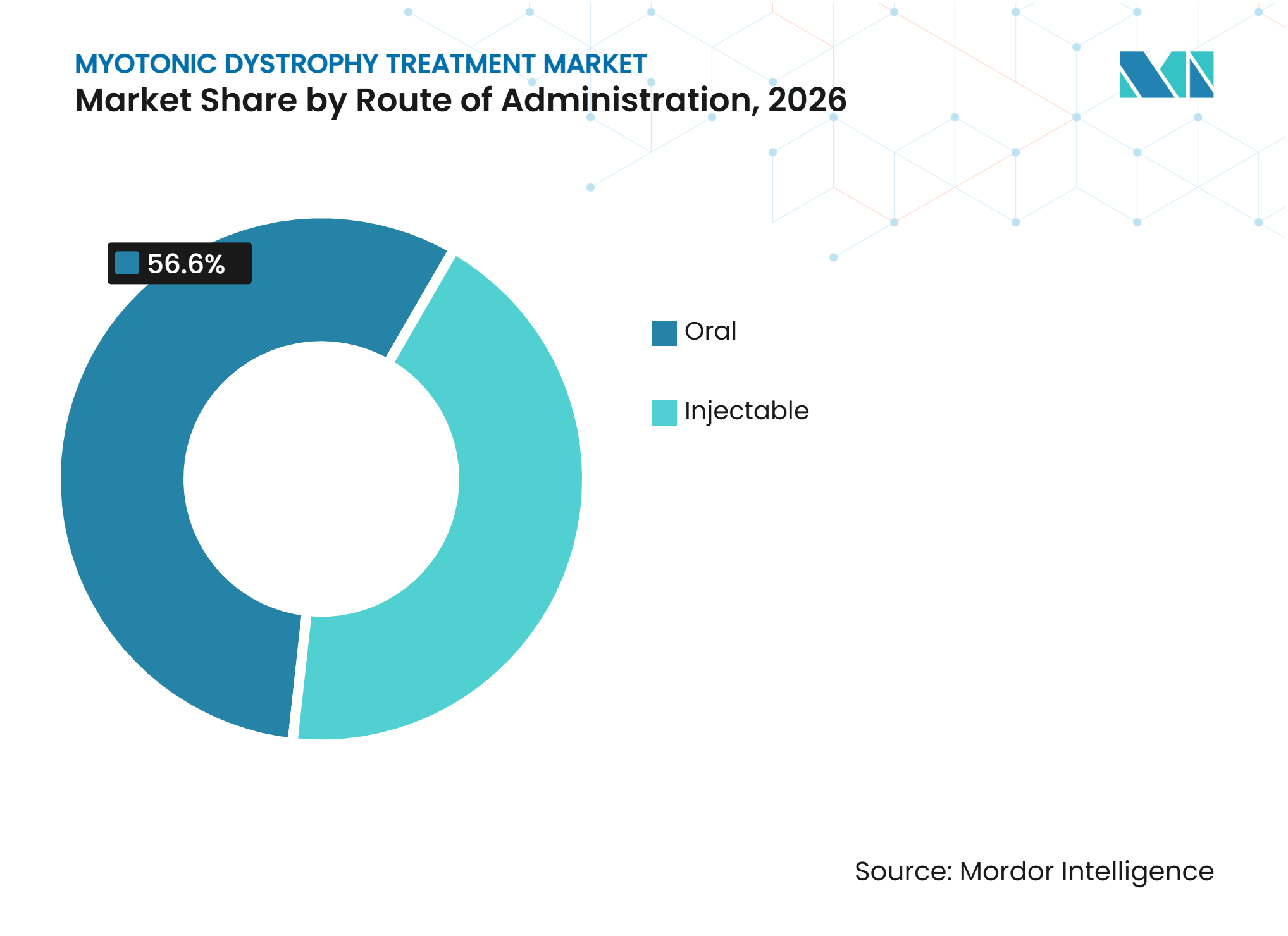
Oral Medicines Remain the Established OptionOral administration held 56.6% of 2026 revenue in the myotonic dystrophy treatment market. This position is linked to the current use of mexiletine, cardiac antiarrhythmics, respiratory medicines, and pain management treatments in oral formats. Lupin is studying a prolonged-release oral mexiletine suspension in 80 patients with DM1 and DM2, with the aim of addressing dosing and tolerability limitations associated with existing formulations. Design Therapeutics began Phase 1 multiple-ascending-dose treatment with DT-818 in June 2026, making it the first oral disease-modifying DM1 candidate.
Injectable treatments are forecasted to grow at a 12.23% CAGR through 2032. The growth outlook is tied to conjugated oligonucleotides and gene therapies that are delivered through subcutaneous or intravenous routes. SAR446268 is designed as a single intravenous infusion, which gives it a different use profile from chronic regimens if it demonstrates durable DMPK knockdown. The route category will become more commercially relevant if late-stage candidates move from trial supply to approved treatment.

By End-User:
Hospitals Coordinate Complex CareHospitals held 45.52% of 2026 revenue in the myotonic dystrophy treatment market. The share reflects the number of specialties involved when cardiac, pulmonary, neurology, sleep, and endocrine teams manage the same patient. Hospitals also support intravenous investigational therapies, cardiac device procedures, and sleep-related assessments. The Italian Neuro-Cardiology Network described an integrated model that links neurology and cardioarrhythmology units across national centers.
Neurology and specialty clinics are expected to grow at an 11.65% CAGR through 2032. These settings are principal investigator and enrollment sites for many DM trials, which brings molecular assessment and follow-up closer to focused clinical practice. Japanese registries list DM1 studies at Osaka University, NCNP, and Yamaguchi University, while global studies also use specialist clinics in Canada, the United Kingdom, and South Korea. Rehabilitation centers continue to support physiotherapy and functional capacity work regardless of pharmacological status. Home care is relevant for patients receiving non-invasive ventilatory support, while academic institutes help identify patients for downstream care.
Geography Analysis
North America
North America held 47.36% of 2026 revenue in the myotonic dystrophy treatment market. The region combines rare-disease trial infrastructure, established orphan-drug reimbursement, and high per-patient spending. Canada expanded the regional trial network when PepGen opened Canadian enrollment for FREEDOM2-DM1 in 2026. Mexico has a less developed treatment base, with referrals remaining concentrated in a Mexico City center. This uneven capacity limits the regional spread of diagnosis and advanced care.
Europe
Europe has a substantial role in the myotonic dystrophy treatment market because France, Germany, Italy, and the United Kingdom have specialist services and structured rare-disease pathways. FDA and EMA orphan designations for z-basivarsen support potential reimbursement planning across major European systems. France formalized mexiletine monitoring through its 2024 expert opinion, while Italy has an integrated neuro-cardiology care model. Spain also supports early clinical development through ARTHEx and the ArthemiR trial. These features keep Europe important for trials, specialist management, and later access discussions.
Asia-Pacific, South America, and the Middle East and Africa
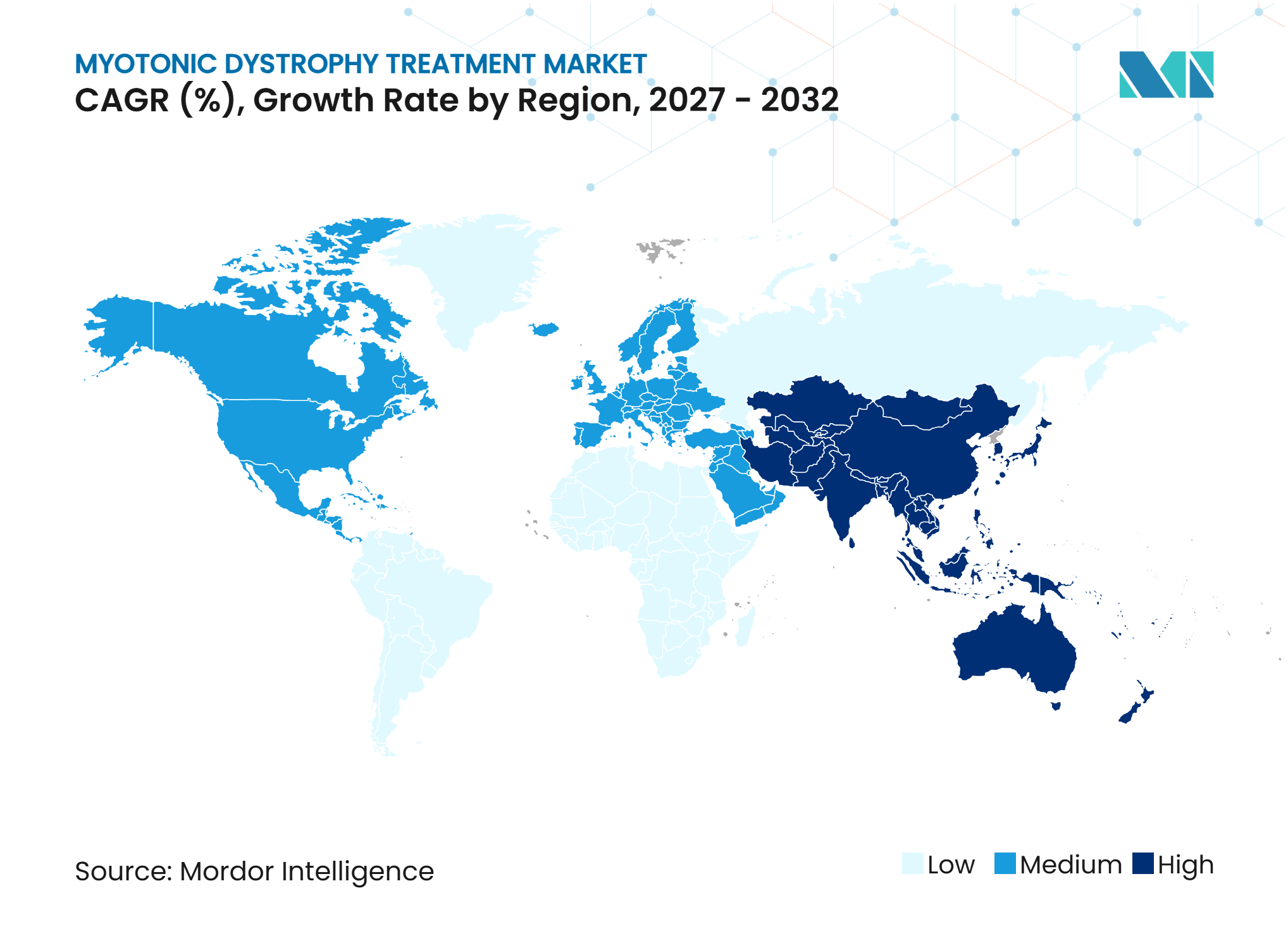
Asia-Pacific is projected to grow at a 14.33% CAGR through 2032, the fastest regional pace in the myotonic dystrophy treatment market. Japan granted orphan designation to z-basivarsen in January 2026, and its national portal recorded active DM1 studies at Osaka University, NCNP, and Yamaguchi University in June 2026. China is improving its rare-disease policy framework and reimbursement pathway, which can support access to orphan therapies. South America and the Middle East and Africa remain less developed because specialist capacity and Phase 2 or Phase 3 trial activity are limited.
Competitive Landscape
Market Concentration
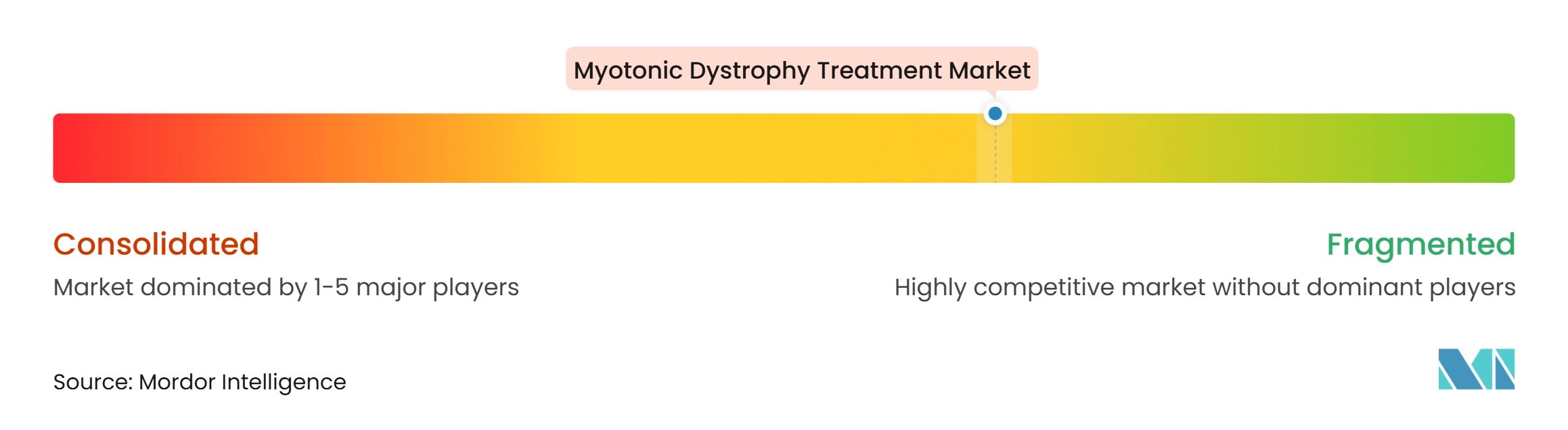
The myotonic dystrophy treatment market is moderately fragmented, with biotechnology and pharmaceutical companies advancing distinct disease-modifying approaches across different stages of clinical development. Companies such as Dyne Therapeutics, PepGen, ARTHEx Biotech, AMO Pharma, Sarepta Therapeutics, Vertex Pharmaceuticals, and Juvena Therapeutics are focused on developing disease-modifying therapies. At the same time, Lupin and Harmony Biosciences maintain a stronger presence in symptomatic management and formulation development. No company currently holds a dominant commercial position in the disease-modifying segment, as no therapy has received global approval based on the available information. As a result, competitive positioning is driven primarily by clinical progress, pipeline differentiation, and regulatory readiness rather than marketed product revenues.
Novartis reported in 2026 that del-desiran did not meet the primary endpoint in the Phase 3 HARBOR study despite molecular biomarker activity. This outcome increased the importance of functional evidence and endpoint planning for competing programs. Dyne completed registrational expansion enrollment for z-basivarsen and initiated the global Phase 3 HARMONIA trial in 2026. Sarepta’s work on SRP-1003 produced a USD 200 million milestone payment to Arrowhead Pharmaceuticals in November 2025, showing the value placed on siRNA delivery assets in DM1. These moves give the first potential approval and the choice of clinical endpoint substantial strategic importance.
Juvena is developing JUV-161, which uses a stem-cell-secreted protein platform rather than an oligonucleotide approach. Design Therapeutics began dosing DT-818 in 2026 and is pursuing selective reduction of mutant DMPK transcription through an oral small-molecule approach. Vertex advanced VX-670 through its Phase 1/2 Galileo study and began an open-label extension in 2025. Unmet areas include DM2, congenital DM1, and future combinations of disease-modifying and symptomatic medicines.
Myotonic Dystrophy Treatment Industry Leaders
-
Lupin Limited
-
Novartis AG
-
Dyne Therapeutics, Inc.
-
AMO Pharma Limited
-
Harmony Biosciences Holdings, Inc.
- *Disclaimer: Major Players sorted in no particular order
Myotonic Dystrophy Treatment Market Companies Covered in this Report
- AMO Pharma Limited
- ARTHEx Biotech S.L.
- Astellas Pharma
- Biogen
- Dyne Therapeutics, Inc.
- Entrada Therapeutics, Inc.
- Expansion Therapeutics, Inc.
- Fulcrum Therapeutics, Inc.
- Harmony Biosciences Holdings, Inc.
- Ionis Pharmaceuticals
- Juvena Therapeutics, Inc.
- Lupin
- Novartis
- PepGen Inc.
- Pfizer
- Sanofi
- Sarepta Therapeutics
- Teva Pharmaceutical Industries
- Vertex Pharmaceuticals
- Wave Life Sciences Ltd.
Recent Industry Developments in Myotonic Dystrophy Treatment Market
- July 2026: Dyne Therapeutics initiated a global confirmatory Phase 3 HARMONIA trial for z-basivarsen in DM1 and raised USD 431 million through an equity offering, bringing total cash to USD 898.5 million. HARMONIA is enrolling 150 DM1 patients across global sites and is designed to generate the confirmatory efficacy data required post-Accelerated Approval.
- June 2026: Design Therapeutics initiated Phase 1 multiple-ascending-dose dosing of DT-818 in DM1 adults, marking the first patient exposure to a GeneTAC small molecule targeting selective transcription reduction of the mutant DMPK allele. Splicing pharmacodynamic data is expected in 2027.
Global Myotonic Dystrophy Treatment Market Report Scope
According to the report’s scope, the myotonic dystrophy treatment market refers to the global industry focused on developing and commercializing therapies for myotonic dystrophy (DM), a rare genetic neuromuscular disorder characterized by progressive muscle weakness, stiffness, and systemic complications. It encompasses symptomatic drugs, gene therapies, and RNA‑based treatments, along with supportive care solutions, aimed at improving patient outcomes and addressing unmet medical needs.
The myotonic dystrophy treatment market is segmented into disease type, therapy type, route of administration, end-user, and geography. By disease type, the market is segmented into myotonic dystrophy type 1 (DM1) and myotonic dystrophy type 2 (DM2). By therapy type, the market is segmented into symptomatic therapies, disease-modifying therapies (pipeline), RNA-targeted therapies, and gene therapies. The symptomatic therapies are further segmented into anti-myotonia drugs, cardiac management therapies, respiratory management therapies, pain management therapies, and other supportive medications. By route of administration, the market is segmented into oral and injectable. By end-user, the market is segmented into hospitals, neurology and specialty clinics, rehabilitation centers, home care settings, and academic and research institutes. By geography, the market is segmented into North America, Europe, Asia-Pacific, the Middle East and Africa, and South America. The report also covers the estimated market sizes and trends for 17 countries across major regions globally. The report offers values (USD) for all the above segments.
Segmentation Overview
| Myotonic Dystrophy Type 1 (DM1) |
| Myotonic Dystrophy Type 2 (DM2) |
| Symptomatic Therapies | Anti-myotonia Drugs |
| Cardiac Management Therapies | |
| Respiratory Management Therapies | |
| Pain Management Therapies | |
| Other Supportive Medications | |
| Disease-Modifying Therapies (Pipeline) | |
| RNA-Targeted Therapies | |
| Gene Therapies |
| Oral |
| Injectable |
| Hospitals |
| Neurology and Specialty Clinics |
| Rehabilitation Centers |
| Home Care Settings |
| Academic and Research Institutes |
| North America | United States |
| Canada | |
| Mexico | |
| Europe | Germany |
| United Kingdom | |
| France | |
| Italy | |
| Spain | |
| Rest of Europe | |
| Asia-Pacific | China |
| Japan | |
| India | |
| Australia | |
| South Korea | |
| Rest of Asia-Pacific | |
| Middle East and Africa | GCC |
| South Africa | |
| Rest of Middle East and Africa | |
| South America | Brazil |
| Argentina | |
| Rest of South America |
| By Disease Type | Myotonic Dystrophy Type 1 (DM1) | |
| Myotonic Dystrophy Type 2 (DM2) | ||
| By Therapy Type | Symptomatic Therapies | Anti-myotonia Drugs |
| Cardiac Management Therapies | ||
| Respiratory Management Therapies | ||
| Pain Management Therapies | ||
| Other Supportive Medications | ||
| Disease-Modifying Therapies (Pipeline) | ||
| RNA-Targeted Therapies | ||
| Gene Therapies | ||
| By Route of Administration | Oral | |
| Injectable | ||
| By End-User | Hospitals | |
| Neurology and Specialty Clinics | ||
| Rehabilitation Centers | ||
| Home Care Settings | ||
| Academic and Research Institutes | ||
| By Geography | North America | United States |
| Canada | ||
| Mexico | ||
| Europe | Germany | |
| United Kingdom | ||
| France | ||
| Italy | ||
| Spain | ||
| Rest of Europe | ||
| Asia-Pacific | China | |
| Japan | ||
| India | ||
| Australia | ||
| South Korea | ||
| Rest of Asia-Pacific | ||
| Middle East and Africa | GCC | |
| South Africa | ||
| Rest of Middle East and Africa | ||
| South America | Brazil | |
| Argentina | ||
| Rest of South America | ||
Key Questions Answered in the Report
What is the projected size of the myotonic dystrophy treatment market by 2032?
The myotonic dystrophy treatment market is projected to reach USD 2.51 billion by 2032, rising from USD 1.36 billion in 2026 to USD 1.48 billion in 2027 at 11.13% CAGR.
Which disease type has the largest revenue position?
Myotonic dystrophy type 1 held 52.32% of revenue in 2026 and is forecasted to grow at a 12.72% CAGR through 2032. Its broad care requirement spans neurology, cardiac, respiratory, and other clinical needs.
Why are RNA-targeted therapies important for myotonic dystrophy?
RNA-targeted therapies are forecasted to grow at 13.26% CAGR through 2032 because several programs are moving through clinical development toward possible approval. The segment depends on evidence that delivery and functional benefit can be sustained.
Which region has the strongest growth outlook?
Asia-Pacific is projected to expand at a 14.33% CAGR through 2032, supported by developments in Japan, China, South Korea, and Australia. Japan’s orphan-drug designation and its active trial network are important parts of this outlook.