Market Overview
| Study Period | 2021 - 2031 |
|---|---|
| Forecast Data Period | 2026 - 2031 |
| Historical Data Period | 2021 - 2024 |
| Market Size (2026) | USD 0.88 Billion |
| Market Size (2031) | USD 1.11 Billion |
| Growth Rate (2026 - 2031) | 4.66 % |
| Market Concentration | Medium |
Major Players *Disclaimer: Major Players sorted in no particular order Image © Mordor Intelligence. Reuse requires attribution under CC BY 4.0. | |
Germany Protein Market Analysis by Mordor Intelligence
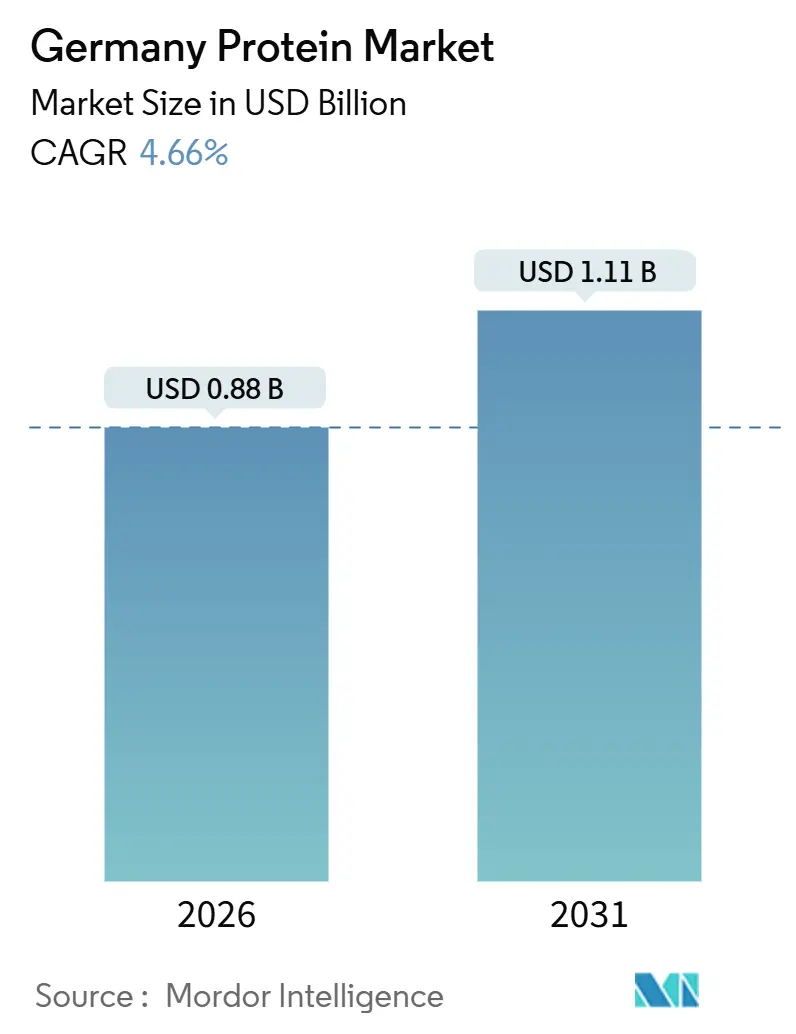
Germany's protein market, valued at USD 0.88 billion in 2026, is set to grow to USD 1.11 billion by 2031, marking a steady CAGR of 4.66%. This market is not only resilient but also driven by innovation, influenced more by enduring trends in nutrition, health, and sustainability than by fleeting consumption patterns. In Germany, protein is increasingly recognized as essential for muscle health, healthy aging, metabolic wellness, and active lifestyles. This recognition is propelling its incorporation into daily diets across various consumption moments. The market is further driven by rising consumer awareness of the benefits of protein, the growing demand for plant-based and alternative protein sources, and the increasing focus on clean-label and sustainable products. Moreover, advancements in processing technologies are boosting protein's functionality and sensory appeal, paving the way for wider applications and increased repeat consumption.
Key Report Takeaways
- By product type, animal proteins held 36.54% of the Germany protein market share in 2025; plant proteins are projected to register a 4.86% CAGR through 2031.
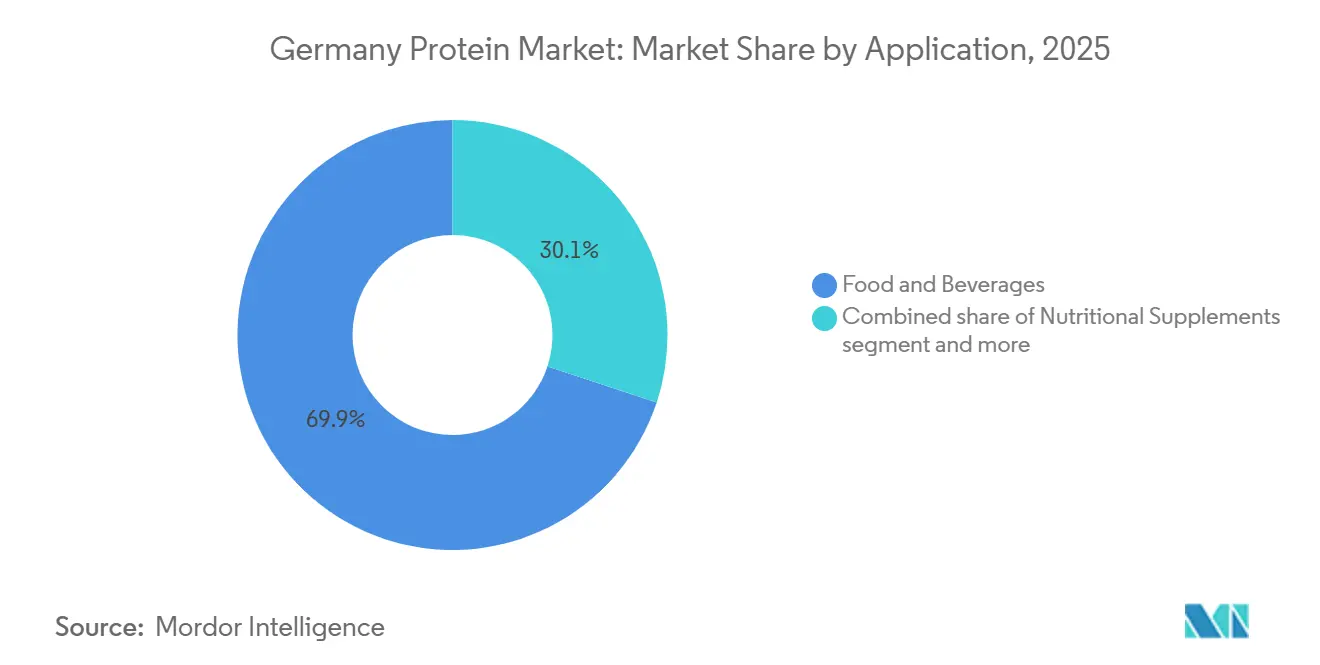
- By application, food and beverages captured 69.92% revenue share in 2025; cosmetics and personal care are set to grow at a 5.54% CAGR through 2031.
Note: Market size and forecast figures in this report are generated using Mordor Intelligence’s proprietary estimation framework, updated with the latest available data and insights as of January 2026.
Germany Protein Market Trends and Insights
Drivers Impact Analysis*
| Driver | (~) % Impact on CAGR Forecast | Geographic Relevance | Impact Timeline |
|---|---|---|---|
| Strong sports, fitness, and active lifestyle culture | +0.9% | National, with concentration in urban centers (Berlin, Munich, Hamburg) | Medium term (2-4 years) |
| Aging population driving functional protein demand | +1.1% | National, with higher intensity in rural and suburban areas | Long term (≥ 4 years) |
| Advanced plant-based innovation ecosystem | +1.3% | National, with Research and Development clusters in Bavaria, North Rhine-Westphalia | Medium term (2-4 years) |
| Clean-label and ingredient transparency expectations | +0.8% | National, with stronger influence in organic retail channels and premium supermarket segments | Short term (≤ 2 years) |
| Increasing demand for high-quality, easily digestible proteins | +0.7% | National, with emphasis on senior-focused and medical nutrition segments | Medium term (2-4 years) |
| Functional and convenient food formats | +0.6% | National, with urban concentration for on-the-go consumption | Short term (≤ 2 years) |
| Source: Mordor Intelligence | |||
Strong sports, fitness, and active lifestyle culture
Germany's robust culture of sports, fitness, and active living is a key catalyst for the nation's protein market. In Germany, protein consumption has evolved from being solely associated with professional athletics to becoming an integral part of mainstream wellness routines. Consumers link protein intake not just to muscle development and strength maintenance, but also to recovery and overall physical performance. As a result, protein has transitioned from a niche supplement to a staple dietary component. This shift in perception has broadened the demand for protein, moving it beyond traditional powders to everyday food and beverage formats. Manufacturers are now strategically targeting consumption moments: before, during, and after physical activity. Reinforcing this trend, data from the German Olympic Sports Confederation revealed that in 2024, approximately 11.3 million individuals were registered at fitness studios across Germany [1]. This underscores the vast, active consumer base driving the demand for protein products focused on performance and recovery. Such widespread participation solidifies sports and fitness as a long-term growth pillar for Germany's protein market, distancing it from being merely a cyclical or trend-driven phenomenon.
Aging population driving functional protein demand
In Germany, an aging population is driving a surge in demand for functional proteins, influencing consumption trends in medical nutrition, senior-centric foods, dietary supplements, and functional beverages. As Germans age, they're becoming more attuned to health challenges like muscle mass loss, reduced mobility, declining bone density, slower recovery times, and weakened immunity. These concerns have made protein intake pivotal in strategies for healthy aging. Older German consumers are now placing a premium on high-quality, easily digestible, and clinically validated proteins, aiming to bolster muscle maintenance, strength, and functional independence. This trend is further underscored by the healthcare system and nutrition experts, who advocate for adequate protein intake as a means to mitigate frailty and lessen the healthcare burden in later years. Supporting this shift, data from the Federal Statistical Office revealed that in 2024, approximately 15.59% of Germans were aged between 65 and 79, underscoring a growing market for age-targeted nutritional solutions [2]. Given this demographic landscape, the demand for functional proteins in Germany is poised for sustained growth, solidifying their role in food, nutrition, and health applications.
Advanced plant-based innovation ecosystem
Germany's advanced plant-based innovation ecosystem is propelling the country to the forefront of Europe's protein market, establishing it as a key hub for the development, scaling, and commercialization of next-generation proteins. The nation boasts a robust network comprising food ingredient manufacturers, start-ups, research institutes, and pilot-scale processing facilities. These entities are dedicated to enhancing plant proteins in terms of taste, texture, and nutritional value. Innovations have tackled age-old challenges of plant proteins, such as off-flavors, gritty textures, and digestibility issues. This has been achieved through cutting-edge methods like advanced fractionation, enzymatic modification, extrusion technologies, and fermentation-assisted processing. Thanks to these technological strides, plant proteins can now be reliably utilized across diverse applications. Furthermore, close collaboration between ingredient developers and food producers not only accelerates co-development tailored to specific applications but also mitigates formulation risks and expedites commercialization timelines.
Clean-label and ingredient transparency expectations
In Germany, the protein market is being reshaped by a strong emphasis on clean-label and ingredient transparency. German consumers, among the most discerning in Europe, closely examine protein products, favoring short ingredient lists, recognizable materials, non-GMO labels, minimal processing, and clear allergen information. This scrutiny benefits protein ingredients that are seen as natural, traceable, and responsibly sourced. As a result, manufacturers are shifting away from heavily modified protein isolates and synthetic additives. Instead, they're gravitating towards native proteins, gently processed concentrates, and fermentation-assisted solutions that prioritize both functionality and transparency. This trend isn't limited to food and beverages; it spans sports nutrition, medical nutrition, cosmetics, and nutricosmetics, underscoring the importance of protein credibility and ingredient clarity in building consumer trust. Further emphasizing this shift, the Federal Office for Agriculture and Food (BLE) reported that by 2025, 7,252 companies were engaged in producing or selling organic-labeled products in Germany, underscoring the significant influence of transparency and clean-label principles on protein sourcing and product development.
Restraints Impact Analysis*
| Restraint | (~) % Impact on CAGR Forecast | Geographic Relevance | Impact Timeline |
|---|---|---|---|
| Stringent novel food approval processes | -0.7% | National, aligned with Europe regulatory framework | Medium term (2-4 years) |
| Allergen and intolerance constraints | -0.5% | National, with heightened impact in infant nutrition and medical food segments | Short term (≤ 2 years) |
| Consumer skepticism toward highly processed proteins | -0.4% | National, more pronounced in organic and natural product segments | Short term (≤ 2 years) |
| Supply consistency and raw material variability | -0.3% | National, with exposure to global commodity markets for soy and pea | Medium term (2-4 years) |
| Source: Mordor Intelligence | |||
Stringent novel food approval processes
Germany's protein market faces significant constraints due to stringent novel food approval processes, especially for emerging protein sources like precision-fermented, microbial, algal, and insect-based proteins. Operating under the European Union’s Novel Food Regulation, Germany mandates extensive pre-market authorizations. This includes comprehensive safety dossiers, detailed toxicological data, thorough allergen assessments, and rigorous validation of production processes before any novel protein can hit the market. Such regulatory rigor not only elongates the time-to-market but also significantly escalates compliance costs and investment risks. This is particularly challenging for start-ups and innovation-driven companies that don't possess the regulatory scale or resources of their multinational counterparts. Moreover, even after approval, stringent requirements related to labeling, usage conditions, and continuous safety monitoring further restrict manufacturers' formulation flexibility, creating additional hurdles for market entry and product innovation.
Allergen and intolerance constraints
In Germany, the protein market grapples with constraints stemming from allergens and intolerances. These limitations curtail both the reach to consumers and the flexibility in formulating products across the food, nutrition, and personal care sectors. Many protein sources, renowned for their functional superiority, such as dairy proteins, soy, and wheat, are deemed major allergens by regulations. This classification mandates labeling and invites closer scrutiny from consumers. German consumers, known for their ingredient awareness, often sidestep products with potential allergens. Their avoidance stems from concerns like lactose intolerance, gluten sensitivity, and soy avoidance, and not solely from medically diagnosed allergies. Such behavior shrinks the market for traditional protein ingredients, especially in mainstream food and beverage sectors where broad acceptance is vital. For manufacturers, navigating these allergen constraints complicates product development. Crafting free-from or allergen-free protein formulations frequently necessitates the substitution of these high-performing proteins.
*Our forecasts treat driver/restraint impacts as directional, not additive. The impact forecasts reflect baseline growth, mix effects, and variable interactions.
Segment Analysis
By Product Type: Plant Proteins Gain Despite Animal's Volume Lead
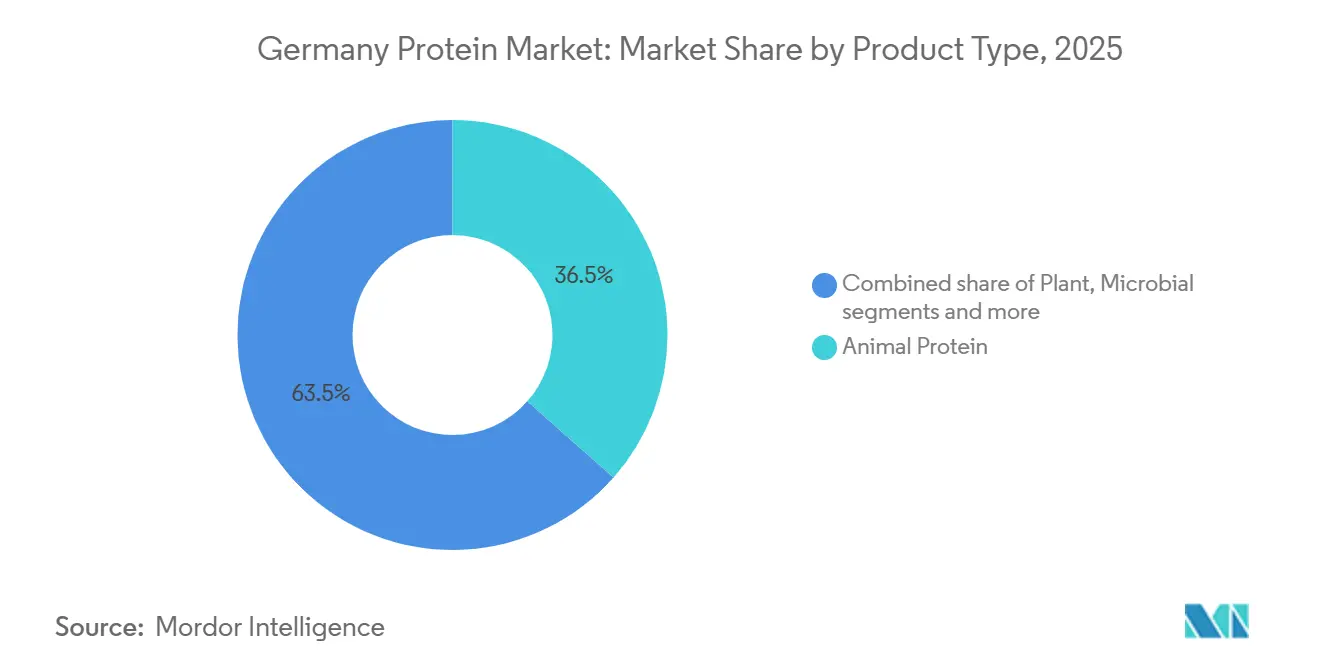
In 2025, animal proteins accounted for a 36.54% share of Germany's protein market, driven by their nutritional completeness and functional reliability. Deeply woven into the nation's food and health fabric, animal proteins consistently outshine their alternatives, thanks to their high biological value and digestibility. Central to this narrative is whey protein, benefiting from Germany's strategic position in Europe's dairy belt. Here, advanced processing, stringent quality standards, and established supply chains guarantee its consistent performance. Highlighting whey’s significance, trade data from the World Integrated Trade Solution (WITS) reveals Germany's 2024 import of whey worth USD 169.06 million, a testament to its industrial demand and pivotal role in the nation's protein landscape [3].
Plant proteins are on the rise in Germany, boasting a CAGR of 4.86% through 2031. While they start from a smaller base than animal proteins, they're quickly becoming the fastest-growing segment in the country's protein market. This surge is largely attributed to a shift in dietary habits. Instead of strict veganism, many Germans are adopting a flexitarian approach, curbing meat consumption and turning to proteins from legumes, cereals, and seeds. Additionally, plant proteins align with Germany's growing focus on sustainability, climate-conscious consumption, and animal welfare, which are increasingly shaping consumer preferences. The rising demand is further supported by innovations in plant-based protein processing and product development, making these alternatives more appealing in terms of taste, texture, and nutritional value.

By Application: Beauty Outpaces Food as Collagen Demand Surges
In 2025, food and beverage applications accounted for 69.92% of Germany's protein market, solidifying this segment as the primary driver of both volume demand and value realization within the protein ecosystem. This dominance underscores the evolving perception of protein: once seen as a niche ingredient for sports or medical use, it's now recognized as a staple in daily nutrition. Manufacturers are embedding proteins across a diverse range of products from bakery items, dairy and its alternatives, and beverages to snacks, cereals, meat and its alternatives, and even ready-to-eat or cook foods. This strategic inclusion allows them to cater to various consumer needs, including satiety, muscle maintenance, digestive health, and balanced nutrition, all within familiar eating contexts. The growing consumer awareness of protein's role in overall health and wellness further amplifies its integration into everyday food and beverage products, driving innovation and market expansion.
While cosmetics and personal care applications represent a smaller segment, they're witnessing a robust expansion at a 5.54% CAGR through 2031. This growth positions them as one of the fastest-growing end-use areas for proteins in Germany. The surge is fueled by a merging of beauty, health, and nutrition realms. Here, proteins are not just seen as functional ingredients but as bioactive compounds enhancing skin structure, hair strength, and overall aesthetic wellness. German consumers, with their keen understanding of ingredients and a scientific approach, are gravitating towards protein-based formulations. They prioritize products that are dermatologically tested, clinically validated, and transparently labeled, underscoring a demand for high-quality, traceable protein sources. Additionally, the increasing focus on sustainability and ethical sourcing in the cosmetics industry is driving the adoption of innovative protein solutions, further strengthening this segment's growth trajectory.
Geography Analysis
Germany, as Europe's largest economy and most populous nation, boasts a protein market bolstered by a diverse consumption base that caters to both volume-driven and premium demands. The nation's robust ecosystem in food, nutrition, and life sciences facilitates the swift scaling of protein ingredients across various sectors, including food and beverage, supplements, and personal care. With strong institutional frameworks, advanced logistics, and a harmonized regulatory landscape, Germany not only meets its domestic protein demand efficiently but also serves as a redistribution hub for broader European markets. This central geographic position cements Germany's status as a pivotal market for animal, plant, and emerging protein formats.
Germany's protein market is anchored by a formidable manufacturing base, predominantly in Bavaria, North Rhine-Westphalia, and Baden-Württemberg. These regions are home to dense clusters of dairy processors, ingredient manufacturers, food technology firms, and biotechnology entities. This concentration fosters robust upstream integration for whey, milk proteins, plant proteins, and fermentation-derived inputs. Their proximity to agricultural raw materials, coupled with advanced processing infrastructure and reasearch and development capabilities, ensures consistent quality, functional reliability, and innovation-driven product development. Consequently, southern and western Germany serve as the industrial backbone of the national protein market, catering to both domestic needs and export-oriented production.
Urban hubs like Berlin, Munich, and Hamburg significantly influence the demand for sports nutrition, premium plant-based proteins, and functional protein-enriched foods. This trend is bolstered by the cities' younger demographics, heightened health consciousness, and vibrant retail innovation. Often at the forefront of adopting flexitarian, vegan, and performance-centric protein products, these urban centers frequently set the tone for national consumption trends. Conversely, rural and suburban areas show a pronounced preference for traditional animal proteins, especially dairy and meat, underscoring deep-rooted dietary habits and regional food traditions. This urban-rural dynamic crafts a well-rounded geographic demand profile, harmonizing metropolitan innovation with stable consumption patterns
Competitive Landscape
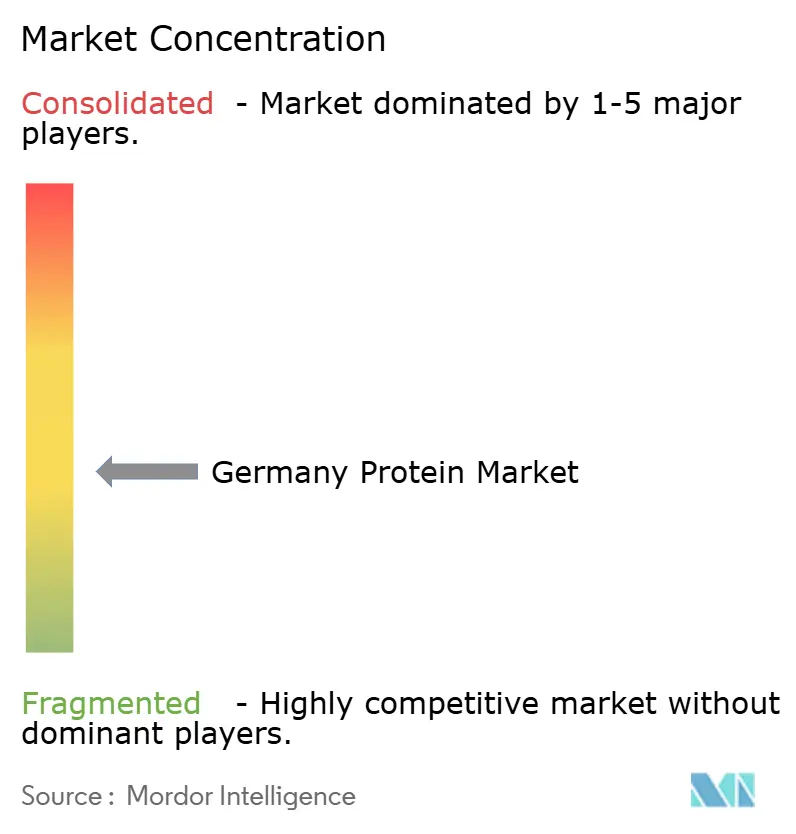
Germany's protein market is characterized by moderate fragmentation, influenced by global ingredient multinationals, robust European cooperatives, and specialized protein processors. Key players in the market include Agrial Group, Archer Daniels Midland Company, Cargill, Incorporated, and Kerry Group PLC. These companies leverage diversified portfolios that encompass both animal- and plant-based proteins. They also benefit from strong sourcing networks and are deeply integrated into Germany’s food, beverage, nutrition, and personal care sectors. Their competitive edge is bolstered by long-term supply agreements, expertise in navigating regulations, and a commitment to delivering consistent quality at an industrial scale. This is especially crucial in a market governed by stringent food safety and labeling standards.
Technology stands out as the dominant competitive lever, setting industry leaders apart from mid-tier and niche players. Innovations in precision fermentation, enzymatic processing, and advanced fractionation are enhancing solubility, taste neutrality, digestibility, and overall functional performance. Notably, precision fermentation is emerging as a game-changer. It facilitates the creation of animal-identical proteins sans livestock, resonating with Germany’s sustainability goals while preserving the nutritional benefits of traditional animal proteins. Companies boasting robust capabilities and pilot-to-scale fermentation infrastructure are reaping significant advantages, particularly in lucrative sectors like medical nutrition, dairy alternatives, and functional beverages.
Simultaneously, strategic partnerships are redefining the competitive landscape of Germany's protein sector. Top ingredient suppliers are forging alliances with food manufacturers, retailers, and biotech firms. These collaborations aim to secure feedstock access, hasten innovation, and co-create tailored protein solutions. Such partnerships not only cement demand but also mitigate formulation risks for clients and expedite the commercialization of novel proteins. The industry is witnessing a paradigm shift: companies are moving away from volume-centric competition to a solution-oriented approach. They're now emphasizing customized protein systems, sustainability credentials, and comprehensive technical support. Consequently, Germany's protein market is morphing into a dynamic ecosystem where collaboration and competition coexist, underscoring the importance of technological prowess and partnership depth alongside traditional metrics like scale and sourcing.
Germany Protein Industry Leaders
-
Agrial Group
-
Archer Daniels Midland Company
-
Arla Foods amba
-
Cargill, Incorporated
-
Kerry Group PLC
- *Disclaimer: Major Players sorted in no particular order
Recent Industry Developments
- October 2025: Ehrmann, in collaboration with Alzchem Group AG, announced the expansion of its High Protein product line, Creavitalis. Alzchem’s high-quality creatine, produced in a certified facility in Germany, is specifically designed for use in foods and dietary supplements.
- April 2025: Beneo has inaugurated its first pulse-processing plant at a cost of approximately EUR 50 million at its site in Obrigheim, Rhineland-Palatinate, Germany. The plant will produce pulse-derived proteins, such as those from faba beans, which are used in meat and dairy alternatives as well as egg replacements.
- November 2024: ICL Food Specialties and DAIZ Engineering Unveiled and Extensively Promoted ROVITARIS SprouTx Textured Soy Protein with Enhanced Features at Food Ingredients Europe 2024 in Frankfurt, Germany.
Germany Protein Market Report Scope
Protein ingredients are derived from various animal, plant, and microbial sources that are often used to enhance the functional properties of foods, beverages, personal care products, and animal feed.
The Germany protein market is segmented based on the product type and application. Based on the product type, the market is segmented into animal, plant, microbial, and insects. Based on the application, the market is segmented into food and beverages, nutritional supplements, animal feed, cosmetics and personal care, pharmaceuticals, and others.
The report provides market size and forecasts in both value (USD) and volume (tons) for all the mentioned segments.
By Product Type
| Animal | Casein and Caseinates |
| Collagen | |
| Egg Protein | |
| Gelatin | |
| Insect Protein | |
| Milk Protein | |
| Whey Protein | |
| Other Animal Proteins | |
| Plant | Hemp Protein |
| Pea Protein | |
| Potato Protein | |
| Rice Protein | |
| Soy Protein | |
| Wheat Protein | |
| Other Plant Proteins | |
| Microbial | Algae Protein |
| Mycoprotein | |
| Insects |
By Application
| Food and Beverages |
| Nutritional Supplements |
| Animal Feed |
| Cosmetics and Personal Care |
| Pharmaceutical |
| Others |
| By Product Type | Animal | Casein and Caseinates |
| Collagen | ||
| Egg Protein | ||
| Gelatin | ||
| Insect Protein | ||
| Milk Protein | ||
| Whey Protein | ||
| Other Animal Proteins | ||
| Plant | Hemp Protein | |
| Pea Protein | ||
| Potato Protein | ||
| Rice Protein | ||
| Soy Protein | ||
| Wheat Protein | ||
| Other Plant Proteins | ||
| Microbial | Algae Protein | |
| Mycoprotein | ||
| Insects | ||
| By Application | Food and Beverages | |
| Nutritional Supplements | ||
| Animal Feed | ||
| Cosmetics and Personal Care | ||
| Pharmaceutical | ||
| Others | ||
Market Definition
- End User - The Protein Ingredients Market operates on a B2B basis. Food, Beverages, Supplements, Animal Feed, and Personal Care & Cosmetic manufacturers are considered to be end-consumers in the market studied. The scope excludes manufacturers buying liquid/dry whey to be used for application as a binding agent or thickener or other non-protein applications.
- Penetration Rate - Penetration Rate is defined as the percentage of Protein-Fortified End User Market Volume in the Overall End User Market Volume.
- Average Protein Content - Average protein content is the average protein content present per 100 g of product manufactured by all end-user companies considered under the scope of this report.
- End User Market Volume - End-user market volume is the consolidated volume of all types and forms of end-user products in the country or region.
| Keyword | Definition |
|---|---|
| Alpha-lactalbumin (α-Lactalbumin) | It is a protein that regulates the production of lactose in the milk of almost all mammalian species. |
| Amino acid | It is an organic compound that contains both amino and carboxylic acid functional groups, which are required for the synthesis of body protein and other important nitrogen-containing compounds, such as creatine, peptide hormones, and some neurotransmitters. |
| Blanching | It is the process of briefly heating vegetables with steam or boiling water. |
| BRC | British Retail Consortium |
| Bread improver | It is a flour-based blend of several components with specific functional properties designed to modify dough characteristics and give quality attributes to bread. |
| BSF | Black Soldier Fly |
| Caseinate | It is a substance produced by adding an alkali to acid casein, a derivative of casein. |
| Celiac disease | Celiac disease is an immune reaction to eating gluten, a protein found in wheat, barley, and rye. |
| Colostrum | It is a milky fluid that’s released by mammals that have recently given birth before breast milk production begins. |
| Concentrate | It is the least processed form of protein and has a protein content ranging from 40-90% by weight. |
| Dry protein basis | It refers to the percentage of "pure protein" present in a supplement after the water in it is completely removed through heat. |
| Dry whey | It is the product resulting from drying fresh whey which has been pasteurized and to which nothing has been added as a preservative. |
| Egg protein | It is a mixture of individual proteins, including ovalbumin, ovomucoid, ovoglobulin, conalbumin, vitellin, and vitellenin. |
| Emulsifier | It is a food additive that facilitates the blending of foods that are immiscible with one another, such as oil and water. |
| Enrichment | It is the process of addition of micronutrients that are lost during the processing of the product. |
| ERS | Economic Research Service of the USDA |
| Extrusion | It is the process of forcing soft mixed ingredients through an opening in a perforated plate or die designed to produce the required shape. The extruded food is then cut to a specific size by blades. |
| Fava | Also known as Faba, it is another word for yellow split beans. |
| FDA | Food and Drug Administration |
| Flaking | It is a process in which typically a cereal grain (like corn, wheat, or rice) is broken down into grits, cooked with flavors and syrups, and then pressed into flakes between cooled rollers. |
| Foaming agent | It is a food ingredient that makes it possible to form or maintain a uniform dispersion of a gaseous phase in a liquid or solid food. |
| Foodservice | It refers to the part of the food industry which includes businesses, institutions, and companies which prepare meals outside the home. It includes restaurants, school and hospital cafeterias, catering operations, and many other formats. |
| Fortification | It is the deliberate addition of micronutrients that are not found in them naturally or which are lost during processing, to improve a food product's nutritional value. |
| FSANZ | Food Standards Australia New Zealand |
| FSIS | Food Safety and Inspection Service |
| FSSAI | Food Safety and Standards Authority of India |
| Gelling agent | It is an ingredient that functions as a stabilizer and thickener to provide thickening without stiffness through the formation of gel. |
| GHG | Greenhouse Gas |
| Gluten | It is a family of proteins found in grains, including wheat, rye, spelt, and barley. |
| Hemp | It is a botanical class of Cannabis sativa cultivars grown specifically for industrial or medicinal use. |
| Hydrolysate | It is a form of protein manufactured by exposing the protein to enzymes that can partially break the bonds between the protein's amino acids and break down large, complicated proteins into smaller pieces. Its processing makes it easier and quicker to digest. |
| Hypoallergenic | It refers to a substance that causes fewer allergic reactions. |
| Isolate | It is the purest and most processed form of protein which has undergone separation to obtain a pure protein fraction. It typically contains ≥ 90% of protein by weight. |
| Keratin | It is a protein that helps form hair, nails, and the outer layer of skin. |
| Lactalbumin | It is the albumin contained in milk and obtained from whey. |
| Lactoferrin | It is an iron‑binding glycoprotein that is present in the milk of most mammals. |
| Lupin | It is the yellow legume seeds of the genus Lupinus. |
| Millenial | Also known as Generation Y or Gen Y, it refers to the people born from 1981 to 1996. |
| Monogastric | It refers to an animal with a single-compartmented stomach. Examples of monogastric include humans, poultry, pigs, horses, rabbits, dogs, and cats. Most monogastric are generally unable to digest much cellulose food materials such as grasses. |
| MPC | Milk protein concentrate |
| MPI | Milk protein isolate |
| MSPI | Methylated soy protein isolate |
| Mycoprotein | Mycoprotein is a form of single-cell protein, also known as fungal protein, derived from fungi for human consumption. |
| Nutricosmetics | It is a category of products and ingredients that act as nutritional supplements to care for skin, nails, and hair natural beauty. |
| Osteoporosis | It is a medical condition in which the bones become brittle and fragile from loss of tissue, typically as a result of hormonal changes, or deficiency of calcium or vitamin D. |
| PDCAAS | Protein digestibility-corrected amino acid score (PDCAAS) is a method of evaluating the quality of a protein based on both the amino acid requirements of humans and their ability to digest it. |
| Per-capita consumption of animal protein | It is the average amount of animal protein (such as milk, whey, gelatin, collagen, and egg proteins) that is readily available for consumption by each person in an actual population. |
| Per-capita consumption of plant protein | It is the average amount of plant protein (such as soy, wheat, pea, oat, and hemp proteins) that is readily available for consumption by each person in an actual population. |
| Quorn | It is a microbial protein manufactured using mycoprotein as an ingredient, in which the fungus culture is dried and mixed with egg albumen or potato protein, which acts as a binder, and then is adjusted in texture and pressed into various forms. |
| Ready-to-Cook (RTC) | It refers to food products that include all of the ingredients, where some preparation or cooking is required through a process that is given on the package. |
| Ready-to-Eat (RTE) | It refers to a food product prepared or cooked in advance, with no further cooking or preparation required before being eaten. |
| RTD | Ready-to-Drink |
| RTS | Ready-to-Serve |
| Saturated fat | It is a type of fat in which the fatty acid chains have all single bonds. It is generally considered unhealthy. |
| Sausage | It is a meat product made of finely chopped and seasoned meat, which may be fresh, smoked, or pickled and which is then usually stuffed into a casing. |
| Seitan | It is a plant-based meat substitute made out of wheat gluten. |
| Softgel | It is a gelatin-based capsule with a liquid fill. |
| SPC | Soy protein concentrate |
| SPI | Soy protein isolate |
| Spirulina | It is a biomass of cyanobacteria that can be consumed by humans and animals. |
| Stabilizer | It is an ingredient added to food products to help maintain or enhance their original texture, and physical and chemical characteristics. |
| Supplementation | It is the consumption or provision of concentrated sources of nutrients or other substances that are intended to supplement nutrients in the diet and is intended to correct nutritional deficiencies. |
| Texturant | It is a specific type of food ingredient that is used to control and alter the mouthfeel and texture of food and beverage products. |
| Thickener | It is an ingredient that is used to increase the viscosity of a liquid or dough and make it thicker, without substantially changing its other properties. |
| Trans fat | Also called trans-unsaturated fatty acids or trans fatty acids, it is a type of unsaturated fat that naturally occurs in small amounts in meat. |
| TSP | Textured soy protein |
| TVP | Textured vegetable protein |
| WPC | Whey protein concentrate |
| WPI | Whey protein isolate |
Research Methodology
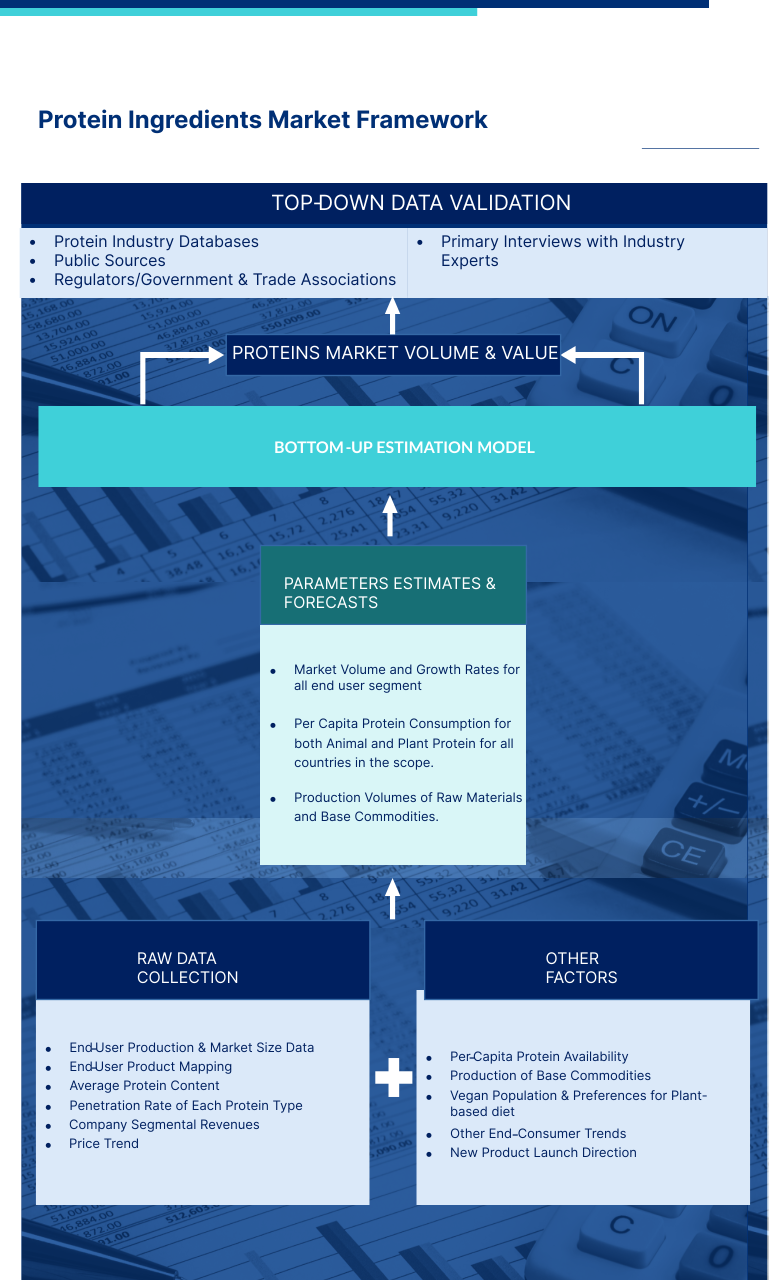
Mordor Intelligence follows a four-step methodology in all our reports.
- Step-1: Identify Key Variables: The quantifiable key variables (industry and extraneous) pertaining to the specific product segment and country are selected from a group of relevant variables & factors based on desk research & literature review; along with primary expert inputs. These variables are further confirmed through regression modeling (wherever required).
- Step-2: Build a Market Model: In order to build a robust forecasting methodology, the variables and factors identified in Step-1 are tested against available historical market numbers. Through an iterative process, the variables required for market forecast are set and the model is built on the basis of these variables.
- Step-3: Validate and Finalize: In this important step, all market numbers, variables and analyst calls are validated through an extensive network of primary research experts from the market studied. The respondents are selected across levels and functions to generate a holistic picture of the market studied.
- Step-4: Research Outputs: Syndicated Reports, Custom Consulting Assignments, Databases & Subscription Platforms