
Visceral Pain Treatment Market Size and Share
Market Overview
| Study Period | 2021 - 2032 |
|---|---|
| Market Size (2027) | USD 17.98 Billion |
| Market Size (2032) | USD 25.03 Billion |
| Growth Rate (2026 - 2032) | 6.84 % |
| Fastest Growing Market | Asia-Pacific |
| Largest Market | North America |
| Market Concentration | Medium |
Major Players *Disclaimer: Major Players sorted in no particular order Image © Mordor Intelligence. Reuse requires attribution under CC BY 4.0. | |
Visceral Pain Treatment Market Analysis by Mordor Intelligence
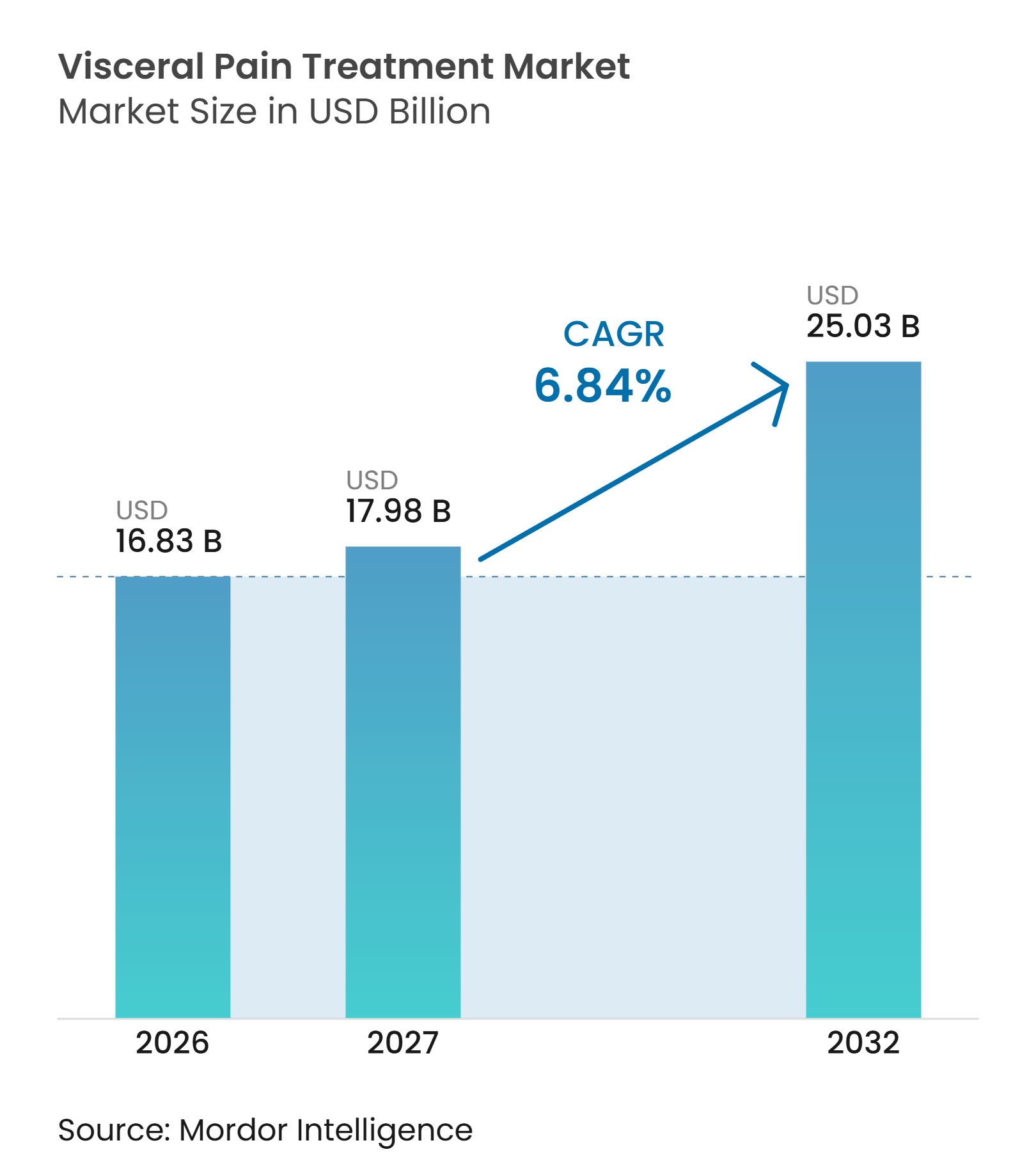
The Visceral Pain Treatment Market size is expected to increase from USD 16.83 billion in 2026 to USD 17.98 billion in 2027 and reach USD 25.03 billion by 2032, growing at a CAGR of 6.84% over 2027-2032.
The expanding prevalence of functional bowel disorders, inflammatory bowel disease, chronic pancreatitis, and pelvic pain conditions is increasing demand for care across a wider patient base. The visceral pain treatment market is also moving away from broad analgesic use toward therapies matched to inflammatory, neural, or local tissue mechanisms. This shift favors companies that can generate durable clinical outcomes and secure use earlier in treatment pathways. Biologics, targeted therapies, diagnostic tools, and neuromodulation devices are creating new opportunities, although access remains limited by diagnostic uncertainty, reimbursement variation, and biosimilar competition. The resulting market is shaped by the balance between established oral prescriptions and higher-value specialty treatments. The visceral pain treatment market depends on timely diagnosis and effective specialty access.
Key Report Takeaways
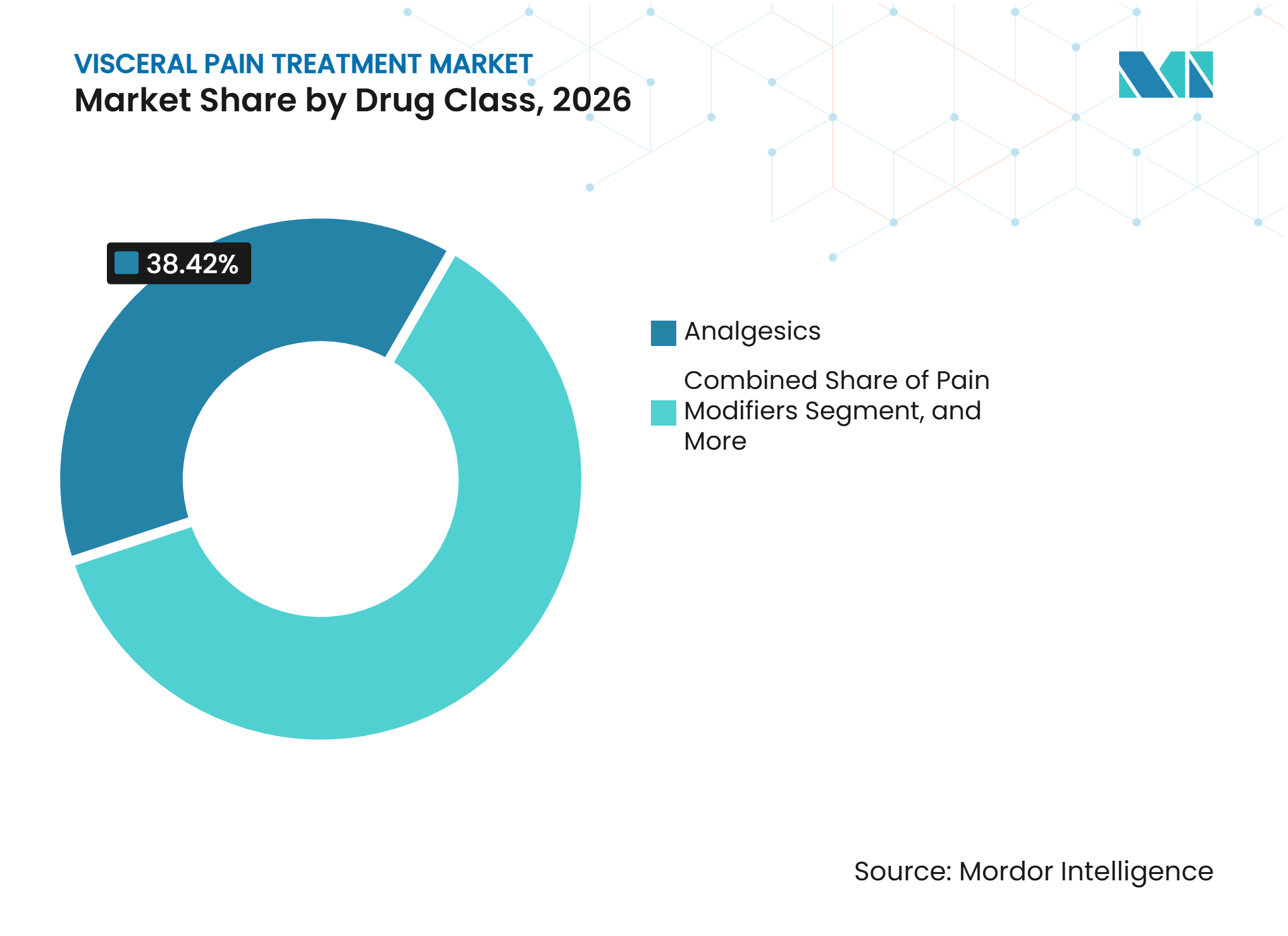
- By drug class, analgesics held 38.42% of the visceral pain treatment market share in 2026, while biologics and targeted immunotherapies are forecast to grow at a 7.21% CAGR through 2032.
- By indication, irritable bowel syndrome accounted for 34.15% of the visceral pain treatment market share in 2026, while inflammatory bowel disease is projected to expand at a 7.57% CAGR through 2032.
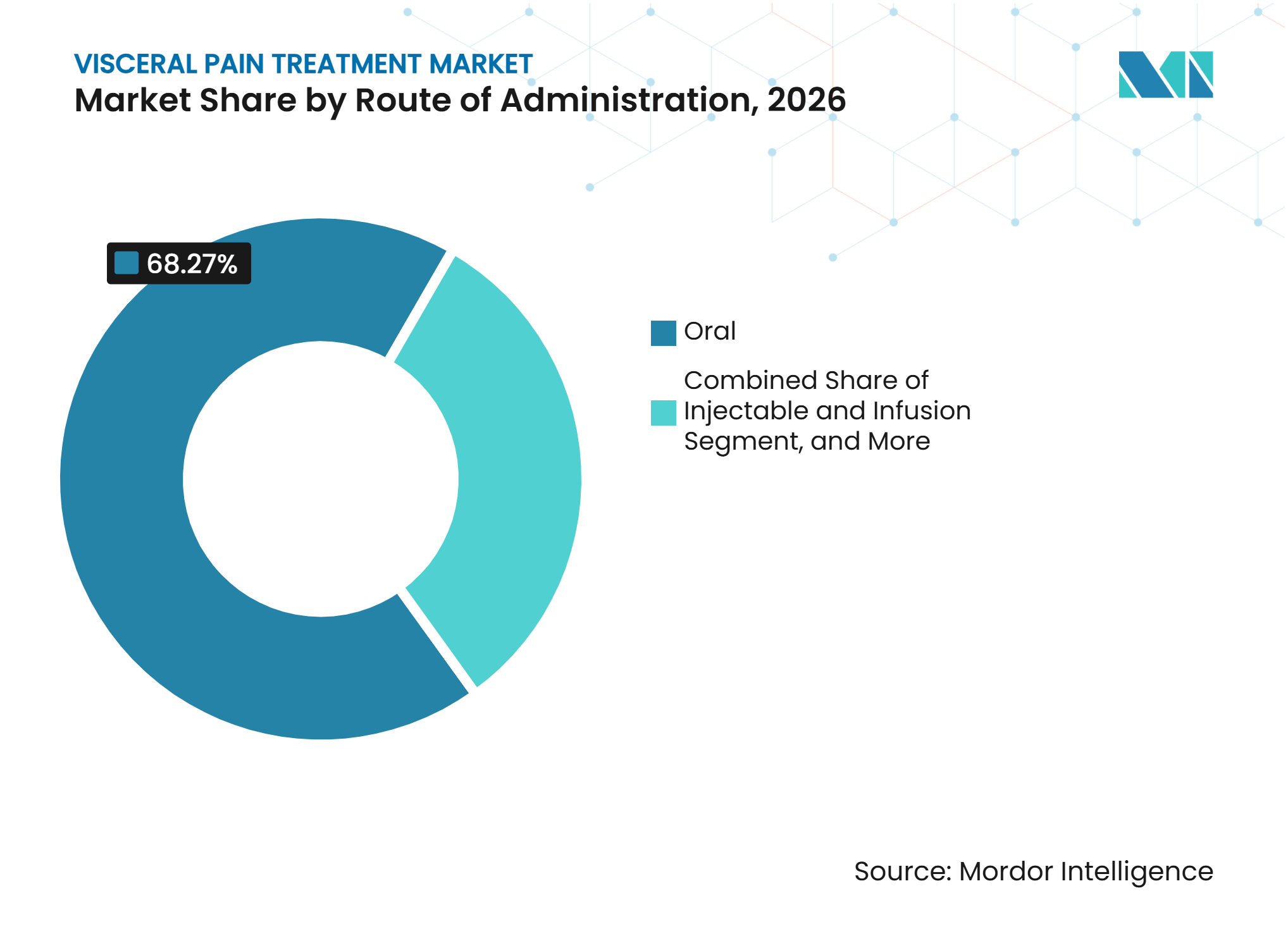
- By route of administration, oral formulations held 68.27% market share in 2026, while injectable and infusion formats are forecast to grow at an 8.43% CAGR through 2032.
- By distribution channel, retail pharmacies held 48.34% market share in 2026, while online pharmacies are projected to expand at an 8.92% CAGR through 2032.
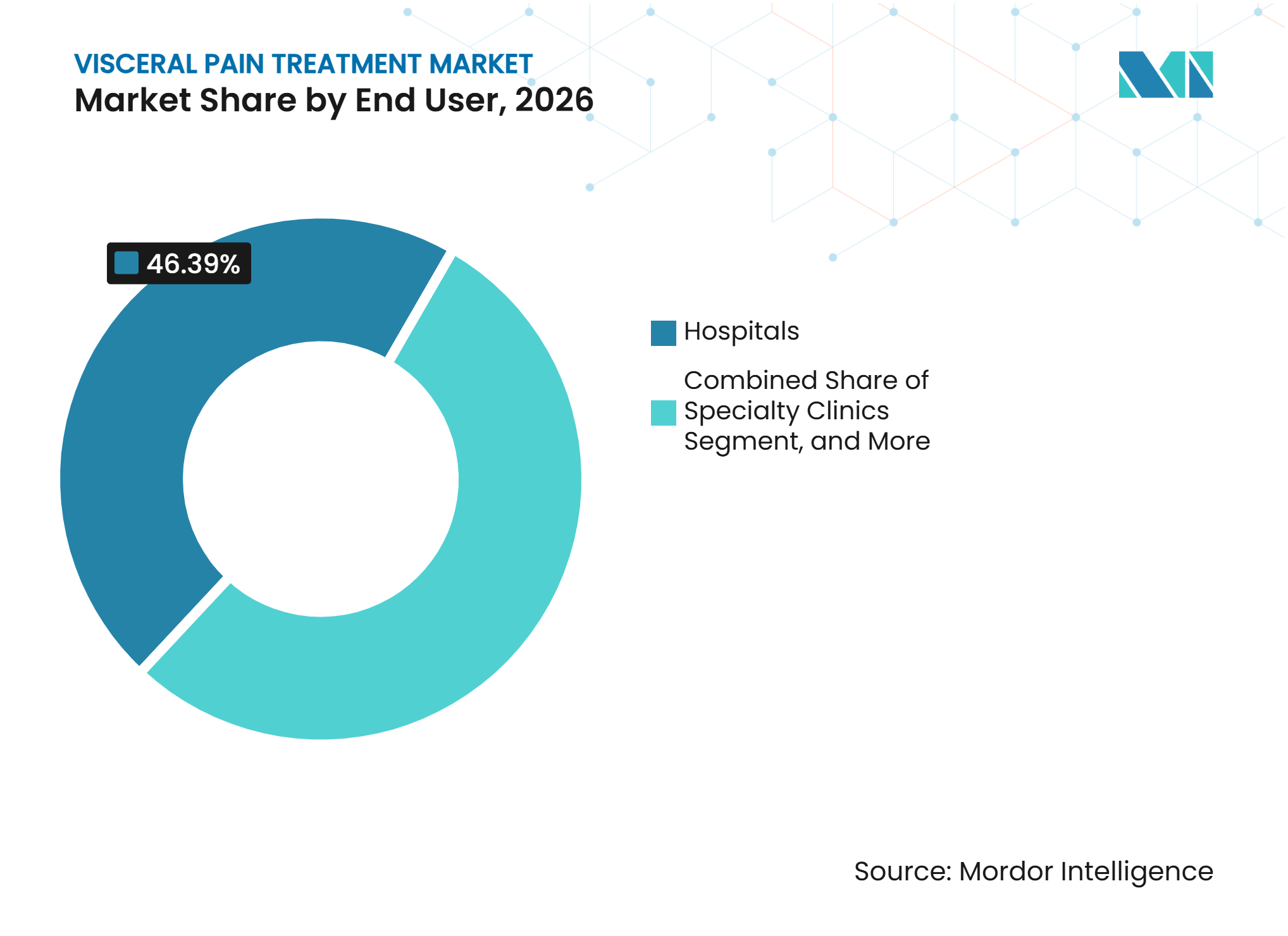
- By end user, hospitals accounted for 46.39% market share in 2026, while specialty clinics are forecast to grow at a 9.36% CAGR through 2032.
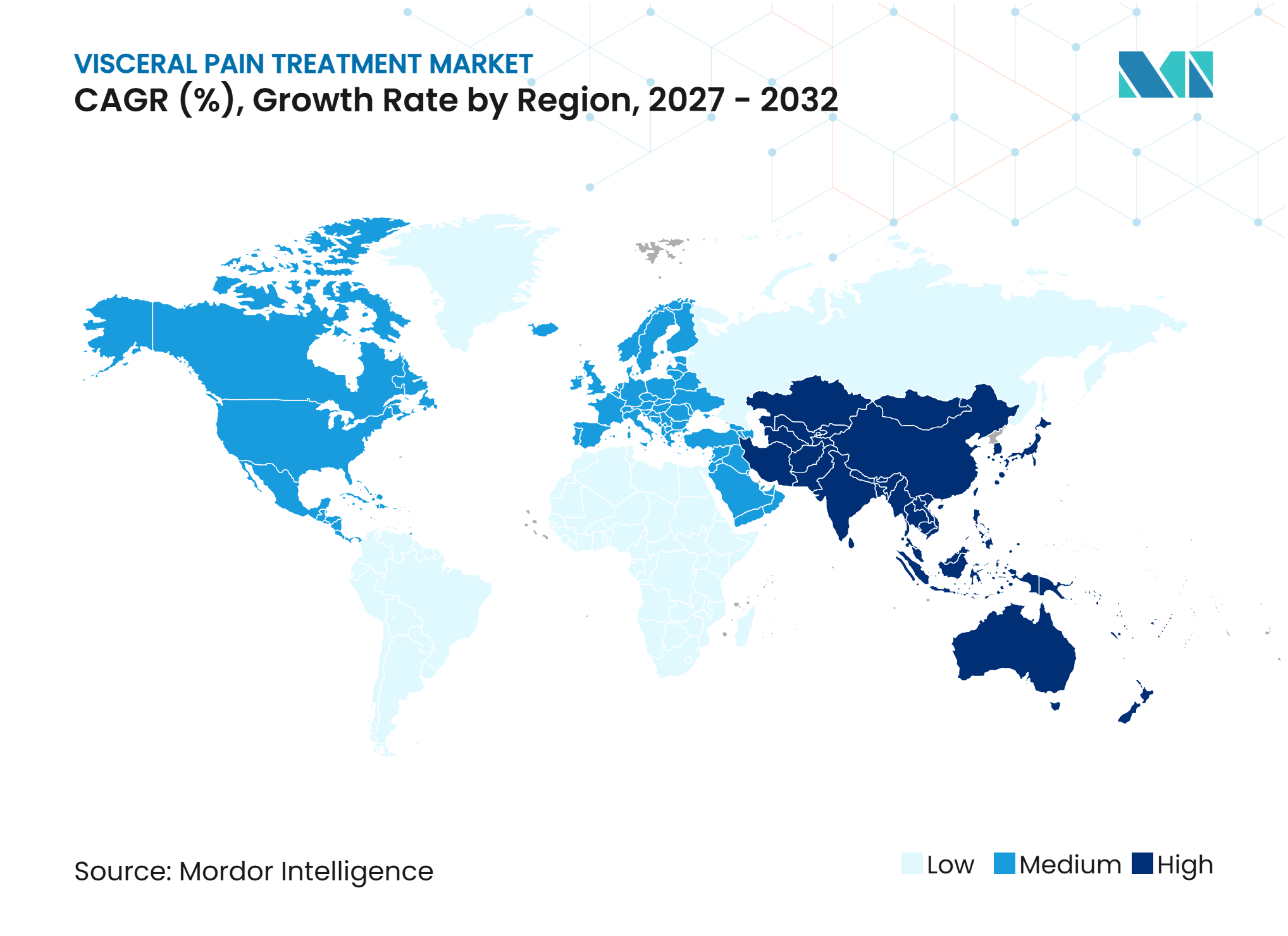
- By geography, North America held 37.45% market share in 2026, while Asia-Pacific is projected to expand at a 9.74% CAGR through 2032 in the visceral pain treatment market.
Note: Market numbers in this report are based on Mordor Intelligence's proprietary estimation framework, which combines nine months of actuals with Q4 projections for base year 2026.
Market Trends and Insights
Drivers Impact Analysis of Visceral Pain Treatment Market*
| Driver | (~) % Impact on CAGR Forecast | Geographic Relevance | Impact Timeline |
|---|---|---|---|
| Rising Burden of Gastrointestinal and Pelvic Pain Disorders | +1.4% | Global, accelerating in Asia-Pacific and South America | Long term (≥ 4 years) |
| Shift Toward Non-Opioid and Mechanism-Based Therapies | +1.5% | North America and Europe primarily, expanding globally | Medium term (2-4 years) |
| Expansion of IBS and IBD Diagnosis and Treatment Pathways | +1.3% | Global, highest impact in North America and Western Europe | Medium term (2-4 years) |
| FDA-Cleared Neuromodulation for Functional Abdominal Pain | +0.8% | North America, with spillover to Europe and Asia-Pacific | Short term (≤ 2 years) |
| Growing Use of Biomarker-Guided and Personalized Treatment | +0.9% | North America and the EU, with early adoption in Japan and South Korea | Medium term (2-4 years) |
| Increasing Access Through Specialty, Retail, and Digital Channels | +0.7% | Global, strongest in North America and Asia-Pacific e-pharmacy growth | Short term (≤ 2 years) |
| Source: Mordor Intelligence | |||
Rising Burden of Gastrointestinal and Pelvic Pain Disorders
Functional bowel disorders affected 33.2% of adults globally under Rome IV criteria in a 2025 study, illustrating the large underlying pool for the visceral pain treatment market . Inflammatory bowel disease affects more than 7 million people worldwide, and the burden is expected to rise as incidence grows in newly industrialized regions. A 2025 meta-analysis reported global IBS prevalence of 17.14% under Rome IV criteria, with prevalence of 20.17% among women and 11.45% among men. The patient pool also extends beyond gastrointestinal disease to interstitial cystitis, chronic prostatitis, and endometriosis-adjacent pelvic pain conditions. These conditions often have limited approved therapy options and require treatment plans that address nociceptive, neuropathic, and central pain mechanisms. The broader disease burden supports demand for medicines and devices that can be used across specialist care settings.
Shift Toward Non-Opioid and Mechanism-Based Therapies
The FDA approved JOURNAVX, or suzetrigine, in January 2025 for adults with moderate-to-severe acute pain, establishing an oral non-opioid option that selectively targets NaV1.8 pain signaling.[1] The approval is relevant to the visceral pain treatment market because it expands interest in therapies that reduce reliance on conventional opioid exposure. Research on chronic abdominal pain also identifies pH-sensitive opioid candidates, histamine H1 and H4 antagonists, GC-C receptor agonists, and neurokinin-targeted approaches as potential treatments for visceral hypersensitivity.[2] These approaches aim to act on disease-specific pathways rather than broadly suppress pain. A related review identifies a wider range of emerging molecular targets for gastrointestinal visceral pain, including immune and sensory pathways.[3] Companies with differentiated safety and mechanism data may gain a stronger position as prescribers seek options suitable for chronic use.
Expansion of IBS and IBD Diagnosis and Treatment Pathways
The FDA approved LINZESS for IBS-C in patients aged 7 years and older in November 2025, extending prescription treatment into a pediatric population. Full-year 2025 LINZESS prescription demand reached 234 million capsules, up 11% from the prior year. In IBD, SKYRIZI generated USD 6.4 billion in 2025 global sales and gained from use in biologic-naive patients as well as treatment switching. The clinical standard is becoming more demanding because prescribers consider clinical, endoscopic, histologic, and patient-reported outcomes together. This raises the evidence threshold for new entrants in the visceral pain treatment market. It also strengthens the value of long-term data for therapies used in chronic disease management.
FDA-Cleared Neuromodulation for Functional Abdominal Pain
NeurAxis received FDA 510(k) clearance in October 2025 for its percutaneous electrical nerve field stimulation technology for functional dyspepsia and associated nausea in patients aged 8 years and older. The clearance provides a defined regulatory path for a device category that has historically received less commercial attention than drug therapies. ESPGHAN and NASPGHAN included PENFS among high-GRADE therapies for functional abdominal pain in IBS in their 2025 guidance, according to NeurAxis. A Category I CPT code became effective in January 2026, improving the reimbursement foundation for use in clinical practice. A 2025 randomized study also reported a significant reduction in VAS pain scores after 20 days of transcutaneous auricular vagus nerve stimulation for persistent abdominal pain. These developments support a broader role for non-drug treatment in the visceral pain treatment market.
Restraints Impact Analysis of Visceral Pain Treatment Market*
| Restraint | (~) % Impact on CAGR Forecast | Geographic Relevance | Impact Timeline |
|---|---|---|---|
| Diagnostic Ambiguity and Overlapping Pain Phenotypes | -1.1% | Global, most acute in emerging markets with limited gastroenterology specialist density | Long term (≥ 4 years) |
| Adverse Effects and Dependence Risk of Conventional Analgesics | -0.9% | Global, most restrictive in North America and the EU where opioid regulations tighten | Medium term (2-4 years) |
| Limited Validated Biomarkers and Inconsistent Pain Endpoints | -0.8% | Global, most acute in clinical trial design for novel visceral pain candidates | Medium term (2-4 years) |
| Reimbursement and Evidence Gaps for Devices and Behavioral Care | -0.7% | North America and the EU, especially for digital therapeutics and neuromodulation | Short term (≤ 2 years) |
| Source: Mordor Intelligence | |||
Diagnostic Ambiguity and Overlapping Pain Phenotypes
Diagnostic uncertainty delays appropriate treatment and raises the cost of care in the visceral pain treatment market. A 2025 U.S. academic study found that only 12.5% of advanced laboratory tests ordered for IBS patients followed published society guidance.[4] In a 143-patient subset, the cost of inappropriate testing reached USD 39,007. A separate 2025 multicenter study identified racial, gender, and economic differences in the diagnosis of centrally mediated abdominal pain syndrome. Overlapping symptoms across IBS, IBD, chronic pancreatitis, and central sensitization complicate specialist referral and clinical trial design. These barriers can delay access to advanced medicines and restrict uptake of newer therapies.
Adverse Effects and Dependence Risk of Conventional Analgesics
European multidisciplinary guidance published in 2026 confirmed a role for opioids in severe acute pancreatitis pain episodes. At the same time, Vertex reported that 40 million Americans receive opioid prescriptions for moderate-to-severe acute pain each year, while 85,000 develop opioid use disorder from acute-pain prescriptions. This risk constrains prolonged use of a clinically effective analgesic class. NSAIDs can also be difficult to use in gastrointestinal conditions because prostaglandin inhibition may affect intestinal barrier integrity. Safety limitations therefore support interest in non-addictive and disease-specific alternatives. They also increase the commercial importance of products with clear safety data for long-term treatment.
*Our forecasts treat driver/restraint impacts as directional, not additive. The impact forecasts reflect baseline growth, mix effects, and variable interactions.
Visceral Pain Treatment Market Segment Analysis
By Drug Class:
Biologics Redefine GrowthAnalgesics held 38.42% of the share in 2026, reflecting established use of NSAIDs, opioid-based formulations, and other conventional medicines. Biologics and targeted immunotherapies are the fastest-growing class at a 7.21% CAGR through 2032. The category is supported by anti-integrin and anti-IL-23 programs used in IBD. SKYRIZI generated USD 6.4 billion in global IBD sales in 2025, showing the revenue potential of early treatment placement.
The visceral pain treatment market size for biologics is supported by the continued move toward disease-state specificity. Histamine receptor antagonists and pH-sensitive opioids are candidates intended to target mechanisms present in affected tissue. These approaches may reduce off-target effects that limit chronic use of conventional analgesics. In IBD, biologics increasingly compete on composite remission, durability, and earlier therapy use. Conventional products will remain important because they address a wider, largely oral treatment base.



By Indication:
IBD Gains Momentum While IBS Retains ScaleIrritable bowel syndrome accounted for 34.15% of the share in 2026. Its scale is supported by a large treatable population, a broad oral prescription base, and expanded use of LINZESS in pediatric IBS-C. LINZESS reached 234 million prescription capsules in 2025, up 11% year over year. IBD is the fastest-growing indication at a 7.57% CAGR through 2032 because biologic therapy use is deepening in Crohn's disease and ulcerative colitis. Lilly reported that 78% of eligible Omvoh-treated ulcerative colitis patients in the LUCENT-3 extension maintained corticosteroid-free clinical remission at 4 years.
Chronic pancreatitis, interstitial cystitis or bladder pain syndrome, and chronic prostatitis or pelvic pain syndrome have fewer established treatment choices. A 2025 review describes nociceptive, neuropathic, and nociplastic pain mechanisms that require different treatment strategies. Ironwood stopped development of IW-3300 after reviewing Phase II data for interstitial cystitis or bladder pain syndrome. The decision shows the clinical risk of expansion outside established IBS and IBD pathways. Multimodal protocols may become more relevant where no single intervention sufficiently addresses pain.
By Route of Administration:
Injectable Growth Reflects Biologic AdoptionOral formulations held 68.27% of the share in 2026 because analgesics, antispasmodics, and many small molecules are administered orally. Injectable and infusion formats are forecast to grow at an 8.43% CAGR through 2032. This growth is driven by biologics that use subcutaneous injection or intravenous infusion. AbbVie licensed NXE0033744, an investigational oral EP4 receptor agonist for IBD, from Nxera Pharma in November 2026 for USD 100 million upfront.
Subcutaneous options can reduce hospital resource use and improve convenience for maintenance treatment. Takeda reported that U.S. Entyvio pen volume rose 20% sequentially in the first half of FY2025 and represented 9% of U.S. Entyvio sales by October 2025. Topical and other routes continue to serve narrower needs such as localized pelvic pain and bladder instillation treatment. Halozyme and Takeda announced a collaboration to use ENHANZE technology with vedolizumab, supporting development of a subcutaneous formulation. The visceral pain treatment market will continue to use several routes because patient preferences and disease severity vary widely.

By Distribution Channel:
Online Pharmacies Gain Specialty RolesRetail pharmacies held 48.34% of market share in 2026 because they remain the primary access point for oral analgesics, antispasmodics, and standard IBS prescriptions. Online pharmacies are forecast to grow at an 8.92% CAGR through 2032. Specialty medicine sales reached USD 417 billion in 2024, according to the HDA Research Foundation, reflecting the expanding importance of specialty distribution. Digital fulfillment platforms also support prior authorization, patient engagement, adherence services, and payer coordination. These functions are important for biologics and targeted immunotherapies with complex reimbursement needs in the visceral pain treatment market. Hospital pharmacies remain essential for intravenous induction and infusion-based treatment.
Online growth is not limited to general retail dispensing. The channel increasingly separates into general online pharmacies and specialty platforms that manage limited-distribution drugs, cold-chain handling, and hub services. This distinction increases the revenue contribution of specialty prescriptions relative to commodity analgesics. It also gives manufacturers a reason to partner with distributors that can provide patient support and data services. Retail pharmacies will continue to serve the larger volume of routine prescriptions. The visceral pain treatment market therefore requires channel strategies that reflect product complexity rather than simply prescription volume. Companies that can integrate reimbursement support with reliable delivery may secure a stronger position in the specialty segment.
By End User:
Specialty Clinics Expand the Site of CareHospitals accounted for 46.39% of market share in 2026, supported by acute management of IBD flares, pancreatitis, and diagnostic workups. Specialty clinics are forecast to expand at a 9.36% CAGR through 2032. Hospitals remain important for intravenous biologic induction and multidisciplinary care that involves gastroenterology, urology, and pain specialists. They also manage patients with severe symptoms or diagnostic complexity. Specialty clinics benefit as maintenance treatment, monitoring, and self-injection education shift to outpatient settings. The HDA Research Foundation reports that specialty distributor networks serve more than 32,800 provider locations.
The site-of-care shift reflects changes in long-term IBD management across the visceral pain treatment market. Patients who achieve early deep remission may require fewer acute interventions and more structured follow-up. Outpatient clinics can offer flexible scheduling and lower overhead for maintenance treatment. They also align with patient-reported outcome monitoring used in specialist care. Ambulatory surgical centers retain a role in procedures such as celiac plexus blocks, spinal cord stimulation lead placement, and diagnostic laparoscopy. The visceral pain treatment industry will continue to rely on hospitals, but specialty clinics are gaining a larger role in ongoing care. This shift creates opportunities for providers and distributors that can support infusion, self-administration, and follow-up services.
Geography Analysis
North America
North America held 37.45% of the share in 2026. High biologic use in IBD and a mature specialty pharmacy infrastructure support rapid access to limited-distribution therapies. LINZESS reached 234 million U.S. prescription capsules in 2025, supported by pediatric label expansion and market access execution. The FDA approval of JOURNAVX provides a non-opioid acute pain option in a region with substantial opioid exposure. FDA oversight and Medicare reimbursement policy shape adoption across the U.S.
Asia-Pacific
Asia-Pacific is forecast to expand at a 9.74% CAGR through 2032, the highest regional rate in the visceral pain treatment market. IBD incidence is increasing in China, India, and South Korea as urbanization, dietary changes, and diagnostic capacity advance. Lilly launched Omvoh in China in February 2026 following National Medical Products Administration approval for ulcerative colitis and Crohn's disease. Japan remains distinct because locally approved therapies such as ramosetron are used in IBS-D care under Japanese treatment practices. Payer capacity and access vary substantially across countries in the visceral pain treatment market.
Regional Diversification Beyond Core Markets
Europe remains a major part of the visceral pain treatment market because Western Europe recorded an age-standardized IBD prevalence of 348.4 per 100,000 in Global Burden of Disease 2021 data. The European Medicines Agency's centralized process can support access to new biologics across major European markets. South America is developing from a lower base as IBD awareness and gastroenterology infrastructure improve, particularly in Brazil and Argentina. The Middle East and Africa remain earlier-stage areas due to specialist shortages and diagnostic constraints.
Competitive Landscape
Market Concentration
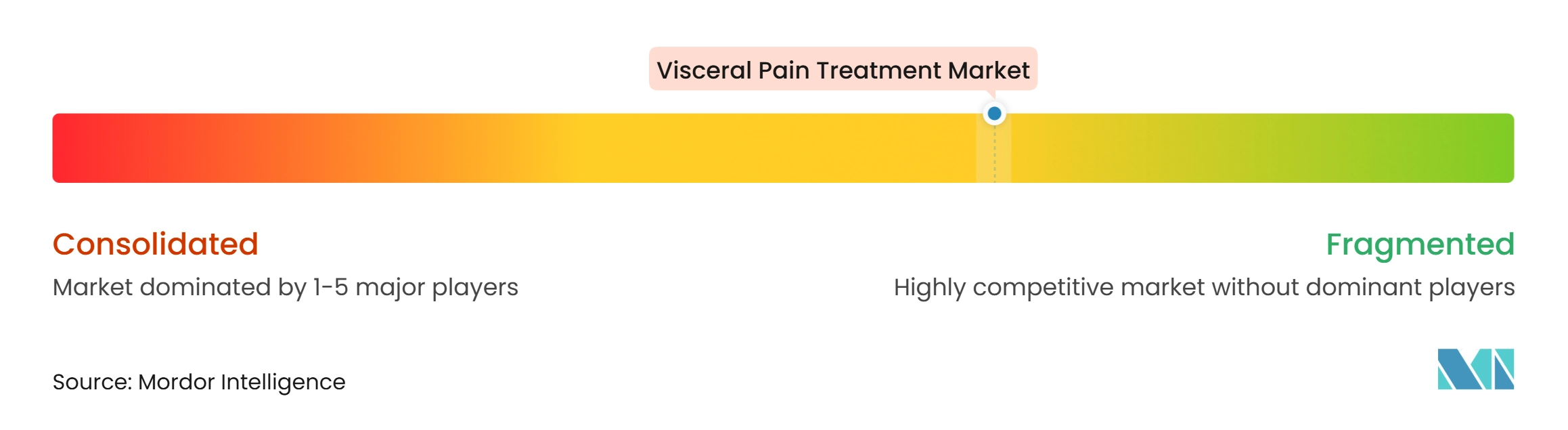
The visceral pain treatment market is moderately concentrated in blockbuster IBD biologics but remains fragmented across analgesics, antispasmodics, and device-based treatment. AbbVie, Takeda, and Eli Lilly are important competitors in high-value IBD therapy. Large companies are extending established brands through formulation changes and indication expansion. Takeda's subcutaneous Entyvio pen gained 20% sequential U.S. volume growth in the first half of FY2025. AbbVie and Ironwood secured the November 2025 pediatric IBS-C label expansion for LINZESS.
AbbVie licensed NXE0033744 from Nxera Pharma in November 2026, committing USD 100 million upfront and potential development and commercial milestones. Its April 2025 collaboration with Parvus supports work on pMHC nanomedicine for IBD. These investments show how incumbents are building next-generation pipelines as exclusivity risk rises in the visceral pain treatment market. Ironwood stopped IW-3300 development for interstitial cystitis or bladder pain syndrome after Phase II analysis. The outcome shows the risk of expansion outside established IBS and IBD pathways.
Device companies are also adding competitive pressure. NeurAxis secured a Category I CPT code effective January 2026 for PENFS procedures. Alvotech reported positive pivotal pharmacokinetic results for AVT80, a proposed subcutaneous vedolizumab biosimilar, in February 2026. Biosimilars could compress revenue for established biologics and sharpen price competition in the visceral pain treatment market.
Visceral Pain Treatment Industry Leaders
-
AbbVie Inc.
-
AstraZeneca PLC
-
Bayer AG
-
Bristol Myers Squibb Company
-
Eli Lilly and Company
- *Disclaimer: Major Players sorted in no particular order
Visceral Pain Treatment Market Companies Covered in this Report
- Abbvie
- AstraZeneca
- Astellas Pharma
- Addex Therapeutics Ltd
- Amgen
- Bayer
- Bristol-Myers Squibb
- Eli Lilly and Company
- Endo International
- GlaxoSmithKline
- Grünenthal GmbH
- Ironwood Pharmaceuticals Inc.
- Johnson & Johnson
- Merck
- Novartis
- Pfizer
- Sanofi
- Takeda Pharmaceuticals
- Teva Pharmaceutical Industries
- Viatris
Recent Industry Developments in Visceral Pain Treatment Market
- November 2026: AbbVie entered an exclusive global license agreement with Nxera Pharma for NXE0033744, an investigational oral EP4 receptor agonist for IBD, paying USD 100 million upfront with eligibility for up to USD 1.37 billion in development and commercial milestones plus tiered royalties. The asset is a potential first-in-class GI-targeted molecule designed to selectively activate EP4 receptors locally in the GI tract, and the deal marks one of the highest-value early-phase IBD licensing transactions of 2026.
- October 2025: NeurAxis was awarded FDA 510(k) clearance for its percutaneous electrical nerve field stimulation technology for functional abdominal pain associated with functional dyspepsia and nausea in patients aged 8 years and older. A Category I CPT code for the procedure became effective January 1, 2026, completing the clinical and reimbursement infrastructure needed for commercial scaling.
- February 2025: Eli Lilly launched Omvoh, marketed as Antrolet, in China following National Medical Products Administration approval for moderately to severely active ulcerative colitis and Crohn's disease in adults, extending Omvoh's commercial footprint to 47+ countries.
Global Visceral Pain Treatment Market Report Scope
As per the scope of the report, visceral pain treatment refers to the medical management of pain that originates from the internal organs (viscera), such as the gastrointestinal tract, urinary bladder, pancreas, uterus, or other abdominal and pelvic organs. Visceral pain is typically caused by inflammation, distension, ischemia, obstruction, or abnormal contractions of internal organs and is often described as deep, diffuse, cramping, or poorly localized.
The visceral pain treatment market is segmented by drug class, indication, route of administration, distribution channel, end user, and geography. By drug class, the market is segmented into analgesics, pain modifiers, antispasmodics, biologics & targeted immunotherapies, and others. By indication, the market is segmented into irritable bowel syndrome, inflammatory bowel disease, chronic pancreatitis, interstitial cystitis and bladder pain syndrome, chronic prostatitis & chronic pelvic pain syndrome, and others. By route of administration, the market is segmented into oral, injectable & infusion, topical, and others. By distribution channel, the market is segmented into hospital pharmacies, retail pharmacies, online pharmacies, and others. By end user, the market is segmented into hospitals, specialty clinics, ambulatory surgical centers, and others. By geography, the market is segmented into North America, Europe, Asia-Pacific, the Middle East and Africa, and South America. The market report also covers estimated market sizes and market trends for 17 countries across major regions worldwide. The report offers market value (in USD) for the above segments.
Segmentation Overview
| Analgesics |
| Pain Modifiers |
| Antispasmodics |
| Biologics and Targeted Immunotherapies |
| Others |
| Irritable Bowel Syndrome |
| Inflammatory Bowel Disease |
| Chronic Pancreatitis |
| Interstitial Cystitis and Bladder Pain Syndrome |
| Chronic Prostatitis and Chronic Pelvic Pain Syndrome |
| Others |
| Oral |
| Injectable and Infusion |
| Topical |
| Others |
| Hospital Pharmacies |
| Retail Pharmacies |
| Online Pharmacies |
| Others |
| Hospitals |
| Specialty Clinics |
| Ambulatory Surgical Centers |
| Others |
| North America | United States |
| Canada | |
| Mexico | |
| Europe | Germany |
| United Kingdom | |
| France | |
| Italy | |
| Spain | |
| Rest of Europe | |
| Asia-Pacific | China |
| India | |
| Japan | |
| Australia | |
| South Korea | |
| Rest of Asia-Pacific | |
| Middle East and Africa | GCC |
| South Africa | |
| Rest of Middle East and Africa | |
| South America | Brazil |
| Argentina | |
| Rest of South America |
| By Drug Class | Analgesics | |
| Pain Modifiers | ||
| Antispasmodics | ||
| Biologics and Targeted Immunotherapies | ||
| Others | ||
| By Indication | Irritable Bowel Syndrome | |
| Inflammatory Bowel Disease | ||
| Chronic Pancreatitis | ||
| Interstitial Cystitis and Bladder Pain Syndrome | ||
| Chronic Prostatitis and Chronic Pelvic Pain Syndrome | ||
| Others | ||
| By Route of Administration | Oral | |
| Injectable and Infusion | ||
| Topical | ||
| Others | ||
| By Distribution Channel | Hospital Pharmacies | |
| Retail Pharmacies | ||
| Online Pharmacies | ||
| Others | ||
| By End User | Hospitals | |
| Specialty Clinics | ||
| Ambulatory Surgical Centers | ||
| Others | ||
| By Geography | North America | United States |
| Canada | ||
| Mexico | ||
| Europe | Germany | |
| United Kingdom | ||
| France | ||
| Italy | ||
| Spain | ||
| Rest of Europe | ||
| Asia-Pacific | China | |
| India | ||
| Japan | ||
| Australia | ||
| South Korea | ||
| Rest of Asia-Pacific | ||
| Middle East and Africa | GCC | |
| South Africa | ||
| Rest of Middle East and Africa | ||
| South America | Brazil | |
| Argentina | ||
| Rest of South America | ||
Key Questions Answered in the Report
What is the projected value of visceral pain treatment by 2032?
The value is forecast to reach USD 25.03 billion by 2032 from USD 16.83 billion in 2026, at a 6.84% CAGR.
Which drug class is growing fastest for visceral pain treatment?
Biologics and targeted immunotherapies are projected to grow at a 7.21% CAGR through 2032, supported by IBD treatment adoption.
Which condition has the largest share of treatment demand?
Irritable bowel syndrome held 34.15% share in 2026, while IBD is the fastest-growing indication at a 7.57% CAGR.
Why are non-opioid pain therapies becoming more important?
Safety concerns and dependence risk limit long-term opioid use, while the FDA approval of JOURNAVX has increased attention on selective non-opioid pain mechanisms.
Which care setting is expected to grow most quickly?
Specialty clinics are projected to grow at a 9.36% CAGR through 2032 as maintenance biologic care moves toward outpatient settings.
Which region is forecast to grow fastest?
Asia-Pacific is projected to expand at a 9.74% CAGR through 2032 as IBD diagnosis and specialty treatment access improve.