
Testicular Neoplasm Market Size and Share
Market Overview
| Study Period | 2021 - 2032 |
|---|---|
| Market Size (2027) | USD 0.58 Billion |
| Market Size (2032) | USD 0.74 Billion |
| Growth Rate (2027 - 2032) | 5.00 % |
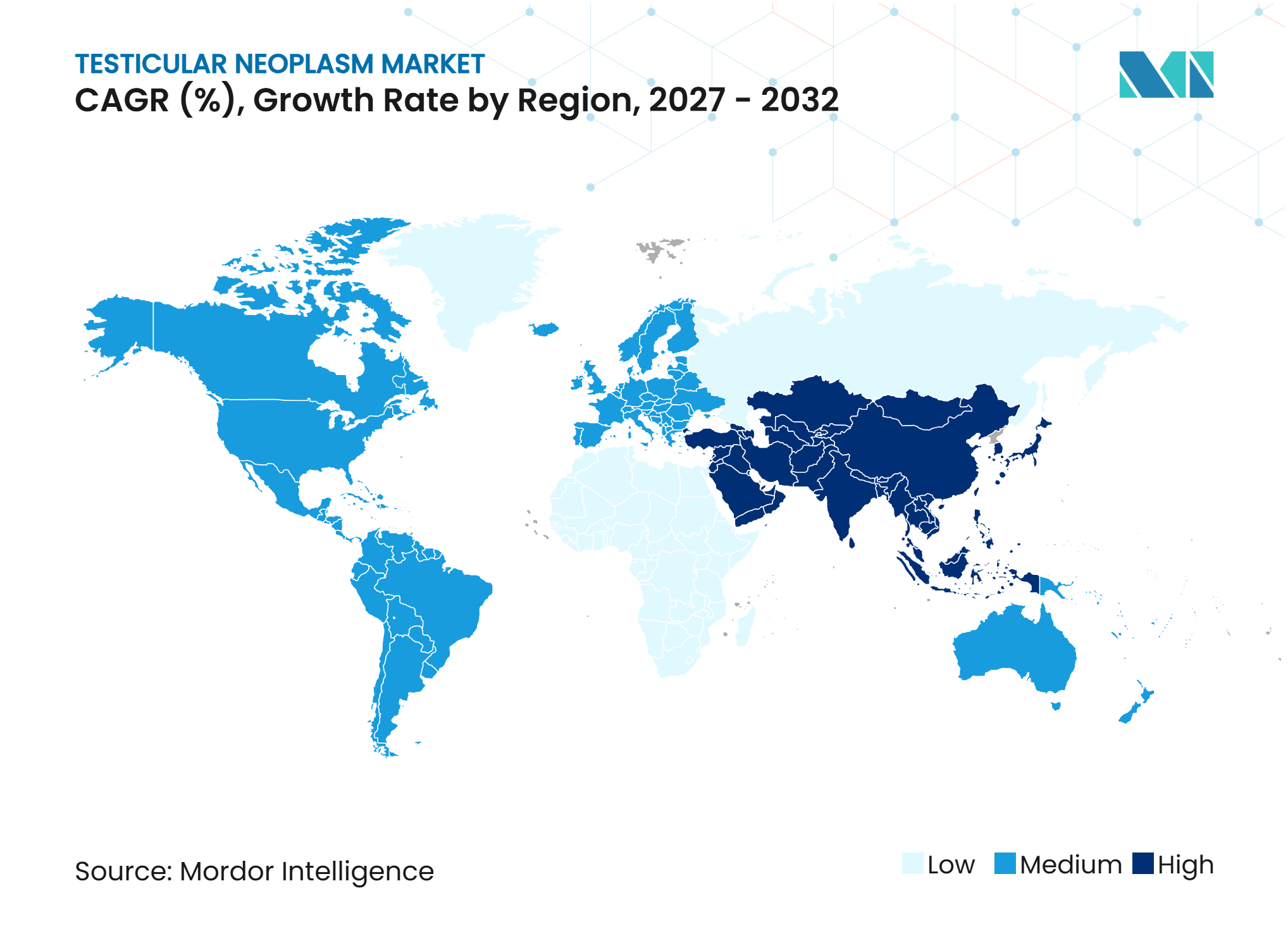
| Fastest Growing Market | Asia-Pacific |
| Largest Market | North America |
| Market Concentration | Medium |
Major Players *Disclaimer: Major Players sorted in no particular order Image © Mordor Intelligence. Reuse requires attribution under CC BY 4.0. | |
Testicular Neoplasm Market Analysis by Mordor Intelligence
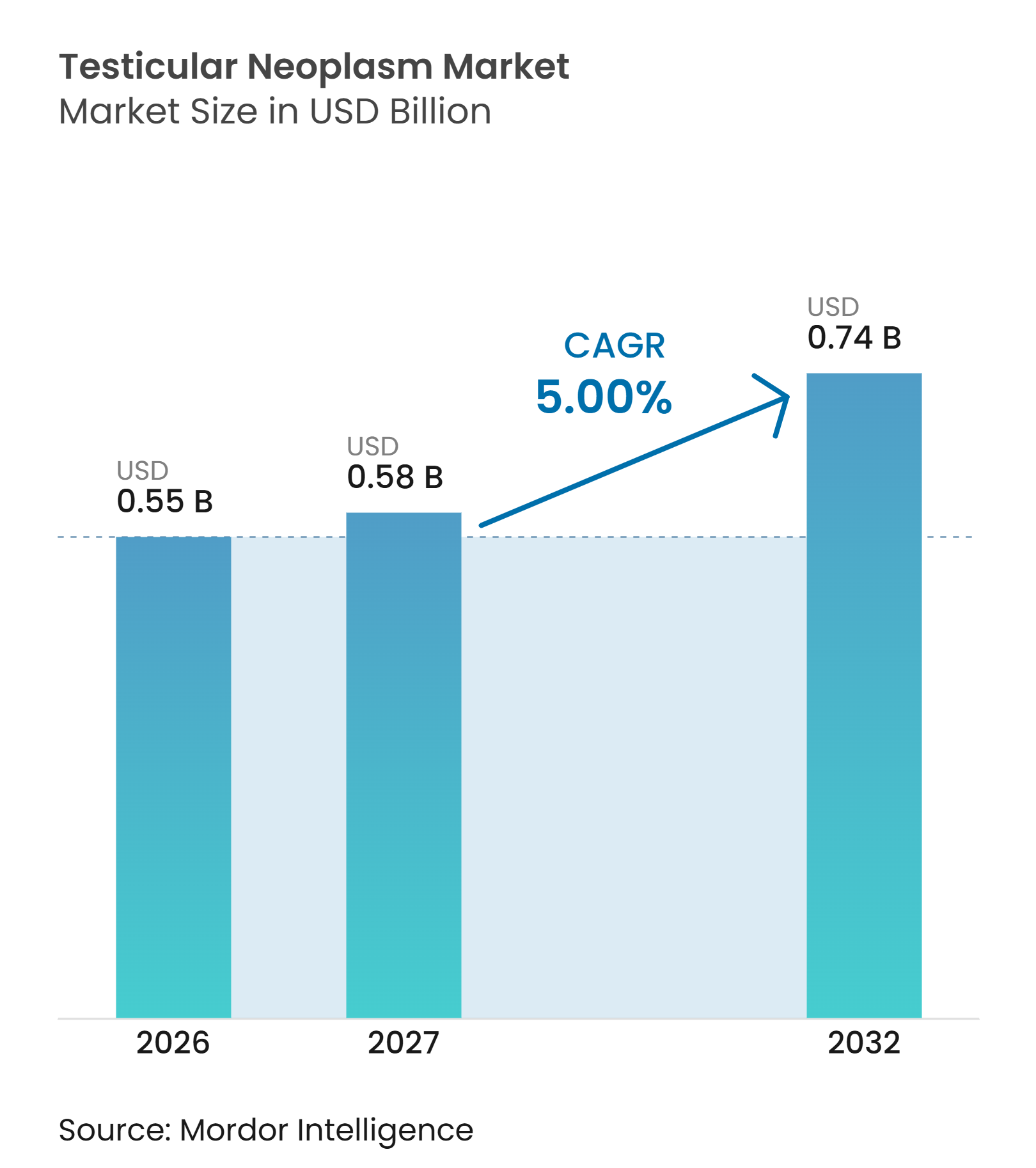
The Testicular Neoplasm Market size was valued at USD 0.55 billion in 2026 and is estimated to grow from USD 0.58 billion in 2027 to reach USD 0.74 billion by 2032, at a CAGR of 5% during the forecast period (2027-2032).
The testicular neoplasm market serves a comparatively small oncology population, yet it addresses a cancer that often affects men during their prime working years. The National Cancer Institute projected 9,720 new U.S. diagnoses and 600 deaths in 2025, and estimated 9,810 diagnoses in 2026. Global incidence may continue to rise as diagnostic capacity broadens in middle-SDI settings. Curative cisplatin-based protocols remain central to care, while surveillance, advanced imaging, and blood-based monitoring are changing where spending occurs in the testicular neoplasm market. Supply continuity and long-term treatment effects remain material limits on adoption and care delivery.
Key Report Takeaways
- By treatment type, chemotherapy held 41.34% of the testicular neoplasm market share in 2026, while radiation therapy is forecast to expand at a 7.41% CAGR through 2032.
- By cancer type, seminoma held 55.34% of the testicular neoplasm market share in 2026, while stromal tumors are forecast to expand at a 7.64% CAGR through 2032.
- By drug class, platinum compounds held 49.84% of the testicular neoplasm market share in 2026, while vinca alkaloids are forecast to expand at a 7.54% CAGR through 2032.
- By diagnostic type, imaging held 61.34% of the testicular neoplasm market share in 2026, while biomarker testing is forecast to expand at an 8.13% CAGR through 2032.
- By distribution channel, hospital pharmacies held 51.34% of the testicular neoplasm market share in 2026, while online pharmacies are forecast to expand at an 8.25% CAGR through 2032.
- By end user, hospitals held 55.89% of the testicular neoplasm market share in 2026, while specialty cancer centers are forecast to expand at a 7.45% CAGR through 2032.
- By geography, North America held 42.89% of the testicular neoplasm market share in 2026, while Asia-Pacific is forecast to expand at an 8.61% CAGR through 2032.
Note: Market numbers in this report are based on Mordor Intelligence's proprietary estimation framework, which combines nine months of actuals with Q4 projections for base year 2026.
Market Trends and Insights
Drivers Impact Analysis of Testicular Neoplasm Market*
| Driver | (~) % Impact on CAGR Forecast | Geographic Relevance | Impact Timeline |
|---|---|---|---|
| Rising Testicular Cancer Incidence and Diagnosis | +1.5% | Global, with highest absolute growth in North America and middle-SDI Asia-Pacific | Medium term (2-4 years) |
| Continued Reliance on Cisplatin-Based Curative Regimens | +1% | Global, largest in North America and Europe where BEP protocols are entrenched | Long term (≥ 4 years) |
| Expansion of Active Surveillance After Orchiectomy | +0.5% | North America and EU, high-income health systems with structured follow-up infrastructure | Medium term (2-4 years) |
| Molecular Residual-Disease Monitoring and CLDN6-Directed Pipeline Development | +0.8% | North America, Western Europe, high-income Asia-Pacific | Long term (≥ 4 years) |
| Integration of Fertility-Preservation and Survivorship Services | +0.5% | North America and EU | Medium term (2-4 years) |
| Expansion of Specialist Multidisciplinary Cancer Centers | +0.6% | Global, with early gains in North America, Western Europe, and Asia-Pacific core markets | Long term (≥ 4 years) |
| Source: Mordor Intelligence | |||
Rising Testicular Cancer Incidence and Diagnosis
Global cases increased from 38,833 in 1990 to 91,507 in 2021, and published projections place the count at 126,020 by 2035. This wider disease burden broadens demand for diagnosis, treatment, and follow-up across the testicular neoplasm market. East and Southeast Asia also showed strong increases among young adults, while China recorded a 3.74% annualized increase in age-standardized incidence. These changes extend structured care beyond the historically high-incidence countries of Northwestern Europe and North America.
Continued Reliance on Cisplatin-Based Curative Regimens
BEP remains the core regimen for many patients because current NCCN guidance supports BEP for good-risk, intermediate-risk, and poor-risk disease. The EAU also retains risk-adapted platinum-based treatment within its 2026 testicular cancer guidance. This clinical position anchors demand for cisplatin, etoposide, supportive medicines, and hospital infusion services across the testicular neoplasm market. The international P3BEP trial is testing accelerated 2-weekly BEP against the standard 3-weekly schedule in intermediate-risk and poor-risk metastatic disease. Lower treatment intensity for selected patients may reduce drug use per patient, but broader access to standardized protocols offsets part of that effect[1].
Expansion of Active Surveillance After Orchiectomy
Active surveillance is increasingly used after orchiectomy for stage I germ cell tumors, while adjuvant chemotherapy has declined in a 30-year single-center cohort. Long-term cohort evidence supports surveillance as a route that can preserve favorable outcomes with salvage treatment when relapse occurs. The follow-up model shifts recurring care toward imaging, laboratory assessment, and specialist review rather than immediate chemotherapy. NCCN guidance strongly prefers surveillance for pT1 to pT3 stage I pure seminoma and notes that 80% to 85% of patients are cured through orchiectomy alone. This pattern creates an ongoing role for CT, MRI, and biomarker services in the testicular neoplasm market. It also increases the importance of follow-up systems that can detect relapse promptly and route patients to salvage treatment.
Molecular Residual-Disease Monitoring and CLDN6-Directed Pipeline Development
Molecular residual-disease monitoring may strengthen surveillance when standard serum markers are not sufficiently informative. A multicenter study of 74 patients found that post-surgical Signatera positivity was associated with inferior event-free survival, with a hazard ratio of 5.11 in the molecular residual-disease window. Standard serum markers did not achieve statistical significance in that comparison. Context Therapeutics initiated a Phase 1 study of CTIM-76, a CLDN6×CD3 T-cell engaging bispecific antibody, for CLDN6-positive ovarian, endometrial, and testicular cancers. The program had enrolled 12 patients through Cohort 5 in October 2025, with preliminary RECIST responses beginning at Cohort 3. These developments support a gradual shift toward more precise risk selection in the testicular neoplasm market.
Restraints Impact Analysis of Testicular Neoplasm Market*
| Restraint | (~) % Impact on CAGR Forecast | Geographic Relevance | Impact Timeline |
|---|---|---|---|
| Injectable Oncology Supply-Chain Volatility | -1.5% | Global, most acute in North America and Europe where injectable generics dominate | Short term (≤ 2 years) |
| Limited Substitutability of Established Curative Regimens | -1.2% | Global | Long term (≥ 4 years) |
| Long-Term Toxicity and Survivorship Burden of Platinum-Based Therapy | -0.8% | North America and EU, where survivorship monitoring costs are high, and de-escalation pressure is greatest | Medium term (2-4 years) |
| Small Refractory-Patient Pool and Uncertain Reimbursement for Novel Biomarkers | -0.5% | North America and EU | Medium term (2-4 years) |
| Source: Mordor Intelligence | |||
Injectable Oncology Supply-Chain Volatility
The 2023 to 2025 cisplatin shortage affected all 6 U.S. manufacturers at the same time, exposing limited redundancy in low-margin sterile injectable production. Germany recorded a disruption to Etoposide Hikma 20 mg/mL from July through October 2025. Czech authorities also reported 2025 interruptions affecting Etoposide Teva and Vincristine Teva. Because cisplatin and etoposide are integral to BEP, disruption can delay or complicate curative care in the testicular neoplasm market. The U.S. Centers for Medicare & Medicaid Services finalized support for small independent hospitals to maintain a 6-month buffer stock of 86 essential medicines.
Long-Term Toxicity and Survivorship Burden of Platinum-Based Therapy
High cure rates create a large survivor population that needs long-term monitoring after treatment. A 2025 ASCO review associated cisplatin-based chemotherapy with a 60% excess in long-term cardiovascular mortality in Danish cohort data. In a cohort of 616 survivors, 23% experienced a worsening cumulative burden of morbidity over a median of 11 years. The reported burden included tinnitus, hearing loss, Raynaud disease, neuropathy, and neuropathic pain. These outcomes support selective de-escalation and surveillance where clinically appropriate, reducing some upfront treatment intensity in the testicular neoplasm market. They also increase the need for survivorship services, which compete for health system resources with new diagnostic and therapeutic options.
*Our forecasts treat driver/restraint impacts as directional, not additive. The impact forecasts reflect baseline growth, mix effects, and variable interactions.
Testicular Neoplasm Market Segment Analysis
By Treatment Type:
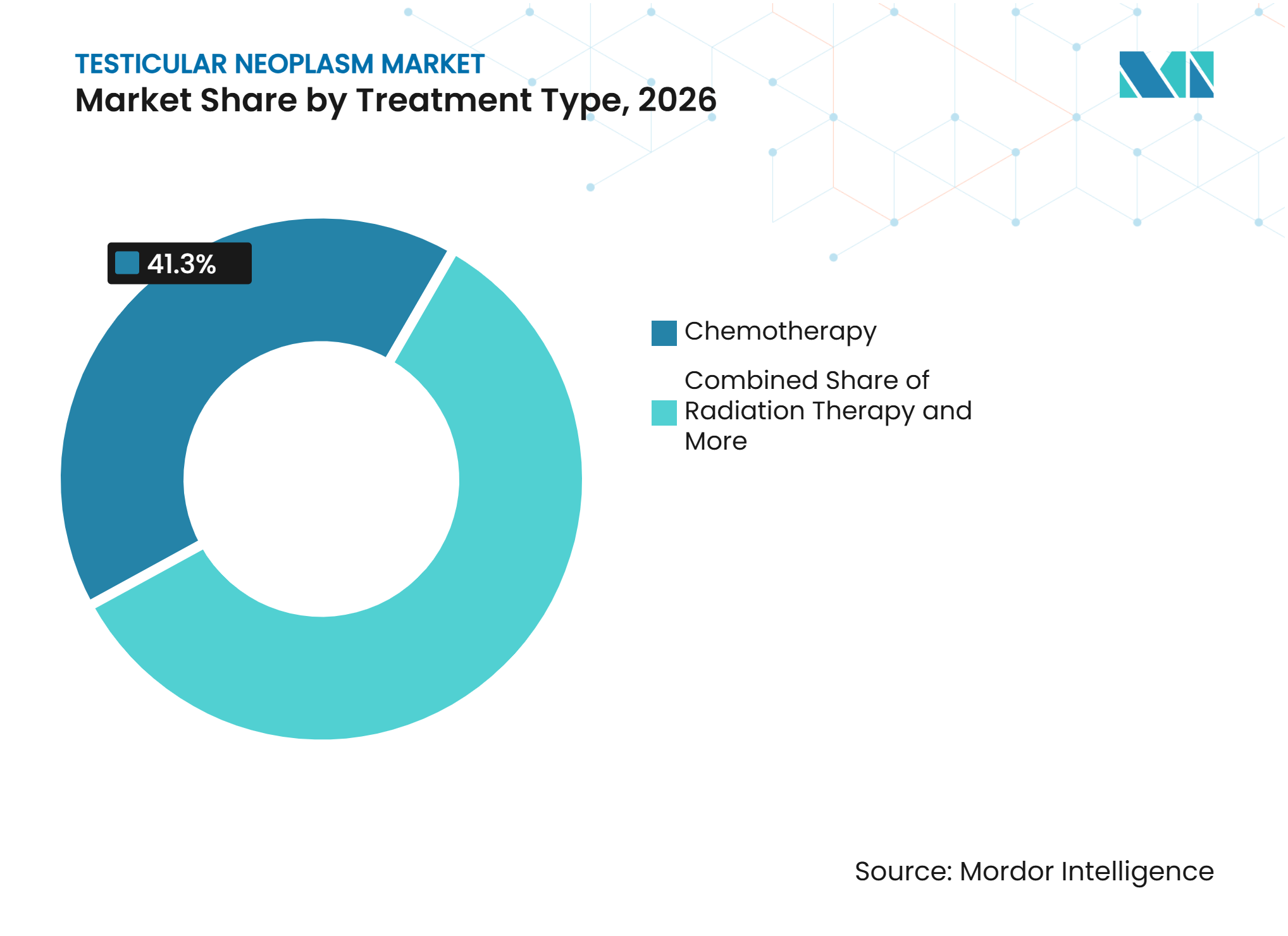
Chemotherapy Sustains Dominance, Radiation Gains MomentumChemotherapy held 41.34% of the testicular neoplasm market share in 2026, supported by the established role of BEP and EP across risk groups. NCCN recommendations continue to position cisplatin-based treatment as a key option for metastatic disease. Surgery remains essential because radical inguinal orchiectomy provides diagnosis and initial local management for many patients. Retroperitoneal lymph node dissection is also used for selected patients in experienced centers. Radiation therapy is projected to record a 7.41% CAGR through 2032. Its growth reflects more precise delivery methods rather than a broad expansion in indications.
Swedish national experience with intensity-modulated proton therapy in stage IIA and IIB seminoma reported lower dose exposure to abdominal organs at risk. Contemporary radiotherapy practice has reduced conventional doses from 30 to 40 Gy to 20 to 26 Gy in relevant settings. These changes seek to reduce secondary cancer risk while retaining disease control. The testicular neoplasm market size for radiation therapy is therefore linked to technology adoption and treatment selection, not simply patient volume. High-dose chemotherapy with stem cell rescue remains relevant for a small refractory population. The treatment mix continues to favor established curative regimens while allowing selected technology-led use of radiation.



By Cancer Type:
Seminoma Leads, Stromal Tumors Gain Clinical AttentionSeminoma accounted for 55.34% of the testicular neoplasm market size in 2026. A 30-year cohort found that seminoma incidence doubled during the observation period while non-seminoma incidence remained stable. This disease pattern gives seminoma substantial weight in care pathways and follow-up volumes. Non-seminoma includes embryonal carcinoma, teratoma, choriocarcinoma, and mixed subtypes[2]. It often requires greater chemotherapy intensity when stage II or III disease is present. NHS data reported combined surgery and chemotherapy for 65.7% of stage II to III cases.
Stromal tumors are projected to expand at a 7.64% CAGR through 2032. Improving histopathology and awareness may improve recognition of Leydig cell tumors, Sertoli cell tumors, and granulosa cell variants. Testis-sparing surgery and immunohistochemistry can support care for selected rare tumors. Published work has also described FOXA2 as a useful biomarker for yolk sac tumor diagnosis. Other rare neoplasms, including primary testicular lymphoma and rete testis adenocarcinoma, remain small but clinically complex. Their treatment can involve systemic approaches outside standard germ cell tumor protocols.
By Drug Class:
Platinum Compounds Lead, Vinca Alkaloids Accelerate in SalvagePlatinum compounds held 49.84% of the testicular neoplasm market share in 2026. Cisplatin underpins BEP and EP protocols, making it indispensable to first-line care in the testicular neoplasm industry. Etoposide, a topoisomerase II inhibitor, is the other principal drug component in BEP. These drugs are administered with bleomycin in standard BEP treatment. Supply disruption therefore affects both clinical scheduling and pharmacy procurement. The testicular neoplasm market remains tied to the reliability of generic injectable production.
Vinca alkaloids are forecast to grow at a 7.54% CAGR through 2032. Vinblastine is used in VIP and VeIP salvage regimens for patients with disease progression after first-line treatment. Ifosfamide provides the alkylating component of VIP and is used where salvage therapy is required. Taxanes also appear in certain investigational and salvage combinations. The small refractory population limits the absolute size of these classes. Still, the lack of clearly superior alternatives maintains specialized demand for multidrug salvage regimens.
By Diagnostic Type:
Imaging Anchors, Biomarker Testing Redefines SurveillanceImaging accounted for 61.34% of the testicular neoplasm market size in 2026. Scrotal ultrasound and CT form the standard diagnostic and staging pathway. A Danish nationwide study found that imaging alone detected 71% of relapses, while imaging with elevated serum markers detected another 18%. This evidence confirms imaging’s role during long-term surveillance. MRI may also be used where radiation exposure, clinical context, or local practice supports it. Pathology remains the diagnostic anchor after orchiectomy.
Biomarker testing is expected to increase at an 8.13% CAGR through 2032. A testicular cancer ctDNA study reported 88% recurrence-free survival at 18 months in ctDNA-negative stage I patients under active surveillance and a 93.5% negative predictive value per patient. Multi-analyte liquid biopsy combining cfDNA and N-glycan profiling achieved an AUC of 0.96 and identified patients with negative standard serum markers. These results support the potential clinical value of more sensitive surveillance tools. EU IVDR compliance remains relevant for molecular assays used in diagnostic workflows.
By Distribution Channel:
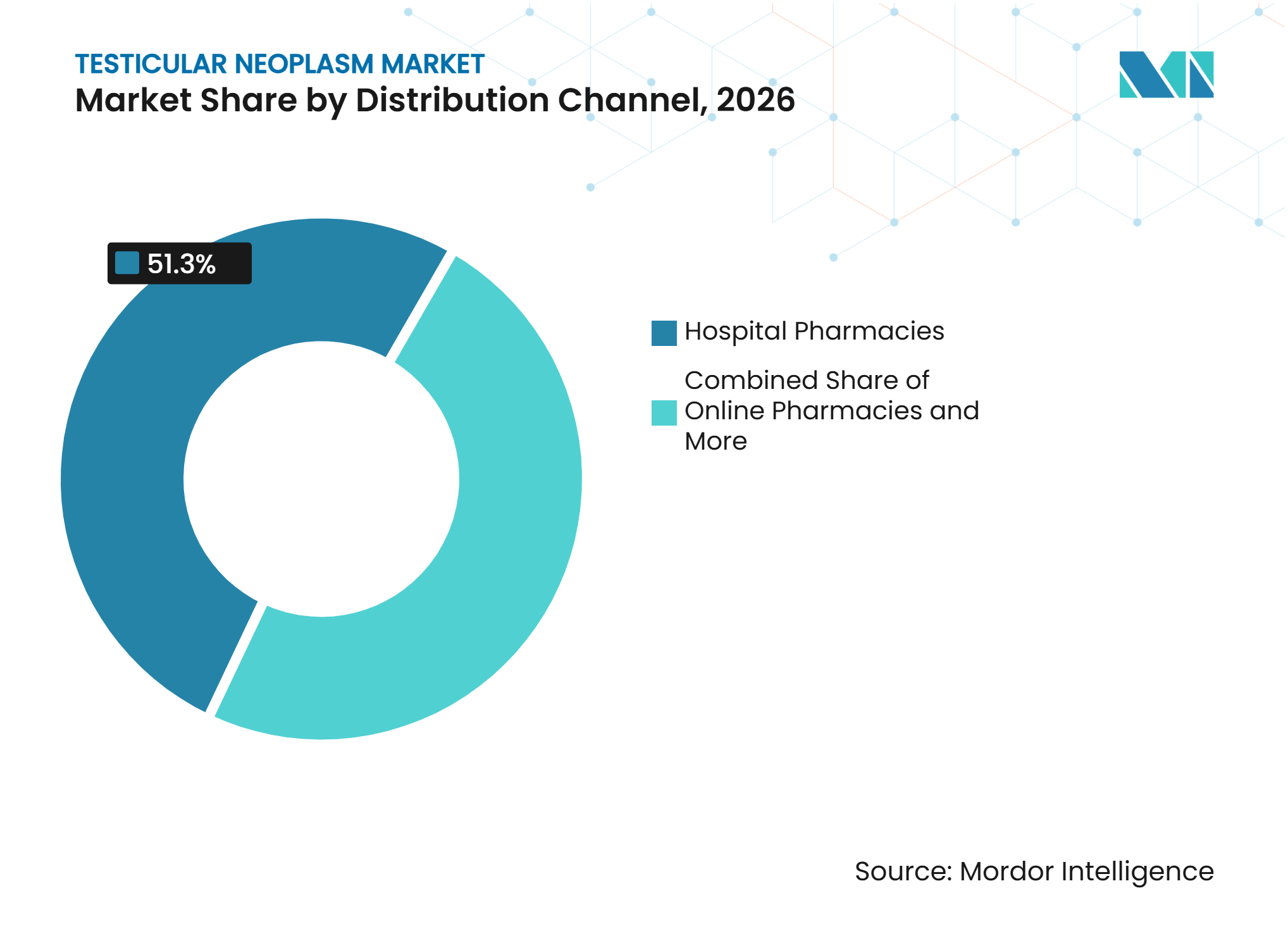
Hospital Pharmacies Command, Digital Access RisesHospital pharmacies held 51.34% of the testicular neoplasm market share in 2026. Intravenous chemotherapy requires sterile preparation, supervision, pre-hydration, antiemetic support, and monitoring for acute adverse effects. These requirements keep BEP administration centered in hospital and oncology infusion settings. Retail pharmacies mainly dispense supportive medicines, including oral antiemetics and other outpatient therapies. Their role complements, rather than replaces, hospital dispensing for acute chemotherapy. This channel structure is unlikely to change rapidly while cisplatin-based treatment remains the standard.
Online pharmacies are forecast to expand at an 8.25% CAGR through 2032. Their role is concentrated in home delivery of supportive medicines and telemedicine-enabled prescription fulfillment. Digital dispensing can improve access where oncology pharmacy coverage is limited. It does not displace the controlled handling requirements of infused cytotoxic treatment. Cross-border pharmaceutical e-commerce rules in Europe may support wider use of digital channels for eligible medicines. The testicular neoplasm market therefore combines a hospital-led infusion channel with growing digital support for self-administered therapies.

By End User:
Hospitals Lead, Specialty Centers Gain Competitive GroundHospitals held 55.89% of the testicular neoplasm market share in 2026. NHS England data covering 15,921 cases reported that 90.4% of patients were treated with surgery, with or without chemotherapy, in hospital settings. Hospital infrastructure supports surgery, inpatient care, chemotherapy preparation, imaging, and multidisciplinary decision-making. Ambulatory infusion centers are also gaining volume where payment models favor lower-cost care sites. Their relevance is strongest for appropriate treatment and supportive-care services.
Specialty cancer centers are projected to expand at a 7.45% CAGR through 2032. NCCN guidance advises that retroperitoneal lymph node dissection should be considered at high-volume centers with surgical expertise and multidisciplinary support. This requirement directs high-acuity cases toward specialist providers. Dedicated centers can coordinate pathology, imaging, surgery, chemotherapy, and survivorship care in one care pathway. Their advantage is expertise rather than a replacement for hospitals. The testicular neoplasm industry continues to depend on referral networks that match patient complexity to capable treatment sites.
Geography Analysis
North America
North America held 42.89% of the testicular neoplasm market share in 2026. The region combines high treatment intensity, broad insurance coverage, and a dense network of multidisciplinary cancer centers operating within NCCN clinical guidance. The NCI estimated 9,810 new U.S. cases in 2026 after projecting 9,720 diagnoses in 2025. Hispanic men recorded the fastest rise in incidence and are increasingly present at younger ages and more advanced stages. This shift expands the importance of early diagnosis, referral access, and culturally effective follow-up. Molecular residual-disease research led from U.S. academic centers may also accelerate the use of ctDNA monitoring in suitable surveillance programs.
Asia-Pacific
Asia-Pacific is forecast to expand at an 8.61% CAGR through 2032. Rising incidence across China, South Korea, and Southeast Asia is occurring alongside wider access to platinum-based treatment and oncology infrastructure. South Korea recorded a significant decline in age-standardized mortality, indicating progress in treatment outcomes as case volumes change. The PMDA’s approval environment and mature hospital system make Japan relevant for advanced monitoring tools. Different national starting points in diagnosis, reimbursement, and protocol adherence shape the testicular neoplasm market size in the region.
Europe, South America, and the Middle East and Africa
Europe remains a large disease and treatment center, with Western Europe reporting an age-standardized incidence rate of 9.3 per 100,000 and Northern Europe 7.5 per 100,000. Denmark and Norway recorded national rates of 11.2 and 11.7 per 100,000, respectively. The EAU provides a central clinical framework for European management. Europe’s experience with the Etoposide Hikma disruption shows that mature care systems remain exposed to injectable supply risk. Latin America and the Caribbean have lower incidence than Western Europe but a higher mortality-to-incidence ratio, reflecting later diagnosis and access gaps. The Caribbean recorded the fastest incidence increase in the global analysis, at 5.71% annually. In the Middle East and Africa, GCC specialty centers and evolving oncology infrastructure are extending diagnostic activity, while care pathways increasingly follow international guidance.
Competitive Landscape
Market Concentration
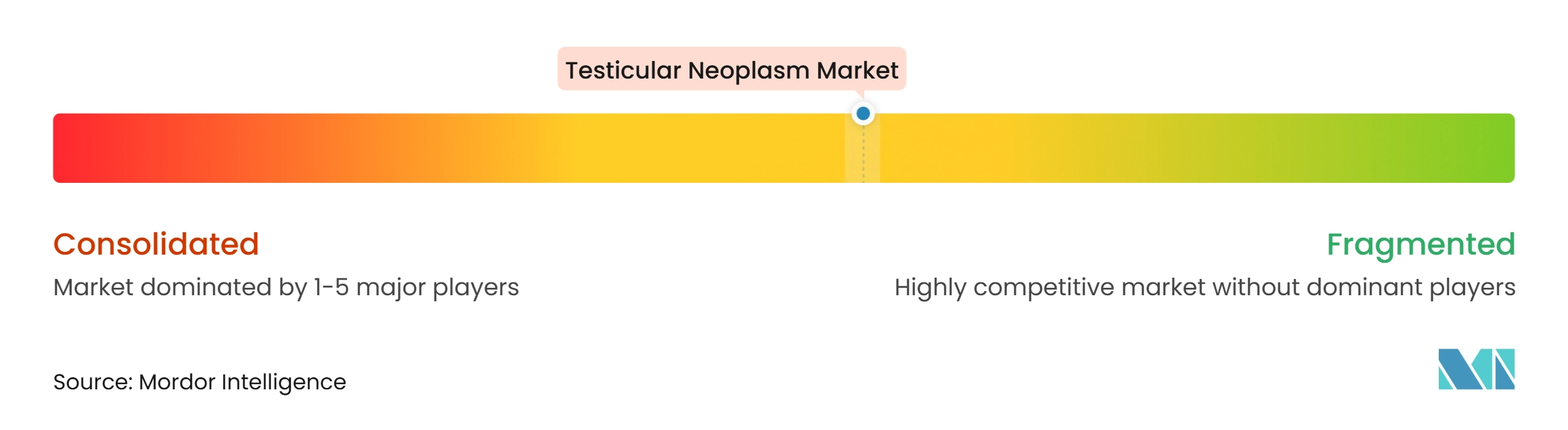
The testicular neoplasm market is moderately fragmented across generic injectable manufacturers, molecular diagnostics providers, and clinical-stage developers. The generic treatment base includes cisplatin, etoposide, bleomycin, and vinca alkaloids, and competition centers on price, supply reliability, quality systems, and geographic distribution. Accord Healthcare, Hikma Pharmaceuticals, Fresenius Kabi, Teva, Sun Pharma, Cipla, and Dr. Reddy’s Laboratories supply medicines used within treatment protocols. The market does not include a disclosed combined share for leading companies, so concentration cannot be quantified from the available data. Supply security is a key competitive factor because clinical protocols depend on the timely availability of several low-margin sterile injectables. FDA quality management maturity initiatives and hospital buffer-stock policies increase the value of dependable manufacturing and inventory practices.
Accord’s 2025 acquisition of UDENYCA expanded its pegfilgrastim biosimilar position and added a differentiated supportive-care asset beside conventional generic medicines. Sandoz launched WYOST and Jubbonti in June 2025 as interchangeable denosumab biosimilars in the United States. These actions broaden supportive oncology portfolios, although neither is a direct replacement for curative germ cell tumor therapy. Molecular diagnostics companies compete through clinical evidence, test performance, and regulatory readiness. Natera’s published testicular cancer validation work supports the clinical case for its tumor-informed ctDNA assay. Guardant Health expanded its role in drug development through a multiyear collaboration with Pfizer involving the Guardant Infinity Smart Liquid Biopsy platform.
Testicular Neoplasm Industry Leaders
-
Cipla Limited
-
Hikma Pharmaceuticals PLC
-
Teva Pharmaceutical Industries Ltd
-
Accord Healthcare Limited
-
Fresenius Kabi AG
- *Disclaimer: Major Players sorted in no particular order
Testicular Neoplasm Market Companies Covered in this Report
- Accord Healthcare Limited
- Baxter
- BioNTech
- Bristol-Myers Squibb
- Cipla
- Context Therapeutics Inc.
- Dr. Reddy’s Laboratories Limited
- Eli Lilly and Company
- Fresenius
- Guardant Health, Inc.
- Hikma Pharmaceuticals
- Merck
- Natera, Inc.
- Pfizer
- Sandoz Group AG
- Sanofi
- Sun Pharmaceuticals Industries
- Teva Pharmaceutical Industries
Recent Industry Developments in Testicular Neoplasm Market
- April 2026: The 2026 guidelines advised against using FDG-PET/CT scans as a stratification marker to differentiate viable residual disease from non-viable disease after chemotherapy in metastatic seminoma, given their low positive predictive value of approximately 30% to 40%.
- September 2025: Natera published the largest ctDNA validation study in testicular cancer to date in JCO Precision Oncology, demonstrating that the Signatera personalized MRD test significantly outperformed standard serum tumor markers across all disease stages. Signatera-positivity post-surgery predicted inferior event-free survival with a hazard ratio of 5.11 (p=0.019), while standard markers showed no significant differentiation (EFS HR 2.97, p=0.149), establishing the clinical rationale for ctDNA adoption in testicular cancer surveillance.
- July 2025: agenT-797, an iNKT cell therapy from MiNK Therapeutics, achieved a complete remission lasting more than 2 years in a metastatic testicular cancer patient previously refractory to chemotherapy and multiple immune checkpoint inhibitors, administered in combination with nivolumab in a case report published in Oncogene. The result demonstrated, for the first time, clinical activity of an off-the-shelf innate immune cell therapy in testicular germ cell tumors.
Global Testicular Neoplasm Market Report Scope
As per the report's scope, the testicular neoplasm market covers the clinical management of abnormal growths originating in the testicles, including germ cell tumors and non-germ cell tumors, addressed through surgery, chemotherapy, radiation therapy, and associated diagnostics, drugs, and distribution pathways.
The market is segmented by treatment type, cancer type, drug class, diagnostic type, distribution channel, end user, and geography. By treatment type, the market is segmented into surgery, chemotherapy, radiation therapy, and other treatment types. By cancer type, the market is segmented into seminoma, non-seminoma, stromal tumors, and other rare testicular neoplasms. By drug class, the market is segmented into platinum compounds, topoisomerase II inhibitors, antitumor antibiotics, alkylating agents, vinca alkaloids, taxanes, and other drug classes. By diagnostic type, the market is segmented into imaging, biomarker testing, and pathology and histology testing. By distribution channel, the market is segmented into hospital pharmacies, retail pharmacies, and online pharmacies. By end user, the market is segmented into hospitals, specialty cancer centers, and ambulatory infusion centers. By geography, the market is segmented into North America, Europe, Asia-Pacific, the Middle East and Africa, and South America. The market report also covers estimated market sizes and trends for 17 countries across major regions worldwide. The report offers market size and forecasts in value (USD) for the above segments.
Segmentation Overview
| Surgery |
| Chemotherapy |
| Radiation Therapy |
| Other Treatment Types |
| Seminoma |
| Non-Seminoma |
| Stromal Tumors |
| Other Rare Testicular Neoplasms |
| Platinum Compounds |
| Topoisomerase II Inhibitors |
| Antitumor Antibiotics |
| Alkylating Agents |
| Vinca Alkaloids |
| Taxanes |
| Other Drug Classes |
| Imaging |
| Biomarker Testing |
| Pathology and Histology Testing |
| Hospital Pharmacies |
| Retail Pharmacies |
| Online Pharmacies |
| Hospitals |
| Specialty Cancer Centers |
| Ambulatory Infusion Centers |
| North America | United States |
| Canada | |
| Mexico | |
| Europe | Germany |
| United Kingdom | |
| France | |
| Italy | |
| Spain | |
| Rest of Europe | |
| Asia-Pacific | China |
| Japan | |
| India | |
| Australia | |
| South Korea | |
| Rest of Asia-Pacific | |
| Middle East and Africa | GCC |
| South Africa | |
| Rest of Middle East and Africa | |
| South America | Brazil |
| Argentina | |
| Rest of South America |
| By Treatment Type | Surgery | |
| Chemotherapy | ||
| Radiation Therapy | ||
| Other Treatment Types | ||
| By Cancer Type | Seminoma | |
| Non-Seminoma | ||
| Stromal Tumors | ||
| Other Rare Testicular Neoplasms | ||
| By Drug Class | Platinum Compounds | |
| Topoisomerase II Inhibitors | ||
| Antitumor Antibiotics | ||
| Alkylating Agents | ||
| Vinca Alkaloids | ||
| Taxanes | ||
| Other Drug Classes | ||
| By Diagnostic Type | Imaging | |
| Biomarker Testing | ||
| Pathology and Histology Testing | ||
| By Distribution Channel | Hospital Pharmacies | |
| Retail Pharmacies | ||
| Online Pharmacies | ||
| By End User | Hospitals | |
| Specialty Cancer Centers | ||
| Ambulatory Infusion Centers | ||
| By Geography | North America | United States |
| Canada | ||
| Mexico | ||
| Europe | Germany | |
| United Kingdom | ||
| France | ||
| Italy | ||
| Spain | ||
| Rest of Europe | ||
| Asia-Pacific | China | |
| Japan | ||
| India | ||
| Australia | ||
| South Korea | ||
| Rest of Asia-Pacific | ||
| Middle East and Africa | GCC | |
| South Africa | ||
| Rest of Middle East and Africa | ||
| South America | Brazil | |
| Argentina | ||
| Rest of South America | ||
Key Questions Answered in the Report
What is the projected value of the testicular neoplasm sector by 2032?
The testicular neoplasm market is projected to reach USD 0.74 billion by 2032, growing at a 5% CAGR from 2027 to 2032.
Which treatment type has the largest share of testicular neoplasm care?
Chemotherapy held 41.34% in 2026, reflecting the continuing importance of cisplatin-based regimens.
Why is biomarker testing gaining attention in testicular cancer care?
Biomarker testing is projected to grow at an 8.13% CAGR as ctDNA research supports more precise surveillance after surgery.
Which region is expected to grow the fastest in testicular neoplasm care?
Asia-Pacific is forecast to expand at an 8.61% CAGR through 2032, supported by changing incidence patterns and improving oncology access.
What are the main risks to cisplatin-based treatment delivery?
Sterile injectable drug shortages can disrupt cisplatin and etoposide availability, which can complicate BEP treatment schedules.
Where are complex testicular cancer cases commonly treated?
Hospitals remain the largest end-user setting at 55.89%, while specialty cancer centers are growing as high-acuity cases require multidisciplinary expertise.