
Testicular Cancer Drugs Market Size and Share
Market Overview
| Study Period | 2021 - 2032 |
|---|---|
| Market Size (2027) | USD 1.31 Billion |
| Market Size (2032) | USD 1.82 Billion |
| Growth Rate (2027 - 2032) | 6.76 % |
| Fastest Growing Market | Asia-Pacific |
| Largest Market | North America |
| Market Concentration | Medium |
Major Players *Disclaimer: Major Players sorted in no particular order Image © Mordor Intelligence. Reuse requires attribution under CC BY 4.0. | |
Testicular Cancer Drugs Market Analysis by Mordor Intelligence
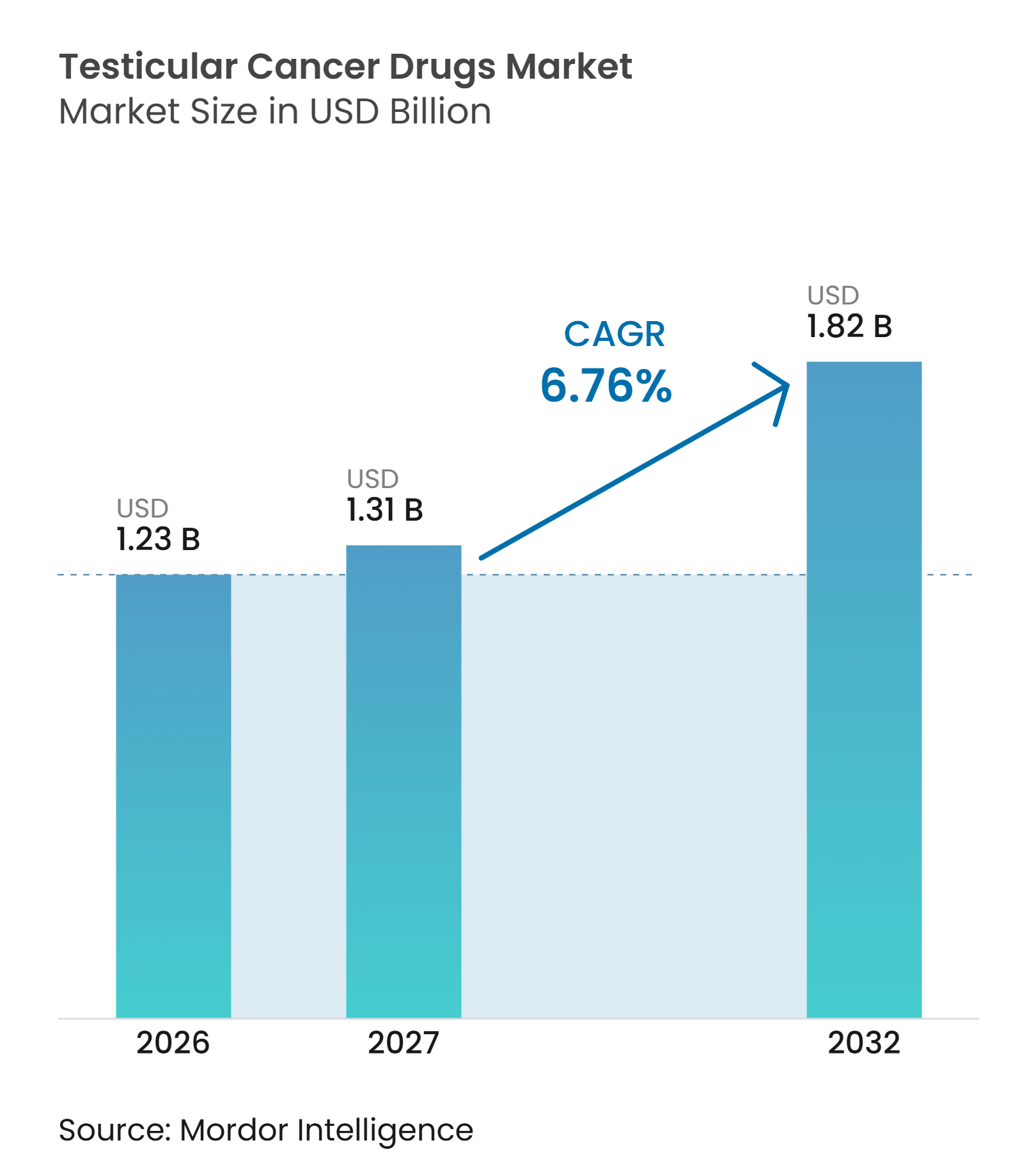
The Testicular Cancer Drugs Market size is expected to grow from USD 1.23 billion in 2026 to USD 1.31 billion in 2027 and is forecast to reach USD 1.82 billion by 2032 at 6.76% CAGR over 2027-2032.
The testicular cancer drugs market continues to grow because diagnoses are rising in several populations and more patients live for years after treatment. The established use of platinum-based combinations gives suppliers a dependable base of hospital demand, although generic price pressure limits value growth. New molecular tests can identify relapse risk earlier and may increase the use of salvage regimens in selected patients. The opportunity for new products remains concentrated in refractory disease, where treatment options are limited and clinical development is increasingly focused on CLDN6 and related biomarkers.
Key Report Takeaways
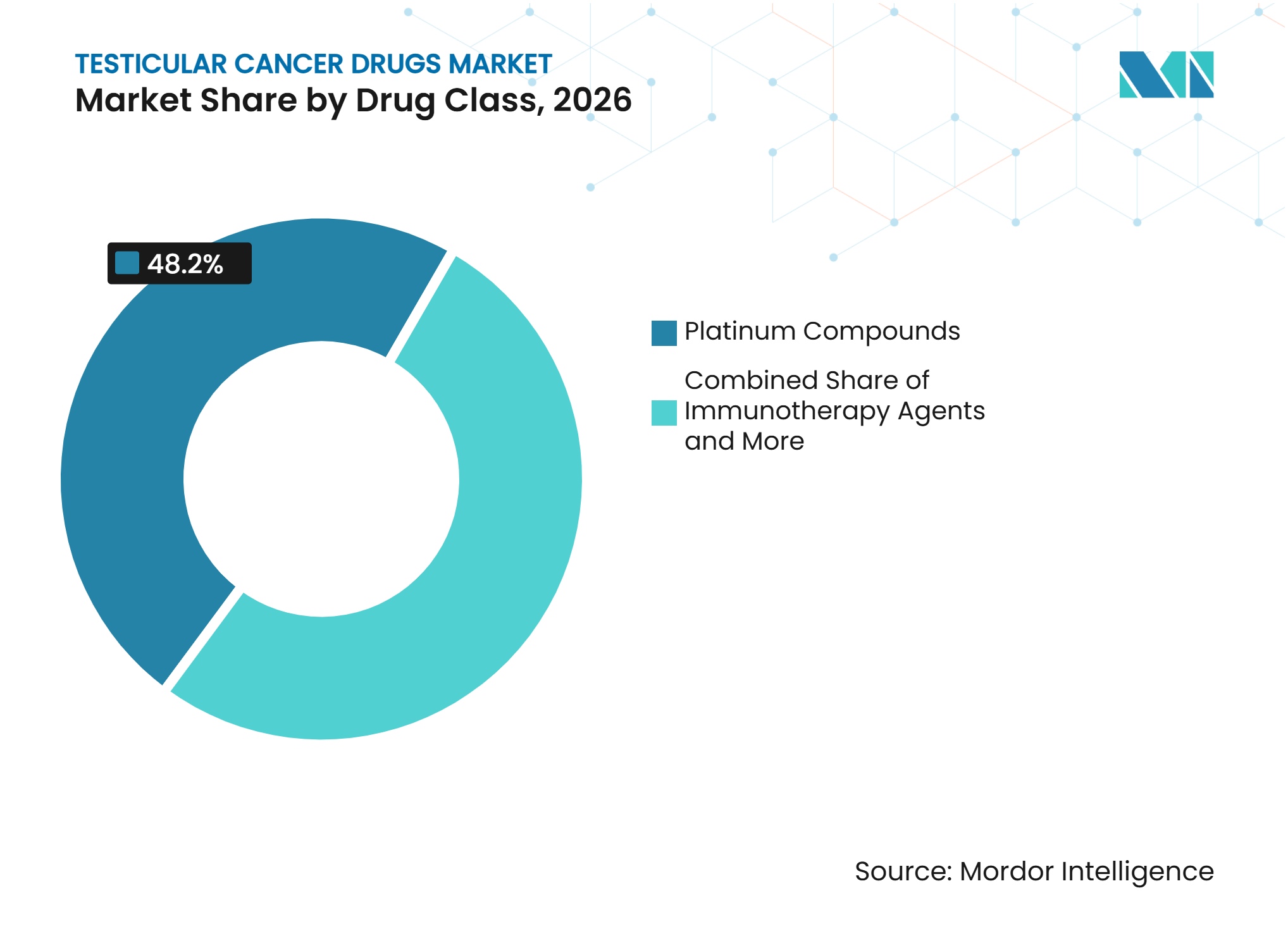
- By drug class, Platinum Compounds held 48.16% of the testicular cancer drugs market share in 2026, while Immunotherapy Agents are forecast to expand at a 9.41% CAGR through 2032.
- By disease type, Seminoma accounted for 55.34% of the testicular cancer drugs market size in 2026, while Non-Seminomatous Germ Cell Tumors are forecast to expand at a 7.64% CAGR through 2032.
- By treatment type, First-Line Therapy held 60.14% of the testicular cancer drugs market share in 2026, while Second-Line and Salvage Therapy is forecast to expand at a 7.54% CAGR through 2032.
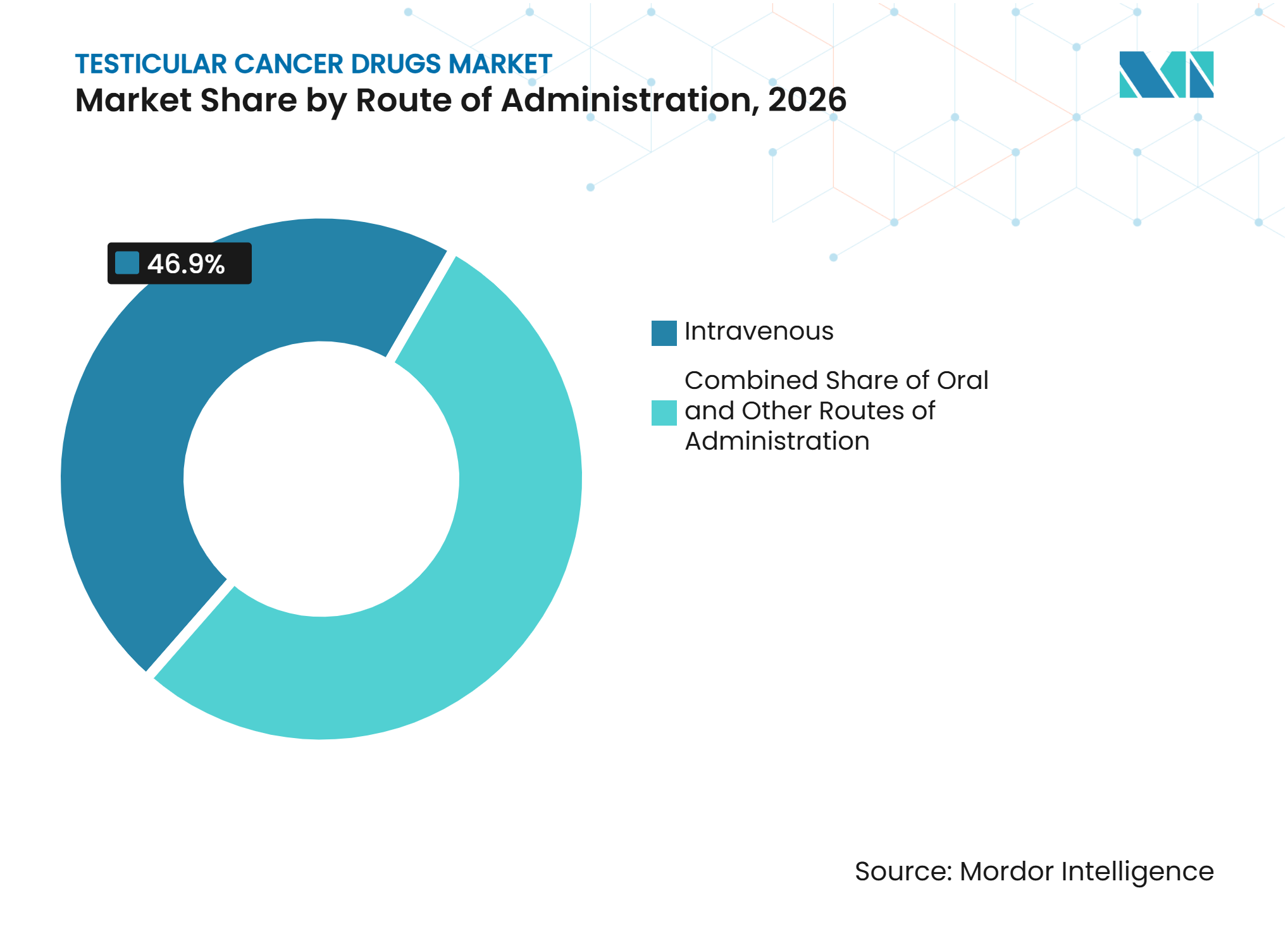
- By route of administration, Intravenous Administration accounted for 46.90% of the testicular cancer drugs market size in 2026 and is forecast to expand at the fastest rate of 8.13% through 2032.
- By distribution channel, Hospital Pharmacies held 55.34% of the testicular cancer drugs market share in 2026, while Online Pharmacies are forecast to expand at an 8.25% CAGR through 2032.
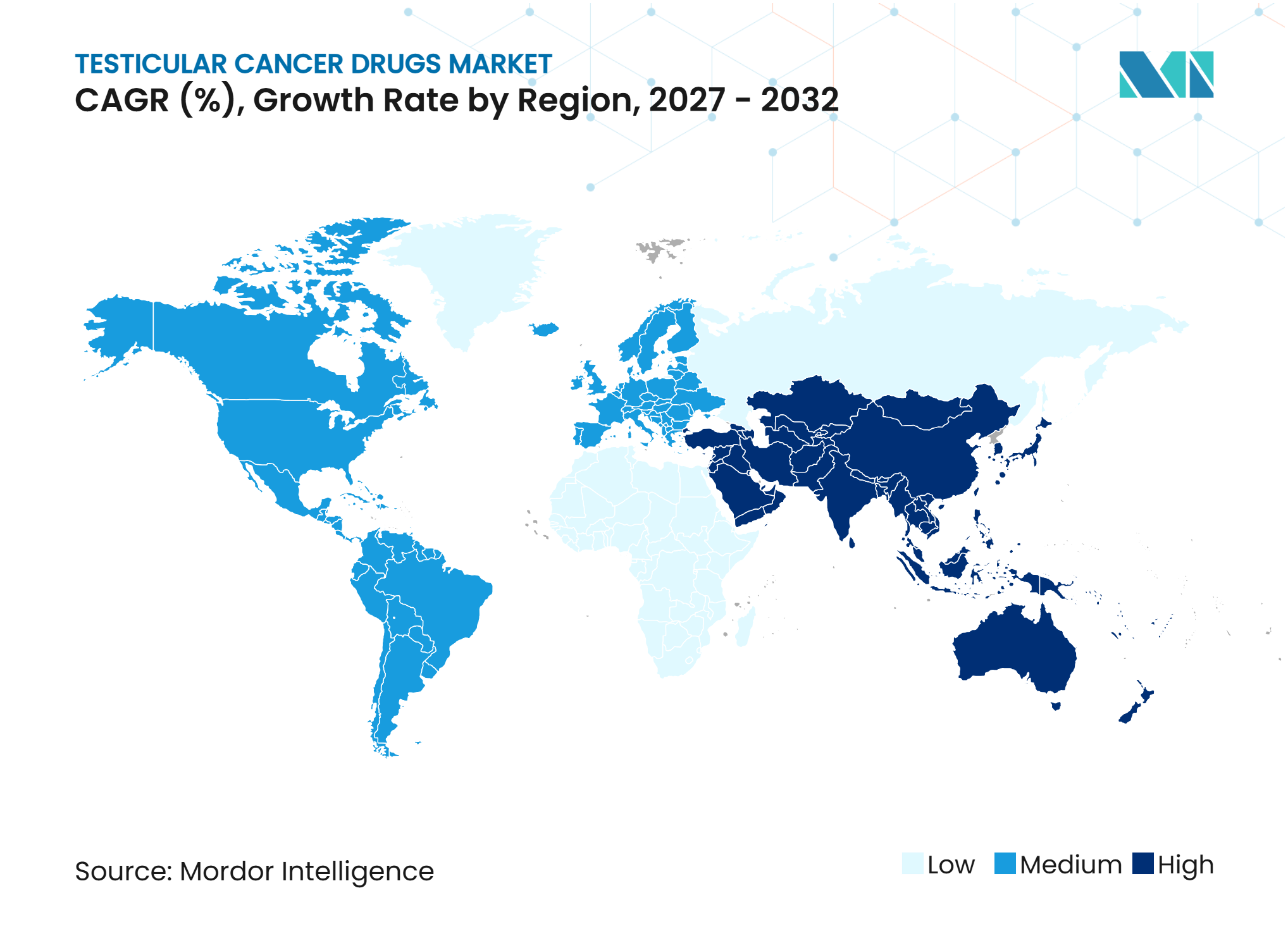
- By geography, North America held 42.89% of the testicular cancer drugs market share in 2026, while Asia-Pacific is forecast to expand at an 8.61% CAGR through 2032.
Note: Market numbers in this report are based on Mordor Intelligence's proprietary estimation framework, which combines nine months of actuals with Q4 projections for base year 2026.
Market Trends and Insights
Drivers Impact Analysis of Testicular Cancer Drugs Market*
| Driver | (~) % Impact on CAGR Forecast | Geographic Relevance | Impact Timeline |
|---|---|---|---|
| Rising Diagnosis and Treatment Access | +0.9% | Global | Short-term (≤ 2 years) |
| Expansion of Oncology Infrastructure in Asia-Pacific | +0.7% | Asia-Pacific core, spillover to Middle East and Africa | Medium-term (2-4 years) |
| Continued Use of Platinum-Based Combination Regimens | +0.8% | Global | Long-term (≥ 4 years) |
| Increasing Survivorship and Relapsed-Disease Management | +0.6% | North America and Europe | Medium-term (2-4 years) |
| Growth of Biomarker-Led and Immuno-Oncology Research | +0.5% | Global | Long-term (≥ 4 years) |
| Rising Fertility-Preservation and Supportive-Care Demand | +0.4% | North America, Europe, and Asia-Pacific | Medium-term (2-4 years) |
| Source: Mordor Intelligence | |||
Rising Diagnosis and Treatment Access
The recent convergence of incidence rates for Hispanic and non-Hispanic White men indicates that healthcare systems will need broader awareness and diagnostic access. Earlier diagnosis can move patients toward curative first-line treatment while increasing use of surveillance and supportive medicines over time. The testicular cancer drugs market also benefits when oncology capacity expands in Asia-Pacific, because hospital infusion systems are necessary for the standard regimens used in advanced disease. Better access therefore changes both the number of treated patients and the mix of therapies used across the treatment pathway.
Continued Use of Platinum-Based Combination Regimens
BEP, which combines bleomycin, etoposide, and cisplatin, remains a recommended systemic regimen for metastatic disease across prognosis groups. This clinical position gives the testicular cancer drugs market an unusually stable base for legacy injectable products. The regimen has remained central because alternative first-line approaches have not shown superior outcomes in unselected treatment-naive patients. Cisplatin and etoposide suppliers can plan around persistent demand, especially in hospital pharmacy contracts. At the same time, the use of established generic medicines keeps price competition high and favors dependable manufacturing and distribution. New refractory-disease therapies are therefore more likely to add to established platinum use than replace it in the near term.
Growth of Biomarker-Led and Immuno-Oncology Research
MicroRNA-371a-3p showed 87% sensitivity and 91% specificity for germ cell tumor detection in a 2025 clinical study[1]. In a separate study, ctDNA-positive patients had 12.45 times shorter event-free survival than ctDNA-negative patients during surveillance. These tools could help clinicians identify molecular residual disease earlier and select patients for closer monitoring or salvage treatment. That pathway supports the growth outlook for second-line therapy in the testicular cancer drugs market. Immune checkpoint inhibitors have had limited results in unselected refractory germ cell tumor populations, with a systematic review reporting response rates from 0% to 3.4%. Development is therefore likely to depend on biomarker-defined populations rather than broad use of immunotherapy.
Increasing Survivorship and Relapsed-Disease Management
Ten-year survival exceeds 90% for many patients with testicular cancer, creating a large population that needs follow-up care over time. A longitudinal study found that 23% of survivors had worsening cumulative morbidity after cisplatin-based chemotherapy at a median follow-up of 11 years. Cardiovascular disease, neuropathy, and metabolic conditions increase demand for supportive treatment and monitoring. Relapse after first-line therapy remains clinically important, and high-dose chemotherapy with autologous stem-cell transplant is used for appropriate salvage patients. Fertility preservation is also becoming more visible in the care pathway, as ASCO recommends sperm cryopreservation before gonadotoxic treatment. These needs extend the role of hospital pharmacies and specialty care beyond the initial chemotherapy period.
Restraints Impact Analysis of Testicular Cancer Drugs Market*
| Restraint | (~) % Impact on CAGR Forecast | Geographic Relevance | Impact Timeline |
|---|---|---|---|
| Cisplatin-Related Long-Term Toxicities | -0.6% | Global | Long-term (≥ 4 years) |
| Limited Disease-Specific Drug Innovation | -0.5% | Global | Long-term (≥ 4 years) |
| Small Addressable Patient Population | -0.7% | Global | Long-term (≥ 4 years) |
| Uneven Access to Specialist Oncology Care | -0.5% | Middle East and Africa, South America, and Asia-Pacific fringe | Long-term (≥ 4 years) |
| Source: Mordor Intelligence | |||
Cisplatin-Related Long-Term Toxicities
Cisplatin toxicity can limit dose intensity and influence regimen selection in patients with higher clinical risk. The Platinum Study reported audiometric impairment in 75% of 1,422 survivors, with renal function and cisplatin dose showing a significant interaction. Treatment decisions must balance cure outcomes with risks of ototoxicity, renal injury, and other long-term effects. Guidelines also consider EP in selected situations to reduce bleomycin-related pulmonary risk. These adjustments preserve demand for platinum treatment but may constrain per-patient use in some settings. Regulatory monitoring by agencies such as the FDA and the European Medicines Agency adds further requirements for safe administration and pharmacovigilance.
Limited Disease-Specific Drug Innovation
The small population with platinum-refractory disease restricts the commercial incentive for large development programs. Clinical results with broad PD-1 and PD-L1 approaches have not justified use outside selected biomarker-defined groups. Earlier studies of targeted therapies have also produced limited clinical benefit, leaving cytotoxic regimens at the center of treatment. CLDN6-targeted antibody-drug conjugates, cell therapies, and bispecific antibodies may change this position, but their clinical evidence is still developing. The small addressable population also makes clinical recruitment and registration planning more difficult. Uneven access to specialist oncology care compounds the challenge in lower-resource regions, where the number of treated patients can remain below the underlying disease burden.
*Our forecasts treat driver/restraint impacts as directional, not additive. The impact forecasts reflect baseline growth, mix effects, and variable interactions.
Testicular Cancer Drugs Market Segment Analysis
By Drug Class:
Platinum Compounds Retain the Largest Position While Immunotherapy AdvancesPlatinum compounds held 48.16% of the testicular cancer drugs market share in 2026, reflecting cisplatin’s role in BEP treatment. NCCN guidance continues to support BEP across relevant metastatic risk groups. Etoposide and bleomycin remain integral to the same regimen, while alkylating agents and vinca alkaloids are used in salvage combinations such as TIP and VeIP. Supportive drugs include growth factors, antiemetics, and medicines used to manage treatment effects. Their use rises as treatment programs place more attention on toxicity prevention and long-term follow-up.
Immunotherapy agents are forecast to grow at a 9.41% CAGR through 2032, the highest rate among drug classes. This growth reflects clinical development activity rather than broad approved use in testicular cancer, and it depends on whether emerging products can show durable benefit in the small refractory population. MiNK Therapeutics reported a durable complete response with its allogeneic iNKT cell therapy agenT-797 in a heavily pretreated patient. CLDN6-directed programs are intended to address patients with difficult-to-treat disease and illustrate how product development is shifting toward biomarker-defined treatment selection. The testicular cancer drugs industry may see a higher-value treatment category if a CLDN6-targeted product is approved for refractory disease, although standard cytotoxic treatment will remain necessary for most patients.



By Disease Type:
Seminoma Leads by Patient Volume While NSGCT Requires More Intensive CareSeminoma accounted for 55.34% of the testicular cancer drugs market size in 2026. These tumors are radiosensitive and respond well to carboplatin, while many low-stage patients are managed through surveillance after orchiectomy. This approach can reduce drug use per patient compared with more intensive multi-agent treatment. Seminoma leadership therefore reflects the number of patients rather than the highest drug spending per episode. Its treatment pathway remains important for hospital systems that provide surgery, surveillance, and selected adjuvant treatment.
Non-Seminomatous Germ Cell Tumors are forecast to grow at a 7.64% CAGR through 2032. These patients more often require multi-agent BEP, and relapse can lead to VeIP or high-dose chemotherapy, which makes the treatment pathway more medicine-intensive than many low-stage seminoma pathways. That pattern provides an additional source of demand outside traditional Western markets and points to the importance of diagnostic and specialist-treatment access in determining treated volumes. Refractory and relapsed disease remains a small group but has high treatment intensity because patients can receive complex salvage regimens.
By Treatment Type:
First-Line Care Provides Volume While Salvage Treatment Gains ValueFirst-Line Therapy held 60.14% of the testicular cancer drugs market share in 2026. Most patients with good-risk disease receive three or four cycles of BEP or EP that aim for durable remission. Good-risk patients treated with BEP can achieve five-year survival above 95%, reinforcing the place of established treatment protocols[2]. First-line value is therefore linked closely to diagnosis rates, generic pricing, and consistent access to hospital infusion. It is less exposed to the timing of new product launches than refractory care.
Second-Line and Salvage Therapy is forecast to grow at a 7.54% CAGR through 2032. Relapse after first-line treatment requires more complex regimens, including TIP, VeIP, and high-dose carboplatin and etoposide with autologous stem-cell transplant. Molecular testing may identify relapse risk earlier and support treatment while patients can still tolerate intensive therapy. The testicular cancer drugs market size for this setting benefits from longer treatment exposure and more expensive combinations, although clinicians must continue to balance treatment intensity with cumulative toxicity. Other treatment types include surveillance-triggered retreatment and emerging approaches used in selected clinical settings.
By Route of Administration:
Intravenous Treatment Remains Central to Core RegimensIntravenous Administration accounted for 46.90% of the testicular cancer drugs market size in 2026. Cisplatin, etoposide, bleomycin, and ifosfamide are administered in controlled clinical settings, which makes intravenous delivery integral to standard therapy. Infusion care also supports monitoring of hydration, blood counts, renal function, and acute adverse effects. This operational requirement makes hospital capacity a material part of drug access. The route is difficult to replace with oral therapy for the core BEP regimen.
Intravenous Administration is also the fastest-growing route through 2032, growing at a rate of 8.13% from 2027 to 2032. Its growth is linked to continued use of multi-agent chemotherapy in metastatic and high-risk disease, where care teams require direct control of dosing, hydration, and adverse-event monitoring. Oral medicines have a distinct role in supportive care and in some post-remission settings. They can be useful for patients managing chronic treatment effects outside the infusion center and can complement, rather than replace, infusion-based core treatment. Other routes, including intrathecal administration in rare central nervous system involvement, remain clinically important but account for a smaller portion of demand.

By Distribution Channel:
Hospital Pharmacies Lead While Online Supply Supports Survivorship CareHospital Pharmacies held 55.34% of the testicular cancer drugs market share in 2026. Infusion products must be prepared, dispensed, and monitored in specialized care settings. Bulk procurement contracts also reinforce relationships between hospital systems and generic suppliers. Integrated oncology dispensing can support adherence and coordination, particularly for supportive medications. These factors keep the hospital channel at the center of chemotherapy delivery.
Online Pharmacies are forecast to grow at an 8.25% CAGR through 2032. Their role is concentrated in oral supportive treatments rather than in core cytotoxic infusions, which continue to be dispensed through clinical channels. Antiemetics, neuropathy treatment, and cardiovascular medicines used in survivorship can be suitable for remote dispensing. Digital refill systems can also support continuity of care for patients who travel less often to oncology centers and who need ongoing medicine management after active chemotherapy. Retail pharmacies and specialty distributors will continue to serve patients who need local access or complex dispensing support.
Geography Analysis
North America
North America held 42.89% of the testicular cancer drugs market share in 2026. The region combines established urologic oncology networks, insurance coverage for chemotherapy, and access to autologous stem-cell transplant. Academic medical centers are also positioned to adopt biomarker-guided surveillance as evidence develops. The 2025 ctDNA study supports the potential value of molecular monitoring in patients under surveillance. Long-term survivorship services, including fertility preservation and cardiovascular monitoring, can increase medicine use beyond the initial treatment period.
Asia-Pacific
Asia-Pacific is forecast to grow at an 8.61% CAGR through 2032. China showed a 3.74% annual increase in age-standardized NSGCT incidence among adolescents and young adults in that analysis. Growth in the testicular cancer drugs market depends on stronger diagnostic capacity as well as additional oncology treatment infrastructure. Japan has the highest age-standardized incidence rate in Asia, while lower-incidence countries may gain demand primarily through earlier detection and treatment access.
Europe, Middle East and Africa, and South America
Europe follows established treatment pathways shaped by EAU guidance and national oncology systems. The testicular cancer drugs market size in Europe is supported by broad use of BEP, structured survivorship care, and treatment pathways that are consistent across specialist centers. However, supply resilience remains important because legacy injectable medicines can face availability pressures, which can interrupt the delivery of established regimens even where clinical infrastructure is mature. Middle East and Africa combine investment in oncology capacity in Gulf Cooperation Council countries with major access barriers across lower-resource health systems. South America has meaningful unmet demand where medicine affordability limits the use of supportive therapies beyond core chemotherapy, as a five-country study found. These regions can grow as referral networks, procurement systems, and specialist access improve, but the scale of treated demand will remain tied to reliable access to the standard chemotherapy backbone.
Competitive Landscape
Market Concentration
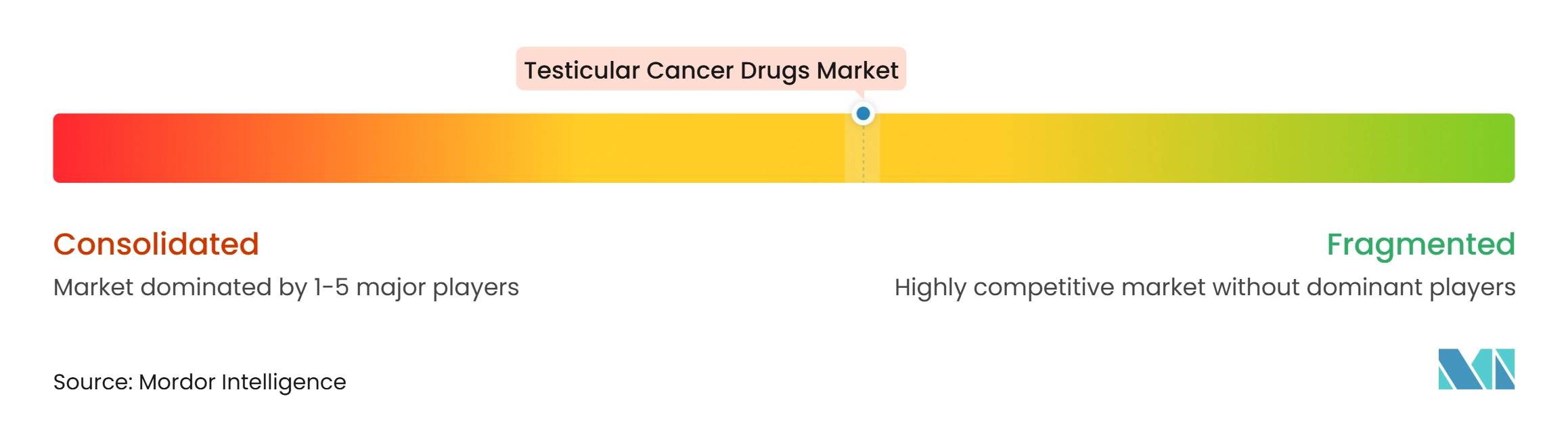
The testicular cancer drugs market has a moderate level of concentration. Fresenius Kabi, Teva, Hikma, Pfizer, and Viatris compete in high-volume generic BEP components through hospital pharmacy contracts. Their position depends on pricing, supply reliability, and compliance with FDA and European Medicines Agency requirements. Generic suppliers hold the greatest prescription volumes but face thin margins on established injectable medicines.
A smaller group of developers is focused on refractory disease and biomarker-selected treatments. Bristol Myers Squibb has evaluated nivolumab in testicular cancer, although broad checkpoint inhibitor responses remain limited in unselected patients. MiNK Therapeutics reported a complete remission case for agenT-797 plus nivolumab in treatment-refractory metastatic disease. TORL BioTherapeutics is advancing its CLDN6-targeted antibody-drug conjugate TORL-1-23 in early-stage development. BioNTech also has a CLDN6-targeted CAR-T program in clinical development.
Competition is developing along biomarker selection, cell therapy design, and supply-chain resilience. MiNK’s allogeneic platform seeks to avoid the manufacturing limitations associated with autologous cell therapies. It is designed to support a more readily available treatment model if clinical evidence continues to mature. Generic manufacturers seek multi-site supply arrangements to reduce the effect of disruptions in legacy oncology injectables and to preserve continuity for hospital-based chemotherapy programs. Fertility preservation remains a relevant adjacent need, as ASCO recommends sperm cryopreservation before gonadotoxic therapy, while no pharmacological gonadoprotective medicine has established a standard role in this setting. The testicular cancer drugs industry therefore has both an established generic base and a narrow innovation pathway focused on treatment-resistant disease.
Testicular Cancer Drugs Industry Leaders
-
Fresenius Kabi AG
-
Teva Pharmaceutical Industries Ltd
-
Hikma Pharmaceuticals PLC
-
Pfizer Inc.
- *Disclaimer: Major Players sorted in no particular order
Testicular Cancer Drugs Market Companies Covered in this Report
- Baxter
- Bristol-Myers Squibb
- Florencia Healthcare
- Fresenius
- Hikma Pharmaceuticals
- MiNK Therapeutics, Inc.
- Pfizer
- Recordati Industria Chimica e Farmaceutica S.p.A.
- Sun Pharmaceuticals Industries
- Taj Pharmaceuticals
- Teva Pharmaceutical Industries
- TORL BioTherapeutics LLC
- Venus Remedies
- Viatris
Recent Industry Developments in Testicular Cancer Drugs Market
- October 2026: Ixotatug vedotin, a novel therapeutic agent highlighted at ESMO 2026, demonstrated favorable clinical activity, with a 45.5% objective response rate and a 72.8% disease control rate in heavily pretreated patients with platinum-refractory or platinum-resistant germ cell tumors. Partial responses accounted for 45.4% of cases. These outcomes compare favorably with legacy salvage chemotherapy regimens, including gemcitabine/paclitaxel/oxaliplatin or cisplatin-based therapy.
- November 2025: MiNK Therapeutics presented updated Phase 1 results for agenT-797 at the SITC Annual Meeting 2025, reporting durable complete remission with overall survival exceeding 33 months in a patient with metastatic testicular cancer refractory to seven prior lines of therapy. The company disclosed plans to advance agenT-797 into Phase 2 development, representing a potential first-in-class allogeneic iNKT cell therapy registration path for refractory germ cell tumors.
- October 2025: Natera published the largest testicular cancer ctDNA validation study in JCO Precision Oncology, demonstrating that its Signatera test outperformed standard serum tumor markers in predicting event-free survival, with a hazard ratio of 12.45 during surveillance.
Global Testicular Cancer Drugs Market Report Scope
As per the report’s scope, testicular cancer drugs include medications, primarily chemotherapy agents, used to destroy cancer cells, reduce tumor size, or lower the risk of cancer recurrence after surgery.
The market is segmented by drug class, disease type, treatment type, route of administration, distribution channel, and geography. By drug class, the market is segmented into platinum compounds, alkylating agents, topoisomerase II inhibitors, antitumor antibiotics, vinca alkaloids, immunotherapy agents, targeted therapy, supportive drugs, and other drug types. By disease type, the market is segmented into seminoma, non-seminomatous germ-cell tumors, and refractory / relapsed testicular cancer. By treatment type, the market is segmented into first-line therapy, second-line / salvage therapy, and other treatment types. By route of administration, the market is segmented into intravenous, oral, and other routes of administration. By distribution channel, the market is segmented into hospital pharmacies, retail pharmacies, online pharmacies, and other distribution channels. By geography, the market is segmented into North America, Europe, Asia-Pacific, the Middle East and Africa, and South America. The market report also covers estimated market sizes and trends for 17 countries across major regions worldwide. The report offers market size and forecasts in value (USD) for the above segments.
Segmentation Overview
| Platinum Compounds |
| Alkylating Agents |
| Topoisomerase II Inhibitors |
| Antitumor Antibiotics |
| Vinca Alkaloids |
| Immunotherapy Agents |
| Targeted Therapy |
| Supportive Drugs |
| Other Drug Types |
| Seminoma |
| Non-Seminomatous Germ Cell Tumors |
| Refractory / Relapsed Testicular Cancer |
| First-Line Therapy |
| Second-Line / Salvage Therapy |
| Other Treatment Types |
| Intravenous |
| Oral |
| Other Routes of Administration |
| Hospital Pharmacies |
| Retail Pharmacies |
| Online Pharmacies |
| Other Distribution Channels |
| North America | United States |
| Canada | |
| Mexico | |
| Europe | Germany |
| United Kingdom | |
| France | |
| Italy | |
| Spain | |
| Rest of Europe | |
| Asia-Pacific | China |
| Japan | |
| India | |
| Australia | |
| South Korea | |
| Rest of Asia-Pacific | |
| Middle East and Africa | GCC |
| South Africa | |
| Rest of Middle East and Africa | |
| South America | Brazil |
| Argentina | |
| Rest of South America |
| By Drug Class | Platinum Compounds | |
| Alkylating Agents | ||
| Topoisomerase II Inhibitors | ||
| Antitumor Antibiotics | ||
| Vinca Alkaloids | ||
| Immunotherapy Agents | ||
| Targeted Therapy | ||
| Supportive Drugs | ||
| Other Drug Types | ||
| By Disease Type | Seminoma | |
| Non-Seminomatous Germ Cell Tumors | ||
| Refractory / Relapsed Testicular Cancer | ||
| By Treatment Type | First-Line Therapy | |
| Second-Line / Salvage Therapy | ||
| Other Treatment Types | ||
| By Route of Administration | Intravenous | |
| Oral | ||
| Other Routes of Administration | ||
| By Distribution Channel | Hospital Pharmacies | |
| Retail Pharmacies | ||
| Online Pharmacies | ||
| Other Distribution Channels | ||
| By Geography | North America | United States |
| Canada | ||
| Mexico | ||
| Europe | Germany | |
| United Kingdom | ||
| France | ||
| Italy | ||
| Spain | ||
| Rest of Europe | ||
| Asia-Pacific | China | |
| Japan | ||
| India | ||
| Australia | ||
| South Korea | ||
| Rest of Asia-Pacific | ||
| Middle East and Africa | GCC | |
| South Africa | ||
| Rest of Middle East and Africa | ||
| South America | Brazil | |
| Argentina | ||
| Rest of South America | ||
Key Questions Answered in the Report
What is the expected value of testicular cancer drugs by 2032?
The testicular cancer drugs market is forecast to reach USD 1.82 billion by 2032, from USD 1.31 billion in 2027. This outlook reflects continued use of platinum-based treatment, greater attention to relapse management, and growing demand for supportive care among survivors.
Which drug class has the largest share of testicular cancer treatment?
Platinum compounds held a 48.16% share in 2026 because cisplatin-based BEP remains central to metastatic care. The class is expected to remain important because established guidelines continue to support platinum-based combinations across relevant risk groups.
What is driving demand for salvage treatment in testicular cancer?
Earlier molecular relapse detection and the need for intensive therapy after relapse support a 7.54% CAGR for second-line and salvage therapy through 2032. Salvage regimens can involve more medicines, longer exposure, and specialist treatment settings than first-line care.
Which disease type is expected to grow fastest?
Non-seminomatous germ cell tumors are forecast to grow at a 7.64% CAGR through 2032 because treatment is often more intensive and relapse can require additional therapy. Rising disease burden in parts of Asia may also support demand for these regimens.
Why do hospital pharmacies remain important for testicular cancer medicines?
Hospital pharmacies held a 55.34% share in 2026 because core chemotherapy medicines require specialized preparation, infusion, and clinical monitoring. The channel also supports procurement contracts, treatment coordination, and the direct observation that is required for major injectable regimens.
Which region is forecast to grow fastest for testicular cancer therapeutics?
Asia-Pacific is forecast to grow at an 8.61% CAGR through 2032, supported by rising incidence in parts of the region and expanding oncology capacity. The pace of growth will depend on progress in diagnosis, referral, and access to specialist treatment facilities.