
Targeted Drug Delivery Market Size and Share
Market Overview
| Study Period | 2021 - 2032 |
|---|---|
| Market Size (2027) | USD 16.57 Billion |
| Market Size (2032) | USD 35.58 Billion |
| Growth Rate (2027 - 2032) | 16.51 % |
| Fastest Growing Market | Asia-Pacific |
| Largest Market | North America |
| Market Concentration | Medium |
Major Players *Disclaimer: Major Players sorted in no particular order Image © Mordor Intelligence. Reuse requires attribution under CC BY 4.0. | |
Targeted Drug Delivery Market Analysis by Mordor Intelligence
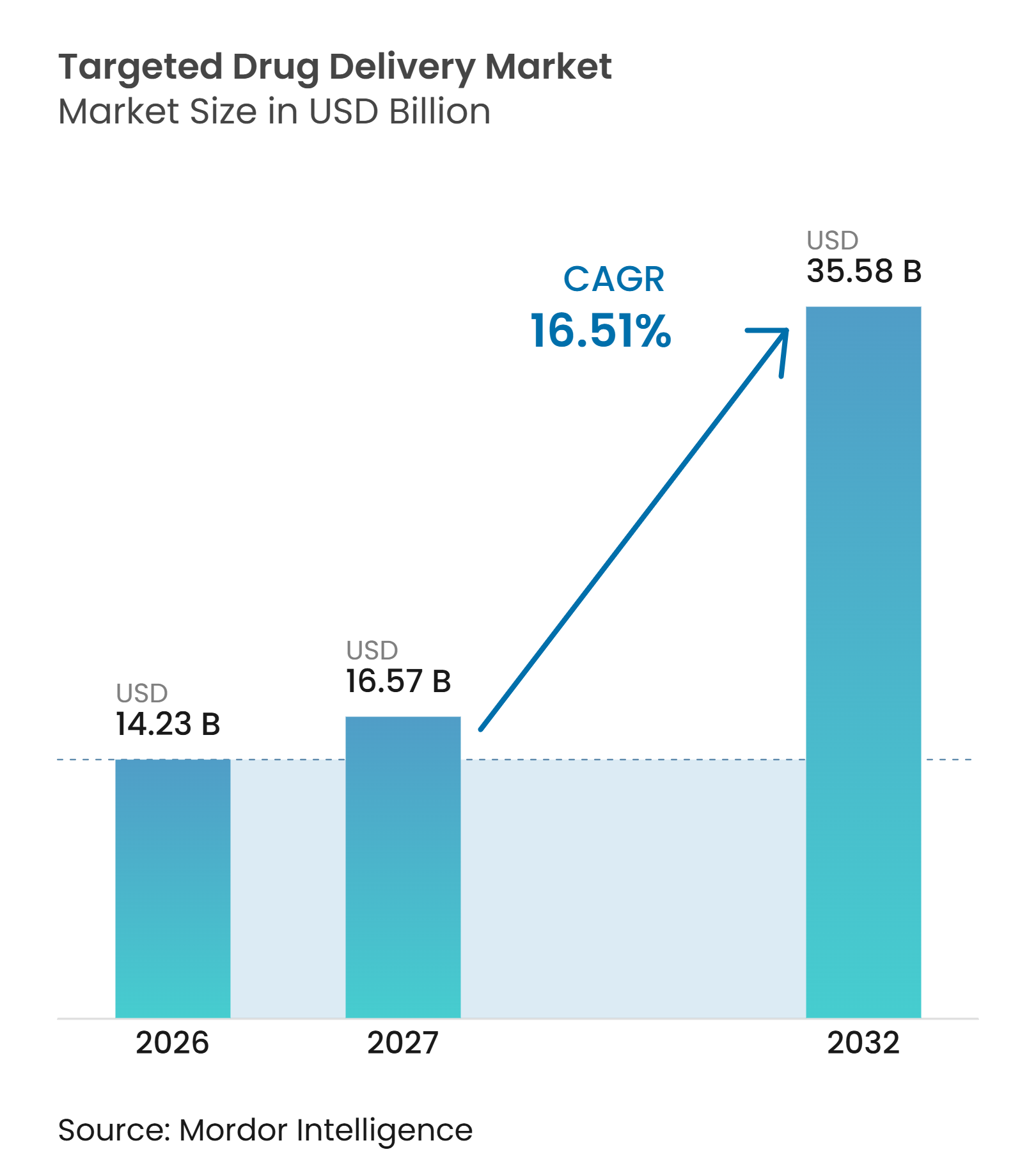
The Targeted Drug Delivery Market size is expected to increase from USD 14.23 billion in 2026 to USD 16.57 billion in 2027 and reach USD 35.58 billion by 2032, growing at a CAGR of 16.51% over 2027-2032.
The targeted drug delivery market is moving toward treatments that place active therapies closer to defined molecular targets, which can reduce systemic exposure and support more precise care. Antibody-drug conjugates and lipid nanoparticles are central to this shift because they combine established biologic science with delivery approaches that can be adapted for new targets. Companion diagnostics are becoming more closely linked to treatment decisions, which can create clearer patient groups for targeted medicines. Manufacturing capacity remains a decisive constraint because antibody production, linker-payload synthesis, conjugation, formulation, and sterile fill-finish each require specialized controls. The targeted drug delivery market also benefits from earlier use of precision therapies in cancer care and from RNA programs that are moving beyond vaccines into chronic and rare diseases.
Key Report Takeaways
- By technology, antibody-drug conjugates held 28.7% of the targeted drug delivery market share in 2026, while lipid nanoparticles are projected to grow at an 18.5% CAGR through 2032.
- By payload, cytotoxic small-molecule payloads accounted for 22.9% of revenue in 2026, while messenger RNA is forecast to expand at an 18.8% CAGR through 2032.
- By application, oncology held 29.7% of the targeted drug delivery market share in 2026, while infectious diseases is projected to advance at a 19.9% CAGR through 2032.
- By end user, hospitals and specialty cancer centers accounted for 39.8% of revenue in 2026, while specialty pharmacies and home-care settings are forecast to grow at a 19.5% CAGR through 2032.
- By geography, North America accounted for 43.7% of revenue in 2026, while Asia-Pacific is projected to grow at a 17.5% CAGR through 2032.
Note: Market numbers in this report are based on Mordor Intelligence's proprietary estimation framework, which combines nine months of actuals with Q4 projections for base year 2026.
Market Trends and Insights
Drivers Impact Analysis of Targeted Drug Delivery Market*
| Driver | (~) % Impact on CAGR Forecast | Geographic Relevance | Impact Timeline |
|---|---|---|---|
| Rising Oncology and Chronic-Disease Burden | +3.40% | Global, with highest intensity in North America, Europe, and East Asia | Long term (≥ 4 years) |
| Expansion of Precision-Medicine Pipelines | +2.60% | North America, Europe, Asia-Pacific core markets including China, Japan, and South Korea | Medium term (2-4 years) |
| Commercial Validation of ADC and LNP Platforms | +3.00% | Global, with North America and Europe as revenue markets and Asia-Pacific as a manufacturing and research hub | Short term (≤ 2 years) |
| Increasing Adoption of RNA and Gene-Editing Therapeutics | +2.40% | North America and Europe, with rapid uptake in Asia-Pacific and the Middle East through vaccine programs | Medium term (2-4 years) |
| Extrahepatic Delivery Platforms Unlock New Tissues | +1.60% | North America and Europe in early research, with increasing clinical activity in Asia-Pacific | Long term (≥ 4 years) |
| Companion-Diagnostic-Guided Target Selection | +1.30% | North America and the European Union, with spillover to South Korea, Japan, and Australia | Medium term (2-4 years) |
| Source: Mordor Intelligence | |||
Rising Oncology and Chronic-Disease Burden Sustains a High-Volume Target Base
Oncology remains the main source of demand for targeted delivery platforms because developers continue to pursue therapies for solid tumors and blood cancers. The U.S. Food and Drug Administration had approved 14 antibody-drug conjugates by early 2026, while several hundred investigational molecules addressed many antigen targets[1]. The targeted drug delivery market therefore has a growing set of targets that can support product development across treatment settings. Some patients with advanced urothelial cancer and triple-negative breast cancer do not reach second-line treatment, which increases the clinical need to use effective therapies earlier. This treatment pattern supports the movement of antibody-drug conjugates into first-line and perioperative care. It also increases the commercial importance of treatments that can address biomarker-defined patient groups before disease progression limits treatment options.
Commercial Validation of ADC and LNP Platforms Creates a Self-Reinforcing Investment Cycle
Commercial results from established products are helping validate both antibody-drug conjugate and lipid nanoparticle platforms. Alnylam reported USD 3 billion in 2025 net product revenues, up 81%, with growth supported by AMVUTTRA after its expanded approval for transthyretin amyloid cardiomyopathy. These results show why the targeted drug delivery market attracts investment in platform chemistry, payload design, and manufacturing rather than only in individual medicine candidates. Developers are seeking site-specific conjugation methods, next-generation linkers, and delivery systems designed for selective organs. This investment cycle can strengthen the supply base, although complex production requirements continue to limit how quickly capacity can expand.
Increasing Adoption of RNA and Gene-Editing Therapeutics Extends Delivery Beyond Oncology
RNA therapies are broadening the clinical use of targeted delivery systems beyond oncology. mRNA-4157, Moderna's individualized neoantigen therapy developed with Merck, reported a 44% reduction in cancer recurrence risk against pembrolizumab monotherapy in 2026 Phase 3 results. This result brings mRNA delivery into a late-stage oncology setting and supports interest in individualized cancer treatment approaches. The targeted drug delivery market also includes GalNAc-conjugated small interfering RNA programs that are expanding into cardiometabolic populations. Alnylam has moved AMVUTTRA beyond rare polyneuropathy into transthyretin amyloid cardiomyopathy. This wider therapeutic reach supports demand for delivery technologies that can carry RNA payloads to tissues other than the liver.
Extrahepatic Delivery Platforms Open High-Value Non-Liver Tissues
Extrahepatic delivery is important because standard lipid nanoparticle formulations can concentrate substantially in the liver after systemic administration. A 2025 review described liver accumulation ranging from 30% to 90%, which can limit access to other tissues. Selective organ-targeting approaches seek to change tissue distribution through lipid chemistry and charge composition. Research on these methods has shown the potential to direct payloads toward the lung, spleen, and lymph nodes[2]. ReCode Therapeutics began Phase 2 enrollment for RCT2100 with ivacaftor for cystic fibrosis in November 2025 after regulatory clearance. These developments make pulmonary, central nervous system, and cardiovascular indications more relevant to the targeted drug delivery market. They also raise the need for stronger characterization of tissue exposure, safety, and durability.
Restraints Impact Analysis of Targeted Drug Delivery Market*
| Restraint | (~) % Impact on CAGR Forecast | Geographic Relevance | Impact Timeline |
|---|---|---|---|
| High Development and Manufacturing Complexity | -2.9% | Global, with the greatest pressure on emerging Asia-Pacific participants lacking established bioconjugation infrastructure | Short term (≤ 2 years) |
| Stringent Characterization and Regulatory Requirements | -2.0% | North America and the European Union, where CMC requirements can delay extrahepatic and next-generation platforms | Medium term (2-4 years) |
| Variable In Vivo Targeting and Tumor Heterogeneity | -1.6% | Global | Long term (≥ 4 years) |
| Limited Commercial-Scale Capacity for Complex Conjugates and Nanoparticles | -1.4% | Global, with high pressure in North America and Europe where commercial demand is greatest | Short term (≤ 2 years) |
| Source: Mordor Intelligence | |||
High Development and Manufacturing Complexity Constrains Speed to Market
Producing an antibody-drug conjugate or a GMP-grade lipid nanoparticle requires coordinated antibody production, linker-payload synthesis, conjugation, formulation, and sterile fill-finish. Each step requires narrow process controls, which makes capacity difficult to replicate quickly. MilliporeSigma invested USD 76 million to expand its bioconjugation center in St. Louis, while Veranova committed more than USD 50 million to add cGMP bioconjugation capability in Devens, Massachusetts. These projects show that the targeted drug delivery market is dependent on manufacturing investment as well as scientific development. Long construction and qualification periods can delay relief when clinical programs advance toward late-stage studies. Sponsors approaching Phase 3 development may therefore face intense competition for qualified manufacturing slots.
Variable In Vivo Targeting and Tumor Heterogeneity Limits Response Durability
Tumor biology can limit the durability of even established targeted delivery platforms. More than 80% of antibody-drug conjugates entering clinical trials ended in Phase I or Phase II, with antigen heterogeneity, variable expression, impaired internalization, and acquired resistance among the cited causes. These limitations mean that selecting a single antigen may not provide lasting control in tumors with diverse cells. Developers are responding with bispecific and dual-payload designs that seek to address more than 1 biological pathway. This design direction is relevant to the targeted drug delivery market because it shifts product development toward more complex targeting architectures. The approach can improve the relevance of platforms in difficult cancers, but it can also increase development, safety, and manufacturing demands.
*Our forecasts treat driver/restraint impacts as directional, not additive. The impact forecasts reflect baseline growth, mix effects, and variable interactions.
Targeted Drug Delivery Market Segment Analysis
By Technology:
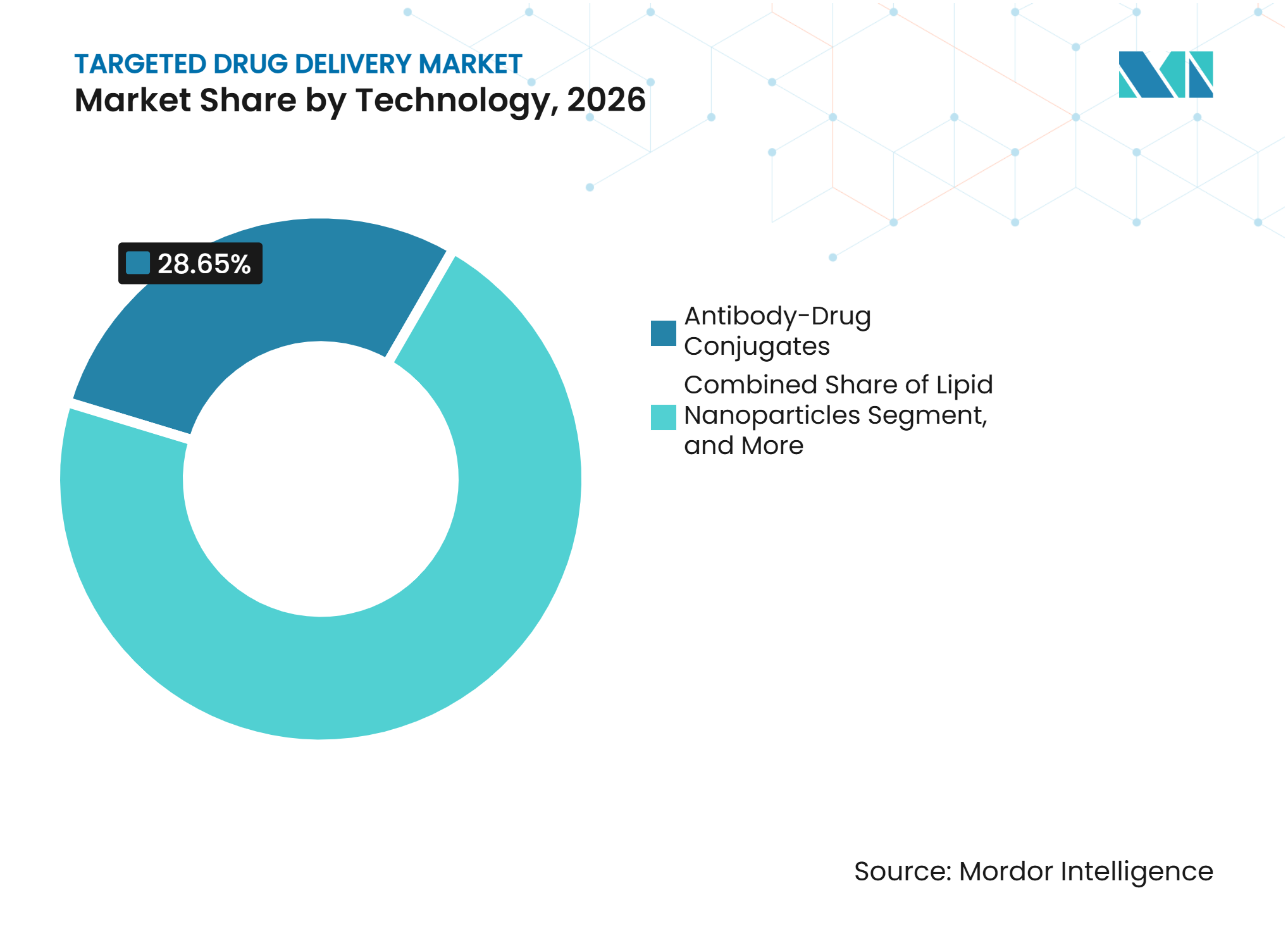
Antibody-Drug Conjugates Lead While Lipid Nanoparticles ExpandAntibody-drug conjugates held 28.7% of the targeted drug delivery market size in 2026, making them the largest technology segment. The technology has the broadest commercial base among precision delivery approaches and has moved from later treatment settings toward earlier use in cancer care. Enhertu generated USD 5 billion in 2025 revenue, while 9 leading antibody-drug conjugate products generated USD 14.3 billion combined. These products show that carefully linked antibodies and cytotoxic payloads can support substantial commercial activity. The clinical role of antibody-drug conjugates is also changing as products are considered in first-line, perioperative, and curative-intent settings. Earlier use may expand patient access, but it may also shorten the interval for sequencing similar therapies and increase concern about cross-resistance.
Lipid nanoparticles are forecast to grow at an 18.5% CAGR through 2032, the fastest rate among technology segments. Their growth reflects broader use of RNA therapeutics and a widening focus on delivery systems beyond vaccine applications. The targeted drug delivery market includes liposomal systems, polymeric nanoparticles, micelles, monoclonal antibody-based immunoconjugates, and ligand-conjugated oligonucleotides as a diverse group of supporting technologies. GalNAc-conjugated small interfering RNA programs are extending oligonucleotide delivery into cardiometabolic disease, while polymeric nanoparticles are being studied for combination payloads in solid tumors. Evonik announced a CAD 150 million investment, equal to USD 108 million, in a Vancouver GMP lipid nanoparticle facility that is planned to support more than 3 times current capacity. Regulatory review of nanoparticle products depends on evidence covering particle size distribution, encapsulation efficiency, and lipid identity.



By Payload:
Cytotoxic Molecules Retain Scale While Messenger RNA Grows FastestCytotoxic small-molecule payloads accounted for 22.9% of revenue in 2026, the largest share among payload categories. Their established role reflects the wide use of auristatin, maytansinoid, and topoisomerase-I inhibitor payloads in commercial antibody-drug conjugates. Topoisomerase-I and tubulin payloads represented 80% of clinical licensing agreements in the source material, which indicates the difficulty of finding alternatives with comparable therapeutic performance. The targeted drug delivery industry relies on these payloads because they are backed by clinical experience and established conjugation methods. Yet the concentration around familiar payload classes increases the value of differentiated payload mechanisms. Developers are therefore balancing proven cytotoxic options with programs that aim to improve selectivity, activity, and resistance management.
Messenger RNA is projected to grow at an 18.8% CAGR through 2032, the highest rate among payload types. Its use is expanding from preventive vaccines into therapeutic oncology and genetic disease. The 2026 Phase 3 result for mRNA-4157 provided evidence that an individualized neoantigen therapy can reach a registrational efficacy endpoint in oncology. Small interfering RNA payloads are also moving outside hepatic indications into cardiovascular care, while antisense oligonucleotides are using GalNAc conjugation to improve tissue access. The targeted drug delivery market may benefit as these payloads reach conditions with large patient populations. Preclinical safety evaluation and regulatory guidance for RNA-based therapeutics remain important because tissue distribution, immune response, and repeat dosing can affect development plans.
By Application:
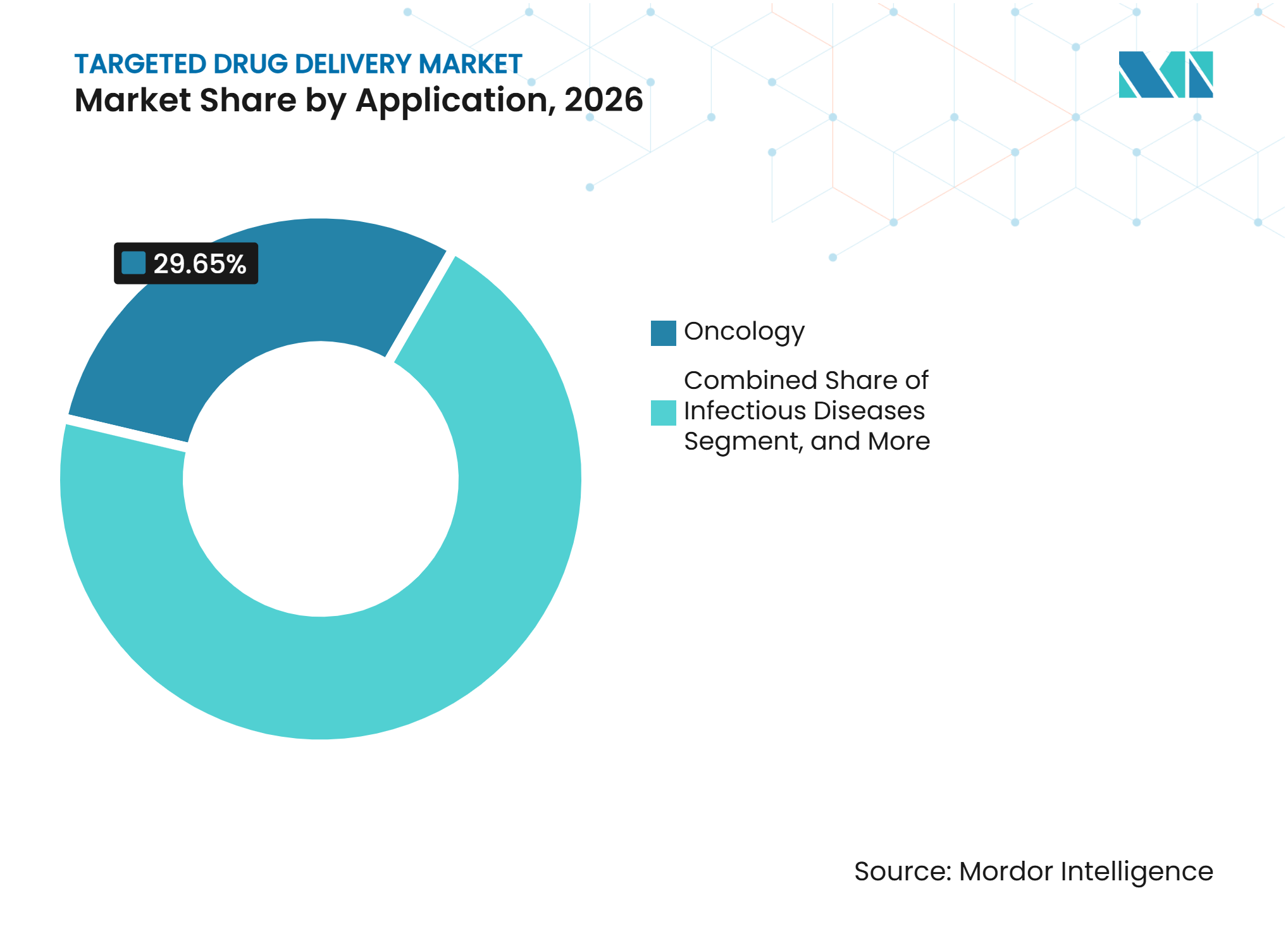
Oncology Provides Revenue While Infectious Diseases Add GrowthOncology held 29.7% of the targeted drug delivery market size in 2026, making it the largest application segment. The segment benefits from the breadth of approved antibody-drug conjugates and the active pipeline for solid tumors and blood cancers. The FDA had approved 14 antibody-drug conjugates by early 2026, and more than 400 candidates were in active clinical development. Cancer programs have often moved through accelerated regulatory pathways, allowing targeted products to reach commercial use earlier than many programs in other therapeutic areas. Genetic and rare disorders are another established application because liposomal small interfering RNA and GalNAc-conjugated oligonucleotides can address conditions such as hereditary transthyretin amyloidosis, primary hyperoxaluria, and familial chylomicronemia.
Infectious diseases are expected to grow at a 19.9% CAGR through 2032, the fastest application rate in the targeted drug delivery market. The category is supported by mRNA and lipid nanoparticle programs for seasonal respiratory diseases, emerging pathogens, and antimicrobial applications. Molecular Therapy Nucleic Acids described 2026 as a period in which RNA therapeutics were extending from vaccines toward chronic indications. This direction can create demand that does not depend solely on pandemic conditions. Cardiovascular and metabolic diseases are also gaining relevance as RNA interference products support less frequent dosing approaches. Central nervous system, autoimmune, and inflammatory indications remain earlier in development but could become more important as extrahepatic delivery improves.

By End User:
Hospitals Retain Revenue While Home-Care Settings GrowHospitals and specialty cancer centers accounted for 39.8% of end-user revenue in 2026. Their position reflects the clinical supervision, infusion capacity, and cold-chain logistics needed for many intravenous antibody-drug conjugates, lipid nanoparticle formulations, and complex biologics. The targeted drug delivery market remains closely tied to hospital outpatient departments and specialty infusion suites during the first stages of product launches. These care settings can manage adverse events and administer therapies that have not been adapted for outpatient use. Payer site-of-care programs are nevertheless directing appropriate infusions toward lower-cost settings. This pressure can moderate hospital channel growth even when the number of approved targeted therapies rises.
Specialty pharmacies and home-care settings are projected to grow at a 19.5% CAGR through 2032. Growth is linked to payer incentives, drug-device co-development, and subcutaneous reformulation programs that can make home administration more practical. Specialty pharmacies can also support limited-distribution arrangements, patient education, and cold-chain coordination for complex therapies. The targeted drug delivery industry must meet service and quality expectations as administration moves beyond hospitals. Accreditation from the Accreditation Commission for Health Care or URAC, along with compliance with U.S. Pharmacopeia Chapter 1079 for storage and transportation, can be important for access to these arrangements. Ambulatory infusion centers and physician offices occupy a middle position by offering lower-cost administration while retaining clinical supervision.
Geography Analysis
North America
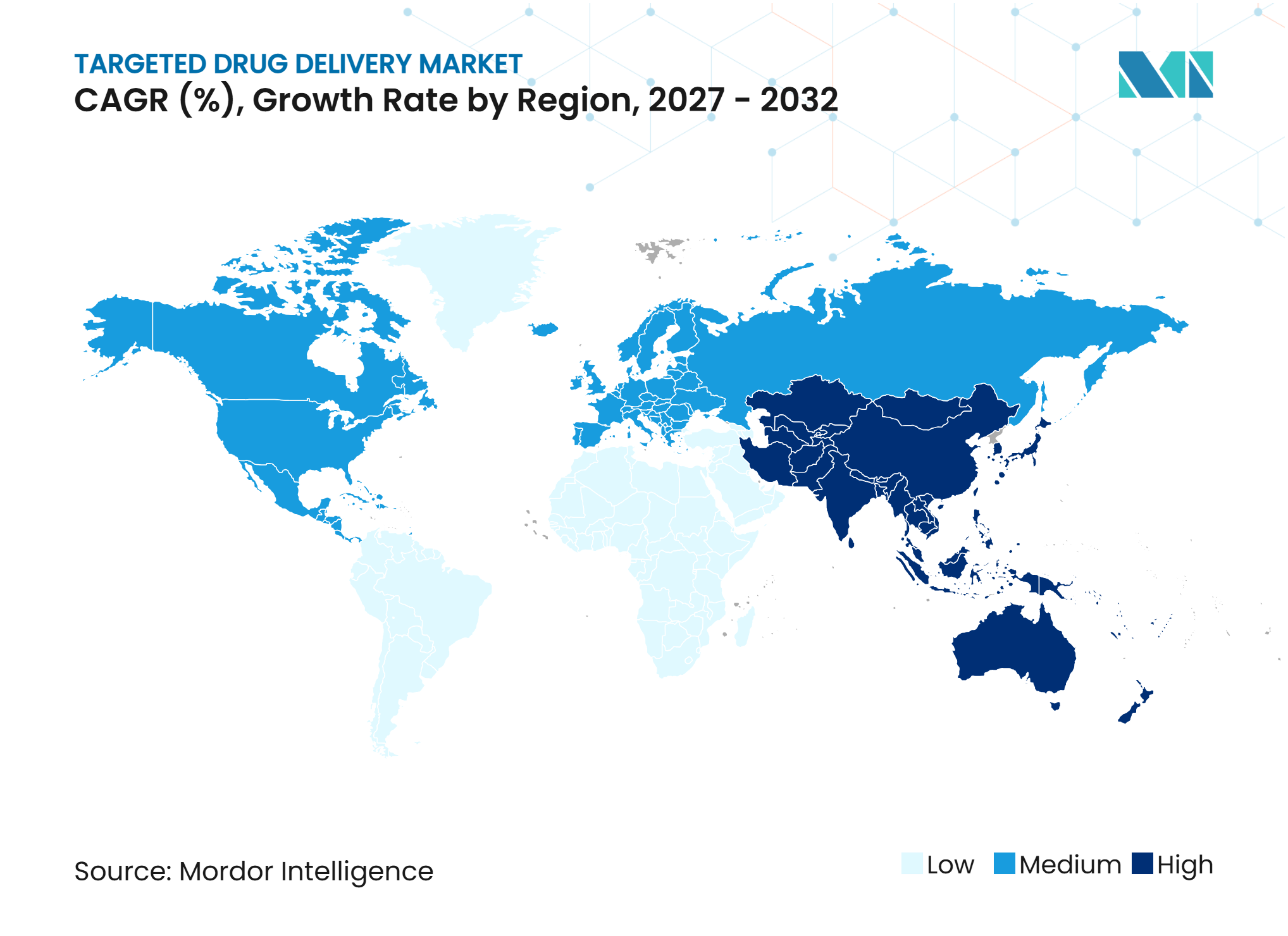
North America accounted for 43.7% of the targeted drug delivery market size in 2026. The region benefits from a large pharmaceutical launch market, established specialist care networks, and a concentration of antibody-drug conjugate and RNA therapy developers. The FDA's accelerated approval process and companion diagnostic framework support integrated precision-medicine development. Roche received FDA approval in 2025 for the VENTANA MET RxDx Assay to identify certain non-small cell lung cancer patients eligible for EMRELIS treatment. The region also has a reimbursement structure that supports specialty biologics, which sustains its revenue position. Canada is adding capacity through Evonik's planned Vancouver lipid nanoparticle facility, supported by the Canadian federal government.
Asia-Pacific
Asia-Pacific is forecast to expand at a 17.5% CAGR through 2032, making it the fastest-growing geography. China is becoming an important source of licensable antibody-drug conjugate assets, while South Korea and India are strengthening their manufacturing roles. LOTTE BIOLOGICS is building a commercial bio campus in Songdo for 2027 operations while developing a dual manufacturing presence across North America and Asia. This approach can give developers greater supply flexibility as demand for complex biologics grows. China approved 4 domestically originated antibody-drug conjugates between 2025 and mid-2026, according to the supplied material. Japan's PMDA has increasingly aligned precision oncology review timing with the FDA and EMA, which can reduce delays in access. Regulatory alignment and regional production capacity are likely to remain important for the targeted drug delivery market.
Europe, Middle East and Africa, and South America
Europe has a mature biologics manufacturing base and benefits from the European Medicines Agency PRIME scheme for medicines that could provide meaningful improvement over existing options. France is adding antibody-drug conjugate manufacturing capacity through Axplora's planned lyophilization expansion at its Le Mans site, supported by a broader EUR 100 million commitment in the supplied material. The Middle East and Africa offer a smaller but developing opportunity as Gulf Cooperation Council countries invest in local pharmaceutical manufacturing and regulatory harmonization. South America is gaining attention through government-negotiated access programs for rare disease RNA therapies. Brazil's ANVISA is aligning with FDA chemistry, manufacturing, and controls standards for complex biologics, although reimbursement and procurement timelines remain barriers. These mixed geographies widen the long-term opportunity for the targeted drug delivery market, but commercial progress will vary with local financing, regulatory capacity, and specialized care infrastructure.
Competitive Landscape
Market Concentration
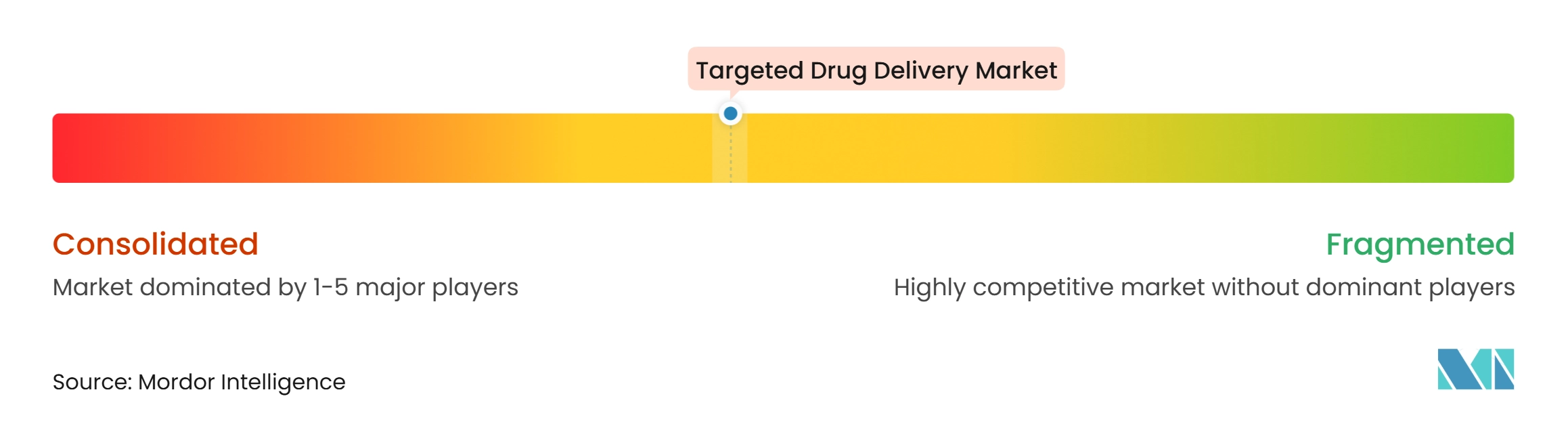
The targeted drug delivery market is moderately concentrated at the product-revenue level but remains fragmented across the clinical pipeline. Roche, Pfizer, AbbVie, Daiichi Sankyo, AstraZeneca, Gilead, and Alnylam are established commercial participants across antibody-drug conjugates and RNA delivery. The wider pipeline includes many originators in the United States, Europe, Japan, South Korea, and China. This mix encourages larger pharmaceutical companies to seek differentiated delivery platforms rather than only individual assets. The market has more than 400 active clinical programs in the supplied material, which indicates that new entrants still have routes to development. Competition is therefore shaped by target choice, conjugation chemistry, payload design, delivery specificity, clinical evidence, and manufacturing access.
Platform acquisitions and alliances have become an important competitive route. Alnylam announced a strategic partnership with Inceptive in June 2026 to combine RNA interference data with an artificial intelligence platform for next-generation RNA interference candidate discovery. Alnylam also invested USD 250 million in its siRELIS enzymatic-ligation manufacturing platform to reduce production costs and expand capacity, as described in the supplied material. Pfizer and Innovent entered a collaboration covering 12 antibody-drug conjugate and multispecific programs in May 2026, with USD 650 million upfront and up to USD 10.5 billion in milestones. These actions show that competitive advantage increasingly depends on access to scalable and differentiated platforms.
White space remains in emerging targets and in delivery systems that can reach tissues beyond the liver. CDH17, DLL3, and c-MET are receiving development attention, while extrahepatic lipid nanoparticle systems could expand delivery into pulmonary, central nervous system, and cardiovascular indications. The targeted drug delivery market also has growing demand for manufacturing technologies that can produce complex molecules reliably at commercial scale. The FDA Emerging Technology Program can support early engagement on novel manufacturing methods, which is relevant to developers pursuing new processes. Alnylam, Roche, Pfizer, and other leading companies are therefore combining product development with platform, diagnostic, and manufacturing strategies. This can preserve the position of established firms while leaving space for specialists that solve delivery, targeting, or production challenges.
Targeted Drug Delivery Industry Leaders
-
Daiichi Sankyo Company, Limited
-
AstraZeneca plc
-
F. Hoffmann-La Roche Ltd
-
Pfizer Inc.
-
Alnylam Pharmaceuticals, Inc.
- *Disclaimer: Major Players sorted in no particular order
Targeted Drug Delivery Market Companies Covered in this Report
- Abbvie
- AFT Pharmaceuticals Limited
- Aquestive Therapeutics
- B. Braun
- Bausch Health
- Crossject SA
- Dr. Reddy’s Laboratories
- Eisai
- Fresenius
- Hikma Pharmaceuticals
- Johnson & Johnson
- Lupin
- Medtronic
- Pfizer
- Sandoz Group AG
- Sun Pharmaceuticals Industries
- Teva Pharmaceutical Industries
- Torrent Pharmaceuticals
- UCB
- Viatris
Recent Industry Developments in Targeted Drug Delivery Market
- August 2026: Evonik announced a CAD 150 million, USD 108 million, investment in a new GMP LNP drug product manufacturing facility in Vancouver, Canada, supported by up to CAD 68 million from the Canadian federal government. The facility will offer more than 3 times the current capacity and is planned for production readiness by end-2029.
- November 2025: FDA approved PADCEV plus KEYTRUDA as a perioperative treatment for cisplatin-ineligible patients with muscle-invasive bladder cancer, based on Phase 3 EV-303 showing a 60% reduction in risk of disease recurrence and a 50% reduction in risk of death versus surgery alone.
- May 2025: FDA granted accelerated approval to AbbVie's Emrelis for locally advanced or metastatic non-squamous non-small cell lung cancer with high c-Met overexpression, alongside FDA approval for Roche's VENTANA MET RxDx Assay as the first companion diagnostic for c-Met expression in non-small cell lung cancer.
Global Targeted Drug Delivery Market Report Scope
According to the report’s scope, targeted drug delivery is a method of delivering medication directly to a specific site, tissue, or cell in the body. It aims to improve treatment effectiveness while reducing effects on healthy tissues and minimizing side effects.
The Targeted drug delivery market is segmented into technology, payload, application, end user, and geography. By technology, the market is segmented into antibody-drug conjugates, lipid nanoparticles, liposomal drug delivery systems, polymeric nanoparticles and micelles, monoclonal antibody-based immunoconjugates, ligand-conjugated oligonucleotides, and other technologies. By payload, the market is segmented into cytotoxic small-molecule payloads, small interfering RNA, antisense oligonucleotides, messenger RNA, and other payloads. By application, the market is segmented into oncology, genetic and rare disorders, infectious diseases, cardiovascular and metabolic diseases, central nervous system disorders, autoimmune and inflammatory diseases, and other applications. By end user, the market is segmented into hospitals and specialty cancer centers, ambulatory infusion centers and physician offices, specialty pharmacies and home-care settings, and other end users. By geography, the market is segmented into North America, Europe, Asia-Pacific, the Middle East and Africa, and South America. The report also covers the estimated market sizes and trends for 17 countries across major regions globally. The report offers values (USD) for all the above segments.
Segmentation Overview
| Antibody-Drug Conjugates |
| Lipid Nanoparticles |
| Liposomal Drug Delivery Systems |
| Polymeric Nanoparticles and Micelles |
| Monoclonal Antibody-Based Immunoconjugates |
| Ligand-Conjugated Oligonucleotides |
| Other Technologies |
| Cytotoxic Small-Molecule Payloads |
| Small Interfering RNA |
| Antisense Oligonucleotides |
| Messenger RNA |
| Other Payloads |
| Oncology |
| Genetic and Rare Disorders |
| Infectious Diseases |
| Cardiovascular and Metabolic Diseases |
| Central Nervous System Disorders |
| Autoimmune and Inflammatory Diseases |
| Other Applications |
| Hospitals and Specialty Cancer Centers |
| Ambulatory Infusion Centers and Physician Offices |
| Specialty Pharmacies and Home-Care Settings |
| Other End Users |
| North America | United States |
| Canada | |
| Mexico | |
| Europe | Germany |
| United Kingdom | |
| France | |
| Italy | |
| Spain | |
| Rest of Europe | |
| Asia-Pacific | China |
| Japan | |
| India | |
| Australia | |
| South Korea | |
| Rest of Asia-Pacific | |
| Middle East and Africa | GCC |
| South Africa | |
| Rest of Middle East and Africa | |
| South America | Brazil |
| Argentina | |
| Rest of South America |
| By Technology | Antibody-Drug Conjugates | |
| Lipid Nanoparticles | ||
| Liposomal Drug Delivery Systems | ||
| Polymeric Nanoparticles and Micelles | ||
| Monoclonal Antibody-Based Immunoconjugates | ||
| Ligand-Conjugated Oligonucleotides | ||
| Other Technologies | ||
| By Payload | Cytotoxic Small-Molecule Payloads | |
| Small Interfering RNA | ||
| Antisense Oligonucleotides | ||
| Messenger RNA | ||
| Other Payloads | ||
| By Application | Oncology | |
| Genetic and Rare Disorders | ||
| Infectious Diseases | ||
| Cardiovascular and Metabolic Diseases | ||
| Central Nervous System Disorders | ||
| Autoimmune and Inflammatory Diseases | ||
| Other Applications | ||
| By End User | Hospitals and Specialty Cancer Centers | |
| Ambulatory Infusion Centers and Physician Offices | ||
| Specialty Pharmacies and Home-Care Settings | ||
| Other End Users | ||
| Geography | North America | United States |
| Canada | ||
| Mexico | ||
| Europe | Germany | |
| United Kingdom | ||
| France | ||
| Italy | ||
| Spain | ||
| Rest of Europe | ||
| Asia-Pacific | China | |
| Japan | ||
| India | ||
| Australia | ||
| South Korea | ||
| Rest of Asia-Pacific | ||
| Middle East and Africa | GCC | |
| South Africa | ||
| Rest of Middle East and Africa | ||
| South America | Brazil | |
| Argentina | ||
| Rest of South America | ||
Key Questions Answered in the Report
What is the forecast for targeted drug delivery through 2032?
The Targeted drug delivery market is expected to reach USD 35.6 billion by 2032 from USD 16.6 billion in 2027, at a 16.5% CAGR.
Which technology has the largest revenue position in targeted drug delivery?
Antibody-drug conjugates lead technology revenue with a 28.7% share in 2026.
Which delivery technology is growing fastest?
Lipid nanoparticles are projected to grow at an 18.5% CAGR through 2032 as RNA therapies expand across more indications.
Why is oncology important for targeted drug delivery?
Oncology accounted for 29.7% of revenue in 2026 and benefits from the expanding use of antibody-drug conjugates in earlier treatment settings.
Which region has the strongest revenue base?
North America held 43.7% of revenue in 2026, supported by specialist care, regulatory pathways, and pharmaceutical launch activity.
What is the main manufacturing challenge for targeted therapies?
Production requires specialized capacity for antibody manufacture, payload synthesis, conjugation, formulation, and sterile fill-finish, which can delay scale-up.