
Proteinuria Therapeutics Market Size and Share
Market Overview
| Study Period | 2021 - 2032 |
|---|---|
| Market Size (2027) | USD 30.45 Billion |
| Market Size (2032) | USD 71.27 Billion |
| Growth Rate (2027 - 2032) | 18.54 % |
| Fastest Growing Market | Asia-Pacific |
| Largest Market | North America |
| Market Concentration | Medium |
Major Players *Disclaimer: Major Players sorted in no particular order Image © Mordor Intelligence. Reuse requires attribution under CC BY 4.0. | |
Proteinuria Therapeutics Market Analysis by Mordor Intelligence
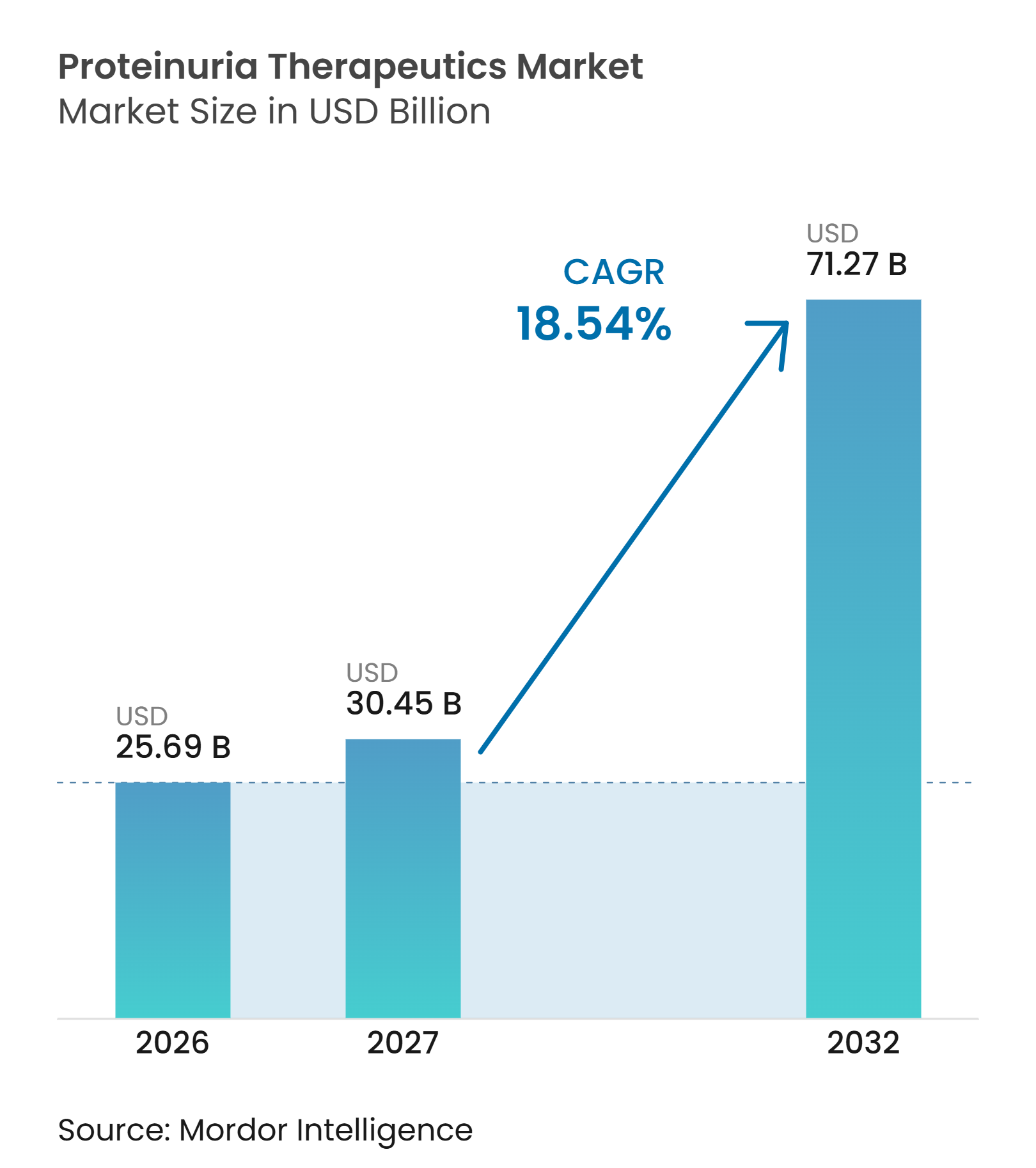
The Proteinuria Therapeutics Market size is expected to grow from USD 25.69 billion in 2026 to USD 30.45 billion in 2027 and is forecast to reach USD 71.27 billion by 2032 at 18.54% CAGR over 2027-2032.
Growth reflects a larger treated population with chronic kidney disease, diabetes, hypertension, and age-related multimorbidity. Diabetes and hypertension account for a substantial share of chronic kidney disease cases, which sustains demand for therapies that lower urinary protein and protect kidney function. The treatment mix is also moving beyond established renin-angiotensin therapies as SGLT2 inhibitors and nonsteroidal mineralocorticoid receptor antagonists become part of kidney-protection regimens. In parallel, targeted medicines for IgA nephropathy and other immune-mediated conditions are creating higher-value treatment options for patients whose disease continues despite standard care. The Proteinuria Therapeutics Market is therefore shaped by both broad chronic disease management and specialized treatment for patients with progressive glomerular disease.
Key Report Takeaways
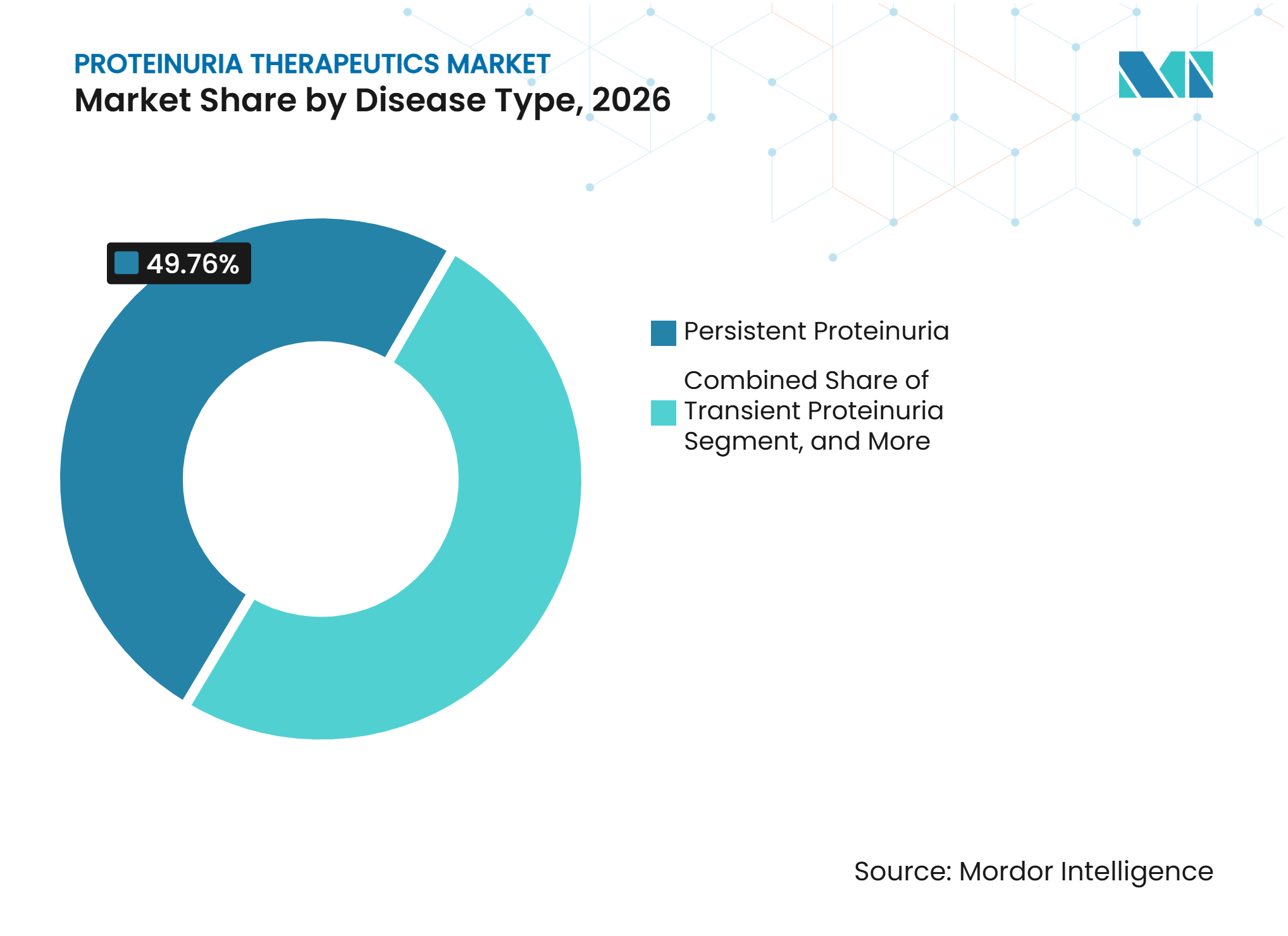
- By disease type, persistent proteinuria held 49.76% of the proteinuria therapeutics market share in 2026 and is forecast to grow at a 20.43% CAGR through 2032.
- By drug class, ACE inhibitors held 30.43% revenue share in 2026, while angiotensin receptor blockers are forecast to expand at a 20.66% CAGR through 2032.
- By route of administration, oral therapies held 61.23% revenue share in 2026, while intravenous therapies are forecast to expand at a 20.67% CAGR through 2032.
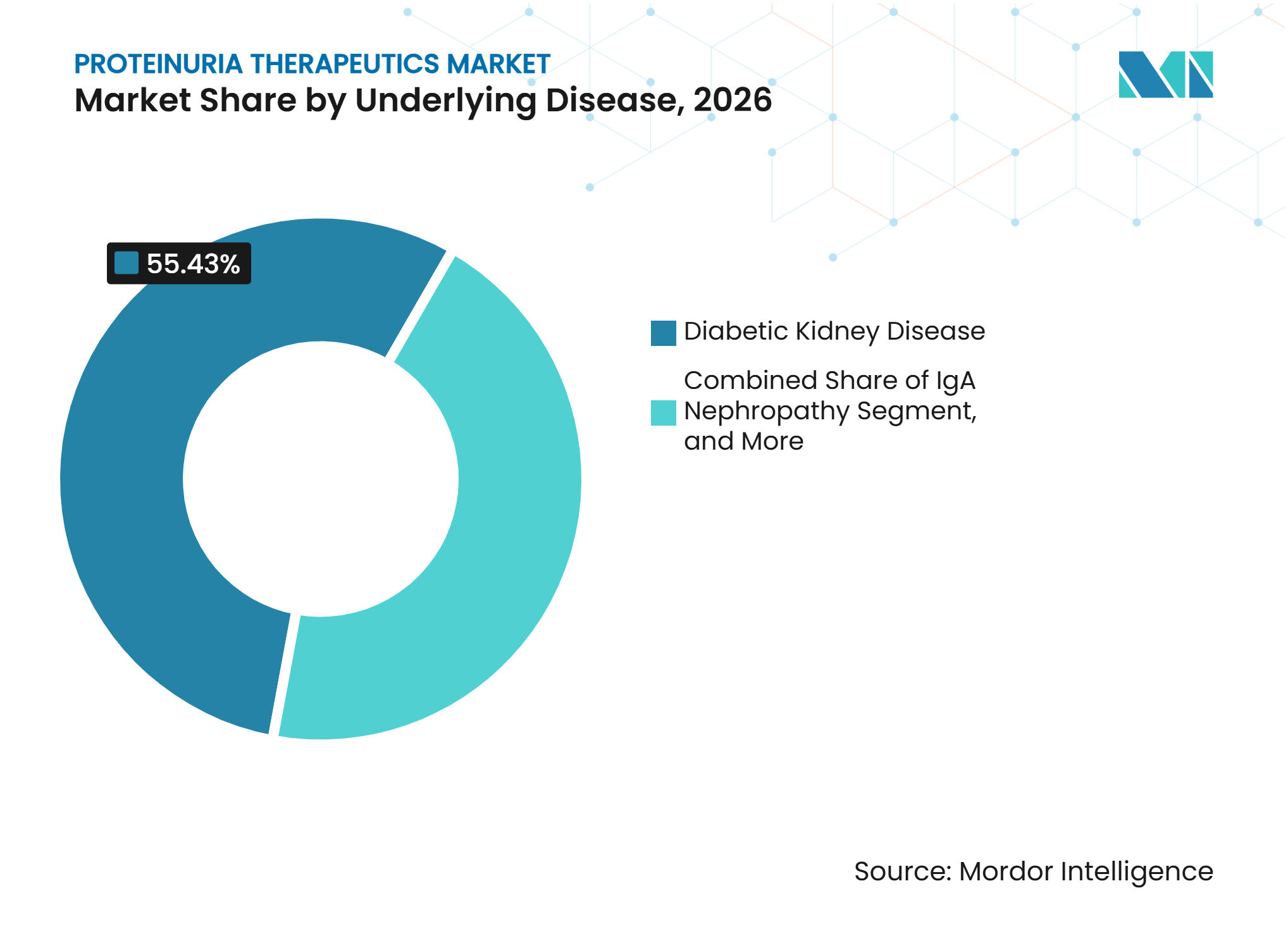
- By underlying disease, diabetic kidney disease held 55.43% revenue share in 2026, while IgA nephropathy is forecast to expand at a 21.76% CAGR through 2032.
- By distribution channel, hospital pharmacies led the proteinuria therapeutics market in 2026, while online pharmacies are forecast to expand at a 21.45% CAGR through 2032.
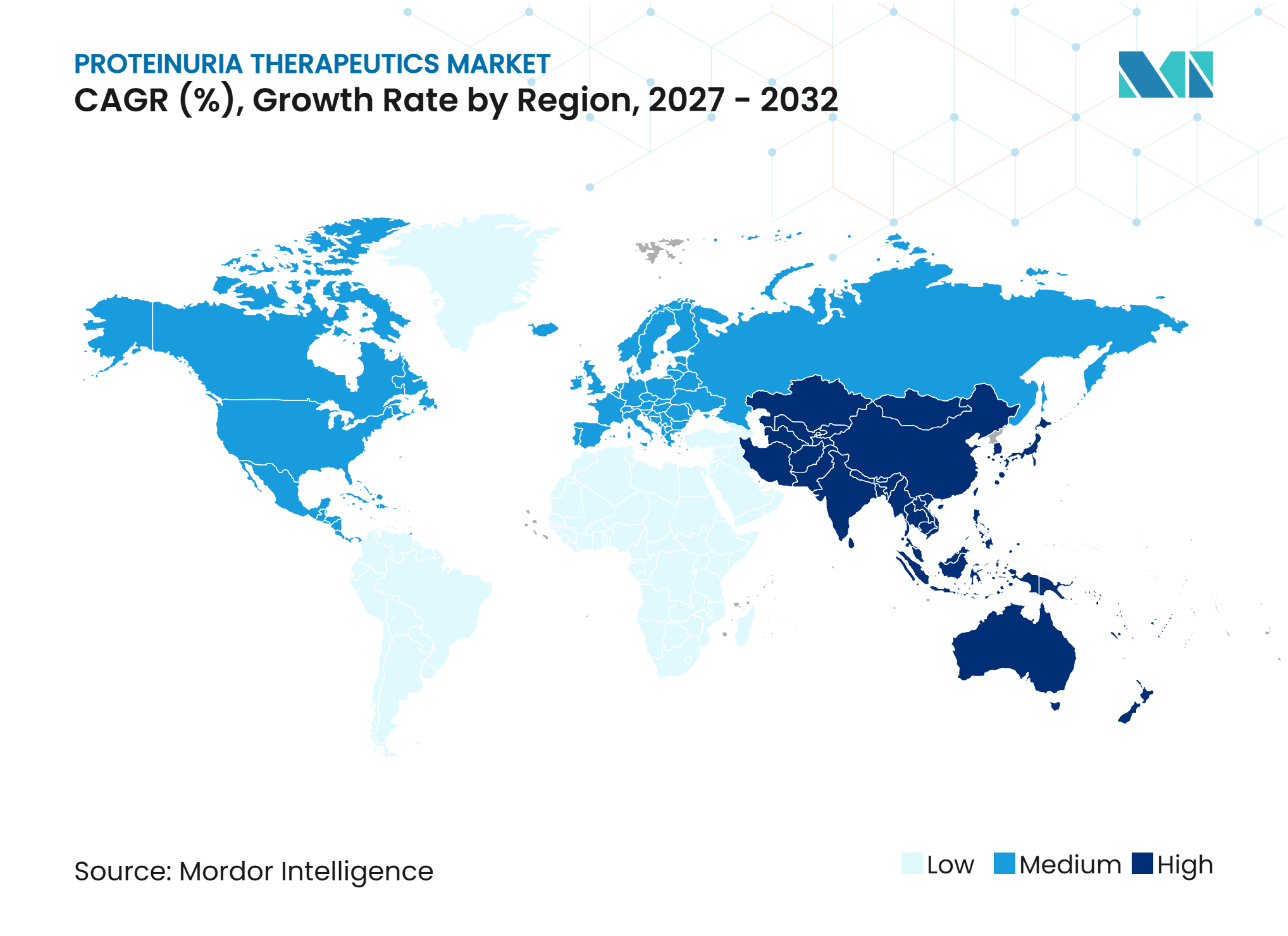
- By geography, North America held 41.45% of the proteinuria therapeutics market share in 2026, while Asia-Pacific is forecast to expand at a 19.43% CAGR through 2032.
Note: Market numbers in this report are based on Mordor Intelligence's proprietary estimation framework, which combines nine months of actuals with Q4 projections for base year 2026.
Market Trends and Insights
Drivers Impact Analysis of Proteinuria Therapeutics Market*
| Driver | (~) % Impact on CAGR Forecast | Geographic Relevance | Impact Timeline |
|---|---|---|---|
| Rising CKD, Diabetes, and Aging-Linked Proteinuria Burden | +3.80% | Global, with highest intensity in South and East Asia, North America | Long term (≥ 4 years) |
| SGLT2 Inhibitor Adoption Beyond Diabetes | +3.20% | Global, concentrated in North America, Europe, and Japan | Medium term (2–4 years) |
| Expansion of Targeted IgA Nephropathy Therapies | +2.80% | North America, Europe, Japan; emerging in APAC core | Medium term (2–4 years) |
| Earlier Albuminuria Detection Through Biomarker Panels and Remote Monitoring | +1.80% | North America & EU primary; spill-over to APAC and MEA | Short term (≤ 2 years) |
| Combination Kidney-Protection Regimens | +2.00% | Global, with evidence base centred in US and EU trials | Medium term (2–4 years) |
| Precision Treatment for Genetically Defined Proteinuric Disease | +1.50% | North America, EU; nascent in South Korea, Japan, Australia | Long term (≥ 4 years) |
| Source: Mordor Intelligence | |||
Rising CKD, Diabetes, and Aging-Linked Proteinuria Burden
The proteinuria therapeutics market draws its largest stable treatment base from diabetic kidney disease and hypertension-related chronic kidney disease. Around 40% of people with diabetes develop chronic kidney disease, while residual kidney risk remains after conventional renin-angiotensin system blockade. Older patients often have hypertension, obesity, type 2 diabetes, and reduced kidney function at the same time, which increases the likelihood of persistent albuminuria and long treatment duration. This pattern supports repeated prescribing rather than a short course of care, because clinicians must manage proteinuria, blood pressure, cardiovascular risk, and declining filtration over time. It also favors treatment combinations when a single medicine does not adequately control proteinuria or preserve kidney function. The proteinuria therapeutics market benefits from this need for long-term management, even as generic medicines remain important in many care settings.
SGLT2 Inhibitor Adoption Beyond Diabetes
SGLT2 inhibitors are increasingly used in eligible chronic kidney disease patients with and without diabetes under current kidney-care guidance. This broadens prescribing beyond endocrinology into nephrology, cardiology, and primary care, and increases the number of clinicians who may identify treatment-eligible patients. Empagliflozin reported EUR 8.8 billion in net sales during 2025, with chronic kidney disease, type 2 diabetes, and heart failure contributing to demand. Combination treatment is gaining attention because albuminuria reduction can improve when an SGLT2 inhibitor is used with a nonsteroidal mineralocorticoid receptor antagonist. Wider use may strengthen the established treatment base before patients require specialized glomerular disease medicines, especially when kidney disease is identified before severe loss of function. This creates a practical route for the proteinuria therapeutics market to grow through both higher patient coverage and more complete disease management.
Expansion of Targeted IgA Nephropathy Therapies
IgA nephropathy has developed into a major source of specialized growth in the Proteinuria Therapeutics Market. The United States Food and Drug Administration granted accelerated approval to atacicept for adults with primary IgA nephropathy in July 2026. The agent reduced urine protein-to-creatinine ratio by 46% versus placebo at week 36, according to the approval announcement. Companies now compete on long-term kidney function, tolerability, administration method, and payer access rather than only early proteinuria reduction, which makes evidence generation central to commercial positioning. Confirmatory estimated glomerular filtration rate evidence remains essential because accelerated approvals require later verification of clinical benefit. This framework creates quicker entry for new products, but it also keeps commercial adoption tied to the quality of follow-up data and the strength of reimbursement submissions.
Earlier Detection, Combination Regimens, and Precision Care
Home testing and remote monitoring can identify albuminuria before patients experience more advanced kidney damage. A smartphone-enabled home urinary albumin-to-creatinine ratio test reported 96.4% sensitivity and 84.2% specificity against laboratory reference methods in a 2025 study. Testing completion reached 53% with the digital intervention, compared with 13% to 30% in control groups[1]. Point-of-care methods that measure albumin, creatinine, and uric acid from small blood samples may also extend monitoring outside specialist clinics. Earlier diagnosis can bring patients into evidence-based treatment sooner and may improve the use of multi-drug kidney-protection regimens before high-risk disease becomes entrenched. For rare genetically defined diseases, better patient identification can also help direct specialized therapies toward the patients most likely to need them and support more efficient clinical development.
Restraints Impact Analysis of Proteinuria Therapeutics Market*
| Restraint | (~) % Impact on CAGR Forecast | Geographic Relevance | Impact Timeline |
|---|---|---|---|
| High Out-of-Pocket Burden and Step-Therapy Delays for Novel Agents | −1.6% | North America (step-therapy rules); Global (affordability gaps in LMIC) | Short to medium term (≤ 4 years) |
| Long Renal-Outcome Evidence Requirements | −1.0% | Global; most acute in EU and Japan for traditional approval pathways | Medium term (2–4 years) |
| Adherence and Monitoring Burden in Multidrug Regimens | −0.9% | Global; disproportionate in lower-resource settings and elderly populations | Long term (≥ 4 years) |
| Uneven Nephrology Access and Proteinuria Awareness | −0.8% | South Asia, Sub-Saharan Africa, parts of Latin America | Long term (≥ 4 years) |
| Source: Mordor Intelligence | |||
High Out-of-Pocket Burden and Step-Therapy Delays for Novel Agents
Coverage restrictions remain a material barrier to the Proteinuria Therapeutics Market, particularly for newly approved therapies. In the United States, patients may need to show inadequate response to ACE inhibitors or ARBs before a payer authorizes a newer therapy. This sequencing can delay treatment even after a medicine has received regulatory approval and can place substantial administrative demands on nephrology practices. Patients without adequate insurance may face high monthly costs for diabetic kidney disease therapies, while newer IgA nephropathy agents can be unaffordable in lower-income settings. Access challenges in South Asia show how regulatory approval does not automatically result in routine use. When cost leads to missed doses or interrupted treatment, the expected clinical and commercial benefits are harder to realize.
Long Renal-Outcome Evidence Requirements, Adherence, and Uneven Access
Proteinuria reduction can support an accelerated approval pathway, but longer renal-outcome evidence is needed to establish durable benefit and secure broader reimbursement. This requirement can delay confidence among payers and health systems, even when early trial results are encouraging and a medicine has reached specialist practices. Patients receiving several medicines must also manage monitoring, refill schedules, and adverse-effect concerns, which can reduce adherence. The burden is higher for older people and for health systems with limited nephrology capacity, where follow-up appointments and laboratory testing may be less consistent. Limited awareness of proteinuria and scarce specialist access in parts of South Asia, Sub-Saharan Africa, and Latin America can delay diagnosis and referral. These factors favor familiar generic therapies in the near term and slow the adoption of specialized products in the proteinuria therapeutics market.
*Our forecasts treat driver/restraint impacts as directional, not additive. The impact forecasts reflect baseline growth, mix effects, and variable interactions.
Proteinuria Therapeutics Market Segment Analysis
By Disease Type:
Persistent Proteinuria Supports the Largest and Fastest-Growing Treatment PoolPersistent proteinuria accounted for 49.76% of the therapeutic revenue base in 2026 and is expected to grow at a 20.43% CAGR through 2032. It includes patients with sustained urinary protein loss who are more likely to receive ongoing pharmacological management. Persistent macroalbuminuria is closely associated with progressive diabetic kidney disease and often triggers escalation beyond basic blood pressure treatment. Renin-angiotensin system inhibitors, SGLT2 inhibitors, and nonsteroidal mineralocorticoid receptor antagonists are used in sequences or combinations for patients with continuing albuminuria. The duration of disease creates recurring demand for monitoring, therapy adjustment, refill support, and continuing assessment of kidney function.
Transient proteinuria has a smaller clinical role because it can occur with fever, exercise, or short-term physiological stress and may resolve without drug treatment. Orthostatic proteinuria is also generally benign and is more often observed in younger patients. Other forms, including tubular and overflow proteinuria, may lead to treatment directed at the underlying cause rather than at proteinuria alone. The proteinuria therapeutics market size for persistent disease is supported by its link to long-term chronic kidney disease management rather than acute care. Updated care pathways for IgA nephropathy also place newer therapies within a treatment sequence for people with sustained albuminuria despite standard care. This clinical structure gives persistent disease a wider role than conditions that do not require long-term drug intervention.



By Drug Class:
ACE Inhibitors Remain Foundational While ARBs Gain MomentumACE inhibitors held 30.43% of therapeutic revenue in 2026, supported by guideline familiarity, broad availability, and low-cost generic supply. They remain central to treatment for hypertension, diabetic kidney disease, and many forms of non-diabetic chronic kidney disease. Their high use reflects prescription volume rather than premium pricing. Angiotensin receptor blockers are forecast to grow at a 20.66% CAGR through 2032, which reflects their use when ACE inhibitors are not well tolerated. A 2025 systematic review reported that renin-angiotensin system inhibitors reduced albuminuria and reduced the risk of progression to macroalbuminuria in patients with diabetes[2].
SGLT2 inhibitors and nonsteroidal mineralocorticoid receptor antagonists form a higher-value layer of therapy because they address kidney risk beyond blood pressure control. Finerenone received United States approval in September 2026 for chronic kidney disease associated with type 1 diabetes, extending its available patient population. Endothelin receptor antagonists are building a separate role in IgA nephropathy, while complement therapies and immune-targeting agents are widening options in rare glomerular disease. Corticosteroids and targeted-release steroids remain relevant in selected IgA nephropathy patients. DPP-4 inhibitors are used for glucose control in diabetic kidney disease but do not lead the proteinuria treatment pathway. Diuretics remain supportive medicines for fluid management rather than core antiproteinuric therapies.
By Route of Administration:
Oral Therapies Lead While Intravenous Medicines Grow with BiologicsOral therapies held 61.23% of therapeutic revenue in 2026 because most established drug classes can be administered as tablets. ACE inhibitors, ARBs, SGLT2 inhibitors, nonsteroidal mineralocorticoid receptor antagonists, endothelin receptor antagonists, DPP-4 inhibitors, and corticosteroids support this lead. Oral treatment is convenient for patients and fits well with routine community and retail dispensing. It also benefits from longstanding generic supply chains and from clinical experience with daily medicines. This route remains suited to chronic use, including patients receiving several kidney-protection medicines at home.
Intravenous therapies are forecast to grow at a 20.67% CAGR through 2032 as biologics move into refractory glomerular diseases. Complement inhibitors and some monoclonal antibodies require systemic administration and specialist monitoring. Subcutaneous treatment is an important middle option because it can support self-administration while preserving biologic precision. Atacicept is administered weekly by autoinjector, while sibeprenlimab uses a four-week subcutaneous schedule, which supports specialty pharmacy delivery and home-care models. Boehringer Ingelheim’s oral TRPC6 inhibitor apecotrep showed a 40% reduction in urine protein-to-creatinine ratio versus placebo in a Phase 2 trial, highlighting continued interest in oral approaches for difficult glomerular disease. The route mix will depend on whether patients and payers place greater value on ease of use, monitoring, or disease-specific action.
By Underlying Disease:
Diabetic Kidney Disease Provides Scale and IgA Nephropathy Creates Specialized GrowthDiabetic kidney disease held 55.43% of the underlying disease share in 2026, giving it the broadest patient base in the Proteinuria Therapeutics Market. Its scale reflects the high prevalence of diabetes and the frequent progression from diabetes to chronic kidney disease. Patients often require extended treatment with blood pressure medicines, glucose-lowering therapies, and kidney-protective agents. The established evidence base for SGLT2 inhibitors and finerenone continues to support their use in this population. Diabetic kidney disease also creates ongoing demand across hospital, retail, and specialty dispensing settings.
IgA nephropathy is forecast to expand at a 21.76% CAGR through 2032, supported by a deeper pipeline of disease-targeted therapies. Atacicept’s final ORIGIN 3 analysis reported an annualized estimated glomerular filtration rate slope of minus 0.6 mL/min/1.73 m² versus minus 5.6 with placebo at week 104. Focal segmental glomerulosclerosis, membranous nephropathy, and lupus nephritis are also receiving greater attention from developers. In 2025, SGLT2 inhibitor use with established regimens was associated with proteinuria reduction in lupus nephritis and other glomerulopathies in a prospective report. These indications are smaller than diabetic kidney disease, but their unmet need creates room for specialized and higher-value treatment options.

By Distribution Channel:
Hospital Pharmacies Lead as Specialty and Online Delivery ExpandHospital pharmacies led the proteinuria therapeutics market in 2026 because nephrology services often initiate complex regimens in institutional settings. Newly approved therapies may require baseline testing, patient education, and close early follow-up. Hospital-linked pharmacies are well positioned to handle these steps and to coordinate specialty dispensing. Retail and community pharmacies remain important for ACE inhibitors, ARBs, SGLT2 inhibitors, and other oral medicines used over long periods. Their role is strongest after treatment is stable and refill needs are predictable.
Online pharmacies are forecast to grow at a 21.45% CAGR through 2032. Their growth is supported by the wider use of home-administered medicines, including subcutaneous biologics for IgA nephropathy. Specialty providers can combine dispensing with prior authorization support, patient assistance programs, and cold-chain coordination. This service model is relevant for high-cost therapies that require more support than a standard retail prescription. Digital refill and delivery options may be particularly useful where distance limits frequent hospital visits. The channel mix will remain dependent on local reimbursement rules, the complexity of each therapy, and patient ability to use remote services.
Geography Analysis
North America
North America held 41.45% of regional therapeutic revenue in 2026, with the United States serving as a primary launch setting for many new nephrology medicines. Medicare Part D coverage, specialty pharmacy networks, and established clinical trial infrastructure support early use of branded products. The United States Food and Drug Administration accelerated approval pathway has helped companies introduce treatments for IgA nephropathy while confirmatory renal data are collected. This regulatory influence supports faster initial availability than in markets where full long-term outcome data are required before access decisions. Canada adds a universal coverage route, although health technology reviews can extend the time before new therapies are routinely funded. Mexico’s expansion of chronic kidney disease screening can increase diagnosed patient volume and gradually strengthen treatment demand. The region’s position is reinforced by early adoption of precision medicines, but high cost sharing and step therapy can still restrict access to the newest products.
Asia-Pacific
Asia-Pacific is expected to grow at a 19.43% CAGR through 2032, which gives it the strongest regional growth outlook in the Proteinuria Therapeutics Market. The region combines a large chronic kidney disease burden with high rates of diabetic kidney disease and a greater prevalence of IgA nephropathy in East Asian populations. Generic access to SGLT2 inhibitors can widen use in price-sensitive health systems, especially where local manufacturing supports lower-cost supply. Chugai Pharmaceutical acquired Renalys Pharma in October 2025, securing rights related to sparsentan in Japan, South Korea, and Taiwan[3]. This move shows how regional companies are positioning early in the IgA nephropathy treatment cycle. Japan’s mature dialysis infrastructure, South Korea’s reimbursement environment, and Australia’s tele-nephrology expansion create different routes to adoption. Digital diagnostics may matter more where specialist density is limited, provided that positive test results can be connected to affordable follow-up care.
Europe, the Middle East and Africa, and South America
Europe is the second-largest regional treatment setting, with Germany, the United Kingdom, and France supporting use of SGLT2 inhibitors and nonsteroidal mineralocorticoid receptor antagonists through integrated renal-care pathways. European Medicines Agency decisions provide a common regulatory basis, but national assessments by bodies such as NICE and IQWiG can delay broad reimbursement for high-cost medicines. This compliance structure favors products with clearer long-term kidney-function evidence and defensible value propositions. In the Middle East and Africa, Gulf Cooperation Council countries account for a larger share of specialist nephrology spending because their health systems have stronger infrastructure. Many Sub-Saharan African settings still rely mainly on ACE inhibitors and ARBs because newer therapies remain costly and specialist access is limited. South America faces similar affordability and workforce constraints, although Brazil and Mexico are expanding public chronic kidney disease coverage. Over time, generic SGLT2 inhibitor availability could create a volume-led path in these mixed geographies, while specialized IgA nephropathy therapies are likely to remain concentrated in better-funded centers.
Competitive Landscape
Market Concentration
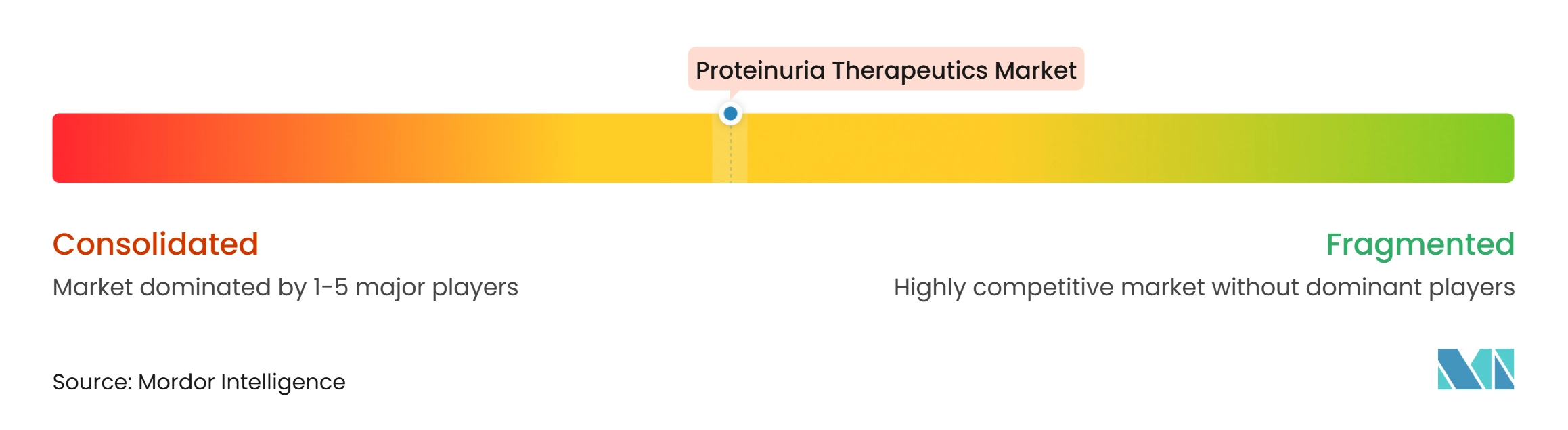
The proteinuria therapeutics market is changing from a largely generic-based category into a mix of high-volume established medicines and specialized therapies for rare glomerular disease. AstraZeneca, Bayer, Boehringer Ingelheim, Novartis, and Otsuka have broad positions across kidney and cardiometabolic care. Their portfolios allow them to participate in sequential or combination treatment rather than rely on a single medicine. Bayer expanded finerenone with its September 2026 United States approval for chronic kidney disease associated with type 1 diabetes. Companies are also seeking differentiation through long-term kidney outcomes, safety, ease of administration, and reliable payer support. This is particularly important in IgA nephropathy, where several therapies now target different parts of the disease process.
Smaller developers are adding pressure through approaches that sit outside the established renin-angiotensin and SGLT2 pathways. Vera Therapeutics advanced atacicept as a dual BAFF and APRIL inhibitor and reported 104-week kidney-function findings from ORIGIN 3 in October 2026. CSL entered a global collaboration with Alentis Therapeutics in October 2026 to co-develop and co-promote lixudebart for focal segmental glomerulosclerosis, AAV-RPGN, and primary sclerosing cholangitis. Akebia established a rare kidney disease pipeline in November 2025, including rights to AKB-097 and evaluation of praliciguat in focal segmental glomerulosclerosis. These moves extend competition into disease areas where treatment choices remain limited.
The next competitive space includes pediatric formulations, biomarker-led patient selection, and simpler combination regimens that reduce pill burden. No single-pill combination currently brings together the commonly used renin-angiotensin, SGLT2, and nonsteroidal mineralocorticoid receptor antagonist approach. Products that can demonstrate durable kidney protection may gain an advantage in reimbursement discussions. Oral medicines will continue to compete on access, familiarity, and generic cost, while biologics must justify their price through differentiated clinical value and manageable delivery. Partnerships also remain a useful route for companies seeking regional commercialization capabilities. Market concentration is moderate because large established companies hold broad portfolios, but specialized disease programs create meaningful room for emerging developers. The Proteinuria Therapeutics Market therefore combines stable generic competition with a faster-moving group of patented, mechanism-specific products.
Proteinuria Therapeutics Industry Leaders
-
AstraZeneca PLC
-
Bayer AG
-
Boehringer Ingelheim International GmbH
-
Novartis AG
-
Travere Therapeutics, Inc.
- *Disclaimer: Major Players sorted in no particular order
Proteinuria Therapeutics Market Companies Covered in this Report
- AstraZeneca
- Bayer
- Boehringer Ingelheim
- Eli Lilly and Company
- Novartis
- Travere Therapeutics, Inc.
- Calliditas Therapeutics AB
- Otsuka
- Roche
- Genentech
- Vera Therapeutics, Inc.
- Alnylam Pharmaceuticals
- Apellis Pharmaceuticals, Inc.
- Pfizer
- Merck
- Sanofi
- Novo Nordisk
- Johnson & Johnson
- Takeda Pharmaceuticals
- Sun Pharmaceuticals Industries
Recent Industry Developments in Proteinuria Therapeutics Market
- September 2026: FDA approved Kerendia (finerenone) for CKD associated with type 1 diabetes, the first new therapy for this population in over 30 years. Approval was based on the Phase 3 FINE-ONE study showing a 25% UACR reduction versus placebo; published in the New England Journal of Medicine in March 2026. This represents Kerendia's third US indication, substantially expanding its addressable market.
- October 2026: CSL & Alentis Therapeutics: Announced an exclusive global collaboration to co-develop and co-promote lixudebart, a potential first-in-class claudin-1 inhibitor, across FSGS, AAV-RPGN, and PSC. CSL paid USD 355 million upfront, with Alentis eligible for up to USD 1.2 billion in commercial milestones and a 45% profit share post-commercialization.
- July 2026: FDA granted accelerated approval for Trutakna (atacicept-vymj) for IgAN, the first dual BAFF/APRIL inhibitor approved globally. The agent achieved a 46% UPCR reduction vs placebo at week 36, and Vera immediately deployed its pre-built US sales force.
Global Proteinuria Therapeutics Market Report Scope
According to the report’s scope, proteinuria therapeutics are medicines and treatments used to reduce excess protein in the urine, a sign of possible kidney damage. They aim to treat the underlying cause, such as diabetes or high blood pressure, and protect kidney function.
The proteinuria therapeutics market is segmented into disease type, drug class, route of administration, underlying disease, distribution channel, and geography. By disease type, the market is segmented into transient proteinuria, orthostatic proteinuria, persistent proteinuria, and other proteinuria types. By drug class, the market is segmented into ACE inhibitors, angiotensin receptor blockers, SGLT2 inhibitors, non-steroidal mineralocorticoid receptor antagonists, endothelin receptor antagonists, DPP-4 inhibitors, diuretics, corticosteroids and targeted-release steroids, and other drug classes. By route of administration, the market is segmented into oral, intravenous, and subcutaneous. By Underlying Disease, the market is segmented into Diabetic Kidney Disease, IgA Nephropathy, Focal Segmental Glomerulosclerosis, Membranous Nephropathy, Lupus Nephritis, and Other Diseases. By distribution channel, the market is segmented into hospital pharmacies, retail and community pharmacies, online pharmacies, and specialty pharmacies. By geography, the market is segmented into North America, Europe, Asia-Pacific, the Middle East and Africa, and South America. The report also covers the estimated market sizes and trends for 17 countries across major regions globally. The report offers values (USD) for all the above segments.
Segmentation Overview
| Transient Proteinuria |
| Orthostatic Proteinuria |
| Persistent Proteinuria |
| Other Proteinuria Types |
| ACE Inhibitors |
| Angiotensin Receptor Blockers |
| SGLT2 Inhibitors |
| Non-Steroidal Mineralocorticoid Receptor Antagonists |
| Endothelin Receptor Antagonists |
| DPP-4 Inhibitors |
| Diuretics |
| Corticosteroids and Targeted-Release Steroids |
| Other Drug Classes |
| Oral |
| Intravenous |
| Subcutaneous |
| Diabetic Kidney Disease |
| IgA Nephropathy |
| Focal Segmental Glomerulosclerosis |
| Membranous Nephropathy |
| Lupus Nephritis |
| Other Diseases |
| Hospital Pharmacies |
| Retail and Community Pharmacies |
| Online Pharmacies |
| Specialty Pharmacies |
| North America | United States |
| Canada | |
| Mexico | |
| Europe | Germany |
| United Kingdom | |
| France | |
| Italy | |
| Spain | |
| Rest of Europe | |
| Asia-Pacific | China |
| Japan | |
| India | |
| Australia | |
| South Korea | |
| Rest of Asia-Pacific | |
| Middle East and Africa | GCC |
| South Africa | |
| Rest of Middle East and Africa | |
| South America | Brazil |
| Argentina | |
| Rest of South America |
| By Disease Type | Transient Proteinuria | |
| Orthostatic Proteinuria | ||
| Persistent Proteinuria | ||
| Other Proteinuria Types | ||
| By Drug Class | ACE Inhibitors | |
| Angiotensin Receptor Blockers | ||
| SGLT2 Inhibitors | ||
| Non-Steroidal Mineralocorticoid Receptor Antagonists | ||
| Endothelin Receptor Antagonists | ||
| DPP-4 Inhibitors | ||
| Diuretics | ||
| Corticosteroids and Targeted-Release Steroids | ||
| Other Drug Classes | ||
| By Route of Administration | Oral | |
| Intravenous | ||
| Subcutaneous | ||
| By Underlying Disease | Diabetic Kidney Disease | |
| IgA Nephropathy | ||
| Focal Segmental Glomerulosclerosis | ||
| Membranous Nephropathy | ||
| Lupus Nephritis | ||
| Other Diseases | ||
| By Distribution Channel | Hospital Pharmacies | |
| Retail and Community Pharmacies | ||
| Online Pharmacies | ||
| Specialty Pharmacies | ||
| Geography | North America | United States |
| Canada | ||
| Mexico | ||
| Europe | Germany | |
| United Kingdom | ||
| France | ||
| Italy | ||
| Spain | ||
| Rest of Europe | ||
| Asia-Pacific | China | |
| Japan | ||
| India | ||
| Australia | ||
| South Korea | ||
| Rest of Asia-Pacific | ||
| Middle East and Africa | GCC | |
| South Africa | ||
| Rest of Middle East and Africa | ||
| South America | Brazil | |
| Argentina | ||
| Rest of South America | ||
Key Questions Answered in the Report
What is driving demand for proteinuria therapeutics?
Chronic kidney disease linked to diabetes, hypertension, and population aging is expanding the treated patient base. Earlier albuminuria detection, wider SGLT2 inhibitor use, and targeted IgA nephropathy therapies are also extending the range of patients who may receive treatment.
How large is the Proteinuria Therapeutics Market?
The Proteinuria Therapeutics Market is projected to rise from USD 30.45 billion in 2027 to USD 71.27 billion by 2032, at an 18.5% CAGR. Growth combines established chronic kidney disease care with new branded therapies for persistent and immune-mediated proteinuria.
Which proteinuria disease type has the greatest commercial potential?
Persistent proteinuria led with 49.76% share in 2026 and is expected to grow at a 20.43% CAGR through 2032. It has the largest opportunity because it is closely tied to long-term chronic kidney disease care and repeated treatment adjustment.
Which therapy classes are most important for proteinuria treatment?
ACE inhibitors remain foundational, while ARBs, SGLT2 inhibitors, nonsteroidal mineralocorticoid receptor antagonists, and targeted glomerular disease therapies are expanding treatment options. The choice of therapy depends on the underlying disease, tolerability, kidney function, proteinuria level, and local access rules.
Why is IgA nephropathy important for therapeutic development?
IgA nephropathy is expected to grow at a 21.76% CAGR through 2032 and has gained multiple targeted treatment options supported by accelerated regulatory pathways. Developers are competing through durable kidney-function results, safety, administration options, and their ability to secure reimbursement.
Which region is growing fastest for proteinuria therapeutics?
Asia-Pacific is forecast to grow at a 19.43% CAGR through 2032, supported by its chronic kidney disease burden, diabetic kidney disease prevalence, and high IgA nephropathy incidence. Generic SGLT2 inhibitor availability and regional partnerships may help widen access while targeted therapies enter selected markets.