
Professional Diagnostics Market Size and Share
Market Overview
| Study Period | 2021 - 2032 |
|---|---|
| Market Size (2027) | USD 48.06 Billion |
| Market Size (2032) | USD 66.06 Billion |
| Growth Rate (2027 - 2032) | 6.56 % |
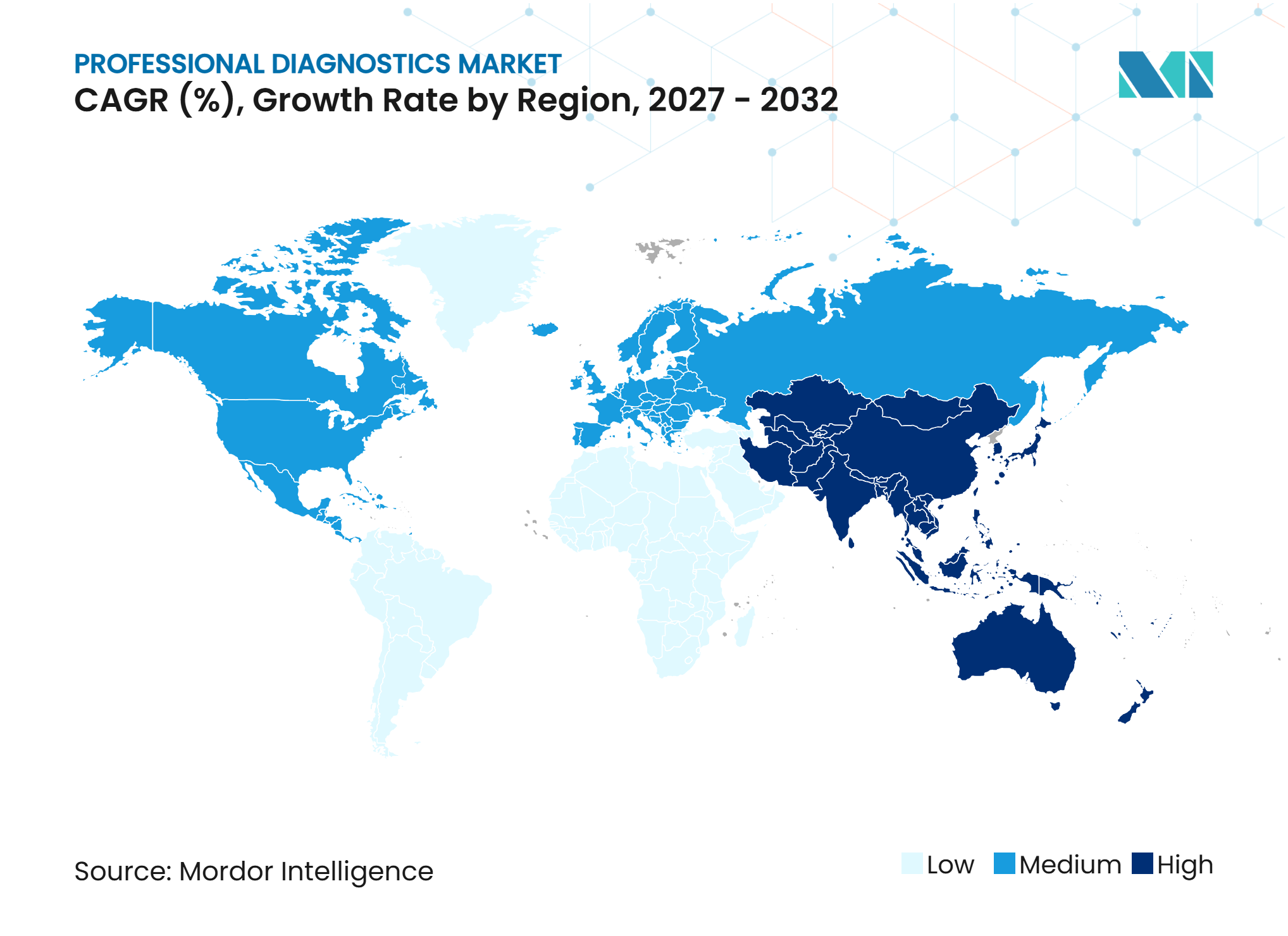
| Fastest Growing Market | Asia-Pacific |
| Largest Market | North America |
| Market Concentration | Medium |
Major Players *Disclaimer: Major Players sorted in no particular order Image © Mordor Intelligence. Reuse requires attribution under CC BY 4.0. | |
Professional Diagnostics Market Analysis by Mordor Intelligence
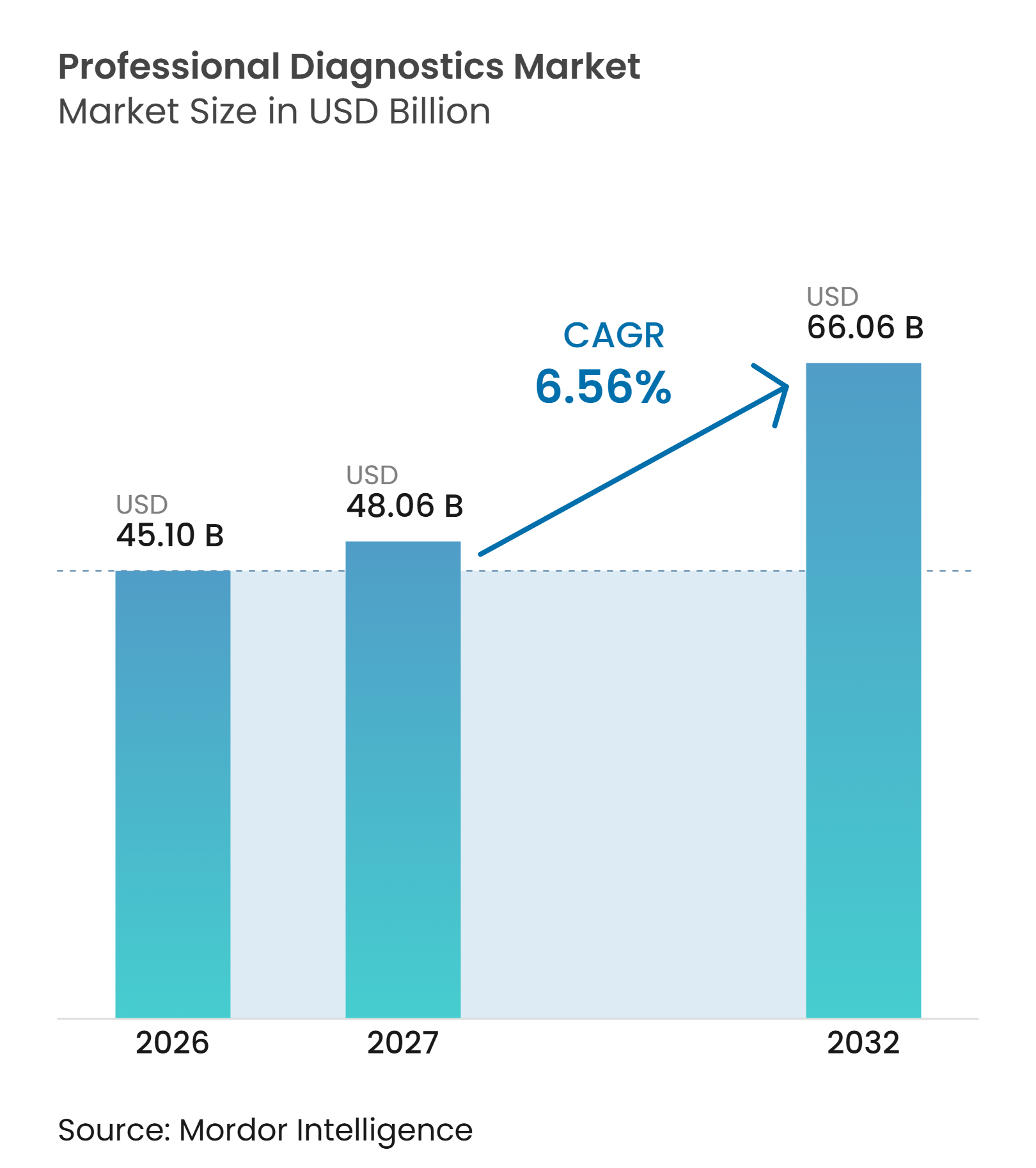
The Professional Diagnostics Market size was valued at USD 45.10 billion in 2026 and is estimated to grow from USD 48.06 billion in 2027 to reach USD 66.06 billion by 2032, at a CAGR of 6.56% during the forecast period (2027-2032).
Chronic disease monitoring sustains recurring testing demand, as diabetes, cardiovascular disease, and autoimmune conditions require long-term, repeat testing. Precision molecular testing is becoming increasingly integral to oncology and infectious disease care, particularly where companion diagnostics inform treatment selection. Testing is shifting from central laboratories to physician offices, urgent care centers, and specialty clinics, supported by compact analyzers and CLIA-waived workflows. Suppliers are expanding assay portfolios, integrating software with instruments, and pursuing acquisitions to enhance oncology screening, molecular testing, and blood-based diagnostics capabilities. Regional demand patterns vary, with chronic disease monitoring prominent in higher-income healthcare systems and infectious disease surveillance driving volumes across many emerging markets. Suppliers must therefore align test menus, pricing, service models, and clinical evidence with local healthcare priorities.
Key Report Takeaways
- By product type, instruments and analyzers held 56.45% of the professional diagnostics market share in 2026, while reagents and kits are projected to expand at a 9.28% CAGR through 2032.
- By technology, immunoassay held 44.93% of the professional diagnostics market share in 2026, while molecular diagnostics is projected to expand at a 10.12% CAGR through 2032.
- By application, infectious diseases accounted for 35.67% of the professional diagnostics market size in 2026, while oncology is projected to expand at an 11.23% CAGR through 2032.
- By end user, hospitals and clinics held 44.34% of the professional diagnostics market share in 2026, while physician office laboratories are projected to expand at a 10.45% CAGR through 2032.
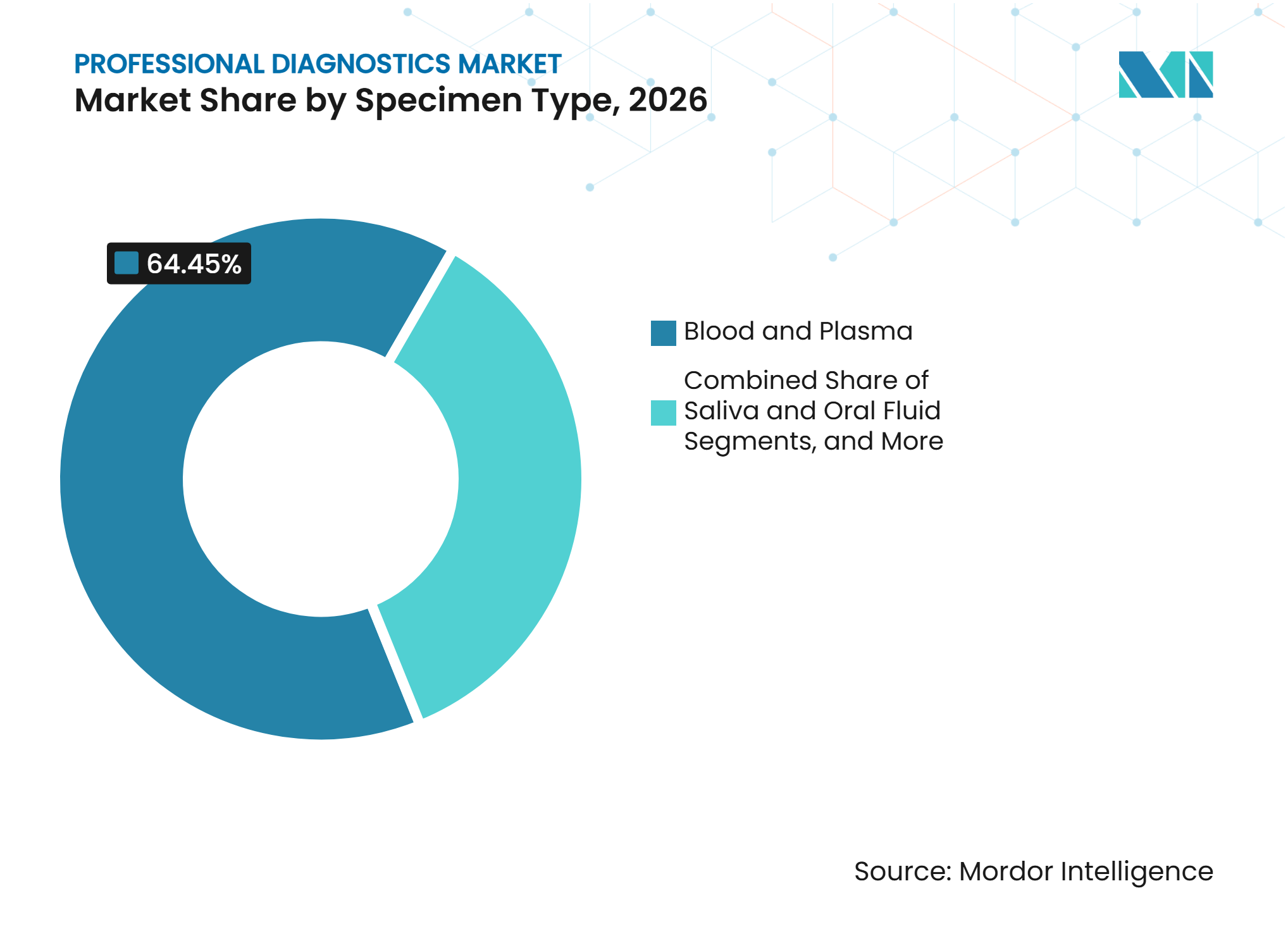
- By specimen type, blood and plasma accounted for 64.45% of the professional diagnostics market size in 2026, while saliva and oral fluid are projected to expand at a 7.56% CAGR through 2032.
- By geography, North America held 41.78% of the professional diagnostics market share in 2026, while Asia-Pacific is projected to expand at a 9.88% CAGR through 2032.
Note: Market numbers in this report are based on Mordor Intelligence's proprietary estimation framework, which combines nine months of actuals with Q4 projections for base year 2026.
Market Trends and Insights
Drivers Impact Analysis of Professional Diagnostics Market of Professional Diagnostics Market*
| Driver | (~) % Impact on CAGR Forecast | Geographic Relevance | Impact Timeline |
|---|---|---|---|
| Increasing chronic-disease testing intensity | +1.5% | Global, highest intensity in North America and Western Europe | Long term (≥ 4 years) |
| Aging population and multimorbidity | +1.2% | Global, highest acuity in Japan, Germany, Italy, and South Korea | Long term (≥ 4 years) |
| Expansion of molecular and precision diagnostics | +1.8% | North America and APAC core, with spillover to Europe | Medium term (2-4 years) |
| Decentralization to professional point-of-care sites | +0.9% | North America, Western Europe, early-stage APAC and MEA | Medium term (2-4 years) |
| Antimicrobial resistance and infectious-disease surveillance | +0.8% | Global, with highest incremental demand in South Asia, Sub-Saharan Africa, and Latin America | Short term (≤ 2 years) |
| Laboratory automation and integrated workflow demand | +0.7% | North America, Europe, and East Asia | Medium term (2-4 years) |
| Source: Mordor Intelligence | |||
Expansion of Molecular and Precision Diagnostics
Molecular diagnostics is becoming a core component of oncology and infectious disease workflows. The FDA approved Guardant360 Liquid CDx in May 2026 as the largest FDA-approved liquid biopsy panel, with a genomic footprint 100 times wider than its predecessor. The platform combines genomic and epigenomic information and includes seven earlier companion diagnostic indications, strengthening treatment selection. Abbott launched its next-generation Oncodetect molecular residual disease test in October 2026, using whole-genome sequencing and MAESTRO technology to track up to 5,000 patient-specific variants. These developments align diagnostic demand with targeted therapy pipelines, which require reliable testing for patient selection and monitoring.
Decentralization of Testing to Professional Point-of-Care Sites
Professional testing is expanding into physician office laboratories, urgent care centers, and specialty clinics as compact systems become more practical for ambulatory care. Roche received FDA clearance and a CLIA waiver for cobas liat CT/NG and CT/NG/MG in 2025, extending molecular sexually transmitted infection testing to point-of-care settings. Truvian's FDA-cleared TruVerus analyzer demonstrated that physician offices can perform common blood tests and obtain results within minutes. This shift can redirect testing volumes from central laboratories without reducing demand for professional-grade testing. Suppliers serving both office-based and central laboratory settings can manage this channel transition more effectively than companies focused on a single testing environment. Product support, result connectivity, staff training, and consistent performance across care settings are becoming increasingly important. Suppliers may also require different commercial offerings, as physician offices prioritize rapid access to defined test menus while central laboratories focus on broader menus, batch efficiency, and automation integration. Clear quality procedures remain essential to ensure confidence in decentralized test results.
Increasing Chronic-Disease Testing Intensity
Chronic disease monitoring generates recurring demand, as patients with diabetes, cardiovascular conditions, and autoimmune disorders require serial testing over extended periods. Immunoassays and clinical chemistry tests support metabolic, endocrine, lipid, kidney function, and cardiac testing. Roche reported a USD 550 million investment in continuous glucose monitoring infrastructure in its 2025 review, highlighting the strategic importance of monitoring. Multimorbidity further increases demand, as patients with multiple conditions often require several test panels during the same clinical encounter. This trend supports reagent demand and provides stable testing volumes for laboratories with broad routine-testing menus. Laboratories must balance routine testing capacity with specialized assay availability for patients with complex care requirements. Broad test menus also enable more consistent utilization of existing instruments across outpatient monitoring and hospital-based care.
Antimicrobial Resistance and Infectious-Disease Surveillance
Antimicrobial resistance surveillance is increasing the demand for diagnostic systems that identify pathogens and support treatment decisions. The World Health Organization's 2025 surveillance report drew on more than 23 million bacteriologically confirmed cases from 110 countries and documented continued resistance in bloodstream and urinary tract infections.[1] The WHO-backed Global Action Plan calls for expanded diagnostic capacity and improved access to testing for priority pathogens.[2] The Dx AMR Collaborative launched in Ghana in June 2025 to improve access to rapid multiplex panels and flexible testing options at the primary care level.
Restraints Impact Analysis of Professional Diagnostics Market of Professional Diagnostics Market*
| Restraint | (~) % Impact on CAGR Forecast | Geographic Relevance | Impact Timeline |
|---|---|---|---|
| Regulatory complexity and longer validation timelines | -0.6% | Europe during the IVDR transition, the United States for FDA LDT oversight, and global Class C and D IVDs | Medium term (2-4 years) |
| Reimbursement pressure and tender-based price erosion | -0.5% | China under VBP, Japan through fee revisions, and Germany and France through tender-based contracting | Medium term (2-4 years) |
| Shortage of qualified laboratory personnel | -0.3% | North America and Western Europe, with structural shortages in rural and emerging regions | Long term (≥ 4 years) |
| Interoperability, cybersecurity, and data-governance exposure | -0.2% | North America and Western Europe, with growing relevance in APAC | Long term (≥ 4 years) |
| Source: Mordor Intelligence | |||
Regulatory Complexity and Longer Validation Timelines
The IVDR transition increases validation, documentation, and compliance requirements for suppliers of higher-risk diagnostic products in Europe. Class D devices require European Union Reference Laboratory testing before authorization, while Class C devices have later transition deadlines. Compliance with ISO 15189, GDPR, HIPAA, and IEC 62304 raises costs and extends development timelines, favoring established companies with robust quality systems and regulatory capabilities. Smaller developers may face challenges managing documentation, clinical evidence, and post-market obligations, potentially delaying specialized assay availability.
Reimbursement Pressure and Tender-Based Price Erosion
Tendering and volume-based procurement reduce diagnostic prices in markets where public payers play a major role in laboratory purchasing. QuidelOrtho reported a 33.8% decline in China Labs revenue in local currency in Q3 2026, as customers managed inventory ahead of pricing changes. These conditions can lower returns from high-volume routine assays and instrument placements, prompting suppliers to prioritize oncology, neurology, and rare disease testing, where clinical differentiation can support stronger pricing.
*Our forecasts treat driver/restraint impacts as directional, not additive. The impact forecasts reflect baseline growth, mix effects, and variable interactions.
Professional Diagnostics Market Segment Analysis
By Product Type:
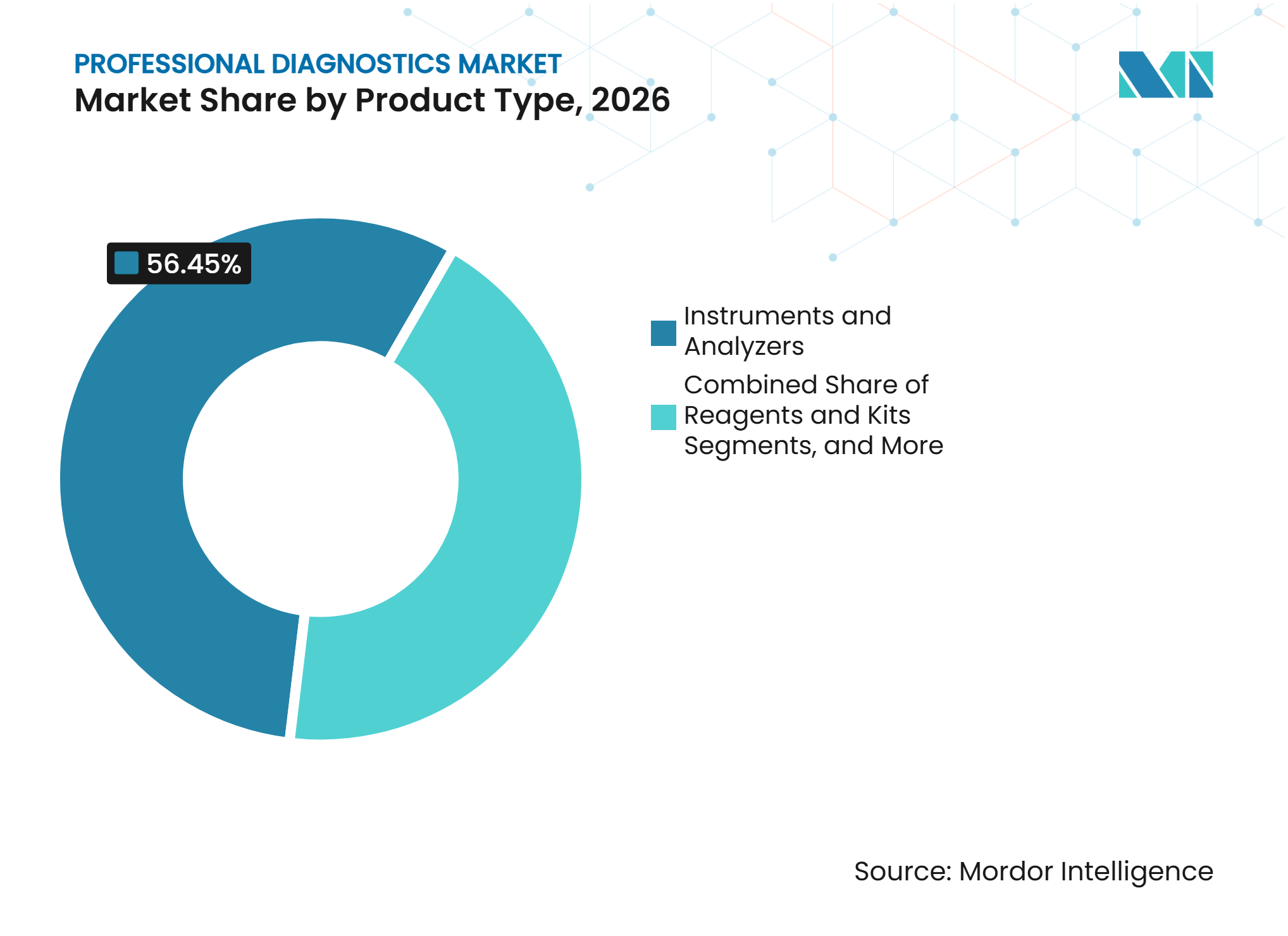
Consumable Pull-Through Supports Recurring RevenueInstruments and Analyzers held 56.45% of the professional diagnostics market share in 2026, supported by multiyear procurement cycles across hospitals and central laboratories. Reagent-rental and subsidized placement models link instrument access to recurring consumable purchases, increasing the long-term value of installed platforms. Platform validation, staff training, workflow redesign, and clinical integration requirements also create switching barriers for laboratories.
Reagents and Kits are forecast to grow at a 9.28% CAGR through 2032 as molecular, immunoassay, and flow cytometry systems drive repeat testing demand. Roche is expected to introduce 45 new or updated assays in 2025, expanding menu breadth and reagent demand across its installed base. Software and Informatics remains the smallest category, but laboratory system integration, remote monitoring, and digital support increasingly influence analyzer procurement. Biodesix is expected to expand its Bio-Rad partnership in October 2025 to develop and commercialize in vitro diagnostic assays.



By Technology:
Molecular Testing Gains Ground Alongside Established PlatformsImmunoassay held 44.93% of the professional diagnostics market share in 2026, supported by its use in infectious disease serology, hormone testing, cardiac markers, oncology, and autoimmune panels. Central laboratories and near-patient settings rely on these systems for high-volume routine testing. Molecular Diagnostics is forecast to grow at a 10.12% CAGR through 2032 as next-generation sequencing, multiplex panels, and biomarker-guided testing gain wider adoption.
Clinical Chemistry and Hematology remain essential for standardized, high-volume testing and broad patient coverage. Siemens Healthineers is expected to launch the CN-3000 and CN-6000 hemostasis systems in September 2026, combining clotting, chromogenic, immunoassay, and platelet aggregation testing in a platform up to 60% smaller than alternatives. Microbiology, Flow Cytometry, and Urinalysis continue to serve specialized workflows, while automation and data integration improve processing consistency and reduce manual intervention.
By Application:
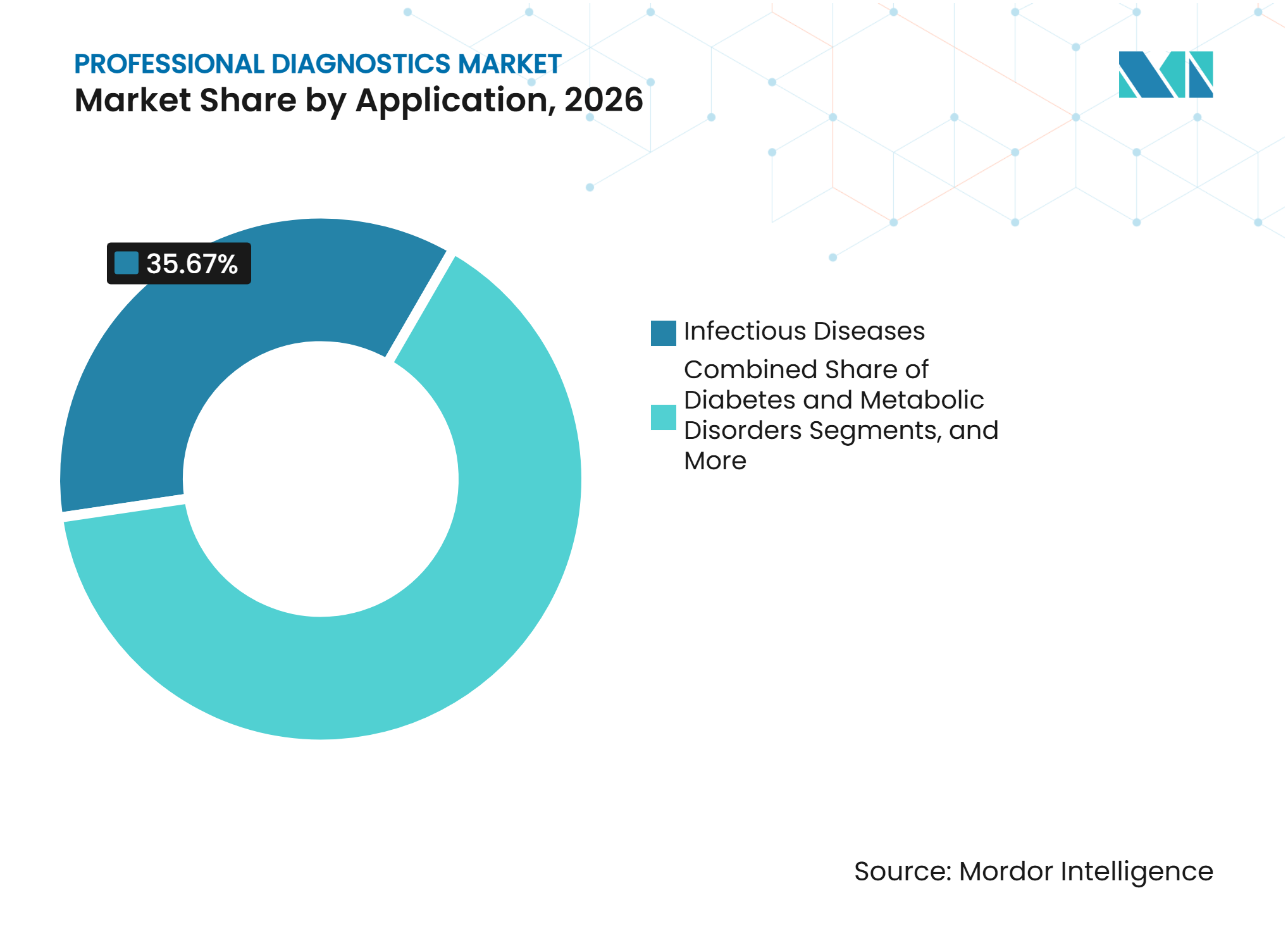
Infectious Disease Testing Provides Volume While Oncology ExpandsInfectious Diseases held 35.67% of the professional diagnostics market size in 2026, driven by respiratory testing, sexually transmitted infection testing, and antimicrobial resistance surveillance. Ongoing antimicrobial resistance in bloodstream and urinary tract infections supports demand for pathogen identification and susceptibility testing. Oncology is forecast to grow at an 11.23% CAGR through 2032 as liquid biopsy, companion diagnostics, and molecular residual disease testing gain wider clinical adoption.
Natera is expected to receive FDA approval for Signatera CDx in muscle-invasive bladder cancer in 2026, supporting circulating tumor DNA use as a treatment-selection biomarker. Diabetes and Metabolic Disorders sustain high testing volumes through HbA1c, lipid, and kidney function testing, while Cardiology relies on hemostasis and coagulation assessment. Roche is expected to launch the Elecsys pTau181 assay in 2025 for Alzheimer's pathology evaluation. Autoimmune and Nephrology testing provide stable recurring demand through repeated laboratory monitoring.

By End User:
Hospitals Remain Central While Office Laboratories ExpandHospitals and Clinics held 44.34% of the professional diagnostics market share in 2026 due to their need for broad testing menus, large analyzers, and complex laboratory workflows. These facilities remain key users for reference testing, emergency care, oncology, and inpatient monitoring. Physician Office Laboratories are forecast to grow at a 10.45% CAGR through 2032 as CLIA-waived workflows and compact analyzers enable testing closer to patients.
Truvian's FDA-cleared TruVerus system reflects the shift toward office-based blood testing. Diagnostic Laboratories compete on menu breadth, throughput, and turnaround time, while emergency and intensive care settings prioritize rapid results and automated specimen handling. Siemens Healthineers is expected to introduce the Atellica DT 250 Analyzer in September 2025, offering 225 tests per hour and first results in 8 minutes. Suppliers must align instrument design, service, training, and ordering processes with ambulatory care requirements.
By Specimen Type:
Blood Retains Its Position While Noninvasive Sampling Broadens AccessBlood and Plasma held 64.45% of the professional diagnostics market size in 2026. These specimens support routine complete blood counts, metabolic panels, and specialized applications such as circulating tumor DNA analysis. Their established collection practices and clinical utility maintain their central role in hospital and laboratory workflows. Saliva and Oral Fluid are forecast to grow at a 7.56% CAGR through 2032 as self-collection and noninvasive sampling gain wider acceptance.
Urine remains important for urinalysis, nephrology testing, and drug-of-abuse programs, while the Atellica DT 250 Analyzer can process urine, serum, and plasma on a single benchtop system. Nasal and Nasopharyngeal Samples remain relevant for respiratory multiplex panels, despite normalized demand from pandemic peaks. rRT-qPCR continues to support respiratory specimen processing. Reliable specimen supply, clear collection protocols, and noninvasive options can expand access, while blood-based testing remains essential for broad analyte measurement and established clinical validation.
Geography Analysis
North America
North America held 41.78% of the professional diagnostics market share in 2026, supported by high testing intensity, established reimbursement pathways, and a large installed base of immunoassay, molecular, and hematology systems. The region remained a key hub for consolidation in cancer screening and precision oncology diagnostics, with Abbott announcing the acquisition of Exact Sciences for USD 23 billion in November 2025 and BD and Waters announcing the combination of BD’s Biosciences and Diagnostic Solutions business with Waters in July 2025. CLIA classifications and FDA 510(k) pathways remained key compliance requirements, while physician office laboratory expansion continued to shift selected testing volumes to ambulatory settings.
Asia-Pacific
Asia-Pacific is forecast to grow at a 9.88% CAGR through 2032, driven by infrastructure investment, a growing middle-income patient population, and broader access to diagnostic services. India is developing cost-competitive diagnostic platforms using microfluidics, biosensors, and AI capabilities, while Sysmex announced a mid-term plan in March 2026 targeting double-digit growth in the Global South and completed the acquisition of JEOL’s BioMajesty clinical chemistry business in April 2026. China’s volume-based procurement model expands testing access but pressures supplier pricing, requiring localized commercial models, product differentiation, and reliable local manufacturing and service capabilities.
Europe, the Middle East and Africa, and South America
Europe is shaped by IVDR requirements, which increase the regulatory burden for manufacturers, while changes to Article 5.5 governance support a more risk-based approach to in-house diagnostics. Gulf states are expanding hospital diagnostic capacity through public health investment, whereas Sub-Saharan Africa relies heavily on infectious disease and antimicrobial resistance programs. In South America, Brazil and Argentina are expanding laboratory networks and government screening programs; however, fragmented registration processes, currency volatility, and tendering pressure create commercial uncertainty. Companies that adapt their test menus and distribution models to local regulatory, funding, and laboratory requirements can better address uneven regional demand.
Competitive Landscape
Market Concentration
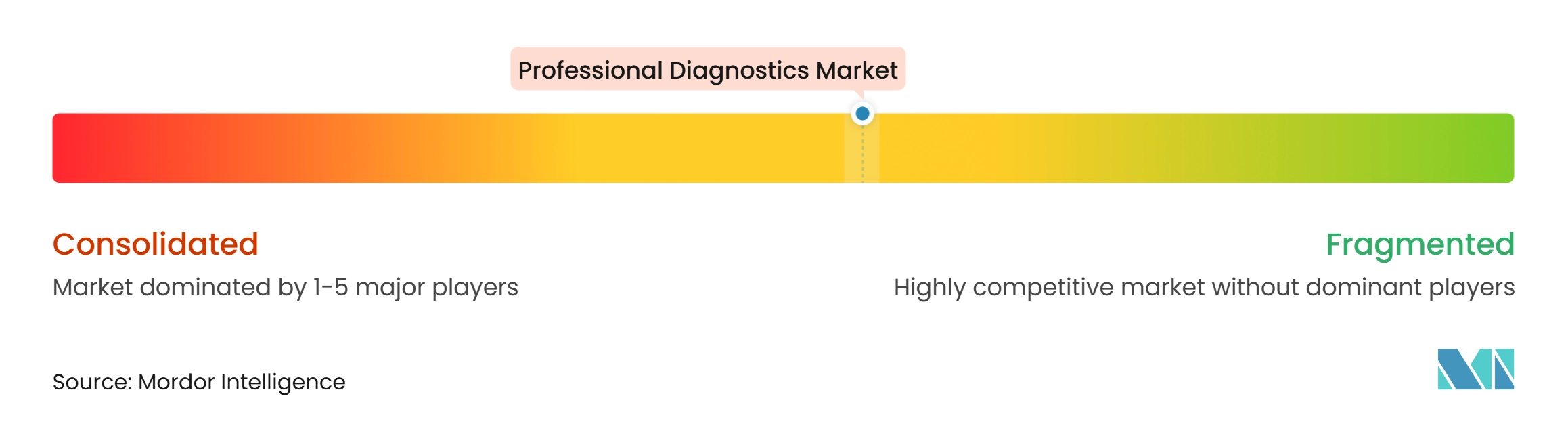
Roche, Abbott, Danaher, Siemens Healthineers, and bioMérieux hold a substantial share of global central laboratory instrument placements, supported by broad analyzer portfolios, extensive assay menus, service networks, and established customer relationships. Competition remains active as molecular and point-of-care platforms reduce capital requirements for specialized testing. Abbott’s proposed USD 23 billion acquisition of Exact Sciences and the planned combination of Waters with BD’s Biosciences and Diagnostic Solutions business demonstrate strategic expansion in oncology, molecular testing, and high-volume laboratory infrastructure.
Acquisitions provide companies with established tests, clinical evidence, and customer relationships that would take years to develop internally. They also strengthen supplier capabilities across screening, diagnostic confirmation, treatment selection, and disease monitoring. Assay menu expansion remains a key competitive strategy, with Roche reporting 45 new and updated assays during 2025, Siemens Healthineers launching the CN-3000 and CN-6000 systems in 2026, and Guardant Health expanding its approved liquid biopsy panel.
Suppliers are differentiating through software, automation, clinical decision support, smaller system footprints, and digital connectivity to help laboratories address staff shortages, higher test volumes, and turnaround-time requirements. White-space opportunities remain in antimicrobial resistance panels for intermediate-level laboratories, home collection for saliva and oral fluid samples, and neurodegeneration testing. Beckman Coulter Diagnostics launched a fully automated, research-use-only brain-derived tau immunoassay on the DxI 9000 in September 2025, while emerging molecular, digital, and decentralized testing categories continue to offer growth opportunities.
Professional Diagnostics Industry Leaders
-
Abbott Laboratories
-
Agilent Technologies Inc.
-
F. Hoffmann-La Roche Ltd
-
QIAGEN NV
-
Thermo Fisher Scientific Inc.
- *Disclaimer: Major Players sorted in no particular order
Professional Diagnostics Market Companies Covered in this Report
- Abbott Laboratories
- Agilent Technologies
- Beckton Dickinson
- bioMérieux
- Bio-Rad Laboratories
- Bruker
- Danaher
- DiaSorin
- Roche
- Grifols
- Hologic
- Illumina
- QIAGEN
- QuidelOrtho
- Revvity Inc.
- Siemens Healthineers
- Sysmex
- Thermo Fisher Scientific
- Tosoh
- Werfen SA
Recent Industry Developments in Professional Diagnostics Market
- October 2026: Abbott launched the next-generation Oncodetect MRD test, leveraging whole-genome sequencing and MAESTRO technology. The test tracked up to 5,000 patient-specific cancer variants, with a detection limit below 1 part per million and 25-fold broader variant coverage than the original test.
- October 2026: Roche globally launched the VENTANA BAP1 SP527 immunohistochemistry assay for mesothelioma differential diagnosis. The assay was registered with the FDA as a Class I IVD and approved as a Class C device under the IVDR.
- September 2026: Siemens Healthineers received CE marking and FDA clearance for the Innovance D-Dimer 2.0 assay for venous thromboembolism assessment.
- May 2026: Guardant Health received FDA approval for Guardant360 Liquid CDx. The panel offered a genomic footprint 100 times wider than its predecessor and supported more than 300 million commercially insured and Medicare-covered individuals in the United States.
Global Professional Diagnostics Market Report Scope
As per the scope of the report, professional diagnostics refers to the specialized tools, instruments, reagents, software, and testing systems used exclusively by healthcare professionals such as clinical pathologists, laboratory technicians, and physicians to detect, diagnose, monitor, and manage diseases.
The professional diagnostics market is segmented by product type, technology, application, end user, specimen type, and geography. By product type, the market includes instruments and analyzers, reagents and kits, and software and informatics. By technology, the market is segmented into immunoassay, clinical chemistry, molecular diagnostics, hematology, microbiology, flow cytometry, urinalysis, and other technologies. By application, the market is categorized into infectious diseases, oncology, diabetes and metabolic disorders, cardiology, autoimmune diseases, neurology, nephrology, and other applications. By end user, the market is segmented into hospitals and clinics, diagnostic laboratories, physician office laboratories, emergency departments and intensive care units, academic and research institutes, and other end users. By specimen type, the market is segmented into blood and plasma, saliva and oral fluids, urine, nasal and nasopharyngeal samples, and other specimen types. By geography, the market is analyzed across North America, Europe, Asia-Pacific, the Middle East and Africa, and South America. The report also covers the estimated market sizes and trends for 17 countries across major regions globally. The report offers market sizes and forecasts in terms of value (USD) for the above segments.
Segmentation Overview
| Instruments and Analyzers |
| Reagents and Kits |
| Software and Informatics |
| Immunoassay |
| Clinical Chemistry |
| Molecular Diagnostics |
| Hematology |
| Microbiology |
| Flow Cytometry |
| Urinalysis |
| Other Technology |
| Infectious Diseases |
| Oncology |
| Diabetes and Metabolic Disorders |
| Cardiology |
| Autoimmune Diseases |
| Neurology |
| Nephrology |
| Other Application |
| Hospitals and Clinics |
| Diagnostics Laboratories |
| Physician Office Laboratories |
| Emergency Departments and Intensive-Care Units |
| Academic and Research Institutes |
| Other End Users |
| Blood and Plasma |
| Saliva and Oral Fluid |
| Urine |
| Nasal and Nasopharyngeal Samples |
| Others |
| North America | United States |
| Canada | |
| Mexico | |
| Europe | Germany |
| United Kingdom | |
| France | |
| Italy | |
| Spain | |
| Rest of Europe | |
| Asia-Pacific | China |
| India | |
| Japan | |
| Australia | |
| South Korea | |
| Rest of Asia-Pacific | |
| Middle East and Africa | GCC |
| South Africa | |
| Rest of Middle East and Africa | |
| South America | Brazil |
| Argentina | |
| Rest of South America |
| By Product Type | Instruments and Analyzers | |
| Reagents and Kits | ||
| Software and Informatics | ||
| By Technology | Immunoassay | |
| Clinical Chemistry | ||
| Molecular Diagnostics | ||
| Hematology | ||
| Microbiology | ||
| Flow Cytometry | ||
| Urinalysis | ||
| Other Technology | ||
| By Application | Infectious Diseases | |
| Oncology | ||
| Diabetes and Metabolic Disorders | ||
| Cardiology | ||
| Autoimmune Diseases | ||
| Neurology | ||
| Nephrology | ||
| Other Application | ||
| By End User | Hospitals and Clinics | |
| Diagnostics Laboratories | ||
| Physician Office Laboratories | ||
| Emergency Departments and Intensive-Care Units | ||
| Academic and Research Institutes | ||
| Other End Users | ||
| By Specimen Type | Blood and Plasma | |
| Saliva and Oral Fluid | ||
| Urine | ||
| Nasal and Nasopharyngeal Samples | ||
| Others | ||
| By Geography | North America | United States |
| Canada | ||
| Mexico | ||
| Europe | Germany | |
| United Kingdom | ||
| France | ||
| Italy | ||
| Spain | ||
| Rest of Europe | ||
| Asia-Pacific | China | |
| India | ||
| Japan | ||
| Australia | ||
| South Korea | ||
| Rest of Asia-Pacific | ||
| Middle East and Africa | GCC | |
| South Africa | ||
| Rest of Middle East and Africa | ||
| South America | Brazil | |
| Argentina | ||
| Rest of South America | ||
Key Questions Answered in the Report
What is the projected value of the professional diagnostics market by 2032?
The professional diagnostics market is projected to reach USD 66.04 billion by 2032, from USD 48.06 billion in 2027, at a 6.56% CAGR.
Which product category leads professional diagnostics?
Instruments and Analyzers led with 56.45% share in 2026, while Reagents and Kits are forecast to grow at a 9.28% CAGR through 2032.
Which diagnostic technology is growing the fastest?
Molecular Diagnostics is the fastest-growing technology, with a projected CAGR of 10.12% through 2032.
Why is oncology testing expanding?
Liquid biopsy, companion diagnostics, and molecular residual disease testing are expanding as cancer treatment becomes more biomarker guided.
Which end users are driving distributed testing?
Physician Office Laboratories are forecast to grow at a 10.45% CAGR through 2032 as compact analyzers support testing in ambulatory settings.
Which region is growing fastest in professional diagnostics?
Asia-Pacific is projected to grow at a 9.88% CAGR through 2032, supported by testing infrastructure investment and expanding access to diagnostics.