
Pediatric Ultrasound Market Size and Share
Market Overview
| Study Period | 2021 - 2032 |
|---|---|
| Market Size (2027) | USD 1.61 Billion |
| Market Size (2032) | USD 2.33 Billion |
| Growth Rate (2027 - 2032) | 7.73 % |
| Fastest Growing Market | Asia-Pacific |
| Largest Market | North America |
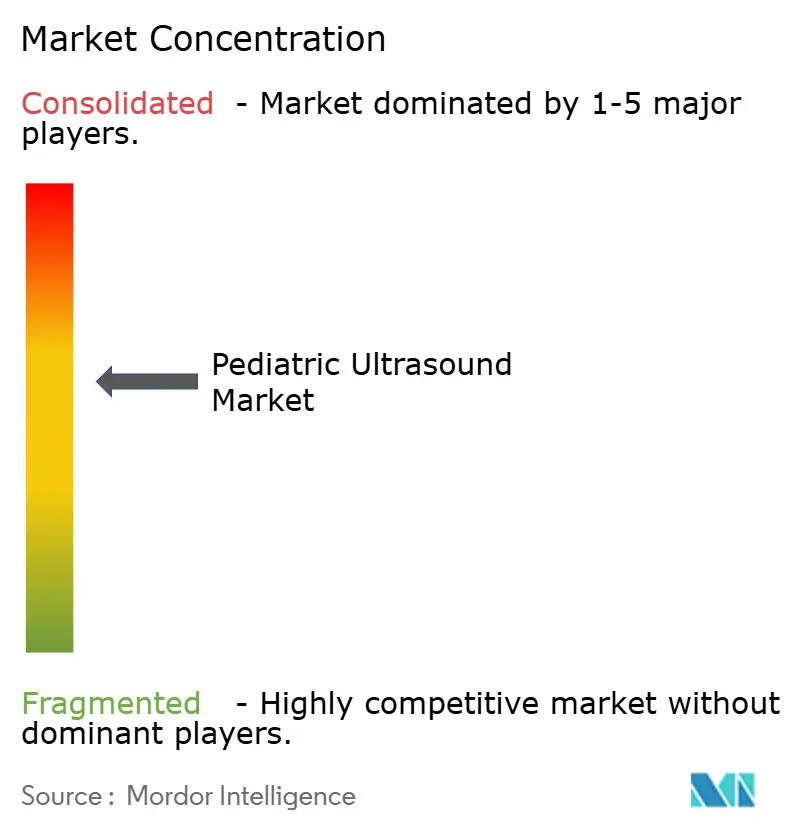
| Market Concentration | Medium |
Major Players *Disclaimer: Major Players sorted in no particular order Image © Mordor Intelligence. Reuse requires attribution under CC BY 4.0. | |
Pediatric Ultrasound Market Analysis by Mordor Intelligence
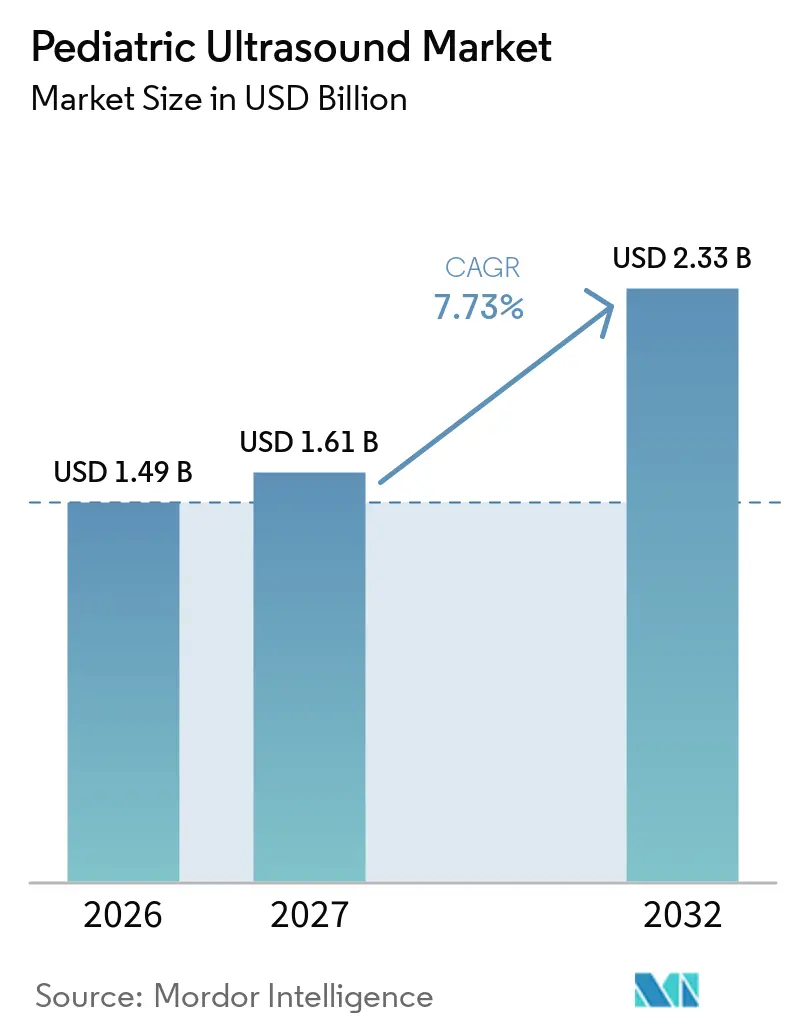
The Pediatric Ultrasound Market size is expected to increase from USD 1.49 billion in 2026 to USD 1.61 billion in 2027 and reach USD 2.33 billion by 2032, growing at a CAGR of 7.73% over 2027-2032.
The pediatric ultrasound market is gaining from hospital efforts to limit ionizing radiation in children, especially in emergency, abdominal, and repeat-monitoring pathways. Evidence from Ireland showed that ultrasound utilization rose 16.5% between 2019 and 2023, which supports a broader shift toward using ultrasound for suitable pediatric imaging needs. The pediatric ultrasound market also has room to grow in general hospitals, where pediatric abdominal pain is still more likely to be evaluated through CT than at dedicated children’s hospitals. Product development is moving toward bedside access, clinical workflow support, and pediatric-specific performance rather than only higher image resolution. Established vendors retain advantages in clinical relationships, probe portfolios, and enterprise software, while smaller suppliers focus on handheld platforms and workflow tools.
Key Report Takeaways
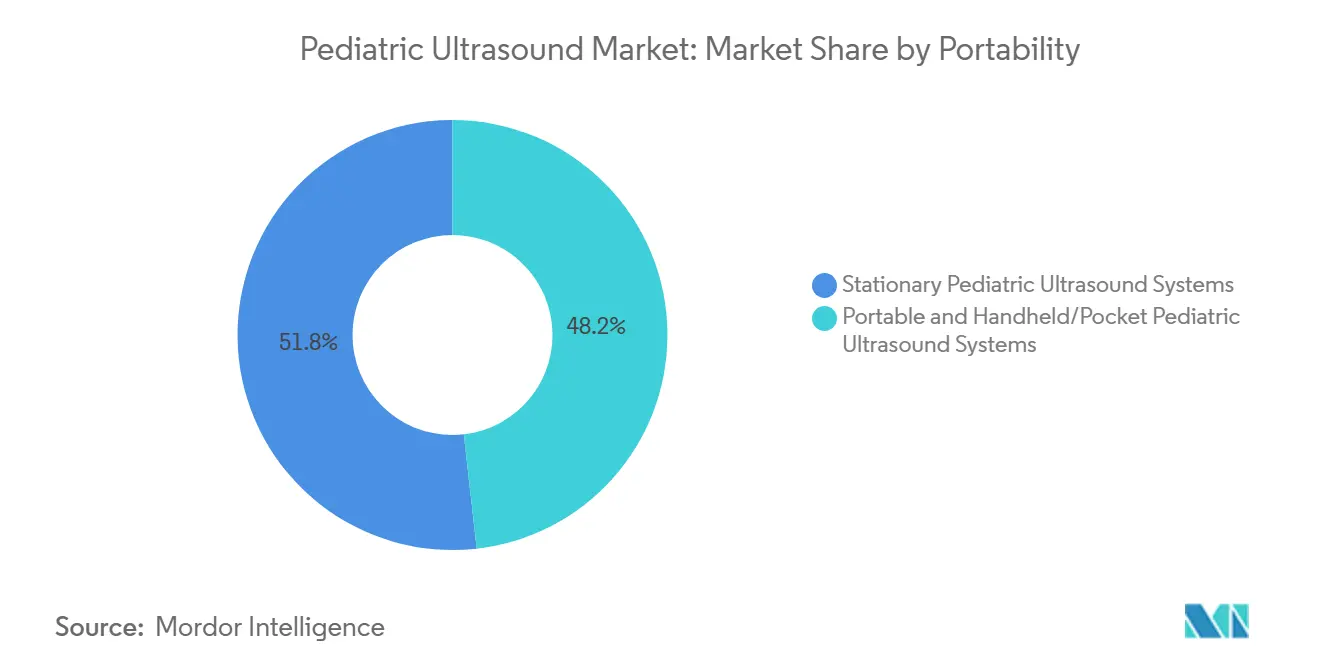
- By portability, stationary systems held 51.80% of the pediatric ultrasound market share in 2026, while handheld and pocket systems are projected to grow at an 11.20% CAGR through 2032.
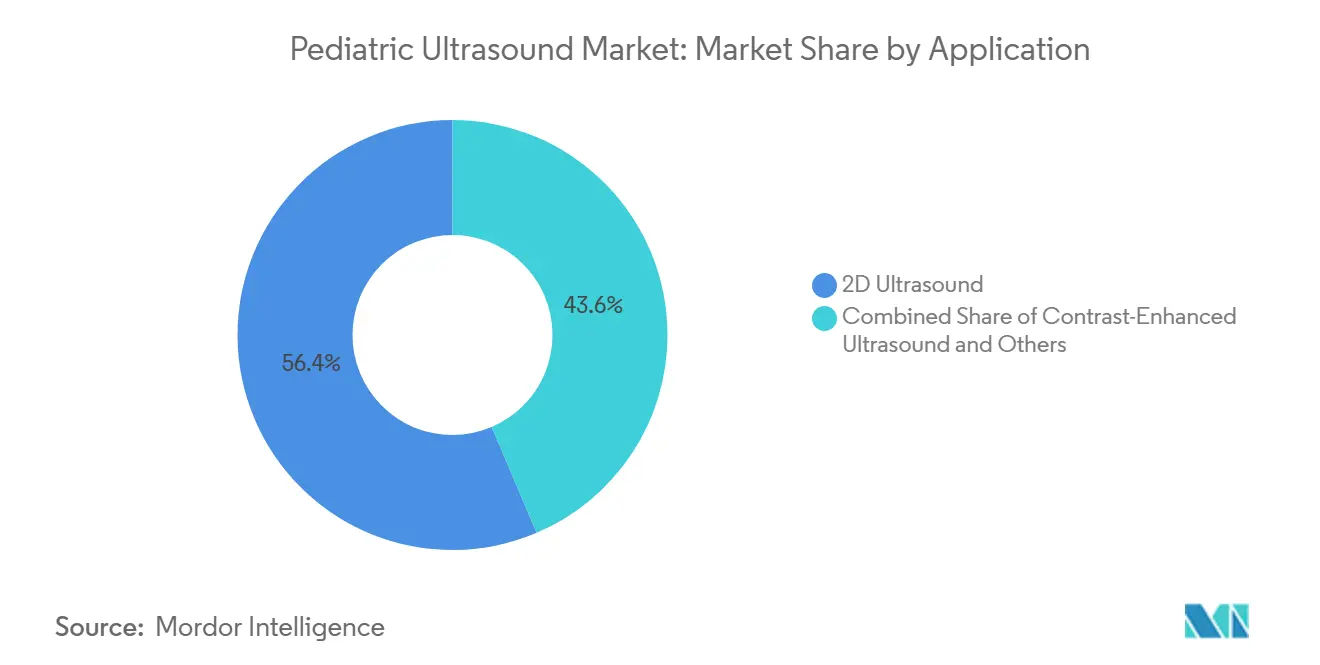
- By technology, 2D ultrasound accounted for 56.40% of the pediatric ultrasound market size in 2026, while contrast-enhanced ultrasound is forecast to expand at a 12.40% CAGR through 2032.
- By application, cardiology held 24.70% of the pediatric ultrasound market share in 2026, while neonatal and pediatric lung imaging is projected to grow at an 11.7% CAGR through 2032.
- By end user, children’s hospitals accounted for 38.90% of the pediatric ultrasound market size in 2026, while neonatal intensive care units are forecast to grow at a 10.8% CAGR through 2032.
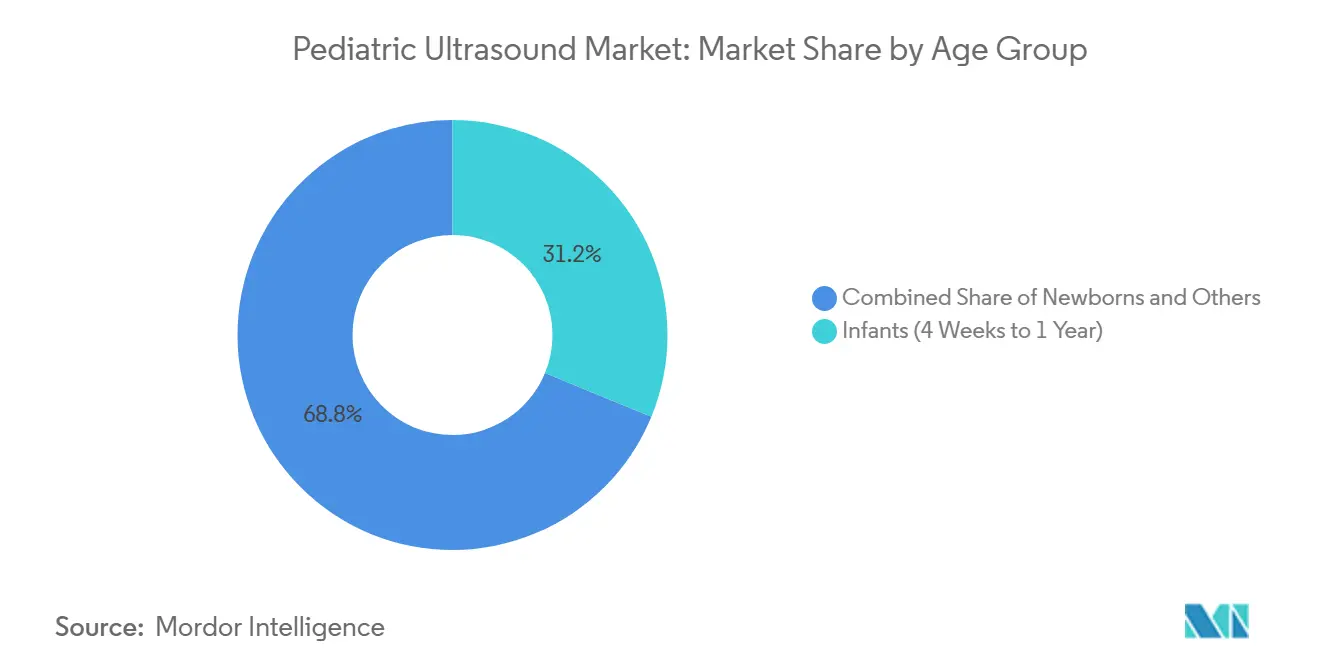
- By age group, infants held a 31.20% share in 2026, while newborn imaging is projected to expand at a 10.30% CAGR through 2032.
- By geography, North America held 41.6% of the pediatric ultrasound market size in 2026, while Asia-Pacific is projected to advance at a 9.8% CAGR through 2032.
Note: Market numbers in this report are based on Mordor Intelligence's proprietary estimation framework, which combines nine months of actuals with Q4 projections for base year 2026.
Market Trends and Insights
Drivers Impact Analysis of Pediatric Ultrasound Market*
| Driver | (~) % Impact on CAGR Forecast | Geographic Relevance | Impact Timeline |
|---|---|---|---|
| Increasing Demand for Radiation-Free Pediatric Imaging | +1.8% | Global | Short term (≤ 2 years) |
| Expansion of Neonatal and Pediatric Point-of-Care Ultrasound | +1.5% | North America, Europe, Asia-Pacific | Medium term (2-4 years) |
| Growth in Handheld and Portable Ultrasound Adoption | +1.6% | Global, with emphasis on Asia-Pacific and Middle East and Africa | Short term (≤ 2 years) |
| Rising Need for Early Diagnosis of Congenital and Chronic Conditions | +1.2% | Global | Long term (≥ 4 years) |
| Pediatric-Specific AI-Assisted Acquisition and Measurement | +0.9% | North America and Europe, with spillover to Asia-Pacific | Medium term (2-4 years) |
| Remote Mentorship and Tele-Ultrasound in Underserved Settings | +0.5% | Middle East and Africa, South Asia, and Latin America | Long term (≥ 4 years) |
| Source: Mordor Intelligence | |||
Increasing Demand for Radiation-Free Pediatric Imaging
The pediatric ultrasound market benefits from the growing preference to avoid radiation when children need diagnostic imaging. A 2025 simulation found that aligning non-pediatric hospital practice with dedicated children’s hospitals for abdominal pain could reduce CT use by 50%, costs by 19.4%, and radiation exposure by 52.1%. This finding makes ultrasound capacity a clinical and operational issue for hospitals that treat children but do not operate specialized pediatric imaging programs. In 2026, Oklahoma Children’s OU Health introduced contrast-enhanced voiding urosonography for vesicoureteral reflux through a program developed with Siemens Healthineers, extending a radiation-free option for pediatric urinary diagnosis. Ultrasound can be particularly useful in children because smaller body size can support image acquisition without exposing patients to ionizing radiation. The pediatric ultrasound market therefore gains when hospitals formalize ultrasound-first pathways for conditions that can be evaluated safely without CT[1].
Expansion of Neonatal and Pediatric Point-of-Care Ultrasound
Bedside imaging in neonatal and pediatric intensive care is widening the clinical role of ultrasound beyond the radiology department. A 2025 review reported pediatric thoracic POCUS sensitivity of 87% to 100% for clinically significant pneumothorax and specificity approaching 100%, supporting its use in urgent clinical evaluation. A national survey of 99 U.S. neonatal-perinatal programs found diagnostic POCUS at 71% of sites, although fewer than 45% had key elements such as image archiving, credentialing, and quality assurance in place. The pediatric ultrasound market can benefit as hospitals purchase equipment, archiving tools, and training services together rather than as isolated hardware purchases. UC Davis Children’s Hospital launched a NICU POCUS program in November 2025 with structured training and supervised credentialing, showing how implementation can be linked to governance. AI-assisted acquisition and remote review may help smaller programs extend access, but they do not remove the need for clinical oversight.
Growth in Handheld and Portable Ultrasound Adoption
Handheld ultrasound is taking pediatric imaging into settings where a fixed cart system is difficult to deploy. These devices can support bedside evaluation in NICUs, pediatric emergency departments, outpatient clinics, and facilities with limited imaging infrastructure. A 2025 comparison of 6 handheld systems found that pediatric POCUS experts valued image quality and ease of use, but no device performed clearly better across every pediatric application. The same study identified adult-oriented probe size and ergonomics as a persistent limitation for imaging children. The pediatric ultrasound market has a product gap for handheld systems designed around pediatric anatomy, small acoustic windows, and workflow needs. FDA clearance requirements and IEC 60601-2-37 acoustic output standards remain important compliance factors for vendors developing new probe designs.
Rising Need for Early Diagnosis of Congenital and Chronic Conditions
Congenital heart disease creates sustained imaging demand from prenatal screening through neonatal care and long-term follow-up. A 2025 study covering 74,839 pregnancies reported a congenital heart disease detection rate of 70.5% using a standardized first-trimester ultrasound strategy. Earlier identification can support delivery planning and reduce avoidable emergency interventions after birth. The pediatric ultrasound market also serves chronic disease monitoring, where repeat imaging can reduce dependence on invasive procedures. In pediatric inflammatory bowel disease, AI-assisted intestinal ultrasound achieved 90.3% sensitivity and 93.7% specificity in distinguishing normal from abnormal bowel wall thickness in a 2025 study. These uses support the demand for structured scanning protocols, longitudinal image storage, and decision support that can be used repeatedly throughout care.
Restraints Impact Analysis of Pediatric Ultrasound Market*
| Shortage of Pediatric Ultrasound Expertise | -1.5% | Global, most acute in Middle East and Africa and South America | Medium term (2-4 years) |
|---|---|---|---|
| Inconsistent Credentialing, Quality Assurance, and Billing Frameworks | -0.9% | North America and Europe | Short term (≤ 2 years) |
| Limited Pediatric Validation Data for AI and Handheld Devices | -0.8% | Global | Long term (≥ 4 years) |
| Pediatric-Specific Probe Ergonomics and Workflow Limitations | -0.5% | Global | Medium term (2-4 years) |
| Source: Mordor Intelligence | |||
Shortage of Pediatric Ultrasound Expertise
The availability of equipment does not ensure that children can receive high-quality ultrasound examinations. A 2025 survey of 210 pediatricians in Poland found that 21.9% frequently used POCUS, 64.8% rated their competence as low or very low, and 71.4% identified inadequate formal training as the main implementation barrier. A separate 2025 expert consensus on pediatric lung ultrasound identified limited faculty expertise as a leading obstacle to sustainable training programs. The pediatric ultrasound market is constrained because trained sonographers and pediatric POCUS faculty are concentrated in tertiary centers. General hospitals may own ultrasound systems but still lack staff who are comfortable with pediatric anatomy, pathology, and image interpretation. Remote mentorship can improve reach, although it works best when it is paired with local supervision, approved protocols, and documented competency.
Inconsistent Credentialing, Quality Assurance, and Billing Frameworks
Pediatric POCUS programs can struggle when credentialing, image archiving, quality assurance, and billing processes are not connected. A 2025 analysis found that 70% of surveyed institutions had finalized POCUS credentialing policies, while only 1-third could confirm that more than 75% of examinations were performed by credentialed clinicians. Separate guidance from pediatric and critical care groups can leave hospitals uncertain about how to create consistent governance across specialties. The pediatric ultrasound market is affected because administrators may delay new purchases when program oversight and reimbursement processes are incomplete. Limited pediatric validation for AI tools adds another concern, since many algorithms were originally developed with adult data. The lack of pediatric-specific probe ergonomics also limits workflow quality and can slow adoption even after a system has received regulatory clearance.
*Our forecasts treat driver/restraint impacts as directional, not additive. The impact forecasts reflect baseline growth, mix effects, and variable interactions.
Pediatric Ultrasound Market Segment Analysis
By Portability:
Handheld Systems Expand the Reach of Pediatric ImagingStationary systems held 51.80% of the pediatric ultrasound market in 2026 because children’s hospitals and academic centers need broad transducer libraries, advanced cardiac capabilities, and enterprise image integration. These systems remain central to high-volume abdominal, cardiac, cranial, and specialty examinations. Their installed base reflects the need for dependable workflow in imaging departments that perform many scheduled and complex examinations each day. Stationary platforms also support advanced 3D and 4D imaging, Doppler studies, and standardized DICOM integration. Their segment share is protected by replacement cycles and long-standing clinical relationships. Hospitals often prefer a consistent vendor environment when multiple departments need to share images, reports, service arrangements, and training resources. This does not mean that fixed systems can serve every care setting. It means their role is strongest where breadth, throughput, and detailed examinations matter most.
Handheld and pocket systems are expected to grow at an 11.20% CAGR through 2032, which makes them the fastest-growing portability category. Their appeal comes from rapid bedside access in NICUs, emergency departments, and smaller care sites where transporting a child to imaging may add risk or delay. Demand for these devices is supported by the broader move toward point-of-care imaging rather than by direct replacement of all cart-based systems. A comparison of 6 devices found no single handheld platform clearly superior across pediatric applications, which leaves room for product improvement. Vendors that improve probe sizing, interface design, pediatric presets, and image guidance may have a clearer opportunity in community and critical care settings. Portable cart systems occupy the middle ground between full stationary systems and handheld tools. They can fit pediatric wards and outpatient facilities that need more capability than a pocket device but less infrastructure than a dedicated imaging room.
By Technology:
CEUS Builds a Larger Role in Pediatric Precision Imaging2D ultrasound accounted for 56.40% of the pediatric ultrasound market in 2026 because it is familiar to radiologists, neonatologists, cardiologists, and emergency clinicians. It remains the base technology for many pediatric examinations, including abdominal evaluation, cranial imaging, cardiac assessment, and guidance for procedures. Its value rests on established protocols and the ability to cover a broad range of anatomy without radiation. Doppler also remains important for hemodynamic assessment, vascular flow, cardiac shunts, and neonatal circulation. The segment’s leading position reflects the continuing importance of reliable, widely understood imaging rather than a lack of demand for newer tools. Elastography supports liver fibrosis monitoring, while 3D and 4D imaging can help with complex congenital cardiac characterization and surgical planning. These technologies serve specific clinical requirements, but they do not displace 2D as the daily foundation of pediatric ultrasound.
Contrast-enhanced ultrasound is forecast to grow at a 12.40% CAGR through 2032, making it the fastest-growing technology category. In May 2025, GE HealthCare announced FDA approval of a pediatric indication for Optison in contrast-enhanced echocardiography. This approval adds clinical support for contrast-enhanced imaging in appropriate pediatric cardiac cases. A 2025 Radiology review described CEUS use in children for liver lesions, vesicoureteral reflux, neonatal brain imaging, complicated pneumonia, and blunt abdominal trauma. CEUS demand can expand when hospitals build clinical protocols, train staff, and establish clear indications for use. It is particularly relevant where CT could otherwise be considered and radiation avoidance is important. Technology adoption will still depend on local clinical governance, contrast-agent availability, and physician confidence in the evidence[2].
By Application:
Cardiology Supports Volume While Lung Imaging Gains MomentumCardiology held 24.70% of the pediatric ultrasound market in 2026, reflecting the role of echocardiography across prenatal screening, postnatal diagnosis, catheterization guidance, and follow-up after cardiac surgery. Congenital heart disease creates a recurring need for imaging rather than a single diagnostic event. Pediatric cardiology also requires detailed assessment of anatomy, ventricular function, blood flow, and shunts. This supports demand for premium probes, Doppler capabilities, pediatric presets, and experienced operators. Cardiology’s position is strengthened by the specialized nature of the examinations and by the consequences of delayed diagnosis. Early ultrasound-based detection can help clinicians prepare delivery plans and refer families to appropriate care centers. Cardiac imaging therefore remains a core source of demand for high-specification systems in children’s hospitals and specialist clinics.
Neonatal and pediatric lung imaging is projected to grow at an 11.70% CAGR through 2032. A 2025 review reported strong diagnostic performance for thoracic POCUS in clinically significant pediatric pneumothorax and highlighted its bedside role in intensive care. Serial lung examinations can reduce the need to move unstable infants for imaging and allow clinicians to assess changes during treatment. Abdominal and gastrointestinal imaging continues to cover conditions such as intussusception and inflammatory bowel disease. AI-assisted intestinal ultrasound may improve repeat monitoring for pediatric inflammatory bowel disease, based on the performance reported in a 2025 study. Cranial imaging retains a stable place in NICUs, while musculoskeletal, emergency, vascular, renal, and urological uses each address distinct care pathways. Oklahoma Children’s ceVUS program also shows how renal and urinary applications can expand when clinical institutions support radiation-free alternatives.
By End User:
Children’s Hospitals Retain Scale While NICUs Add DemandChildren’s hospitals accounted for 38.9% of the pediatric ultrasound market in 2026. These institutions manage complex cardiac, neonatal, abdominal, neurological, and surgical cases that require specialized probes and trained staff. Their purchasing decisions often include systems, service contracts, educational support, image storage, and integration with broader enterprise imaging environments. They also support clinical research and standardized protocols that can influence adoption in other hospitals. The pediatric ultrasound market is therefore shaped by their replacement decisions and by their ability to test new pediatric technologies. Dedicated facilities are more likely than general hospitals to operate ultrasound-first pathways for children with appropriate conditions. Their role in training can also extend the impact of a new platform beyond a single hospital site.
NICUs are forecast to grow at a 10.8% CAGR through 2032 as bedside imaging becomes more integrated into neonatal care. POCUS can support lung assessment, rapid hemodynamic evaluation, abdominal and renal assessment, cranial imaging, and guidance for vascular access and thoracentesis. Demand in NICUs is linked to the clinical need to limit transport and radiation exposure for fragile infants. Program growth depends on education, image archiving, review processes, and credentialing as much as on device access. General hospitals remain an important opportunity because their pediatric imaging pathways may be less specialized. Academic Surgical Congress research found that non-pediatric hospitals used CT-only imaging for pediatric abdominal pain at a rate nearly 4 times higher than dedicated children’s facilities. Specialty pediatric clinics and imaging centers also create demand through outpatient cardiology follow-up, hip screening, and renal monitoring.
By Age Group:
Infants Generate Volume While Newborns Create Faster GrowthInfants held 31.20% of the pediatric ultrasound market in 2026. This age group has a high concentration of ultrasound-indicated conditions, including developmental dysplasia of the hip, pyloric stenosis, cranial monitoring, and cardiac follow-up. The need for repeat imaging in some conditions supports use across hospitals and outpatient clinics. Pediatric providers also rely on ultrasound because it can be performed without radiation and adapted to small anatomy. Infant demand is supported by both routine screening and acute diagnostic care. AI-assisted developmental dysplasia of the hip screening is one example of how software may improve consistency and reduce unnecessary referrals. A 2025 meta-analysis reported a pooled diagnostic AUC of 0.937 across 5 validation studies for AI-assisted ultrasound in this area. The segment’s scale depends on the routine clinical pathways that are already established in early life.
Newborn imaging is projected to expand at a 10.30% CAGR through 2032. NICU adoption, congenital heart disease screening, cranial imaging, and bedside lung assessment are central drivers of this growth. A 2025 study reported the feasibility of a 30-second RAPID ultrasound screening protocol across 914 neonates in NICU and well-baby nursery settings. The pediatric ultrasound market can benefit when such protocols are paired with training and clinical quality controls. Toddlers and preschool children remain difficult to examine because movement and limited cooperation can reduce image quality. This makes acquisition guidance, faster workflows, and pediatric-specific probe handling relevant product priorities. School-aged children and adolescents add demand through sports-related musculoskeletal imaging, cancer surveillance, chronic disease follow-up, and procedural guidance.

Geography Analysis
North America: Institutional Infrastructure Supports Broad Adoption
North America held a 41.60% share in 2026. The region benefits from a large network of children’s hospitals, specialist pediatric services, and coverage requirements for Medicaid-enrolled children through Early and Periodic Screening, Diagnostic, and Treatment. These conditions support procurement of both high-specification imaging systems and bedside platforms. Regional demand also reflects the emphasis on radiation avoidance and standardized imaging pathways. In January 2026, Oklahoma Children’s OU Health completed its first ceVUS procedure under an expanded program developed with Siemens Healthineers. This illustrates how providers and suppliers can jointly extend a radiation-free diagnostic pathway. Training, archiving, credentialing, and quality assurance remain important compliance factors as POCUS programs scale. Hospitals that align these components are better positioned to support consistent use across emergency, intensive care, and outpatient pediatric services.
Asia-Pacific: Volume Growth Meets Local AI Development
Asia-Pacific is projected to grow at a 9.80% CAGR through 2032, the fastest regional rate in the pediatric ultrasound market. Rising pediatric populations, expanding tertiary hospitals, and growing procurement capacity in China, India, and Japan support demand. Shenzhen Children’s Medical Center presented a multicenter study on AI-assisted developmental dysplasia of the hip diagnosis at the WFUMB 2025 World Congress, drawing evidence from 23 Chinese medical centers. This type of evidence generation can help local providers assess whether AI tools work across diverse clinical settings. Japan provides an example of market access shaped by regulatory approval, as Butterfly iQ3 received Japanese Class II medical device certification in 2025. India, South Korea, Australia, Vietnam, Indonesia, and Thailand add demand through different combinations of public investment, private care expansion, pediatric cardiology capacity, and maternal-child health needs. The region’s growth will depend on local training, reimbursement, device affordability, and the ability to make portable ultrasound useful outside major urban hospitals[3].
Europe, Middle East and Africa, and South America: Different Paths to Adoption
Europe influences pediatric ultrasound practice through clinical guidelines, governance standards, and professional education. The Association for European Pediatric and Congenital Cardiology and the European Association of Cardiovascular Imaging published 2025 guidance on the organization and governance of pediatric and congenital echocardiography services. The Association for European Pediatric and Congenital Cardiology also documented differences in pediatric cardiac imaging resources across Europe, which can affect access to advanced examinations. In the Middle East and Africa, national healthcare investment and maternal-child service expansion can support demand, but the shortage of trained operators can limit adoption beyond major hospitals. South Africa remains an entry point for multinational suppliers serving parts of sub-Saharan Africa. South America, particularly Brazil, has demand from private hospitals and public-system modernization, although imaging access and specialist training are uneven. Across these mixed geographies, remote mentorship, shared protocols, and portable platforms may widen access if they are backed by local credentialing and quality assurance.
Competitive Landscape
The pediatric ultrasound market is moderately concentrated, with GE HealthCare, Koninklijke Philips, and Siemens Healthineers holding substantial installed bases in children’s hospitals, academic centers, and cardiac imaging programs. These companies benefit from broad product portfolios, pediatric probe options, enterprise software, and established clinical relationships. Their installed systems are deeply integrated into workflows that include service agreements, image archives, reporting, and clinician education. This makes purchasing decisions more complex than a comparison of hardware specifications. The pediatric ultrasound market also includes portable and AI-focused suppliers such as Butterfly Network, EchoNous, Clarius Mobile Health, and other specialized vendors. Their opportunity is strongest where hospitals want lower-cost bedside access, rapid acquisition, and software-led workflow support. Competition increasingly centers on how well a vendor helps a facility operate a complete imaging program rather than only on the performance of an individual scanner.
GE HealthCare strengthened its pediatric contrast-enhanced echocardiography position when Optison received FDA approval for a pediatric indication in May 2025. In August 2025, the company also introduced Vivid Pioneer after receiving CE Mark and FDA 510(k) clearance, with probes intended to image patients across pediatric-to-adult anatomical ranges. Butterfly Network launched Compass AI in November 2025 to support POCUS program management through workflow and governance functions. These moves show different competitive approaches, with one focused on cardiac imaging and regulatory validation and the other on program operations. Product innovation still needs to meet clinical requirements for pediatric anatomy and operator confidence. Vendors that can pair equipment with evidence, education, documentation, and quality control can form more durable customer relationships.
A major opening remains in pediatric-specific handheld probe ergonomics. The 2025 comparison of 6 devices found that no platform was clearly superior across pediatric POCUS applications. This leaves established suppliers and emerging vendors with an opportunity to improve transducer size, patient positioning support, pediatric presets, and acquisition guidance. ISO 13485 certification, FDA 510(k) requirements, CE Mark obligations, and acoustic output standards remain meaningful barriers to entry. These compliance factors favor vendors that can fund clinical validation and maintain quality systems. The pediatric ultrasound market may also see stronger competition in tele-ultrasound and remote mentorship, where connected platforms can support image review and training in locations with few specialists.
Pediatric Ultrasound Industry Leaders
-
GE HealthCare Technologies Inc.
-
Koninklijke Philips NV
-
Siemens Healthineers AG
-
Canon Medical Systems Corporation
-
FUJIFILM Holdings Corporation
- *Disclaimer: Major Players sorted in no particular order
Pediatric Ultrasound Market Companies Covered in this Report
- Agfa-Gevaert
- Analogic
- Butterfly Network Inc.
- Canon
- CHISON Medical Technologies Co. Ltd
- Clarius Mobile Health Corp.
- EchoNous Inc.
- EDAN Instruments Inc.
- Esaote
- FUJIFILM
- GE HealthCare Technologies Inc.
- Konica Minolta
- Koninklijke Philips
- Mindray
- Samsung Group
- Shenzhen SonoScape Medical Corp.
- Siemens Healthineers
- SonoStar Technologies Co. Ltd
- United Imaging Healthcare
- VINNO Technology (Suzhou) Co. Ltd.
Recent Industry Developments in Pediatric Ultrasound Market
- January 2026: Oklahoma Children’s OU Health performed its first contrast-enhanced voiding urosonography procedure under an expanded CEUS program developed through a strategic partnership with Siemens Healthineers, marking a milestone in the institution’s commitment to radiation-free pediatric urinary diagnosis.
- November 2025: Mindray unveiled the Resona A20 ultra-premium radiology ultrasound system at RSNA 2025, featuring intelligent automation and advanced diagnostic imaging capabilities.
Global Pediatric Ultrasound Market Report Scope
As per the scope of the report, pediatric ultrasound refers to the use of ultrasound imaging technologies specifically designed and optimized for infants, children, and adolescents to diagnose, monitor, and guide the treatment of a wide range of medical conditions. Pediatric ultrasound provides a non-invasive, radiation-free, real-time imaging modality for evaluating organ systems, cardiovascular structures, musculoskeletal anatomy, neurological conditions, and emergency care needs in pediatric patients.
The pediatric ultrasound market is segmented by portability into stationary pediatric ultrasound systems, portable pediatric ultrasound systems, and handheld/pocket pediatric ultrasound systems; by technology into 2D ultrasound, 3D and 4D ultrasound, Doppler ultrasound, contrast-enhanced ultrasound, elastography, and high-intensity focused ultrasound; by application into pediatric cardiology, neonatal and pediatric lung imaging, abdominal and gastrointestinal imaging, cranial and neurosonography imaging, musculoskeletal and orthopedic imaging, pediatric emergency and trauma imaging, vascular access and procedural guidance, renal, bladder, and urological imaging, and other applications; by end user into children’s hospitals, general hospitals, neonatal intensive care units, pediatric intensive care units, pediatric emergency departments, diagnostic imaging centers, specialty pediatric clinics, and other end users; by age group into newborns (birth to 4 weeks), infants (4 weeks to 1 year), toddlers (1 to 3 years), preschoolers (4 to 6 years), school-aged children (6 to 13 years), and adolescents (13 to 19 years); and by geography into North America, Europe, Asia-Pacific, Middle East and Africa, and South America. The market report also covers the estimated market sizes and trends for 17 countries across major regions globally. For each segment, the market size and forecast are provided in terms of value (USD).
Segmentation Overview
| Stationary Pediatric Ultrasound Systems |
| Portable Pediatric Ultrasound Systems |
| Handheld/Pocket Pediatric Ultrasound Systems |
| 2D Ultrasound |
| 3D and 4D Ultrasound |
| Doppler Ultrasound |
| Contrast-Enhanced Ultrasound |
| Elastography |
| High-Intensity Focused Ultrasound |
| Pediatric Cardiology |
| Neonatal and Pediatric Lung Imaging |
| Abdominal and Gastrointestinal Imaging |
| Cranial and Neurosonography Imaging |
| Musculoskeletal and Orthopedic Imaging |
| Pediatric Emergency and Trauma Imaging |
| Vascular Access and Procedural Guidance |
| Renal, Bladder, and Urological Imaging |
| Other Applications |
| Children’s Hospitals |
| General Hospitals |
| Neonatal Intensive Care Units |
| Pediatric Intensive Care Units |
| Pediatric Emergency Departments |
| Diagnostic Imaging Centers |
| Specialty Pediatric Clinics |
| Others |
| Newborns, Birth to 4 Weeks |
| Infants, 4 Weeks to 1 Year |
| Toddlers, 1 to 3 Years |
| Preschoolers, 4 to 6 Years |
| School-Aged Children, 6 to 13 Years |
| Adolescents, 13 to 19 Years |
| North America | United States |
| Canada | |
| Mexico | |
| Europe | Germany |
| United Kingdom | |
| France | |
| Italy | |
| Spain | |
| Rest of Europe | |
| Asia-Pacific | China |
| Japan | |
| India | |
| Australia | |
| South Korea | |
| Rest of Asia-Pacific | |
| Middle East and Africa | GCC |
| South Africa | |
| Rest of Middle East and Africa | |
| South America | Brazil |
| Argentina | |
| Rest of South America |
| By Portability | Stationary Pediatric Ultrasound Systems | |
| Portable Pediatric Ultrasound Systems | ||
| Handheld/Pocket Pediatric Ultrasound Systems | ||
| By Technology | 2D Ultrasound | |
| 3D and 4D Ultrasound | ||
| Doppler Ultrasound | ||
| Contrast-Enhanced Ultrasound | ||
| Elastography | ||
| High-Intensity Focused Ultrasound | ||
| By Application | Pediatric Cardiology | |
| Neonatal and Pediatric Lung Imaging | ||
| Abdominal and Gastrointestinal Imaging | ||
| Cranial and Neurosonography Imaging | ||
| Musculoskeletal and Orthopedic Imaging | ||
| Pediatric Emergency and Trauma Imaging | ||
| Vascular Access and Procedural Guidance | ||
| Renal, Bladder, and Urological Imaging | ||
| Other Applications | ||
| By End User | Children’s Hospitals | |
| General Hospitals | ||
| Neonatal Intensive Care Units | ||
| Pediatric Intensive Care Units | ||
| Pediatric Emergency Departments | ||
| Diagnostic Imaging Centers | ||
| Specialty Pediatric Clinics | ||
| Others | ||
| By Age Group | Newborns, Birth to 4 Weeks | |
| Infants, 4 Weeks to 1 Year | ||
| Toddlers, 1 to 3 Years | ||
| Preschoolers, 4 to 6 Years | ||
| School-Aged Children, 6 to 13 Years | ||
| Adolescents, 13 to 19 Years | ||
| By Geography | North America | United States |
| Canada | ||
| Mexico | ||
| Europe | Germany | |
| United Kingdom | ||
| France | ||
| Italy | ||
| Spain | ||
| Rest of Europe | ||
| Asia-Pacific | China | |
| Japan | ||
| India | ||
| Australia | ||
| South Korea | ||
| Rest of Asia-Pacific | ||
| Middle East and Africa | GCC | |
| South Africa | ||
| Rest of Middle East and Africa | ||
| South America | Brazil | |
| Argentina | ||
| Rest of South America | ||
Key Questions Answered in the Report
What is the projected value of the pediatric ultrasound market by 2032?
The pediatric ultrasound market is projected to reach USD 2.33 billion by 2032, expanding from USD 1.49 billion in 2026 at a 7.73% CAGR from 2027 to 2032.
Why is ultrasound used more often in pediatric care?
Ultrasound helps clinicians avoid ionizing radiation. A 2025 simulation found that aligning general hospital imaging practices with childrens hospitals could reduce CT use for pediatric abdominal pain by 50%.
Which pediatric ultrasound product category is growing fastest?
Handheld and pocket systems are forecast to grow at an 11.20% CAGR through 2032 because they support point-of-care imaging in NICUs, emergency departments, and smaller care settings.
Which technology is expected to grow fastest in pediatric ultrasound?
Contrast-enhanced ultrasound is projected to grow at a 12.40% CAGR through 2032. Its use is supported by expanding clinical applications and GE HealthCare's 2025 FDA pediatric indication for Optison.
Which region has the strongest growth outlook for pediatric ultrasound?
Asia-Pacific is forecast to grow at a 9.80% CAGR through 2032, supported by expanding tertiary care capacity, local AI development, and growing demand in China, India, and Japan.
What limits broader adoption of pediatric POCUS?
The main constraints are shortages of trained staff, incomplete credentialing and quality assurance, limited pediatric validation of AI tools, and handheld probe designs that are not optimized for children.