
Human DNA Vaccines Market Size and Share
Market Overview
| Study Period | 2021 - 2032 |
|---|---|
| Market Size (2027) | USD 384.43 Million |
| Market Size (2032) | USD 553.18 Million |
| Growth Rate (2027 - 2032) | 7.55 % |
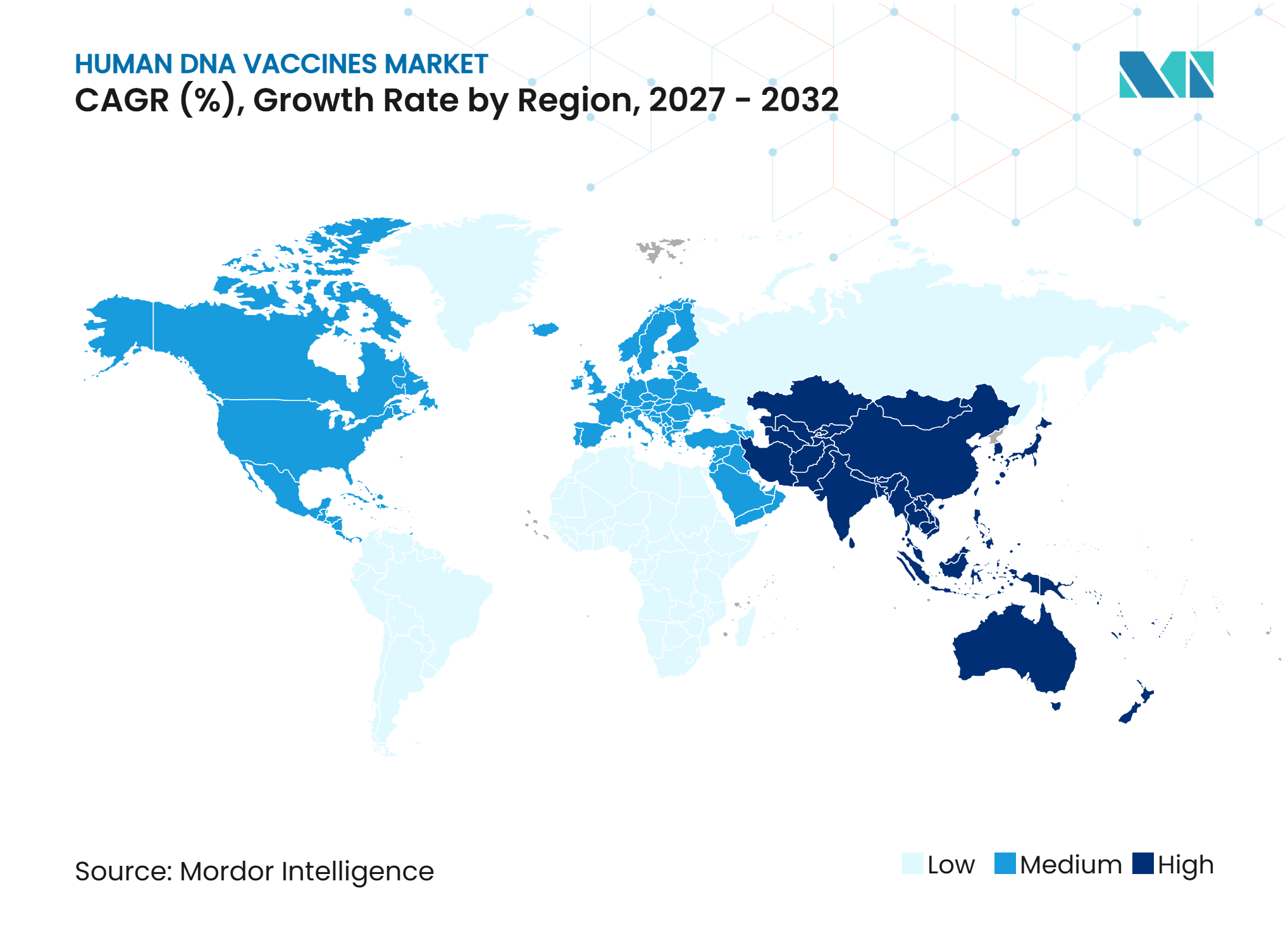
| Fastest Growing Market | Asia-Pacific |
| Largest Market | North America |
| Market Concentration | Low |
Major Players *Disclaimer: Major Players sorted in no particular order Image © Mordor Intelligence. Reuse requires attribution under CC BY 4.0. | |
Human DNA Vaccines Market Analysis by Mordor Intelligence
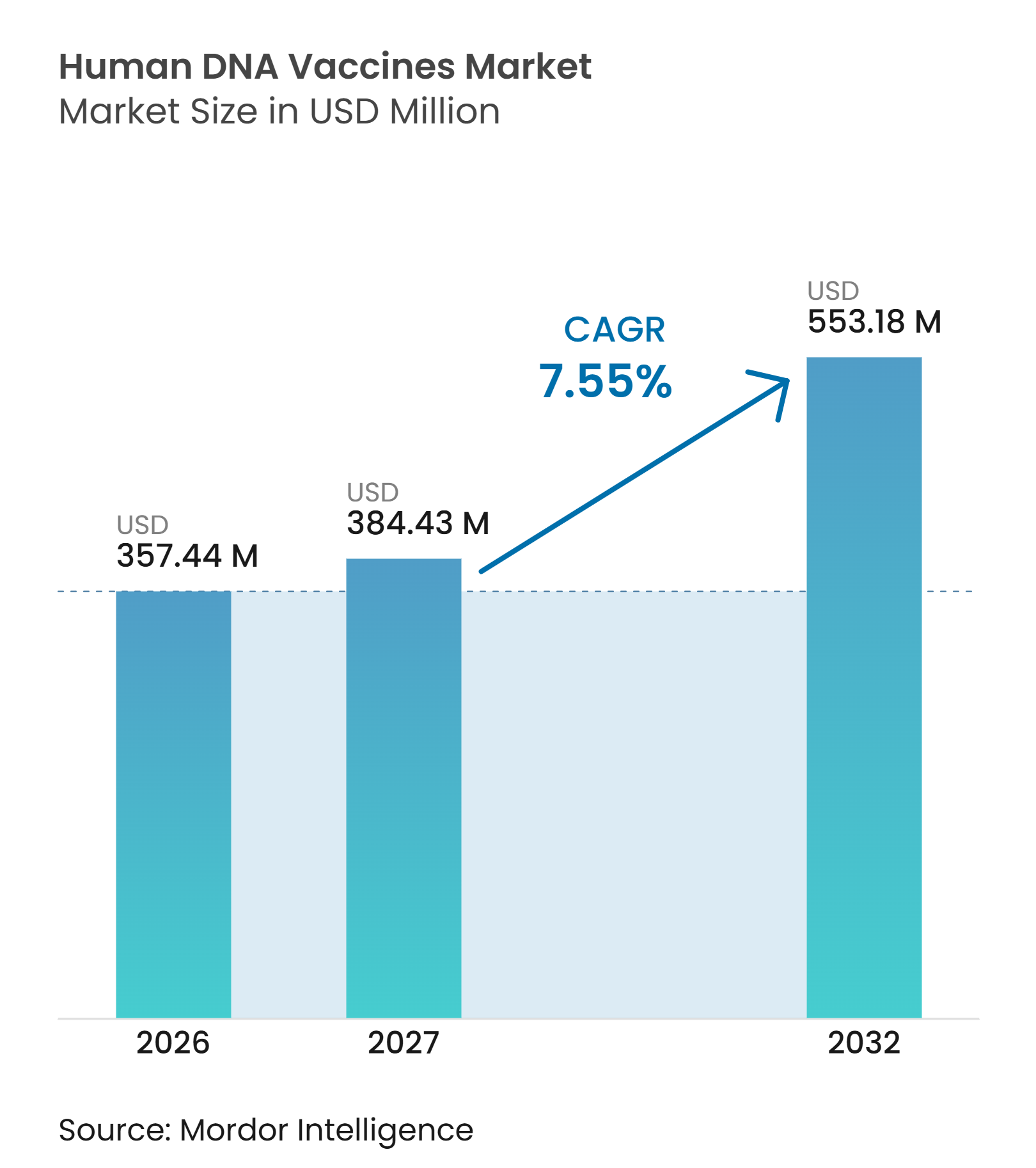
The Human DNA Vaccines Market size is projected to be USD 357.44 million in 2026, USD 384.43 million in 2027, and reach USD 553.18 million by 2032, growing at a CAGR of 7.55% from 2027 to 2032.
Growth is linked to late-stage oncology programs, demand for infectious-disease preparedness, and manufacturing methods that can shorten production cycles. The human DNA vaccines market also benefits from work on formulations that may reduce dose requirements and lessen reliance on conventional delivery devices. Developers are pursuing regulatory milestones in China and the United States, while manufacturers are expanding cell-free DNA capacity. These changes may widen the commercial role of the platform, although reimbursement precedent and device requirements remain important constraints. The human DNA vaccines market remains fragmented because antigen developers, delivery specialists, and manufacturers generally operate in separate parts of the value chain.
Key Report Takeaways
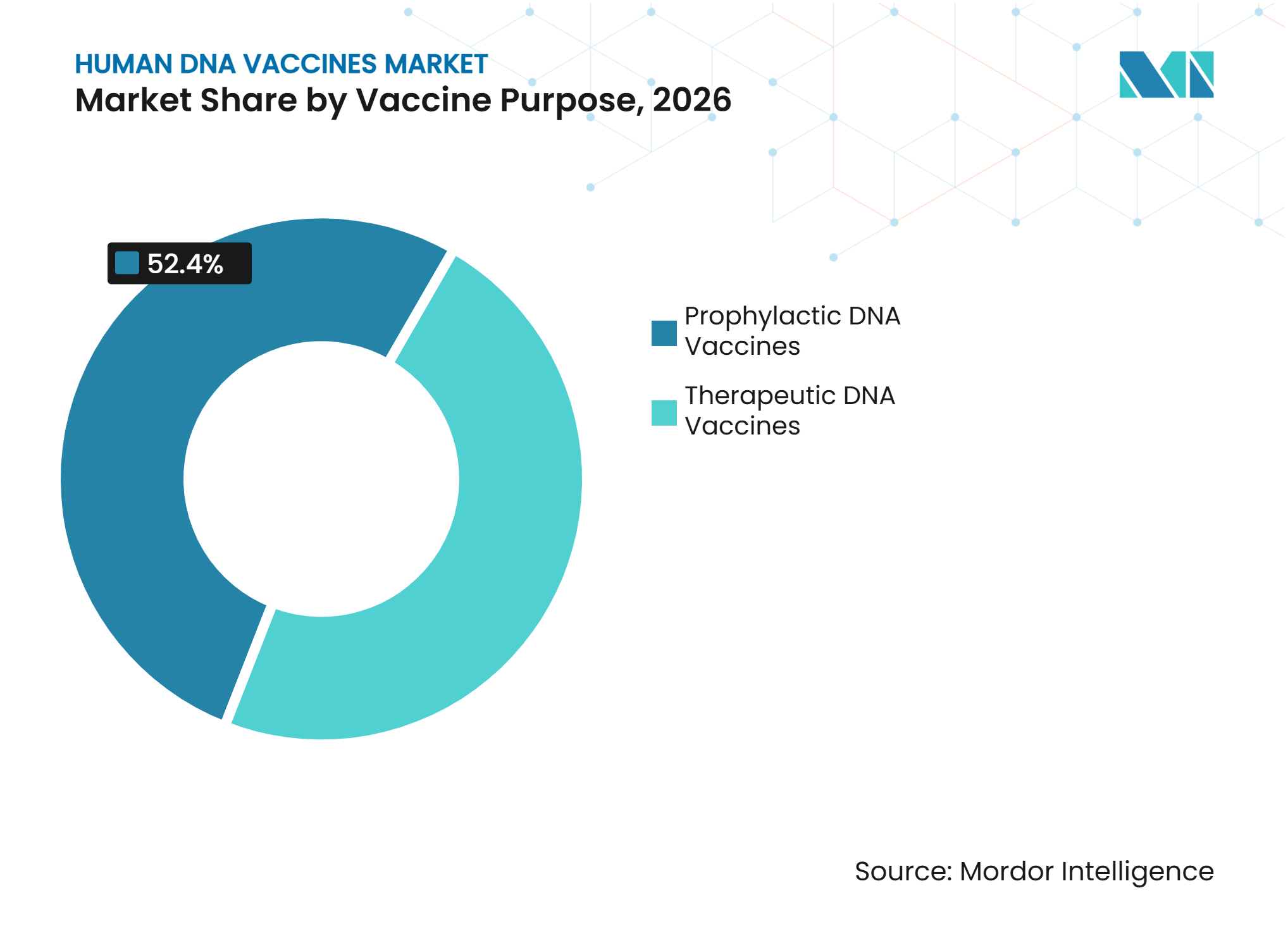
- By vaccine purpose, prophylactic DNA vaccines held 52.42% of revenue in 2026, while therapeutic DNA vaccines are forecast to grow at an 8.12% CAGR through 2032.
- By product type, plasmid DNA vaccines held 43.25% of revenue in 2026, and it is also projected to expand at a 9.15% CAGR through 2032.
- By delivery method, electroporation held 38.21% of revenue in 2026, while lipid and nanoparticle delivery is forecast to grow at a 10.26% CAGR through 2032.
- By route of administration, intradermal held 41.13% of revenue in 2026, while intramuscular is expected to grow at a 9.71% CAGR through 2032.
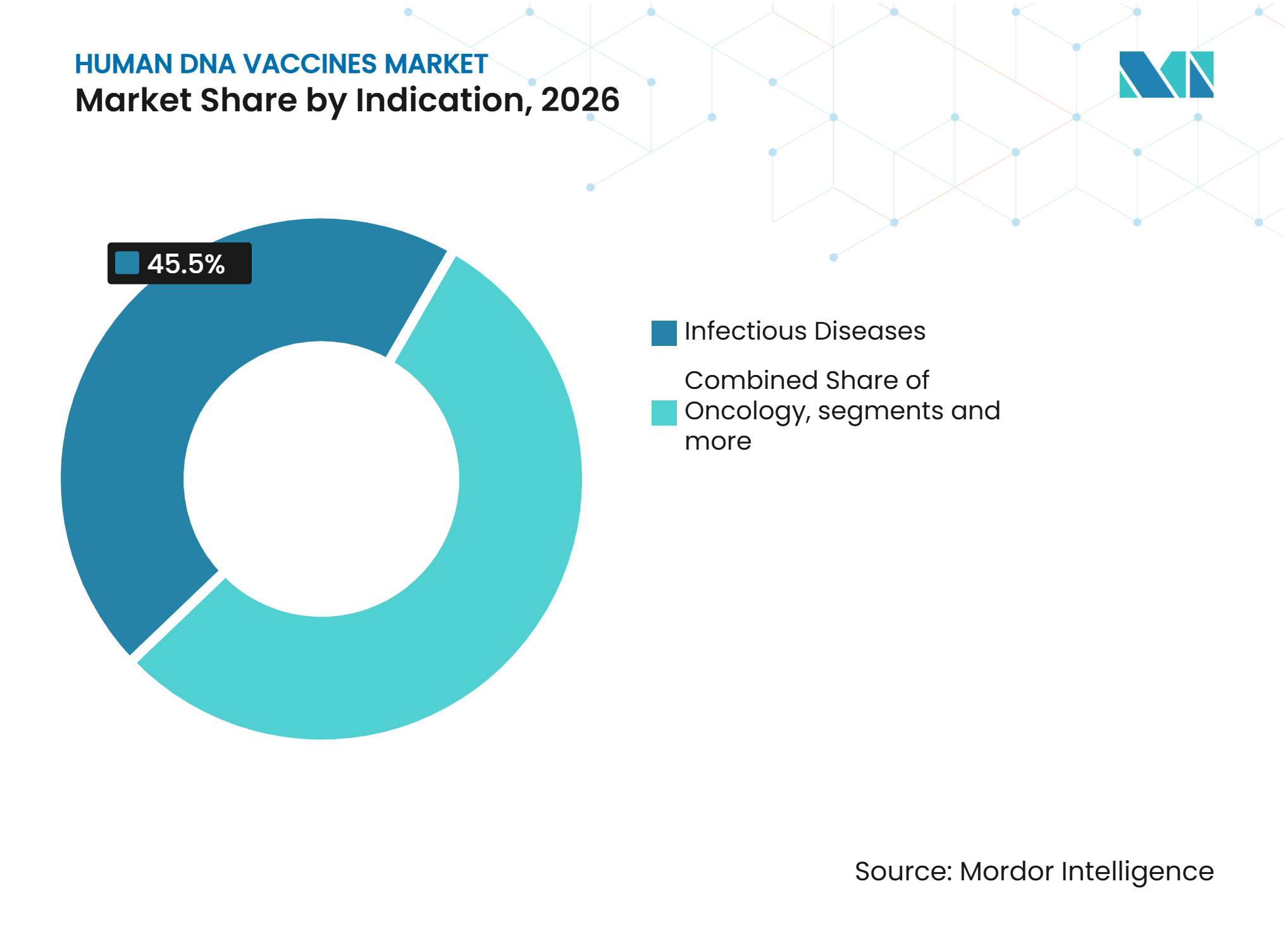
- By indication, infectious diseases held 45.52% of revenue in 2026, while oncology is forecast to grow at a 10.71% CAGR through 2032.
- By end-user, hospitals and clinics held 42.22% of revenue in 2026, while government and public-health suppliers are expected to grow at 8.64% CAGR through 2032.
- By geography, North America held 47.36% of revenue in 2026, while Asia-Pacific is projected to grow at 11.37% CAGR through 2032.
Note: Market numbers in this report are based on Mordor Intelligence's proprietary estimation framework, which combines nine months of actuals with Q4 projections for base year 2026.
Market Trends and Insights
Drivers Impact Analysis of Human DNA Vaccines Market*
| Driver | (~) % Impact on CAGR Forecast | Geographic Relevance | Impact Timeline |
|---|---|---|---|
| Rising Oncology DNA-Immunotherapy Pipelines | +1.7% | Global, with near-term activity in North American and European clinical hubs | Medium term (2-4 years) |
| Infectious Disease and Pandemic-Preparedness Demand | +1.5% | Global, especially Asia-Pacific, the Middle East, Africa, and South America | Short term (≤ 2 years) |
| Rapid, Scalable, and Potentially Thermostable Manufacturing | +1.4% | Global, with early gains in the United Kingdom, the United States, and Asia-Pacific CDMO hubs | Medium term (2-4 years) |
| Expansion of Personalized Neoantigen Vaccine Development | +1.2% | North America and Europe, with growing activity in South Korea and Japan | Long term (≥ 4 years) |
| Cell-Free DNA Manufacturing Enabling Faster Sequence-to-Clinic Cycles | +0.9% | North America and Europe, with Asia-Pacific adoption expected from 2027 to 2029 | Medium term (2-4 years) |
| Tissue-Localized T-Cell Responses for Rare Anatomical Disease | +0.6% | North America and Europe, with niche applications in Japan | Long term (≥ 4 years) |
| Source: Mordor Intelligence | |||
Rising Oncology DNA-Immunotherapy Pipelines
Oncology programs are moving DNA vaccines toward therapeutic use with clearer regulatory milestones. ApolloBio reported positive topline Phase 3 results in May 2026 for VGX-3100 in cervical dysplasia and stated that it plans a regulatory submission in China.[1]INOVIO’s biologics license application for INO-3107 in recurrent respiratory papillomatosis remains under FDA review, with an October 30, 2026, action date. Phase 1/2 results showed that 86% of participants achieved a 50% to 100% reduction in surgeries at year 2 without additional dosing. A successful approval would give later DNA medicine programs a U.S. regulatory reference point. This development could strengthen discussions on development and market-access planning across the human DNA vaccines market.
Infectious Disease and Pandemic-Preparedness Demand
Government interest in flexible vaccine manufacturing supports DNA vaccine development for infectious threats. A Phase 1b study of INO-4500 enrolled 220 healthy adults in Ghana and reported no treatment-related Grade 3 or higher adverse events. The study also reported statistically significant increases in binding antibodies at weeks 6 and 12 in the 2 mg cohort.[2] A Phase 2a study of INO-4700 for MERS-CoV confirmed humoral and cellular immune responses at 0.6 mg to 2 mg doses delivered intradermally with electroporation. Thermostability and T-cell induction are relevant where outbreak response must reach settings with limited cold-chain capacity. These characteristics keep pandemic preparedness an important source of program activity in the human DNA vaccines market.
Rapid, Scalable, and Potentially Thermostable Manufacturing
Manufacturing methods are changing as enzymatic and cell-free synthesis moves closer to wider use. Touchlight’s Hampton facility received an MHRA license for cell-free DNA GMP manufacturing in January 2025.[3] Its Morelands facility received the ISPE Facility of the Year Award for Innovation in May 2025 after the company tripled production capacity. A 2025 study found that enzymatically synthesized DNA achieved antibody and cellular immune responses comparable with plasmid vaccine material in vivo. The study reported an error rate of 1 mutation per 10,000 bases and described a production timeline that could be reduced to 3 days. These results support a manufacturing option that can improve supply responsiveness in the human DNA vaccines market.
Expansion of Personalized Neoantigen Vaccine Development
Personalized DNA vaccines are being developed to target tumor mutations that differ among patients. A 2026 review reported that DNA vaccines can generate stronger CD8+ T-cell responses against neoantigens than RNA or peptide approaches. The review also found that nanoparticle-coated DNA formulations outperformed electroporation on T-cell induction in the comparisons assessed. A Phase 1 study in glioblastoma enrolled 9 patients who received tailored DNA vaccines directed at up to 40 spatially distributed neoantigens per patient. Researchers evaluated immune responses using bulk T-cell receptor sequencing and single-nuclei RNA sequencing. This clinical work supports continued interest in personalized oncology applications within the human DNA vaccines market.
Restraints Impact Analysis of Human DNA Vaccines Market*
| Restraint | (~) % Impact on CAGR Forecast | Geographic Relevance | Impact Timeline |
|---|---|---|---|
| Lower Immunogenicity with Conventional Injection | -0.9% | Global, especially where electroporation infrastructure is limited in the Middle East, Africa, and South America | Medium term (2-4 years) |
| Electroporation Device Burden and Administration Complexity | -0.7% | Global, especially lower-middle-income countries, and primary care settings | Medium term (2-4 years) |
| Limited Human Commercial and Reimbursement Precedent | -1% | North America and Europe, with effects on wider market-access timelines | Long term (≥ 4 years) |
| Regulatory Uncertainty and Lengthy Clinical Validation Requirements | -0.8% | Global, particularly across differing Asia-Pacific regulatory systems | Long term (≥ 4 years) |
| Source: Mordor Intelligence | |||
Lower Immunogenicity with Conventional Injection
Conventional plasmid DNA injections have historically required 1 mg to 5 mg doses to produce sufficient antigen expression. This dosage range is higher than that used by lipid nanoparticle mRNA approaches and can increase the cost per dose. Lipid nanoparticle delivery is being evaluated to reduce this gap. A 2026 review found stronger T-cell responses and antigen-specific antibodies with lipid nanoparticle-coated DNA than with electroporation in direct comparisons. The field remains dependent on device-supported administration until these formulations gain later-stage clinical validation. This dependence limits the range of settings in which products can be administered in the human DNA vaccines market.
Electroporation Device Burden and Administration Complexity
Electroporation can improve plasmid uptake, but it requires trained personnel, powered equipment, and coordinated supplies. INOVIO’s CELLECTRA device is CE marked, but its use conditions limit deployment in community health and primary care settings. This requirement places a practical limit on scale outside specialist facilities. Alternative delivery systems are accumulating clinical evidence, but late-stage confirmation remains necessary before health systems can rely on them. Until then, device dependency can slow uptake, as providers assess the cost of fully vaccinating each person. It also contributes to a more cautious purchasing environment across the human DNA vaccines market.
*Our forecasts treat driver/restraint impacts as directional, not additive. The impact forecasts reflect baseline growth, mix effects, and variable interactions.
Human DNA Vaccines Market Segment Analysis
By Vaccine Purpose:
Prophylactic Programs Retain the Largest Base While Therapeutic Programs Grow FasterProphylactic DNA vaccines captured 52.42% of the human DNA vaccines market share in 2026. Their position reflected their use in infectious-disease prevention programs where storage flexibility and manufacturing options matter. Programs have included MERS, Lassa fever, Ebola, and HPV-related prevention. Therapeutic DNA vaccines are forecast to grow at an 8.12% CAGR from 2027 to 2032. The human DNA vaccines market size for therapeutic vaccines is supported by oncology and HPV-associated disease programs nearing regulatory decisions. The planned China submission for VGX-3100 follows the positive Phase 3 topline result reported in May 2026.
INO-3107 also gives the therapeutic category an important United States regulatory event in 2026. Prophylactic and therapeutic programs can use similar plasmid production infrastructure. Shared facilities may improve batch economics as clinical demand increases. This model may be useful when developers operate multiple programs from the same platform. The two categories, therefore, do not rely entirely on separate manufacturing systems. That connection allows manufacturing improvements to benefit both parts of the human DNA vaccines industry.


By Product Type:
Plasmid DNA Holds the Largest Position as Alternative Formats AdvancePlasmid DNA vaccines held 43.25% of product-type revenue in 2026 and are also projected to expand at a 9.15% CAGR through 2032. This position was supported by accumulated production knowledge and established analytical practices. Plasmid formats also appear across a broad range of active clinical programs. CDMOs are increasing batch capacity as clinical supply needs rise. The human DNA vaccines market continued to rely on plasmids because their development path is familiar to many program sponsors.
Linear and minicircle formats are receiving more attention for their physical properties. A 2025 Scientific Reports study found that Ministring DNA showed greater resistance to chemical and mechanical stress than conventional plasmid DNA. The study also found that lyophilization extended the shelf life for the material assessed. Enzymatic DNA studies have shown comparable in vivo immune responses to plasmid material. These findings create pressure for product formats that can shorten manufacturing timelines. The human DNA vaccines market may therefore support several DNA formats rather than a single permanent standard.
By Delivery Method:
Electroporation Leads Current Use, While Lipid and Nanoparticle Delivery Grows FastestElectroporation held 38.21% of delivery-method revenue in 2026. It has remained important because it supports plasmid uptake across active Phase 2 and Phase 3 programs. Its clinical role has helped establish repeatable administration methods in specialist settings. Lipid and nanoparticle delivery is forecast to grow at 10.26% CAGR from 2027 to 2032. This rate reflects work to apply delivery approaches developed for mRNA products to DNA payloads. The human DNA vaccines market size for lipid and nanoparticle delivery is linked to the possibility of lowering effective dose thresholds.
A 2026 review identified stronger immune responses for nanoparticle-coated DNA than electroporation in selected direct comparisons. This evidence gives developers a reason to test delivery options beyond powered devices. Liposome and polymer systems also remain under investigation. Each alternative needs adequate clinical evidence and practical delivery performance. As that evidence develops, the human DNA vaccines market may experience a gradual shift in the delivery-method mix.
By Route of Administration:
Intradermal Delivery Holds the Largest Share, While Intramuscular Delivery Gains Pipeline SupportIntradermal delivery held 41.13% of the route of administration revenue in 2026. This position is linked to the electroporation approaches used in many established development programs. Intradermal delivery can support localized activation of antigen-presenting cells. Intramuscular delivery is expected to grow at 9.71% CAGR from 2027 to 2032. The human DNA vaccines market for intramuscular delivery is supported by DNA formulations designed for lipid nanoparticle depot delivery. The use of intramuscular injection as a familiar route for nucleic acid vaccine development also supports it.
The Phase 1b INO-4500 trial reported intramuscular electroporation tolerability in a diverse group of healthy adults. Subcutaneous delivery also received support from work on lyophilized solid-dose formulations. A 2025 study reported stability at 4°C to 42°C for 30 days without cold-chain support. The findings supported the experimental feasibility of thermostable subcutaneous delivery. Oral and mucosal routes remain at an early preclinical stage. Route selection in the human DNA vaccines market will continue to depend on immune response, formulation design, and practical administration needs.
By Indication:
Infectious Diseases Lead Revenue While Oncology Expands at the Highest RateInfectious diseases accounted for 45.52% of the indication-level revenue in 2026. Active work has addressed MERS, Lassa fever, Ebola, HIV, and HPV-related diseases. ZyCoV-D remains the only approved human DNA vaccine. Oncology is forecast to grow at 10.71% CAGR from 2027 to 2032. This is the highest rate among the indications listed for the human DNA vaccines market. The growth outlook reflects increasing late-stage activity in therapeutic cancer programs.
A Phase 1 glioblastoma study published in 2026 further examined tailored multivalent neoantigen DNA vaccination. These studies provide clinical evidence for individualized oncology approaches. Allergies and autoimmune conditions remain at an early stage. Their possible relevance is linked to immune tolerance mechanisms. Infectious disease and oncology will therefore continue to define the main indication profile of the human DNA vaccines market.


By End-User:
Hospitals and Clinics Lead Current Use, While Public Health Suppliers Grow FastestHospitals and clinics held 42.22% of end-user revenue in 2026. This human DNA vaccines market share reflects the need for supervised administration when products use electroporation. These settings can support trained staff, specialized equipment, and follow-up care. Government and public-health suppliers are expected to grow at an 8.64% CAGR from 2027 to 2032. The human DNA vaccines market relies on these institutional buyers, where early-development products serve public-health needs.
Research institutes and academic medical centers also support demand through investigator-led studies. They are particularly relevant for personalized neoantigen research and academic partnerships. Manufacturing capability remains important because these programs need cGMP material for clinical work. Touchlight’s licensed cell-free production site shows the growing availability of specialized DNA supply capacity. As therapeutic products advance, hospital oncology networks and specialty pharmacy channels may take a larger role after 2028.
Geography Analysis
North America
North America held 47.36% of the human DNA vaccine market share in 2026. The region has a dense clinical pipeline, substantial institutional funding, and an advanced regulatory environment for DNA medicine programs. INO-3107 has an FDA action date of October 30, 2026. A favorable U.S. outcome would create a commercial reference point for other candidates. Canada and Mexico contribute through research procurement and clinical trial activity.
Europe
Europe held the second-largest geographic position. The United Kingdom, Germany, and France host a concentration of DNA vaccine clinical programs. European developers also work across different antigen and delivery platforms. Regulatory requirements across the United Kingdom and the European Union can add work for smaller companies seeking access to both areas.
Asia-Pacific, South America, and the Middle East, and Africa
Asia-Pacific is projected to grow at an 11.37% CAGR from 2027 to 2032. It is the fastest-growing region in the human DNA vaccines market. China is an important near-term approval setting after the VGX-3100 Phase 3 result. The World Health Organization reported that South-East Asia accounted for 34% of global tuberculosis cases in 2024, while the Western Pacific accounted for 27%. This burden supports continued government attention to infectious diseases. South America, the Middle East, and Africa remain smaller areas, where partnerships and health infrastructure investment are important demand factors.
Competitive Landscape
Market Concentration
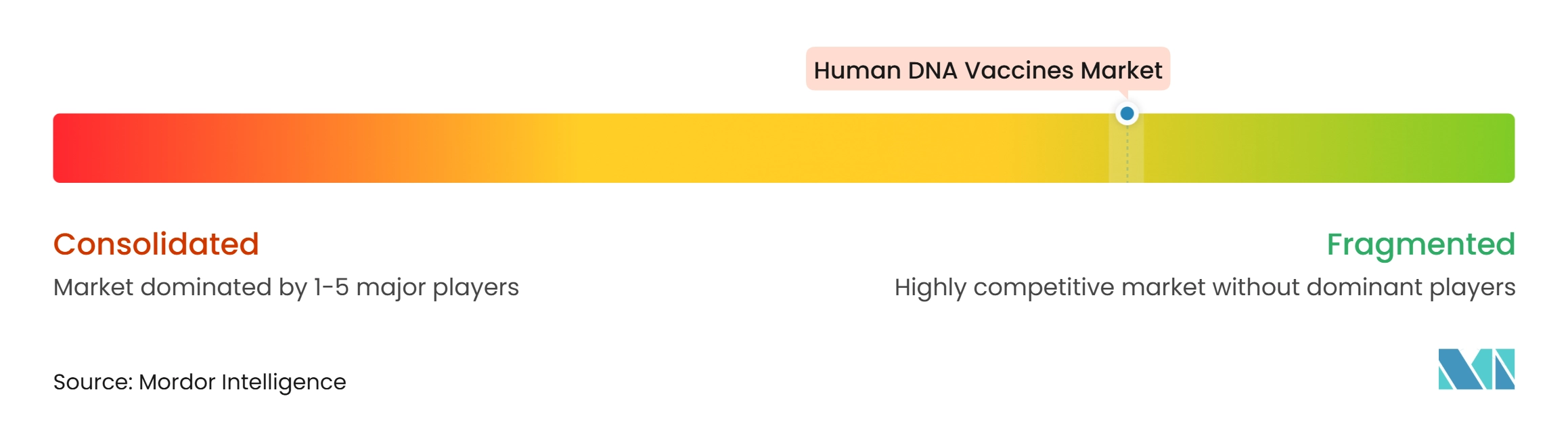
The human DNA vaccines market is fragmented, and no company has a dominant commercial position. Competition operates across antigen development, delivery technologies, and DNA manufacturing. These groups do not always compete directly because they occupy separate parts of the value chain. INOVIO holds an advanced clinical position through its FDA-reviewed INO-3107 application. The company also has positive Phase 3 topline data for VGX-3100 from China.
Touchlight has expanded its strategic role through licensed cell-free DNA manufacturing. Its MHRA license and 2025 capacity expansion provide developers with an alternative to conventional plasmid production. A 2025 enzymatic DNA study supports this direction by reporting immune responses comparable with plasmid material. A second strategic direction is the use of lipid and nanoparticle formulations. These formulations may lower dose requirements and reduce device dependence. A third direction is the development of personalized neoantigen vaccines for oncology programs.
Companies with only electroporation-based delivery systems face a practical challenge if alternatives show strong later-stage results. Purchasers may increasingly seek data across more than 1 delivery method. Manufacturing quality requirements remain central to partnerships and product development. Developers also need clinical and regulatory evidence before alternative formats can establish commercial positions. The human DNA vaccines industry, therefore, has room for specialists in antigen design, delivery, and manufacturing.
Human DNA Vaccines Industry Leaders
-
INOVIO Pharmaceuticals, Inc.
-
Zydus Lifesciences Limited
-
Genexine, Inc.
-
GC Biopharma Corp.
-
Takis Biotech S.r.l.
- *Disclaimer: Major Players sorted in no particular order
Human DNA Vaccines Market Companies Covered in this Report
- Aldevron LLC
- Applied DNA Sciences, Inc.
- Elegen Bio, Inc.
- Entos Pharmaceuticals Inc.
- GC Biopharma Corp.
- Geneos Therapeutics, Inc.
- Genexine, Inc.
- GeoVax Labs, Inc.
- Immuno Cure BioTech Limited
- INOVIO Pharmaceuticals, Inc.
- NEC
- PharmaJet, Inc.
- Scancell Holdings plc
- Shenzhen Geno-Immune Medical Institute
- Takara Bio
- Takis Biotech S.r.l.
- Touchlight Genetics Limited
- VGXI, Inc.
- Vical Incorporated
- Zydus Lifesciences Limited
Recent Industry Developments in Human DNA Vaccines Market
- August 2026: Genexine Life Sciences received a USPTO Notice of Allowance for its COVID-19 DNA vaccine platform technology, jointly filed with the Korea Disease Control and Prevention Agency, extending IP protection to the United States following a 2024 Korean patent grant (10-2709169).
- May 2026: ApolloBio reported positive topline Phase 3 results for VGX-3100, INOVIO's HPV DNA immunotherapy for cervical dysplasia, meeting its predefined primary efficacy endpoint. ApolloBio plans a regulatory submission in China.
Global Human DNA Vaccines Market Report Scope
According to the report’s scope, the human DNA vaccines market refers to the global industry segment focused on developing, manufacturing, and commercializing DNA-based vaccines specifically for human use. These vaccines employ engineered DNA plasmids to stimulate immune responses against infectious diseases and certain cancers.
The human DNA vaccines market is segmented into vaccine purpose, product type, delivery method, route of administration, indication, end-user, and geography. By vaccine purpose, the market is segmented into prophylactic DNA vaccines and therapeutic DNA vaccines. By product type, the market is segmented into plasmid DNA vaccines, linear DNA vaccines, minicircle DNA vaccines, and other product types. By delivery method, the market is segmented into electroporation, needle-free injection, suction-based delivery, lipid and nanoparticle delivery, liposome and polymer delivery, and other delivery methods. By route of administration, the market is segmented into intradermal, intramuscular, subcutaneous, oral and mucosal, and other routes of administration. By indication, the market is segmented into infectious diseases, oncology, allergies and autoimmune conditions, and other indications. By end-user, the market is segmented into hospitals and clinics, government and public-health suppliers, research institutes and academic medical centers, pharmaceutical and biotechnology companies, and contract research and manufacturing organizations. By geography, the market is segmented into North America, Europe, Asia-Pacific, the Middle East and Africa, and South America. The report also covers the estimated market sizes and trends for 17 countries across major regions globally. The report offers values (USD) for all the above segments.
Segmentation Overview
| Prophylactic DNA Vaccines |
| Therapeutic DNA Vaccines |
| Plasmid DNA Vaccines |
| Linear DNA Vaccines |
| Minicircle DNA Vaccines |
| Other Product Types |
| Electroporation |
| Needle-Free Injection |
| Suction-Based Delivery |
| Lipid and Nanoparticle Delivery |
| Liposome and Polymer Delivery |
| Other Delivery Methods |
| Intradermal |
| Intramuscular |
| Subcutaneous |
| Oral and Mucosal |
| Other Routes of Administration |
| Infectious Diseases |
| Oncology |
| Allergies and Autoimmune Conditions |
| Other Indications |
| Hospitals and Clinics |
| Government and Public-Health Suppliers |
| Research Institutes and Academic Medical Centers |
| Pharmaceutical and Biotechnology Companies |
| Contract Research and Manufacturing Organizations |
| North America | United States |
| Canada | |
| Mexico | |
| Europe | Germany |
| United Kingdom | |
| France | |
| Italy | |
| Spain | |
| Rest of Europe | |
| Asia-Pacific | China |
| Japan | |
| India | |
| Australia | |
| South Korea | |
| Rest of Asia-Pacific | |
| Middle East and Africa | GCC |
| South Africa | |
| Rest of Middle East and Africa | |
| South America | Brazil |
| Argentina | |
| Rest of South America |
| By Vaccine Purpose | Prophylactic DNA Vaccines | |
| Therapeutic DNA Vaccines | ||
| By Product Type | Plasmid DNA Vaccines | |
| Linear DNA Vaccines | ||
| Minicircle DNA Vaccines | ||
| Other Product Types | ||
| By Delivery Method | Electroporation | |
| Needle-Free Injection | ||
| Suction-Based Delivery | ||
| Lipid and Nanoparticle Delivery | ||
| Liposome and Polymer Delivery | ||
| Other Delivery Methods | ||
| By Route of Administration | Intradermal | |
| Intramuscular | ||
| Subcutaneous | ||
| Oral and Mucosal | ||
| Other Routes of Administration | ||
| By Indication | Infectious Diseases | |
| Oncology | ||
| Allergies and Autoimmune Conditions | ||
| Other Indications | ||
| By End-User | Hospitals and Clinics | |
| Government and Public-Health Suppliers | ||
| Research Institutes and Academic Medical Centers | ||
| Pharmaceutical and Biotechnology Companies | ||
| Contract Research and Manufacturing Organizations | ||
| By Geography | North America | United States |
| Canada | ||
| Mexico | ||
| Europe | Germany | |
| United Kingdom | ||
| France | ||
| Italy | ||
| Spain | ||
| Rest of Europe | ||
| Asia-Pacific | China | |
| Japan | ||
| India | ||
| Australia | ||
| South Korea | ||
| Rest of Asia-Pacific | ||
| Middle East and Africa | GCC | |
| South Africa | ||
| Rest of Middle East and Africa | ||
| South America | Brazil | |
| Argentina | ||
| Rest of South America | ||
Key Questions Answered in the Report
What is the projected value of human DNA vaccines by 2032?
The human DNA vaccines market is forecasted to increase from USD 357.44 million in 2026 to USD 384.43 million in 2027, and to reach USD 553.18 million by 2032, rising at a 7.55% CAGR through 2032.
Which vaccine purpose currently generates the most revenue?
Prophylactic DNA vaccines led with 52.42% of revenue in 2026, while therapeutic vaccines are expected to grow faster at 8.12% CAGR.
Which delivery approach is growing fastest for human DNA vaccines?
Lipid and nanoparticle delivery is forecasted to expand at 10.26% CAGR through 2032, the fastest rate among delivery methods listed.
Which region is forecast to grow fastest through 2032?
Asia-Pacific is projected to grow at 11.37% CAGR from 2027 to 2032, the highest regional rate.