
Giant Cell Arteritis Market Size and Share
Market Overview
| Study Period | 2021 - 2032 |
|---|---|
| Market Size (2027) | USD 2.02 Billion |
| Market Size (2032) | USD 2.89 Billion |
| Growth Rate (2027 - 2032) | 7.43 % |
| Fastest Growing Market | Asia-Pacific |
| Largest Market | North America |
| Market Concentration | Medium |
Major Players *Disclaimer: Major Players sorted in no particular order Image © Mordor Intelligence. Reuse requires attribution under CC BY 4.0. | |
Giant Cell Arteritis Market Analysis by Mordor Intelligence
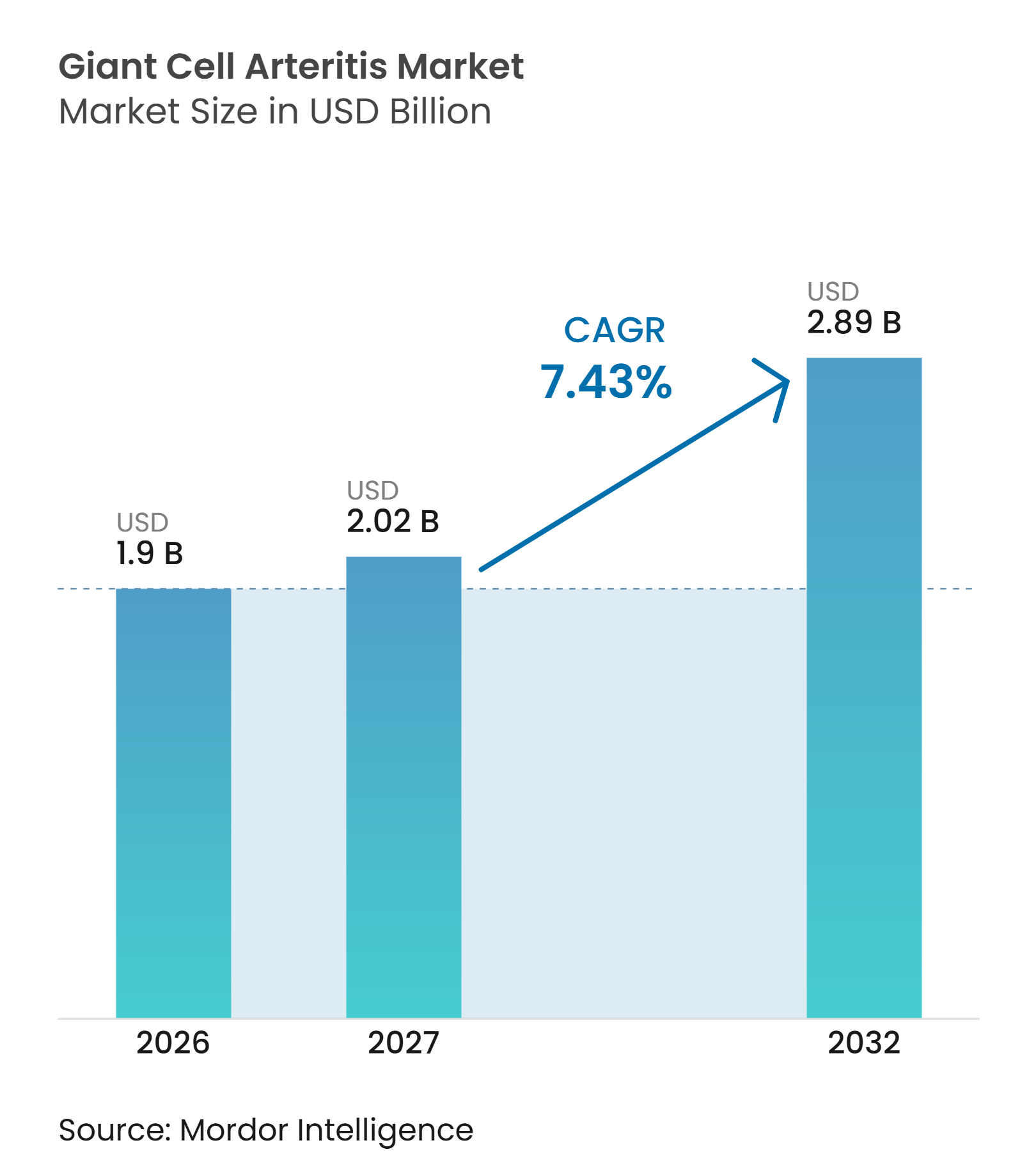
The Giant Cell Arteritis Market size is projected to expand from USD 1.90 billion in 2026 to USD 2.02 billion in 2027, and to reach USD 2.89 billion by 2032, registering a CAGR of 7.43% between 2027 and 2032. Giant cell arteritis is the most prevalent primary systemic vasculitis among adults aged 50 years and older, and delayed treatment can result in permanent vision loss. Aging populations in Western countries and East Asia are enlarging the treated patient pool. Oral JAK inhibitor approval has broadened steroid-sparing treatment choices, while fast-track diagnostic pathways are reducing the time before therapy begins. These changes bring more previously unrecognized patients into formal treatment and create opportunities across drug access, distribution, and follow-up care. The giant cell arteritis market also faces uneven reimbursement decisions, biosimilar price pressure, and continued use of corticosteroid-first protocols in community rheumatology.
Key Report Takeaways
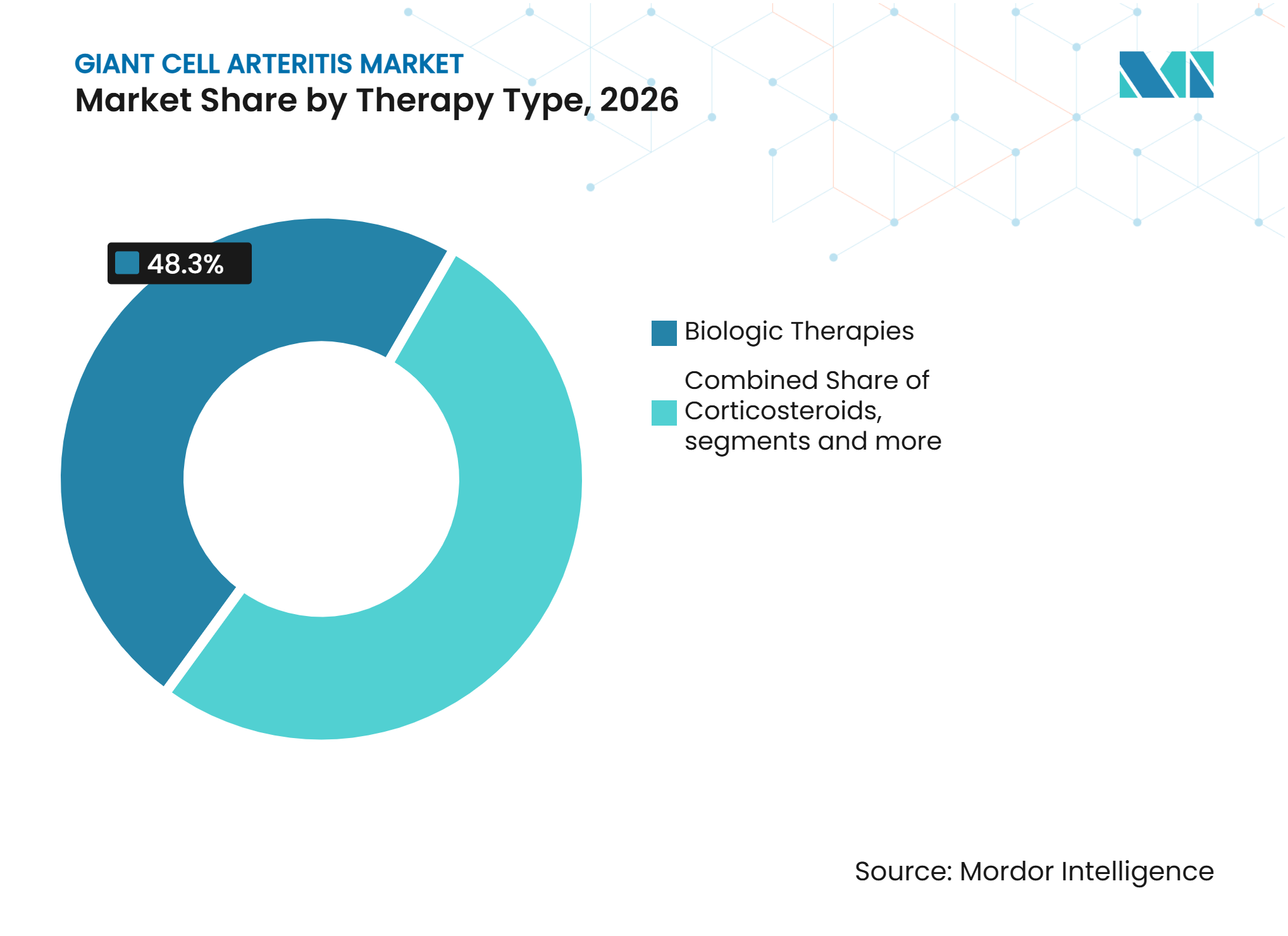
- By therapy type, biologic therapies held 48.3% of the giant cell arteritis market share in 2026, while corticosteroids are forecast to grow at a CAGR of 8.12% through 2032.
- By disease stage, newly diagnosed giant cell arteritis accounted for 44.25% of the giant cell arteritis market in 2026, while relapsing giant cell arteritis is projected to expand at a CAGR of 9.25% through 2032.
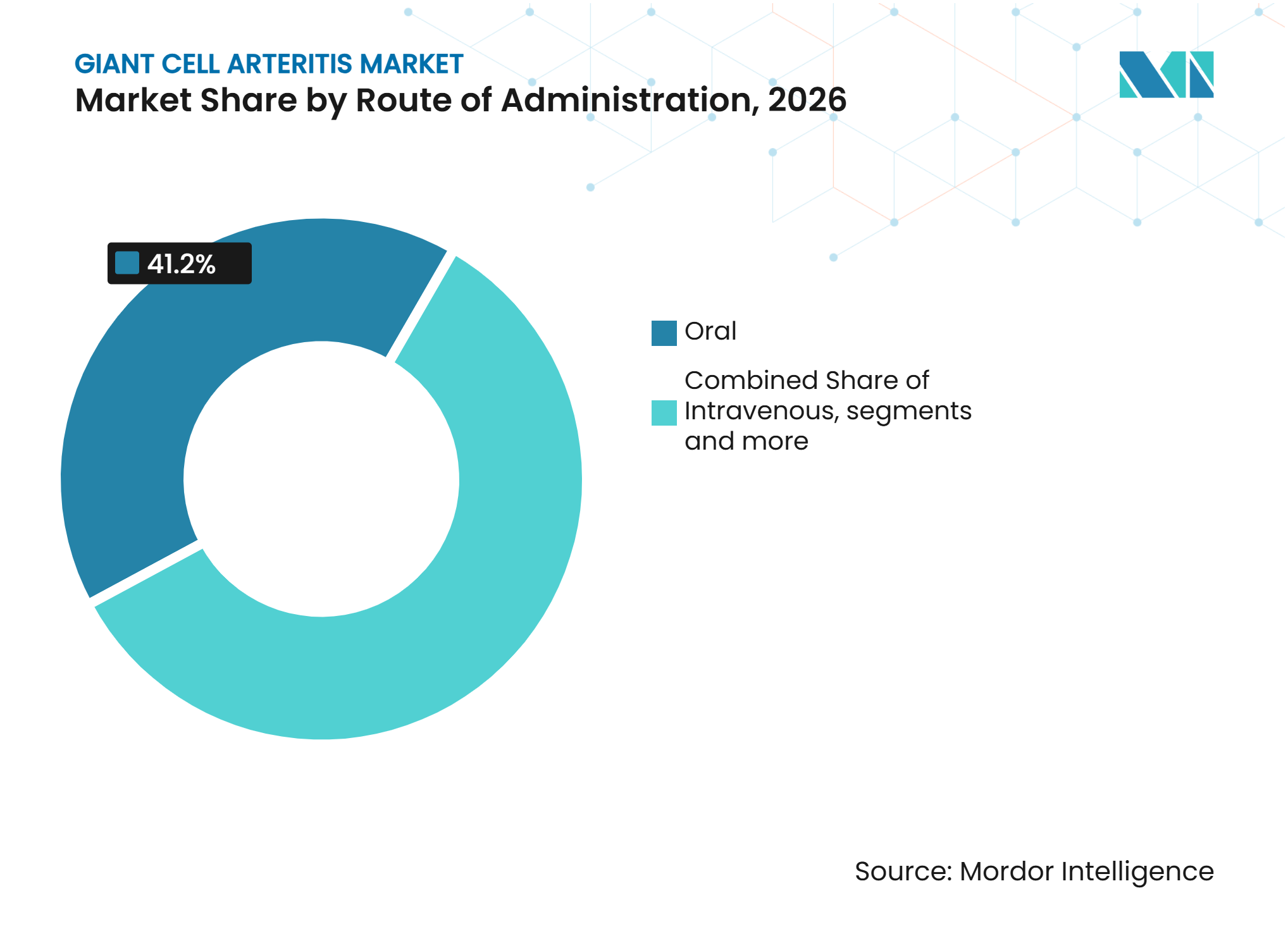
- By route of administration, intravenous held 41.16% of the giant cell arteritis market share in 2026, while the oral route is forecast to grow at a CAGR of 7.84% through 2032.
- By distribution channel, hospital pharmacies accounted for 46.52% of the giant cell arteritis market in 2026, while online pharmacies are projected to grow at a CAGR of 8.63% through 2032.
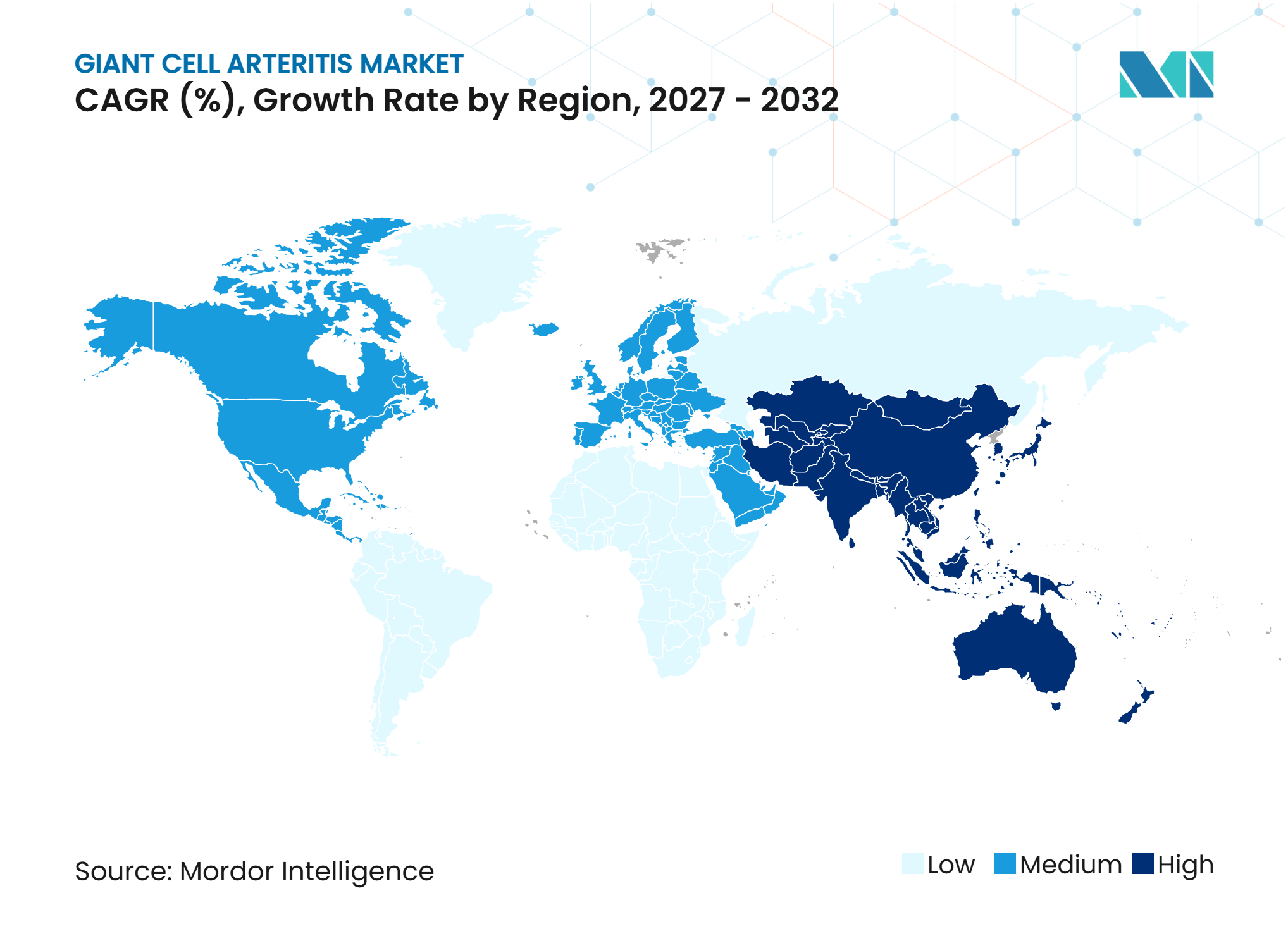
- By geography, North America held 47.15% of the market share in 2026, while Asia-Pacific is forecast to grow at a CAGR of 10.26% through 2032.
Note: Market numbers in this report are based on Mordor Intelligence's proprietary estimation framework, which combines nine months of actuals with Q4 projections for base year 2026.
Market Trends and Insights
Drivers Impact Analysis of Giant Cell Arteritis Market*
| Driver | (~) % Impact on CAGR Forecast | Geographic Relevance | Impact Timeline |
|---|---|---|---|
| Aging Population and Rising GCA Incidence | +2.1% | Global | Long term (≥ 4 years) |
| Expansion of Steroid-Sparing Biologic Therapy | +1.8% | North America and the EU | Medium term (2-4 years) |
| Greater Use of Vascular Imaging and Fast-Track Diagnostic Pathways | +1.2% | EU core, North America, and APAC | Medium term (2-4 years) |
| Increasing Clinical Development and Targeted-Therapy Investment | +1% | Global | Medium term (2-4 years) |
| Growing Demand for Oral and Home-Administered Therapies | +0.7% | North America, the EU, and APAC | Short term (≤ 2 years) |
| Source: Mordor Intelligence | |||
Aging Population and Rising GCA Incidence
GCA incidence rises sharply with age and reaches its highest level in the eighth decade of life. Women are affected more often than men, with a female-to-male ratio of 2:1. A Finnish cohort study published in 2025 recorded an annual incidence of 7.0 per 100,000 people aged 50 years and older during 2010 to 2015, rising to 11.3 during 2016 to 2020. The study attributed the 61% increase to improved diagnostic recognition and growth in older populations.[1]A meta-analysis reported the highest incidence in Scandinavia at 21.57 per 100,000 people aged 50 years and older, compared with 10.89 in North and South America and 7.26 in Europe. The giant cell arteritis market benefits when a larger share of older and more medically complex patients need alternatives to prolonged high-dose corticosteroid treatment.
Expansion of Steroid-Sparing Biologic Therapy
The U.S. Food and Drug Administration approved upadacitinib at a 15 mg once-daily dose for GCA on April 29, 2025. The approval made upadacitinib the first oral JAK inhibitor approved for this indication.[2] The European Commission granted marketing authorization earlier in April 2025. In SELECT-GCA, 46.4% of patients receiving upadacitinib 15 mg with a 26-week corticosteroid taper achieved sustained remission at week 52, compared with 29.0% receiving placebo with a 52-week taper.[3] Two-year results reported remission maintenance through week 104 in 67.3% of patients who continued upadacitinib, compared with 28.6% of patients switched to placebo. In the United States, the giant cell arteritis market is shaped by the difference between oral therapy coverage under Medicare Part D and intravenous tocilizumab coverage under Part B.
Greater Use of Vascular Imaging and Fast-Track Diagnostic Pathways
The 2022 ACR and EULAR classification criteria gave color Doppler ultrasound diagnostic weight equivalent to temporal artery biopsy. EULAR guidance published in 2023 identified ultrasound as the preferred initial imaging test. A 2026 review reported a pooled sensitivity of 88% to 93% for the ultrasound halo sign in high-quality studies. Fast-track clinics combine temporal artery ultrasound with 18F-FDG PET-CT for assessment of large-vessel disease. A 2024 study found that these pathways reduced diagnosis times from a conventional 2 to 3 weeks to 48 to 72 hours at participating centers and improved visual outcomes. Earlier confirmation supports timely steroid-sparing therapy and extends treatment access to patients who might previously have remained unconfirmed or been referred too late.
Increasing Clinical Development and Targeted-Therapy Investment
The clinical pipeline includes GM-CSF receptor inhibition, JAK-1 selective therapy, and small molecules directed at IL-12, IL-23, and interferon-gamma pathways. A systematic review presented at the American College of Rheumatology found that tocilizumab, mavrilimumab, secukinumab, and upadacitinib improved 52-week sustained remission compared with placebo. The same review found no significant efficacy for sarilumab or sirukumab in their respective trials. Novartis reported in July 2025 that secukinumab did not meet the sustained-remission endpoint in the Phase III GCAptAIN study. This result narrowed the near-term field around IL-6 receptor inhibition and JAK-1 inhibition. The giant cell arteritis market, therefore, has a more defined treatment pathway, even as additional targeted agents remain under development.
Restraints Impact Analysis of Giant Cell Arteritis Market*
| Restraint | (~) % Impact on CAGR Forecast | Geographic Relevance | Impact Timeline |
|---|---|---|---|
| Corticosteroid-Related Toxicity and Monitoring Burden | -1.5% | Global | Short term (≤ 2 years) |
| High Cost and Restricted Reimbursement for Targeted Therapies | -2% | North America and EU | Medium term (2-4 years) |
| Delayed Referral and Specialist Capacity Constraints | -0.8% | Global, highest in APAC and MEA | Long term (≥ 4 years) |
| Source: Mordor Intelligence | |||
Corticosteroid-Related Toxicity and Monitoring Burden
High-dose corticosteroids remain the foundation of GCA treatment, particularly at the beginning of care. Their long-term use can lead to new-onset diabetes, osteoporotic fractures, opportunistic infections, and cardiovascular events in an older patient population. Treatment commonly continues for 1 to 2 years, which increases the need for regular glucose monitoring, DEXA scans, ophthalmology reviews, and blood pressure management. These ongoing requirements can reduce adherence and raise total treatment costs beyond medicine acquisition costs. The burden also supports the use of steroid-sparing therapies because physicians must balance the risks of long corticosteroid exposure against the cost of newer drugs. Reducing cumulative glucocorticoid exposure has remained a primary endpoint in pivotal GCA trials since 2017, linking clinical outcomes closely with adoption of alternative therapies.
High Cost and Restricted Reimbursement for Targeted Therapies
Access constraints remain embedded in the treatment pathway for targeted GCA therapies. In the United States, subcutaneous tocilizumab at 162 mg per 0.9 mL carried a list price of USD 1,142.56 per fill, while a 20 mL intravenous solution carried a list price of USD 2,595.33. A 2025 U.S. study found that 63% of patients needed copay assistance, free manufacturer coverage, or insurance substitution to obtain their first tocilizumab fill. The study reported a mean 30-day delay from insurance approval to treatment initiation, while 52 patients paid a mean USD 1,023 out of pocket after insurance for their first month of therapy. France assigned upadacitinib no clinical added value beyond tocilizumab, and the Netherlands issued a non-reimbursement recommendation in December 2025. These decisions limit the conversion of regulatory approvals into treatment access across important European healthcare systems.
*Our forecasts treat driver/restraint impacts as directional, not additive. The impact forecasts reflect baseline growth, mix effects, and variable interactions.
Giant Cell Arteritis Market Segment Analysis
By Therapy Type:
Biologics Lead While Corticosteroids Retain a Treatment RoleBiologic therapies held 48.31% of the giant cell arteritis market share in 2026, supported by tocilizumab’s long-standing position in GCA care. Tocilizumab had been the only approved biologic for GCA before 2025. IL-6 receptor inhibitors form the largest part of this category. Monoclonal antibodies and other targeted immunotherapies provide adjacent treatment options. Corticosteroids are forecast to be the fastest-growing therapy type at a CAGR of 8.12% through 2032. They remain the universal treatment backbone, including when used with biologic therapy.
Low-dose maintenance protocols also sustain corticosteroid use while clinicians work toward steroid-free remission. Immunosuppressants such as methotrexate, azathioprine, and mycophenolate mofetil remain second-line steroid-sparing choices for patients who cannot use biologics. Methotrexate retains practical relevance because of its established safety profile and lower acquisition cost. Pipeline therapies include JAK inhibitors, GM-CSF inhibitors, and new small molecules.



By Disease Stage:
Relapsing Disease Extends Treatment DemandNewly diagnosed GCA represented 44.25% of the giant cell arteritis market in 2026. This segment includes large-vessel GCA, cranial GCA, and early-stage presentations among older adults entering treatment. Fast-track diagnostic pathways can enlarge this segment by identifying cases that were previously missed. Relapsing giant cell arteritis is forecast to grow at a CAGR of 9.25% through 2032. Its pace reflects the growing importance of recurrent, steroid-dependent, and refractory disease in treatment decisions.
Relapsing patients often require therapy for several years and are an important group for newer treatments. In the SELECT-GCA extension, continuous upadacitinib maintained remission from weeks 52 to 104 in 67.3% of patients. These findings support long-duration treatment strategies in appropriate patients. Complicated GCA includes vision-threatening disease, aortic involvement, and systemic vasculitis. This group has the highest treatment intensity and uses multimodal imaging and combination treatment protocols more often.
By Route of Administration:
Oral Access Changes Care DeliveryIntravenous administration held 41.16% of the giant cell arteritis market share in 2026. The segment remains supported by established hospital-based tocilizumab infusion protocols. In the United States, Medicare Part B coverage historically allowed access to intravenous biologics without prior authorization for many beneficiaries. Oral administration is expected to grow at a CAGR of 7.84% through 2032. Upadacitinib’s 2025 approval introduced the first once-daily oral GCA therapy and changed treatment options outside academic infusion centers.
Subcutaneous administration combines home injection convenience with established experience using subcutaneous tocilizumab. Other routes, mainly intramuscular corticosteroid delivery, serve a stable clinical niche. The movement from intravenous therapy toward oral and subcutaneous options changes where dispensing takes place. Treatments delivered outside hospitals can shift procurement toward retail and digital pharmacy channels.

By Distribution Channel:
Hospital Pharmacies Remain Central as Digital Fulfillment ExpandsHospital pharmacies accounted for 46.52% of the giant cell arteritis market in 2026. Their position is linked to the procurement of intravenous biologics and specialty medicines requiring supervised administration. As long as intravenous therapies are widely used, hospitals retain control over substantial medicine spending. Online pharmacies are expected to grow at a CAGR of 8.63% through 2032. Oral and subcutaneous therapies expand eligibility for specialty mail-order and digital fulfillment. This makes the distribution strategy increasingly important for manufacturers entering the giant cell arteritis market.
Retail pharmacies provide dispensing for oral corticosteroids and generic immunosuppressants, especially at earlier or less complex stages of treatment. Hospital pharmacies are unlikely to lose their leading role in intravenous biologic dispensing. Biosimilar coverage policies can also influence which channel fills a prescription and which product is selected. The outcome depends on payer rules, prescriber preference, and the route used for the prescribed therapy.
Geography Analysis
North America
North America accounted for 47.15% of the giant cell arteritis market share in 2026. The United States has dense subspecialty rheumatology networks and high biologic adoption. A 2025 study found that 74% of U.S. GCA patients were covered by Medicare or Medicare Advantage. The same study reported a 43-day mean delay between insurance approval and medication initiation, with a mean patient out-of-pocket spending of USD 1,023 after insurance for the first monthly fill. Canada’s drug agency issued a conditional positive recommendation for upadacitinib in February 2026, provided that total treatment costs do not exceed the tocilizumab price ceiling.
Europe
Europe is the second-largest regional block, with Germany, the United Kingdom, and France supporting biologic adoption. The United Kingdom’s use of EULAR-aligned fast-track clinic standards supports earlier diagnosis in secondary care. France and the Netherlands made unfavorable reimbursement decisions for upadacitinib in 2025. Those decisions create different access conditions across European healthcare systems. The giant cell arteritis market in Europe, therefore, combines strong clinical infrastructure with uneven payer support for new oral therapies.
Asia-Pacific, the Middle East, Africa, and South America
Asia-Pacific is projected to be the fastest-growing region at a CAGR of 10.26% through 2032. China’s approval of tocilizumab for GCA opened the biologic treatment category within the country. China’s Healthy China 2030 initiative includes the development of specialist capacity for autoimmune disease care. South Korea and Australia also support regional growth through treatment demand and clinical research participation. The Middle East, Africa, and South America remain smaller regions with corticosteroid-led treatment patterns and limited biologic access outside major tertiary centers. Saudi Arabia, the United Arab Emirates, Brazil, and South Africa provide important access points, although diagnostic capacity and public procurement limits remain material constraints.
Competitive Landscape
Market Concentration
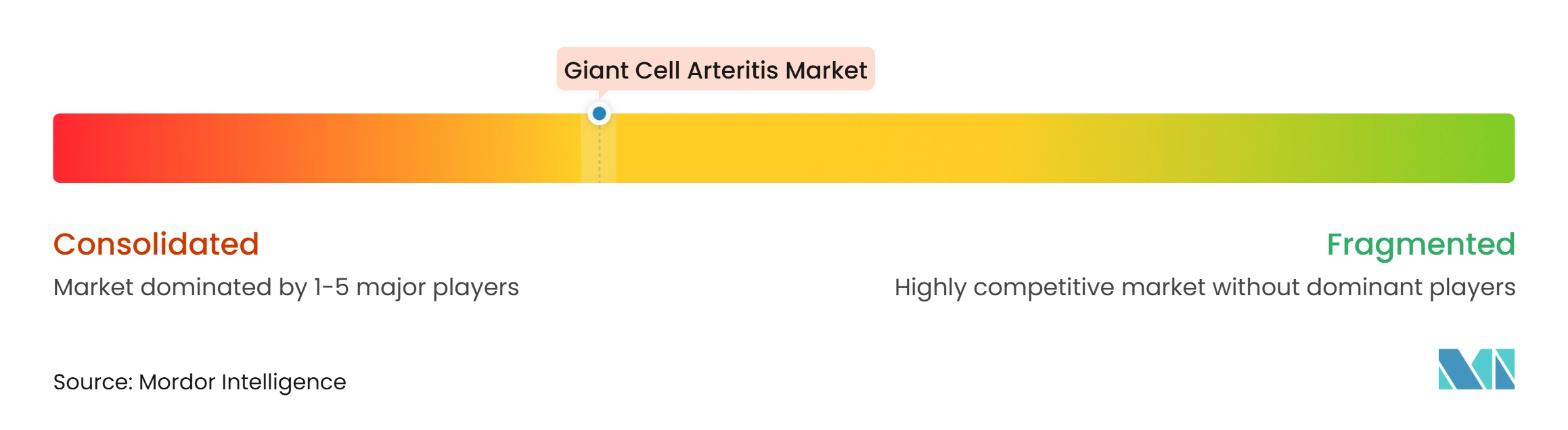
The giant cell arteritis market is moderately concentrated around tocilizumab from Roche and Genentech and upadacitinib from AbbVie. These therapies shape the current biologic and targeted treatment setting. Novartis reported in July 2025 that secukinumab did not achieve the primary endpoint in the Phase III GCAptAIN trial. The result reduced the near-term role of IL-17A inhibition in GCA development. Competition is now centered more clearly on IL-6 receptor inhibitors and JAK-1 inhibitors. Tocilizumab biosimilars from Fresenius Kabi, Celltrion, and other manufacturers are increasing price competition in institutional procurement.
AbbVie expanded its position by receiving U.S. approval for upadacitinib in GCA in April 2025. The company also accumulated GCA-specific evidence through the ongoing TILT2 observational study in France beginning in March 2026. This supports a real-world evidence base for the oral treatment. Roche and biosimilar manufacturers are responding to a different commercial environment as lower-cost tocilizumab alternatives increase payer attention. The Giant Cell Arteritis industry includes price-based competition from biosimilars alongside differentiated competition from oral targeted therapies. Payer policies that allow biosimilar substitution can further redirect treatment volume toward lower-cost products.
A remaining treatment gap involves patients with moderate-to-severe relapsing or refractory disease who cannot use IL-6 receptor or JAK inhibitor therapy. Mavrilimumab from Kiniksa showed Phase II flare rates of 19%, compared with 46% for placebo. Phase III development had not begun, and the termination of MedImmune’s global licensing agreement in May 2025 left the asset without an established Phase III path. Sanofi’s sarilumab remains a clinical option for some patients who experience tocilizumab-related adverse events. Its Phase III program was discontinued after recruitment delays related to COVID-19.
Giant Cell Arteritis Industry Leaders
-
F. Hoffmann-La Roche Ltd.
-
AbbVie Inc.
-
Biogen Inc.
-
Fresenius Kabi AG
-
Celltrion Inc.
- *Disclaimer: Major Players sorted in no particular order
Giant Cell Arteritis Market Companies Covered in this Report
- Abbvie
- Amgen
- Biogen
- Bristol-Myers Squibb
- Celltrion
- Dr. Reddy’s Laboratories
- Eli Lilly and Company
- Fresenius
- Roche
- Johnson & Johnson
- Kiniksa Pharmaceuticals, Ltd.
- MorphoSys AG
- Novartis
- Pfizer
- Sanofi
- Sobi AB
- Takeda Pharmaceuticals
- Teva Pharmaceutical Industries
- UCB
Recent Industry Developments in Giant Cell Arteritis Market
- July 2026: Poland's Agency for Health Technology Assessment (AOTMiT) issued President Recommendation 90/2026 supporting positive reimbursement of upadacitinib (Rinvoq) for adult GCA patients, expanding reimbursed access to JAK inhibitor therapy in a Central European market of approximately 38 million people.
- April 2026: Japan's Ministry of Health, Labor and Welfare officially designated GCA as an intractable disease number 41, creating a formal medical expense support program for eligible patients and establishing national diagnosis registry requirements, a move that structurally expands reimbursed pharmaceutical access for the Japanese GCA patient population.
- February 2026: Canada’s Drug Agency issued a conditional positive reimbursement recommendation for upadacitinib for GCA, requiring total treatment costs not to exceed those of tocilizumab and limiting prescribing to rheumatologists experienced in GCA management.
Global Giant Cell Arteritis Market Report Scope
According to the report’s scope, the giant cell arteritis market refers to the industry focused on therapies and diagnostics for giant cell arteritis, an inflammatory disease of blood vessels that can cause vision loss and other serious complications. It includes corticosteroids, biologics, and emerging targeted treatments, with growth driven by the rising prevalence among aging populations, advances in immunology, and increasing awareness of early diagnosis.
The giant cell arteritis market is segmented into therapy type, disease stage, route of administration, distribution channel, and geography. By therapy type, the market is segmented into biologic therapies, corticosteroids, immunosuppressants, and pipeline therapies. The biologic therapies are further segmented into interleukin-6 inhibitors, monoclonal antibody therapies, and targeted immunotherapies. The corticosteroids are further segmented into oral corticosteroids, intravenous corticosteroids, and low-dose maintenance therapy. The immunosuppressants are further segmented into methotrexate, azathioprine, and mycophenolate mofetil. The pipeline therapies are further segmented into JAK inhibitors, GM-CSF inhibitors, and novel small molecules. By disease stage, the market is segmented into newly diagnosed giant cell arteritis, relapsing giant cell arteritis, and complicated giant cell arteritis. The newly diagnosed giant cell arteritis is further segmented into cranial giant cell arteritis, large-vessel giant cell arteritis, and early-stage disease. The relapsing giant cell arteritis is further segmented into recurrent disease, steroid-dependent disease, and refractory disease. The complicated giant cell arteritis is further segmented into vision-threatening disease, aortic involvement, and systemic vasculitis. By route of administration, the market is segmented into oral, intravenous, subcutaneous, and other routes of administration. By distribution channel, the market is segmented into hospital pharmacies, retail pharmacies, and online pharmacies. By geography, the market is segmented into North America, Europe, Asia-Pacific, the Middle East and Africa, and South America. The report also covers the estimated market sizes and trends for 17 countries across major regions globally. The report offers values (USD) for all the above segments.
Segmentation Overview
| Biologic Therapies | Interleukin-6 Inhibitors |
| Monoclonal Antibody Therapies | |
| Targeted Immunotherapies | |
| Corticosteroids | Oral Corticosteroids |
| Intravenous Corticosteroids | |
| Low-dose Maintenance Therapy | |
| Immunosuppressants | Methotrexate |
| Azathioprine | |
| Mycophenolate Mofetil | |
| Pipeline Therapies | JAK Inhibitors |
| GM-CSF Inhibitors | |
| Novel Small Molecules |
| Newly Diagnosed Giant Cell Arteritis | Cranial Giant Cell Arteritis |
| Large-vessel Giant Cell Arteritis | |
| Early-stage Disease | |
| Relapsing Giant Cell Arteritis | Recurrent Disease |
| Steroid-dependent Disease | |
| Refractory Disease | |
| Complicated Giant Cell Arteritis | Vision-threatening Disease |
| Aortic Involvement | |
| Systemic Vasculitis |
| Oral |
| Intravenous |
| Subcutaneous |
| Other Routes of Administration |
| Hospital Pharmacies |
| Retail Pharmacies |
| Online Pharmacies |
| North America | United States |
| Canada | |
| Mexico | |
| Europe | Germany |
| United Kingdom | |
| France | |
| Italy | |
| Spain | |
| Rest of Europe | |
| Asia-Pacific | China |
| Japan | |
| India | |
| Australia | |
| South Korea | |
| Rest of Asia-Pacific | |
| Middle East and Africa | GCC |
| South Africa | |
| Rest of Middle East and Africa | |
| South America | Brazil |
| Argentina | |
| Rest of South America |
| By Therapy Type | Biologic Therapies | Interleukin-6 Inhibitors |
| Monoclonal Antibody Therapies | ||
| Targeted Immunotherapies | ||
| Corticosteroids | Oral Corticosteroids | |
| Intravenous Corticosteroids | ||
| Low-dose Maintenance Therapy | ||
| Immunosuppressants | Methotrexate | |
| Azathioprine | ||
| Mycophenolate Mofetil | ||
| Pipeline Therapies | JAK Inhibitors | |
| GM-CSF Inhibitors | ||
| Novel Small Molecules | ||
| By Disease Stage | Newly Diagnosed Giant Cell Arteritis | Cranial Giant Cell Arteritis |
| Large-vessel Giant Cell Arteritis | ||
| Early-stage Disease | ||
| Relapsing Giant Cell Arteritis | Recurrent Disease | |
| Steroid-dependent Disease | ||
| Refractory Disease | ||
| Complicated Giant Cell Arteritis | Vision-threatening Disease | |
| Aortic Involvement | ||
| Systemic Vasculitis | ||
| By Route of Administration | Oral | |
| Intravenous | ||
| Subcutaneous | ||
| Other Routes of Administration | ||
| By Distribution Channel | Hospital Pharmacies | |
| Retail Pharmacies | ||
| Online Pharmacies | ||
| By Geography | North America | United States |
| Canada | ||
| Mexico | ||
| Europe | Germany | |
| United Kingdom | ||
| France | ||
| Italy | ||
| Spain | ||
| Rest of Europe | ||
| Asia-Pacific | China | |
| Japan | ||
| India | ||
| Australia | ||
| South Korea | ||
| Rest of Asia-Pacific | ||
| Middle East and Africa | GCC | |
| South Africa | ||
| Rest of Middle East and Africa | ||
| South America | Brazil | |
| Argentina | ||
| Rest of South America | ||
Key Questions Answered in the Report
What is driving growth in the giant cell arteritis treatment market?
Aging populations, earlier diagnosis, and wider use of steroid-sparing therapies support treatment demand. The giant cell arteritis market is forecast to grow from USD 1.90 billion in 2026 to USD 2.02 billion in 2027 and to reach USD 2.89 billion by 2032, at a 7.43% CAGR from 2027 to 2032.
Which therapy type held the largest share in 2026?
Biologic therapies held 48.31% of revenue in 2026, led by the established role of tocilizumab.
Which disease stage is growing fastest?
Relapsing giant cell arteritis is projected to grow at a 9.25% CAGR through 2032 because recurring and refractory disease often needs longer treatment.
Which region is growing fastest for GCA therapies?
Asia-Pacific is forecasted to grow at a 10.26% CAGR through 2032, supported by expanding healthcare infrastructure and treatment access.