
Diabetic Gastroparesis Treatment Market Size and Share
Market Overview
| Study Period | 2021 - 2032 |
|---|---|
| Market Size (2027) | USD 4.28 Billion |
| Market Size (2032) | USD 5.77 Billion |
| Growth Rate (2027 - 2032) | 6.17 % |
| Fastest Growing Market | Asia-Pacific |
| Largest Market | North America |
| Market Concentration | Medium |
Major Players *Disclaimer: Major Players sorted in no particular order Image © Mordor Intelligence. Reuse requires attribution under CC BY 4.0. | |
Diabetic Gastroparesis Treatment Market Analysis by Mordor Intelligence
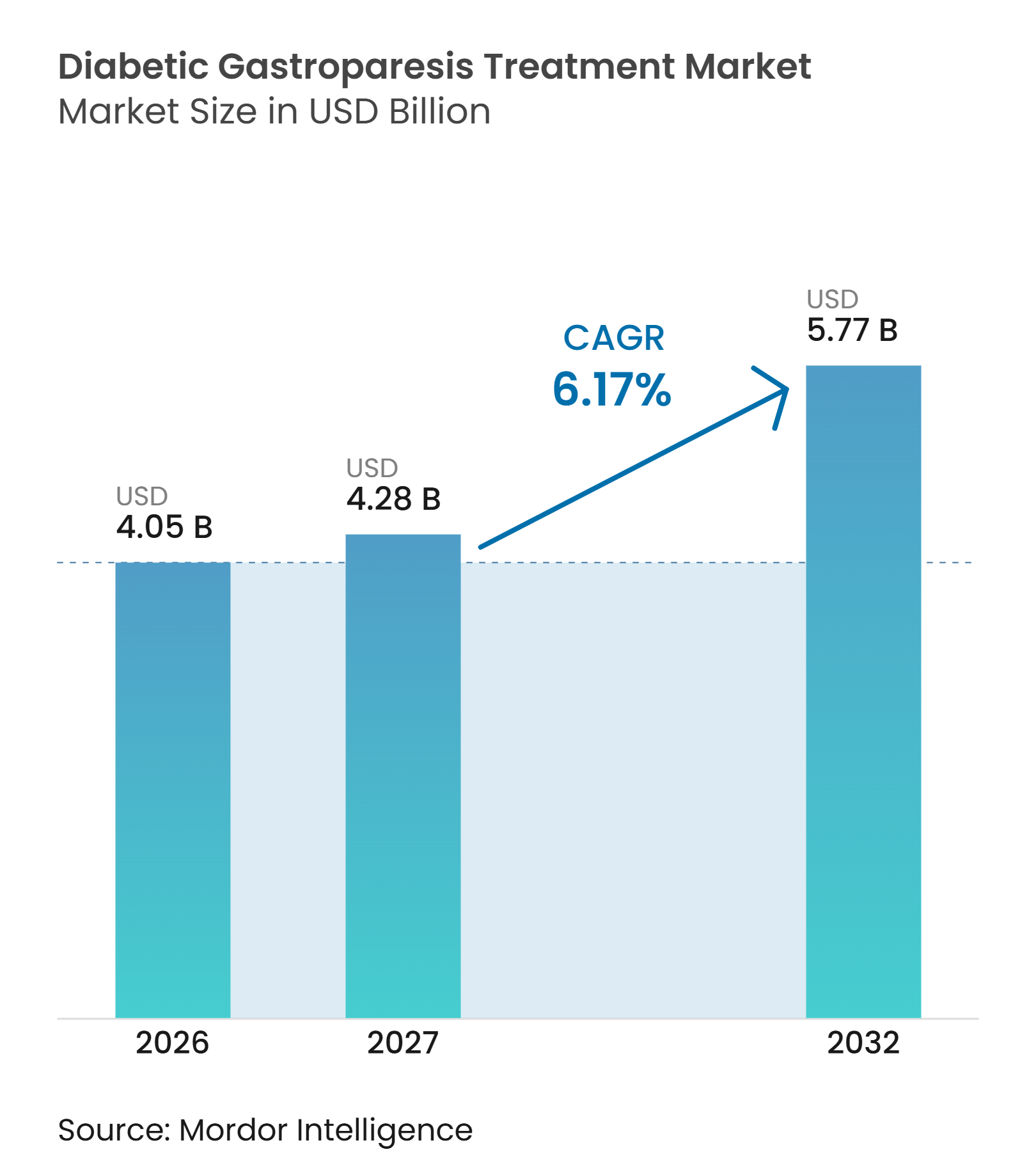
The Diabetic Gastroparesis Treatment Market size was valued at USD 4.05 billion in 2026 and is estimated to grow from USD 4.28 billion in 2027 to reach USD 5.77 billion by 2032, at a CAGR of 6.17% during the forecast period (2027-2032).
The diabetic gastroparesis treatment market is supported by a growing population living with long-duration diabetes, which is more likely to experience impaired gastric emptying. A 2025 review reported a 10-year cumulative gastroparesis incidence of 5% among people with type 1 diabetes and 1% among people with type 2 diabetes. The diabetic gastroparesis treatment market also benefits as care shifts toward earlier diagnosis, structured specialist referral, and treatment options that do not depend on reliable oral absorption. New delivery formats and late-stage prokinetic candidates may broaden treatment choices, while procedural care is becoming more accessible for patients whose symptoms persist after medication. Safety limits for metoclopramide and uneven diagnostic practices continue to constrain the diabetic gastroparesis treatment market.
Key Report Takeaways
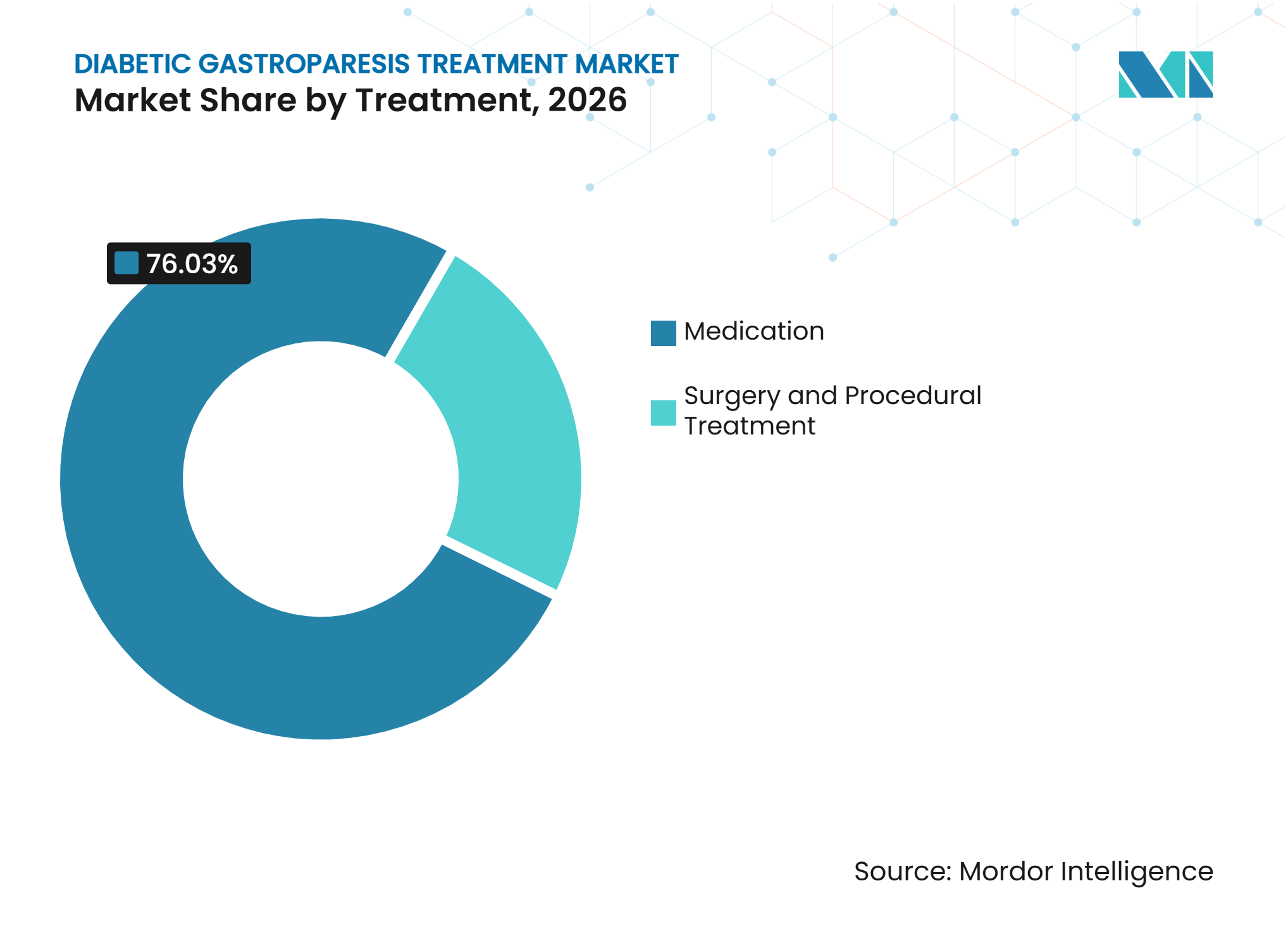
- By treatment, medication held a 76.03% share in 2026, while surgery and procedural treatment is forecast to grow at an 8.01% CAGR through 2032.
- By route of administration, oral formulations held a 68.83% share in 2026, while injectables are forecast to grow at an 8.53% CAGR through 2032.
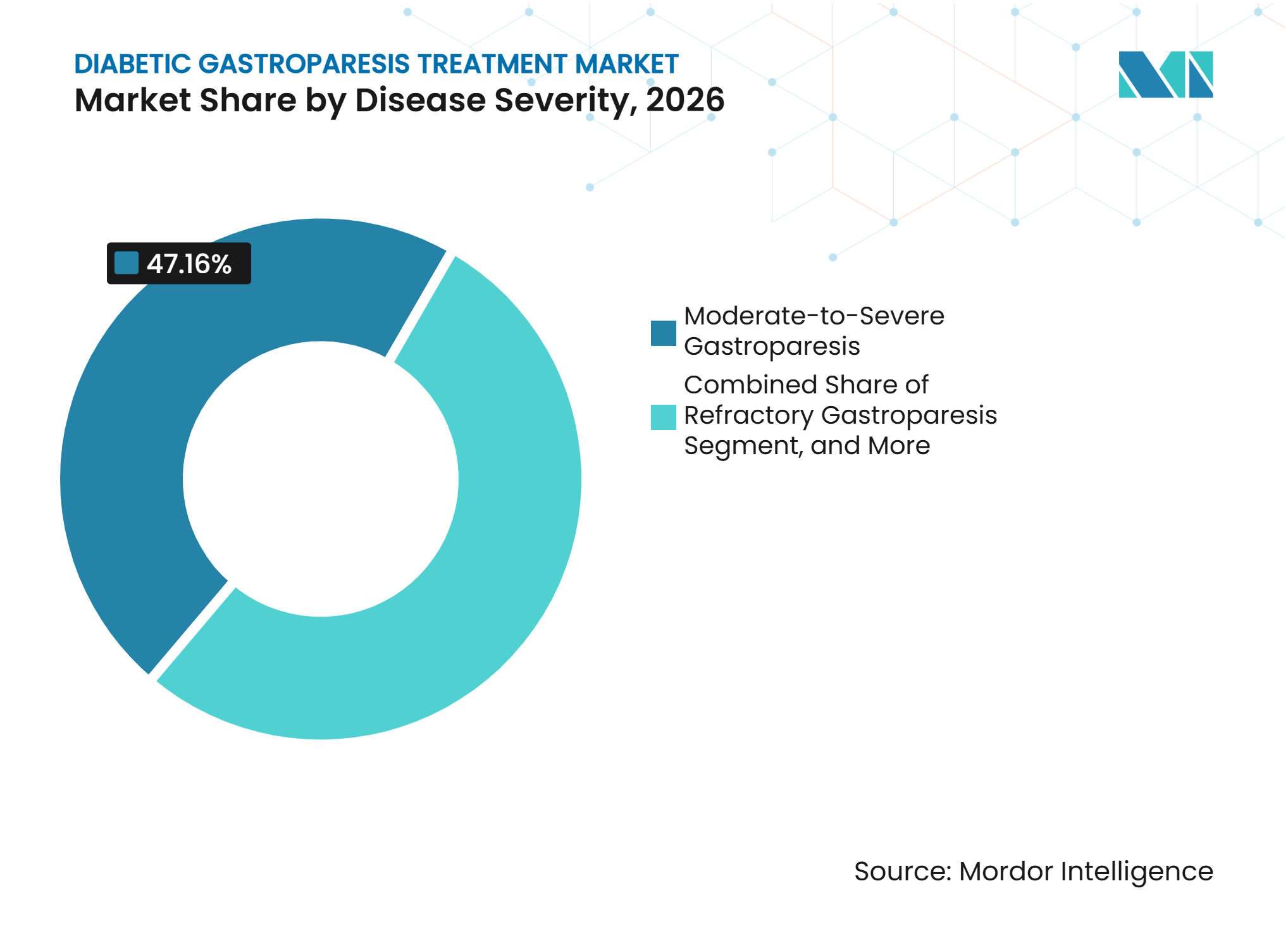
- By disease severity, moderate-to-severe gastroparesis held a 47.16% share in 2026, while refractory gastroparesis is forecast to grow at an 8.63% CAGR through 2032.
- By patient type, type 2 diabetes-associated gastroparesis held an 82.63% share in 2026, while post-surgical diabetic gastroparesis is forecast to grow at an 8.28% CAGR through 2032.
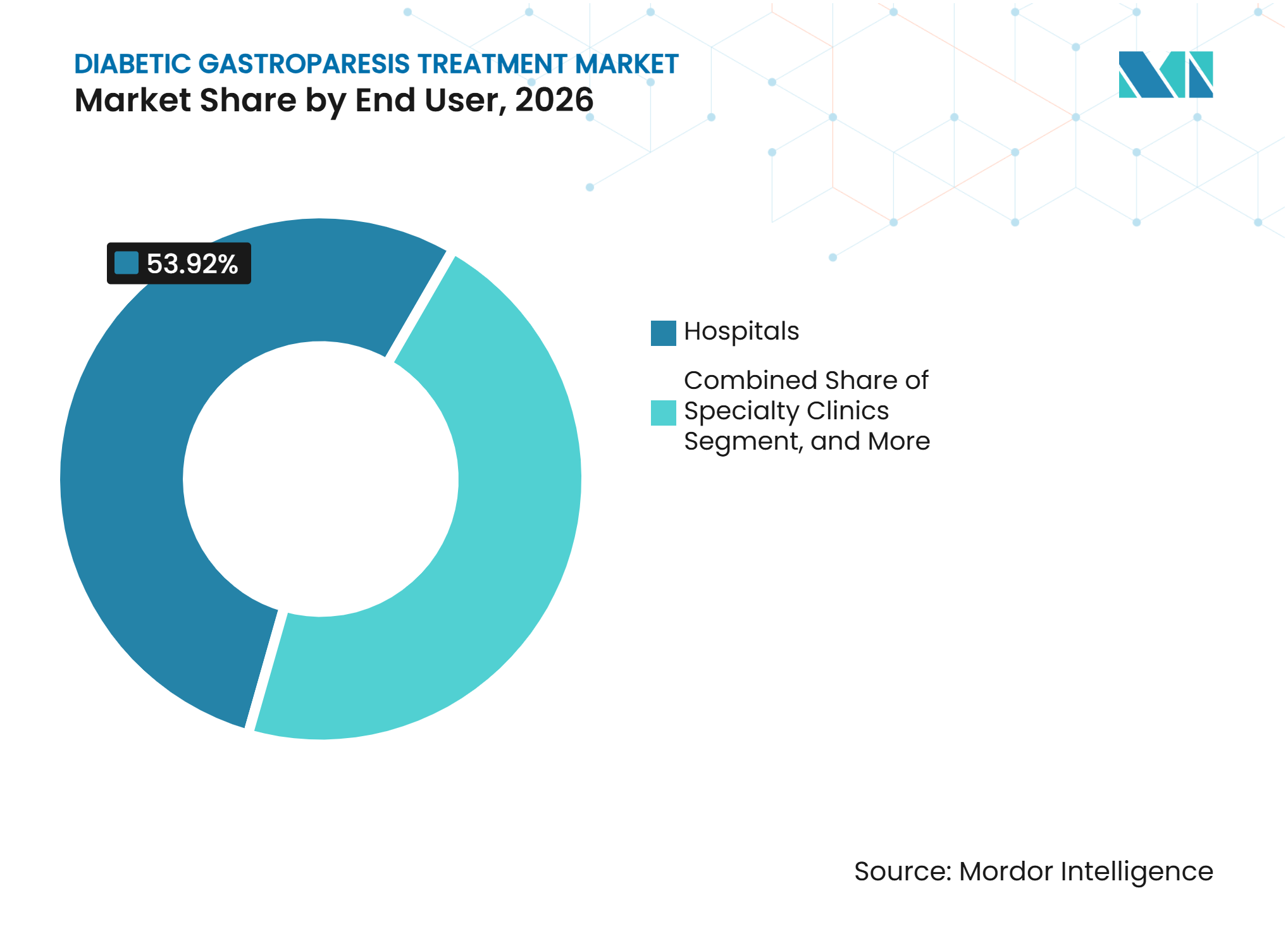
- By end user, hospitals held a 53.92% share in 2026, while specialty clinics are forecast to grow at a 7.76% CAGR through 2032.
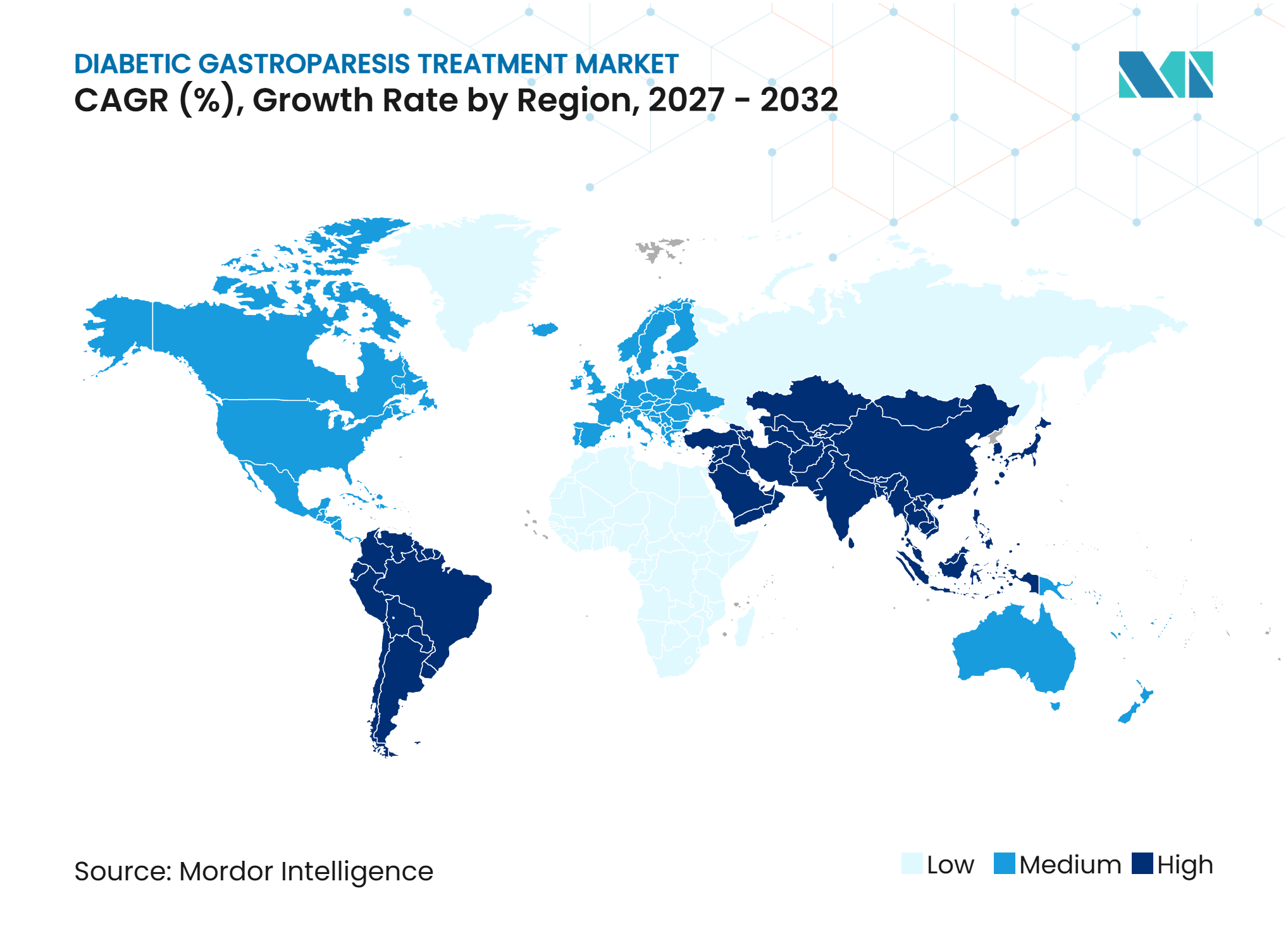
- By geography, North America held a 42.31% share in 2026, while Asia-Pacific is forecast to grow at a 9.26% CAGR through 2032.
Note: Market numbers in this report are based on Mordor Intelligence's proprietary estimation framework, which combines nine months of actuals with Q4 projections for base year 2026.
Market Trends and Insights
Drivers Impact Analysis of Diabetic Gastroparesis Treatment Market*
| Driver | (~) % Impact on CAGR Forecast | Geographic Relevance | Impact Timeline |
|---|---|---|---|
| Rising Diabetes Prevalence and Complication Burden | +2.1% | Global | Long term (≥ 4 years) |
| Growing Diagnosis and Gastroenterology Specialty Care | +1.3% | North America and Europe | Medium term (2-4 years) |
| Demand for Long-Term Symptom Control | +0.7% | Global | Long term (≥ 4 years) |
| Expansion of Specialty Clinics and Care Pathways | +0.6% | North America and Asia-Pacific | Medium term (2-4 years) |
| Locally Acting Prokinetic Pipeline Advances | +0.9% | Global, with early gains in the United States and Europe | Short term (≤ 2 years) |
| Improved Oral and Nasal Delivery for Delayed Gastric Emptying | +0.7% | North America | Medium term (2-4 years) |
| Source: Mordor Intelligence | |||
Rising Diabetes Prevalence and Complication Burden
Diabetic gastroparesis becomes more likely as diabetes duration increases, which enlarges the clinically relevant patient pool for the diabetic gastroparesis treatment market. A 2026 cross-sectional study of 485 patients found that diabetes lasting more than 10 years was associated with higher rates of impaired gastric emptying.[1] This pattern matters because patients can develop substantial symptom burden before they receive a formal diagnosis. A 2025 study of 3,542 people with diabetes in Palestine found that only 1.9% of those whose symptom scores were consistent with gastroparesis had received a clinical diagnosis.[2] The gap between symptoms and diagnosis leaves patients without a structured treatment pathway. As awareness improves, this group can enter specialist care and increase demand for medication, nutritional management, and procedural treatment.
Growing Diagnosis and Gastroenterology Specialty Care
Clearer diagnostic guidance can expand the treated population in the diabetic gastroparesis treatment market. The American Gastroenterological Association guideline published in 2025 recommends 4-hour gastric emptying scintigraphy instead of shorter testing protocols. The guideline reported that 4-hour testing can identify 25% more cases than 2-hour testing. It also conditionally supports metoclopramide and erythromycin as first-line treatment options. These recommendations give gastroenterologists a more consistent basis for diagnosis and prescribing. They also support specialist referral pathways when first-line treatment does not control symptoms.
Locally Acting Prokinetic Pipeline Advances
The diabetic gastroparesis treatment market has limited approved drug options, which increases interest in candidates designed to reduce systemic adverse effects. Naronapride is an orally administered, gut-restricted agent that combines 5-HT4 agonism with D2 receptor antagonism. Dr. Falk Pharma reported completion of enrollment for 320 patients in the MOVE-IT Phase 2b study in May 2025.[3] The company stated that Phase 3 planning was underway after the study reached full enrollment. Deudomperidone was also being assessed as a modified molecule intended to address the cardiac liabilities associated with domperidone. These programs show how the diabetic gastroparesis treatment market may move toward therapies that aim to preserve prokinetic activity without relying on centrally active mechanisms.
Improved Oral and Nasal Delivery for Delayed Gastric Emptying
Patients with severe delayed gastric emptying can absorb oral medicines unpredictably, which limits the reliability of oral treatment when symptoms are most severe. This limitation creates room for delivery systems that bypass impaired gastric emptying. A 2025 real-world analysis of 372,700 patients with type 2 diabetes and gastroparesis associated intranasal metoclopramide with 30% fewer acute care episodes than oral metoclopramide. The same analysis reported a median time to first hospitalization of 12 months for intranasal treatment and 7 months for oral treatment. GIMOTI recorded USD 11.1 million in year-to-date net sales through the third quarter of 2025, an increase of 60% from the prior year. This commercial result shows the value that specialist practices may place on administration routes that better match the clinical limitations of gastroparesis.
Restraints Impact Analysis of Diabetic Gastroparesis Treatment Market*
| Restraint | (~) % Impact on CAGR Forecast | Geographic Relevance | Impact Timeline |
|---|---|---|---|
| Metoclopramide Neurologic Safety Constraints | -1.5% | Global, most prominent in the United States | Long term (≥ 4 years) |
| Limited Durable Efficacy Across Symptom Endpoints | -1% | Global | Medium term (2-4 years) |
| Diagnostic Heterogeneity and Delayed Treatment Initiation | -0.8% | Global | Short term (≤ 2 years) |
| Hyperglycemia-Driven Variability in Trial and Real-World Outcomes | -0.5% | Global | Long term (≥ 4 years) |
| Source: Mordor Intelligence | |||
Metoclopramide Neurologic Safety Constraints
Metoclopramide remains the central drug option in the diabetic gastroparesis treatment market, but its safety profile limits long-term use. The product class carries a 12-week use restriction and a boxed warning concerning tardive dyskinesia. A 2025 review of FDA Adverse Event Reporting System data found a reporting odds ratio of 499 for tardive dyskinesia with metoclopramide, with a confidence interval from 486 to 512. The study does not establish an absolute incidence rate, but it supports continued caution among prescribers. Safety concerns can limit persistence on therapy, especially for people with chronic symptoms. The absence of a broadly approved long-term drug alternative leaves clinicians to manage symptoms within a restricted treatment framework.
Diagnostic Heterogeneity and Delayed Treatment Initiation
Diagnostic inconsistency delays access to treatment in the diabetic gastroparesis treatment market. A 2026 study reported symptom-score-based prevalence of 20.8%, compared with 13.1% when gastric emptying scintigraphy confirmed the condition. The study found poor agreement between the two methods, with a Cohen's kappa value of 0.107. A 2025 motility clinic review found confirmed gastroparesis in 19.5% of referred patients, while 44.5% received a functional dyspepsia diagnosis. This uncertainty can postpone medication initiation, complicate reimbursement decisions, and reduce confidence in longer-duration procedural care.
*Our forecasts treat driver/restraint impacts as directional, not additive. The impact forecasts reflect baseline growth, mix effects, and variable interactions.
Diabetic Gastroparesis Treatment Market Segment Analysis
By Treatment:
Medication Remains the Foundation of CareMedication accounted for 76.03% of the diabetic gastroparesis treatment market share in 2026. The position reflects the usual practice of starting with pharmacological care before considering an intervention. Prokinetic agents, especially metoclopramide and erythromycin, remain important first-line treatments under the 2025 American Gastroenterological Association guideline. Antiemetics also remain important for managing nausea and vomiting. A 2025 analysis of emergency department encounters found that 5-HT3 antagonists, including ondansetron, were administered in 61.3% of gastroparesis-related visits. Antidepressants and neuromodulators have a narrower role because the guideline does not recommend nortriptyline as first-line therapy.
Surgery and Procedural Treatment is forecast to grow at an 8.01% CAGR through 2032 in the diabetic gastroparesis treatment market. This category is gaining relevance for people whose symptoms persist despite drug therapy. A multicenter study published in 2025 found that G-POEM reduced the Gastroparesis Cardinal Symptom Index by 37.2%. The study reported recurrence rates of 41.6% for G-POEM and 78.8% for gastric electrical stimulation. Medicare coverage for Enterra GES in the Ambulatory Surgical Center setting began in January 2026. The national average payments were USD 16,244 for the neurostimulator and USD 9,997 for leads. This coverage can support procedural adoption outside hospital operating rooms.



By Route of Administration:
Non-Oral Options Address an Absorption BarrierOral formulations held a 68.83% share in 2026. Their lead reflects established prescribing patterns and broad formulary availability across drug classes. Oral medicines remain appropriate for patients who can maintain reliable absorption. However, delayed gastric emptying can make absorption unpredictable, particularly in severe disease. This creates a mismatch between the route of administration and the condition being treated. Autonomic neuropathy can compound this problem by increasing variation in gastric motility. The diabetic gastroparesis treatment industry therefore needs routes that provide more predictable exposure when oral dosing is unreliable.
Injectables are forecast to grow at an 8.53% CAGR through 2032. Their use includes botulinum toxin injections directed at pyloric dysfunction and subcutaneous metoclopramide in acute care. Injectable prokinetic candidates could broaden this route if they progress through clinical development. Nasal delivery is a separate non-oral option with early clinical and commercial relevance. The real-world study of intranasal metoclopramide showed fewer acute care episodes than oral administration in adults with type 2 diabetes and gastroparesis. The route may be most relevant for patients with symptomatic delayed emptying who require consistent exposure. Its uptake depends on specialist prescribing, coverage, and evidence that it improves care beyond conventional oral therapy.
By Disease Severity:
Refractory Cases Support Interventional CareModerate-to-Severe Gastroparesis commanded a 47.16% share in 2026. This group accounts for a large share of medicine use because clinicians commonly stabilize symptoms before escalating care. Prokinetics and antiemetics are central to symptom control in this setting. Patients with this severity level also form the principal target population for device treatment and newer pharmacological candidates. Naronapride and deudomperidone enrolled patients with moderate-to-severe symptoms in their Phase 2 programs. The group therefore connects the established medication base with the pipeline for alternatives that may be used if conventional options are insufficient.
Refractory Gastroparesis is forecast to grow at an 8.63% CAGR through 2032. These patients are more likely to be considered for specialized procedures after medication does not provide durable symptom control. A 2025 network meta-analysis of 55 studies reported that G-POEM had the greatest short-term symptom benefit among evaluated interventions. The same analysis found that gastric electrical stimulation had the highest efficacy at intermediate follow-up beyond 3 months. These findings support a staged approach rather than a single fixed intervention. Compensated gastroparesis remains more likely to be managed through dietary changes and low-dose prokinetics. That limits branded medicine and procedure use in the mildest severity group.

By Patient Type:
Type 2 Diabetes Provides the Largest Treated PopulationType 2 Diabetes-Associated Gastroparesis held an 82.63% share in 2026. This reflects the much larger global population living with type 2 diabetes than type 1 diabetes. A 2025 review reported that gastroparesis develops in both diabetes types, although the published 10-year cumulative incidence was higher in type 1 diabetes. Type 2 diabetes nevertheless supplies the larger absolute pool of potential patients. Symptom prevalence can exceed formal diagnosis rates, especially after long diabetes duration. Earlier recognition of symptoms may therefore increase the number of people entering pharmacological and specialist care.
Post-Surgical Diabetic Gastroparesis is forecast to grow at an 8.28% CAGR through 2032. This category is associated with the rising use of bariatric and metabolic surgery among people with type 2 diabetes. Anatomical changes after sleeve gastrectomy, gastric bypass, or distal gastrectomy can make standard gastric emptying criteria difficult to apply. This complexity can delay recognition of postoperative delayed gastric emptying. It can also make symptom interpretation more difficult for treating clinicians. No approved therapy carries a specific indication for this subgroup. This leaves a treatment gap for companies that can develop evidence relevant to post-surgical disease.
By End User:
Specialty Clinics Extend the Outpatient PathwayHospitals held a 53.92% share in 2026. Their lead reflects acute presentations that require hydration, control of severe nausea, nutrition support, and procedural resources. A 2025 retrospective study of 406 patients found that 23% experienced hospitalizations during the year. The study also reported higher inpatient use among people with diabetic gastroparesis. Hospitals remain necessary for complex cases and device implantation. However, the extension of GES coverage to the Ambulatory Surgical Center setting can move some procedures into lower-cost outpatient facilities.
Specialty Clinics are forecast to grow at a 7.76% CAGR through 2032. This growth reflects the expansion of gastroenterology and motility-focused care pathways. Large multi-site gastroenterology practices are developing more concentrated routes for patients with motility disorders. The 2025 American Gastroenterological Association guideline supports referral to specialists when first-line treatment is unsuccessful. Clinics can coordinate diagnostic testing, medication adjustment, nutrition advice, and referral for intervention. They may also be better positioned to evaluate new delivery routes and pipeline treatments. The growing specialty-clinic footprint can make care more structured while reducing unnecessary dependence on acute hospital services.
Geography Analysis
North America
North America held 42.31% of the diabetic gastroparesis treatment market share in 2026. The region has a dense base of gastroenterology and motility specialists, as well as a developed reimbursement framework for medication and procedures. The American Gastroenterological Association cited a United States prevalence of 21 to 24 cases per 100,000 people. The same guidance noted that women represent 75% of diagnosed cases. Medicare coverage of Enterra GES in Ambulatory Surgical Centers took effect in January 2026 and expanded access outside hospital operating rooms. The region also benefits from the availability of FDA-approved metoclopramide formulations and a pipeline that includes differentiated prokinetic candidates.
Asia-Pacific
Asia-Pacific is forecast to grow at a 9.26% CAGR through 2032, the fastest rate among geographic segments in the diabetic gastroparesis treatment market. Growth reflects expanding diabetes populations, higher health spending, and improving access to diagnostic services. Longer diabetes duration, female sex, and poor glycemic control are associated with delayed gastric emptying in a type 2 diabetes cohort from India. Specialist capacity remains limited in many parts of the region, which can leave a large number of patients untreated. Greater use of structured testing and gastroenterology referral could improve identification of symptomatic patients. Reimbursement support for complex medication regimens in South Korea also indicates a more receptive setting for specialist-directed care.
Europe, Middle East and Africa, and South America
Europe is supported by established healthcare systems in Germany, the United Kingdom, and France, where a 2025 consensus framework helped formalize structured gastroparesis management. This gives clinicians a basis to consider care beyond metoclopramide monotherapy. Middle East and Africa have an emerging patient pool as investment in gastroenterology capacity expands in Gulf Cooperation Council countries. A 2025 study in Palestine reported untreated gastroparetic symptoms in 14.5% of people with type 2 diabetes. The finding indicates a sizable diagnostic gap where specialist access remains limited. South America is led by Brazil and Argentina, where generic metoclopramide is available through public-sector channels. Private care may create an early opportunity for reformulated therapies, although broad uptake will depend on affordability and physician access. Across these mixed regions, the diabetic gastroparesis treatment market will expand as diagnostic protocols, specialist care, and reimbursement mature at different speeds.
Competitive Landscape
Market Concentration
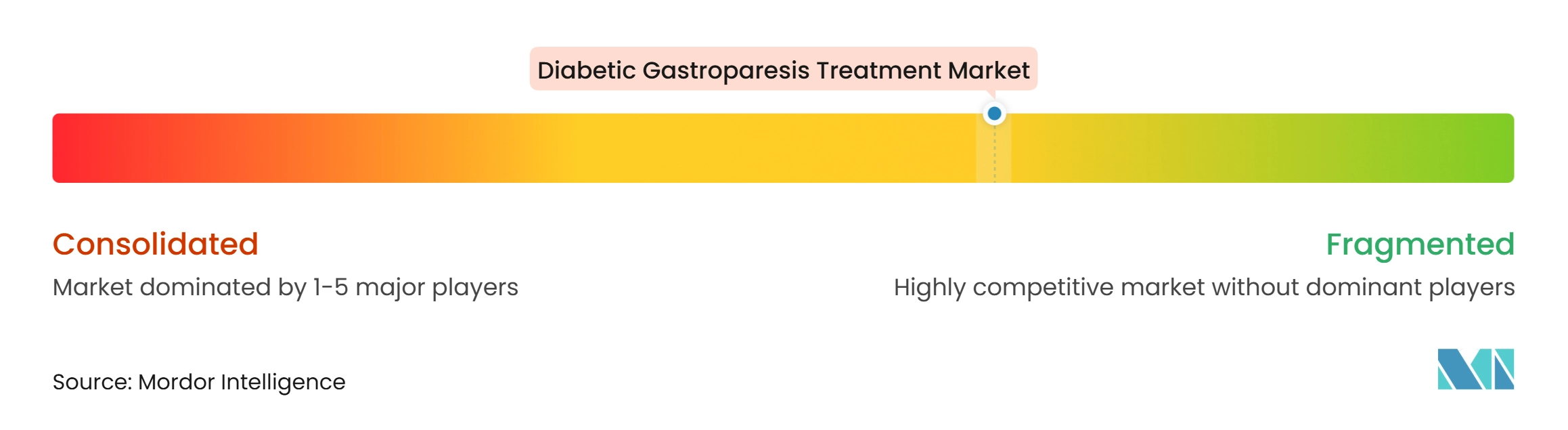
The diabetic gastroparesis treatment market is moderately fragmented. Generic manufacturers account for a substantial share of current metoclopramide volume, while specialty drug companies seek differentiation through formulation and mechanism. Medical device companies compete in the treatment of refractory disease through gastric electrical stimulation and endoscopic procedures. No company has a dominant position because treatment choice is influenced by severity, route of administration, safety, and procedural eligibility. Evoke Pharma secured U.S. Patent No. 12,377,064 for intranasal metoclopramide in August 2025. The company stated that the patent was listed in the FDA Orange Book with exclusivity extending to November 2038.
Pipeline competition focuses on alternatives that could overcome the safety limits of existing therapies. Dr. Falk Pharma completed enrollment of 320 patients in the global Phase 2b MOVE-IT trial of naronapride in May 2025. Naronapride is designed to act locally in the gut, which could reduce systemic exposure relative to centrally active agents. Enterra Medical is also examining gastric electrical stimulation in the NAVIGATE study for chronic nausea in people with normal gastric emptying. The study received FDA Breakthrough Device designation, according to the company. These moves show that growth strategies combine better drug delivery, new pharmacological mechanisms, and possible expansion of device use beyond established patient groups.
Several needs remain insufficiently served. Post-surgical diabetic gastroparesis lacks a therapy approved specifically for that patient group. Long-term maintenance is also an unmet need because metoclopramide has a 12-week use restriction. Better patient selection is another area of competition, because clinicians need to distinguish gastroparesis from functional dyspepsia before assigning treatment. Companies that can pair a treatment with clearer diagnostic selection may improve adoption in specialist settings. The competitive structure therefore remains divided among generic medicines, differentiated formulations, pipeline agents, devices, and procedural providers.
Diabetic Gastroparesis Treatment Industry Leaders
-
Abbott Laboratories
-
Boston Scientific Corporation
-
Fresenius Kabi AG
-
Johnson & Johnson
-
Medtronic plc
- *Disclaimer: Major Players sorted in no particular order
Diabetic Gastroparesis Treatment Market Companies Covered in this Report
- Abbott Laboratories
- ANI Pharmaceuticals
- AstraZeneca
- Avenacy
- Bausch Health
- Boston Scientific
- CinDome Pharma
- Dr. Falk Pharma GmbH
- Evoke Pharma, Inc.
- Fresenius
- Ipca Laboratories
- Johnson & Johnson
- Medtronic
- Neurogastrx
- Pfizer
- Processa Pharmaceuticals, Inc.
- Renexxion, Inc.
- Rhythm Pharmaceuticals, Inc.
- Salix Pharmaceuticals
- Sanofi
- Takeda Pharmaceuticals
- Teva Pharmaceutical Industries
- Theravance Biopharma, Inc.
- Vanda Pharmaceuticals
- Wockhardt Ltd.
Recent Industry Developments in Diabetic Gastroparesis Treatment Market
- May 2026: Dr. Falk Pharma GmbH (“Dr. Falk Pharma”), a research-based pharmaceutical company specializing in digestive and metabolic medicine, and Renexxion Ireland Limited (“Renexxion”), a clinical-stage biopharmaceutical company, had announced positive results from MOVE-IT (NCT05621811), a global Phase 2b, randomized, placebo-controlled trial evaluating the efficacy, safety, and tolerability of naronapride in adults with gastroparesis. The double-blind, multicenter, 12-week study enrolled 328 adults with moderate-to-severe symptoms of idiopathic or diabetic gastroparesis and objective evidence of delayed gastric emptying. Eligible patients received 10 mg, 20 mg, or 40 mg of naronapride, or placebo, orally three times daily (TID) for 12 weeks.
- November 2025: Evoke Pharma entered a definitive merger agreement with QOL Medical for USD 11.00 per share in cash, representing a 139.7% premium to Evoke's then-prevailing share price. The transaction consolidated GIMOTI, the only FDA-approved nasal spray for diabetic gastroparesis, within QOL Medical's specialty GI commercial infrastructure, signaling the strategic value acquirers assign to delivery-system differentiation in this indication.
- August 2025: Evoke Pharma received U.S. Patent No. 12,377,064 from the USPTO, covering intranasal metoclopramide in patients with moderate-to-severe gastroparesis symptoms. Patent term adjustments extended market exclusivity to November 2038, and the patent was subsequently listed in the FDA Orange Book.
- May 2025: Renexxion Ireland and Dr. Falk Pharma completed global enrollment of 320 patients in the Phase 2b MOVE-IT trial of naronapride, with Phase 3 planning underway across multiple geographies.
Global Diabetic Gastroparesis Treatment Market Report Scope
The Diabetic Gastroparesis Treatment Market comprises pharmaceutical therapies, medical procedures, and supportive care solutions used for the management of gastroparesis associated with diabetes mellitus. Diabetic gastroparesis is a chronic gastrointestinal disorder characterized by delayed gastric emptying in the absence of mechanical obstruction, resulting from diabetes-induced damage to the vagus nerve and gastrointestinal neuromuscular system.
The Diabetic Gastroparesis Treatment Market is segmented based on treatment, route of administration, disease severity, patient type, end user, and geography. By treatment, the market is categorized into medication and surgery and procedural treatment, with medication further segmented into prokinetic agents, antiemetic agents, antidepressants and neuromodulators, motilin receptor agonists, 5-HT4 receptor agonists, dopamine receptor antagonists, and other medications, including NK1 receptor antagonists and botulinum toxin injections. Based on route of administration, the market covers oral, injectable, nasal, and other administration routes. By disease severity, the market is analyzed across compensated gastroparesis, moderate-to-severe gastroparesis, refractory gastroparesis, and gastric failure. Based on patient type, the study includes type 1 diabetes-associated gastroparesis, type 2 diabetes-associated gastroparesis, and post-surgical diabetic gastroparesis. By end user, the market is segmented into hospitals, specialty clinics, homecare settings, and ambulatory surgical centers. Geographically, the market covers North America (United States, Canada, and Mexico), Europe (Germany, the United Kingdom, France, Italy, Spain, and Rest of Europe), Asia-Pacific (China, Japan, India, Australia, South Korea, and Rest of Asia-Pacific), Middle East & Africa (GCC, South Africa, and Rest of Middle East & Africa), and South America (Brazil, Argentina, and Rest of South America).
Segmentation Overview
| Medication | Prokinetic Agents |
| Antiemetic Agents | |
| Antidepressants and Neuromodulators | |
| Motilin Receptor Agonists | |
| 5-HT4 Receptor Agonists | |
| Dopamine Receptor Antagonists | |
| Other Medications (NK1 Receptor Antagonists and Botulinum Toxin Injections, among others) | |
| Surgery and Procedural Treatment |
| Oral |
| Injectables |
| Nasal |
| Other Routes of Administration |
| Compensated Gastroparesis |
| Moderate-to-Severe Gastroparesis |
| Refractory Gastroparesis |
| Gastric Failure |
| Type 1 Diabetes-Associated Gastroparesis |
| Type 2 Diabetes-Associated Gastroparesis |
| Post-Surgical Diabetic Gastroparesis |
| Hospitals |
| Specialty Clinics |
| Homecare |
| Ambulatory Surgical Centers |
| North America | United States |
| Canada | |
| Mexico | |
| Europe | Germany |
| United Kingdom | |
| France | |
| Italy | |
| Spain | |
| Rest of Europe | |
| Asia-Pacific | China |
| Japan | |
| India | |
| Australia | |
| South Korea | |
| Rest of Asia-Pacific | |
| Middle East & Africa | GCC |
| South Africa | |
| Rest of Middle East & Africa | |
| South America | Brazil |
| Argentina | |
| Rest of South America |
| By Treatment | Medication | Prokinetic Agents |
| Antiemetic Agents | ||
| Antidepressants and Neuromodulators | ||
| Motilin Receptor Agonists | ||
| 5-HT4 Receptor Agonists | ||
| Dopamine Receptor Antagonists | ||
| Other Medications (NK1 Receptor Antagonists and Botulinum Toxin Injections, among others) | ||
| Surgery and Procedural Treatment | ||
| By Route of Administration | Oral | |
| Injectables | ||
| Nasal | ||
| Other Routes of Administration | ||
| By Disease Severity | Compensated Gastroparesis | |
| Moderate-to-Severe Gastroparesis | ||
| Refractory Gastroparesis | ||
| Gastric Failure | ||
| By Patient Type | Type 1 Diabetes-Associated Gastroparesis | |
| Type 2 Diabetes-Associated Gastroparesis | ||
| Post-Surgical Diabetic Gastroparesis | ||
| By End User | Hospitals | |
| Specialty Clinics | ||
| Homecare | ||
| Ambulatory Surgical Centers | ||
| By Geography | North America | United States |
| Canada | ||
| Mexico | ||
| Europe | Germany | |
| United Kingdom | ||
| France | ||
| Italy | ||
| Spain | ||
| Rest of Europe | ||
| Asia-Pacific | China | |
| Japan | ||
| India | ||
| Australia | ||
| South Korea | ||
| Rest of Asia-Pacific | ||
| Middle East & Africa | GCC | |
| South Africa | ||
| Rest of Middle East & Africa | ||
| South America | Brazil | |
| Argentina | ||
| Rest of South America | ||
Key Questions Answered in the Report
What is the projected value of diabetic gastroparesis treatment by 2032?
The diabetic gastroparesis treatment market is projected to reach USD 5.77 billion by 2032, expanding at a 6.17% CAGR from 2027 to 2032. The diabetic gastroparesis treatment market is supported by longer diabetes duration, earlier diagnosis, specialist referral, and treatment approaches that can manage symptoms when oral absorption is unreliable.
Which treatment type accounts for the largest share of diabetic gastroparesis care?
Medication leads with a 76.03% share in 2026 because drug therapy is generally used before procedural intervention. In the diabetic gastroparesis treatment market, prokinetics and antiemetics remain central options, while newer medicines aim to address the safety and efficacy limits that restrict long-term use of current pharmacological treatment.
Why are procedural options gaining use for diabetic gastroparesis?
Surgery and Procedural Treatment is forecast to grow at an 8.01% CAGR as G-POEM and gastric electrical stimulation are used for patients with refractory symptoms. The diabetic gastroparesis treatment market also benefits from coverage in Ambulatory Surgical Centers, which can move eligible GES procedures beyond hospital operating rooms and improve access to intervention.
Which route of administration is growing the fastest?
Injectables are projected to grow at an 8.53% CAGR through 2032, supported by intrapyloric injections, acute care use, and candidate therapies in development. Non-oral treatment can be valuable when delayed gastric emptying makes oral drug absorption inconsistent, and intranasal metoclopramide has shown fewer acute care episodes than oral administration in a large real-world analysis.