
Argininosuccinic Aciduria Market Size and Share
Market Overview
| Study Period | 2021 - 2032 |
|---|---|
| Market Size (2027) | USD 162.15 Million |
| Market Size (2032) | USD 192.95 Million |
| Growth Rate (2027 - 2032) | 3.54 % |
| Fastest Growing Market | Asia-Pacific |
| Largest Market | North America |
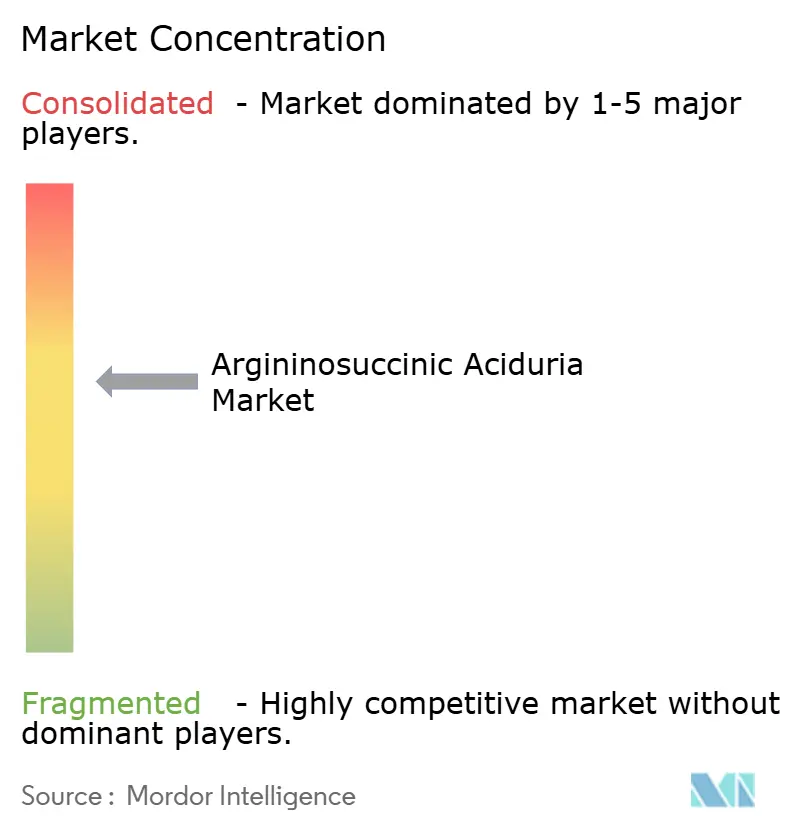
| Market Concentration | Medium |
Major Players *Disclaimer: Major Players sorted in no particular order Image © Mordor Intelligence. Reuse requires attribution under CC BY 4.0. | |
Argininosuccinic Aciduria Market Analysis by Mordor Intelligence
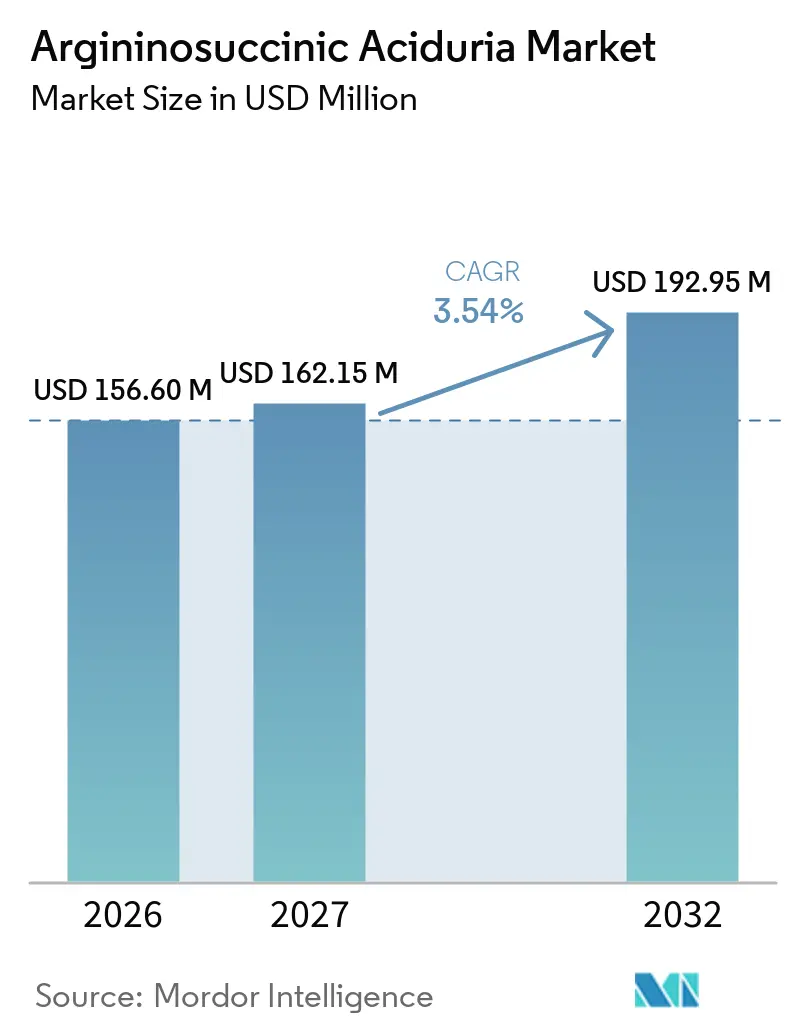
The Argininosuccinic Aciduria Market size is expected to increase from USD 156.60 million in 2026 to USD 162.15 million in 2027 and reach USD 192.95 million by 2032, growing at a CAGR of 3.54% over 2027-2032.
The argininosuccinic aciduria market is shaped by the ongoing need for long-term disease management, as argininosuccinate lyase deficiency requires continuous dietary control, supplementation, and hyperammonemia treatment. Newborn screening facilitates earlier diagnosis and entry into treatment pathways, extending the duration of patient care. In the United States, generic glycerol phenylbutyrate is enhancing treatment access while increasing pricing pressure in the argininosuccinic aciduria market. Meanwhile, advances in mRNA therapies, RNA editing, and base editing could broaden the treatment landscape, although these approaches remain investigational. Overall, the market’s commercial potential is constrained by the small patient population and the availability of established, low-cost dietary and supplement-based management options.
Key Report Takeaways
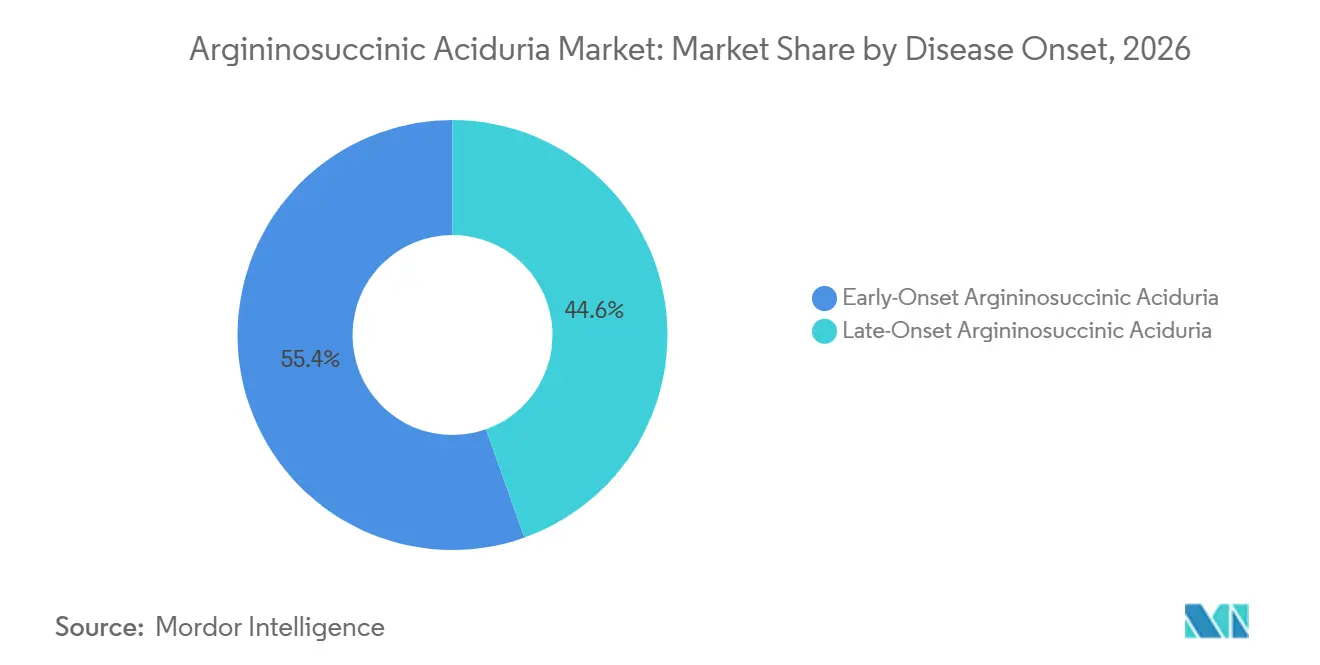
- By disease onset, early-onset ASA held 55.4% of revenue in 2026, while late-onset ASA is forecast to grow at a 5.6% CAGR through 2032.
- By diagnosis pathway, newborn-screening-identified cases held 60.5% of revenue in 2026, while molecularly confirmed cases are forecast to grow at a 5.8% CAGR through 2032.
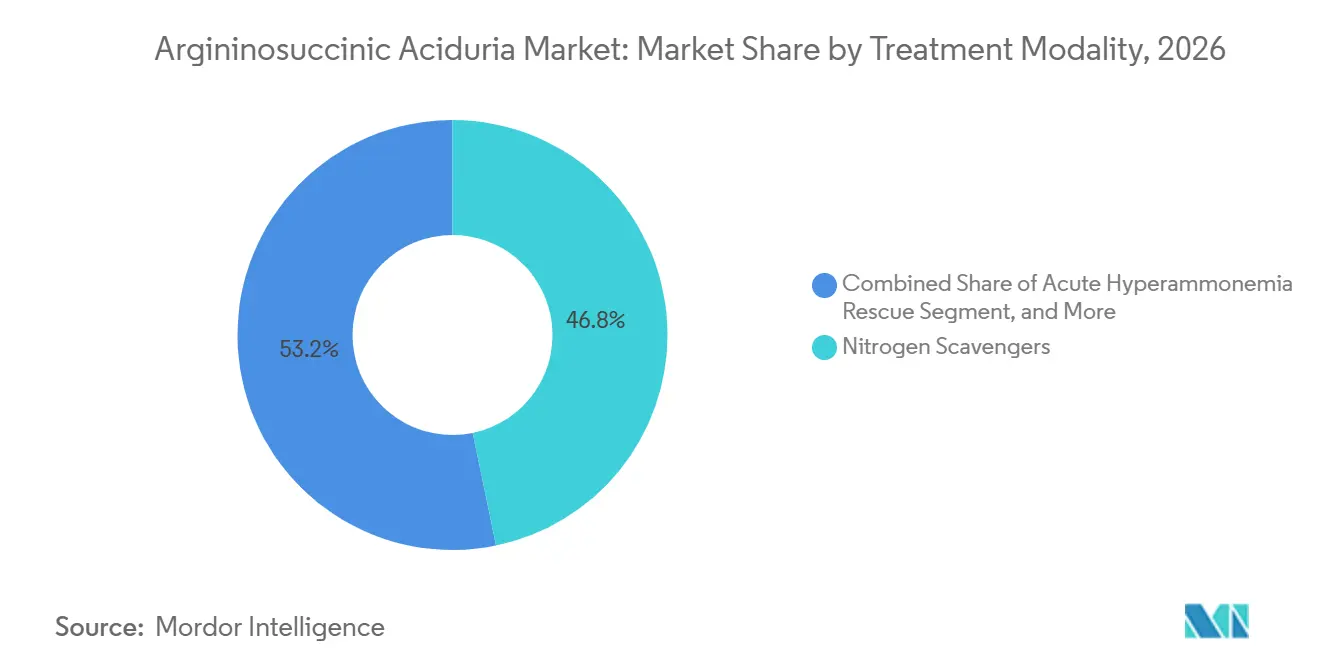
- By treatment modality, nitrogen scavengers held 46.8% of revenue in 2026, while liver transplantation-linked care is forecast to grow at a 6.4% CAGR through 2032.
- By product, glycerol phenylbutyrate oral liquid held 55.8% of revenue in 2026 and is forecast to grow at a 5.9% CAGR through 2032.
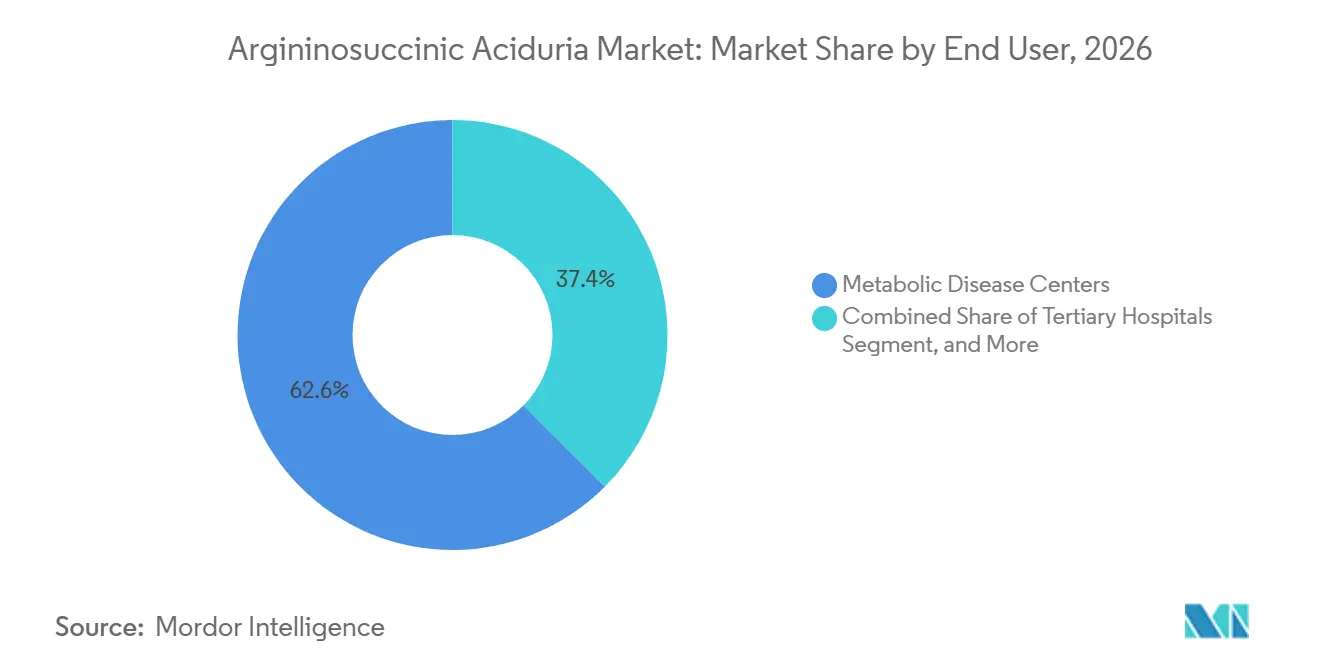
- By end user, metabolic disease centers held 62.6% of revenue in 2026, while specialty pharmacies and home care are forecast to grow at a 6.9% CAGR through 2032.
- By route of administration, oral administration held 68.8% of revenue in 2026, while enteral tube administration is forecast to grow at a 6.4% CAGR through 2032.
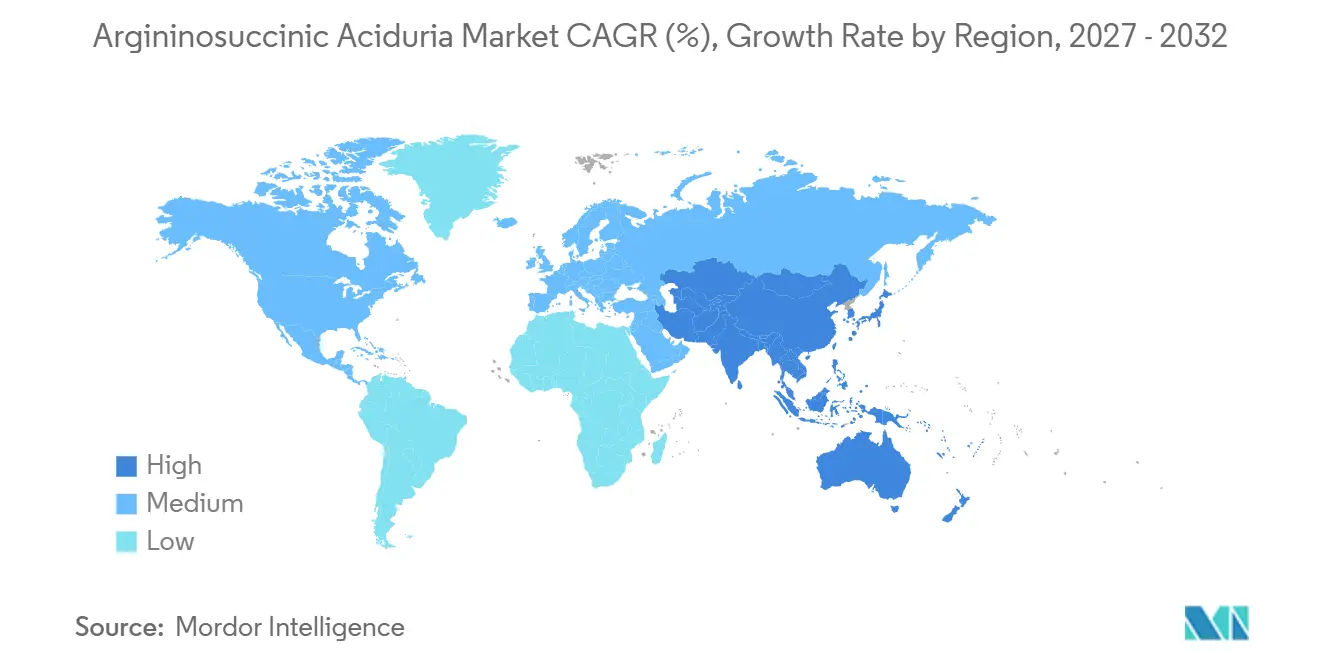
- By geography, North America held 42.7% of revenue in 2026, while Asia-Pacific is forecast to grow at a 4.7% CAGR through 2032.
Note: Market numbers in this report are based on Mordor Intelligence's proprietary estimation framework, which combines nine months of actuals with Q4 projections for base year 2026.
Market Trends and Insights
Drivers Impact Analysis of Argininosuccinic Aciduria Market*
| Driver | (~) % Impact on CAGR Forecast | Geographic Relevance | Impact Timeline |
|---|---|---|---|
| Expansion of Newborn Screening and Earlier Case Finding | +0.60% | Global, concentrated in Europe, Asia-Pacific, and North America | Short term (≤ 2 years) |
| Greater Use of Molecular Confirmation After Abnormal Citrulline Screens | +0.30% | North America and Europe | Short term (≤ 2 years) |
| Transition From Brand-Only Nitrogen Scavenging to Multisource Supply | +0.40% | North America, primarily, and Europe | Medium term (2-4 years) |
| Regional Rare-Disease Access Expansion Through Specialty Distributors | +0.30% | Middle East, Asia-Pacific, and Rest of World | Medium term (2-4 years) |
| Persistent Neurocognitive and Liver Disease Creates Demand Beyond Ammonia Control | +0.50% | Global | Long term (≥ 4 years) |
| ASL-Targeted RNA, Exosome, Gene-Editing, and Gene-Transfer Research | +0.50% | North America and Europe | Long term (≥ 4 years) |
| Source: Mordor Intelligence | |||
Expansion of Newborn Screening and Earlier Case Finding
Newborn screening serves as a key driver of patient identification in the argininosuccinic aciduria market. In 2024, Norway expanded its newborn screening program to include distal urea cycle defects, including argininosuccinic aciduria (ASA), increasing the total number of screened congenital diseases to 39. A 2025 Chinese study of 101 patients with urea cycle disorders found that newborn screening identified 57% of cases. Patients identified through screening received a diagnosis within the first month of life, while those diagnosed following symptom onset received diagnoses significantly later. In a separate Chinese cohort of patients with ASL deficiency, late-onset patients identified through newborn screening had a median age at diagnosis of 3 months, compared with 3.5 years for patients identified after symptom onset. Earlier diagnosis enables timely implementation of dietary management, supplementation, and nitrogen-scavenger therapy. As diagnostic programs expand, healthcare systems must ensure the availability of reliable confirmatory testing and timely access to treatment.
Transition From Brand-Only Nitrogen Scavenging to Multisource Supply
Multisource supply is reshaping the treatment economics of the argininosuccinic aciduria market. Endo launched the first U.S. generic version of Ravicti, glycerol phenylbutyrate oral liquid, in October 2025. Lupin received U.S. Food and Drug Administration approval for glycerol phenylbutyrate oral liquid in May 2026. Lupin reported that the reference product generated annual sales of USD 337 million for the year ended December 2025. The entry of additional suppliers can improve patient access where insurance coverage restricts the use of branded products. However, it may also erode branded-product revenue and increase payer emphasis on generic substitution. Zevra reported USD 0.8 million in OLPRUVA revenue for full-year 2025 and subsequently reduced its commercial investment, underscoring the challenges of driving product uptake without clear clinical differentiation.
ASL-Targeted RNA, Exosome, Gene-Editing, and Gene-Transfer Research
Research platforms targeting ASL deficiency represent a potential long-term opportunity for the argininosuccinic aciduria market. In 2024, a study evaluated lipid nanoparticle-delivered CRISPR adenine base editors in hepatocytes derived from patients with the Finnish founder ASL variant. The study reported a 1,000-fold reduction in argininosuccinic acid levels and identified no detectable off-target edits in the tested model. Another 2024 study demonstrated that hASL mRNA delivered through lipid nanoparticles restored ureagenesis and corrected glutathione dysregulation in neonatal and adult ASL-deficient mice. These findings support the development of therapeutic approaches that address oxidative stress alongside ammonia control. A WIPO patent application, reportedly published in December 2025, covers mRNA therapies encoding ASS1 and ASL polypeptides for urea cycle disorders. These programs remain in preclinical or early-stage clinical development and do not replace established disease management practices.
Persistent Neurocognitive and Liver Disease Creates Demand Beyond Ammonia Control
Persistent neurological and hepatic effects represent a significant unmet need in the argininosuccinic aciduria market. A 2025 Chinese cohort study of patients with ASL deficiency reported developmental delay in 87% of survivors and liver dysfunction at presentation in 70% of patients with early-onset disease. These outcomes were observed even when ammonia levels were controlled, demonstrating that hyperammonemia does not fully capture the disease burden. Research in ASL-deficient mice identified glutathione dysregulation as a treatment-relevant mechanism. Consequently, programs that evaluate neurological or hepatic outcomes may establish a differentiated clinical evidence base compared with products focused solely on ammonia reduction. However, current evidence does not support an approved therapy for these residual effects.
Restraints Impact Analysis of Argininosuccinic Aciduria Market*
| Restraint | (~) % Impact on CAGR Forecast | Geographic Relevance | Impact Timeline |
|---|---|---|---|
| Ultra-Rare Patient Pool Limits Commercial Trial Economics | -0.50% | Global | Long term (≥ 4 years) |
| Lifelong Dietary and Multimodal Management Dilutes Drug-Only Revenue | -0.40% | Global | Short term (≤ 2 years) |
| Diagnostic Heterogeneity and Underdiagnosis Obscure Treatable Demand | -0.40% | Asia-Pacific, Middle East, and Rest of World | Medium term (2-4 years) |
| Durability, Redosing, and Extrahepatic Disease Barriers for Genetic Therapies | -0.30% | North America and Europe | Long term (≥ 4 years) |
| Source: Mordor Intelligence | |||
Ultra-Rare Patient Pool Limits Commercial Trial Economics
The limited patient pool presents significant challenges to development economics in the argininosuccinic aciduria market. Available evidence estimates U.S. incidence at 1 in 218,750 births, restricting the number of patients eligible for disease-specific clinical studies. This limited population prolongs patient recruitment timelines and constrains the ability to recover development costs through treatment volumes. As a result, sponsors may pursue programs that address multiple urea cycle disorders, including ASA. For instance, Korro’s KRRO-121 targets hyperammonemia across urea cycle disorder genotypes rather than ASA alone. Zevra’s anticipated USD 0.8 million in OLPRUVA revenue in 2025 further underscores the difficulty of achieving commercial scale within a small treated population.
Diagnostic Heterogeneity and Underdiagnosis Obscure Treatable Demand
Clinical variability can delay diagnosis and limit the addressable patient population in the argininosuccinic aciduria market. Early-onset disease may manifest shortly after birth with hyperammonemia and neurological deterioration, while late-onset disease may present with developmental delay, epilepsy, or liver dysfunction, sometimes without elevated ammonia levels. A 2025 Chinese cohort study found that 71.4% of patients were diagnosed after symptom onset rather than through newborn screening. The study also reported that late-onset patients in the screened group developed symptoms between 8 months and 6 years of age despite normal ammonia levels in newborn screening results. The authors recommended adding argininosuccinic acid measurement to screening panels, as citrulline alone may not identify all cases.
*Our forecasts treat driver/restraint impacts as directional, not additive. The impact forecasts reflect baseline growth, mix effects, and variable interactions.
Argininosuccinic Aciduria Market Segment Analysis
By Disease Onset:
Early-Onset ASA Maintains Revenue Leadership While Late-Onset ASA Gains IdentificationEarly-onset ASA is projected to account for 55.4% of disease-onset revenue in 2026. The need for rapid intervention in this patient group, driven by the risk of neurological deterioration from neonatal hyperammonemia, supports sustained treatment demand. Patients typically initiate dietary management, arginine supplementation, and nitrogen-scavenger therapy shortly after diagnosis. This requirement for continuous treatment establishes a durable demand base in the argininosuccinic aciduria market. In the 2025 Chinese ASL-deficiency cohort, 70% of early-onset patients presented with liver dysfunction, reinforcing the need for follow-up care beyond acute ammonia reduction.
The late-onset ASA segment is forecast to grow at a CAGR of 5.6% through 2032. This segment includes adolescents and adults who may remain undiagnosed until molecular testing or symptom-based evaluation occurs. In the Chinese cohort, late-onset patients who did not undergo newborn screening had a median diagnosis age of 13 years, compared with 3 months among newborn-screened late-onset patients. In addition to nitrogen control, late-onset management may require neurological monitoring and liver surveillance. As diagnosis increasingly occurs beyond the neonatal period, the argininosuccinic aciduria market requires care pathways that address the long-term needs of these patients.
By Diagnosis Pathway:
Newborn Screening Provides the Largest Base, and Molecular Confirmation Adds GrowthNewborn screening-identified cases are expected to generate 60.5% of diagnosis-pathway revenue in 2026. Screening reduces the time from birth to diagnosis and facilitates earlier referral of infants to specialist care. In 2024, Norway added distal urea cycle defects, including ASA, to its national screening panel, increasing the program's coverage to 39 congenital diseases. In China, a study of 101 patients with urea cycle disorders reported that newborn screening identified 57% of cases. As screening programs continue to expand, they are expected to establish a more consistent referral flow into the argininosuccinic aciduria market.
Molecularly confirmed cases are forecast to grow at a CAGR of 5.8% through 2032. Molecular confirmation supports the identification of patients with atypical presentations that may not be detected through initial screening profiles, particularly those with mild biochemical abnormalities or later-onset symptoms. The Chinese ASL-deficiency study found that normal ammonia levels during newborn screening did not prevent symptom development in some late-onset patients. Molecular testing also enables providers to differentiate ASL deficiency from other causes of neurological or hepatic symptoms. Symptom-diagnosed cases will remain relevant in regions with limited newborn screening coverage. Accordingly, the argininosuccinic aciduria market will continue to depend on both screening and clinical evaluation pathways.
By Treatment Modality:
Nitrogen Scavengers Lead and Transplant-Linked Care Grows FasterNitrogen scavengers accounted for 46.8% of treatment-modality revenue in 2026. Glycerol phenylbutyrate remains a well-established option for the long-term management of urea cycle disorders. This drug class is used in combination with dietary restrictions and supplementation, rather than as a standalone treatment. A Spanish urea cycle disorder registry reported that 48 patients who transitioned to glycerol phenylbutyrate achieved improved metabolic control and experienced fewer adverse effects[1]. Medical nutrition therapy, protein restriction, and arginine or citrulline supplementation continue to form an integral part of care across disease severities. As a result, the argininosuccinic aciduria market is supported by a multimodal treatment model.
Liver transplantation-linked care is projected to grow at a CAGR of 6.4% through 2032. A 2025 Chinese cohort study of patients with ASL deficiency found that 27.6% underwent liver transplantation. The study reported normalized ammonia levels and liver function in all transplanted patients. The median age at transplantation was 11 months, highlighting the potential for transplant evaluation during infancy when medical therapy is inadequate. Transplantation-linked care includes patient evaluation, perioperative management, post-transplant follow-up, and immunosuppression. Acute hyperammonemia rescue remains a critical component of care when oral management does not adequately control a metabolic crisis.

By Product:
Glycerol Phenylbutyrate Leads Despite Generic Pricing PressureGlycerol phenylbutyrate oral liquid is projected to account for 55.8% of product revenue in 2026, with the glycerol phenylbutyrate segment of the argininosuccinic aciduria market expected to expand at a CAGR of 5.9% through 2032. The product offers practical benefits for long-term treatment, particularly a lower administration volume than sodium phenylbutyrate tablets. OrphanPacific plans to launch Ravicti in Japan in April 2026 following its national health insurance listing. This launch is expected to expand treatment access for Japanese patients with urea cycle disorders and support demand for the leading product.
However, generic competition is expected to erode the leading product's exclusivity. Endo plans to launch a generic glycerol phenylbutyrate oral liquid in the United States in October 2025, while Lupin is expected to receive FDA approval for another generic version in May 2026. Sodium phenylbutyrate products will continue to serve as established alternatives in cost-sensitive formularies. Although Zevra expects OLPRUVA to reach 81% of covered lives and generate USD 0.8 million in revenue in 2025, the outcome indicates that formulary coverage alone may not drive meaningful product uptake. Medical foods and specialized formulas will remain essential where nutritional management forms a core component of patient care.
By End User:
Metabolic Centers Lead and Home-Based Channels ExpandMetabolic Disease Centers accounted for 62.6% of end-user revenue in 2026. These centers serve as the primary point of care for ASA diagnosis, treatment initiation, and long-term patient monitoring. They also coordinate dietary counseling, specialist prescribing, and laboratory follow-up, positioning them as a core component of the argininosuccinic aciduria market. By comparison, tertiary hospitals focus on managing acute hyperammonemia and intensive inpatient care requirements. Patients identified through screening may require hospital-based stabilization during early life. Referral networks between hospitals and metabolic centers facilitate continuity of care across treatment settings.
Specialty Pharmacies and Home Care are forecast to grow at a CAGR of 6.9% through 2032. The long-term nature of treatment is driving demand for delivery models that provide rare-disease medicines and nutritional products directly to patients’ homes. In 2024, Orsini established a metabolic disorder center of excellence with a dedicated urea cycle disorder program. Home delivery helps reduce the logistical burden associated with recurring prescriptions and dietary products. Specialty channels also manage limited-distribution products and coordinate prescription refills. These services complement, rather than replace, the clinical oversight provided by metabolic centers. Consequently, the argininosuccinic aciduria industry is evolving toward an integrated care model that combines specialist prescribing with home-based product supply.
By Route of Administration:
Oral Treatment Leads While Enteral Use Reflects Pediatric NeedOral administration is projected to account for 68.8% of route-of-administration revenue in 2026. Glycerol phenylbutyrate and sodium phenylbutyrate are available in oral formulations for chronic treatment, enabling patients to manage the condition outside hospital settings. A 2026 Saudi Arabian case series noted that palatability and sodium-load concerns associated with sodium-based predecessors prompted clinicians to favor glycerol phenylbutyrate. Adherence remains a key consideration, as daily doses can be substantial relative to body weight. Consequently, oral formulations are expected to remain the leading route of administration in the argininosuccinic aciduria market.
Enteral tube administration is forecast to grow at a CAGR of 6.4% through 2032. This route addresses the treatment requirements of neonates and infants who cannot reliably take medications orally. Neonatal metabolic units can administer liquid nitrogen scavengers through feeding tubes, facilitating consistent treatment for medically complex pediatric patients. In 2025, Zevra published information on administering OLPRUVA through a gastrostomy tube. Intravenous administration remains primarily limited to hospital settings for acute hyperammonemia rescue. Overall, the route mix reflects care requirements across the patient journey, ranging from long-term home-based treatment to emergency stabilization.
Geography Analysis
North America
North America accounted for 42.7% of the argininosuccinic aciduria market share in 2026, maintaining the largest regional position. The region benefits from well-established specialist metabolic care networks, orphan-drug reimbursement frameworks, and high per-patient treatment expenditure. Lupin reported annual sales of USD 337 million for the reference glycerol phenylbutyrate product for the year ended December 2025. Endo launched the first generic glycerol phenylbutyrate liquid in the United States in October 2025, while Lupin’s approval in May 2026 introduced an additional generic alternative. This evolving mix of branded and generic products is expected to keep market access and pricing under close payer scrutiny.
Asia-Pacific is forecast to grow at a CAGR of 4.7% through 2032. Japan represents a key access market, following Ravicti’s national health insurance listing and launch in April 2026. The listed price was JPY 41,455.4 per unit. China is strengthening its diagnostic capacity through regional newborn screening programs. A 2025 study in Xinjiang reported expanded screening of 107,741 neonates between 2019 and 2024 using tandem mass spectrometry[2]. This infrastructure can enhance the identification of inherited metabolic disorders and support earlier intervention. Although Asia-Pacific remains smaller than North America, continued investments in screening and patient access programs underpin its stronger growth outlook.
The Rest of the World remains an early-stage region within the argininosuccinic aciduria market. Immedica received approvals for Ravicti in the United Arab Emirates and Oman in March 2026, following earlier Gulf Cooperation Council approvals in Saudi Arabia, Kuwait, and Qatar. This phased regulatory expansion illustrates how regional licensing strategies can broaden rare-disease access across multiple markets. In Latin America and Sub-Saharan Africa, inconsistent newborn screening may delay diagnosis and restrict regular access to therapy. Available evidence identifies underdiagnosis as a key market barrier in regions where screening infrastructure and specialist care capabilities remain uneven.
Asia-Pacific
Asia-Pacific is forecast to grow at a CAGR of 4.7% through 2032. Japan represents a key access market, following Ravicti’s national health insurance listing and launch in April 2026. The listed price was JPY 41,455.4 per unit. China is strengthening its diagnostic capacity through regional newborn screening programs. A 2025 study in Xinjiang reported expanded screening of 107,741 neonates between 2019 and 2024 using tandem mass spectrometry.
Rest of the World
The Rest of the World remains an early-stage region within the argininosuccinic aciduria market. Immedica received approvals for Ravicti in the United Arab Emirates and Oman in March 2026, following earlier Gulf Cooperation Council approvals in Saudi Arabia, Kuwait, and Qatar. This phased regulatory expansion illustrates how regional licensing strategies can broaden rare-disease access across multiple markets. In Latin America and Sub-Saharan Africa, inconsistent newborn screening may delay diagnosis and restrict regular access to therapy. Available evidence identifies underdiagnosis as a key market barrier in regions where screening infrastructure and specialist care capabilities remain uneven.
Competitive Landscape
The argininosuccinic aciduria (ASA) market is characterized by a limited number of rare-disease, metabolic-care, and generic drug suppliers. Amgen’s Ravicti remains the leading branded glycerol phenylbutyrate product referenced in the available evidence. Lupin cited USD 337 million in reference-product sales for the year ended December 2025 in connection with its anticipated FDA approval for a generic product. Endo’s planned October 2025 generic launch and Lupin’s anticipated May 2026 approval are expected to intensify competition in the U.S. glycerol phenylbutyrate category. Generic substitution may place pressure on branded pricing where formularies prioritize lower-cost alternatives. The ASA market also remains reliant on specialist prescribers, as treatment decisions are closely linked to metabolic care.
Zevra Therapeutics competes in the sodium phenylbutyrate segment through OLPRUVA. The company is expected to report USD 0.8 million in OLPRUVA revenue for the full year 2025 and reduce its commercial investment during the year. Medunik USA participates through Pheburane, while specialty pharmacies play a critical role in dispensing and care coordination. OrphanPacific plans to launch Ravicti in Japan in April 2026 following insurance listing, while Immedica plans to expand Ravicti access to the United Arab Emirates and Oman in March 2026. These developments highlight the importance of geographic licensing and reimbursement access as competitive strategies in the ASA market, particularly in regions with developing specialist-care infrastructure.
The investigational landscape presents a distinct competitive dynamic. Korro plans to dose the first healthy-volunteer cohort in the Phase 1/2 ANCHOR trial of KRRO-121 in October 2026. KRRO-121 targets hyperammonemia across urea cycle disorder genotypes and is not limited to ASA. University-led base-editing and mRNA studies have demonstrated preclinical proof of concept for ASL correction; however, these programs have not established clinical efficacy in patients with ASA. As a result, current competition is primarily driven by market access, generic availability, and formulation options, while genetic therapies remain under investigation.
Argininosuccinic Aciduria Industry Leaders
-
Amgen Inc.
-
Endo, Inc.
-
Immedica Pharma AB
-
Zevra Therapeutics, Inc.
-
Hongkong WinHealth Pharma Group Co. Ltd.
- *Disclaimer: Major Players sorted in no particular order
Argininosuccinic Aciduria Market Companies Covered in this Report
- Acer Therapeutics Inc.
- Amgen
- Arcturus Therapeutics Holdings Inc.
- BioNTech
- Endo, Inc.
- Evox Therapeutics Ltd.
- Genevant Sciences Corporation
- Hongkong WinHealth Pharma Group Co. Ltd.
- Immedica Pharma AB
- Lucane Pharma SA
- Medunik USA
- Nestlé S.A.
- Orphan Pacific, Inc.
- Recordati S.p.A.
- Relief Therapeutics Holding SA
- Selecta Biosciences, Inc.
- Swedish Orphan Biovitrum AB (publ)
- Takeda Pharmaceuticals
- Ultragenyx Pharmaceutical Inc.
- Vitaflo International Ltd.
- Zevra Therapeutics, Inc.
Recent Industry Developments in Argininosuccinic Aciduria Market
- October 2026: Korro Bio dosed the first cohort of healthy volunteers in the Phase 1/2 ANCHOR trial for KRRO-121, a GalNAc-conjugated RNA-editing oligonucleotide designed to generate de novo glutamine synthetase for pan-UCD hyperammonemia control. The UCD patient cohort, with up to 15 participants across UCD genotypes, is expected to be dosed in the first half of 2027, with an interim readout anticipated in the second half of 2027.
- May 2026: Lupin Limited received U.S. FDA approval for Glycerol Phenylbutyrate Oral Liquid 1.1 g/mL, a generic Ravicti product. The reference product recorded USD 337 million in sales for the year ended December 2025.
- April 2026: OrphanPacific, Inc. launched Ravicti in Japan after its National Health Insurance listing at JPY 41,455.4 per unit.
Global Argininosuccinic Aciduria Market Report Scope
According to the report’s scope, argininosuccinic aciduria is a rare inherited urea-cycle disorder caused by a deficiency of argininosuccinate lyase. It leads to ammonia buildup in the blood, which can cause vomiting, lethargy, developmental problems, or severe illness.
The argininosuccinic aciduria market is segmented into disease onset, diagnosis pathway, treatment modality, product, end user, route of administration, and geography. By disease onset, the market is segmented into early-onset argininosuccinic aciduria and late-onset argininosuccinic aciduria. By diagnosis pathway, the market is segmented into newborn-screening-identified cases, symptom-diagnosed cases, and molecularly confirmed cases. By treatment modality, the market is segmented into dietary protein restriction and medical nutrition, arginine and citrulline supplementation, nitrogen scavengers, acute hyperammonemia rescue, and liver transplantation-linked care. By product, the market is segmented into glycerol phenylbutyrate oral liquid, sodium phenylbutyrate tablets and powder, sodium benzoate and combination rescue products, and disease-specific medical foods and formulas. By end-user, the market is segmented into metabolic disease centers, tertiary hospitals, specialty pharmacies and home care, and other end users. By route of administration, the market is segmented into oral, enteral tube, and intravenous. By geography, the market is segmented into North America, Europe, Asia-Pacific, the Middle East and Africa, and South America. The report also covers the estimated market sizes and trends for 17 countries across major regions globally. The report offers values (USD) for all the above segments.
Segmentation Overview
| Early-Onset Argininosuccinic Aciduria |
| Late-Onset Argininosuccinic Aciduria |
| Newborn-Screening-Identified Cases |
| Symptom-Diagnosed Cases |
| Molecularly Confirmed Cases |
| Dietary Protein Restriction and Medical Nutrition |
| Arginine and Citrulline Supplementation |
| Nitrogen Scavengers |
| Acute Hyperammonemia Rescue |
| Liver Transplantation-Linked Care |
| Glycerol Phenylbutyrate Oral Liquid |
| Sodium Phenylbutyrate Tablets and Powder |
| Sodium Benzoate and Combination Rescue Products |
| Disease-Specific Medical Foods and Formula |
| Metabolic Disease Centers |
| Tertiary Hospitals |
| Specialty Pharmacies and Home Care |
| Other End Users |
| Oral |
| Enteral Tube |
| Intravenous |
| North America | United States |
| Canada | |
| Mexico | |
| Europe | Germany |
| United Kingdom | |
| France | |
| Italy | |
| Spain | |
| Rest of Europe | |
| Asia-Pacific | China |
| Japan | |
| India | |
| Australia | |
| South Korea | |
| Rest of Asia-Pacific | |
| Rest of the World |
| By Disease Onset | Early-Onset Argininosuccinic Aciduria | |
| Late-Onset Argininosuccinic Aciduria | ||
| By Diagnosis Pathway | Newborn-Screening-Identified Cases | |
| Symptom-Diagnosed Cases | ||
| Molecularly Confirmed Cases | ||
| By Treatment Modality | Dietary Protein Restriction and Medical Nutrition | |
| Arginine and Citrulline Supplementation | ||
| Nitrogen Scavengers | ||
| Acute Hyperammonemia Rescue | ||
| Liver Transplantation-Linked Care | ||
| By Product | Glycerol Phenylbutyrate Oral Liquid | |
| Sodium Phenylbutyrate Tablets and Powder | ||
| Sodium Benzoate and Combination Rescue Products | ||
| Disease-Specific Medical Foods and Formula | ||
| By End User | Metabolic Disease Centers | |
| Tertiary Hospitals | ||
| Specialty Pharmacies and Home Care | ||
| Other End Users | ||
| By Route of Administration | Oral | |
| Enteral Tube | ||
| Intravenous | ||
| Geography | North America | United States |
| Canada | ||
| Mexico | ||
| Europe | Germany | |
| United Kingdom | ||
| France | ||
| Italy | ||
| Spain | ||
| Rest of Europe | ||
| Asia-Pacific | China | |
| Japan | ||
| India | ||
| Australia | ||
| South Korea | ||
| Rest of Asia-Pacific | ||
| Rest of the World | ||
Key Questions Answered in the Report
What is argininosuccinic aciduria?
Argininosuccinic aciduria is an inherited urea cycle disorder caused by deficient argininosuccinate lyase activity. Management can include dietary restriction, supplementation, nitrogen scavengers, and, in selected cases, liver transplantation.
What is the projected growth rate for argininosuccinic aciduria treatment?
The argininosuccinic aciduria market is forecast to grow at a 3.54% CAGR from 2027 to 2032, reaching USD 192.95 million by 2032.
Which treatment modality held the largest share in 2026?
Nitrogen scavengers held 46.76% of treatment-modality revenue in 2026. Liver Transplantation-Linked Care has the fastest projected growth at a 6.4% CAGR through 2032.
Why is newborn screening important for ASA?
Screening can identify patients much earlier than symptom-led diagnosis. A Chinese study reported that 57% of urea cycle disorder cases were identified through newborn screening.
What is changing in glycerol phenylbutyrate supply?
Endo launched a U.S. generic product in October 2025, and Lupin received FDA approval for another generic product in May 2026.
Which region is expected to grow fastest through 2032?
Asia-Pacific is forecast to grow at a 4.65% CAGR through 2032, supported by new reimbursement access in Japan and expanding newborn-screening capacity in China.