
Porokeratosis Treatment Market Size and Share
Market Overview
| Study Period | 2021 - 2032 |
|---|---|
| Market Size (2027) | USD 1.85 Billion |
| Market Size (2032) | USD 2.58 Billion |
| Growth Rate (2027 - 2032) | 6.85 % |
| Fastest Growing Market | Asia-Pacific |
| Largest Market | North America |
| Market Concentration | Low |
Major Players *Disclaimer: Major Players sorted in no particular order Image © Mordor Intelligence. Reuse requires attribution under CC BY 4.0. | |
Porokeratosis Treatment Market Analysis by Mordor Intelligence
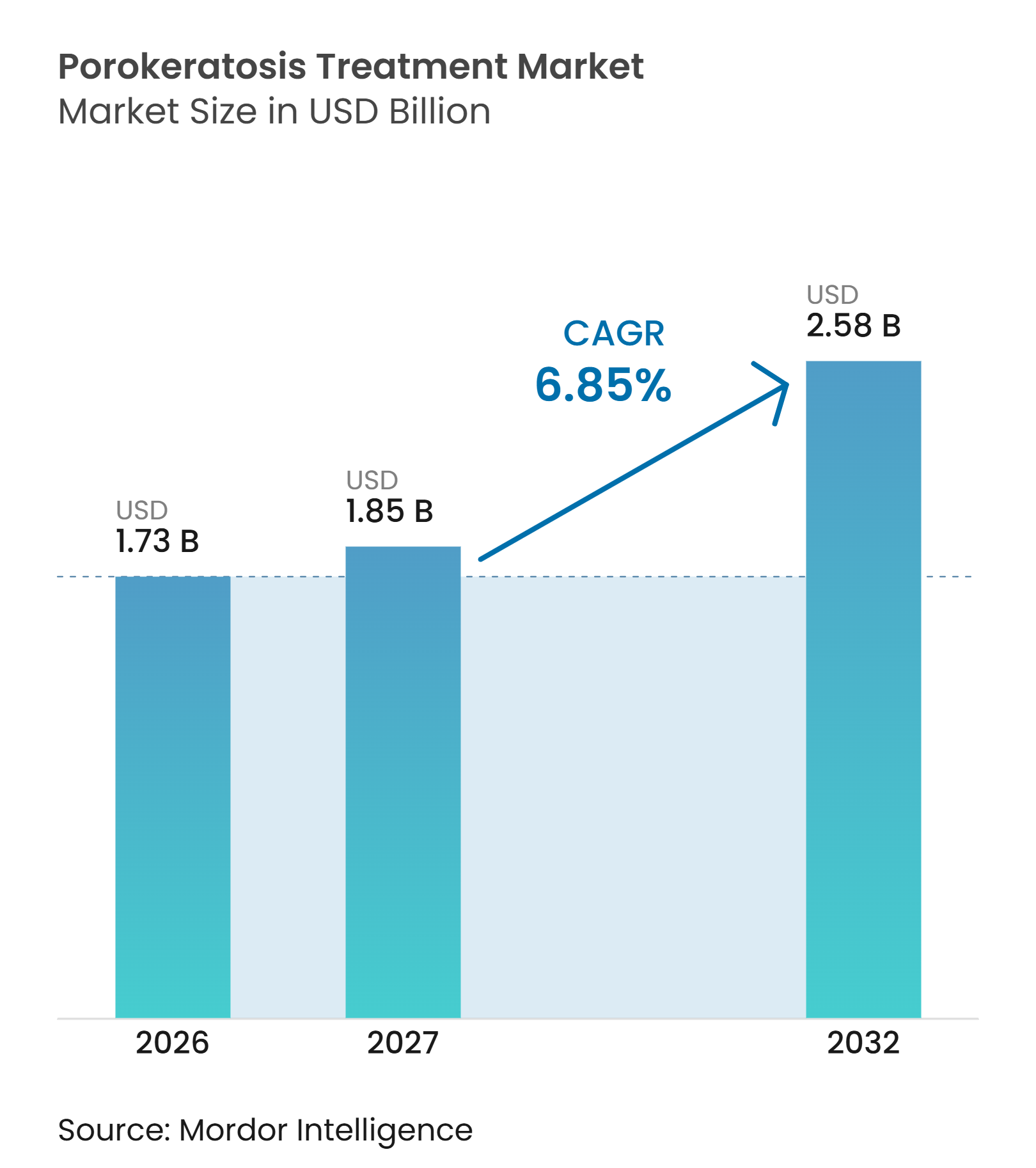
The Porokeratosis Treatment Market is estimated at USD 1.73 billion in 2026 and is projected to grow from USD 1.85 billion in 2027 to USD 2.58 billion by 2032, registering a CAGR of 6.85% during the forecast period (2027-2032). The market is moving from cosmetic management toward sustained care for a cancer-prone inherited skin disorder, which increases the need for diagnosis, surveillance, and recurring treatment. Molecular testing is making it easier to confirm disease-associated mevalonate-pathway variants, supporting family screening and a larger identified patient population. Topical statin treatment, photodynamic therapy, dermoscopy, and genetic testing are expanding the range of clinical options, although no therapy carries a dedicated approved indication. The porokeratosis treatment market also depends on specialist clinics and device-based procedures, where repeated visits and lesion monitoring support service demand. Reimbursement remains uncertain because controlled comparative trials and formal treatment guidelines are limited.
Key Report Takeaways
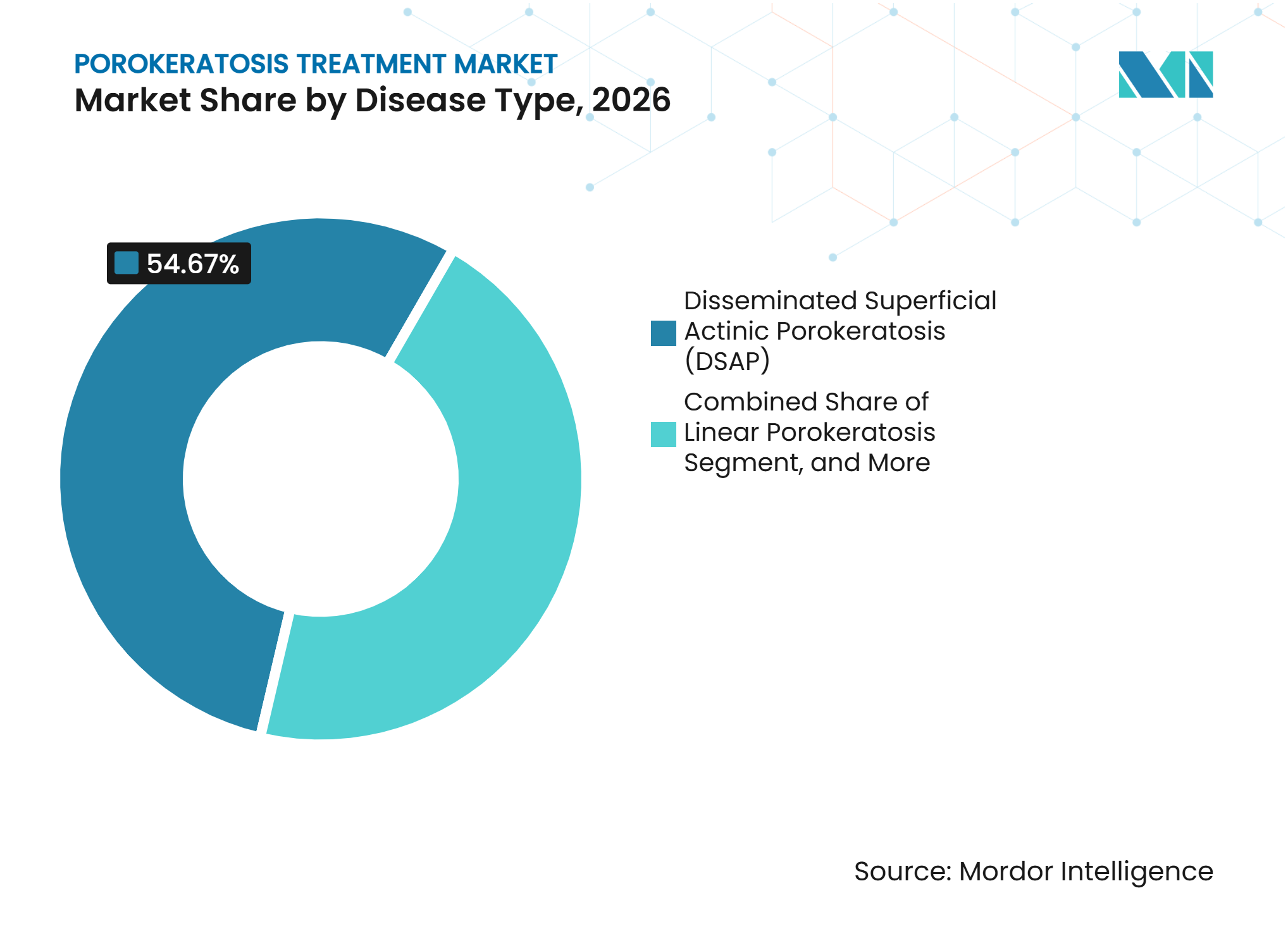
- By disease type, disseminated superficial actinic porokeratosis held 54.67% of the porokeratosis treatment market share in 2026, while linear porokeratosis is forecast to expand at a 7.15% CAGR through 2032.
- By treatment type, topical therapies held 26.48% of porokeratosis treatment market share in 2026, while photodynamic therapy is forecast to expand at a 7.48% CAGR through 2032.
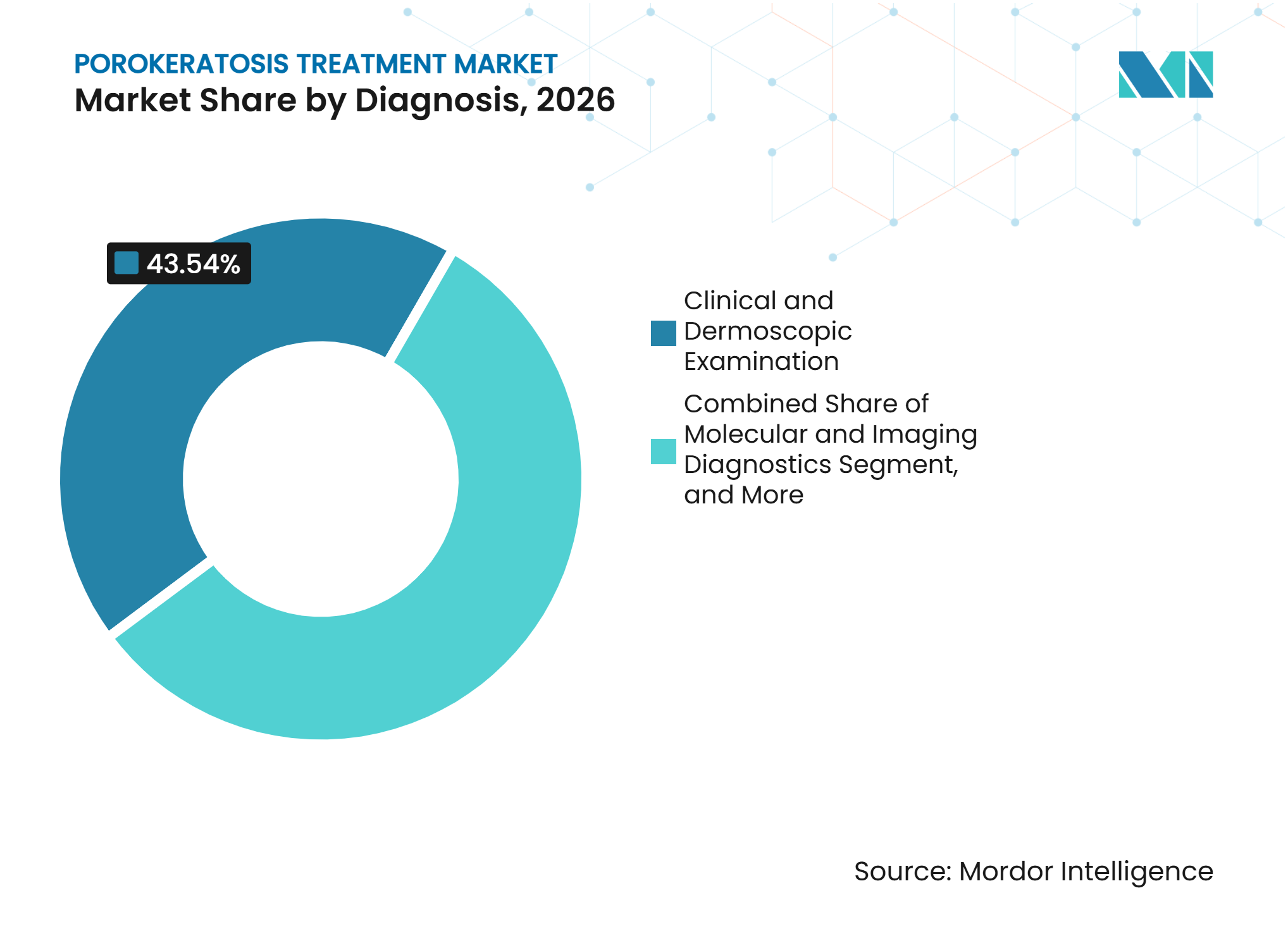
- By diagnosis, clinical and dermoscopic examination held 43.54% of revenue in 2026, while molecular and imaging diagnostics are forecast to expand at a 7.81% CAGR through 2032.
- By route of administration, topical administration held 74.26% of revenue in 2026, while injectable administration is forecast to expand at an 8.23% CAGR through 2032 in the porokeratosis treatment market.
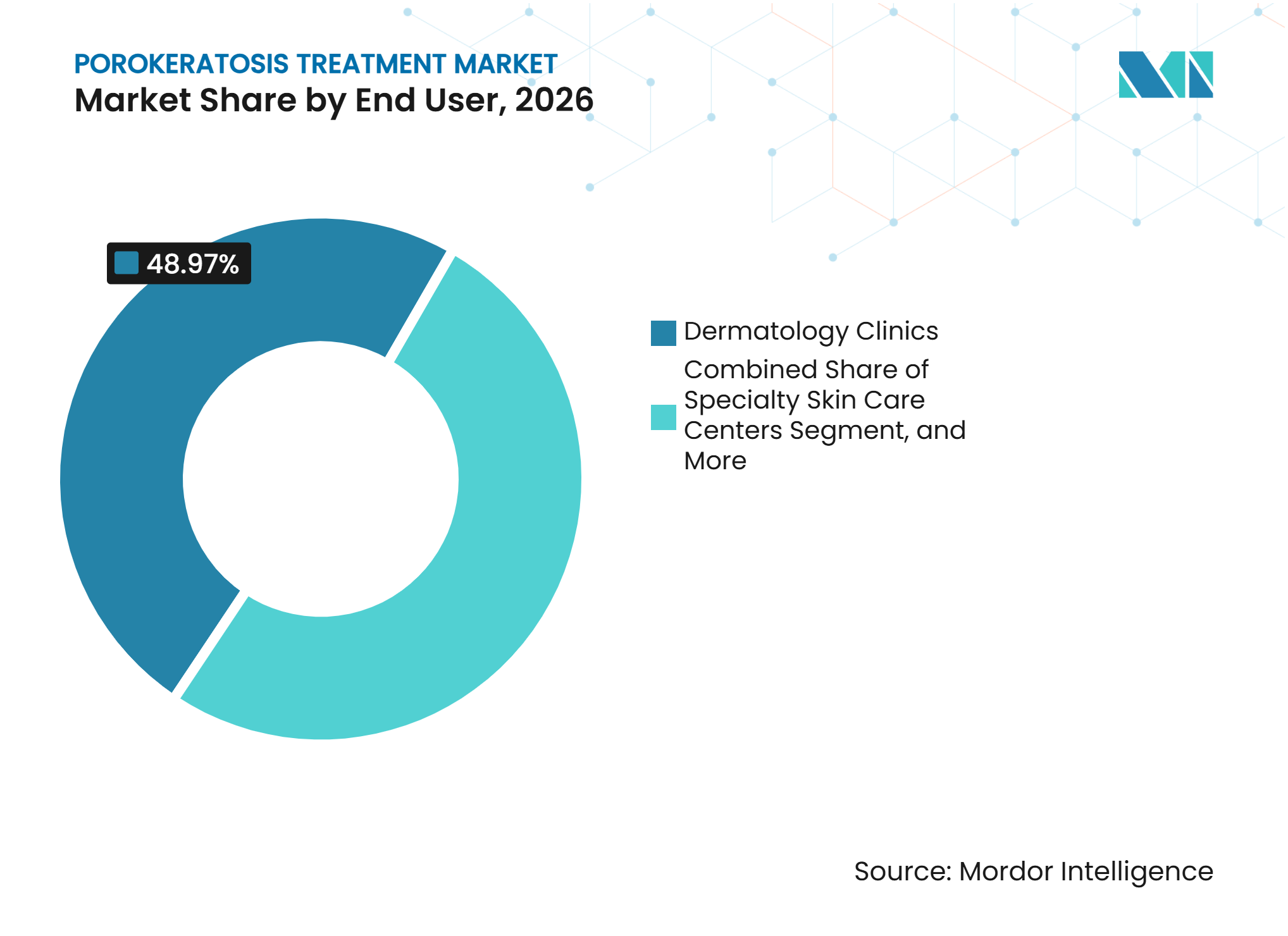
- By end user, dermatology clinics held 48.97% of revenue in 2026, while specialty skin care centers are forecast to expand at an 8.55% CAGR through 2032.
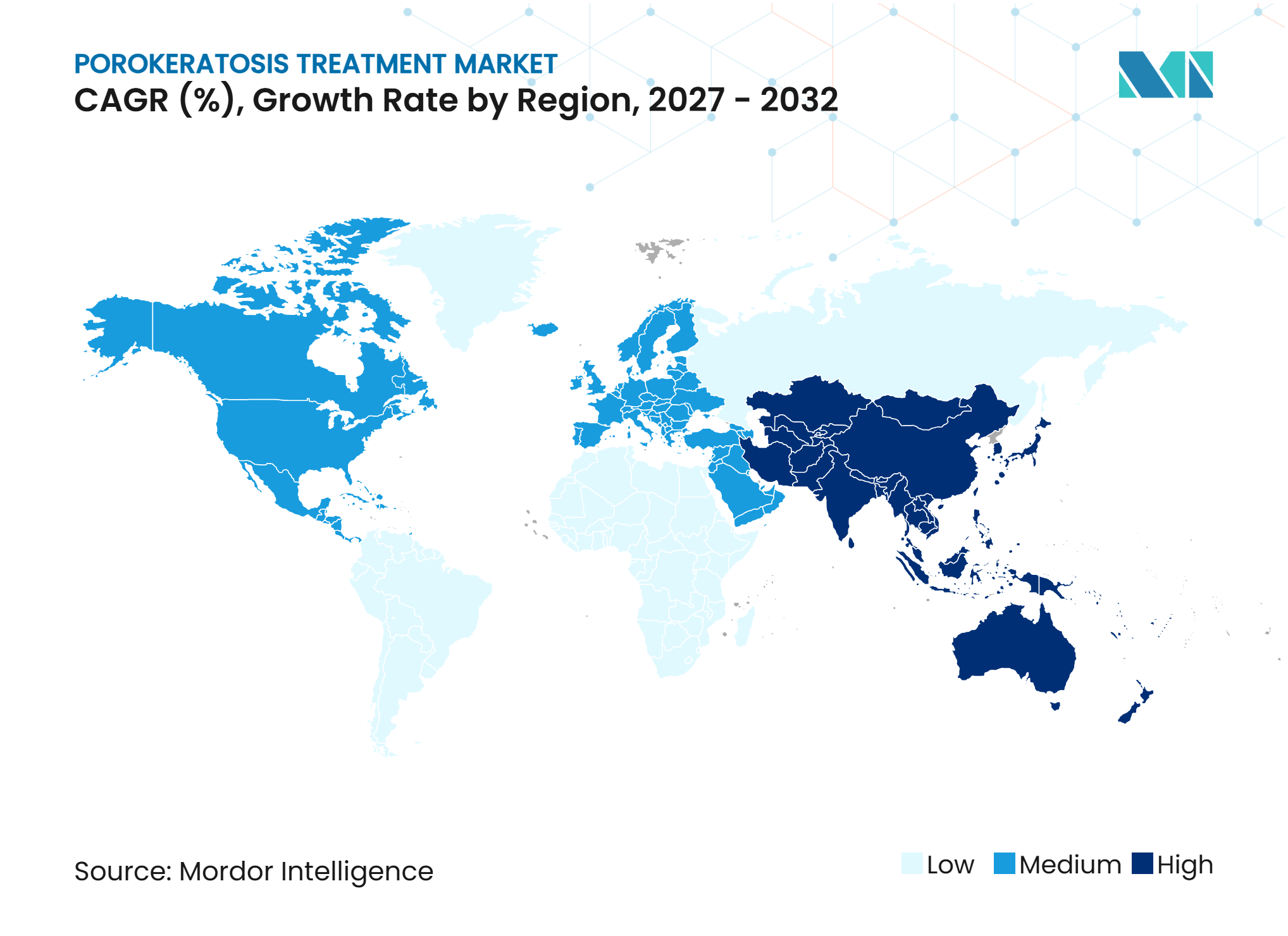
- By geography, North America held 36.48% of revenue in 2026, while Asia-Pacific is forecast to expand at a 9.52% CAGR through 2032 in the porokeratosis treatment market.
Note: Market numbers in this report are based on Mordor Intelligence's proprietary estimation framework, which combines nine months of actuals with Q4 projections for base year 2026.
Market Trends and Insights
Drivers Impact Analysis of Porokeratosis Treatment Market*
| Driver | (~) % Impact on CAGR Forecast | Geographic Relevance | Impact Timeline |
|---|---|---|---|
| Rising Diagnosis of Rare Keratinization Disorders | +1.4% | Global, strongest in North America and Western Europe | Medium term (2-4 years) |
| Malignant Transformation Risk Driving Surveillance and Treatment | +1.2% | Global, with emphasis in North America, Europe, and East Asia | Long term (≥ 4 years) |
| Expansion of Dermatology Diagnostics and Teledermatology | +0.9% | North America, Europe, and Asia-Pacific | Medium term (2-4 years) |
| Adoption of Minimally Invasive Laser and Physical Therapies | +0.8% | North America and Asia-Pacific, with spillover to the Middle East and Africa | Short term (≤ 2 years) |
| Pathogenesis-Directed Topical Statin and Cholesterol Research | +1.1% | Global, with early adoption in Europe and North America | Medium term (2-4 years) |
| Immunosuppressed and Transplant-Patient Monitoring Demand | +0.5% | North America, Europe, and Gulf Cooperation Council countries | Long term (≥ 4 years) |
| Source: Mordor Intelligence | |||
Rising Diagnosis of Rare Keratinization Disorders and Immunosuppressed Patient Monitoring
Genetic sequencing is helping clinicians identify porokeratosis that was previously missed or classified as another skin condition. Testing for MVK, MVD, PMVK, and FDPS can confirm disease-associated variants in familial and sporadic presentations.[1] This confirmation supports hereditary counseling and helps clinicians identify relatives who may need screening. The effect on the porokeratosis treatment market is a broader documented patient pool requiring assessment rather than simple reassurance. Less common forms, including porokeratosis ptychotropica and palmoplantar disease, also need different treatment choices and may require more complex care. People receiving chronic immunosuppression or living after transplantation also need closer observation because immunosuppression may worsen lesion progression. Better ascertainment and higher-risk patient monitoring therefore expand recorded demand even when underlying disease incidence does not change.
Malignant Transformation Risk Driving Surveillance and Treatment
Cancer risk management moves away from observation and toward planned surveillance and lesion treatment. A 2025 clinical update identifies malignant transformation as a central concern that requires ongoing lesion assessment. Clinical concern is greater for people receiving chronic immunosuppression or living after transplantation because immunosuppression may worsen lesion progression. Regular dermoscopy, biopsy, and treatment of suspicious lesions can therefore become part of ongoing care rather than isolated visits. This pattern supports diagnostic services as well as topical, procedural, and surgical treatment demand in the porokeratosis treatment market. It also gives clinicians a stronger medical basis for treatment discussions than an appearance-focused rationale alone.
Expansion of Dermatology Diagnostics, Teledermatology, and Minimally Invasive Therapies
Teledermatology can connect patients in rural or underserved locations with dermatology specialists who may recognize rare lesion patterns. A 2025 review reported that store-and-forward and synchronous teledermatology can provide high diagnostic accuracy for rare dermatologic conditions. Digital image review may shorten the time between an initial lesion concern and specialist evaluation. PanDerm, a multimodal dermatology model, improved clinician diagnostic accuracy by 11% on dermoscopy images across 128 skin conditions.[2] These tools do not replace clinical judgment, biopsy, or pathology when cancer is suspected. They can instead increase referral volume into confirmatory testing and treatment pathways across the porokeratosis treatment market. Minimally invasive laser and physical therapies can then offer clinic-based options for lesions that do not respond to topical treatment.
Pathogenesis-Directed Topical Statin and Cholesterol Research
Topical lovastatin or simvastatin is being studied because it may reduce harmful mevalonate-pathway metabolites in affected skin. Cholesterol supplementation may help restore an epidermal barrier product, although statin activity appears central to the treatment mechanism. A 2025 review of 37 studies involving 152 participants reported an 88.5% pooled response rate for topical statins across porokeratosis subtypes. Follow-up data in people with DSAP also reported sustained clinical improvement during treatment lasting up to 18 months.[3] A case report found that fractional carbon dioxide laser pretreatment improved topical drug penetration and achieved rapid lesion resolution. Access still depends on suitable compounding capability, which can limit adoption where specialized pharmacy services are not available.
Restraints Impact Analysis of Porokeratosis Treatment Market*
| Restraint | (~) % Impact on CAGR Forecast | Geographic Relevance | Impact Timeline |
|---|---|---|---|
| Absence of Standardized Treatment Guidelines and High-Level Evidence | -0.8% | Global | Long term (≥ 4 years) |
| Underdiagnosis and Specialist Access Gaps | -0.7% | Asia-Pacific, Middle East and Africa, and South America | Medium term (2-4 years) |
| High Recurrence and Inconsistent Long-Term Clearance | -0.5% | Global | Short term (≤ 2 years) to Medium term (2-4 years) |
| Off-Label Treatment and Reimbursement Uncertainty | -0.6% | North America and Europe | Medium term (2-4 years) |
| Source: Mordor Intelligence | |||
Absence of Standardized Treatment Guidelines and High-Level Evidence
Porokeratosis management is constrained by the lack of large controlled trials that compare treatment choices directly. A 2025 clinical update states that no treatment guidelines exist for the condition. The British Association of Dermatologists also states that there is no effective treatment for DSAP to date.[4] This uncertainty can make payer coverage and formulary decisions more difficult, particularly for off-label treatments. Generalists may be less likely to prescribe newer topical therapies when specialist guidance is limited. A well-designed randomized trial could support more consistent treatment pathways, but no such trial has yet established a standard of care.
Underdiagnosis and Specialist Access Gaps
Porokeratosis can resemble eczema, psoriasis, or solar keratosis, which complicates diagnosis outside specialist settings. The cornoid lamella often requires biopsy and pathological review, but this step may be delayed if lesions seem benign. Dermatologist availability and biopsy capacity remain uneven across Asia-Pacific, the Middle East and Africa, and South America. A 2025 reader study found that even the best-performing artificial intelligence model had 66.7% sensitivity for rare skin tumor classification, while clinical specialist context remained important. Delayed diagnosis reduces opportunities for early intervention and sustained monitoring. These access limits keep the porokeratosis treatment market below the level suggested by the underlying disease burden. Better specialist coverage remains important for the porokeratosis treatment market.
*Our forecasts treat driver/restraint impacts as directional, not additive. The impact forecasts reflect baseline growth, mix effects, and variable interactions.
Porokeratosis Treatment Market Segment Analysis
By Disease Type:
DSAP Maintains the Largest Treated PopulationDisseminated Superficial Actinic Porokeratosis accounted for 54.67% of treatment revenue in 2026, making it the leading disease type by revenue. It is the most common subtype and has become a key setting for topical statin research. Its association with sun exposure concentrates care needs in populations with substantial ultraviolet exposure and a high likelihood of receiving dermatology follow-up. The form often appears across multiple body sites, which can make field-directed treatment more relevant than single-lesion removal. The 2025 review of topical statin studies supports the clinical interest in a pathway-directed option for these patients. Long-term use may require follow-up for response, recurrence, and suspicious lesion changes. These features sustain repeat contact with clinics and shape demand for prescription and procedural options. The DSAP population also provides an important base for studies that could improve treatment standardization.
Linear porokeratosis is forecast to grow at a 7.15% CAGR through 2032, the fastest disease-type expansion in the porokeratosis treatment market. Its higher reported malignant transformation potential makes active management more urgent for clinicians and patients. The condition can follow a linear distribution and may involve extensive lesions, which creates a need for options beyond routine topical use. Surveillance is particularly important when a lesion changes in thickness, symptoms, or appearance. A 2025 clinical update identifies linear presentations as requiring careful monitoring because of their malignant potential. This clinical profile may support earlier escalation to procedures or systemic approaches where disease is extensive. It also creates a stronger rationale for regular specialist review than for stable, low-risk lesions. The expected growth reflects the higher care intensity associated with this subtype. This makes linear disease an important focus within the porokeratosis treatment market.



By Treatment Type:
Topical Therapies Remain the Broadest Treatment CategoryTopical therapies held 26.48% of treatment revenue in 2026, the largest treatment-type position. The category includes statin and cholesterol compounds, vitamin D analogs, 5-fluorouracil, imiquimod, and retinoids. Its breadth reflects the absence of a single approved medicine that works consistently across disease types. Topicals can suit accessible lesions and broader field treatment, particularly for DSAP. A 2025 Chinese review reported clinical use of topical statin and cholesterol products, phosphodiesterase-4 inhibitors, biologics, and Janus kinase inhibitors for porokeratosis. Response can vary by subtype, lesion location, and treatment adherence. As a result, dermatologists may adjust treatment over time rather than rely on one therapy. Compounding access also has a direct effect on the availability of pathway-directed topical options.
Photodynamic therapy is forecast to expand at a 7.48% CAGR through 2032, the fastest treatment-type growth rate. The treatment uses a photosensitizing agent, commonly 5-aminolevulinic acid, followed by light activation to damage targeted atypical cells. Its procedure-based nature makes it relevant for lesions that need greater intervention than topical treatment alone. Photodynamic therapy can also fit within a multimodal plan where persistent lesions are treated alongside field-directed topical therapy. A 2025 case report documented successful treatment of porokeratosis ptychotropica with three monthly photodynamic therapy sessions DOI.ORG. The patient remained symptom-free at 6 months in that report. This evidence is limited to an individual case, but it adds to interest in procedural approaches for difficult presentations. Dermatology clinics with suitable equipment are positioned to capture the resulting service demand.
By Diagnosis:
Clinical and Dermoscopic Examination Remains the Entry PointClinical and dermoscopic examination accounted for 43.54% of revenue in 2026, the largest diagnostic category in the porokeratosis treatment market. Dermoscopy is noninvasive and can help clinicians identify the raised annular keratinized ridge associated with the cornoid lamella. It is widely accessible in dermatology practices and can guide the decision to monitor, biopsy, or treat. A 2025 report in palmoplantar disease showed that dermoscopy can reveal characteristic annular structures that interrupt dermatoglyphics. This can support diagnosis without biopsy in a typical presentation. However, dermoscopy cannot eliminate the need for tissue assessment when squamous cell carcinoma is suspected. The method therefore serves as a practical front-line tool within cancer surveillance and routine follow-up. Its broad use supports clinic-based diagnosis across diverse disease subtypes.
Molecular and imaging diagnostics are forecast to expand at a 7.81% CAGR through 2032, the highest diagnostic growth rate. Genetic panels can assess MVK, MVD, PMVK, and FDPS in patients with suspected inherited porokeratosis. These tests can provide molecular confirmation and support counseling for affected families. They may also help clinicians understand whether a patient has a pathway defect that supports consideration of topical statin treatment. Wider use could make the clinical record more precise for rare presentations that are difficult to classify visually. The services are most accessible where genetic laboratories and dermatology specialists are well established. Their value is highest when results change counseling, surveillance, or treatment discussions. Growth will depend on whether clinicians, laboratories, and payers see sufficient practical value in routine testing.

By Route of Administration:
Topical Administration Fits the Biology of Accessible LesionsTopical administration accounted for 74.26% of revenue in 2026, the leading route in the porokeratosis treatment market. Most lesions are accessible at the skin surface, making local delivery practical for both limited lesions and wider-field treatment. The mevalonate-pathway rationale also favors local exposure when topical statins are used. Oral statins undergo first-pass hepatic metabolism and may not achieve sufficient skin exposure for the same purpose. A 2025 case report described porokeratosis in a patient already taking oral pravastatin, which supports this distinction. Creams and ointments can be used repeatedly outside the clinic, which may reduce procedure demand for some stable patients. Adherence, irritation, and access to compounded preparations can still affect outcomes. The route is therefore dominant because it aligns with lesion accessibility and practical long-term management.
Injectable administration is forecast to expand at an 8.23% CAGR through 2032, the fastest route growth in the porokeratosis treatment market. This segment reflects the emerging use of subcutaneous biologics for severe, extensive, or treatment-resistant disease. Ixekizumab has been reported in a 2025 case of extensive linear porokeratosis, providing an early example of biologic use. Janus kinase inhibitors are also being discussed for refractory presentations, though evidence remains limited. These options could raise per-patient treatment spending when used in selected patients. They are not likely to displace topicals for routine accessible disease. Instead, injectables may serve a smaller population with substantial lesion burden or inflammatory activity. Their projected growth starts from a smaller base and relies on specialist prescribing.
By End User:
Dermatology Clinics Anchor Repeat CareDermatology clinics accounted for 48.97% of revenue in 2026, the largest end-user segment. These clinics can combine dermoscopy, biopsy, cryotherapy, laser treatment, and photodynamic therapy within one care setting. Porokeratosis often requires repeated visits because lesion status, treatment response, and cancer risk need ongoing review. Clinic-based care is especially important when patients need a procedure or assessment of a changing lesion. Candela launched its Vbeam Pro platform in April 2025 with clearance for Fitzpatrick skin types I through VI, including pediatric patients. Bausch Health also launched the Fraxel FTX platform in April 2025 for skin resurfacing and pigmentation applications. These launches expand the procedural tools that may be available in dermatology practices, although neither creates a dedicated porokeratosis drug indication. Clinic capacity, specialist training, and reimbursement determine how much of this technology is applied to these patients.
Specialty skin care centers are forecast to expand at an 8.55% CAGR through 2032, the fastest end-user growth rate. Their relevance is greatest in stable disease that needs regular topical follow-up, counseling, and referral management. Such centers may be useful where dermatology appointments are limited, provided that suspicious lesions are referred promptly to a physician. They can support adherence and routine monitoring but do not replace biopsy, pathology, or cancer assessment. The British Association of Dermatologists notes that some DSAP treatments may not be available through the National Health Service. This access gap can create demand for private treatment channels in appropriate settings. The growth outlook reflects wider demand for accessible skin services rather than proof that specialty centers can manage all porokeratosis care independently. Their role will depend on clear referral protocols and clinical supervision.
Geography Analysis
North America
North America held 36.48% of treatment revenue in 2026, the largest regional position. The region has broad access to dermatology specialists, dermoscopy, biopsy, genetic testing, and energy-based devices. DSAP may be more visible in sun-exposed populations that receive regular dermatology surveillance. The region's care infrastructure also supports repeated clinic visits for lesion monitoring and procedural management. Candela introduced Vbeam Pro in April 2025 with U.S. clearance for all Fitzpatrick skin types, which broadened the platform's clinical applicability. Bausch Health introduced Fraxel FTX at the same meeting, adding another fractional device option for dermatology practices. These device launches support procedural capacity, although they do not resolve the lack of approved therapies specific to porokeratosis. U.S. Food and Drug Administration oversight affects adoption of genetic platforms and device technologies. Reimbursement remains the central practical issue because many medication choices are off-label. The region can therefore lead treated revenue while still facing evidence-related limits on payer coverage.
Asia-Pacific
Asia-Pacific is forecast to expand at a 9.52% CAGR through 2032, the strongest geographic growth rate. The region is building specialist capability for disease-specific dermatology care, particularly in large urban centers. A 2025 Chinese review described the clinical use of topical statin and cholesterol products, phosphodiesterase-4 inhibitors, biologics, and Janus kinase inhibitors in porokeratosis management. This confirms growing clinical attention to newer treatment approaches in China. South Korea's Ministry of Food and Drug Safety provides an established regulatory framework for medical device oversight, which supports the regional use of phototherapy and laser systems. Wider availability of dermoscopy and teledermatology can improve referral pathways in markets with unequal specialist density. The area still faces access gaps outside major cities, especially for biopsy and molecular testing. These gaps mean that growth will be uneven across countries and care settings. The porokeratosis treatment market size in the region will depend on whether diagnostic growth is matched by affordable follow-up care. Better local compounding capacity could also improve access to topical statin treatment.
Europe, South America, and the Middle East and Africa
Europe has advanced specialist dermatology services and active clinical research, while South America and the Middle East and Africa have more uneven access. Germany, France, and the United Kingdom can support structured diagnosis and photodynamic therapy in specialist settings. In the United Kingdom, the British Association of Dermatologists states that there is no effective treatment for DSAP to date and that some treatments may not be available through the National Health Service. This can create a private-pay route for selected therapies even within a public system. In South America, specialist resources are concentrated in major cities, which can delay diagnosis outside urban centers. In the Middle East and Africa, clinic infrastructure is expanding in leading urban markets, but specialist access and biopsy capacity remain significant constraints. Teledermatology may offer a practical way to identify patients who should be referred, although it cannot replace tissue assessment for suspicious lesions. The wider geography group has a smaller porokeratosis treatment market size than North America, but improved referral networks could unlock unmet demand. Across these regions, compliance factors include national device rules, laboratory standards, and local reimbursement policies. Progress depends on connecting basic lesion recognition with specialist confirmation and sustained treatment access.
Competitive Landscape
Market Concentration
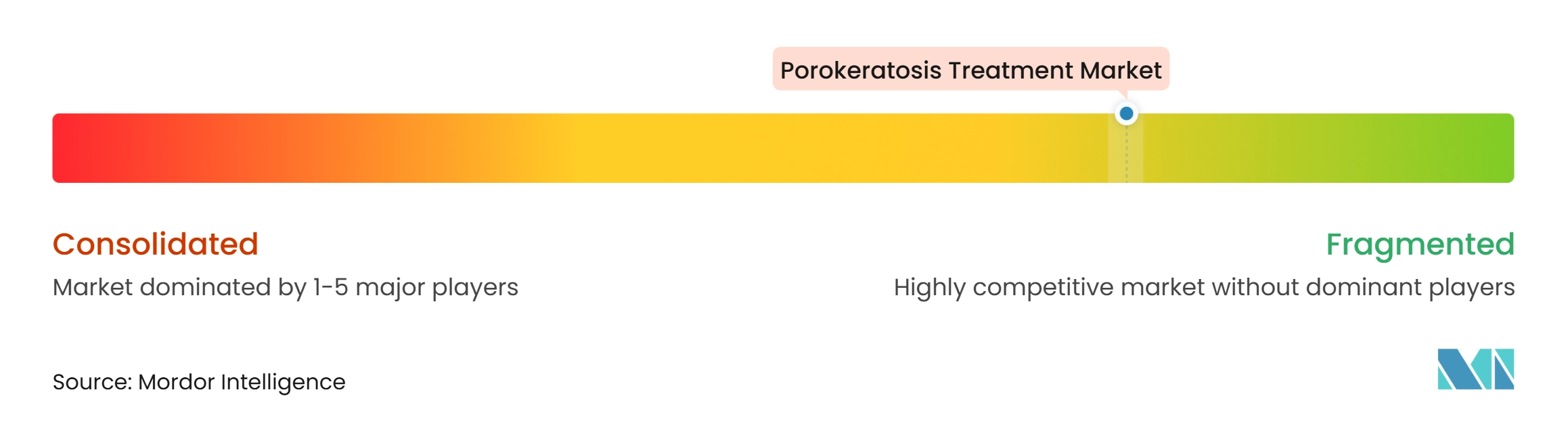
The porokeratosis treatment market is fragmented across medicines, procedures, and diagnostic services. No branded pharmaceutical product has an approved porokeratosis label, so drug treatment is generally prescribed off-label or supplied as a compounded preparation. This limits direct manufacturer ownership of the treatment pathway and places greater importance on dermatologists, compounding pharmacies, and device providers. Candela Medical, Lumenis, Cutera, and Solta Medical compete in the energy-based device landscape through platform capabilities and clinical adoption. Candela launched Vbeam Pro in April 2025, describing dual-wavelength pulsed dye laser and Nd: YAG capability, FDA clearance for skin types I through VI, and faster treatment times than prior technology. Bausch Health launched Fraxel FTX in April 2025 with 1550 nm and 1927 nm wavelengths and optical tracking features. These platforms are not approved specifically for porokeratosis, but they can expand procedural options for dermatology practices. Competition therefore depends more on equipment access and clinician preference than on a single branded treatment.
A major opportunity exists for a company that can produce controlled evidence strong enough to support guideline inclusion and a dedicated indication. Topical statin formulations represent a second opportunity because they target the disease pathway and may fit chronic management. However, their availability can vary with compounding standards and local pharmacy capability. U.S. Drug Quality and Security Act requirements influence how compounding facilities operate, which may affect supply consistency for customized topical preparations. Combination protocols also create a meaningful competitive area. A 2025 report of fractional carbon dioxide laser followed by topical lovastatin and cholesterol showed how a procedure can improve drug penetration. A separate report of electrocautery combined with photodynamic therapy showed continued interest in tailored treatment for resistant disease. Companies that support usable protocols and clinical evidence may gain more traction than companies that offer standalone technologies alone.
Porokeratosis Treatment Industry Leaders
-
AbbVie Inc.
-
Alma Lasers
-
Almirall SA
-
Bausch Health Companies Inc.
-
Galderma SA
- *Disclaimer: Major Players sorted in no particular order
Porokeratosis Treatment Market Companies Covered in this Report
- Abbvie
- Alma Lasers
- Almirall
- AngioDynamics
- Bausch Health
- Beiersdorf
- BIOLASE
- Candela Medical
- Coherent Corporation
- Cutera
- Roche
- Galderma
- Glenmark Pharmaceuticals
- Iridex
- Journey Medical
- Lumenis
- Novartis
- Pfizer
- Sun Pharmaceuticals Industries
- Viatris
Recent Industry Developments in Porokeratosis Treatment Market
- September 2025: Allergan Aesthetics, AbbVie, expanded SKINVIVE by JUVÉDERM into 35 additional international markets, bringing total 2025 global launches to 57 countries and reinforcing its specialty-clinic channel infrastructure relevant to dermatological skin-quality management.
- June 2025: The U.S. Food and Drug Administration accepted for review Allergan Aesthetics' supplemental premarket approval application for SKINVIVE by JUVÉDERM for improvement of neck appearance, broadening the device's indication set and extending its addressable clinical reach.
- April 2025: Candela Medical launched the Vbeam Pro dual-wavelength laser platform at the ASLMS Annual Meeting in Orlando, Florida. The system is FDA-cleared for all Fitzpatrick types I through VI, including pediatric patients, with documented 20% improved lesion clearance and 50% faster treatment times versus prior-generation technology.
Global Porokeratosis Treatment Market Report Scope
As per the scope of the report, porokeratosis treatment refers to the management of porokeratosis, a rare group of skin disorders characterized by abnormal keratinization and the development of distinctive scaly, ring-shaped lesions. Treatment aims to reduce symptoms, improve cosmetic appearance, and minimize the risk of malignant transformation through therapies such as topical retinoids, 5-fluorouracil, imiquimod, cryotherapy, laser therapy, photodynamic therapy, and surgical excision. Management is typically tailored to the disease subtype, lesion severity, and patient-specific factors.
The porokeratosis treatment market is segmented by disease type, treatment type, diagnosis, route of administration, end user, and geography. By disease type, the market is segmented into disseminated superficial actinic porokeratosis (DSAP), porokeratosis of Mibelli, linear porokeratosis, punctate porokeratosis, palmoplantar porokeratosis, and others. By treatment type, the market is segmented into topical therapies, systemic therapies, physical interventions, laser therapy, and others. By diagnosis, the market is segmented into biopsy, clinical and dermoscopic examination, squamous cell carcinoma assessment, molecular and imaging diagnostics, and others. By route of administration, the market is segmented into topical, injectable, and others. By end user, the market is segmented into hospitals, dermatology clinics, ambulatory surgical centers, specialty skin care centers, and others. The geography segment is further divided into North America, Europe, Asia-Pacific, the Middle East and Africa, and South America. The report also covers the estimated market sizes and trends for 17 countries across major regions globally. The report offers the market size and forecasts in value (USD) for the above segments.
Segmentation Overview
| Disseminated Superficial Actinic Porokeratosis (DSAP) |
| Porokeratosis of Mibelli |
| Linear Porokeratosis |
| Punctate Porokeratosis |
| Palmoplantar Porokeratosis |
| Others |
| Topical Therapies |
| Systemic Therapies |
| Physical Interventions |
| Laser Therapy |
| Others |
| Biopsy |
| Clinical and Dermoscopic Examination |
| Squamous Cell Carcinoma Assessment |
| Molecular and Imaging Diagnostics |
| Others |
| Topical |
| Injectable |
| Others |
| Hospitals |
| Dermatology Clinics |
| Ambulatory Surgical Centers |
| Specialty Skin Care Centers |
| Others |
| North America | United States |
| Canada | |
| Mexico | |
| Europe | Germany |
| United Kingdom | |
| France | |
| Italy | |
| Spain | |
| Rest of Europe | |
| Asia-Pacific | China |
| India | |
| Japan | |
| Australia | |
| South Korea | |
| Rest of Asia-Pacific | |
| Middle East and Africa | GCC |
| South Africa | |
| Rest of Middle East and Africa | |
| South America | Brazil |
| Argentina | |
| Rest of South America |
| By Disease Type | Disseminated Superficial Actinic Porokeratosis (DSAP) | |
| Porokeratosis of Mibelli | ||
| Linear Porokeratosis | ||
| Punctate Porokeratosis | ||
| Palmoplantar Porokeratosis | ||
| Others | ||
| By Treatment Type | Topical Therapies | |
| Systemic Therapies | ||
| Physical Interventions | ||
| Laser Therapy | ||
| Others | ||
| By Diagnosis | Biopsy | |
| Clinical and Dermoscopic Examination | ||
| Squamous Cell Carcinoma Assessment | ||
| Molecular and Imaging Diagnostics | ||
| Others | ||
| By Route of Administration | Topical | |
| Injectable | ||
| Others | ||
| By End User | Hospitals | |
| Dermatology Clinics | ||
| Ambulatory Surgical Centers | ||
| Specialty Skin Care Centers | ||
| Others | ||
| By Geography | North America | United States |
| Canada | ||
| Mexico | ||
| Europe | Germany | |
| United Kingdom | ||
| France | ||
| Italy | ||
| Spain | ||
| Rest of Europe | ||
| Asia-Pacific | China | |
| India | ||
| Japan | ||
| Australia | ||
| South Korea | ||
| Rest of Asia-Pacific | ||
| Middle East and Africa | GCC | |
| South Africa | ||
| Rest of Middle East and Africa | ||
| South America | Brazil | |
| Argentina | ||
| Rest of South America | ||
Key Questions Answered in the Report
What is the projected value of the porokeratosis treatment market by 2032?
The porokeratosis treatment market is forecast to reach USD 2.58 billion by 2032, with a 6.85% CAGR from 2027 to 2032.
Which porokeratosis subtype has the largest treated revenue share?
DSAP held 54.67% of revenue in 2026, supported by its prevalence and expanding evidence for topical statin treatment.
Why are topical statins important for porokeratosis treatment?
They target the mevalonate pathway, and a 2025 review reported an 88.5% pooled response rate across 37 studies
Which treatment approach has the fastest projected growth?
Photodynamic therapy is forecast to grow at a 7.48% CAGR through 2032, reflecting its use in difficult and treatment-resistant lesions.
Why is porokeratosis monitored for cancer risk?
Its malignant potential supports regular clinical surveillance and assessment of lesions that change in appearance.
Which region has the strongest growth outlook?
Asia-Pacific is forecast to grow at a 9.52% CAGR through 2032 as specialist capability, treatment awareness, and dermatology infrastructure expand.