
Hospital At Home Market Size and Share
Market Overview
| Study Period | 2020 - 2031 |
|---|---|
| Market Size (2026) | USD 42.08 Billion |
| Market Size (2031) | USD 61.55 Billion |
| Growth Rate (2026 - 2031) | 7.90 % |
| Fastest Growing Market | Asia-Pacific |
| Largest Market | North America |
| Market Concentration | Medium |
Major Players *Disclaimer: Major Players sorted in no particular order Image © Mordor Intelligence. Reuse requires attribution under CC BY 4.0. | |
Hospital At Home Market Analysis by Mordor Intelligence
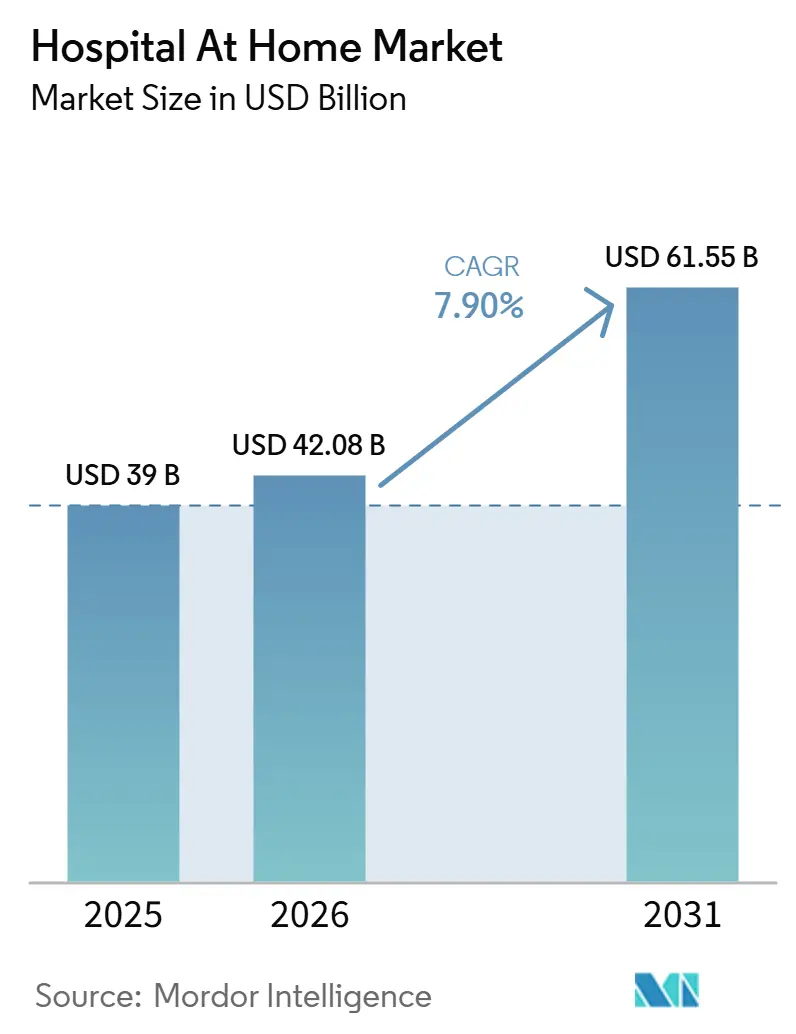
The Hospital At Home Market size was valued at USD 39 billion in 2025 and is estimated to grow from USD 42.08 billion in 2026 to reach USD 61.55 billion by 2031, at a CAGR of 7.90% during the forecast period (2026-2031).
The extension of the CMS Acute Hospital Care at Home waiver through September 30, 2030, gives health systems greater certainty for long-term investments in command centers, devices, and workforce models. Population aging, the prevalence of chronic diseases, and pressure on inpatient bed capacity are increasing demand for care models that can safely shift suitable patients to home-based settings. The hospital-at-home market is expanding beyond pilot programs as health systems combine clinical teams, monitoring technology, and home-based logistics. Providers are focusing on reducing avoidable admissions, supporting earlier discharge, and preserving inpatient capacity, while competition increasingly depends on reliable clinical escalation, digital tool integration, and large-area patient management.
Key Report Takeaways
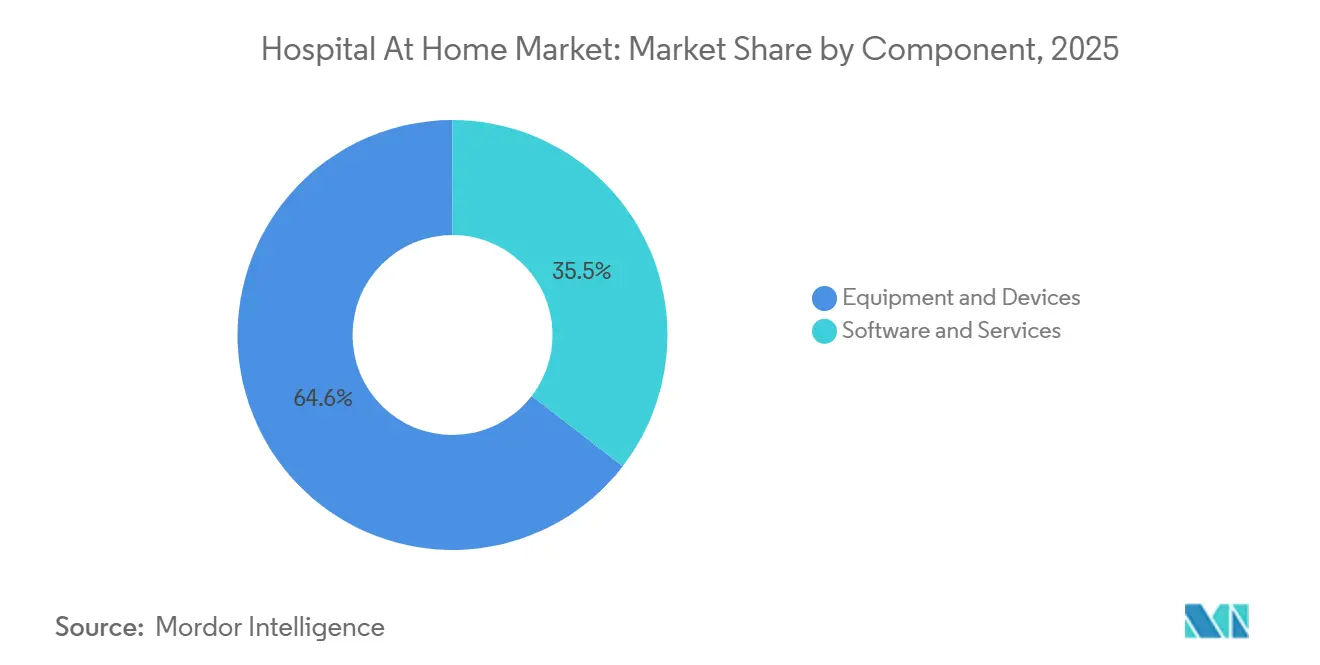
- By component, equipment and devices held 64.55% of the hospital at home market share in 2025, while software and services is projected to grow at an 9.15% CAGR through 2031.
- By service type, acute care at home accounted for 33.56% of the hospital at home market share in 2025, while chronic disease management at home is projected to expand at an 8.80% CAGR through 2031.
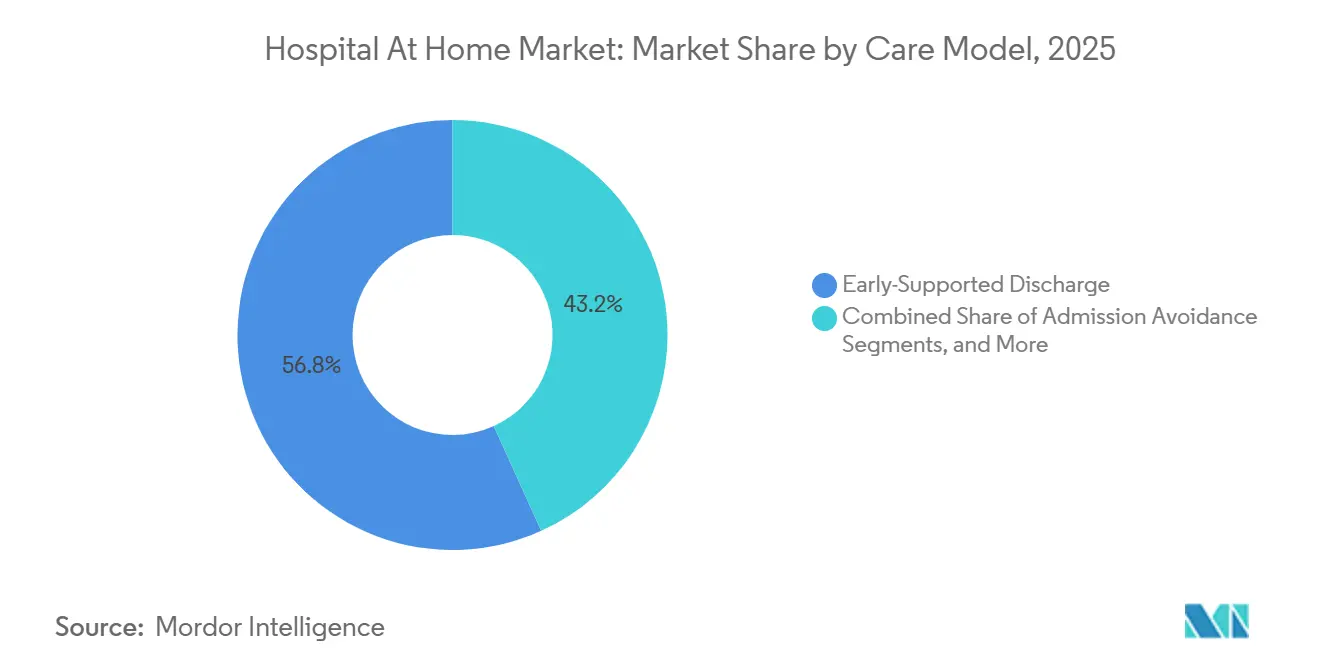
- By care model, early-supported discharge captured 56.77% of the hospital at home market share in 2025, while admission avoidance is expected to record a 10.45% CAGR through 2031.
- By delivery mode, remote monitoring and telehealth held 42.88% of the hospital at home market share in 2025, while hybrid virtual and in-person care is projected to advance at an 8.56% CAGR through 2031.
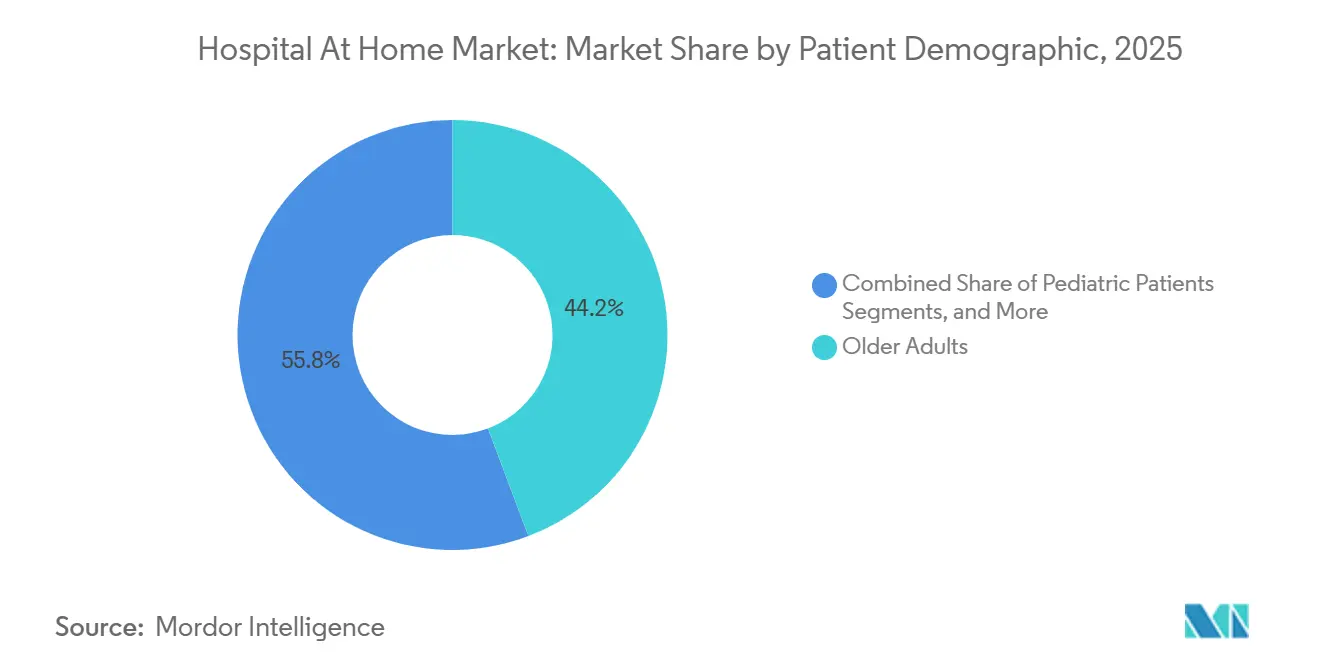
- By patient demographic, older adults accounted for 44.24% of the hospital at home market size in 2025, while adult patients are forecast to grow at a 9.77% CAGR through 2031.
- By indication, neurological conditions held 28.67% of the hospital at home market share in 2025, while oncology and immunocompromised care is expected to expand at a 10.88% CAGR through 2031.
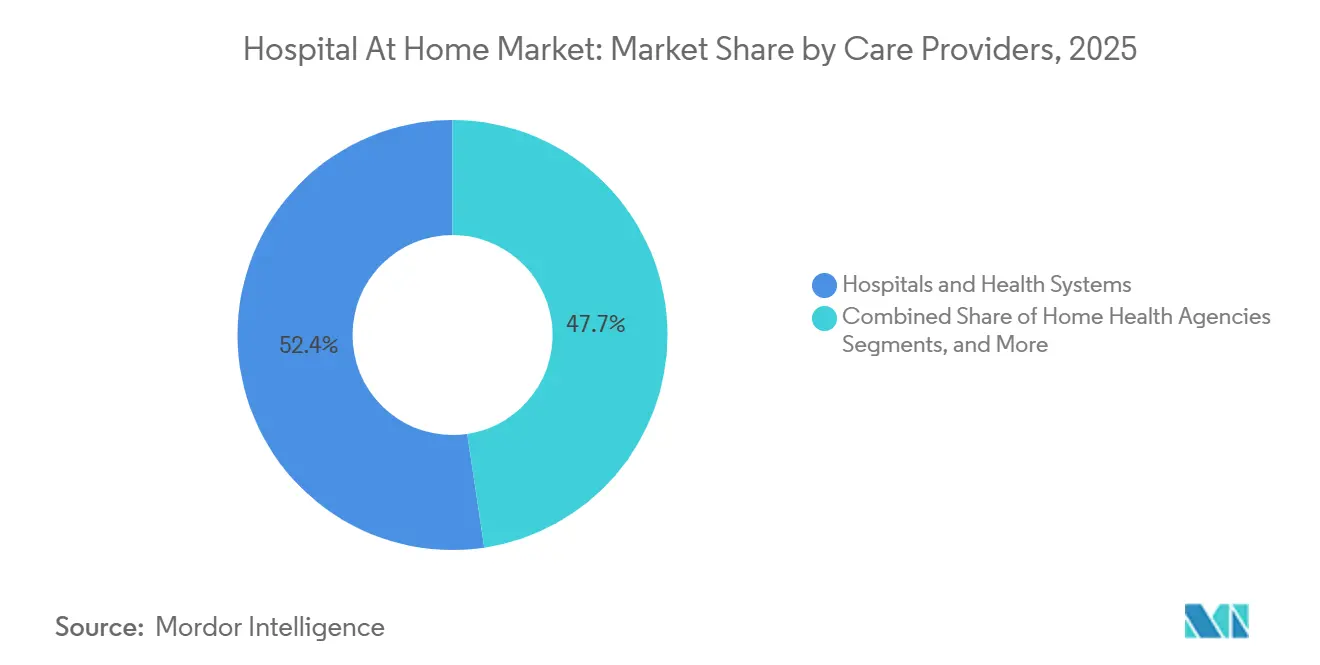
- By care provider, hospitals and health systems accounted for 52.35% of the hospital at home market size in 2025, while home health agencies are projected to grow at an 8.95% CAGR through 2031.
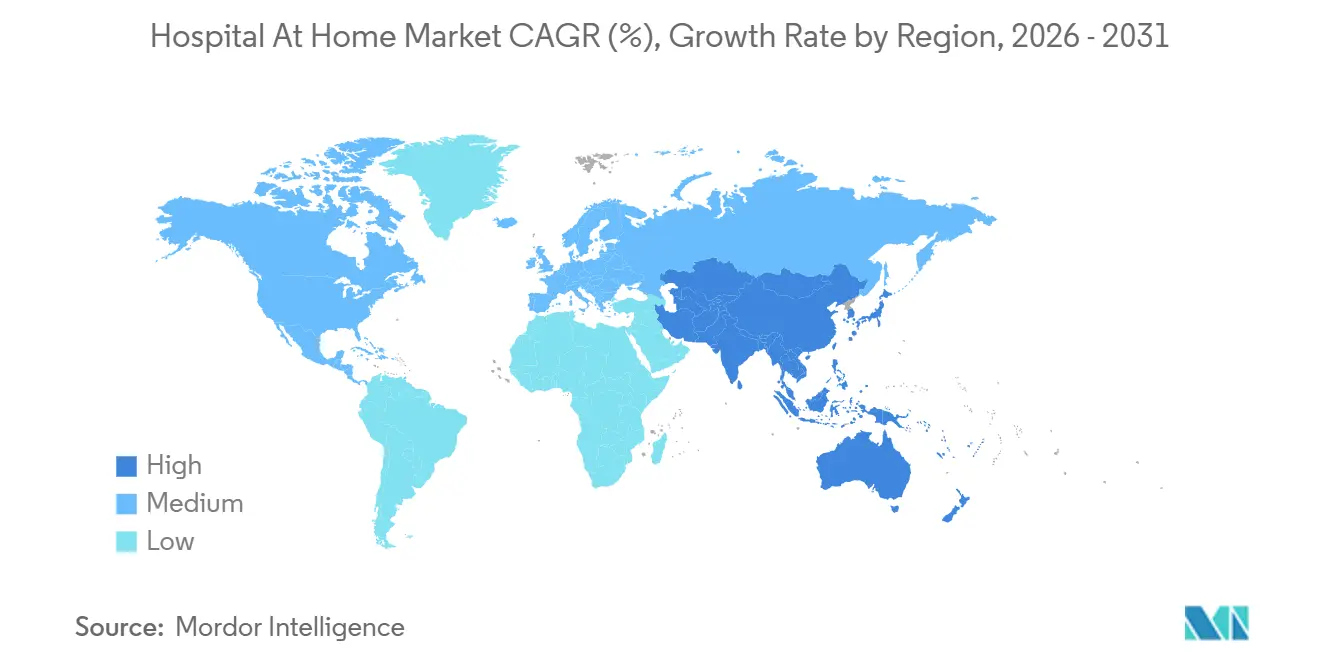
- By geography, North America held 42.45% of the share in 2025, while Asia-Pacific is projected to grow at an 9.45% CAGR through 2031.
Note: Market size and forecast figures in this report are generated using Mordor Intelligence’s proprietary estimation framework, updated with the latest available data and insights as of January 2026.
Global Hospital At Home Market Trends and Insights
Drivers Impact Analysis*
| DRIVER | (~) % IMPACT ON CAGR FORECAST | GEOGRAPHIC RELEVANCE | IMPACT TIMELINE |
|---|---|---|---|
| Aging population and rising multimorbidity | +1.8% | Global | Long term (≥ 4 years) |
| Hospital capacity constraints and bed shortages | +1.5% | Global, particularly the United States, United Kingdom, India, and China | Medium term (2-4 years) |
| Value-based and episode-based reimbursement expansion | +1.6% | North America and Europe | Medium term (2-4 years) |
| Patient preference for care at home | +0.9% | Global | Medium term (2-4 years) |
| Command centers and AI-enabled escalation | +1.2% | North America, Europe, and core Asia-Pacific markets | Long term (≥ 4 years) |
| Home infrastructure readiness as an eligibility filter | +0.8% | North America, Europe, and East Asia | Long term (≥ 4 years) |
| Source: Mordor Intelligence | |||
Aging Population and Rising Multimorbidity
Demand in the hospital at home market remains closely linked to population aging and the rising number of patients with multiple chronic conditions. The United Nations projects that the global population aged 65 years and above will reach 1.6 billion by 2050.[1]United Nations, “World Population Prospects 2024,” United Nations Department of Economic and Social Affairs, population.un.org These patients often require frequent care episodes and face higher risks during extended inpatient stays, including delirium, reduced mobility, and hospital-acquired infections. Singapore’s MICHome model reported a 23% lower cost per episode with equivalent clinical outcomes, supporting policy interest in home-based acute care.
Hospital Capacity Constraints and Bed Shortages
Inpatient capacity pressure strengthened the business case for delivering hospital-level care at home. Average US acute hospital occupancy exceeded 85% by late 2024, while demand continued to pressure beds in urban and suburban facilities. DispatchHealth and Saint Francis Health System launched a joint venture in Tulsa in February 2026, with a virtual unit designed to scale to 40 concurrent patients. Germany’s AOK Krankenhaus-Report 2026 found that 56% of current inpatient services could shift to ambulatory or home settings, while 11% of emergency department admissions could be managed without inpatient admission.
Expansion of Value-Based and Episode-Based Reimbursement
Reimbursement models are becoming more aligned with home-based acute and post-discharge care. CMS launched the Transforming Episode Accountability Model on January 1, 2026, creating a five-year mandatory model that holds participating hospitals accountable for costs across selected surgical episodes. The CMS Acute Hospital Care at Home waiver allows hospitals to receive standard inpatient payment for eligible acute cases delivered at home. Per-episode revenue in the input ranges from USD 6,000 to USD 15,000, depending on the diagnosis and level of care required, supporting efforts to reduce skilled nursing facility use and avoid unnecessary inpatient days.[2]Centers for Disease Control and Prevention, “Multimorbidity,” Centers for Disease Control and Prevention, cdc.gov
Hospital-at-Home Command Centers and AI-Enabled Escalation
Clinical command centers are becoming central to the safe expansion of the hospital at home market. Cleveland Clinic expanded its Clinically Integrated Virtual Command Center model from Vero Beach, Florida, to Northeast Ohio in March 2026, providing continuous physician, pharmacist, and nursing support across multiple locations. Caregility reported that its platform supports more than 1,100 hospitals across 85 health systems and hosts more than 6 million virtual care sessions each year. Centralized monitoring and AI-supported referral tools improve oversight, identify suitable patients earlier, and support market expansion without a directly proportional increase in nursing headcount.
Restraints Impact Analysis*
| RESTRAINT | (~) % IMPACT ON CAGR FORECAST | GEOGRAPHIC RELEVANCE | IMPACT TIMELINE |
|---|---|---|---|
| Workforce shortages and limited clinical coverage | -1.4% | Global, particularly the United States and Asia-Pacific | Short term (≤ 2 years) |
| Reimbursement and regulatory uncertainty | -1.2% | North America, Europe, and emerging markets | Medium term (2-4 years) |
| Unequal broadband, housing, and caregiver availability | -0.8% | Rural global markets, South Asia, and Sub-Saharan Africa | Long term (≥ 4 years) |
| Liability, escalation, and patient-safety risk at home | -0.7% | Global | Medium term (2-4 years) |
| Source: Mordor Intelligence | |||
Workforce Shortages and Limited Clinical Coverage
Workforce shortages remained a key operating constraint in the hospital at home market in 2026. HRSA projected shortages of 108,960 registered nurses and 245,950 licensed practical nurses by 2038, while non-metropolitan areas faced a projected registered nurse gap of 11%, compared with 2% in metropolitan areas.[3]Health Resources and Services Administration, “Health Workforce Projections,” Health Resources and Services Administration, hrsa.govThe Commonwealth Fund reported that home care agencies turned away more than 25% of patients referred for home care due to staffing gaps.
These shortages particularly affected high-acuity and rural patients, as they required reliable clinical coverage and rapid escalation pathways. Home health agencies also reported frontline turnover of 70% to 80%, increasing recruitment costs and disrupting visit schedules. Tele-hospitalist models supported by community paramedics may reduce local staffing pressure, but reimbursement and credentialing rules still required greater standardization.
Reimbursement and Regulatory Uncertainty
The 2026 waiver extension improved policy clarity, but reimbursement gaps remained for some patient populations. The input indicated that 38 U.S. states lacked Medicaid fee-for-service reimbursement for home-based acute care as of mid-2026. This gap limited access for Medicaid-dominant populations and reduced the practical addressable base for some programs.
CMS issued a Federal Register notice in April 2026 seeking public comment on Acute Hospital Care at Home information collection requirements. The notice indicated that payment design, reporting requirements, and program oversight remained active policy issues. European programs also operated under varying licensing, payment, and data protection rules, increasing compliance costs for providers and technology companies planning to expand hospital-at-home services across multiple countries.
*Our forecasts treat driver/restraint impacts as directional, not additive. The impact forecasts reflect baseline growth, mix effects, and variable interactions.
Segment Analysis
By Component: Hardware Foundation Cedes Share to Digital Platforms
Equipment and Devices held 64.55% of the hospital at home market in 2025. This category includes remote patient monitoring devices, diagnostic equipment, connectivity tools, medication delivery systems, and infusion equipment. Continuous monitoring devices collect heart rate, oxygen saturation, and respiratory rate data for command-center review. The component remains essential as hospital-at-home programs require dependable clinical equipment and secure data transmission.
Software and Services is the fastest-growing component, with the hospital at home market size for this segment projected to register a 9.15% CAGR during 2026-2031. The category includes hospital-at-home software platforms, clinical command-center software, telehealth services, implementation support, consulting, and managed services. Health systems that completed early device deployments during 2023 and 2024 are now investing more in workflow tools to coordinate visits, document care, manage alerts, and monitor patient progress. Philips partnered with Southern NSW Local Health District in December 2025 to deploy its Respiree wearable monitoring solution for acute care in the home.


By Service Type: Acute Care Anchors Revenue, Chronic Management Accelerates
Acute Care at Home accounted for 33.56% of the hospital at home market share in 2025. The service covers acute conditions such as chronic obstructive pulmonary disease exacerbations, pneumonia, cellulitis, heart failure, sepsis, and other eligible cases. CMS designed the Acute Hospital Care at Home waiver for acute-level admissions that providers can safely manage outside inpatient facilities. This model helps hospitals deliver inpatient-equivalent services while preserving physical bed capacity.
Chronic Disease Management at Home is projected to record an 8.80% CAGR from 2026 to 2031. The increasing prevalence of long-term conditions and contracts that reward lower total treatment costs support chronic care programs. Home-based management can reduce travel needs, support coordinated follow-up, and help care teams identify deterioration earlier. Mayo Clinic’s Cancer CARE Beyond Walls study presented phase-2 feasibility data at ASCO 2025 on home-based cancer therapy compared with standard in-clinic care and reported safety and patient-preference benefits.
By Care Model: Early Discharge Dominates, Admission Avoidance Reshapes the Segment
Early-Supported Discharge commanded 56.77% of the hospital at home market share in 2025. The model serves patients who have already received hospital assessment and can complete recovery at home with clinical support. It is established across United Kingdom virtual wards, Australian Hospital in the Home programs, and Singapore’s MIC@Home model. Singapore’s NUHS@Home reported a 23% lower cost per episode in the input.
Admission Avoidance is forecast to expand at a 10.45% CAGR through 2031. This model assesses eligible patients in emergency departments, primary care settings, or referral pathways before an inpatient admission occurs. It can generate greater cost savings by intervening earlier in the care journey, but it requires rapid triage, home-readiness assessment, logistics planning, and care-team deployment. DispatchHealth and Saint Francis Health System designed their Tulsa program around this model, targeting deployment within 30 minutes across a 20-mile service radius.

By Delivery Mode: Remote Monitoring Largest, Hybrid Model Setting the Standard
Remote Monitoring and Telehealth held 42.88% of the hospital at home market share in 2025. This delivery mode provides the clinical coverage layer used across most hospital-at-home program models. Continuous telemetry transmits vital signs to command centers and helps teams identify deterioration earlier. Philips secured an 8-year consortium agreement with Region Stockholm in May 2026 to support up to 15,000 patients annually across a 2 million-person catchment area.
Hybrid Virtual and In-Person Care is projected to expand at an 8.56% CAGR between 2026 and 2031. This model combines continuous remote monitoring with scheduled or on-demand visits from nurses, paramedics, or other clinical staff. The CMS Acute Hospital Care at Home waiver requires at least two daily in-person visits by registered nurses or community paramedics, making hybrid care the standard operating structure for eligible US programs. Providers need route planning, staffing tools, supply chain coordination, and patient monitoring systems to operate this model efficiently.
By Patient Demographic: Older Adults Drive Volume, Working-Age Adults Fastest Growing
Older Adults held 44.24% of the hospital at home market size in 2025. Medicare is a major payer for Acute Hospital Care at Home services, making adults aged 65 years and above central to the addressable patient base. Older patients face elevated risks from prolonged inpatient stays, including delirium, pressure injuries, reduced mobility, and functional decline. CMS introduced an Age-Friendly Hospital measure in 2025 that applied the 4Ms framework for patients aged 65 years and above across care settings.
Adult Patients are expected to grow at a 9.77% CAGR from 2026 to 2031. Oncology and immunocompromised care are key drivers because these services often include working-age patients. Home-based treatment can reduce travel demands and minimize disruption to work and family responsibilities. A retrospective cohort study from Mass General Brigham’s oncology hospital-at-home service reported comparable 30-day outcomes for home-based cancer patients and inpatient oncology controls treated between March and December 2025.
By Indication: Neurological Conditions Largest, Oncology Fastest Growing
Neurological Conditions accounted for 28.67% of the hospital at home market share in 2025. This segment includes stroke recovery, post-neurosurgical monitoring, multiple sclerosis management, and neurorehabilitation. After appropriate clinical assessment, patients can receive therapy and monitoring in familiar home settings. Cardiovascular Conditions, Respiratory Diseases, Infectious Diseases, Orthopedic and Post-Surgical Recovery, Renal and Metabolic Conditions, and other indications complete the broader patient base.
Oncology and Immunocompromised Care is forecast to grow at a CAGR of 10.88% during 2026-2031. Healthcare providers historically viewed this indication as too complex for broad home-based management. Dedicated programs at Mass General Brigham, Mayo Clinic Florida, and Memorial Sloan Kettering generated evidence on higher-acuity care delivered at home. Mayo Clinic’s Cancer CARE Beyond Walls program combined chemotherapy administration, remote monitoring, and community paramedic support.
By Care Provider: Hospitals Lead, Home Health Agencies Scaling Fast
Hospitals and Health Systems held 52.35% of the hospital at home market size in 2025. CMS granted waiver approval on a facility-by-facility basis through individual certification numbers. This structure favored hospital-operated programs and created barriers for non-hospital entrants. Large health systems invested in command centers, clinical pathways, outcomes tracking, and integrated escalation services.
Home Health Agencies are expected to expand at a CAGR of 8.95% from 2026 to 2031. Their growth depends on developing higher-acuity capabilities rather than only increasing patient volumes. Agencies are adding telehealth platforms, command-center links, clinical protocols, and specialized field staff. These upgrades help them compete for hospital subcontracts and direct care delivery opportunities.
Geography Analysis
North America held 42.45% of the global hospital at home market in 2025, supported by the U.S. CMS policy framework, established insurance systems, and a strong base of technology-enabled care providers. The Consolidated Appropriations Act of 2026 extended the Acute Hospital Care at Home waiver through September 30, 2030, giving providers a longer investment horizon. U.S. programs remained concentrated in metropolitan areas due to better staffing, technology, and emergency response availability, while nursing shortages, limited community paramedic credentialing, and reimbursement gaps constrained rural expansion. Canada advanced virtual ward programs through provincial health systems, while Mexico showed growth potential despite limited private insurance penetration and home-care infrastructure.
Europe remained an expanding but diverse part of the hospital at home market, with the United Kingdom operating one of the region’s most established virtual ward systems. NHS Greater Glasgow and Clyde partnered with Doccla in April 2025 to deploy 1,000 virtual ward beds through a phased three-year program, while Scotland had committed to 2,000 national virtual ward beds by the end of 2026. Philips’ Region Stockholm agreement highlighted rising interest in long-term regional contracts for remote monitoring and hospital-at-home technology. Germany remained a substantial opportunity, although cross-sector reimbursement reform, nursing licensing requirements, and data protection rules continued to limit broader adoption.
Asia-Pacific was the fastest-growing regional segment, with the hospital at home market size projected to grow at a 9.45% CAGR from 2026 to 2031. Singapore’s MIC@Home program expanded across public hospitals and treated nearly 7,000 patients while saving more than 42,000 hospital bed-days by late 2024. The National University Health System planned to expand to 400 virtual ward beds by 2030, while Australia supported Hospital in the Home growth through health-district partnerships and connected patient monitoring. The Middle East and Africa remained at an earlier stage despite digital infrastructure investments by Gulf Cooperation Council health systems, while South American expansion centered on Brazil and Argentina.

Competitive Landscape
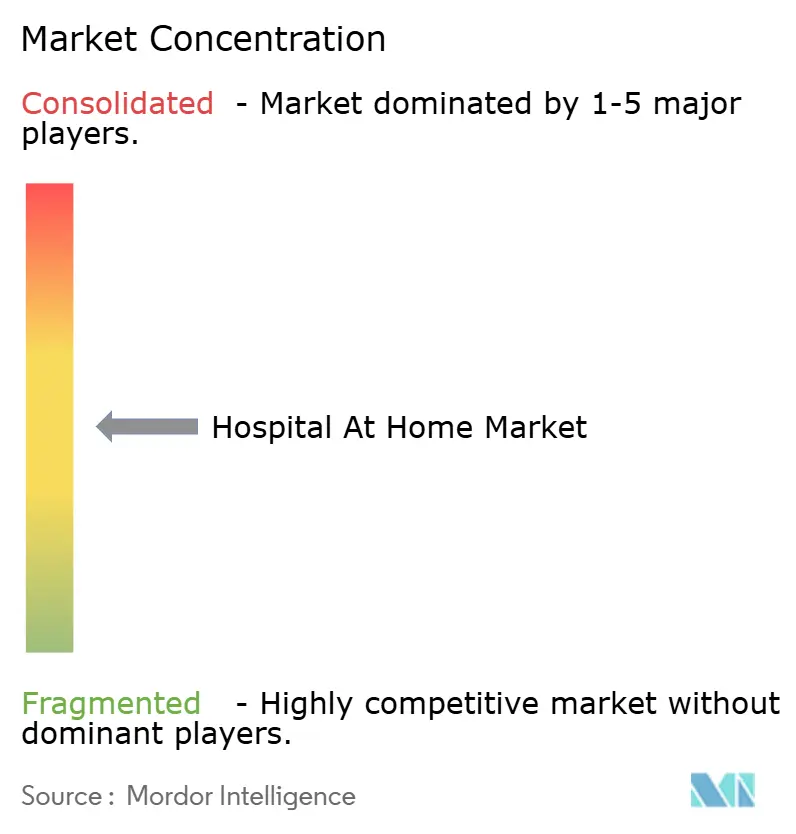
The hospital at home market has moderate concentration at the platform and technology layer, while direct care delivery remains fragmented among local and regional providers. Hospital-affiliated operators compete through proprietary command centers, clinical pathways, and patient outcomes data, while specialist delivery platforms compete on network coverage, clinical logistics, and per-episode cost efficiency. Medical technology companies compete by integrating devices, software, remote monitoring, and data infrastructure. DispatchHealth and Medically Home completed their merger during June 2025, creating an organization operating across more than 50 metropolitan areas, working with 40 health systems, and employing more than 2,200 people, with USD 1.5 billion in estimated cumulative medical cost savings since its founding.
Technology providers are shifting toward multi-year contracts that combine monitoring devices, software, and clinical workflow tools. Philips secured an 8-year consortium agreement with Region Stockholm during May 2026, supporting up to 15,000 patients annually across a 2 million-person catchment area. These agreements provide recurring revenue and embed technology vendors deeper into regional health system operations. Cleveland Clinic expanded Hospital Care At Home into Northeast Ohio during March 2026, serving eligible patients within a 25-mile radius of Fairview and Avon hospitals through the multistate Clinically Integrated Virtual Command Center in Vero Beach, Florida.
Rural and Medicaid-dominant populations remain key areas of unmet need, as workforce logistics and reimbursement complexity make them harder to serve. Community paramedic networks may improve coverage through a lower-cost model for in-person visits, while providers invest in wearable biosensors, deterioration prediction, medication management, and real-time clinical decision support. Continuous physiological monitoring can deliver more useful clinical information than periodic spot checks, and providers that combine clinical sensing with rapid escalation systems may gain an advantage in payer discussions and renewal decisions. The hospital at home market is likely to favor organizations that integrate technology with direct clinical delivery, while local care providers remain important for adapting to regional workforce availability, reimbursement rules, and patient-home conditions.
Hospital At Home Industry Leaders
Medically Home Group, Inc.
DispatchHealth Management, LLC
Inhealthcare Limited
Medtronic plc
Koninklijke Philips N.V.
- *Disclaimer: Major Players sorted in no particular order

Recent Industry Developments
- May 2026: Philips, Cuviva, and Vingmed secured a Karolinska University Hospital tender to deliver Region Stockholm’s hospital-at-home program for up to 15,000 patients annually across a 2 million-person catchment area.
- March 2026: Cleveland Clinic launched Hospital Care at Home in Northeast Ohio, serving patients within 25 miles of Fairview and Avon hospitals for select acute and post-operative conditions.
- February 2026: DispatchHealth and Saint Francis Health System launched a joint venture hospital-at-home program in Tulsa, Oklahoma, with capacity to scale to 40 concurrent patients across eastern Oklahoma.
- June 2025: DispatchHealth and Medically Home completed their merger, creating a high-acuity home-care platform spanning over 50 metropolitan areas and 40 health system partners.


Global Hospital At Home Market Report Scope
As per the scope of the report, hospital at home is an active health care model that delivers acute, inpatient-level care directly to a patient's residence instead of a traditional hospital building. It uses daily medical visits, remote monitoring tools, and skilled nurses to treat serious conditions safely at home.
The hospital-at-home market is segmented by component, service type, care model, delivery mode, patient demographic, indication, care provider, and geography. By component, the market includes equipment and devices, and software and services. The equipment and devices segment includes remote patient monitoring devices, diagnostic and point-of-care devices, connectivity and communication equipment, and medication delivery and infusion equipment. The software and services segment includes hospital-at-home software platforms, clinical command center software, telehealth and virtual care services, and implementation, consulting, and managed services. By service type, the market is segmented into acute care at home, chronic disease management at home, post-acute and transitional care, palliative care and hospice care, and rehabilitation services. By care model, the market is categorized into admission avoidance, early-supported discharge, hybrid admission avoidance and early-supported discharge, and virtual ward model. By delivery mode, the market is segmented into remote monitoring and telehealth, in-person home visits, and hybrid virtual and in-person care. By patient demographic, the market is segmented into adult patients, pediatric patients, and older adults. By indication, the market is segmented into cardiovascular conditions, respiratory diseases, infectious diseases, neurological conditions, orthopedic and post-surgical recovery, renal and metabolic conditions, oncology and immunocompromised care, and other clinical indications. By care provider, the market is segmented into hospitals and health systems, home health agencies, primary care and physician groups, private hospital-at-home providers, and health plans and integrated delivery networks. By geography, the market is analyzed across North America, Europe, Asia-Pacific, the Middle East and Africa, and South America. The report also covers the estimated market sizes and trends for 17 countries across major regions globally. The report offers the market sizes and forecasts in terms of value (USD) for the above segments.
| Equipment and Devices | Remote Patient Monitoring Devices |
| Diagnostic and Point-of-Care Devices | |
| Connectivity and Communication Equipment | |
| Medication Delivery and Infusion Equipment | |
| Software and Services | Hospital-at-Home Software Platforms |
| Clinical Command Center Software | |
| Telehealth and Virtual Care Services | |
| Implementation, Consulting, and Managed Services |
| Acute Care at Home |
| Chronic Disease Management at Home |
| Post-Acute and Transitional Care |
| Palliative Care and Hospice Care |
| Rehabilitation Services |
| Admission Avoidance |
| Early-Supported Discharge |
| Hybrid Admission Avoidance and Early-Supported Discharge |
| Virtual Ward Model |
| Remote Monitoring and Telehealth |
| In-Person Home Visits |
| Hybrid Virtual and In-Person Care |
| Adult Patients |
| Pediatric Patients |
| Older Adults |
| Cardiovascular Conditions |
| Respiratory Diseases |
| Infectious Diseases |
| Neurological Conditions |
| Orthopedic and Post-Surgical Recovery |
| Renal and Metabolic Conditions |
| Oncology and Immunocompromised Care |
| Other Clinical Indications |
| Hospitals and Health Systems |
| Home Health Agencies |
| Primary Care and Physician Groups |
| Private Hospital-at-Home Providers |
| Health Plans and Integrated Delivery Networks |
| North America | United States |
| Canada | |
| Mexico | |
| Europe | Germany |
| United Kingdom | |
| France | |
| Italy | |
| Spain | |
| Rest of Europe | |
| Asia-Pacific | China |
| India | |
| Japan | |
| Australia | |
| South Korea | |
| Rest of Asia-Pacific | |
| Middle East and Africa | GCC |
| South Africa | |
| Rest of Middle East and Africa | |
| South America | Brazil |
| Argentina | |
| Rest of South America |
| By Component | Equipment and Devices | Remote Patient Monitoring Devices |
| Diagnostic and Point-of-Care Devices | ||
| Connectivity and Communication Equipment | ||
| Medication Delivery and Infusion Equipment | ||
| Software and Services | Hospital-at-Home Software Platforms | |
| Clinical Command Center Software | ||
| Telehealth and Virtual Care Services | ||
| Implementation, Consulting, and Managed Services | ||
| By Service Type | Acute Care at Home | |
| Chronic Disease Management at Home | ||
| Post-Acute and Transitional Care | ||
| Palliative Care and Hospice Care | ||
| Rehabilitation Services | ||
| By Care Model | Admission Avoidance | |
| Early-Supported Discharge | ||
| Hybrid Admission Avoidance and Early-Supported Discharge | ||
| Virtual Ward Model | ||
| By Delivery Mode | Remote Monitoring and Telehealth | |
| In-Person Home Visits | ||
| Hybrid Virtual and In-Person Care | ||
| By Patient Demographic | Adult Patients | |
| Pediatric Patients | ||
| Older Adults | ||
| By Indication | Cardiovascular Conditions | |
| Respiratory Diseases | ||
| Infectious Diseases | ||
| Neurological Conditions | ||
| Orthopedic and Post-Surgical Recovery | ||
| Renal and Metabolic Conditions | ||
| Oncology and Immunocompromised Care | ||
| Other Clinical Indications | ||
| By Care Provider | Hospitals and Health Systems | |
| Home Health Agencies | ||
| Primary Care and Physician Groups | ||
| Private Hospital-at-Home Providers | ||
| Health Plans and Integrated Delivery Networks | ||
| By Geography | North America | United States |
| Canada | ||
| Mexico | ||
| Europe | Germany | |
| United Kingdom | ||
| France | ||
| Italy | ||
| Spain | ||
| Rest of Europe | ||
| Asia-Pacific | China | |
| India | ||
| Japan | ||
| Australia | ||
| South Korea | ||
| Rest of Asia-Pacific | ||
| Middle East and Africa | GCC | |
| South Africa | ||
| Rest of Middle East and Africa | ||
| South America | Brazil | |
| Argentina | ||
| Rest of South America | ||


Key Questions Answered in the Report
What is the hospital at home market size in 2026?
The hospital at home market size is USD 42.08 billion in 2026 and is projected to reach USD 61.55 billion by 2031, at a 7.90% CAGR.
What is driving hospital-at-home adoption?
Aging populations, chronic disease, inpatient bed pressure, value-based reimbursement, and remote monitoring are key factors supporting adoption.
Which hospital-at-home service is growing fastest?
Chronic Disease Management at Home is the fastest-growing service type, with a projected CAGR of 8.80% during 2026-2031.
Which care model has the highest growth rate?
Admission Avoidance is projected to grow at a 10.45% CAGR through 2031 because it prevents suitable patients from entering inpatient care.
Which patient group is the largest user of hospital-at-home care?
Older Adults held 44.24% of the segment in 2025, supported by Medicare coverage and the need to reduce inpatient risks for eligible patients.
What limits expansion of hospital-at-home programs?
Workforce shortages, reimbursement variation, rural infrastructure gaps, caregiver availability, and patient-safety requirements remain the main constraints.
Page last updated on:





