
Carcinoid Syndrome Management Market Size and Share
Market Overview
| Study Period | 2020 - 2031 |
|---|---|
| Market Size (2026) | USD 2.01 Billion |
| Market Size (2031) | USD 2.85 Billion |
| Growth Rate (2026 - 2031) | 7.27 % |
| Fastest Growing Market | Asia-Pacific |
| Largest Market | North America |
| Market Concentration | Medium |
Major Players
*Disclaimer: Major Players sorted in no particular order Image © Mordor Intelligence. Reuse requires attribution under CC BY 4.0. |
|
Carcinoid Syndrome Management Market Analysis by Mordor Intelligence
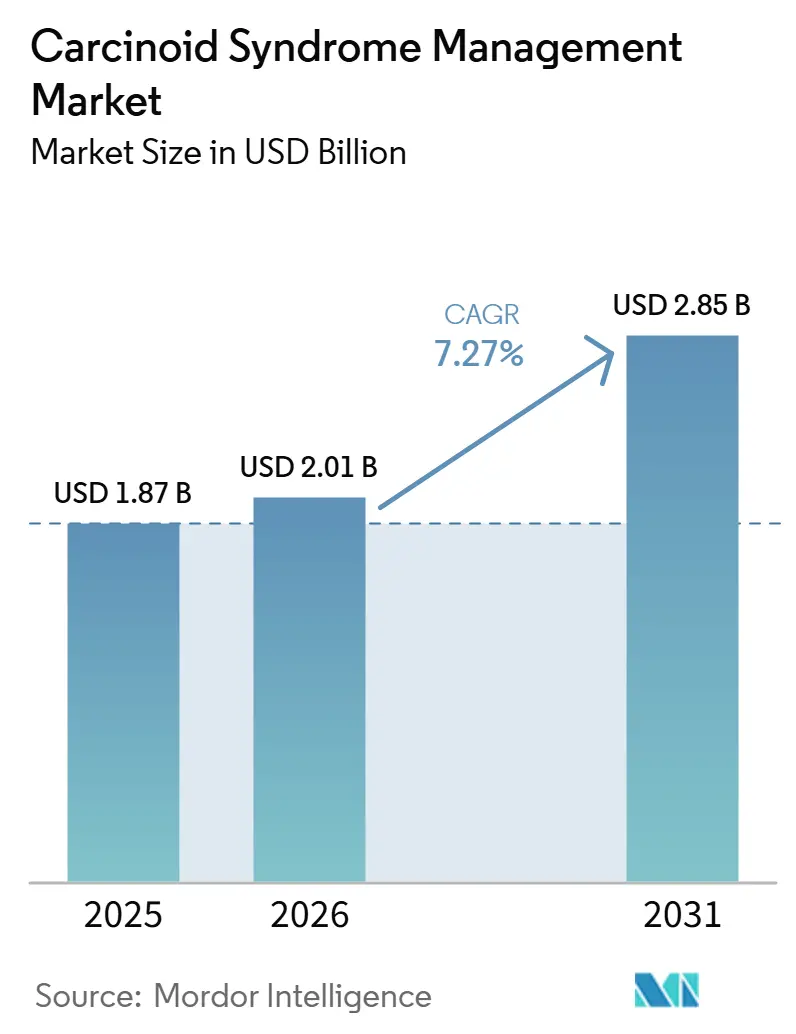
The Carcinoid Syndrome Management Market size is projected to expand from USD 1.87 billion in 2025 and USD 2.01 billion in 2026 to USD 2.85 billion by 2026, registering a CAGR of 7.27% between 2026 to 2026.
Rising detection of neuroendocrine tumors, longer survival, and broader access to peptide receptor radionuclide therapy support demand across the carcinoid syndrome management market. Imaging with Ga-68 DOTATATE PET helps identify patients who may need earlier treatment, while longer survival creates recurring use of symptom-control and tumor-directed medicines. The carcinoid syndrome management market also benefits when specialist centers add the staff and facilities needed for PRRT. Competitive activity is moving beyond established depot somatostatin analogs toward radioligand therapies, oral agents, and convenient subcutaneous formats. Access remains uneven because treatment can require specialist diagnostics, reimbursement approval, radiopharmaceutical supply, and hospital-based radiation infrastructure.
Key Report Takeaways
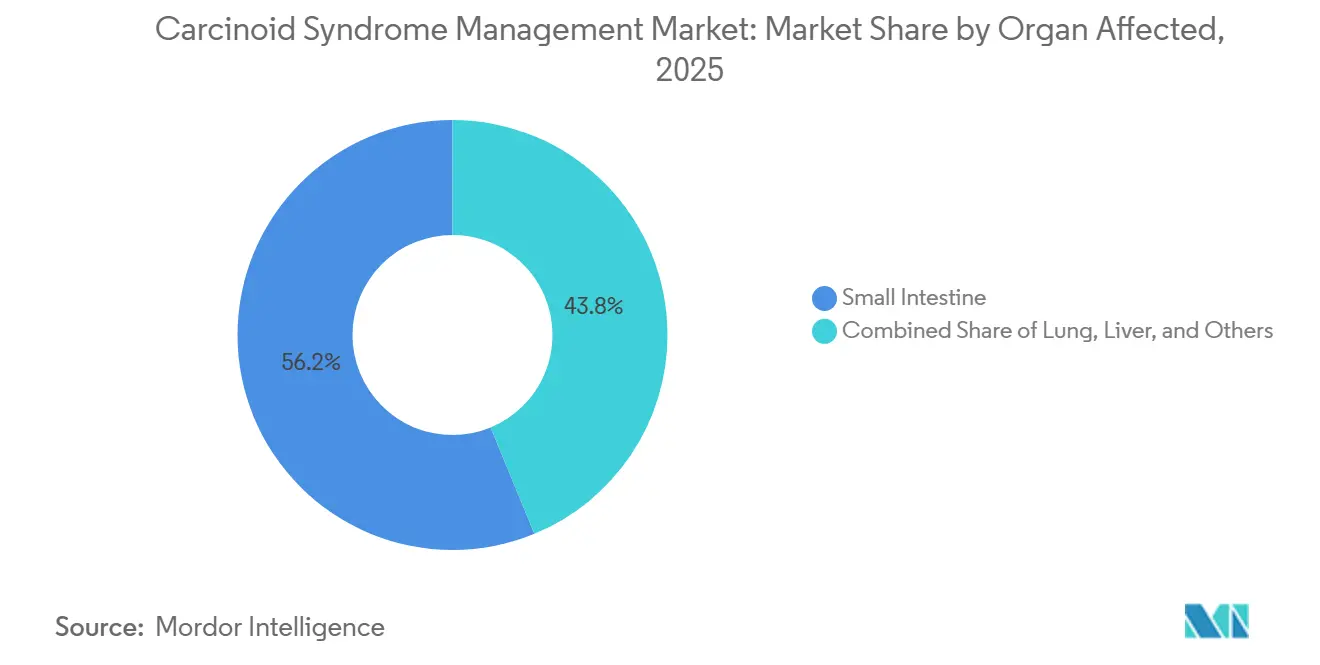
- By organ affected, small intestine NETs held 56.22% of the carcinoid syndrome management market share in 2025, while pancreatic NETs are forecast to grow at an 8.82% CAGR through 2031.
- By drug, octreotide accounted for 38.9% of the segment in 2025, while Lutetium Lu 177 Dotatate is forecast to expand at an 11.52% CAGR through 2031.
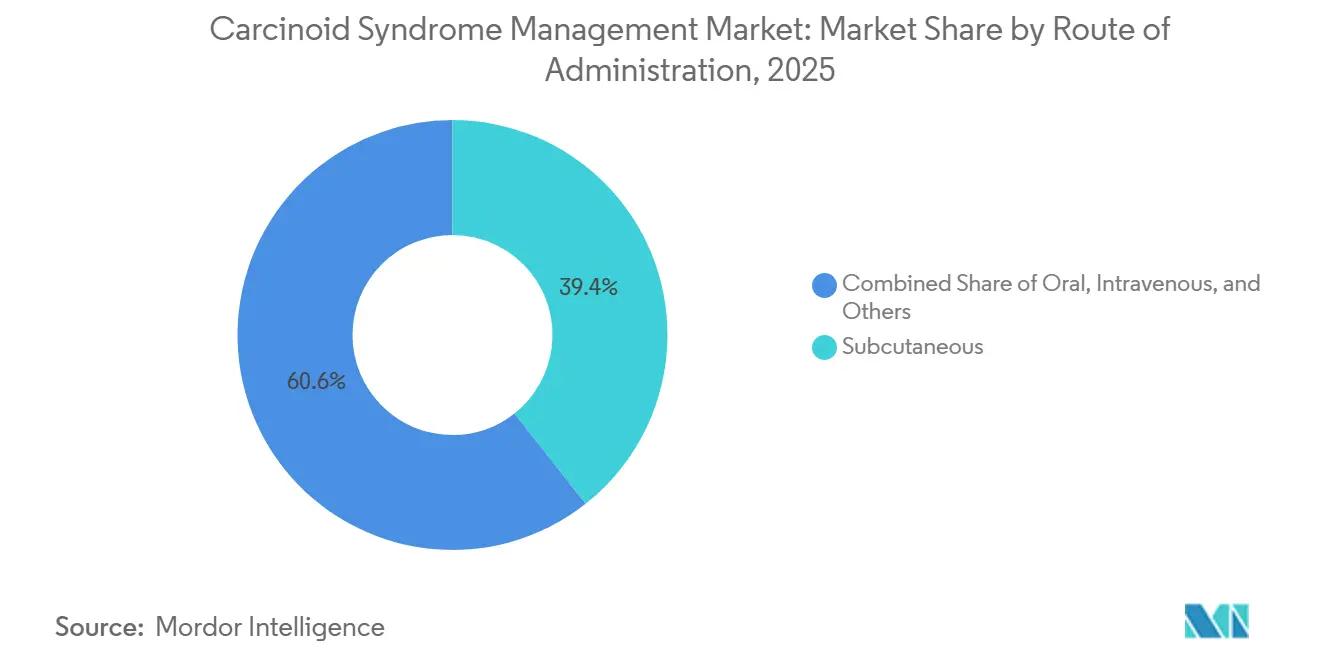
- By route of administration, subcutaneous delivery held 39.37% of the segment in 2025, while oral delivery is projected to grow at a 9.51% CAGR through 2031.
- By end user, hospitals held 54.16% of the segment in 2025, while homecare is forecast to advance at an 8.87% CAGR through 2031.
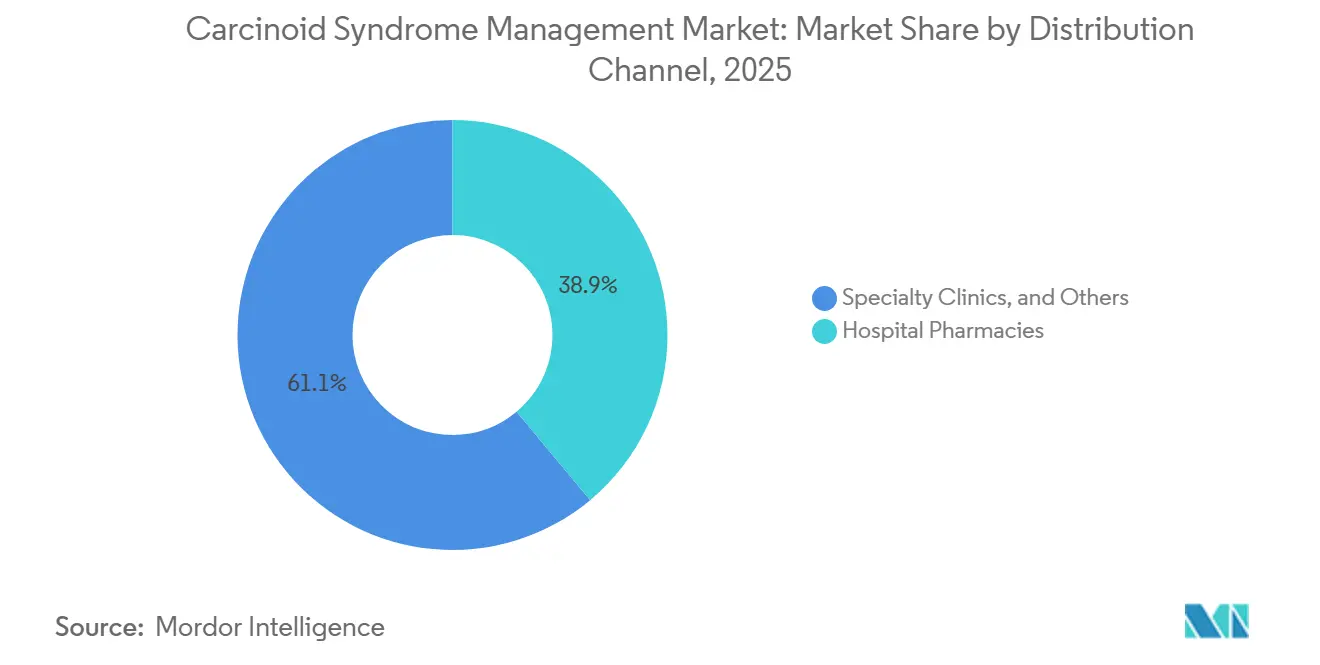
- By distribution channel, hospital pharmacies held 38.94% of the segment in 2025, while online pharmacies are projected to grow at an 11.03% CAGR through 2031.
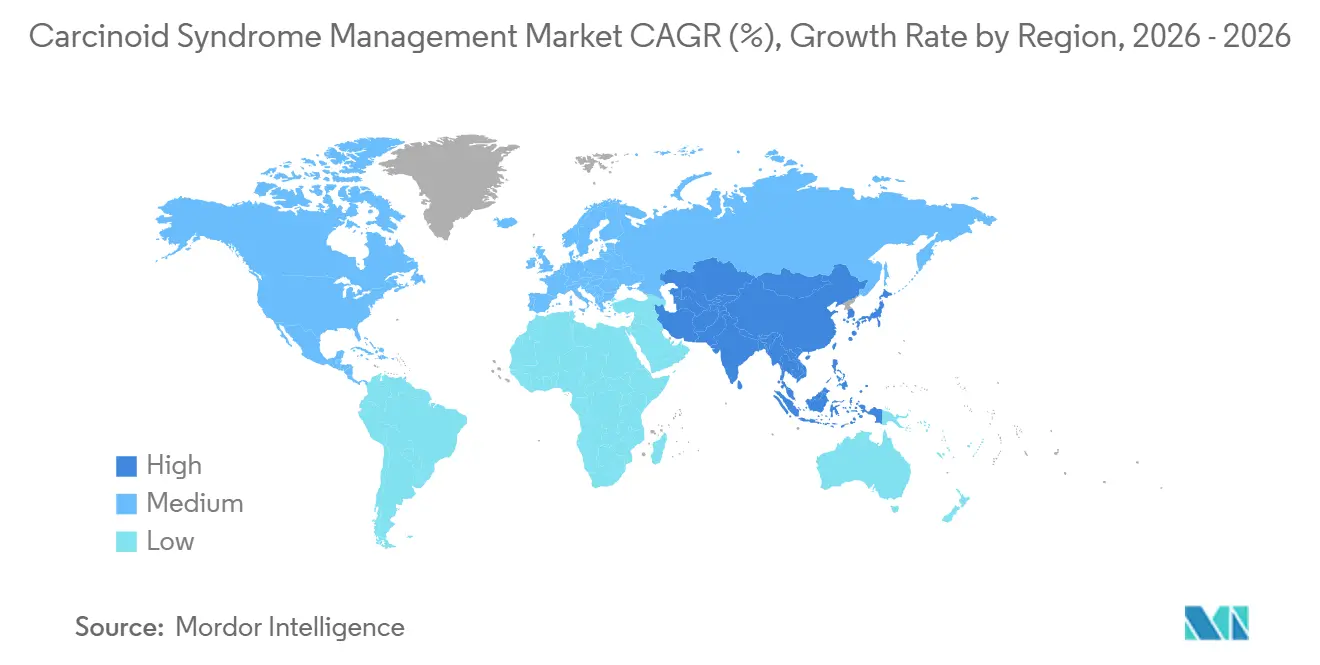
- By geography, North America held 46.38% of the carcinoid syndrome management market share in 2025, while Asia-Pacific is forecast to grow at a 17.12% CAGR through 2031.
Note: Market size and forecast figures in this report are generated using Mordor Intelligence’s proprietary estimation framework, updated with the latest available data and insights as of January 2026.
Market Trends and Insights
Drivers Impact Analysis of Carcinoid Syndrome Management Market*
| Driver | (~) % Impact on CAGR Forecast | Geographic Relevance | Impact Timeline |
|---|---|---|---|
| Rising Diagnosis and Survivorship of Neuroendocrine Tumors | +1.80% | Global | Short term (≤ 2 years) |
| Recurring Somatostatin Analog Use and Dose Escalation | +1.60% | North America and Europe | Medium term (2-4 years) |
| Expansion of Peptide Receptor Radionuclide Therapy and Liver-Directed Treatment | +2.10% | North America, Europe, and core Asia-Pacific markets | Medium term (2-4 years) |
| Oral and Long-Acting Treatment Demand in Refractory Disease | +1.20% | North America and Europe, with spillover to Asia-Pacific | Long term (≥ 4 years) |
| Carcinoid Heart Disease Surveillance Supporting Treatment Demand | +0.90% | North America and Europe | Medium term (2-4 years) |
| Expansion of Specialized NET Centers and Multidisciplinary Care | +0.80% | Global | Long term (≥ 4 years) |
| Source: Mordor Intelligence | |||
Rising Diagnosis and Survivorship of Neuroendocrine Tumors
The treated neuroendocrine tumor population is broader than it was a decade ago, which is increasing the number of patients who may develop carcinoid syndrome. U.S. neuroendocrine tumor prevalence reached 35 per 100,000 people, supported by rising incidence and better survival outcomes. A 2025 study using the SEER-22 database reported that age-adjusted U.S. neuroendocrine tumor incidence increased from 4.6 per 100,000 in 2000 to 8.2 per 100,000 in 2021, with the largest increase among people older than 65. Longer survival means patients can progress through several treatment lines, including somatostatin analogs, PRRT, and add-on treatment with telotristat ethyl. In April 2024, the FDA approved Lutathera for patients aged 12 years and older with somatostatin receptor-positive gastroenteropancreatic neuroendocrine tumors, extending its indicated population to younger patients. Earlier diagnosis can therefore increase both the treated population and the time that patients remain on disease management[1]Libutti, S.K. "Carcinoid Syndrome." StatPearls, National Library of Medicine. Accessed July 2026. https://www.ncbi.nlm.nih.gov/books/NBK448096/.
Expansion of Peptide Receptor Radionuclide Therapy and Liver-Directed Treatment
PRRT is moving from a later treatment option toward earlier use for selected patients with gastroenteropancreatic neuroendocrine tumors. In the Phase 3 NETTER-2 trial, Lutathera plus octreotide LAR produced a median progression-free survival of 22.8 months, compared with 8.5 months for high-dose octreotide LAR in newly diagnosed grade 2 or 3 disease. The carcinoid syndrome management market gains when earlier PRRT use increases demand for radioligand medicines and hospital services. This expansion gives the carcinoid syndrome management market a stronger link to specialist nuclear medicine capacity. In July 2026, ITM Radiopharma reported COMPETE Phase 3 results for 177Lu-edotreotide, with a median progression-free survival of 23.9 months versus 14.1 months for everolimus and grade 3 or 4 adverse event rates of 18% versus 40%. A 2025 Italian position paper from AIMN, ITANET, and SIE set out PRRT protocols specifically for patients with carcinoid syndrome, including management of carcinoid crisis and heart disease risk. Liver-directed procedures, including TACE, SIRT, and ablation, can reduce hepatic tumor burden and serotonin load before systemic treatment, supporting multidisciplinary care pathways.
Recurring Somatostatin Analog Use and Dose Escalation
Somatostatin analogs remain the core recurring treatment class in the carcinoid syndrome management market. Octreotide LAR and lanreotide autogel are used for symptom control and tumor stabilization, so patients may receive them repeatedly over long treatment periods. German DGVS guidance and ESMO protocols support shortening a treatment interval from 28 days to 21 days when symptoms remain uncontrolled. This approach increases therapy use for an existing patient without requiring a new diagnosis or treatment class. Generic octreotide from Teva, Sun Pharmaceutical, and other producers lowers price pressure in mature settings while improving access in more cost-sensitive countries. FDA reference listed drug requirements and EMA biosimilar guidance will affect how quickly generic alternatives enter different markets.
Oral and Long-Acting Treatment Demand in Refractory Disease
Patients whose symptoms remain uncontrolled on depot somatostatin analog treatment often need add-on therapy and may use several medicines at the same time. Telotristat ethyl is an oral tryptophan hydroxylase inhibitor approved for carcinoid syndrome diarrhea that remains inadequately controlled by somatostatin analog therapy. This patient group can require concurrent somatostatin analog treatment, telotristat, PRRT, and close clinical monitoring. Crinetics Pharmaceuticals is conducting the global Phase 3 CAREFNDR trial of paltusotine for carcinoid syndrome, following the September 2025 FDA approval of PALSONIFY for acromegaly. A positive outcome could support a once-daily oral option for patients currently using monthly depot injections. Demand for oral and long-acting formats is therefore tied to symptom control, treatment convenience, and the potential for better adherence.
Restraints Impact Analysis of Carcinoid Syndrome Management Market*
| Restraint | (~) % Impact on CAGR Forecast | Geographic Relevance | Impact Timeline |
|---|---|---|---|
| High Therapy Cost and Radionuclide Infrastructure Requirements | -1.50% | Global, most acute in the Middle East, Africa, and South America | Short term (≤ 2 years) |
| Limited Specialist-Center and Diagnostic Access | -0.90% | Emerging Asia-Pacific markets, the Middle East, Africa, and South America | Medium term (2-4 years) |
| Fragmented Evidence and Reimbursement for Treatment Sequencing | -0.70% | Europe and North America | Medium term (2-4 years) |
| Treatment-Related Toxicity and Monitoring Burden Across Sequential Therapies | -0.60% | Global | Long term (≥ 4 years) |
| Source: Mordor Intelligence | |||
High Therapy Cost and Radionuclide Infrastructure Requirements
A full 4-cycle Lutathera regimen in the United States costs more than USD 200,000, limiting use when payers do not have established neuroendocrine tumor coverage policies. PRRT also requires shielded rooms, trained nuclear medicine specialists, dedicated hot-lab capacity, and regulated radiopharmaceutical logistics. Most community hospitals cannot provide all of these requirements. A lower-priced radioequivalent could improve affordability, but it would not remove the need for specialist facilities and trained personnel. European health systems with ENETS-accredited centers have more structured access pathways, although reimbursement authorization can delay PRRT initiation by 3 to 6 months. These cost and infrastructure limits restrict use in the carcinoid syndrome management market, particularly outside academic treatment networks.
Limited Specialist-Center and Diagnostic Access
Carcinoid syndrome assessment commonly begins with 5-HIAA or chromogranin A testing and may require confirmatory Ga-68 DOTATATE PET or CT imaging. In areas with few multidisciplinary neuroendocrine tumor centers, symptoms such as flushing and diarrhea can be attributed to other conditions before the right diagnostic workup is completed. A 2024 German S2k guideline review recommended 5-HIAA testing for all people with suspected carcinoid syndrome, but guideline-based diagnostic workups are not used consistently outside tertiary centers. JNETS guidance notes that hindgut neuroendocrine tumors, which cause carcinoid syndrome less often than midgut tumors, make up a larger share of cases in Japan. This limits the symptom-eligible patient pool in Japan compared with Western settings, where midgut primary tumors are more common. The carcinoid syndrome management market, therefore, has a different clinical base in Japan than in North America and Europe. Center expansion and physician education are, therefore, as important as product availability in supporting regional uptake.
*Our forecasts treat driver/restraint impacts as directional, not additive. The impact forecasts reflect baseline growth, mix effects, and variable interactions.
Carcinoid Syndrome Management Market Segment Analysis
By Organ Affected:
Small Intestine Leads While Pancreatic NETs Grow FastestSmall intestine NETs held 56.22% of the carcinoid syndrome management market share in 2025. Their lead reflects the close association between midgut tumors and functional carcinoid syndrome. When liver metastases develop, serotonin-secreting midgut tumors can bypass normal hepatic metabolism and cause flushing and diarrhea. Somatostatin analog therapy, PRRT, and telotristat ethyl have substantial clinical use in small intestine NETs. This makes the segment a major source of demand for established symptom-control drugs. Lung NETs form the second-largest organ segment because of their long natural history and the presence of somatostatin analog-responsive functional tumors. Liver-primary and rectal NETs generate lower volumes because functional syndrome is less frequent and treatment pathways differ.
Pancreatic NETs are projected to grow at an 8.82% CAGR between 2026 and 2031, the fastest rate among the organ segments. Improved identification through endoscopic ultrasound and PET or CT imaging is supporting patient selection. Sunitinib and everolimus have established treatment roles in progressive pancreatic NETs. CABINET trial data showed a 77% reduction in progression-free survival risk in the pancreatic NET cohort receiving cabozantinib. Appendix, colon, and stomach NETs remain smaller segments because incidental detection and surgery often occur before a patient needs pharmacological carcinoid syndrome management. Greater use of somatostatin receptor imaging may gradually increase the treated population in these smaller segments. The carcinoid syndrome management market will continue to depend most heavily on small intestine NETs while pancreatic cases contribute a growing share of treatment demand.



By Drug:
Octreotide Holds the Largest Position While Lutetium Lu 177 Dotatate Expands FastestOctreotide captured 38.9% of the drug segment in 2025. Its position reflects long clinical use, broad approved indications, and a generic manufacturing base that supports high prescription volumes. The drug is used in carcinoid syndrome, acromegaly, and VIPoma treatment. Lanreotide has a complementary role in the somatostatin analog class, particularly in Europe, where its deep subcutaneous autogel format provides another first-line option. Telotristat ethyl remains differentiated because it is the approved oral agent directed at serotonin overproduction in refractory carcinoid syndrome diarrhea. Everolimus and pasireotide address selected progressive disease settings within the carcinoid syndrome management market.
Lutetium Lu 177 Dotatate is forecast to grow at an 11.52% CAGR through 2031. NETTER-2 reported an objective response rate of 43% for Lutathera plus octreotide LAR, compared with 9.3% for high-dose octreotide. COMPETE results for 177Lu-edotreotide provide additional support for the radioligand therapy category. Interferon-alpha use is declining as PRRT evidence supports alternatives in later-line settings. Supportive medicines should retain stable demand for symptom management. Paltusotine creates a potential challenge to depot octreotide because CAREFNDR is testing a once-daily oral SST2 agonist in the same patient population. This drug mix combines a large, established somatostatin analog base with faster growth in radioligand treatment.
By Route of Administration:
Subcutaneous Delivery Leads While Oral Delivery Gains GroundSubcutaneous delivery held 39.37% of the route segment in 2025. Long-acting octreotide and lanreotide autogel depot treatments account for most of this position. These formulations are typically given every 28 days, and their use has supported a gradual shift toward subcutaneous options. Autogel products can be administered by a nurse and, in some cases, by the patient. Intravenous administration remains necessary for PRRT and short-acting octreotide during carcinoid crisis management. Intra-arterial treatment retains a narrower but stable role in hepatic embolization procedures. The carcinoid syndrome management market, therefore, has a route mix shaped by both routine maintenance therapy and hospital-based procedures.
Oral delivery is forecast to grow at a 9.51% CAGR between 2026 and 2031. Telotristat ethyl already provides an oral add-on option for uncontrolled carcinoid syndrome diarrhea. Paltusotine could add a daily oral somatostatin receptor agonist if its pivotal program is successful. ENETS and AWMF S2k guidance recognize quality of life as part of treatment optimization, which supports interest in options that reduce injection frequency. Intramuscular delivery for octreotide LAR remains important and should retain a clinical role. Over time, oral and subcutaneous choices could gain share while intramuscular volumes face greater pressure. This change will depend on regulatory results, reimbursement, and whether patients maintain disease control after changing formats.
By End User:
Hospitals Lead While Homecare ExpandsHospitals accounted for 54.16% of the end-user segment in 2025. The carcinoid syndrome management market size linked to hospitals reflects the complexity of PRRT, supervised somatostatin analog initiation, and acute care for carcinoid crisis. Nuclear medicine suites and radiation controls make hospitals essential for radioligand procedures. A 2024 JACC Case Reports review noted that valve replacement and PRRT coordination for carcinoid heart disease require tertiary hospital resources. Cancer institutions and treatment centers form the next tier because they host multidisciplinary neuroendocrine tumor boards. ENETS recognition of coordinated care also reinforces the role of these specialist institutions[2]European Neuroendocrine Tumor Society, “Centers of Excellence,” ENETS, enets.org.
Homecare is forecast to expand at an 8.87% CAGR from 2026 to 2031. Stable self-administered subcutaneous octreotide protocols support this growth. Home infusion and follow-up monitoring can also support patients after SIRT or chemoembolization. Homecare does not replace hospital volumes for PRRT or high-acuity care. Instead, it extends treatment access for patients receiving maintenance therapy after their condition is stable. Specialty clinics continue to dispense and monitor regular somatostatin analog treatment. Academic and research institutions remain smaller users but influence protocols through investigator-led trials and specialist center designations.
By Distribution Channel:
Hospital Pharmacies Lead While Online Pharmacies Grow FastestHospital pharmacies accounted for 38.94% of the distribution channel segment in 2025. Their position reflects point-of-care dispensing for PRRT, injectable somatostatin analogs, and telotristat ethyl. Specialty pharmacies form an important second channel for expensive branded medicines. They help with patient navigation, cold-chain handling, and prior authorization for Lutathera, lanreotide autogel, and Xermelo. Retail pharmacies support generic somatostatin analog volume in countries where octreotide no longer has patent protection. These channels broaden access for patients using biosimilar or generic depot treatments in Europe and emerging countries.
Online pharmacies are forecast to grow at an 11.03% CAGR between 2026 and 2031. Growth is linked to more specialty-focused digital platforms, insurer and pharmacy benefit manager acceptance, and oral medicines that can be delivered by mail. Digital dispensing can reduce refill barriers for stable patients receiving long-term treatment. Better refill continuity may support adherence in the somatostatin analog treatment base. Requirements set by the U.S. Drug Enforcement Administration and state specialty pharmacy licenses will influence the pace of online pharmacy adoption. Hospital and specialty channels will remain central for complex medicines, while online channels are better suited to maintenance treatment and oral products. This channel split will shape access across the carcinoid syndrome management market as oral treatment options develop.
Geography Analysis
The Americas Carcinoid Syndrome Management Market
North America held 46.38% of the carcinoid syndrome management market share in 2025. The United States drives regional volume through orphan-drug policies, broad oncology coverage pathways, and an established network of academic neuroendocrine tumor centers. The FDA approval of Lutathera for patients aged 12 years and older in April 2024 expanded the eligible U.S. patient population. Canada provides a stable secondary base through provincial coverage of somatostatin analogs for approved neuroendocrine tumor indications. Brazil and Argentina offer an emerging demand base as private healthcare develops and selected public oncology budgets support somatostatin analog therapy. Reimbursement delays and limited PRRT capacity remain material access barriers across South America.
EMEA Carcinoid Syndrome Management Market
Europe is the second-largest regional bloc, with Germany, France, the United Kingdom, Italy, and Spain as key contributors. ENETS clinical guidelines and Centers of Excellence guide care pathways and concentrate PRRT capacity at selected hospitals. In July 2025, the European Commission approved Cabometyx for adults with unresectable or metastatic well-differentiated pancreatic and extra-pancreatic NETs after at least 1 systemic therapy other than somatostatin analogs. CABINET data showed a 77% reduction in progression-free survival risk in the pancreatic NET cohort. German DGVS guidance supports high-dose somatostatin analog escalation before PRRT in patients with inadequately controlled symptoms. GCC countries access branded PRRT mainly through government oncology programs, while South Africa remains the most developed neuroendocrine treatment setting in Africa.
APAC Carcinoid Syndrome Management Market
Asia-Pacific is projected to advance at a 17.12% CAGR through 2031, the highest regional growth rate in the carcinoid syndrome management market. Investment in nuclear medicine capacity across South Korea, Australia, and China supports this outlook. Australia’s Pharmaceutical Benefits Scheme subsidizes PRRT for eligible neuroendocrine tumor patients. Japanese guidance states that hindgut NETs make up a greater share of local diagnoses and have lower carcinoid syndrome rates than midgut tumors. Japan still offers a high-value cohort because of its advanced healthcare system, regulatory pathways, and established Lutathera approval. China and India offer the largest potential patient pools, with specialist centers in Beijing, Shanghai, Delhi, and Mumbai supporting concentrated PRRT and somatostatin analog use.

Competitive Landscape
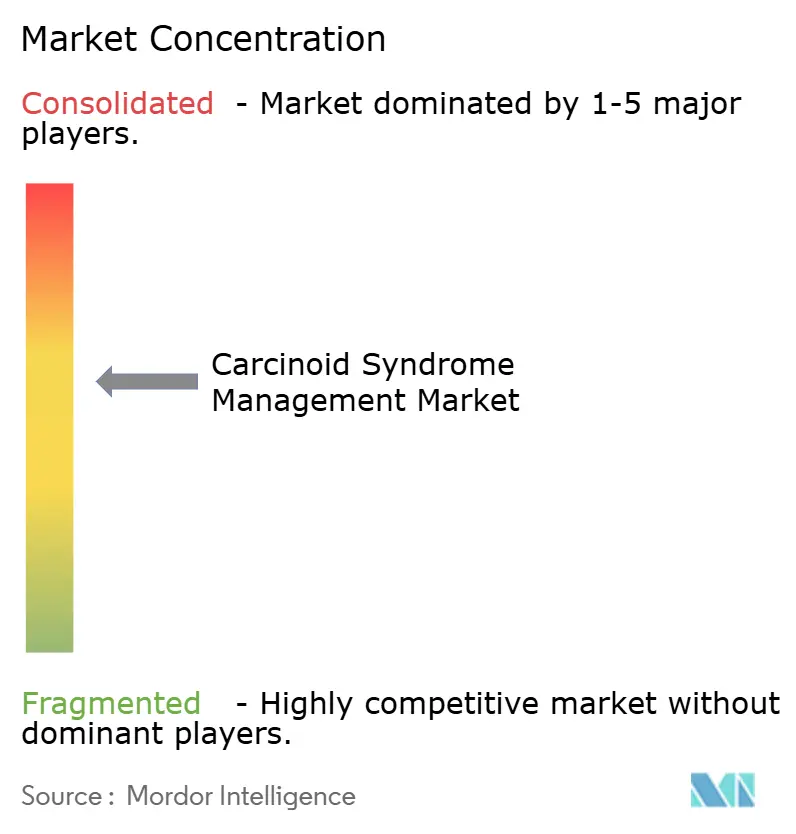
The carcinoid syndrome management market is moderately concentrated in branded specialty therapies. Novartis has major positions through Lutathera and Sandostatin, while Ipsen participates through Somatuline Depot and Cabometyx. Their therapies address different parts of the treatment pathway, which gives each company a substantial role in specialist prescribing. Generic somatostatin analog suppliers, including Teva, Sun Pharmaceutical, and regional manufacturers, place ongoing price pressure on the established somatostatin analog class. This can reduce branded revenue per unit in mature countries while increasing access in lower-cost markets. Competition is therefore more fragmented in high-volume somatostatin analog treatments than in PRRT.
Novartis has strengthened its position through the continued development and approved use of Lutathera, including the April 2024 FDA approval for eligible patients aged 12 years and older[3]Novartis, “Lutathera Regulatory Update,” Novartis, novartis.com. Ipsen expanded its advanced NET portfolio when the European Commission approved Cabometyx in July 2025 for previously treated unresectable or metastatic well-differentiated pancreatic and extra-pancreatic NETs. ITM Radiopharma reported Phase 3 COMPETE data for 177Lu-edotreotide in July 2026, creating a potential new PRRT competitor if the program progresses through regulatory review. These developments increase interest in radioligand therapy and could give treatment centers more supply options. The need for specialist infrastructure still limits how quickly new PRRT products can convert into broad patient access. Service quality, radiopharmaceutical logistics, and clinical support may become more important competitive factors.
Oral and convenient administration formats are another area of competition in the carcinoid syndrome management industry. Crinetics is testing paltusotine in the Phase 3 CAREFNDR trial for carcinoid syndrome after establishing PALSONIFY in acromegaly. Lexicon has a distinct role through Xermelo, which targets serotonin production and is used as an add-on option for patients with diarrhea that remains uncontrolled on a somatostatin analog. Novartis patent coverage for Lutathera manufacturing and formulation supports its competitive position into the early 2030s. Companies are also pursuing receptor-selective somatostatin analogs and alpha-emitting radiopharmaceuticals, including Lead-212 DOTATATE development following Bristol-Myers Squibb’s RayzeBio acquisition.
Carcinoid Syndrome Management Industry Leaders
-
Novartis AG
-
Ipsen Pharma
-
Lexicon Pharmaceuticals, Inc.
-
Lexicon Pharmaceuticals, Inc.
-
Sun Pharmaceutical Industries Ltd.
- *Disclaimer: Major Players sorted in no particular order
Carcinoid Syndrome Management Market Companies Covered in this Report
- Advanced Accelerator Applications USA, Inc.
- AstraZeneca
- Bristol-Myers Squibb
- Crinetics Pharmaceuticals, Inc.
- Ipsen
- ITM Isotope Technologies
- ITM Isotope Technologies
- ITM Isotope Technologies
- Lexicon Pharmaceuticals, Inc.
- Merck
- Novartis
- Pfizer
- Roche
- Sanwa Kagaku Kenkyusho Co., Ltd.
- Sirtex Medical Limited
- Sun Pharmaceuticals Industries
- Takeda Pharmaceuticals
- TerSera Therapeutics LLC
- Teva Pharmaceutical Industries
- Wockhardt Limited

Recent Industry Developments in Carcinoid Syndrome Management Market
- July 2026: The carcinoid syndrome management market is moderately concentrated in branded specialty therapies. Novartis has major positions through Lutathera and Sandostatin, while Ipsen participates through Somatuline Depot and Cabometyx. Their therapies address different parts of the treatment pathway, which gives each company a substantial role in specialist prescribing. Generic somatostatin analog suppliers, including Teva, Sun Pharmaceutical, and regional manufacturers, place ongoing price pressure on the established somatostatin analog class. This can reduce branded revenue per unit in mature countries while increasing access in lower-cost markets. Competition is therefore more fragmented in high-volume somatostatin analog treatments than in PRRT.
- July 2026: creating a potential new PRRT competitor if the program progresses through regulatory review. These developments increase interest in radioligand therapy and could give treatment centers more supply options. The need for specialist infrastructure still limits how quickly new PRRT products can convert into broad patient access. Service quality, radiopharmaceutical logistics, and clinical support may become more important competitive factors.


Global Carcinoid Syndrome Management Market Report Scope
As per the scope of the report, carcinoid syndrome management comprises the diagnosis, treatment, monitoring, and supportive care of patients with carcinoid syndrome, a rare clinical condition primarily caused by hormone-secreting neuroendocrine tumors (NETs). The condition is characterized by symptoms such as flushing, diarrhea, abdominal pain, wheezing, and, in advanced cases, carcinoid heart disease. Management strategies focus on controlling hormone-related symptoms, slowing disease progression, improving quality of life, and reducing complications through pharmacological therapies, targeted treatments, peptide receptor radionuclide therapy (PRRT), supportive medications, and multidisciplinary clinical care.
The Carcinoid Syndrome Management Market is segmented by organ affected into small intestine, lung, liver, rectum, appendix, colon, stomach, pancreas, and rest of organs affected; by drug into octreotide, lanreotide, telotristat ethyl, lutetium Lu 177 dotatate, everolimus, pasireotide, interferon-alpha, supportive medicines, and rest of drugs; by route of administration into oral, intravenous, intramuscular, subcutaneous, and intra-arterial; by end user into hospitals, specialty clinics, cancer institutions and treatment centers, academic and research institutions, and homecare settings; by distribution channel into direct hospital tenders, specialty pharmacies, retail pharmacies, online pharmacies, and patient-assistance programs; and by geography into North America, Europe, Asia-Pacific, Middle East and Africa, and South America. The market report also covers the estimated market sizes and trends for 17 countries across major regions globally. For each segment, the market size and forecast are provided in terms of value (USD).
| Small Intestine |
| Lung |
| Liver |
| Rectum |
| Appendix |
| Colon |
| Stomach |
| Pancreas |
| Other Organs |
| Octreotide |
| Lanreotide |
| Telotristat Ethyl |
| Lutetium Lu 177 Dotatate |
| Everolimus |
| Pasireotide |
| Interferon-Alpha |
| Supportive Medicines |
| Other Drugs |
| Oral |
| Intravenous |
| Intramuscular |
| Subcutaneous |
| Intra-Arterial |
| Hospitals |
| Specialty Clinics |
| Cancer Institutions and Treatment Centers |
| Academic and Research Institutions |
| Homecare Settings |
| Hospital Pharmacies |
| Specialty Pharmacies |
| Retail Pharmacies |
| Online Pharmacies |
| Others |
| North America | United States |
| Canada | |
| Mexico | |
| Europe | Germany |
| United Kingdom | |
| France | |
| Italy | |
| Spain | |
| Rest of Europe | |
| Asia-Pacific | China |
| Japan | |
| India | |
| Australia | |
| South Korea | |
| Rest of Asia-Pacific | |
| Middle East and Africa | GCC |
| South Africa | |
| Rest of Middle East and Africa | |
| South America | Brazil |
| Argentina | |
| Rest of South America |
| By Organ Affected | Small Intestine | |
| Lung | ||
| Liver | ||
| Rectum | ||
| Appendix | ||
| Colon | ||
| Stomach | ||
| Pancreas | ||
| Other Organs | ||
| By Drug | Octreotide | |
| Lanreotide | ||
| Telotristat Ethyl | ||
| Lutetium Lu 177 Dotatate | ||
| Everolimus | ||
| Pasireotide | ||
| Interferon-Alpha | ||
| Supportive Medicines | ||
| Other Drugs | ||
| By Route of Administration | Oral | |
| Intravenous | ||
| Intramuscular | ||
| Subcutaneous | ||
| Intra-Arterial | ||
| By End User | Hospitals | |
| Specialty Clinics | ||
| Cancer Institutions and Treatment Centers | ||
| Academic and Research Institutions | ||
| Homecare Settings | ||
| By Distribution Channel | Hospital Pharmacies | |
| Specialty Pharmacies | ||
| Retail Pharmacies | ||
| Online Pharmacies | ||
| Others | ||
| By Geography | North America | United States |
| Canada | ||
| Mexico | ||
| Europe | Germany | |
| United Kingdom | ||
| France | ||
| Italy | ||
| Spain | ||
| Rest of Europe | ||
| Asia-Pacific | China | |
| Japan | ||
| India | ||
| Australia | ||
| South Korea | ||
| Rest of Asia-Pacific | ||
| Middle East and Africa | GCC | |
| South Africa | ||
| Rest of Middle East and Africa | ||
| South America | Brazil | |
| Argentina | ||
| Rest of South America | ||


Key Questions Answered in the Report
What is the projected value of the carcinoid syndrome management market by 2031?
The carcinoid syndrome management market is projected to reach USD 2.85 billion by 2031, from USD 2.01 billion in 2026, at a 7.27% CAGR.
Which organ segment has the largest role in carcinoid syndrome treatment?
Small intestine NETs held 56.22% of the segment in 2025 because midgut tumors are closely associated with functional carcinoid syndrome.
Which treatment is forecast to grow fastest through 2031?
Lutetium Lu 177 Dotatate is forecast to grow at an 11.52% CAGR between 2026 and 2031, supported by clinical evidence for earlier PRRT use.
Why are hospitals central to carcinoid syndrome care?
Hospitals held 54.16% of end-user demand in 2025 because PRRT, carcinoid crisis care, and complex cardiac coordination require specialist facilities.
Which region is expected to grow fastest through 2031?
Asia-Pacific is forecast to grow at a 17.12% CAGR, supported by expanding nuclear medicine capacity and specialist treatment centers.
What is limiting wider access to PRRT?
High treatment cost, reimbursement delays, shielded rooms, trained nuclear medicine teams, and regulated radiopharmaceutical supply remain key limitations.
Page last updated on:





