
Bacterial Pneumonia Market Size and Share
Market Overview
| Study Period | 2021 - 2032 |
|---|---|
| Market Size (2027) | USD 7.88 Billion |
| Market Size (2032) | USD 10.61 Billion |
| Growth Rate (2027 - 2032) | 6.13 % |
| Fastest Growing Market | Asia-Pacific |
| Largest Market | North America |
| Market Concentration | Medium |
Major Players *Disclaimer: Major Players sorted in no particular order Image © Mordor Intelligence. Reuse requires attribution under CC BY 4.0. | |
Bacterial Pneumonia Market Analysis by Mordor Intelligence
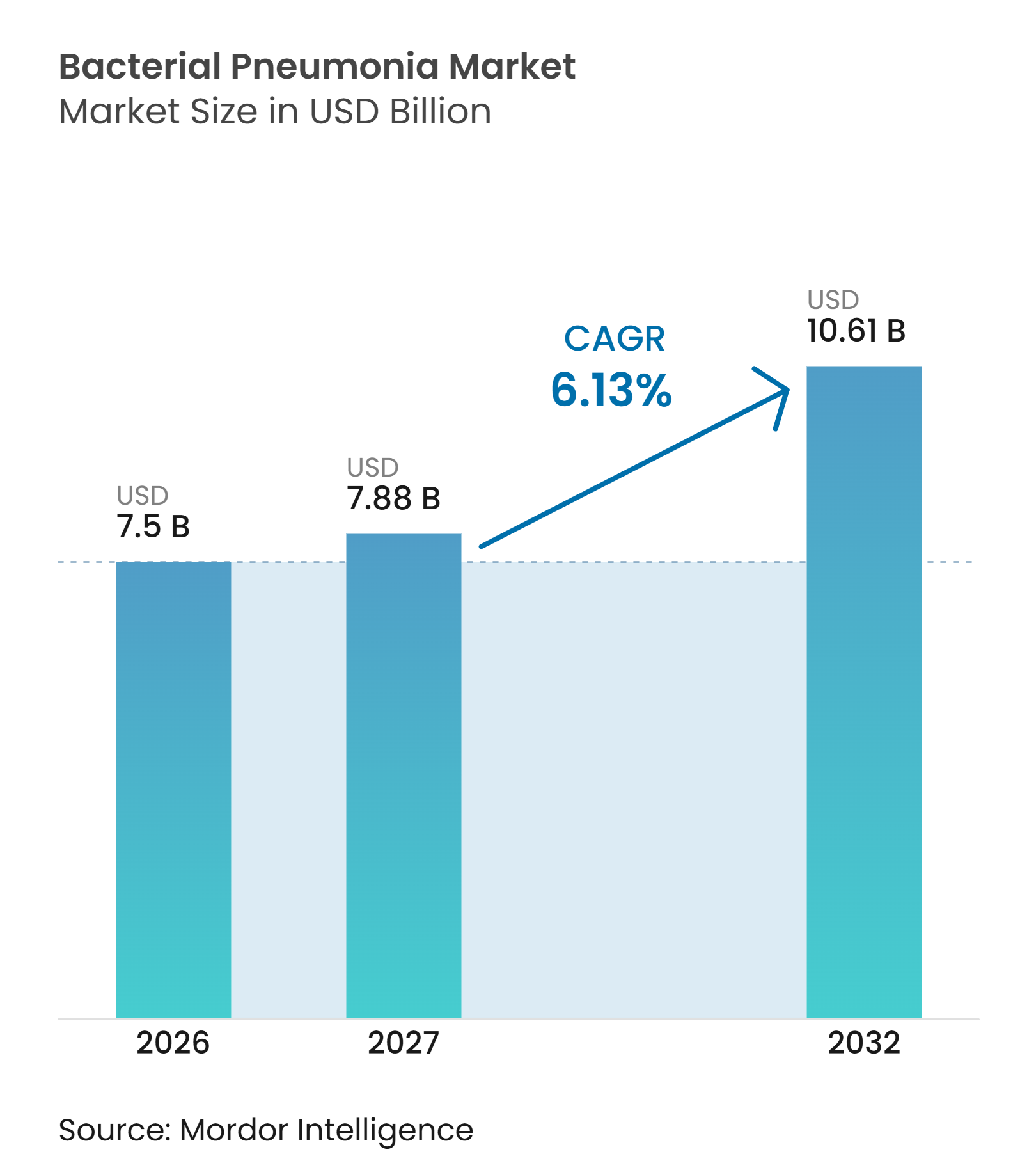
The Bacterial pneumonia market is expected to grow from USD 7.50 billion in 2026 to USD 7.88 billion in 2027 and is forecasted to reach USD 10.61 billion by 2032 at a 6.13% CAGR over 2027-2032. An aging population is increasing the demand for prevention, diagnosis, and treatment because older adults face a higher burden of severe pneumonia. Drug-resistant pathogens are also shifting spending toward targeted antibiotics and rapid tests that support more specific prescribing. Wider pneumococcal vaccine recommendations create new prevention opportunities, while they also reduce disease caused by vaccine-covered strains. This shift increases the importance of higher-valency vaccines that address changing serotype patterns. The bacterial pneumonia market is therefore moving away from broad-spectrum antibiotic volume and toward diagnostics, vaccines, and therapies for complex infections.
Key Report Takeaways
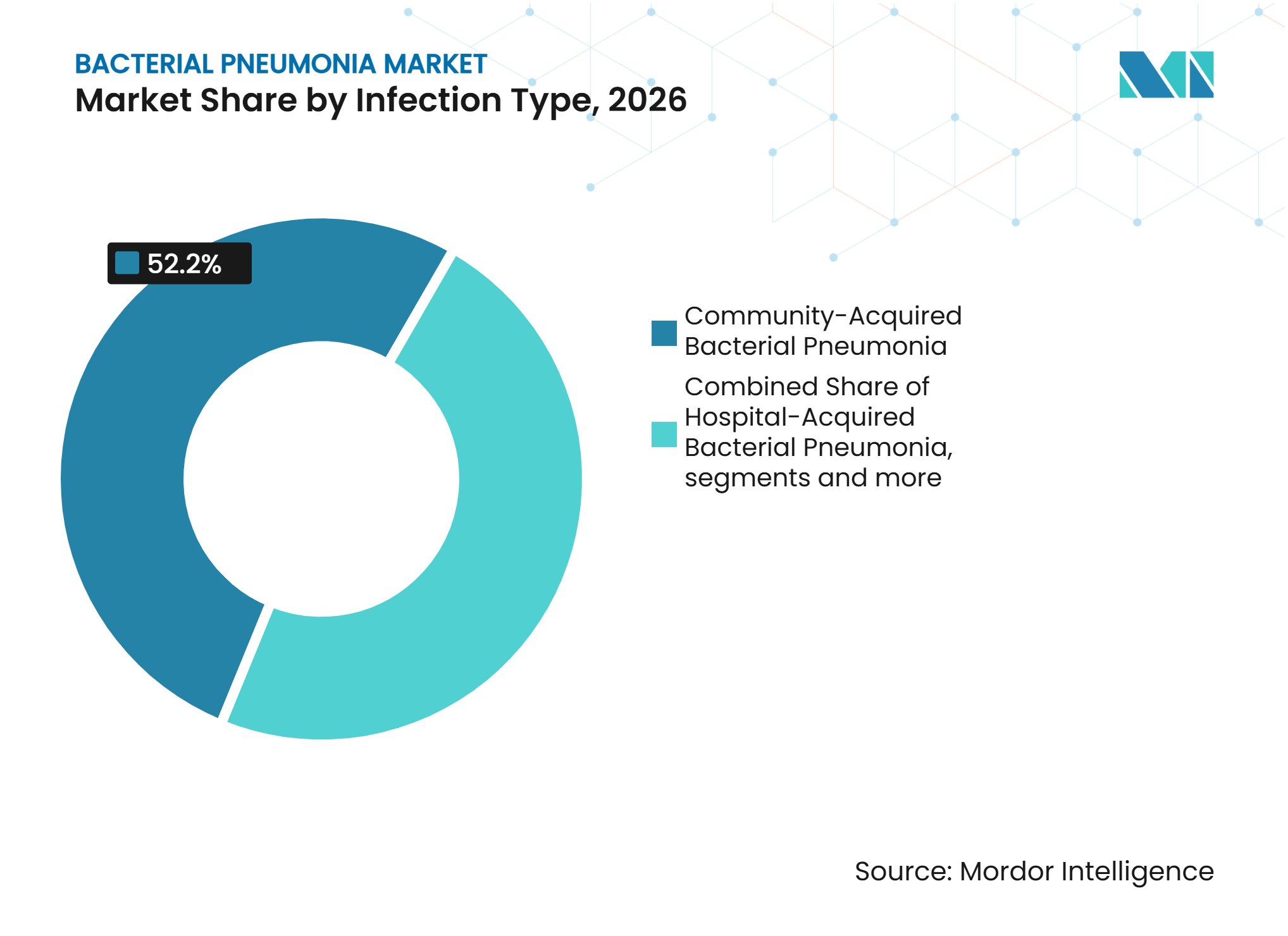
- By infection type, community-acquired bacterial pneumonia held 52.15% of the bacterial pneumonia market share in 2026, while hospital-acquired bacterial pneumonia is projected to grow at a 7.17% CAGR through 2032.
- By diagnosis and treatment, diagnosis accounted for 53.41% of the bacterial pneumonia market in 2026, while treatment is forecasted to grow at an 8.23% CAGR through 2032.
- By pathogen type, Streptococcus pneumoniae held a 38.27% revenue share in 2026, while Haemophilus influenzae is expected to grow at a 9.67% CAGR through 2032.
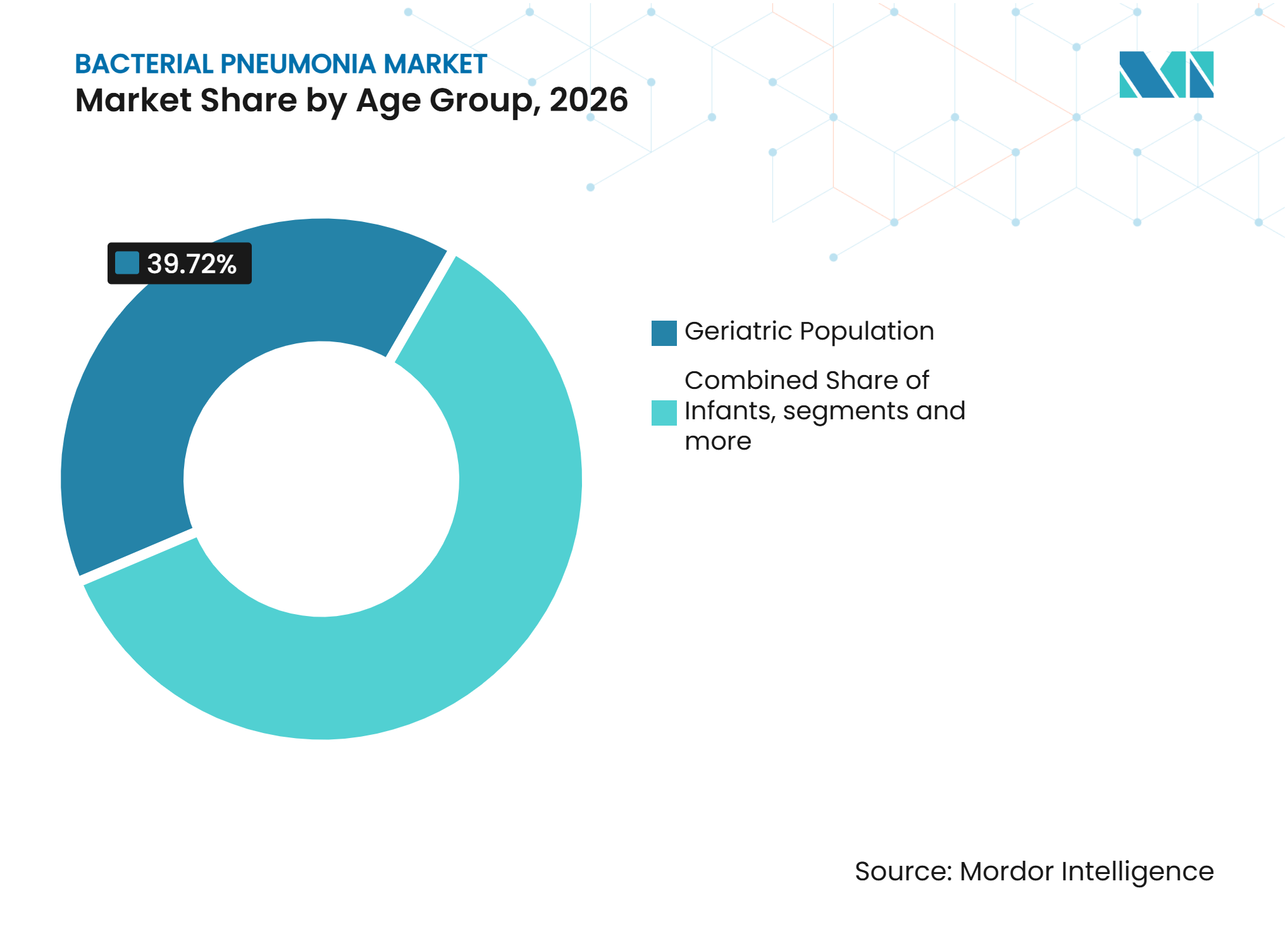
- By age group, the geriatric population accounted for 39.72% revenue share in 2026, while the infant segment is anticipated to grow at 9.26% CAGR through 2032.
- By end-user, hospitals accounted for 45.63% revenue share in 2026, while intensive care units are expected to grow at 8.68% CAGR through 2032.
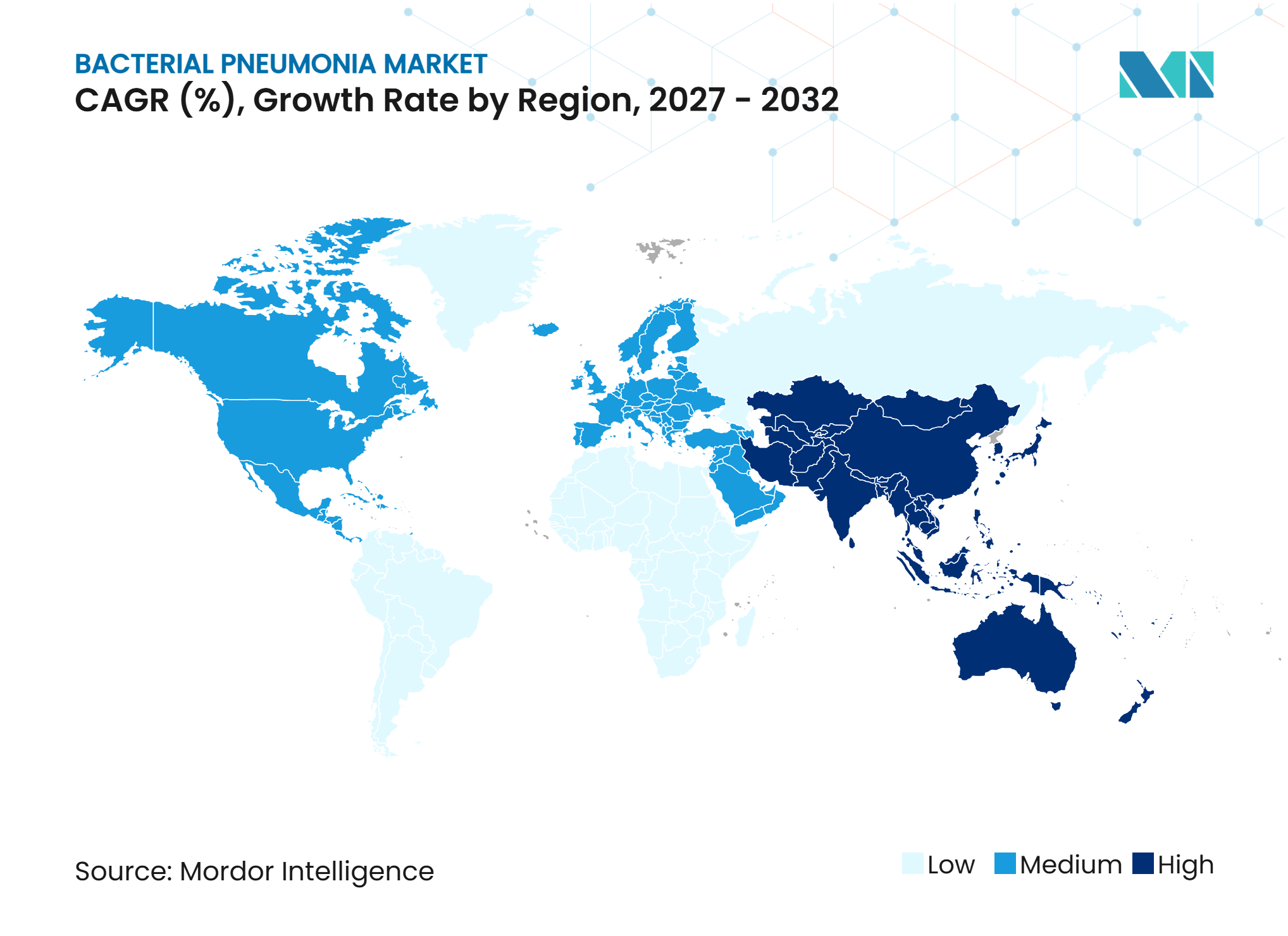
- By geography, North America held a 47.24% revenue share in 2026, while Asia-Pacific is projected to grow at a 10.33% CAGR through 2032.
Note: Market numbers in this report are based on Mordor Intelligence's proprietary estimation framework, which combines nine months of actuals with Q4 projections for base year 2026.
Market Trends and Insights
Drivers Impact Analysis of Bacterial Pneumonia Market*
| Driver | (~) % Impact on CAGR Forecast | Geographic Relevance | Impact Timeline |
|---|---|---|---|
| Aging Population and Higher Pneumonia Risk | +1.5% | Global; concentrated in Japan, Western Europe, North America | Long-term (≥ 4 years) |
| Expansion of Pneumococcal Immunization Programs | +1.2% | Global; led by North America, South Korea, India | Medium-term (2-4 years) |
| Rising Hospital-Acquired and Ventilator-Associated Pneumonia Burden | +1.0% | Global; concentrated in APAC and European ICU settings | Medium-term (2-4 years) |
| Demand for Rapid Pathogen Identification and Targeted Therapy | +0.8% | North America, Europe; growing rapidly in APAC | Short-term (≤ 2 years) |
| Growth of Novel Antibacterial Therapies for Multidrug-Resistant Pathogens | +0.9% | North America, Europe, Japan, South Korea | Medium-term (2-4 years) |
| Serotype Replacement and Non-Vaccine Serotype Surveillance | +0.5% | Global; Belgium, Germany, Spain, South Korea as key hubs | Long-term (≥ 4 years) |
| Source: Mordor Intelligence | |||
Aging Population and Higher Pneumonia Risk
Population aging is a durable source of demand in the bacterial pneumonia market. Adults aged 65 years and older had an annual pneumonia incidence of 25 to 44 cases per 1,000 people, compared with 6 to 10 cases among adults aged 18 to 64 years.[1] Older patients often require longer hospital stays, more complex antibiotic regimens, and more intensive monitoring. These care needs raise the value of each treated episode for hospitals, pharmacies, and diagnostic providers. A study of 4,515 hospitalized older adults with community-acquired pneumonia found that prior pneumococcal vaccination reduced 30-day mortality by 42%.[2] Japanese guidance has also placed greater emphasis on nursing-home-acquired pneumonia, reflecting the clinical needs of a super-aging population.
Expansion of Pneumococcal Immunization Programs and Serotype Surveillance
Expanded vaccination schedules are widening the prevention opportunity in the bacterial pneumonia market. U.S. recommendations now include pneumococcal conjugate vaccination for adults aged 50 years and older who have not previously received a pneumococcal conjugate vaccine. This policy broadens access beyond the earlier age-based approach for adults aged 65 years and older. Vaccine use can reduce disease caused by covered serotypes, but it also increases the need to monitor replacement by other serotypes. Belgian surveillance found that serotype 12F represented 19.6% of invasive pneumococcal disease isolates in 2025, up from 14.6% in 2024. This pattern supports continued development of higher-valency vaccines and makes surveillance an important part of product planning.
Rising Hospital-Acquired and Ventilator-Associated Pneumonia Burden
Hospital-acquired pneumonia and ventilator-associated pneumonia create a high-value treatment setting in the bacterial pneumonia market. Ventilator-associated pneumonia affects 20% to 36% of critically ill patients and adds 4 to 9 days to hospital stays. The condition often requires intensive care, molecular testing, and targeted intravenous antibiotics. European intensive care units reported more than 18 ventilator-associated pneumonia cases per 1,000 ventilator-days in a 2025 study.[3] Gram-negative pathogens, including Pseudomonas aeruginosa, Klebsiella pneumoniae, and Acinetobacter baumannii, create the strongest demand for specialized agents. This clinical burden supports the projected 8.6% CAGR for intensive care units through 2032.
Demand for Rapid Pathogen Identification and Targeted Therapy
Hospitals are using rapid tests to move from empiric prescribing to more targeted pneumonia care. bioMérieux’s BIOFIRE FILMARRAY Pneumonia Panel detects 33 pathogen targets and 7 resistance genes from a respiratory specimen in around 1 hour. A 2025 study found that season-specific multiplex polymerase chain reaction testing increased diagnostic yield from 61% to 80.6% and shortened antibiotic courses by 1.5 to 1.7 days. Faster identification can lower unnecessary antibiotic exposure while supporting demand for molecular diagnostics. It also favors targeted therapies for resistant infections over older broad-spectrum products.
Restraints Impact Analysis of Bacterial Pneumonia Market*
| Restraint | (~) % Impact on CAGR Forecast | Geographic Relevance | Impact Timeline |
|---|---|---|---|
| Antimicrobial Stewardship Restricting Broad-Spectrum Antibiotic Use | -0.8% | North America, Europe (institutional); spilling to APAC | Short-to-Medium-term (≤ 4 years) |
| Limited Treatment Access and Weak Healthcare Infrastructure in Low-Income Markets | -0.5% | Sub-Saharan Africa, South and Southeast Asia, Latin America | Long-term (≥ 4 years) |
| Diagnostic Reimbursement Gaps for Multiplex Molecular Testing | -0.4% | Global; most acute in emerging markets | Medium-term (2-4 years) |
| Fragmented Serotype and Resistance Surveillance in Emerging Markets | -0.3% | Africa, Southeast Asia, parts of Latin America | Long-term (≥ 4 years) |
| Source: Mordor Intelligence | |||
Antimicrobial Stewardship Restricting Broad-Spectrum Antibiotic Use
Antimicrobial stewardship limits unnecessary use of broad-spectrum antibiotics in the bacterial pneumonia market. The INSPIRE trial covered 59 hospitals and 44,780 adult patients and found that prescribing prompts reduced empiric extended-spectrum antibiotic use by 28.4%. The trial did not find higher intensive care transfers or longer hospital stays. A 2026 meta-analysis of 19 studies found that stewardship shortened antibiotic duration and improved protocol adherence without compromising mortality. These programs reduce sales of older generic therapies. They can still support the use of novel agents when a resistant pathogen has been identified, and a narrow treatment choice is clinically justified.
Limited Treatment Access, Reimbursement, and Surveillance Infrastructure
Low-income settings carry significant pneumonia morbidity but contribute less commercial revenue because care access remains uneven. India accounts for 23% of the global community-acquired pneumonia burden and has an annual incidence of 5 to 11 cases per 1,000 people. Cold-chain requirements, procurement limits, reimbursement gaps, and weak diagnostic capacity restrict access to vaccines and molecular tests. Incomplete serotype and resistance surveillance also makes it harder to select locally appropriate vaccine and treatment strategies. Tiered pricing, Gavi procurement pooling, and generic manufacturing in India can improve access, but they do not remove these constraints during the forecast period. These barriers limit the addressable opportunity for higher-valency vaccines and premium diagnostics in the bacterial pneumonia market.
*Our forecasts treat driver/restraint impacts as directional, not additive. The impact forecasts reflect baseline growth, mix effects, and variable interactions.
Bacterial Pneumonia Market Segment Analysis
By Infection Type:
Community-Acquired Disease Leads While Hospital-Acquired Cases Grow FasterCommunity-acquired bacterial pneumonia held 52.15% of the bacterial pneumonia market share in 2026. Its scale reflects its prevalence across outpatient care, general wards, vaccination programs, diagnostics, and antibiotic treatment. Updated American Thoracic Society guidance supports lung ultrasound as an alternative diagnostic approach in suitable cases and shorter antibiotic courses for clinically stable patients. Shorter courses can reduce the volume of conventional treatment while maintaining demand for diagnostics and therapies directed at resistant organisms.
Hospital-acquired bacterial pneumonia is forecasted to expand at 7.17% CAGR through 2032. Ventilator-associated cases are particularly important because they are associated with greater clinical severity and resource use. Pipeline work in hospital- and ventilator-associated disease remains active, showing that companies view this niche as clinically and commercially important. The bacterial pneumonia market continues to favor therapies that address resistant pathogens in the most acute hospital settings.



By Diagnosis and Treatment:
Diagnosis Leads While Treatment Gains Value Through Targeted TherapiesDiagnosis captured 53.41% of the bacterial pneumonia market size in 2026. Molecular platforms are gaining use in complex inpatient cases because they identify pathogens and resistance markers faster than conventional culture. A United Kingdom research program found that appropriate empiric therapy was received by only 46.5% of hospital-acquired and ventilator-associated pneumonia patients. This gap explains why hospitals are adopting tests that can guide therapy earlier. Pulse oximetry remains a common bedside tool for severity assessment, while molecular panels are becoming more important for complex infections.
Treatment is expected to grow at an 8.23% CAGR through 2032, making it the fastest-growing component. Antibiotics remain the main revenue source, but treatment value is shifting toward targeted and premium products. Paratek reported an 89.6% clinical success rate for omadacycline in its Phase 3b OPTIC-2 study of moderate-to-severe community-acquired bacterial pneumonia. Oxygen therapy, hospitalization, and supportive care continue to grow with case volume. Therapy selection increasingly depends on pathogen and resistance information. This creates a closer link between the treatment and diagnosis components.
By Pathogen Type:
Pneumococcus Leads While Haemophilus Influenzae ExpandsStreptococcus pneumoniae accounted for 38.27% of revenue share in 2026. It remains the leading bacterial cause of pneumonia and the principal target of licensed pneumococcal conjugate vaccines. Serotype patterns are changing as coverage of existing vaccines expands. Belgium’s increase in serotype 12F illustrates why vaccine developers need broader antigen coverage. This environment supports the development of higher-valency vaccine candidates. It also keeps surveillance relevant to the bacterial pneumonia market across prevention and treatment planning.
Haemophilus influenzae is anticipated to grow at 9.67% CAGR through 2032. Non-typeable strains are increasingly relevant in community-acquired disease, especially among people with chronic obstructive pulmonary disease. Their resistance to some beta-lactams can restrict empiric treatment options. Escherichia coli and other Enterobacterales are also becoming more important in hospital-acquired disease because of carbapenem resistance. These pathogens support interest in cefiderocol and aztreonam-avibactam combinations for resistant infections.
By Age Group:
Geriatric Patients Lead While Infant Vaccination Supports GrowthThe geriatric population held a 39.72% share in 2026. This position reflects a higher pneumonia incidence, greater clinical complexity, and higher per-episode spending than younger adult groups. Adults aged 65 years and older had 25 to 44 annual pneumonia cases per 1,000 people. China’s 2024 expert consensus recommends PCV13 or PPSV23 for older people. This guidance supports prevention demand within the bacterial pneumonia market. Age-related comorbidities also make timely diagnosis more important in this group. Care episodes can involve hospital treatment, vaccination, and follow-up support.
Infants are forecasted to grow at 9.26% CAGR through 2032. Higher-valency childhood pneumococcal vaccine programs are expanding in established and emerging settings. Vaxcyte reported positive Phase 2 infant data for VAX-24 in March 2025 and selected a mid-dose formulation for Phase 3 development. Children and adults outside the infant and geriatric groups remain established segments, with growth tracking wider disease patterns rather than major pipeline disruption. Infant vaccine innovation creates a differentiated opportunity within the bacterial pneumonia market.

By End-User:
Hospitals Lead While Intensive Care Units Concentrate High-Acuity DemandHospitals held 45.63% of the hospital end-user segment in 2026. They are the main site for diagnosis, antibiotic administration, and management of moderate-to-severe disease. Targeted parenteral antibiotics, multiplex molecular testing, and high-valency vaccine administration are commonly delivered in or coordinated through hospital systems. Hospitals still retain a strong position because severe cases require specialized staff and infrastructure. New diagnostic and treatment products are commonly introduced through this setting. Hospital protocols also influence how quickly specialized therapies are adopted.
Intensive care units are anticipated to grow at an 8.68% CAGR through 2032. They have the highest revenue concentration per episode because ventilator-associated disease often requires complex testing, specialized antibiotics, and extended monitoring. Diagnostic laboratories are gaining relevance as molecular panel adoption rises. Long-term care facilities and ambulatory clinics remain important for community-acquired disease among older adults. Intensive care teams must balance fast treatment with stewardship requirements.
Geography Analysis
North America
North America held 47.24% of regional revenue in 2026. The United States recorded 41,627 pneumonia deaths in 2024 and 1.2 million emergency department visits annually. Adult vaccine recommendations now cover eligible vaccine-naive adults aged 50 years and older. This policy enlarges the prevention pool for pneumococcal disease. Mature reimbursement and hospital distribution systems support pricing for molecular diagnostics and newer antibiotics.
Europe
Europe is characterized by differing ventilator-associated pneumonia rates, established stewardship programs, and changing serotype patterns. A 2026 analysis of German data reported a resurgence of PCV13 serotypes, persistent serotype 3, and an increase in serotype 38 during 2023 and 2024. These patterns complicate decisions around vaccine composition and program design. NICE guidance provides a common clinical framework in the United Kingdom, including pediatric protocols updated in 2025. Germany, the United Kingdom, France, Italy, and Spain remain the largest European demand centers.
Asia-Pacific, Middle East and Africa, and South America
Asia-Pacific is projected to grow at a 10.33% CAGR through 2032, the fastest regional rate in the bacterial pneumonia market. India has 5 to 11 community-acquired pneumonia cases per 1,000 people each year and accounts for 23% of the global burden. South Korea added PCV20 to its national immunization program in October 2025, while Japan has updated pneumonia guidance for its aging population. The Middle East and Africa face cold-chain and reimbursement barriers, although the Gulf Cooperation Council health investment and South Africa’s private diagnostics network create entry points. South America is supported by vaccine program completion and improving urban antibiotic access, especially in Brazil and Argentina.
Competitive Landscape
Market Concentration
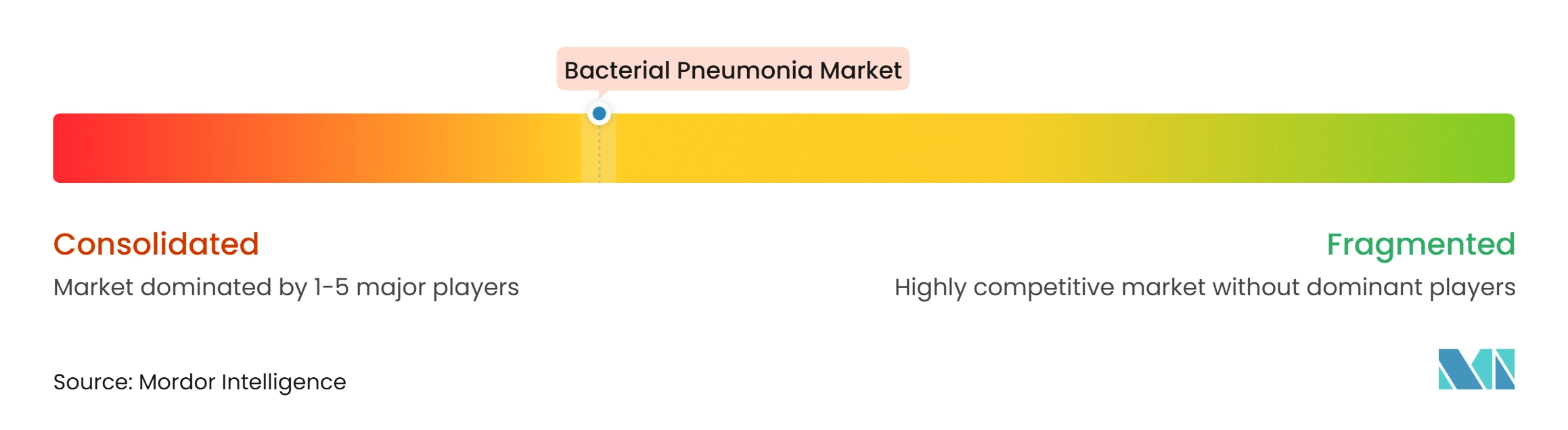
The bacterial pneumonia market has a moderately concentrated vaccine tier and more fragmented therapy and diagnostics segments. Pfizer and Merck are the leading vaccine companies through their pneumococcal conjugate vaccine portfolios. Pfizer initiated its 25-valent infant vaccine Phase 3 program in May 2026 and plans a 35-valent adult candidate for clinical development by the end of 2026. These actions seek to extend serotype coverage and protect its position in prevention. Merck’s CAPVAXIVE and VAXNEUVANCE portfolios place it in direct competition across adult and pediatric prevention.
Vaxcyte is a credible challenger in higher-valency infant and adult vaccine development. Its VAX-24 infant Phase 2 results support continued progression toward later-stage evaluation. VAX-31 is positioned as a broad-coverage vaccine candidate in clinical development. Competition in antibacterial treatment centers on products with activity against defined resistant pathogens. Innoviva’s Xacduro addresses Acinetobacter baumannii-calcoaceticus complex infections in hospital-acquired and ventilator-associated bacterial pneumonia. These moves show how companies are expanding regionally while building clinical evidence for resistant infections.
Paratek continues to develop the clinical evidence base for NUZYRA in community-acquired bacterial pneumonia. bioMérieux leads the diagnostics segment through its BIOFIRE Pneumonia Panel franchise and its installed hospital base. Clarametyx Biosciences is an emerging participant focused on bacterial biofilm defense in multidrug-resistant infections. Regulatory incentives, including the U.S. Food and Drug Administration’s qualified infectious disease product pathway, favor differentiated products for resistant pathogens. This environment rewards companies that can pair clear clinical evidence with focused pathogen coverage. It also limits the strategic value of broad-spectrum generic products.
Bacterial Pneumonia Industry Leaders
-
Pfizer Inc.
-
Merck & Co., Inc.
-
GSK plc
-
Sanofi
-
Innoviva, Inc.
- *Disclaimer: Major Players sorted in no particular order
Bacterial Pneumonia Market Companies Covered in this Report
- Abbott Laboratories
- AstraZeneca
- Aurobindo Pharma
- Basilea Pharmaceutica Ltd.
- Bayer
- bioMérieux
- Clarametyx Biosciences, Inc.
- Roche
- GlaxoSmithKline
- Innoviva, Inc.
- Lupin
- Melinta Therapeutics, LLC
- Merck
- Novartis
- Paratek Pharmaceuticals
- Pfizer
- Sanofi
- Shionogi & Co., Ltd.
- Vaxcyte, Inc.
- Wockhardt Limited
Recent Industry Developments in Bacterial Pneumonia Market
- June 2026: Merck received FDA approval for an expanded indication for CAPVAXIVE (PCV21) covering children and adolescents aged 2–17 years with chronic medical conditions at increased risk of pneumococcal disease. CAPVAXIVE is now the only PCV in the US specifically studied in this paediatric at-risk cohort, with the vaccine covering serotypes responsible for ~79% of invasive pneumococcal disease cases in this population.
- May 2026: Pfizer initiated a pivotal Phase 3 program for its 25-valent pneumococcal conjugate vaccine in infants, comparing the investigational candidate with PCV20 in up to 2,400 healthy children receiving 4 doses at 2, 4, 6, and 12 to 15 months.
- April 2026: Paratek Pharmaceuticals presented pooled Phase 3 OPTIC and OPTIC-2 data for omadacycline at ESCMID Global 2026. The analysis included 1,438 patients and showed microbiological success rates above 87% across major pathogens.
Global Bacterial Pneumonia Market Report Scope
According to the report’s scope, the bacterial pneumonia market encompasses therapies, vaccines, diagnostics, and supportive care solutions aimed at managing bacterial pneumonia. It includes antibiotics, advanced diagnostic tools, hospital care equipment, and preventive vaccines, serving hospitals, clinics, and homecare settings worldwide.
The bacterial pneumonia market is segmented into infection type, diagnosis & treatment, pathogen type, age group, end-user, and geography. By infection type, the market is segmented into community-acquired bacterial pneumonia, hospital-acquired bacterial pneumonia, and ventilator-associated bacterial pneumonia. By diagnosis & treatment, the market is segmented into diagnosis and treatment. The diagnosis segment is further segmented into chest X-ray, CT scan, sputum culture, blood tests, and pulse oximetry. The treatment segment is further segmented into antibiotics, oxygen therapy, hospitalization, and supportive care. By pathogen type, the market is segmented into Streptococcus pneumoniae, Haemophilus influenzae, Staphylococcus aureus, Escherichia coli, and other pathogen types. By age group, the market is segmented into infants, children, adults, and geriatric population. By end-user, the market is segmented into hospitals, intensive care units, diagnostic laboratories, and other end-users. By geography, the market is segmented into North America, Europe, Asia-Pacific, the Middle East and Africa, and South America. The report also covers the estimated market sizes and trends for 17 countries across major regions globally. The report offers values (USD) for all the above segments.
Segmentation Overview
| Community-Acquired Bacterial Pneumonia |
| Hospital-Acquired Bacterial Pneumonia |
| Ventilator-Associated Bacterial Pneumonia |
| Diagnosis | Chest X-Ray |
| CT Scan | |
| Sputum Culture | |
| Blood Tests | |
| Pulse Oximetry | |
| Treatment | Antibiotics |
| Oxygen Therapy | |
| Supportive Care |
| Streptococcus pneumoniae |
| Haemophilus influenzae |
| Staphylococcus aureus |
| Escherichia coli |
| Other Pathogen Types |
| Infants |
| Children |
| Adults |
| Geriatric Population |
| Hospitals |
| Intensive Care Units |
| Diagnostic Laboratories |
| Other End-Users |
| North America | United States |
| Canada | |
| Mexico | |
| Europe | Germany |
| United Kingdom | |
| France | |
| Italy | |
| Spain | |
| Rest of Europe | |
| Asia-Pacific | China |
| Japan | |
| India | |
| Australia | |
| South Korea | |
| Rest of Asia-Pacific | |
| Middle East and Africa | GCC |
| South Africa | |
| Rest of Middle East and Africa | |
| South America | Brazil |
| Argentina | |
| Rest of South America |
| By Infection Type | Community-Acquired Bacterial Pneumonia | |
| Hospital-Acquired Bacterial Pneumonia | ||
| Ventilator-Associated Bacterial Pneumonia | ||
| By Diagnosis & Treatment | Diagnosis | Chest X-Ray |
| CT Scan | ||
| Sputum Culture | ||
| Blood Tests | ||
| Pulse Oximetry | ||
| Treatment | Antibiotics | |
| Oxygen Therapy | ||
| Supportive Care | ||
| By Pathogen Type | Streptococcus pneumoniae | |
| Haemophilus influenzae | ||
| Staphylococcus aureus | ||
| Escherichia coli | ||
| Other Pathogen Types | ||
| By Age Group | Infants | |
| Children | ||
| Adults | ||
| Geriatric Population | ||
| By End-User | Hospitals | |
| Intensive Care Units | ||
| Diagnostic Laboratories | ||
| Other End-Users | ||
| By Geography | North America | United States |
| Canada | ||
| Mexico | ||
| Europe | Germany | |
| United Kingdom | ||
| France | ||
| Italy | ||
| Spain | ||
| Rest of Europe | ||
| Asia-Pacific | China | |
| Japan | ||
| India | ||
| Australia | ||
| South Korea | ||
| Rest of Asia-Pacific | ||
| Middle East and Africa | GCC | |
| South Africa | ||
| Rest of Middle East and Africa | ||
| South America | Brazil | |
| Argentina | ||
| Rest of South America | ||
Key Questions Answered in the Report
What is the projected bacterial pneumonia market value by 2032?
The market is forecasted to reach USD 10.61 billion by 2032, growing from USD 7.50 billion in 2026 to USD 7.88 billion in 2027 at a 6.13% CAGR through 2032.
Which infection type is growing the fastest?
Hospital acquired bacterial pneumonia is projected to grow at 7.17% CAGR through 2032 because complex hospital and ventilator associated cases require specialized care.
Which region is expected to grow the fastest?
Asia Pacific is projected to grow at 10.33% CAGR through 2032, supported by disease burden, vaccine programs, and expanding diagnostic capacity.
What role do vaccines play in bacterial pneumonia prevention?
Higher valency pneumococcal vaccines could broaden protection, while surveillance was needed because non vaccine serotypes could become more prevalent.