
Actinomycosis Market Size and Share
Market Overview
| Study Period | 2021 - 2032 |
|---|---|
| Market Size (2027) | USD 62.28 Billion |
| Market Size (2032) | USD 82.88 Billion |
| Growth Rate (2027 - 2032) | 5.88 % |
| Fastest Growing Market | Asia-Pacific |
| Largest Market | North America |
| Market Concentration | Medium |
Major Players *Disclaimer: Major Players sorted in no particular order Image © Mordor Intelligence. Reuse requires attribution under CC BY 4.0. | |
Actinomycosis Market Analysis by Mordor Intelligence
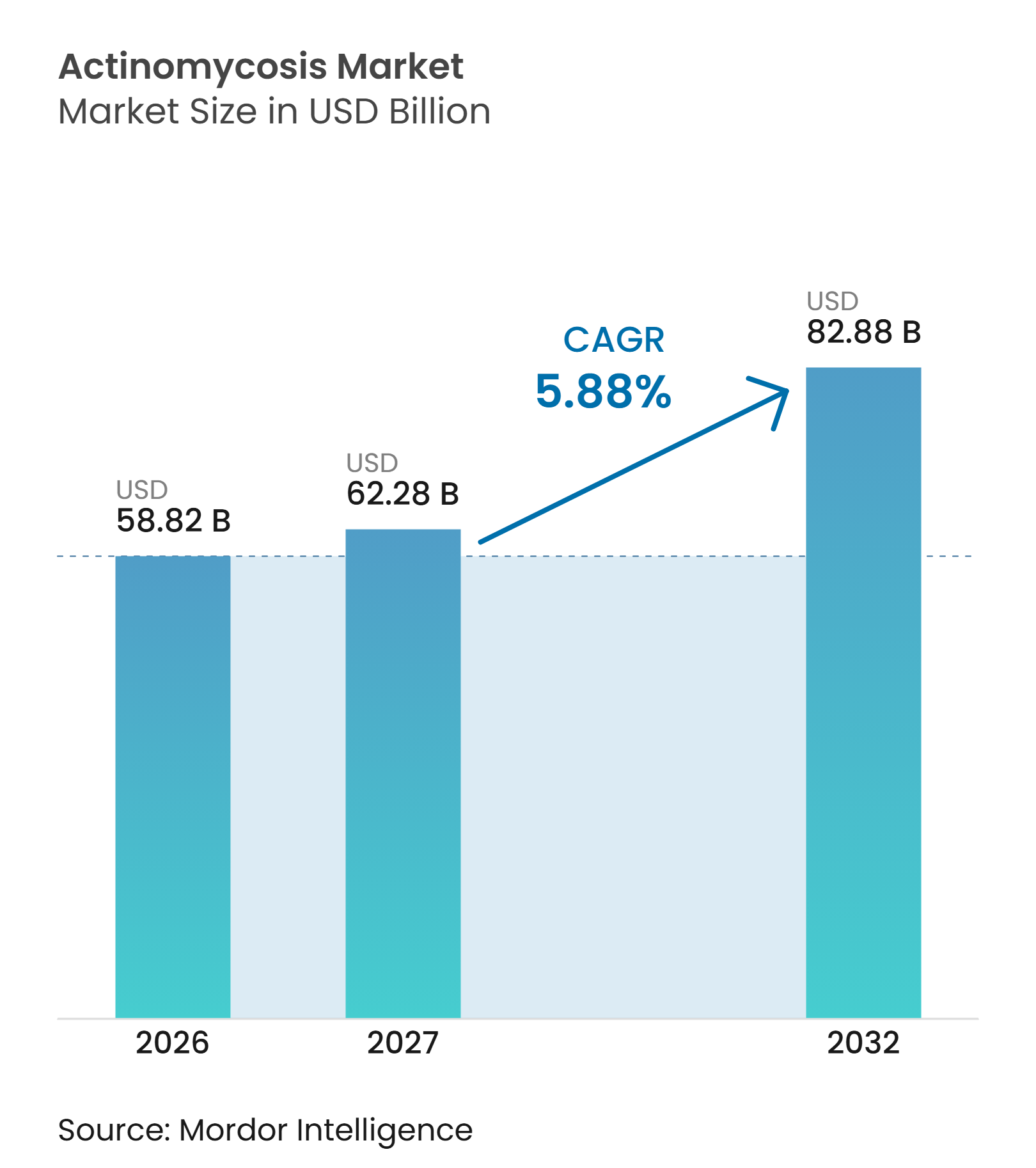
The Actinomycosis Market size was valued at USD 58.82 billion in 2026 and is estimated to grow from USD 62.28 billion in 2027 to reach USD 82.88 billion by 2032, at a CAGR of 5.88% during the forecast period (2027-2032).
The Actinomycosis market is supported by treatment regimens that combine an initial intravenous phase with several months of oral beta-lactam therapy. Improved recognition of thoracic, central nervous system (CNS), and other atypical presentations is expanding the treated patient pool, even when underlying incidence remains stable. The increasing adoption of MALDI-TOF, metagenomic next-generation sequencing, and outpatient parenteral antimicrobial therapy strengthens the connection between diagnosis and treatment. Suppliers are ensuring reliable injectable availability, offering ready-to-administer formulations, and expanding distribution networks. The market depends on effective clinical detection, access to long-course therapy, and reliable hospital supply chains.
Key Report Takeaways
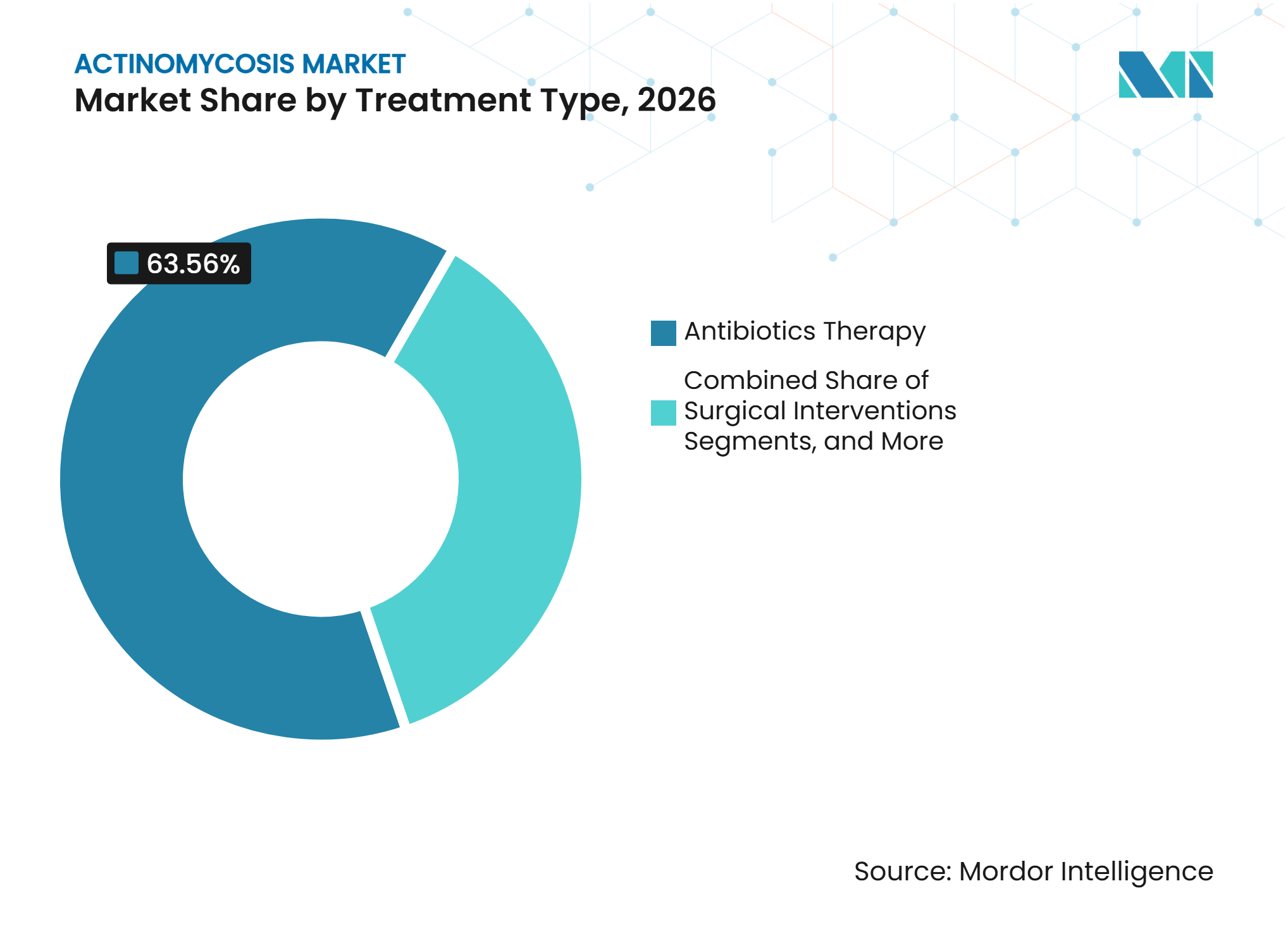
- By treatment type, antibiotics therapy held 63.56% of the Actinomycosis market share in 2026, while combination therapy is forecast to expand at an 8.45% CAGR through 2032.
- By drug type, Penicillins held 45.67% of the Actinomycosis market share in 2026, while Cephalosporins are projected to grow at an 8.99% CAGR through 2032.
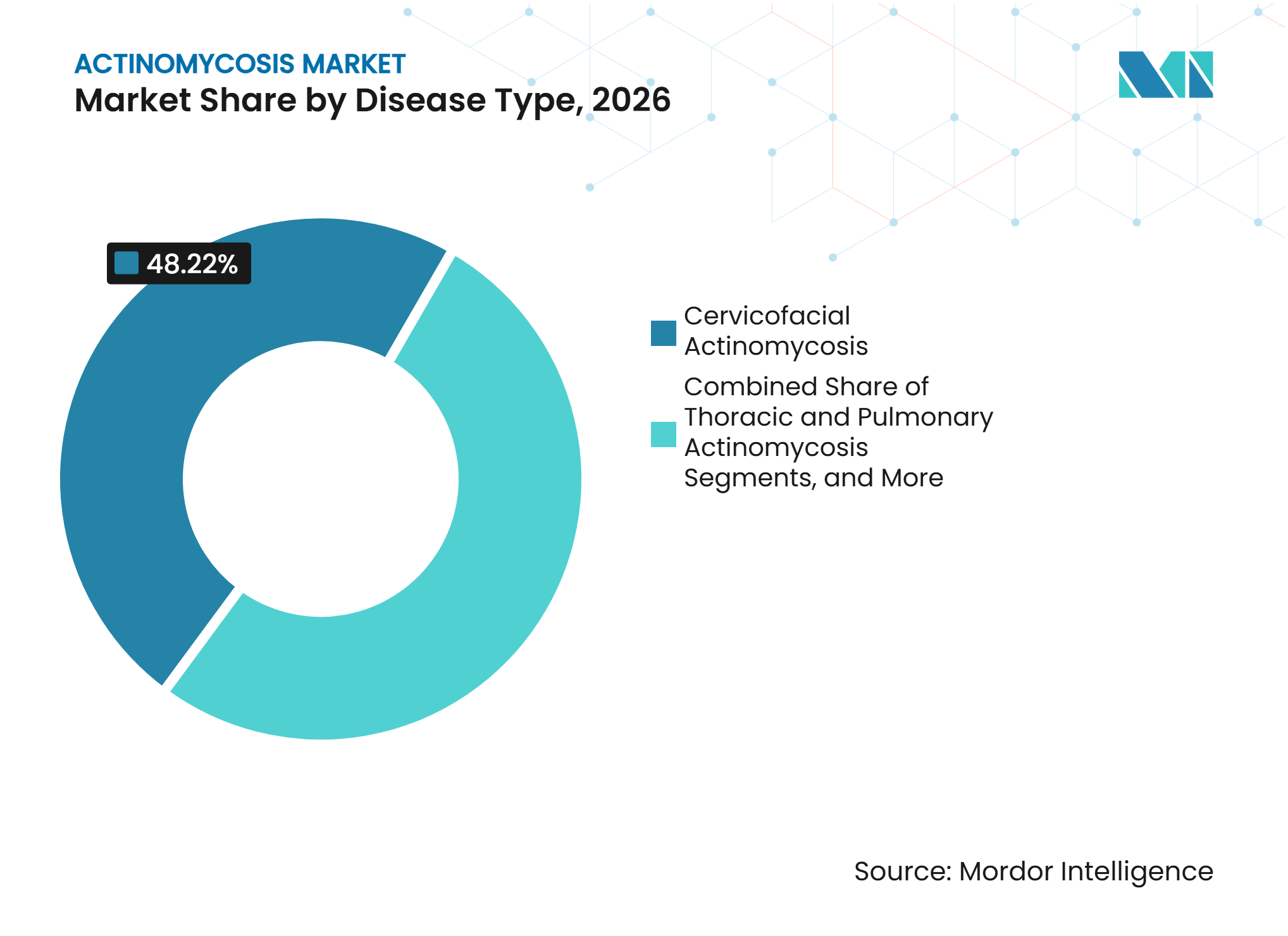
- By disease type, cervicofacial actinomycosis held 48.22% of the Actinomycosis share in 2026, while CNS actinomycosis is projected to grow at a 7.88% CAGR through 2032.
- By formulation, injectable solutions and powders held 57.78% of the Actinomycosis share in 2026, while tablets and capsules are projected to grow at a 7.56% CAGR through 2032.
- By end user, hospitals and tertiary care centers held 56.97% of the Actinomycosis share in 2026, while ambulatory surgical centers are projected to grow at an 8.67% CAGR through 2032.
- By distribution channel, hospital pharmacies held 48.67% of the Actinomycosis share in 2026, while online pharmacy channels are projected to grow at an 8.34% CAGR through 2032.
- By geography, North America held 40.77% of the Actinomycosis share in 2026, while Asia-Pacific is projected to grow at a 9.67% CAGR through 2032.
Note: Market numbers in this report are based on Mordor Intelligence's proprietary estimation framework, which combines nine months of actuals with Q4 projections for base year 2026.
Market Trends and Insights
Drivers Impact Analysis of Actinomycosis Market*
| Driver | (~) % Impact on CAGR Forecast | Geographic Relevance |
|---|---|---|
| Improving recognition of atypical and extrapulmonary disease | +1.1% | Global, concentrated gains in North America and Western Europe |
| Availability of high-dose beta-lactam therapy | +0.9% | Global, strongest in North America, Europe, and advanced APAC markets |
| Expansion of molecular and mass-spectrometry identification | +1.0% | North America, Western Europe, and East Asia |
| Persistent culture negativity creates demand for diagnostic upgrades | +0.8% | Global, highest in markets with established infectious disease specialties |
| Immunosuppressed and medically complex patients expand case-finding | +0.9% | Global, APAC gains accelerating as transplant and oncology volumes rise |
| Hospital-to-home long-course therapy pathways | +0.7% | North America and Europe, with early adoption in GCC, South Korea, and Australia |
| Source: Mordor Intelligence | ||
Improving Recognition of Atypical and Extrapulmonary Disease
Pulmonary and central nervous system (CNS) actinomycosis can resemble malignancy on imaging, delaying accurate diagnosis. A 2026 cohort of 69 confirmed pulmonary cases is expected to report a median FDG-PET SUVmax of 9.07 ± 4.40 and a median diagnostic delay of 82 days. Broader differential diagnosis protocols can help identify cases that may otherwise be classified under other conditions.[1] A 2025 report is also expected to describe a 25% fatality rate among CNS presentations initially misclassified as Tolosa-Hunt syndrome, supporting the need for earlier diagnosis and treatment initiation.[2]
Availability of High-dose Beta-lactam Therapy
High-dose beta-lactam therapy remains central to actinomycosis management. Clinical guidance recommends 18 to 24 million units of intravenous penicillin G daily for 2 to 6 weeks, followed by 6 to 12 months of oral amoxicillin. This treatment pathway drives demand for hospital-administered and oral therapies. In March 2025, Avenacy launched five injectable antibiotic products in the United States, including Penicillin G Potassium for Injection, USP, and Ampicillin and Sulbactam for Injection, USP.
Expansion of Molecular and Mass-spectrometry Identification
Culture-negative disease remains a key barrier to actinomycosis diagnosis. MALDI-TOF mass spectrometry and metagenomic next-generation sequencing can support the identification of anaerobic organisms when conventional cultures are unsuccessful. A September 2025 evaluated report genus-level identification accuracy above 97% for the Bruker SIRIUS and bioMérieux VITEK MS PRIME platforms across 60 anaerobic strains. A 2025 case reported to confirm cervical actinomycosis through metagenomic sequencing of formalin-fixed, paraffin-embedded tissue.
Persistent Culture Negativity Creates Demand for Diagnostic Upgrades
Culture failure can leave actinomycosis unconfirmed and result in treatment for another condition. Anaerobic organisms require extended incubation and careful specimen handling, while prior antibiotic exposure can further reduce culture yield. A 2025 clinical study reported that whole-genome sequencing achieves 89% species-level identification for anaerobes, compared with 59% for MALDI-TOF MS alone. Updated 2026 EUCAST anaerobic breakpoints, integrated into CLSI M100, may provide a more consistent basis for susceptibility testing.[3]
Restraints Impact Analysis of Actinomycosis Market*
| Restraint | (~) % Impact on CAGR Forecast | Geographic Relevance | Impact Timeline |
|---|---|---|---|
| Rare disease burden and weak surveillance infrastructure | -0.6% | Global, most acute in South and Southeast Asia, Sub-Saharan Africa, and South America | Long term (≥ 4 years) |
| Long treatment duration and adherence friction | -0.5% | Global, most pronounced in lower-income settings and outpatient care transitions | Medium term (2-4 years) |
| Genericization and low disease-specific pricing power | -0.4% | Global, most acute in North America and Europe | Short term (≤ 2 years) |
| Commensal colonization complicates diagnostic attribution | -0.4% | Global, highest in polymicrobial infection settings and community diagnostic laboratories | Medium term (2-4 years) |
| Source: Mordor Intelligence | |||
Rare Disease Burden and Weak Surveillance Infrastructure
Actinomycosis is not a notifiable infection in most jurisdictions, and many reporting systems lack a dedicated ICD classification. This limits incidence measurement and reduces disease visibility among clinicians, payers, and manufacturers. Surveillance remains concentrated in tertiary centers with anaerobic microbiology capacity, while community cases in lower-resourced settings may remain unrecorded. These gaps constrain product development, clinical trial infrastructure, and disease-specific reimbursement pathways in the Actinomycosis market.
Long Treatment Duration and Adherence Friction
The usual 6-to-12-month treatment course creates adherence challenges, particularly for patients managing multiple chronic conditions outside specialist care. A 2026 retrospective cohort found a median actual oral antibiotic duration of 105 days, with an interquartile range of 57 to 180 days, compared with a recommended minimum of approximately 180 days in the study context. The absence of short-course alternatives or fixed-duration parenteral depot formulations creates a treatment gap and may reduce effective treatment utilization in the Actinomycosis market.
*Our forecasts treat driver/restraint impacts as directional, not additive. The impact forecasts reflect baseline growth, mix effects, and variable interactions.
Actinomycosis Market Segment Analysis
By Treatment Type:
Antibiotics Therapy Leads While Combination Therapy ExpandsAntibiotic therapy held a 63.56% share of the actinomycosis market in 2026. Prolonged, high-dose beta-lactam therapy remains effective for most cervicofacial, uncomplicated thoracic, and uncomplicated abdominal cases. Standard care typically includes 2 to 6 weeks of intravenous therapy followed by oral treatment for 6 to 12 months. Penicillin G and amoxicillin remain key products, supporting demand across both injectable and oral formulations.
Combination therapy is projected to register an 8.45% CAGR from 2027 to 2032. This approach is increasingly relevant for immunocompromised patients, extensive disease, and cases requiring source control through surgery. A 2025 report on fatal pulmonary actinomycosis highlighted the risks associated with delayed surgery in severe cases. OPAT and day-surgery follow-up support combination management after discharge while maintaining oral therapy.



By Drug Type:
Penicillins Remain Central While Cephalosporins Gain OPAT UsePenicillins held a 45.67% share of the actinomycosis market in 2026. High-dose intravenous penicillin G supports treatment initiation, while amoxicillin and amoxicillin-clavulanate support oral continuation therapy. Tetracyclines, macrolides, and lincosamides remain alternatives for patients with penicillin intolerance. Generic availability and broad use across inpatient and outpatient settings continue to support the segment.
Cephalosporins are projected to expand at an 8.99% CAGR from 2027 to 2032. Ceftriaxone supports OPAT programs through once-daily administration, simplifying home-based intravenous treatment. A 2025 treatment review confirmed in vitro activity of ceftriaxone and cefoxitin against Actinomyces species and documented ceftriaxone use in CNS and thoracic cases. Updated 2026 EUCAST breakpoints integrated into CLSI M100 further support laboratory-guided cephalosporin use.
By Disease Type:
Cervicofacial Cases Provide Volume While CNS Cases Grow FasterCervicofacial actinomycosis held a 48.22% share of the actinomycosis market in 2026 and accounts for 50% to 60% of reported cases. Its association with odontogenic infections supports a clear diagnosis and treatment pathway centered on prolonged beta-lactam therapy. Thoracic and pulmonary presentations form the next-largest group and had a median diagnostic delay of 82 days in a 2026 cohort. Abdominopelvic disease associated with prolonged IUD use also requires imaging, drainage, and extended antibiotic therapy.
CNS actinomycosis is projected to expand at a 7.88% CAGR from 2027 to 2032. Improved neurosurgical assessment and molecular diagnostics are helping identify cases previously classified as brain tumors, leptomeningeal metastases, or Tolosa-Hunt syndrome. A 2025 systematic review found that 62.5% of CNS cases initially classified as Tolosa-Hunt syndrome had a documented dental history before symptom onset. Confirmed cases often require 6 weeks of intravenous ceftriaxone followed by high-dose amoxicillin for an additional 6 months.

By Formulation:
Injectable Products Lead While Oral Solids Gain Through Step-down CareInjectable solutions and powders held a 57.78% share of the actinomycosis market in 2026. Penicillin G potassium, ampicillin-sulbactam, and ceftriaxone are key parenteral options for severe or established cases requiring hospital-based monitoring and source control. In December 2025, B. Braun Medical launched piperacillin and tazobactam in its DUPLEX Drug Delivery System, with three ready-to-infuse strengths for U.S. hospital use. These formats can reduce pharmacy preparation requirements and medication preparation errors.
Tablets and capsules are projected to grow at a 7.56% CAGR from 2027 to 2032. Following intravenous induction, patients often receive amoxicillin regimens ranging from 500 mg to 2 g three times daily for 6 to 12 months. Digital pharmacy channels can improve refill access and support treatment completion. Oral suspensions remain relevant for pediatric use, including a 2025 case involving a 3-year-old patient with HIV-associated CNS actinomycosis who received oral amoxicillin suspension for 12 months.
By End User:
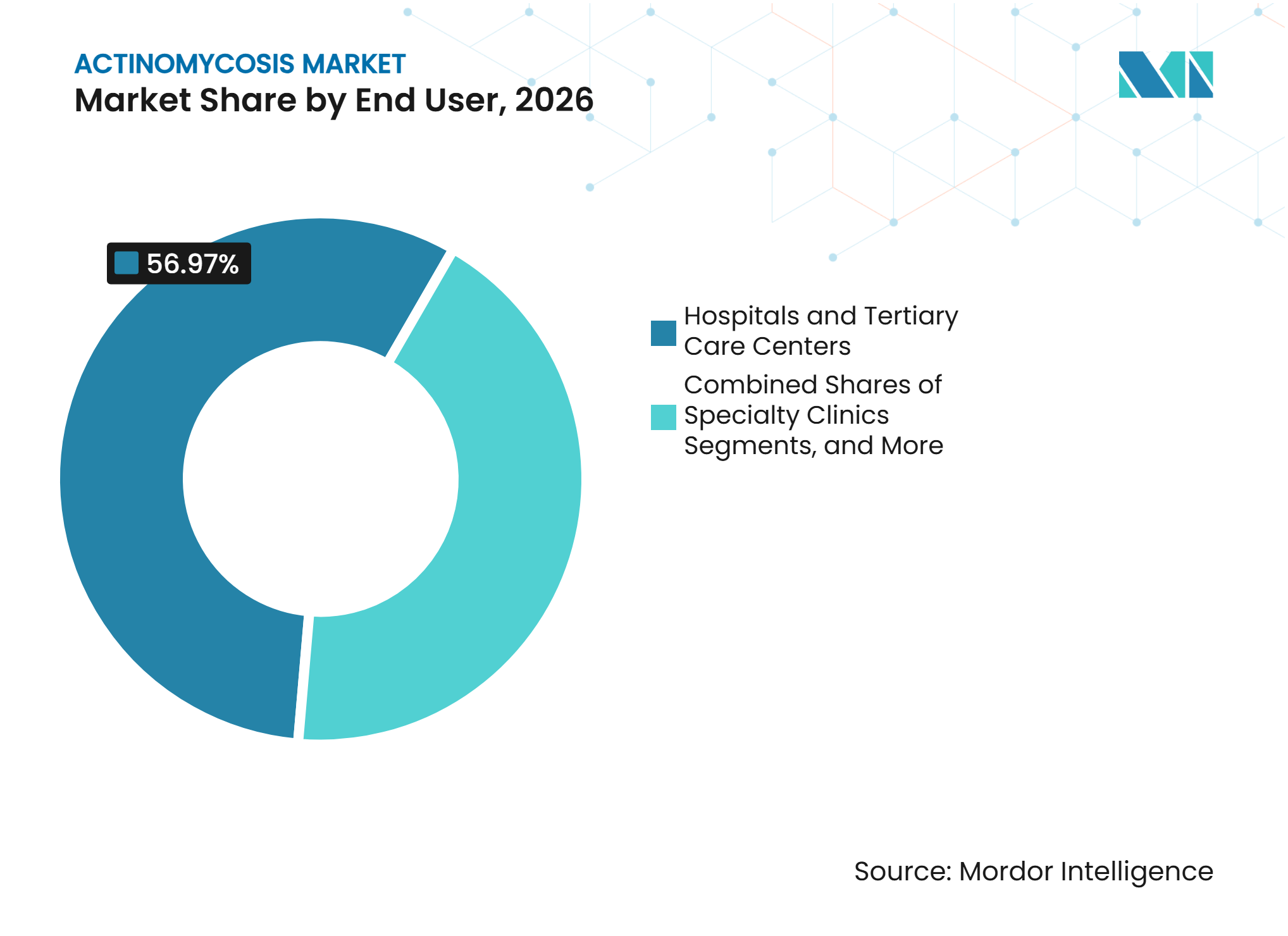
Hospitals Lead Acute Care While Ambulatory Surgical Centers GrowHospitals and tertiary care centers held a 56.97% share of the actinomycosis market in 2026. Severe cases require anaerobic microbiology, infectious disease consultation, imaging, abscess drainage, and intravenous pharmacy services, which are concentrated in larger facilities. Thoracic cases may initially enter oncology pathways because FDG-PET uptake can resemble malignancy. A 2026 pulmonary cohort reported a mean SUVmax of 9.07 among 69 patients.
Ambulatory surgical centers are projected to grow at an 8.67% CAGR from 2027 to 2032. The segment benefits from expanding OPAT programs and the increasing availability of day-surgery procedures, including abscess aspiration, fistulous tract excision, and wound care. Germany's 2025 OPAT guidance outlines suitability criteria for ambulatory intravenous treatment. An Italian cohort of 76 patients reported savings with elastomeric-pump delivery compared with longer hospital stays.
By Distribution Channel:
Hospital Pharmacies Lead While Online Channels ExpandHospital pharmacies held a 48.67% share of the actinomycosis market in 2026. They dispense injectable beta-lactam products used during initial treatment, while formulary agreements and antimicrobial stewardship committees influence product selection and oral step-down protocols. Retail pharmacies manage a significant share of the extended oral treatment phase. They dispense amoxicillin and amoxicillin-clavulanate prescriptions that may continue for several months after discharge.
Online pharmacy channels are projected to grow at an 8.34% CAGR from 2027 to 2032. Digital platforms support prescription refills, pharmacist communication, and follow-up for patients receiving long-term oral therapy. Growth is linked to expanding telemedicine and digital pharmacy infrastructure in China, India, and South Korea. U.S. state pharmacy boards, the EMA, and national authorities continue to guide compliance requirements for controlled prescription antibiotic dispensing.
Geography Analysis
North America
North America held a 40.77% share of the actinomycosis market in 2026, supported by the United States' established tertiary care network, anaerobic microbiology capabilities, and antimicrobial stewardship programs. FDA stewardship guidance and Joint Commission standards influence diagnostic confirmation and prolonged antibiotic prescribing across hospital systems. This environment supports the adoption of MALDI-TOF and metagenomic sequencing for complex cases. Johns Hopkins managed more than 3,700 patients through its OPAT service by April 2025, demonstrating established capacity for long-course intravenous therapy outside hospital settings. Canada is expanding provincial OPAT services, while Mexico's urban tertiary hospitals are managing more medically complex cases.
Asia-Pacific
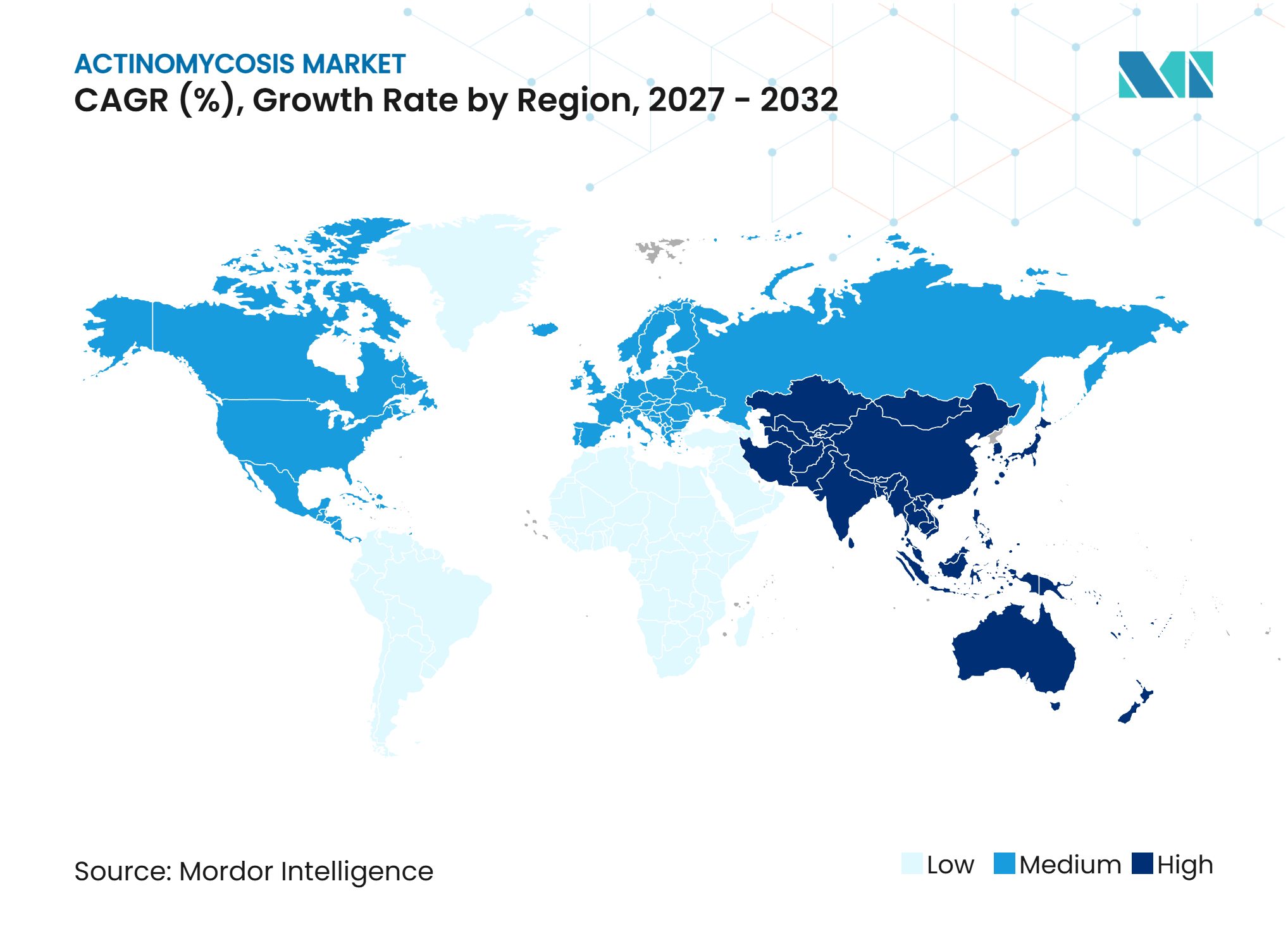
Asia-Pacific is projected to grow at a CAGR of 9.67% from 2027 to 2032, driven by improvements in anaerobic diagnostic infrastructure across China, India, Japan, South Korea, and Australia. A 2025 case series confirmed that metagenomic sequencing identified pulmonary actinomycosis caused by Actinomyces graevenitzii in bronchoalveolar lavage samples when conventional culture showed no growth. China is expanding MALDI-TOF and metagenomic sequencing in tertiary hospitals, while India’s growing transplant and oncology populations are increasing complex case volumes. Australia and South Korea have established OPAT programs and MALDI-TOF use, while Japan's injectable benzylpenicillin recall and production disruption may shift treatment toward ceftriaxone and oral amoxicillin.
Europe, South America, Middle East, and Africa
Europe has advanced anaerobic microbiology infrastructure in Germany, France, the United Kingdom, Italy, and Spain, supported by EUCAST guidelines for anaerobic susceptibility testing. In February 2025, Sandoz invested EUR 12 million to introduce a new antibiotic API and increase annual production at Kundl by 200 tonnes to 4,400 tonnes. South America is developing through private hospital expansion and increased detection among immunosuppressed patients, particularly in Brazil and Argentina. In December 2025, EMS Brazil completed the acquisition of Fresenius Kabi's injectable manufacturing facility in Anápolis, Goiás, including an antibiotic production line and R&D center. GCC markets have stronger tertiary care infrastructure, while many Sub-Saharan African settings continue to face limited anaerobic diagnostic capacity.
Competitive Landscape
Market Concentration
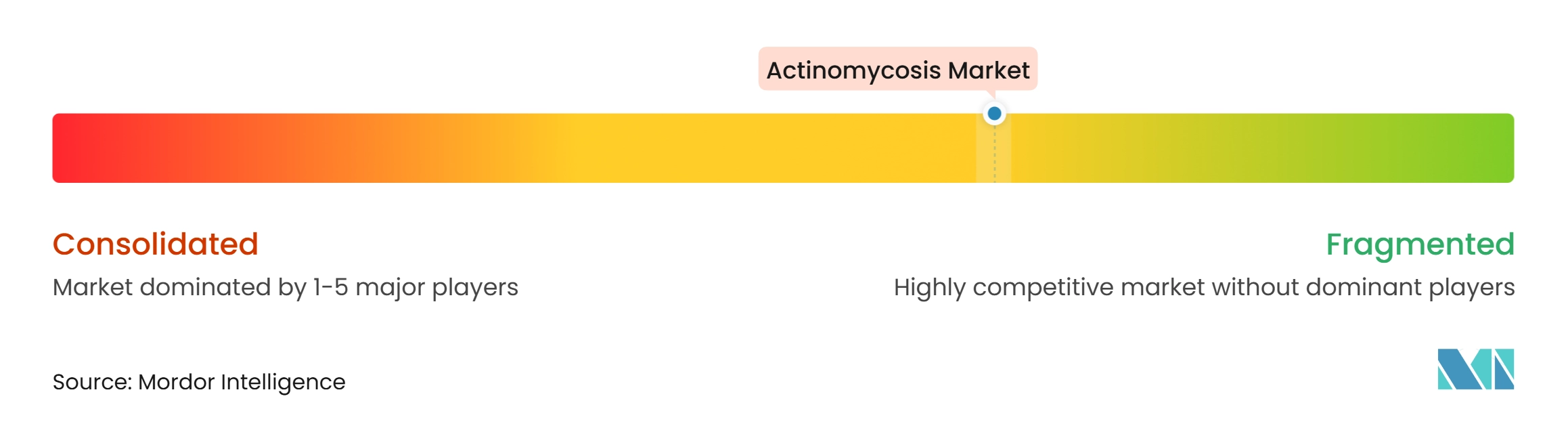
The Actinomycosis market is moderately fragmented, with generic injectable suppliers competing on product availability, regulatory compliance, and formulary positioning. Sandoz, Hikma, Fresenius Kabi, and Aurobindo supply penicillin and cephalosporin injectables to hospital systems across major regions. Cipla, Lupin, Dr. Reddy’s, Sun Pharmaceutical, Alkem, Zydus Lifesciences, and Torrent Pharmaceuticals serve price-sensitive, tender-driven markets. Pfizer continues to participate through Pfizerpen-G and its hospital anti-infective portfolio.
Based on the stated timeline, Pfizer is expected to partner with DKSH in Malaysia in February 2026 to expand access to anti-infective therapies through national healthcare channels. This initiative highlights the importance of distribution reach in emerging Asia-Pacific markets. Hikma also plans to include 15 ready-to-use injectable formulations in its 2025 development pipeline. These strategies prioritize market access, manufacturing capacity, and delivery formats rather than novel molecular therapies.
Diagnostics represent an important area of competition because accurate detection determines whether clinicians initiate treatment. bioMérieux, Becton Dickinson, and Thermo Fisher supply mass spectrometry platforms, susceptibility testing systems, and culture media for clinical laboratories. In October 2026, bioMérieux is expected to join MALDIBANK, an EU-funded project involving 23 partners across 12 countries. The project aims to develop an open-access database containing up to 100,000 high-quality MALDI-TOF spectra by April 2029. Its stated objectives include improving coverage of underrepresented organisms, including anaerobes such as Actinomyces. Enhanced spectral libraries can improve laboratory identification capabilities where anaerobic coverage remains limited. Therefore, diagnostics provide a practical means of supporting timely treatment initiation in the Actinomycosis market.
Actinomycosis Industry Leaders
-
Pfizer Inc.
-
Sun Pharmaceutical Industries Limited
-
Lupin Limited
-
Viatris Inc.
-
Teva Pharmaceutical Industries Ltd
- *Disclaimer: Major Players sorted in no particular order
Actinomycosis Market Companies Covered in this Report
- Alkem Laboratories Limited
- Aurobindo Pharma
- B. Braun
- Baxter
- bioMérieux
- Cipla
- Dr. Reddy’s Laboratories
- Fresenius
- GlaxoSmithKline
- Hikma Pharmaceuticals
- Lupin
- Pfizer
- Sandoz Group AG
- Sun Pharmaceuticals Industries
- Teva Pharmaceutical Industries
- Torrent Pharmaceuticals Limited
- Viatris
- Zydus Lifesciences Limited
Recent Industry Developments in Actinomycosis Market
- October 2026: bioMérieux joined MALDIBANK, an EU-funded initiative coordinated by MIRRI-ERIC and involving 23 partners across 12 countries. The project, which ran from May 2025 to April 2029, aimed to develop an AI-powered open-access spectral database containing up to 100,000 MALDI-TOF mass spectrometry spectra, including underrepresented microbial taxa such as Actinomyces species.
- June 2026: The U.S. Food and Drug Administration approved GSK’s oral antibiotic, Utebzi, for complicated urinary tract infections. GSK targeted U.S. availability by the end of 2026, supporting longer-term outpatient antibiotic formulation development.
- November 2025: Fresenius Kabi received FDA approval for and introduced Dalbavancin for Injection for Gram-positive acute skin and skin structure infections.
Global Actinomycosis Market Report Scope
As per the scope of the report, Actinomycosis is a rare, chronic, progressive bacterial infection caused by bacteria belonging to the genus Actinomyces, which are gram-positive, filamentous, predominantly anaerobic or microaerophilic microorganisms normally present in the human oral cavity, gastrointestinal tract, and female genital tract. The infection generally develops when these bacteria penetrate damaged mucosal barriers following dental infections, trauma, surgery, or other tissue injuries, resulting in the formation of persistent inflammatory lesions, abscesses, and interconnected draining sinus tracts.
The Actinomycosis Market is segmented by treatment type, drug type, disease type, formulation, end user, distribution channel, and geography. By treatment type, the market is segmented into antibiotic therapy, surgical interventions, and combination therapy. By drug type, the market includes penicillins, cephalosporins, tetracyclines, macrolides, lincosamides, and other antibiotics. By disease type, the market is categorized into cervicofacial actinomycosis, thoracic and pulmonary actinomycosis, abdominopelvic actinomycosis, central nervous system actinomycosis, cutaneous and soft tissue actinomycosis, bone and joint actinomycosis, and other disease types. By formulation, the market is segmented into injectable solutions and powders, tablets and capsules, and oral suspensions. By end user, the market includes hospitals and tertiary care centers, specialty clinics, ambulatory surgical centers, and other end users. By distribution channel, the market is segmented into hospital pharmacies, retail pharmacies, online pharmacy channels, and other distribution channels. By geography, the market is analyzed across North America, Europe, Asia-Pacific, the Middle East and Africa, and South America. The report also covers the estimated market sizes and trends for 17 countries across major regions globally. The report offers market sizes and forecasts in terms of value (USD) for the above segments.
Segmentation Overview
| Antibiotics Therapy |
| Surgical Interventions |
| Combination Therapy |
| Penicillins |
| Cephalosporins |
| Tetracyclines |
| Macrolides |
| Lincosamides |
| Other Antibiotics |
| Cervicofacial Actinomycosis |
| Thoracic and Pulmonary Actinomycosis |
| Abdominopelvic Actinomycosis |
| Central Nervous System Actinomycosis |
| Cutaneous and Soft-tissue Actinomycosis |
| Bone and Joint Actinomycosis |
| Other Disease Types |
| Injectable Solutions and Powders |
| Tablets and Capsules |
| Oral Suspensions |
| Hospitals and Tertiary Care Centers |
| Specialty Clinics |
| Ambulatory Surgical Centers |
| Other End Users |
| Hospital Pharmacies |
| Retail Pharmacies |
| Online Pharmacy Channels |
| Other Distribution Channels |
| North America | United States |
| Canada | |
| Mexico | |
| Europe | Germany |
| United Kingdom | |
| France | |
| Italy | |
| Spain | |
| Rest of Europe | |
| Asia-Pacific | China |
| India | |
| Japan | |
| Australia | |
| South Korea | |
| Rest of Asia-Pacific | |
| Middle East and Africa | GCC |
| South Africa | |
| Rest of Middle East and Africa | |
| South America | Brazil |
| Argentina | |
| Rest of South America |
| By Treatment Type | Antibiotics Therapy | |
| Surgical Interventions | ||
| Combination Therapy | ||
| By Drug Type | Penicillins | |
| Cephalosporins | ||
| Tetracyclines | ||
| Macrolides | ||
| Lincosamides | ||
| Other Antibiotics | ||
| By Disease Type | Cervicofacial Actinomycosis | |
| Thoracic and Pulmonary Actinomycosis | ||
| Abdominopelvic Actinomycosis | ||
| Central Nervous System Actinomycosis | ||
| Cutaneous and Soft-tissue Actinomycosis | ||
| Bone and Joint Actinomycosis | ||
| Other Disease Types | ||
| By Formulation | Injectable Solutions and Powders | |
| Tablets and Capsules | ||
| Oral Suspensions | ||
| By End User | Hospitals and Tertiary Care Centers | |
| Specialty Clinics | ||
| Ambulatory Surgical Centers | ||
| Other End Users | ||
| By Distribution Channel | Hospital Pharmacies | |
| Retail Pharmacies | ||
| Online Pharmacy Channels | ||
| Other Distribution Channels | ||
| By Geography | North America | United States |
| Canada | ||
| Mexico | ||
| Europe | Germany | |
| United Kingdom | ||
| France | ||
| Italy | ||
| Spain | ||
| Rest of Europe | ||
| Asia-Pacific | China | |
| India | ||
| Japan | ||
| Australia | ||
| South Korea | ||
| Rest of Asia-Pacific | ||
| Middle East and Africa | GCC | |
| South Africa | ||
| Rest of Middle East and Africa | ||
| South America | Brazil | |
| Argentina | ||
| Rest of South America | ||
Key Questions Answered in the Report
What is the projected value of the actinomycosis market by 2032?
The Actinomycosis market is projected to reach USD 82.88 billion by 2032, from USD 62.28 billion in 2027, at a 5.88% CAGR.
Which treatment type holds the largest share in actinomycosis care?
Antibiotics Therapy held 63.56% share in 2026 because prolonged beta-lactam therapy remains the standard treatment approach.
Why are cephalosporins growing faster in actinomycosis treatment?
Cephalosporins are projected to grow at an 8.99% CAGR through 2032, supported by once-daily ceftriaxone use in outpatient parenteral antimicrobial therapy.
Which region is growing fastest for actinomycosis treatment and diagnosis?
Asia-Pacific is projected to grow at a 9.67% CAGR through 2032 as tertiary care, anaerobic diagnostics, and outpatient treatment capacity expand.
Why are injectable formulations important for actinomycosis treatment?
Injectable Solutions and Powders held 57.78% share in 2026 because treatment commonly begins with an intravenous antibiotic phase.