
Urethral Dilators Market Size and Share
Market Overview
| Study Period | 2022 - 2032 |
|---|---|
| Market Size (2027) | USD 308.26 Million |
| Market Size (2032) | USD 408.84 Million |
| Growth Rate (2027 - 2032) | 5.81 % |
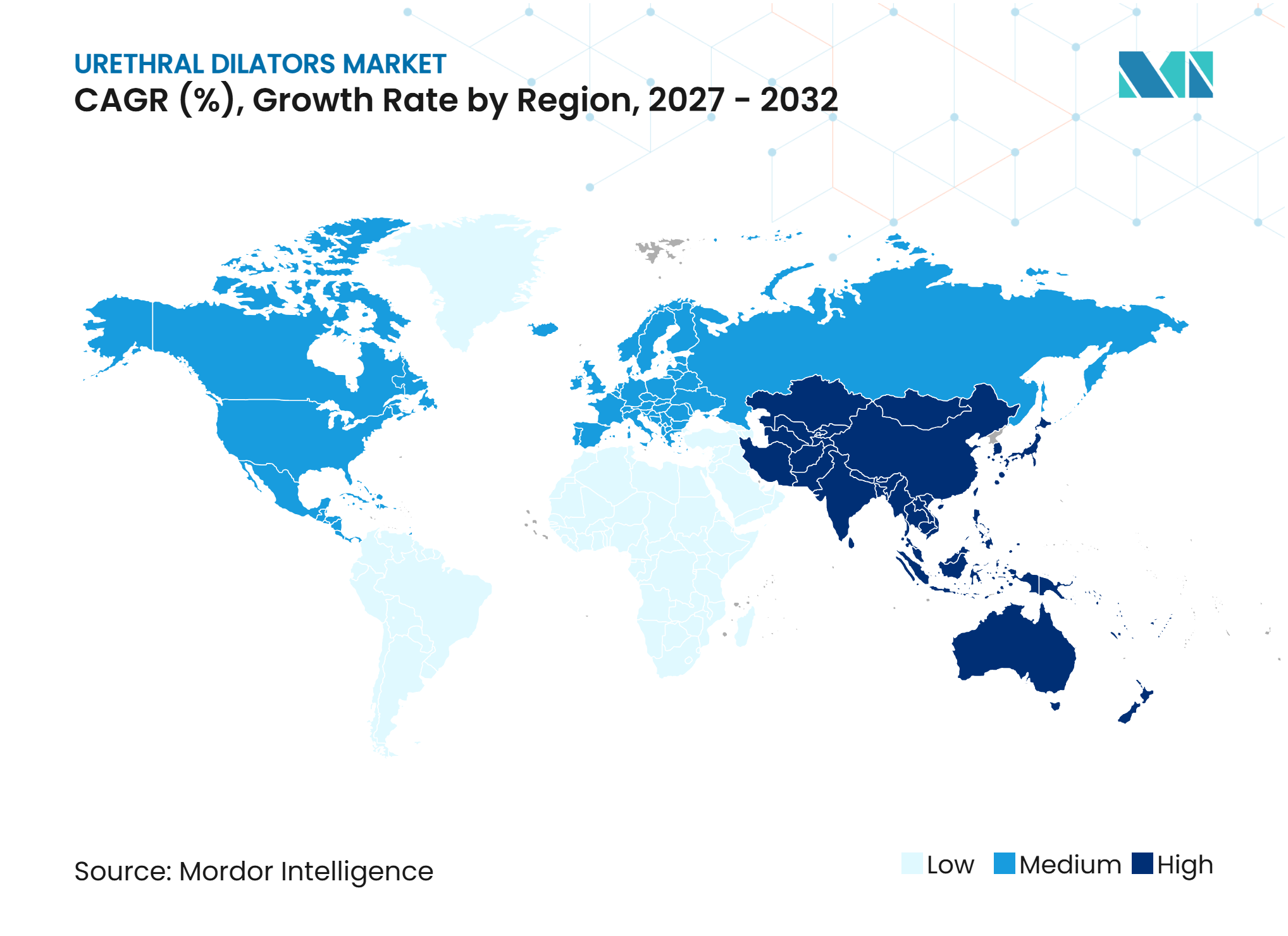
| Fastest Growing Market | Asia-Pacific |
| Largest Market | North America |
| Market Concentration | Medium |
Major Players *Disclaimer: Major Players sorted in no particular order Image © Mordor Intelligence. Reuse requires attribution under CC BY 4.0. | |
Urethral Dilators Market Analysis by Mordor Intelligence
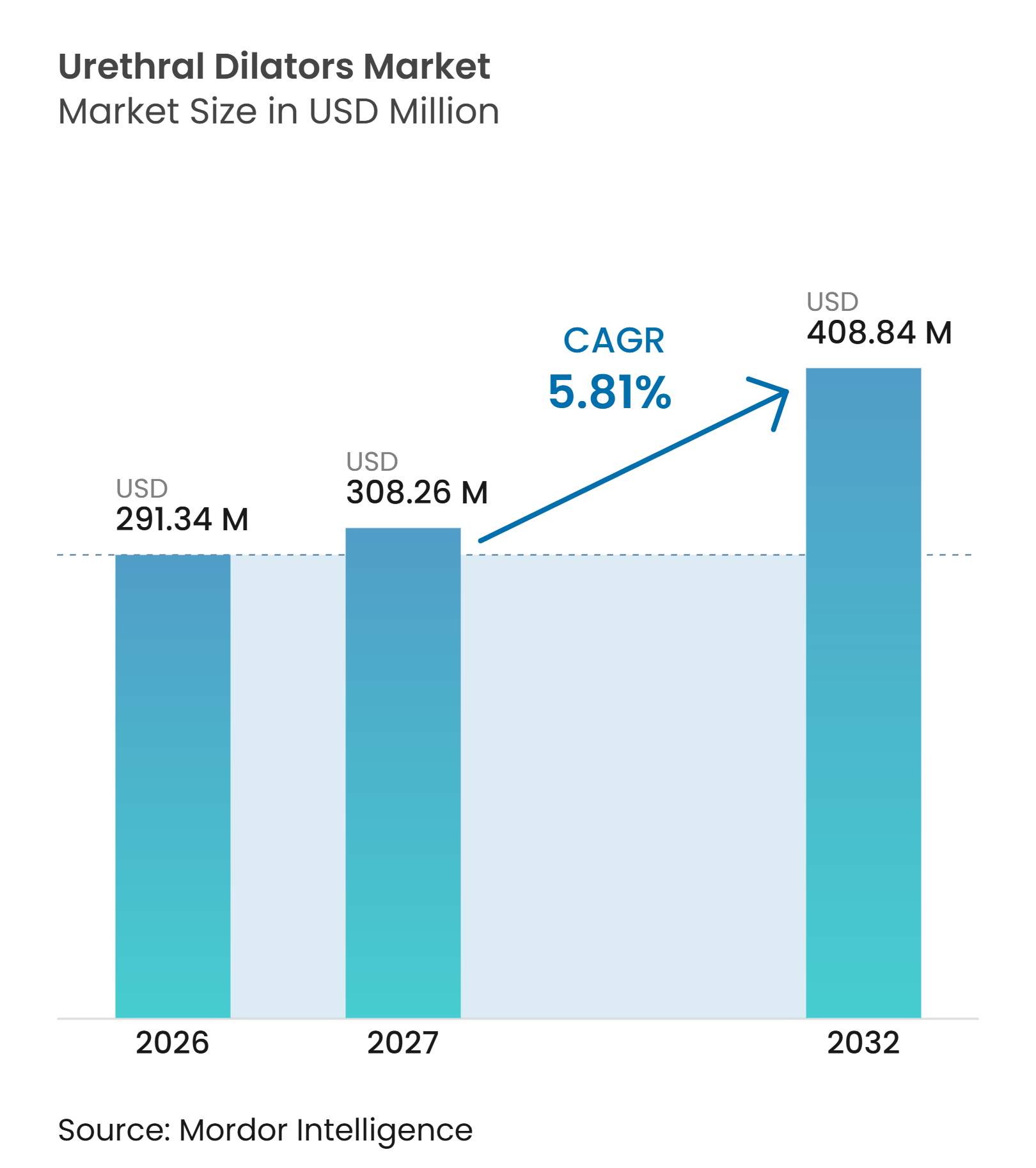
The Urethral Dilators Market size is expected to grow from USD 291.34 million in 2026 to USD 308.26 million in 2027 and is forecast to reach USD 408.84 million by 2032 at 5.81% CAGR over 2027-2032.
The urethral dilators market is moving toward higher-value balloon systems while conventional rigid and sequential instruments continue to support procedure volumes. Drug-coated balloons are gaining clinical acceptance for recurrent strictures because they combine mechanical dilation with local drug delivery. This shift supports revenue growth but narrows the role of lower-priced reusable products in settings that can adopt advanced systems. Rising catheter use, endoscopic interventions, and older male populations continue to support procedure demand in the urethral dilators market. Urethroplasty remains an important alternative after failed endoscopic treatment and may reduce repeat dilation procedures for selected patients.
Key Report Takeaways
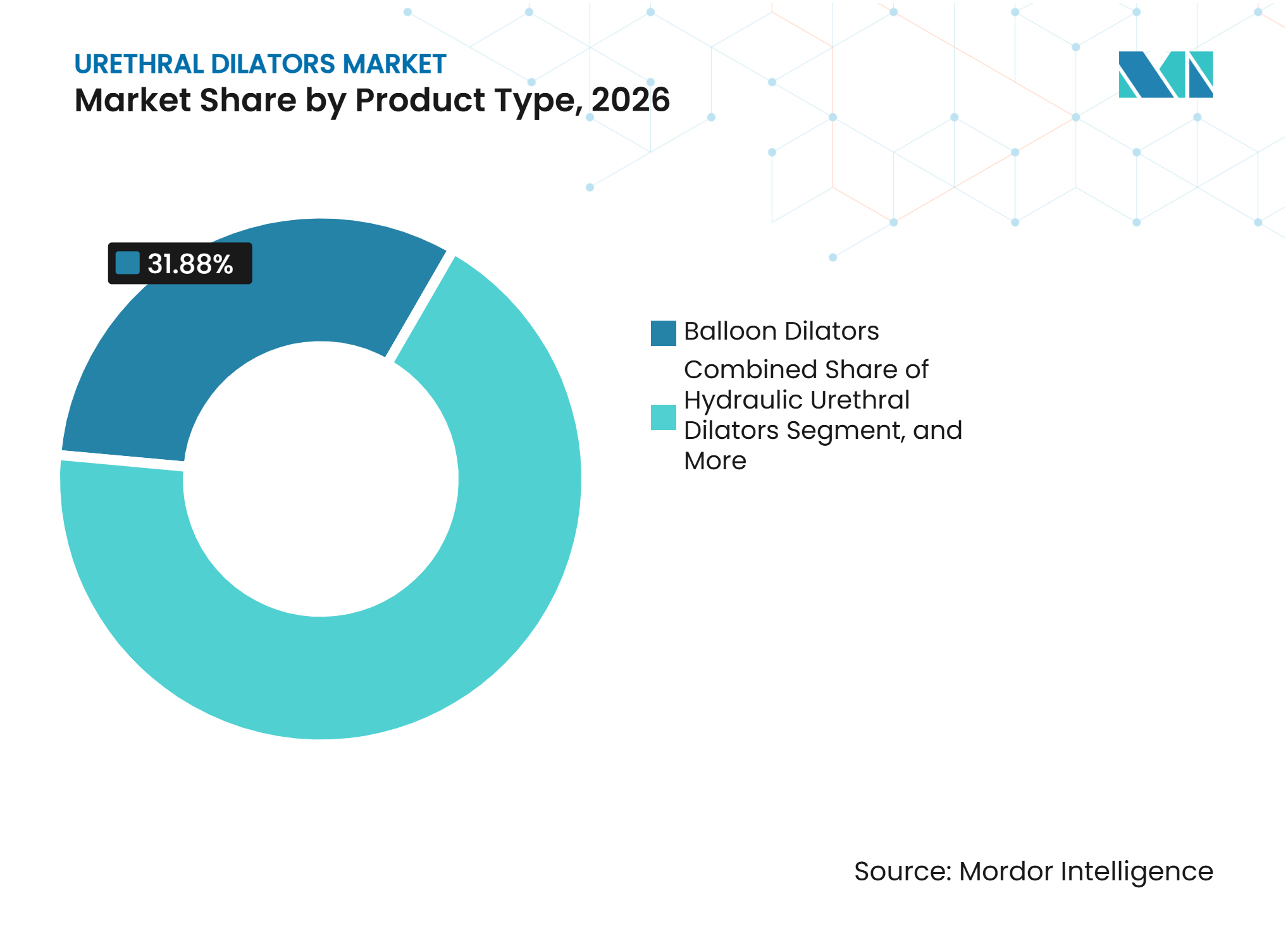
- By product type, balloon dilators held 31.9% of the urethral dilators market share in 2026, while hydraulic urethral dilators are projected to grow at a 7.6% CAGR through 2032.
- By usage, disposable instruments accounted for 63.0% of the urethral dilators market size in 2026 and are forecast to grow at a 7.8% CAGR through 2032.
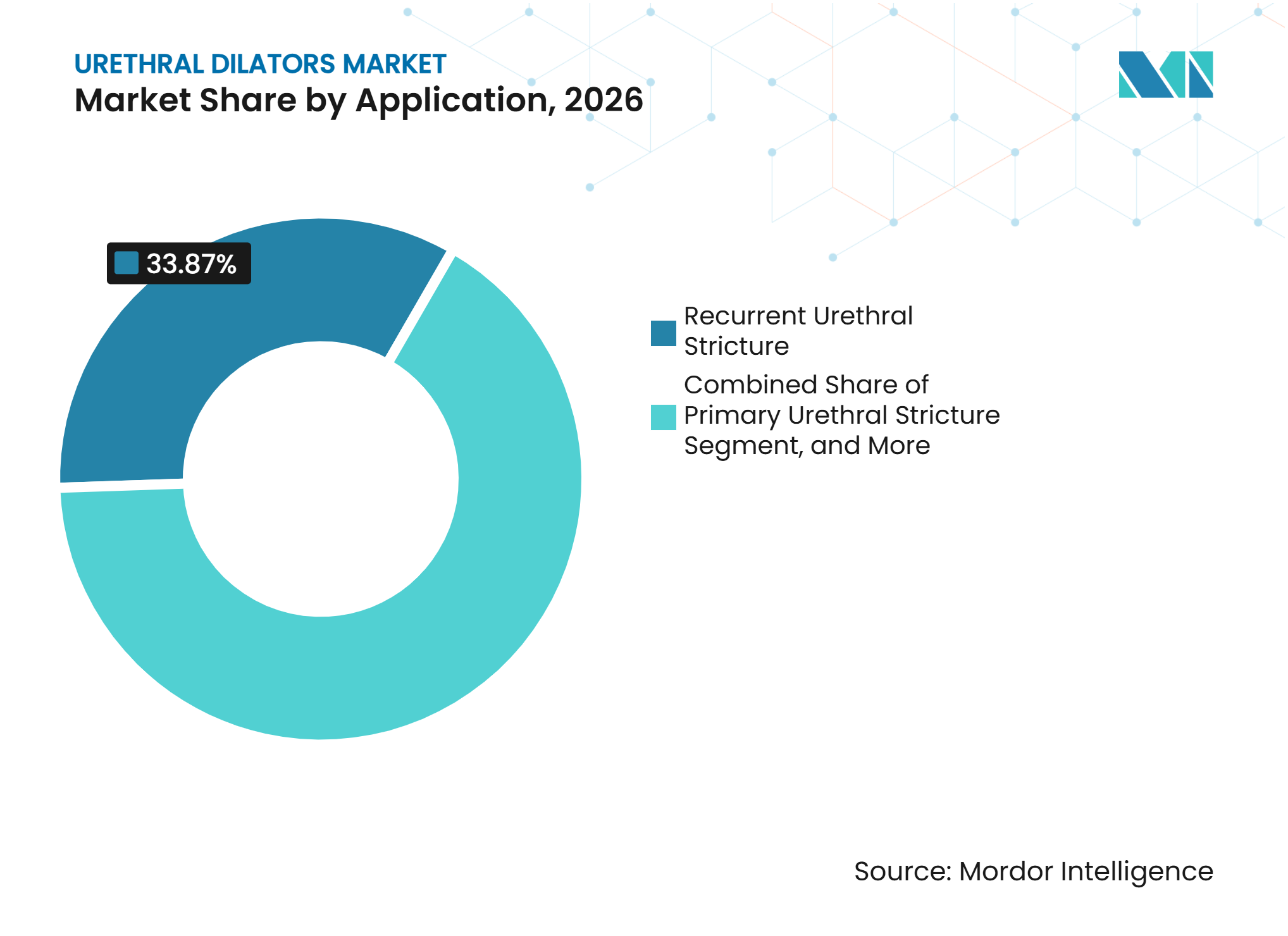
- By application, recurrent urethral stricture held a 33.9% revenue share in 2026, while kidney stone removal and nephrostomy tract dilation are expected to expand at a 9.0% CAGR through 2032.
- By end user, hospitals accounted for 42.8% revenue share in 2026, while home care settings are forecast to expand at an 8.9% CAGR through 2032.
- By geography, North America held a 42.8% revenue share in 2026, while Asia-Pacific is expected to grow at a 6.5% CAGR through 2032.
Note: Market numbers in this report are based on Mordor Intelligence's proprietary estimation framework, which combines nine months of actuals with Q4 projections for base year 2026.
Market Trends and Insights
Drivers Impact Analysis of Urethral Dilators Market*
| Driver | (~) % Impact on CAGR Forecast | Geographic Relevance | Impact Timeline |
|---|---|---|---|
| Rising Prevalence of Urethral Strictures and Urinary Obstruction | +1.80% | Global, with high intensity in North America and South Asia | Short term (≤ 2 years) |
| Shift Toward Visually Controlled and Minimally Invasive Dilation | +1.30% | North America and Western Europe, with spillover to Asia-Pacific | Medium term (2-4 years) |
| Expansion of Drug-Coated Balloon Treatment for Recurrent Strictures | +1.40% | North America and Europe, with early adoption in Australia, New Zealand, and Japan | Medium term (2-4 years) |
| Aging Male Population and Catheter-Related Strictures | +1.00% | Global, concentrated in Japan, Germany, Italy, and the United States | Long term (≥ 4 years) |
| National Reimbursement Pathways for Advanced Dilation Devices | +0.60% | United Kingdom, United States, and expanding European markets | Medium term (2-4 years) |
| Procedure-Specific Design Improvements for Home and Outpatient Use | +0.40% | North America, Western Europe, and Australia | Long term (≥ 4 years) |
| Source: Mordor Intelligence | |||
Rising Prevalence of Urethral Strictures and Urinary Obstruction
Urethral stricture disease is estimated at 229 to 627 cases per 100,000 men globally, and incidence rises sharply after age 55. In the United States, the condition accounts for an estimated 1.5 million clinic visits each year[1]. A 2025 analysis of 65,333 commercially insured U.S. patients found that 52.7% of diagnosed men received at least 1 intervention during enrollment. Latrogenic strictures linked to catheterization and endoscopic procedures now represent a substantial share of cases in developed health systems. These clinical patterns support recurring demand for instruments used in initial and repeat dilation. The urethral dilators market also benefits where healthcare systems make urology procedures more accessible through broader service pricing and reimbursement arrangements.
Shift Toward Visually Controlled and Minimally Invasive Dilation
Direct-vision dilation is increasingly used instead of blind dilation for patients with strictures that require more controlled treatment. Flexible cystoscopes and integrated endoscopic guidance allow clinicians to position balloon catheters under visualization. The approach favors purpose-built balloon systems over basic dilator sets and raises the value of each procedure. Three-year ROBUST III results reported 71.0% freedom from reintervention after drug-coated balloon treatment, compared with 23.6% after standard endoscopic management at 1 year[2]. Guidance from the American Urological Association and European Association of Urology has helped frame the clinical role of advanced endoscopic options for selected recurrent bulbar strictures. Boston Scientific received U.S. Food and Drug Administration clearance for its Asurys Fluid Management System in March 2026, reinforcing the wider integration of fluid management and visualization in urology procedures.
Expansion of Drug-Coated Balloon Treatment for Recurrent Strictures
Drug-coated balloon treatment combines mechanical expansion with paclitaxel delivery intended to limit scar formation after dilation. The ROBUST I five-year study reported 71.7% freedom from reintervention and an improvement in mean International Prostate Symptom Score from 25.2 to 7.2. A 2025 review covering 7 studies and 457 patients reported a pooled recurrence rate of 19.2% following drug-coated balloon treatment. The same review contrasted this result with recurrence rates of 60% to 90% after conventional endoscopic dilation at 2 to 5 years. This evidence gives the urethral dilators market a higher-value treatment category for patients with recurrent disease. European guidance in 2026 gave a weak recommendation for drug-coated balloon dilation when patients have had at least 2 prior endoscopic treatments, and urethroplasty is not feasible.
Aging Male Population and Catheter-Related Strictures
Men aged over 65 have a urethral stricture prevalence of 500 to 600 per 100,000, which is 3 to 4 times that of younger groups. Cumulative catheter exposure, benign prostatic hyperplasia care, and prior endoscopic procedures contribute to this higher burden. In Germany, stricture-related procedures declined 31% from 2006 to 2023, but procedures involving octogenarians increased 24% over the same period. This shift leaves more patients with comorbidities who may not be suitable for open reconstruction. A 2025 survey reported that 94.2% of Japanese respondents used urethral dilation as a standard management tool, while 30.0% used urethroplasty. The urethral dilators market therefore retains demand for both conventional maintenance instruments and durable minimally invasive options.
Restraints Impact Analysis of Urethral Dilators Market*
| Restraint | (~) % Impact on CAGR Forecast | Geographic Relevance | Impact Timeline |
|---|---|---|---|
| Preference for Urethroplasty After Failed Endoscopic Treatment | -1.20% | North America and Western Europe, strongest in academic urology centers | Medium term (2-4 years) |
| Pain, Difficult Catheterization, and Quality-of-Life Burden in Self-Dilation | -0.80% | Global, most acute in home care and outpatient settings | Short term (≤ 2 years) |
| Low Physician Payment and Budget Pressure for Advanced Balloon Procedures | -0.50% | United States hospital outpatient facilities, ambulatory surgery centers, and developing Asia | Medium term (2-4 years) |
| Polymer, Sterilant, and Reprocessing Cost Volatility | -0.40% | Global, most pronounced for reusable-device manufacturers | Short term (≤ 2 years) |
| Source: Mordor Intelligence | |||
Preference for Urethroplasty After Failed Endoscopic Treatment
Urethroplasty achieves 85% to 92% success at 24 months, compared with 28% to 38% for urethral dilation in the referenced evidence base. Evidence discussed in the OPEN trial found better objective urinary outcomes and fewer reinterventions after urethroplasty than after direct vision internal urethrotomy. The 2025 U.S. analysis found annual growth in urethroplasty of 0.4% among first-line patients and 0.6% among patients who had failed endoscopic treatment. German inpatient data also showed urethroplasty volumes rose 156% between 2006 and 2023, while urethral dilations fell 17%. The trend mainly affects patients who would otherwise require several repeat dilation procedures. It makes long-term patient selection and referral patterns important limits on recurring sales in the urethral dilators market.
Pain, Difficult Catheterization, and Quality-of-Life Burden in Self-Dilation
Intermittent self-dilation can help preserve patency after direct vision internal urethrotomy, but long-term adherence is difficult. A prospective study of 121 patients reported a 3.3% complication rate per 6-month interval and 9.0% stricture recurrence during self-dilation. The study also found worsening patient-reported quality-of-life scores over 48 months. Difficult catheterization, hematuria, urinary tract infections, and loss of dexterity can discourage ongoing self-care. These barriers restrict the recurring home-care opportunity unless products improve insertion comfort and handling. Hydrophilic coatings, flexible tips, dry-sleeve systems, and compact closed designs address practical needs for patients who use these devices outside clinical settings.
*Our forecasts treat driver/restraint impacts as directional, not additive. The impact forecasts reflect baseline growth, mix effects, and variable interactions.
Urethral Dilators Market Segment Analysis
By Product Type:
Balloon Formats Anchor Revenue While Hydraulic Platforms ScaleBalloon dilators held a 31.9% revenue share in 2026 and remain the largest product category in the urethral dilators market. Their established role in outpatient and operating-room treatment supports broad use across urology departments, sustaining demand across the urethral dilators industry. Balloon systems are compatible with common endoscopic workflows and are supported by established clinical familiarity. Drug-Coated Balloon Dilators are smaller in current revenue but contribute strongly to value growth because they target recurrent strictures. Five-year ROBUST I data reported 71.7% freedom from reintervention, which supports clinician confidence in this approach. Hydraulic Urethral Dilators are forecast to grow at a 7.6% CAGR through 2032. Their pressure-controlled expansion supports careful treatment in complex or recurrent cases.
Rigid and sequential dilators, filiforms and followers, and metal and plastic urethral dounds continue to serve routine assessment and uncomplicated primary-stricture procedures. These formats remain useful in community practice and lower-resource settings because they are familiar and require limited supporting equipment. Their volume growth is moderated by the move toward disposable and balloon-based products. The 2026 European guidance supports drug-coated balloon treatment after repeated endoscopic management for selected recurrent bulbar strictures under 3 cm. This clinical pathway directs some higher-value procedures toward advanced balloon platforms, influencing product development and adoption across the urethral dilators industry. Laborie began the ENDURE 1 study in October 2025 to assess an Optilume ureteric drug-coated balloon for benign ureteric strictures up to 4 cm. The study indicates a potential extension of drug-coated balloon technology beyond its core urethral use.



By Usage:
Disposable Formats Lead and Accelerate SimultaneouslyDisposable devices accounted for 63.0% of revenue in 2026 and are projected to grow at a 7.8% CAGR through 2032. This combination makes disposables both the leading and fastest-growing usage segment. Infection-control requirements favor single-use products across hospitals in North America and Western Europe. Growth is also becoming more visible in Asia-Pacific as hospital procurement standards advance. The U.S. Centers for Medicare & Medicaid Services introduced HCPCS codes A4295, A4296, and A4297 for hydrophilic catheters effective January 1, 2026. These codes reinforce the reimbursement infrastructure for eligible disposable catheter products. The urethral dilators market benefits when clinical safety and billing pathways support the same format.
Reusable instruments retain a meaningful role in hospitals with constrained budgets and established sterilization capacity. This is particularly relevant across parts of South Asia, Latin America, and sub-Saharan Africa. Their lower purchase cost can remain attractive where single-use procurement is difficult to fund. Reprocessing requirements, sterilant costs, and polymer-price changes can weaken their cost advantage over time. Single-use hydrophilic catheters are designed to reduce handling and support clean intermittent catheterization in home settings. Coloplast has continued to develop this product category as part of its continence-care portfolio. The balance between infection control, affordability, and reprocessing resources will continue to determine the disposable and reusable split.
By Application:
Recurrent Strictures Drive Volume, Nephrostomy Dilation Drives GrowthRecurrent urethral stricture represented 33.9% of revenue in 2026 and is the central clinical application in the urethral dilators market. Recurrent disease generates repeated treatment needs because conventional endoscopic approaches have high recurrence rates. A 2025 review cited recurrence of 60% to 90% at 2 to 5 years after endoscopic dilation. Patients who meet clinical criteria for drug-coated balloons increasingly enter a premium treatment pathway. Conventional balloon and sequential systems remain relevant in community practice and settings with limited access to advanced devices. Primary Urethral Stricture and Meatal Stenosis remain stable applications with straightforward treatment pathways. Catheter Placement and Bladder Outlet Access also supports steady use in hospital intensive-care and post-surgical settings.
Kidney stone removal and nephrostomy tract dilation is forecast to grow at a 9.0% CAGR through 2032. The application benefits from greater use of percutaneous nephrolithotomy and mini-endoscopic combined intrarenal surgery, which require tract-dilation systems. Precise, stepwise dilation supports safe access during these procedures. Cook Medical launched the Syfonix Suction Ureteral Access Sheath and a 7.5 Fr Ascend Single-Use Flexible Ureteroscope for the U.S. and Canadian stone-management market in March 2026. The launch reflects a wider focus on devices that support access, visualization, and stone treatment within one workflow. Manufacturers can strengthen their position by offering compatible access sheaths, dilators, and endoscopic products. This creates procurement opportunities across the broader interventional urology pathway.

By End User:
Hospitals Lead While Home Care Drives Faster GrowthHospitals accounted for 42.8% of revenue in 2026 and remain the largest end-user segment. Hospital urology departments influence brand choice because they manage complex procedures and establish physician familiarity. High-volume academic centers are often early users of drug-coated balloon technology. Community hospitals continue to use conventional balloon and sequential products for routine care. Specialty Urology Clinics are gaining importance as suitable procedures move from the operating room to outpatient settings. This migration is supported by cost management, recovery protocols, and procedures that do not require general anesthesia. Hospitals therefore remain the principal qualification point for suppliers in the urethral dilators market.
Home care settings are projected to grow at an 8.9% CAGR through 2032. Older patients with long-term stricture disease increasingly manage maintenance treatment outside hospitals. However, patient-reported outcomes show that sustained self-dilation can be uncomfortable and demanding. The 121-patient study reported worsening quality-of-life scores over 48 months despite ongoing catheterization. Product design is important because handling, insertion comfort, and contamination concerns affect continued use. Closed systems, hydrophilic coatings, and no-touch sleeves respond directly to these needs. Home-care growth will depend on whether manufacturers can reduce the practical burden of self-administration for patients and caregivers.
Geography Analysis
North America
North America accounted for 42.8% of revenue in 2026 and remains the leading regional segment. The region combines high urology procedure volumes with established access to specialist care. Urethral stricture disease drives an estimated 1.5 million U.S. clinic visits and 5,000 hospital admissions each year. Reimbursement support is widening access to advanced products, especially for eligible catheter and balloon procedures. The new U.S. HCPCS codes for hydrophilic catheters took effect in January 2026. Cook Medical received a Vizient contract for its urology portfolio in September 2025, covering catheters, balloons, dilation and access devices, and ureteral stents. The contract gives the company access to a major provider-led purchasing network and reflects the importance of group purchasing arrangements in the urethral dilators market. Advanced visualization, procedural integration, and payer coverage support a premium product mix in the region.
Asia-Pacific
Asia-Pacific is projected to grow at a 6.5% CAGR through 2032, the highest regional rate in the forecast period. Japan, China, India, and South Korea provide the main sources of regional demand. Japan’s clinical practice patterns remain favorable to dilation-based management, with 94.2% of respondents in a 2025 survey reporting use of urethral dilation. Population aging raises the need for care among patients with catheter exposure, prior procedures, and other urological conditions. Hospitals in the region are also expanding their ability to perform endoscopic and interventional urology procedures. These developments create a larger base for both conventional dilators and single-use catheter-related products. Suppliers that match product launches to local reimbursement channels can improve access in the urethral dilators market. This gives the urethral dilators market a broader range of purchasing environments than mature Western systems. Product affordability and clinician training remain essential because premium drug-coated balloon adoption is still uneven across the region.
Europe, Middle East and Africa, and South America
Europe is a major revenue pool, supported by Germany, the United Kingdom, France, and the Nordic countries. German data showed urethroplasty rose 156% between 2006 and 2023, while urethral dilation declined 17%. This pattern increases the need to position drug-coated balloon treatment between routine endoscopy and open reconstruction for appropriate recurrent cases. European suppliers also face compliance requirements under the EU Medical Device Regulation 2017/745, which can favor companies with strong regulatory resources. The Middle East and Africa remain earlier-stage markets, with demand concentrated in Gulf hospitals that invest in advanced urology services. South America is mainly hospital led, with Brazil and Argentina providing substantial demand. Affordability and distributor reach are important regional considerations, particularly where local suppliers offer simpler dilator formats at lower prices. These mixed markets offer volume opportunities, while product mix and procurement conditions vary sharply by country. The urethral dilators market must therefore accommodate different product specifications and price points across these geographies.
Competitive Landscape
Market Concentration

The urethral dilators market is fragmented to moderately consolidated, with diversified device companies, specialty urology suppliers, and regional manufacturers all participating. Boston Scientific, Teleflex, Cook Medical, B. Braun, and Coloplast are active across conventional balloon, catheter, and access-device categories. Laborie Medical Technologies holds a differentiated position in drug-coated balloon treatment through its Optilume platform. No company share data were provided that would establish a dominant market leader. Competition is therefore based on clinical evidence, product usability, reimbursement access, sales coverage, and pricing. Larger suppliers can combine dilation products with endoscopes, catheters, access sheaths, and procedural-support technologies. This structure gives the urethral dilators market space for specialist firms that focus on a limited clinical workflow. Regional companies can compete where buyers prioritize cost and local service support.
Laborie has used clinical evidence and payer engagement to support adoption of Optilume. Its 2025 ROBUST I publication reported 71.7% freedom from reintervention at 5 years. Laborie also started the ENDURE 1 study in October 2025 to evaluate a ureteric drug-coated balloon for benign ureteric strictures. Cook Medical used contract access as another commercial lever when it received the Vizient urology contract in September 2025. In March 2026, the company added new single-use devices for stone-management procedures. These moves expand the company’s presence in adjacent urology workflows that use dilation and access products. They also allow suppliers to use established relationships when competing in the urethral dilators market.
Boston Scientific received FDA clearance for its Asurys Fluid Management System in March 2026. The system supports irrigation and distention management across ureteroscopy, cystoscopy, percutaneous nephrolithotomy, and benign prostatic hyperplasia procedures. Coloplast continues to emphasize hydrophilic and home-care catheter technologies within its longer-term continence-care strategy. Product differentiation increasingly centers on coatings, guidewire compatibility, radiopaque markers, flexible tips, and simpler handling. European compliance requirements can raise the burden for small companies that lack dedicated regulatory capacity. Suppliers that pair clinical support with reliable distribution will be best placed to compete across mature and price-sensitive markets. This competitive environment does not indicate concentration around a single supplier. The urethral dilators market still rewards both broad portfolios and narrowly focused product development.
Urethral Dilators Industry Leaders
-
Laborie Medical Technologies Corp.
-
Cook Medical LLC
-
Boston Scientific Corporation
-
Coloplast A/S
-
Teleflex Incorporated
- *Disclaimer: Major Players sorted in no particular order
Urethral Dilators Market Companies Covered in this Report
- Advin Health Care
- B. Braun
- Beckton Dickinson
- Boston Scientific
- Coloplast
- ConvaTec Group plc
- Cook Group
- Karl Storz
- Laborie
- Laborie’s Urotronic, Inc.
- Medi-Globe
- MED pro Medical B.V.
- Richard Wolf
- Smiths Medical, an ICU Medical company
- Teleflex
- Urovision-Urotech, a Medi-Globe Group company
- UROMED Kurt Drews KG
- Well Lead Medical Co., Ltd.
Recent Industry Developments in Urethral Dilators Market
- March 2026: Boston Scientific received FDA 510(k) clearance for the Asurys Fluid Management System, designed to manage irrigation and distention across ureteroscopy, cystoscopy, PCNL, and BPH procedures. Limited U.S. market release commenced immediately after clearance, expanding the company's integrated urology procedure ecosystem.
- March 2026: Cook Medical commercially launched the Syfonix Suction Ureteral Access Sheath and a new 7.5 Fr Ascend Single-Use Flexible Ureteroscope for kidney stone management procedures in the United States and Canada, strengthening its single-use disposable urology portfolio.
- October 2025: Laborie Medical Technologies announced the first procedures in its ENDURE 1 clinical study evaluating the Optilume Ureteric Drug-Coated Balloon for benign ureteric strictures up to 4 cm, initiated at the University of California Irvine Health. The study represents the first extension of the Optilume DCB platform into the ureteric indication.
Global Urethral Dilators Market Report Scope
According to the report’s scope, urethral dilators are medical instruments used to gently widen a narrowed urethra. They may help improve urine flow and support diagnosis or treatment of urethral strictures.
The urethral dilators market is segmented into product type, usage, application, end user, and geography. By product type, the market is segmented into balloon dilators, drug-coated balloon dilators, rigid and sequential dilators, hydraulic urethral dilators, filiforms and followers, metal and plastic urethral sounds, and other product types. By usage, the market is segmented into disposable and reusable. By application, the market is segmented into recurrent urethral stricture, primary urethral stricture, meatal stenosis, kidney stone removal and nephrostomy tract dilation, catheter placement and bladder outlet access, and other applications. By end user, the market is segmented into hospitals, specialty urology clinics, home care settings, and other end user. By geography, the market is segmented into North America, Europe, Asia-Pacific, the Middle East and Africa, and South America. The report also covers the estimated market sizes and trends for 17 countries across major regions globally. The report offers values (USD) for all the above segments.
Segmentation Overview
| Balloon Dilators |
| Drug-Coated Balloon Dilators |
| Rigid and Sequential Dilators |
| Hydraulic Urethral Dilators |
| Filiforms and Followers |
| Metal and Plastic Urethral Sounds |
| Other Product Types |
| Disposable |
| Reusable |
| Recurrent Urethral Stricture |
| Primary Urethral Stricture |
| Meatal Stenosis |
| Kidney Stone Removal and Nephrostomy Tract Dilation |
| Catheter Placement and Bladder Outlet Access |
| Other Applications |
| Hospitals |
| Specialty Urology Clinics |
| Home Care Settings |
| Other End User |
| North America | United States |
| Canada | |
| Mexico | |
| Europe | Germany |
| United Kingdom | |
| France | |
| Italy | |
| Spain | |
| Rest of Europe | |
| Asia-Pacific | China |
| Japan | |
| India | |
| Australia | |
| South Korea | |
| Rest of Asia-Pacific | |
| Middle East and Africa | GCC |
| South Africa | |
| Rest of Middle East and Africa | |
| South America | Brazil |
| Argentina | |
| Rest of South America |
| By Product Type | Balloon Dilators | |
| Drug-Coated Balloon Dilators | ||
| Rigid and Sequential Dilators | ||
| Hydraulic Urethral Dilators | ||
| Filiforms and Followers | ||
| Metal and Plastic Urethral Sounds | ||
| Other Product Types | ||
| By Usage | Disposable | |
| Reusable | ||
| By Application | Recurrent Urethral Stricture | |
| Primary Urethral Stricture | ||
| Meatal Stenosis | ||
| Kidney Stone Removal and Nephrostomy Tract Dilation | ||
| Catheter Placement and Bladder Outlet Access | ||
| Other Applications | ||
| By End User | Hospitals | |
| Specialty Urology Clinics | ||
| Home Care Settings | ||
| Other End User | ||
| Geography | North America | United States |
| Canada | ||
| Mexico | ||
| Europe | Germany | |
| United Kingdom | ||
| France | ||
| Italy | ||
| Spain | ||
| Rest of Europe | ||
| Asia-Pacific | China | |
| Japan | ||
| India | ||
| Australia | ||
| South Korea | ||
| Rest of Asia-Pacific | ||
| Middle East and Africa | GCC | |
| South Africa | ||
| Rest of Middle East and Africa | ||
| South America | Brazil | |
| Argentina | ||
| Rest of South America | ||
Key Questions Answered in the Report
What is driving demand for urethral dilators?
Rising stricture burden, catheter-related injury, aging male populations, and broader use of minimally invasive urology procedures support demand.
What is the forecast growth rate for urethral dilators?
The category is forecast to grow at a 5.8% CAGR from 2027 to 2032, reaching USD 408.8 million in 2032.
Which product type leads urethral dilator sales?
Balloon Dilators led with 31.9% revenue share in 2026, while Hydraulic Urethral Dilators are forecast to grow at a 7.6% CAGR through 2032.
Why are drug-coated balloons important in urethral stricture care?
Five-year ROBUST I results reported 71.7% freedom from reintervention, supporting their use for selected recurrent strictures.
Which end-user setting is expanding fastest?
Home Care Settings are projected to grow at an 8.9% CAGR through 2032 as more patients manage long-term treatment outside hospitals.
Which region is growing fastest for urethral dilator products?
Asia-Pacific is projected to grow at a 6.5% CAGR through 2032, supported by aging populations and expanding urology capacity.