
Sinusitis Drugs Market Size and Share
Market Overview
| Study Period | 2021 - 2032 |
|---|---|
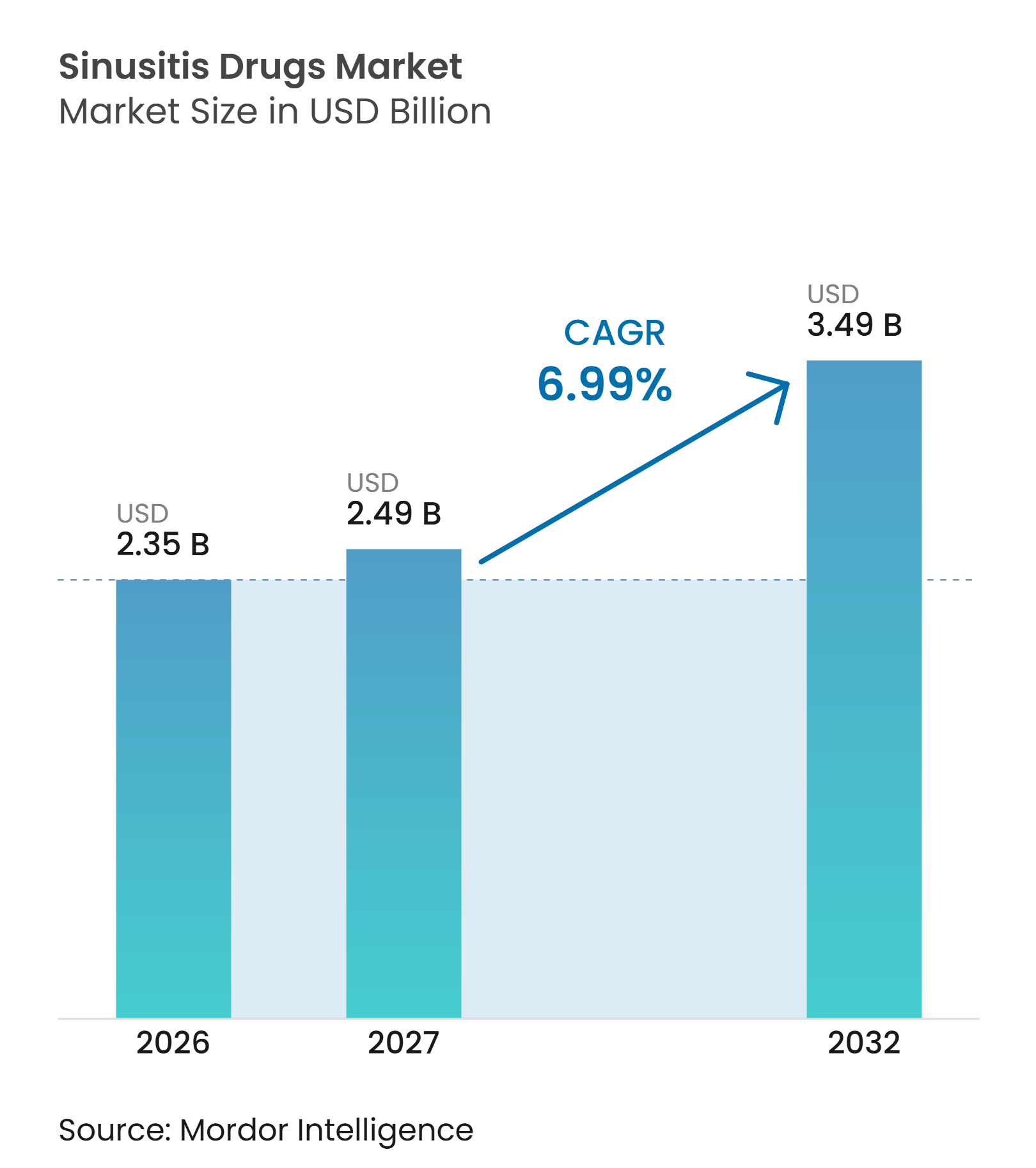
| Market Size (2027) | USD 2.49 Billion |
| Market Size (2032) | USD 3.49 Billion |
| Growth Rate (2027 - 2032) | 6.99 % |
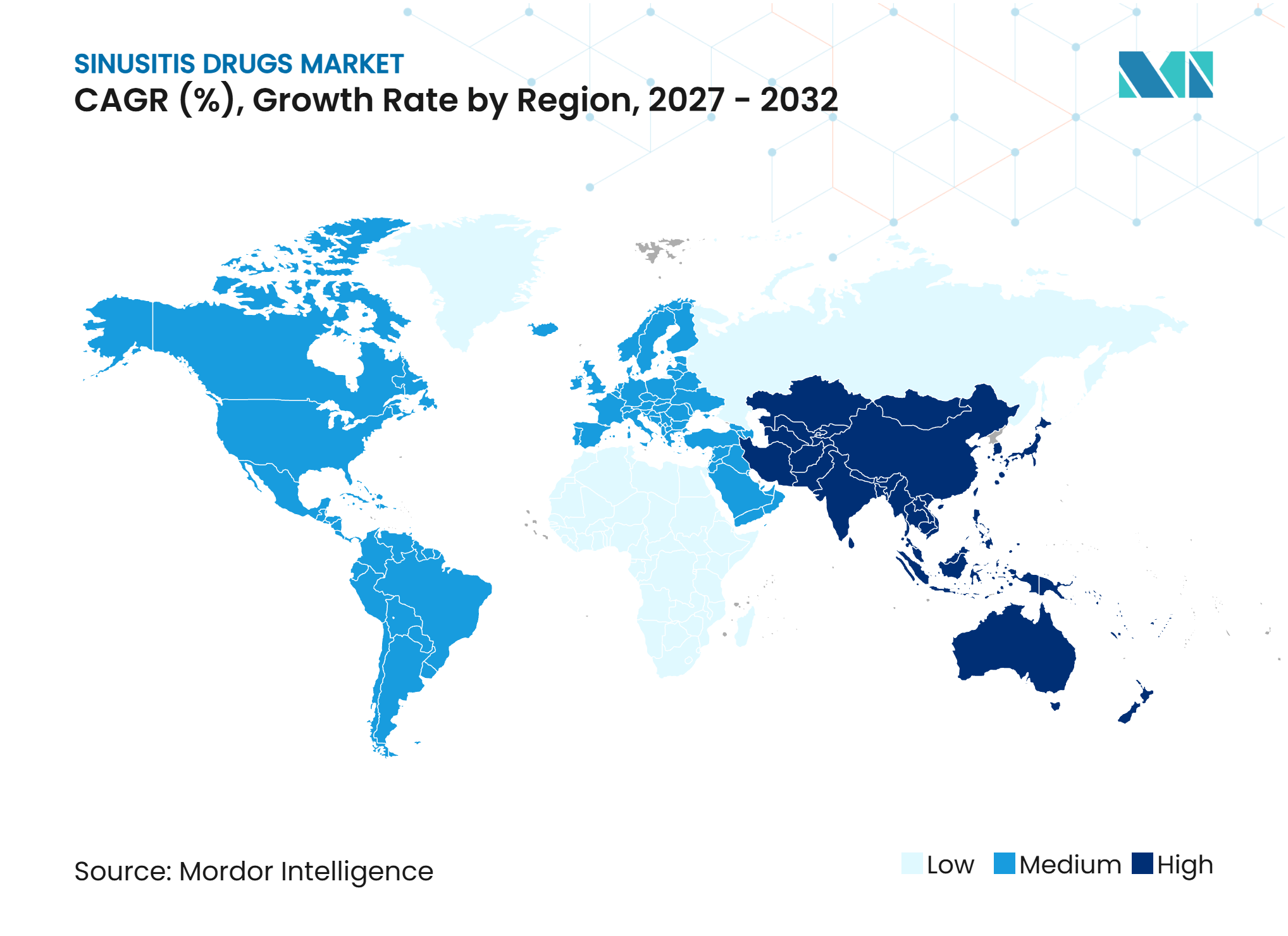
| Fastest Growing Market | Asia-Pacific |
| Largest Market | North America |
| Market Concentration | Medium |
Major Players *Disclaimer: Major Players sorted in no particular order Image © Mordor Intelligence. Reuse requires attribution under CC BY 4.0. | |
Sinusitis Drugs Market Analysis by Mordor Intelligence
The Sinusitis Drugs Market size is projected to be USD 2.35 billion in 2026, USD 2.49 billion in 2027, and reach USD 3.49 billion by 2032, growing at a CAGR of 6.99% from 2027 to 2032.
The sinusitis drugs market is moving away from a model centered on frequent antibiotic treatment for uncomplicated acute disease. The American Academy of Otolaryngology-Head and Neck Surgery guideline supports watchful waiting for uncomplicated acute bacterial rhinosinusitis, which narrows antibiotic use while preserving treatment for clinically appropriate cases. Higher-cost biologics are becoming more important in chronic disease because they address patients with persistent symptoms and nasal polyps. The sinusitis drugs market also benefits from closer links between allergy care and ENT practice, as clinicians increasingly consider inflammatory characteristics when selecting therapy. Delivery devices, specialist access, and reimbursement decisions will shape which products convert clinical demand into sales.
Key Report Takeaways
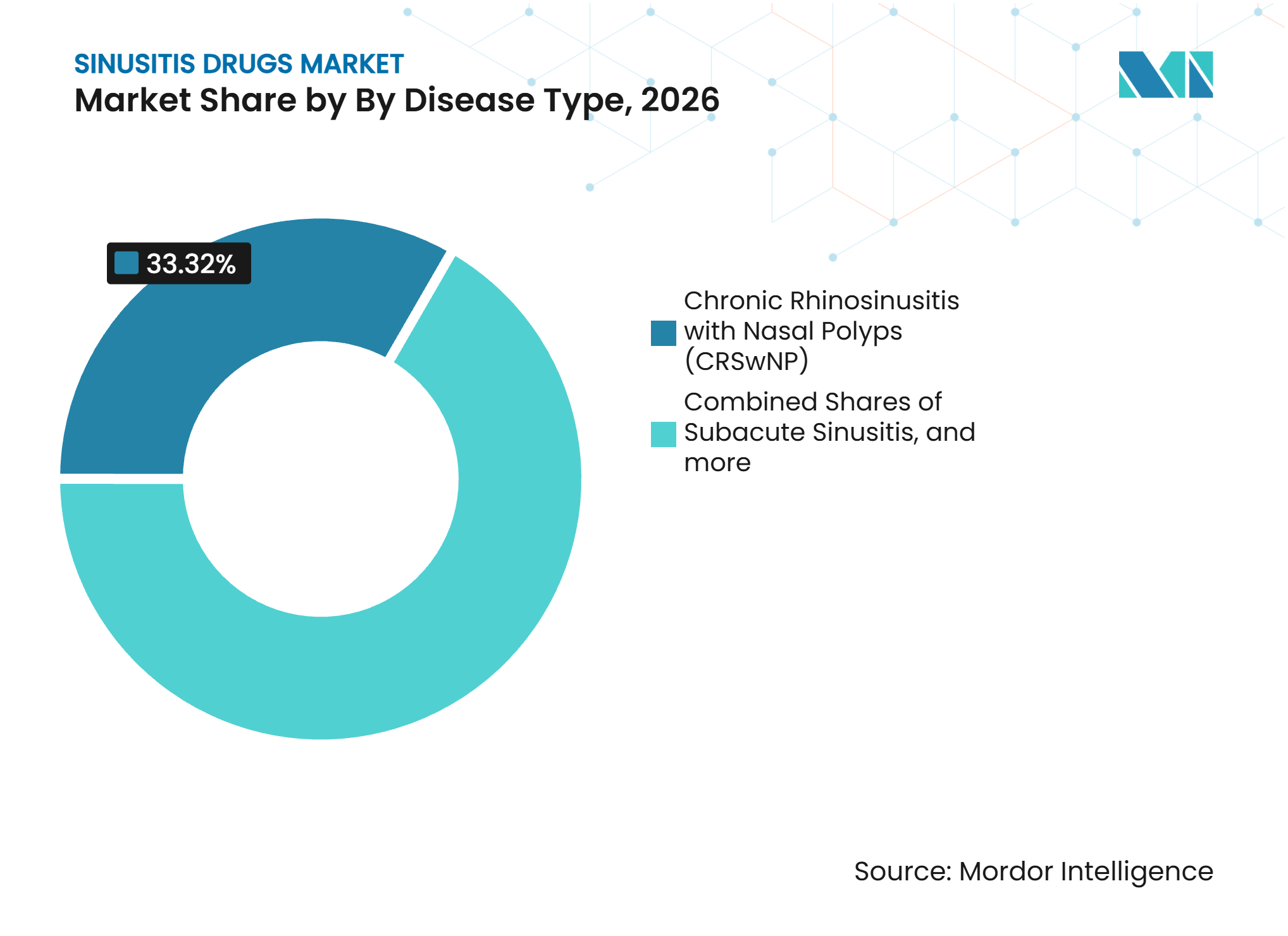
- By disease type, CRSwNP held 33.32% of the sinusitis drugs market share in 2026, while allergic fungal rhinosinusitis is forecast to grow at a 7.61% CAGR through 2032.
- By drug class, antibiotics held 34.24% of the sinusitis drugs market share in 2026, while biologics are projected to grow at a 14.21% CAGR through 2032.
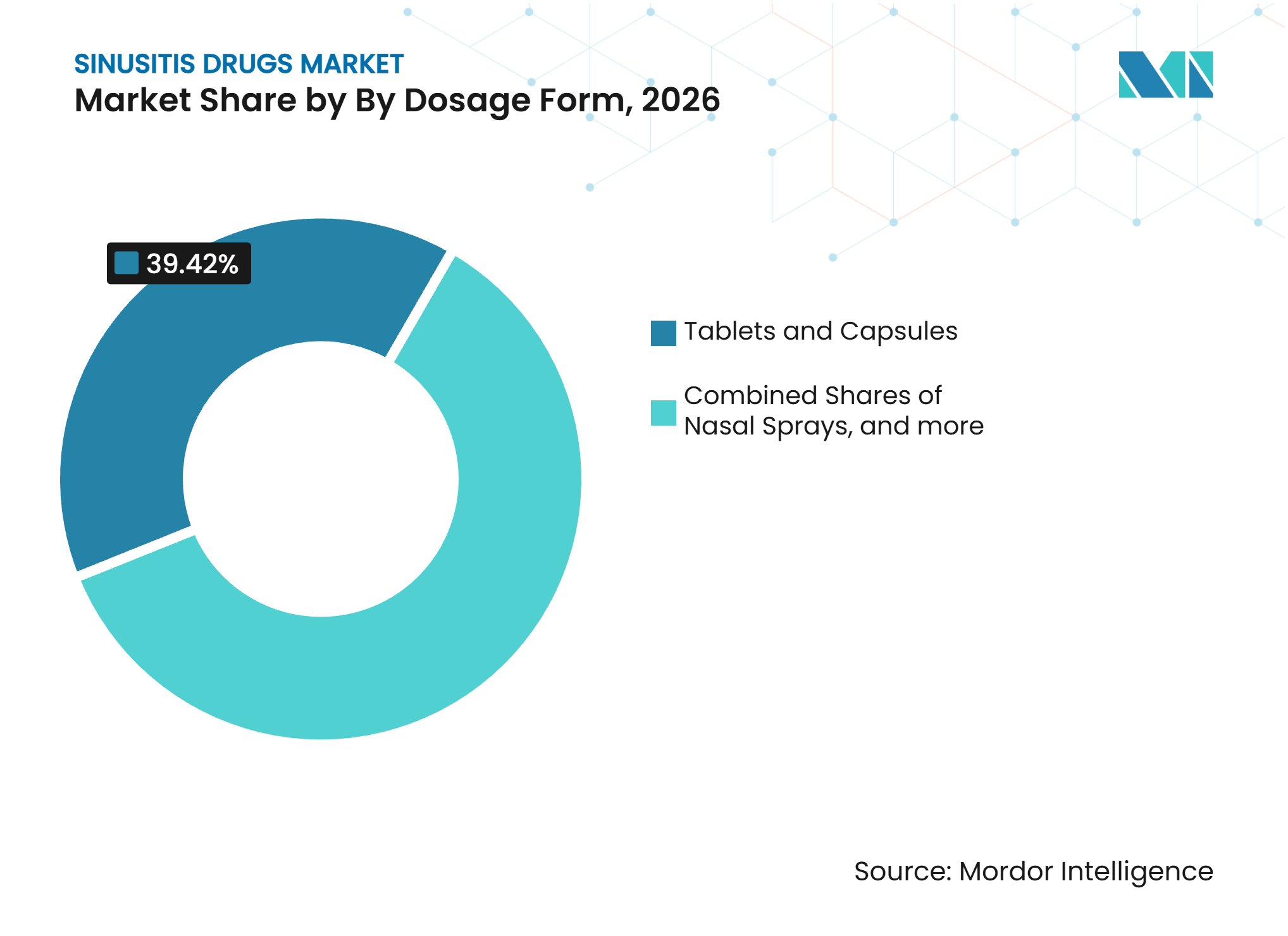
- By dosage form, tablets and capsules held 39.42% of the sinusitis drugs market share in 2026, while injectable biologics are projected to grow at a 13.52% CAGR through 2032.
- By prescription status, prescription-only medicines held 68.36% of the sinusitis drugs market share in 2026 and are projected to grow at a 6.91% CAGR through 2032.
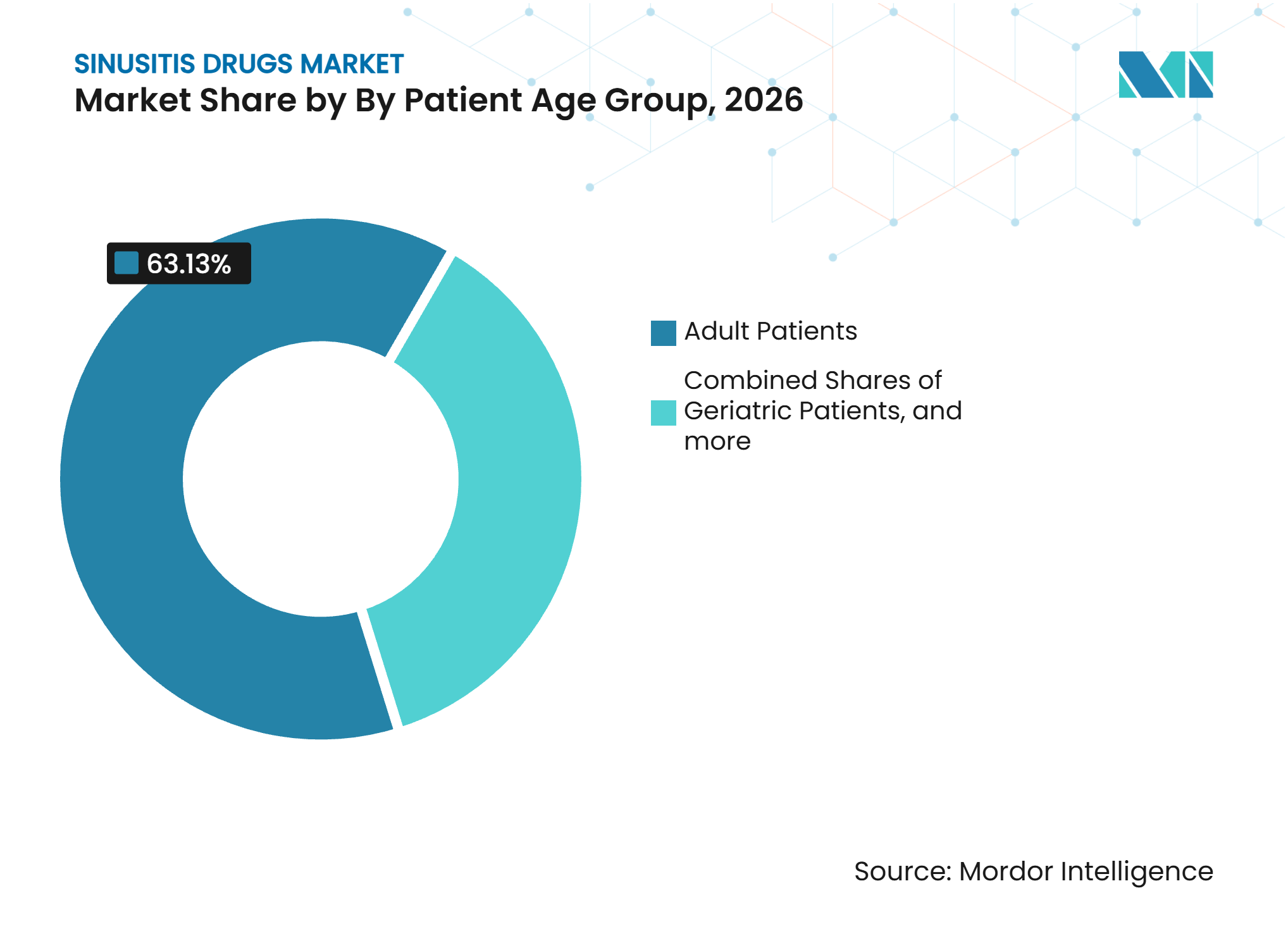
- By patient age group, adult patients held 63.13% of the sinusitis drugs market share in 2026, while geriatric patients are forecast to grow at a 7.41% CAGR through 2032.
- By distribution channel, retail pharmacies held 43.31% of the sinusitis drugs market share in 2026, while online pharmacies are forecast to grow at a 9.81% CAGR through 2032.
- By geography, North America held 41.23% of the sinusitis drugs market share in 2026, while Asia-Pacific is forecast to grow at an 8.02% CAGR through 2032.
Note: Market numbers in this report are based on Mordor Intelligence's proprietary estimation framework, which combines nine months of actuals with Q4 projections for base year 2026.
Market Trends and Insights
Drivers Impact Analysis of Sinusitis Drugs Market*
| Driver | (~) % Impact on CAGR Forecast | Geographic Relevance | Impact Timeline |
|---|---|---|---|
| Rising Burden of Chronic and Acute Rhinosinusitis | +2.1% | Global, with intensity in North America, South & East Asia | Long term (≥ 4 years) |
| Expanding Biologic Use in Severe CRSwNP | +1.8% | North America & EU, early gains in Japan and GCC | Medium term (2–4 years) |
| Growth in Intranasal Drug-Delivery Innovation | +1.0% | North America, Europe, Japan | Medium term (2–4 years) |
| Increased Diagnosis of Allergy-Associated Sinus Disease | +0.8% | APAC core, spill-over to MEA and South America | Long term (≥ 4 years) |
| Clinician Adoption of Phenotype-Directed Therapy | +0.7% | North America & EU | Medium term (2–4 years) |
| Digital ENT Triage and Remote Treatment Monitoring | +0.4% | Global, with early gains in North America, UK, Australia | Short term (≤ 2 years) |
| Source: Mordor Intelligence | |||
Rising Burden of Chronic and Acute Sinusitis Underpins Structural Demand
Acute sinusitis remains a common reason for ambulatory antibiotic prescribing, which supports treatment demand across primary care settings. Chronic rhinosinusitis with nasal polyps has a pooled global prevalence of 8.71%, although prevalence differs across regions and care systems.[1]Air pollution, aeroallergen exposure, and repeated viral upper respiratory infections can increase inflammatory pressure on the sinonasal tract. These conditions can create more persistent symptoms and increase repeat visits. Older patients often have asthma, COPD, or other respiratory conditions that make product choice more complex. The sinusitis drugs market therefore gains value from both recurring episodes and longer treatment courses for chronic disease.
Biologic Adoption in CRSwNP Restructures Premium Drug Revenue
Biologics has become more relevant for patients with severe CRSwNP who remain symptomatic despite standard care. Tezepelumab received FDA approval for CRSwNP in October 2025, adding a TSLP-targeting option to the treatment setting. Dupilumab, omalizumab, mepolizumab, and tezepelumab give clinicians several pathways to consider for eligible patients.[2]Sanofi reported that the EVEREST study found dupilumab superior to omalizumab on the reported primary and secondary CRSwNP outcomes among patients with coexisting asthma.[3] Comparative evidence may influence formulary placement and clinical selection. The sinusitis drugs market benefits because chronic care shifts toward therapies with greater revenue per treated patient.
Intranasal Drug-Delivery Innovation Extends the Clinical Utility of Existing Agents
Drug delivery design can affect local deposition, adherence, and the practical use of established molecules. A systematic review and meta-analysis covering 2,129 patients reported improved SNOT-22 and nasal polyp outcomes with the exhalation delivery system using fluticasone.[4]. Aptar Pharma and Dianosic formed a partnership to develop a bioresorbable intranasal scaffold for chronic rhinosinusitis and chronic allergic rhinitis. A 2025 study also identified insertion angle as a key variable for topical deposition near the ostiomeatal complex after sinus surgery. Such findings support product differentiation beyond active ingredients alone. The sinusitis drugs market can gain from devices that improve local delivery without increasing systemic exposure.
Allergy-Linked Sinus Disease Diagnosis Accelerates Treatment Uptake
Allergy-associated sinus disease can remain untreated when people rely only on over-the-counter symptom relief. Better allergy testing and surveillance can identify people whose persistent congestion has an inflammatory or allergic component. This expands the clinical setting for antihistamines, corticosteroids, and selected advanced therapies. Japan remains relevant because pollen and house dust mite exposure contribute to recurring sinonasal symptoms. Germany also demonstrates the importance of allergy-related nasal products in a mature pharmacy environment. The sinusitis drugs market can develop further when primary care and ENT services identify allergy-related disease earlier.
Restraints Impact Analysis of Sinusitis Drugs Market*
| Restraint | (~) % Impact on CAGR Forecast | Geographic Relevance | Impact Timeline |
|---|---|---|---|
| High Cost of Biologics | -1.5% | Emerging markets, selective impact in Europe | Long term (≥ 4 years) |
| Reimbursement Restrictions for Biologics | -1.5% | Emerging markets, selective impact in Europe | Long term (≥ 4 years) |
| Antibiotic Stewardship Policies | -1.2% | Global, strongest in North America and Northern Europe | Medium term (2-4 years) |
| Antibiotic Resistance Concerns | -1.2% | Global, strongest in North America and Northern Europe | Medium term (2-4 years) |
| Source: Mordor Intelligence | |||
Biologic Affordability and Reimbursement Gaps Constrain Market Penetration
High biologic costs can limit use even where an approval is in place. A 2025 study reported annual condition-specific spending of USD 28,324 for commercially insured US patients receiving dupilumab, compared with USD 12,906 for omalizumab and USD 7,050 for exhalation-delivered fluticasone. Payers may respond through prior authorization, step therapy, and narrower eligibility requirements. These policies can delay initiation for patients who could otherwise enter the biologic treatment pathway. Reimbursement systems in emerging economies often provide less consistent access to high-cost specialty drugs. The sinusitis drugs market remains exposed to a gap between regulatory approval and routine funded use.
Antibiotic Stewardship and Resistance Concerns Reshape the Largest Drug Class
The AAO-HNS guideline supports watchful waiting for uncomplicated acute bacterial rhinosinusitis and reserves antibiotics for appropriate clinical situations. It also limits first-line choices to amoxicillin with or without clavulanate in the stated clinical context. This approach reduces the opportunity for broad-spectrum antibiotic use. Antibiotics will retain importance because acute episodes still require treatment in selected patients. However, lower prescribing intensity constrains a drug class that had been supported by high visit volumes. Companies with corticosteroids, intranasal products, and biologics are better positioned than businesses focused only on acute antibiotic treatment.
*Our forecasts treat driver/restraint impacts as directional, not additive. The impact forecasts reflect baseline growth, mix effects, and variable interactions.
Sinusitis Drugs Market Segment Analysis
By Disease Type:
CRSwNP Anchors Value as AFRS Gains Prescription MomentumCRSwNP accounted for 33.32% of the sinusitis drugs market share in 2026, supported by repeat prescribing and biologic use. Its treatment pathway often includes corticosteroids, surgery assessment, and escalation for patients with uncontrolled disease. Dupilumab became the first FDA-approved medicine for allergic fungal rhinosinusitis in February 2026. The approval expanded treatment beyond surgery and extended corticosteroid courses for this patient group. Allergic fungal rhinosinusitis is projected to grow at a 7.61% CAGR through 2032. This reflects both the new labeled option and the need for sustained management in a disease with inflammatory features.
Acute sinusitis maintains a large base of medicine use because episodes are frequent and often present in primary care. Guideline recommendations are shifting uncomplicated cases toward symptomatic care and observation when clinically appropriate



By Drug Class:
Antibiotics Defend Revenue Share Amid Structural HeadwindsAntibiotics held 34.24% of the sinusitis drugs market share in 2026 because acute and subacute episodes still generate substantial prescription frequency. Their position is reinforced by familiar use patterns in front-line care. The 2025 AAO-HNS guideline has narrowed prescribing toward amoxicillin with or without clavulanate for indicated cases. This constrains product differentiation among broader-spectrum competitors. The category remains large but faces lower volume growth as stewardship becomes more embedded. Manufacturers therefore need support from adjacent therapeutic classes to offset this pressure.
Biologics are expected to expand at a 14.21% CAGR through 2032, the strongest rate among drug classes. They address severe CRSwNP and related inflammatory disease where standard therapy has not controlled symptoms. GSK launched Exdensur, depemokimab, in Japan in April 2026 for severe asthma and CRSwNP
By Dosage Form:
Tablets Lead Share but Injectables Define Value GrowthTablets and capsules accounted for 39.42% of the sinusitis drugs market size in 2026 because antibiotics, antihistamines, and analgesics are widely used in oral form. Oral therapies are familiar to patients and suit short treatment courses. They also serve broad acute and allergy-related demand across community settings. Injectable biologics are forecast to grow at a 13.52% CAGR through 2032. Their expansion reflects increasing use in chronic inflammatory disease and the need for specialist-directed therapy. Longer dosing intervals may improve the practical fit of injectables for patients managing recurring symptoms.
Nasal sprays remain commercially important because they deliver corticosteroids, antihistamines, and decongestants directly to the nasal passage. Exhalation-based devices can improve access to upper sinonasal areas compared with standard spray formats

By Prescription Status:
Prescription Volumes Anchor Revenue Amid OTC Channel ExpansionPrescription-only medicines held 68.36% of the sinusitis drugs market share in 2026, reflecting the importance of biologics, branded intranasal corticosteroids, and prescription antibiotics. Their share is structural because the highest-cost therapies require clinical assessment and follow-up. Prescription revenue is forecast to grow at a 6.91% CAGR through 2032. New biologics for CRSwNP and allergic fungal rhinosinusitis will support this position. Payer requirements will remain important in determining actual treatment access. Specialist involvement also makes the prescription channel central for severe chronic disease.
By Patient Age Group:
Adult Patients Drive Volume, Geriatric Demand AcceleratesAdult patients accounted for 63.13% of the sinusitis drugs market share in 2026 because they use the broadest range of prescription and nonprescription therapies. Acute bacterial sinusitis and chronic inflammatory rhinosinusitis both create demand in this group. Adults may move from occasional over-the-counter treatment to specialist-managed biologics when disease becomes persistent. Their spending profile therefore covers the full formulary. Adult demand is also supported by work and lifestyle pressures that can favor prompt symptom management.
Geriatric patients are forecast to grow at a 7.41% CAGR through 2032 as population aging increases care needs. Polypharmacy, asthma, COPD, and immune changes can complicate treatment selection in older adults. Systemic corticosteroids and antihistamines require careful use because of recognized adverse-effect concerns. This can favor locally acting intranasal therapies and delivery formats that limit systemic exposure.
By Distribution Channel:
Retail Pharmacies Lead, Online Channels SurgeRetail pharmacies accounted for 43.31% of the sinusitis drugs market share in 2026, supported by walk-in purchases of over-the-counter products. Acute congestion and facial pressure can prompt patients to seek treatment without waiting for delivery. This behavior supports retail pharmacy sales for short-duration symptom relief. Pharmacists also provide a practical point of contact for product selection and referral. The channel remains especially relevant for decongestants, saline products, and allergy medicines. It will continue to be a major route even as digital purchasing grows.
Online pharmacies are forecast to expand at a 9.81% CAGR through 2032. E-prescriptions, telepharmacy, and home delivery may improve access for older adults and patients with mobility limits. The channel is also suited to repeat orders for chronic medications and allergy products. Cold-chain handling and reimbursement workflows remain important for specialty medicines.
Geography Analysis
North America
North America held 41.23% of the sinusitis drugs market share in 2026, supported by specialist access, private insurance coverage, and biologic availability. The FDA approved tezepelumab for CRSwNP in October 2025. The agency also approved dupilumab for allergic fungal rhinosinusitis in February 2026. These approvals extend labeled treatment to patient groups previously lacking a specific medicine. The AAO-HNS guideline is also an important regulatory influence on antibiotic use in uncomplicated acute disease. This combination favors premium chronic-care therapies while moderating antibiotic volume. Manufacturers with broad labels and payer evidence have a clearer position in this setting.
Asia-Pacific
The Asia-Pacific sinusitis drugs market is projected to grow at an 8.02% CAGR through 2032. Urban pollution, aeroallergen exposure, and developing ENT infrastructure support demand across China, India, Japan, and South Korea. Japan has become a notable biologics setting because its regulatory system has approved several advanced options. GSK launched Exdensur for severe asthma and CRSwNP in Japan in April 2026. An extended dosing interval can be meaningful in an aging population that may benefit from lower treatment frequency. Domestic biologic development in China is also becoming more relevant to the regional competitive setting. Regional progress will depend on affordability, specialist capacity, and the pace of regulatory review.
Europe, Middle East and Africa, South America
Europe is shaped by EPOS guidance, which provides a common clinical framework for rhinosinusitis care. The sinusitis drugs market size across this broader group depends on different reimbursement systems and access conditions. Germany has a mature over-the-counter nasal treatment environment, while biologic access is more sensitive to payer decisions. Europe also provides an opening for biosimilars to place pricing pressure on reference biologics. In South America, Brazil has an established pharmaceutical approval framework through ANVISA. Middle East markets are developing reimbursement support, particularly in the UAE and Saudi Arabia, where allergic rhinitis can add to demand for sinonasal treatment. Across these mixed geographies, companies need country-specific pricing, evidence, and distribution plans rather than a single regional approach.
Competitive Landscape
Market Concentration
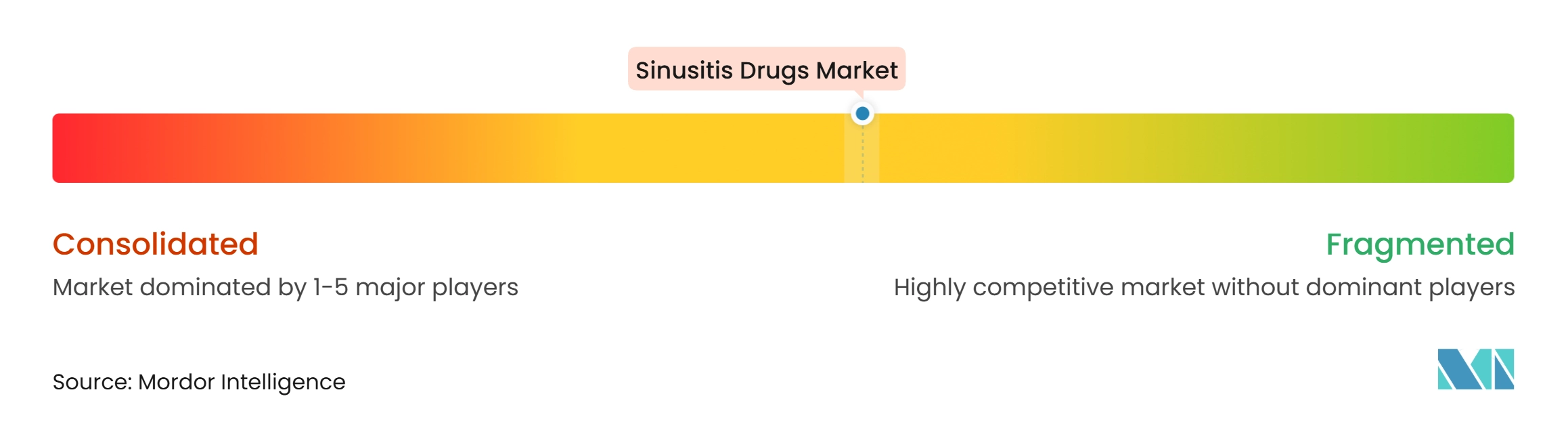
The sinusitis drugs market has two different competitive settings. Biologics are concentrated among Sanofi and Regeneron, Amgen and AstraZeneca, GSK, and Merck. Generic and over-the-counter products remain fragmented across antibiotics, antihistamines, corticosteroids, and decongestants. Sanofi reported that Dupixent outperformed Xolair on the reported primary and secondary CRSwNP endpoints in the EVEREST study. This type of comparative evidence can affect formulary decisions and physician preference. Label breadth is another practical source of differentiation in chronic inflammatory disease.
Amgen and AstraZeneca broadened the TSLP pathway with the FDA approval of Tezspire for CRSwNP in October 2025. Sanofi and Regeneron then expanded Dupixent into allergic fungal rhinosinusitis in February 2026. GSK entered the Japanese CRSwNP setting with Exdensur and its 26-week dosing interval. These actions show that companies are competing through new indications, dosing convenience, and evidence. Delivery technology is a separate area of competition because local deposition can distinguish nasal products. Aptar Pharma and Dianosic are developing a resorbable intranasal scaffold for sustained local administration.
Sinusitis Drugs Industry Leaders
-
GSK plc
-
Sanofi
-
AstraZeneca
-
Novartis AG
-
Pfizer Inc.
- *Disclaimer: Major Players sorted in no particular order
Sinusitis Drugs Market Companies Covered in this Report
- Amgen
- Amneal Pharmaceuticals
- AstraZeneca
- Aurobindo Pharma
- Bayer
- Cipla
- Dr. Reddy’s Laboratories
- GlaxoSmithKline
- Hikma Pharmaceuticals
- Johnson & Johnson
- Merck
- Novartis
- Optinose, Inc.
- Pfizer
- Regeneron Pharmaceuticals
- Sanofi
- Sun Pharmaceuticals Industries
- Teva Pharmaceutical Industries
- Viatris
Recent Industry Developments in Sinusitis Drugs Market
- April 2026: GSK launched Exdensur, depemokimab, in Japan for CRSwNP and severe asthma, the first biologic offering a 26-week dosing interval for CRSwNP, bringing the total number of approved CRSwNP biologics in Japan to 4 and intensifying competition in the country's premium ENT therapy segment.
- February 2026: The US FDA approved Sanofi and Regeneron's Dupixent, dupilumab, for adults and children aged 6 and older with allergic fungal rhinosinusitis, the first medicine approved for this indication, based on the LIBERTY-AFRS-AIMS study demonstrating a 50% sinus opacification improvement and a 92% reduction in the risk of systemic corticosteroid use or surgery versus placebo, converting a sub-segment previously managed only surgically into an active pharmaceutical market.
Global Sinusitis Drugs Market Report Scope
The sinusitis drugs market comprises pharmaceutical products used for the treatment and management of acute and chronic sinusitis, including inflammatory, infectious, allergic, and polyp-associated sinonasal disorders.
The market is segmented by disease type into acute sinusitis, subacute sinusitis, chronic rhinosinusitis with nasal polyps (CRSwNP), chronic rhinosinusitis without nasal polyps (CRSsNP), allergic fungal rhinosinusitis, and other sinusitis types. Based on drug class, the market includes antibiotics, corticosteroids, antihistamines, decongestants, analgesics and pain relievers, immunotherapy drugs, biologic therapies, and other drug classes such as saline nasal sprays, irrigation products, and antifungal agents.
Based on dosage form, the market is categorized into tablets and capsules, nasal sprays, nasal drops, syrups and liquids, injectable biologics, and other dosage forms. By prescription status, the market is segmented into prescription-only medicines and over-the-counter medicines. The market is further segmented by patient age group into pediatric patients, adult patients, and geriatric patients. Based on distribution channel, the market includes hospital pharmacies, retail pharmacies, online pharmacies, and other distribution channels.
Geographically, the market is segmented into North America, Europe, Asia-Pacific, the Middle East & Africa, and South America. The market report also covers the estimated market sizes and trends for 17 countries across major regions globally. For each segment, the market size and forecast are provided in terms of value (USD).
Segmentation Overview
| Acute Sinusitis |
| Subacute Sinusitis |
| Chronic Rhinosinusitis with Nasal Polyps (CRSwNP) |
| Chronic Rhinosinusitis without Nasal Polyps (CRSsNP) |
| Allergic Fungal Rhinosinusitis |
| Other Sinusitis Types |
| Antibiotics |
| Corticosteroids |
| Antihistamines |
| Decongestants |
| Analgesics & Pain Relievers |
| Biologic Therapies |
| Other Drug Classes |
| Tablets & Capsules |
| Nasal Sprays |
| Nasal Drops |
| Syrups & Liquids |
| Injectable Biologics |
| Other Dosage Forms |
| Prescription-Only Medicines |
| Over-the-Counter Medicines |
| Pediatric Patients |
| Adult Patients |
| Geriatric Patients |
| Hospital Pharmacies |
| Retail Pharmacies |
| Online Pharmacies |
| Other Distribution Channels |
| North America | United States |
| Canada | |
| Mexico | |
| Europe | Germany |
| United Kingdom | |
| France | |
| Italy | |
| Spain | |
| Rest of Europe | |
| Asia-Pacific | China |
| India | |
| Japan | |
| Australia | |
| South Korea | |
| Rest of Asia-Pacific | |
| Middle East and Africa | GCC |
| South Africa | |
| Rest of Middle East and Africa | |
| South America | Brazil |
| Argentina | |
| Rest of South America |
| By Disease Type | Acute Sinusitis | |
| Subacute Sinusitis | ||
| Chronic Rhinosinusitis with Nasal Polyps (CRSwNP) | ||
| Chronic Rhinosinusitis without Nasal Polyps (CRSsNP) | ||
| Allergic Fungal Rhinosinusitis | ||
| Other Sinusitis Types | ||
| By Drug Class | Antibiotics | |
| Corticosteroids | ||
| Antihistamines | ||
| Decongestants | ||
| Analgesics & Pain Relievers | ||
| Biologic Therapies | ||
| Other Drug Classes | ||
| By Dosage Form | Tablets & Capsules | |
| Nasal Sprays | ||
| Nasal Drops | ||
| Syrups & Liquids | ||
| Injectable Biologics | ||
| Other Dosage Forms | ||
| By Prescription Status | Prescription-Only Medicines | |
| Over-the-Counter Medicines | ||
| By Patient Age Group | Pediatric Patients | |
| Adult Patients | ||
| Geriatric Patients | ||
| By Distribution Channel | Hospital Pharmacies | |
| Retail Pharmacies | ||
| Online Pharmacies | ||
| Other Distribution Channels | ||
| By Geography | North America | United States |
| Canada | ||
| Mexico | ||
| Europe | Germany | |
| United Kingdom | ||
| France | ||
| Italy | ||
| Spain | ||
| Rest of Europe | ||
| Asia-Pacific | China | |
| India | ||
| Japan | ||
| Australia | ||
| South Korea | ||
| Rest of Asia-Pacific | ||
| Middle East and Africa | GCC | |
| South Africa | ||
| Rest of Middle East and Africa | ||
| South America | Brazil | |
| Argentina | ||
| Rest of South America | ||
Key Questions Answered in the Report
What is the projected value of the sinusitis drugs market by 2032?
The sinusitis drugs market is forecast to reach USD 3.49 billion by 2032, growing at a 6.99% CAGR from 2027 to 2032.
Which sinusitis drug class is expected to grow fastest?
Biologics is projected to grow at 14.21% CAGR through 2032, supported by treatment use in severe CRSwNP and related inflammatory disease.
Why are biologics becoming more important for chronic rhinosinusitis?
They provide targeted options for eligible patients with severe disease that remain uncontrolled with standard care.
Which dosage form is growing fast for sinusitis treatment?
Injectable biologics are forecast to expand at 13.52% CAGR through 2032, reflecting increasing use in chronic inflammatory disease.
Which region leads to sinusitis drug demand?
North America held a 41.23% share in 2026, supported by specialist access, biologic availability, and insurance coverage.
How are clinical guidelines affecting antibiotic use for sinusitis?
The AAO-HNS guideline supports watchful waiting for uncomplicated acute bacterial rhinosinusitis and limits antibiotic use to appropriate clinical circumstances.