
Anterior Uveitis Market Size and Share
Market Overview
| Study Period | 2020 - 2031 |
|---|---|
| Market Size (2026) | USD 0.82 Billion |
| Market Size (2031) | USD 1.29 Billion |
| Growth Rate (2026 - 2031) | 9.42 % |
| Fastest Growing Market | Asia-Pacific |
| Largest Market | North America |
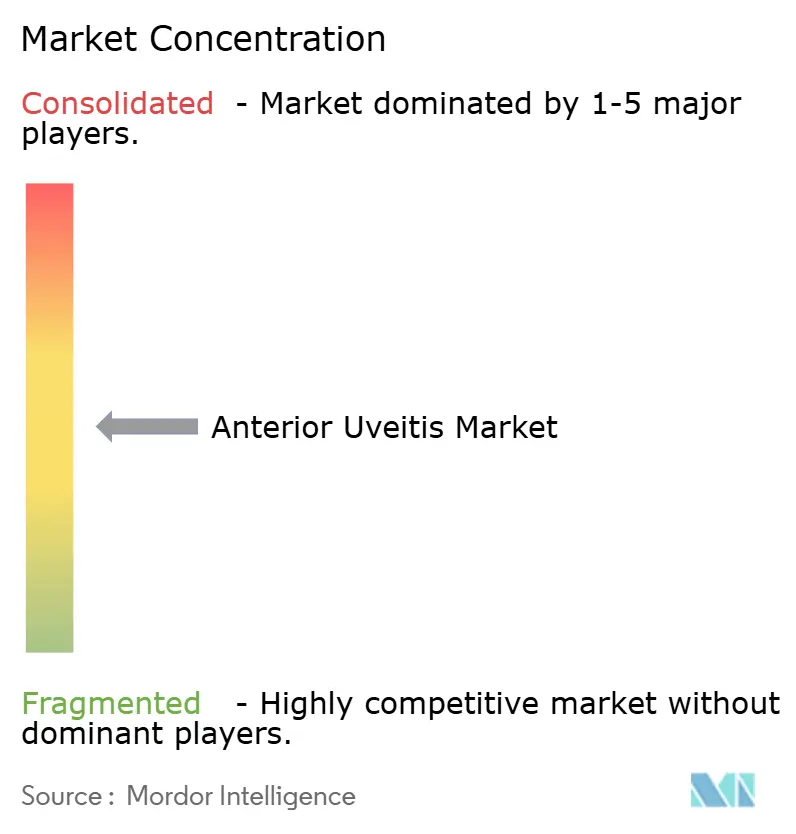
| Market Concentration | Medium |
Major Players *Disclaimer: Major Players sorted in no particular order Image © Mordor Intelligence. Reuse requires attribution under CC BY 4.0. | |
Anterior Uveitis Market Analysis by Mordor Intelligence
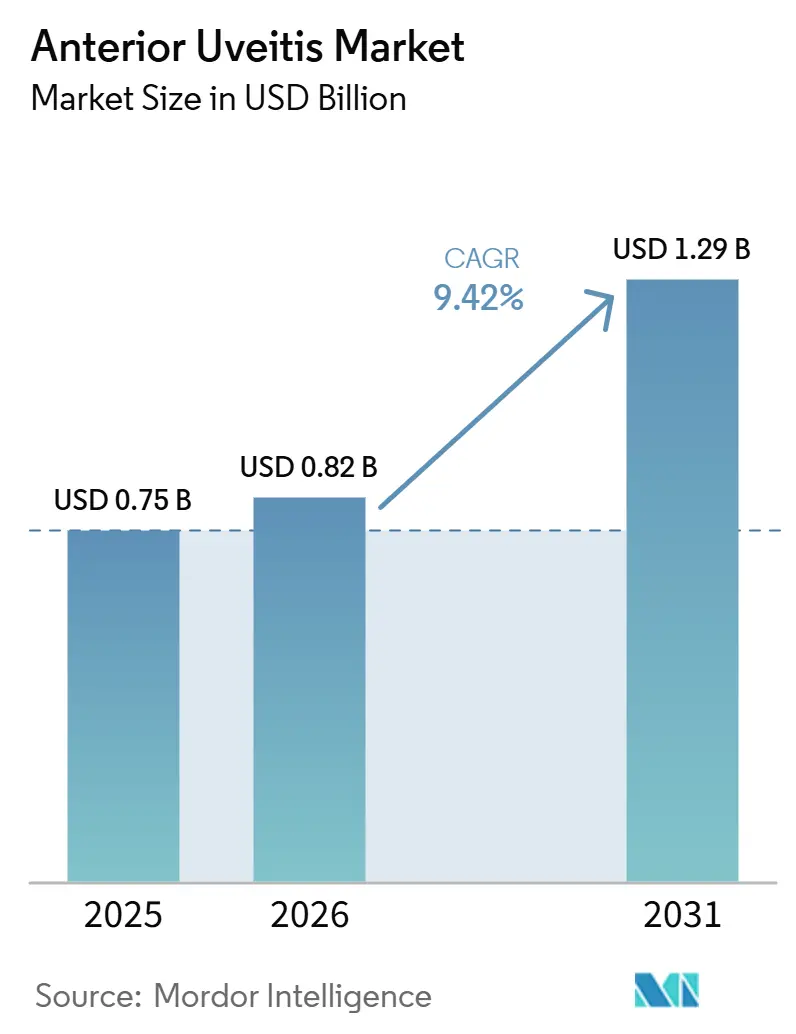
The Anterior Uveitis Market size is projected to be USD 0.75 billion in 2025, USD 0.82 billion in 2026, and reach USD 1.29 billion by 2031, growing at a CAGR of 9.42% from 2026 to 2031.
The anterior uveitis market is shaped by greater recognition of autoimmune disease, broader diagnostic activity, and a move from broad corticosteroid use toward targeted treatments. Noninfectious disease remains the central commercial focus because HLA-B27-related, idiopathic, and autoimmune causes are common in developed health systems. Established biologic reimbursement in North America supports current revenue, while diagnosis capacity and local biopharmaceutical development support faster expansion in Asia-Pacific. Competitive activity centers on new routes of administration, steroid-sparing options, and treatment approaches that can address recurrent inflammation without adding the known burden of prolonged steroid exposure. The anterior uveitis market also faces limits from unequal reimbursement, limited specialist access, and the lack of accepted biomarkers for treatment escalation.
Key Report Takeaways
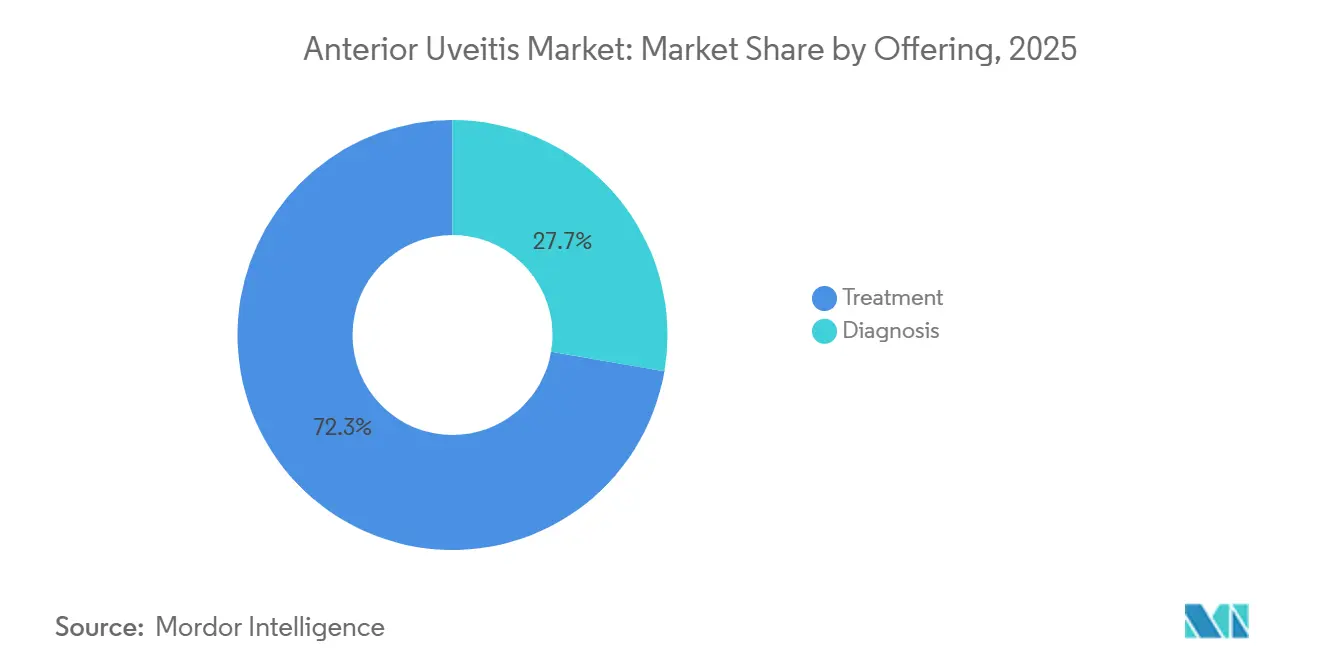
- By offering, Treatment held 72.3% of the anterior uveitis market share in 2025, while Diagnosis is forecast to expand at 11.6% CAGR through 2031.
- By cause, Non-Infectious Anterior Uveitis held 74.2% of the anterior uveitis market share in 2025 and is forecast to grow at 10.2% CAGR through 2031.
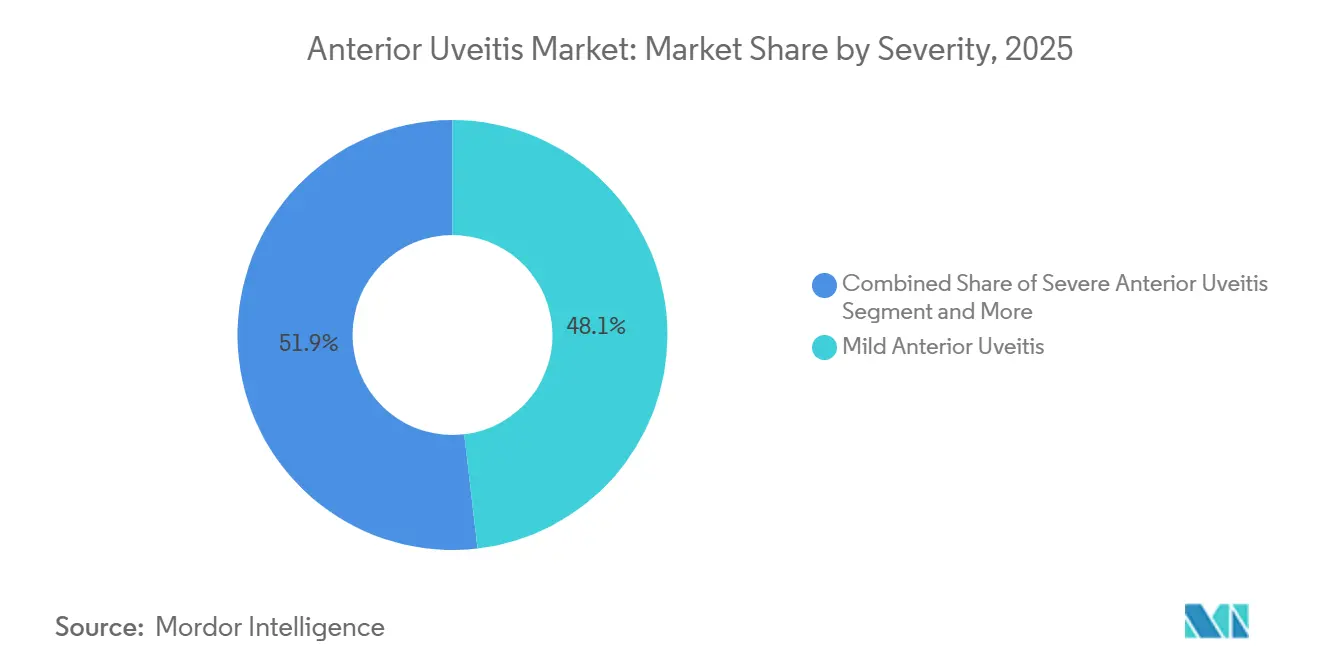
- By severity, Mild Anterior Uveitis held 48.1% of revenue in 2025, while Recurrent Anterior Uveitis is forecast to expand at 11.8% CAGR through 2031.
- By end user, Hospitals and Clinics held 68.7% of revenue in 2025, while Ambulatory Surgical Centers are forecast to expand at 12.0% CAGR through 2031.
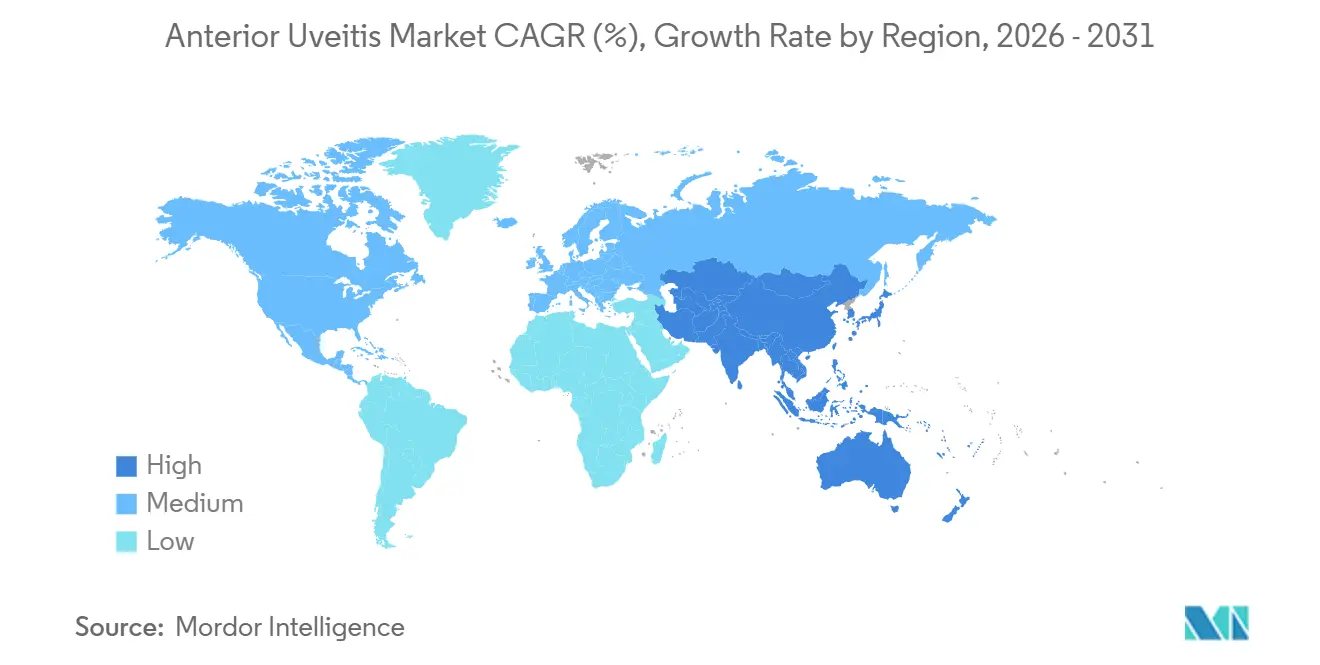
- By geography, North America held 43.6% of revenue in 2025, while Asia-Pacific is forecast to expand at 12.3% CAGR through 2031.
Note: Market size and forecast figures in this report are generated using Mordor Intelligence’s proprietary estimation framework, updated with the latest available data and insights as of January 2026.
Market Trends and Insights
Drivers Impact Analysis of Anterior Uveitis Market*
| Driver | (~) % Impact on CAGR Forecast | Geographic Relevance | Impact Timeline |
|---|---|---|---|
| Increasing Prevalence of Autoimmune and Inflammatory Diseases | +2.2% | Global, with higher intensity in North America and Europe | Medium term (2-4 years) |
| Rising Diagnosis of Anterior Uveitis Cases | +1.4% | Global, with acute gains in Asia-Pacific and Latin America | Short term (≤ 2 years) |
| Expansion of Targeted and Biologic Therapies | +2.4% | North America and EU core, with spill-over to APAC and MEA | Long term (≥ 4 years) |
| Increasing Geriatric Population and Ocular Disease Burden | +1.2% | APAC core, with a secondary impact in Western Europe | Long term (≥ 4 years) |
| Steroid-Free Topical Delivery Innovation for the Uveal Tract | +1.0% | North America initially, with APAC on regulatory follow-through | Medium term (2-4 years) |
| Increasing Use of Data-Enabled Referral and Diagnosis Pathways | +0.6% | North America, EU, and Japan, with early gains in digitally ready health systems | Short term (≤ 2 years) |
| Source: Mordor Intelligence | |||
Increasing Prevalence of Autoimmune and Inflammatory Diseases
Systemic autoimmune conditions, especially HLA-B27-associated spondyloarthropathies, support demand in the anterior uveitis market. In a U.S. study covering 109 million individuals, inflammatory spondyloarthropathies were the most frequently documented systemic comorbidity and affected 6.6% of diagnosed uveitis patients. Recurrent eye inflammation can also lead ophthalmologists to identify previously unrecognized spondyloarthropathy. That clinical link extends demand beyond topical anti-inflammatory medicines to laboratory testing and coordinated eye and rheumatology care. It also makes ocular settings an important entry point for systemic assessment when recurrent episodes require further investigation. Regulatory approvals for adalimumab in specified noninfectious uveitis settings reinforce the importance of autoimmune disease as a treatment target in the anterior uveitis market.
Expansion of Targeted and Biologic Therapies
Targeted medicines are shifting care away from repeated empirical corticosteroid use toward mechanism-specific immunomodulation. Adalimumab remains the FDA-approved systemic non-corticosteroid option for specified noninfectious uveitis settings, which gives biologic treatment a defined role in specialist care. Roche reported that its intravitreal anti-IL-6 antibody vamikibart produced statistically significant reductions in central subfield thickness in the Phase 3 MEERKAT and SANDCAT trials for uveitic macular edema. That route is relevant where macular edema contributes to serious loss of vision and corticosteroid exposure is a concern. The anterior uveitis market could therefore gain from treatments that combine local administration with a steroid-sparing profile. These programs also keep attention on patients whose disease does not remain controlled with routine topical treatment.
Steroid-Free Topical Delivery Innovation for the Uveal Tract
Topical delivery that reaches intraocular tissues could change how clinicians manage persistent anterior inflammation. Conventional topical corticosteroids have limited intraocular bioavailability, while long-term use can lead to glaucoma and cataract in patients with recurring disease. In January 2026, Novaliq received FDA IND clearance for NOV05, a water-free tacrolimus ophthalmic solution using its EyeSol vehicle, and planned the EYETAC Phase 2 trial in noninfectious anterior uveitis[1]Novaliq GmbH, “Novaliq Receives FDA IND Clearance to Advance NOV05 in a Phase II Clinical Trial in Non-Infectious Anterior Uveitis,” Novaliq, novaliq.com. Research published in 2026 also reported intraocular availability of topical mycophenolate sodium 2% suspension in preclinical models. These developments focus the anterior uveitis market on steroid-sparing therapies that could support longer management periods. They may also reduce reliance on established topical corticosteroid brands when clinical evidence and approvals support broader use.
Increasing Use of Data-Enabled Referral and Diagnosis Pathways
Data-enabled assessment can reduce the delay between symptoms, specialist referral, and treatment initiation. A Singapore study used a Swin Transformer V2 system with anterior segment optical coherence tomography data from 830 B-scans to quantify anterior chamber inflammation. The system measured indicators that included Iris Vascularity Index and Anterior Chamber Particle Index. A separate 2025 study reported that a neural network using clinical and demographic variables could support etiological diagnosis of uveitis, including anterior forms. Such tools can reduce inconsistency in inflammation grading and help general ophthalmology practices identify patients who need specialist assessment. The anterior uveitis market benefits when reliable triage shortens the interval before patients enter diagnostic and treatment pathways.
Restraints Impact Analysis of Anterior Uveitis Market*
| Restraint | (~) % Impact on CAGR Forecast | Geographic Relevance | Impact Timeline |
|---|---|---|---|
| Adverse Effects Associated With Long-Term Corticosteroid Use | -1.3% | Global, with the strongest effect in markets with high corticosteroid dependence | Short term (≤ 2 years) |
| High Cost of Biologic and Advanced Local Therapies | -1.6% | Middle-income markets in MEA, South America, and Southeastern Asia | Long term (≥ 4 years) |
| Delayed Diagnosis and Limited Specialist Access | -0.9% | Rural APAC, MEA, and South America | Medium term (2-4 years) |
| Lack of Standardized Biomarker-Guided Treatment Pathways | -0.7% | Global, particularly in community hospital settings | Long term (≥ 4 years) |
| Source: Mordor Intelligence | |||
Adverse Effects Associated With Long-Term Corticosteroid Use
Corticosteroids remain first-line treatment in many settings, but extended use can raise intraocular pressure and contribute to cataract and secondary glaucoma. In the U.S. TriNetX study, oral prednisone was used in 22.6% of uveitis cases, compared with 5.7% for methotrexate. This pattern leaves many patients dependent on treatments that can reduce adherence when complications emerge. The burden is greater where steroid-sparing therapies are unavailable or unaffordable. Those patients may then require further ophthalmic care for complications without resolving the underlying inflammatory cycle. The anterior uveitis market is therefore constrained when safety concerns delay treatment switching and reduce demand for premium options.
High Cost of Biologic and Advanced Local Therapies
The cost of biologics and advanced local treatments limits uptake outside North America and Western Europe. Fragmented insurance coverage and uneven public formulary inclusion can keep systemic non-corticosteroid therapies beyond reach in middle-income countries. Injection platforms also require trained personnel, appropriate facilities, and repeat visits, which concentrates their use in urban specialist centers. In January 2025, Clearside Biomedical reported regulatory approvals in Australia and Singapore for ARCATUS, a suprachoroidal treatment for uveitic macular edema[2]Clearside Biomedical, “Clearside Biomedical Announces its Asia-Pacific Partner, Arctic Vision, Received Approval of Suprachoroidal Treatment for Uveitic Macular Edema in Australia and Singapore,” Clearside Biomedical, ir.clearsidebio.com. These approvals validate the local delivery model, but they do not remove access limits in less-resourced care systems. The anterior uveitis market continues to depend on reimbursement expansion if more patients are to move from corticosteroid regimens to biologic or advanced local treatment.
*Our forecasts treat driver/restraint impacts as directional, not additive. The impact forecasts reflect baseline growth, mix effects, and variable interactions.
Anterior Uveitis Market Segment Analysis
By Offering:
Treatment Holds Current Revenue While Diagnosis Expands FasterTreatment accounted for 72.3% of revenue in 2025 because corticosteroids, biologics, and surgical procedures represented the main areas of commercial spending. The anterior uveitis market size for treatment reflected the established use of topical prednisolone acetate and dexamethasone formulations. These medicines provided the largest treatment volumes across outpatient care. Biologic therapy generated higher revenue per course because of its specialist use and premium pricing structure. Surgical options, including vitrectomy and implantable corticosteroid devices, served patients with refractory disease. Their overall contribution remained smaller, although their procedure value was significant in integrated care settings. The anterior uveitis industry is expected to see stronger demand for biologics as new immunomodulatory programs progress through development. This movement could broaden treatment choices for patients who need more than conventional topical therapy. It also places greater importance on payer decisions that determine which patients can access advanced care.
Diagnosis is projected to grow at 11.6% CAGR through 2031, which is faster than the overall rate. Clinical examination, diagnostic imaging, and laboratory or biomarker testing make up this offering. The anterior uveitis market size for diagnosis is supported by the use of anterior segment optical coherence tomography and fluorescein angiography. AI-assisted inflammation grading is moving from academic validation toward deployment in tertiary ophthalmology centers. The Singapore study showed that a vision transformer could quantify iris vascularity and anterior chamber particle burden from imaging data. Objective assessment can reduce differences between observers when grading inflammation. Point-of-care HLA-B27 tests and cytokine panels also fit the increasing coordination between ophthalmologists and rheumatologists. These tools are relevant when acute anterior uveitis is the first visible sign of a systemic rheumatologic condition. Diagnosis therefore gains value when earlier classification leads to more consistent treatment decisions.


By Cause:
Noninfectious Disease Supports Both Scale and GrowthNon-Infectious Anterior Uveitis accounted for 74.2% of revenue in 2025 and is forecast to grow at 10.2% CAGR through 2031. This pattern reflected the importance of HLA-B27-associated, idiopathic, and autoimmune inflammation in developed healthcare systems. The anterior uveitis industry is organized mainly around this cause category because treatment development has concentrated on noninfectious disease. Novaliq designed the EYETAC Phase 2 program for noninfectious anterior uveitis after FDA IND clearance for NOV05 in January 2026. Vamikibart development also reinforces interest in immune-mediated ocular inflammation where complications need local treatment. The category benefits when referral systems identify links between eye inflammation and systemic autoimmune disease. It remains the main area in which new therapies can seek broader commercial relevance. Product launches over the forecast period are therefore expected to favor noninfectious treatment settings.
Infectious Anterior Uveitis remains smaller in revenue, but it has a lasting role in care pathways. Herpetic forms associated with herpes simplex or herpes zoster remain important among older patients. A 2025 study reported that herpes zoster virus accounted for more than 20% of uveitis cases in patients aged 60-79 years and 38.6% in those aged 80 years and above. This creates continuing need for antiviral combination protocols within the infectious category. The condition requires a distinct approach because its underlying cause differs from immune-mediated inflammation. The anterior uveitis market must therefore retain treatment options that address both infectious and noninfectious causes. The smaller infectious segment also shows why broad clinical assessment is necessary before immunomodulatory therapy is considered. Its demand pattern is specialized rather than absent, especially in older populations. That distinction remains important for clinical and commercial planning.
By Severity:
Mild Disease Leads Volume While Recurrence Drives Longer TreatmentMild Anterior Uveitis held 48.1% of revenue in 2025, supported by the large number of patients managed with topical corticosteroids. The revenue position of mild disease reflected frequent outpatient prescriptions rather than high revenue from each episode. Patients with mild disease often receive generic corticosteroid formulations with relatively low cost per treatment. This makes the category important for prescription volume but less attractive for premium product pricing. Moderate and severe disease create more direct opportunities for biologics and advanced local therapies. These patients may not respond adequately to topical steroids or may develop complications from them. Severe disease represented the smallest patient group, yet it produced greater revenue per patient. Hospital and specialist outpatient settings handled a large proportion of these complex cases. The range of severity therefore produces different patterns of product use and care intensity.
Recurrent Anterior Uveitis is forecast to grow at 11.8% CAGR through 2031 as awareness of relapsing disease patterns increases. The revenue position of recurrent disease remains smaller than mild presentations, but its treatment requirements can be more sustained. Clinical protocols are moving toward maintenance immunomodulation instead of repeated short corticosteroid courses. A 2025 review found that HLA-B27-positive patients had a higher recurrence burden and that rheumatology co-management can change the recurrence profile. Structured referral pathways can help clinicians identify patients who need longer-term management. Recurrent disease also highlights the need for oral maintenance options that avoid repeated steroid exposure. This group provides a clear use case for therapies designed for ongoing inflammatory control. It can also increase the value of testing that clarifies systemic disease involvement. The segment will remain central to decisions about escalation and maintenance care.

By End User:
Hospitals Lead Current Spending While Ambulatory Centers Grow FasterHospitals and Clinics held 68.7% of revenue in 2025 because they managed complex diagnosis, biologic treatment, injections, and surgery. The anterior uveitis market size in these settings was supported by academic medical centers and tertiary eye hospitals. These providers were the main sites for detailed uveitis workup and care for severe or refractory cases. They also handled vitrectomy and other procedures that require specialist infrastructure. Hospital pharmacy channels support cold-chain handling and monitoring for biologic therapies. Formulary listing can make these institutions important for branded medicine access. Dedicated account management by large pharmaceutical companies further strengthens institutional relationships in major markets. Regulatory requirements around dispensing and pharmacovigilance can slow the movement of complex therapies into smaller outpatient settings. Hospitals therefore retain a large revenue role even when patients receive routine care elsewhere.
Ambulatory Surgical Centers are forecast to grow at 12.0% CAGR through 2031 as local injection procedures move outside hospital operating rooms. The anterior uveitis market gains from centers that can deliver high-volume procedures in focused outpatient settings. Suprachoroidal injection is a minimally invasive approach that supports this care model. Clearside Biomedical reported approvals in Australia and Singapore for ARCATUS in January 2025, supporting the use of this delivery approach in Asia-Pacific. The approvals signal that regulatory frameworks can accommodate ambulatory treatment models. Standalone ophthalmology clinics and community practices continue to provide a large share of routine care. Their revenue remains more limited because generic corticosteroids dominate many prescriptions. Ambulatory centers can still expand their role where trained staff and suitable reimbursement are available. Their growth depends on the migration of procedural care from hospital-based settings.
Geography Analysis
North America Anterior Uveitis Market
North America held 43.6% of revenue in 2025, making it the largest regional part of the anterior uveitis market. The United States benefits from a high density of fellowship-trained uveitis specialists and established reimbursement pathways for biologics. Commercial payers and Medicare support access for eligible patients in a mature specialist-care environment. The region also has clinical trial capacity that attracts late-stage ophthalmology programs. Eye and rheumatology billing pathways can both be relevant for HLA-B27-positive patients. This gives the regional care ecosystem a broader specialty base than ophthalmology alone. Canada is expanding ambulatory treatment models, while Mexico remains more dependent on corticosteroids. Mexico is also beginning to access adalimumab biosimilars through IMSS formulary channels. These differences show how reimbursement and care delivery shape regional treatment use.
Europe Anterior Uveitis Market
Europe remains a significant secondary region for the anterior uveitis market, with major activity in Germany, the United Kingdom, France, Italy, and Spain. Clinical expertise in noninfectious uveitis is concentrated in established research and specialist centers. The EMA framework for adalimumab in noninfectious uveitis supports a more harmonized regulatory approach across major EU countries. Germany can move more readily on expensive biologics through hospital budgets. England requires cost-effectiveness evidence through its technology appraisal process, which can delay uptake of premium products. Eastern European and Scandinavian countries have more varied access because national formularies differ. Government procurement for adalimumab biosimilars could improve access in several countries from 2026 onward. Europe therefore offers substantial clinical capability, although adoption is shaped by country-level funding rules. The region remains important for both specialist research and biosimilar use.
APAC, MEA and South America Anterior Uveitis Market
Asia-Pacific is forecast to expand at 12.3% CAGR through 2031, the fastest rate among regions in the anterior uveitis market. China combines a developing ophthalmic pharmaceutical sector with a growing role in clinical development. Japan has an aging population and established institutional ophthalmology capacity. Australia and Singapore created regulatory openings for ARCATUS in January 2025. Japan also has a disease profile shaped by Vogt-Koyanagi-Harada syndrome, which affects East Asian, South Asian, and Hispanic populations. India, South Korea, and Australia have large urban ophthalmology networks but different levels of biologic coverage. Middle East and Africa and South America have substantial unmet need, although premium therapy use remains limited by reimbursement gaps. GCC initiatives and Brazil's public health system are beginning to expand biologic formulary coverage for autoimmune ophthalmic conditions.

Competitive Landscape
The anterior uveitis market includes diversified pharmaceutical companies and ophthalmology-focused biotechnology firms. AbbVie, Novartis, Roche, and Sanofi compete alongside EyePoint Pharmaceuticals, Clearside Biomedical, Ocular Therapeutix, and Novaliq. Smaller clinical-stage companies also pursue new treatment approaches for inflammatory eye disease. Large companies have advantages in commercial infrastructure, payer relationships, and biologic manufacturing capacity. Smaller firms compete through delivery platforms, water-free topical formulations, and sustained-release options. The competitive focus is not limited to mechanism of action. Route of administration and the interval between doses can also shape formulary preference. This structure supports a moderately fragmented competitive environment, with firms differentiated by their ability to solve specific treatment and delivery problems. No combined market-share data for the leading companies was provided.
Novaliq made a notable strategic move in January 2026 when FDA IND clearance enabled its EYETAC Phase 2 trial of NOV05 in noninfectious anterior uveitis. The program uses a steroid-free topical tacrolimus formulation intended for delivery to intraocular tissues. That approach addresses the need for maintenance treatment that may avoid the adverse effects associated with prolonged corticosteroid use. Roche presented Phase 3 vamikibart data in October 2025 for uveitic macular edema, illustrating the strategic value of intravitreal IL-6 inhibition[3]Roche, “Roche Presents New Phase III Pivotal Data for Vamikibart in Uveitic Macular Edema,” Roche, roche.com. Clearside Biomedical's Asia-Pacific approvals for ARCATUS provide a separate example of companies advancing suprachoroidal local delivery. These moves show that delivery innovation is as important as drug selection in the anterior uveitis market. They also seek to meet needs across different care settings, from specialist centers to ambulatory procedure sites. Regulatory progress remains an important indicator of which platforms can advance into routine use.
There is a clear unmet need for biomarker-guided patient selection before a severe recurrence occurs. A second unmet need concerns steroid-free maintenance treatment for mild-to-moderate disease after initial inflammation resolves. Existing care can leave patients between short-term corticosteroid management and more intensive systemic treatment. This gap supports interest in therapies that can maintain control without adding steroid-related pressure or cataract risks. AI-based assessment may also contribute by identifying disease activity more consistently across care settings. The anterior uveitis market is likely to remain active as companies develop treatments that pair clinical differentiation with practical administration. Competition will depend on trial evidence, regulatory progression, reimbursement, and the ability to fit within specialist workflows. Large companies can use their scale, while smaller firms can concentrate on differentiated ophthalmic platforms.
Anterior Uveitis Industry Leaders
AbbVie Inc.
Novartis AG
Bausch + Lomb Corporation
Santen Pharmaceutical Co., Ltd.
Regeneron Pharmaceuticals, Inc.
- *Disclaimer: Major Players sorted in no particular order
Anterior Uveitis Market Companies Covered in this Report
- Abbvie
- Aldeyra Therapeutics
- Alimera Sciences, Inc.
- Amgen
- Bausch + Lomb Corporation
- Clearside Biomedical
- EyePoint Pharmaceuticals, Inc.
- Roche
- Kiora Pharmaceuticals, Inc.
- Novaliq
- Novartis
- Ocular Therapeutix, Inc.
- Pfizer
- Priovant Therapeutics, Inc.
- Regeneron Pharmaceuticals
- Sanofi
- Santen Pharmaceuticals
- Sun Pharmaceuticals Industries
- Takeda Pharmaceuticals
- Tarsier Pharma
- Teva Pharmaceutical Industries
- UCB

Recent Industry Developments in Anterior Uveitis Market
- January 2026: Novaliq, a biopharmaceutical company, said the U.S. Food and Drug Administration (FDA) cleared its Investigational New Drug (IND) application for NOV05, its first IND for inner-eye diseases. NOV05, a tacrolimus ophthalmic solution in EyeSol, was a steroid-free topical anti-inflammatory treatment. The clearance allowed Novaliq to begin the EYETAC Phase II clinical trial in patients with non-infectious anterior uveitis (NIAU).
- January 2026: VivaVision Biotech (VivaVision), a late clinical-stage, privately held biotech company, received written minutes from the U.S. Food and Drug Administration (FDA) after a Type C meeting on VVN461HD for non-infectious anterior uveitis (NIAU). The minutes confirmed that its Phase III clinical study in China could serve as one of the two pivotal trials needed to support a future New Drug Application (NDA) for VVN461HD for this indication.


Global Anterior Uveitis Market Report Scope
As per the scope of the report, anterior uveitis is an inflammation of the uveal tract located in the front part of the eye, primarily affecting the iris and the ciliary body. It is also known as iridocyclitis. This condition can cause redness, pain, light sensitivity, and blurred vision.
The anterior uveitis market is segmented by offering into treatment, including pharmacological treatments, biologic therapy, and surgical treatments, and diagnosis, including clinical diagnosis, diagnostic imaging, and laboratory and biomarker testing; by cause into infectious anterior uveitis and non-infectious anterior uveitis; by severity into mild anterior uveitis, moderate anterior uveitis, severe anterior uveitis, recurrent anterior uveitis, and others; by end user into hospitals and clinics, ambulatory surgical centers, and other end users; and by geography into North America, Europe, Asia-Pacific, Middle East and Africa, and South America. The market report also covers the estimated market sizes and trends for 17 countries across major regions globally. For each segment, the market size and forecast are provided in terms of value (USD).
| Treatment | Pharmacological Treatments |
| Biologic Therapy | |
| Surgical Treatments | |
| Diagnosis | Clinical Diagnosis |
| Diagnostic Imaging | |
| Laboratory and Biomarker Testing |
| Infectious Anterior Uveitis |
| Non-Infectious Anterior Uveitis |
| Mild Anterior Uveitis |
| Moderate Anterior Uveitis |
| Severe Anterior Uveitis |
| Recurrent Anterior Uveitis |
| Others |
| Hospitals and Clinics |
| Ambulatory Surgical Centers |
| Other End Users |
| North America | United States |
| Canada | |
| Mexico | |
| Europe | Germany |
| United Kingdom | |
| France | |
| Italy | |
| Spain | |
| Rest of Europe | |
| Asia-Pacific | China |
| Japan | |
| India | |
| Australia | |
| South Korea | |
| Rest of Asia-Pacific | |
| Middle East and Africa | GCC |
| South Africa | |
| Rest of Middle East and Africa | |
| South America | Brazil |
| Argentina | |
| Rest of South America |
| By Offering | Treatment | Pharmacological Treatments |
| Biologic Therapy | ||
| Surgical Treatments | ||
| Diagnosis | Clinical Diagnosis | |
| Diagnostic Imaging | ||
| Laboratory and Biomarker Testing | ||
| By Cause | Infectious Anterior Uveitis | |
| Non-Infectious Anterior Uveitis | ||
| By Severity | Mild Anterior Uveitis | |
| Moderate Anterior Uveitis | ||
| Severe Anterior Uveitis | ||
| Recurrent Anterior Uveitis | ||
| Others | ||
| By End User | Hospitals and Clinics | |
| Ambulatory Surgical Centers | ||
| Other End Users | ||
| By Geography | North America | United States |
| Canada | ||
| Mexico | ||
| Europe | Germany | |
| United Kingdom | ||
| France | ||
| Italy | ||
| Spain | ||
| Rest of Europe | ||
| Asia-Pacific | China | |
| Japan | ||
| India | ||
| Australia | ||
| South Korea | ||
| Rest of Asia-Pacific | ||
| Middle East and Africa | GCC | |
| South Africa | ||
| Rest of Middle East and Africa | ||
| South America | Brazil | |
| Argentina | ||
| Rest of South America | ||


Key Questions Answered in the Report
What is the forecast growth rate for anterior uveitis treatment and diagnosis?
The anterior uveitis market is forecast to grow at 9.42% CAGR from 2026 to 2031, reaching USD 1.29 billion by 2031.
Which offering generates the most revenue in anterior uveitis care?
Treatment generated 72.3% of revenue in 2025, supported by corticosteroids, biologics, and surgical care for refractory disease.
Why is noninfectious anterior uveitis important for therapy development?
Non-Infectious Anterior Uveitis represented 74.2% of revenue in 2025 and is forecast to grow at 10.2% CAGR through 2031.
Which care setting is expanding fastest for anterior uveitis procedures?
Ambulatory Surgical Centers are forecast to expand at 12.0% CAGR through 2031 as injection procedures shift to outpatient settings.
Which region is expected to grow fastest through 2031?
Asia-Pacific is forecast to grow at 12.3% CAGR through 2031, supported by ophthalmology infrastructure and regional regulatory activity.
What limits wider use of biologics for anterior uveitis?
High treatment costs, uneven reimbursement, limited specialist access, and corticosteroid dependence constrain wider adoption in several regions.
Page last updated on:





