
Amyloidosis Therapeutics Market Size and Share
Market Overview
| Study Period | 2020 - 2031 |
|---|---|
| Market Size (2026) | USD 6.96 Billion |
| Market Size (2031) | USD 10.43 Billion |
| Growth Rate (2026 - 2031) | 8.43 % |
| Fastest Growing Market | Asia-Pacific |
| Largest Market | North America |
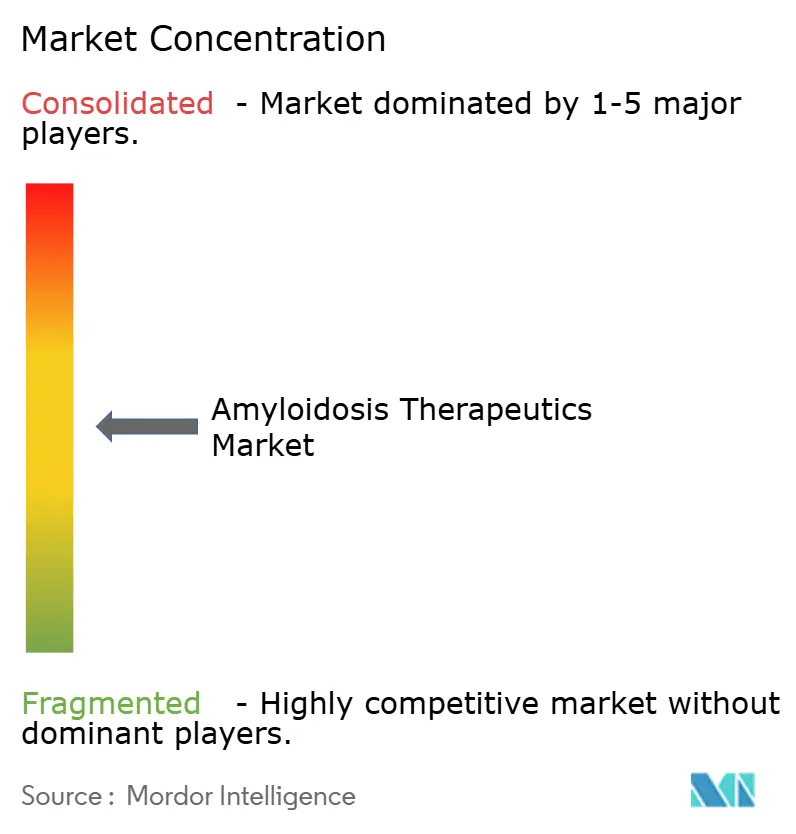
| Market Concentration | Medium |
Major Players *Disclaimer: Major Players sorted in no particular order Image © Mordor Intelligence. Reuse requires attribution under CC BY 4.0. | |
Amyloidosis Therapeutics Market Analysis by Mordor Intelligence
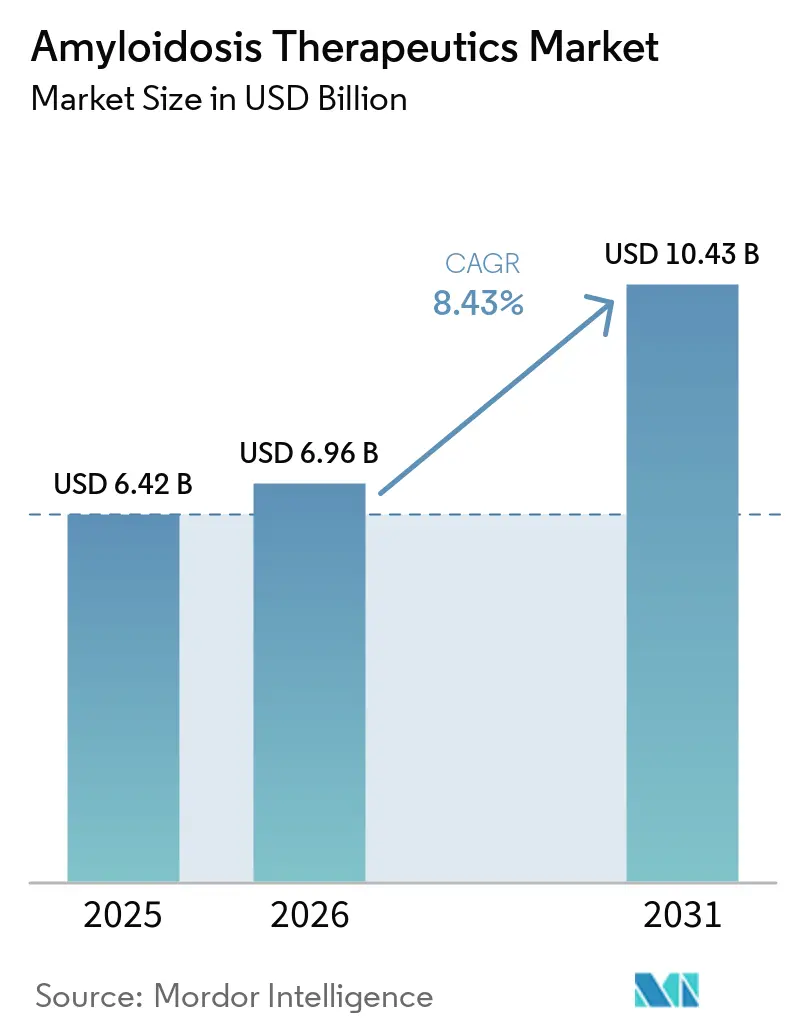
The Amyloidosis Therapeutics Market was valued at USD 6.42 billion in 2025 and is estimated to reach USD 6.96 billion in 2026. The market is further projected to grow to USD 10.43 billion by 2031, registering a CAGR of 8.43% during the forecast period from 2026 to 2031.
The amyloidosis therapeutics market is being reshaped by approvals for acoramidis, vutrisiran, and daratumumab-based treatment, which expanded the available disease-modifying options. Competition in ATTR cardiomyopathy is moving beyond a single established therapy, while broader diagnosis may increase treated patient volumes. Older populations in North America, Europe, and Japan create a growing pool of people who may need evaluation for ATTR cardiomyopathy. Wider specialist access, improved imaging, and more treatment settings may determine which therapies gain routine use.
Key Report Takeaways
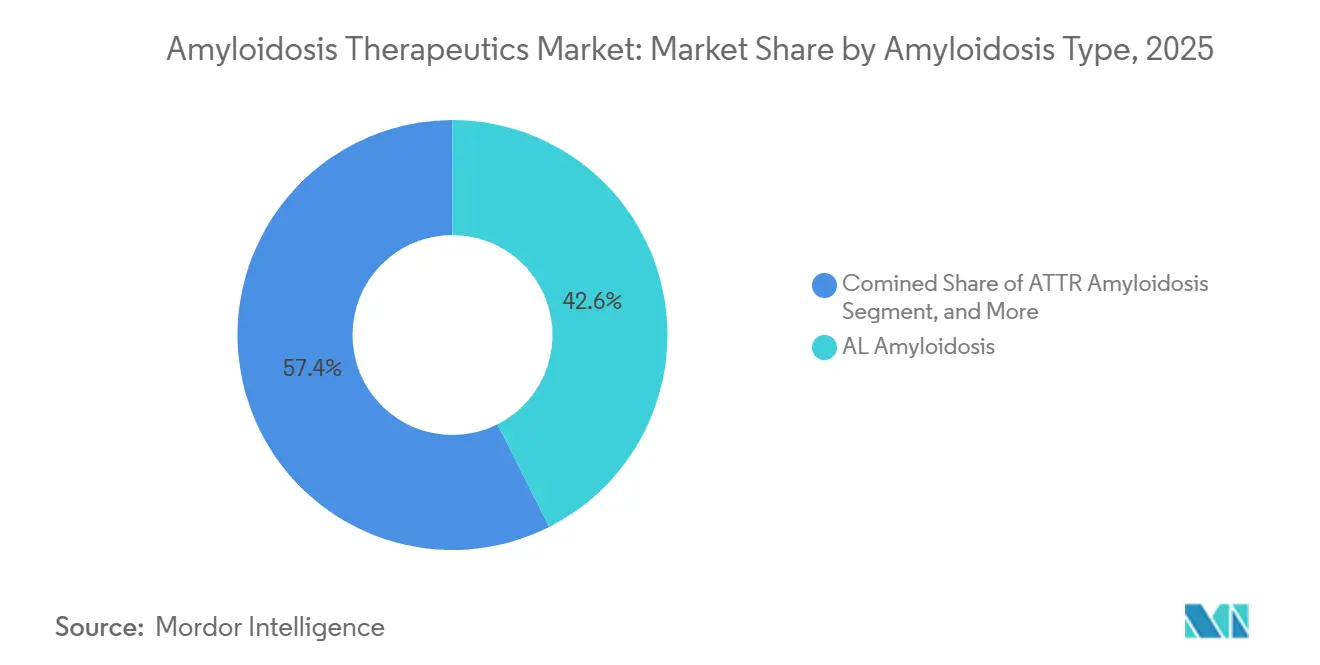
- By amyloidosis type, AL amyloidosis held 42.57% of the amyloidosis therapeutics market share in 2025, while ATTR amyloidosis is forecast to grow at 8.89% CAGR through 2031.
- By therapy class, TTR stabilizers held 38.93% of the amyloidosis therapeutics market share in 2025, while gene silencers are forecast to grow at 9.23% CAGR through 2031.
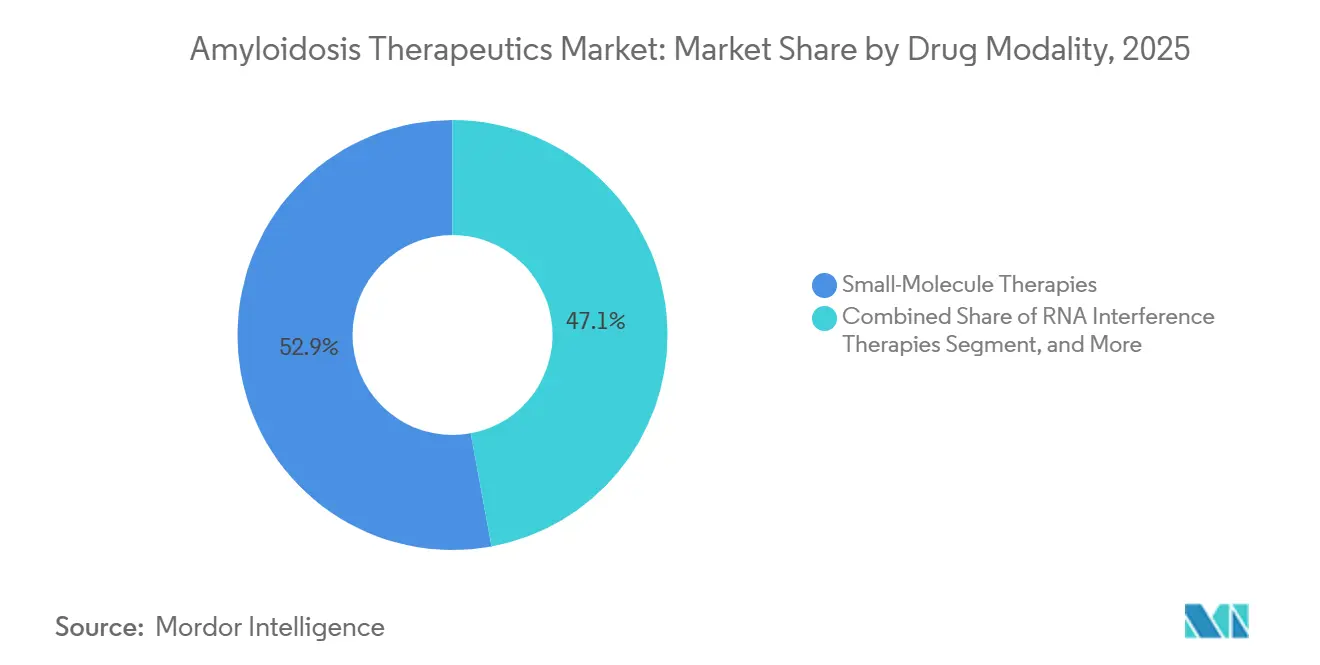
- By drug modality, small molecules held 52.91% of revenue in 2025, while RNA interference therapies are forecast to grow at 9.76% CAGR through 2031.
- By formulation, tablets held 51.47% of revenue in 2025, while prefilled syringes are forecast to grow at 10.15% CAGR through 2031.
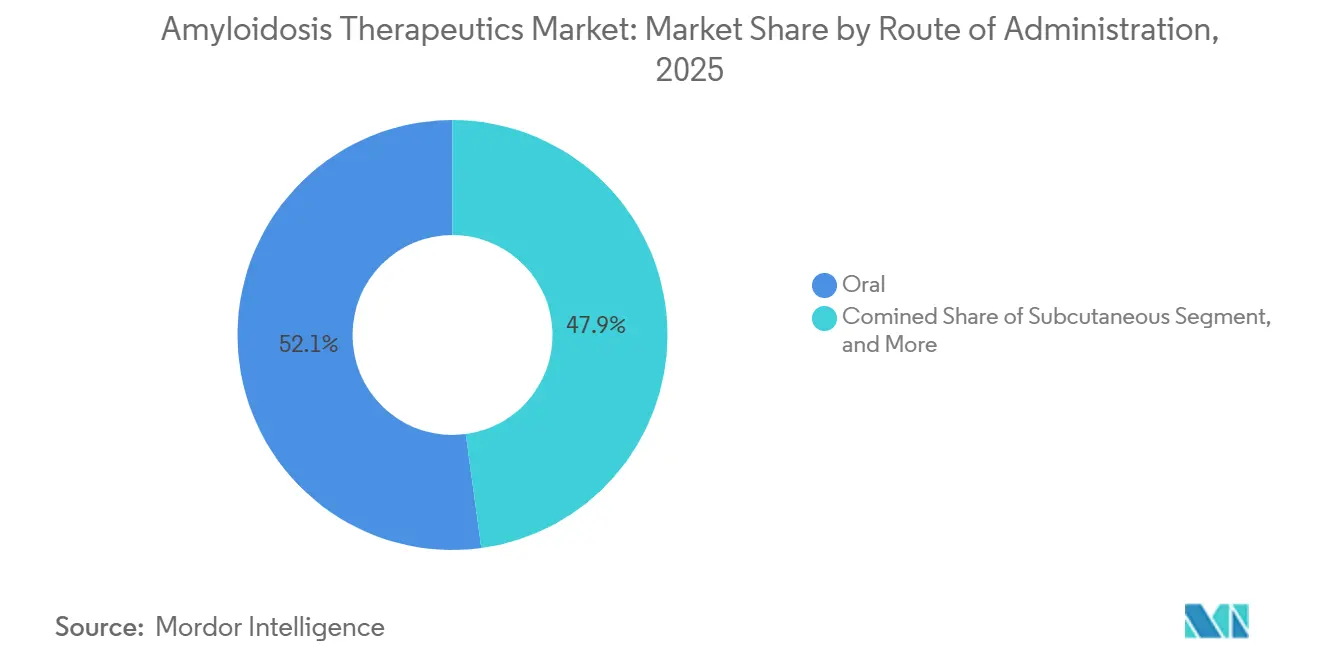
- By route of administration, oral products held 52.13% of revenue in 2025, while subcutaneous delivery is forecast to grow at 10.94% CAGR through 2031.
- By end user, hospitals held 48.42% of revenue in 2025, while ambulatory surgical centers are forecast to grow at 11.52% CAGR through 2031.
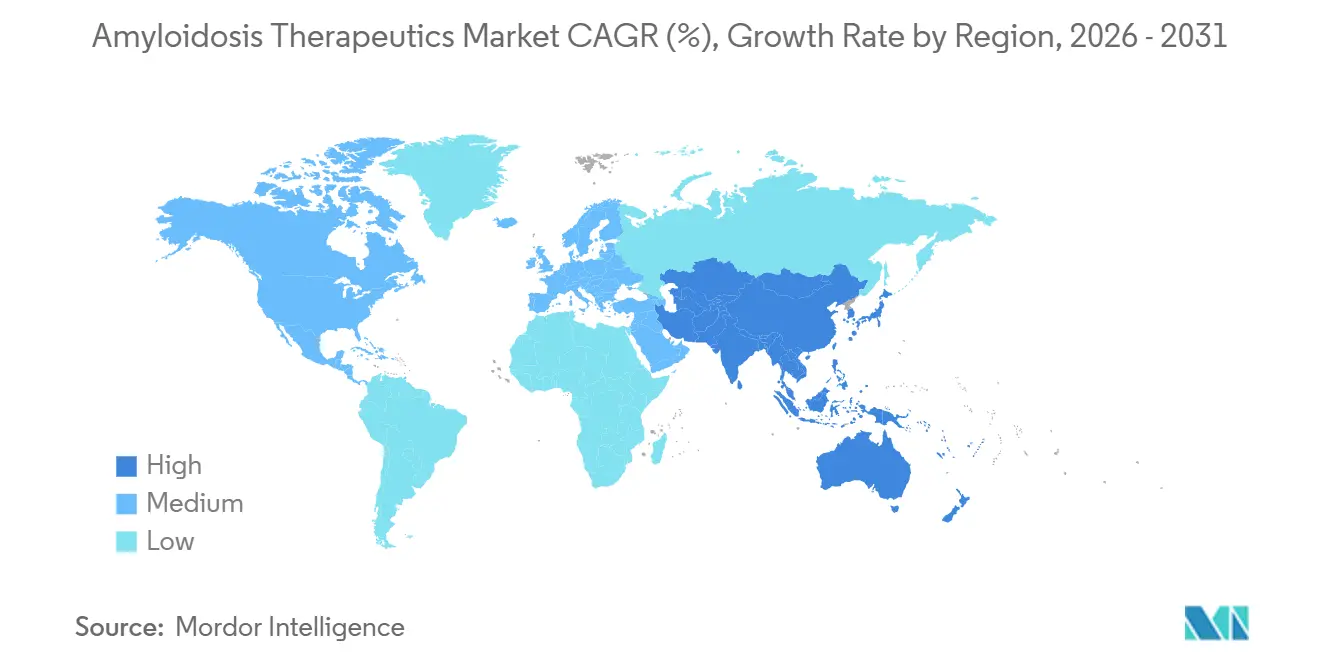
- By geography, North America held 39.55% of revenue in 2025, while Asia-Pacific is forecast to grow at 12.29% CAGR through 2031.
Note: Market size and forecast figures in this report are generated using Mordor Intelligence’s proprietary estimation framework, updated with the latest available data and insights as of January 2026.
Market Trends and Insights
Drivers Impact Analysis of Amyloidosis Therapeutics Market*
| Driver | (~) % Impact on CAGR Forecast | Geographic Relevance | Impact Timeline |
|---|---|---|---|
| Rising Disease Awareness and Earlier Diagnosis | +2.0% | Global, led by North America and Western Europe | Medium term (2-4 years) |
| Aging Population and ATTR-CM Identification | +2.1% | Global, with strong relevance in Japan, Western Europe, and North America | Long term (≥ 4 years) |
| Regulatory Approvals of Disease-Modifying Therapies | +2.9% | Global, with early gains in the United States, European Union, Japan, and Brazil | Short term (≤ 2 years) |
| Expansion of Specialized Amyloidosis Care Centers | +0.9% | North America and Western Europe, with spillover to Asia-Pacific | Medium term (2-4 years) |
| AI-Enabled Echocardiography and PYxP Referral Pathways | +1.2% | North America and Western Europe | Medium term (2-4 years) |
| Genotype-Guided Therapy and Companion Diagnostics | +1.0% | North America and the European Union, with early gains in Asia-Pacific | Long term (≥ 4 years) |
| Source: Mordor Intelligence | |||
Regulatory Approvals of Disease-Modifying Therapies
Regulatory activity between 2024 and 2026 has changed treatment choices in the amyloidosis therapeutics market. The FDA approved acoramidis for ATTR-CM in November 2024 after the ATTRibute-CM study reported a 42% reduction in the composite of all-cause mortality and recurrent cardiovascular hospitalizations over 30 months among 632 participants. The FDA then approved vutrisiran for ATTR-CM in March 2025, extending an RNA interference option across cardiomyopathy and polyneuropathy manifestations htm). Its approvals in the United States, Brazil, the European Union, and Canada may shorten the period before local coverage decisions because payers can compare decisions across markets. The traditional FDA approval of daratumumab-hyaluronidase-fihj plus VCd for newly diagnosed AL amyloidosis in November 2025 reinforced an established regimen after extended ANDROMEDA follow-up. These decisions increase the need for manufacturers to show practical value in addition to clinical benefit.
Aging Population and ATTR-CM Identification
ATTR cardiomyopathy mainly affects adults older than 65 years, and the incidence in the United States increased through 2023. Claims-based evidence reported ATTR-CM prevalence of 54.9 per million among older adults in the United States. Autopsy findings have also identified cardiac amyloid deposits in people who were not recognized clinically, indicating that diagnosed prevalence does not capture the full clinical burden. Earlier recognition can add new patients to the treated population without requiring patients to switch therapies. Japan has a reported ATTR-CM prevalence of 100 per million per year, which supports demand as its diagnosis pathway develops. Orphan-drug pathways administered by regulators such as the FDA and EMA also remain important for clinical development in rare diseases.
AI-Enabled Echocardiography and PYP Referral Pathways
Artificial intelligence-supported echocardiography is becoming part of the cardiac amyloidosis referral pathway. A 2025 multicenter study across 18 sites found that an AI model using echocardiographic video differentiated cardiac amyloidosis from phenotypic mimics with an AUROC of 0.93, 85% sensitivity, and 93% specificity.[1] Mayo Clinic reported that its AI echocardiography model received FDA Breakthrough Device designation for screening for amyloid cardiomyopathy.[2] Earlier referral can bring patients into treatment before advanced organ involvement develops. This may support the use of TTR stabilizers and gene silencers in people who previously entered care later. It also places more attention on early efficacy evidence as diagnosis routes become more systematic.
Rising Disease Awareness and Earlier Diagnosis
Education efforts and patient advocacy have supported more awareness of ATTR amyloidosis among clinicians. New specialist centers opened in Tennessee and Lombardy during 2025, extending access beyond established referral locations.[3] NHS England commissioned the Midlands Amyloidosis Service in Birmingham as a national referral service in 2025.[4] As community centers gain treatment capability, oral and subcutaneous regimens may be easier to use than infusion-based products. This could alter treatment selection outside academic hospitals. French early-access procedures for rare diseases have also allowed access to certain therapies before formal marketing authorization.
Restraints Impact Analysis of Amyloidosis Therapeutics Market*
| Restraint | (~) % Impact on CAGR Forecast | Geographic Relevance | Impact Timeline |
|---|---|---|---|
| High Treatment and Lifetime Disease-Management Costs | -1.3% | Global; MEA, South America, low-income APAC | Long term |
| Limited Patient Pools for Clinical-Trial Recruitment (new) | -0.7% | Global; Portugal, Brazil, Japan most acute | Long term |
| Payer Prior Authorization and Site-of-Care Fragmentation | -1.0% | North America, Western Europe | Medium term |
| Limited RNAi Manufacturing and Cold-Chain Capacity (new) | -0.8% | Global; APAC, MEA, South America | Medium term |
| Source: Mordor Intelligence | |||
High Treatment and Lifetime Disease-Management Costs
The cost of long-term treatment can restrict access despite regulatory approval. AL amyloidosis care also requires resource-intensive anti-plasma-cell regimens, which can raise total healthcare use. Frequency-adjusted daratumumab regimens have been studied partly to reduce treatment intensity while maintaining efficacy. Patients with coverage can still face repeated prior authorization and the risk of delayed continuation. In Brazil, South Africa, and Gulf Cooperation Council states, the lack of rare-disease funding structures may delay reimbursed access after authorization. These limits can slow revenue realization in the amyloidosis therapeutics market even when the medical need is clear.
Payer Prior Authorization and Site-of-Care Fragmentation
United States insurers use prior authorization requirements for major ATTR therapies. Policies can require proof of diagnosis, cardiac imaging, New York Heart Association class, and documentation concerning combination therapy. Twelve-month approval periods add recurring administrative work for community practices. This burden is pronounced where new regional treatment programs are intended to expand access. Reimbursement can also differ between infusion centers and physician offices, even when the clinical choice favors subcutaneous delivery. In Germany, benefit assessments for vutrisiran illustrate how pricing and reimbursement review can slow a commercial launch after marketing authorization.
*Our forecasts treat driver/restraint impacts as directional, not additive. The impact forecasts reflect baseline growth, mix effects, and variable interactions.
Amyloidosis Therapeutics Market Segment Analysis
By Amyloidosis Type:
ATTR Volumes Rise While AL Maintains Revenue LeadershipAL amyloidosis accounted for 42.57% of the amyloidosis therapeutics market share in 2025. Its revenue position reflects long-standing clinical infrastructure for plasma-cell-directed treatment and high therapy cost per patient. The November 2025 traditional approval of daratumumab-hyaluronidase-fihj plus VCd established a durable standard for newly diagnosed AL amyloidosis. The extended ANDROMEDA follow-up reported a hazard ratio of 0.62 for overall survival. This treatment pathway supports continued demand for multi-agent anti-plasma-cell regimens.
ATTR amyloidosis is projected to record the fastest growth at 8.89% CAGR through 2031. More approved therapies and improved detection of older adults with unexplained heart failure support this expansion. AA amyloidosis remains the smallest revenue category and is primarily addressed by controlling its underlying inflammatory disease. IL-6 targeted biologics may indirectly affect care in this group. ATTR is likely to add patients faster, while AL retains higher revenue per patient because its treatment can include layered drug regimens. Regulatory requirements for orphan therapies continue to influence trial design and post-marketing monitoring across types.

By Therapy Class:
TTR Stabilizers Lead While Gene Silencers Gain GroundTTR stabilizers held 38.93% of the amyloidosis therapeutics market share in 2025. Oral tafamidis and acoramidis support this position in the ATTR-CM population. Stabilizers remain familiar to prescribers and fit routine outpatient use. Gene silencers are forecast to expand at 9.23% CAGR through 2031. Vutrisiran’s ATTR-CM approval and eplontersen’s established use in hereditary ATTR polyneuropathy have broadened the clinical role of this therapy class.
Amyloid depleters have yet to establish an approved role in AL amyloidosis. Prothena discontinued birtamimab in May 2025 after the Phase 3 AFFIRM-AL trial did not meet its primary endpoint in Mayo Stage IV AL amyloidosis. Attention has consequently shifted toward ATTR-focused antibodies, including ALXN2220 and coramitug. Anti-plasma-cell and chemotherapy regimens remain important in AL treatment. Formulary decisions made around stabilizer-first care are likely to be reassessed as cardiovascular outcome evidence for silencers accumulates. The amyloidosis therapeutics industry is thus balancing established oral treatment with newer approaches that reduce TTR production.
By Drug Modality:
Small Molecules Lead While RNA Interference Grows FastestSmall molecules held 52.91% of revenue in 2025. This leadership is supported by the oral use of tafamidis and acoramidis in a large ATTR-CM treated population. RNA interference is forecast to grow at 9.76% CAGR through 2031. In HELIOS-B, vutrisiran reduced the risk of all-cause mortality and recurrent cardiovascular events by 28% in the overall population and 33% in the monotherapy subgroup. These data provide a basis for differentiated use in ATTR-CM.
Genetic confirmation is increasingly used to guide modality selection for hereditary disease. Patients with pathogenic TTR variants and early neurological involvement may be considered for silencers. Plasma-derived and recombinant therapies remain supportive options for selected AL amyloidosis patients. Monoclonal antibodies include anti-plasma-cell therapies in AL disease and amyloid-clearing candidates in ATTR disease. Their future commercial role depends on Phase 3 outcomes. A 2026 review noted that GalNAc-conjugated siRNA platforms, including vutrisiran and eplontersen, allow subcutaneous administration and reduce dependence on infusion facilities.
By Formulation:
Tablets Lead While Prefilled Syringes Build MomentumTablets held 51.47% of revenue in 2025. Tafamidis and acoramidis account for much of this share because both serve the ATTR-CM population through oral regimens. This formulation suits community prescribing and regular outpatient follow-up. Prefilled syringes are forecast to grow at 10.15% CAGR through 2031. Vutrisiran’s quarterly 25 mg subcutaneous prefilled syringe received approvals in several markets, including Canada, in December 2025.
Prefilled syringes can support care at home and reduce visits for infusion administration. Capsules, vials, and infusion products remain relevant in AL amyloidosis, where bortezomib combinations and daratumumab-based treatment are used. Manufacturers must consider how formulation affects care setting and reimbursement coding. These factors can influence the margin and service model associated with each therapy. The amyloidosis therapeutics market is moving toward a more varied delivery mix rather than a single preferred format. Clinical suitability will remain the main determinant for patients requiring complex regimens.
By Route of Administration:
Subcutaneous Delivery Is the Fastest-Growing RouteOral administration held 52.13% of revenue in 2025. The result is consistent with extensive use of tablet-formulated TTR stabilizers. Oral therapy remains convenient for many ATTR-CM patients. Subcutaneous delivery is forecast to grow at 10.94% CAGR through 2031. Vutrisiran and eplontersen support this route through treatments delivered at extended intervals.
Intravenous administration remains relevant for patisiran and for daratumumab-based AL regimens. Some ATTR patients also continue to receive care through infusion settings. More delivery choices create competition among specialty pharmacies, home infusion providers, and ambulatory sites. The clinical benefits and monitoring needs of a therapy will guide the appropriate site. Current ATTR therapies do not have FDA Risk Evaluation and Mitigation Strategy requirements. However, post-marketing safety surveillance can still affect future labels and route-specific prescribing guidance.
By End User:
Specialty Centers Lead While Ambulatory Settings ExpandHospitals accounted for 48.42% of revenue in 2025. These centers have historically concentrated diagnostic expertise, trials, and prescribing of high-cost therapies. Their multidisciplinary model is important for patients with cardiac, neurological, renal, and hematological complications. Ambulatory surgical centers are forecast to expand at 11.52% CAGR through 2031. Oral and subcutaneous treatments allow more management outside high-acuity inpatient settings.
The Chattanooga Heart Institute’s new dedicated center shows that community prescribing capacity is expanding beyond historic academic hubs. Home care is also becoming more relevant for prefilled syringe administration. Alnylam Assist includes support intended to reduce out-of-pocket costs for eligible patients. Specialty centers may increasingly differentiate through trials, advanced imaging, and multidisciplinary coordination. Routine dispensing and treatment monitoring can shift to ambulatory and home settings. This change widens potential access in the amyloidosis therapeutics market without replacing specialist oversight.
Geography Analysis
North America Amyloidosis Therapeutics Market
North America held 39.55% of the amyloidosis therapeutics market share in 2025. The United States combines active FDA decisions, established specialty pharmacy networks, and broad commercial coverage for vutrisiran. Among Medicare-eligible people, ATTR-CM incidence was 44.3 per 100,000 person-years in 2021 and had increased over time. This suggests that the identified disease remains below the potential prevalence level. Health Canada approved vutrisiran for ATTR-CM in December 2025, supporting Canadian uptake in 2026.
Europe Amyloidosis Therapeutics Market
Europe added several important approvals during 2025. The European Commission authorized vutrisiran for ATTR-CM in June 2025. Germany’s benefit evaluations for acoramidis and vutrisiran provide reference points for reimbursement negotiations. NHS England’s Midlands Amyloidosis Service extended access beyond London’s National Amyloidosis Center.
APAC and South America Amyloidosis Therapeutics Market
Asia-Pacific is expected to record a 12.29% CAGR through 2031, the fastest rate among regions. Japan’s ATTR-CM prevalence of 100 per million per year offers a large patient base as identification improves. Acoramidis received Japanese approval in March 2025, giving Japan access to both major TTR stabilizer classes. China has established a precedent for ATTR treatment through tafamidis, while AstraZeneca is studying eplontersen in Chinese ATTR-CM patients. Brazil approved vutrisiran for ATTR-CM in March 2025, but access elsewhere remains limited by specialist capacity and patient costs.
Competitive Landscape
The amyloidosis therapeutics market has a concentrated ATTR-CM segment and a more diverse set of competitors in AL, AA, and gene editing. Tafamidis, acoramidis, and vutrisiran are the main approved disease-modifying choices for ATTR-CM. Pfizer benefits from established prescriber familiarity for tafamidis. BridgeBio positioned Acoramidis for formulary consideration and partnered with Bayer for European commercialization. This partnership gives BridgeBio a wider commercial reach in Europe.
Alnylam announced a USD 250 million investment in an enzymatic-ligation manufacturing facility in December 2025. The FDA accepted its siRELIS platform into the Emerging Technology Program. The planned facility may lower production costs and strengthen manufacturing control for RNA medicines. Intellia and Regeneron began dosing in the Phase 3 MAGNITUDE-2 study of nexiguran ziclumeran for ATTRv-PN in April 2025. Enrollment is expected to finish in the first half of 2026, and a biologics license application is targeted for 2028.
Novo Nordisk started the Phase 3 CLEOPATTRA study of coramitug in ATTR-CM during October 2025. Alexion is developing ALXN2220 for ATTR-CM after receiving FDA fast-track designation in September 2024. Prothena’s discontinuation of birtamimab shows the clinical risk faced by amyloid-depleting approaches in advanced AL amyloidosis.
Amyloidosis Therapeutics Industry Leaders
-
Pfizer Inc.
-
AstraZeneca PLC
-
Takeda Pharmaceutical Company Limited
-
Bristol Myers Squibb Company
-
Sanofi
- *Disclaimer: Major Players sorted in no particular order
Amyloidosis Therapeutics Market Companies Covered in this Report
- Alexion Pharmaceuticals, Inc.
- Alnylam Pharmaceuticals
- Amgen
- Arcturus Therapeutics Holdings Inc.
- AstraZeneca
- Attralus, Inc.
- BridgeBio Pharma, Inc.
- Bristol-Myers Squibb
- Corino Therapeutics, Inc.
- CRISPR Therapeutics AG
- CSL Behring
- Roche
- GlaxoSmithKline
- Intellia Therapeutics, Inc.
- Ionis Pharmaceuticals
- Johnson & Johnson
- Neurimmune AG
- Novartis
- Oncopeptides AB
- Pfizer
- Prothena Corporation plc
- Regeneron Pharmaceuticals
- Sanofi
- SOM Biotech, S.L.
- Takeda Pharmaceuticals
Recent Industry Developments in Amyloidosis Therapeutics Market
- June 2026: Attralus received FDA Orphan Drug Designation for zamubafusp alfa (AT-02). The designation was granted for the treatment of light-chain (AL) amyloidosis, supporting the continued development of the company's amyloid-targeting therapy for this rare, progressive, and life-threatening disease.
- December 2025: Alnylam Pharmaceuticals announced a USD 250 million investment to build the industry's first dedicated siRNA enzymatic-ligation manufacturing facility at its Norton, Massachusetts site, with the FDA accepting the platform into its Emerging Technology Program; full operational capacity is projected by late 2027.
- November 2025: The FDA granted traditional approval to daratumumab-hyaluronidase-fihj plus bortezomib, cyclophosphamide, and dexamethasone for newly diagnosed AL amyloidosis
Global Amyloidosis Therapeutics Market Report Scope
As per the scope of the report, amyloidosis therapeutics refers to the class of medical treatments developed to manage and treat different forms of amyloidosis, a rare disorder caused by abnormal protein (amyloid) deposits in organs and tissues. These therapies include stabilizers, gene silencers, depleters, and supportive regimens aimed at slowing disease progression, reducing amyloid accumulation, and improving patient outcomes. The market sits under the broader Rare Disease Therapeutics umbrella and is driven by blockbuster ATTR drugs, pipeline innovation, and regulatory incentives.
The amyloidosis therapeutics market is segmented by amyloidosis type, therapy class, drug modality, formulation, route of administration, end user, and geography. By amyloidosis type, the market is segmented into ATTR amyloidosis, AL amyloidosis, AA amyloidosis, and others. By therapy class, the market is segmented into TTR stabilizers, gene silencers, amyloid depleters, anti-plasma-cell and chemotherapy regimens, organ transplantation, and others. By drug modality, the market is segmented into small-molecule therapies, RNA interference therapies, plasma-derived and recombinant therapies, monoclonal antibodies, and others. By formulation, the market is segmented into tablets, capsules, prefilled syringes, and vials and infusion products. By route of administration, the market is segmented into oral, intravenous, subcutaneous, and others. By end user, the market is segmented into hospitals, ambulatory surgical centers, home care settings, and others. The geography segment is further divided into North America, Europe, Asia-Pacific, the Middle East and Africa, and South America. The report also covers the estimated market sizes and trends for 17 countries across major regions globally. The report offers the market size and forecasts in value (USD) for the above segments.
| ATTR Amyloidosis |
| AL Amyloidosis |
| AA Amyloidosis |
| Others |
| TTR Stabilizers |
| Gene Silencers |
| Amyloid Depleters |
| Anti-Plasma-Cell and Chemotherapy Regimens |
| Organ Transplantation |
| Others |
| Small-Molecule Therapies |
| RNA Interference Therapies |
| Plasma-Derived and Recombinant Therapies |
| Monoclonal Antibodies |
| Others |
| Tablets |
| Capsules |
| Prefilled Syringes |
| Vials and Infusion Products |
| Oral |
| Intravenous |
| Subcutaneous |
| Others |
| Hospitals |
| Specialty Clinics |
| Ambulatory Surgical Centers (ASCs) |
| Others |
| North America | United States |
| Canada | |
| Mexico | |
| Europe | Germany |
| United Kingdom | |
| France | |
| Italy | |
| Spain | |
| Rest of Europe | |
| Asia-Pacific | China |
| India | |
| Japan | |
| Australia | |
| South Korea | |
| Rest of Asia-Pacific | |
| Middle East and Africa | GCC |
| South Africa | |
| Rest of Middle East and Africa | |
| South America | Brazil |
| Argentina | |
| Rest of South America |
| By Amyloidosis Type | ATTR Amyloidosis | |
| AL Amyloidosis | ||
| AA Amyloidosis | ||
| Others | ||
| By Therapy Class | TTR Stabilizers | |
| Gene Silencers | ||
| Amyloid Depleters | ||
| Anti-Plasma-Cell and Chemotherapy Regimens | ||
| Organ Transplantation | ||
| Others | ||
| By Drug Modality | Small-Molecule Therapies | |
| RNA Interference Therapies | ||
| Plasma-Derived and Recombinant Therapies | ||
| Monoclonal Antibodies | ||
| Others | ||
| By Formulation | Tablets | |
| Capsules | ||
| Prefilled Syringes | ||
| Vials and Infusion Products | ||
| By Route of Administration | Oral | |
| Intravenous | ||
| Subcutaneous | ||
| Others | ||
| By End User | Hospitals | |
| Specialty Clinics | ||
| Ambulatory Surgical Centers (ASCs) | ||
| Others | ||
| By Geography | North America | United States |
| Canada | ||
| Mexico | ||
| Europe | Germany | |
| United Kingdom | ||
| France | ||
| Italy | ||
| Spain | ||
| Rest of Europe | ||
| Asia-Pacific | China | |
| India | ||
| Japan | ||
| Australia | ||
| South Korea | ||
| Rest of Asia-Pacific | ||
| Middle East and Africa | GCC | |
| South Africa | ||
| Rest of Middle East and Africa | ||
| South America | Brazil | |
| Argentina | ||
| Rest of South America | ||
Key Questions Answered in the Report
What is the projected value of amyloidosis therapeutics by 2031?
The value is projected to reach USD 10.43 billion by 2031, growing from USD 6.96 billion in 2026 at an 8.43% CAGR.
Which amyloidosis type is growing fastest?
ATTR amyloidosis is forecast to grow at 8.89% CAGR through 2031, supported by wider diagnosis and more approved treatment choices.
Which therapy class currently leads revenue?
TTR stabilizers held 38.93% of revenue in 2025, while gene silencers are expected to grow fastest at 9.23% CAGR.
Why is subcutaneous administration gaining use?
Subcutaneous delivery is forecast to grow at 10.94% CAGR as extended-interval therapies can reduce dependence on infusion facilities.
Which region has the fastest forecast growth?
Asia-Pacific is forecast to grow at 12.29% CAGR through 2031, supported by Japan’s patient base and improving access.
What limits patient access to treatment?
Long-term treatment costs, repeat prior authorization, and uneven specialist availability can delay access even after approval.