
Methylmalonic Acidemia Market Size and Share
Market Overview
| Study Period | 2020 - 2031 |
|---|---|
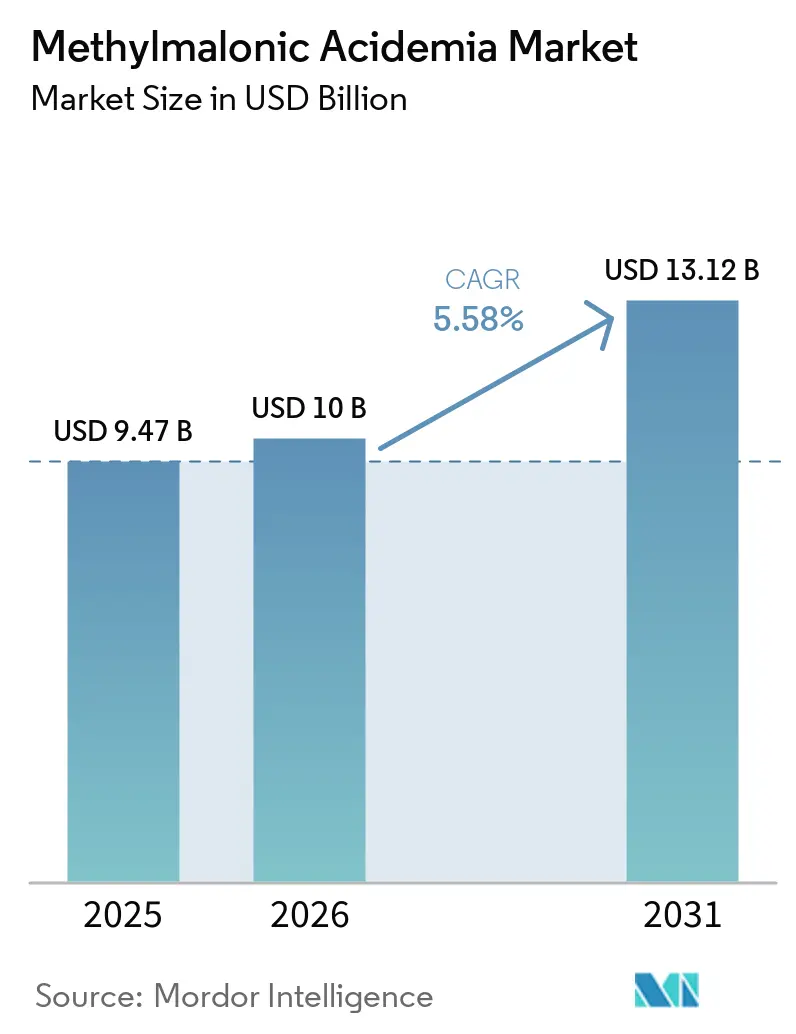
| Market Size (2026) | USD 10 Billion |
| Market Size (2031) | USD 13.12 Billion |
| Growth Rate (2026 - 2031) | 5.58 % |
| Fastest Growing Market | Asia-Pacific |
| Largest Market | North America |
| Market Concentration | Medium |
Major Players *Disclaimer: Major Players sorted in no particular order Image © Mordor Intelligence. Reuse requires attribution under CC BY 4.0. | |
Methylmalonic Acidemia Market Analysis by Mordor Intelligence
The Methylmalonic Acidemia Market size is projected to be USD 9.47 billion in 2025, USD 10 billion in 2026, and reach USD 13.12 billion by 2031, growing at a CAGR of 5.58% from 2026 to 2031.
The methylmalonic acidemia market covers isolated methylmalonic aciduria, homocystinuria, and combined disease forms, which broadens demand beyond a single clinical subtype. Newborn screening based on tandem mass spectrometry is bringing more affected infants into the diagnostic pathway. Specialized metabolic care is becoming available beyond established academic centers, particularly in China and other regional pediatric networks. The absence of an approved disease-modifying treatment for MMUT-deficient disease keeps the treatment gap open for public research institutions, specialty biotechnology companies, nutrition suppliers, and diagnostic providers. Regulatory incentives for rare pediatric diseases can reduce development barriers, while wider screening may enlarge the diagnosed population served by the methylmalonic acidemia market.
Key Report Takeaways
- By disorder type, homocystinuria held 56.43% of the methylmalonic acidemia market share in 2025, while combined methylmalonic aciduria and homocystinuria is forecast to grow at a 7.54% CAGR through 2031.
- By indication, hyperammonemia accounted for 32.65% of the methylmalonic acidemia market size in 2025, while neurological complications are projected to expand at a 7.32% CAGR through 2031.
- By treatment type, dietary management and supplementation held 36.76% revenue share in 2025, while gene therapy is forecast to grow at a 7.85% CAGR through 2031.
- By diagnosis type, newborn screening accounted for 53.65% revenue share in 2025, while genetic testing is projected to expand at an 8.43% CAGR through 2031.
- By end user, hospitals held 43.76% revenue share in 2025, while diagnostic laboratories are forecast to grow at an 8.65% CAGR through 2031.
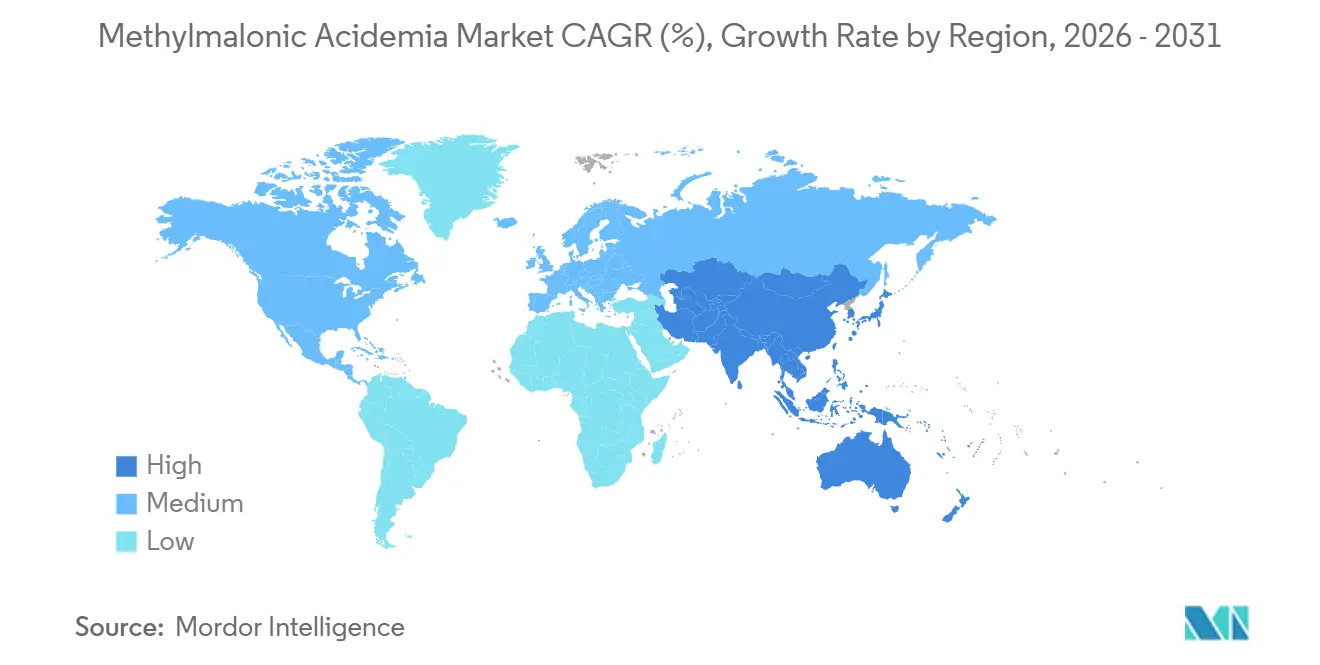
- By geography, North America accounted for 41.65% revenue share in 2025, while Asia-Pacific is projected to expand at a 6.75% CAGR through 2031.
Note: Market size and forecast figures in this report are generated using Mordor Intelligence’s proprietary estimation framework, updated with the latest available data and insights as of January 2026.
Market Trends and Insights
Drivers Impact Analysis of Methylmalonic Acidemia Market*
| Driver | (~) % Impact on CAGR Forecast | Geographic Relevance | Impact Timeline |
|---|---|---|---|
| Expansion Of Newborn Screening Programs | +1.40% | Global, with near-term gains in North America, Europe, and China | Short term (≤ 2 years) |
| Earlier Diagnosis Through Multiparametric Testing | +1.80 | North America and EU | Medium term (2-4 years) |
| Increasing Availability Of Specialized Metabolic Care | +1.10% | North America, Europe, and China | Medium term (2-4 years) |
| Growth Of Disease-Modifying Therapy Research | +1.70% | Global | Long term (≥ 4 years) |
| Expansion Of Patient Registries And Natural-History Evidence | +0.50% | North America and EU, with spillover to Asia-Pacific | Long term (≥ 4 years) |
| Source: Mordor Intelligence | |||
Expansion of Newborn Screening Programs
Newborn screening programs are expanding the detection pathway for organic acid disorders. A Xinjiang study screened 108,000 neonates during 2025 and identified methylmalonic acidemia as the most prevalent organic aciduria, at 1 in 21,548 births. The same study reported cblC as the most common subtype among the affected infants. Screening expansion creates work beyond the initial biochemical test because positive cases need a confirmatory biomarker and genetic assessment. This wider testing pathway supports diagnostic activity across the methylmalonic acidemia market.
A retrospective study of 782,930 neonates in Hefei confirmed 34 cases of methylmalonic acidemia in 2026. Its authors recommended MMACHC and MMUT genetic testing within regional screening algorithms[1]. Combining biochemical screening with genetic confirmation can distinguish disease variants before symptoms begin. That distinction can route families to the appropriate care pathway earlier. Providers that offer biochemical, second-tier, and genetic services can participate at several points in the care pathway. This gives them a broader role in the methylmalonic acidemia market than suppliers of a single testing component.
Growth of Disease-Modifying Therapy Research
The methylmalonic acidemia market is moving from dietary and symptomatic management toward programs designed to correct the underlying defect. The U.S. Food and Drug Administration cleared the MMA-101 investigational new drug application in May 2026. The AAV8 program will support a Phase I/II study in MMUT-deficient patients aged 3 to 18 years who receive a single intravenous infusion. This development moved a federally sponsored program into first-in-human clinical testing. It also places greater value on clinical sites able to manage pediatric gene therapy studies.
GENE202 received orphan drug designation from the FDA and European Commission in January 2026. Genespire is developing the program with an immune-shielded lentiviral vector designed to deliver a functional MMUT gene to hepatocytes. In July 2026, the company reported preclinical liver-directed gene transfer data for the program. The methylmalonic acidemia market may increasingly favor programs that demonstrate reliable liver targeting and manage immune response effectively. Orphan drug frameworks in the United States and Europe also provide exclusivity, fee support, and regulatory incentives that lower development risk for sponsors.
Earlier Diagnosis Through Multiparametric Testing
Multiparametric testing combines C3 acylcarnitine with analytes such as methylmalonic acid, total homocysteine, and methionine in dried blood spots. This approach is intended to reduce false-positive newborn screening results and improve identification of combined disease forms. An Italian study reported a 0.084% false-positive rate for combined methylmalonic acidemia types after using second-tier methylmalonic acid and total homocysteine testing. The study also reported a positive predictive value of 57% in confirmed cases. These results support a more selective diagnostic pathway for the methylmalonic acidemia market. They may also identify mild or late-onset cblC phenotypes that single-analyte protocols can miss.
A 2025 study applied next-generation sequencing panels to 154,634 Chinese newborns with suspected organic acidemias. It identified at least 1 methylmalonic acidemia case that biochemical screening alone would have missed. An Orphanet Journal review in 2026 supported integration of MMACHC testing with biomarker profiles in high-prevalence regions. More complete testing can enable subtype-specific referral and treatment planning at diagnosis. The need for coordinated biomarker and molecular workflows supports continued demand for genetic testing services.
Increasing Availability of Specialized Metabolic Care
Specialized metabolic care includes medical nutrition, vitamin B12 protocols, emergency hyperammonemia treatment, and multidisciplinary organ monitoring. This care model is extending from established North American and European academic centers to regional pediatric networks in China and Gulf states. Chinese clinical guidance published in December 2024 set age-specific natural protein limits of 0.6 to 1.5 g/kg/day. It also defined total protein targets that account for specialized formula supplementation. Standardized care requirements can make formula consumption and follow-up needs more predictable across the methylmalonic acidemia market.
A 2025 central China screening study examined 153,956 newborns and found that cblC represented 30.4% of detected organic acidemias[2]. This subtype often requires long-term betaine and hydroxocobalamin alongside dietary management. A German newborn screening pilot found that 63% of patients experienced at least 1 metabolic decompensation during follow-up. The result shows that diagnosis alone does not replace sustained specialist care. Nutrition suppliers and care providers that support monitoring as well as treatment may therefore serve patients over a longer period.
Restraints Impact Analysis of Methylmalonic Acidemia Market*
| Restraint | (~) % Impact on CAGR Forecast | Geographic Relevance | Impact Timeline |
|---|---|---|---|
| Very Small Diagnosed Patient Pool | -1.30% | Global | Short term (≤ 2 years) |
| High Lifetime Cost Of Specialized Care | -0.90% | Global, especially low- and middle-income countries across South Asia and Middle East and Africa | Medium term (2-4 years) |
| Limited Validated Clinical Endpoints For Novel Therapies | -0.70% | Global | Long term (≥ 4 years) |
| Source: Mordor Intelligence | |||
Very Small Diagnosed Patient Pool
Isolated MMUT-type methylmalonic acidemia rarely exceeds 1 in 50,000 live births globally. This limited prevalence constrains the number of patients available for treatment and clinical trials. Moderna terminated its mRNA-3705 Phase I/II study in early 2026 after determining that the development design required revision[3]. Small populations make it difficult to recruit enough participants and develop robust comparative evidence. Natural history evidence also takes time to accumulate in an ultra-rare condition. These limits restrain near-term expansion in the methylmalonic acidemia market.
The lack of validated functional endpoints adds a separate obstacle for novel therapy programs. Sponsors often rely on surrogate biomarkers, although their clinical meaning can remain uncertain. The MMA-101 trial design drew on a long-running natural-history study before entering clinical testing. The final SUNRISE Phase I/II report showed technical feasibility for hepatocyte integration but did not establish sufficient clinical efficacy in 4 pediatric participants. Development milestones are therefore likely to center on regulatory designations and early safety findings before later efficacy evidence becomes available.
High Lifetime Cost of Specialized Care
Methylmalonic acidemia management can require specialized amino acid formulas, hospital care during decompensation, organ monitoring, and emergency treatment. Annual per-patient costs were stated to exceed USD 100,000 in high-income settings. These needs can restrict access in health systems with limited funding for lifelong rare-disease care. A 2026 study of 71,004 neonates in Isfahan found consanguinity in 56.3% of confirmed inborn errors of metabolism cases. It reported a relative risk of 2.05 and found neonatal mortality in the organic acid disorder group. The burden is especially material where inherited metabolic disorders are more common, but specialist services are less accessible.
Combined liver-kidney transplantation remains an option for severe MMUT-deficient cases. The procedure cost was stated to exceed USD 300,000 in many high-income settings. It can normalize methylmalonic acid but is available mainly in well-resourced health systems. Cost and access limits can suppress diagnosis and treatment in parts of South Asia, the Middle East, and Africa. Lower-cost nutrition options and appropriately priced diagnostic services could address part of this access gap. The methylmalonic acidemia market remains dependent on reimbursement and public health capacity for routine care.
*Our forecasts treat driver/restraint impacts as directional, not additive. The impact forecasts reflect baseline growth, mix effects, and variable interactions.
Methylmalonic Acidemia Market Segment Analysis
By Disorder Type:
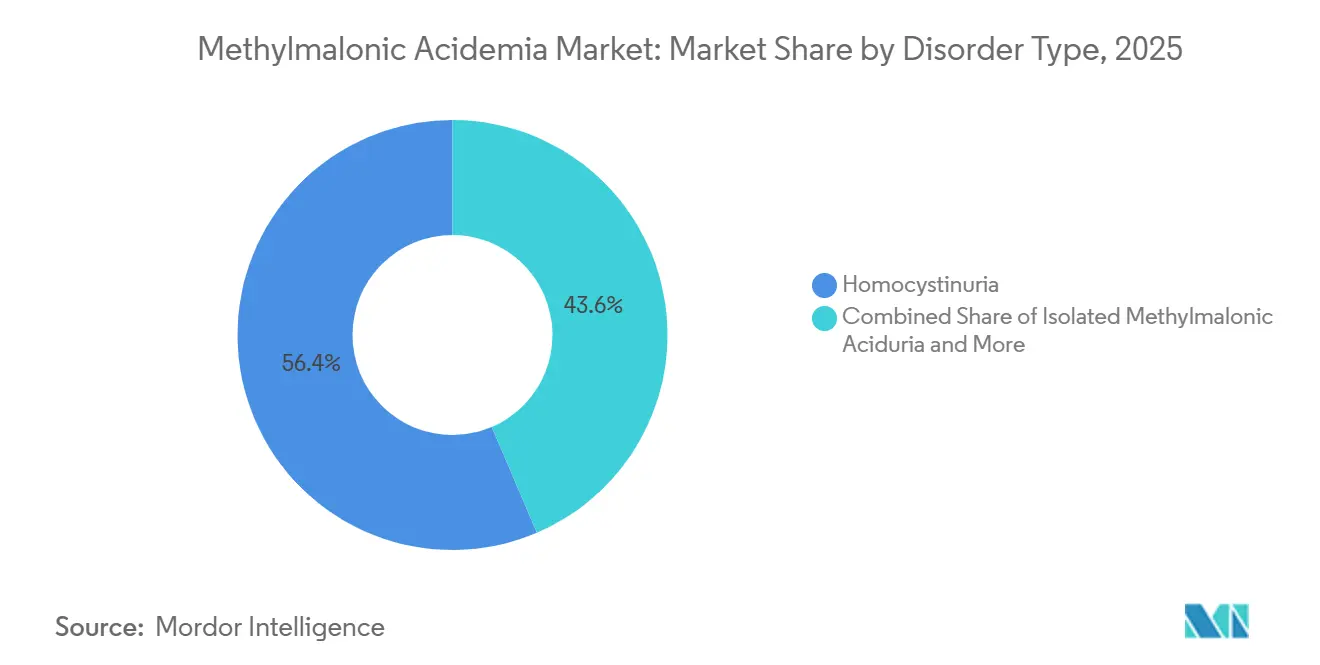
Homocystinuria Anchors Revenue, Combined Forms AccelerateHomocystinuria held 56.43% of disorder-type revenue in 2025. Its larger diagnosed patient pool and a more developed treatment pipeline support this position. Combined methylmalonic aciduria and homocystinuria is forecast to grow at a 7.54% CAGR through 2031. The methylmalonic acidemia market size for combined forms benefits from second-tier screening that identifies mild and late-onset cblC presentations. Italian second-tier testing improved cblC detection performance by lowering the C3 acylcarnitine threshold from 4.5 to 3.5 µmol/L. The revised approach improved case finding without raising false positives in the reported study.
Isolated methylmalonic aciduria remains a focus for gene therapy research because MMUT loss of function has a clear biological basis. Homocystinuria has established recurring demand for specialty nutrition, vitamin B6, and betaine. This difference separates a more established care segment from a higher-risk therapeutic development area within the methylmalonic acidemia industry. Qatar maintained near-100% uptake in its national screening program from 2003 onward. A 2025 study covering 428,881 screened babies identified classical homocystinuria as the most prevalent condition in that setting. A founder effect in the Qatari population contributed to this concentrated disease burden.

By Indication:
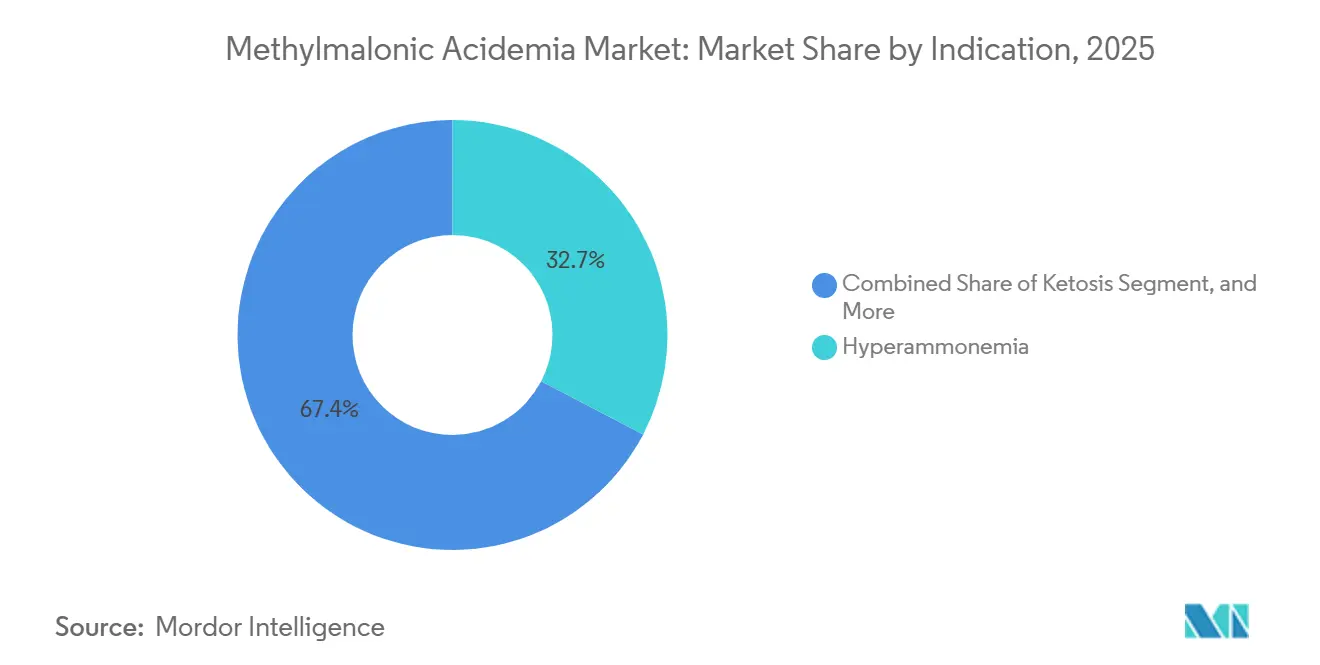
Acute Management Leads, Neurological Care Opens Long-Term ValueHyperammonemia generated 32.65% of the indication revenue in 2025. Acute metabolic decompensation and the use of nitrogen scavengers sustain this position. Carglumic acid, sodium benzoate, and sodium phenylacetate are used in emergency management. Neurological complications are forecast to grow at a 7.32% CAGR through 2031. The methylmalonic acidemia market responds to growing recognition that neurological injury can persist despite diet-based metabolic stability. This supports the greater need for long-term clinical assessment and care.
Hospital treatment during acute hyperammonemic episodes can be a major cost item in lifetime care. Acute metabolic acidosis, ketosis, hypoglycemia, and neutropenia also require repeated acute-care services. Each indication is smaller individually, but together they support the monitoring role of specialist centers. A 2025 and 2026 pediatric study identified growth and neurodevelopmental abnormalities as central prognostic issues for affected children. Earlier and more complete metabolic control is therefore relevant to both acute and long-term care. This pattern expands care needs beyond medicines used only during crisis events.
By Treatment Type:
Foundational Nutrition Dominates, Gene Therapy Reshapes the HorizonDietary management and supplementation held 36.76% of treatment-type revenue in 2025. Low-protein amino acid-modified formulas, L-carnitine, and vitamin B12 remain central to routine management. National Chinese guidance established age-specific protein and supplement targets. This provides a more consistent treatment framework for formula use. Gene therapy is forecast to grow at a 7.85% CAGR through 2031. The movement of MMA-101 and GENE202 supports this future direction in the methylmalonic acidemia market.
Liver transplantation and combined liver-kidney transplantation remain options for refractory MMUT-deficient disease. They are not likely to be replaced until gene therapy demonstrates clinical benefit. Antibiotic therapy, particularly metronidazole, has a focused role in reducing propionate production by gut flora. Hematopoietic stem cell transplantation also serves a narrow clinical role. The end of Moderna’s mRNA-3705 study created a gap for approaches that modulate MMUT activity without gene integration. The treatment landscape, therefore, continues to include established supportive care alongside early-stage disease-directed programs.
By Diagnosis Type:
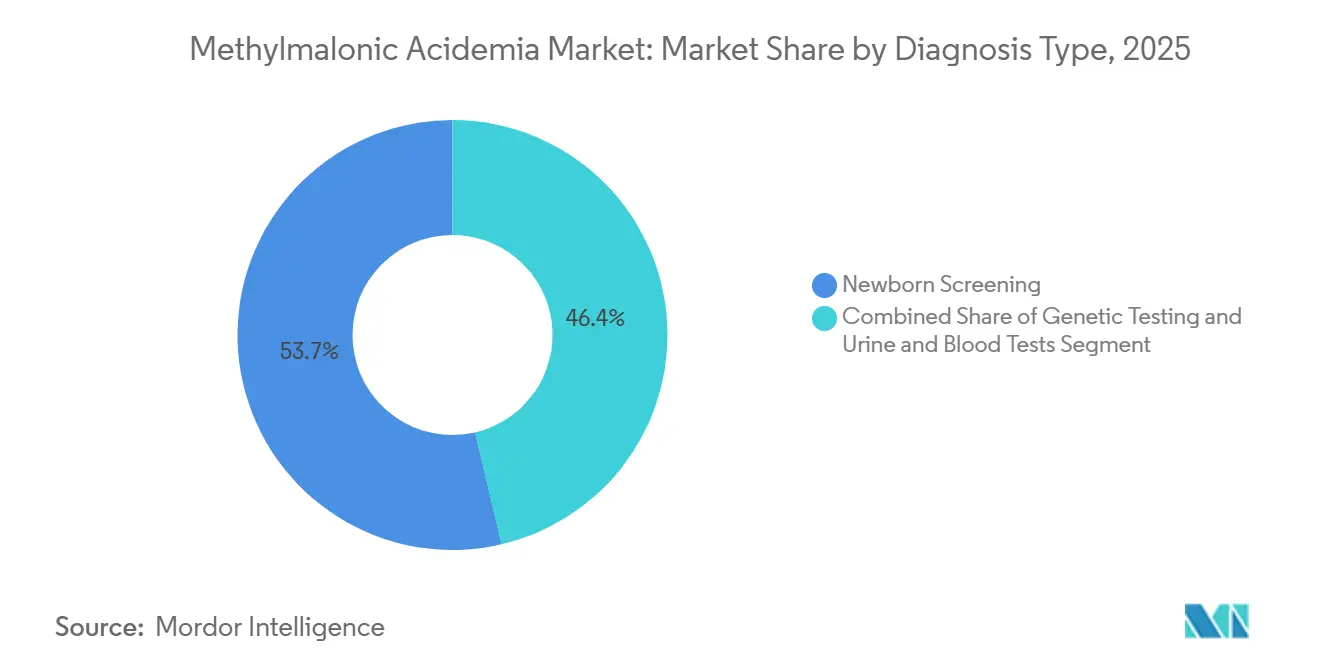
Newborn Screening Holds Half the Market, Genetic Testing Expands FastestNewborn screening held 53.65% of diagnosis-type revenue in 2025. Tandem mass spectrometry infrastructure in North America and Europe supports this lead. China and parts of the Middle East are also increasing screening capacity. Genetic testing is forecast to grow at an 8.43% CAGR through 2031. The methylmalonic acidemia market size for genetic testing is supported by its role in reducing false positives and assigning precise variants. In the 2025 Chinese NGS study, 52.9% of confirmed organic acid disorder cases received precise genotype identification through sequencing.
Urine and blood tests remain essential for confirmation and follow-up. They monitor C3 levels, urinary methylmalonic acid excretion, and plasma homocysteine. A 2026 review described the potential of combining genomic testing with untargeted metabolomics for newborn screening. Such approaches may detect a wider range of rare metabolic disorders than current tandem mass spectrometry panels. A Chinese expert consensus supported combined gene and biomarker screening for neonatal diseases in 2025. Integrated workflows may make genetic testing a more regular component of diagnostic care.
By End User:
Hospitals Command Acute Spend, Diagnostic Laboratories Scale on Screening GrowthHospitals held 43.76% of end-user revenue in 2025. They manage acute metabolic crises, transplantation services, and specialist outpatient clinics. Intensive care episodes can include nitrogen scavengers, intravenous glucose, dialysis, and extended monitoring. Diagnostic laboratories are forecast to grow at an 8.65% CAGR through 2031. The methylmalonic acidemia market benefits from centralized reference laboratories that process outsourced second-tier screening and confirmatory genetic tests. This model can concentrate specialized testing capacity.
Genespire’s InforMMA observational study follows MMUT-deficient children across multiple countries for 36 months. It collects clinical and biochemical information that can support GENE202 development. Homecare settings are growing as stable patients use dietary supplements and monitoring outside hospitals. Oral L-carnitine, improved formula palatability, and home-compatible monitoring tools support this transition. Academic centers and specialty clinics contribute through research and clinical trial management. The methylmalonic acidemia industry consequently retains a hospital-led acute-care base while diagnostics expands with screening policy.
Geography Analysis
North America Methylmalonic Acidemia Market
North America accounted for 41.65% of revenue in 2025. Established reimbursement for specialty nutrition and a network of metabolic research centers support the region’s position. The United States hosts the NIH Clinical Center, where MMA-101 will enroll after its May 2026 IND clearance. This clinical activity supports the region’s central role in gene therapy development. Canada contributes through pediatric metabolic programs within children’s hospitals. Mexico is expanding urban newborn screening coverage under its national health system.
Europe Methylmalonic Acidemia Market
Europe forms the second major revenue cluster for the methylmalonic acidemia market. Germany, France, Italy, Spain, and the United Kingdom operate national screening programs and specialist metabolic dietetics services. The region’s orphan medicine framework can grant up to 10 years of market exclusivity for qualifying therapies. This framework contributes to Europe’s attractiveness for clinical-stage programs. It may also shape future reimbursement planning if gene therapies progress. The region also has centralized pathways for metabolic dietetics and specialist follow-up.
APAC, MEA and South America Methylmalonic Acidemia Market
Asia-Pacific is forecast to grow at a 6.75% CAGR through 2031. China’s screening buildout, disease prevalence, and clinical guidelines support this rate. A 2025 Quanzhou study reported organic acidemia screening findings across 1 in 10,055 neonates and identified methylmalonic acidemia among the common disorders. Japan and South Korea have established specialist systems, while India and Australia are expanding screening and genetic testing capacity. The Middle East, Africa, and South America remain the smallest revenue regions, although consanguinity can increase inherited metabolic disease incidence. Qatar’s screening experience shows how a founder effect can create concentrated demand for homocystinuria monitoring and nutrition.
Competitive Landscape
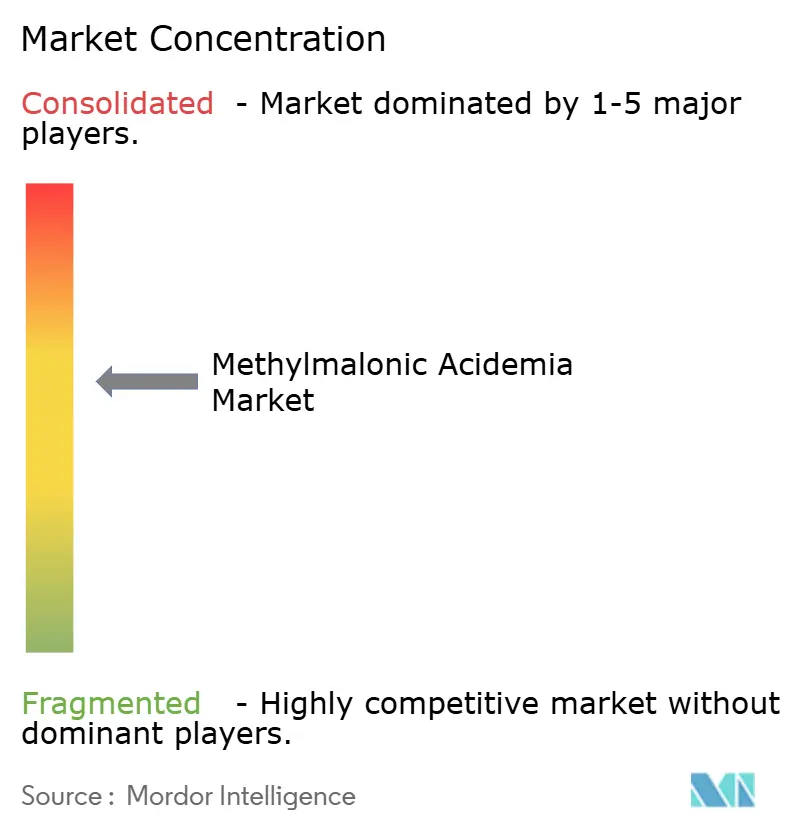
The methylmalonic acidemia market is highly fragmented because companies occupy different parts of the care pathway. No company was reported to hold an overall dominant share. Ajinomoto Cambrooke, Nestlé Health Science, Nutricia Metabolics, Vitaflo International, and Mead Johnson Nutrition supply low-protein formulas and amino acid supplements. Competition in this group centers on nutritional suitability, caregiver usability, and reimbursement access. Revvity, Thermo Fisher Scientific, Labcorp, Quest Diagnostics, and Eurofins Scientific compete through screening platforms, assay breadth, and laboratory relationships. These groups have limited direct overlap with clinical-stage gene therapy developers.
Genespire is active in 2026 through GENE202 and the InforMMA study. The company reported preclinical data showing more than 80% hepatic gene transfer efficiency in MMUT-deficient murine models. Its prospective observational study is gathering natural-history evidence before a planned first-in-human trial. The company’s lentiviral platform seeks to address gene delivery in growing pediatric livers. Alexion Pharmaceuticals published the final SUNRISE results for hLB-001 in March 2026. The study showed technical feasibility but ended after insufficient clinical efficacy.
Recordati Rare Diseases has a commercial presence in acute metabolic emergency treatment through nitrogen-scavenging drugs. This gives the company exposure to hospital formulary demand that does not depend on the timing of gene therapy approvals. The absence of approved disease-modifying therapy leaves room for a program that can show a meaningful clinical benefit in later-stage development. Affordable genetic confirmation remains limited in many lower-middle-income settings. Providers with scalable diagnostic platforms may address this gap through appropriate pricing structures. Home-based monitoring and dietary support also remain less developed than hospital-centered care. Market concentration score: 2 out of 10, because no leading player was reported to hold a dominant overall share and suppliers serve separate parts of a fragmented care pathway.
Methylmalonic Acidemia Industry Leaders
-
Recordati Rare Diseases
-
Moderna, Inc.
-
HemoShear Therapeutics, Inc.
-
Genespire S.r.l.
-
Selecta Biosciences, Inc.
- *Disclaimer: Major Players sorted in no particular order
Methylmalonic Acidemia Market Companies Covered in this Report
- Ajinomoto Cambrooke, Inc.
- Asklepios BioPharmaceutical, Inc.
- BridgeBio Pharma, Inc.
- CoA Therapeutics, Inc.
- Eurofins
- Genespire S.r.l.
- HemoShear Therapeutics, Inc.
- LabCorp
- Mead Johnson Nutrition
- Moderna
- Nestle
- Nutricia Metabolics
- Revvity, Inc.
- Selecta Biosciences, Inc.
- Thermo Fisher Scientific
- Vitaflo International Ltd.
- Recordati Rare Diseases
- Quest Diagnostics
Recent Industry Developments in Methylmalonic Acidemia Market
- June 2026: Genespire, in collaboration with SR-TIGET, published preclinical data for GENE202 in the Journal of Hepatology, demonstrating that its ISLV platform delivered the MMUT gene with greater than 80% hepatic gene transfer efficiency in MMUT-deficient mouse models with durable therapeutic benefit. The company simultaneously advanced the InforMMA multicenter observational study, enrolling children under 16 with MMUT-deficient MMA to collect longitudinal clinical and biochemical data over 36 months to support GENE202's clinical development path.
- May 2026: The FDA cleared an IND for MMA-101 on May 8, 2026, enabling the first federally sponsored first-in-human Phase I/II clinical trial for MMUT-deficient MMA at the NIH Clinical Center. The AAV8-based program targets pediatric and adolescent patients aged 3 to 18 with a single intravenous dose.
- March 2026: Alexion Pharmaceuticals published final SUNRISE Phase I/II results for hLB-001. The study enrolled 4 pediatric MMA patients and confirmed feasibility of stable hepatocyte MMUT integration, but biomarker levels remained below the therapeutic range and the trial ended for insufficient clinical efficacy.
- January 2026: GENE202 received orphan drug designation from the FDA and the European Commission. The designations provide development support and potential periods of U.S. and European market exclusivity.
Global Methylmalonic Acidemia Market Report Scope
According to the report’s scope, methylmalonic acidemia is a rare inherited metabolic disorder characterized by the body's inability to break down certain fats and proteins, leading to the buildup of methylmalonic acid in the blood. It can cause metabolic crises, developmental delays, and neurological symptoms.
The methylmalonic acidemia market is segmented into disorder type, indication, treatment type, diagnosis type, end user, and geography. By disorder type, the market is segmented into isolated methylmalonic aciduria, homocystinuria, combined methylmalonic aciduria, and homocystinuria. By indication, the market is segmented into acute metabolic acidosis, hyperammonemia, ketosis, hypoglycemia, neutropenia, neurological complications, and other indications. By treatment type, the market is segmented into dietary management and supplementation, antibiotic therapy, enzyme replacement therapy, gene therapy, hematopoietic stem cell transplantation, liver transplantation, and combined liver-kidney transplantation. By diagnosis type, the market is segmented into newborn screening, genetic testing, urine and blood tests. By end user, the market is segmented into hospitals, diagnostic laboratories, homecare settings, and other end users. By geography, the market is segmented into North America, Europe, Asia-Pacific, the Middle East and Africa, and South America. The report also covers the estimated market sizes and trends for 17 countries across major regions globally. The report offers values (USD) for all the above segments.
Segmentation Overview
| Isolated Methylmalonic Aciduria |
| Homocystinuria |
| Combined Methylmalonic Aciduria and Homocystinuria |
| Acute Metabolic Acidosis |
| Hyperammonemia |
| Ketosis |
| Hypoglycemia |
| Neutropenia |
| Neurological Complications |
| Other Indications |
| Dietary Management and Supplementation |
| Antibiotic Therapy |
| Enzyme Replacement Therapy |
| Gene Therapy |
| Hematopoietic Stem Cell Transplantation |
| Liver Transplantation |
| Combined Liver-Kidney Transplantation |
| Newborn Screening |
| Genetic Testing |
| Urine and Blood Tests |
| Hospitals |
| Diagnostic Laboratories |
| Homecare Settings |
| Other End Users |
| North America | United States |
| Canada | |
| Mexico | |
| Europe | Germany |
| United Kingdom | |
| France | |
| Italy | |
| Spain | |
| Rest of Europe | |
| Asia-Pacific | China |
| Japan | |
| India | |
| Australia | |
| South Korea | |
| Rest of Asia-Pacific | |
| Middle East and Africa | GCC |
| South Africa | |
| Rest of Middle East and Africa | |
| South America | Brazil |
| Argentina | |
| Rest of South America |
| By Disorder Type | Isolated Methylmalonic Aciduria | |
| Homocystinuria | ||
| Combined Methylmalonic Aciduria and Homocystinuria | ||
| By Indication | Acute Metabolic Acidosis | |
| Hyperammonemia | ||
| Ketosis | ||
| Hypoglycemia | ||
| Neutropenia | ||
| Neurological Complications | ||
| Other Indications | ||
| By Treatment Type | Dietary Management and Supplementation | |
| Antibiotic Therapy | ||
| Enzyme Replacement Therapy | ||
| Gene Therapy | ||
| Hematopoietic Stem Cell Transplantation | ||
| Liver Transplantation | ||
| Combined Liver-Kidney Transplantation | ||
| By Diagnosis Type | Newborn Screening | |
| Genetic Testing | ||
| Urine and Blood Tests | ||
| By End User | Hospitals | |
| Diagnostic Laboratories | ||
| Homecare Settings | ||
| Other End Users | ||
| Geography | North America | United States |
| Canada | ||
| Mexico | ||
| Europe | Germany | |
| United Kingdom | ||
| France | ||
| Italy | ||
| Spain | ||
| Rest of Europe | ||
| Asia-Pacific | China | |
| Japan | ||
| India | ||
| Australia | ||
| South Korea | ||
| Rest of Asia-Pacific | ||
| Middle East and Africa | GCC | |
| South Africa | ||
| Rest of Middle East and Africa | ||
| South America | Brazil | |
| Argentina | ||
| Rest of South America | ||
Key Questions Answered in the Report
What is driving growth in methylmalonic acidemia care?
Expanded screening, genetic confirmation, and specialized care support the methylmalonic acidemia market through 2031. These services move patients from initial detection to regular follow-up.
Which methylmalonic acidemia treatment approach is growing fastest?
Gene therapy is forecast to grow at a 7.8% CAGR through 2031 in the methylmalonic acidemia market. MMA-101 and GENE202 underpin this clinical development activity.
Why is genetic testing becoming more important for methylmalonic acidemia?
Genetic testing is projected to grow at an 8.4% CAGR in the methylmalonic acidemia market because it reduces false positives and identifies variants. It supports patient-specific clinical routing.
Which region leads methylmalonic acidemia care revenue?
North America held 41.6% of revenue in 2025 in the methylmalonic acidemia market, supported by reimbursement and established metabolic research centers.
What remains the main barrier to new methylmalonic acidemia therapies?
The small patient population and absence of validated clinical endpoints make recruitment and efficacy assessment difficult. This can extend development timelines for new programs.
What care setting is expanding fastest for methylmalonic acidemia testing?
Diagnostic laboratories are forecast to grow at an 8.6% CAGR as centralized networks process second-tier screening and confirmatory genetic testing.