
Inhaled Antibiotics Market Size and Share
Market Overview
| Study Period | 2020 - 2031 |
|---|---|
| Market Size (2026) | USD 1.92 Billion |
| Market Size (2031) | USD 2.93 Billion |
| Growth Rate (2026 - 2031) | 8.88 % |
| Fastest Growing Market | Asia-Pacific |
| Largest Market | North America |
| Market Concentration | Medium |
Major Players *Disclaimer: Major Players sorted in no particular order Image © Mordor Intelligence. Reuse requires attribution under CC BY 4.0. | |
Inhaled Antibiotics Market Analysis by Mordor Intelligence
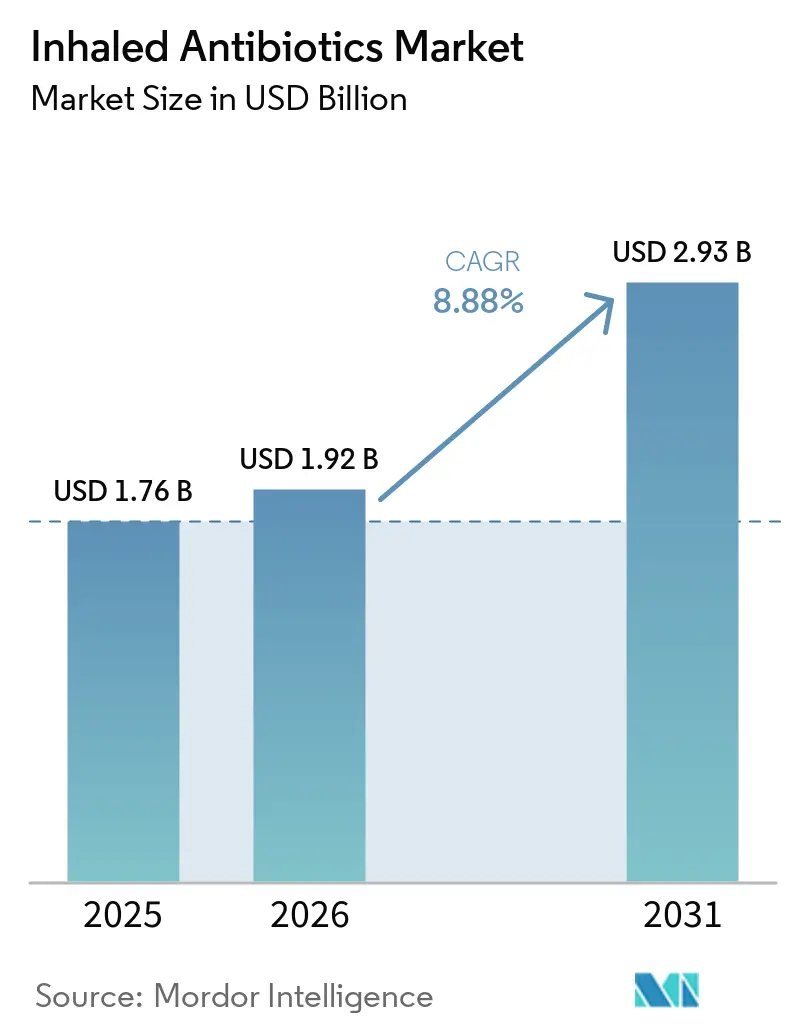
The Inhaled Antibiotics Market size was valued at USD 1.76 billion in 2025 and is estimated to grow from USD 1.92 billion in 2026 to reach USD 2.93 billion by 2031, at a CAGR of 8.88% during the forecast period (2026-2031).
Chronic pulmonary infections, including those associated with Pseudomonas aeruginosa and Mycobacterium avium complex, drive demand for inhaled antibiotics. Pulmonary delivery enables direct drug administration to lung tissue while reducing systemic exposure. The World Health Organization identified carbapenem-resistant P. aeruginosa as a critical-priority pathogen in its 2025 surveillance report, which covered more than 23 million bacteriologically confirmed cases across 104 countries. Clinical evidence, specialty prescribing, and integrated drug-device systems shape the inhaled antibiotics market, while generic competition improves access and limited evidence for off-label uses may constrain reimbursement and formulary inclusion.
Key Report Takeaways
- By product type, aerosol or metered-dose inhaler formulations accounted for 38.56% of the product type segment in 2025, while dry-powder formulations are projected to grow at a 10.55% CAGR through 2031.
- By drug class, aminoglycosides held 58.67% of the drug class segment in 2025 and were growing at a CAGR 11.35% through 2031.
- By indication, cystic fibrosis accounted for 43.23% of the indication segment in 2025, while pneumonia is projected to expand at a 12.45% CAGR through 2031.
- By end user, hospitals held 44.34% of the end-user segment in 2025, while homecare providers are projected to advance at a 10.87% CAGR through 2031.
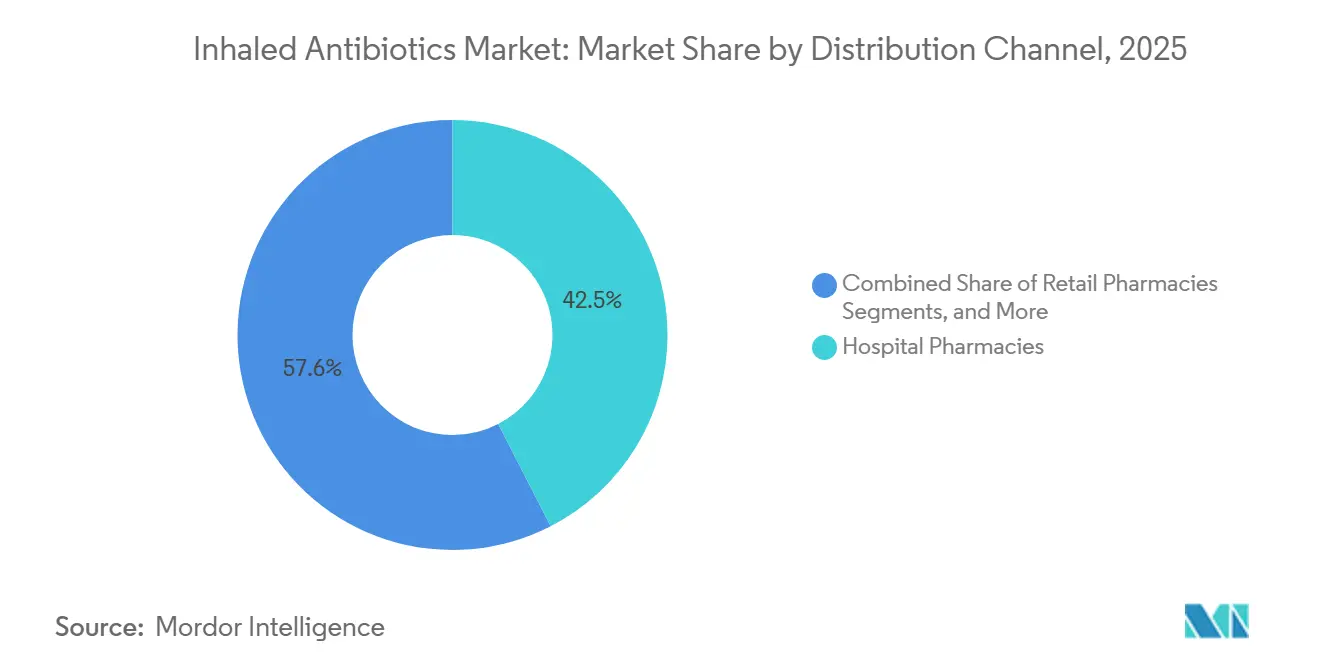
- By distribution channel, hospital pharmacies accounted for 42.45% of the distribution channel segment in 2025, while online pharmacies are projected to grow at an 11.76% CAGR through 2031.
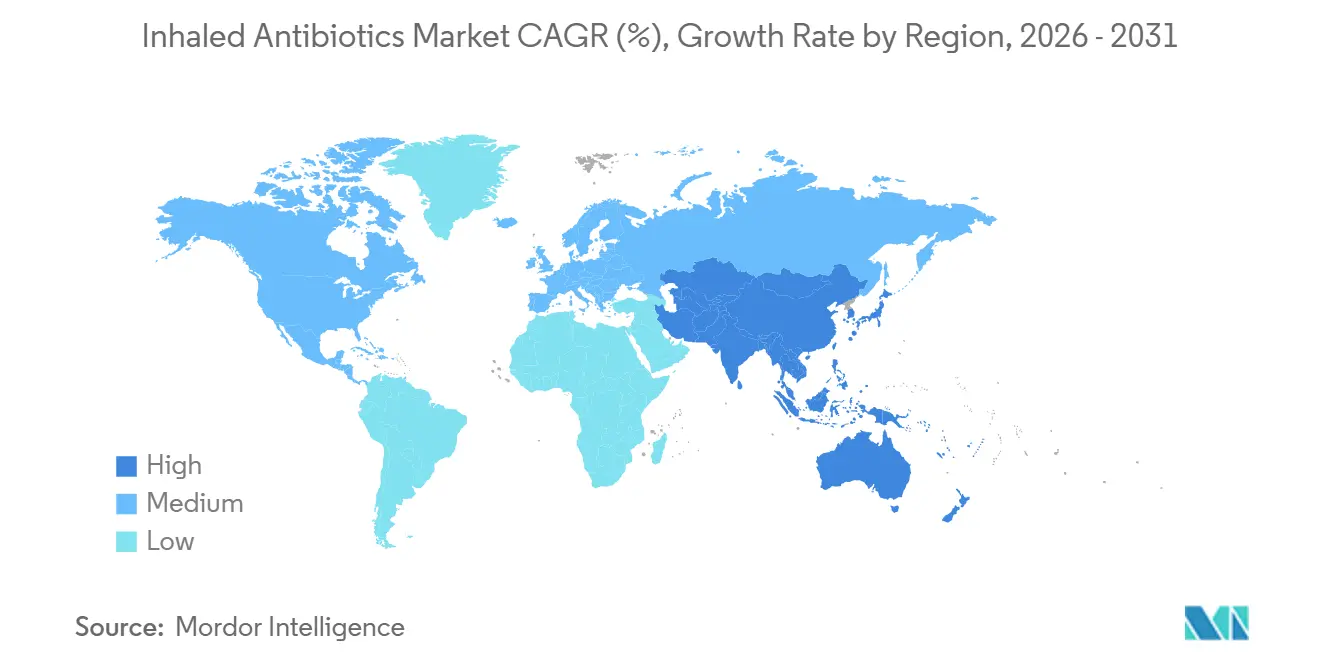
- By geography, North America held 38.78% in 2025, while Asia-Pacific is projected to expand at a CAGR of 12.71% through 2031.
Note: Market size and forecast figures in this report are generated using Mordor Intelligence’s proprietary estimation framework, updated with the latest available data and insights as of January 2026.
Market Trends and Insights
Drivers Impact Analysis of Inhaled Antibiotics Market*
| DRIVER | (~) % IMPACT ON CAGR FORECAST | GEOGRAPHIC RELEVANCE | IMPACT TIMELINE |
|---|---|---|---|
| Growing cystic fibrosis and bronchiectasis burden | +2.6% | Global, with primary concentration in North America and Europe | Long term (≥ 4 years) |
| Rising drug-resistant pulmonary infections | +2.0% | Global, particularly high in APAC, MENA, and Latin America | Medium term (2-4 years) |
| Improved nebulizer and dry-powder delivery technologies | +1.4% | Global, with technology uptake leading in North America and Europe | Medium term (2-4 years) |
| Expanded use in refractory NTM lung disease | +1.3% | North America, Japan, and Rest of Europe | Long term (≥ 4 years) |
| Earlier microbiological detection and targeted therapy | +0.9% | High-income markets in North America, Europe, and APAC core | Medium term (2-4 years) |
| Lower systemic exposure through lung delivery | +0.7% | Global | Short term (≤ 2 years) |
| Source: Mordor Intelligence | |||
Growing Cystic Fibrosis and Bronchiectasis Burden
Cystic fibrosis and non-CF bronchiectasis remain key demand drivers for the inhaled antibiotics market. Cystic fibrosis affects 70,000 patients globally, while the reported incidence of non-CF bronchiectasis ranges from 8.2 to 52 cases per 100,000 people, depending on diagnostic practices and region.[1]World Health Organization, “Global Antibiotic Resistance Surveillance Report 2025,” World Health Organization, who.int Increased use of high-resolution computed tomography identifies previously undiagnosed cases, particularly in Asia and Latin America, where diagnostic capacity is expanding. This trend broadens the patient pool requiring specialist assessment and long-term respiratory management.
Zambon’s Phase 3 PROMIS-I study enrolled 377 patients with non-CF bronchiectasis. The study reported a 39% reduction in annual pulmonary exacerbations and a 59% reduction in severe exacerbations with inhaled colistimethate sodium delivered through the I-neb system. These results provided large-scale, double-blind, placebo-controlled evidence for this patient group. European Respiratory Society and British Thoracic Society guidance links antibiotic stewardship with inhaled therapy for suitable bronchiectasis patients, supporting its use in recurrent infections and chronic colonization.
Rising Drug-Resistant Pulmonary Infections and Earlier Detection
Antimicrobial resistance is increasing interest in antibiotics that deliver treatment directly to the lungs. The WHO 2025 surveillance report covered cases reported by 110 countries from 2016 through 2023 and highlighted continued resistance concerns for carbapenem-resistant P. aeruginosa. This organism is a common Gram-negative pathogen in hospital-acquired and ventilator-associated pneumonia.[2]World Health Organization, “Analysis of Antibacterial Agents in Clinical and Preclinical Development, Overview and Analysis 2025,” World Health Organization, who.int Earlier microbiological identification enables clinicians to align treatment with the causative organism and the pulmonary site of infection.
A 2025 network meta-analysis reported that nebulized tobramycin improved clinical recovery in non-severe ventilator-associated pneumonia, with a risk ratio of 1.7 and a 95% confidence interval of 1.1 to 2.7 compared with systemic alternatives.[3]Pulmonary Delivery of Antibiotics to the Lungs, Current State and Future Prospects,” Pharmaceutics, mdpi.com WHO AWaRe guidance supports appropriate antibiotic selection and use across health systems. Consequently, hospital formulary committees may evaluate parenteral and inhaled regimens more closely for chronic pulmonary infections. While long-term inhaled antibiotic use may contribute to resistance selection, the available evidence does not indicate a change in current treatment guidance.
Improved Nebulizer and Dry-Powder Delivery Technologies
Delivery technology influences treatment time, drug deposition, and patient convenience. Zambon’s I-neb adaptive aerosol delivery system synchronizes drug release with a patient’s inhalation flow to improve deposition in diseased lung tissue. The system can also reduce environmental contamination and shorten administration time. These benefits are relevant in the inhaled antibiotics market, where chronic regimens require repeated dosing.
Dry-powder inhalers address key limitations of conventional nebulizers, including cleaning requirements and longer treatment sessions. Dry-powder formulations are forecast to grow at a CAGR of 10.55% through 2031. A 2025 study reported that excipient-free spray freeze-dried tobramycin powder achieved an 83.31% fine particle fraction and a minimum inhibitory concentration of 0.5 μg/mL against P. aeruginosa in experimental studies. The study also reported superior efficacy over intravenous injection in infected mouse models, while Insmed’s PULMOVANCE technology uses lipid vesicles to extend amikacin’s pulmonary half-life and facilitate macrophage uptake.
Expanded Use in Refractory NTM Lung Disease and Lower Systemic Exposure
Refractory nontuberculous mycobacterial lung disease remains a distinct demand source in the inhaled antibiotics market. Amikacin liposome inhalation suspension, marketed as ARIKAYCE, is the only inhaled nanomedicine approved globally for an infectious lung disease indication in the supplied material. It received approvals in the United States, the European Union, and Japan for refractory MAC lung disease. Its liposomal formulation retains amikacin in the lungs for longer and improves access to infected macrophages, reducing systemic organ exposure compared with conventional administration.
Insmed reported Phase 3b ENCORE results in March 2026 from 425 patients across 177 sites. Culture conversion at month 13 was 82.4% with ARIKAYCE and multidrug therapy, compared with 55.6% with multidrug therapy alone. In July 2026, Insmed submitted a supplemental new drug application to the FDA for use in newly diagnosed MAC patients. The filing also sought to convert the refractory indication to traditional approval status, while the ENCORE program fulfilled the FDA post-marketing requirement for the existing indication.
Restraints Impact Analysis of Inhaled Antibiotics Market*
| RESTRAINT | (~) % IMPACT ON CAGR FORECAST | GEOGRAPHIC RELEVANCE | IMPACT TIMELINE |
|---|---|---|---|
| Treatment cost and reimbursement restrictions | -1.4% | Global, most pronounced in Asia-Pacific, Latin America, and MEA | Long term (≥ 4 years) |
| Bronchospasm and local airway irritation | -1.1% | Global, with highest clinical reporting in newly initiated patients | Short term (≤ 2 years) |
| Device-dependent adherence and treatment burden | -0.9% | Global, sharpest in homecare and low-resource settings | Medium term (2-4 years) |
| Limited evidence for non-refractory infections | -0.6% | Global, with formulary gatekeeping most aggressive in Europe and APAC | Medium term (2-4 years) |
| Source: Mordor Intelligence | |||
Treatment Cost, Reimbursement Restrictions, and Limited Evidence
High treatment costs limited access to branded inhaled antibiotics outside the United States. Annual ARIKAYCE therapy costs reached the high tens of thousands of dollars. National health systems and public hospital formularies applied stringent economic thresholds and restricted coverage to narrow, label-approved populations. Consequently, some clinically eligible patients did not meet reimbursement requirements. A 2025 Chinese analysis found inhaled tobramycin inhalation solution economically dominant over nebulized colistimethate sodium for bronchiectasis patients. Net benefit per patient ranged from CNY 14,776 to CNY 47,361 (USD 2,045 to USD 6,554). The analysis used generic-priced tobramycin rather than branded specialty medicines. Health technology assessment processes delayed access by 12 to 24 months in some countries, while limited routine-use evidence in non-refractory infections increased formulary caution, particularly in Europe and APAC.
Bronchospasm, Airway Irritation, and Treatment Burden
Airway reactivity remained a key safety concern when patients initiated inhaled antibiotic therapy. In the ENCORE trial, bronchospasm occurred in 23.0% of ARIKAYCE-arm patients, compared with 11.8% of placebo-arm patients. Dysphonia occurred in 58.7% of ARIKAYCE patients, compared with 8.5% of controls. Clinicians remained particularly cautious in bronchiectasis and COPD patients with baseline airway hyperreactivity, affecting treatment acceptance and long-term adherence. Device-dependent treatment required patient training, regular administration, and coordination with other therapies. The burden was greater in homecare settings and regions with limited support services. A 2024 formulation study examined muco-inert liposomal dry-powder inhalers with lower inspiratory resistance to address tolerability and delivery constraints. However, these designs remained at an early stage, and the Inhaled Antibiotics Market depended on device usability, patient support, and practical long-term treatment plans.
*Our forecasts treat driver/restraint impacts as directional, not additive. The impact forecasts reflect baseline growth, mix effects, and variable interactions.
Inhaled Antibiotics Market Segment Analysis
By Product Type:
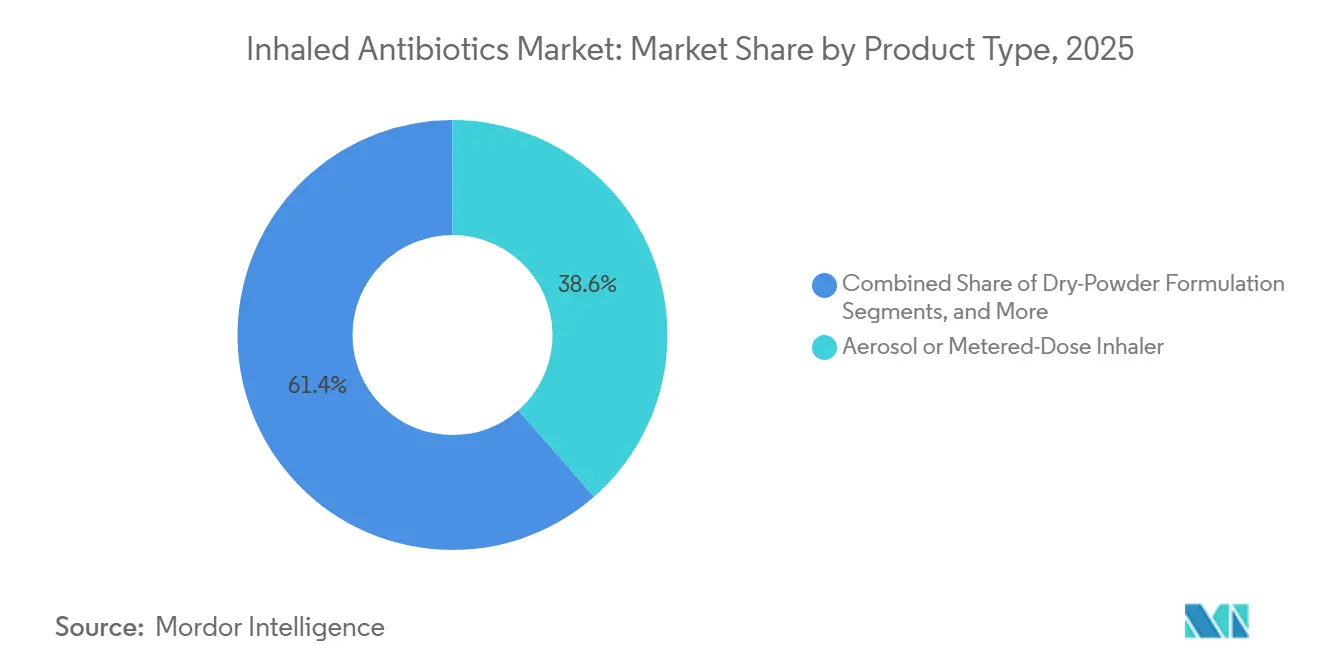
Aerosol or Metered-Dose Inhaler Retain Scale, While Dry Powder ExpandsAerosol or metered-dose inhaler formulations accounted for 38.56% of the product type segment in 2025. This share reflected the extensive nebulizer infrastructure across hospitals and specialty care settings. Established agents, including tobramycin and colistimethate sodium, require substantial drug loads that nebulizers can deliver without strong inspiratory effort or breath-hold coordination. These characteristics remain relevant for patients with severely reduced lung function.
The dry-powder segment is forecast to grow at a CAGR of 10.55% through 2031. A 2025 pediatric study found that dry-powder tobramycin delivered through the Cyclops device was well tolerated among cystic fibrosis patients aged 6 to 18 years. The study reported no significant decline in FEV1, mild adverse events, and lower systemic exposure than nebulized delivery. These findings support the demand for portable long-term treatment options. Spray formulations and nebulized solutions remain relevant in acute and intensive care settings, where high drug delivery volumes and rapid treatment take priority over portability. Pressurized metered-dose inhalers have a narrower role because each puff generally delivers less than 1 mg of drug. This dose is unsuitable for antibiotic regimens requiring several hundred milligrams. The Inhaled Antibiotics Market product mix will continue to reflect clinical settings and dose requirements.



By Drug Class:
Aminoglycosides Lead Through Established Clinical UseAminoglycosides held 58.67% of the drug class segment in 2025. Tobramycin inhalation solution has a substantial prescription base in cystic fibrosis and is available in several strengths. Ritedose received FDA approval for a generic tobramycin inhalation solution in October 2025, expanding generic options for eligible patients. Aminoglycosides remain important across cystic fibrosis, bronchiectasis, and NTM lung disease.
A 2025 systematic review compared amikacin liposome, tobramycin, aztreonam lysine, levofloxacin, and colistin. It found that all five agents reduced sputum bacterial density among relevant cystic fibrosis and bronchiectasis populations. The review found no significant difference in culture conversion among the agents. When efficacy is comparable, device design and formulation may become more important, favoring products that reduce administration burden or address specific clinical needs.
By Indication:
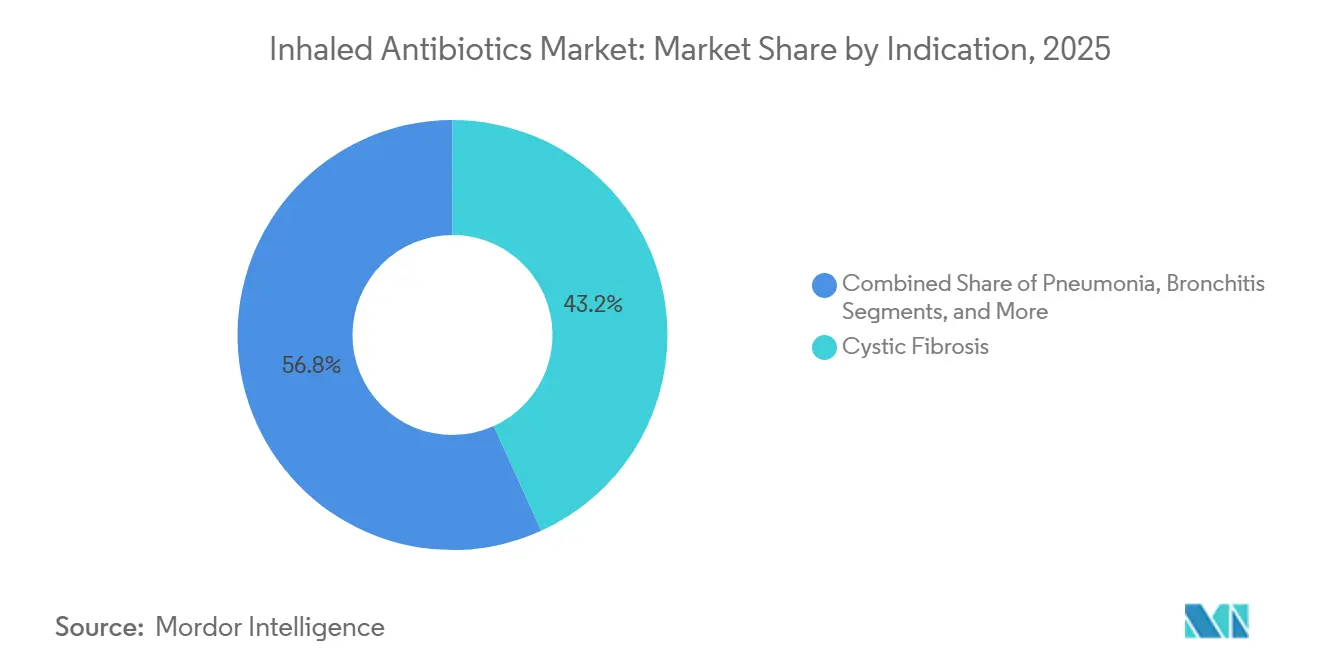
Cystic Fibrosis Supports Volume, While Pneumonia Grows FasterCystic fibrosis accounted for 43.23% of the indication segment in 2025. Recurring protocols for P. aeruginosa suppression support predictable prescription demand. Many patients follow 28-day treatment cycles followed by 28-day breaks. This pattern has supported inhaled tobramycin use since its earliest approvals. The Inhaled Antibiotics Market size for cystic fibrosis remains linked to this established chronic-care model.
Pneumonia is forecast to grow at a CAGR of 12.45% through 2031. Investigational and off-label use of inhaled aminoglycosides and polymyxins supports the Inhaled Antibiotics Market size for pneumonia. Ventilator-associated pneumonia and hospital-acquired pneumonia are key settings for this use. No inhaled antibiotic in the supplied draft has a formal FDA indication for these conditions, although clinical practice has extended beyond formal labeling in selected cases.
By End User:
Hospitals Lead, While Homecare ExpandsHospitals accounted for 44.34% of the end-user segment in 2025. Intensive care units manage a large share of ventilator-associated pneumonia cases. Hospital specialists also control access to newer therapies through formulary restrictions, while specialty infusion rooms support complex nebulized regimens. These factors give hospitals a leading position in the Inhaled Antibiotics Market share by end user.
Homecare providers are forecast to advance at a CAGR of 10.87% through 2031. Portable mesh nebulizers and newer dry-powder devices support patient-administered regimens. European Respiratory Society and American Thoracic Society guidance supports long-term inhaled antibiotic treatment for selected non-CF bronchiectasis patients with frequent exacerbations and chronic P. aeruginosa colonization. This support can strengthen reimbursement for home-based care and reduce repeat hospital visits.
By Distribution Channel:
Hospital Pharmacies Lead, While Online Pharmacies Gain ReachHospital pharmacies accounted for 42.45% of the distribution channel segment in 2025. Their position reflects the concentration of acute-care use and specialist prescribing. Pharmacy and therapeutics committees also serve as gatekeepers for many specialty medicines. Hospital dispensing is particularly relevant when treatment begins in a monitored setting. This channel remains central to the Inhaled Antibiotics Market.
Online pharmacies are forecast to grow at a CAGR of 11.76% through 2031. This growth is linked to direct-to-patient specialty pharmacy models and chronic disease-management programs. Digital platforms can coordinate prescriptions, device supplies, and clinical support through a single service pathway. These capabilities extend beyond ordering convenience and may become increasingly valuable as more patients self-administer therapy at home.
Geography Analysis
North America Inhaled Antibiotics Market
North America accounted for 38.78% of the geographic segment in 2025, supported by a broad base of approved therapies and established specialty prescribing. FDA orphan-drug designations strengthened the development and approval pathway for rare respiratory conditions, supporting the Inhaled Antibiotics Market in the United States. The region also has an established generic tobramycin and aztreonam treatment base. Insmed reported USD 133.1 million in U.S. ARIKAYCE revenue in the first half of 2026, compared with USD 133.0 million in the first half of 2025. Canada contributes through registry-linked cystic fibrosis prescribing, while Mexico has a smaller contribution due to limited specialty infrastructure and access. The July 2026 ARIKAYCE sNDA could expand the eligible patient population if approved.
Europe Inhaled Antibiotics Market
Europe has advanced respiratory centers, although access varies across countries. Germany, the United Kingdom, France, Italy, and Spain lead regional prescribing volumes. ARIKAYCE Liposomal 590 mg Nebulizer Dispersion is approved in Europe for MAC lung disease in non-CF bronchiectasis. While the European Medicines Agency provides a centralized authorization process, national reimbursement negotiations and payer decisions influence market access. Germany’s AMNOG process has supported faster specialist access than the United Kingdom’s NICE review process, contributing to differences in prescription volumes. European respiratory institutions also develop treatment guidance for bronchiectasis and NTM. Savara’s MOLBREEVI marketing authorization application is expected to receive a CHMP decision in the first quarter of 2027, indicating continued pipeline activity in inhaled pulmonary therapies.
APAC Inhaled Antibiotics Market
Asia-Pacific is forecast to grow at a CAGR of 12.72% through 2031. China and India offer significant volume opportunities as specialist care and high-resolution computed tomography use expand, improving the identification of non-CF bronchiectasis cases. WHO surveillance reported high P. aeruginosa resistance in hospital-acquired infections across the region. Japan remains a mature, high-value market, supported by PMDA approval for ARIKAYCE and strong NTM awareness.

Competitive Landscape
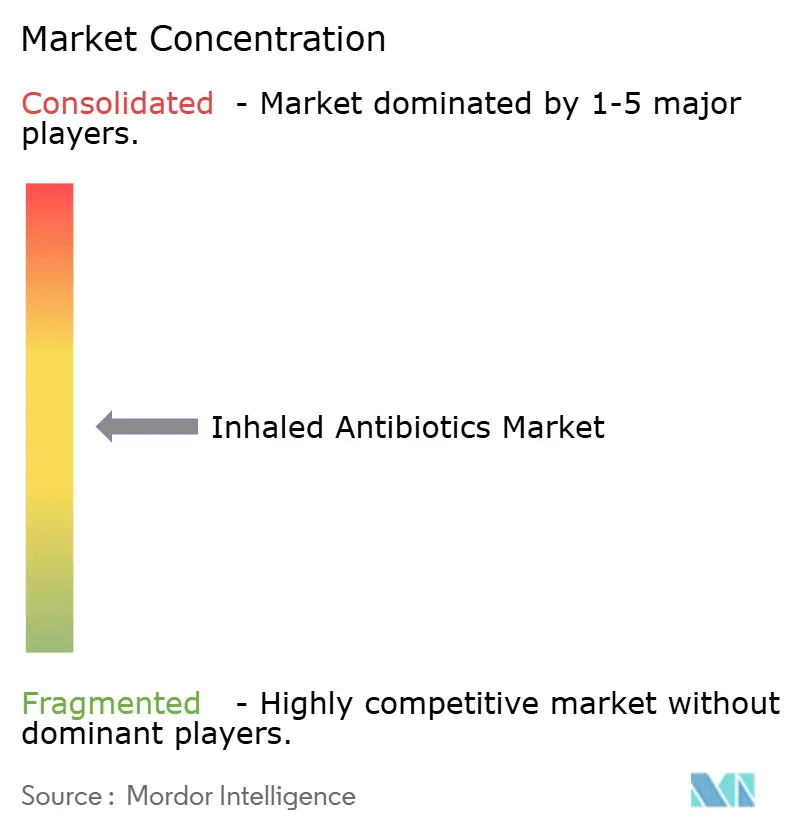
The inhaled antibiotics market is moderately concentrated, with leading innovators and a broader group of generic suppliers. Insmed holds the strongest revenue position through ARIKAYCE and its exclusive NTM and MAC indication. Zambon, Chiesi Farmaceutici, Novartis, Teva, Viatris, and Gilead participate through branded medicines or generic products. Competitive dynamics differ between specialty NTM therapies and the established cystic fibrosis tobramycin category. The lack of combined market-share data for leading companies prevents a quantitative concentration estimate.
Drug-device combinations create a significant competitive barrier. ARIKAYCE is administered using PARI Pharma’s Lamira Nebulizer System, integrating the medicine and delivery device into a clinical and regulatory package. Zambon’s I-neb system similarly coordinates aerosol delivery with patient inhalation. Competitors may therefore need to demonstrate device performance in addition to offering competitive medicine pricing.
Zambon received U.S. Patent 12,178,841 in 2025 for treating non-CF bronchiectasis with inhaled colistimethate sodium, supporting its bronchiectasis strategy. Insmed submitted its ARIKAYCE sNDA in July 2026 following the ENCORE study results, while Ritedose entered the generic segment after FDA approval for tobramycin inhalation solution in October 2025. Competition includes label expansion, delivery systems, and lower-cost generic supply. Unmet needs remain in hospital-acquired pneumonia, ventilator-associated pneumonia, non-CF bronchiectasis outside current ARIKAYCE use, and M. abscessus disease; Revagenix initiated a Phase 1 study of Rev-56 for non-CF bronchiectasis in July 2026, supported by NIAID and NIH through early development.
Inhaled Antibiotics Industry Leaders
Gilead Sciences, Inc.
Insmed Incorporated
Lupin Limited
Novartis AG
Teva Pharmaceutical Industries Ltd.
- *Disclaimer: Major Players sorted in no particular order
Inhaled Antibiotics Market Companies Covered in this Report
- Altan Pharma Limited
- Aradigm
- Bayer
- Chiesi Farmaceutici
- Cipla
- Gilead Sciences
- Insmed
- Joincare Pharmaceutical Group Industry Co., Ltd.
- Kindeva Drug Delivery
- Lupin
- Novartis
- PARI Pharma GmbH
- Pfizer
- Pharmaxis Ltd.
- Pulmatrix, Inc.
- Savara Inc.
- Spexis AG
- Teva Pharmaceutical Industries
- Viatris
- Viatris Specialty LLC
- Zambon S.p.A.

Recent Industry Developments in Inhaled Antibiotics Market
- July 2026: Insmed submitted an FDA supplemental new drug application for ARIKAYCE to expand its use in newly diagnosed MAC lung disease and secure traditional approval for its refractory indication, supported by 84.7% culture conversion at Month 12 in the Phase 3b ENCORE study.
- March 2026: Insmed reported positive Phase 3b ENCORE results, with the 425-patient trial meeting its respiratory symptom endpoint and demonstrating 76.2% durable culture conversion at Month 15, versus 47.6% for placebo.
- October 2025: Ritedose received FDA approval to manufacture and distribute generic Tobramycin Inhalation Solution for P. aeruginosa infections in cystic fibrosis patients aged 6 years and older, expanding its nebulized drug portfolio in the United States.


Global Inhaled Antibiotics Market Report Scope
As per the scope of the report, inhaled antibiotics are antimicrobial medications delivered directly into the lungs through the mouth or nose using specialized devices like nebulizers or dry powder inhalers. The market covers nebulized solutions (liquid aerosols) and dry powder formulations (DPIs), alongside sprays and metered-dose inhalers.
The inhaled antibiotics market is segmented by product type, drug class, indication, end user, distribution channel, and geography. By product type, the market is segmented into aerosol or metered-dose inhalers, dry powder formulations, spray formulations, and nebulized antibiotic solutions. By drug class, the market includes aminoglycosides, fluoroquinolones, monobactams, polymyxins, macrolides, and other drug classes. By indication, the market is categorized into cystic fibrosis, pneumonia, bronchitis, chronic obstructive pulmonary disease with bacterial infection, asthma, and other respiratory infections. By end user, the market is segmented into hospitals, specialty clinics, respiratory care centers, ambulatory care centers, home healthcare providers, and others. By distribution channel, the market is segmented into hospital pharmacies, retail pharmacies, online pharmacies, specialty pharmacies, and others. By geography, the market is analyzed across North America, Europe, Asia-Pacific, the Middle East and Africa, and South America. The report also covers the estimated market sizes and trends for 17 countries across major regions globally. The report offers market sizes and forecasts in terms of value (USD) for the above segments.
| Aerosol or Metered-Dose Inhaler |
| Dry-Powder Formulation |
| Spray Formulation |
| Nebulized Antibiotic Solution |
| Aminoglycosides |
| Fluoroquinolones |
| Monobactams |
| Polymyxins |
| Macrolides |
| Other Drug Classes |
| Cystic Fibrosis |
| Pneumonia |
| Bronchitis |
| Chronic Obstructive Pulmonary Disease With Bacterial Infection |
| Asthma |
| Other Respiratory Infections |
| Hospitals |
| Specialty Clinics |
| Respiratory Care Centers |
| Ambulatory Care Centers |
| Homecare Providers |
| Others |
| Hospital Pharmacies |
| Retail Pharmacies |
| Online Pharmacies |
| Specialty Pharmacies |
| Others |
| North America | United States |
| Canada | |
| Mexico | |
| Europe | Germany |
| United Kingdom | |
| France | |
| Italy | |
| Spain | |
| Rest of Europe | |
| Asia-Pacific | China |
| India | |
| Japan | |
| Australia | |
| South Korea | |
| Rest of Asia-Pacific | |
| Middle East and Africa | GCC |
| South Africa | |
| Rest of Middle East and Africa | |
| South America | Brazil |
| Argentina | |
| Rest of South America |
| By Product Type | Aerosol or Metered-Dose Inhaler | |
| Dry-Powder Formulation | ||
| Spray Formulation | ||
| Nebulized Antibiotic Solution | ||
| By Drug Class | Aminoglycosides | |
| Fluoroquinolones | ||
| Monobactams | ||
| Polymyxins | ||
| Macrolides | ||
| Other Drug Classes | ||
| By Indication | Cystic Fibrosis | |
| Pneumonia | ||
| Bronchitis | ||
| Chronic Obstructive Pulmonary Disease With Bacterial Infection | ||
| Asthma | ||
| Other Respiratory Infections | ||
| By End User | Hospitals | |
| Specialty Clinics | ||
| Respiratory Care Centers | ||
| Ambulatory Care Centers | ||
| Homecare Providers | ||
| Others | ||
| By Distribution Channel | Hospital Pharmacies | |
| Retail Pharmacies | ||
| Online Pharmacies | ||
| Specialty Pharmacies | ||
| Others | ||
| By Geography | North America | United States |
| Canada | ||
| Mexico | ||
| Europe | Germany | |
| United Kingdom | ||
| France | ||
| Italy | ||
| Spain | ||
| Rest of Europe | ||
| Asia-Pacific | China | |
| India | ||
| Japan | ||
| Australia | ||
| South Korea | ||
| Rest of Asia-Pacific | ||
| Middle East and Africa | GCC | |
| South Africa | ||
| Rest of Middle East and Africa | ||
| South America | Brazil | |
| Argentina | ||
| Rest of South America | ||


Key Questions Answered in the Report
What is driving demand for inhaled antibiotics?
Chronic cystic fibrosis, bronchiectasis, NTM disease, and resistance concerns support demand. Direct lung delivery may reduce systemic exposure, while wider use of diagnostic testing can help identify patients who need targeted treatment.
How large is the inhaled antibiotics market?
The inhaled antibiotics market is valued at USD 1.92 billion in 2026 and is projected to reach USD 2.93 billion by 2031, at an 8.88% CAGR. Growth is also supported by greater specialist use and advances in delivery devices.
Which drug class leads to inhaled antibiotic use?
Aminoglycosides led the drug class segment with 58.67% in 2025. Tobramycin has a broad established prescription base, while ARIKAYCE serves a specialized role in refractory MAC lung disease.
Which application is growing fastest?
Pneumonia is forecast to grow at a 12.45% CAGR through 2031. The growth reflects investigational and off-label use of inhaled aminoglycosides and polymyxins in ventilator-associated and hospital-acquired pneumonia.
Why are dry-powder inhalers gaining attention?
Dry-powder formulations are forecast to grow at a 10.55% CAGR through 2031. These devices can reduce cleaning needs and treatment time, while their portability can support patients receiving long-term care at home.
Which region is growing fastest?
Asia-Pacific is forecast to grow at a 12.72% CAGR through 2031. China and India are important opportunities as respiratory diagnosis and specialist infrastructure improve, while Japan remains a mature market with strong NTM awareness.
Page last updated on:





