
Artificial Blood Substitutes Market Size and Share
Market Overview
| Study Period | 2020 - 2031 |
|---|---|
| Market Size (2026) | USD 14.71 Billion |
| Market Size (2031) | USD 55.73 Billion |
| Growth Rate (2026 - 2031) | 30.53 % |
| Fastest Growing Market | Asia-Pacific |
| Largest Market | North America |
| Market Concentration | Low |
Major Players *Disclaimer: Major Players sorted in no particular order Image © Mordor Intelligence. Reuse requires attribution under CC BY 4.0. | |
Artificial Blood Substitutes Market Analysis by Mordor Intelligence
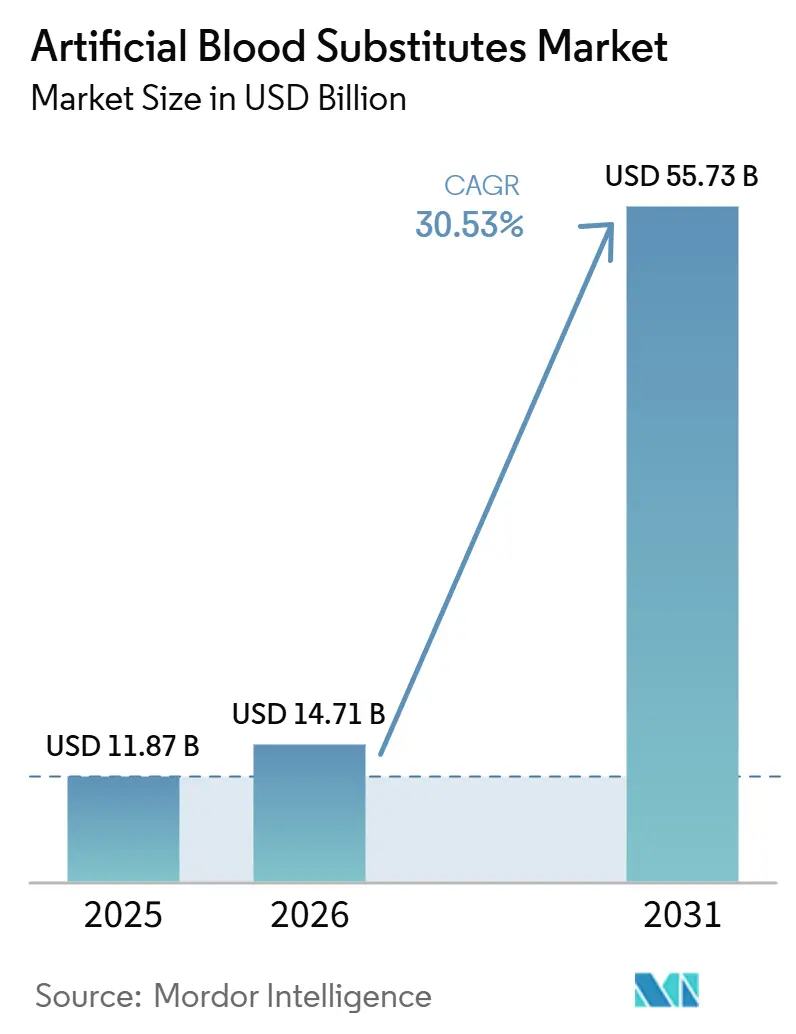
The Artificial Blood Substitutes Market size was valued at USD 11.87 billion in 2025 and is estimated to grow from USD 14.71 billion in 2026 to reach USD 55.73 billion by 2031, at a CAGR of 30.53% during the forecast period (2026-2031).
Persistent blood shortages continue to support the artificial blood substitutes market because blood donation remains heavily concentrated in high-income countries, while many low- and middle-income countries still operate with low collection rates and recurring supply gaps[1]World Health Organization, “Global Status Report on Blood Safety and Availability 2025,” WHO Publications, who.int. Defense-led development is also lifting the artificial blood substitutes market, with DARPA’s RAPIID program pushing shelf-stable blood analog components toward clinical readiness, regulatory review, and manufacturing scale-up for austere care settings. Regulatory scrutiny around blood safety and traceability is prompting hospitals to assess alternative oxygen carriers more formally, especially as supply resilience becomes a larger procurement issue in mature healthcare systems. The artificial blood substitutes market is also being shaped by a shift toward freeze-dried and ambient-storable formats, because these products solve storage and transport limits in both military and civilian emergency care.
Key Report Takeaways
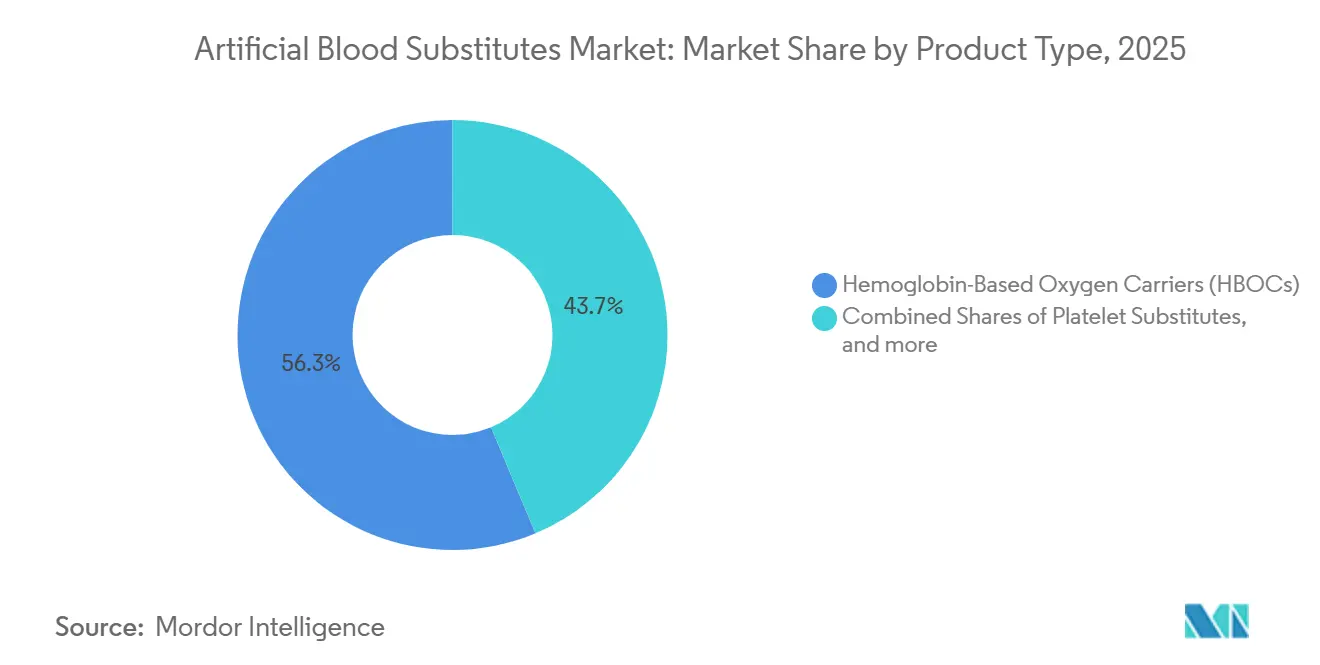
- By product type, Hemoglobin-Based Oxygen Carriers held 56.3% share in 2025, while Stem Cell-Derived Red Blood Cell Substitutes are projected to grow at 35.5% CAGR through 2031.
- By form, Injectable solutions accounted for 62.2% share in 2025, while Lyophilized Formulations are forecast to expand at 36.5% CAGR through 2031.
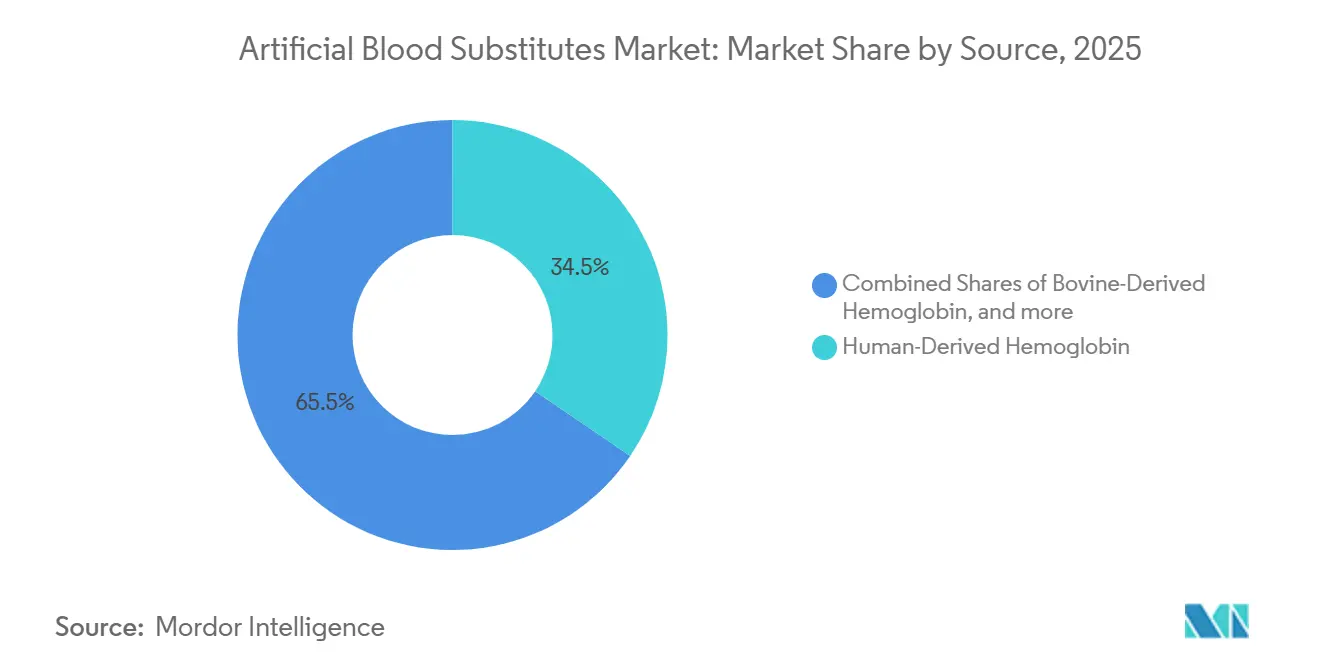
- By source, Human-derived hemoglobin held 34.5% share in 2025, while Stem Cell-Derived Sources are projected to advance at 32.5% CAGR through 2031.
- By technology, Biotechnology Solutions accounted for 27.4% share in 2025, while Nanotechnology-Based Solutions are expected to record 35.4% CAGR through 2031.
- By application, Trauma and Emergency Medicine held 41.4% share in 2025, while Hemorrhagic Shock Management is forecast to grow at 37.3% CAGR through 2031.
- By end user, Hospitals accounted for 43.4% share in 2025, while Ambulatory Surgical Centers are projected to expand at 34.5% CAGR through 2031.
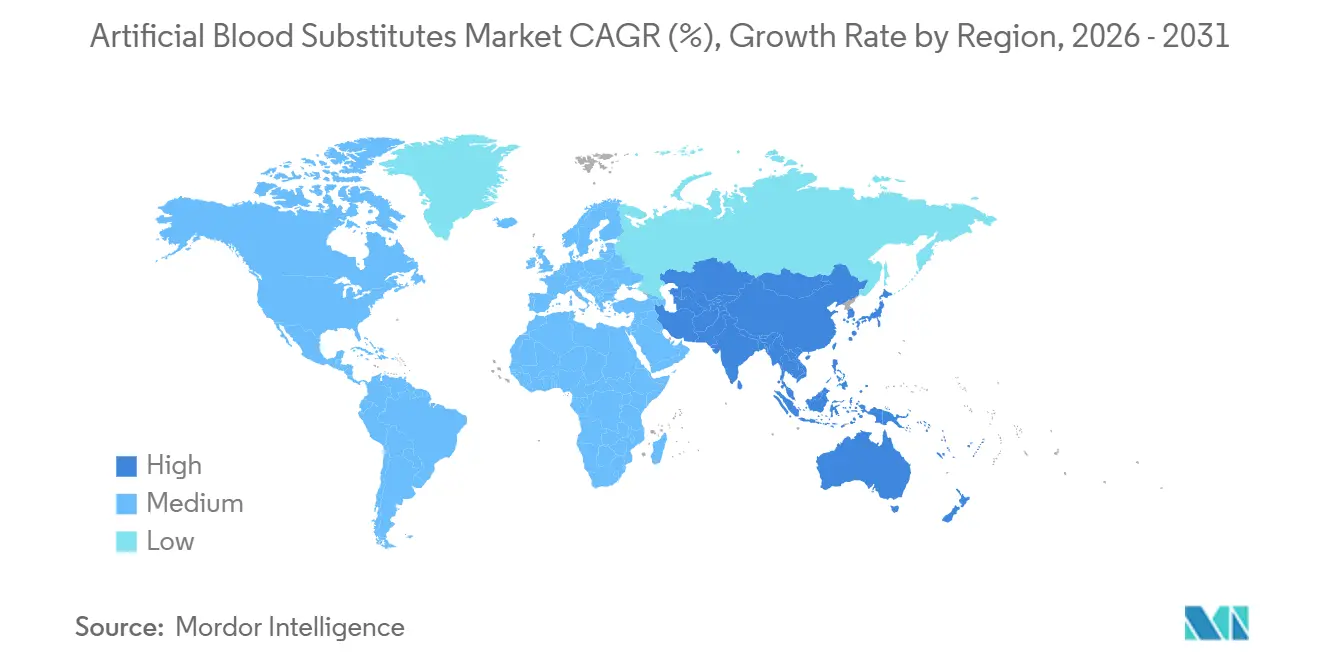
- By geography, North America held 43.7% share in 2025, while Asia-Pacific is projected to grow at 35.7% CAGR through 2031.
Note: Market size and forecast figures in this report are generated using Mordor Intelligence’s proprietary estimation framework, updated with the latest available data and insights as of January 2026.
Market Trends and Insights
Drivers Impact Analysis of Artificial Blood Substitutes Market*
| Driver | (~) % Impact on CAGR Forecast | Geographic Relevance | Impact Timeline |
|---|---|---|---|
| Persistent Blood Shortages and Donor Supply Gaps | +5.5% | Global, concentrated in low- and middle-income countries, with spillover to high-income countries during pandemic and disaster surges | Medium term (2-4 years) |
| Battlefield, Trauma, and Mass Casualty Readiness Needs | +4.8% | North America and allied defense markets, including the UK, Australia, and South Korea, with spillover to conflict-adjacent MEA and APAC | Short term (≤ 2 years) |
| Rising Surgical Volume and Transfusion Dependency | +4.2% | Global, strongest in Asia-Pacific and North America where surgical infrastructure is expanding | Medium term (2-4 years) |
| Longer Shelf Life and Ambient Storage Advantage | +3.6% | APAC core, with spillover to MEA and South America where cold-chain infrastructure is limited | Medium term (2-4 years) |
| Regulatory Pressure on Conventional Blood Safety and Traceability | +3.2% | Europe and North America, and increasingly APAC where GMP harmonization is advancing | Long term (≥ 4 years) |
| Expansion of R&D in Oxygen Carrier Bioengineering | +6.4% | Global, with centers in the United States, Japan, the United Kingdom, and China | Long term (≥ 4 years) |
| Source: Mordor Intelligence | |||
Persistent Blood Shortages and Donor Supply Gaps
Blood supply shortfalls remain structural, and that keeps the artificial blood substitutes market tied to a long-term need rather than a short-term imbalance. In June 2026, the WHO reported that global blood collections increased 19% between 2013 and 2023, yet donation rates still ranged from 0.4 to 53 per 1,000 population, and 55 countries continued to collect fewer than 10 donations per 1,000 people. This uneven supply base matters for the artificial blood substitutes market because it shows that donor campaigns alone are not closing access gaps in many health systems.
The issue is also visible in China, where academic work has continued to describe recurring regional and seasonal shortages that sustain demand for red blood cell substitutes even in stronger urban care settings. That pattern supports the artificial blood substitutes market in both emergency medicine and planned hospital use, because the problem is rooted in supply reliability rather than temporary demand spikes.
Battlefield, Trauma, and Mass Casualty Readiness Needs
Defense spending is accelerating the artificial blood substitutes market by moving blood analog systems through development steps that civilian programs often take much longer to complete. DARPA[2]AABB, “DARPA Launches RAPIID Program to Advance Shelf-Stable Blood Analogs,” AABB News, aabb.org launched the RAPIID program in June 2026 to advance shelf-stable oxygen carriers, platelet-derived products, and dried plasma toward clinical trials, regulatory approval, and manufacturing scale-up for battlefield care. That work builds on the earlier FSHARP initiative, which drew more than USD 46 million in support and combined KaloCyte’s ErythroMer, Haima Therapeutics’ SynthoPlate, and Teleflex freeze-dried plasma into a broader resuscitation framework. The artificial blood substitutes market benefits because standards developed under defense programs are also becoming reference points for civilian manufacturing quality and regulatory preparation.
Rising Surgical Volume and Transfusion Dependency
Rising surgical activity continues to support the artificial blood substitutes market because transfusion needs increase as procedure volumes expand across more care settings. In addition, an estimated 313 million surgical procedures globally each year, which reflects the scale of transfusion demand surrounding acute and planned interventions. The artificial blood substitutes market is also supported by the growth of ambulatory surgical centers, because those facilities usually do not maintain on-site blood banks and therefore have a stronger interest in storable, type-universal oxygen carriers.
Cardiovascular surgery remains especially relevant within the artificial blood substitutes market because these procedures often involve hemodilution and complex perfusion management. That combination of procedure growth, outpatient migration, and blood storage limits is widening the use case for products that can extend oxygen delivery where donor blood is harder to access.
Longer Shelf Life and Ambient Storage Advantage
Shelf life and room-temperature storage are becoming stronger commercial drivers for the artificial blood substitutes market, especially in settings where cold-chain reliability is weak. The Phase Ib protocol for hemoglobin vesicles from Nara Medical University[3]Matsumoto M., Sakai H., et al., “Haemoglobin Vesicles as Artificial Red Blood Cells Developed for Use as a Transfusion Alternative, An Open-Label, Single-Centre Phase Ib Study Protocol in Japan,” BMJ Open, bmjopen.bmj.com highlighted the relevance of formulations designed for long storage and rapid use in an emergency situation. Japan Red Cross Blood Services also described supply fragility in rural and island settings, showing that storage and logistics remain healthcare priorities even in advanced systems.
That matters for the artificial blood substitutes market because remote communities, island territories, and disaster zones face the same transport and storage barriers that defense planners face in combat environments. The commercial appeal is broader than emergency response alone, since lower spoilage risk and simpler distribution can improve inventory economics for both manufacturers and healthcare buyers.
Restraints Impact Analysis of Artificial Blood Substitutes Market*
| Restraint | (~) % Impact on CAGR Forecast | Geographic Relevance | Impact Timeline |
|---|---|---|---|
| Safety Concerns from Hemodynamic and Oxidative Side Effects | -3.2% | Global, strongest regulatory headwind in North America and the European Union where FDA and EMA requirements remain stringent | Long term (≥ 4 years) |
| Long Clinical Validation and Regulatory Approval Cycles | -2.8% | North America and Europe, partly mitigated by FDA Fast Track and Breakthrough Therapy pathways | Long term (≥ 4 years) |
| Limited Clotting, Immune, and Multi-Function Blood Replication | -1.8% | Global | Medium term (2-4 years) |
| High CMC, Scale-Up, and Manufacturing Cost Burden | -2.4% | Global, concentrated in biotech-stage companies without strong CDMO partnerships | Medium term (2-4 years) |
| Source: Mordor Intelligence | |||
Safety Concerns from Hemodynamic and Oxidative Side Effects
Safety remains the most important restraint on the artificial blood substitutes market because older cell-free hemoglobin systems were linked to vasoconstriction and higher cardiovascular risk. A 2025 review in Frontiers in Physiology[4]Thomas N. Estep, “Hemoglobin-Based Oxygen Carriers, Oxidative Stress and Cardiovascular Safety,” Frontiers in Physiology, frontiersin.orgconnected increased myocardial infarction risk after HBOC infusion to intravascular reactions that amplify oxidative stress. Those findings continue to shape the artificial blood substitutes market by forcing developers to emphasize PEGylation, encapsulation, and genetic modification when designing newer products.
Regulatory agencies have responded by demanding longer and larger trials, especially for products that still rely on unmodified or lightly modified hemoglobin platforms. The pressure is not uniform across the artificial blood substitutes market, which is why perfluorocarbon carriers and stem cell-derived substitutes continue to attract attention as alternatives to earlier HBOC formats.
Long Clinical Validation and Regulatory Approval Cycles
Long validation timelines continue to slow the artificial blood substitutes market because no product has secured full clinical approval in the United States. Hemopure retained limited approval only in South Africa and Russia after more than 2 decades of development, which still shapes investor caution around trial duration and capital needs. The FDA has maintained a high evidence bar for oxygen therapeutics, with expectations that developers show strong safety and efficacy against multiple endpoints relevant to packed red blood cell use.
The artificial blood substitutes market received a positive regulatory signal in April 2026, when Prolong Pharmaceuticals’ PP-007 gained Breakthrough Therapy Designation in addition to its existing Fast Track status. Even so, the artificial blood substitutes market still faces long and expensive approval cycles for most developers, especially those without a strong clinical dataset or a clear unmet-need position.
*Our forecasts treat driver/restraint impacts as directional, not additive. The impact forecasts reflect baseline growth, mix effects, and variable interactions.
Artificial Blood Substitutes Market Segment Analysis
By Product Type:
HBOCs Anchor the Market as Cell-Derived Formats AccelerateHemoglobin-Based Oxygen Carriers held 56.3% of artificial blood substitutes market share in 2025, which kept them in the leading product position. Their lead reflects scalable production from human-donated or bovine hemoglobin, familiar oxygen dissociation behavior, and compatibility with existing IV-based care routines. A focused 2025 review in the International Journal of Molecular Sciences described steady progress in PEGylation, polymer encapsulation, and genetic modification, all aimed at reducing nitric oxide scavenging and improving safety.
Stem Cell-Derived Red Blood Cell Substitutes are forecast to grow at 35.5% CAGR through 2031, which makes them the fastest-growing product category in the artificial blood substitutes market. Scarlet Therapeutics reported in May 2026 that its universal lab-grown red blood cells showed in vivo survival with a half-life comparable to donated blood, and the company also raised GBP 3.2 million, or USD 4 million, to advance manufacturing and regulatory work.



By Form:
Injectables Lead, Lyophilized Formats Reshape the Market TrajectoryInjectable solutions accounted for 62.2% of the artificial blood substitutes market size in 2025 within the form segment, which reflects how acute care still depends on direct IV administration. Liquid formulations fit current hospital protocols, and that lowers disruption when clinicians evaluate oxygen carrier products for emergency use. A 2026 study in the Journal of Pharmaceutical Investigation showed that plasma volume expanders can improve stabilization of perfluorocarbon nanoemulsions for artificial blood applications.
Lyophilized formulations are forecast to grow at 36.5% CAGR through 2031, making them the fastest-moving form in the artificial blood substitutes market. The shift is strongly tied to defense procurement, because programs such as RAPIID and FSHARP require products that can remain stable for long periods without refrigeration.
By Source:
Human-Derived Hemoglobin Dominates, Stem Cell Sources Emerge as DisruptorsHuman-derived hemoglobin accounted for 34.5% share in 2025, which made it the largest source segment in the artificial blood substitutes market. That position comes from established purification methods that can use expired blood donations and existing GMP infrastructure. Bovine-derived hemoglobin also remains meaningful because it offers scale advantages and a consistent biochemical starting material for products such as Hemopure and Sanguinate.
Stem Cell-Derived Sources are expected to grow at 32.5% CAGR through 2031, which gives them the strongest growth profile within source segmentation. This shift shows that the artificial blood substitutes market is placing more value on donor independence as supply security becomes a bigger selection criterion. Japan’s NEDO committed JPY 5 billion (USD 33 million), from 2024 to 2028, to a Kyoto University CiRA-led project focused on continuous manufacturing of iPS cell-derived platelets.
By Technology:
Biotechnology Anchors the Platform, Nanotechnology Defines the Next WaveBiotechnology Solutions held 27.4% share in 2025, making them the largest technology segment in the artificial blood substitutes market. This includes recombinant expression systems, cell culture workflows, and protein engineering approaches that support most clinical-stage and commercial development programs. The segment’s lead reflects the fact that biotech manufacturing is more mature than several other enabling platforms in the artificial blood substitutes market.
Nanotechnology-Based Solutions are projected to grow at 35.4% CAGR through 2031, which makes them the fastest-growing technology area in the artificial blood substitutes market. Recent academic work on hemoglobin-loaded nanoparticles showed stronger oxygen cycling, antioxidant behavior, and low cytotoxicity compared with more conventional HBOC approaches. The U.S. National Nanotechnology Initiative also included a fiscal 2026 project focused on designing nanoparticle-based blood substitutes that better mimic red blood cell physiology. That research supports matters for the artificial blood substitutes market because it can seed later commercial translation in a field where technical promise is outpacing product-level commercialization.
By Application:
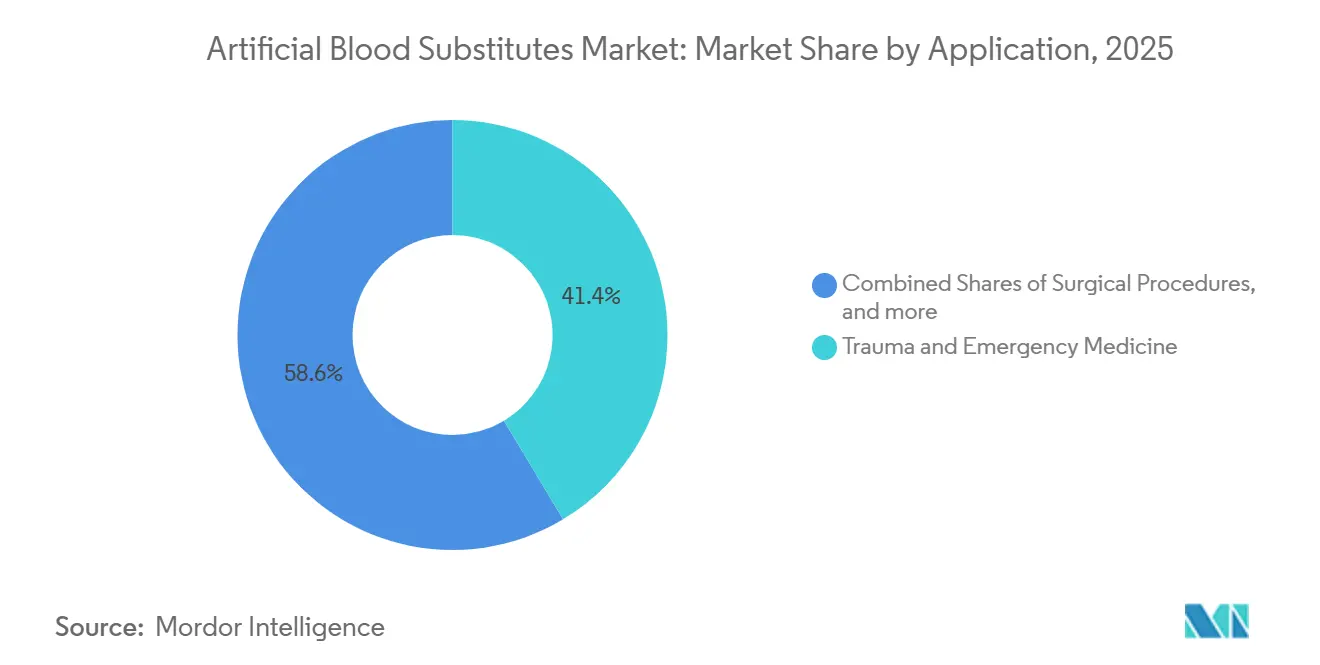
Trauma and Emergency Medicine Leads, Hemorrhagic Shock Management AcceleratesTrauma and Emergency Medicine accounted for 41.4% of the artificial blood substitutes market size in 2025 within application segmentation, which made it the largest use case. The segment leads because pre-hospital and emergency settings often need immediate oxygen delivery when type-matched blood is unavailable. The artificial blood substitutes market also finds its most direct regulatory opportunity in trauma care, where emergency use and expanded access frameworks can support development paths for life-threatening conditions.
Hemorrhagic Shock Management is projected to grow at 37.3% CAGR through 2031, which makes it the fastest-growing application in the artificial blood substitutes market. That growth is closely tied to defense priorities, because traumatic hemorrhage remains a leading cause of preventable death in both military and civilian settings. DARPA-backed programs are shaping development around this use case, and that is influencing product design choices across the artificial blood substitutes market. Dodecafluoropentane emulsion, or NanO2, in acute ischemic stroke and respiratory distress, where related hypoxic physiology supports broader therapeutic evaluation.
By End User:
Hospitals Dominate, Ambulatory Surgical Centers Post the Fastest ExpansionHospitals held 43.4% of end-user revenue in 2025, which kept them as the primary institutional channel for the artificial blood substitutes market. Their leadership reflects high use intensity in trauma resuscitation, cardiac surgery, organ transplantation, and other transfusion-heavy procedures. Hospitals also remain the center of the artificial blood substitutes market because they host most clinical trials and early protocol development for novel oxygen carriers.
Ambulatory Surgical Centers are forecast to grow at 34.5% CAGR through 2031, which makes them the fastest-growing end-user segment in the artificial blood substitutes market. The continued expansion of outpatient surgery has shifted a large share of elective procedures into settings that usually lack on-site blood storage. That makes the artificial blood substitutes market more relevant to ASC operators because shelf-stable, type-universal products can solve a practical logistics problem rather than only a clinical one.
Geography Analysis
North America Artificial Blood Substitutes Market
North America held 43.7% of the artificial blood substitutes market share in 2025, which made it the leading regional market. The region’s position reflects the depth of the U.S. defense funding system and the concentration of clinical-stage biotech programs working on HBOCs, cell-derived red blood cells, and other oxygen therapeutic platforms. DARPA’s FSHARP and RAPIID initiatives directed more than USD 46 million toward field-deployable blood analog development, and that support created spillover value for companies such as KaloCyte, NuvOx Therapeutics, and Prolong Pharmaceuticals that operate across civilian and defense pathways.
Europe and APAC Artificial Blood Substitutes Market
Europe remains important to the artificial blood substitutes market because the region combines active clinical research, transplant expertise, and a tighter policy focus on blood traceability and safety. The United Kingdom’s RESTORE program is the first clinical effort comparing lab-grown red blood cells with donated blood in human volunteers, which keeps Europe visible in cell-derived product development. Asia-Pacific is projected to grow at 35.7% CAGR through 2031, which gives it the fastest regional expansion in the artificial blood substitutes market. Japan is central to that growth, with Nara Medical University running a Phase Ib trial of NMU-HbV and the government-backed NEDO program funding iPS-derived platelet manufacturing through 2028.

Competitive Landscape
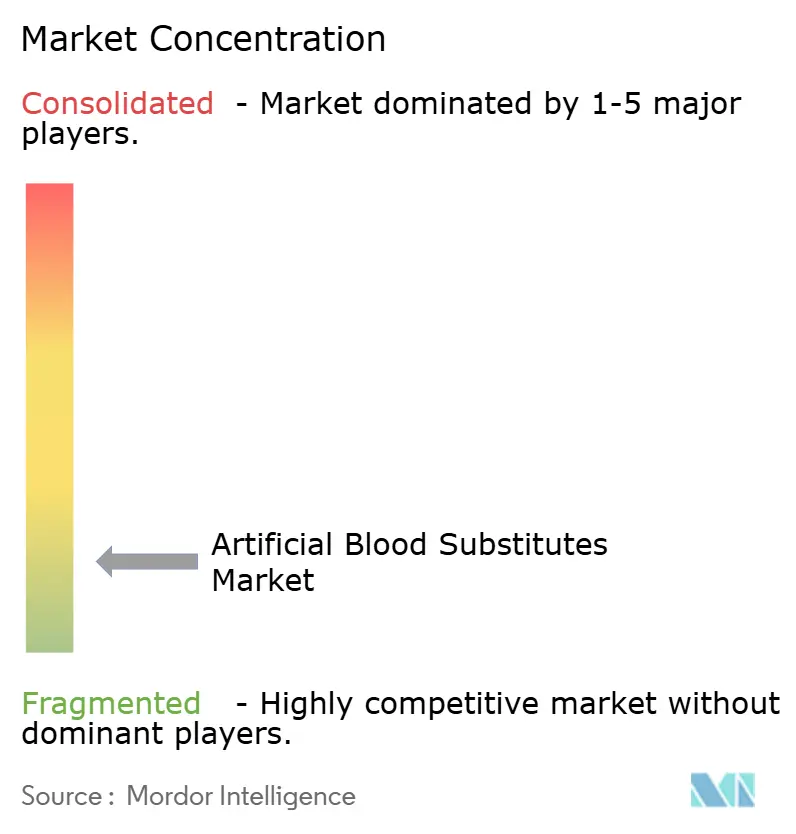
The artificial blood substitutes market remains highly fragmented because most competition is still taking place at the clinical pipeline, manufacturing readiness, and intellectual property level rather than through large-scale commercial sales. No single company has established a dominant U.S. commercial position, and that reflects the absence of full FDA approval for a broad blood substitute product in the country. The competitive field in the artificial blood substitutes market is therefore led by clinical-stage biotechs and specialized developers rather than large pharmaceutical incumbents. One major pattern is defense-funded platform development, where companies such as KaloCyte and Haima Therapeutics benefit from programs designed to build deployable resuscitation systems for far-forward care.
HEMARINA stands apart because it already has a European regulatory foothold in organ preservation and can use that position to support wider program development. A third pattern in the artificial blood substitutes market is the push to solve scale-up risk through manufacturing partnerships and protected know-how. ArtBlood signed an MOU with Expression Manufacturing in April 2025 to support clinical development and large-scale cGMP production of its in vitro red blood cell product.
Artificial Blood Substitutes Industry Leaders
Aurum Biosciences Ltd.
HEMARINA SA
HbO2 Therapeutics, Inc.
NuvOx Pharma, LLC
KaloCyte, Inc.
- *Disclaimer: Major Players sorted in no particular order
Artificial Blood Substitutes Market Companies Covered in this Report
- Alliance Pharmaceutical Corp.
- Aurum Biosciences Ltd.
- Baxter
- Biopure Corporation
- HbO2 Therapeutics, Inc.
- HEMARINA SA
- HemoBioTech, Inc.
- KaloCyte, Inc.
- Northfield Laboratories, Inc.
- NuvOx Pharma, LLC
- OPK Biotech LLC
- Prolong Pharmaceuticals, LLC
- Safi Biotherapeutics, Inc.
- Sangart, Inc.
- SpheriTech Ltd.
- SynZyme Technologies LLC
- Tenax Therapeutics, Inc.
- VirTech Bio, Inc.

Recent Industry Developments in Artificial Blood Substitutes Market
- June 2026: DARPA launched the RAPIID (Resuscitation and Prevention of Ischemia-Induced Dysfunction) program to advance shelf-stable blood analog components, including oxygen carriers, platelet-derived products, and dried plasma, through clinical trials, regulatory approval, and manufacturing scale-up.
- April 2026: Prolong Pharmaceuticals received FDA Breakthrough Therapy Designation for PP-007 (PEGylated carboxyhemoglobin bovine / SANGUINATE) in acute ischemic stroke with anterior large vessel occlusion, adding to an existing Fast Track Designation.


Global Artificial Blood Substitutes Market Report Scope
As per the scope of the report, artificial blood substitutes, also known as blood surrogates or oxygen therapeutics, are engineered products designed to replicate specific functions of human blood, particularly oxygen transport, volume expansion, and hemostatic support.
The artificial blood substitutes market is segmented by product type, including hemoglobin-based oxygen carriers (HBOCs), perfluorocarbon-based oxygen carriers (PFCs), stem cell-derived red blood cell substitutes, plasma substitutes/plasma volume expanders, platelet substitutes, and other artificial blood substitutes such as synthetic platelets and encapsulated hemoglobin systems. Based on form, the market is segmented into injectable solutions, intravenous infusion solutions, emulsion formulations, and lyophilized (freeze-dried) formulations. By source, the market is categorized into human-derived hemoglobin, bovine-derived hemoglobin, recombinant hemoglobin, stem cell-derived sources, and others, including microorganism-based production and synthetic/chemical sources.
Based on technology, the market is segmented into biotechnology solutions, recombinant DNA and protein engineering, nanotechnology-based solutions, encapsulation technologies, PEGylation technologies, and stem cell engineering technologies. By application, the market is segmented into trauma and emergency medicine, surgical procedures, organ transplant support, hemorrhagic shock management, critical care and intensive care, cardiovascular surgery, and others, including battlefield and defense medicine and severe anemia management. Based on end user, the market is segmented into hospitals, trauma centers, military and defense medical units, blood banks and transfusion services, specialty clinics, ambulatory surgical centers, and others, including emergency medical services (EMS), research laboratories, and academic institutes. Geographically, the market is segmented into North America, Europe, Asia-Pacific, the Middle East & Africa, and South America. The market report also covers the estimated market sizes and trends for 17 countries across major regions globally. For each segment, the market size and forecast are provided in terms of value (USD).
| Hemoglobin-Based Oxygen Carriers (HBOCs) |
| Perfluorocarbon-Based Oxygen Carriers (PFCs) |
| Stem Cell-Derived Red Blood Cell Substitutes |
| Plasma Substitutes / Plasma Volume Expanders |
| Platelet Substitutes |
| Other Product Types (Synthetic Platelets, Encapsulated Hemoglobin Systems) |
| Injectable Solutions |
| Intravenous Infusion Solutions |
| Emulsion Formulations |
| Lyophilized (Freeze-Dried) Formulations |
| Human-Derived Hemoglobin |
| Bovine-Derived Hemoglobin |
| Recombinant Hemoglobin |
| Stem Cell-Derived Sources |
| Others (Microorganism-Based Production, Synthetic/Chemical Sources) |
| Biotechnology Solutions |
| Recombinant DNA & Protein Engineering |
| Nanotechnology-Based Solutions |
| Encapsulation Technologies |
| PEGylation Technologies |
| Stem Cell Engineering Technologies |
| Trauma and Emergency Medicine |
| Surgical Procedures |
| Organ Transplant Support |
| Hemorrhagic Shock Management |
| Critical Care and Intensive Care |
| Cardiovascular Surgery |
| Others (Battlefield and Defense Medicine, Severe Anemia Management) |
| Hospitals |
| Trauma Centers |
| Blood Banks and Transfusion Services |
| Specialty Clinics |
| Ambulatory Surgical Centers |
| Others (Emergency Medical Services (EMS), Research Laboratories and Academic Institutes, Military and Defense Medical Units) |
| North America | United States |
| Canada | |
| Mexico | |
| Europe | Germany |
| United Kingdom | |
| France | |
| Italy | |
| Spain | |
| Rest of Europe | |
| Asia-Pacific | China |
| India | |
| Japan | |
| Australia | |
| South Korea | |
| Rest of Asia-Pacific | |
| Middle East and Africa | GCC |
| South Africa | |
| Rest of Middle East and Africa | |
| South America | Brazil |
| Argentina | |
| Rest of South America |
| By Product Type | Hemoglobin-Based Oxygen Carriers (HBOCs) | |
| Perfluorocarbon-Based Oxygen Carriers (PFCs) | ||
| Stem Cell-Derived Red Blood Cell Substitutes | ||
| Plasma Substitutes / Plasma Volume Expanders | ||
| Platelet Substitutes | ||
| Other Product Types (Synthetic Platelets, Encapsulated Hemoglobin Systems) | ||
| By Form | Injectable Solutions | |
| Intravenous Infusion Solutions | ||
| Emulsion Formulations | ||
| Lyophilized (Freeze-Dried) Formulations | ||
| By Source | Human-Derived Hemoglobin | |
| Bovine-Derived Hemoglobin | ||
| Recombinant Hemoglobin | ||
| Stem Cell-Derived Sources | ||
| Others (Microorganism-Based Production, Synthetic/Chemical Sources) | ||
| By Technology | Biotechnology Solutions | |
| Recombinant DNA & Protein Engineering | ||
| Nanotechnology-Based Solutions | ||
| Encapsulation Technologies | ||
| PEGylation Technologies | ||
| Stem Cell Engineering Technologies | ||
| By Application | Trauma and Emergency Medicine | |
| Surgical Procedures | ||
| Organ Transplant Support | ||
| Hemorrhagic Shock Management | ||
| Critical Care and Intensive Care | ||
| Cardiovascular Surgery | ||
| Others (Battlefield and Defense Medicine, Severe Anemia Management) | ||
| By End User | Hospitals | |
| Trauma Centers | ||
| Blood Banks and Transfusion Services | ||
| Specialty Clinics | ||
| Ambulatory Surgical Centers | ||
| Others (Emergency Medical Services (EMS), Research Laboratories and Academic Institutes, Military and Defense Medical Units) | ||
| By Geography | North America | United States |
| Canada | ||
| Mexico | ||
| Europe | Germany | |
| United Kingdom | ||
| France | ||
| Italy | ||
| Spain | ||
| Rest of Europe | ||
| Asia-Pacific | China | |
| India | ||
| Japan | ||
| Australia | ||
| South Korea | ||
| Rest of Asia-Pacific | ||
| Middle East and Africa | GCC | |
| South Africa | ||
| Rest of Middle East and Africa | ||
| South America | Brazil | |
| Argentina | ||
| Rest of South America | ||


Key Questions Answered in the Report
What is the projected value of artificial blood substitutes by 2031?
The artificial blood substitutes market is forecast to reach USD 55.73 billion by 2031, rising from USD 14.71 billion in 2026 at a 30.53% CAGR.
Which product type leads current revenue in artificial blood substitutes?
Hemoglobin-Based Oxygen Carriers led product revenue with 56.3% share in 2025 because they fit current transfusion workflows and have the most established development base.
Which application is growing fastest for artificial blood substitutes?
Hemorrhagic Shock Management is projected to grow at 37.3% CAGR through 2031, supported by trauma care needs and defense-led program funding.
Why is Asia-Pacific expanding faster than other regions?
Asia-Pacific is projected to grow at 35.7% CAGR through 2031 because of active trials in Japan, public funding for stem cell-derived platforms, and unresolved blood supply gaps across the region.
Why are lyophilized formulations gaining attention?
Lyophilized products are forecast to grow at 36.5% CAGR through 2031 because they can be stored at room temperature, moved without cold-chain dependence, and deployed quickly in trauma and remote care.
Page last updated on:





