
Abemaciclib Market Size and Share
Market Overview
| Study Period | 2021 - 2032 |
|---|---|
| Market Size (2027) | USD 2.44 Billion |
| Market Size (2032) | USD 4.37 Billion |
| Growth Rate (2027 - 2032) | 12.37 % |
| Fastest Growing Market | Asia-Pacific |
| Largest Market | North America |
| Market Concentration | Medium |
Major Players *Disclaimer: Major Players sorted in no particular order Image © Mordor Intelligence. Reuse requires attribution under CC BY 4.0. | |
Abemaciclib Market Analysis by Mordor Intelligence
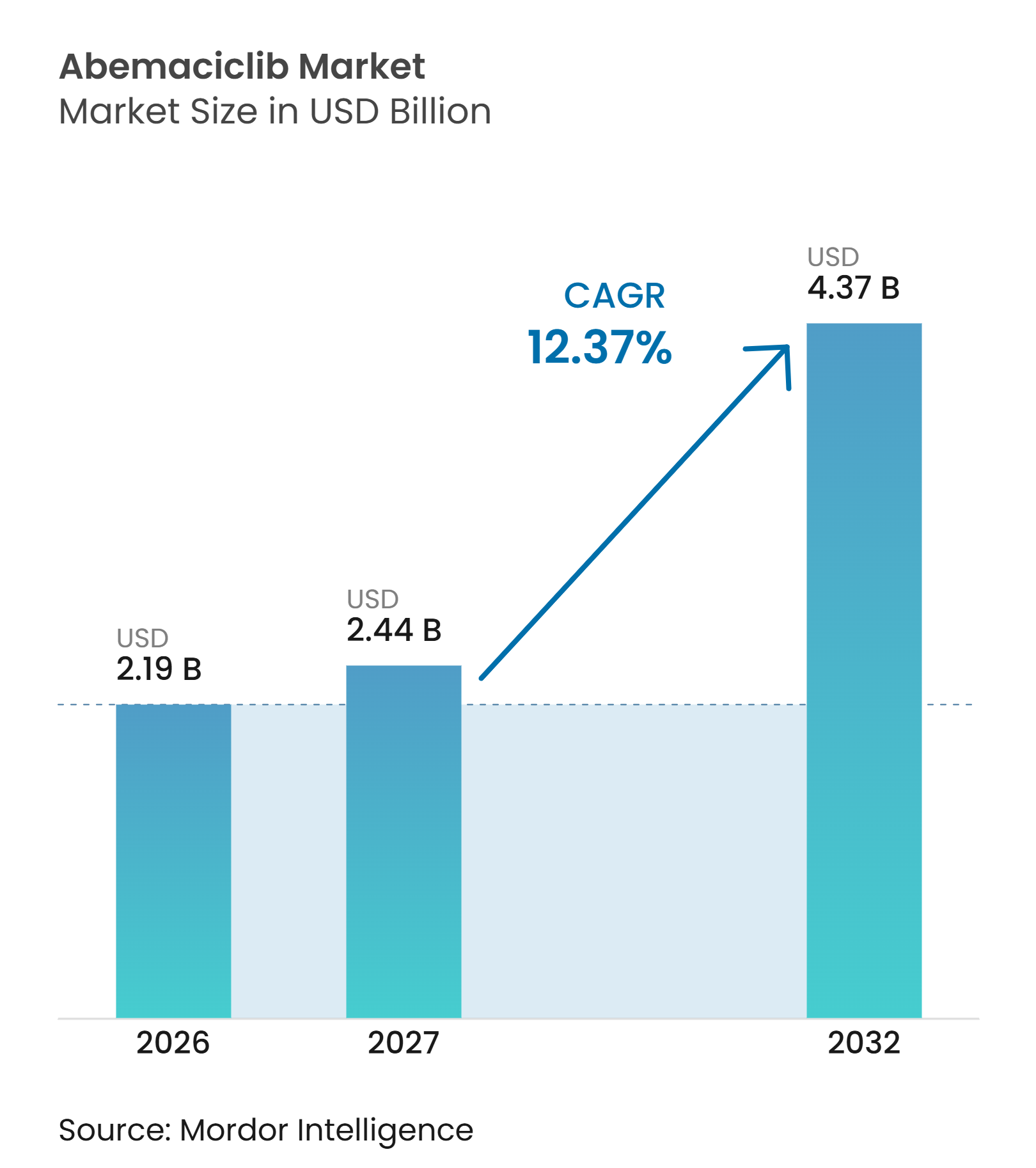
The Abemaciclib Market size is projected to be USD 2.19 billion in 2026, USD 2.44 billion in 2027, and reach USD 4.37 billion by 2032, growing at a CAGR of 12.37% from 2027 to 2032.
Growth rests on the expansion of adjuvant treatment for patients with high-risk, hormone receptor-positive, HER2-negative early breast cancer. Seven-year evidence from monarchE gives clinicians a survival outcome that supports earlier use alongside endocrine therapy. The abemaciclib market also benefits from oral administration, which supports treatment outside infusion centers when monitoring is in place. Biomarker-guided sequencing and the imlunestrant combination broaden the role of the therapy in ESR1-mutated advanced disease. Reimbursement restrictions, dose-management needs, and rivalry from other CDK4/6 inhibitors will continue to shape access and prescribing decisions.
Key Report Takeaways
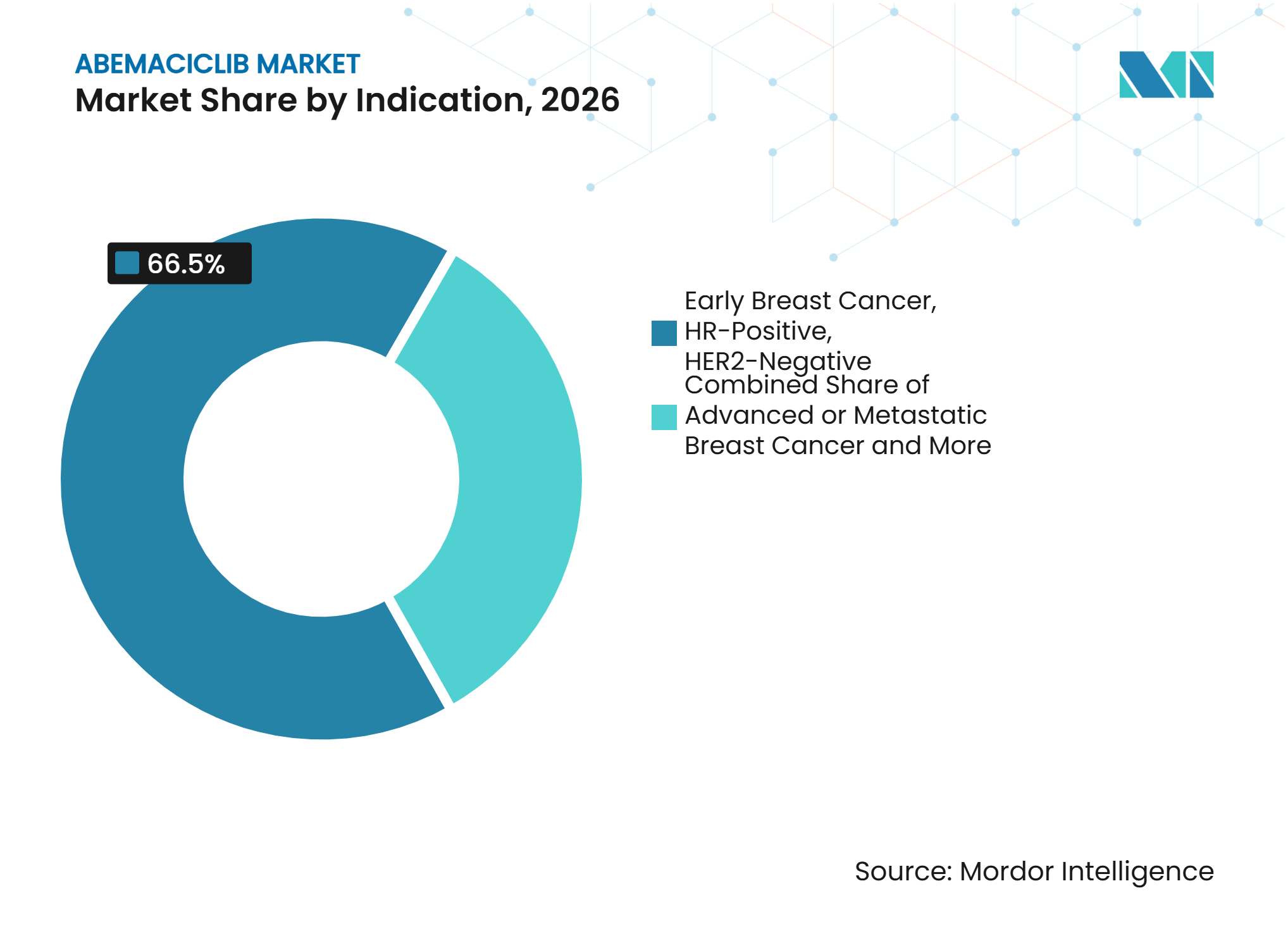
- By indication, early HR-positive, HER2-negative breast cancer held 66.45% of abemaciclib treatment revenue in 2026, while advanced or metastatic HR-positive, HER2-negative breast cancer is forecast to grow at a 14.67% CAGR through 2032.
- By dosage strength, 50 mg accounted for 31.34% of the market value for abemaciclib in 2026 and is forecast to grow at a 13.21% CAGR through 2032.
- By therapy type, monotherapy held 80.83% of abemaciclib treatment revenue in 2026, while combination therapy is forecast to grow at a 14.19% CAGR through 2032.
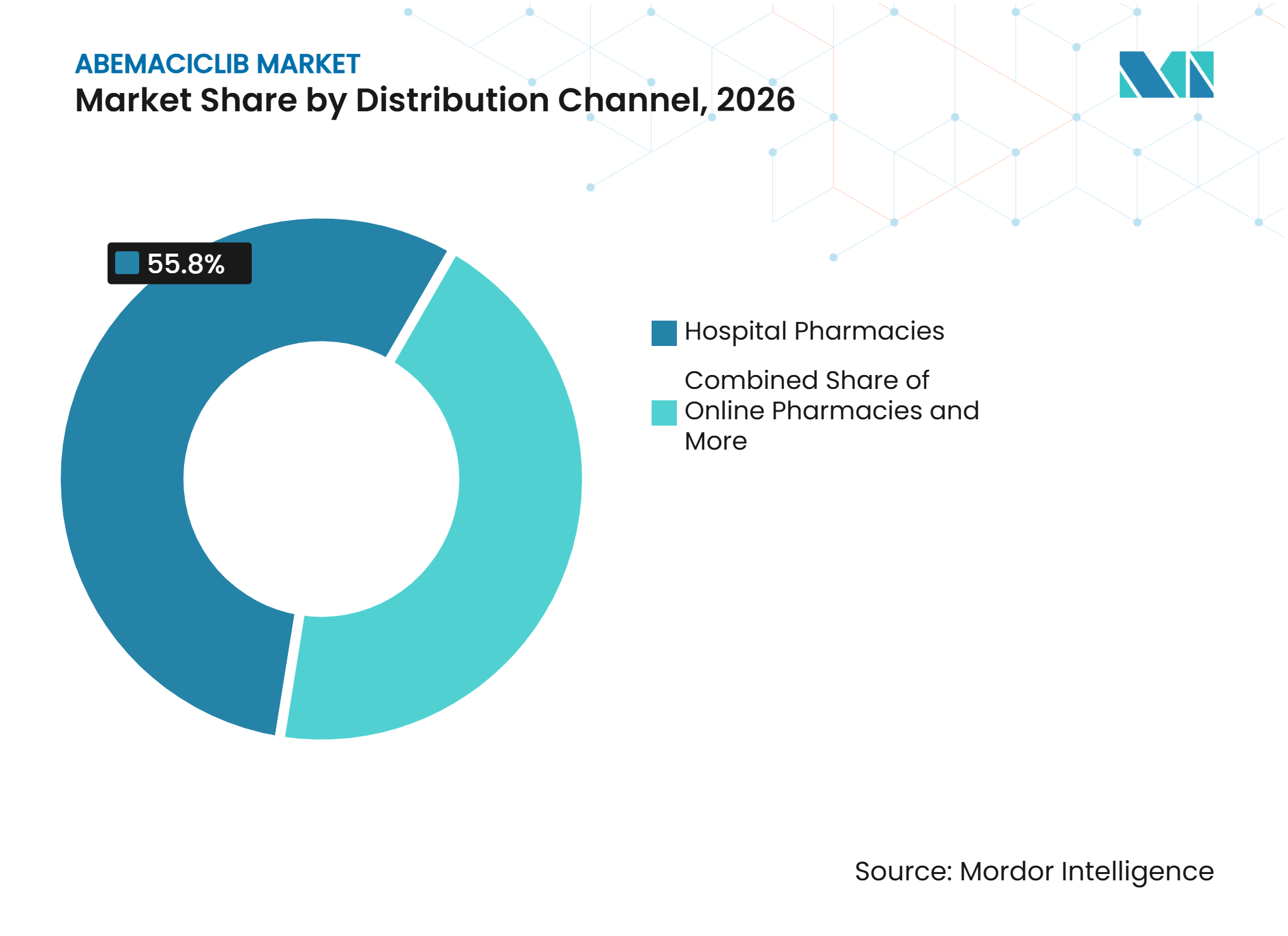
- By distribution channel, hospital pharmacies held 55.79% of the market value for abemaciclib in 2026, while online pharmacies are forecast to grow at a 13.63% CAGR through 2032.
- By end user, comprehensive cancer hospitals held 40.19% of abemaciclib treatment revenue in 2026, while private oncology clinics are forecast to grow at a 14.13% CAGR through 2032.
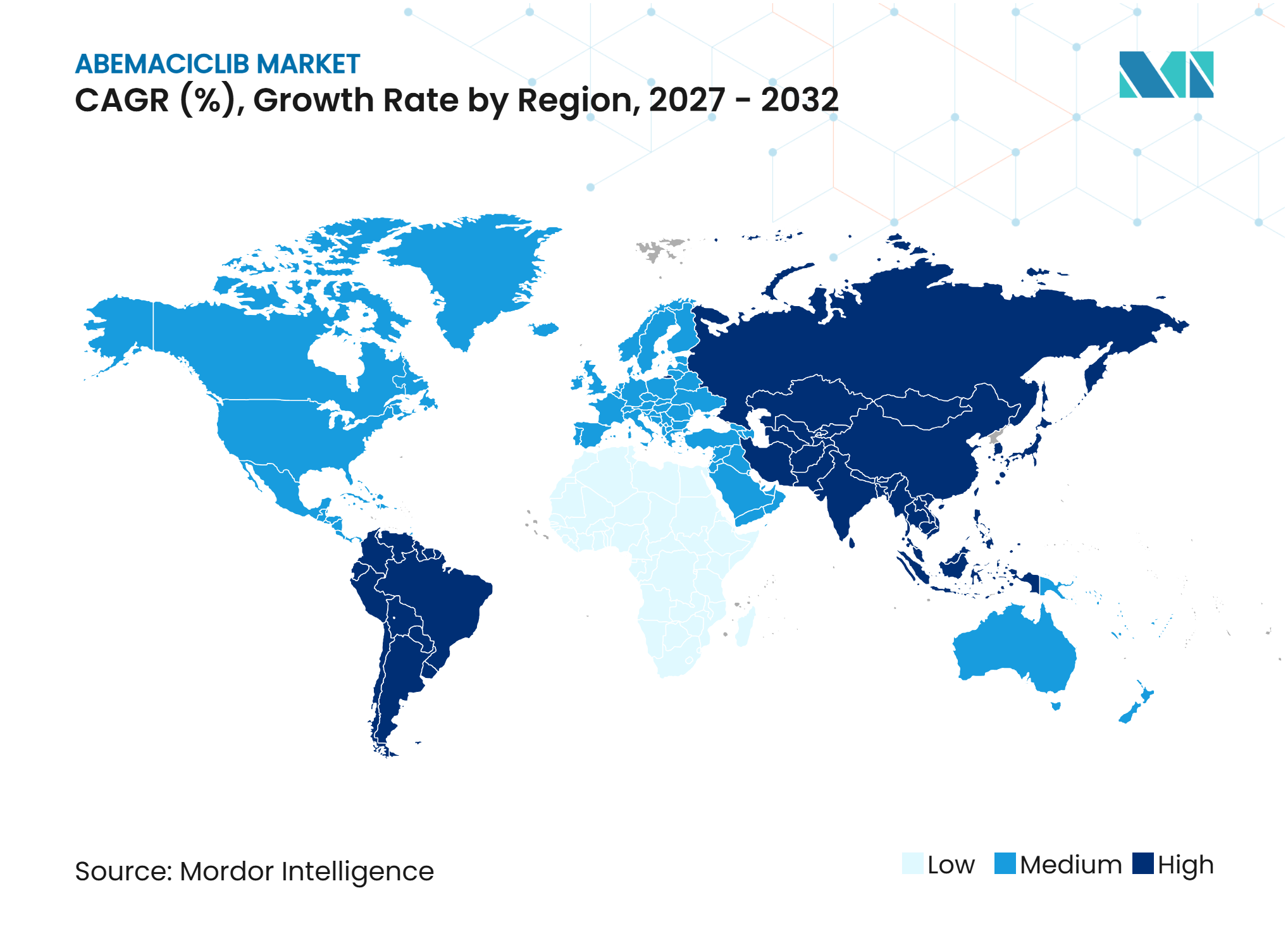
- By geography, North America held 49.89% of abemaciclib treatment revenue in 2026, while Asia-Pacific is forecast to grow at a 13.45% CAGR through 2032.
Note: Market numbers in this report are based on Mordor Intelligence's proprietary estimation framework, which combines nine months of actuals with Q4 projections for base year 2026.
Market Trends and Insights
Drivers Impact Analysis of Abemaciclib Market*
| Driver | (~) % Impact on CAGR Forecast | Geographic Relevance | Impact Timeline |
|---|---|---|---|
| Expansion of Adjuvant Treatment in High-Risk Early Breast Cancer | +3.2% | Global, with early gains in North America and Europe | Long term (≥ 4 years) |
| Rising Adoption of Oral Targeted Oncology Therapies | +2.1% | Global, highest adoption in North America and Western Europe | Medium term (2-4 years) |
| Increasing Use of Biomarker-Driven Treatment Pathways | +1.8% | North America and EU, emerging in core Asia-Pacific markets | Medium term (2-4 years) |
| Earlier Diagnosis and Treatment of HR-Positive, HER2-Negative Breast Cancer | +1.4% | Global, with spillover to South America and MEA | Long-term (≥ 4 years) |
| Greater Prescriber Confidence From Long-Term monarchE Evidence | +1.3% | Global, with early gains in North America, Europe, and Japan | Short term (≤ 2 years) |
| China Commercialization and Reimbursement Expansion | +1.5% | China, with spillover to Southeast Asia and South Korea | Medium term (2-4 years) |
| Source: Mordor Intelligence | |||
Expansion of Adjuvant Treatment in High-Risk Early Breast Cancer
Adjuvant treatment in high-risk, node-positive early breast cancer remains the central demand driver for the abemaciclib market. Treatment in this setting continues for 2 years, creating a longer treatment window than the median therapy cycle in metastatic care. The monarchE primary overall survival analysis reported a 15.8% reduction in the risk of death with abemaciclib plus endocrine therapy compared with endocrine therapy alone. Median follow-up was 76.2 months, and the reported hazard ratio was 0.842 with a 95% confidence interval of 0.722 to 0.981[1]. Seven-year invasive disease-free survival was 77.4% with abemaciclib and 70.9% with the control regimen, while distant relapse-free survival was 80.0% and 74.9%, respectively.
The survival result gives formulary committees a stronger basis for funding an adjuvant therapy. It also favors treatment initiation for patients who previously might have received endocrine therapy alone. The abemaciclib market can therefore draw demand from earlier treatment decisions rather than only from recurrent disease. The evidence distinguishes abemaciclib from CDK4/6 therapies that have not established the same adjuvant survival result. Lilly reported that the result was submitted to health authorities globally after the 2025 readout.
Rising Adoption of Oral Targeted Oncology Therapies
Oral targeted therapies support a treatment model that does not depend on infusion-center capacity. Abemaciclib is taken twice daily, which enables community oncology practices to manage treatment outside hospital infusion settings. This format can make therapy more accessible when prescribers, pharmacists, and patients can coordinate monitoring. The abemaciclib market is supported by specialty pharmacy and telepharmacy channels that can arrange medication delivery and refill support. NCODA described medically integrated dispensing pharmacies within oncology practices as a preferred route for oral oncology medicines. This operating model aligns dispensing with dose changes, adverse-event counseling, and laboratory review.
The distribution model is important because diarrhea, neutropenia, and blood-count monitoring still require clinical oversight. Oral treatment does not remove the need for a coordinated care pathway. It shifts more of the patient experience to pharmacy and community settings. The abemaciclib market has room to grow where integrated dispensing improves adherence while maintaining contact with the prescribing team. Private oncology clinics and online pharmacies show the strongest forecast growth among their respective user and channel groups. This pattern reflects the move toward structured outpatient management rather than a complete transfer of care away from oncology specialists.
Biomarker-Guided Care and Long-Term Clinical Confidence
Biomarker-guided treatment creates a defined role for the abemaciclib market as treatment changes in advanced breast cancer. In SERENA-6, ctDNA-guided detection of emerging ESR1 mutations supported a preemptive switch to camizestrant while patients continued a CDK4/6 inhibitor. The trial reported a 56% reduction in the risk of progression or death compared with continuation of the original regimen. Median progression-free survival was 16.0 months with the switch strategy and 9.2 months with continued treatment. The approach supports continued CDK4/6 inhibition as endocrine therapy is adjusted.
Real-world multi-omics work also found that ESR1 mutation prevalence increased from 5% before treatment to 21% after progression on CDK4/6 inhibitors. In September 2026, the FDA approved imlunestrant with abemaciclib for ESR1-mutated locally advanced or metastatic breast cancer, together with Guardant360 CDx as a companion diagnostic. The long-term monarchE dataset further strengthens physician confidence in adjuvant use across patient subgroups. Updated evidence showed consistent invasive disease-free survival benefit across age, menopausal status, prior chemotherapy, and geographic subgroups. This broader evidence base may reduce uncertainty when clinicians balance treatment benefit against dosing and tolerability demands.
Earlier Diagnosis, China Access, and Reimbursement Expansion
Earlier identification of hormone receptor-positive, HER2-negative breast cancer enlarges the group assessed for adjuvant therapy. Global breast cancer incidence creates a large clinical base for the abemaciclib market, while diagnosis patterns determine whether eligible patients enter treatment before recurrence. A 2025 analysis recorded 2.3 million new female breast cancer cases worldwide in 2022 and reported that hormone receptor-positive disease represents 70% to 80% of diagnoses. The same analysis indicated that breast cancer deaths could rise substantially by 2050, especially in lower-income settings. Better early detection can move demand toward the adjuvant setting, where treatment duration is longer.
China provides the abemaciclib market with a separate access pathway through commercial infrastructure and national reimbursement. In June 2026, Innovent and Lilly agreed that Innovent would hold sole mainland China commercialization rights for Verzenios across approved indications, while Lilly retained manufacturing, supply, and development responsibilities. The agreement connects Lilly's supply capacity with Innovent's oncology commercial presence. NRDL Class B renewal maintained nationwide reimbursement across early and advanced breast cancer indications. These developments support access in China and may influence adoption in nearby markets as local oncology pathways mature.
Restraints Impact Analysis of Abemaciclib Market*
| Restraint | (~) % Impact on CAGR Forecast | Geographic Relevance | Impact Timeline |
|---|---|---|---|
| High Treatment Cost and Reimbursement Restrictions | -1.8% | Global, most acute in emerging economies and Southern and Eastern Europe | Medium term (2-4 years) |
| Competition From Other CDK4/6 Inhibitors | -2.1% | Global, most intense in North America and Western Europe | Short term (≤ 2 years) |
| Diarrhea, Neutropenia, and Dose-Modification Burden | -0.9% | Global, with higher incidence in Asian patient populations | Long term (≥ 4 years) |
| Twice-Daily Chronic-Dosing and Monitoring Burden | -0.7% | Global, particularly in community and rural settings | Medium term (2-4 years) |
| Source: Mordor Intelligence | |||
High Treatment Cost and Reimbursement Restrictions
Treatment cost remains a material barrier to real-world uptake in the abemaciclib market. A 2025 UK cost-effectiveness model estimated an incremental cost-effectiveness ratio of GBP 52,317 per quality-adjusted life year for abemaciclib plus endocrine therapy compared with endocrine therapy alone. This result exceeded the standard NICE willingness-to-pay threshold at list prices. The model also recognized that adjuvant treatment can reduce later costs associated with metastatic disease. Price and reimbursement negotiations therefore remain critical to broad access.
Health technology assessment bodies evaluate evidence differently across markets. NICE, the Canadian Drug Agency, and France's HAS may delay adjuvant coverage while they assess mature survival outcomes. This creates a timing gap between regulatory authorization and funded patient access. In emerging markets, out-of-pocket costs can exclude many clinically eligible patients even after approval. China provides a contrasting case, where NRDL-negotiated pricing expanded access and supported affordability. The abemaciclib market will remain sensitive to payer decisions because a 2-year adjuvant regimen carries a substantial budget commitment.
Competition From Other CDK4/6 Inhibitors and Treatment Burden
Competition from other CDK4/6 inhibitors limits the ability of the abemaciclib market to convert every eligible patient. Ribociclib gained FDA approval for high-risk early breast cancer in September 2024, and its label includes some node-negative patients. In China, several domestic CDK4/6 inhibitors entered the competitive setting during 2025. This growing choice can increase payer leverage and accelerate price pressure before the Chinese patent expiry in 2029. It also changes the evidence and access comparisons made by clinicians and health systems.
Tolerability and treatment routines create a second restraint. Diarrhea, neutropenia, and dose modification can cause interruptions or a move from higher strengths to lower strengths. A 2025 real-world study reported dose reduction among 20% to 29% of patients receiving adjuvant treatment. Twice-daily dosing and regular complete blood count monitoring can be harder to sustain in community and rural settings. These burdens favor providers that can combine oncology care, pharmacy services, and patient education. They also affect the mix of dosage strengths that pharmacies must stock for continuing therapy.
*Our forecasts treat driver/restraint impacts as directional, not additive. The impact forecasts reflect baseline growth, mix effects, and variable interactions.
Abemaciclib Market Segment Analysis
By Indication:
Adjuvant Use Anchors Revenue While Advanced Disease AcceleratesEarly HR-positive, HER2-negative breast cancer accounted for 66.45% of abemaciclib treatment revenue in 2026. The abemaciclib market benefits from the strength of the monarchE label and the 2-year treatment duration in the adjuvant setting. The market value for abemaciclib for this indication benefits from a longer revenue window than the typical metastatic treatment cycle. Seven-year invasive disease-free survival reached 77.4% with abemaciclib and endocrine therapy, compared with 70.9% for endocrine therapy alone. The continuing absolute benefit supports use in academic oncology centers and national treatment pathways.
Advanced or metastatic HR-positive, HER2-negative breast cancer is forecast to grow at a 14.67% CAGR through 2032. FDA approval of imlunestrant plus abemaciclib in September 2026 established a new option for ESR1-mutated locally advanced or metastatic disease. In EMBER-3, the combination reduced the risk of progression by 41% compared with imlunestrant alone across all patients. In the ESR1-mutated subgroup, median progression-free survival was 11.1 months with the combination and 5.5 months with imlunestrant alone. Other indications remain smaller, although the SARC041 study in dedifferentiated liposarcoma points to a possible future expansion beyond breast cancer.



By Dosage Strength:
50 mg Leads in Share and GrowthThe 50 mg strength held 31.34% of abemaciclib treatment revenue in 2026 and is forecast to grow at a 13.21% CAGR through 2032. It serves as a starting dose for some patients with gastrointestinal sensitivity or mild hepatic impairment. It is also a common maintenance strength after a dose reduction from 150 mg. Real-world evidence presented in 2025 identified dose reductions in 20% to 29% of adjuvant patients[2]. These treatment patterns give the 50 mg format a central role in sustained therapy.
The abemaciclib market retains demand for the 150 mg strength because it is the standard initial adjuvant dose. The 100 mg strength functions as an intermediate step when treatment is adjusted. The 200 mg strength is used for monotherapy in heavily pretreated metastatic disease and remains a narrower volume segment. The abemaciclib market must support inventory across all dosage strengths because dose changes are common. Higher-strength demand may become more relevant as imlunestrant combinations expand in comprehensive cancer systems. This calls for pharmacy stock planning that can respond to patient-specific tolerability and regimen changes.
By Therapy Type:
Monotherapy Retains Scale While Combinations Gain GroundMonotherapy accounted for 80.83% of abemaciclib treatment revenue in 2026. Abemaciclib is the only CDK4/6 inhibitor approved for both monotherapy and combination use in HR-positive, HER2-negative advanced breast cancer. Its CDK4 selectivity supports continuous daily dosing without the rest periods associated with neutropenia management for some other agents. This makes monotherapy relevant for heavily pretreated patients whose endocrine sensitivity has declined. The leading position therefore reflects an established clinical role in later-line care.
Combination therapy is forecast to grow at a 14.19% CAGR through 2032. The market value for abemaciclib for combination treatment is supported by imlunestrant and the continuing study of endocrine sequencing strategies. SERENA-6 showed that continued CDK4/6 inhibition with a switch in endocrine partner can reduce progression risk after an ESR1 mutation emerges. Lilly also presented post-MONARCH overall survival data for abemaciclib plus fulvestrant after prior CDK4/6 inhibitor progression at ESMO 2026. Formal guidance in Japan, Germany, and France will influence how quickly approved doublets become routine in treatment sequences.
By Distribution Channel:
Hospital Pharmacies Lead While Online Pharmacies ExpandHospital pharmacies held 55.79% of abemaciclib treatment revenue in 2026. Their position reflects the concentration of prescribing in specialized oncology settings and the need for close monitoring when therapy starts. Integrated teams can manage dose adjustments, laboratory testing, adherence, and adverse-event counseling within one care pathway. This structure is particularly useful for patients beginning a twice-daily regimen. The abemaciclib market continues to rely on hospitals where complex clinical coordination is needed. Hospital-based dispensing also supports direct communication between oncology pharmacists and prescribers.
Online pharmacies are forecast to grow at a 13.63% CAGR through 2032. This growth is supported by regulated telepharmacy expansion and patient demand for home delivery of oral medicines. Apo.com Group reported 75% growth in prescription business during 2025 and doubled daily prescription dispensing capacity to 40,000 packages. Retail pharmacies remain relevant for patients stable on a maintenance dose. Digital channels still depend on clinical oversight because complete blood count monitoring and dose management cannot be separated from dispensing. The strongest models will link home delivery with oncology teams and patient-support services.

By End User:
Comprehensive Hospitals Hold Share While Private Clinics GrowComprehensive cancer hospitals held 40.19% of abemaciclib treatment revenue in 2026. These hospitals bring together medical oncology, genomic testing, pathology review, and multidisciplinary tumor boards. Patients eligible for monarchE-based treatment often receive staging and biomarker assessment in these settings. The abemaciclib market therefore depends on institutions able to evaluate node status, tumor grade, and other clinical criteria. Academic oncology centers also influence treatment patterns through clinical trials and specialist opinion. Government and public hospitals carry major patient volumes in China, India, and Brazil, where public reimbursement affects access and pricing.
Private oncology clinics are forecast to grow at a 14.13% CAGR through 2032. Community oncology consolidation in the United States has created private networks that can manage oral therapy protocols and companion biomarker testing. The expansion of adjuvant treatment also supports follow-up in clinics for patients who are stable after surgery. Home-based oncology care remains a smaller end-user category. It is becoming more feasible for maintenance-dose patients with established tolerability and remote monitoring support. This shift can extend care capacity while preserving a link between blood-count results, pharmacy support, and prescribing teams.
Geography Analysis
North America
North America held 49.89% of abemaciclib treatment revenue in 2026. The United States is the originator market for the abemaciclib market and has a developed reimbursement framework for CDK4/6 therapies. This clinical base supports established use across adjuvant and metastatic settings. In Canada, Quebec added 2 metastatic indications for Verzenio to its public reimbursement list effective May 28, 2026, following pan-Canadian pCPA negotiations. The decision covered use with a nonsteroidal aromatase inhibitor as initial endocrine therapy and use with fulvestrant after progression. Ribociclib's broader adjuvant label constrains North American growth, but overall survival evidence gives abemaciclib a renewed point of differentiation for regulators and payers.
Asia-Pacific
Asia-Pacific is forecast to grow at a 13.45% CAGR through 2032, making it the fastest-growing geography in the abemaciclib market. China combines national reimbursement coverage with a large hospital-based oncology network. The June 2026 Innovent-Lilly agreement gave Innovent commercialization rights for Verzenios in mainland China across approved indications. China also maintained NRDL Class B reimbursement across early and advanced breast cancer indications. In the monarchE Asian cohort, invasive disease-free survival benefit was consistent, and 86% of patients completed the full 2-year course, compared with 80% in the non-Asian cohort. India and South Korea remain secondary growth markets as early detection and CDK4/6 experience increase, although broader public reimbursement is still developing.
Europe, the Middle East and Africa, and South America
Europe is shaped by national health technology assessment systems rather than a single reimbursement model. Germany's AMNOG process has allowed faster post-approval commercialization than the NICE process in England. France's HAS and Italy's AIFA assess clinical benefit using their own frameworks, and survival outcomes can carry greater weight than disease-free survival alone. ESMO awarded adjuvant abemaciclib a clinical benefit score of A, which supports payer evaluation of wider access. The Middle East and Africa remain at an earlier access stage, with Gulf Cooperation Council markets better placed because of private payer coverage and specialist training. A 2026 budget impact analysis in Qatar supported a structured framework that included abemaciclib alongside ribociclib. South America, led by Brazil and Argentina, continues to face affordability barriers, while Brazil's SUS processes remain an avenue for future oncology access.
Competitive Landscape
Market Concentration
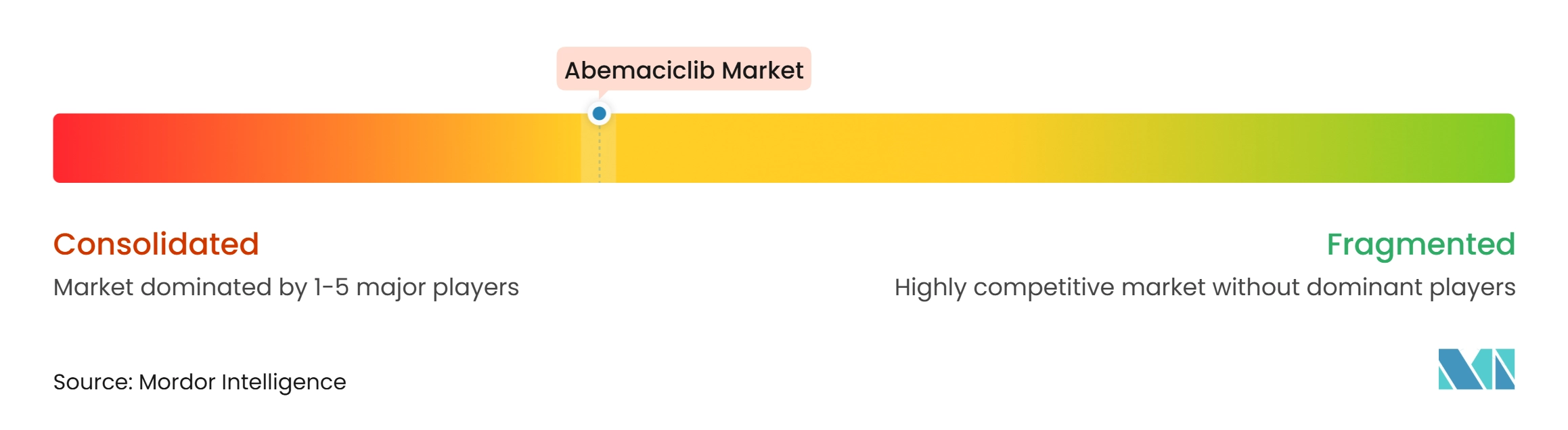
Eli Lilly holds global manufacturing authorization and exclusive intellectual property for the branded molecule. This gives the abemaciclib market a concentrated innovator structure before generic entry. The commercial setting is less concentrated at the therapy-class level because palbociclib and ribociclib compete in metastatic disease. Ribociclib's broader U.S. adjuvant approval has intensified competition for patients beginning treatment. Lilly's adjuvant survival evidence and its imlunestrant combination provide important clinical differentiation.
Lilly's September 2026 launch of imlunestrant with abemaciclib created an option that strengthens the abemaciclib market for ESR1-mutated advanced or metastatic breast cancer. The EMBER-3 result showed a median progression-free survival of 11.1 months in the ESR1-mutated subgroup treated with the combination. Lilly also presented post-MONARCH overall survival results for abemaciclib plus fulvestrant after prior CDK4/6 inhibitor progression at ESMO 2026. In China, Lilly entered the Innovent commercialization agreement to extend local commercial reach while retaining supply and development responsibilities. These actions link evidence generation, companion diagnostics, and local distribution.
Generic developers are preparing for the Chinese and U.S. patent expiries. Jiangxi Kerui Pharmaceutical received the first Chinese generic approval in May 2026 on a Class 3 basis. Shandong Bionuo filed a third NDA for generic abemaciclib tablets in May 2026, following filings by Qilu Pharmaceutical and Jiangxi Kerui. The abemaciclib market is likely to see greater price competition as these filings move closer to commercialization. Technology-based adherence support and companion diagnostic workflows can help the innovator protect service quality. These capabilities are most relevant where specialty pharmacies and oncology practices share patient monitoring information.
Abemaciclib Industry Leaders
-
Eli Lilly and Company
-
Innovent Biologics, Inc.
-
Qilu Pharmaceutical Co. Ltd
-
Sandoz Group AG
-
Shanghai Fosun Pharmaceutical (Group) Co. Ltd
- *Disclaimer: Major Players sorted in no particular order
Abemaciclib Market Companies Covered in this Report
- Accord Healthcare Limited
- Aurobindo Pharma
- Cipla
- Dr. Reddy’s Laboratories Limited
- Eli Lilly and Company
- Hetero Labs Limited
- Hikma Pharmaceuticals
- Innovent Biologics, Inc.
- Jiangsu Hengrui Pharmaceuticals Co. Ltd
- Lupin
- Natco Pharma Limited
- Qilu Pharmaceutical Co. Ltd
- Qingfeng Pharmaceutical Group Co. Ltd
- Sandoz Group AG
- Shanghai Fosun Pharmaceutical (Group) Co. Ltd
- Sun Pharmaceuticals Industries
- Teva Pharmaceutical Industries
- Viatris
- Zhejiang Hisun Pharmaceutical Co. Ltd
Recent Industry Developments in Abemaciclib Market
- September 2026: The US FDA granted full approval to imlunestrant, Inluriyo, in combination with abemaciclib, Verzenio, for adults with ER-positive, HER2-negative, ESR1-mutated locally advanced or metastatic breast cancer progressing after at least 1 line of endocrine therapy. The EMBER-3 Phase 3 trial confirmed the combination doubled median progression-free survival to 11.1 months versus 5.5 months on imlunestrant alone among ESR1-mutated patients. Guardant360 CDx was approved as the companion diagnostic.
- September 2026: Lilly presented post-MONARCH overall survival data from the Phase 3 trial of abemaciclib plus fulvestrant in HR-positive, HER2-negative advanced breast cancer after CDK4/6 inhibitor progression at the 2026 ESMO Annual Congress.
Global Abemaciclib Market Report Scope
As per the report's scope, abemaciclib is an oral cyclin-dependent kinase 4 and 6 inhibitor used in the treatment of hormone receptor-positive, human epidermal growth factor receptor 2-negative breast cancer. The report covers treatment use across early, advanced, and metastatic disease settings, as well as the related dosage strengths, therapy types, distribution channels, and end-user settings involved in prescribing, dispensing, and monitoring abemaciclib.
The abemaciclib market is segmented by indication, dosage strength, therapy type, distribution channel, and end user. By indication, the market is segmented into early breast cancer, HR-positive, HER2-negative, advanced or metastatic breast cancer, HR-positive, HER2-negative, and other indications. By dosage strength, the market is segmented into 50 mg, 100 mg, 150 mg, and 200 mg. By therapy type, the market is segmented into monotherapy and combination therapy. By distribution channel, the market is segmented into hospital pharmacies, retail pharmacies, and online pharmacies. By end user, the market is segmented into academic oncology centers, comprehensive cancer hospitals, private oncology clinics, government and public hospitals, and home-based oncology care.
By geography, the market is segmented into North America, Europe, Asia-Pacific, the Middle East and Africa, and South America. The market report also covers estimated market sizes and trends for 17 countries across major regions worldwide. The report offers market size and forecasts in value (USD) for the above segments.
Segmentation Overview
| Early Breast Cancer, HR-Positive, HER2-Negative |
| Advanced or Metastatic Breast Cancer, HR-Positive, HER2-Negative |
| Other Indications |
| 50 mg |
| 100 mg |
| 150 mg |
| 200 mg |
| Monotherapy |
| Combination Therapy |
| Hospital Pharmacies |
| Retail Pharmacies |
| Online Pharmacies |
| Academic Oncology Centers |
| Comprehensive Cancer Hospitals |
| Private Oncology Clinics |
| Government and Public Hospitals |
| Home-Based Oncology Care |
| North America | United States |
| Canada | |
| Mexico | |
| Europe | Germany |
| United Kingdom | |
| France | |
| Italy | |
| Spain | |
| Rest of Europe | |
| Asia-Pacific | China |
| Japan | |
| India | |
| Australia | |
| South Korea | |
| Rest of Asia-Pacific | |
| Middle East and Africa | GCC |
| South Africa | |
| Rest of Middle East and Africa | |
| South America | Brazil |
| Argentina | |
| Rest of South America |
| By Indication | Early Breast Cancer, HR-Positive, HER2-Negative | |
| Advanced or Metastatic Breast Cancer, HR-Positive, HER2-Negative | ||
| Other Indications | ||
| By Dosage Strength | 50 mg | |
| 100 mg | ||
| 150 mg | ||
| 200 mg | ||
| By Therapy Type | Monotherapy | |
| Combination Therapy | ||
| By Distribution Channel | Hospital Pharmacies | |
| Retail Pharmacies | ||
| Online Pharmacies | ||
| By End User | Academic Oncology Centers | |
| Comprehensive Cancer Hospitals | ||
| Private Oncology Clinics | ||
| Government and Public Hospitals | ||
| Home-Based Oncology Care | ||
| By Geography | North America | United States |
| Canada | ||
| Mexico | ||
| Europe | Germany | |
| United Kingdom | ||
| France | ||
| Italy | ||
| Spain | ||
| Rest of Europe | ||
| Asia-Pacific | China | |
| Japan | ||
| India | ||
| Australia | ||
| South Korea | ||
| Rest of Asia-Pacific | ||
| Middle East and Africa | GCC | |
| South Africa | ||
| Rest of Middle East and Africa | ||
| South America | Brazil | |
| Argentina | ||
| Rest of South America | ||
Key Questions Answered in the Report
What is driving growth in abemaciclib treatment?
The therapy is forecast to grow at a 12.37% CAGR through 2032. Earlier use alongside endocrine therapy in high-risk early breast cancer is the main source of demand. The 2025 monarchE overall survival analysis reported a 15.8% lower risk of death with abemaciclib plus endocrine therapy.
What is the leading abemaciclib indication?
Early HR-positive, HER2-negative breast cancer led with a 66.45% share in 2026. The 2-year adjuvant course creates a longer treatment window than typical metastatic treatment cycles. Seven-year invasive disease-free survival was 77.4% with abemaciclib plus endocrine therapy.
Which abemaciclib dosage strength leads demand?
The 50 mg strength held a 31.34% share in 2026 and is forecast to grow at a 13.21% CAGR through 2032. It is used as a starting strength for some patients and as a maintenance strength after treatment-related dose reduction.
Why are combination regimens becoming more important for abemaciclib?
Combination therapy is forecast to grow at a 14.19% CAGR. The FDA approved imlunestrant with abemaciclib for ESR1-mutated advanced or metastatic breast cancer in September 2026. The approval created a companion diagnostic pathway through Guardant360 CDx.
Which region is expanding fastest for abemaciclib?
Asia-Pacific is forecast to grow at a 13.45% CAGR through 2032. China supports expansion through nationwide NRDL reimbursement and the Innovent-Lilly commercialization agreement. The monarchE Asian cohort also showed consistent benefit in this patient population.
What limits broader access to abemaciclib?
Treatment cost, uneven reimbursement, rivalry from other CDK4/6 inhibitors, and dose-management requirements are the main constraints. A UK analysis reported a GBP 52,317 incremental cost-effectiveness ratio per quality-adjusted life year at list prices.