
Candidiasis Market Size and Share
Market Overview
| Study Period | 2020 - 2031 |
|---|---|
| Market Size (2026) | USD 2.96 Billion |
| Market Size (2031) | USD 3.91 Billion |
| Growth Rate (2026 - 2031) | 5.75% CAGR |
| Fastest Growing Market | Asia-Pacific |
| Largest Market | North America |
| Market Concentration | Medium |
Major Players *Disclaimer: Major Players sorted in no particular order Image © Mordor Intelligence. Reuse requires attribution under CC BY 4.0. | |
Candidiasis Market Analysis by Mordor Intelligence
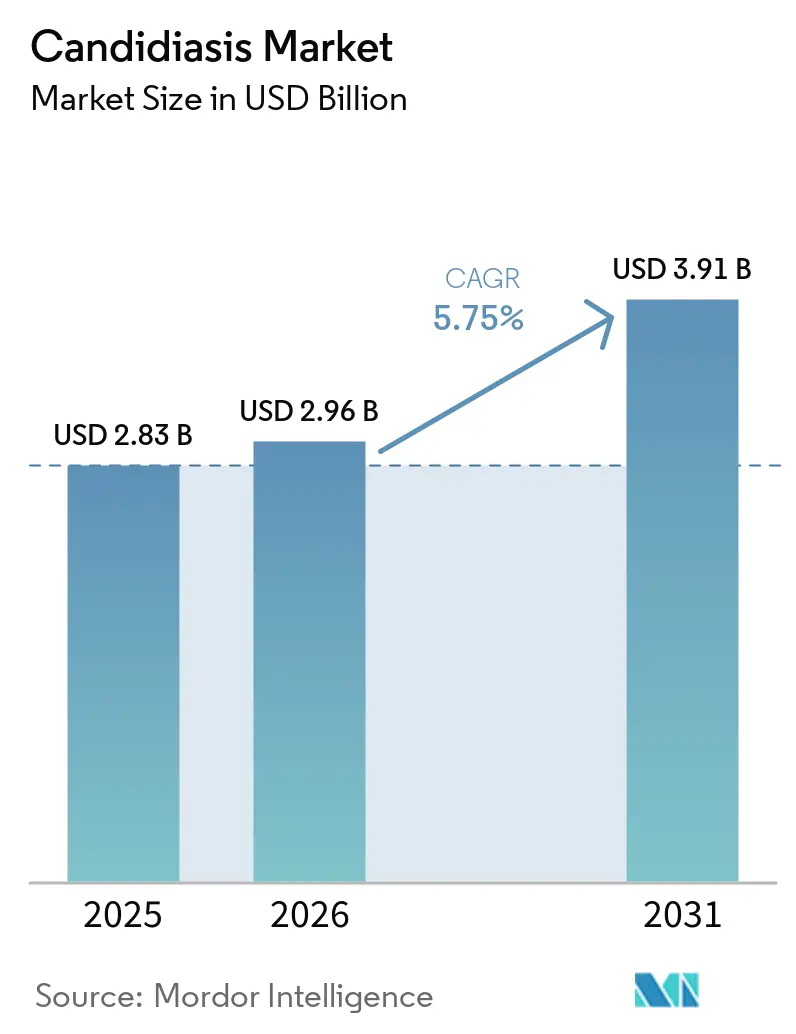
The Candidiasis Market size was valued at USD 2.83 billion in 2025 and is estimated to grow from USD 2.96 billion in 2026 to reach USD 3.91 billion by 2031, at a CAGR of 5.75% during the forecast period (2026-2031).
The candidiasis market is changing because generic azoles continue to serve outpatient care while invasive-care settings use echinocandins and newer medicines with higher per-dose costs. Greater use of immunosuppressive therapies, more healthcare-associated infections, and antifungal resistance are supporting demand for targeted treatments. Hospitals are placing more value on treatment choices that reduce the risk of failure in critically ill patients. This favors companies with novel mechanisms, diagnostic links, and the ability to supply hospital systems. At the same time, generic price pressure in high-volume azole treatments can limit value growth even when infection burden rises.
Key Report Takeaways
By treatment type, antifungal medications held 85.23% revenue share in 2025, while supportive therapy is forecast to grow at a 6.5% CAGR through 2031.
By drug class, azoles held 42.35% revenue share in 2025, while glucan synthase inhibitors are forecast to grow at a 6% CAGR through 2031.
By clinical indication, vulvovaginal candidiasis held 35.56% revenue share in 2025, while invasive candidiasis is forecast to grow at a 6.25% CAGR through 2031.
By route of administration, oral administration held 40.78% revenue share in 2025, while injectables are forecast to grow at a 6.8% CAGR through 2031.
By patient population, adults held 45.66% revenue share in 2025, while immunocompromised patients are forecast to grow at a 5.9% CAGR through 2031.
By end user, hospitals held 45.45% revenue share in 2025, while specialty clinics are forecast to grow at a 6.7% CAGR through 2031.
By distribution channel, hospital pharmacies held 40.23% revenue share in 2025, while online pharmacies are forecast to grow at a 6.3% CAGR through 2031.
Note: Market size and forecast figures in this report are generated using Mordor Intelligence’s proprietary estimation framework, updated with the latest available data and insights as of January 2026.
Global Candidiasis Market Trends and Insights
Drivers Impact Analysis*
| Driver | (~) % Impact on CAGR Forecast | Geographic Relevance | Impact Timeline |
|---|---|---|---|
| Growing Immunocompromised and Critically Ill Patient Pool | +1.5% | Global, concentrated in North America, Europe, and emerging Asia-Pacific | Long term (≥ 4 years) |
| Rising Healthcare-Associated Candidemia and Invasive Candidiasis | +1.2% | Global, with high burden in European ICUs and North American tertiary hospitals | Medium term (2-4 years) |
| Expansion of Rapid Species Identification and Susceptibility Testing | +0.8% | North America and Europe, with adoption moving into core Asia-Pacific markets | Medium term (2-4 years) |
| Mainstream Adoption of Outpatient Oral and Maintenance Therapies | +0.7% | North America, with early gains in Germany, the United Kingdom, and Japan | Short term (≤ 2 years) |
| Increasing Surveillance of Multidrug-Resistant Candida auris | +0.5% | Global, concentrated in North America, Europe, and South Asia | Long term (≥ 4 years) |
| Hospital Network Transmission and Infection-Control Demand | +0.4% | North America and Europe, with rapid spread into core Asia-Pacific markets | Medium term (2-4 years) |
| Source: Mordor Intelligence | |||
Growing Immunocompromised and Critically Ill Patient Pool
The wider use of chemotherapy, biologic medicines, and transplant conditioning has increased the population vulnerable to candidiasis. A 2026 review[1]M. Hoenigl et al., “Invasive Candidiasis in Critically Ill Patients: Fundamental Concepts and Future Directions,” PubMed Central estimated that invasive candidiasis complicated 7 episodes per 1,000 ICU admissions, while noting that diagnostic problems can lead to undercounting. The CDC identifies injection-drug use as a separate pathway for community-onset candidemia in the United States. This pathway extends risk beyond the conventional oncology and transplant populations, bringing younger adults with community-onset disease into a care pathway that can require specialized outpatient intravenous access rather than routine hospital formulary management alone, and the candidiasis market is affected because this broader population does not fit a single inpatient treatment or dispensing pattern. The candidiasis market, therefore, has demand across inpatient care, outpatient intravenous treatment, and oral step-down therapy. These patient groups can require specialized access to antifungals when care shifts outside hospitals, including coordinated pharmacy support, reliable follow-up, and treatment choices that fit the duration and intensity of the infection.
Rising Healthcare-Associated Candidemia and Invasive Candidiasis
Healthcare-associated candidemia remains a serious infection in intensive care settings. A 2026 Italian study[2]T. Giani et al., “Epidemiology, Resistance Patterns, and Outcomes of Candidemia Acquired in Italian Intensive Care Units: Insights From the GIVITI Network,” Critical Care of 179,590 ICU admissions from 2020 through 2024 found 50.3% in-hospital mortality for ICU-acquired candidemia, compared with 34.1% for comparable bacterial bloodstream infections. The study reported fluconazole resistance in 53.7% of Candida parapsilosis isolates, a species responsible for 33% of ICU candidemia episodes. It also reported average ICU stays of 44 days for candidemia and 36 days for bacterial bloodstream infections. The CDC stated that a candidemia episode added USD 6,000 to USD 29,000 in hospitalization costs. These clinical and cost pressures support hospital use of broad-spectrum echinocandins and newer treatments when resistance or treatment failure is a concern, because the financial and clinical effects of prolonged critical care can outweigh savings from an azole-first protocol.
Expansion of Rapid Species Identification and Susceptibility Testing
Faster identification can shorten the time between a suspected bloodstream infection and targeted antifungal therapy. A 2025 Japanese study found that treatment within 72 hours of fever onset was an independent, favorable prognostic factor in candidemia. The BIOFIRE BCID2 Panel identifies Candida species, including C. auris, within 1 hour after a positive blood culture, giving laboratories information that can be used while clinicians reassess the initial treatment plan for each confirmed bloodstream infection and individual patient care setting across clinical settings. The T2Candida Panel detects 5 common Candida species directly from whole blood in 3 to 5 hours without waiting for a positive culture. The FDA cleared the panel for pediatric patients in September 2024. For the candidiasis market, this can support earlier treatment changes and more selective use of premium antifungals, allowing clinicians to move from empirical broad-spectrum coverage to targeted therapy when a species and susceptibility result become available.
Mainstream Adoption of Outpatient Oral and Maintenance Therapies
Dedicated oral maintenance regimens have created a repeat-prescription model for recurrent vulvovaginal candidiasis. Oteseconazole is FDA approved for recurrent vulvovaginal candidiasis, and ibrexafungerp is approved for vulvovaginal candidiasis and recurrent disease. These products serve patients who previously moved through repeated generic azole treatment without a structured maintenance plan. Oteseconazole entered China’s National Reimbursement Drug List in April 2025, which expanded reimbursed access and gave eligible recurrent-disease patients a route to treatment that was not dependent on self-funded specialty dispensing. Rezafungin has a 130-hour pharmacokinetic half-life that enables once-weekly intravenous dosing. A 2025 international guideline also included step-down protocols and newer agents in clinical guidance for invasive Candida infections, which reinforces a treatment model that can move suitable patients from intensive inpatient care to monitored outpatient management.
Restraints Impact Analysis*
| Restraint | (~) % Impact on CAGR Forecast | Geographic Relevance | Impact Timeline |
|---|---|---|---|
| Generic Price Erosion in High-Volume Azole Therapies | -1.2% | Global, most severe in North America and Europe | Short term (≤ 2 years) |
| Limited Antifungal Development Incentives and Lengthy Clinical Trials | -0.8% | Global | Long term (≥ 4 years) |
| Emerging Resistance Reduces the Useful Life of Established Drug Classes | -0.7% | Global, highest impact in North America and Asia-Pacific | Long term (≥ 4 years) |
| Diagnostic Uncertainty Delays Targeted Therapy and Reimbursement | -0.6% | Asia-Pacific, the Middle East and Africa, and South America | Medium term (2-4 years) |
| Source: Mordor Intelligence | |||
Generic Price Erosion in High-Volume Azole Therapies
Fluconazole is available through 63 National Drug Code entries in the United States at USD 0.83 to USD 1.95 per unit. This low-price availability compresses average selling prices in the outpatient portion of the candidiasis market, even when the number of prescriptions and the underlying need for treatment remain significant across common forms of disease. Hospital formularies can retain generic azoles as initial treatments even when susceptibility testing supports a higher-cost alternative. Reimbursement systems do not always reward premium medicines without documented resistance. BARDA’s potential commitment of up to USD 268 million for fosmanogepix shows the role of public support in developing novel antifungal mechanisms. Stewardship policies and payer rules can also require formal resistance evidence before a pharmacy and therapeutics committee supports a premium antifungal, leaving hospitals to balance the price of a newer product against clinical risk and local susceptibility data.
Limited Antifungal Development Incentives and Lengthy Clinical Trials
The antifungal pipeline remains limited relative to the need created by growing resistance. A 2025 scientific review identified ibrexafungerp, rezafungin, olorofim, fosmanogepix, and SUBA-itraconazole as approved or late-stage agents. Phase 3 studies for invasive candidiasis are difficult because eligible patients are critically ill and recruitment windows are narrow. Work involving C. auris also requires specialized biosafety procedures. Basilea’s FAST-IC and FORWARD-IM Phase 3 programs are expected to report topline results in H1 2028. This leaves the candidiasis market dependent on a narrow group of potential treatments, so clinical-stage failures can have an outsized effect on future options, especially when development programs must address resistant Candida strains and critically ill patients at the same time.
*Our forecasts treat driver/restraint impacts as directional, not additive. The impact forecasts reflect baseline growth, mix effects, and variable interactions.
Segment Analysis
By Treatment Type: Antifungal Medications Retain Revenue Leadership While Supportive Care Expands
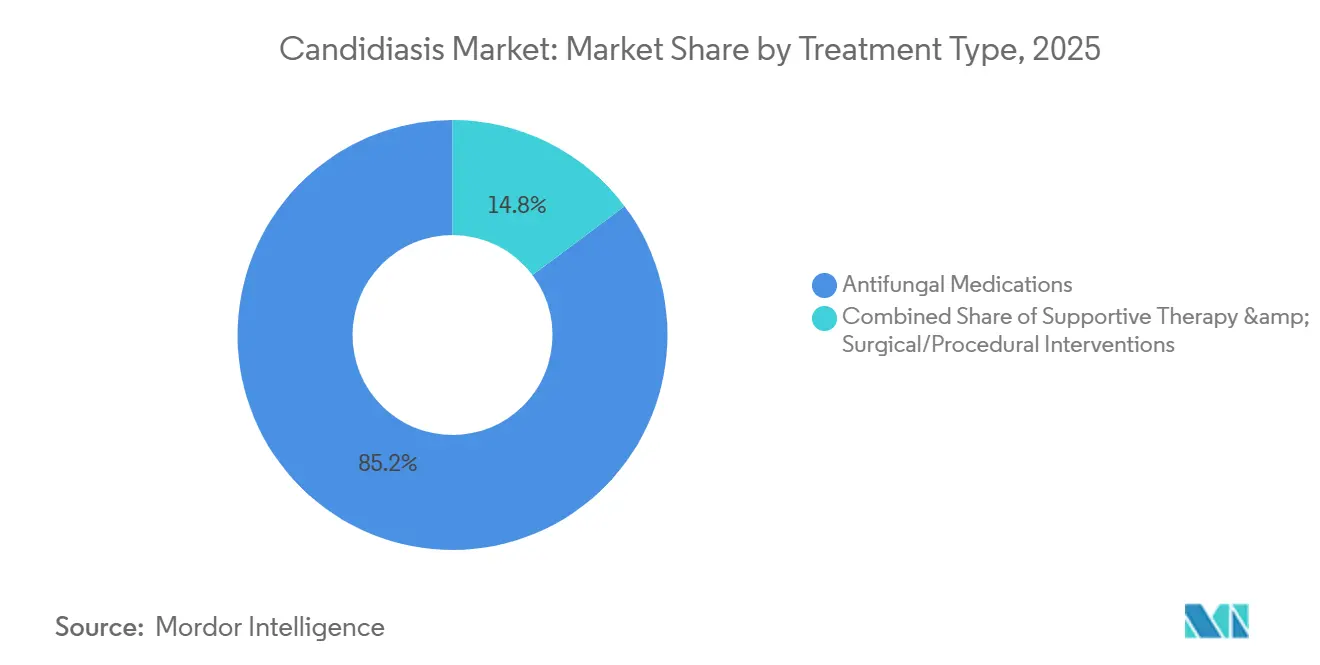
Antifungal medications accounted for 85.23% of the candidiasis market share in 2025, making them the main source of treatment revenue across outpatient cases, hospital care, and severe invasive infections. Supportive therapy is expected to expand at a 6.5% CAGR from 2026 through 2031. A 2026 review reported 57% in-hospital mortality for non-catheter-related candidemia and 42.9% for catheter-related disease. This difference has strengthened attention to catheter management, nutritional support, immune restoration, and source control in high-acuity care, where the clinical team must address infection management alongside the underlying conditions that make the patient vulnerable. The candidiasis market benefits when hospitals view supportive care as part of an integrated infection-management approach.
This creates demand for infection-control products and hospital supply services that sit beside antifungal prescribing. Ibrexafungerp shows how treatment categories are changing because it is an oral triterpenoid that inhibits 1,3-beta-D-glucan synthase. Its oral form differs from lipopeptide echinocandins used in hospital treatment. Surgical and procedural treatment remains a small part of care, mainly when deep peritoneal or cardiac candidiasis requires source control. Treatment selection depends on infection severity, the affected site, diagnostic confirmation, and a patient’s ability to receive medication outside the hospital.



By Drug Class: Azoles Lead Revenue While Glucan Synthase Inhibitors Gain Ground
Azoles held 42.35% of the candidiasis market share in 2025, supported by extensive prescribing of fluconazole and itraconazole. Generic products generate high volume but operate at commodity prices, while newer azoles can have higher pricing in selected invasive-fungal indications. Basilea stated in 2026 that Cresemba was the global revenue leader for invasive fungal infections. Oteseconazole also had FDA exclusivity through 2027 for recurrent vulvovaginal candidiasis. Susceptibility standards from EUCAST and CLSI guide escalation from azoles when resistance breakpoints are reached.
Glucan synthase inhibitors are forecast to grow at a 6% CAGR through 2031 in the candidiasis market. Ibrexafungerp supports this category through its use for vulvovaginal and recurrent vulvovaginal candidiasis. SCYNEXIS reported that SCY-247 received Qualified Infectious Disease Product and Fast Track designations and entered intravenous Phase 1 dosing in February 2026. Echinocandins include caspofungin, micafungin, and anidulafungin, which are guideline-endorsed treatments for invasive candidiasis. Rezafungin adds once-weekly dosing, while polyenes are reserved for severe refractory or pan-resistant infections because nephrotoxicity limits routine use.
Treatment Type
| Antifungal Medications | 85.23% |
| Combined Share of Supportive Therapy & Surgical/Procedural Interventions | 14.77% |
| Source: Mordor Intelligence | |
By Clinical Indication: Vulvovaginal Candidiasis Leads Revenue While Invasive Disease Drives Growth
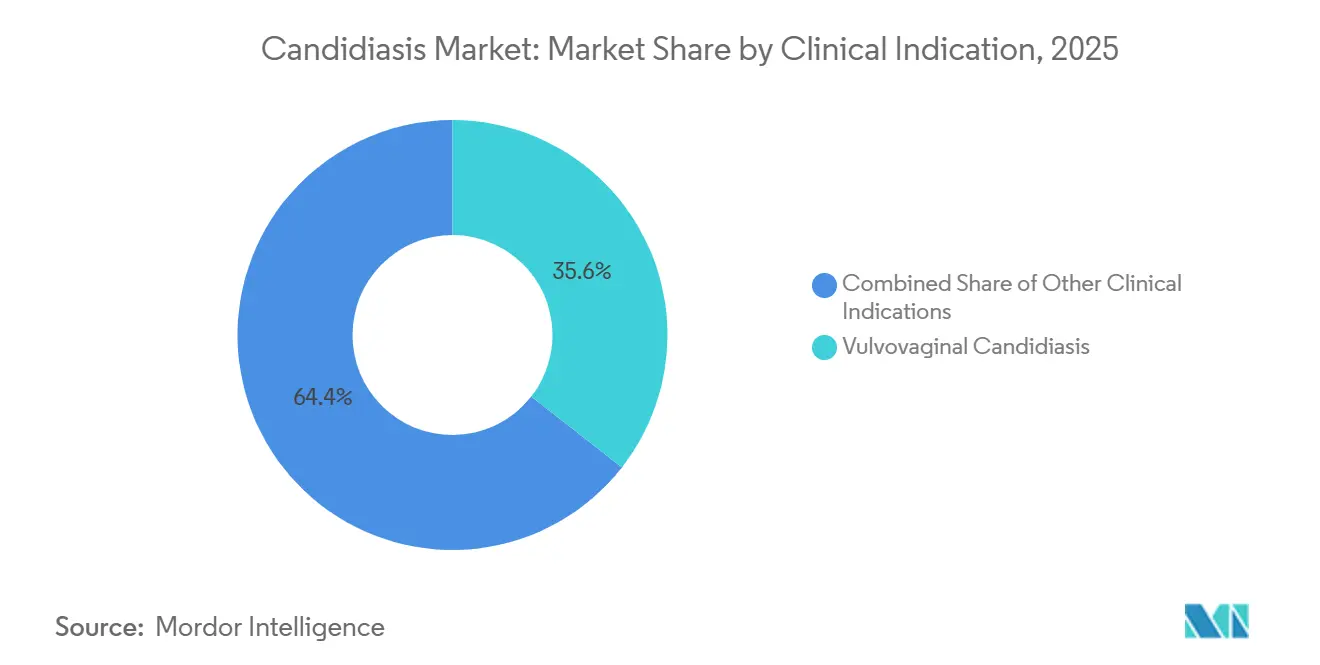
Vulvovaginal candidiasis represented 35.56% of 2025 clinical-indication revenue in the candidiasis market. Its position reflects high prevalence, prescription, and over-the-counter treatment options, and dedicated recurrent-disease products. A 2-year VIOLET Phase 3 extension study published in November 2025 reported sustained efficacy for oteseconazole in recurrent disease. This clinical evidence may support future label updates or specialist prescribing. Oral and oropharyngeal disease remains common among people with HIV and patients receiving immunosuppressive cancer care, while esophageal disease can require systemic treatment when oral disease is more severe.
Invasive candidiasis is forecast to record a 6.25% CAGR from 2026 through 2031. The WHO identifies C. auris as a high-priority fungal pathogen because it can cause invasive disease and show resistance to antifungal medicines. This classification supports institutional attention to susceptibility-guided treatment. Cutaneous and urinary candidiasis are usually managed with topical treatment or short oral azole courses. Systemic and disseminated forms require intravenous antifungals in ICU settings and have the highest per-episode treatment value within the indication range.
By Route of Administration: Oral Formulations Lead Revenue While Injectables Expand Faster
Oral administration accounted for 40.78% of candidiasis market revenue in 2025. This reflects broad azole use and growing adoption of oral triterpenoids for vulvovaginal candidiasis. The injectable segment is forecast to grow at a 6.8% CAGR from 2026 through 2031, supported by intravenous echinocandin use in ICUs and prophylaxis in hematopoietic stem cell transplantation programs. Mundipharma reported in April 2026 that rezafungin produced 60.7% fungal-free survival at Day 90, compared with 59% for standard antimicrobial regimens, in the ReSPECT trial. The company planned an FDA supplemental application in H2 2026, which shows the continuing focus on prophylaxis for patients who may need prolonged protection during transplant-related care.
The candidiasis market also has a potential oral step-down opportunity in a setting that has been dominated by injectable therapy. SCYNEXIS expects oral Phase 2 proof-of-concept data for SCY-247 in invasive candidiasis in 2026. Topical medicines such as clotrimazole, miconazole, and econazole serve mild cutaneous and mucosal disease through a generic, over-the-counter revenue base. Vaginal formulations include creams and prescription suppositories. Their growth is moderate as recurrent vulvovaginal candidiasis patients move to oral maintenance treatment, which can shift dispensing toward prescription-led care.
By Patient Population: Adults Lead Spending While Immunocompromised Patients Grow Fastest
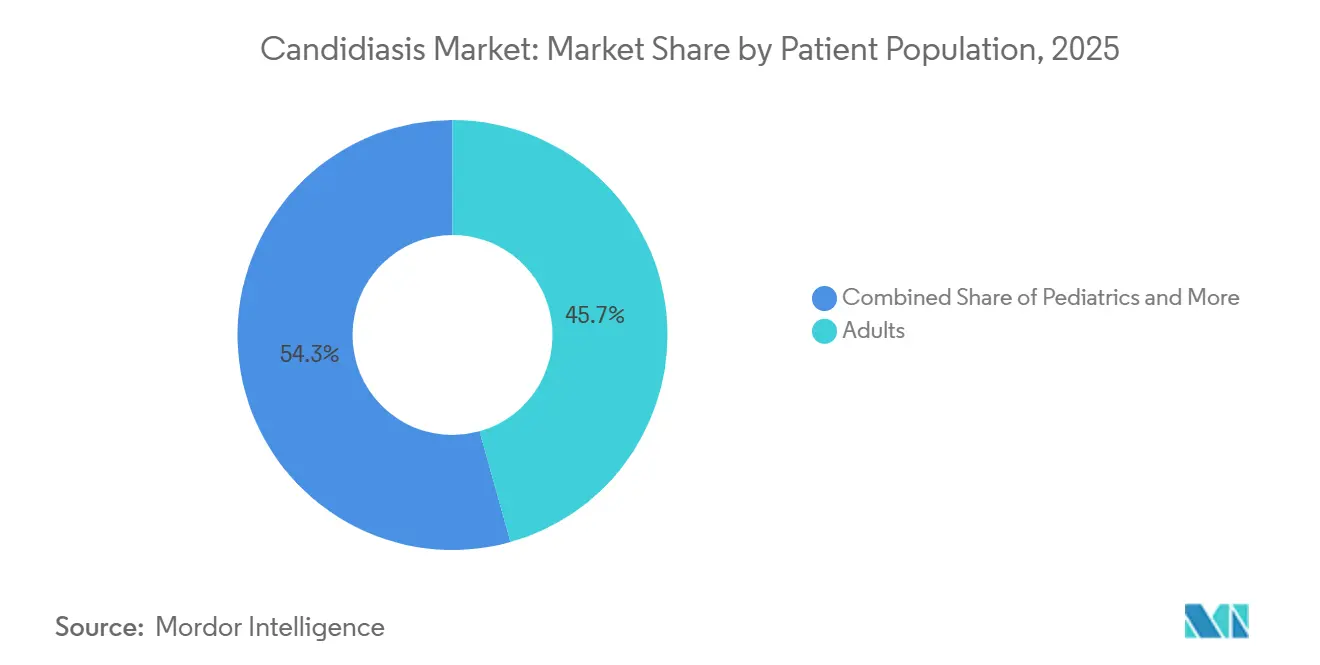
Adults accounted for 45.66% of patient-population revenue in the candidiasis market in 2025, including people treated for vulvovaginal, oral, and routine outpatient infections. Immunocompromised patients are expected to grow at a 5.9% CAGR from 2026 through 2031. The CDC recorded 6,304 clinical C. auris cases in the United States in 2024, the highest annual count since reporting began. The agency reported fluconazole resistance in 95% of isolates and amphotericin B resistance in 15% of isolates. These patterns leave echinocandins as a central treatment class for many cases.
The candidiasis market has a separate pediatric need because symptoms can overlap with other systemic infections. The FDA’s September 2024 clearance of the T2Candida Panel for pediatric testing addressed part of this diagnostic gap. Older adults face risk from comorbidities, polypharmacy-related microbiome disruption, and long-term care residence. Pregnant and reproductive-age women form a separate treatment group because oteseconazole is limited to females who are not of reproductive potential. This restriction preserves a need for pregnancy-appropriate topical and oral azole options despite generic pricing, because treatment selection must account for the different safety needs of this patient group.
By End User: Hospitals Lead Revenue While Specialty Clinics Gain Access
Hospitals held 45.45% of end-user revenue in the candidiasis market in 2025. Centralized intravenous antifungal purchasing and the concentration of invasive cases in ICUs and surgical units support this position. Specialty clinics are forecast to grow at a 6.7% CAGR from 2026 through 2031. Dedicated fungal disease clinics, outpatient oncology infusion centers, and women’s health practices support this growth. These settings can manage prophylactic treatment and newer maintenance therapies as care moves beyond an exclusively hospital-based model, with clinicians able to focus on the disease patterns and follow-up needs of specific patient populations.
Diagnostic laboratories are becoming more relevant as molecular Candida testing volumes increase. bioMérieux states that its CHROMID Candida Media enables direct identification of C. albicans within 24 hours and supports C. auris detection. The candidiasis market, therefore, includes laboratory demand that supports treatment selection. Long-term care facilities are a growing care setting because residents may have multiple comorbidities and catheter exposure. Homecare gains relevance when once-weekly rezafungin allows continued intravenous treatment outside hospital walls, while research institutes and contract research organizations demand reagents and reference strains for pipeline studies.
By Distribution Channel: Hospital Pharmacies Lead While Online Pharmacies Expand
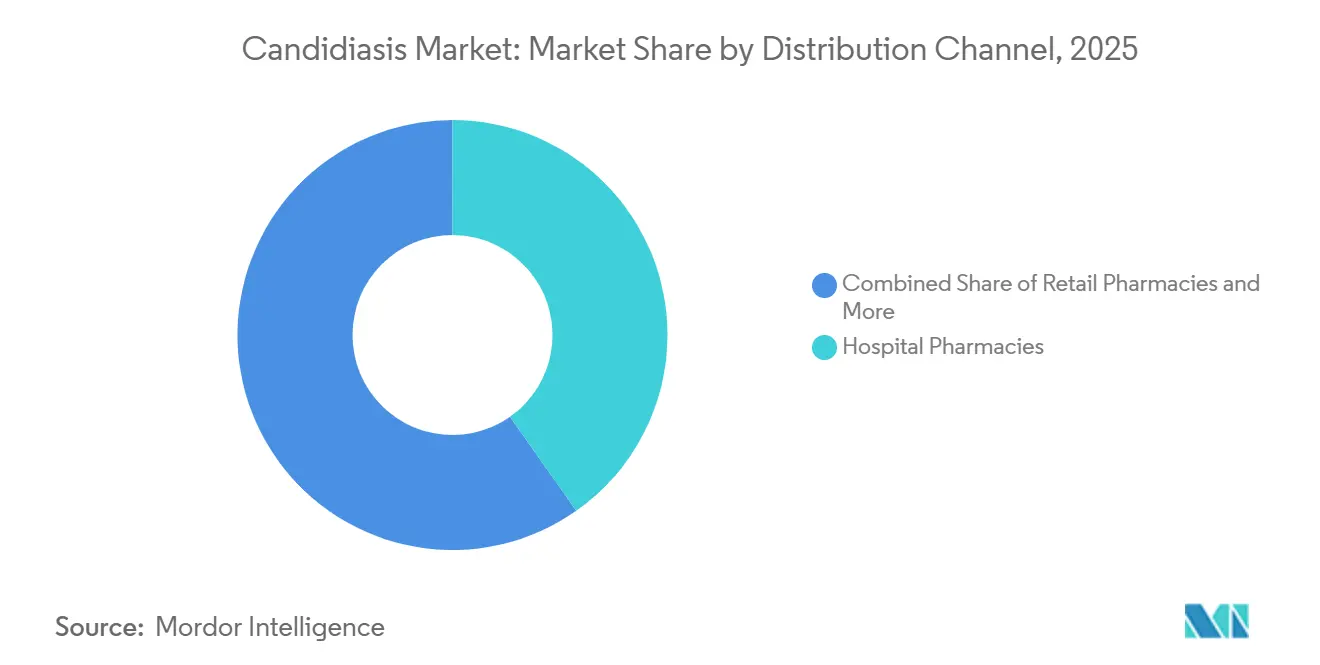
Hospital pharmacies accounted for 40.23% of distribution revenue in the candidiasis market in 2025. Formulary committees have a major role in determining access for newer therapies in cost-sensitive health systems. This purchasing position provides leverage in echinocandin contracting. Online pharmacies are forecast to grow at a 6.3% CAGR from 2026 through 2031. Their progress is tied to oral treatment demand in vulvovaginal and recurrent vulvovaginal candidiasis, including telehealth-linked specialty pharmacy services for dispensing and maintenance treatment.
Retail pharmacies continue to serve the large volume of topical and oral generic azoles. Their role remains important for mild disease and over-the-counter treatment. Direct institutional purchasing manages bulk echinocandin procurement in large health systems. This can bypass standard pharmacy revenue classification for part of the intravenous antifungal value chain. The candidiasis market is served by both traditional pharmacy channels and direct institutional arrangements, with the channel mix differing by severity, route of administration, and whether treatment is generic or specialty medicine.
Geography Analysis
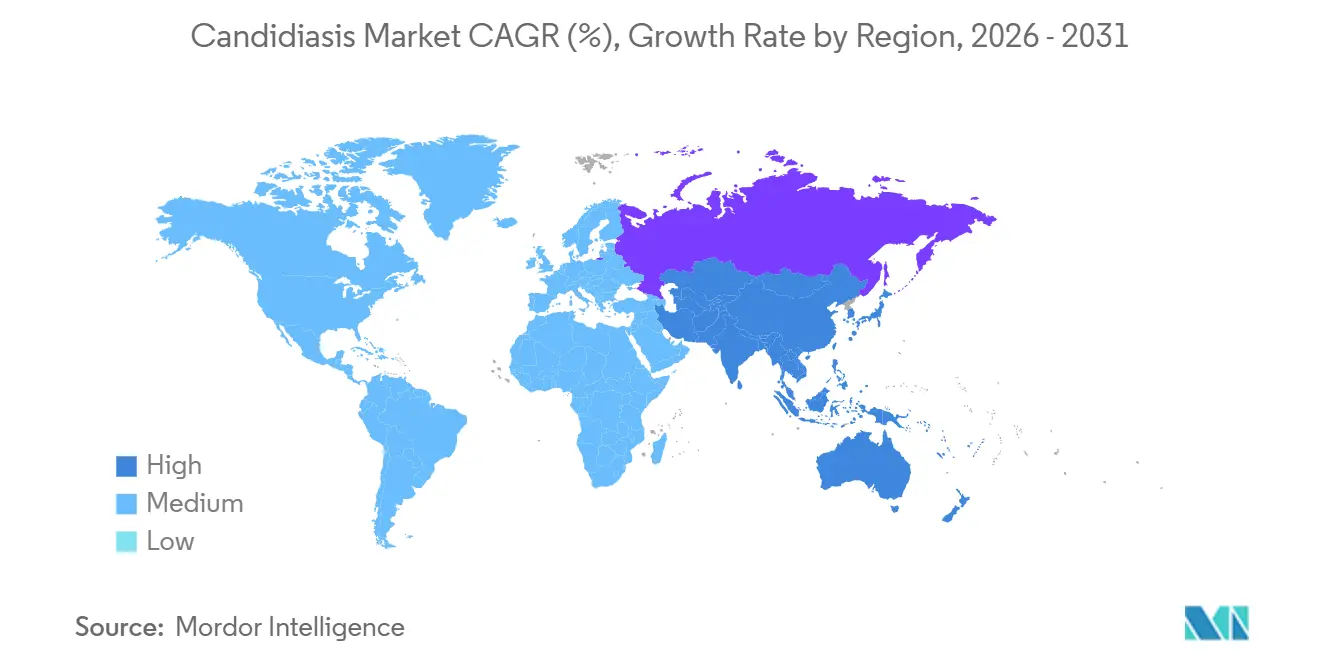
North America held 42.11% of candidiasis revenue in 2025 and remained the largest regional market, supported by the United States as the central clinical and commercial reference point. The CDC estimates 25,000 candidemia cases each year in the United States, with an additional USD 6,000 to USD 29,000 in hospital costs per case, which supports the economic case for treatment in high-acuity settings. Mandatory C. auris reporting since 2019 and screening-case reporting since 2023 provide national case data, giving health systems a clearer view of exposure than many other regions. This surveillance supports investment in rapid diagnostics, susceptibility testing, and newer antifungals, particularly where resistant infections are documented. The FDA updated the REZZAYO prescribing label in December 2025, while Mundipharma plans an FDA supplemental application for HSCT prophylaxis in H2 2026.
Europe has varied C. auris conditions that are changing procurement priorities across national health systems and creating different needs for surveillance, infection control, and antifungal access. The ECDC’s 2024 survey[3]European Centre for Disease Prevention and Control, “Survey on the Epidemiological Situation, Laboratory Capacity and Preparedness for Candidozyma auris, 2024,” ECDC found outbreaks in Cyprus, France, and Germany, while Greece, Italy, Romania, and Spain had endemic transmission through hospital networks. EU Greece, Italy, and Spain moved from the first documented case to endemicity over 5 to 7 years, which makes the experience in those countries relevant for states now managing more recent outbreaks. Germany completed a formal benefit assessment for rezafungin in 2024 under the SGB V orphan drug provision, and the 2025 international Candida guideline can guide ICU and hematology prescribing in the United Kingdom, France, Spain, and Italy.
Asia-Pacific is forecast to grow at an 8.2% CAGR from 2026 through 2031, the fastest regional rate in the candidiasis market, as critical care capacity expands and resistance complicates conventional azole use. A 2026 Chinese tertiary-hospital study found that candidemia incidence increased from 0.98% in 2015 to 1.69% in 2024, with persistently high azole resistance in C. tropicalis. A 2026 Northern India study[4]A. Garcia-Vidal et al., “Understanding Candidozyma auris: Genomic Evolution, Antifungal Resistance and the Growing Challenges in Global Infection Control,” Journal of Medical Microbiologyreported multidrug-resistant C. auris with high fluconazole resistance and reduced amphotericin B susceptibility, which can shift hospitals toward echinocandins. Oteseconazole’s April 2025 listing on China’s reimbursement drug list expanded access for recurrent vulvovaginal candidiasis, while Japan, South Korea, and Australia retain structured formulary access for premium antifungals. The Middle East and South America are smaller growth areas, supported by ICU expansion, HIV coinfection burden, and reported C. auris echinocandin resistance in South American hospital networks.

Competitive Landscape
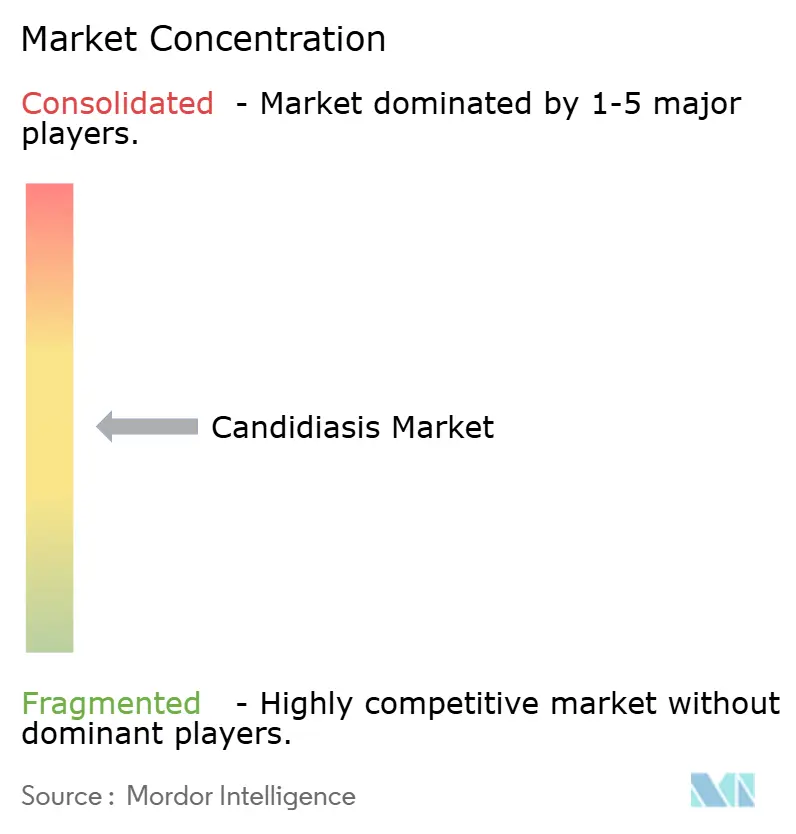
The candidiasis market is moderately fragmented across drug classes and more concentrated within selected indication niches, because established hospital medicines, generic outpatient products, and specialty therapies compete on different terms. Pfizer, Merck, and Astellas have established positions in echinocandins through hospital brands, prescriber familiarity, and institutional relationships developed across acute-care treatment. Cipla, Lupin, Teva, Viatris, Torrent, and Biocon supply a large share of oral generic azole volume, which places persistent pressure on outpatient average selling prices. SCYNEXIS, Mycovia, and Basilea compete through indication-specific approvals and newer mechanisms, particularly in areas where generic alternatives do not meet treatment or resistance needs. Their position depends on maintaining exclusivity, producing relevant clinical evidence, and securing access in health systems with close formulary review.
Mundipharma holds the global commercial and development rights for rezafungin after its April 2024 transaction with Cidara Therapeutics, moving a novel echinocandin into a company with broader commercial and distribution capabilities. Mundipharma reported positive Phase 3 ReSPECT results for once-weekly rezafungin in April 2026, supporting its planned regulatory submissions for HSCT prophylaxis. Basilea received an additional USD 30 million from BARDA in July 2026 after a Phase 3 enrollment milestone for fosmanogepix, giving public support to a late-stage treatment program for resistant fungal infections. SCYNEXIS began intravenous Phase 1 dosing for SCY-247 in February 2026, adding a new clinical-stage candidate to the triterpenoid field. These moves show that competition includes licensing, development funding, clinical execution, and hospital distribution as well as the sale of established products.
Open areas include oral treatment for invasive candidiasis, extended HSCT prophylaxis, and vaccine-based prevention, each of which addresses a gap identified in the supplied development pipeline. SCY-247’s planned 2026 oral Phase 2 proof-of-concept data is relevant to oral treatment for invasive candidiasis, where hospital treatment has historically relied on intravenous therapy. Rezafungin’s ReSPECT data is relevant to longer prophylaxis in transplant patients, a group with substantial risk from invasive fungal disease. BioMérieux and T2 Biosystems add a diagnostic dimension through platforms that link species identification with treatment decisions and may influence how quickly targeted therapy begins. Competition remains split between established hospital medicines, low-cost generic products, and specialized therapies directed at resistant or recurrent disease.
Candidiasis Industry Leaders
Pfizer Inc.
Merck & Co., Inc.
Viatris Inc.
Bayer AG
F. Hoffmann-La Roche Ltd
- *Disclaimer: Major Players sorted in no particular order

Recent Industry Developments
- July 2026: Basilea Pharmaceutica received an additional USD 30 million from BARDA under its existing OTA agreement after meeting a pre-specified Phase 3 enrollment milestone for fosmanogepix, with cumulative potential BARDA commitment reaching up to USD 268 million contingent on additional clinical and regulatory milestones. Fosmanogepix, active against drug-resistant Candida including C. auris, Aspergillus, and rare molds, is advancing two concurrent Phase 3 studies targeting a broad treatment label.
- April 2026: Mundipharma announced positive topline Phase 3 results from the global ReSPECT trial evaluating once-weekly rezafungin for prophylaxis of invasive fungal diseases in adult HSCT patients, with fungal-free survival at Day 90 at 60.7% versus 59% with standard antimicrobial regimens, meeting non-inferiority criteria. An FDA sNDA submission and an EMA submission are planned for H2 2026 and Q3 2026, respectively.
- February 2026: SCYNEXIS dosed the first participants in its Phase 1 IV SAD/MAD trial of SCY-247, its second-generation triterpenoid antifungal with activity against C. auris and invasive candidiasis. Oral Phase 1 data showed exposures exceeding murine IC efficacy thresholds with a low CYP450 interaction profile. IV Phase 1 topline data and an oral Phase 2 invasive-candidiasis proof-of-concept study are both targeted for 2026.
- January 2026: Basilea's portfolio update confirmed that its FAST-IC Phase 3 study for fosmanogepix in invasive yeast infections was active at more than 100 global sites. The FORWARD-IM Phase 3 mold-infection study was expanding to 55 additional sites during H1 2026, and topline results for both are anticipated in H1 2028.


Global Candidiasis Market Report Scope
| Antifungal Medications |
| Supportive Therapy |
| Surgical & Procedural Interventions |
| Azoles |
| Echinocandins |
| Polyenes |
| Glucan Synthase Inhibitors |
| Other Antifungals |
| Oral & Oropharyngeal Candidiasis |
| Esophageal Candidiasis |
| Vulvovaginal Candidiasis |
| Cutaneous Candidiasis |
| Urinary Candidiasis |
| Invasive Candidiasis |
| Systemic & Disseminated Candidiasis |
| Oral |
| Injectable |
| Topical |
| Vaginal/Intravaginal |
| Adults |
| Pediatrics |
| Pregnant & Reproductive-Age Women |
| Older Adults |
| Immunocompromised Patients |
| Hospitals |
| Specialty Clinics |
| Diagnostic Laboratories |
| Long-Term Care Facilities |
| Homecare Settings |
| Research Institutes & CROs |
| Hospital Pharmacies |
| Retail Pharmacies |
| Online Pharmacies |
| Direct Institutional Procurement |
| North America | United States |
| Canada | |
| Mexico | |
| Rest of North America | |
| Europe | Germany |
| United Kingdom | |
| France | |
| Italy | |
| Spain | |
| Rest of Europe | |
| Asia-Pacific | China |
| Japan | |
| India | |
| South Korea | |
| Australia | |
| Rest of Asia-Pacific | |
| Middle East | GCC |
| South Africa | |
| Rest of Middle East and Africa | |
| South America | Brazil |
| Argentina | |
| Rest of South America |
| By Treatment Type | Antifungal Medications | |
| Supportive Therapy | ||
| Surgical & Procedural Interventions | ||
| By Drug Class | Azoles | |
| Echinocandins | ||
| Polyenes | ||
| Glucan Synthase Inhibitors | ||
| Other Antifungals | ||
| By Clinical Indication | Oral & Oropharyngeal Candidiasis | |
| Esophageal Candidiasis | ||
| Vulvovaginal Candidiasis | ||
| Cutaneous Candidiasis | ||
| Urinary Candidiasis | ||
| Invasive Candidiasis | ||
| Systemic & Disseminated Candidiasis | ||
| By Route of Administration | Oral | |
| Injectable | ||
| Topical | ||
| Vaginal/Intravaginal | ||
| By Patient Population | Adults | |
| Pediatrics | ||
| Pregnant & Reproductive-Age Women | ||
| Older Adults | ||
| Immunocompromised Patients | ||
| By End User | Hospitals | |
| Specialty Clinics | ||
| Diagnostic Laboratories | ||
| Long-Term Care Facilities | ||
| Homecare Settings | ||
| Research Institutes & CROs | ||
| By Distribution Channel | Hospital Pharmacies | |
| Retail Pharmacies | ||
| Online Pharmacies | ||
| Direct Institutional Procurement | ||
| By Geography | North America | United States |
| Canada | ||
| Mexico | ||
| Rest of North America | ||
| Europe | Germany | |
| United Kingdom | ||
| France | ||
| Italy | ||
| Spain | ||
| Rest of Europe | ||
| Asia-Pacific | China | |
| Japan | ||
| India | ||
| South Korea | ||
| Australia | ||
| Rest of Asia-Pacific | ||
| Middle East | GCC | |
| South Africa | ||
| Rest of Middle East and Africa | ||
| South America | Brazil | |
| Argentina | ||
| Rest of South America | ||


Key Questions Answered in the Report
What is driving candidiasis treatment demand through 2031?
Demand is supported by more immunocompromised patients, healthcare-associated candidemia, resistance, and greater use of rapid diagnostics and targeted treatment.
Which candidiasis treatment type generates the most revenue?
Antifungal medications generated 85.23% of revenue in 2025, while supportive therapy is forecast to grow fastest at a 6.5% CAGR through 2031.
Why are injectable antifungals growing faster than oral treatments?
Injectable treatments are supported by ICU echinocandin use and HSCT prophylaxis, and the segment is forecast to grow at a 6.8% CAGR through 2031.
Which region is growing fastest for candidiasis treatment?
Asia-Pacific is forecast to grow at an 8.2% CAGR through 2031, supported by critical care expansion and antifungal resistance.
What role does Candida auris play in treatment decisions?
C. auris can show resistance to fluconazole and other treatments, which increases the need for surveillance, susceptibility testing, and echinocandins.
How concentrated is the candidiasis treatment landscape?
It includes large hospital-drug suppliers, generic azole producers, and specialty companies with newer products, so competition differs by drug class and indication.
Page last updated on:





