
Acute On Chronic Liver Failure (ACLF) Market Size and Share
Market Overview
| Study Period | 2021 - 2032 |
|---|---|
| Market Size (2027) | USD 5.29 Million |
| Market Size (2032) | USD 7.34 Million |
| Growth Rate (2027 - 2032) | 6.75 % |
| Fastest Growing Market | Asia-Pacific |
| Largest Market | North America |
| Market Concentration | Medium |
Major Players *Disclaimer: Major Players sorted in no particular order Image © Mordor Intelligence. Reuse requires attribution under CC BY 4.0. | |
Acute On Chronic Liver Failure (ACLF) Market Analysis by Mordor Intelligence
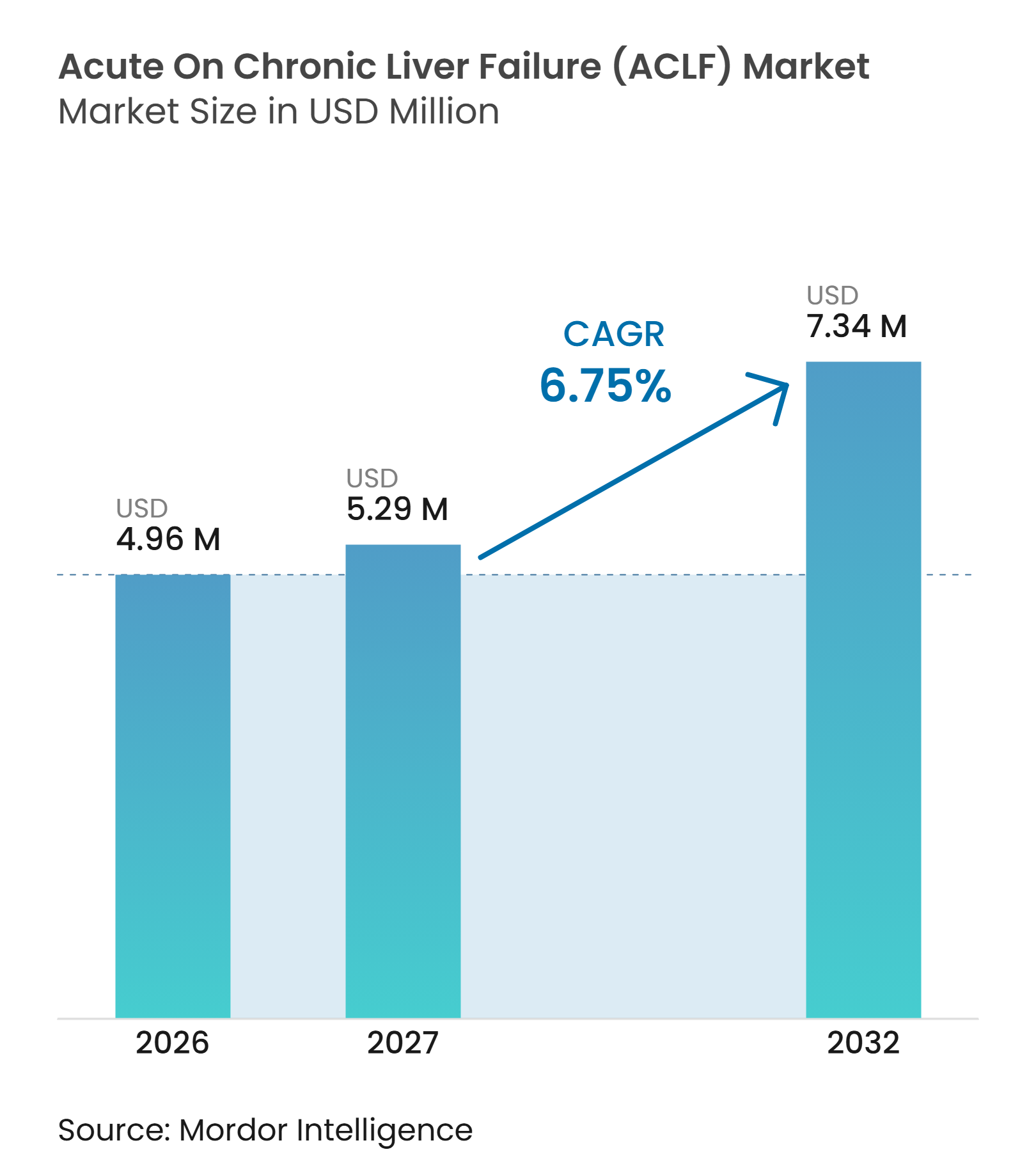
The Acute On Chronic Liver Failure Market size is projected to expand from USD 4.96 million in 2026 and USD 5.29 million in 2027 to USD 7.34 million by 2032, registering a CAGR of 6.75% between 2027 and 2032.
The acute-on-chronic liver failure (ACLF) market is driven by the rising burden of advanced liver disease and the high resource requirements of patients with acute organ failure. ACLF accounted for 35% of hospitalizations for decompensated cirrhosis, with 28-day in-hospital mortality at 45% and 90-day mortality at 58%, reinforcing the need for timely intensive care. In Germany, France, Italy, and Denmark, cirrhosis hospitalizations involving at least one extrahepatic organ failure increased from 19.9% in 2017 to 21.5% in 2020 and represented 44.9% of cirrhosis-related health care claims.[1]Broader adoption of organ-support interventions, structured ICU pathways, and investment in therapies for inflammation, infection, and liver failure support market growth; however, the lack of an approved ACLF-specific therapy remains a key constraint, while a global consensus definition published in October 2026 may improve clinical trial consistency.
Key Report Takeaways
- By product type, pharmacological interventions held 58.66% of the Acute on Chronic Liver Failure market share in 2026, while supportive care and organ support is projected to grow at a CAGR of 8.22% through 2032.
- By underlying etiology, alcohol-associated liver disease held a 38.77% share in 2026, while viral hepatitis, including Hepatitis B and C reactivation, is projected to grow at a CAGR of 8.99% through 2032.
- By disease severity, ACLF Grade 1 held a 45.78% share in 2026, while ACLF Grade 2 is projected to grow at a CAGR of 7.45% through 2032.
- By end user, hospitals, including tertiary care and intensive care units, held a 56.45% share in 2026 and are projected to grow at a CAGR of 7.56% through 2032.
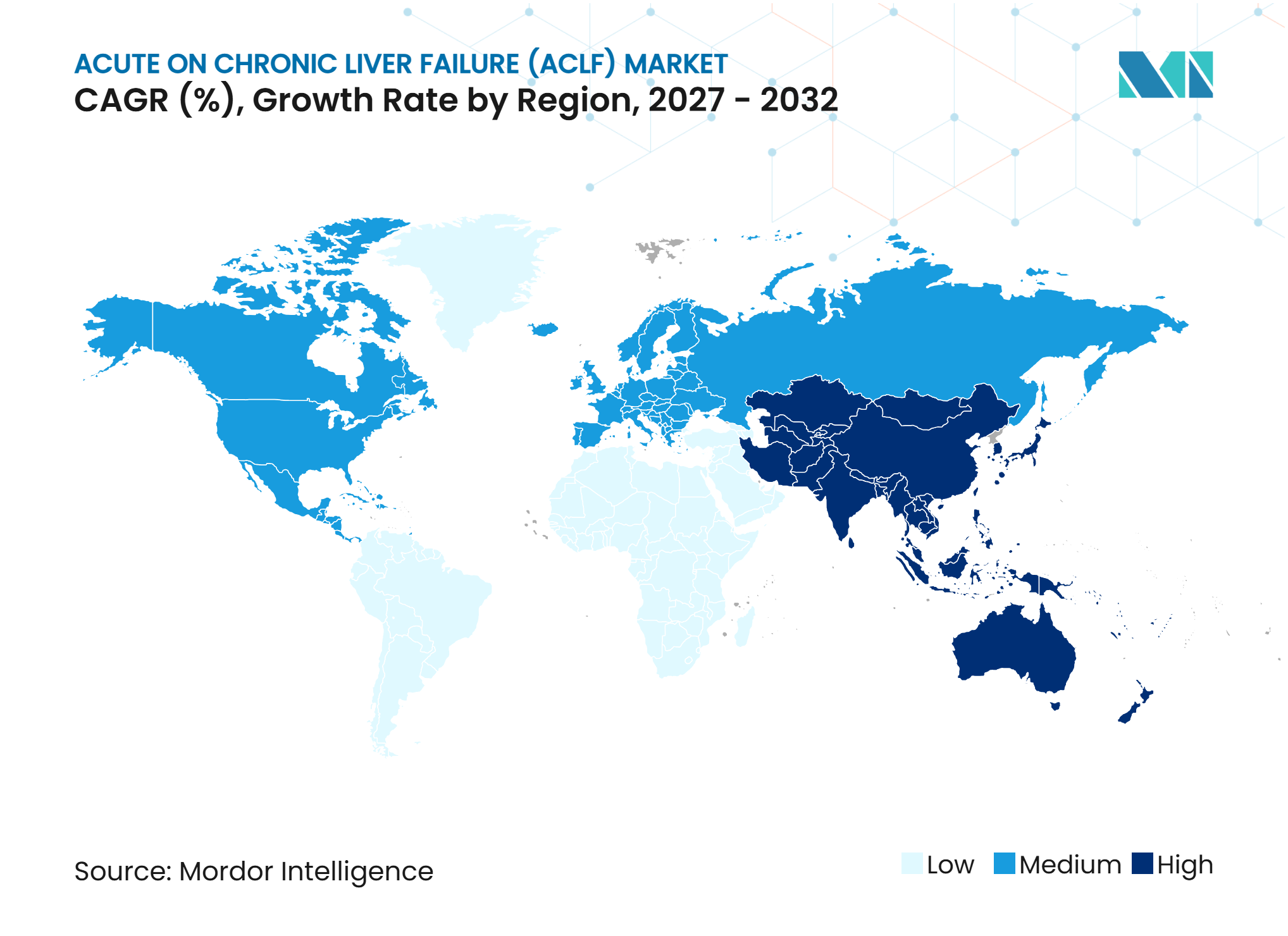
- By geography, North America held a 42.67% share in 2026, while Asia-Pacific is projected to grow at a CAGR of 9.23% through 2032.
Note: Market numbers in this report are based on Mordor Intelligence's proprietary estimation framework, which combines nine months of actuals with Q4 projections for base year 2026.
Market Trends and Insights
Drivers Impact Analysis of Acute On Chronic Liver Failure (ACLF) Market*
| Driver | (~) % Impact on CAGR Forecast | Geographic Relevance | Impact Timeline |
|---|---|---|---|
| Rising hospitalization for advanced chronic liver disease | +1.2% | Global | Short term (≤ 2 years) |
| Increasing alcohol-related liver disease and metabolic liver disease burden | +1.1% | North America, Europe, APAC | Medium term (2–4 years) |
| Expansion of intensive care and liver transplant infrastructure | +1.0% | North America, Europe, APAC | Medium term (2–4 years) |
| Growing investment in targeted ACLF drug development | +1.4% | Global; early gains in United States, EU, Japan | Long term (≥ 4 years) |
| Increasing use of biomarkers and organ-failure scoring | +0.8% | Global; strongest in EF-CLIF consortium countries | Short term (≤ 2 years) |
| Rising adoption of extracorporeal and bio-artificial liver support | +0.9% | North America, Europe | Medium term (2–4 years) |
| Source: Mordor Intelligence | |||
Rising Hospitalization for Advanced Chronic Liver Disease
Hospital admissions for ACLF are increasing as more patients with cirrhosis develop acute decompensation and extrahepatic organ failure. In the United States, the share of cirrhosis-related hospitalizations meeting ACLF criteria increased from 4.53% in 2016 to 5.16% in 2020. Patients with ACLF had a median hospital stay of 12 days, compared with 7 days for general cirrhosis admissions, and accounted for 44.9% of cirrhosis-related healthcare claims across four European countries. Patients with a Charlson Comorbidity Index score of 7 or higher had 2.47 times the odds of developing ACLF, supporting demand for ICU care, pharmacological therapies, and extracorporeal support.
Increasing Alcohol-Related Liver Disease and Metabolic Liver Disease Burden
Alcohol-associated liver disease (ALD) remains a leading trigger of ACLF in Western healthcare systems. In the United States, ALD-related mortality increased at an annual rate of 8.94% between 2018 and 2022. ALD-related ACLF increased from 31.7% of cases before 2014 to 48.2% in the post-2014 cohort, while virus-related ACLF declined.[2] Metabolic dysfunction-associated steatotic liver disease (MASLD) affects more than one-third of adults globally, and ACLF cases among U.S. patients with MASLD-related cirrhosis increased by 180% between 2018 and 2022, driving demand for anti-inflammatory therapies, metabolic disease management, vasopressors, and improved diagnostic scoring.[3]
Expansion of Intensive Care, Transplant, and Organ Support Infrastructure
Liver transplantation remains the only intervention that has demonstrated a survival benefit across all ACLF severity grades. A 2025 systematic review of 28,025 transplant recipients reported 1-year survival rates of 87% for Grade 1 patients, 86% for Grade 2 patients, and 73% for Grade 3 patients. Among 270 ACLF patients, living-donor liver transplantation (LDLT) achieved a 3-month intention-to-treat survival rate of 92.9%, compared with 67.1% for deceased-donor transplantation.[4] Expanding ICU capacity across China, India, South Korea, and Southeast Asia is improving access to organ support therapies, although organ scarcity continues to constrain transplant volumes.
Targeted Drug Development and Biomarker-Based Care
Drug development is gaining momentum as the role of systemic inflammation and immune dysregulation in ACLF becomes clearer. Fourteen new ACLF clinical trials were initiated in 2025, representing the highest annual count reported. GENFIT reported preliminary Phase 1 results for G1090N, or nitazoxanide, in 2025, showing a favorable safety profile and anti-inflammatory activity in ex vivo assays using cirrhotic donor samples. The FDA granted Orphan Drug Designation to G1090N in March 2026, and GENFIT plans to initiate Phase 2 studies for G1090N and nangibotide in 2026. Biomarkers, organ-failure scoring systems, extracellular vesicles, and bioengineered liver support systems expand the long-term opportunity for the Acute on Chronic Liver Failure market.
Restraints Impact Analysis of Acute On Chronic Liver Failure (ACLF) Market*
| Restraint | (~) % Impact on CAGR Forecast | Geographic Relevance | Impact Timeline |
|---|---|---|---|
| Lack of a globally uniform ACLF definition | -0.6% | Global | Short term (≤ 2 years); partially addressed by October 2026 consensus |
| High mortality limiting trial recruitment and commercial uptake | -0.5% | Global; most acute in lower-resource settings | Long term (≥ 4 years) |
| Limited availability of liver transplantation | -0.5% | Global; most severe in APAC, MEA, South America | Long term (≥ 4 years) |
| Respiratory and ischemic safety risks in critically ill patients | -0.4% | Global | Medium term (2–4 years) |
| Source: Mordor Intelligence | |||
Lack of a Globally Uniform ACLF Definition
Differences among EASL-CLIF, NACSELD, APASL, and COSSH definitions hinder cross-regional study comparisons and therapeutic assessments. Variations in cirrhosis requirements, organ-failure thresholds, and eligible precipitating events have resulted in reported prevalence rates ranging from 10% to more than 40%. In October 2026, EASL, AASLD, APASL, ALEH, and SOLDA published a global framework defining ACLF through liver failure, with INR of at least 1.5 and bilirubin of at least 5 mg/dL, alongside graded extrahepatic organ dysfunction or failure. The A-TANGO organ-failure score, validated in 8,519 patients across Europe, Latin America, India, and China, increased diagnosis rates from 24% to 36% and improved net reclassification by 16%; however, regulatory adoption and protocol inclusion will continue to constrain the Acute on Chronic Liver Failure market in the near term.
High Mortality, Trial Constraints, and Limited Access to Advanced Care
High mortality limits clinical trial enrollment and the commercial adoption of new treatments. US nationwide data showed in-hospital mortality of 50.3% among ACLF patients, rising above 76% for Grade 3 patients without transplantation. Rapid deterioration, impaired consent capacity during hepatic encephalopathy, and changing disease severity increase screening-failure risk, while GENFIT discontinued the VS-01 ACLF program in September 2025 following a safety signal in the UNVEIL-IT trial involving patients with ascites. Limited transplantation access, respiratory and ischemic safety risks, and payer caution toward devices without established survival benefits will keep the near-term pipeline focused on safety and feasibility studies, with meaningful revenue from new therapeutic classes more likely after 2029.
*Our forecasts treat driver/restraint impacts as directional, not additive. The impact forecasts reflect baseline growth, mix effects, and variable interactions.
Acute On Chronic Liver Failure (ACLF) Market Segment Analysis
By Product Type:
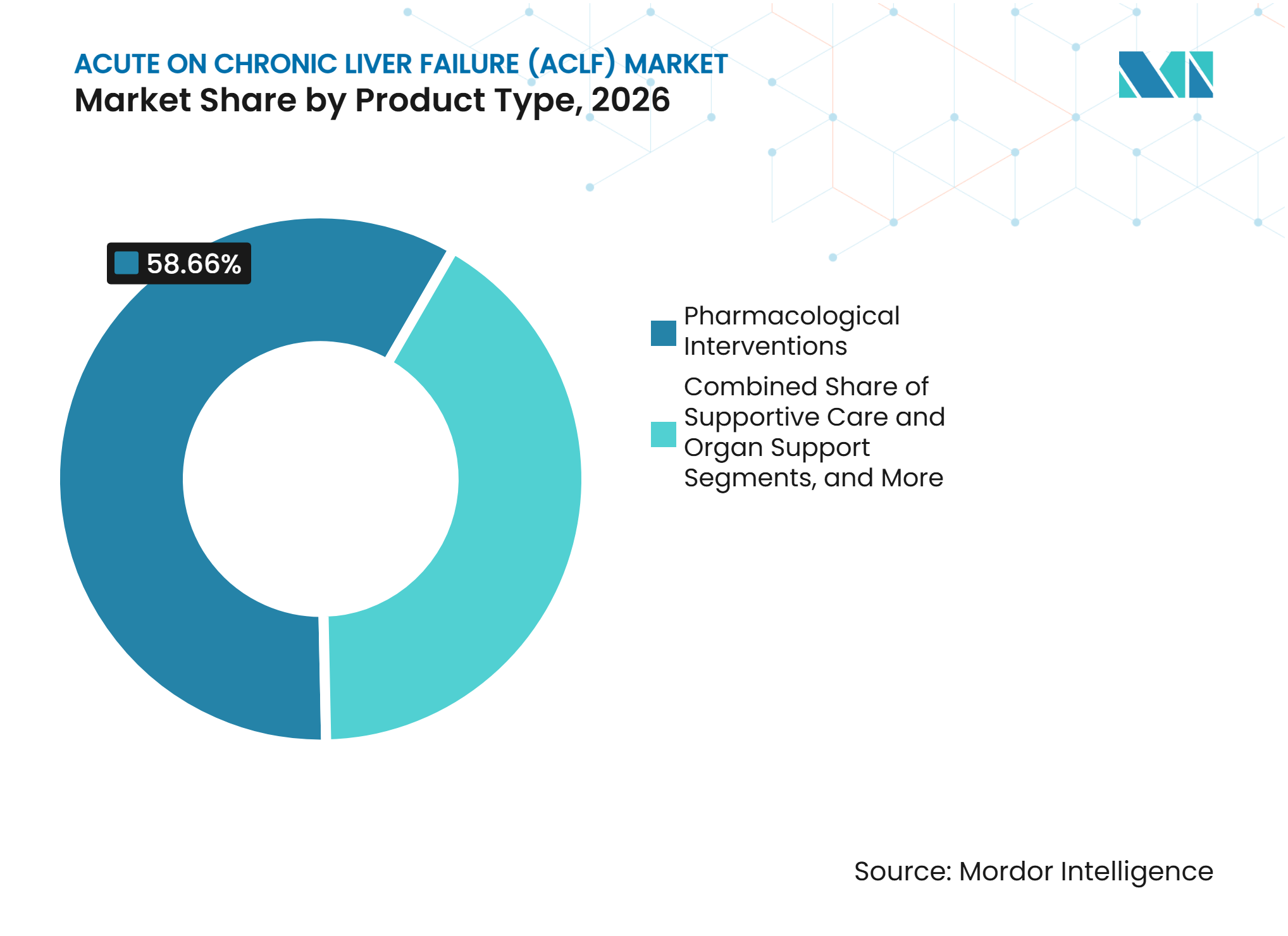
Pharmacological Interventions Lead Revenue, While Organ Support Grows FasterPharmacological interventions held a 58.66% share in 2026, supported by the routine use of human albumin, vasopressors, anti-infectives, lactulose, and rifaximin during ACLF admissions. These therapies manage hemodynamic instability, infections, hepatic encephalopathy, and related complications across hospital settings. Grifols reported Phase 3 APACHE data in 2026 from a 274-patient, 29-site multinational randomized controlled trial.
High-volume plasma exchange with 5% albumin, Albutein 5%, improved 90-day survival versus standard medical therapy, with a hazard ratio of 0.65 and a p-value of 0.021. The benefit was strongest in Grade 2 patients. Supportive care and organ support are projected to grow at a CAGR of 8.22% through 2032, driven by the expanded use of continuous renal replacement therapy, mechanical ventilation, hemodynamic management, and extracorporeal liver support in ICU settings.



By Underlying Etiology:
Alcohol-Associated Disease Leads, While Viral Hepatitis AcceleratesAlcohol-associated liver disease accounted for 38.77% of the Acute on Chronic Liver Failure market in 2026. In the United States, ALD represented more than 52% of ACLF-associated hospitalizations. Updated 2025 American College of Gastroenterology guidance stated that alcohol use should be addressed at every clinical encounter and emphasized motivational interviewing and pharmacotherapy for alcohol use disorder. A 2025 multicenter study found that alcohol-related ACLF had greater systemic inflammation, more bacterial infections, and more extrahepatic organ failures than HBV-related ACLF, increasing ICU utilization and treatment intensity.
Viral hepatitis, including hepatitis B and C reactivation, is projected to grow at a CAGR of 8.99% through 2032. HBV reactivation is a frequent ACLF precipitant in Asia-Pacific and accounted for more than 60% of cases in some Chinese cohorts. Asian guidance strongly recommends early use of nucleos(t)ide analogues, including tenofovir and entecavir. Gilead reported a liver disease portfolio valued at USD 3.2 billion in full-year 2025, highlighting the commercial relevance of antiviral therapies.
By Disease Severity / Grade:
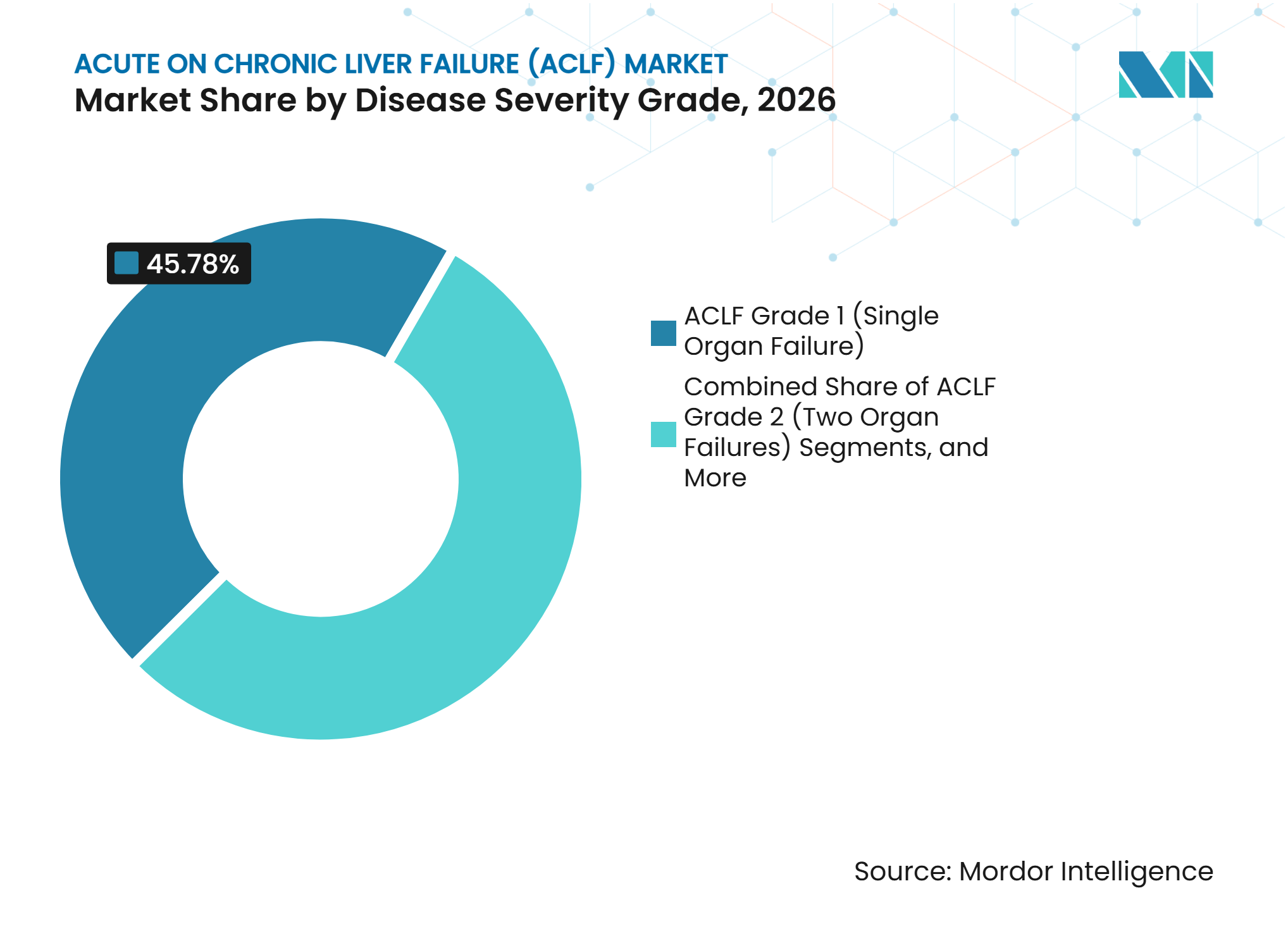
Grade 1 Leads Volume, While Grade 2 Gains Clinical FocusACLF Grade 1, defined as single-organ failure, held a 45.78% share in 2026 and represented the most common severity level at admission. Under EASL-CLIF criteria, Grade 1 had a 28-day mortality rate of 22.1%, supporting timely intervention and clinical trial enrollment before patients require full extracorporeal support. Grade 1 patients are commonly managed with albumin, anti-infectives, and vasopressors. EASL and AASLD supported the use of ACLF-specific scores, including CLIF-C ACLF, NACSELD, and AARC, over Child-Pugh or MELD scores in critically ill patients, improving early risk assessment and treatment standardization.
ACLF Grade 2, defined as two organ failures, is projected to grow at a CAGR of 7.45% through 2032. Under A-TANGO criteria, Grade 2 patients had a 28-day mortality rate of 36.2% and a 90-day mortality rate of 47.7%. Grifols enrolled 55% Grade 2 patients in the APACHE trial. The DIALIVE 2.0 study targets ACLF Grades 2 to 4, while GENFIT’s planned UPWARD Phase 2 study focuses on Grade 2 patients with bacterial infection. Grade 3 patients had a 28-day mortality rate above 76%, limiting enrollment and commercial use outside specialized transplant centers.

By End User:
Hospital-Based ICUs Drive Treatment Volume and GrowthHospitals, including tertiary-care and intensive care units, accounted for 56.45% of the Acute on Chronic Liver Failure market in 2026 and are projected to grow at a CAGR of 7.56% through 2032. ACLF management requires mechanical ventilation, hemodynamic support, continuous renal replacement therapy, and extracorporeal liver support that lower-acuity settings generally cannot provide. Hospital ICUs therefore remain the primary setting for care delivery.
Specialized hepatology and transplant centers represent the second-largest end-user group and serve as primary sites for bioartificial liver platforms, registrational trials, and transplantation support protocols. Their role is expanding as academic and specialist centers deploy extracorporeal systems and participate in multicenter studies. Academic and research institutes also play a significant role, as research networks developed the A-TANGO score, the global consensus definition, and several randomized trials.
Geography Analysis
North America
North America held 42.67% of the acute-on-chronic liver failure market share in 2026, supported by high alcohol-associated disease incidence, established tertiary care systems, and extensive transplant capacity. ALD accounted for 52% of ACLF-associated hospitalizations in U.S. nationwide data, while in-hospital mortality reached 50.3% and increased between 2019 and 2020 due to greater comorbidity, care-access disparities, and a rising uninsured population. Post-transplant survival in North America exceeded that in other regions across ACLF grades. The United States remained active in therapy development, with GENFIT planning a G1090N Phase 2 study and Miromatrix Medical reporting positive Phase 1 results for miroliverELAP in January 2026; FDA oversight and AASLD clinical guidance influence adoption, while Canada and Mexico add volume despite transplant-access gaps in Mexico.
Asia-Pacific
Asia-Pacific is projected to grow at a CAGR of 9.23% through 2032, driven by HBV reactivation, expanding ICU capacity, and increasing use of living donor liver transplantation. HBV reactivation accounted for more than 60% of ACLF cases in certain Chinese cohorts, while the APASL population is broader than many Western cirrhosis-only cohorts because it includes non-cirrhotic patients. China’s 2025 national guidance gave a Grade 1A recommendation for artificial liver support, supporting the adoption of CRRT, plasma exchange, and MARS-type devices in public hospitals. India faces high HBV prevalence and rising ALD, with alcohol use disorder representing 54.7% of chronic liver disease etiologies and infection accounting for 33.3% of precipitating events in a 2025 Central India study; Japan and South Korea continue to expand LDLT programs, while local requirements in China and India may delay launches by 18 to 36 months.
Europe, Middle East and Africa, and South America
Europe is a research-intensive part of the acute-on-chronic liver failure market and home to the EF-CLIF consortium, with Germany accounting for 60.4% of cirrhosis-related healthcare claims in a cross-country comparison. The United Kingdom is a leading biodevice trial location, with the NHS funding DIALIVE 2.0 across 12 centers from August 2026, while France, Spain, and Italy support A-TANGO validation work and global consensus initiatives. The Middle East and Africa face a high HBV burden in GCC states and Southern Africa, alongside limited ICU infrastructure and restricted transplantation access. South America has an emerging research base, with a Brazilian ICU study reporting 20% ACLF incidence among non-elective cirrhotic ICU admissions; however, low organ-donation rates and uneven critical-care capacity constrain near-term market scale.
Competitive Landscape
Market Concentration
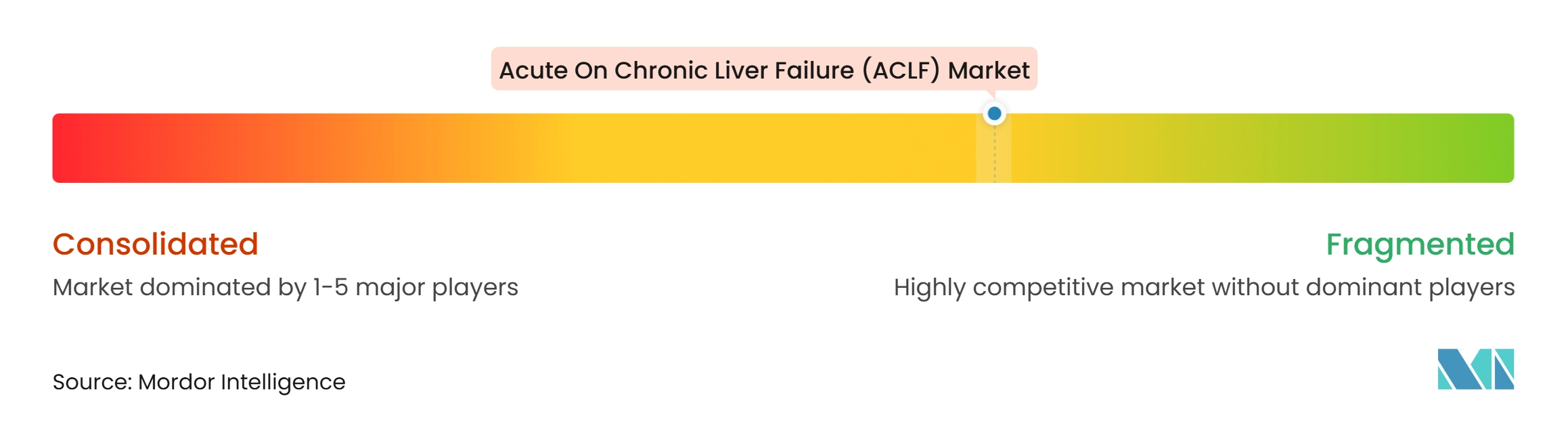
The Acute-on-Chronic Liver Failure market is moderately fragmented, with companies competing across specific treatment modalities rather than the full care pathway. Key albumin manufacturers include Grifols, CSL, and Fresenius Kabi, while Fresenius Medical Care and B. Braun supply relevant devices. GENFIT, Yaqrit, and Miromatrix are developing biopharmaceutical and bioartificial liver therapies. No company holds more than a mid-teens share across all treatment segments.
Large companies leverage established revenue from albumin, vasopressors, and continuous renal replacement therapy (CRRT) platforms. Their strategies focus on expanding clinical use, advancing incremental label development, and strengthening hospital procurement relationships. Yaqrit is advancing DIALIVE 2.0, a 72-patient UK multicenter randomized controlled trial, with ACLF resolution at Day 10 as the primary endpoint. Miromatrix completed a favorable Phase I safety study for miroliverELAP in January 2026, while GENFIT is developing G1090N and nangibotide to target inflammation and TREM-1-mediated organ dysfunction.
Grifols reported commercially relevant clinical results through APACHE, with its Phase III study demonstrating a 90-day survival benefit from high-volume plasma exchange using 5% albumin in patients with ACLF Grades 1b to 2. CytoSorbents continues to build real-world evidence through the COSMOS registry, in which liver failure accounted for 11.5% of enrolled patients. Its hemoadsorption platform has demonstrated bilirubin-removal signals in intensive care unit populations t
Acute On Chronic Liver Failure (ACLF) Industry Leaders
-
Grifols SA
-
GENFIT SA
-
Yaqrit Ltd
-
Cellaion SA
-
Mallinckrodt PLC
- *Disclaimer: Major Players sorted in no particular order
Acute On Chronic Liver Failure (ACLF) Market Companies Covered in this Report
- Albutec GmbH
- B. Braun
- Baxter
- Cellaion SA
- CSL Behring
- Cytosorbents Corporation
- Roche
- Fresenius
- Fresenius Medical Care AG
- Gilead Sciences
- Grifols
- GENFIT SA
- Hexaell Biotech Co. Ltd
- Mallinckrodt PLC
- Merck
- Miromatrix Medical Inc.
- Nipro
- Pfizer
- Sanofi
- Takeda Pharmaceuticals
- Terumo
- Yaqrit Ltd
Recent Industry Developments in Acute On Chronic Liver Failure (ACLF) Market
- November 2026: Yaqrit’s subsidiary, Cytox, signed a distribution agreement in China for the DIALIVE dialysis system (YAQ002), expanding access to its CE-marked extracorporeal therapy for advanced liver disease.
- August 2026: The DIALIVE 2.0 (ALIVER 2.0) trial began enrollment across UK hepatology centers for patients with persistent A-TANGO ACLF Grades 2–4 after at least 48 hours of standard care.
- June 2026: Yaqrit treated the first patient in its Phase II A-TANGO trial for ACLF, following preliminary findings from the first-generation Carbalive and DIALIVE trials.
- May 2026: Grifols presented APACHE Phase III results showing that high-volume plasma exchange with 5% albumin improved 90-day survival versus standard medical therapy in 274 ACLF patients.
Global Acute On Chronic Liver Failure (ACLF) Market Report Scope
As per the scope of the report, acute-on-chronic liver failure (ACLF) is a severe, sudden worsening of liver function in a person who already has chronic liver disease (with or without cirrhosis). It is marked by acute decompensation, systemic inflammation, one or more organ failures, and a high risk of short-term mortality.
The acute-on-chronic liver failure (ACLF) market is segmented by product type, underlying etiology, disease severity/grade, end user, and geography. By product type, the market includes supportive care and organ support, extracorporeal liver support, artificial liver dialysis and plasma exchange, pharmacological interventions, and liver transplantation support. Supportive care and organ support include intensive care unit (ICU) and hemodynamic management, renal replacement therapy (CRRT and intermittent hemodialysis), mechanical ventilation and respiratory support, and nutritional and metabolic support. Extracorporeal liver support, artificial liver dialysis, and plasma exchange include molecular adsorbent recirculating system (MARS), fractionated plasma separation and adsorption (FPSA/Prometheus), single-pass albumin dialysis (SPAD), high-volume therapeutic plasma exchange (HV-TPE), and bioartificial liver (BAL) support systems. Pharmacological interventions include human albumin solutions, vasopressors, anti-infectives, hepatic encephalopathy and portal hypertension agents, and emerging targeted therapies.
By underlying etiology, the market is segmented into alcohol-associated liver disease (ALD), metabolic dysfunction-associated steatohepatitis (MASH/MASLD), viral hepatitis (hepatitis B and C reactivation), bacterial infections and sepsis, and drug-induced liver injury (DILI) and other causes. By disease severity/grade, the market is categorized into ACLF Grade 1 (single-organ failure), ACLF Grade 2 (two organ failures), and ACLF Grade 3 (three or more organ failures). By end user, the market is segmented into hospitals (tertiary care hospitals and intensive care units), specialized hepatology and transplant centers, academic and research institutes, and other end users. By geography, the market is analyzed across North America, Europe, Asia-Pacific, the Middle East and Africa, and South America. The report also covers estimated market sizes and trends for 17 countries across major regions globally. The report offers market sizes and forecasts in terms of value (USD) for the above segments.
Segmentation Overview
| Supportive Care & Organ Support | Intensive Care Unit (ICU) & Hemodynamic Management |
| Renal Replacement Therapy (CRRT & Intermittent Hemodialysis) | |
| Mechanical Ventilation & Respiratory Support | |
| Nutritional & Metabolic Support | |
| Extracorporeal Liver Support / Artificial Liver Dialysis & Plasma Exchange | Molecular Adsorbent Recirculating System (MARS) |
| Fractionated Plasma Separation and Adsorption (FPSA / Prometheus) | |
| Single-Pass Albumin Dialysis (SPAD) | |
| High-Volume Therapeutic Plasma Exchange (HV-TPE) | |
| Bioartificial Liver (BAL) Support Systems | |
| Pharmacological Interventions | Human Albumin Solutions |
| Vasopressors | |
| Anti-Infectives | |
| Hepatic Encephalopathy & Portal Hypertension Agents | |
| Emerging Targeted Therapies | |
| Liver Transplantation Support |
| Alcohol-Associated Liver Disease (ALD) |
| Metabolic Dysfunction-Associated Steatohepatitis (MASH / MASLD) |
| Viral Hepatitis (Hepatitis B & C Reactivation) |
| Bacterial Infections & Sepsis |
| Drug-Induced Liver Injury (DILI) & Other Causes |
| ACLF Grade 1 (Single Organ Failure) |
| ACLF Grade 2 (Two Organ Failures) |
| ACLF Grade 3 (Three or More Organ Failures) |
| Hospitals (Tertiary Care & Intensive Care Units) |
| Specialized Hepatology & Transplant Centers |
| Academic & Research Institutes |
| Orher End Users |
| North America | United States |
| Canada | |
| Mexico | |
| Europe | Germany |
| United Kingdom | |
| France | |
| Italy | |
| Spain | |
| Rest of Europe | |
| Asia-Pacific | China |
| India | |
| Japan | |
| Australia | |
| South Korea | |
| Rest of Asia-Pacific | |
| Middle East and Africa | GCC |
| South Africa | |
| Rest of Middle East and Africa | |
| South America | Brazil |
| Argentina | |
| Rest of South America |
| By Product Type | Supportive Care & Organ Support | Intensive Care Unit (ICU) & Hemodynamic Management |
| Renal Replacement Therapy (CRRT & Intermittent Hemodialysis) | ||
| Mechanical Ventilation & Respiratory Support | ||
| Nutritional & Metabolic Support | ||
| Extracorporeal Liver Support / Artificial Liver Dialysis & Plasma Exchange | Molecular Adsorbent Recirculating System (MARS) | |
| Fractionated Plasma Separation and Adsorption (FPSA / Prometheus) | ||
| Single-Pass Albumin Dialysis (SPAD) | ||
| High-Volume Therapeutic Plasma Exchange (HV-TPE) | ||
| Bioartificial Liver (BAL) Support Systems | ||
| Pharmacological Interventions | Human Albumin Solutions | |
| Vasopressors | ||
| Anti-Infectives | ||
| Hepatic Encephalopathy & Portal Hypertension Agents | ||
| Emerging Targeted Therapies | ||
| Liver Transplantation Support | ||
| By Underlying Etiology | Alcohol-Associated Liver Disease (ALD) | |
| Metabolic Dysfunction-Associated Steatohepatitis (MASH / MASLD) | ||
| Viral Hepatitis (Hepatitis B & C Reactivation) | ||
| Bacterial Infections & Sepsis | ||
| Drug-Induced Liver Injury (DILI) & Other Causes | ||
| By Disease Severity / Grade | ACLF Grade 1 (Single Organ Failure) | |
| ACLF Grade 2 (Two Organ Failures) | ||
| ACLF Grade 3 (Three or More Organ Failures) | ||
| By End User | Hospitals (Tertiary Care & Intensive Care Units) | |
| Specialized Hepatology & Transplant Centers | ||
| Academic & Research Institutes | ||
| Orher End Users | ||
| By Geography | North America | United States |
| Canada | ||
| Mexico | ||
| Europe | Germany | |
| United Kingdom | ||
| France | ||
| Italy | ||
| Spain | ||
| Rest of Europe | ||
| Asia-Pacific | China | |
| India | ||
| Japan | ||
| Australia | ||
| South Korea | ||
| Rest of Asia-Pacific | ||
| Middle East and Africa | GCC | |
| South Africa | ||
| Rest of Middle East and Africa | ||
| South America | Brazil | |
| Argentina | ||
| Rest of South America | ||
Key Questions Answered in the Report
What is the projected value of the Acute on Chronic Liver Failure market by 2032?
The value is projected to reach USD 7.34 billion by 2032, from USD 5.29 billion in 2027, at a CAGR of 6.75%.
Which treatment category leads ACLF care?
Pharmacological interventions led with 58.66% share in 2026 because albumin, vasopressors, anti-infectives, and encephalopathy therapies are widely used in hospital care.
Which ACLF treatment area is growing fastest?
Supportive care and organ support is projected to grow at a CAGR of 8.22% through 2032, supported by greater use of CRRT, ventilation, and extracorporeal support.
Which underlying cause is most important in ACLF treatment demand?
Alcohol-associated liver disease held 38.77% share in 2026 and represented more than 52% of ACLF-associated U.S. hospitalizations in the cited evidence.
Why are hospitals the main end users for ACLF treatment?
Hospitals and ICUs held 56.45% share in 2026 because ACLF often requires ventilation, hemodynamic support, renal replacement therapy, and advanced liver support.
Which region is expected to grow fastest for ACLF care?
Asia-Pacific is projected to grow at a CAGR of 9.23% through 2032, driven by HBV burden, growing ICU capacity, and wider adoption of artificial liver support.