
Follicle Stimulating Hormone (FSH) Market Size and Share
Market Overview
| Study Period | 2020 - 2031 |
|---|---|
| Market Size (2026) | USD 2.53 Billion |
| Market Size (2031) | USD 3.67 Billion |
| Growth Rate (2026 - 2031) | 7.69 % |
| Fastest Growing Market | Asia-Pacific |
| Largest Market | North America |
| Market Concentration | Medium |
Major Players *Disclaimer: Major Players sorted in no particular order Image © Mordor Intelligence. Reuse requires attribution under CC BY 4.0. | |
Follicle Stimulating Hormone (FSH) Market Analysis by Mordor Intelligence
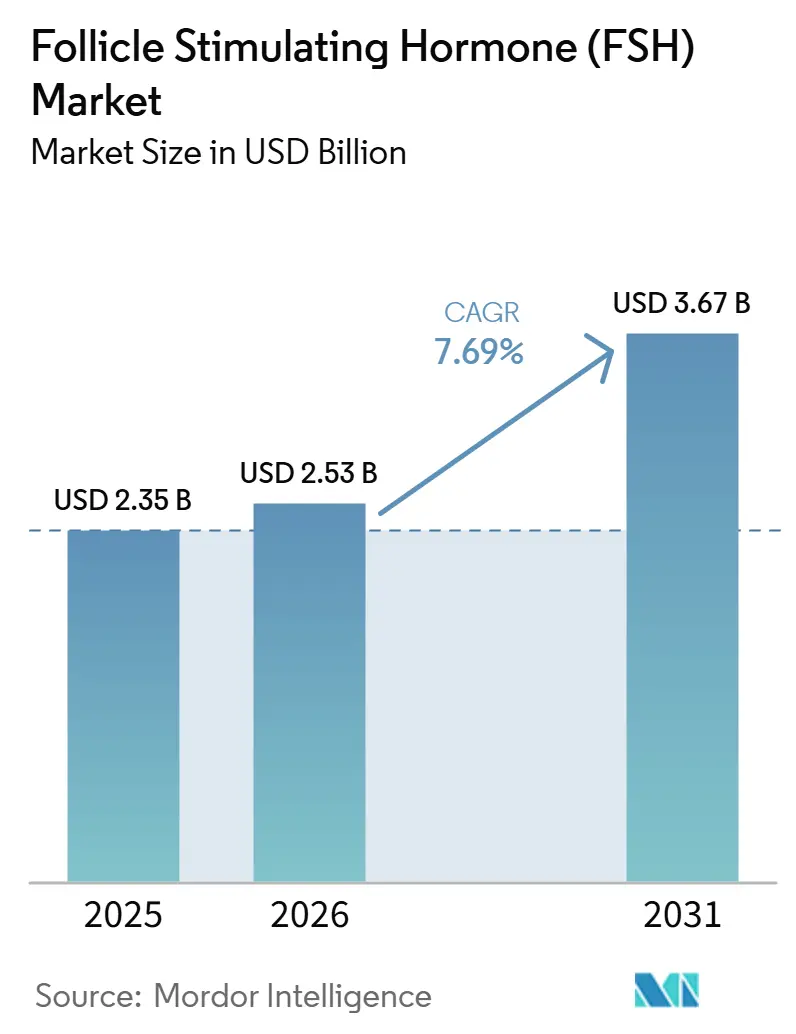
The Follicle Stimulating Hormone Market size was valued at USD 2.35 billion in 2025 and is estimated to grow from USD 2.53 billion in 2026 to reach USD 3.67 billion by 2031, at a CAGR of 7.69% during the forecast period (2026-2031).
The follicle-stimulating hormone market is supported by persistent infertility prevalence and a rising number of patients entering assisted reproductive treatment. Infertility affects 17.5% of adults globally, or 1 in 6 people, which creates a broad clinical need for diagnosis and treatment.[1]World Health Organization, “Guideline for the Prevention, Diagnosis and Treatment of Infertility,” World Health Organization, who.int More patients are receiving treatment later in their reproductive years, which raises the need for individualized ovarian stimulation. Product competition is moving beyond standard formulations toward lower injection burdens, tailored dosing, and better patient access. Manufacturers also face pressure to make treatment more affordable while protecting product differentiation in regions where biosimilars are gaining acceptance.
Key Report Takeaways
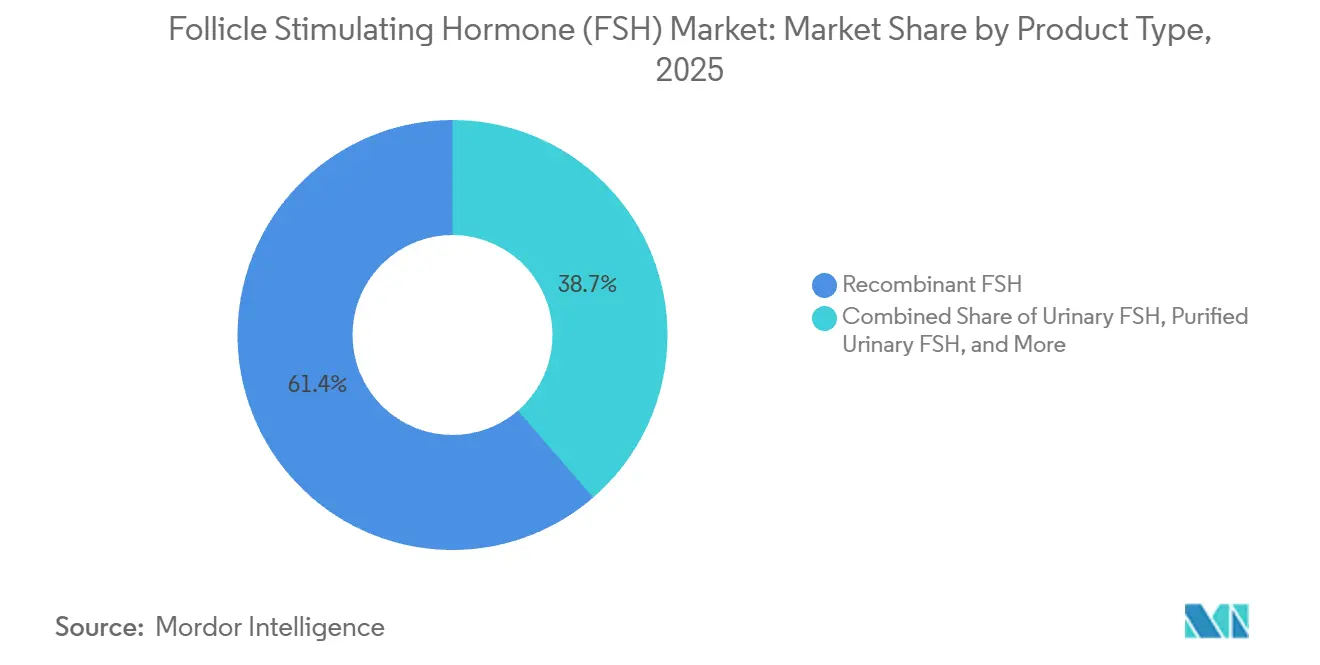
- By product type, recombinant FSH held 61.35% of the follicle-stimulating hormone market share in 2025, while urinary FSH combined with other gonadotropins is forecast to expand at an 8.82% CAGR through 2031.
- By form, prefilled pens held 36.17% revenue share in 2025, while prefilled syringes are forecast to expand at a 9.15% CAGR through 2031.
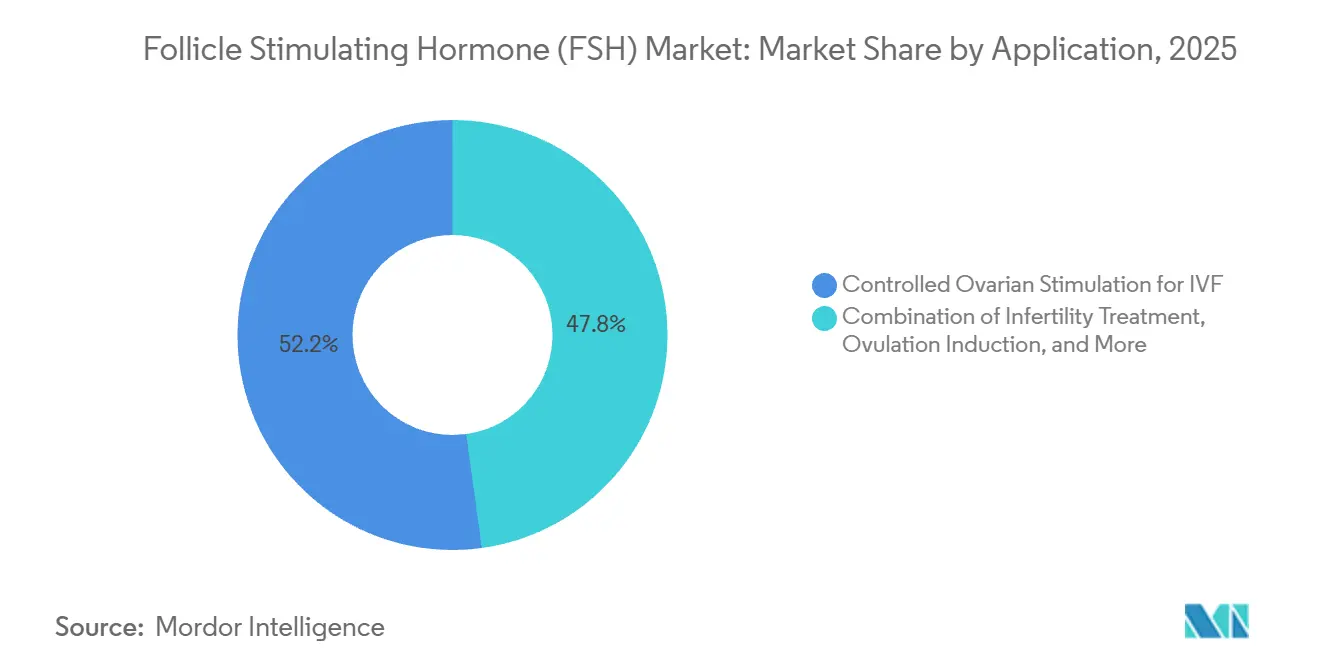
- By application, controlled ovarian stimulation for IVF accounted for 52.18% of the follicle-stimulating hormone market size in 2025, while male hypogonadotropic hypogonadism and spermatogenesis induction are forecast to grow at a 9.32% CAGR through 2031.
- By route of administration, subcutaneous delivery held 78.19% revenue share in 2025, while intramuscular administration is forecast to expand at an 8.83% CAGR through 2031.
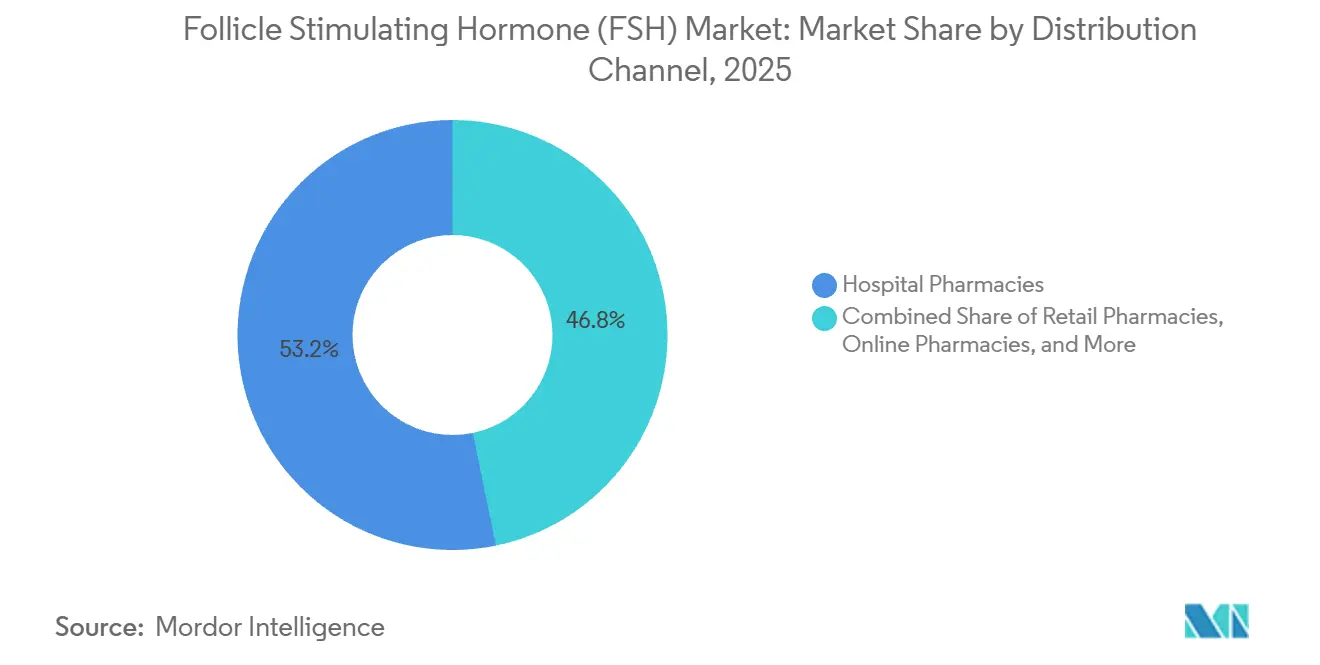
- By distribution channel, hospital pharmacies held 53.24% revenue share in 2025, while online pharmacies are forecast to grow at a 9.05% CAGR through 2031.
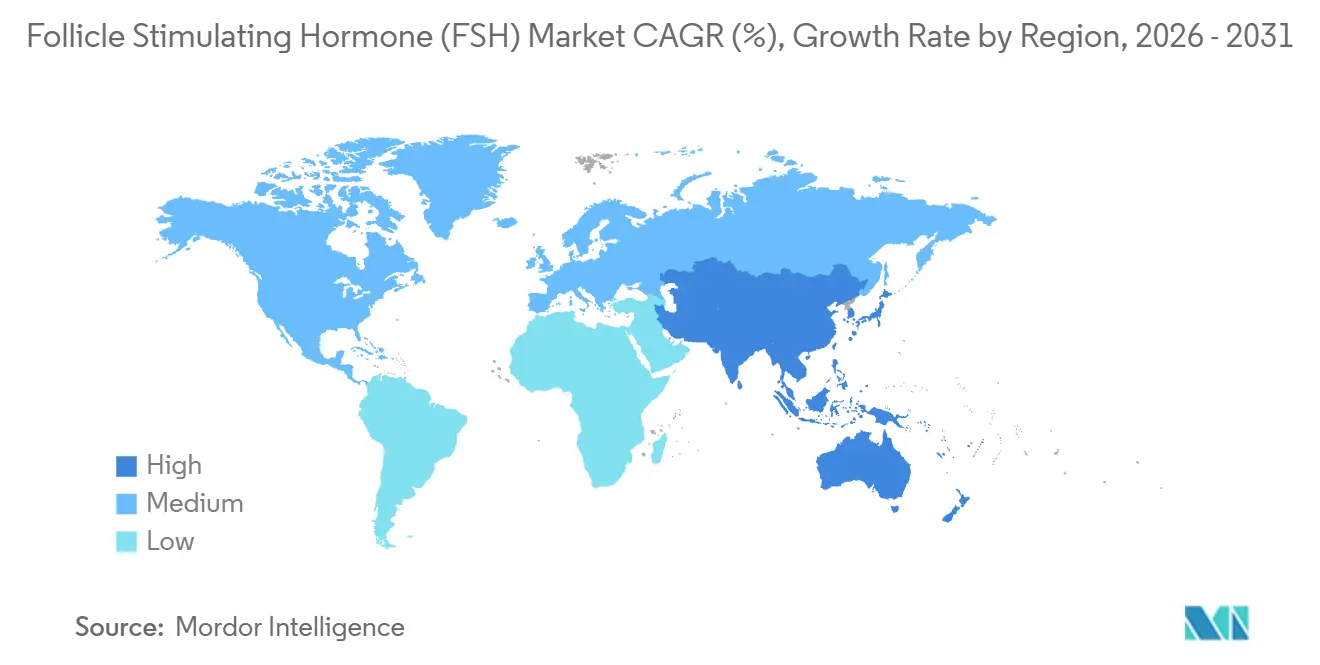
- By geography, North America held 43.17% of revenue in 2025, while Asia-Pacific is forecast to expand at a 9.21% CAGR through 2031.
Note: Market size and forecast figures in this report are generated using Mordor Intelligence’s proprietary estimation framework, updated with the latest available data and insights as of January 2026.
Market Trends and Insights
Drivers Impact Analysis of Follicle Stimulating Hormone (FSH) Market*
| Driver | (~) % Impact on CAGR Forecast | Geographic Relevance | Impact Timeline |
|---|---|---|---|
| Rising Infertility and ART Cycle Volumes | +2.0% | Global, with concentration in China, India, the United States, and Western Europe | Medium term (2-4 years) |
| Delayed Childbearing and Ovarian Reserve Decline | +1.2% | North America, Western Europe, Japan, South Korea, and urban China | Long term (≥ 4 years) |
| Fertility Awareness and Reimbursement Support | +1.0% | North America and Europe, with emerging relevance in Southeast Asia and the GCC | Medium term (2-4 years) |
| Recombinant FSH Production and Delivery Innovation | +0.8% | Global, with fastest adoption in the United States and Europe | Short term (≤ 2 years) |
| Long-Acting FSH and Reduced-Injection Protocols | +0.6% | China, Europe, North America, Japan, and South Korea | Medium term (2-4 years) |
| AI-Assisted Ovarian Stimulation and Dose Individualization | +0.4% | North America, the EU, and urban Asia-Pacific | Long term (≥ 4 years) |
| Source: Mordor Intelligence | |||
Rising Infertility and Expanding ART Cycle Volumes
Infertility affects 17.5% of adults worldwide, which supports a sustained base of potential patients for fertility services. The follicle stimulating hormone market benefits when diagnosed patients progress from consultation to active treatment. More than 3 million assisted reproductive technology cycles occur each year worldwide.[2]European Society of Human Reproduction and Embryology, “ART Fact Sheet,” European Society of Human Reproduction and Embryology, eshre.eu Cycle volumes in developed countries had increased by 5% to 10% annually before growth moderated in the most mature settings. China performs nearly 1 million ART cycles annually, creating frequent demand for gonadotropin treatment. Improved laboratory outcomes can encourage patients to pursue further retrieval cycles, which extends FSH use beyond a single treatment attempt.
Delayed Childbearing and Age-Related Ovarian Reserve Decline
Later family formation increases the proportion of patients who need individualized ovarian stimulation. The follicle stimulating hormone market, therefore, has greater exposure to protocols designed for variable ovarian reserve. Patients beginning treatment after age 35 often have lower antral follicle counts and anti-Müllerian hormone levels. These patients may require higher starting doses or more than 1 stimulation attempt. The 2025 ESHRE guidance recommends antral follicle count and anti-Müllerian hormone as biomarkers for predicting ovarian response. This approach shifts clinical decisions away from relying on basal FSH measurements and toward personalized protocol design.
Increasing Fertility Treatment Awareness and Reimbursement Support
Treatment awareness and reimbursement support can widen access to fertility care. The follicle stimulating hormone market gains when patients can begin treatment without carrying the entire medication cost. Commercial insurance coverage and public policy support have helped sustain treatment access in parts of North America and Europe. Provincial IVF reimbursement programs in Canada provide an additional source of demand. Government and manufacturer access programs also matter where coverage remains incomplete. In October 2025, EMD Serono agreed to make Gonal-f and companion IVF medicines available at an 84% discount from list price for eligible patients. Such programs can support treatment initiation, although clinic and laboratory fees still affect affordability.
Recombinant FSH Production and Delivery Innovation
Recombinant products remain central to the follicle stimulating hormone market because fertility centers value batch consistency and dose control. Delivery systems also affect the patient experience during home-based stimulation. Prefilled pens and syringes help patients follow prescribed doses outside the clinic. The 2025 ESHRE guideline gave equal recommendations to recombinant human FSH, highly purified FSH, and human menopausal gonadotropin in GnRH agonist protocols. This leaves room for manufacturers to compete through convenience, cost, and service rather than claims of superior outcomes. Ferring’s follitropin delta uses a dosing approach based on anti-Müllerian hormone and body weight, showing how evidence-based personalization can distinguish a recombinant product.
Restraints Impact Analysis of Follicle Stimulating Hormone (FSH) Market*
| Restraint | (~) % Impact on CAGR Forecast | Geographic Relevance | Impact Timeline |
|---|---|---|---|
| High Per-Cycle Medication Cost and Incomplete Reimbursement | -1.5% | The United States, Southeast Asia, Latin America, and Sub-Saharan Africa | Long term (≥ 4 years) |
| Ovarian Hyperstimulation and Treatment-Related Safety Risks | -0.8% | Global, particularly among patients with PCOS or high ovarian response | Medium term (2-4 years) |
| Divergent Biosimilar Interchangeability Rules | -0.6% | The United States, the EU, and Japan | Medium term (2-4 years) |
| Urinary-Derived Supply Traceability and Raw-Material Volatility | -0.4% | Global, with relevance for European and South American sourcing hubs | Long term (≥ 4 years) |
| Source: Mordor Intelligence | |||
High Per-Cycle Medication Cost and Incomplete Reimbursement
FSH medicines are among the largest medication expenses within an IVF cycle. The Follicle stimulating hormone market remains limited when patients cannot afford to start or continue treatment. Out-of-pocket medicine costs can exceed thousands of USD in markets without broad coverage. Uninsured patients in the United States, Southeast Asia, and Latin America may discontinue treatment because of medication expense. In October 2025, EMD Serono announced an 84% list-price discount for its IVF medicine portfolio for eligible patients. The measure addresses one barrier, but total IVF costs can still exceed USD 20,000 for an uninsured patient in the United States.
Ovarian Hyperstimulation and Other Treatment-Related Safety Risks
Ovarian hyperstimulation syndrome limits the FSH doses clinicians use for patients who are likely to respond strongly. This safety concern is particularly relevant for patients with polycystic ovary syndrome or a high antral follicle count. The follicle stimulating hormone market cannot rely on dose escalation as a broad source of revenue growth. The 2025 ESHRE guideline recommends a gonadotropin starting dose of 100 to less than 150 IU for predicted high responders. The same guidance recommends dopamine agonists to reduce early OHSS risk for patients receiving hCG for final oocyte maturation. Long-acting products may improve this position if their safety profile remains consistent in broader clinical use.
*Our forecasts treat driver/restraint impacts as directional, not additive. The impact forecasts reflect baseline growth, mix effects, and variable interactions.
Follicle Stimulating Hormone (FSH) Market Segment Analysis
By Product Type:
Recombinant Formulations Lead While Combination Urinary Products GrowRecombinant FSH held 61.35% revenue share in 2025, making it the leading product group in the Follicle stimulating hormone market. Its position reflects consistent production quality, controlled dosing, and common use in high-volume fertility centers. Urinary FSH combined with other gonadotropins is the fastest-growing product group, with an 8.82% CAGR expected through 2031. These products combine FSH and LH activity in 1 administration. This can appeal to clinics that favor LH supplementation and need lower-cost treatment options. The product is particularly relevant in price-sensitive centers in Latin America and Southeast Asia. The 2025 ESHRE guideline stated that recombinant FSH with added LH activity is probably not superior to recombinant FSH alone for normal and low ovarian responders. The comparison means that price, local practice, and patient preference can influence product selection. Biosimilar competition may further reduce the gap between recombinant and urinary options.
Purified urinary FSH retains a position between lower-cost combination products and recombinant formulations. It offers greater purification than combination urinary products while remaining more affordable than many recombinant options. The Follicle stimulating hormone market includes this product choice because pricing does not move at the same pace across countries. Granata Bio and Georgetown Equity Partners formed GTE Bio in October 2025 to advance hypoglycosylated FSH into first-in-human studies. The program aims to reflect the glycoform profile seen in women of reproductive age. Ferring reported cumulative ongoing pregnancy rates of 64% in RITA-1 and 43.9% in RITA-2 for follitropin delta in 2025 presentations.[3]Ferring Pharmaceuticals USA, “Ferring Pharmaceuticals Presents Two New Analyses of Pivotal Trial Data for Follitropin Delta at ASRM 2025,” Ferring Pharmaceuticals USA, ferringusa.com These results support an approach based on individualized dosing evidence. Product selection will remain shaped by cost, formulation, and the clinical services attached to each brand.



By Form:
Prefilled Devices Support Home-Based TreatmentPrefilled pens held 36.17% of form revenue in 2025. The follicle stimulating hormone market benefits from pens because patients can use dose-dialing devices during home stimulation. Ergonomic design and clearer dose selection can reduce handling concerns for patients. Outpatient-managed IVF cycles have made device design more important. Patients commonly self-administer FSH over a 10 to 14-day stimulation period. Pens suit this treatment pattern because they are designed for repeated home use. A 2025 Phase 3 comparison found Foligraf prefilled pen non-inferior to Gonal-f for efficacy. The study also reported comparable immunogenicity in a European regulatory submission. Equivalent device performance can reduce the protection that originators once received from pen design.
Lyophilized powder formulations remain relevant where cold-chain limitations or shelf-life requirements affect procurement. Multidose vials also remain cost-effective for busy reproductive centers. Clinics in China, India, and Brazil can use a vial for multiple patients on the same day. This approach can reduce medicine waste in clinic-administered models. Prefilled syringes are forecast to expand at a 9.15% CAGR through 2031. Specialty pharmacies and hospital programs value unit-dose packaging, inventory control, and sterility verification. Injection solutions remain useful across hospital-administered and self-administered settings. The follicle stimulating hormone market will continue to have several viable forms because care delivery varies by country. The choice between pens, syringes, vials, powders, and solutions will depend on price, storage, workflow, and patient support.
By Application:
IVF Remains the Largest Use While Male Treatment AdvancesControlled ovarian stimulation for IVF accounted for 52.18% of revenue in 2025. This application anchors the follicle stimulating hormone market because multi-follicular stimulation is used in fresh retrieval cycles. IVF also requires close coordination between physicians, embryology laboratories, and pharmacies. These linked services strengthen demand for established FSH brands and clinic protocols. Intrauterine insemination stimulation and ovulation induction serve a broader patient group. However, they generally use lower doses to reduce the risk of multifetal gestation. Fertility preservation is another application within the portfolio. The 2025 ESHRE guidance conditionally recommended random-start GnRH antagonist protocols for elective oocyte cryopreservation. ESHRE This allows urgent stimulation ahead of gonadotoxic treatment and supports a distinct treatment pathway.
Male hypogonadotropic hypogonadism and spermatogenesis induction is forecast to grow at a 9.32% CAGR through 2031. The follicle stimulating hormone market has an opportunity in this application because treatment can continue for many months. A 2025 meta-analysis of 50 studies involving 1,583 men found a pooled spermatogenesis induction success rate of 74% with combined hCG and FSH therapy. The review found that combined therapy outperformed hCG alone. A randomized trial published in March 2026 found spermatogenesis in 84.6% of participants receiving FSH, hCG, and testosterone.[4]S. Mittal et al., “Comparing the Response of Triple Therapy and Conventional Treatment in Male Congenital Hypogonadotropic Hypogonadism, A Randomized Controlled Trial,” Frontiers in Endocrinology, frontiersin.org The corresponding rate was 69.2% with standard hCG and FSH treatment. The trial also reported a lower median hCG dose of 7,500 IU per week versus 9,000 IU per week. Longer therapy duration can raise FSH use per patient while reducing the need for co-medication.
By Route of Administration:
Subcutaneous Delivery Retains a Clear LeadSubcutaneous delivery held 78.19% of route revenue in 2025. It leads the follicle stimulating hormone market because it supports self-administration during female ovarian stimulation. Patients and clinics are familiar with this route in home-based ART protocols. It is associated with a lower pain profile and established use in outpatient care. Pens and prefilled syringes are also designed around subcutaneous administration. This makes the route compatible with distribution through fertility clinics and specialty pharmacies. The route supports precise daily dosing during conventional stimulation. It also aligns with the preference for treatment outside the hospital. Its leading position will remain linked to the central role of female IVF cycles.
Intramuscular administration is forecast to expand at an 8.83% CAGR through 2031. This route is relevant to male hypogonadism protocols that combine hCG with FSH. The treatment period can last 12 to 24 months while spermatogenesis is induced. That duration gives the follicle stimulating hormone market a different demand pattern from a short female IVF cycle. Evidence published in 2025 showed that most men with pathologic gonadotropin deficiency achieved sperm output and fertility within 1 year of standardized hCG and FSH treatment. The evidence supports sustained gonadotropin use as part of male fertility care. Route choice will reflect the indication, local clinical practice, and the ability of patients to maintain long treatment schedules. Subcutaneous delivery will remain dominant, while intramuscular use will gain importance in male treatment settings.
By Distribution Channel:
Hospital Pharmacies Lead While Digital Access ExpandsHospital pharmacies held 53.24% of channel revenue in 2025. The follicle stimulating hormone market relies on this channel in Europe and Asia, where fertility centers often procure and dispense medicines directly. Clinics can manage bulk purchasing, injection education, and cold-chain oversight through affiliated pharmacies. Direct dispensing also helps prevent waste caused by delayed collection or incorrect storage. These operational advantages support the channel even when patients prefer home delivery. Hospital pharmacies can keep the prescriber and dispensing process closely connected. This arrangement is especially useful during time-sensitive IVF cycles. It also gives clinics influence over product selection and patient counseling. Institutional purchasing remains important for manufacturers that seek volume through center-based contracts.
Online pharmacies are forecast to grow at a 9.05% CAGR through 2031. The follicle stimulating hormone market is gaining digital access options as patients become more comfortable with home delivery. In February 2026, EMD Serono expanded direct-to-patient access through a government-aligned digital purchasing platform. Specialty pharmacies retain a dedicated role in the United States. They can provide reimbursement checks, cold-chain management, and fertility nursing support. Retail pharmacies serve walk-in demand in India and parts of Southeast Asia. Digital and specialty channels are likely to grow in developed markets, while retail access remains important in emerging markets. Manufacturers will need different channel strategies because the patient relationship is changing with each dispensing model.
Geography Analysis
North America Follicle Stimulating Hormone (FSH) Market
North America held 43.17% of revenue in 2025. The follicle stimulating hormone market in the region is supported by the United States, which has a dense IVF clinic network and commercial insurance coverage. More than 435,000 ART cycles were performed in the United States in 2023. Gonal-f is a widely prescribed FSH product in the country. EMD Serono expanded a direct-to-patient access program in February 2026 to lower out-of-pocket medicine costs for eligible patients. Canada adds demand through provincial reimbursement programs. Mexico adds a cost-sensitive channel through fertility tourism for patients seeking lower-cost cycles. The region therefore includes both premium demand and demand that responds strongly to access programs.
Europe Follicle Stimulating Hormone (FSH) Market
Europe has a large and recurring FSH base. The region reported 923,318 ART cycles across 41 countries in 2020. Russia, France, Spain, Germany, and Italy are leading sources of treatment volume. The follicle stimulating hormone market in Europe also provides a model for biosimilar adoption. National medicines agencies and procurement systems in Germany and France support substitution practices in selected settings. Biosimilar follitropin alfa has gained meaningful clinic procurement share where institutional benefit-risk assessments support substitution. This environment increases price pressure on originators. It can also widen access when lower prices allow more cycles to be funded. Europe remains important for both reference biologics and companies seeking to establish biosimilar credibility.
APAC Follicle Stimulating Hormone (FSH) Market
Asia-Pacific is forecast to grow at a 9.21% CAGR through 2031. China anchors regional volume through nearly 1 million annual ART cycles. China’s domestic FSH terminal sales reached RMB 2.541 billion in 2025, equivalent to USD 351 million, with recombinant products representing more than 56% of the total. Approvals of long-acting FSH products in August and September 2025 show that Chinese firms are competing through product development as well as price. Japan benefits from expanded national insurance coverage for ART. India, South Korea, and Australia add demand, while India’s tier-2 city fertility centers widen access to affordable products.

Competitive Landscape
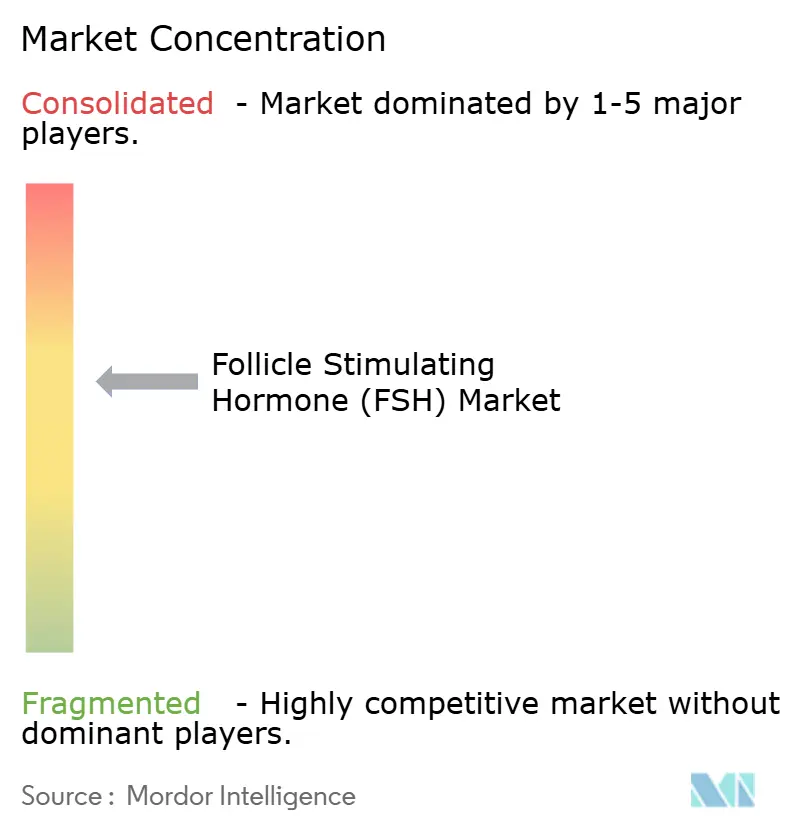
The follicle stimulating hormone market has a two-tier structure. Merck KGaA, Organon, and Ferring Pharmaceuticals form the leading originator group. Merck markets Gonal-f and Pergoveris, Organon markets Puregon and Follistim, and Ferring markets Rekovelle. Biosimilar and generic competitors include Gedeon Richter, Teva Pharmaceutical, IBSA Institut Biochimique, Intas Pharmaceuticals, Livzon Pharmaceutical, GeneScience, Anhui Anke, and Shanghai Techwell Biopharmaceutical. Originators use pens, auto-injectors, dosing algorithms, and access agreements to protect their established positions. Biosimilar manufacturers compete through price, local manufacturing, tenders, and regional partnerships. The follicle stimulating hormone market is therefore moderately consolidated among originators, while the wider supplier base is becoming more competitive.
Ferring has used individualized dosing as a strategic differentiator for follitropin delta. Its AMH and body weight framework gives clinics a defined method for dosing decisions. Gedeon Richter acquired a significant equity stake in Granata Bio in May 2025 and signed a term sheet to co-develop BEMFOLA for the United States. The move gives Richter a route into the U.S. fertility setting. Mochida Pharmaceutical and Qilu Pharmaceutical announced a partnership in April 2026 to develop and commercialize a follitropin alfa biosimilar in Japan. These actions show that partnerships are needed to enter regulated markets and establish distribution. Competitive choices increasingly concern market access and local execution, not only molecule development.
Long-acting products are another area of competition in the follicle stimulating hormone market. China approved Shengnuowa in 2025 as the first domestic long-acting recombinant FSH. GeneScience received approval for a corifollitropin alfa N02 injection intended to replace 7 daily injections with 1 dose. Organon had previously licensed the investigational long-acting SJ02 FSH-CTP asset in China. Manufacturers also have an opening in male hypogonadotropic hypogonadism, where treatment protocols are less developed commercially. AI-assisted dose selection may create stronger links between a product and a clinic’s protocol. The follicle stimulating hormone market will remain shaped by affordability, biosimilar adoption, patient support, and evidence for new formulations.
Follicle Stimulating Hormone (FSH) Industry Leaders
Ferring Pharmaceuticals
Gedeon Richter Plc
Merck KGaA
Organon & Co.
Teva Pharmaceutical Industries Ltd.
- *Disclaimer: Major Players sorted in no particular order
Follicle Stimulating Hormone (FSH) Market Companies Covered in this Report
- Anhui Anke Biotechnology Group Co., Ltd.
- Bharat Serums and Vaccines Limited
- Cipla
- Ferring Pharmaceuticals
- Gedeon Richter Plc
- GeneScience Pharmaceuticals Co., Ltd.
- IBSA Institut Biochimique SA
- Intas Pharmaceutical
- LG Chem Life Sciences
- Livzon Pharmaceutical Group Inc.
- Lupin
- Mankind Pharma Limited
- Meitheal Pharmaceuticals, Inc.
- Merck
- Organon
- Sanofi
- Shanghai Techwell Biopharmaceutical Co., Ltd.
- Sun Pharmaceuticals Industries
- Teva Pharmaceutical Industries
- Zydus Lifesciences Limited

Recent Industry Developments in Follicle Stimulating Hormone (FSH) Market
- June 2026: Livzon MABPharm Inc., a subsidiary of Livzon Pharmaceutical Group Inc., received a Drug Registration Certificate from China’s National Medical Products Administration for its recombinant human follitropin alfa solution for injection. The prefilled pen product is administered at 33 µg, or 450 IU, per 0.75 mL. It completed Phase I to III evaluation as a biosimilar and became the 5th domestic recombinant follitropin alfa product available in China.
- April 2026: Mochida Pharmaceutical Co., Ltd. and Qilu Pharmaceutical Co., Ltd. announced a partnership for development and commercialization of Qilu’s follitropin alfa biosimilar in Japan. The agreement marked Mochida’s first biosimilar in obstetrics and gynecology.
- February 2026: EMD Serono received an FDA Commissioner’s National Priority Voucher for Pergoveris. The company stated that the voucher shortened the product’s expected U.S. review from 10 to 12 months to 1 to 2 months. It also expanded direct-to-patient FSH access through a government-aligned digital purchasing platform.
- October 2025: EMD Serono and the U.S. government announced a voluntary agreement covering Gonal-f, Ovidrel, and Cetrotide. Eligible patients could receive the medicines at an 84% discount from list price, with distribution planned through TrumpRx.gov from January 2026.


Global Follicle Stimulating Hormone (FSH) Market Report Scope
The follicle stimulating hormone (FSH) market refers to the global landscape of products, and therapies related to FSH, a key hormone regulating reproductive health. It encompasses pharmaceutical formulations, fertility treatments, and research applications aimed at addressing infertility, hormonal disorders, and assisted reproductive technologies. Growth in this market is driven by rising infertility rates, advancements in biotechnology, and increasing demand for reproductive healthcare solutions.
The follicle stimulating hormone (FSH) market is segmented by product type, form, application, route of administration, distribution channel, and geography. By product type, it is further divided into recombinant FSH, urinary FSH, purified urinary FSH, and urinary FSH combined with other gonadotropins. By form, it is segmented into injection solution, lyophilized powder, prefilled pen, prefilled syringe, and multidose vial. By application, the market is segmented into infertility treatment, controlled ovarian stimulation for IVF, intrauterine insemination-associated stimulation, ovulation induction, male hypogonadotropic hypogonadism and spermatogenesis, and other therapeutic applications. By route of administration, the market is segmented into subcutaneous and intramuscular. By distribution channel, the market is segmented into hospital pharmacies, retail pharmacies, online pharmacies, and specialty pharmacies. The geography segment is further divided into North America, Europe, Asia-Pacific, the Middle East and Africa, and South America. The report also covers the estimated market sizes and trends for 17 countries across major regions globally. The report offers the market size and forecasts in value (USD) for the above segments.
| Recombinant FSH |
| Urinary FSH |
| Purified Urinary FSH |
| Urinary FSH Combined With Other Gonadotropins |
| Injection Solution |
| Lyophilized Powder |
| Prefilled Pen |
| Prefilled Syringe |
| Multidose Vial |
| Infertility Treatment |
| Controlled Ovarian Stimulation for IVF |
| Intrauterine Insemination-Associated Stimulation |
| Ovulation Induction |
| Male Hypogonadotropic Hypogonadism and Spermatogenesis |
| Other Therapeutic Applications |
| Subcutaneous |
| Intramuscular |
| Hospital Pharmacies |
| Retail Pharmacies |
| Online Pharmacies |
| Specialty Pharmacies |
| North America | United States |
| Canada | |
| Mexico | |
| Europe | Germany |
| United Kingdom | |
| France | |
| Italy | |
| Spain | |
| Rest of Europe | |
| Asia-Pacific | China |
| Japan | |
| India | |
| Australia | |
| South Korea | |
| Rest of Asia-Pacific | |
| Middle East and Africa | GCC |
| South Africa | |
| Rest of Middle East and Africa | |
| South America | Brazil |
| Argentina | |
| Rest of South America |
| By Product Type | Recombinant FSH | |
| Urinary FSH | ||
| Purified Urinary FSH | ||
| Urinary FSH Combined With Other Gonadotropins | ||
| By Form | Injection Solution | |
| Lyophilized Powder | ||
| Prefilled Pen | ||
| Prefilled Syringe | ||
| Multidose Vial | ||
| By Application | Infertility Treatment | |
| Controlled Ovarian Stimulation for IVF | ||
| Intrauterine Insemination-Associated Stimulation | ||
| Ovulation Induction | ||
| Male Hypogonadotropic Hypogonadism and Spermatogenesis | ||
| Other Therapeutic Applications | ||
| By Route of Administration | Subcutaneous | |
| Intramuscular | ||
| By Distribution Channel | Hospital Pharmacies | |
| Retail Pharmacies | ||
| Online Pharmacies | ||
| Specialty Pharmacies | ||
| By Geography | North America | United States |
| Canada | ||
| Mexico | ||
| Europe | Germany | |
| United Kingdom | ||
| France | ||
| Italy | ||
| Spain | ||
| Rest of Europe | ||
| Asia-Pacific | China | |
| Japan | ||
| India | ||
| Australia | ||
| South Korea | ||
| Rest of Asia-Pacific | ||
| Middle East and Africa | GCC | |
| South Africa | ||
| Rest of Middle East and Africa | ||
| South America | Brazil | |
| Argentina | ||
| Rest of South America | ||


Key Questions Answered in the Report
What is driving demand for follicle stimulating hormone therapies?
Infertility affects 17.5% of adults globally, and rising ART activity continues to support demand for ovarian stimulation medicines.
What are the leading uses of follicle stimulating hormone?
Controlled ovarian stimulation for IVF was the leading application, with 52.18% revenue share in 2025. Male hypogonadotropic hypogonadism treatment is the fastest-growing application at a 9.32% CAGR through 2031.
Why are recombinant FSH products widely used?
Recombinant FSH held 61.35% revenue share in 2025 because clinics value consistent batches, controlled dosing, and established use in fertility treatment.
Which FSH delivery route is most common?
Subcutaneous administration held 78.19% of route revenue in 2025 because it supports patient self-injection during home-based ovarian stimulation.
How are biosimilars changing follicle stimulating hormone competition?
Biosimilars increase price competition, especially where procurement systems and substitution practices support their use. Partnerships such as Mochida and Qilu’s Japan agreement show continued expansion.
What is the main barrier to fertility medicine access?
High medicine costs and incomplete reimbursement can prevent eligible patients from starting or completing treatment, particularly in self-funded settings.
Page last updated on:





