
Encephalitis Treatment Market Size and Share
Market Overview
| Study Period | 2020 - 2031 |
|---|---|
| Market Size (2026) | USD 11.82 Billion |
| Market Size (2031) | USD 16.21 Billion |
| Growth Rate (2026 - 2031) | 6.52 % |
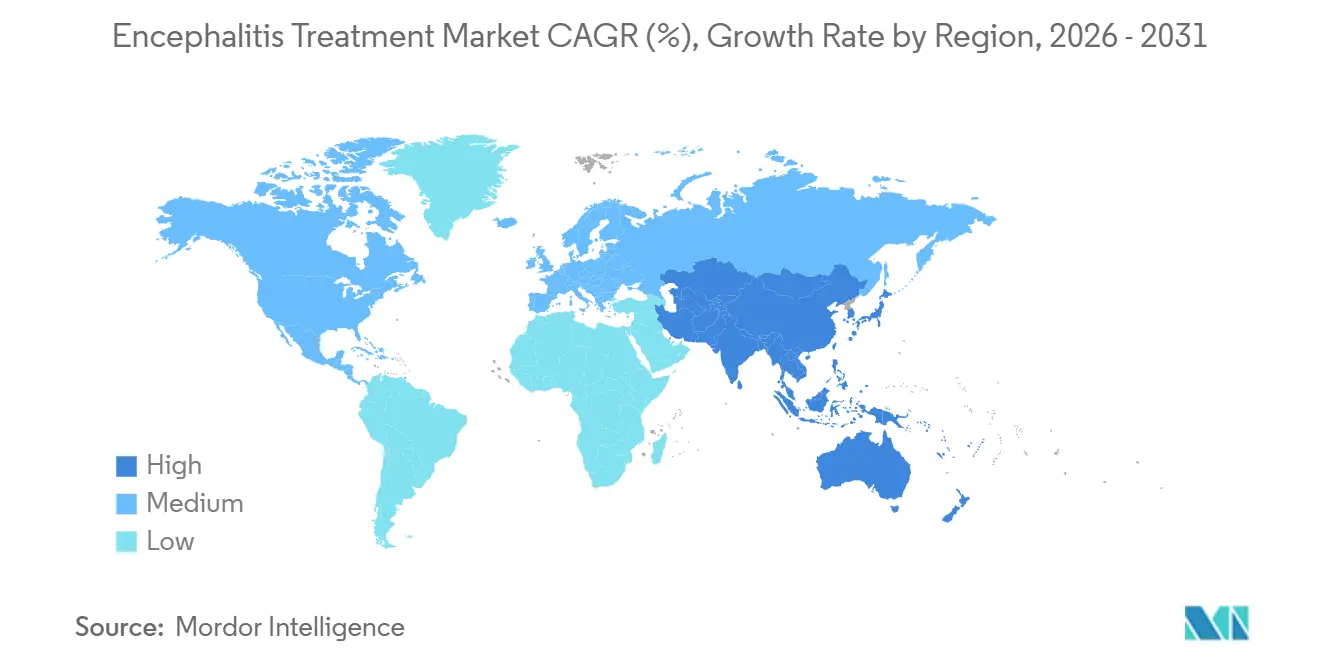
| Fastest Growing Market | Asia-Pacific |
| Largest Market | North America |
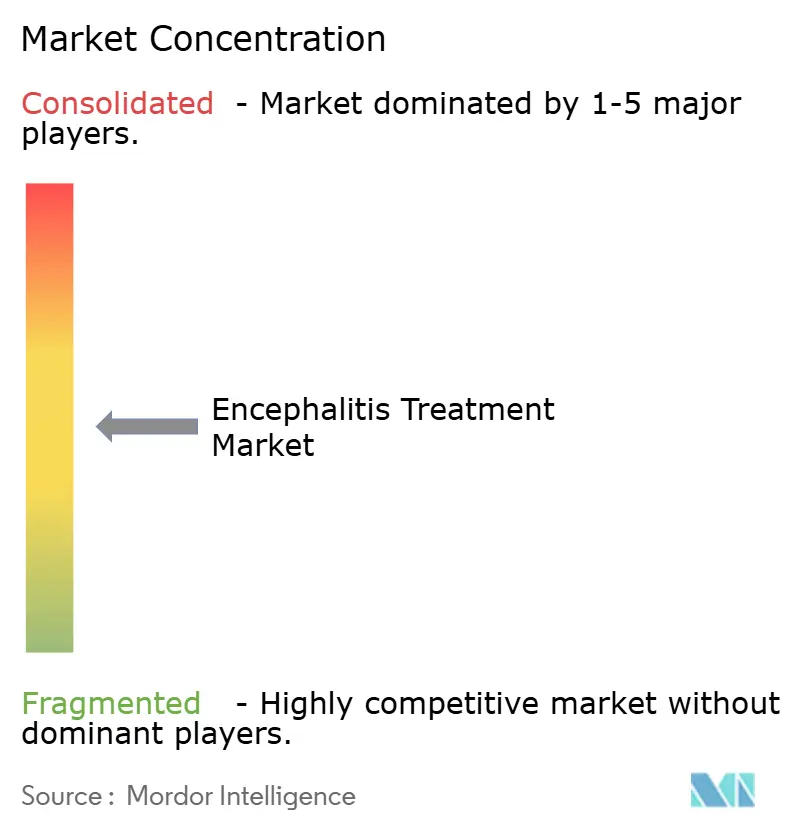
| Market Concentration | Medium |
Major Players *Disclaimer: Major Players sorted in no particular order Image © Mordor Intelligence. Reuse requires attribution under CC BY 4.0. | |
Encephalitis Treatment Market Analysis by Mordor Intelligence
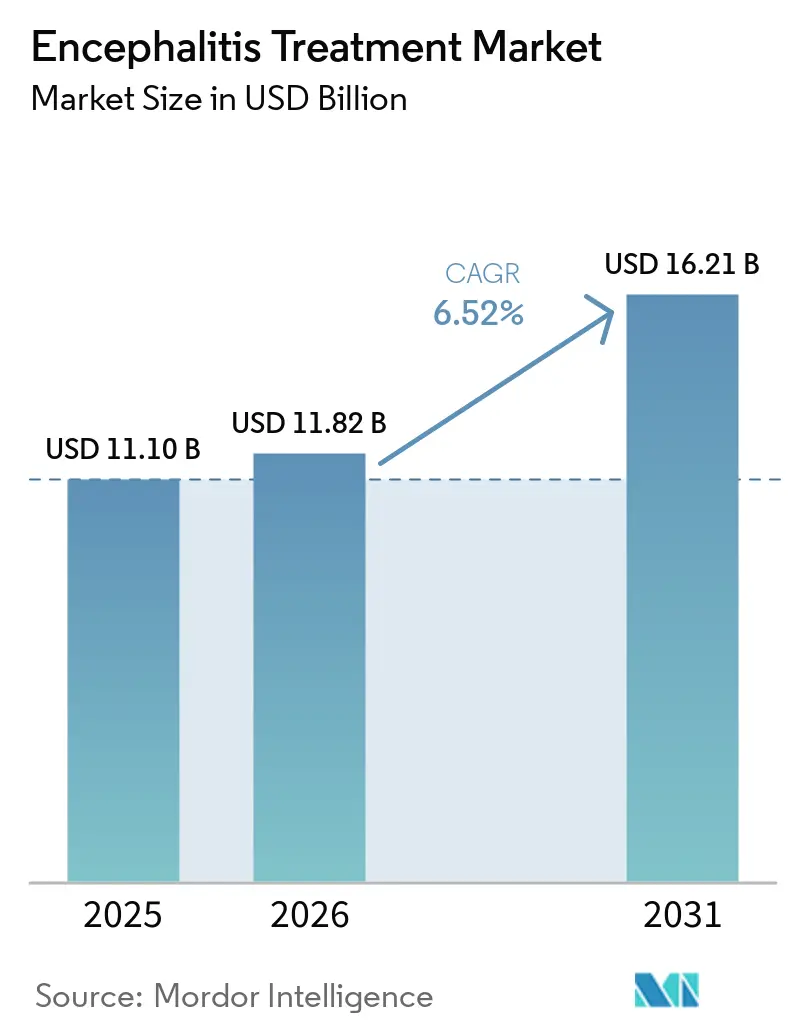
The Encephalitis Treatment Market size is projected to be USD 11.10 billion in 2025, USD 11.82 billion in 2026, and reach USD 16.21 billion by 2031, growing at a CAGR of 6.52% from 2026 to 2031.
The encephalitis treatment market is supported by the prolonged care needs of many survivors, who can require repeat drug treatment and neurological follow-up after the acute episode. Viral disease remains central to demand, but growing recognition of autoimmune disease is increasing the use of immunomodulatory therapies. Diagnostic tools can shorten the path to a pathogen-specific treatment, while also bringing previously missed cases into formal care. Capacity for intensive care, specialist neurology, and plasma-derived medicines will shape how far treatment access can expand. Companies are balancing mature generic antiviral portfolios with more specialized immunoglobulin and biologic opportunities.
Key Report Takeaways
- By disease type, primary encephalitis held 56.31% of the encephalitis treatment market share in 2025, while secondary encephalitis is forecast to grow at a 7.88% CAGR through 2031.
- By treatment type, antiviral agents accounted for 35.24% of the encephalitis treatment market share in 2025, while immunoglobulin therapy is forecast to grow at an 8.22% CAGR through 2031.
- By dosage form, injections held 62.14% of revenue in 2025, while tablets and capsules are forecast to grow at a 7.82% CAGR through 2031.
- By patient age group, adults accounted for 66.64% of revenue in 2025, while pediatric patients are forecast to grow at a 7.95% CAGR through 2031.
- By distribution channel, hospital pharmacies held 48.68% of revenue in 2025, while online pharmacies are forecast to grow at a 7.35% CAGR through 2031.
- By geography, North America held 38.61% share in 2025, while Asia-Pacific is forecast to expand at a 7.25% CAGR through 2031.
Note: Market size and forecast figures in this report are generated using Mordor Intelligence’s proprietary estimation framework, updated with the latest available data and insights as of January 2026.
Market Trends and Insights
Drivers Impact Analysis of Encephalitis Treatment Market*
| Driver | (~) % Impact on CAGR Forecast | Geographic Relevance | Impact Timeline |
|---|---|---|---|
| Rising Viral and Vector-Borne Encephalitis Burden | +1.8% | Global | Short term (≤ 2 years) |
| Earlier Diagnosis Through Molecular Testing and Sequencing | +1.2% | North America and Europe, with spillover to the Asia-Pacific | Medium term (2-4 years) |
| Expansion of Autoimmune Encephalitis Recognition and Immunotherapy Use | +1.4% | Global, with early gains in North America and Europe | Medium term (2-4 years) |
| Growth of Critical-Care and Specialist Neurology Capacity | +0.8% | Asia-Pacific, with spillover to the Middle East and Africa | Long term (≥ 4 years) |
| Public-Health Vaccination and Outbreak-Control Programs | +0.6% | Asia-Pacific, primarily South Asia | Short term (≤ 2 years) |
| Climate-Driven Expansion of Vector Habitats | +0.5% | Global, with early gains in Europe and North America | Long term (≥ 4 years) |
| Source: Mordor Intelligence | |||
Rising Viral and Vector-Borne Encephalitis Burden
Herpes simplex virus remained the most frequent sporadic cause of infectious encephalitis in temperate countries, with annual incidence reported between 1.4 and 13.8 cases per 100,000 people. Japanese encephalitis causes an estimated 100,000 clinical cases globally each year and leads to approximately 25,000 deaths. These disease volumes support continuing use of antivirals, supportive medicines, and hospital-based care across the encephalitis treatment market. The burden is uneven because diagnostic access remains limited in many high-incidence settings. A 2025 analysis reported that fewer than 30% of facilities in Sub-Saharan Africa were equipped for routine HSV testing, while more than 70% of South Asian facilities lacked autoantibody panels or HSV PCR capacity. Delayed confirmation can result in longer empiric regimens, which increases the treatment period but does not resolve the underlying access gap.
Earlier Diagnosis Through Multiplex Molecular Testing and Metagenomic Sequencing
Multiplex PCR panels, including BioFire FilmArray and QIAstat-Dx ME, can detect up to 14 pathogens from one cerebrospinal fluid sample. These systems can reduce pathogen identification from days to hours and support more targeted antiviral selection. A seven-year clinical evaluation found that metagenomic next-generation sequencing identified pathogens in cases where multiplex PCR did not, with higher yield when samples were tested within 7 days of collection. Better detection can move untreated or incorrectly managed patients into appropriate drug pathways within the encephalitis treatment market. Once a panel identifies a pathogen, prescribers may be less likely to move quickly to broad immunoglobulin treatment. A multicenter evaluation reported 100% concordance for bacterial and yeast pathogens between QIAstat-Dx ME and reference methods, supporting adoption across European hospital networks.
Expansion of Autoimmune Encephalitis Recognition and Immunotherapy Use
Autoimmune encephalitis is increasingly recognized as a major cause of noninfectious encephalitis, which is changing the treatment mix toward immunotherapy. Immunoglobulin therapy is the fastest-growing treatment category and is forecast to expand at an 8.22% CAGR through 2031. IVIG at 2 g/kg over 2 to 5 days is used as a first-line treatment and is often combined with corticosteroids or plasma exchange[1]. A 2026 review found that intravenous methylprednisolone combined with IVIG improved outcomes and reduced recurrence relative to monotherapy for anti-NMDAR encephalitis. A prospective cohort of 58 matched NMDAR-AE patients found favorable functional outcomes in 91.4% at last follow-up with ofatumumab, showing why second-line therapy can extend treatment duration. The encephalitis treatment market, therefore, has a growing recurring-care opportunity among patients who do not respond adequately to initial therapy.
Growth of Critical-Care and Specialist Neurology Capacity
Access to intensive care is closely linked with encephalitis outcomes because severe cases require monitoring and rapid intravenous treatment. Expansion of neurology intensive care capacity in the Asia-Pacific can increase the number of patients who receive complete treatment rather than supportive care alone. The encephalitis treatment market can therefore gain more value in settings where specialist services are becoming available. Premium therapies such as immunoglobulin and anti-CD20 biologics require trained clinicians, reliable hospital procurement, and patient monitoring. This favors Asia-Pacific and selected Middle East settings where neurology investment is expanding, while lower-cost antiviral generics remain more relevant in much of Sub-Saharan Africa. Takeda’s Q3 FY2025 pipeline described programs for immunoglobulin products across neurological indications, including CIDP and SID, showing the importance of shared capacity across related clinical uses.
Restraints Impact Analysis of Encephalitis Treatment Market*
| Restraint | (~) % Impact on CAGR Forecast | Geographic Relevance | Impact Timeline |
|---|---|---|---|
| Diagnostic Delay From Overlapping Neuroinfectious and Psychiatric Presentations | -1.2% | Global | Short term (≤ 2 years) |
| High Cost of Intensive Care, Immunoglobulin, and Rehabilitation | -0.9% | North America and Europe, amplified in the Middle East and Africa | Medium term (2-4 years) |
| Limited Etiology-Specific Therapies Beyond Herpesvirus Infections | -0.6% | Global | Long term (≥ 4 years) |
| Intravenous Supply, Cold-Chain, and Specialist-Capacity Constraints | -0.4% | Asia-Pacific, the Middle East, and Africa | Short term (≤ 2 years) |
| Source: Mordor Intelligence | |||
Diagnostic Delay From Overlapping Neuroinfectious and Psychiatric Presentations
Autoimmune encephalitis can begin with behavioral or psychiatric symptoms, which can delay a neurological evaluation. A 2024 clinical update identified misdiagnosis of antibody-negative cases as a continuing problem and noted that diagnostic criteria are not applied consistently. A 2025 analysis associated delayed HSV detection beyond 6 hours from symptom onset with 30% higher mortality in low- and middle-income countries. Late presentation can limit payer and hospital willingness to authorize premium immunotherapy for severely ill patients. This reduces the share of clinical cases that become commercially accessible treatment episodes in the encephalitis treatment market. The same analysis reported that encephalitis admissions in low- and middle-income countries fell by 40% during COVID-19 because resources were diverted.
High Cost of Intensive Care, Immunoglobulin, and Rehabilitation
Intensive care, immunoglobulin, and rehabilitation create cost barriers across the full encephalitis care pathway. The U.S. Food and Drug Administration continues to list Gammaplex 10% among current CBER-regulated product shortages, with the information updated in January 2026. This shortage reflects pressure between plasma collection capacity and clinical demand. The United Kingdom introduced a national preferred-supplier framework in April 2025 and required NHS trusts to transition hospital IVIG patients to framework products by September 2025. Up to 50% of survivors may need long-term neurological support, but rehabilitation is poorly reimbursed in many health systems[2]. These constraints can disconnect clinical need from funding for downstream maintenance therapies.
*Our forecasts treat driver/restraint impacts as directional, not additive. The impact forecasts reflect baseline growth, mix effects, and variable interactions.
Encephalitis Treatment Market Segment Analysis
By Disease Type:
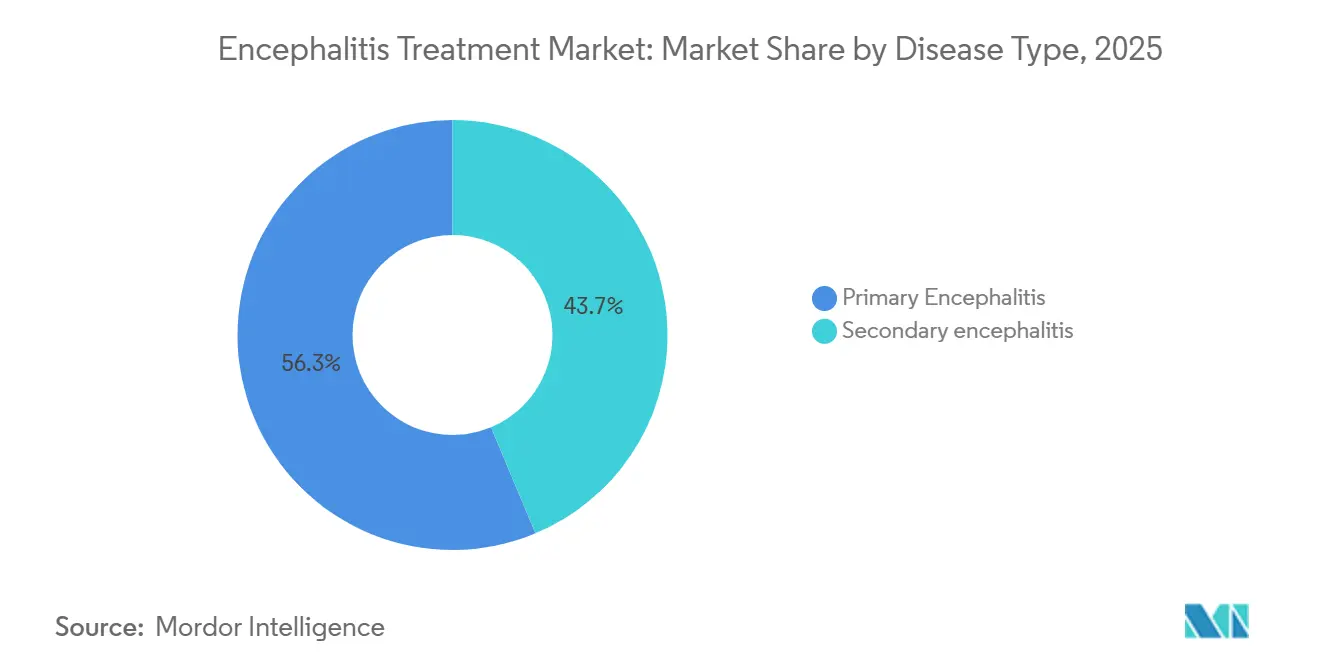
Primary Encephalitis Holds Volume, Secondary Subtypes Lead GrowthPrimary encephalitis held 56.31% of the encephalitis treatment market share in 2025. Its position reflects the treatment burden from well-characterized pathogens, particularly herpes simplex virus and Japanese encephalitis virus. Established protocols for these conditions provide consistent prescribing patterns. Bacterial, fungal, and parasitic forms represent a smaller share of cases. These forms can nevertheless require longer and more complex regimens, which sustains treatment value per patient. The disease category also remains closely tied to hospital diagnosis and timely initiation of therapy. This keeps acute antiviral treatment central to the encephalitis treatment market.
Secondary encephalitis is forecast to grow at a 7.88% CAGR through 2031. The category includes postinfectious, autoimmune, and systemic disease-related forms of encephalitis. A 2025 study of pediatric autoimmune encephalitis reported a 90.2% favorable outcome rate for dexamethasone combined with IVIG and reported near-zero severe adverse events. This evidence supports clinician confidence in escalating immunotherapy when appropriate. NMDAR, LGI1, and CASPR2 antibody-associated disease is receiving substantial pharmaceutical attention because of recurrence risk and targeted second-line biologics. Encephalitis related to systemic disease, including sepsis, organ failure, and metabolic disturbance, remains less clearly defined from a commercial perspective. Its treatment demand may rise as systemic disease becomes more prevalent among older populations. The shift toward secondary forms adds a longer follow-up component to the encephalitis treatment market.
By Treatment Type:
Antivirals Anchor the Market, Immunoglobulin Therapy Reshapes Its TrajectoryAntiviral agents held 35.24% of the encephalitis treatment market share in 2025. Intravenous acyclovir remains central to viral encephalitis care and has supported high treatment volumes after patent expiry. Generic access has made the product class widely used in hospital care. A 2025 pharmacokinetic modeling study indicated that a standard acyclovir dose of 10 mg/kg intravenously 3 times daily may be inadequate for HSV and VZV encephalitis. The analysis considered 15 to 20 mg/kg every 6 hours as alternative regimens. If clinical protocols adopt optimized dosing, drug use per treatment episode could increase. Antiviral supply reliability remains important because treatment is generally initiated in the acute phase.
Immunoglobulin therapy is projected to expand at an 8.22% CAGR through 2031, making it the fastest-growing treatment type. Greater recognition of autoimmune encephalitis and evidence for IVIG in NMDAR and LGI1 disease support this progression. Steroid injections and antibiotics continue to serve infectious cases, while steroids also form part of autoimmune treatment combinations. The 2025 DexEnceph Phase 3 study found that adjunct dexamethasone did not improve verbal memory at 26 weeks in HSV encephalitis. The finding may limit steroid escalation in viral cases without changing the broader role of steroids in autoimmune protocols. FDA labeling requirements for immunoglobulin products and EMA pharmacovigilance obligations remain important because plasma-product shortages affect supply planning. These factors favor companies able to manage regulatory compliance and dependable distribution across the encephalitis treatment market.
By Dosage Form:
Injectables Sustain Lead, Oral Segments Capture Upgrade OpportunityInjections held 62.14% of the encephalitis treatment market size by dosage-form revenue in 2025. Acute inpatient care relies on intravenous acyclovir, ganciclovir, foscarnet, and immunoglobulin preparations. This makes parenteral administration the main commercial format during the critical care phase. Injectable treatments are usually managed through hospitals rather than community dispensing channels. Their use depends on clinical monitoring, trained staff, cold-chain controls, and hospital purchasing systems. These conditions give injections a durable role even as outpatient services develop. The segment’s scale also reflects the urgency of treating suspected viral encephalitis before diagnostic confirmation is complete. This hospital dependence supports predictable demand for injectable medicines in the encephalitis treatment market.
Tablets and capsules are forecast to grow at a 7.82% CAGR through 2031. Oral suppressive therapy with valacyclovir can support prescribing after discharge for patients who require continued management. Patients who stabilize following acute IVIG can also transition to oral corticosteroid taper regimens that continue for months. These patterns make oral therapies more suited to community care than injectable products. Other formats, including topical and suspension preparations, serve narrower neonatal and pediatric uses. Their contribution remains small compared with intravenous and oral formulations. The migration of selected patients to oral maintenance therapy increases the relevance of retail and digital dispensing. It also links dosage-form demand to the broader development of online pharmacy services within the encephalitis treatment market.
By Patient Age Group:
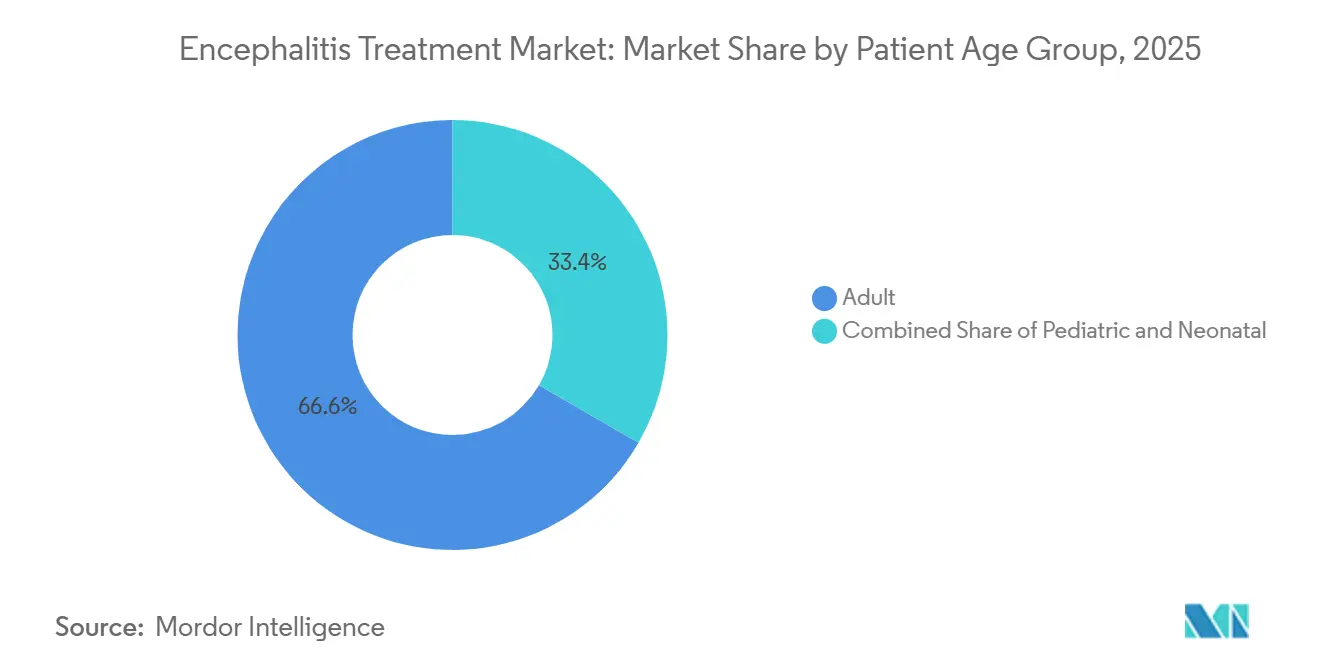
Adults Generate Volume, Pediatric Patients Set the PaceAdults accounted for 66.64% of patient-segment revenue in 2025. Infectious encephalitis shows a bimodal pattern of incidence, with peaks in infants and older adults. Adult care also includes patients who need intensive care, specialty diagnostics, and longer-term immune therapy. Older adults can require complex management when encephalitis occurs alongside systemic illness. This creates a broad demand base for antivirals, supportive drugs, and immunomodulators.
Pediatric patients are forecast to grow at a 7.95% CAGR through 2031. Rising identification of autoimmune encephalitis after viral illness is one factor supporting this rate. Pediatric-focused immunotherapy evidence is also expanding clinical confidence in treatment selection. Children in endemic South and Southeast Asian settings have particular exposure to arboviruses and Japanese encephalitis. Neonatal encephalitis is a lower-volume but high-acuity category that is primarily associated with herpes simplex virus. It requires intensive intravenous care during the acute period and can continue into community management after discharge. The combination of diagnosis, acute treatment, and follow-up supports sustained pediatric demand. This makes pediatric care an important growth area for the encephalitis treatment market.

By Distribution Channel:
Hospital Pharmacies Drive Access, Digital Channels AccelerateHospital pharmacies held 48.68% of the encephalitis treatment market size by distribution-channel revenue in 2025. Their lead reflects the inpatient nature of acute encephalitis management. Intravenous acyclovir, immunoglobulin products, and injectable steroids are generally managed through hospital formularies. These medicines require procurement controls, clinical supervision, and reliable supply within acute care settings. Hospital dispensing is less exposed to the changes affecting routine retail medicine distribution. The channel, therefore, remains central for the early and highest-acuity stages of treatment. Its scale is closely connected to critical-care and specialist neurology capacity. This structure maintains a stable access role for hospital pharmacies across the encephalitis treatment market.
Online pharmacies are forecast to grow at a 7.35% CAGR through 2031. Retail pharmacies continue to provide an important secondary channel for oral valacyclovir and oral steroid tapering after discharge. Tata 1mg reported 20% turnover growth in FY25, and its business-to-consumer e-pharmacy segment contributed 70% of total revenue. This shows the wider commercial setting that can support digital access for oral maintenance medicines. Valacyclovir, famciclovir, and oral corticosteroids are better suited to online fulfillment than injectable products. The growth of digital channels does not displace hospitals for acute care. Instead, it extends access after stabilization and discharge. This division of roles gives distribution models a more varied place in the encephalitis treatment market.
Geography Analysis
North America Encephalitis Treatment Market
North America held 38.61% of the encephalitis treatment market share in 2025. High diagnostic rates, multiplex PCR adoption, critical-care capacity, and established immunoglobulin reimbursement support the region’s position. The United States remains the largest national market in the region. The FDA continued to report active shortages for multiple immunoglobulin products in January 2026, indicating ongoing clinical reliance and supply pressure. Canada has a national immunoglobulin shortage management plan with phased alerts for hospital and regional procurement[3]. Mexico has lower specialist neurology access outside major urban centers. This limits its treatment reach relative to the United States and Canada.
Europe Encephalitis Treatment Market
Europe is a mature treatment region centered on Germany, the United Kingdom, France, Italy, and Spain. Regulatory alignment under the EMA and national immunoglobulin governance frameworks influences purchasing and access. The United Kingdom’s 2025 preferred-supplier framework required NHS trusts to move hospital IVIG patients to framework products by September 2025. West Nile virus transmission risk has expanded into parts of southern and central Europe. Long-term warming has expanded ecologically suitable territory for the virus and increased the population at risk relative to a no-warming counterfactual. Germany and the Netherlands now face transmission risk in populations that were previously nonendemic. This extends the geographic setting for arboviral encephalitis treatment.
APAC, MEA and South America Encephalitis Treatment Market
Asia-Pacific is forecast to grow at a 7.25% CAGR through 2031, the fastest regional rate in the encephalitis treatment market. South Asia has the highest age-standardized incidence rates, including up to 143.7 cases per 100,000 people in India. Japanese encephalitis remains endemic from India to Japan, and government immunization programs seek to address coverage gaps. Tamil Nadu expanded Japanese encephalitis vaccination to 5 additional districts in 2025 after rising cases were linked with under-vaccinated rural areas. China benefits from domestic generic manufacturing and a hospital-based delivery system. Japan and South Korea have higher specialty-drug revenue because of universal health coverage and intensive diagnosis. Indonesia, Vietnam, and Thailand remain less penetrated relative to disease burden, while the GCC has stronger access than much of Sub-Saharan Africa. Brazil is South America’s largest treatment market, with Argentina a secondary contributor as private hospital networks expand.
Competitive Landscape
The encephalitis treatment market has moderate concentration across its leading product areas. Pfizer, GSK, Sanofi, Merck & Co., Novartis, and Takeda participate in vaccines, antivirals, and immunology-related portfolios. Aurobindo Pharma, Teva, and Hikma are among the broader generic suppliers that compete in the antiviral backbone. Acyclovir and ganciclovir are off patent, so price, volume, and supply reliability are stronger differentiators than product innovation. Hikma announced a USD 1 billion investment in U.S. manufacturing capacity through 2030 to support injectable generic medicine supply. This strategy is relevant to hospital demand for intravenous acyclovir and ganciclovir. The company's approach illustrates why manufacturing reliability matters in a generic-intensive part of the encephalitis treatment market.
Vaccines are more concentrated than antivirals. Valneva’s IXIARO remained the only FDA-approved Japanese encephalitis vaccine available in the United States. Valneva secured a USD 32.8 million U.S. Department of Defense supply contract in January 2025 and agreed that CSL Seqirus would distribute the vaccine in Germany from January 2026. GSK announced a USD 30 billion commitment for U.S. research and manufacturing in September 2025, including a vaccine drug-substance facility in Marietta, Pennsylvania that uses MAPS technology. Bharat Biotech’s JENVAC has a strong position in Indian public immunization programs. Public-sector reach and cost structures make that position difficult for multinational companies to displace. These vaccine strategies broaden the prevention side of the encephalitis treatment market.
The clearest open areas are nonherpetic viral disease, autoimmune maintenance treatment, and home-based immunoglobulin care. Most nonherpetic viral encephalitis strains do not have approved etiology-specific therapies, so acute management remains largely empiric. Anti-CD20 therapies are gaining clinical attention in autoimmune encephalitis, but there is no indication-specific approval. Subcutaneous immunoglobulin is growing as a home-administration model for stable maintenance patients. Ontario’s 2025 immune globulin guidelines list autoimmune encephalitis among qualifying indications for subcutaneous immunoglobulin. This creates an opportunity for companies that can move patients from inpatient IVIG to outpatient SCIG under applicable governance frameworks.
Encephalitis Treatment Industry Leaders
-
GSK plc
-
Pfizer Inc.
-
Merck & Co., Inc.
-
Sanofi S.A.
-
F. Hoffmann-La Roche Ltd.
- *Disclaimer: Major Players sorted in no particular order
Encephalitis Treatment Market Companies Covered in this Report
- Abbott Laboratories
- Aurobindo Pharma
- Basilea Pharmaceutica Ltd.
- Bayer
- Bharat Biotech International Limited
- Eli Lilly and Company
- Roche
- GlaxoSmithKline
- Hikma Pharmaceuticals
- Johnson & Johnson
- Melinta Therapeutics, LLC
- Merck
- Novartis
- Pfizer
- Sanofi
- Takeda Pharmaceuticals
- Teva Pharmaceutical Industries
- Valneva
Recent Industry Developments in Encephalitis Treatment Market
- January 2026: Alfasigma S.p.A. and Innovative Molecules GmbH entered a strategic partnership whereby Alfasigma invested in Innovative Molecules and obtained the exclusive worldwide license to the parenteral formulation of adibelivir (formerly IM 250) for the treatment of Herpes Simplex Virus (HSV) encephalitis, an ultra-rare and life-threatening condition.
- September 2025: Arialys Therapeutics announced that the U.S. Food and Drug Administration (FDA) granted Rare Pediatric Disease Designation to ART5803 for the treatment of pediatric patients with anti-NMDA receptor encephalitis (ANRE).
Global Encephalitis Treatment Market Report Scope
As per the scope of the report, encephalitis treatment involves medical interventions aimed at reducing brain inflammation, managing symptoms, and addressing the underlying cause of the infection or condition.
The encephalitis treatment market is segmented by disease type into primary encephalitis, including viral encephalitis, bacterial encephalitis, fungal encephalitis, and parasitic encephalitis, and secondary encephalitis, including post-infectious encephalitis, autoimmune encephalitis, and encephalitis due to systemic diseases. By treatment type, the market is segmented into antiviral agents, including acyclovir, ganciclovir, foscarnet, valacyclovir, and famciclovir; steroid injections; antibiotics; immunoglobulin therapy; and other treatment types. By dosage form, the market is segmented into injections, tablets, and capsules, and other dosage forms. By patient age group, the market is segmented into adults, pediatric, and neonatal. By distribution channel, the market is segmented into hospital pharmacies, retail pharmacies, online pharmacies, and other distribution channels. By geography, the market is segmented into North America, Europe, Asia-Pacific, the Middle East and Africa, and South America. The market report also covers the estimated market sizes and trends for 17 countries across major regions globally. For each segment, the market size and forecast are provided in terms of value (USD).
Segmentation Overview
| Primary Encephalitis | Viral Encephalitis |
| Bacterial Encephalitis | |
| Fungal Encephalitis | |
| Parasitic Encephalitis | |
| Secondary Encephalitis | Post-Infectious Encephalitis |
| Autoimmune Encephalitis | |
| Encephalitis Due to Systemic Disease |
| Antiviral Agents | Acyclovir |
| Ganciclovir | |
| Foscarnet | |
| Valacyclovir | |
| Famciclovir | |
| Steroid Injections | |
| Antibiotics | |
| Immunoglobulin Therapy | |
| Other Treatment Types |
| Injection |
| Tablets and Capsules |
| Other Dosage Forms |
| Adult |
| Pediatric |
| Neonatal |
| Hospital Pharmacies |
| Retail Pharmacies |
| Online Pharmacies |
| Other Distribution Channels |
| North America | United States |
| Canada | |
| Mexico | |
| Europe | Germany |
| United Kingdom | |
| France | |
| Italy | |
| Spain | |
| Rest of Europe | |
| Asia-Pacific | China |
| Japan | |
| India | |
| Australia | |
| South Korea | |
| Rest of Asia-Pacific | |
| Middle East and Africa | GCC |
| South Africa | |
| Rest of Middle East and Africa | |
| South America | Brazil |
| Argentina | |
| Rest of South America |
| By Disease Type | Primary Encephalitis | Viral Encephalitis |
| Bacterial Encephalitis | ||
| Fungal Encephalitis | ||
| Parasitic Encephalitis | ||
| Secondary Encephalitis | Post-Infectious Encephalitis | |
| Autoimmune Encephalitis | ||
| Encephalitis Due to Systemic Disease | ||
| By Treatment Type | Antiviral Agents | Acyclovir |
| Ganciclovir | ||
| Foscarnet | ||
| Valacyclovir | ||
| Famciclovir | ||
| Steroid Injections | ||
| Antibiotics | ||
| Immunoglobulin Therapy | ||
| Other Treatment Types | ||
| By Dosage Form | Injection | |
| Tablets and Capsules | ||
| Other Dosage Forms | ||
| By Patient Age Group | Adult | |
| Pediatric | ||
| Neonatal | ||
| By Distribution Channel | Hospital Pharmacies | |
| Retail Pharmacies | ||
| Online Pharmacies | ||
| Other Distribution Channels | ||
| By Geography | North America | United States |
| Canada | ||
| Mexico | ||
| Europe | Germany | |
| United Kingdom | ||
| France | ||
| Italy | ||
| Spain | ||
| Rest of Europe | ||
| Asia-Pacific | China | |
| Japan | ||
| India | ||
| Australia | ||
| South Korea | ||
| Rest of Asia-Pacific | ||
| Middle East and Africa | GCC | |
| South Africa | ||
| Rest of Middle East and Africa | ||
| South America | Brazil | |
| Argentina | ||
| Rest of South America | ||
Key Questions Answered in the Report
What is the projected value of encephalitis treatment by 2031?
The encephalitis treatment market is projected to reach USD 16.21 billion by 2031, growing at a 6.52% CAGR from 2026.
Which encephalitis treatment category is growing fastest?
Immunoglobulin therapy is forecast to grow at an 8.22% CAGR through 2031, supported by the recognition and treatment of autoimmune encephalitis.
Why do injectable medicines lead to encephalitis care?
Injections held 62.14% of dosage-form revenue in 2025 because acute treatment commonly requires intravenous antivirals and immunoglobulin in hospitals.
Which patient group drives the highest treatment revenue?
Adults accounted for 66.64% of patient-segment revenue in 2025, while pediatric patients are forecast to grow faster at a 7.95% CAGR.
Which region has the fastest projected growth?
Asia-Pacific is projected to grow at a 7.25% CAGR through 2031, supported by endemic Japanese encephalitis and expanding healthcare access.
Why are hospital pharmacies important for encephalitis medicines?
Hospital pharmacies held 48.68% of distribution-channel revenue in 2025 because acute therapies such as intravenous acyclovir and immunoglobulin require clinical supervision.