
Alcoholic Hepatitis Treatment Market Size and Share
Market Overview
| Study Period | 2020 - 2031 |
|---|---|
| Market Size (2026) | USD 3.45 Billion |
| Market Size (2031) | USD 4.96 Billion |
| Growth Rate (2026 - 2031) | 7.49 % |
| Fastest Growing Market | Asia-Pacific |
| Largest Market | North America |
| Market Concentration | Medium |
Major Players *Disclaimer: Major Players sorted in no particular order Image © Mordor Intelligence. Reuse requires attribution under CC BY 4.0. | |
Alcoholic Hepatitis Treatment Market Analysis by Mordor Intelligence
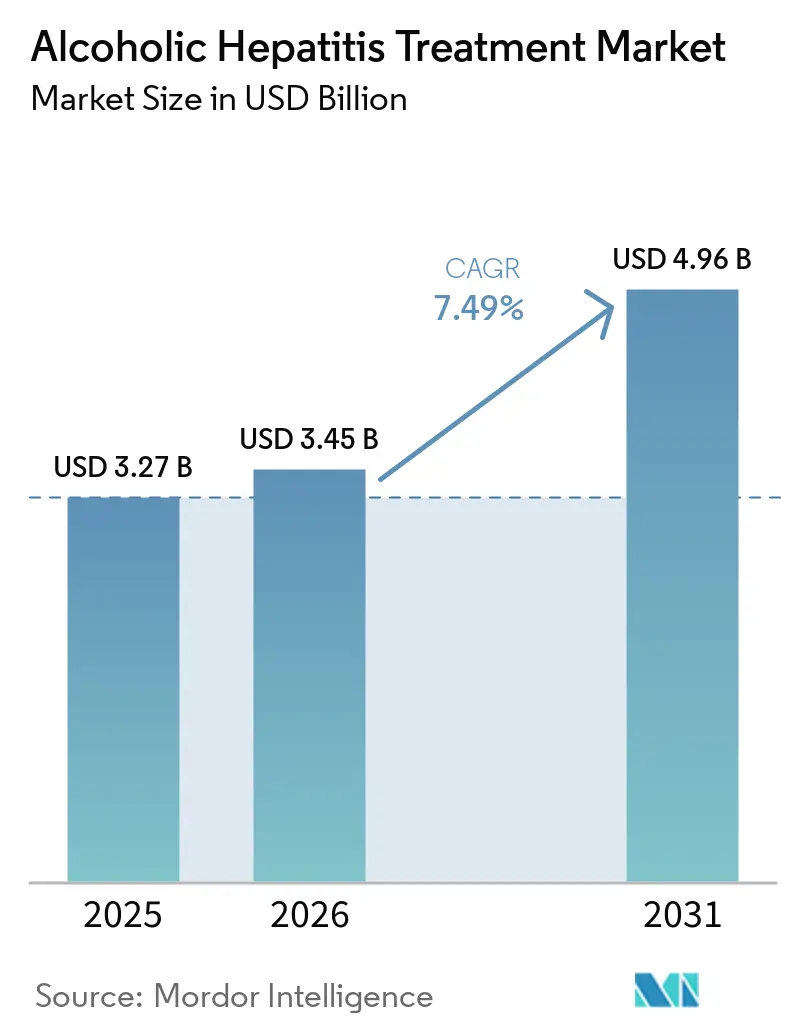
The Alcoholic Hepatitis Treatment Market size is expected to increase from USD 3.27 billion in 2025 to USD 3.45 billion in 2026 and reach USD 4.96 billion by 2031, growing at a CAGR of 7.49% over 2026-2031.
The alcoholic hepatitis treatment market continues to depend on off-label medicines and supportive care because no FDA- or EMA-approved disease-modifying therapy is available for alcohol-associated hepatitis. This gap keeps corticosteroids, nutrition support, infection surveillance, and alcohol use disorder treatment at the center of care. It also gives developers a clear opportunity, although prior failures in anti-TNF, IL-1 inhibitor, and FXR agonist programs show the difficulty of the disease. Hospitals remain important because severe cases need multidisciplinary inpatient management and regular monitoring. The alcoholic hepatitis treatment market could expand more quickly if a disease-modifying therapy proves clinically useful and gains regulatory approval.
Key Report Takeaways
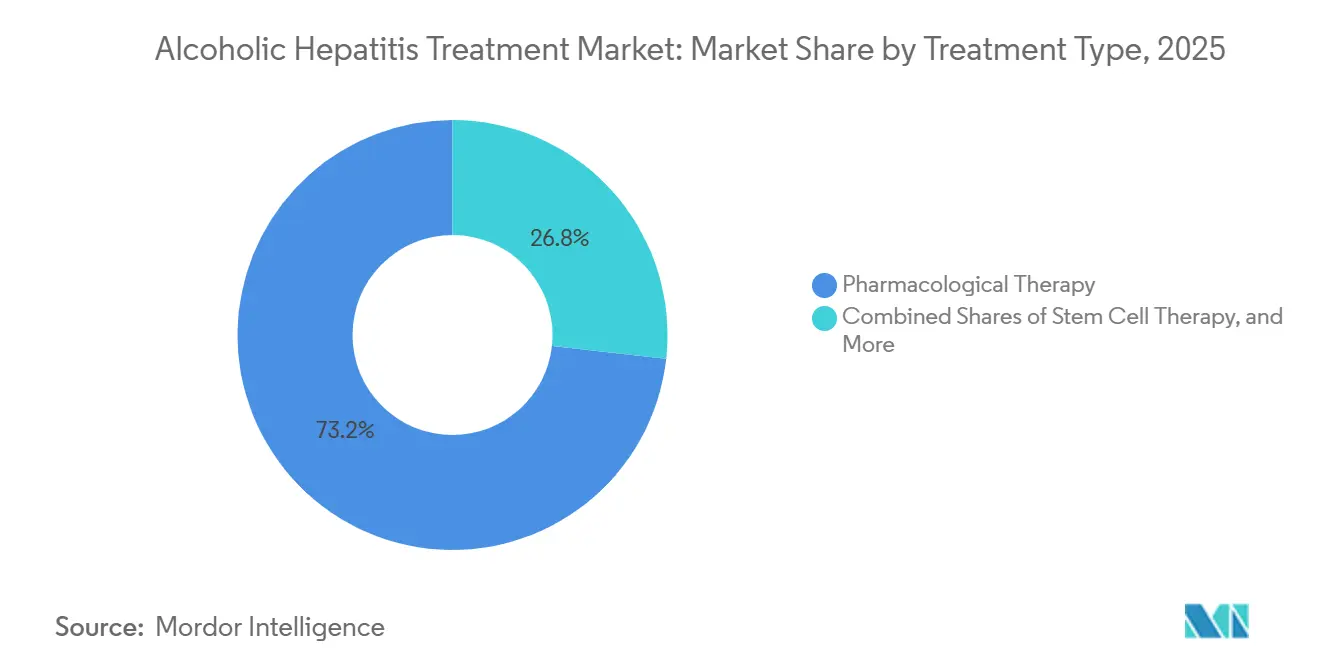
- By treatment type, pharmacological therapy held 73.23% of the alcoholic hepatitis treatment market share in 2025, while stem cell therapy is forecast to grow at a 12.34% CAGR through 2031.
- By drug class, corticosteroids held 38.34% of the alcoholic hepatitis treatment market share in 2025, while monoclonal antibodies are forecast to grow at a 13.42% CAGR through 2031.
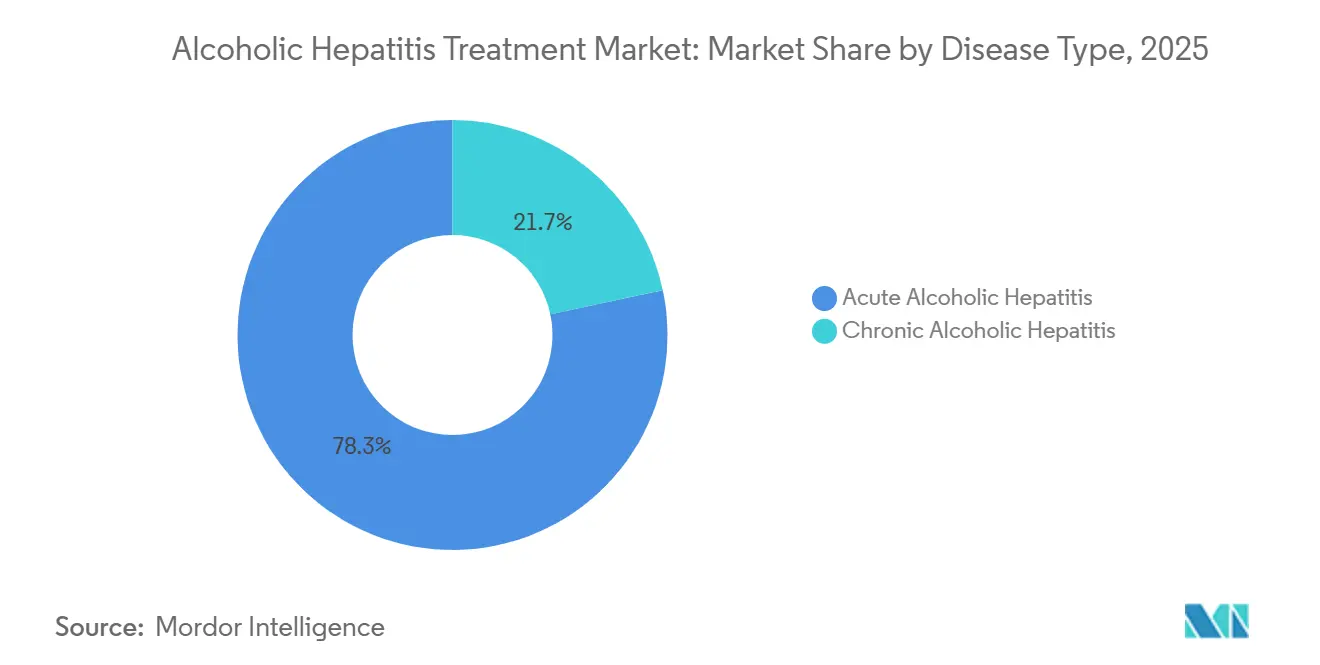
- By disease type, acute alcoholic hepatitis held 78.34% of the alcoholic hepatitis treatment market size in 2025 and is forecast to grow at a 8.78% CAGR through 2031.
- By disease severity, severe alcoholic hepatitis held 50.23% of the alcoholic hepatitis treatment market size in 2025 and is forecast to grow at an 8.12% CAGR through 2031.
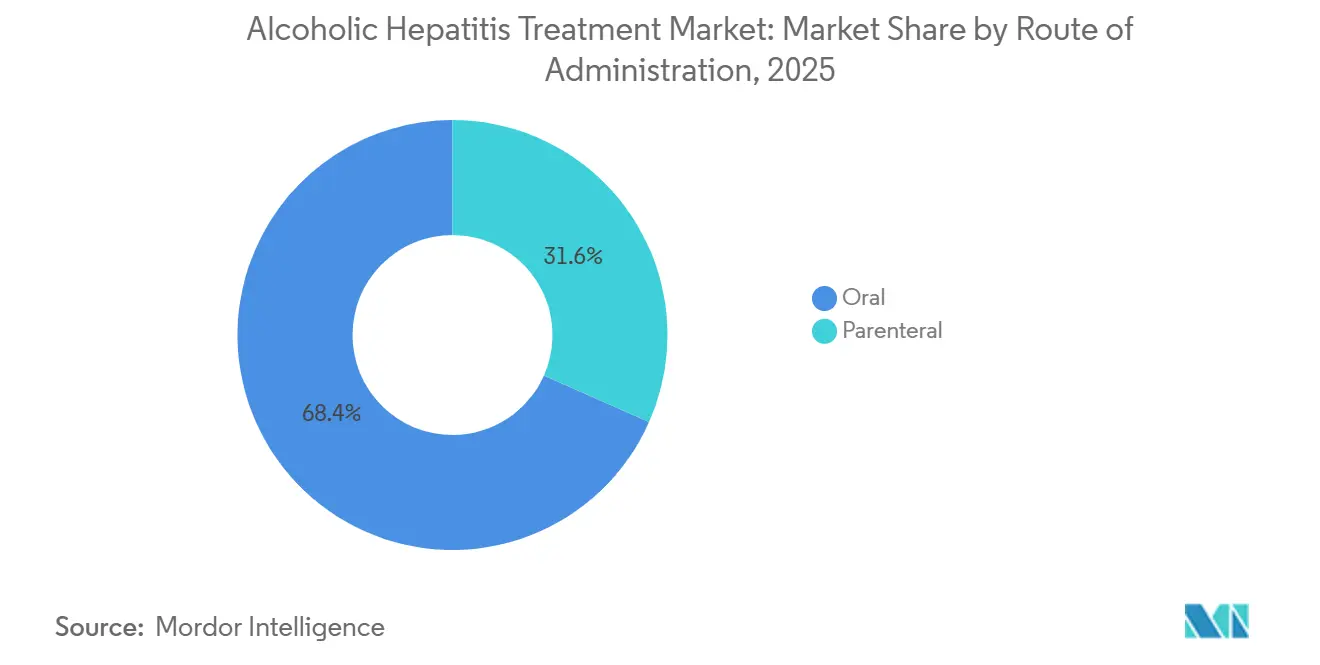
- By route of administration, oral treatment held 68.36% of the alcoholic hepatitis treatment market size in 2025, while parenteral treatment is forecast to grow at an 8.56% CAGR through 2031.
- By end user, hospitals held 56.78% of the alcoholic hepatitis treatment market size in 2025, while private treatment centers are forecast to grow at an 8.12% CAGR through 2031.
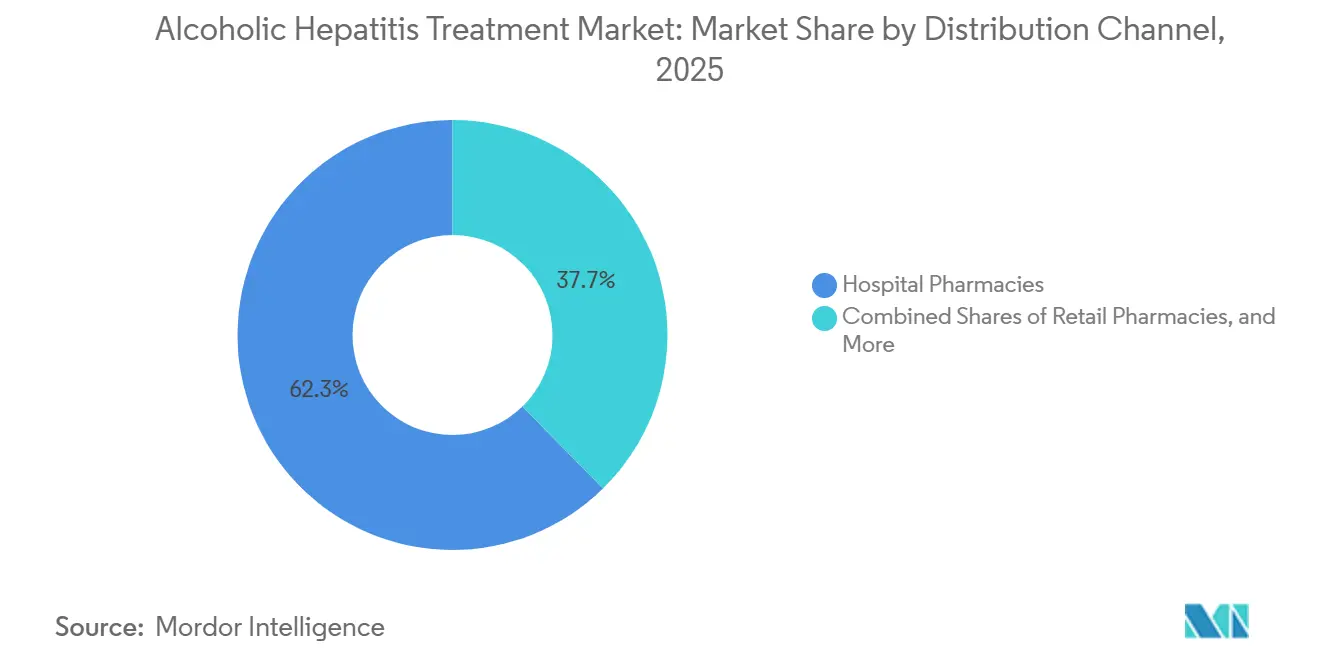
- By distribution channel, hospital pharmacies held 62.34% of the alcoholic hepatitis treatment market size in 2025, while online pharmacies are forecast to grow at a 10.98% CAGR through 2031.
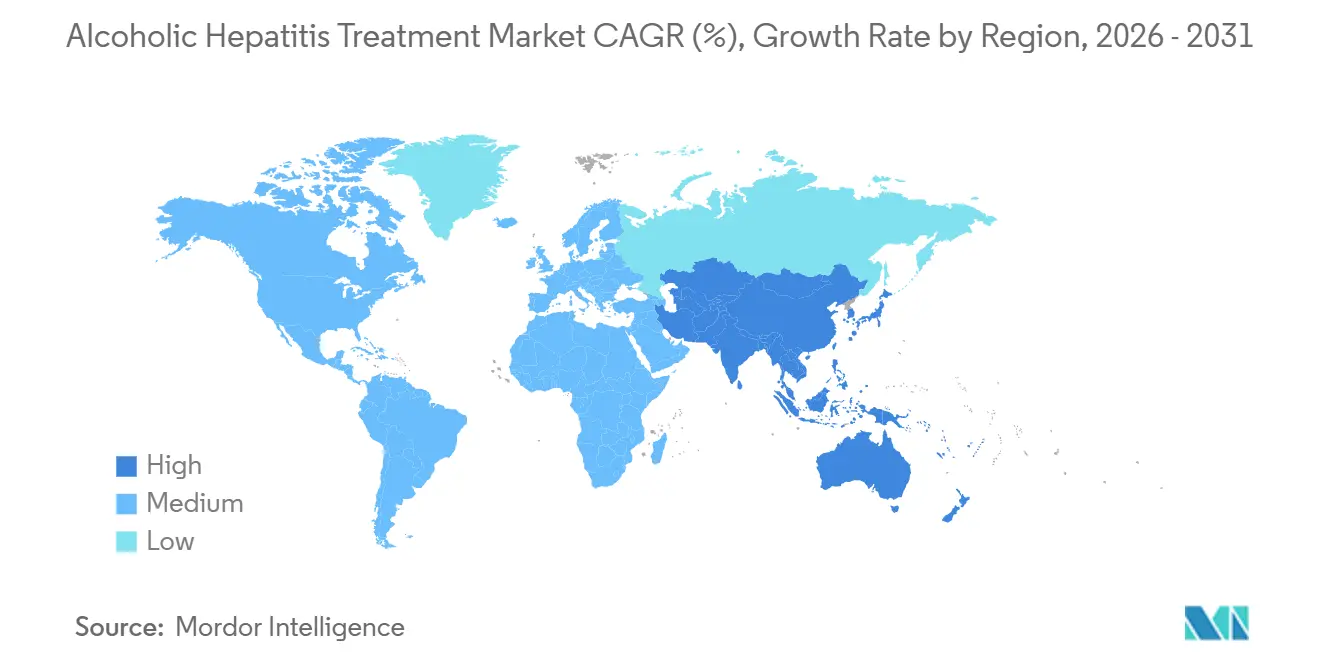
- By geography, North America accounted for 42.34%, and Asia-Pacific is forecast to grow at a 11.36% CAGR through 2031.
Note: Market size and forecast figures in this report are generated using Mordor Intelligence’s proprietary estimation framework, updated with the latest available data and insights as of January 2026.
Market Trends and Insights
Drivers Impact Analysis of Alcoholic Hepatitis Treatment Market*
| Driver | (~) % Impact on CAGR Forecast | Geographic Relevance | Impact Timeline |
|---|---|---|---|
| Rising Alcohol-Associated Liver Disease Burden | +1.00% | Global, with acute pressure in North America, Eastern Europe, and Central Asia | Long term (≥ 4 years) |
| Expansion of Hospital-Based Severe Disease Management | +0.70% | North America and Europe, emerging in China and India | Medium term (2-4 years) |
| Increasing Clinical Investment in Disease-Modifying Therapies | +0.90% | Global, with trial activity concentrated in North America and Europe | Medium term (2-4 years) |
| Guideline-Based Severity Scoring and Treatment Adoption | +0.50% | North America and Europe, with slower adoption in Asia-Pacific and the Middle East and Africa | Medium term (2-4 years) |
| Integrated Alcohol Use Disorder and Hepatology Care Pathways | +0.40% | North America and Western Europe | Long term (≥ 4 years) |
| Earlier Referral for Selected Liver Transplantation Candidates | +0.30% | High-SDI markets, including the United States, Germany, France, and the United Kingdom | Long term (≥ 4 years) |
| Source: Mordor Intelligence | |||
Rising Alcohol-Associated Liver Disease Burden
The growing burden of alcohol-related liver disease enlarges the patient pool for the alcoholic hepatitis treatment market. The rising prevalence of alcohol use disorder across the globe is boosting the demand and market growth. According to the American Liver Foundation, alcohol-associated liver disease (ALD) accounted for 5.1% of the global burden of disease and injury. This change complicates treatment development because earlier studies often enrolled predominantly male populations. The projected economic impact of alcohol-related liver disease in the United States could double by 2040 without intervention, which supports continued demand for prevention, hospital care, and treatment pathways.[1]
Increasing Clinical Investment in Disease-Modifying Therapies
Clinical investment is widening the development pipeline for the alcoholic hepatitis treatment market. The Phase 3 LCAH3141 study of larsucosterol is recruiting 350 participants with alcohol-associated hepatitis, making it the most advanced registrational program.[2] The FDA has agreed that one successful pivotal study could support a New Drug Application for larsucosterol, which reduces the usual requirement for two positive trials. The candidate has FDA Breakthrough Therapy and Fast Track designations, which can support a more efficient review process.[3] Aldeyra Therapeutics reported statistically significant MELD score improvement with ADX-629 in October 2025, adding another mechanism to the clinical pipeline.
Guideline-Based Severity Scoring and Treatment Adoption
Guideline-based assessment gives clinicians a more consistent basis for selecting patients in the alcoholic hepatitis treatment market. The AASLD guidance uses severity measures such as the Maddrey Discriminant Function and MELD score when clinicians assess alcohol-associated liver disease.[4] The MDF scores of 32 or higher and MELD scores of 21 to 30 were the treatment thresholds for severe disease. These measures help hospitals identify patients who may need pharmacological treatment, intensive observation, and referral to specialized services. The approach supports near-term use of corticosteroids and could simplify adoption decisions when new treatments become available. It can also inform formulary and reimbursement discussions when health systems consider evidence-based treatment pathways.
Expansion of Hospital-Based Severe Disease Management
Hospital-based care is a direct support for the alcoholic hepatitis treatment market because severe disease requires close inpatient supervision. Hospitals held 56.78% of the end-user segment in 2025, reflecting the need for parenteral treatment, infection surveillance, nutrition support, and daily clinical monitoring. Tertiary centers in the United States, Germany, and France have expanded access to intensive hepatology care. The PROCORNAC Phase 3 study, started in May 2026 at University Hospital Lille, is enrolling 477 patients to examine prolonged corticosteroid treatment and N-acetylcysteine combinations. The NIAAA-funded ITAALD study, which began in January 2026, is evaluating integrated treatment for severe alcoholic hepatitis and alcohol use disorder. These programs reinforce the role of hospitals as the setting where future treatment protocols can be introduced.
Restraints Impact Analysis of Alcoholic Hepatitis Treatment Market*
| Restraint | (~) % Impact on CAGR Forecast | Geographic Relevance | Impact Timeline |
|---|---|---|---|
| Absence of an Approved Disease-Modifying Therapy | -1.20% | Global, particularly constraining in price-sensitive markets with limited off-label reimbursement | Long term (≥ 4 years) |
| Limited Durability and Infection Risk of Corticosteroids | -0.70% | Global, most pronounced in resource-limited settings with high baseline infection risk | Medium term (2-4 years) |
| Underdiagnosis and Low Uptake of Alcohol Use Disorder Treatment | -0.50% | Global, with acute gaps in South Asia, Sub-Saharan Africa, and rural North America | Long term (≥ 4 years) |
| Trial Endpoint and Patient-Heterogeneity Risk | -0.30% | Global, affecting investment confidence across all regions | Medium term (2-4 years) |
| Source: Mordor Intelligence | |||
Absence of an Approved Disease-Modifying Therapy
The lack of an approved disease-modifying therapy remains the main constraint on the alcoholic hepatitis treatment market. Clinicians rely on off-label corticosteroids and supportive care because neither the FDA nor the EMA has approved a specific therapy for alcohol-associated hepatitis. This limits structured commercialization and makes reimbursement less predictable, especially in price-sensitive health systems. Health technology assessment bodies in Europe and Asia-Pacific also need strong comparative data before supporting off-label treatment at scale. Intercept Pharmaceuticals ended the Phase 2a FRESH study of INT-787 in March 2026 after finding no clear evidence of potential benefit. The result shows why durable clinical evidence is necessary before the alcoholic hepatitis treatment market can move beyond its current care model.
Limited Durability and Infection Risk of Corticosteroids
Corticosteroids remain widely used, but their clinical limits restrain the alcoholic hepatitis treatment market. Prednisolone at 40 mg per day for 28 days was associated with 30.00% 90-day mortality among treated patients, and bacterial and fungal infection risk remains an important concern. A randomized Phase 2 study of canakinumab found no improvement in biochemical or clinical outcomes compared with placebo in severe alcohol-related hepatitis. Combination regimens must therefore manage infection risk carefully, particularly in patients with substantial immunosuppression. These limitations continue to create a need for treatment options with better durability and safety.
*Our forecasts treat driver/restraint impacts as directional, not additive. The impact forecasts reflect baseline growth, mix effects, and variable interactions.
Alcoholic Hepatitis Treatment Market Segment Analysis
By Treatment Type:
Pharmacological Therapy Anchors Revenue While Cell Therapy AcceleratesPharmacological therapy held 73.23% of the alcoholic hepatitis treatment market share in 2025. The segment remains central because corticosteroid-based protocols are established in hospital practice and alternative therapies are not yet available at scale. Nutritional and supportive care supplies a stable base through enteral nutrition and zinc supplementation.
Stem cell therapy is forecast to grow at a 12.34% CAGR from 2026 to 2031. This treatment type has drawn interest from mesenchymal stem cell programs that have reported safety findings and early efficacy signals in alcohol-related liver disease. A 2025 real-world study reported an adjusted hazard ratio of 0.14 for 5-year mortality after bone marrow-derived mesenchymal stem cell transplantation in matched cohorts with decompensated liver cirrhosis.

By Drug Class:
Corticosteroids Lead, Monoclonal Antibodies Reshape the Competitive CalculusCorticosteroids held 38.34% of the alcoholic hepatitis treatment market share in 2025. Prednisolone remains the main drug in established treatment protocols for patients meeting severe-disease criteria. Hemorheologic agents, including pentoxifylline, have seen lower use after evidence questioned their benefit beyond corticosteroids alone. Antioxidants and hepatoprotective agents retain an adjunct role, particularly N-acetylcysteine in the PROCORNAC study.
Monoclonal antibodies are forecast to expand at a 13.42% CAGR through 2031. Programs in this class include agents that target IL-1, TNF, fibrosis pathways, the gut-liver axis, and epigenetic dysregulation. The commercial outlook remains uncertain because canakinumab did not improve clinical or biochemical outcomes in a Phase 2 study.
By Disease Type:
Acute Presentation Dominates Volume and Sets the Innovation AgendaAcute alcoholic hepatitis accounted for 78.34% of the disease-type segment in 2025. It was also reported as the fastest-growing disease-type sub-segment, with a 8.78% CAGR from 2026 to 2031. Acute episodes are the main point for clinical intervention because patients often require hospital treatment and are eligible for therapeutic trials. Severe cases are typically defined using measures such as MDF scores of 32 or higher or MELD scores of 21 to 30. This defined clinical profile helps investigators enroll patients and assess treatment outcomes consistently. As a result, acute disease remains the primary focus for commercial development in the alcoholic hepatitis treatment market.
Chronic alcoholic hepatitis generates demand through ongoing alcohol use disorder treatment, hepatoprotective medicines, and nutrition programs. It does not carry the same immediate inpatient urgency as acute disease, which limits high-value hospitalization spending. A June 2026 natural-history study reported a high incidence of combined liver and alcohol-use events within 6 months of an alcohol-associated hepatitis presentation.
By Disease Severity:
Severe AH Anchors the Market and Drives All Major Pipeline InvestmentSevere alcoholic hepatitis held 50.23% of the alcoholic hepatitis treatment market size in 2025. It is also forecast to grow at an 8.12% CAGR through 2031. Severe disease attracts most treatment activity because its mortality risk and hospital burden make pharmacological intervention more likely. The larsucosterol Phase 3 program uses MELD scores of 21 to 30 in its study design.
Mild and moderate alcoholic hepatitis together account for a significant share due to disease burden. These patients receive less targeted pharmacological investment because no well-validated treatment protocol exists beyond lifestyle management and nutritional support. The category could support outpatient administration and retail pharmacy use if a medicine shows benefit in non-severe disease. Earlier intervention may also allow clinical teams to manage disease before severe complications require intensive inpatient treatment.
By Route of Administration:
Oral Dominates, Parenteral Tracks the Severity ShiftOral treatment held 68.36% of the route-of-administration segment in 2025. This reflects use of prednisolone, pentoxifylline, naltrexone, and acamprosate in current care protocols. Oral products can support treatment during hospital care and after discharge. They are familiar to clinicians and easier to dispense than therapies requiring infusion. Oral treatment also fits the growth of alcohol use disorder management in outpatient settings. These features maintain its leading place in the alcoholic hepatitis treatment market.
Parenteral treatment is forecast to grow at an 8.56% CAGR through 2031. Intravenous N-acetylcysteine, parenteral nutrition, and investigational medicines support this growth. Larsucosterol is administered as a single intravenous infusion on day 1 in its Phase 3 protocol.
By End User:
Hospitals Sustain the Base, Private Treatment Centers Emerge as Growth VectorsHospitals held 56.78% of the end-user segment in 2025. The inpatient setting is important because patients with severe alcoholic hepatitis may require parenteral therapy, infection monitoring, nutrition support, and frequent clinical assessment. Hospitals also provide access to hepatology specialists and transplant referral pathways. Specialty liver clinics and transplant centers serve patients who need focused follow-up or advanced treatment decisions.
Private treatment centers are forecast to grow at an 8.12% CAGR through 2031. Their growth reflects a shift in moderate-severity care and post-discharge alcohol use disorder treatment toward outpatient hepatology services. The ITAALD study is testing an integrated care model for alcohol-associated hepatitis and alcohol use disorder.
By Distribution Channel:
Hospital Pharmacies Dominant, Online Growth Signals Chronic Care ExpansionHospital pharmacies accounted for 62.34% of the distribution-channel segment in 2025. Their leading position follows the inpatient treatment profile of severe alcoholic hepatitis and the need for parenteral administration. Hospital pharmacies can coordinate corticosteroids, intravenous medicines, nutrition-related products, and discharge planning.
Online pharmacies are forecast to grow at a 10.98% CAGR through 2031. This growth is linked to alcohol use disorder medicines, including naltrexone and acamprosate, which can be supplied with telehealth prescribing in the United States and Western Europe. Retail pharmacies serve patients between hospital discharge and specialty follow-up, including those receiving oral treatment or nutrition supplements. These channels can help maintain access after discharge, but they do not replace the hospital pharmacy role for acute and infusion-based care.
Geography Analysis
North America Alcoholic Hepatitis Treatment Market
North America held 42.34% of the alcoholic hepatitis treatment market size in 2025. The United States supports this position through an estimated 164,000 annual hospital admissions for alcohol-associated hepatitis. The region has a favorable development setting because larsucosterol has an FDA Breakthrough Therapy Designation and is being studied in a U.S.-focused regulatory pathway.
Europe Alcoholic Hepatitis Treatment Market
Europe is the second-largest regional block in the supply of material, led by Germany, France, the United Kingdom, and Italy. EASL-aligned clinical practice gives health systems a consistent framework for identifying and managing severe disease. University Hospital Lille began the PROCORNAC Phase 3 study in May 2026, showing the strength of Europe’s academic trial infrastructure.
APAC Alcoholic Hepatitis Treatment Market
Asia-Pacific is forecast to grow at an 11.36% CAGR through 2031, the fastest regional rate in the alcoholic hepatitis treatment market. China and India are important opportunities because alcohol use disorder prevalence is rising, and hospital hepatology capacity is improving. Central Asia had the highest global incidence and death rates for alcohol-related liver disease.
Competitive Landscape
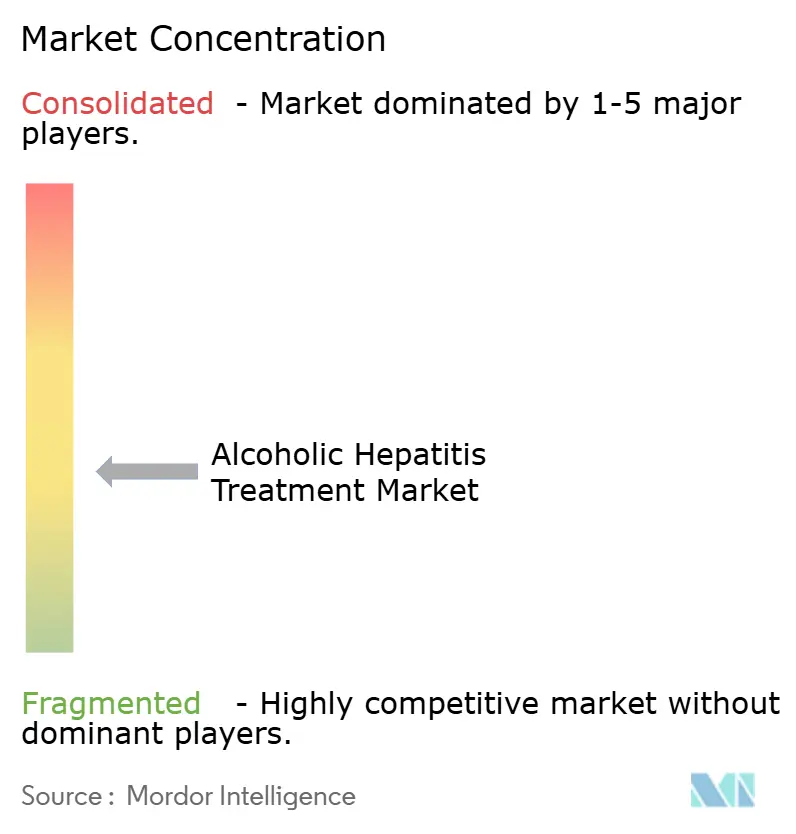
The alcoholic hepatitis treatment market is moderately fragmented because diversified pharmaceutical companies supply established off-patent medicines while smaller developers pursue disease-modifying candidates. No company held more than a mid-single-digit revenue share in the current off-label setting. Bausch Health completed its USD 63 million acquisition of DURECT Corporation in September 2025. The acquisition brought larsucosterol and its FDA Breakthrough Therapy Designation into Bausch Health’s hepatology portfolio. This transaction shows that late-stage clinical assets can become acquisition targets when a larger company can provide regulatory, medical, and commercial support.
Pipeline differentiation guides competition in the alcoholic hepatitis treatment market. Larsucosterol is the lead late-stage asset and is being evaluated in the Phase 3 LCAH3141 trial. Future competition will depend on whether a candidate can provide a clear clinical benefit and meet regulatory requirements.
Alcoholic Hepatitis Treatment Industry Leaders
-
Sanofi
-
Pfizer Inc.
-
Teva Pharmaceutical Industries Ltd.
-
Viatris Inc.
-
Cipla Limited
- *Disclaimer: Major Players sorted in no particular order
Alcoholic Hepatitis Treatment Market Companies Covered in this Report
- Abbvie
- Alkermes plc
- AstraZeneca
- Bausch Health
- Cipla
- DURECT Corporation
- Roche
- Genfit S.A.
- Gilead Sciences
- Intercept Pharmaceuticals
- Johnson & Johnson
- Mallinckrodt Pharmaceuticals
- Merck
- Novartis
- Pfizer
- Sanofi
- Teva Pharmaceutical Industries
- Viatris
- Viking Therapeutics, Inc.
- Zydus Lifesciences Limited
Recent Industry Developments in Alcoholic Hepatitis Treatment Market
- May 2026: University Hospital Lille launched the PROCORNAC Phase 3 trial (NCT06956482), enrolling 477 patients to evaluate prolonged corticosteroid versus N-acetylcysteine combinations in severe AH.
- September 2025: Bausch Health Companies Inc. completed the USD 63 million acquisition of DURECT Corporation, gaining ownership of larsucosterol and its FDA Breakthrough Therapy Designation.
Global Alcoholic Hepatitis Treatment Market Report Scope
As per the scope of the market, alcoholic hepatitis treatment involves therapeutic interventions used to manage and treat alcoholic hepatitis, a severe inflammatory liver condition caused by excessive alcohol consumption. Treatment approaches aim to reduce liver inflammation, improve liver function, prevent disease progression, manage complications, and support long-term recovery. These therapies include pharmacological treatments, nutritional support, stem cell-based therapies, and supportive care measures administered under medical supervision.
The alcoholic hepatitis treatment market report segments the market by treatment type, including pharmacological therapy, stem cell therapy, and nutritional & supportive care. It also categorizes the market by drug class, covering corticosteroids, hemorheologic agents, monoclonal antibodies, antioxidants & hepatoprotective agents, alcohol use disorder medications, and other drug classes. The market is further segmented by disease type, including acute alcoholic hepatitis and chronic alcoholic hepatitis. Based on disease severity, the market is divided into mild alcoholic hepatitis, moderate alcoholic hepatitis, and severe alcoholic hepatitis.
Additionally, the market is segmented by route of administration, comprising oral and parenteral therapies. The end-user segment includes hospitals, specialty liver clinics, transplant centers, private treatment centers, and other end users. By distribution channel, the market is categorized into hospital pharmacies, retail pharmacies, online pharmacies, and other distribution channels. Geographically, the market is segmented into North America, Europe, Asia-Pacific, the Middle East & Africa, and South America. The market report also covers the estimated market sizes and trends for 17 countries across major regions globally. For each segment, the market size and forecast are provided in terms of value (USD).
Segmentation Overview
| Pharmacological Therapy |
| Stem Cell Therapy |
| Nutritional & Supportive Care |
| Corticosteroids |
| Hemorheologic Agents |
| Monoclonal Antibodies |
| Antioxidants & Hepatoprotective Agents |
| Alcohol Use Disorder Medications |
| Other Drug Classes |
| Acute Alcoholic Hepatitis |
| Chronic Alcoholic Hepatitis |
| Mild Alcoholic Hepatitis |
| Moderate Alcoholic Hepatitis |
| Severe Alcoholic Hepatitis |
| Oral |
| Parenteral |
| Hospitals |
| Specialty Liver Clinics |
| Transplant Centers |
| Private Treatment Centers |
| Other End Users |
| Hospital Pharmacies |
| Retail Pharmacies |
| Online Pharmacies |
| Other Distribution Channels |
| North America | United States |
| Canada | |
| Mexico | |
| Europe | Germany |
| United Kingdom | |
| France | |
| Italy | |
| Spain | |
| Rest of Europe | |
| Asia-Pacific | China |
| India | |
| Japan | |
| Australia | |
| South Korea | |
| Rest of Asia-Pacific | |
| Middle East and Africa | GCC |
| South Africa | |
| Rest of Middle East and Africa | |
| South America | Brazil |
| Argentina | |
| Rest of South America |
| By Treatment Type | Pharmacological Therapy | |
| Stem Cell Therapy | ||
| Nutritional & Supportive Care | ||
| By Drug Class | Corticosteroids | |
| Hemorheologic Agents | ||
| Monoclonal Antibodies | ||
| Antioxidants & Hepatoprotective Agents | ||
| Alcohol Use Disorder Medications | ||
| Other Drug Classes | ||
| By Disease Type | Acute Alcoholic Hepatitis | |
| Chronic Alcoholic Hepatitis | ||
| By Disease Severity | Mild Alcoholic Hepatitis | |
| Moderate Alcoholic Hepatitis | ||
| Severe Alcoholic Hepatitis | ||
| By Route of Administration | Oral | |
| Parenteral | ||
| By End User | Hospitals | |
| Specialty Liver Clinics | ||
| Transplant Centers | ||
| Private Treatment Centers | ||
| Other End Users | ||
| By Distribution Channel | Hospital Pharmacies | |
| Retail Pharmacies | ||
| Online Pharmacies | ||
| Other Distribution Channels | ||
| By Geography | North America | United States |
| Canada | ||
| Mexico | ||
| Europe | Germany | |
| United Kingdom | ||
| France | ||
| Italy | ||
| Spain | ||
| Rest of Europe | ||
| Asia-Pacific | China | |
| India | ||
| Japan | ||
| Australia | ||
| South Korea | ||
| Rest of Asia-Pacific | ||
| Middle East and Africa | GCC | |
| South Africa | ||
| Rest of Middle East and Africa | ||
| South America | Brazil | |
| Argentina | ||
| Rest of South America | ||
Key Questions Answered in the Report
What is the projected growth rate for alcoholic hepatitis treatment through 2031?
The alcoholic hepatitis treatment market is forecast to grow at a 7.49% CAGR from 2026 to 2031, reaching USD 4.96 billion by 2031. The forecast reflects continued use of off-label medicines and supportive care while developers pursue disease-modifying therapies.
Which treatment type leads revenue in alcoholic hepatitis treatment?
Pharmacological therapy led with 73.23% share in 2025 because corticosteroid-based care remains the established treatment approach. Nutrition support and related supportive care also remain part of routine management.
Why are hospitals important in alcoholic hepatitis care?
Hospitals held 56.78% of the end-user segment in 2025 because severe cases require close monitoring, parenteral treatment, infection surveillance, nutrition support, and specialist care.
Which drug class has the highest forecast growth through 2031?
Monoclonal antibodies are forecast to grow at a 13.42% CAGR through 2031. Their outlook reflects continued pipeline activity, although trial results show that clinical success is not assured.
Which region is growing fastest for alcoholic hepatitis treatment?
Asia-Pacific is forecast to grow at an 11.36% CAGR through 2031, supported by rising disease burden and expanding hepatology capacity in China and India.